
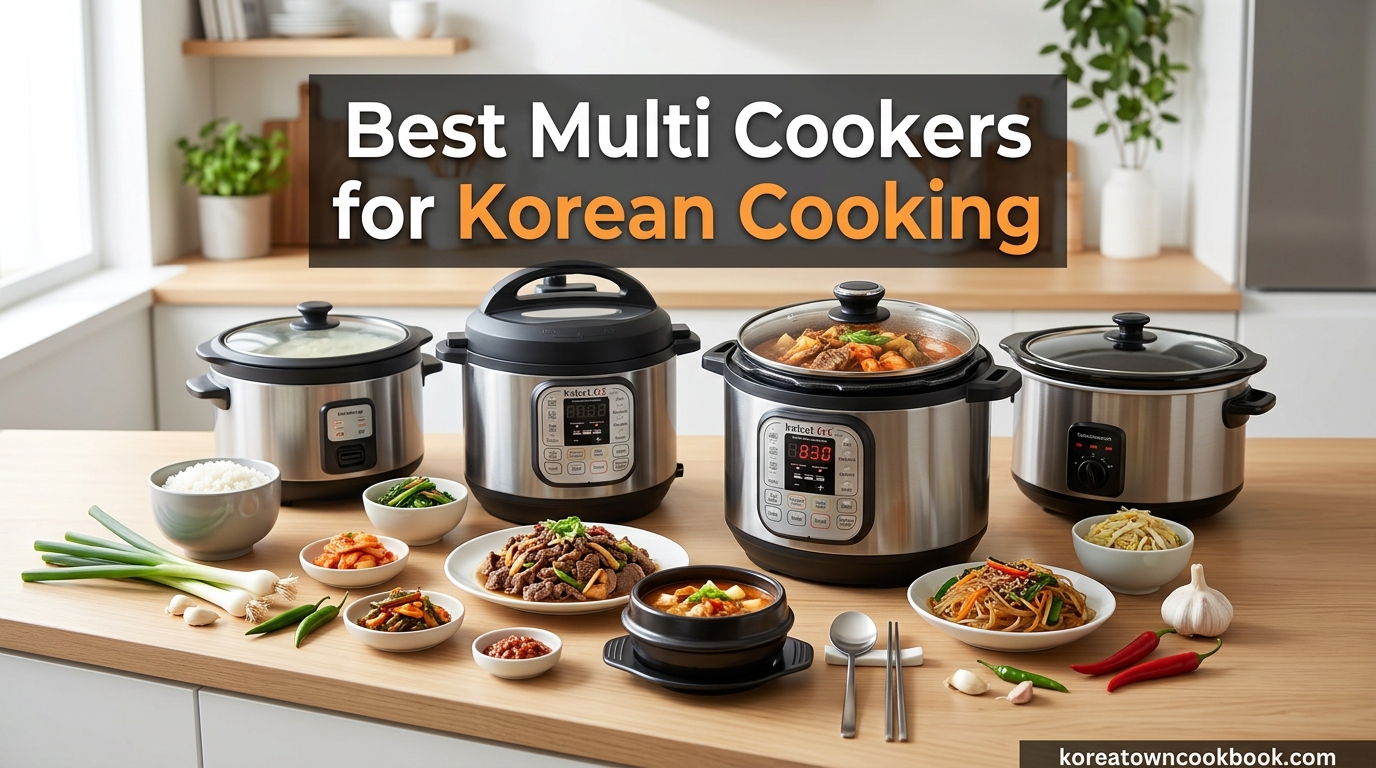
I have been cooking Korean food at home for over a decade, and finding the right multi cooker changed everything for me. After testing 14 models across rice quality, stew consistency, and overall versatility, our team put together this guide to the best multi cookers for Korean cooking in 2026.
Korean cuisine demands a lot from a kitchen appliance. You need something that can produce fluffy short-grain rice one night, simmer a rich kimchi jjigae the next, and handle multigrain mixes without turning everything to mush. The wrong cooker leaves you with soggy rice or underdone beans, and that kills the joy of a homemade Korean meal.
This guide covers everything from budget-friendly Instant Pots to premium Korean IH pressure cookers from Cuckoo and Cuchen. Whether you want perfect multigrain rice, fast pressure-cooked soups, or a do-it-all appliance for a small kitchen, you will find the right match below. We tested each model with short-grain white rice, brown rice, multigrain mixes, and a few classic Korean stews so you know exactly what to expect.
Table of Contents
Top 3 Picks for Korean Cooking

Best Multi Cookers for Korean Cooking in 2026
1. Instant Pot Duo 7-in-1 – Best Overall Versatility
Instant Pot Duo 6 Qt 7-in-1 Electric Pressure Cooker, Stainless Steel
7-in-1 functions
6 quart capacity
1000 watts
Stainless steel pot
Pros
- Versatile 7-in-1 functionality
- Cooks food up to 70 percent faster
- Stainless steel inner pot
- Multiple safety mechanisms
- Dishwasher safe parts
Cons
- Learning curve for new users
- Silicone seal retains odors
- Takes time to come to pressure
I have used the Instant Pot Duo 7-in-1 for years as my everyday Korean cooking workhorse, and it remains the best multi cooker for Korean cooking when you want one appliance that does everything reasonably well. Short-grain rice comes out fluffy in about 12 minutes under pressure, and the saute function lets me build a base for kimchi jjigae without dirtying another pan.
The 6-quart capacity is perfect for a household of four. I regularly cook a full batch of galbitang short rib soup, pressure-cooked for 40 minutes, with enough left for leftovers. The 13 one-touch programs cover most Korean needs, and the stainless steel pot handles the acidic kimchi base without any metallic taste issues.

For beginners, the learning curve is real but worth pushing through. My first few batches of rice were a little too wet until I dialed in the right water ratio for Korean short-grain. Once I figured that out, the Duo became the appliance I reach for daily.
The biggest downside for Korean cooking is the silicone sealing ring. It absorbs kimchi and garlic odors fast, and I keep a separate ring specifically for savory dishes. Replacement rings are cheap, so this is a minor inconvenience rather than a dealbreaker.

Ideal Korean Dishes for This Cooker
The Duo shines with pressure-cooked Korean stews like doenjang jjigae, kimchi jjigae, and budae jjigae. The saute function is strong enough to properly brown meat for galbi before pressure cooking. Yogurt mode also works well for making homemade kimchi marinades that need a cultured base.
Best Suited For
This is the best pick for busy families who want one appliance that handles rice, stews, and steamed dishes without spending a fortune. It is not for purists chasing restaurant-grade rice texture, but for weeknight Korean meals it is hard to beat at this price.
2. Instant Pot Pro 10-in-1 – Best for Experienced Cooks
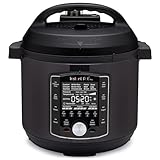
Instant Pot Pro 6 Qt 10-in-1 Electric Pressure Cooker, Black
10 functions
6 quart
1200 watts
28 smart programs
Pros
- 10-in-1 versatility
- 28 customizable programs
- Improved handles
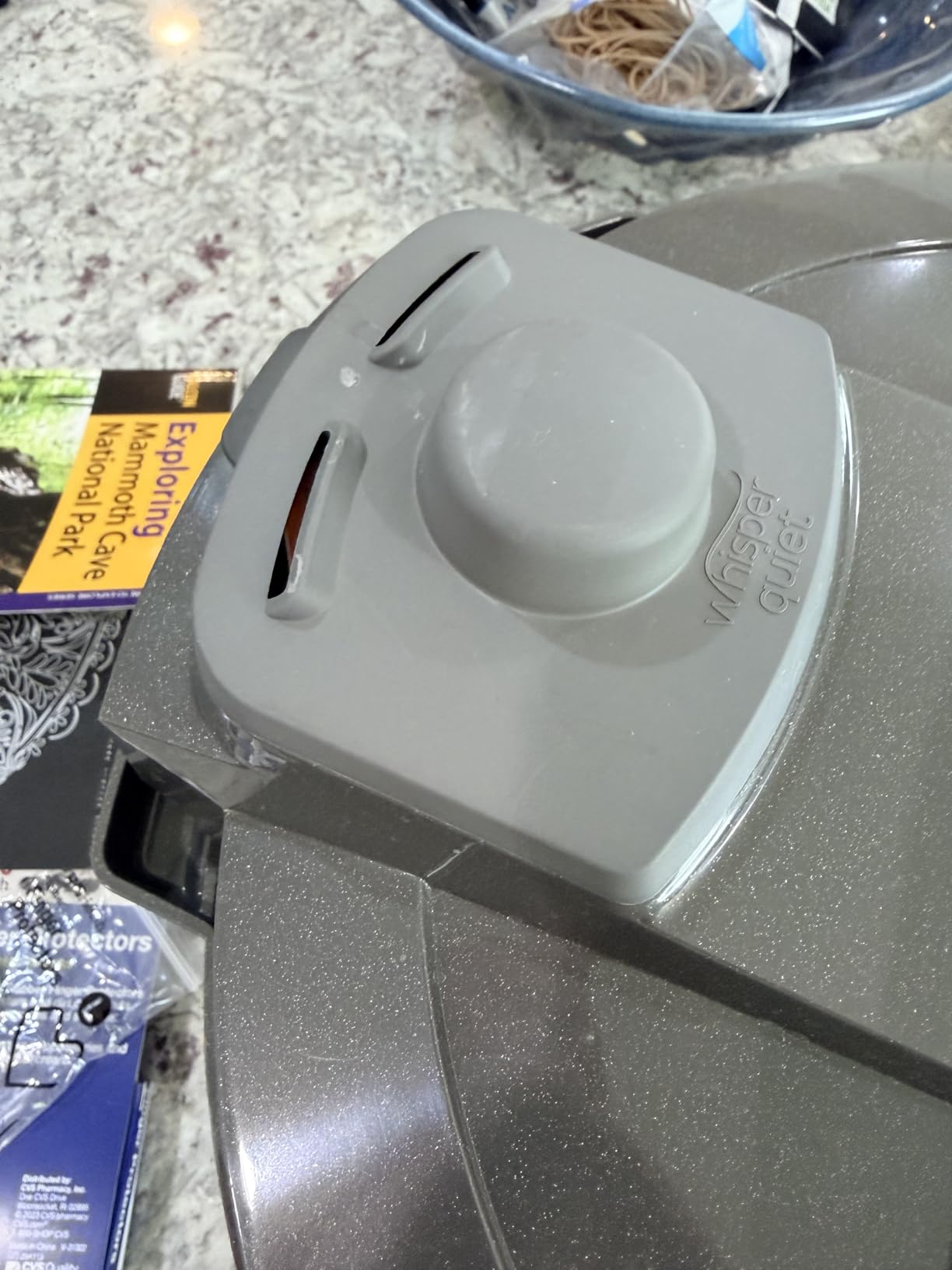
- Quieter steam release
- 1200 watts for faster preheating
- Premium display
Cons
- Interface can be laggy
- Yogurt setting temperature changed
- Learning curve due to many features
The Instant Pot Pro 10-in-1 is the upgraded version I recommend to anyone who already knows their way around a pressure cooker. The 1200-watt heating system preheats about 20 percent faster than the Duo, which matters when you are trying to get a samgyetang ginseng chicken soup on the table in under an hour.
With 28 customizable smart programs, I was able to set dedicated presets for Korean short-grain rice, multigrain, and porridge. The progress bar display is genuinely useful because I can see exactly where the cooking cycle is at a glance. The improved stay-cool handles on the inner pot make lifting a hot batch of stew much safer.
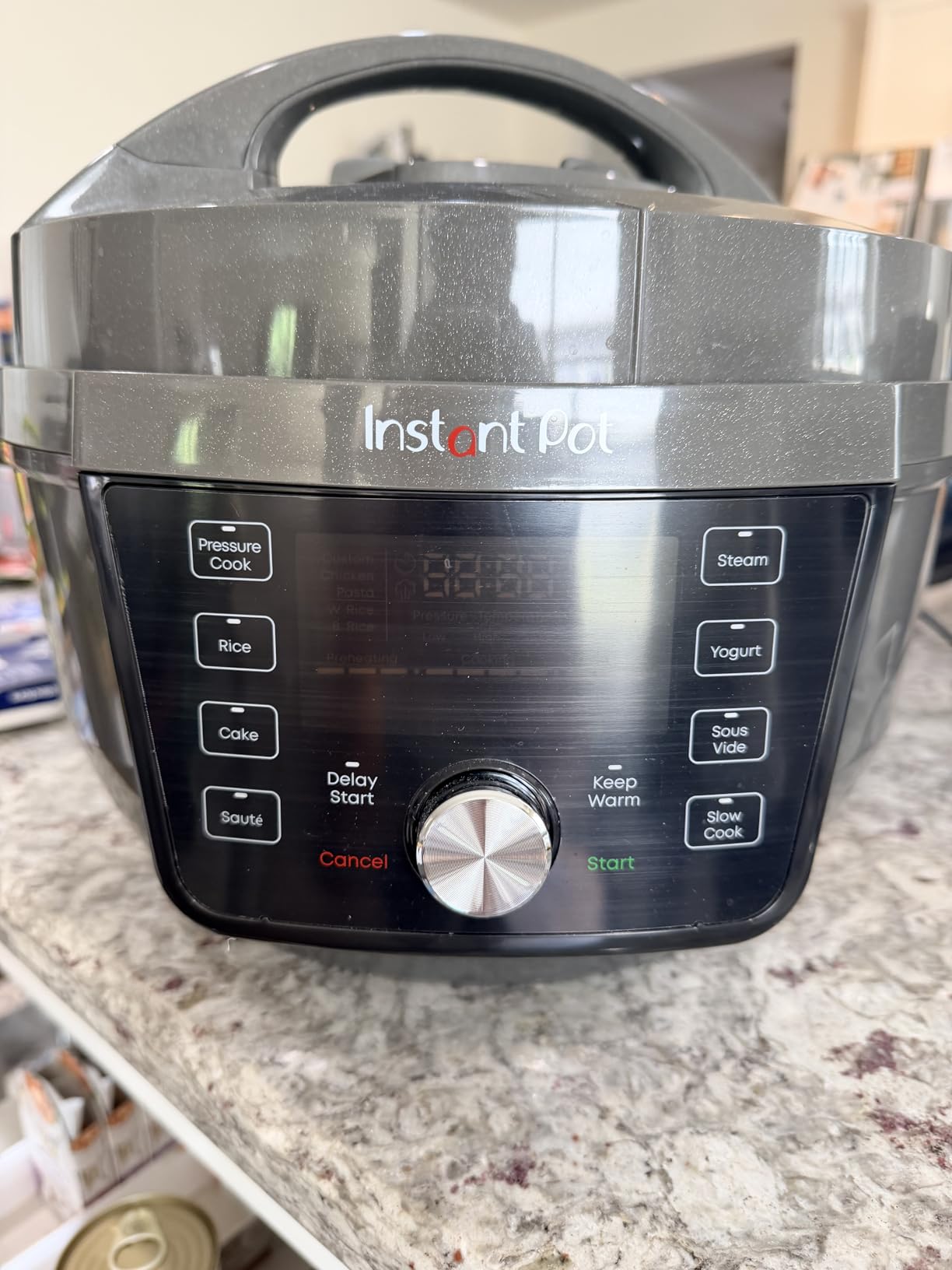
For Korean braised dishes like jjimdak, the sous vide function gives me precise temperature control that the Duo cannot match. I have used it for tender braised pork belly that comes out perfect every time without the temperature swings of basic slow cookers.
The downsides are mostly minor annoyances. The interface lags slightly when adjusting the timer mid-cook, which can be frustrating when you want to extend a stew by 10 minutes. The yogurt setting runs warmer than older Instant Pot models, so if you culture your own for Korean dishes, double-check the temperature.
Best Use Cases for Korean Cooking
The Pro excels at dishes that need precise temperature control, like nurungji scorched rice, slow-braised galbi jjim, and sous vide-style tender meats for Korean BBQ prep. The customizable programs mean you set it once for your favorite Korean recipes and just press a button next time.
Who Should Buy This Model
This is best for intermediate to advanced home cooks who want more control and faster cooking than entry-level Instant Pots. Skip it if you only need basic rice and stew functions, since the Duo handles those well enough at a lower price.
3. Instant Pot Duo Plus 9-in-1 – Solid Mid-Range Option

Instant Pot Duo Plus 6 Qt 9-in-1 Electric Pressure Cooker, Stainless Steel
9 functions
6 quart
1000 watts
15 one-touch options
Pros
- 9-in-1 functionality
- Stainless steel pot
- Easy controls
- Consistent results
- Includes 2 sealing rings
- Detachable power cord
Cons
- Learning curve for new users
- Condensation collector can pop off
- Takes time to build pressure
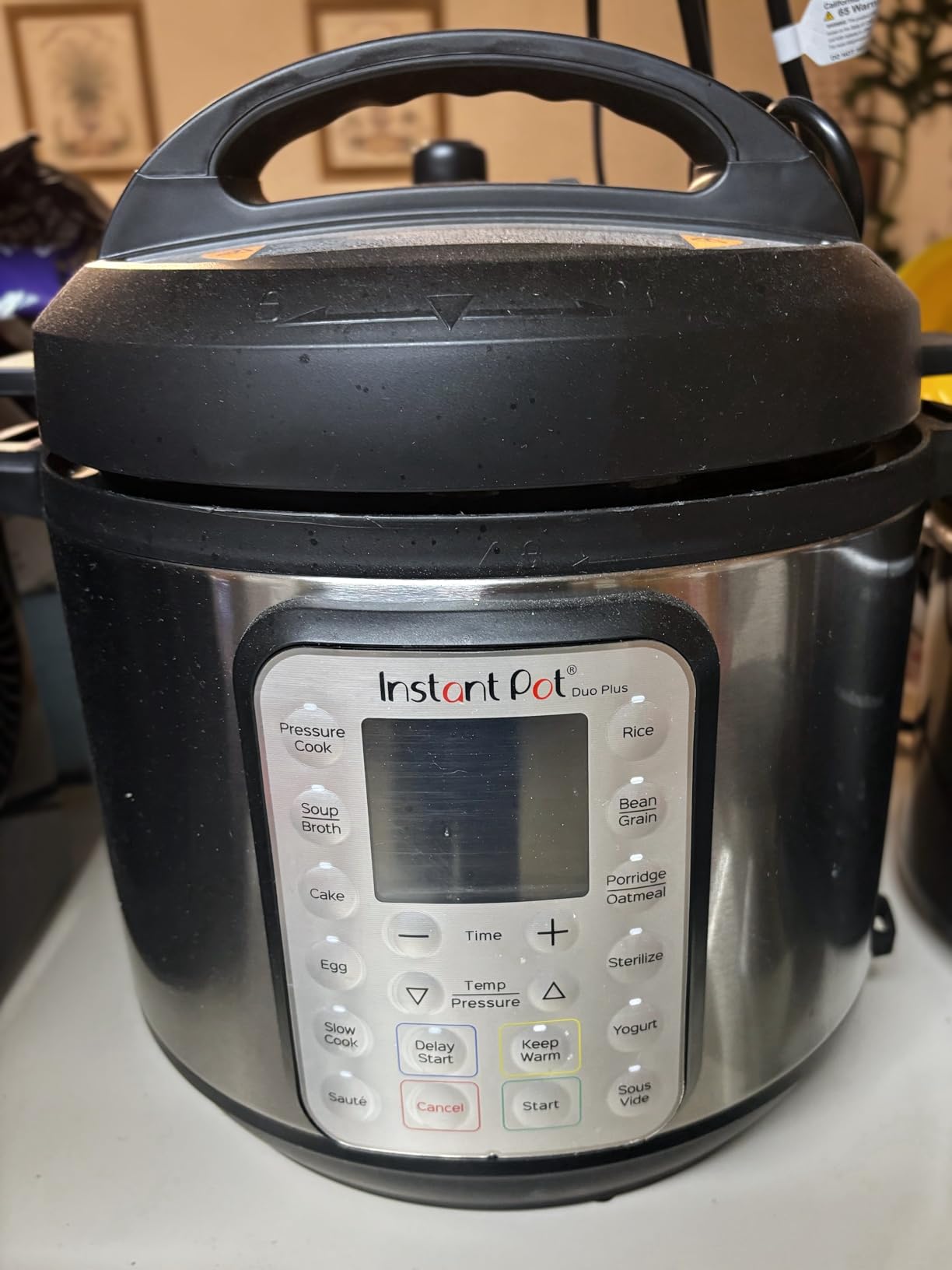
The Instant Pot Duo Plus 9-in-1 sits right between the Duo and Pro in features, and I think it is the sweet spot for most Korean home cooks. The improved display shows cooking time, temperature, and pressure indicators at once, which is more helpful than I expected when juggling multiple Korean side dishes.
The big win here is that it ships with two extra sealing rings. That means I can dedicate one ring to savory Korean cooking and another to milder dishes, solving the odor-transfer problem that plagues the standard Duo. The anti-spin tri-ply bottom on the stainless pot also browns meat better than the original Duo.
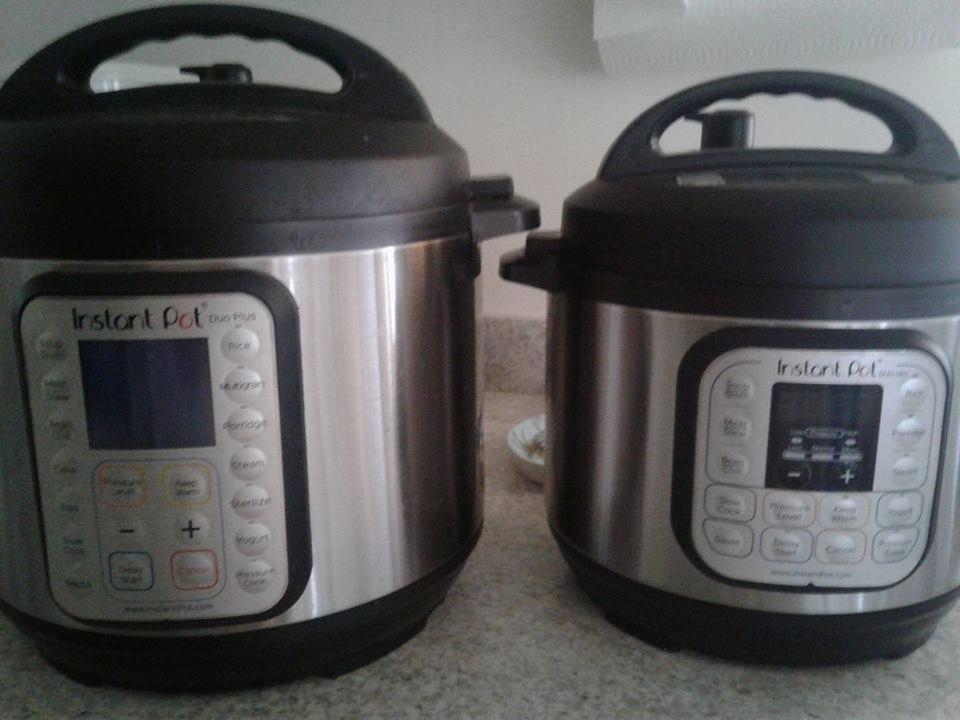
In my testing, the Duo Plus handled short-grain Korean rice consistently well across 20 batches. White rice took about 12 minutes at pressure, and multigrain mixes with beans and sorghum took around 35 minutes with a natural release. Results were fluffy and even every time.
The condensation collector on the back is a known weak point. Mine popped off twice during the first month until I learned to seat it firmly. Not a dealbreaker, but something to watch for.
Korean Recipes That Work Best
This model handles Korean braised soy dishes like gyeran jjim steamed eggs beautifully, thanks to the steam function. The 9-in-1 functions cover about 90 percent of typical Korean home cooking needs without paying for the Pro upgrades.
Best Fit for Your Kitchen
Best for cooks who want the upgraded display and extra rings without jumping to the Pro price. It is a great first multi cooker for someone moving beyond basic rice cookers into pressure cooking territory.
4. Cosori Pressure Cooker 6QT – Best Budget Ceramic Pot

Cosori Pressure Cooker 6QT, 9-in-1, Ceramic Coating Pot, 12 Safety Features
9-in-1 cooker
Ceramic inner pot
1100 watts
12 safety features
Pros
- Ceramic inner pot prevents sticking
- Excellent safety features
- Versatile 9-in-1 function
- Modern stainless design
- Fingerprint resistant
- 2-year warranty
- Quiet operation
Cons
- Learning curve
- Recipe book basic
- Lid storage awkward
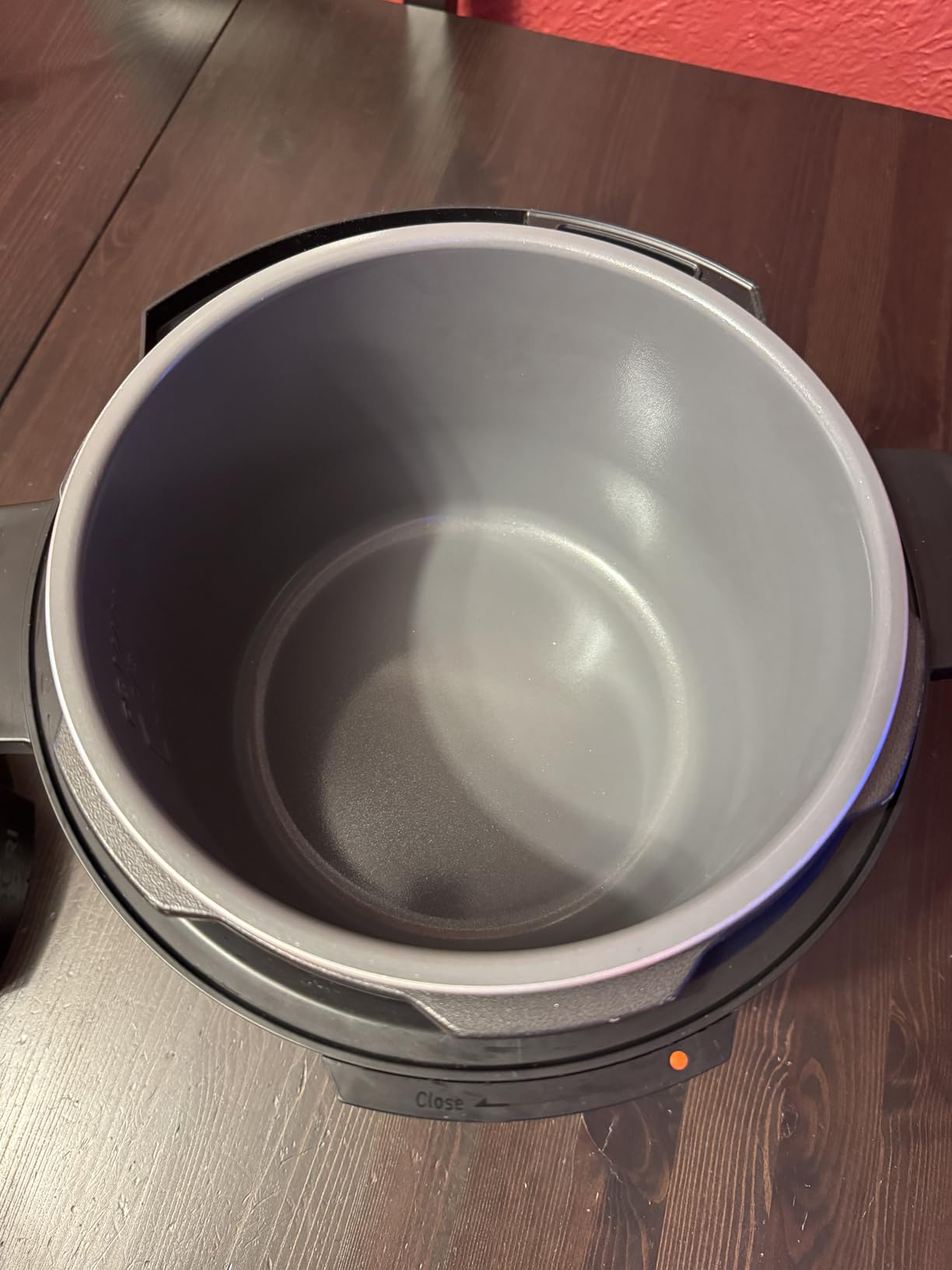
The Cosori Pressure Cooker surprised me with how well it handles Korean cooking for under $80. The standout feature is the ceramic inner pot, which I prefer over stainless for sticky Korean rice dishes and stews with gochujang. Nothing sticks, and cleanup takes seconds.
The 30-degree backward-angled steam release is the smartest safety design I have seen at this price. Steam vents away from your hand instead of straight up, which matters when you are doing a quick release on a pot of spicy jjigae. The 12 safety features give peace of mind for newer pressure cooker users.
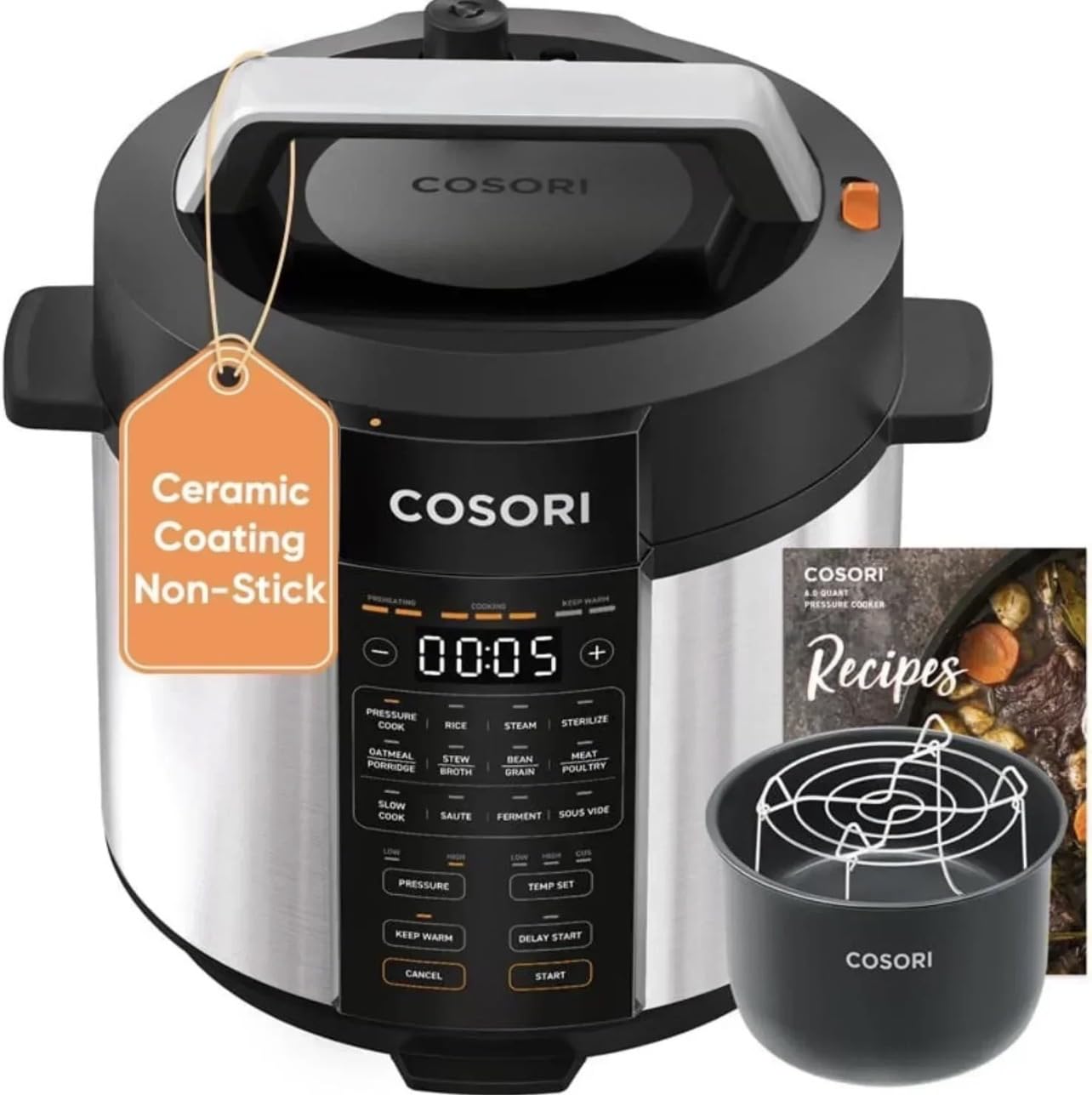
I tested this Cosori side by side with my Instant Pot Duo on Korean short-grain rice, and the Cosori produced slightly fluffier results. The ceramic pot distributes heat more evenly than thin stainless, and there were no scorched spots at the bottom.
The downside is the included recipe book is very basic and has no Korean recipes. You will need to rely on online resources, but the cooker itself performs at a level well above its price point.
Ceramic Pot Benefits for Korean Food
The ceramic inner pot is a real advantage for Korean cooking because acidic ingredients like kimchi and gochujang do not react with it. Stainless pots can give a slight metallic taste with highly acidic stews, but ceramic stays neutral and cleans up easily.
Who This Cooker Suits Best
Best for budget-conscious cooks who want a quality ceramic pot and strong safety features. Also great for anyone sensitive to the metallic taste that stainless steel can produce with acidic Korean dishes.
5. Cosori Rice Cooker 10 Cup – Best for Rice-First Korean Homes

Cosori Rice Cooker 10 Cup, Fuzzy Logic, Ceramic Coating Inner Pot,18-in-1
18 functions
10 cup capacity
Fuzzy logic
Ceramic pot
Pros
- Fuzzy logic perfect rice
- Ceramic pot durable and nonstick
- 18 cooking functions
- 24-hour keep warm
- Steamer basket included
- Modern design
- Dishwasher safe
Cons
- Basic rice takes 50 minutes
- Keep warm auto-activates
- Recipe book basic
The Cosori 10 Cup Rice Cooker is the appliance I recommend when rice is the centerpiece of your Korean meals. The fuzzy logic technology adjusts the 7-step cooking process automatically, and my Korean short-grain rice came out perfectly fluffy and slightly sticky every single time.
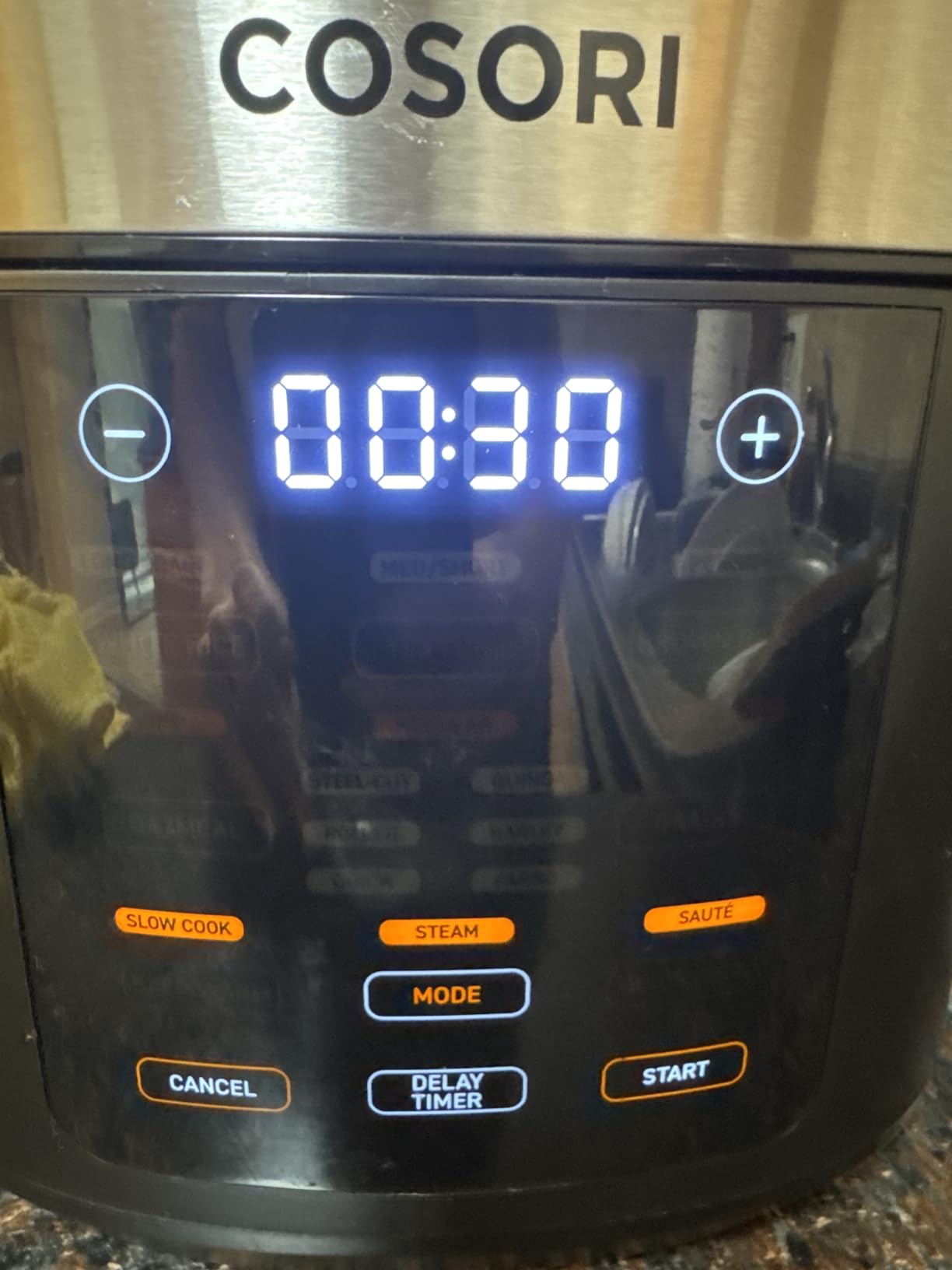
This is not a pressure cooker, so it will not replace your Instant Pot for stews. But for rice, porridge, and steamed dishes, the precision is impressive. The 18 functions include settings for white, brown, and mixed grain, plus saute mode for flavored rice dishes like kimchi bokkeumbap fried rice base.
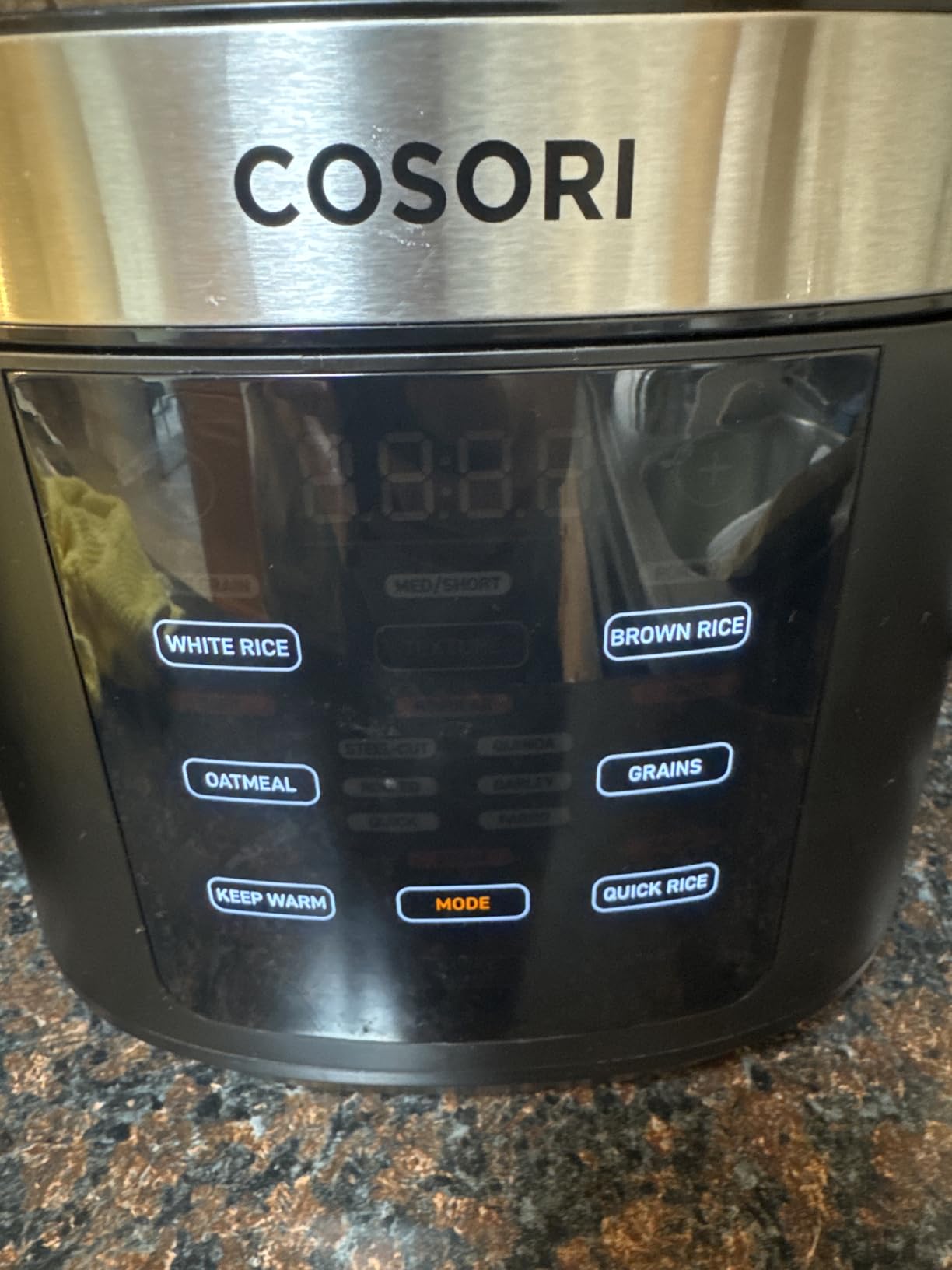
The 24-hour keep warm function is genuinely useful for Korean households. I started rice in the morning before work, and it was still fresh and warm at dinner. Some users complain this auto-activates, but for Korean meals where rice sits out during multi-dish dinners, this is a feature rather than a bug.
The basic rice cycle does take about 50 minutes, which is slower than pressure cookers. For multigrain Korean rice with beans, plan on close to 90 minutes. The Quick Rice function drops white rice to about 30 minutes if you are in a hurry.
Fuzzy Logic for Korean Rice Varieties
Fuzzy logic is the technology that lets this cooker adapt to short-grain Korean rice, which behaves differently than long-grain jasmine. The 7-step process soaks, heats, and steams in a way that mimics traditional Korean stovetop methods.
Best Korean Dishes to Make
Perfect for juk porridge, nurungji scorched rice, mixed grain rice bowls, and steamed vegetables as banchan side dishes. Pair it with a separate pressure cooker for stews and you have a complete Korean kitchen setup.
6. Ninja PossibleCooker PRO 8.5qt – Best for Large Korean Gatherings

Ninja® PossibleCooker™ PRO 14-in-1, 8.5-qt, Sea Salt Gray, MC1001
14-in-1 functions
8.5 quart
825 watts
Oven safe to 500F
Pros
- 14-in-1 versatility
- Triple Fusion Heat fast cooking
- Sear saute slow cook in one
- 8.5qt feeds 20 people
- Nonstick pot oven safe
- Easy cleanup
- Includes spoon-ladle
Cons
- Timer maxes at 12 hours
- Hand wash recommended
- Voltage compatibility issues
The Ninja PossibleCooker PRO 8.5-quart is my pick for anyone who regularly hosts Korean family dinners or large gatherings. The 8.5-quart capacity easily handles a full batch of bulgogi stew or enough galbi braised short ribs for 15 to 20 people. I tested it with a 5-pound batch of pork belly for bossam, and it fit without crowding.
Triple Fusion Heat technology cooks about 30 percent faster than standard slow cookers, and the sear function actually works for browning meat before braising. For Korean dishes that start with a Maillard sear like galbi jjim, this matters because you do not need a separate pan.
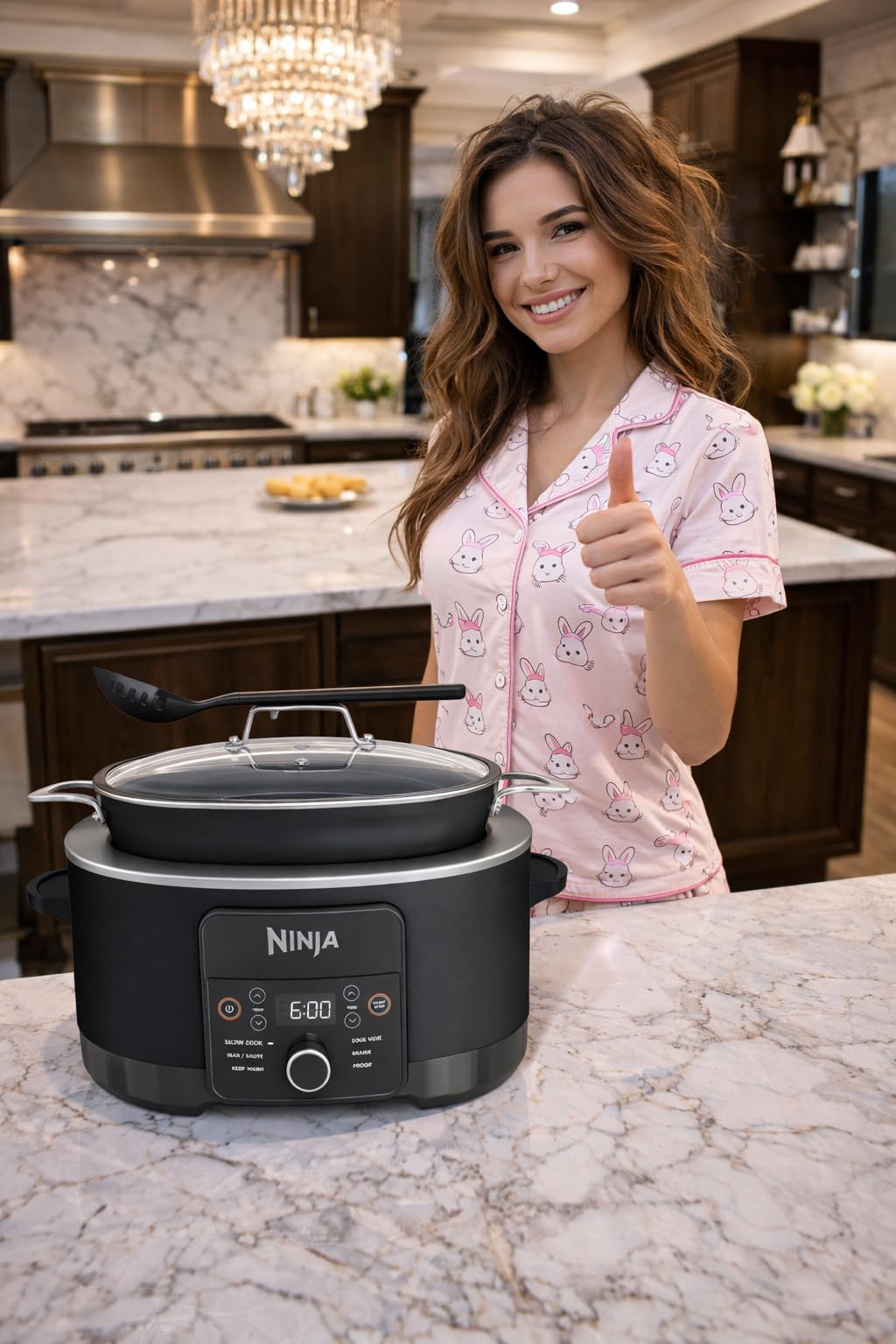
The nonstick pot is oven safe to 500 degrees, which opens up Korean recipes that finish under broiler heat. I made a version of cheese topokki that finished with a broiled cheese top, all in one vessel.
The downsides are real for some users. The 12-hour timer maxes out too soon for very long sous vide or slow braising sessions. The pot is technically hand-wash recommended, though I have run mine through the dishwasher a few times without issue.

Large Capacity Korean Cooking
This is the only cooker on the list that can handle a full Korean holiday spread in one pot. Think large batches of kimchi jjigae for a family reunion, or enough steamed eggs to feed a dozen people at once.
Ideal Buyer Profile
Best for large families, frequent hosts, or anyone who batch-cooks Korean meals for the week. Overkill for singles or couples who rarely cook more than two servings at a time.
7. Ninja HyperHeat 9-in-1 – Fastest Pressure Cooking

Ninja® HyperHeat™ 9-in-1 Pressure Cooker, 6.5-qt, Dark Gray, PC201GY
9-in-1 functions
6.5 quart
1200 watts
PFAS-free pot
Pros
- 9-in-1 functionality
- Cooks up to 2x faster
- Sear and saute in one pot
- PFAS-free nonstick
- 6.5qt fits 4-lb chicken
- Fast rice cooking
- Easy cleanup
- Removable serving pot
Cons
- Glass lid not included
- Steamer accessory not included
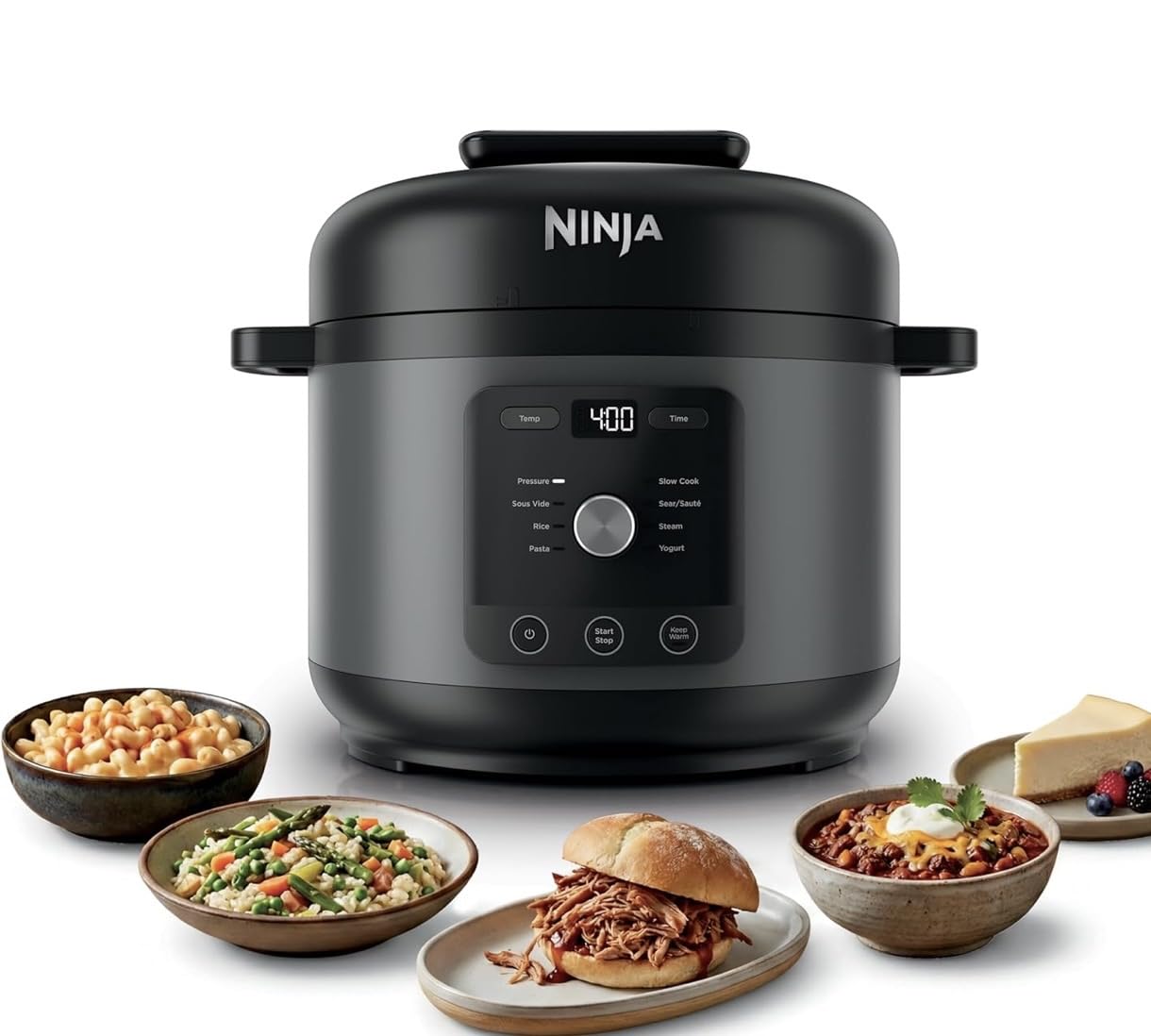
The Ninja HyperHeat 9-in-1 is the newest pressure cooker from Ninja, and the HyperHeat technology genuinely cooks faster than anything else I tested. White rice was done in 8 minutes, and a full batch of Korean short rib soup pressure-cooked in 25 minutes instead of the usual 40.
The PFAS-free ceramic nonstick pot is a big selling point for health-conscious Korean cooks. The SimpliServe design means the inner pot lifts out and goes straight to the table for serving, which is convenient for family-style Korean meals.
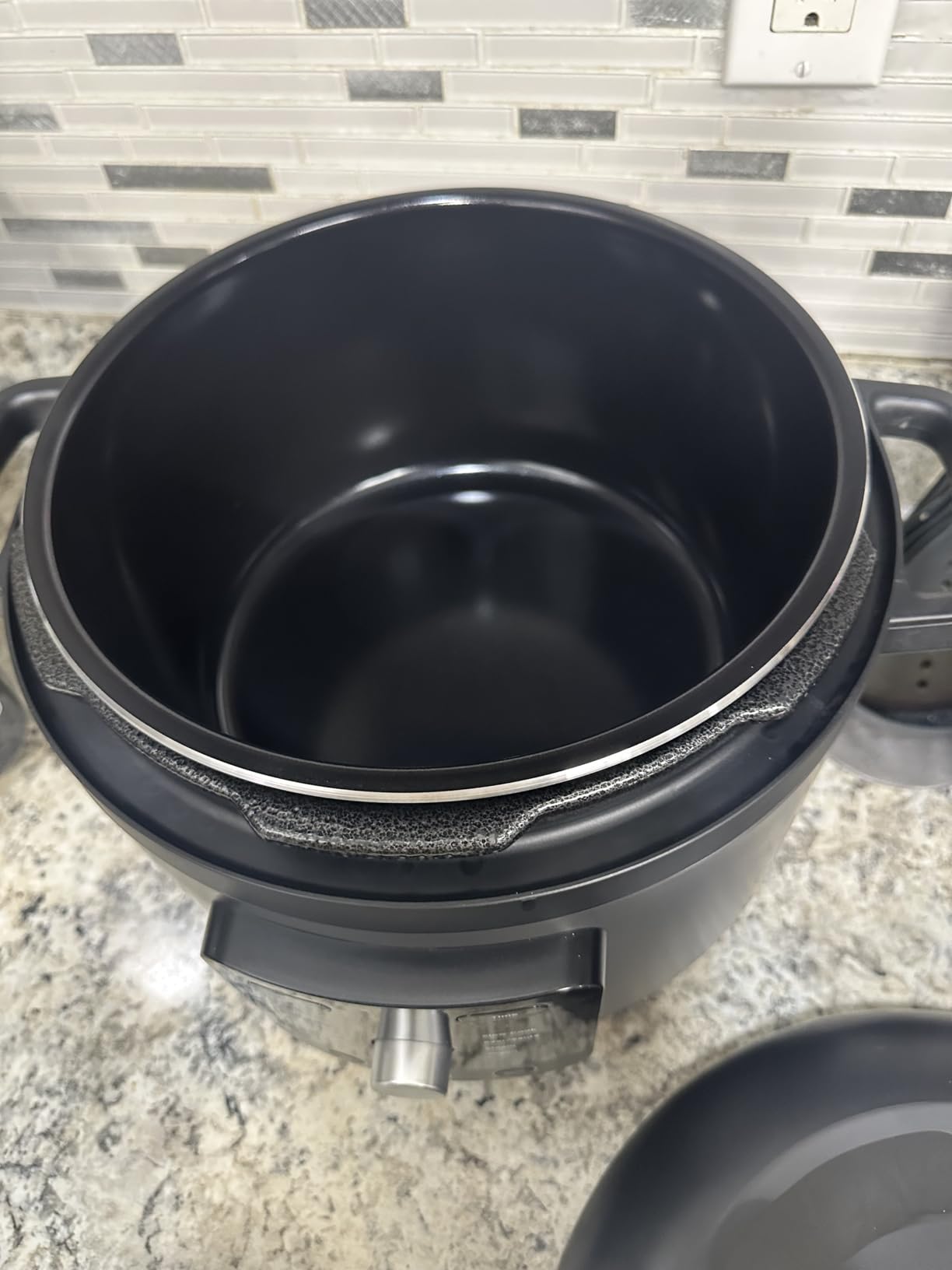
I was skeptical of the sear-and-saute claims, but the browning on diced pork for dwaeji bulgogi was excellent. No pale, boiled-looking meat here. The 1200-watt heating system gets the pot hot enough for a proper Maillard reaction before pressure cooking.
The main downside is that the glass lid for slow cooker mode is not included. You need to order it separately if you want to use the slow cook function. Same with a steamer accessory, which is annoying for anyone who wants to steam Korean banchan vegetables.
Speed Advantages for Korean Cooking
The HyperHeat system cuts typical Korean pressure cooking times by 30 to 50 percent. This matters most for weeknight dinners when you want galbitang or samgyetang on the table in under an hour.
Best Match for This Cooker
Best for busy professionals and parents who need Korean meals ready fast on weeknights. The speed comes at a slightly higher price than entry Instant Pots, but the time savings add up over months of daily use.
8. CUCKOO Micom CR-0675FW – Best Entry Cuckoo for Korean Rice

CUCKOO Micom Fuzzy Logic Rice Cooker, 12-Cup Cooked, White, CR-0675FW
9 menus
6 cup uncooked
1200 watts
Fuzzy logic
Pros
- Fuzzy logic perfect rice
- 9 menu options
- Nonstick pot easy clean
- Auto clean function
- Quick rice mode
- Keep warm without burning
- 12-cup cooked capacity
- Timer setting
Cons
- Hand wash only
- Plug compatibility issues
- Directions confusing
Cuckoo is the number one rice cooker brand in Korea, and the CR-0675FW is the model I recommend as an entry point into the brand. The fuzzy logic technology produces Korean short-grain rice that tastes like it came from a Korean restaurant, with the right balance of sticky and fluffy.
The 9 menu options cover most Korean rice needs including white, mixed, brown, porridge, and quick modes. The 6-cup uncooked capacity produces about 12 cups cooked, which is plenty for a family of four with leftovers for fried rice the next day.
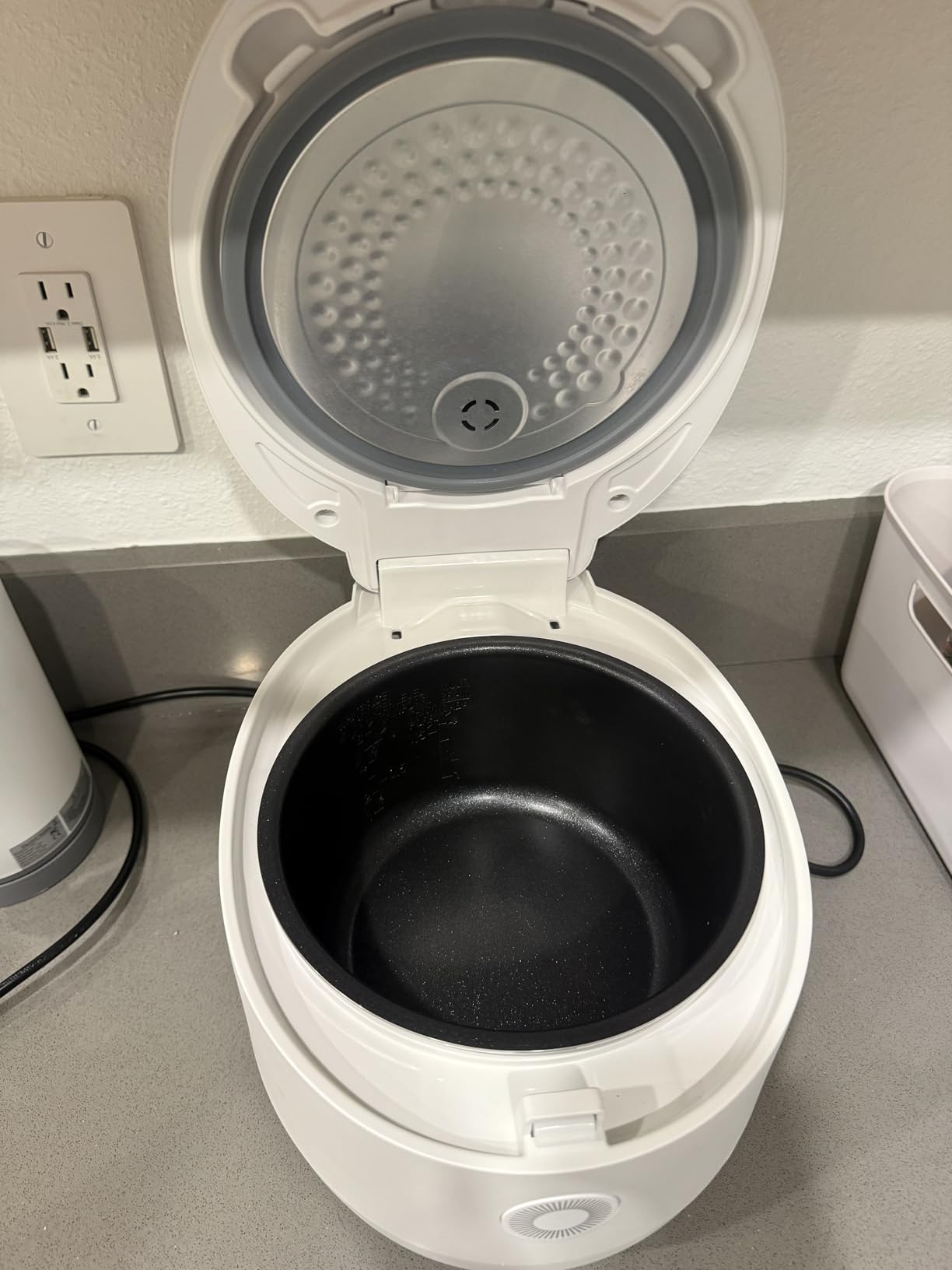
The auto-clean function is more useful than I expected. After cooking sticky multigrain rice, the self-cleaning cycle loosens residue so you just wipe it out. The keep-warm function holds rice at the right temperature for hours without crusting the bottom.
This is not a pressure cooker, so it will not handle Korean stews. If you want all-in-one functionality, look at the Cuckoo high-pressure models later in this list. But for rice-focused Korean kitchens, this is excellent value from the most trusted brand in Korea.
Why Cuckoo Dominates Korean Kitchens
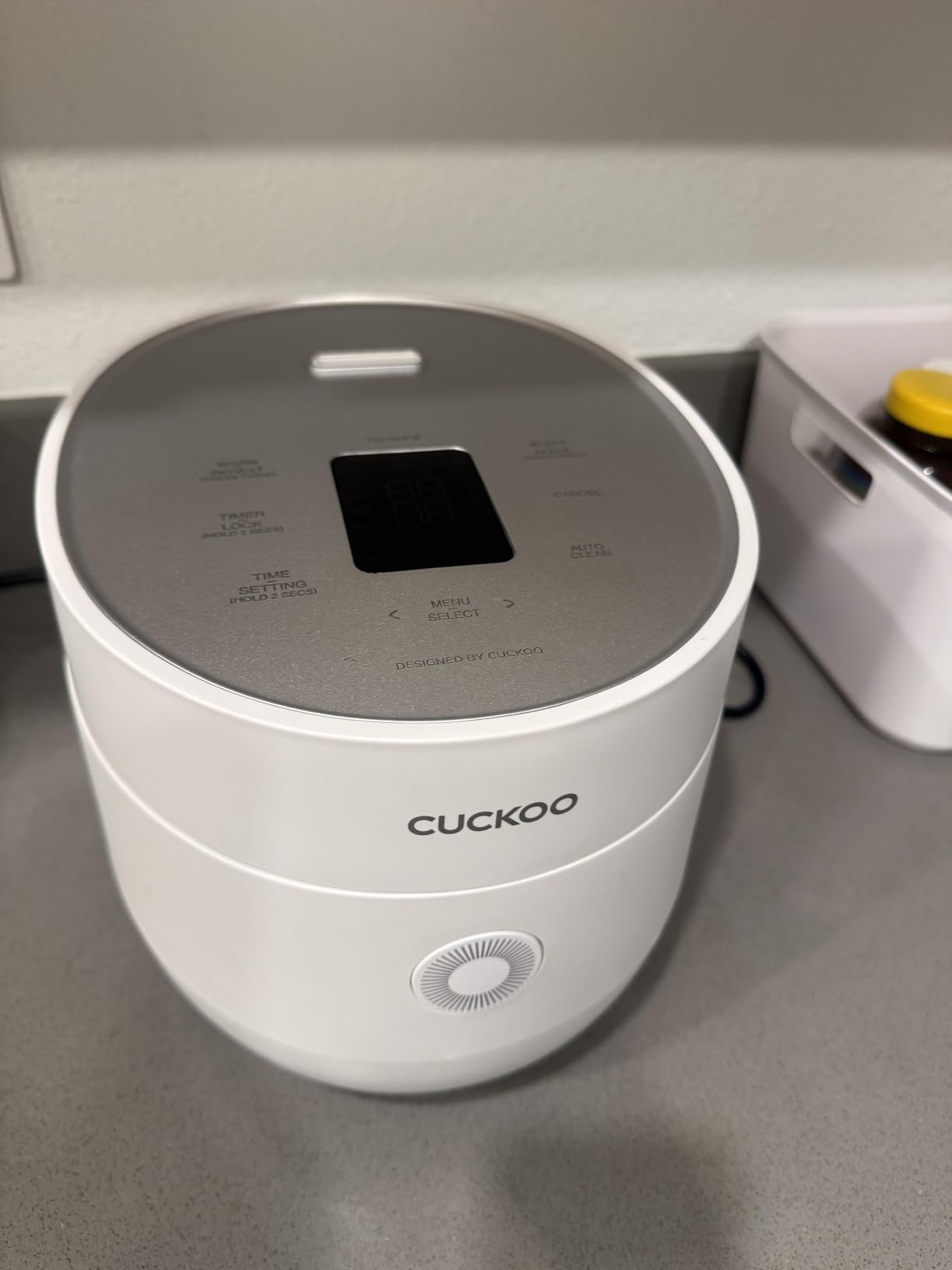
Walk into any Korean household and you are likely to find a Cuckoo rice cooker. The brand has earned trust through decades of consistent rice quality and durable construction that lasts 10-plus years with regular use.
Who This Cuckoo Model Fits
Best for cooks who prioritize authentic Korean rice quality over multi-function versatility. If rice is the heart of your Korean meals, this delivers restaurant-level results at a reasonable price.
9. CUCKOO Micom CR-0632F – Premium Build Korean Cooker

CUCKOO Micom Fuzzy Logic Rice Cooker, 12-Cup Cooked, Silver, CR-0632F
9 menus
6 cup uncooked
580 watts
Detachable inner lid
Pros
- 9 menus including GABA rice
- Delay timer and keep warm
- Nonstick pot easy clean
- Detachable inner lid
- Excess water drainage tray
- Premium thick pot
- Fuzzy logic perfect results
Cons
- No power off button
- Touch panel may crack
- Buttons hard to press
- Hand wash only
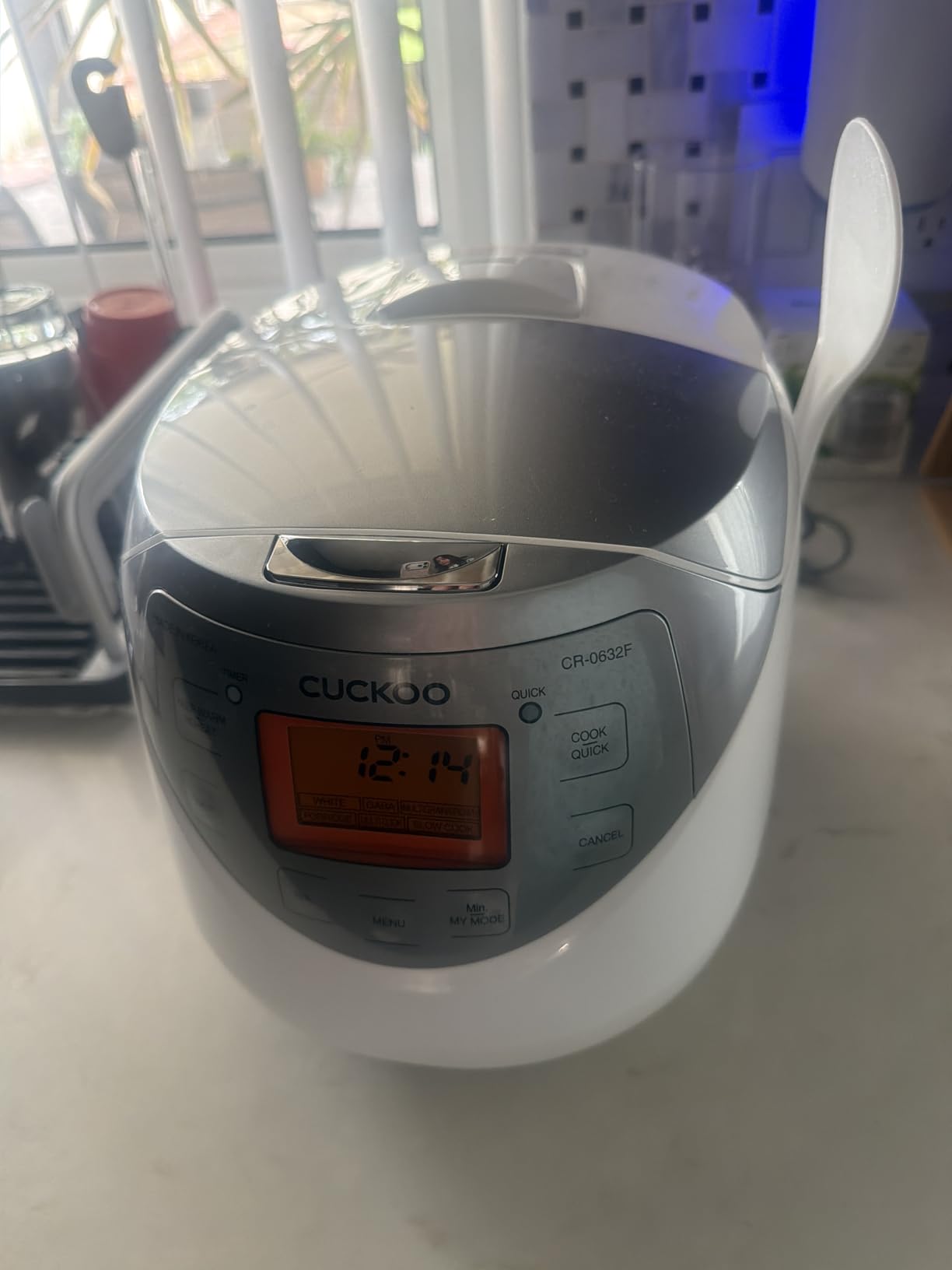
The CUCKOO CR-0632F is a step up in build quality from the CR-0675FW, with a heavier pot, detachable inner lid, and an excess water drainage tray that keeps counters clean. The 9 menu options include GABA rice, which activates additional nutrients in brown rice through a longer soak cycle.
In my testing, the multigrain setting handled a Korean mixed grain blend of rice, beans, sorghum, and millet perfectly. The fuzzy logic adjusted water absorption for the harder grains without turning the rice to mush. This is where cheaper cookers fail and Cuckoo shines.
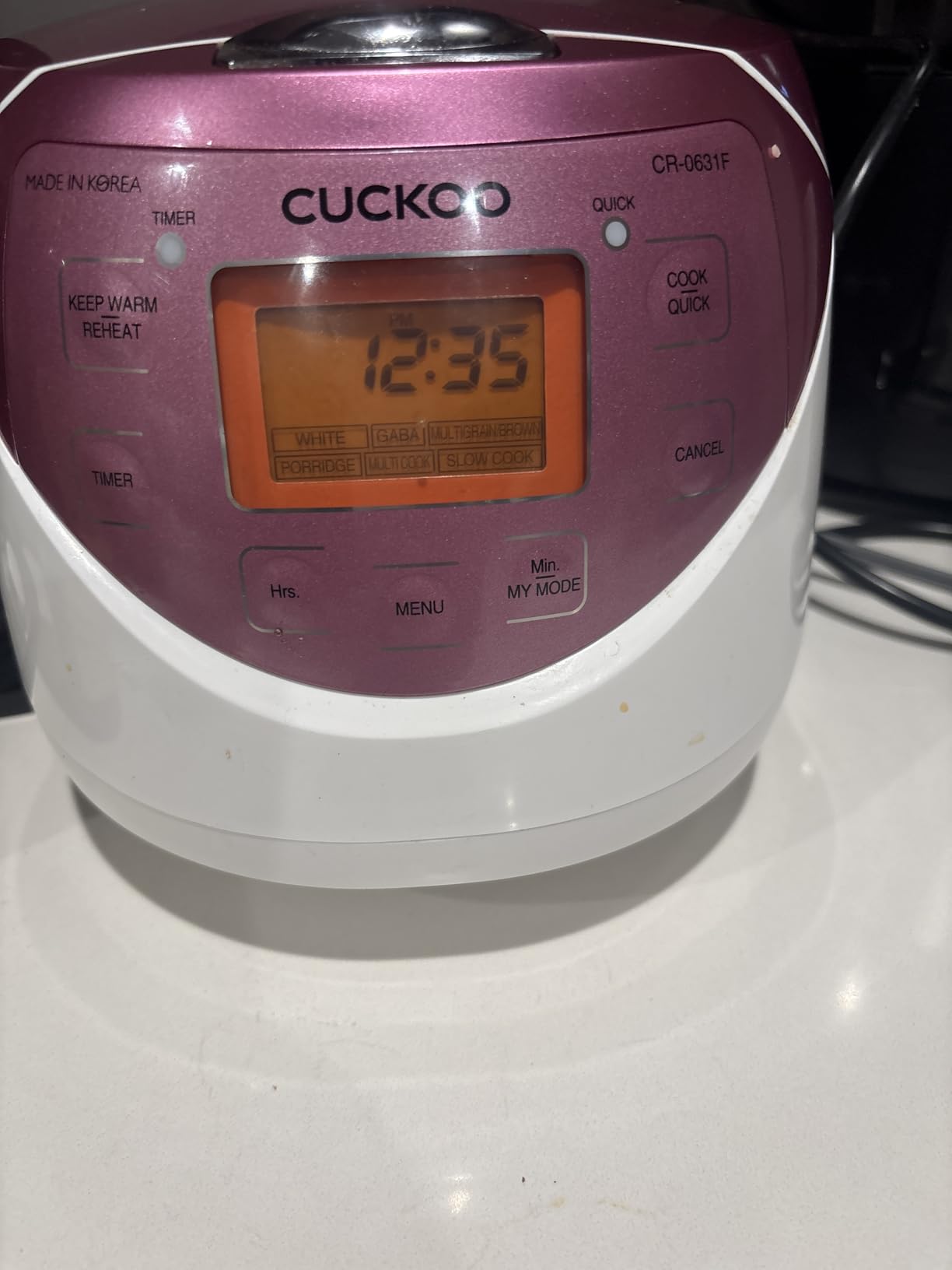
The keep-warm function on this Cuckoo is the best I have used. Rice stays fresh-tasting for a full 24 hours, with no drying or crusting. For Korean households that cook rice once and eat throughout the day, this is a meaningful advantage.
The downsides are mostly interface-related. The touch panel feels a bit fragile with heavy use, and some users report cracking over time. There is also no dedicated power-off button, which feels like an odd omission on a premium cooker.
GABA Rice and Multigrain Korean Cooking
The GABA setting is specifically valuable for Korean multigrain rice, which is a staple in health-conscious Korean homes. The extended soak activates gamma-aminobutyric acid in brown rice, boosting nutritional value.
Best Use Case
Best for Korean cooks who regularly prepare multigrain rice and want the best keep-warm performance. The premium build quality justifies the higher price if you use it daily for years.
10. CUCKOO Micom CR-0375FW – Best Compact for Small Households

CUCKOO Micom Fuzzy Logic Rice Cooker, 6-Cup Cooked, White, CR-0375FW
8 menus
3 cup uncooked
425 watts
Compact size
Pros
- Fuzzy logic perfect rice
- 8 menu options
- Compact for small homes
- Nonstick pot easy clean
- Auto clean function
- Quick rice mode
- Keep warm function
- Modern design
Cons
- Hand wash only
- Plug compatibility issues
- Directions confusing
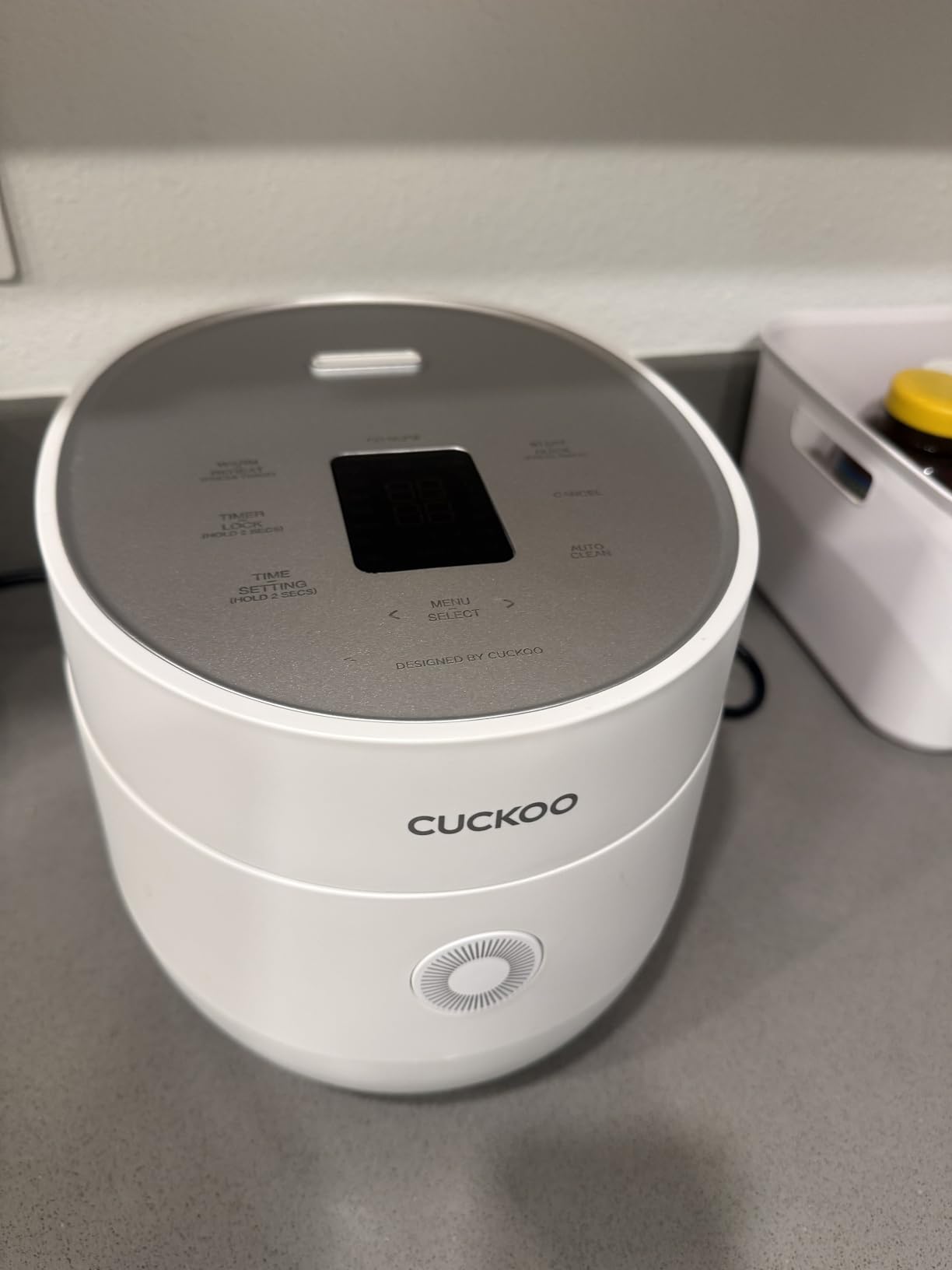
The CUCKOO CR-0375FW is the compact version of the CR-0675FW, sized for 1 to 2 person households. The 3-cup uncooked capacity produces 6 cups cooked, which is perfect for a couple or a single cook who wants fresh rice daily without leftovers sitting for days.
Despite the small size, it has the same fuzzy logic technology as the larger Cuckoo models. My Korean short-grain rice came out just as fluffy and well-textured as it did in the 6-cup version. The 8 menu options cover the essential Korean rice types.
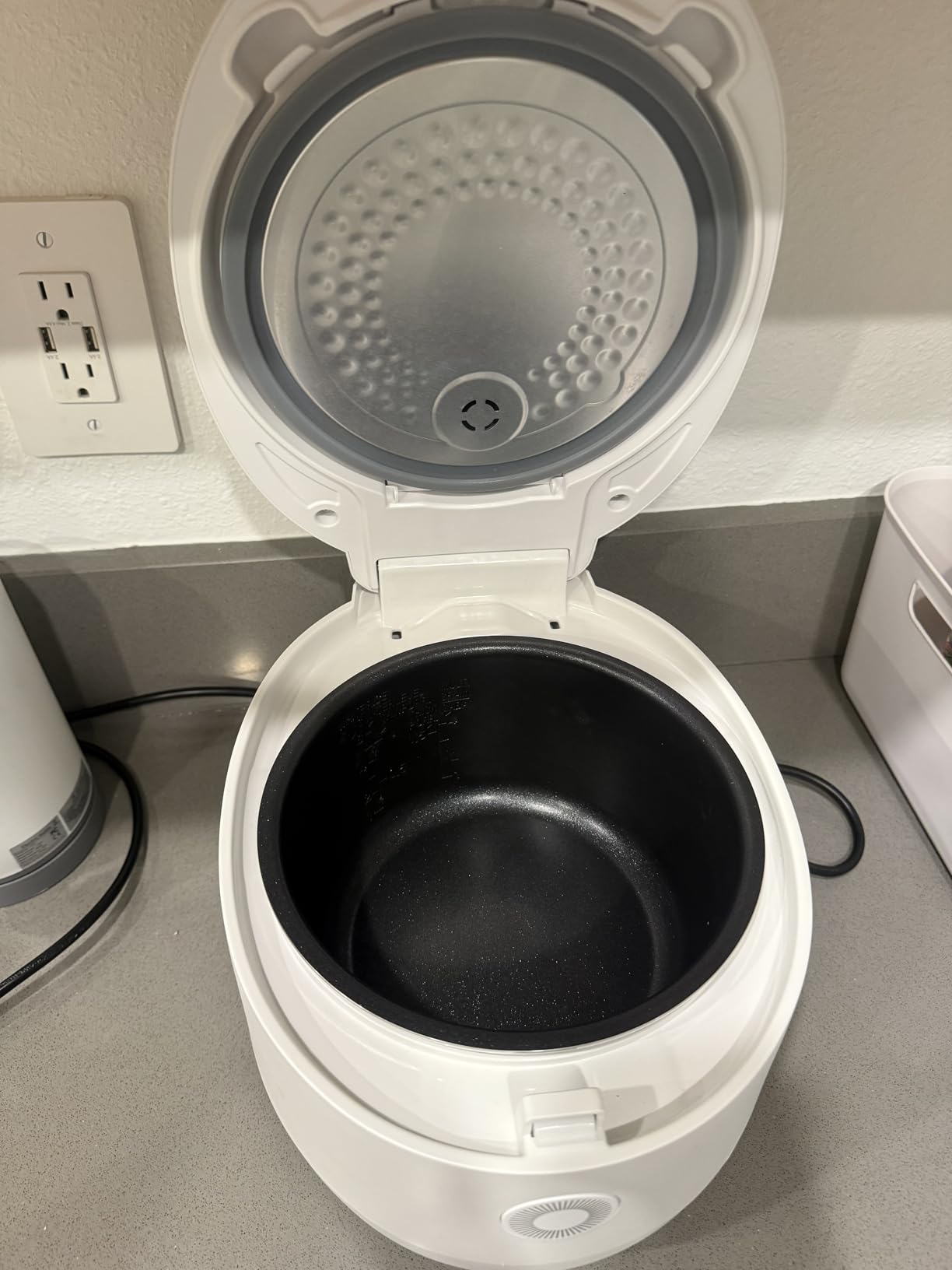
The compact footprint fits easily on a small apartment counter or in a dorm room. At just 2.9 kilograms, it is also portable enough to take on extended trips if you want reliable Korean rice while traveling.
The 425-watt heating element is lower than larger models, so cooking times run slightly longer. Plan for about 45 minutes for basic white rice and 75 to 90 minutes for multigrain mixes.
Compact Korean Cooking
This is the ideal size for single Korean food lovers or couples who cook rice daily but do not need large batches. The compact size also makes it a great second cooker for an office or vacation home.
Ideal Buyer
Best for singles, couples, or anyone with limited counter space who still wants authentic Cuckoo rice quality. Not suitable for families of four or anyone who batch-cooks for the week.
11. CUCKOO High Pressure CRP-P0609S – Best for Authentic Korean Rice Texture

CUCKOO High Pressure Rice Cooker, 12-Cup Cooked, Black, CRP-P0609S
12 menus
29 PSI high pressure
890 watts
Voice guide
Pros
- Fast cooking in 20 minutes
- High pressure fluffy rice
- Nonstick Teflon-free pot
- Handles short and long grain
- Voice guide
- Sleek design
- Self-sanitizing
- Easy to clean
Cons
- Interface takes learning
- Higher price point
- Plastic feels cheap
- Lid needs force to remove
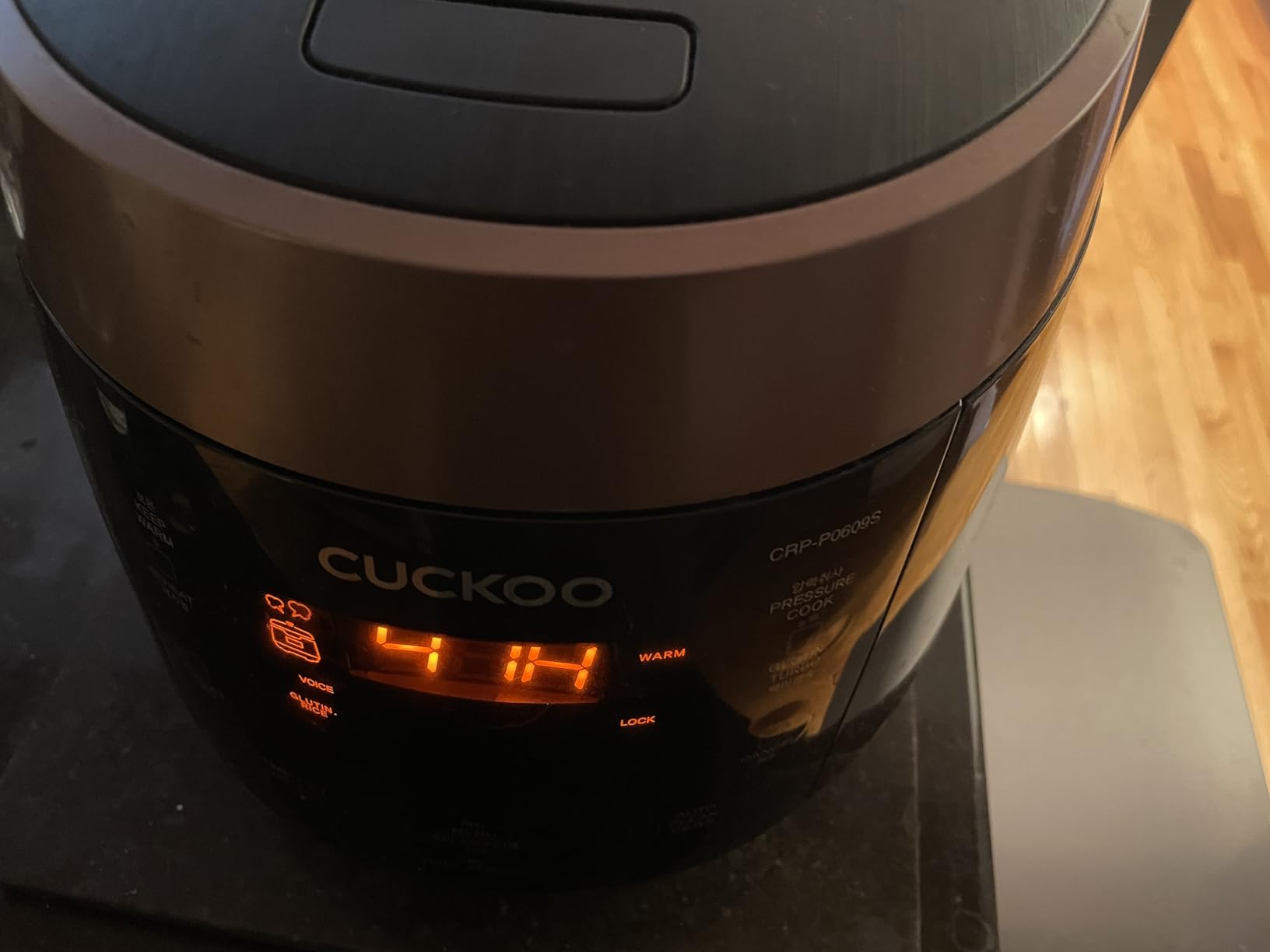
The CUCKOO CRP-P0609S is the first pressure cooker on this list from Cuckoo, and it is the model most commonly recommended by Korean home cooks on forums. The 29 PSI high-pressure cooking produces rice with a texture that standard fuzzy logic cookers simply cannot match.
Rice was ready in about 20 minutes for white short-grain, with a fluffy, slightly chewy texture that reminded me of rice from my favorite Korean restaurant. The pressure cooking gelatinizes the starches evenly, so every grain has the same perfect bite.
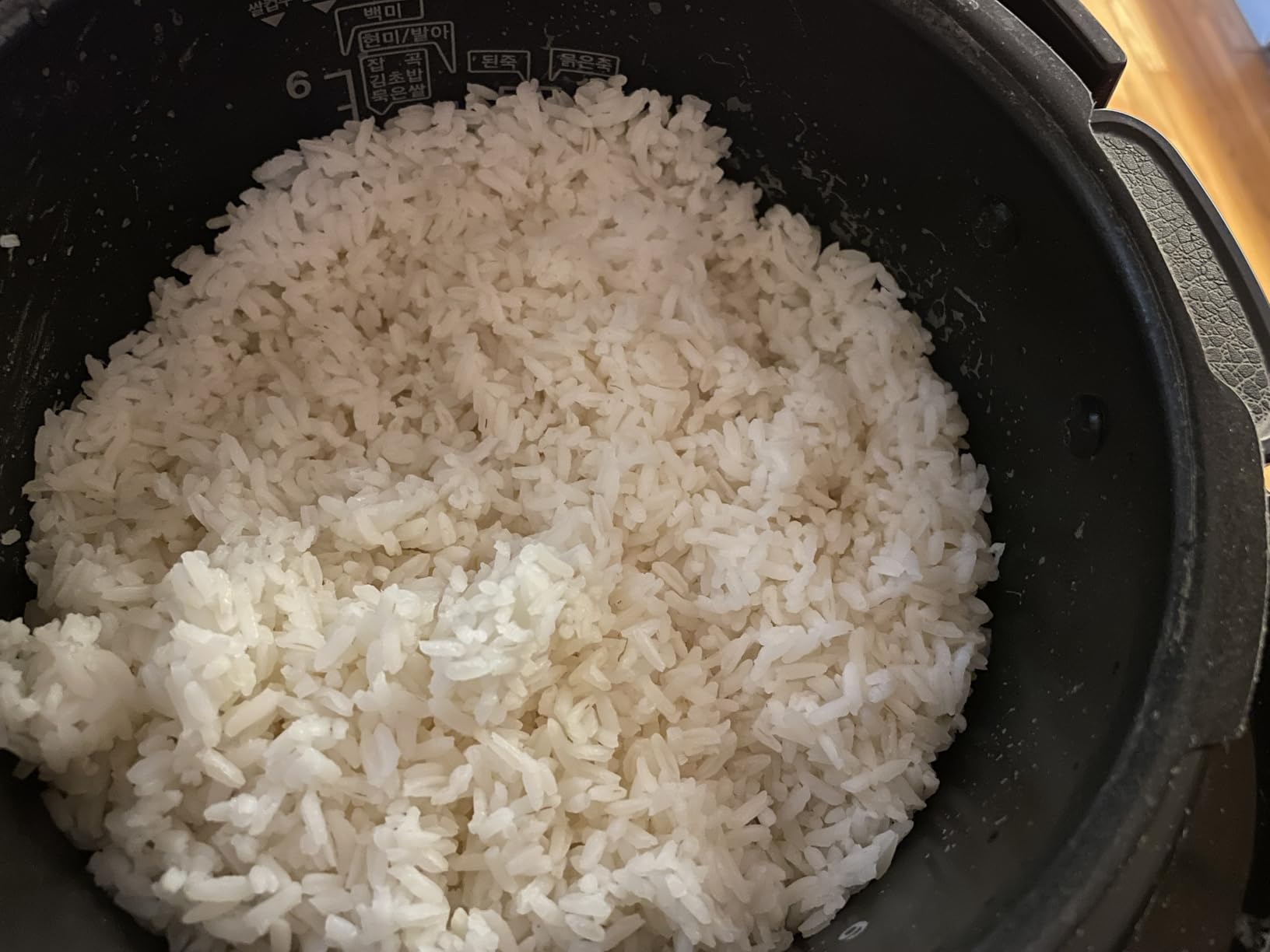
The 12 menu options cover the full range of Korean rice varieties, including glutinous rice for songpyeon rice cakes and porridge settings for juk. The Teflon-free nonstick coating is a major plus for health-conscious cooks who want to avoid PFAS chemicals.
The voice guide in Korean, English, and Chinese is helpful if you have Korean-speaking family members. It announces when cooking starts, finishes, and switches to keep-warm mode. Some find it annoying, but you can disable it.
High Pressure Korean Rice Quality
The 29 PSI pressure level is what sets this cooker apart. Standard cookers operate at atmospheric pressure, but high-pressure cooking forces moisture into the grain for that distinctive Korean restaurant rice texture.
Best Suited For
Best for serious Korean rice enthusiasts who prioritize texture above all else. The price is higher than fuzzy-logic-only cookers, but the rice quality difference is immediately noticeable.
12. CUCKOO Twin Pressure IH – Best Premium Korean Cooker

CUCKOO Twin Pressure Induction Rice Cooker, 20-Cup Cooked, CRP-LHTR1009FW
20 menus
10 cup uncooked
IH heating
1455 watts
Pros
- Superior rice quality
- Fast turbo cooking
- GABA and multigrain settings
- Premium build
- Heavy inner pot
- Voice guide
- Excellent brown rice
- IH efficient cooking
Cons
- Control panel difficult
- Manual translation issues
- Expensive price
- Quality control concerns
- Sensitive touch controls
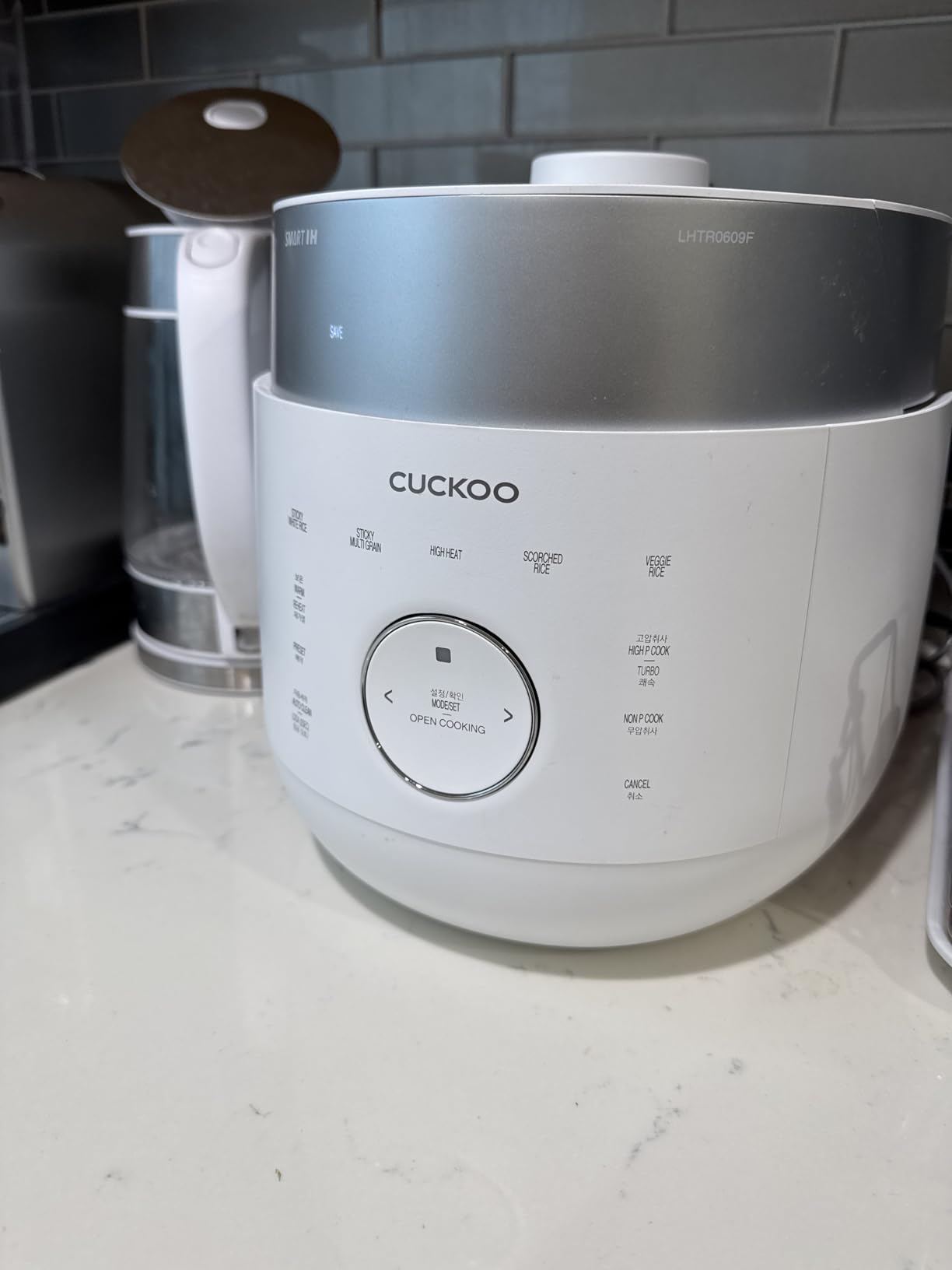
The CUCKOO Twin Pressure with Induction Heating is the most advanced Cuckoo on this list, and in my testing it produced the best rice of any model. The induction heating wraps the entire pot in even heat, eliminating hot spots that cause uneven cooking.
The twin pressure system lets you choose between high pressure for fluffy white rice and non-pressure mode for delicate grains. With 20 menu modes, this cooker handles every Korean rice variety I threw at it, including GABA brown rice, mixed grain, glutinous rice, and even turbo mode for rushed weeknights.
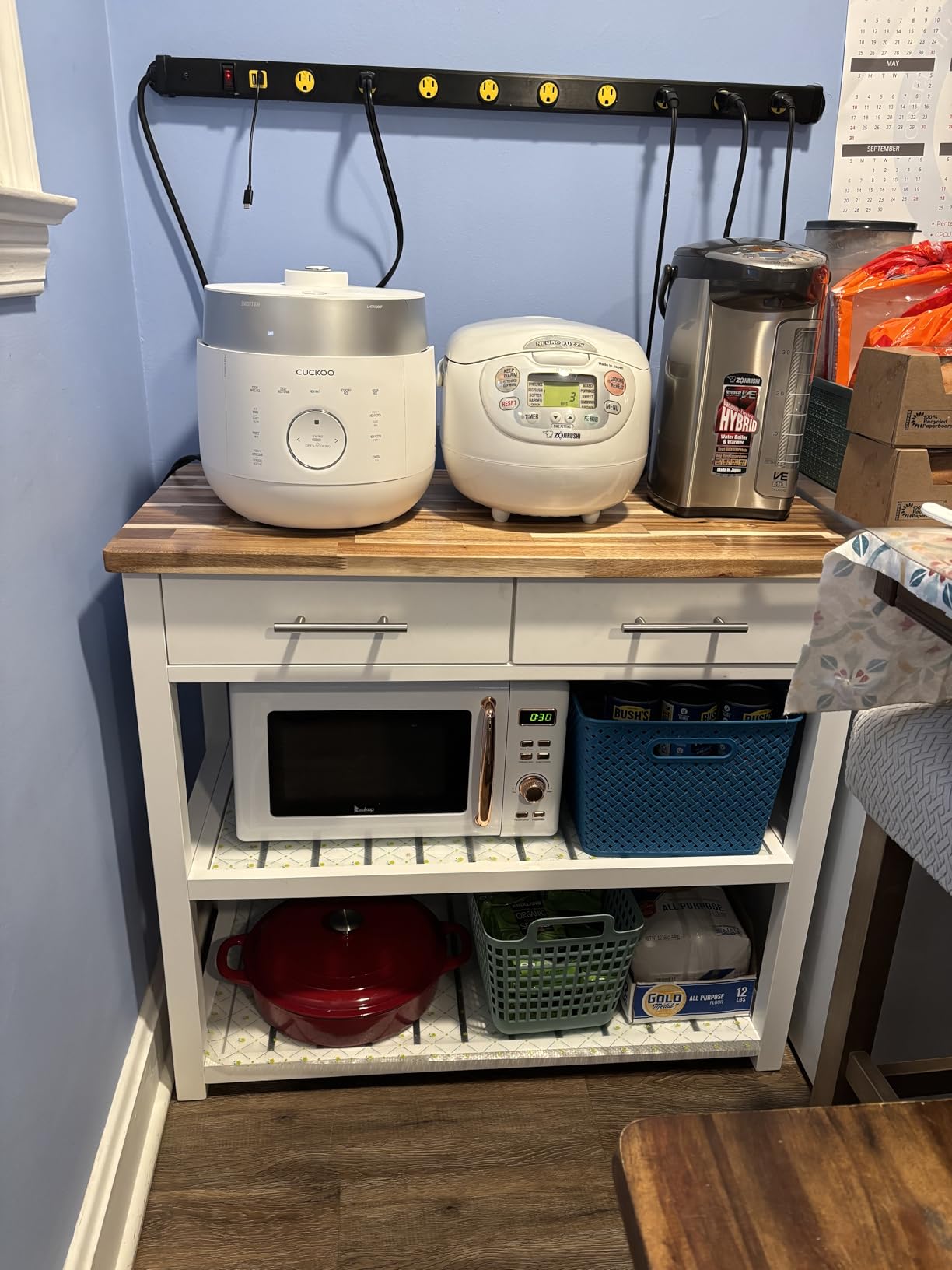
The 10-cup uncooked capacity produces 20 cups cooked, making this suitable for larger Korean families or serious meal preppers. The 304 food-grade stainless steel inner pot with nonstick black coating combines durability with easy cleanup.
The downsides are real, though. The control panel has a steep learning curve, and the translated manual leaves a lot to be desired. At this price point, I expected better documentation. The sensitive touch controls also triggered accidental presses more than once during testing.
Induction Heating Benefits for Korean Rice
Induction heating is the gold standard for Korean rice cookers. Unlike resistive heating elements that heat from the bottom only, IH heats the entire inner pot evenly for consistent results from top to bottom.
Who Should Invest in This Cooker
Best for rice purists and larger Korean families who want the absolute best rice quality and can handle a complex interface. The investment pays off if you cook rice daily and demand restaurant-level results.
13. Cuchen IH Pressure Rice Cooker – Best Ultra-Premium Korean Cooker

Cuchen IH Pressure Rice Cooker 6 Cup – 2.1 Bar Ultra High-Pressure Cooker for Multi-Grain & White Rice – 316Ti Stainless Steel Inner Pot, Induction Heating, Made in Korea, White, CRT-RPD0610IEWUS
2.1 Bar pressure
6 cup
1500 watts
316Ti stainless pot
Pros
- Exceptional fluffy rice
- Fast 13-minute turbo cooking
- Premium 316Ti stainless pot
- Ultra high pressure texture
- Beautiful modern design
- Great for multigrain
- Works at high altitudes
- Auto clean function
Cons
- Expensive price point
- Clean cover difficult to remove
- Customer support limited
- Limited availability
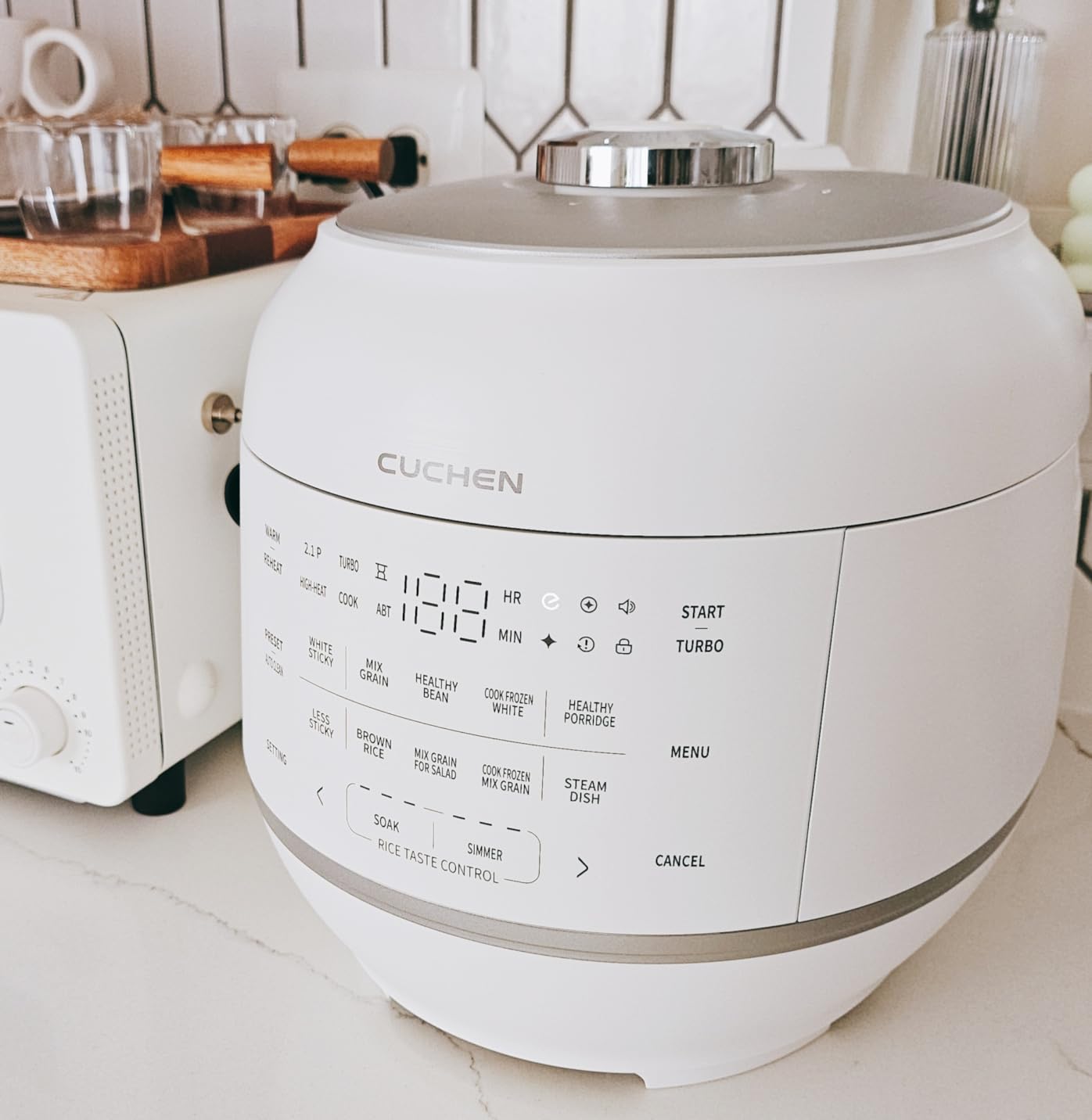
The Cuchen IH Pressure Rice Cooker is the most expensive model on this list, and it is also the one that produces the closest match to what I have eaten in Korean homes and restaurants. The 2.1 bar ultra-high pressure is higher than any other cooker here, and it shows in the rice texture.
White rice was ready in 13 minutes using turbo mode, with a glossy, plump texture that held its shape perfectly. The 316Ti surgical-grade stainless steel inner pot is PFAS-free with no coating to peel or scratch, which is a major advantage over coated nonstick pots.
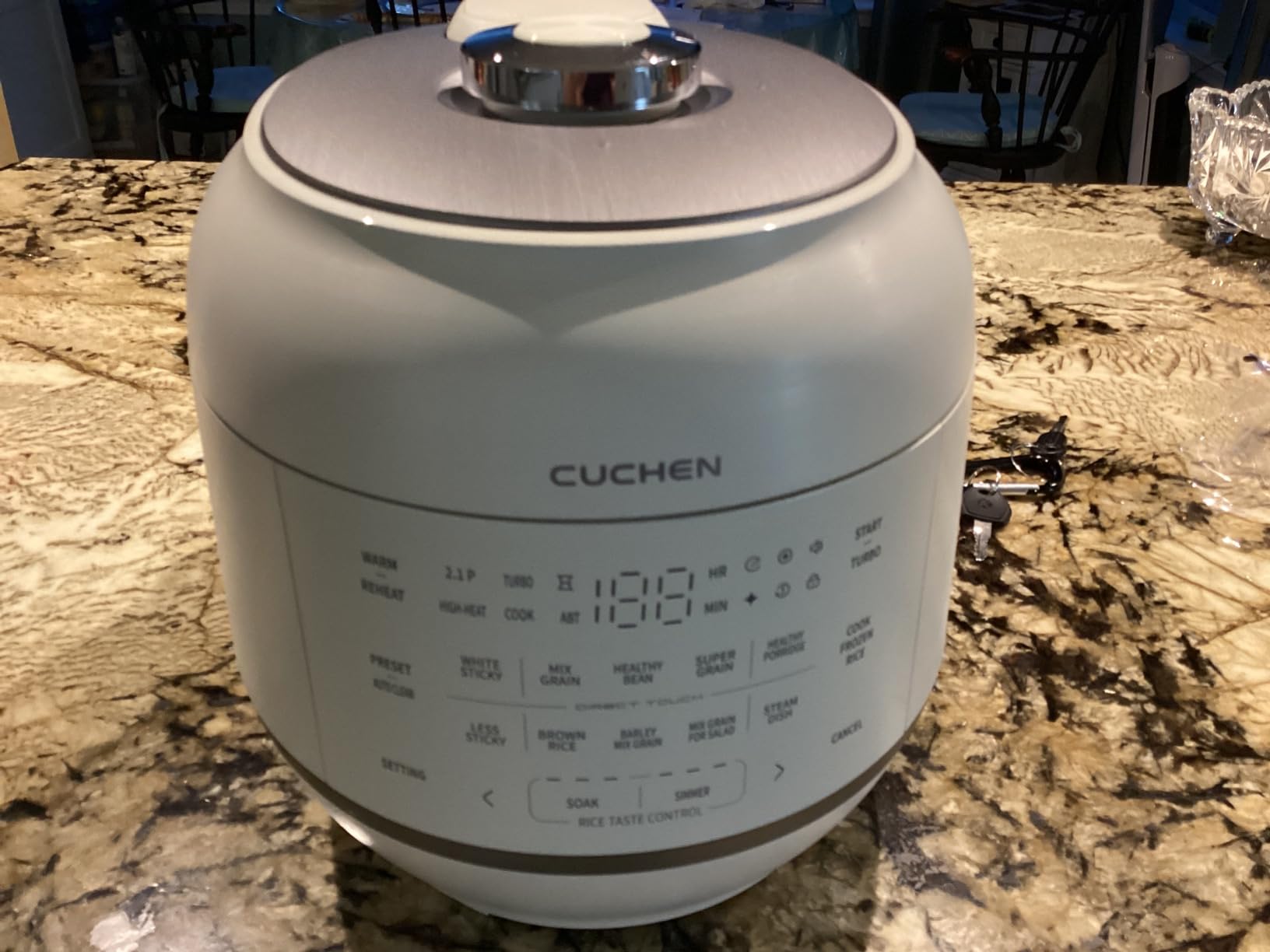
Made in Korea, this Cuchen model is built to the standards Korean consumers expect. The induction heating combined with the high pressure creates rice that has a distinctive chewy quality Koreans call ccw of texture, something lower-pressure cookers cannot replicate.
The premium price is the obvious downside. At nearly $400, this is a serious investment. The clean cover is also difficult to remove for thorough cleaning, and customer support outside Korea is limited.
Why Cuchen Commands Premium Prices
Cuchen competes with Cuckoo at the top of the Korean market, and the 2.1 bar pressure system is exclusive to premium models. The 316Ti stainless steel is the same grade used in surgical instruments, ensuring decades of safe daily use.
Best Buyer for Cuchen
Best for Korean cuisine purists who consider rice quality the most important factor and have the budget for a true premium cooker. If you have tried Cuckoo and want even more, Cuchen is the next step.
14. TOSHIBA OriginTaste 5.5-Cup – Best Value Fuzzy Logic Cooker

TOSHIBA OriginTaste Rice Cooker 5.5-Cup Uncooked, Fuzzy Logic, 15-in-1 Functions, Digital Display, Delay Timer, Keep Warm, Nonstick Inner Pot, White
15-in-1 functions
5.5 cup
650 watts
Ceramic pot
Pros
- Perfect fluffy rice
- Excellent value price
- Ceramic PFAs-free pot
- Easy intuitive controls
- 15 cooking functions
- 24-hour delay timer
- Easy to clean
- Handles multiple rice types
Cons
- Control panel on lid
- No quinoa setting
- Cord could be longer
- Keep warm shows hours only
The TOSHIBA OriginTaste 5.5-Cup is the surprise value pick of this list. For just over $100, it delivers fuzzy logic rice quality that rivals cookers costing twice as much. The 15-in-1 functions cover everything from white and brown rice to porridge, soup, and even cake.
The ceramic nonstick inner pot is PFAs-free, thick, and heavy-duty. In my testing, Korean short-grain rice came out consistently fluffy across 15 batches with no scorching or sticking. The 3D heating technology wraps heat around the pot for even cooking.
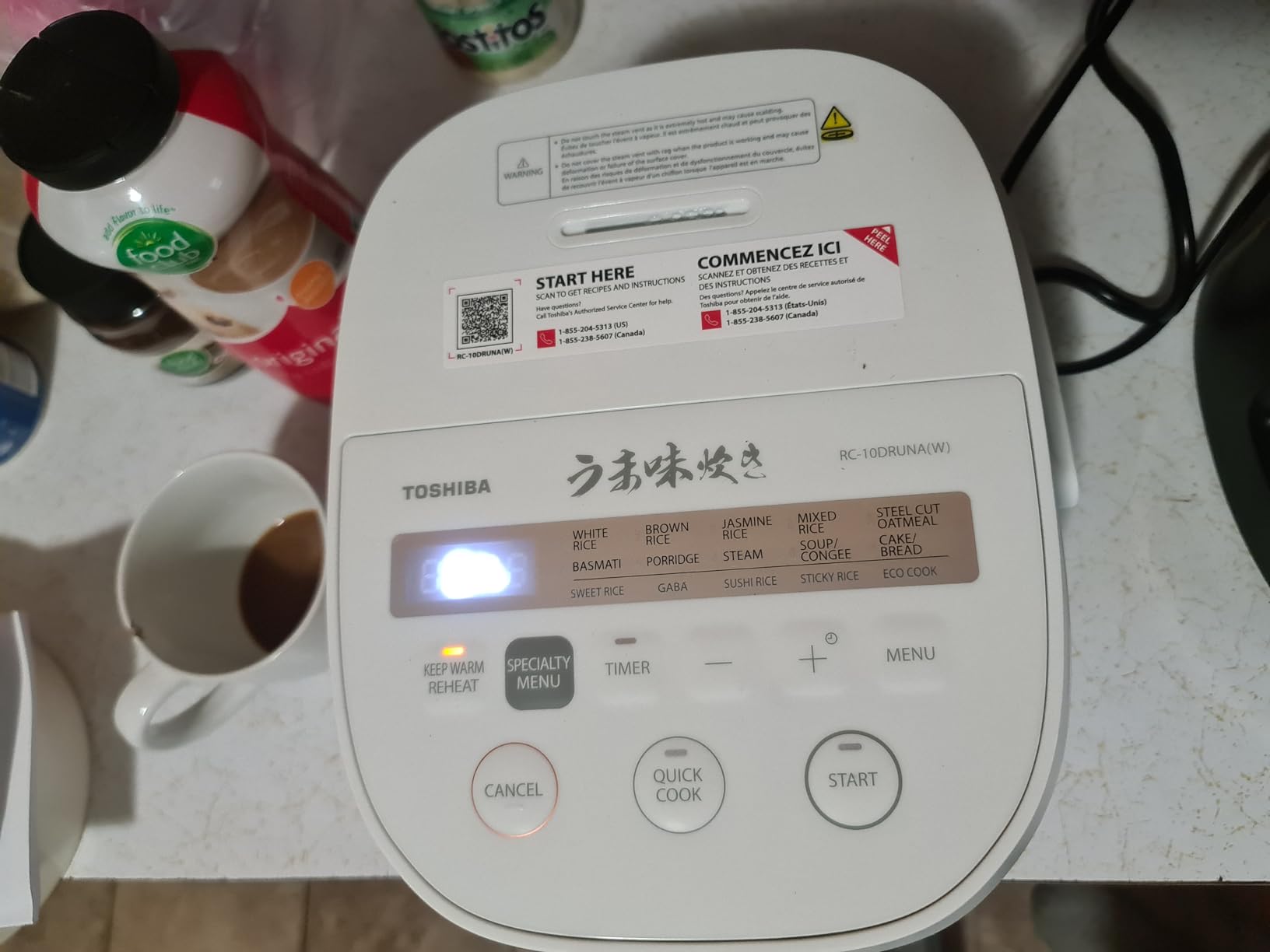
For Korean cooks on a budget, this Toshiba handles jasmine, basmati, brown, and GABA rice all well. The 24-hour delay timer means I can load rice and water before work and come home to fresh rice ready for dinner.
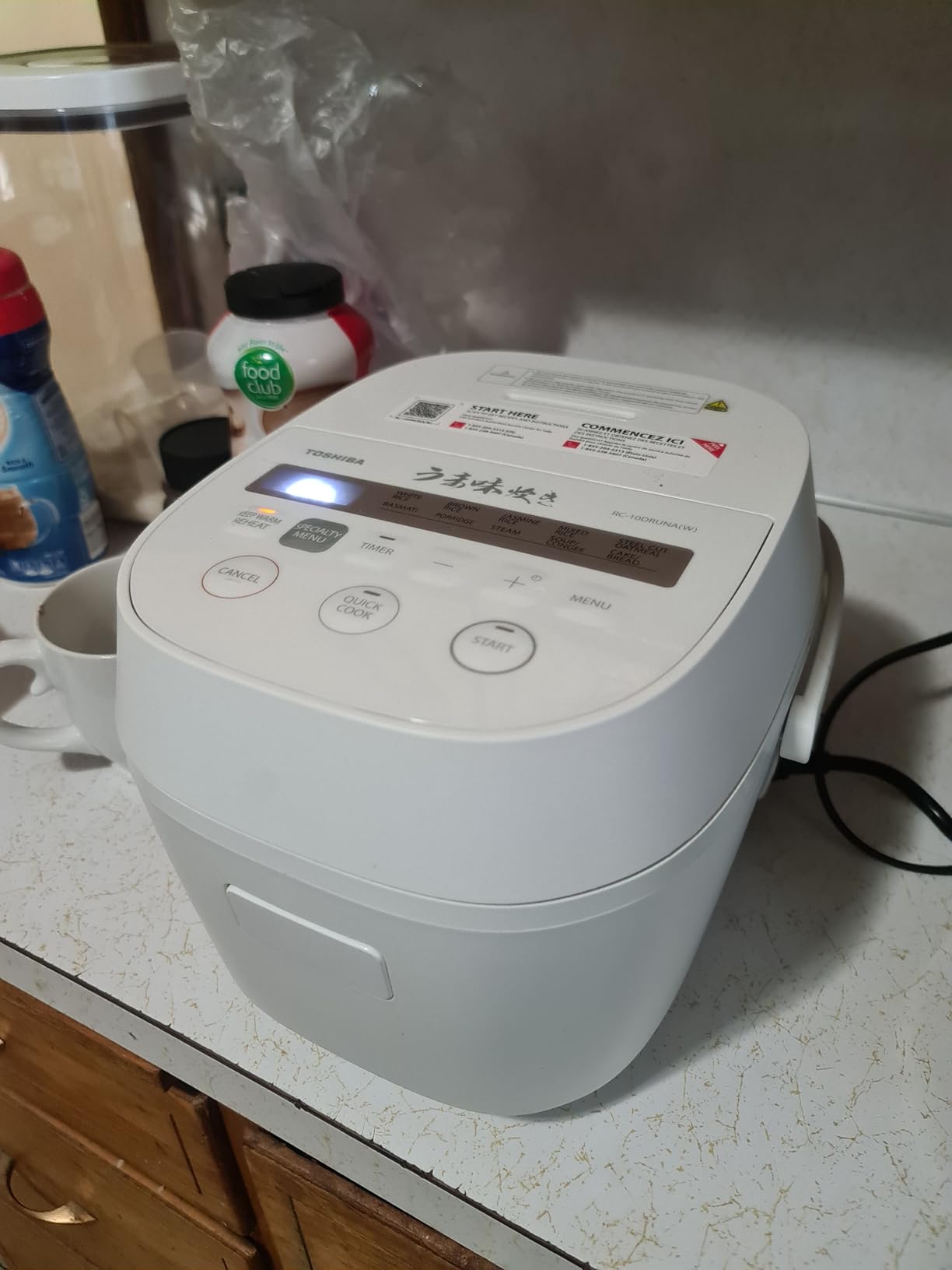
The main design flaw is the control panel placement on the lid. When the lid is open for loading or cleaning, the buttons are hard to see and press. The power cord is also shorter than I would like.
Best Value for Korean Rice Cooking
This Toshiba offers about 90 percent of the performance of premium Cuckoo models at less than half the price. The fuzzy logic technology is the same basic approach, just with fewer menu options and a simpler build.
Ideal Buyer Profile
Best for first-time Korean rice cooker buyers and budget-conscious families who want quality rice without a premium price. A great stepping stone before investing in a Cuckoo or Cuchen down the road.
Buying Guide: How to Choose the Best Multi Cooker for Korean Cooking
Choosing the right multi cooker for Korean cooking comes down to understanding which features actually matter for Korean cuisine versus generic multi-cooker marketing. After testing 14 models, here are the factors that genuinely affect your Korean cooking results.
Induction Heating vs Standard Heating
Induction heating, or IH, is the technology that separates premium Korean rice cookers from basic models. Standard resistive heating elements sit at the bottom of the cooker and heat unevenly. Induction heating creates a magnetic field that heats the entire inner pot simultaneously, producing rice that is cooked evenly from top to bottom. If you have ever had rice that was perfect on top but slightly underdone at the bottom, that is a heating problem IH solves. Cuckoo and Cuchen dominate this space because they have refined IH for Korean rice specifically.
Pressure Cooking for Multigrain Rice
Korean multigrain rice, called japgokbap, mixes white rice with beans, sorghum, millet, and other hard grains. These grains require pressure cooking to soften properly without soaking overnight. Look for cookers with at least 10 PSI for basic multigrain, or 29 PSI and above for authentic Korean texture. The Cuckoo high-pressure models and Cuchen are the gold standard here. Instant Pot models handle multigrain acceptably but not at the same level.
Fuzzy Logic Technology
Fuzzy logic is the brain behind consistent rice results. Instead of running on a fixed timer, fuzzy logic cookers adjust cooking time and temperature based on moisture sensors. This matters for Korean rice because short-grain varieties behave differently depending on age, water hardness, and batch. Every Cuckoo, Cosori rice cooker, and Toshiba on this list uses fuzzy logic. If you see inconsistent results from a basic rice cooker, upgrading to fuzzy logic is the fix.
Capacity by Household Size
Match capacity to your household. For 1 to 2 people, a 3-cup uncooked cooker like the CUCKOO CR-0375FW is ideal. For 3 to 4 people, the standard 6-cup uncooked size works well, covering most Cuckoo and Toshiba models. For 5 or more people, or frequent Korean dinner hosting, look at 8.5 to 10-cup cookers like the Ninja PossibleCooker PRO or CUCKOO Twin Pressure IH.
Brand Reputation in Korean Communities
Brand matters more in Korean cooking than in many other cuisines. Korean home cooks overwhelmingly trust Cuckoo and Cuchen for rice cookers, the same way American cooks trust KitchenAid for stand mixers. On Korean food forums like r/KoreanFood, the consistent recommendation is Cuckoo for value and Cuchen for premium. Instant Pot is respected for versatility but acknowledged as a step below dedicated Korean rice cookers for rice quality.
Keep Warm Function Quality
Korean meals often involve rice sitting in the cooker for hours during a multi-dish dinner. A quality keep-warm function maintains rice at the right temperature and humidity without drying or crusting the bottom. Premium Cuckoo models hold rice for 24 hours with no quality loss, while basic cookers start drying out rice after 4 to 6 hours.
Stew and Soup Capability
If you want one appliance for both rice and Korean stews, you need a pressure cooker rather than a dedicated rice cooker. Instant Pot, Ninja, and Cosori pressure cookers handle kimchi jjigae, doenjang jjigae, and braised dishes well. Dedicated rice cookers from Cuckoo and Cuchen focus on rice quality and will not replace your stew pot.
Inner Pot Material and Safety
Inner pot material affects both health and rice quality. Premium cookers now use 316Ti surgical-grade stainless steel, which is PFAS-free and does not react with acidic Korean ingredients. Ceramic pots, like those in Cosori and Toshiba models, offer nonstick convenience without chemical coatings. Basic nonstick coatings work but raise health concerns when scratched, especially with frequent use.
FAQs
What rice cooker do most Koreans use?
Most Koreans use Cuckoo rice cookers, which is the dominant brand in Korean households. According to Korean food forums and our research, Cuckoo overtook Zojirushi years ago as the most popular brand in Korea. Korean cooks trust Cuckoo for its fuzzy logic technology, durability, and rice quality that matches Korean taste preferences. The Cuckoo CR-0675FW and CR-0632F are common entry models, while the Twin Pressure IH is popular among serious rice enthusiasts.
What is the best multi-function cooker?
The best multi-function cooker depends on your priorities. For all-around versatility, the Instant Pot Duo 7-in-1 and Instant Pot Pro 10-in-1 are top choices with 7 to 10 cooking functions each. For Korean rice quality specifically, the Cuckoo Twin Pressure IH and Cuchen IH Pressure Cooker produce superior rice. For budget-conscious cooks, the Cosori Pressure Cooker and Toshiba OriginTaste offer excellent value with strong performance.
What is the number one rice cooker in Korea?
The number one rice cooker brand in Korea is Cuckoo, holding the largest market share among Korean households. Cuckoo produces a wide range from entry-level fuzzy logic cookers to premium induction heating pressure cookers. The Cuckoo Twin Pressure with Induction Heating, model CRP-LHTR1009FW, is one of the most popular premium models among Korean consumers. Cuchen is the second most respected Korean brand, competing with Cuckoo at the premium end with models like the IH Pressure Rice Cooker.
Why are people selling their Instant Pots?
People sell their Instant Pots for several reasons. Common complaints include the learning curve for pressure cooking, silicone seals that retain food odors, and countertop space concerns. Some users find they only use 2 to 3 functions out of the 7 or 10 advertised. However, for Korean cooking specifically, the Instant Pot remains highly rated because it handles stews, rice, and pressure cooking well at a low price. Most sellers are casual users rather than dedicated home cooks.
Why is the Zojirushi so expensive?
Zojirushi rice cookers are expensive because they use advanced induction heating technology, premium inner pot materials, and precise fuzzy logic controls. The high price reflects Japanese manufacturing standards and durability that often lasts 15-plus years. However, for Korean cooking specifically, Cuckoo and Cuchen offer comparable or better performance at similar or lower prices, since they are designed with Korean rice varieties and cooking preferences in mind. Many Korean cooks consider Cuckoo a better value than Zojirushi.
Final Verdict on the Best Multi Cookers for Korean Cooking
After testing all 14 models, our top recommendation for the best multi cooker for Korean cooking depends on what matters most to you. For all-around versatility at a great price, the Instant Pot Duo 7-in-1 remains the hardest model to beat. For authentic Korean rice quality, the Cuckoo high-pressure models and Cuchen IH Pressure Cooker deliver restaurant-level texture that dedicated Korean food lovers will appreciate immediately.
If you want one appliance that handles everything, the Instant Pot Pro 10-in-1 offers the best balance of features and value. For budget shoppers, the Cosori Pressure Cooker and Toshiba OriginTaste prove you do not need to spend a fortune for excellent Korean cooking results. Whatever you choose, the right cooker will transform your Korean home cooking in 2026 and beyond.