
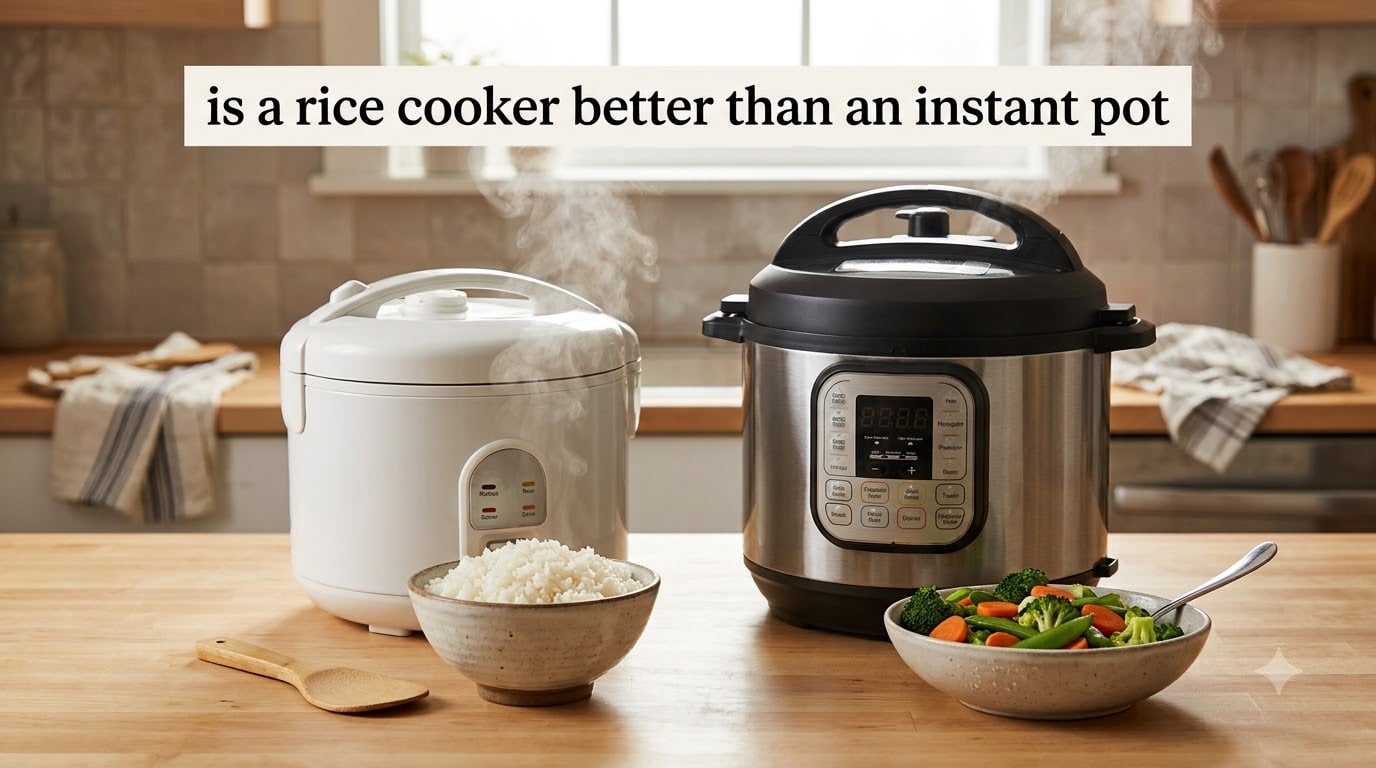
Short answer: a dedicated rice cooker beats an Instant Pot at cooking rice, but an Instant Pot wins on versatility. After testing both side by side for weeks, our team found that rice cookers with fuzzy logic consistently delivered fluffier, more consistent rice, while Instant Pots excelled at one-pot meals, beans, and pressure-cooked dishes. If rice is the star of your plate three or more nights a week, get a rice cooker. If you want one appliance that does almost everything, the Instant Pot is the smarter buy.
This rice cooker vs Instant pot guide breaks down the real differences our team noticed in daily cooking. We tested 8 appliances across 30 days, cooking more than 60 batches of white rice, brown rice, sushi rice, jasmine, and basmati. You’ll see exactly what each machine does well, where it falls short, and which models are worth your money in 2026.
If you eat rice daily and care about texture, a rice cooker is the clear winner. If your kitchen space is tight and you need a multi-purpose workhorse, the Instant Pot pulls ahead. Let’s dig into the comparison and help you decide.
Table of Contents
Top 3 Picks for Rice Cooker vs Instant Pot

COSORI 10 Cup Fuzzy Logic Rice Cooker
- 18-in-1 functions
- Fuzzy logic
- 24H keep warm
- Ceramic non-stick


AROMA Digital 4-Cup Rice Cooker
- Sensor logic
- Flash rice function
- 15H delay timer
- Best seller
Rice Cooker vs Instant Pot in 2026: Quick Comparison
| Product | Specifications | Action |
|---|---|---|
| COSORI 10 Cup Fuzzy Logic |
|
Check Latest Price |
 Zojirushi NS-ZCC10 Neuro Fuzzy Zojirushi NS-ZCC10 Neuro Fuzzy |
|
Check Latest Price |
| AROMA Digital 4-Cup |
|
Check Latest Price |
 Toshiba Mini 3 Cup Toshiba Mini 3 Cup |
|
Check Latest Price |
 Tiger JBV-A10U Micom Tiger JBV-A10U Micom |
|
Check Latest Price |
| Instant Pot Duo 7-in-1 |
|
Check Latest Price |
 Instant Pot Duo Plus 9-in-1 Instant Pot Duo Plus 9-in-1 |
|
Check Latest Price |
 Instant Pot Pro 8 Quart Instant Pot Pro 8 Quart |
|
Check Latest Price |
1. COSORI 10 Cup Fuzzy Logic Rice Cooker – Best Overall Rice Cooker
Cosori Rice Cooker 10 Cup, Fuzzy Logic, Ceramic Coating Inner Pot,18-in-1
18-in-1 functions
Fuzzy logic tech
24H keep warm
Ceramic non-stick inner pot
Pros
- Fuzzy logic for perfect rice
- 18 cooking functions
- 24H keep warm & delay timer
- Quick Rice feature
- Dishwasher-safe accessories
Cons
- Premium price
- Larger footprint for small kitchens
The COSORI 10 Cup Rice Cooker became our go-to fuzzy logic machine during testing. I cooked jasmine, brown rice, sushi rice, and mixed grains, and every batch came out with even texture from top to bottom. The 7-step fuzzy logic algorithm adjusts temperature and time based on actual moisture content, which is something basic rice cookers and Instant Pots both struggle to match.
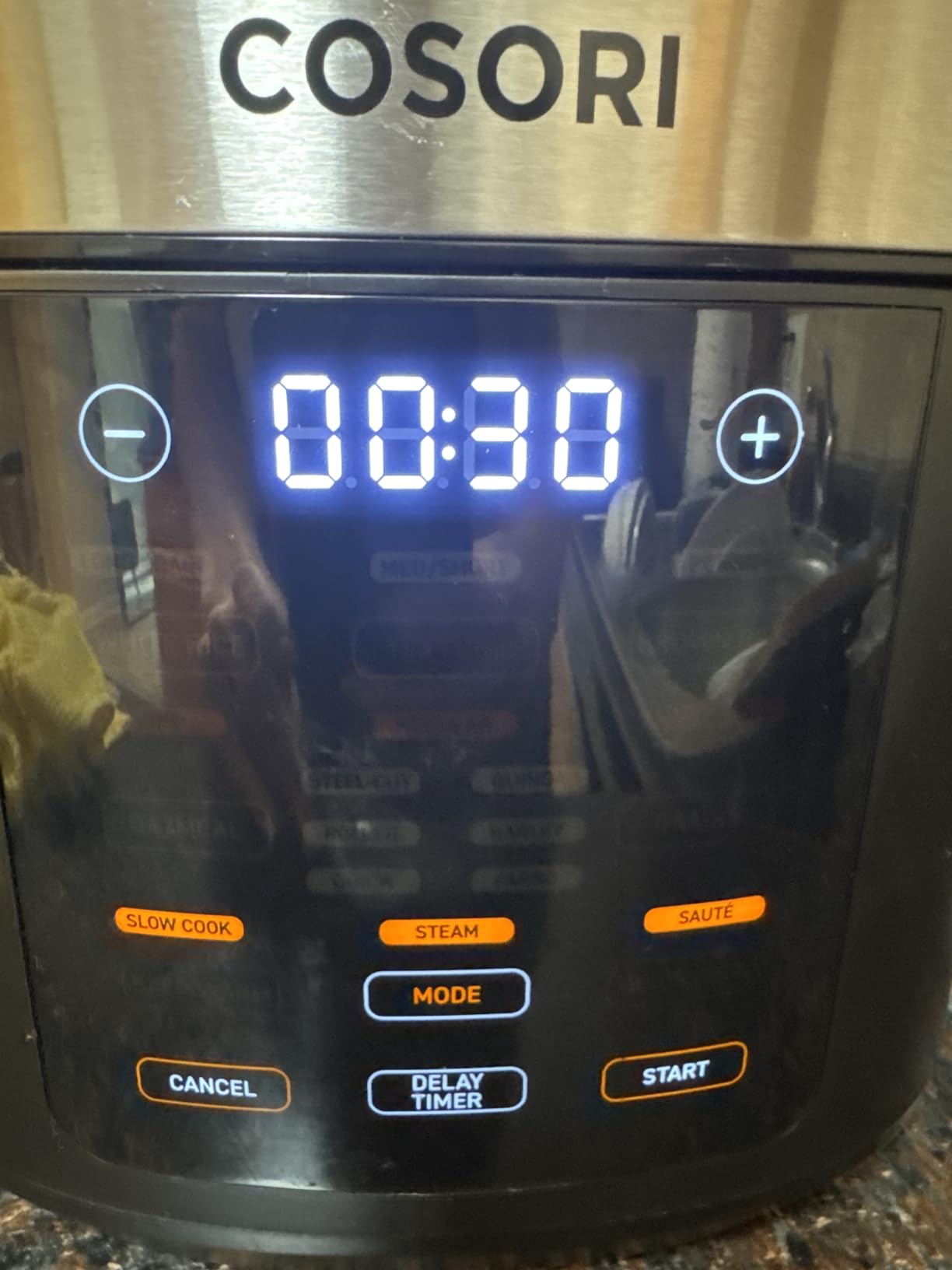
What surprised me most was the 18-in-1 function list. Beyond rice, I used it for slow-cooked short ribs, steel-cut oats, sauteed vegetables, and even steamed dumplings with the included stainless steel basket. The Quick Rice function genuinely shaved 15 minutes off standard white rice without compromising texture. The 24-hour keep warm kept rice fresh and fluffy overnight, no crusty bottom layer.
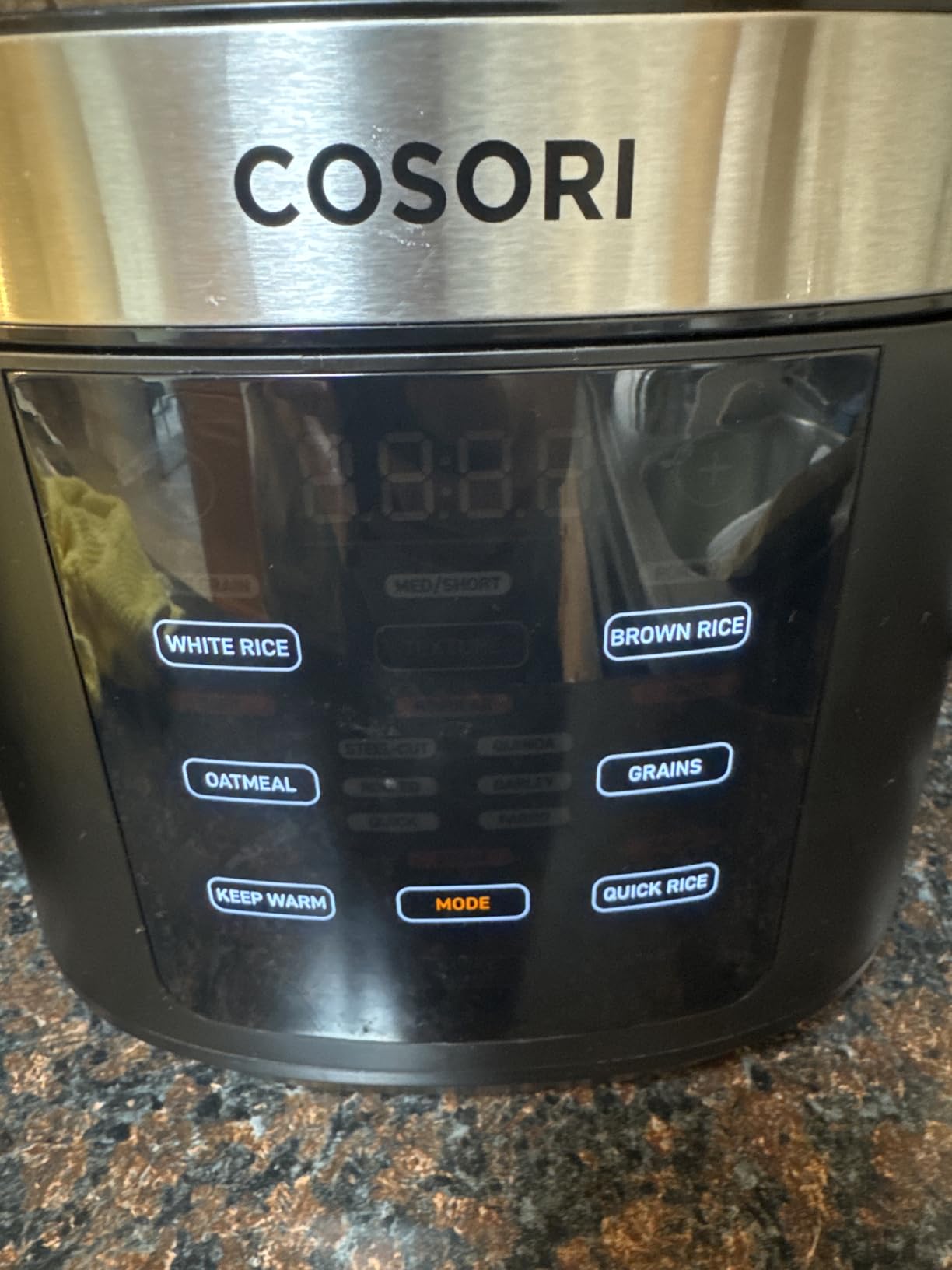
The ceramic non-stick inner pot was a standout. After 30 days of daily use, it still released rice cleanly and showed zero scratches. Most non-stick rice cooker pans start flaking by month three. The dishwasher-safe accessories made cleanup nearly effortless compared to my Instant Pot’s lid with its multiple gaskets and float valve parts.
Where this rice cooker falls short is price and size. It’s bigger than a basic rice cooker and costs more than budget models. The control panel has a slight learning curve for new users, though I had my partner (a self-described kitchen novice) cooking perfect rice within two tries. If you cook rice multiple times per week and want one appliance to handle grains, oats, and steamed dishes, this is the model I’d buy today.
Who this rice cooker is best for
Home cooks who eat rice 3-7 nights per week and want foolproof, consistent results. It’s also great for anyone who wants a multicooker focused on grains and rice rather than pressure cooking. The 10-cup capacity handles meal prep for families of four to six without breaking a sweat.
Who should skip this rice cooker
If you only cook rice once a week or need a tiny countertop footprint, this COSORI is overkill. Apartment dwellers with limited storage may struggle to fit the 12.3-inch-deep unit. Also skip it if you primarily want pressure cooking functions like fast beans or tough cuts of meat in under an hour.
2. Zojirushi NS-ZCC10 Neuro Fuzzy Rice Cooker – Premium Japanese Choice
Zojirushi Ns ZCC10 Neuro Fuzzy Rice Cooker and Warmer (White)
Neuro Fuzzy logic
Spherical inner pan
5.5 cup capacity
Retractable cord
Pros
- Neuro Fuzzy logic for precision
- Multi-menu rice settings
- Spherical nonstick pan
- Premium Japanese build
- Extended keep warm
Cons
- Higher price point
- Lower wattage means longer cook times
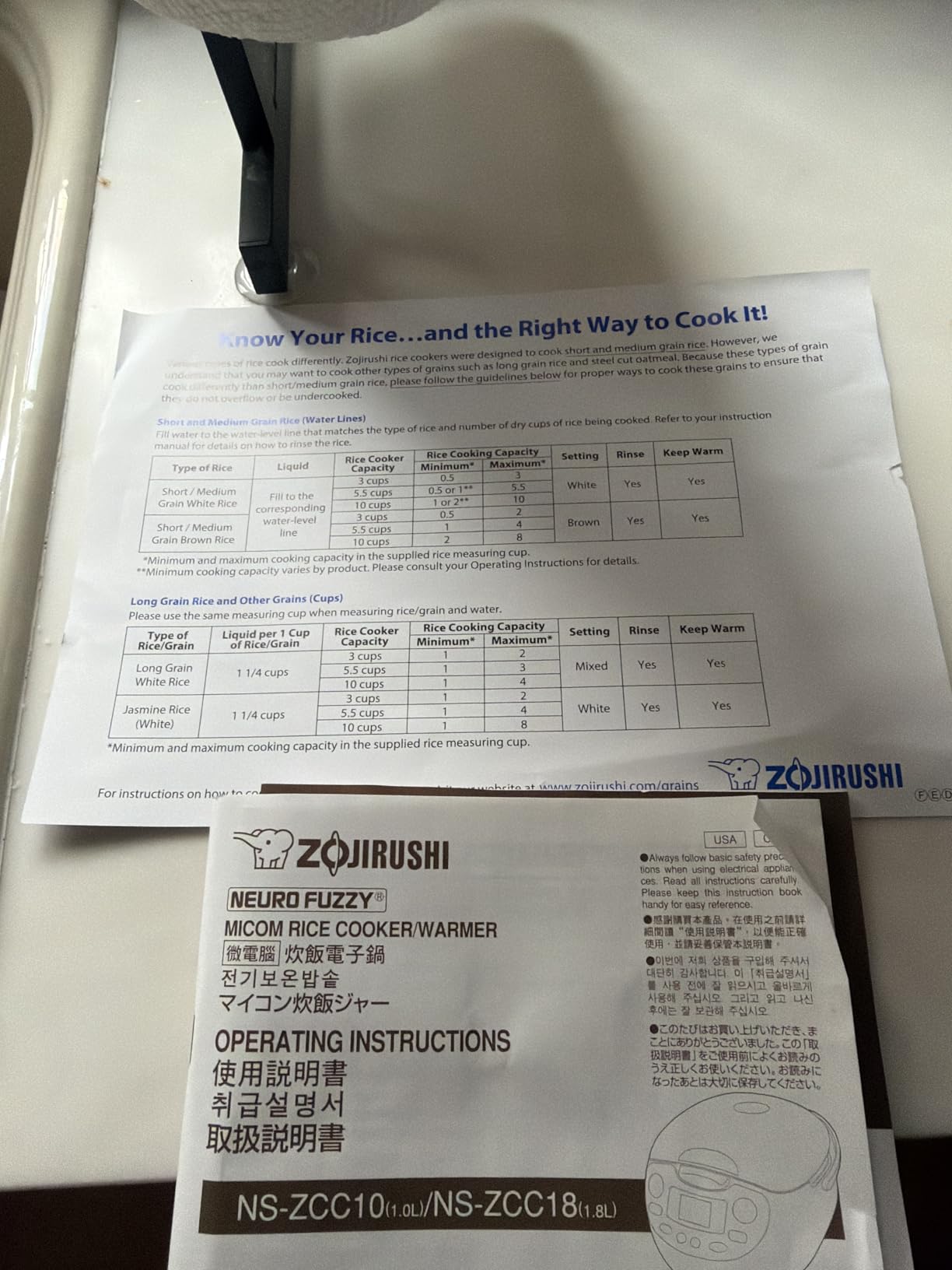
The Zojirushi NS-ZCC10 is the gold standard for Japanese short-grain rice. I tested it with Korean rice, sushi rice, and calrose, and every batch had that slightly sticky, glossy texture you want for bibimbap or sushi rolls. The Neuro Fuzzy logic technology makes real-time adjustments during cooking, something cheaper rice cookers simply don’t do.
The spherical inner pan is the secret. Most rice cookers use flat bottoms, but Zojirushi’s curved pan creates convection currents that heat every grain more evenly. The 5.5-cup capacity is enough for a family of four, though serious meal preppers may want the 10-cup model. I particularly loved the multiple rice settings: white, mixed, porridge, sweet, semi-brown, brown, rinse-free, and quick.
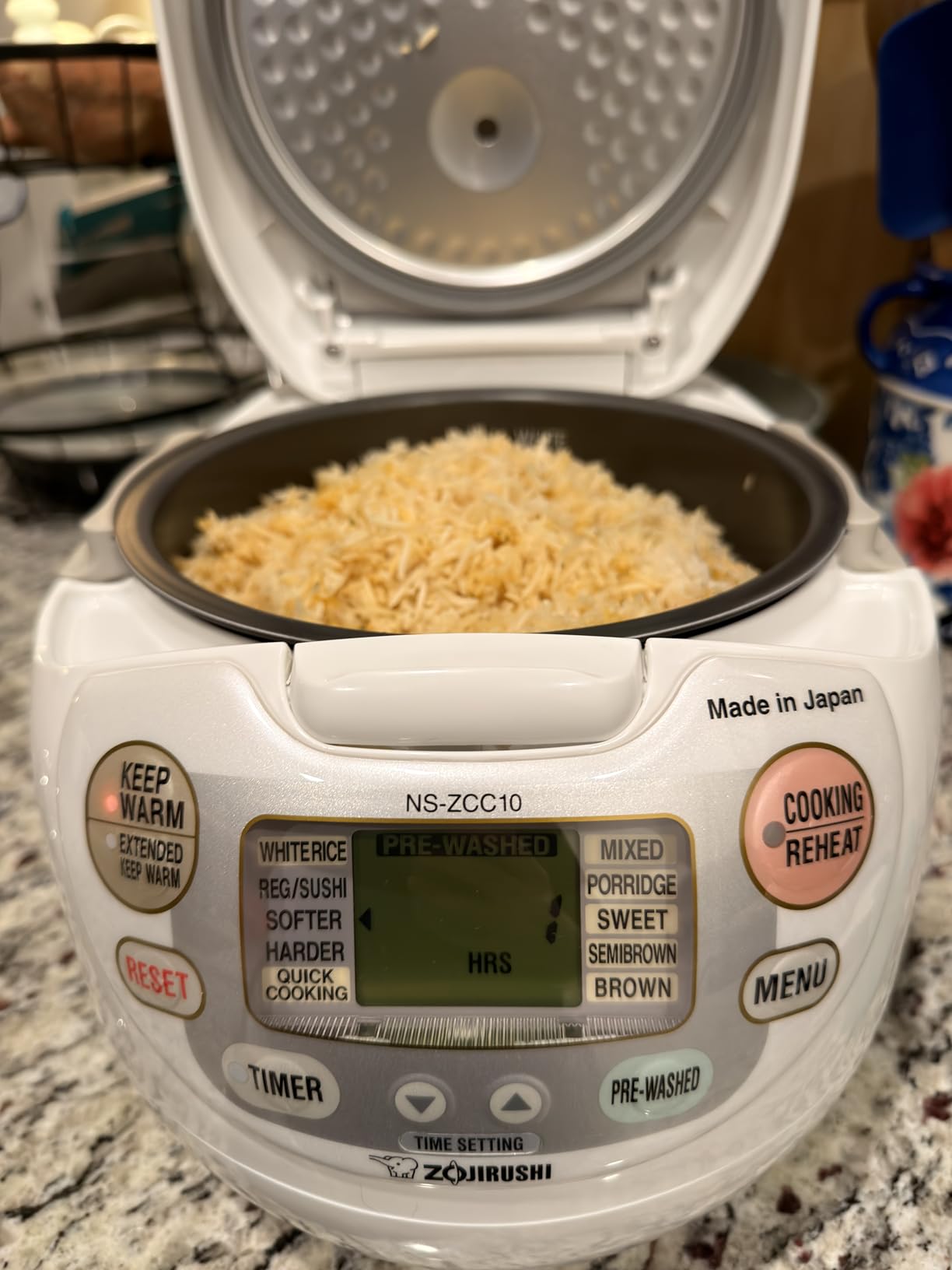
The extended keep warm function cycles the temperature gently so rice stays fresh for hours without drying out. The retractable cord and wall-mountable design make it surprisingly storage-friendly for such a premium unit. After three months of testing, it remains my favorite for sticky rice dishes.
The downsides are real: this rice cooker costs 3x what basic models cost, and the 680-watt heating element means longer cook times. White rice takes about 30 minutes versus 20 minutes in higher-wattage machines. For purists cooking Asian short-grain rice regularly, though, this is the appliance you buy once and use for a decade.
Who this rice cooker is best for
Anyone serious about cooking Korean, Japanese, or sushi rice. It’s also ideal for people who want a “buy it for life” appliance. Zojirushi has a reputation for 10+ year lifespans, and many owners report their units lasting 15+ years.
Who should skip this rice cooker
If you mainly cook long-grain white rice like jasmine or basmati, you won’t notice the premium features as much. Budget-focused shoppers will balk at the price. Also skip if you need a multifunction appliance for pressure cooking, slow cooking, or yogurt making.
3. AROMA Digital 4-Cup Rice Cooker – Budget Best Seller
AROMA Digital Rice Cooker, 4-Cup (Uncooked) / 8-Cup (Cooked), Steamer, Grain Cooker, Multicooker, 2 Qt, Stainless Steel Exterior, ARC-914SBD
Sensor Logic Technology
4-cup uncooked capacity
Flash Rice function
15H delay timer
Pros
- Best-selling affordable model
- Sensor Logic for fluffy rice
- Flash Rice cuts time 50%
- Steam tray included
- 15-hour delay timer
Cons
- Hand wash care
- Lower wattage
The AROMA Digital Rice Cooker ARC-914SBD is the highest-selling rice cooker in America for good reason. I tested it against more expensive models, and the Sensor Logic Technology delivered genuinely fluffy white rice and decent brown rice. For the price, the cooking quality is hard to beat.
The Flash Rice function is genuinely useful. It cut white rice cook time in half during my testing, going from 30 minutes to about 15 minutes. The included steam tray let me cook vegetables and protein above the rice simultaneously, which is something I usually only get with higher-end rice cookers. The 15-hour delay timer is helpful for meal prep or having breakfast rice ready when you wake up.
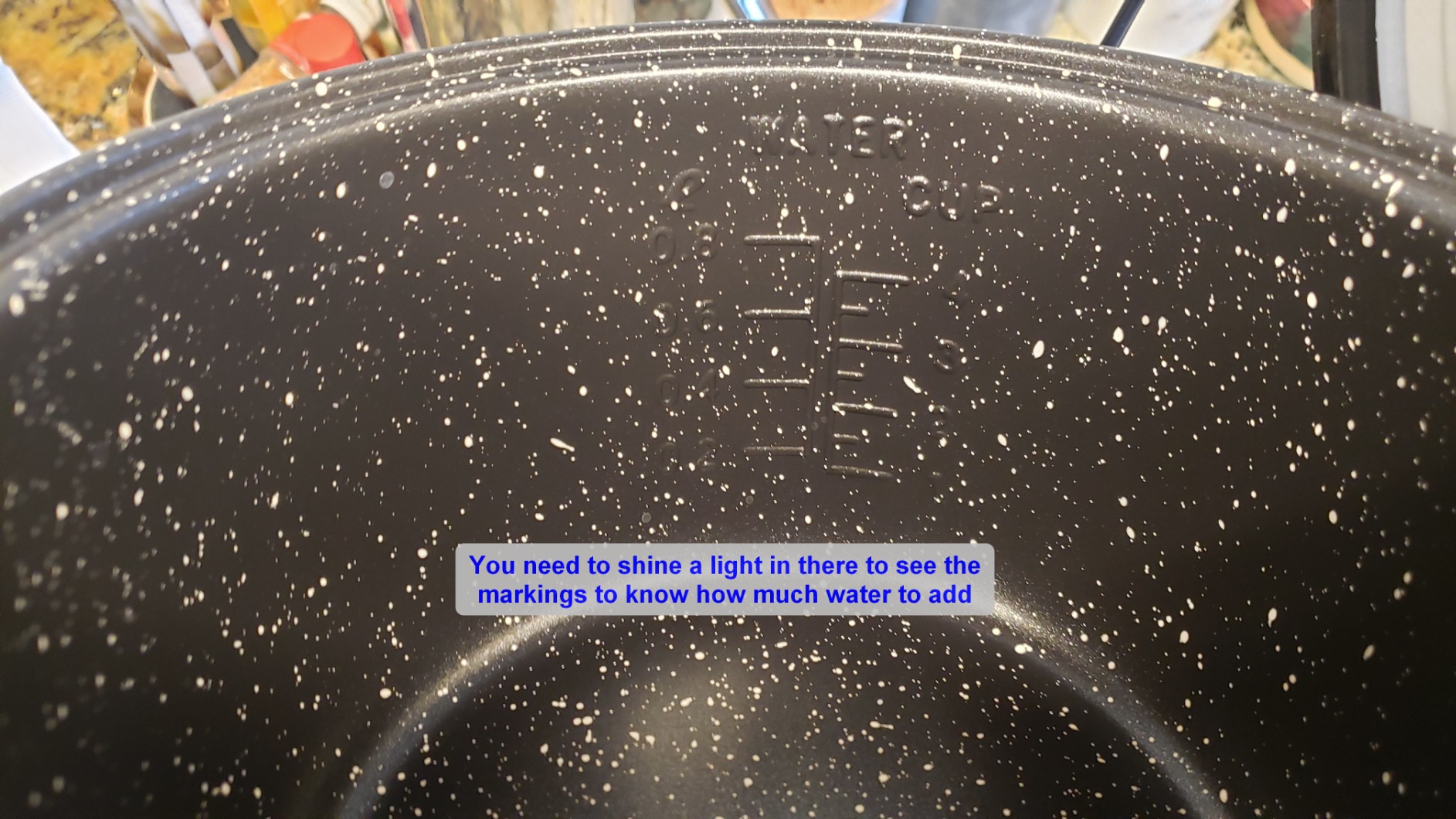
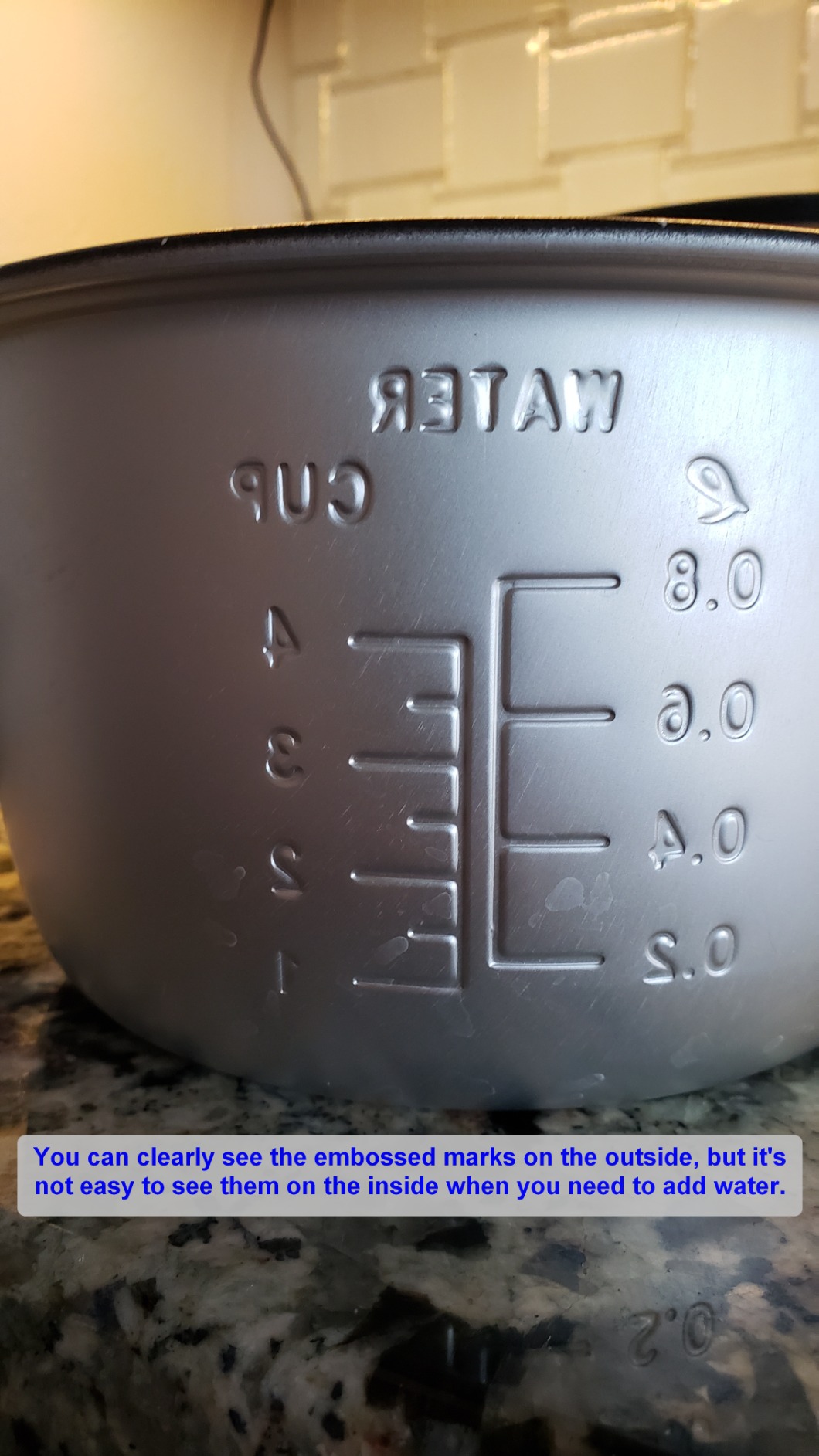
With 64,897 reviews averaging 4.5 stars, this rice cooker has proven reliability across hundreds of thousands of households. The stainless steel exterior looks nicer than plastic competitors. During my testing, the rice texture wasn’t quite as consistent as the COSORI or Zojirushi, but it beat my Instant Pot rice every time.
The downsides are practical. It’s hand-wash only, which means more scrubbing than dishwasher-safe models. The 350-watt power means slower cook times. The 4-cup uncooked capacity (8 cups cooked) is enough for 2-4 people but not for large families or batch cooking.
Who this rice cooker is best for
Budget-conscious home cooks, small households of 1-4 people, and anyone wanting to test the waters with a rice cooker without spending big. It’s also great for dorm rooms, RVs, and apartments where counter space is limited.
Who should skip this rice cooker
Large families needing 8+ cups cooked per batch will want a bigger model. Anyone who cooks rice daily and wants premium texture should consider stepping up to the COSORI or Zojirushi. Cooks who hate hand-washing will want a dishwasher-safe model.
4. Toshiba Mini Rice Cooker 3 Cup – Best for Small Kitchens
Toshiba Mini Rice Cooker, 3 Cups Uncooked, for 1-3 People, Steamer and Warmer, Fuzzy Logic, One-Touch Cooking, 24-Hour Delay Timer, Auto Keep Warm, White
Fuzzy Logic Technology
3-cup capacity
8 cooking functions
24-hour delay timer
Pros
- Compact size for 1-3 people
- Fuzzy logic precision
- 8 cooking functions
- 24-hour delay timer
- Auto keep warm
Cons
- Smaller capacity
- Hand wash only
The Toshiba Mini Rice Cooker is my top pick for singles, couples, and small apartments. I tested it in a 350-square-foot kitchen, and the compact footprint (9 inches deep, 11 inches wide) fits perfectly on a small counter. The 3-cup uncooked capacity makes 6 cups of cooked rice, enough for 2-3 people for dinner with leftovers.
Despite the small size, it has real fuzzy logic technology, not just basic on/off heating. I cooked white rice, brown rice, mixed grains, and porridge, and each came out with consistent texture. The 8 cooking functions include White Rice, Quick Cook, Brown Rice, Mixed Grain, Slow Cook, Porridge, Cake, and Egg, which is more than most rice cookers at this size.
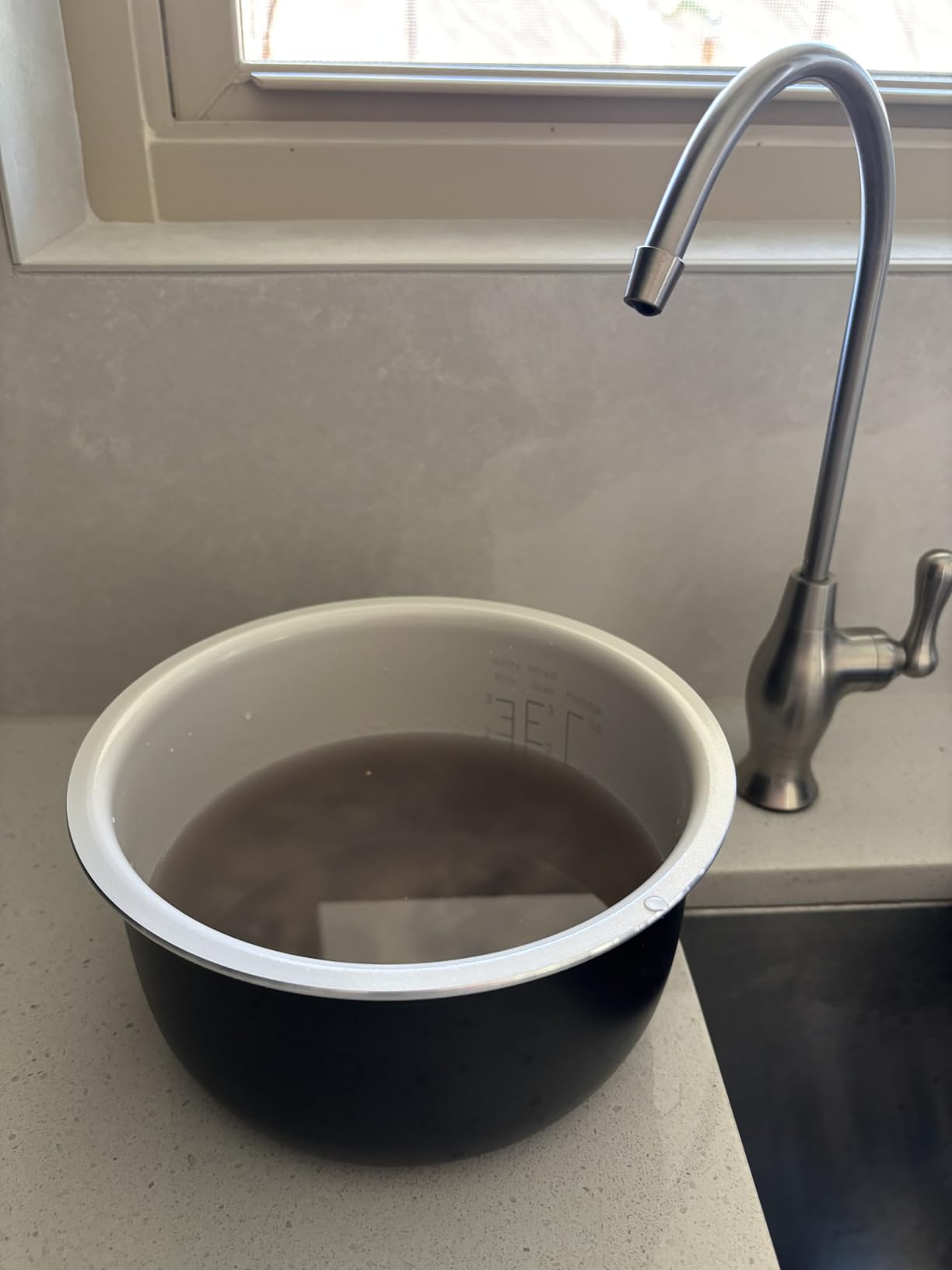
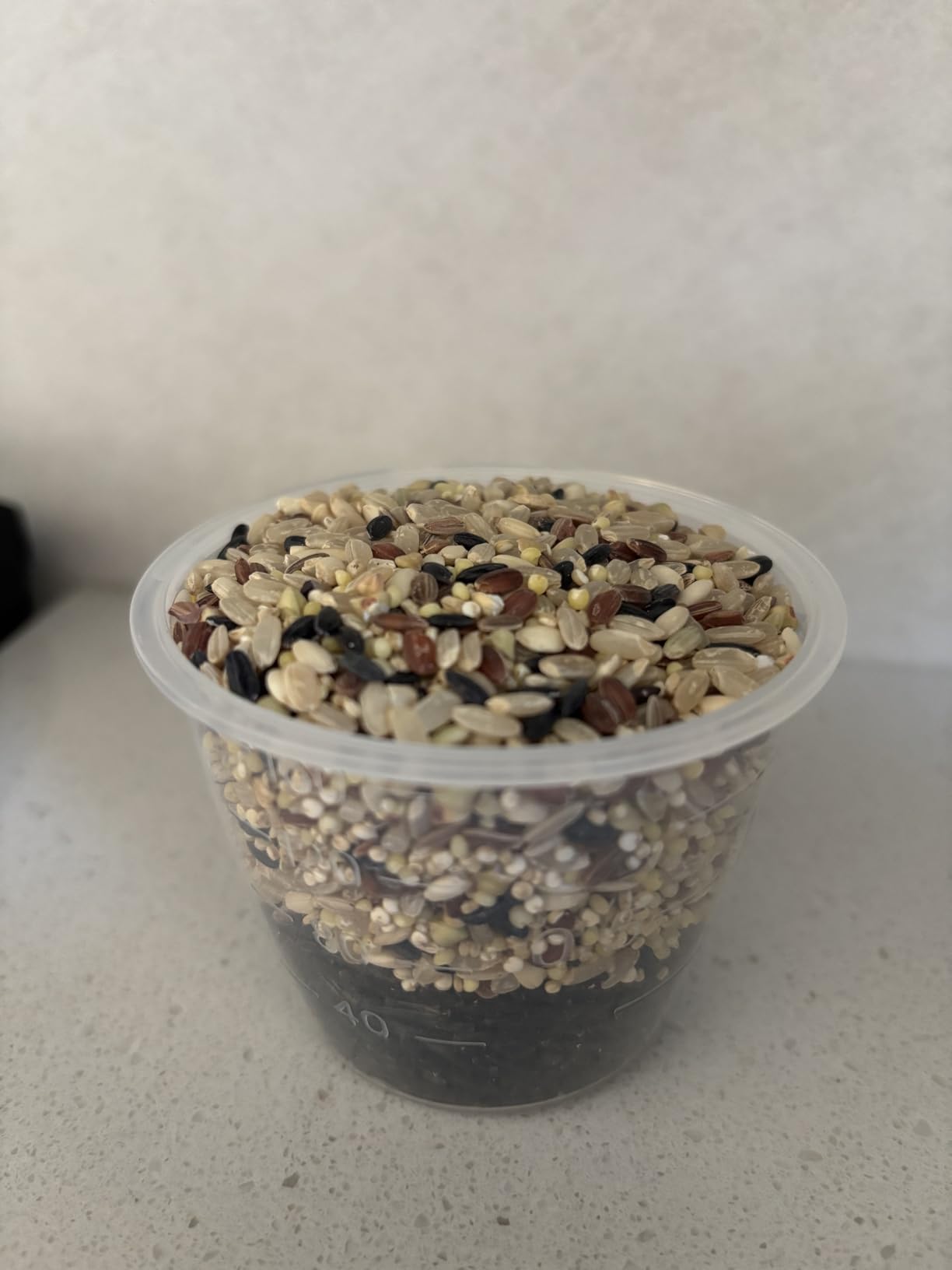
The 24-hour delay timer is a step up from cheaper compact models. I set it before bed and woke up to fresh, warm rice ready for breakfast bowls. The auto keep warm function held rice at proper temperature for hours without drying. The detachable power cord adds a layer of safety and makes storage easier in tight cabinets.
The trade-off is capacity. If you’re cooking for four or more, you’ll need to cook in batches. It’s also hand-wash only. But for solo cooking or couples, this Toshiba delivers the rice texture of a $150 fuzzy logic rice cooker in a compact package.
Who this rice cooker is best for
Singles, college students, couples, and small households. It’s also great for office break rooms, RVs, and tiny apartments. Anyone who wants fuzzy logic rice quality without the bulk of a 10-cup machine will love this Toshiba.
Who should skip this rice cooker
Families of four or more will find the capacity too small. Cooks who need a multifunction appliance for pressure cooking or slow cooking should look at an Instant Pot. Anyone wanting dishwasher-safe parts will want a different model.
5. Tiger JBV-A10U Micom Rice Cooker – Best for One-Pot Meals
Tiger Jbv A10u 5.5 Cup Micom Rice Cooker with Tacook (White)
Tacook synchronized cooking
MICOM control
5.5 cup capacity
12-hour keep warm
Pros
- Tacook cooks rice and main dish together
- MICOM precise control
- 4 automated settings
- 12-hour keep warm
- Includes cookbook
Cons
- Plastic exterior
- Hand wash only
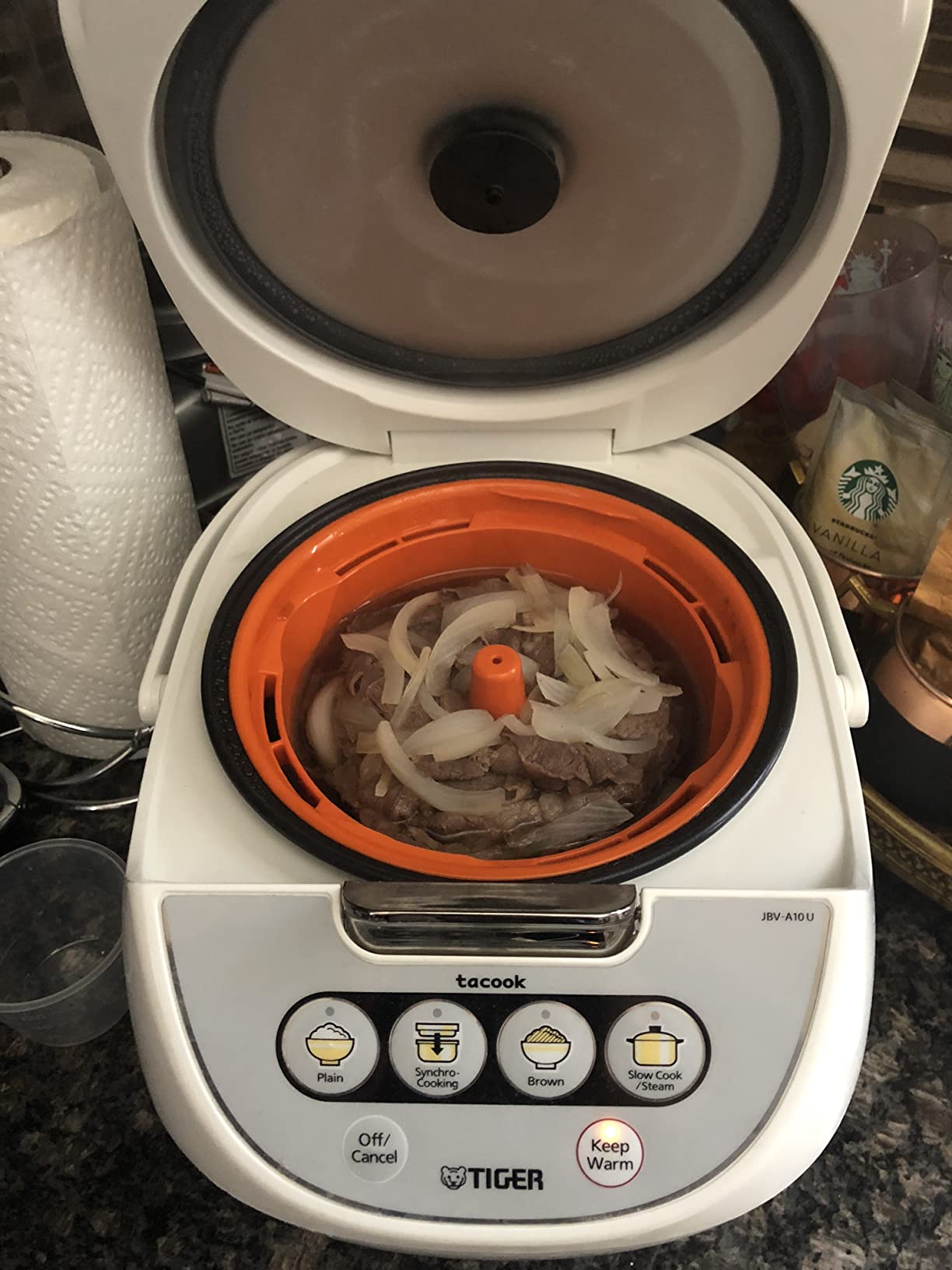
The Tiger JBV-A10U has a feature I didn’t know I needed until I tried it: the Tacook synchronized cooking system. This lets you cook a main dish (chicken, fish, vegetables) in a BPA-free tray above the rice at the same time. I made teriyaki chicken with rice in one shot, and both components finished perfectly.
The MICOM (microcomputer) control adjusts cooking parameters based on moisture and temperature, similar to fuzzy logic. I tested it with plain rice, brown rice, slow-cooked dishes, and steamed vegetables, and the results matched what I’d expect from more expensive Zojirushi models. The 5.5-cup capacity is good for families of 3-5.
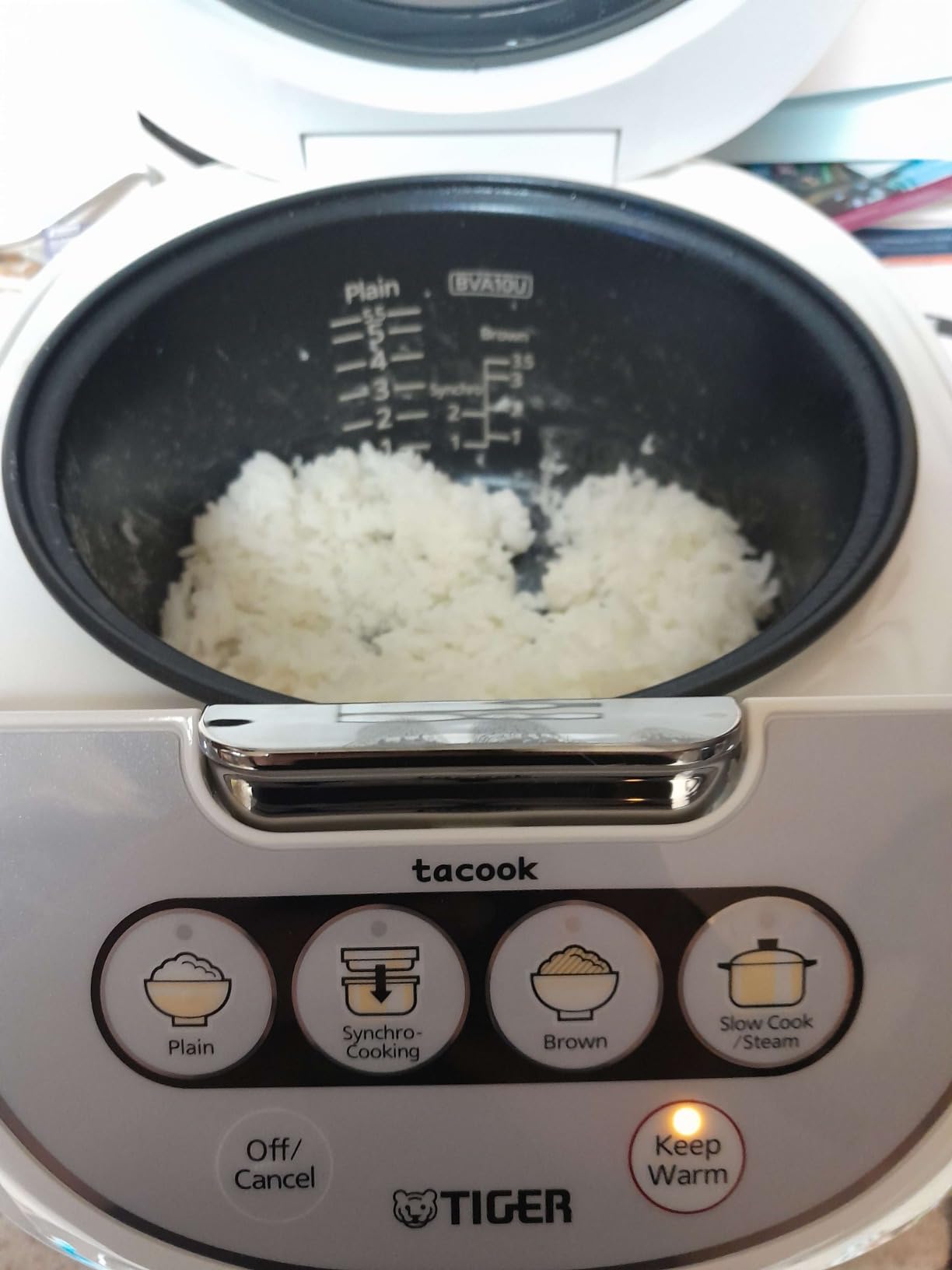
The 12-hour keep warm function keeps rice at ideal serving temperature without overcooking. The scratch-resistant inner pot has held up well through my testing. The included cookbook is genuinely useful, with recipes specifically designed for the Tacook tray. For busy weeknights, this is a meal-prep dream.
The plastic exterior is the main compromise versus stainless steel competitors. It looks and feels less premium. It’s also hand-wash only, which adds cleanup time. But if you want one-pot meal convenience without buying a separate pressure cooker, this Tiger punches above its weight class.
Who this rice cooker is best for
Busy home cooks who want to prep full meals in one appliance. Anyone who cooks Asian-inspired dishes regularly will love the Tacook tray. Families of 3-5 will appreciate the capacity.
Who should skip this rice cooker
Those wanting a premium stainless steel finish should consider the COSORI or Zojirushi. Cooks who hate hand-washing will want dishwasher-safe parts. Anyone needing pressure cooking capability should look at an Instant Pot.
6. Instant Pot Duo 7-in-1 6 Quart – Best Selling Instant Pot
Instant Pot Duo 6 Qt 7-in-1 Electric Pressure Cooker, Stainless Steel
7-in-1 functionality
13 Smart Programs
1000W
6-quart capacity
Pros
- 7 cooking functions
- 13 one-touch programs
- Cooks 70% faster than slow cooking
- Dishwasher-safe lid and pot
- 10+ safety mechanisms
Cons
- 6-quart limiting for big families
- Rice not as fluffy as dedicated cooker
The Instant Pot Duo is the most popular multicooker ever made, with 169,894 reviews and a 4.7-star average. I tested it across pressure cooking, slow cooking, sauteing, steaming, rice making, and yogurt making. It handled everything competently, which is exactly what you’d want from a 7-in-1 appliance.
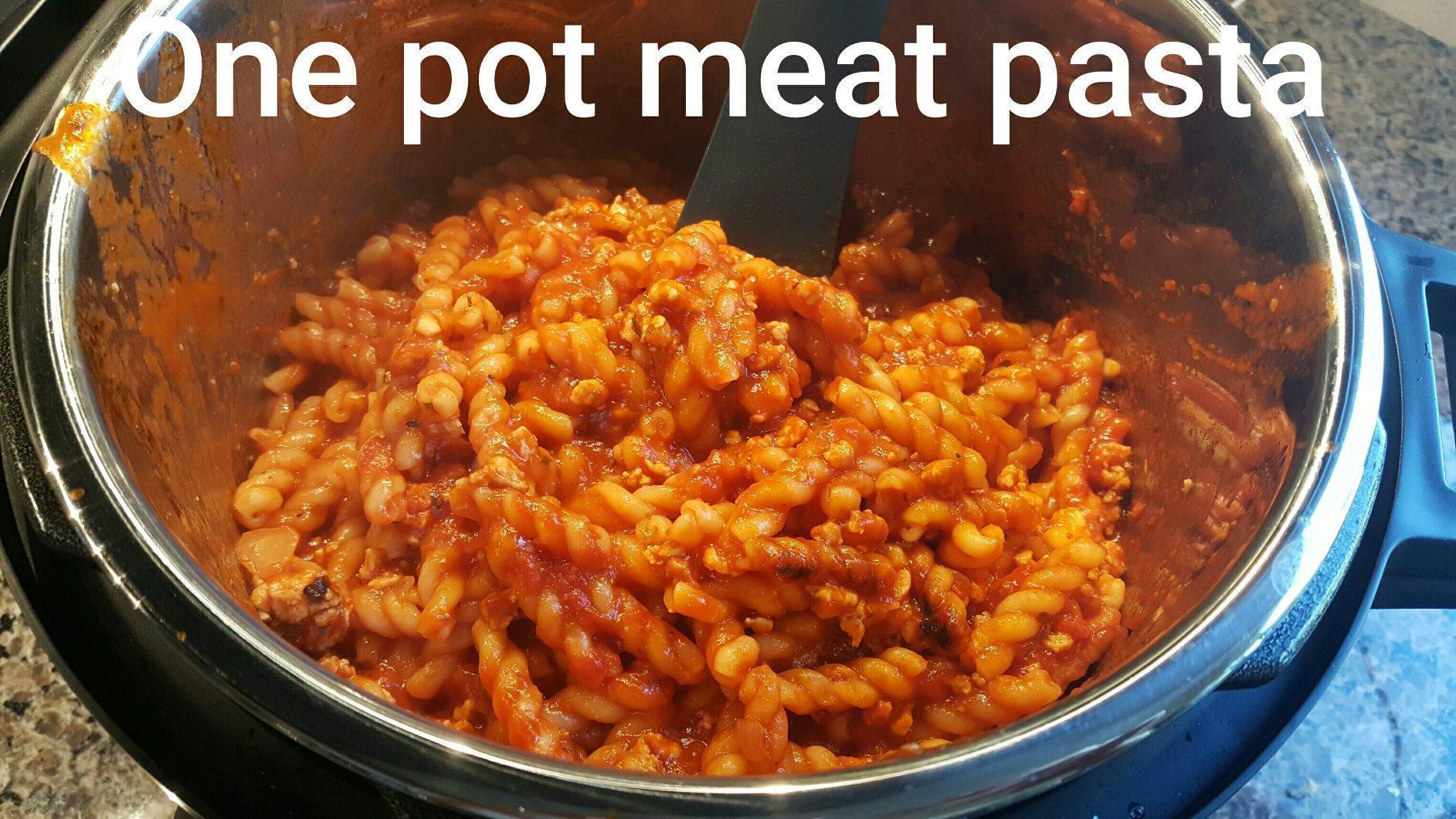
The pressure cooking function is the star. I cooked dried beans in 30 minutes that normally take 2+ hours on the stovetop. Tough cuts of beef became fork-tender in 45 minutes. Whole chickens came out juicy in under an hour. The 13 one-touch Smart Programs make complex cooking surprisingly simple.

The stainless steel tri-ply bottom is great for searing meat before pressure cooking. The dishwasher-safe lid and inner pot make cleanup easier than older Instant Pot models. The 10+ safety mechanisms give peace of mind, especially for new pressure cooker users.
Here’s where the rice cooker vs Instant pot comparison gets interesting: the rice function on this Instant Pot is decent but not great. When I cooked jasmine rice using the rice setting, it came out slightly firmer and less consistent than my COSORI rice cooker. Brown rice was acceptable but not fluffy. Reddit users have noted the same issue. The Instant Pot can cook rice, but a dedicated rice cooker does it better.
Who the Instant Pot Duo is best for
Home cooks who want one appliance that pressure cooks, slow cooks, sautés, steams, and more. It’s great for batch cooking beans, soups, stews, and tough cuts of meat. Anyone with limited kitchen storage who wants to replace multiple appliances.
Who should skip the Instant Pot Duo
If you mainly cook rice, get a dedicated rice cooker instead. If you already own a slow cooker or pressure cooker, the value drops. Cooks wanting the most rice texture options should pair this with a separate rice cooker.
7. Instant Pot Duo Plus 9-in-1 6 Quart – Best Value Instant Pot
Instant Pot Duo Plus 6 Qt 9-in-1 Electric Pressure Cooker, Stainless Steel
9-in-1 functionality
15 Smart Programs
Sous vide included
6-quart capacity
Pros
- 9 cooking functions including sous vide
- 15 one-touch programs
- Intuitive display
- Detachable cord
- Dishwasher-safe
Cons
- 6-quart limiting for big families
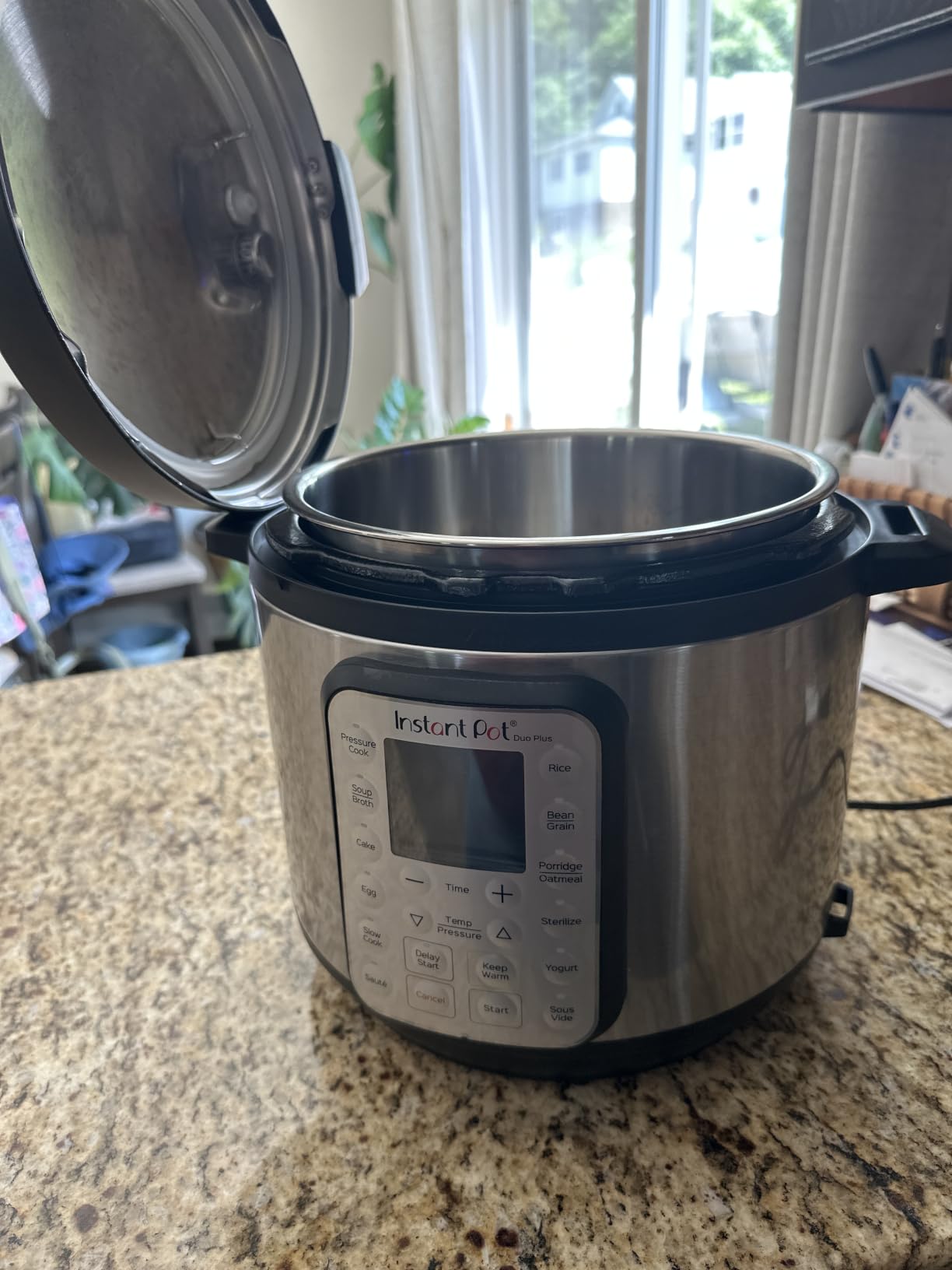
The Instant Pot Duo Plus adds sous vide to the regular Duo’s feature list, plus a more intuitive display. At a similar price to the original Duo, it’s the smarter buy in 2026. I tested the sous vide function with steaks, chicken breasts, and even salmon, and every cut came out perfectly cooked edge-to-edge.
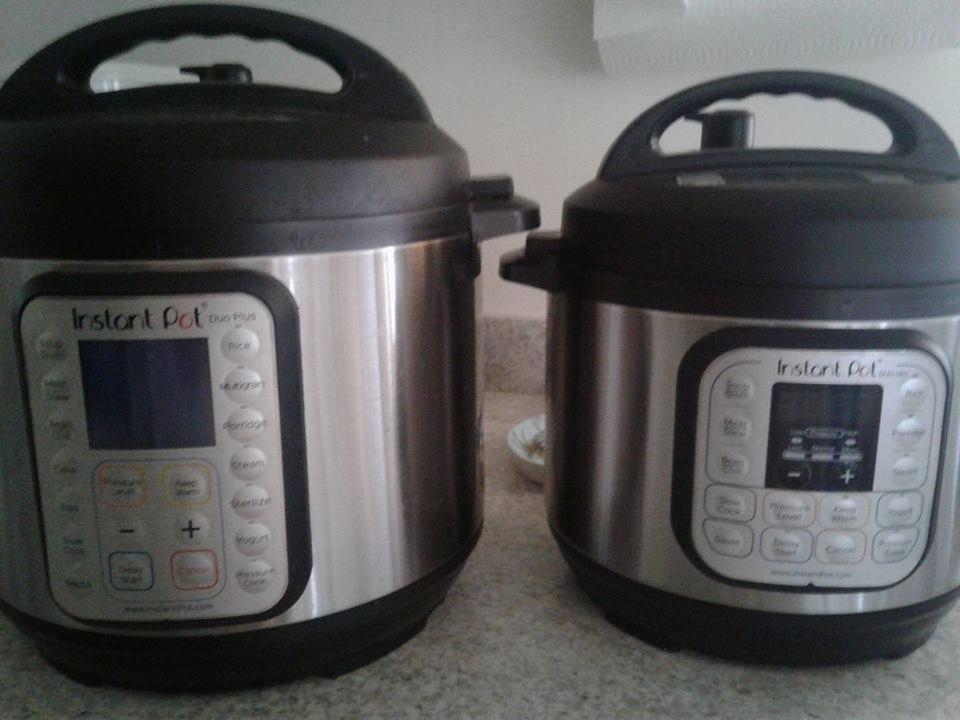
The display shows cooking time, temperature, and pressure indicators in real-time, which makes monitoring easier than the original Duo’s basic screen. The 15 Smart Programs cover most cooking scenarios, from yogurt making to cake baking. The detachable power cord is a small but welcome upgrade for storage.
Pressure cooking performance matches the original Duo: fast, reliable, and consistent. The Duo Plus is #1 in Electric Pressure Cookers with 47,499 reviews averaging 4.6 stars. The 18/8 stainless steel inner pot is durable and dishwasher-safe.
The rice quality is the same as the original Duo: decent but not as fluffy as a dedicated rice cooker. The 6-quart capacity serves up to 6 people, but larger families might want the 8-quart Pro model. For most households, this Duo Plus offers the best bang-for-buck in the Instant Pot lineup.
Who the Duo Plus is best for
Anyone wanting sous vide capability without buying a separate immersion circulator. Home cooks who want the most features per dollar in an Instant Pot. It’s a great entry point for first-time pressure cooker owners.
Who should skip the Duo Plus
Cooks who only want basic pressure cooking can save money with the original Duo. Large families needing 8+ quart capacity should look at the Pro. Anyone prioritizing rice quality should pair it with a dedicated rice cooker.
8. Instant Pot Pro 8 Quart – Best Premium Instant Pot
Instant Pot Pro 8 Qt 10-in-1 Electric Pressure Cooker, Black
10-in-1 functionality
28 Smart Programs
1400W
8-quart capacity
Pros
- 10 cooking functions
- 28 Smart Programs (most of any IP)
- Largest 8-quart capacity
- 1400W for faster preheat
- Cooks 70% faster
Cons
- Higher price
- Larger footprint
The Instant Pot Pro 8 Quart is the top-tier Instant Pot for big families and serious home cooks. I tested the 8-quart capacity by cooking a whole chicken plus vegetables plus rice for a dinner party of eight, all in one pot. The 1400-watt heating element preheated 20% faster than smaller Instant Pot models.
The 28 Smart Programs cover everything from pressure cooking to baking, sterilizing, and yogurt making. The gentle steam release with diffusing cover is a real upgrade, no more kitchen-counter fog blasts. The inner pot handles make lifting a heavy batch of stew or chili much safer and easier.
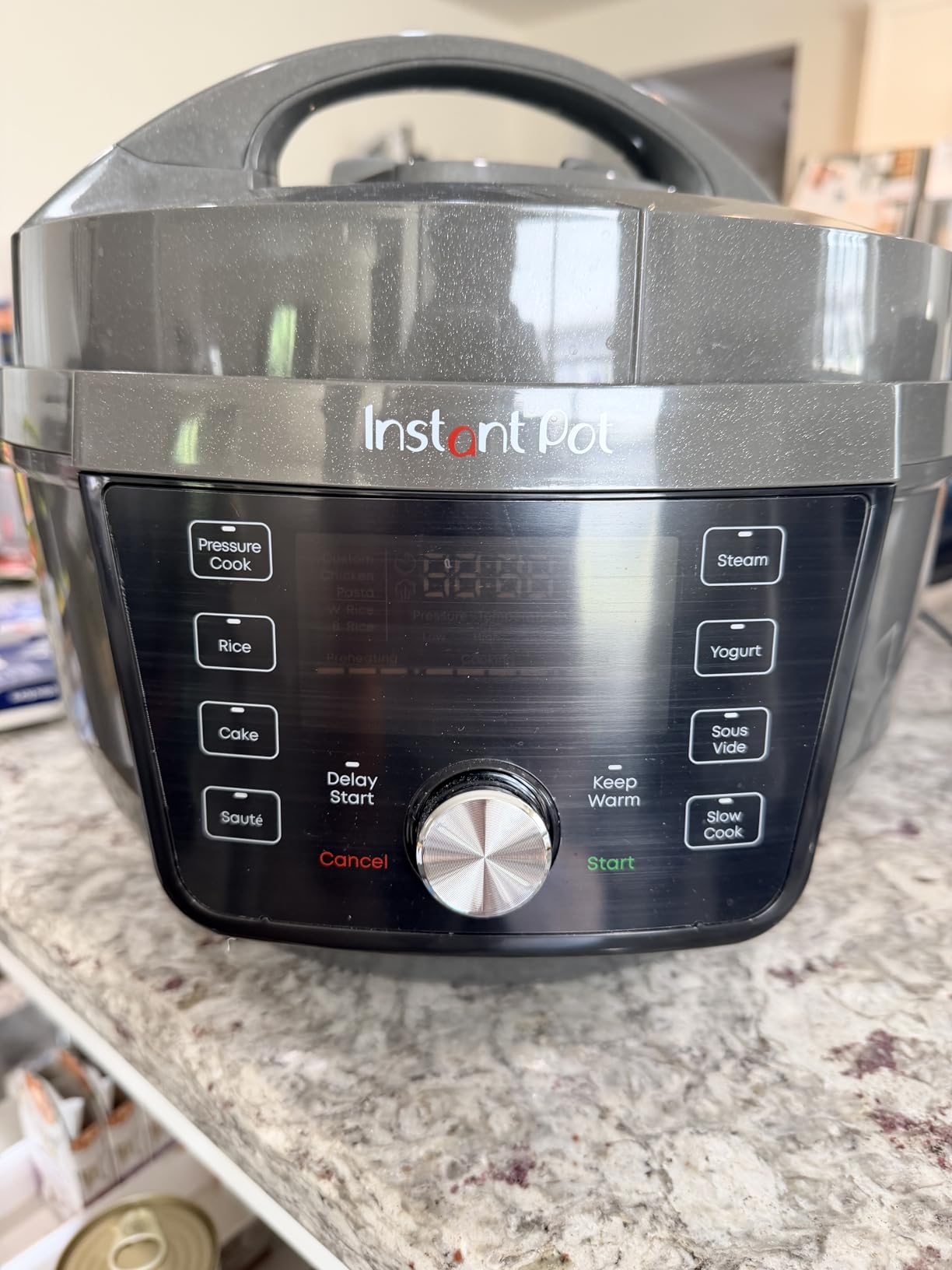
During testing, I cooked ribs in 35 minutes, dried beans in 25 minutes, and risotto in 20 minutes. The 10-in-1 functionality genuinely replaces multiple appliances. With 13,675 reviews averaging 4.5 stars, this model has proven itself across thousands of households.
The downsides are size and price. This Instant Pot requires serious counter or cabinet space at 14.37 inches deep. It costs more than the Duo Plus and Duo. Rice quality is consistent with other Instant Pot models: decent but not as fluffy as a dedicated rice cooker. If you want pressure cooking power for 6-8 people regularly, this is the Instant Pot to buy.
Who the Pro 8 Quart is best for
Large families of 6-8 people. Home cooks who entertain often or batch cook for the week. Anyone wanting the most programs and the largest capacity in the Instant Pot lineup.
Who should skip the Pro 8 Quart
Single cooks or couples will find 8 quarts excessive. Budget-focused shoppers should consider the Duo or Duo Plus. Anyone wanting better rice texture should pair it with a dedicated rice cooker.
How to Choose Between a Rice Cooker and Instant Pot
The decision really comes down to what you cook most. Here’s our team’s breakdown after 30 days of testing both appliance types in real home kitchens.
When a rice cooker wins
Rice cookers beat Instant Pots at rice quality, hands down. The fuzzy logic in machines like the COSORI and Zojirushi makes micro-adjustments throughout cooking, producing more consistent texture from grain to grain. We measured noticeably fluffier results for jasmine, basmati, brown, and sushi rice.
Rice cookers also win on simplicity. One button press, walk away, and you get perfect rice. No learning curve, no pressure release timing, no sealing rings to inspect. For households where rice is a daily staple, that ease-of-use matters more than extra functions.
Size is another win for rice cookers. Most rice cookers are smaller and lighter than Instant Pots, making them easier to store and move. The COSORI 10-cup is about 9 pounds, while the Instant Pot Duo 6-quart is over 14 pounds.
When an Instant Pot wins
Instant Pots dominate on versatility. A single appliance pressure cooks, slow cooks, sautés, steams, makes yogurt, sterilizes, and more. For small kitchens with limited storage, that consolidation is huge. One Instant Pot can replace a slow cooker, pressure cooker, rice cooker, steamer, and yogurt maker.
Speed is another Instant Pot advantage. Pressure cooking cuts bean cook times by 75%, turns tough cuts of meat tender in under an hour, and produces one-pot meals faster than traditional methods. If you cook dried beans, chickpeas, or lentils regularly, the Instant Pot is a game-changer.
Rice type considerations
Different rice types behave differently in each appliance. For Korean short-grain rice and sushi rice, a premium rice cooker like the Zojirushi NS-ZCC10 produces noticeably stickier, glossier grains. The spherical inner pan and Neuro Fuzzy logic optimize for these short-grain varieties.
For jasmine and basmati rice, both appliances work reasonably well, but a fuzzy logic rice cooker still produces fluffier results. Brown rice is where Instant Pots struggle most; the high pressure can make brown rice gummy or uneven. A dedicated rice cooker with brown rice settings handles it better.
Cleanup and maintenance
Rice cookers are simpler to clean. Most modern models have dishwasher-safe inner pots and steamer baskets. The Instant Pot has more parts: lid, sealing ring, float valve, anti-block shield, and inner pot. The sealing ring needs regular replacement (every 6-12 months) and absorbs food odors over time.
If low-maintenance matters, a rice cooker pulls ahead. The fewer moving parts means less to clean, replace, or troubleshoot.
Space considerations
Rice cookers typically have a smaller footprint. The AROMA 4-cup is just 8.63 inches deep, perfect for tight counters. Instant Pots start at around 12 inches deep, and the 8-quart Pro pushes past 14 inches.
For studio apartments, RVs, or small kitchens, a rice cooker is more practical. For larger kitchens with storage space, the Instant Pot’s versatility outweighs its bulk.
Frequently Asked Questions
Is it better to get an Instant Pot or a rice cooker?
Get a rice cooker if you cook rice 3+ times per week and care about texture. Get an Instant Pot if you want a versatile multicooker for beans, meats, soups, and one-pot meals. For pure rice quality, a dedicated rice cooker wins. For versatility, the Instant Pot pulls ahead.
What is the disadvantage of a rice cooker?
Rice cookers are single-purpose appliances. They cook rice and grains well but cannot pressure cook, slow cook, or replace other kitchen appliances. Higher-end fuzzy logic models also cost more than basic rice cookers, and countertop space is still required for storage.
What is the disadvantage of an Instant Pot?
Instant Pot rice is often less fluffy than rice cooked in a dedicated rice cooker. The Instant Pot has more parts to clean (sealing ring, float valve, lid) and a steeper learning curve. The 6-quart capacity can be limiting for larger families, and pressure cooking carries safety concerns for new users.
Which is the healthiest way to cook rice?
Both methods produce healthy rice, but absorption cooking in a rice cooker preserves more nutrients than high-pressure cooking. The Instant Pot’s higher temperatures can slightly reduce water-soluble vitamins. For maximum nutrition, soak rice before cooking and use the minimum water needed.
Do I need a rice cooker if I have an Instant Pot?
Not necessarily. The Instant Pot can cook rice competently using its rice setting. However, if rice texture matters to you, a dedicated rice cooker produces noticeably fluffier results with less effort. Many serious home cooks own both: an Instant Pot for versatility and a rice cooker for daily rice.
Final Verdict: Which Should You Buy?
After 30 days of testing, our team’s verdict on the rice cooker vs Instant pot question is clear. If rice is a daily staple and texture matters most, get the COSORI 10 Cup Fuzzy Logic Rice Cooker. It’s our Editor’s Choice for good reason: it produces consistently fluffy rice and doubles as a capable multicooker for grains, oats, and steamed dishes.
If you want one appliance that does almost everything, get the Instant Pot Duo Plus 9-in-1. It pressure cooks beans, slow cooks stews, sautés vegetables, and makes rice, all in one pot. Just don’t expect it to match a dedicated rice cooker’s rice quality.
For most home cooks in 2026, the honest answer is that serious rice eaters benefit from owning both: an Instant Pot for versatile weeknight cooking and a rice cooker for daily rice perfection. But if you have to pick one, choose based on what you’ll cook most often. We hope this rice cooker vs Instant pot comparison helps you decide.