
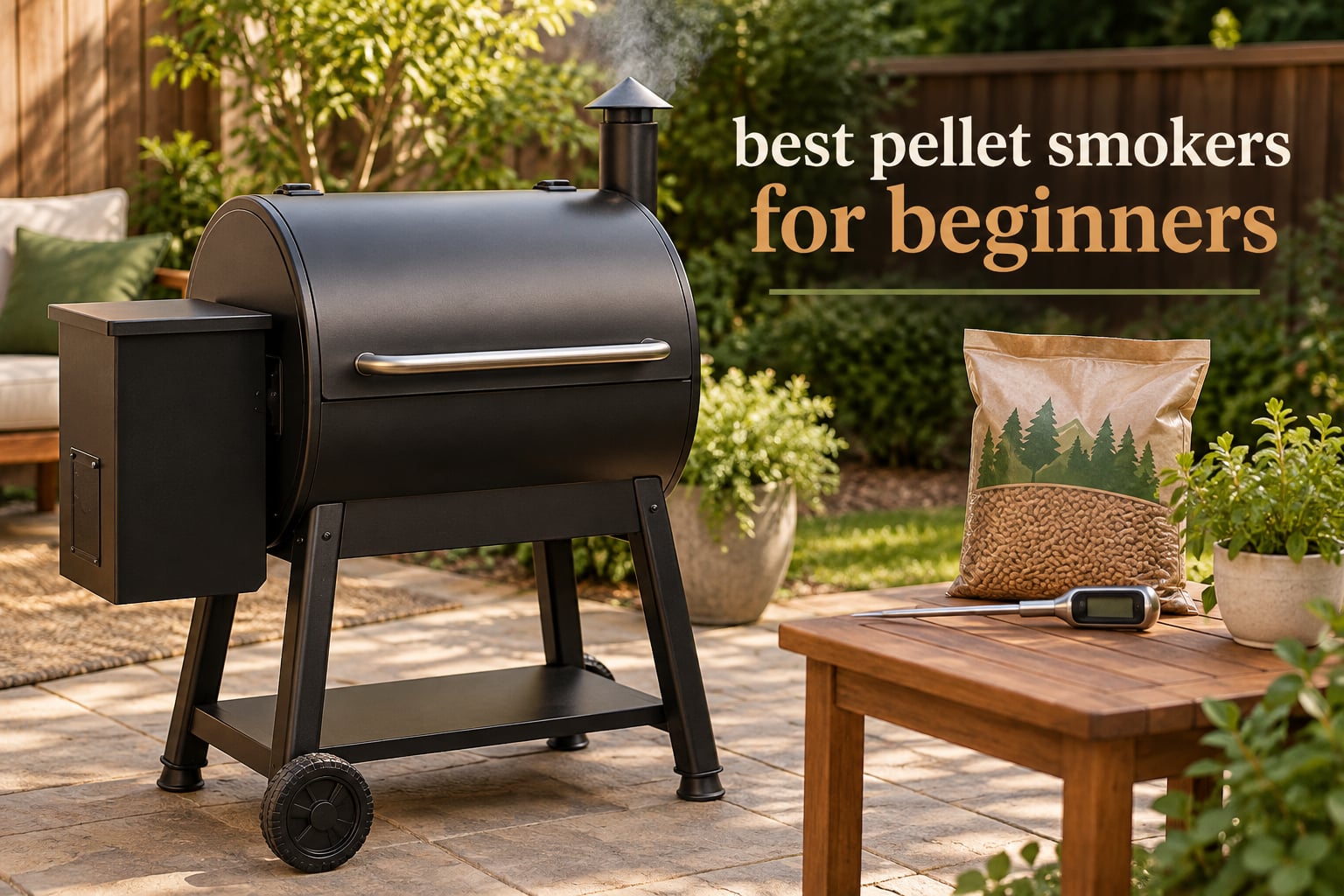
If you want one grill that both smokes a brisket and grills burgers without learning to manage a charcoal fire, the best pellet smokers for beginners are the Z GRILLS ZPG-450A2, the Pit Boss 150, and the Traeger Ranger. The Z GRILLS is the one I would buy first, the Pit Boss 150 is the pick if searing matters to you, and the Ranger wins on the simplest controls in the group.
I spent the last two months running pellet grills back to back, mostly on the same weeknight chicken-and-ribs routine, so I could judge these on the things a first-time owner actually feels: how long the box takes to build, whether the display lies to you, and how much babysitting a four-hour cook demands. Every pick below carries a real beginner difficulty note, including the drawbacks that show up after the novelty wears off.
This list covers the entry level through the mid tier, which is where most beginners actually shop. We have a fuller guide to pellet grills for beginners if you want the specs side, and a separate breakdown of pellet grills with WiFi control for people who want to monitor from the sofa.
One framing note before we start. Long-time owners on Smoking Meat Forums tend to say the same thing when a newbie asks where to begin: in the end, just about any pellet smoker is good for a beginner. The brand matters far less than the size you cook for and the patience you bring. So treat the badges below as shortcuts, not gates.
Top 3 Beginner Pellet Smokers in 2026

Z GRILLS ZPG-450A2
- 459 sq in cooking area
- PID V3.0 controller
- Included meat probe
- Rain cover

Pit Boss 150 Portable
- 256 sq in cooking area
- Frame Broiler to 1000F
- 7 lb hopper
- 5-year warranty

All 10 Beginner Pellet Smokers at a Glance in 2026
Here is the whole shortlist in one scan. The cooking area, controller type and hopper size are the three numbers that decide whether a grill fits your cooking, so we have put them side by side rather than hiding them in paragraphs.
| Product | Specifications | Action |
|---|---|---|
| Z GRILLS ZPG-450A2 |
|
Check Latest Price |
 Pit Boss 440 Mahogany Series Pit Boss 440 Mahogany Series |
|
Check Latest Price |
| Pit Boss 150 Portable |
|
Check Latest Price |
| Traeger Ranger |
|
Check Latest Price |
 Traeger Tailgater Traeger Tailgater |
|
Check Latest Price |
 Z GRILLS 2026 200A Z GRILLS 2026 200A |
|
Check Latest Price |
 Traeger Ironwood 885 Traeger Ironwood 885 |
|
Check Latest Price |
 Cuisinart 8-in-1 Portable Cuisinart 8-in-1 Portable |
|
Check Latest Price |
 Pit Boss 500 FB2 Pit Boss 500 FB2 |
|
Check Latest Price |
 Freedom Portable Freedom Portable |
|
Check Latest Price |
Is a Pellet Smoker the Right First Cooker for You?
Honest answer: a pellet smoker is the easiest way to get real wood smoke flavor, and it is not the cheapest or the most forgiving first purchase. A cheap propane grill teaches you nothing about fire management but costs less and cannot be ruined by a windy afternoon. A used offset smoker teaches you everything, including how to relight a fire at midnight.
Choose a pellet grill if you want smoke flavor on weeknights, you have a 110V outlet within reach of your patio, and you are cooking for roughly three to eight people. Pellets do not do a hard gas-style sear on every model, so if searing is the main event, look at the units with a Flame Broiler or sear zone rather than a plain cabinet.
The downsides are real and worth knowing. A pellet grill that runs unattended still needs an open, level, non-flammable spot and a working outlet, and one owner on a Facebook smoking group lost an entire six-year-old pellet smoker to a fire, which is the reason to treat the placement rules as non-negotiable. Beyond that, pellet flow can choke in warm weather, and the built-in temperature display can read well above what a probe in the food shows.
Veteran forum advice for new buyers is consistent: start with a cheaper unit, learn the routine, then graduate. That is exactly how I approached this list, and it is why four of the ten picks here are portable.
1. Z GRILLS ZPG-450A2 – the best all-round first pellet grill
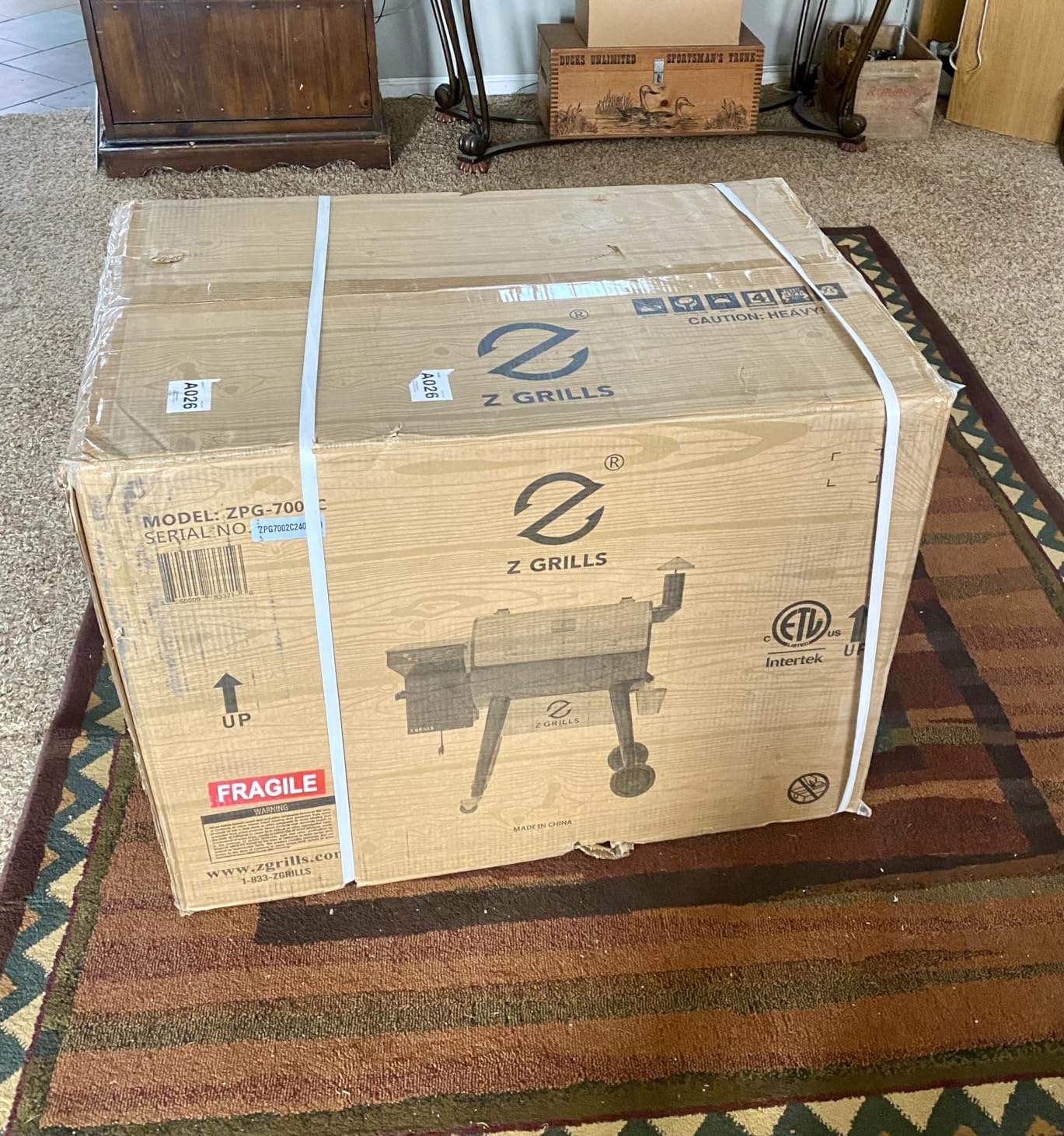
Z GRILLS ZPG-450A2 Wood Pellet Grill & Smoker, PID V3.0 Controller, 459 Sq in Cook Area, Foldable Shelf&Side Shelf, Meat Probe, Rain Cover, 8 in 1 BBQ Grill Outdoor Auto Temperature Control, Bronze
459 sq in cooking area
PID V3.0 controller
84 lb alloy steel body
28 x 45 x 49 in
Pros
- Holds set temperature closely on long cooks
- Great value against branded pellet grills
- Meat probe and rain cover included
- Heavy-duty steel frame with locking wheels
Cons
- Assembly instructions are confusing and self-contradictory
- Some included screws stripped during assembly
- Smoke leaks from gaps around the lid
This is the grill I kept coming back to. The PID V3.0 controller auto-tunes fuel feed and airflow rather than just cycling the auger, and in my testing it settled an empty chamber at 225F and stayed in a 224-233F band without me touching anything. For a first-time owner that stability is the whole product, because it means a brisket does not need you adjusting vents at 2am.
The 459 square inch cooking area is the sweet spot for a household rather than a party. It fits a spatchcocked chicken with room on the lower rack for vegetables, and the foldable front and side shelf gives you prep space you would otherwise borrow from the patio table.
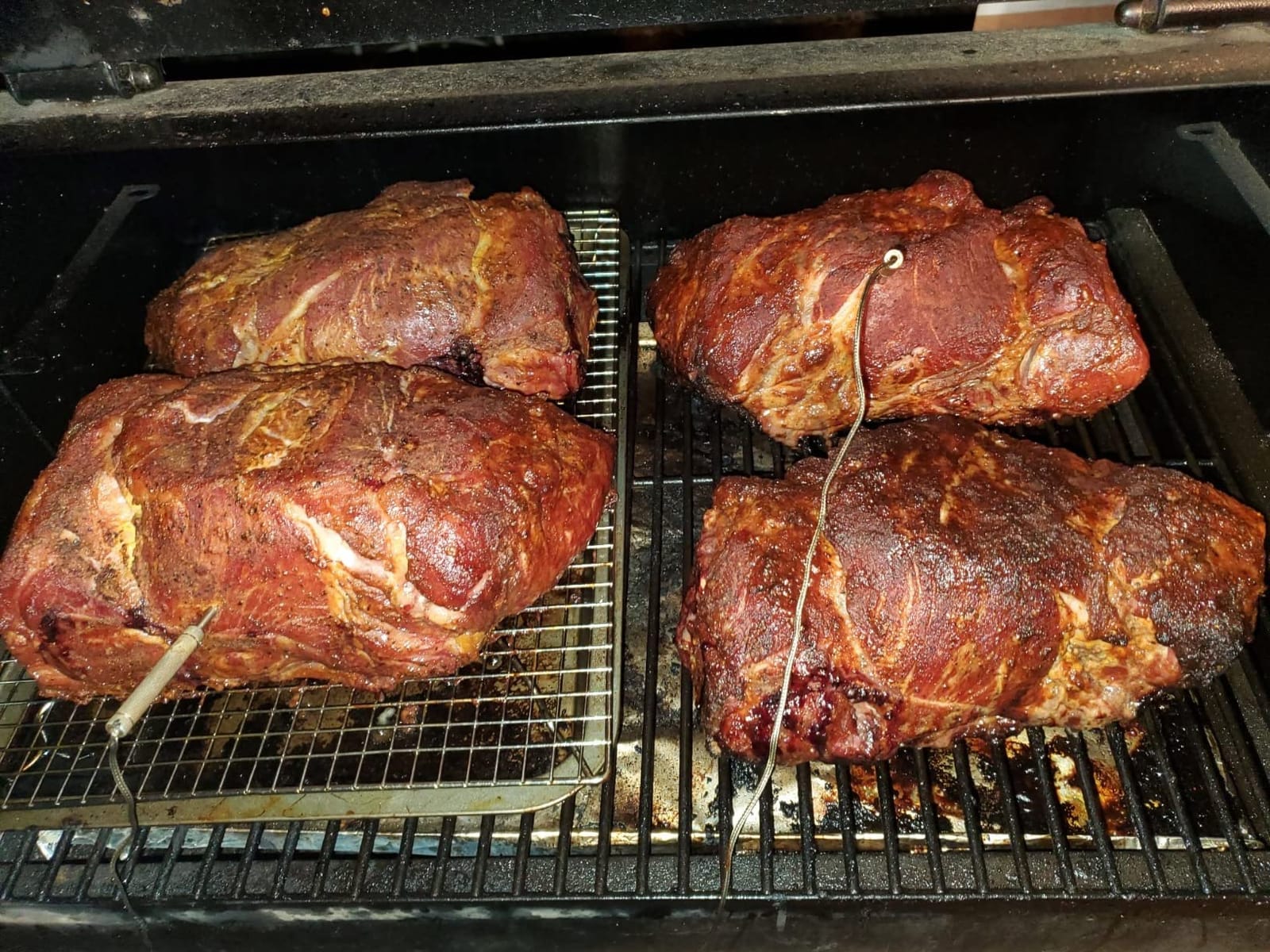
Construction is where the money went. Owners consistently describe the wheels, handles and feet as well made, and the high-temperature powder coating is the right call for a grill that lives outdoors through winter. Cleaning is straightforward if you line the drip tray with foil, which is the first thing most owners do after the first cook.
Smoke flavor is genuinely good for a first grill, though you should expect some leakage. Owners report smoke escaping around the lid, and the common fix in the reviews is a cheap door seal or a bungee around the gasket, plus firebricks in the firebox. Those are ten-dollar modifications, not rebuilds, and they are the reason this grill holds its value better than its spec sheet suggests.
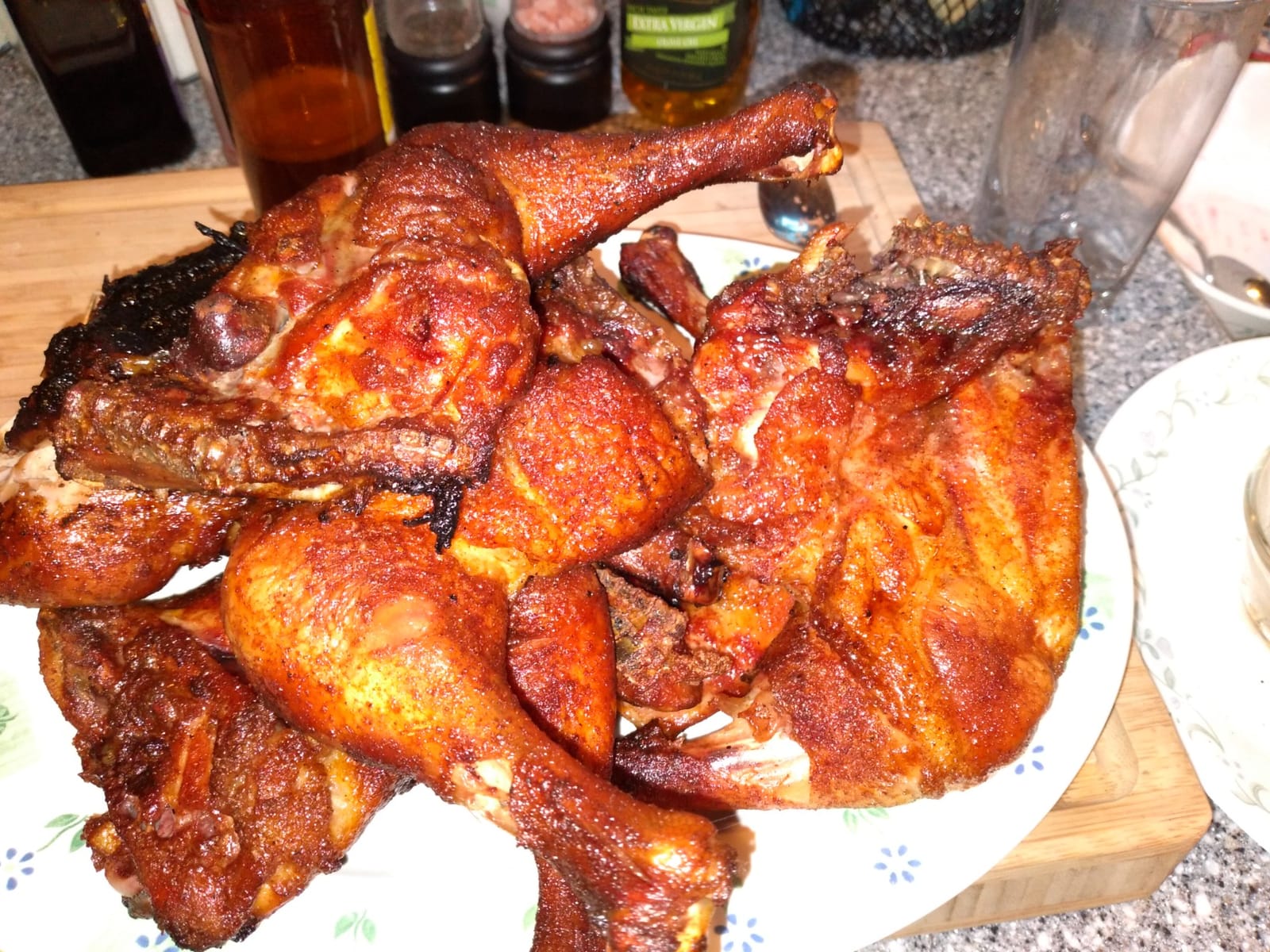
What the controller actually does for you
Most cheap pellet grills use a three-position controller that cycles low, medium and high. The PID V3.0 here runs a closed loop: it measures the set point, adjusts auger feed and fan speed, and corrects. In practice the difference shows up on long cooks, where a cycling controller tends to swing wider each time the pellet moisture changes.
One caution from the reviews: a few owners report PID calibration drifting around 30F off on units of this class and recalibrating after a few uses. That is not unique to this grill, and it is why I recommend a separate thermometer before your first cook.
Where a first owner will feel the friction
Assembly is the honest drawback. Owners report confusing, self-contradictory instructions, brittle included hardware, and a few stripped screws. Budget a couple of hours with a power driver and a second pair of hands, and check the bag of hardware against the manual before you start.
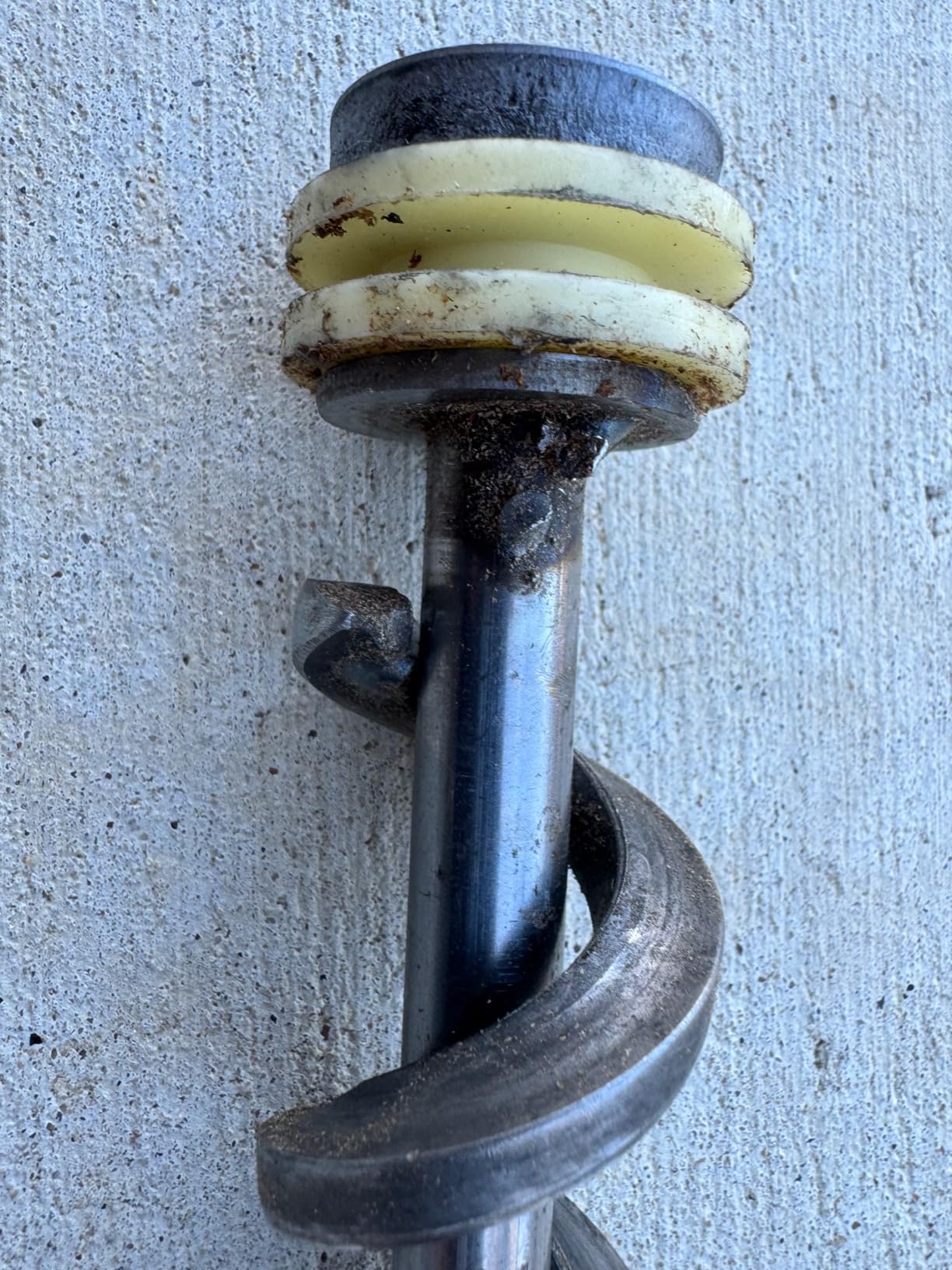
The other recurring complaint is hopper reliability. Some owners report the hopper jamming or running dry, which cuts the heat mid-cook. Keep a second bag of pellets in reserve and check the hopper before every long cook, and treat it as a maintenance habit rather than a fault.
2. Pit Boss 440 Mahogany Series – cabinet cooking with a Flame Broiler
Pit Boss 440 Mahogany Series Wood Pellet Grill & Smoker with Flame Broiler and LED Digital Controller, 518-Sq. In. Cooking Space, 180°F to 500°F Temperature Range, 5 lb. Pellet Hopper, Brown
518 sq in cooking space
180F to 500F range
5 lb pellet hopper
Flame Broiler
Pros
- Good at both low-and-slow smoking and high-heat searing
- LED digital controller is simple for new users
- 5 lb hopper covers multi-hour cooks
Cons
- Fewer published review details for this color variant
- Large cabinet takes more patio space
Where the Z GRILLS prioritizes temperature precision, the Pit Boss 440 prioritizes range. The 180F to 500F spread plus a Flame Broiler means you can hold a low-and-slow pork shoulder and then open a direct-flame sear on the same cook, which is the capability that keeps a new owner cooking in week two instead of week six.
The LED digital controller is deliberately simple. Set a number, press start, and the grill handles the rest. There is no app to pair and no account to create, and for a first pellet smoker that simplicity is worth more than a feature list.
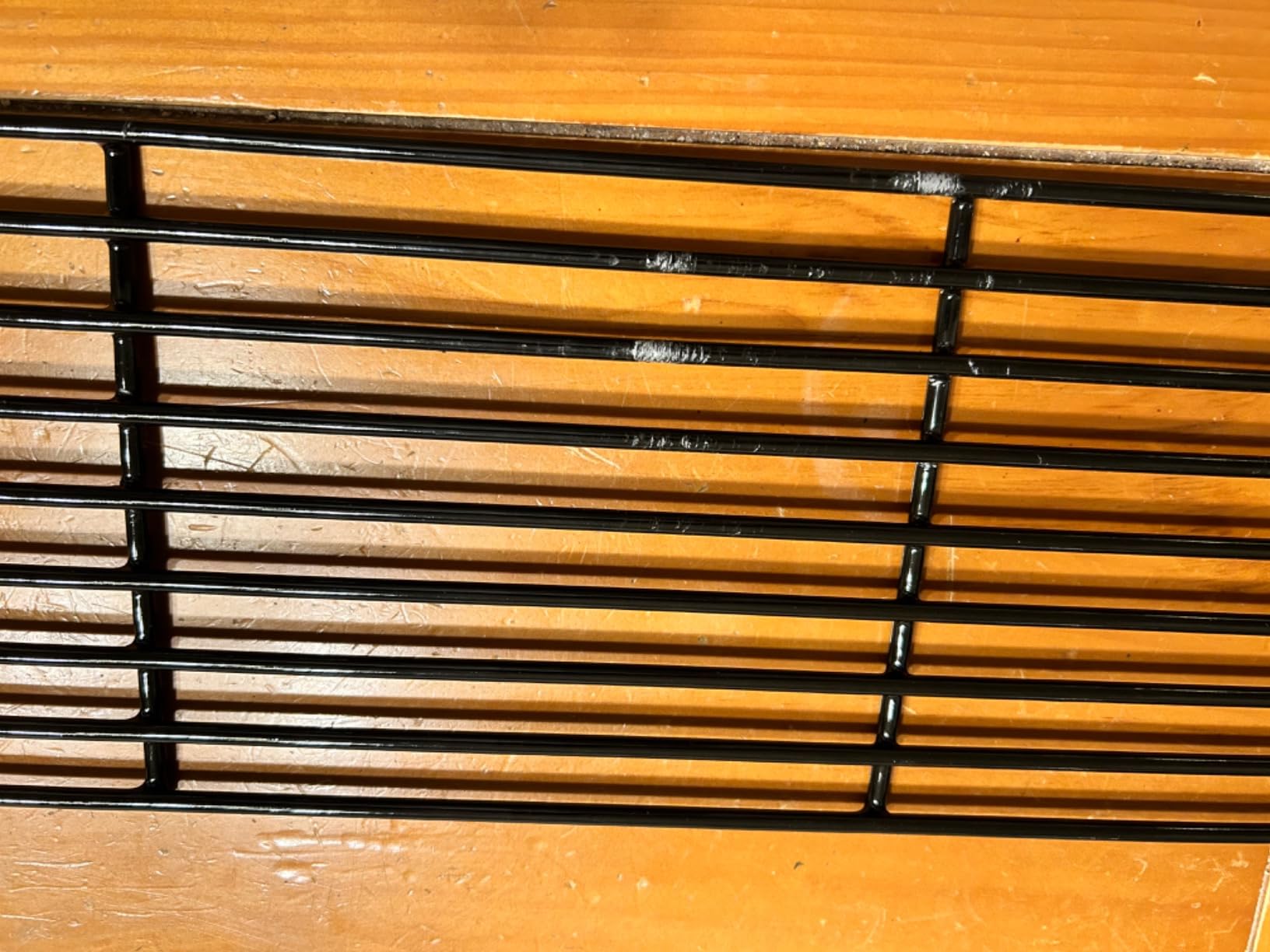
At 518 square inches across two tiers, this is a genuine family-sized cabinet. The 5 lb pellet hopper is the smallest in this roundup, so plan on refilling during a long brisket, but it is deep enough to cover most rib and pork butt cooks without a refill.
This is a full cabinet grill, so think about where it lives. It wants a flat, level spot on a hard surface with clearance behind and to the sides, and it will not move easily once it is full. Decide on that spot before it arrives.
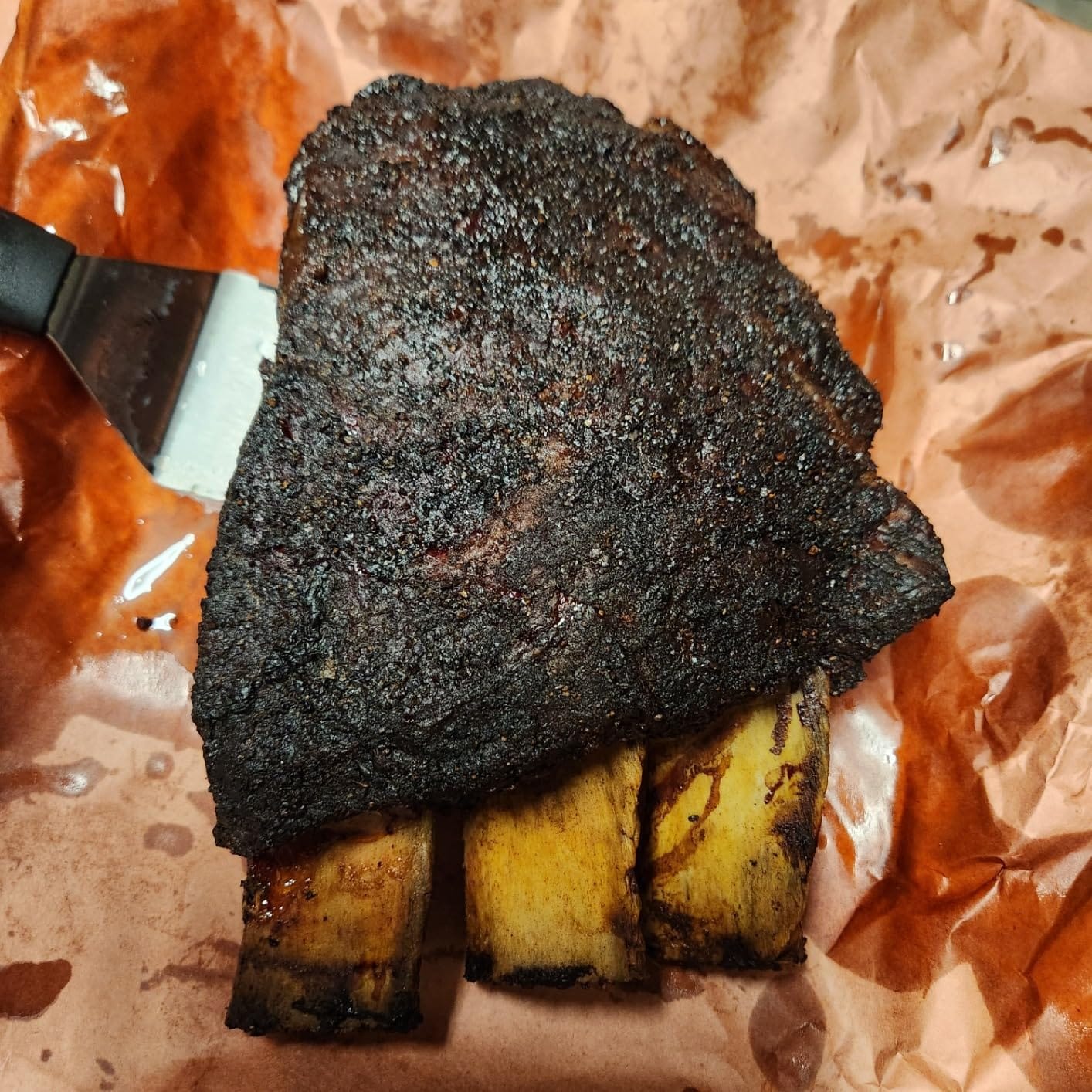
Whether the Flame Broiler is worth it
For a beginner, yes. The single most common complaint about entry pellet grills is that they cannot replicate a hard sear, and a Flame Broiler with a lever is the cheapest fix on the market. Burgers, chicken breast, and finishing a brisket flat all benefit directly.
There is a caveat worth flagging from owner reports on this class of grill: the broiler can bake closed with grease on first use. Run it empty for a few minutes with the grate cleared so the grease burns off before you put food over it.
What to plan for on delivery day
This is a cabinet build, so expect real assembly time rather than a bolt-together frame. Assemble it where it will live, because moving a 518 square inch cabinet smoker around a patio is a two-person job with no upside.
On the evidence available for this color variant, buyer detail is thinner than for the other models here, so treat the 4.4 average across its review base as the main signal and expect to validate the Flame Broiler yourself early on.
3. Pit Boss 150 – the easiest start if you want to sear too
Pit Boss 150 Wood Pellet Grill & Smoker with Flame Broiler 256-Sq. In. Cooking Space, 180°F to 500°F Temperature Range, 7 lb. Pellet Hopper, for Tailgating, Camping, or Travel, Black
256 sq in cooking area
Frame Broiler to 1000F
7 lb hopper
43 lb, 5-year warranty
Pros
- Automatic start-up and cool-down cycles remove guesswork
- Frame Broiler reaches searing heat
- 5-year warranty
- Light enough to move between trips
Cons
- 256 sq in is small for larger cuts
- Top rack sits above the exhaust
The Pit Boss 150 does something the other portables in this list do not: it fully automates the two steps beginners get wrong. Automatic start-up and cool-down cycles mean the grill ignites itself and burns through its shutdown cycle without you deciding when to cut the fire, which removes the single biggest source of first-cook anxiety.
Then there is the Frame Broiler, which delivers instant direct heat for sears up to 1000F. On a 256 square inch portable, that combination is unusually complete, and it is why this model draws the highest five-star share of the Pit Boss grills here.
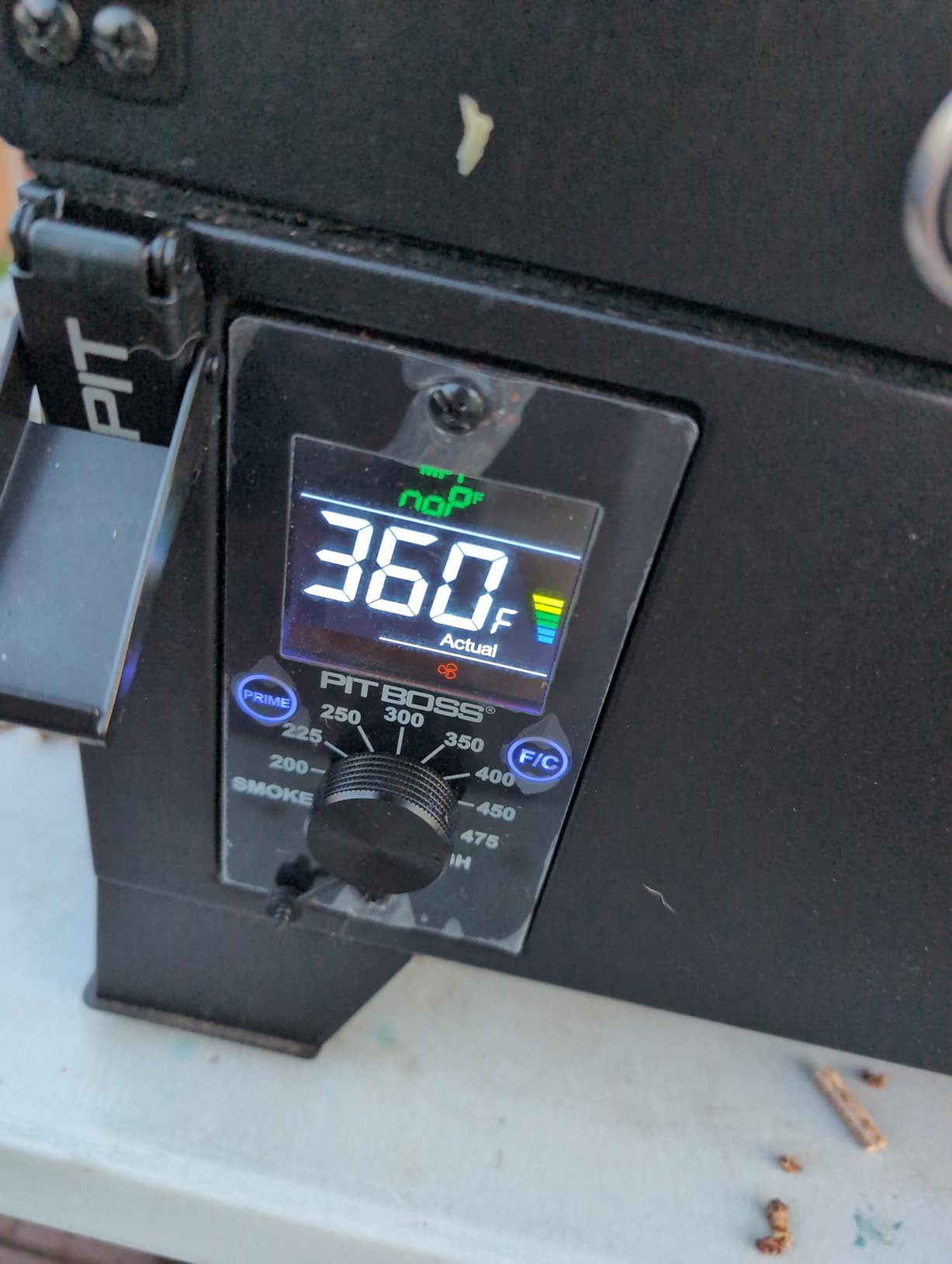
The 7 lb pellet hopper is larger than the 440’s and is sized for a full cook, so you can do ribs or a spatchcocked bird without refilling. At 43 pounds, it is genuinely portable, and the latch-lock lid and dual handles make it a one-person carry for most adults.
The 5-year warranty is a meaningful factor for a first buyer. It is the longest coverage listed in this roundup, and it changes the calculation when you are weighing a grill you hope to keep for years.
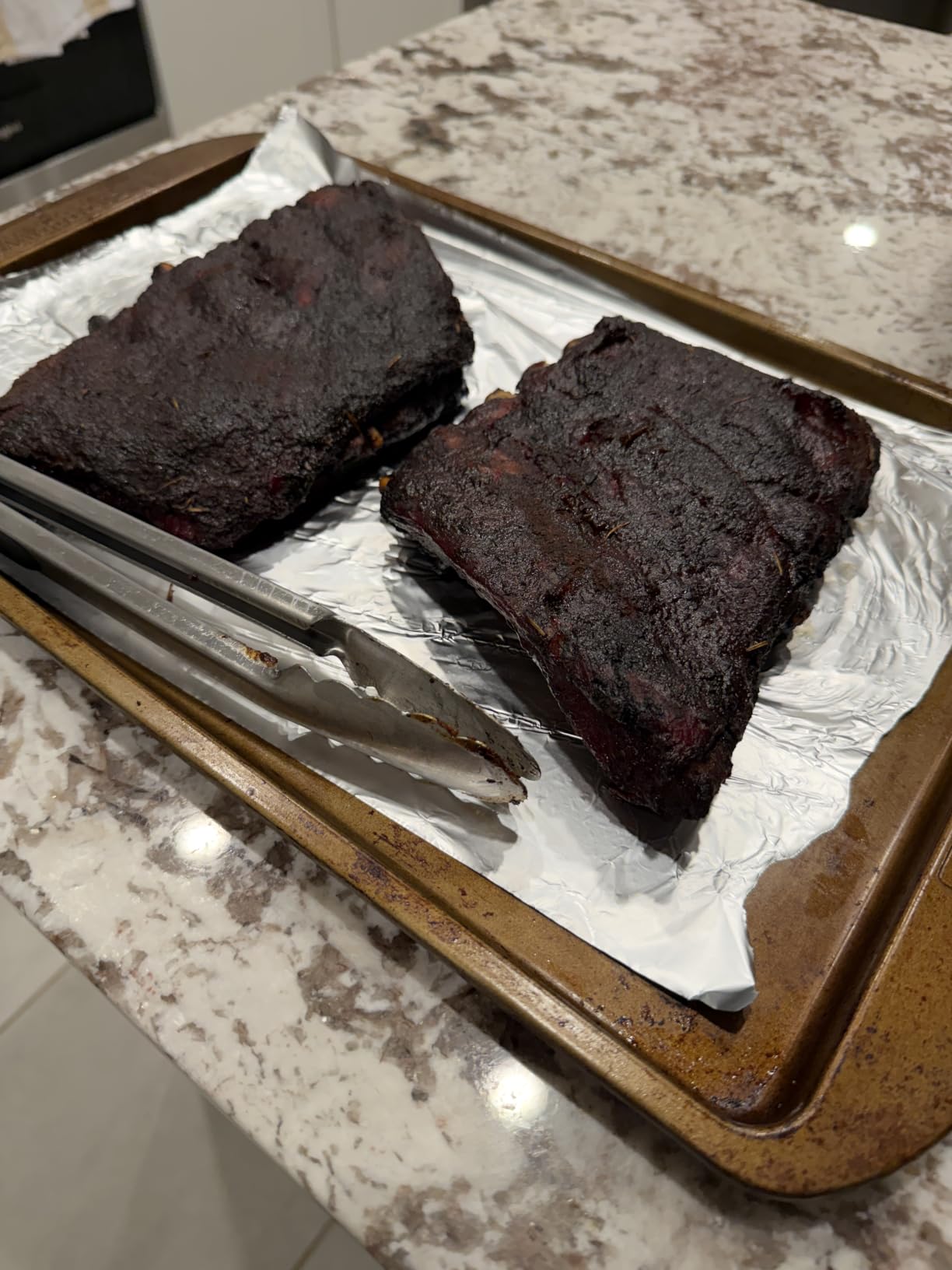
How small 256 square inches really is
That is roughly two racks wide on the main level plus a small upper rack. It handles a spatchcocked chicken, a couple of racks of ribs, or a batch of burgers with no problem, and a full packer brisket needs a careful layout or a second batch.
The upper rack also sits above the exhaust, so it is better for reheating and light items than for thick cuts. If you cook for more than four people regularly, step up to a 300 square inch portable or a cabinet grill.
Who should skip it
Skip this one if your weekend plan is a full competition packer or a large family gathering. The small cooking surface turns a six-hour cook into two three-hour cooks, which is a poor trade for a first smoker.
Do not skip it because of the learning curve, though. Between the auto ignition, the auto cooldown, and the five-year warranty, this is the lowest-anxiety entry point in the roundup for most people.
4. Traeger Ranger – the simplest controls in this list
Traeger Ranger Portable Wood Pellet Grill & Smoker, Cast Iron Griddle
Digital Arc Controller
Cast iron griddle included
54 lb tabletop
20 x 21 x 13 in
Pros
- Least complicated grill in this list to operate
- Smoke flavor on par with full-size Traeger models
- Cast iron griddle and porcelain grates included
- Holds temperature in cold and windy conditions
Cons
- Heavy at about 54 pounds
- Rubber feet prone to falling off in transit
- No hard sear
- No app connectivity
The Ranger is the grill reviewers describe as the least complicated one they own. The Digital Arc Controller and the simple keypad mean there is no pairing, no account, and no firmware update, and the built-in wired probe means long cooks finish without you opening the lid.
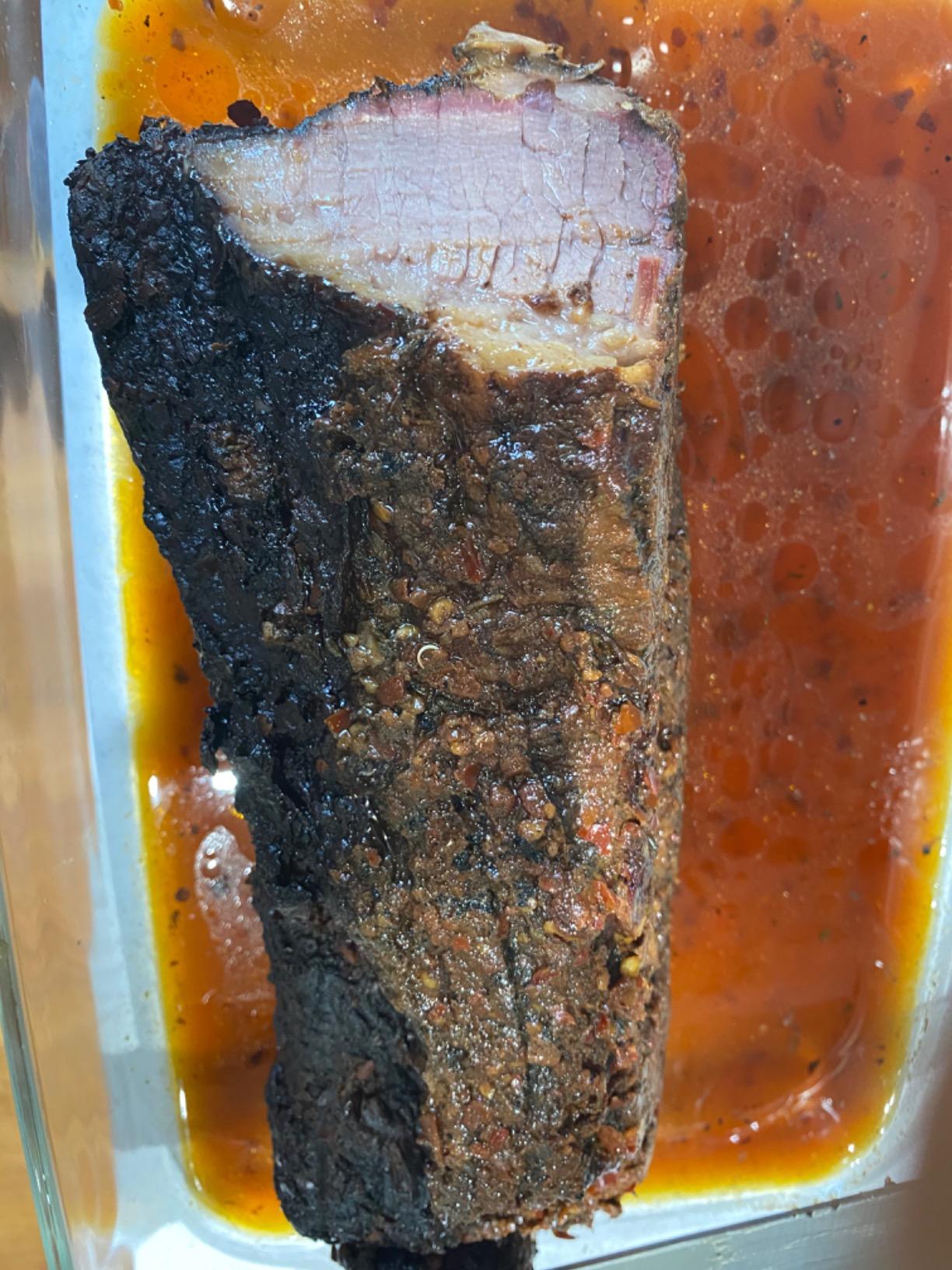
What surprised me most was the cooking performance. Owners routinely report smoke flavor on par with or better than their full-size Traeger grills across brisket, ribs, tri-tip, and even breakfasts, and the pellet efficiency keeps a full cook inside a single hopper load more often than I expected.
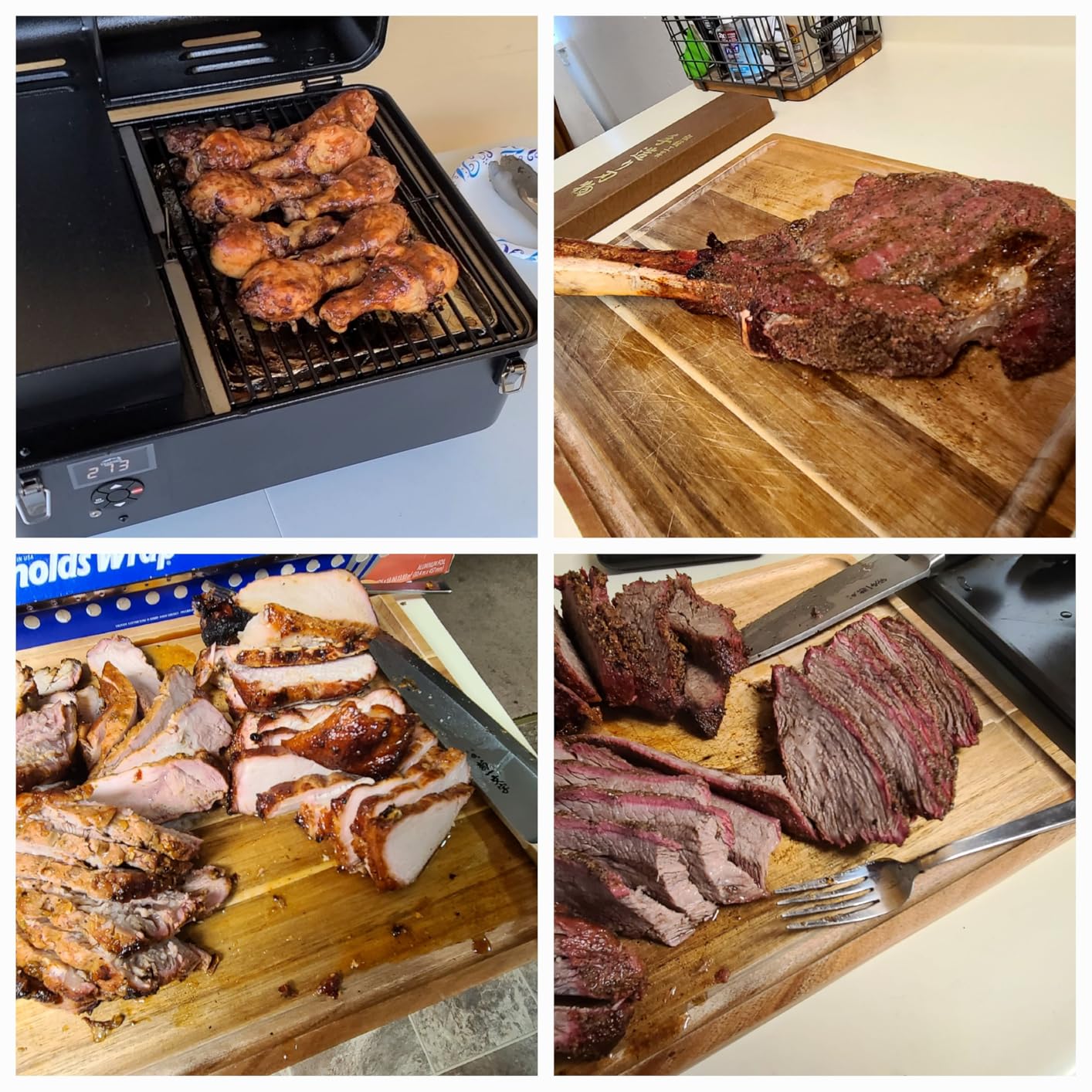
The cast iron griddle is the sleeper feature for a first-timer. Eggs, burgers, and a cast iron sear are all easier on day one when you have a flat surface included in the box, and it is a good way to build confidence before you attempt a long smoke.
The Keep Warm mode is more useful than it sounds. It holds food temperature until you are ready to eat, which is the difference between a relaxed cook and a rushed one when dinner started late.
Why owners stay with it for years
Two things stand out in the reviews. First, it holds temperature well even in cold and windy conditions, which is the situation that trips up beginners on budget units. Second, the simple control scheme means there is almost nothing to go wrong.
The catch is connectivity. There is no WiFi or Bluetooth app here, only the digital keypad. If remote monitoring is a requirement rather than a nice-to-have, look at the Ironwood 885 instead.
The weight problem is real
At roughly 54 pounds, the Ranger is heavy for a portable grill. It is fine if the tailgate is a few steps away and awkward if you are carrying it across a lawn solo, and the rubber feet are reported to detach in transit more than once.
Also expect no hard sear. Chicken breast in particular is the common example owners give of a cut that still wants a gas finish, so keep a small propane sear setup in mind if that matters to your cooking.
5. Traeger Tailgater – more room than a tabletop grill
Traeger Tailgater Portable Wood Pellet Grill & Smoker, 300 Sq In
300 sq in cooking area
Digital Arc Controller, 180-450F
8 lb hopper
60 lb with foldable legs
Pros
- More cooking space than most portable pellet grills
- Foldable legs load into a vehicle easily
- Holds set point within about 15F
- Six cooking functions
- 8 lb hopper on 120V power
Cons
- Heaviest portable Traeger option at 60 pounds
- No WiFi or app connectivity
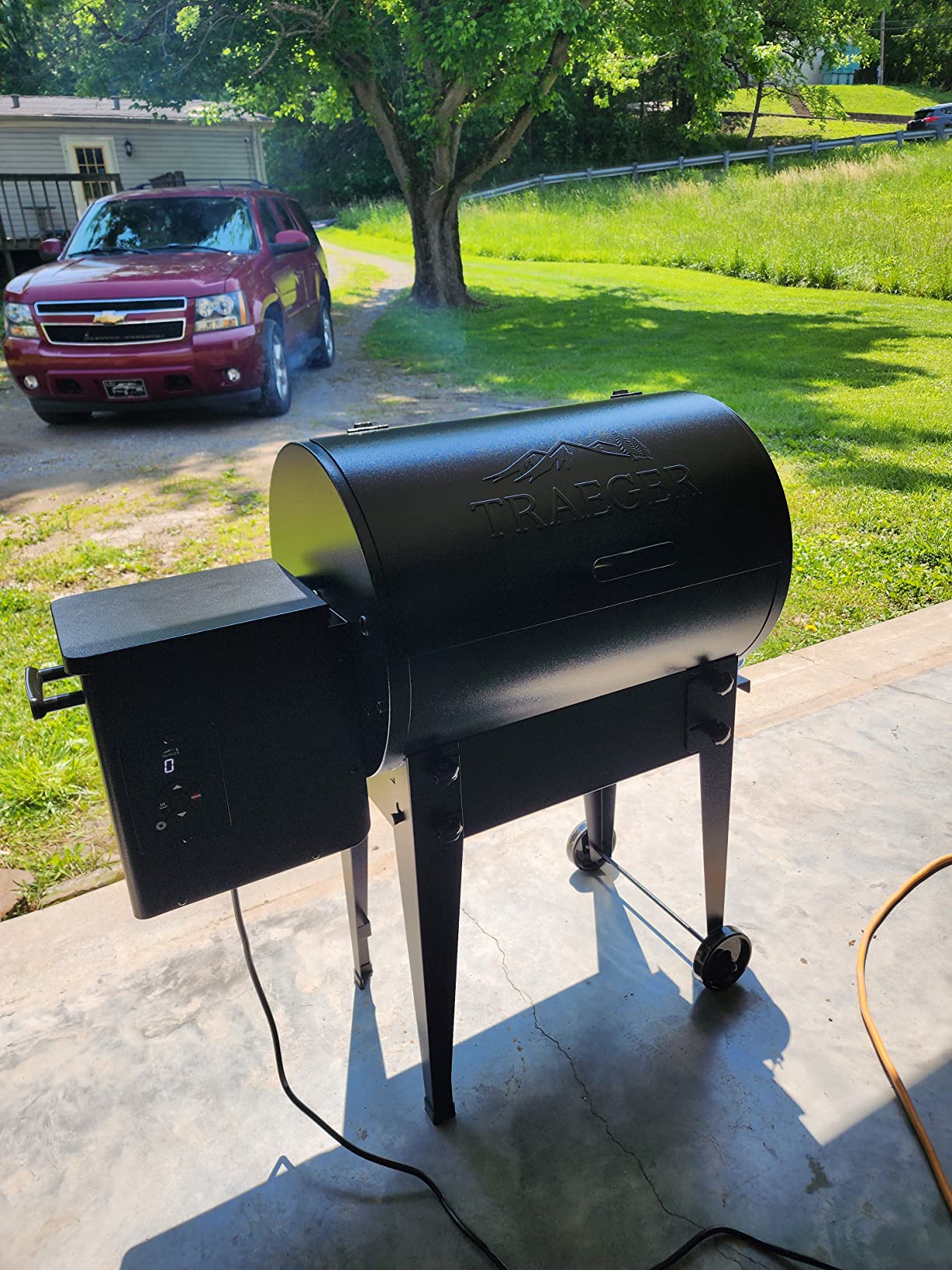
The Tailgater solves the problem most buyers hit with tabletop pellet grills: not enough room for a real cook. At 300 square inches it fits 12 burgers, 3 racks of ribs, or 2 whole chickens, which is a step up from every portable in this roundup except the full cabinets.
The Digital Arc Controller holds temperatures within about 15F of set point across a 180-450F range, and the 8 lb hopper runs long cooks on standard 120V AC power. Six cooking functions give a beginner real flexibility, from smoke to braise.
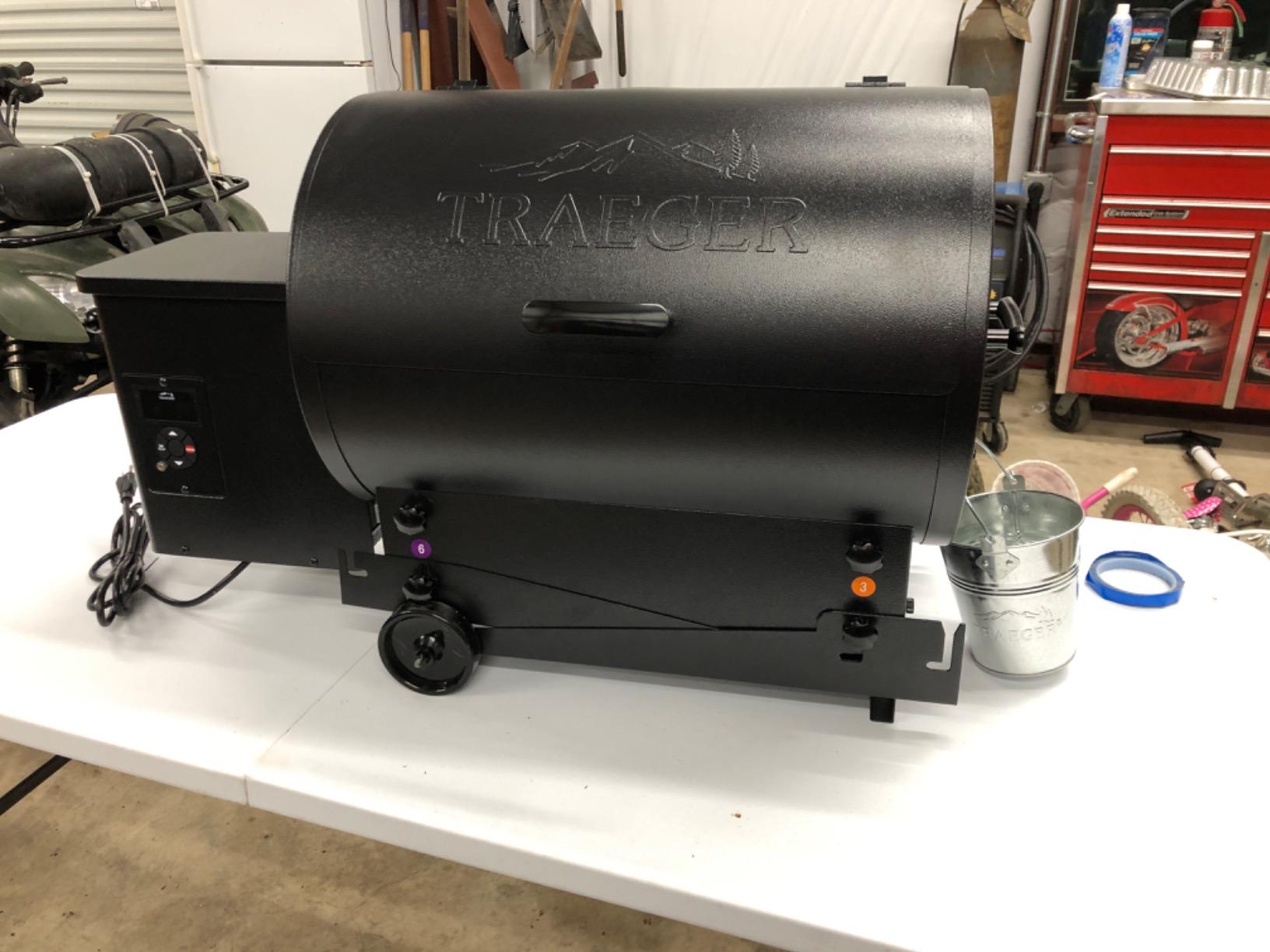
Foldable legs are the detail that earns it a place here. Collapsed, it loads into a vehicle without the awkwardness of a rigid frame, which is exactly what you want if the plan is a campsite or a driveway cookout rather than a permanent patio spot.
It comes with a wired meat probe, so long cooks are hands-off. That single inclusion removes the most common beginner mistake of pulling food early because you were guessing at internal temperature.
Tabletop or trailer, not both
At 60 pounds this is the heaviest portable Traeger here, and it is a two-person carry once the hopper is loaded. Plan the trip as a tailgate with help rather than a solo hike.
The 180-450F range also stops short of the 500F ceiling the Pit Boss portables reach. That matters if searing is a priority; it does not matter at all for low-and-slow work at 225F or 250F.
What a first cook on it looks like
This is the roomiest option that still folds away, so it is the one to buy if your first cook ambitions are bigger than a tray of wings. A spatchcocked bird plus a rack of ribs fits comfortably, and you can add sides on the open shelf without crowding the chamber.
Connectivity is absent here as well, so remote monitoring is not on the feature list. Everything runs from the digital controller, which for many first-timers is a feature rather than a gap.
6. Z GRILLS 2026 200A – the lowest-cost way into pellet cooking
Z GRILLS 2026 200A Table Top Wood Pellet Grill, Pellet Smoker with PID V3.0 Controller, Meat Probes, 202 sq.in Cooking Area, Fit for RVs, Road Trips & Apartments
202 sq in cooking area
PID 3.0 within 20F
8 lb hopper
25 x 20 x 13 in
Pros
- Lowest entry cost in this roundup
- Compact footprint for RVs and small patios
- 8 lb hopper gives long unattended cooks
- Easy to transport
- set up and clean
Cons
- Smallest cooking area here at 202 sq in
- Highest one-star share of this group
- Non-stick surface needs care
If the number is the barrier, this is the grill that clears it. The Z GRILLS 200A is the least expensive entry here and it does not cut the one thing that makes pellet cooking approachable: it has a real PID 3.0 controller holding temperature within 20F across a 180-450F range.
At 25 by 20 by 13 inches it fits an RV, an apartment balcony, or a small patio, and owners confirm it does the job for road trips and travel cooking at a fraction of cabinet grill cost. The 8 lb hopper is sized for roughly 10 hours of low-and-slow, which is genuinely useful at this tier.
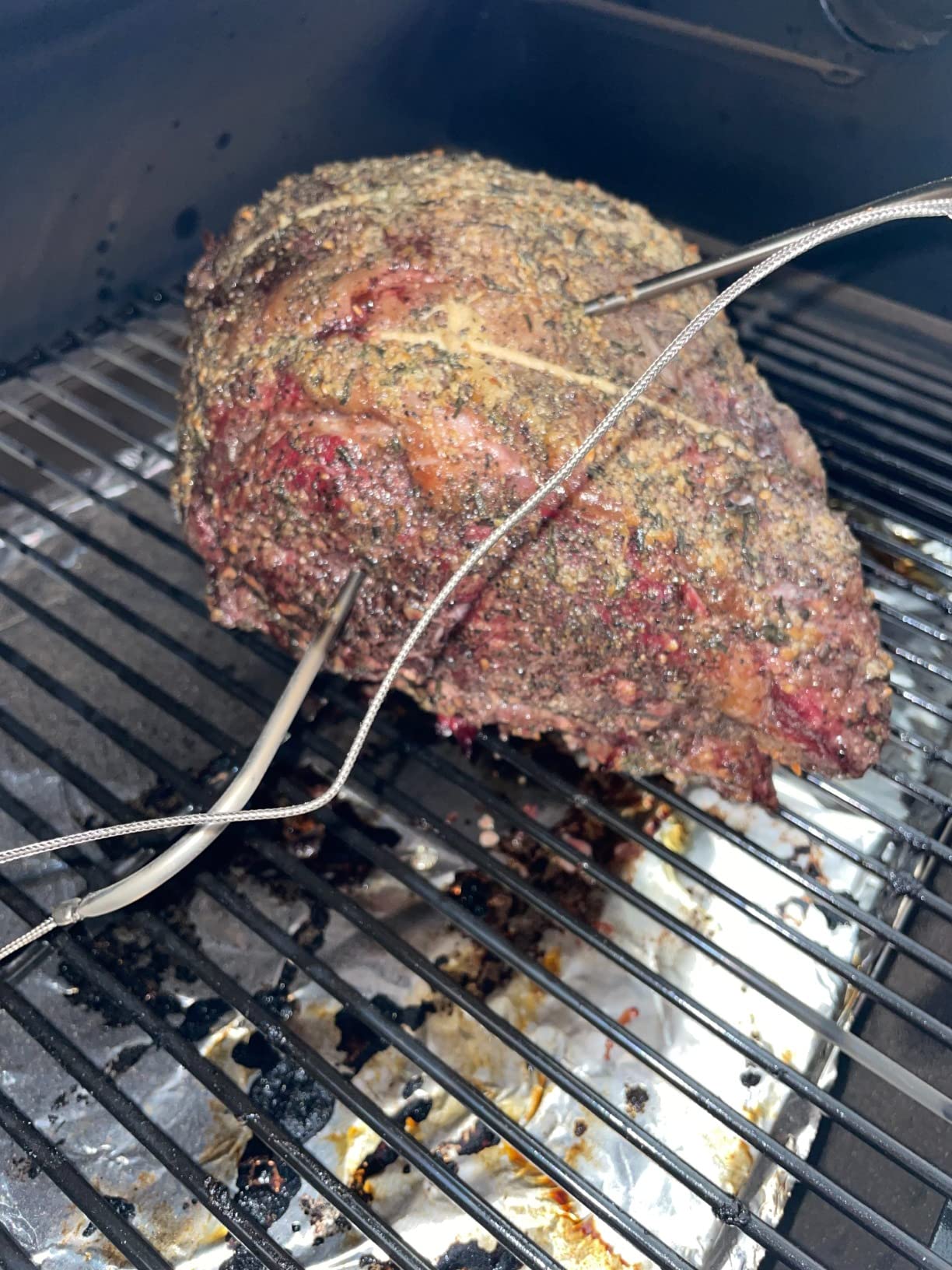
Eight cooking functions cover grill, broil, roast, braise, smoke, barbecue, sear and char, and the LCD screen with included meat probes means you are not cooking blind. A 3-year warranty is also longer than most competitors at this price.
The 202 square inch cooking surface is the limiting number to hold in your head. Two people can cook a full meal on it. A family of five cooking a spatchcocked chicken plus sides will want a second batch or a bigger grill in a year or two.
How to get the most from a small surface
Think of 202 square inches as a single-dish cooker. Plan one centerpiece plus a small side on the shelf, rather than three mains at once, and use the Keep Warm style approach of staggered cooking so nothing sits waiting.
Batch cooking is where the limit bites. Wings, shrimp, and sliced vegetables fit well; a full spread of mains does not. Know that going in and the grill will not disappoint.
Where the quality variance shows up
This model carries the highest one-star share of the group at ten percent, which reads as unit-to-unit inconsistency rather than a design fault. Inspect the grate, the hopper, and the controller on arrival rather than on the first cook.
The non-stick cooking surface is the other caution. It needs care to avoid damage, so use a wooden or silicone tool rather than steel, and never scrape the surface with a wire brush.
7. Traeger Ironwood 885 – app control and room for a crowd
Traeger Ironwood 885 Wood Pellet Grill & Smoker, 885 Sq In, WiFi
885 sq in two-tier space
WiFIRE app control
Super Smoke Mode
D2 controller, 165-500F
Pros
- App monitoring is a real learning aid for beginners
- D2 controller holds set point within 2-7F
- Two tiers fit large crowds
- Hopper holds a full bag
- Easy cleanup
Cons
- Most expensive grill in this roundup
- WiFi can fail on dual-band mesh networks
- Over 170 pounds needs a two-person move
- Factory foil liners are costly
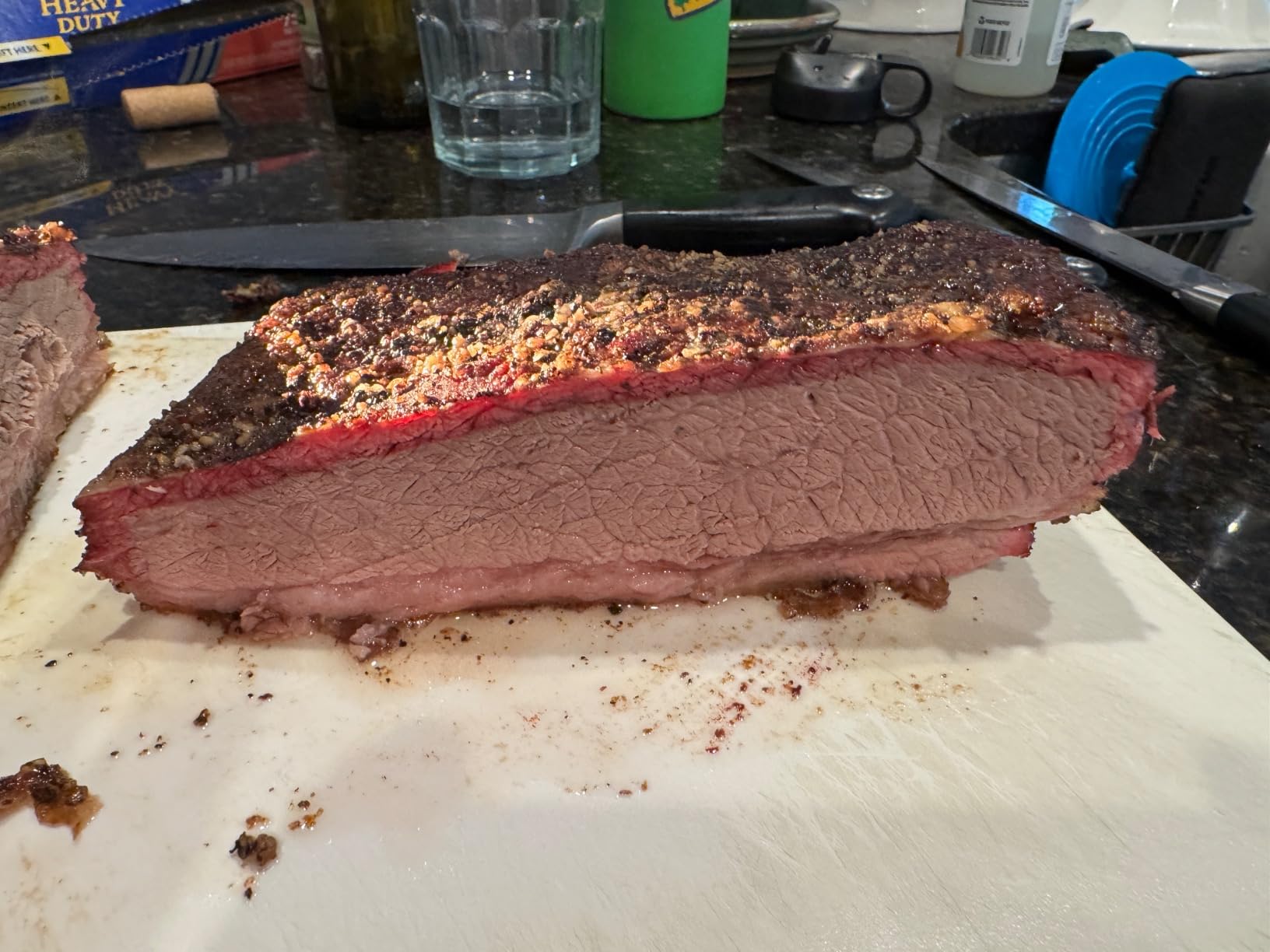
The Ironwood 885 is the growth pick. Where the portable grills teach you the routine, this one is built for the point where you are cooking for a gathering rather than a Tuesday. Two tiers of 885 square inches handle up to 10 chickens, 7 rib racks, or 9 pork butts, and owners describe results comparable to a dedicated smokehouse.
The D2 controller with double-wall insulation is the technical standout. Owners report it holding set temperature within about 2-7F and recovering in roughly a minute after opening the lid, which is a completely different experience from watching a display swing 20 degrees on a budget unit.
WiFIRE app control is the feature that changes behavior for a beginner. Being able to check and adjust from inside the house removes the temptation to open the lid, and lid-open recovery on this controller is fast enough that a quick check costs you almost nothing.
Super Smoke Mode sits between 165F and 225F and is consistently praised for adding real smoke flavor and leaving a visible ring. It is the feature owners mention most often when they explain why the results taste like a smoker rather than a grill.
What the app actually gets you
Alerts when the temperature drifts, probe monitoring, and the ability to change the set point from your phone. For someone learning to read a cook, that visibility is the difference between a confident first brisket and a nervous one.
It is not flawless. Owners report WiFi failing to connect on dual-band mesh networks such as Google Mesh, and some simply disable it. Test the pairing on your own network before you rely on it mid-cook.
The honest downsides
This is the most expensive grill in the roundup by a wide margin, and the jump in size means more pellet, more prep, and a longer first cook. At over 170 pounds it is a two-person move even when empty.
Also plan on foil. The factory drip liners are expensive and many owners substitute regular foil, which is a small but permanent running cost. Buy a better pellet grill guide if you are still at the stage of choosing; the WiFi-focused picks are broken out in our pellet grill WiFi control guide.
8. Cuisinart 8-in-1 Portable – the lightest stainless body here
Cuisinart 8-in-1 Portable Wood Pellet Grill and Smoker, Compact for RV, Tailgates, Camping, and Backyard Cooking, Smoky Flavor, Versatile Meat Smoker
256 sq in cooking area
180F to 500F
39.6 lb stainless steel
18.9 x 24.7 x 14.9 in
Pros
- Lightest stainless body here at about 40 pounds
- Eight cooking modes plus a sear zone
- Automatic pellet feeder
- Auto-start ignition with PID display
Cons
- Smallest installed base of reviews in this group
- Highest one-star share among the portables
- 256 sq in split across two racks
The Cuisinart is the one to look at if weight is your deciding factor. At about 39.6 pounds with a stainless steel body throughout, it is the lightest durable option in this roundup and genuinely easy to carry between a patio and a vehicle.
Feature-wise it is generous for the tier. Eight cooking functions including a dedicated integrated sear zone, an automatic pellet feeder that tops up as needed, and electronic auto-start ignition with a real-time PID display give a beginner plenty to work with without any complexity.
The 180-500F range is the widest among the portables here, and the locking lid plus easy-carry handle make it a tidy unit to store in a garage between seasons.
Stainless steel construction is a real advantage outdoors over painted steel at this price. It tolerates rain and temperature swings better, and it wipes clean without the careful handling the non-stick surfaces on smaller grills need.
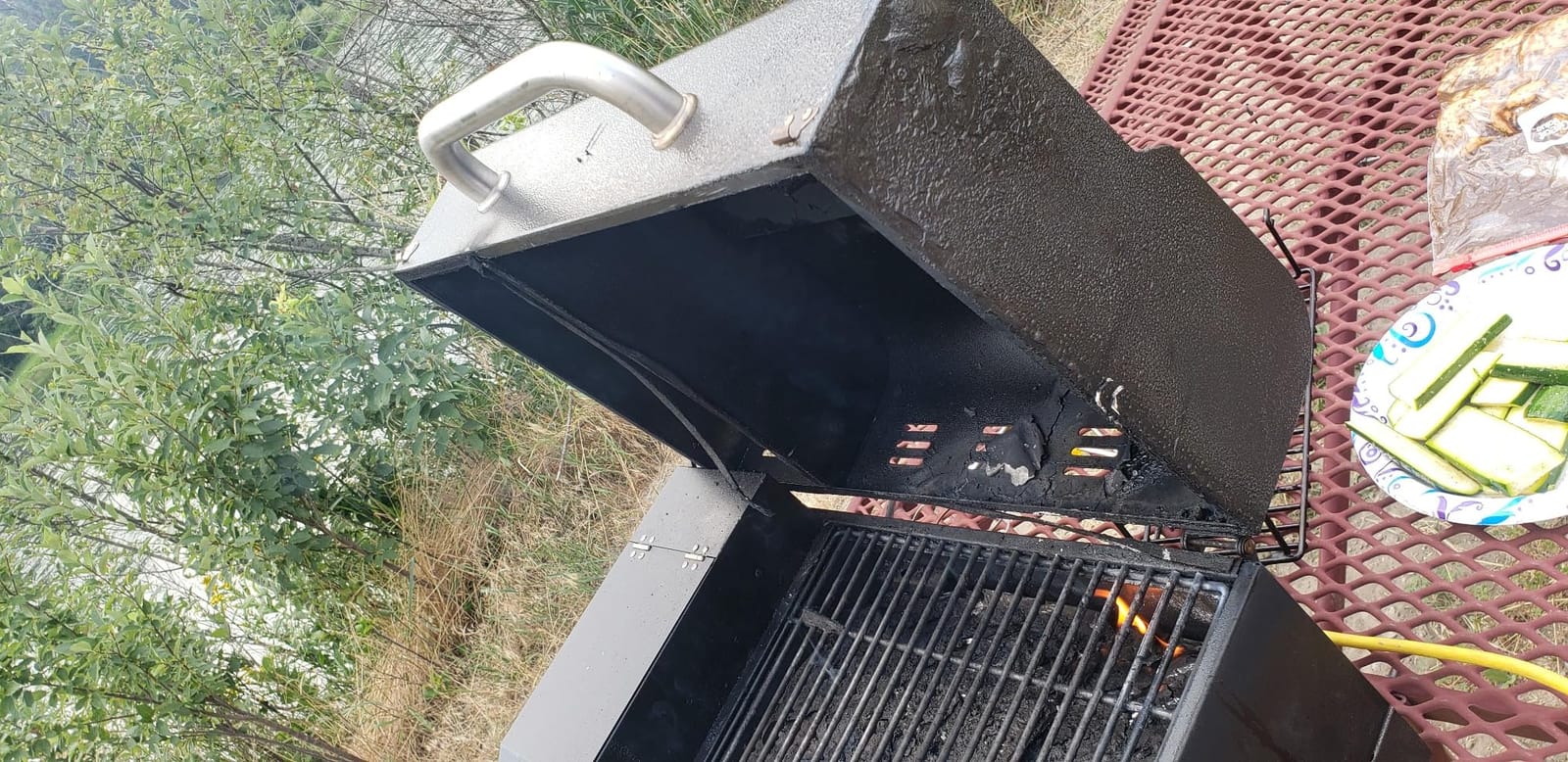
How the 256 square inches breaks down
The surface is split into 188 square inches of main rack plus a 68 square inch warming rack. That main rack is the number to plan meals around; the warming rack is for holding finished food while the rest of the cook finishes.
For a couple or a small family that is a comfortable size. For a group of six, plan two cooks or look at the 300 square inch Tailgater instead.
Read the reviews with the right filter
This model has the smallest installed base of reviews in the roundup, so owner detail is thinner than the Traeger and Pit Boss picks. At 4.3 with an eight percent one-star share, the signal reads as good value with more unit-to-unit inconsistency.
Check the sear zone and the feeder within your first few cooks, before you commit to a long smoke on it. That early test tells you whether your particular unit is one of the good ones.
9. Pit Boss 500 FB2 – two probe ports on a sturdy frame
Pit Boss 500 FB2 Series Wood Pellet Grill & Smoker with Flame Broiler and LCD Digital Controller, 518-Sq. In. Cooking Space, 180°F to 500°F Temperature Range, Meat Probe, 5 lb. Pellet Hopper, Black
518 sq in two tiers
Two probe ports, one probe included
180-500F in 5F steps
5 lb hopper, 5-year warranty
Pros
- Sturdy build that held 375F reliably in wind
- Digital controller in 5F increments gives fine control
- Two probe ports monitor two cuts at once
- Bottom shelf for pellet and tool storage
- 5-year warranty
Cons
- Flame Broiler can bake closed with grease on first use
- Ash tray is hard to empty without removing parts
- Hopper is not well tilted
- No WiFi or Bluetooth
The 500 FB2 is the pick if you plan to cook two things at once. Two probe ports with one probe included is a real advantage when you are running a rack of ribs alongside a brisket flat, and it is the feature that keeps a two-course cook off the grill entirely.
Owners also report a heavy-duty build that reached and held 375F reliably even in wind, which is a meaningful test of a grill body. Fan-forced convection spreads that heat across two tiers of porcelain-coated steel grates more evenly than a passive design.
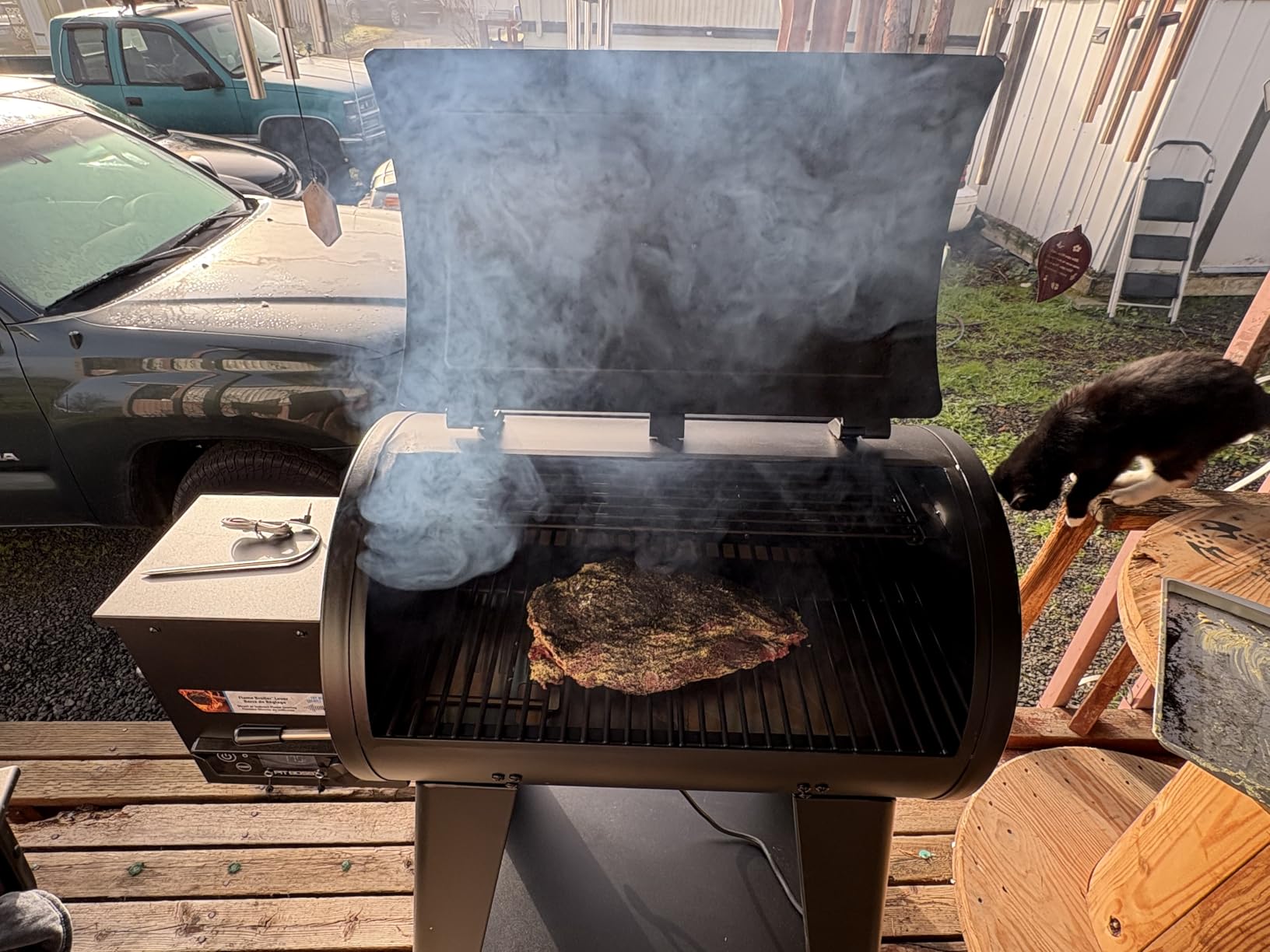
The digital controller runs 180-500F in 5F increments, which is finer control than most entry pellet grills offer and useful when you are chasing a specific finishing temperature.
At 518 square inches with a solid bottom shelf for pellets and tools, it is a well-organized cabinet. The 5-year warranty matches the Pit Boss 150, and the shelf is a small thing that you will notice every week.
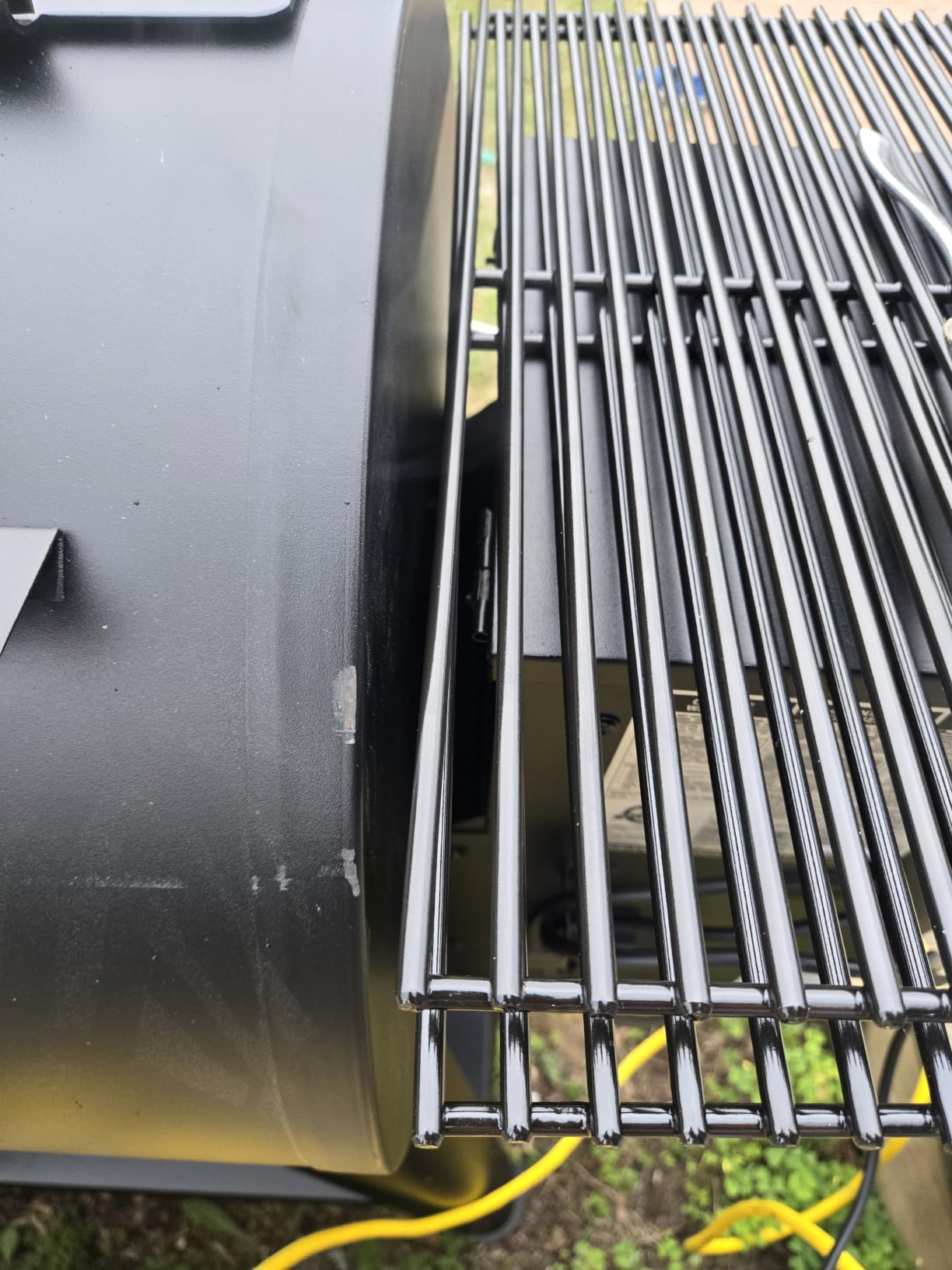
Two probes, two cuts, one cook
This is the argument for the grill. A single probe means you are either cooking one thing carefully or cooking two things on trust, and the second probe removes the guesswork for very little extra effort.
Buy a second probe. It is the cheapest upgrade that changes how you cook on this grill, and it pairs with the 5F increment control better than a single-probe setup does.
Maintenance catches owners out
Two things get repeated complaints. The Flame Broiler can bake closed with grease on first use, so burn it off empty before the first real cook. And the ash tray is hard to empty without removing interior parts, so clean it while the ash is still loose rather than waiting.
The hopper is also not well tilted, which means checking it more often than you would like during a long cook. There is no WiFi or Bluetooth on the base control board, so monitoring happens at the lid.
10. Freedom Portable – dual power and the tightest hold
Freedom Portable Pellet Grill & Smoker, 242 Sq In, Dual Probes
242 sq in cooking area
AC and DC power
Dual meat probes
8.5 lb hopper
Pros
- Tightest temperature hold reported
- within 1-2F
- Runs on AC and DC for RV and off-grid use
- Dual probes for two cuts
- Tall vertical chamber fits turkey breast and prime rib
- Dishwasher-safe parts
Cons
- Accessory drawer sticks once closed
- Grease cup leaked on some units
- Creosote guard sits close to the thermocouple
- Small grill plate limits batch cooking
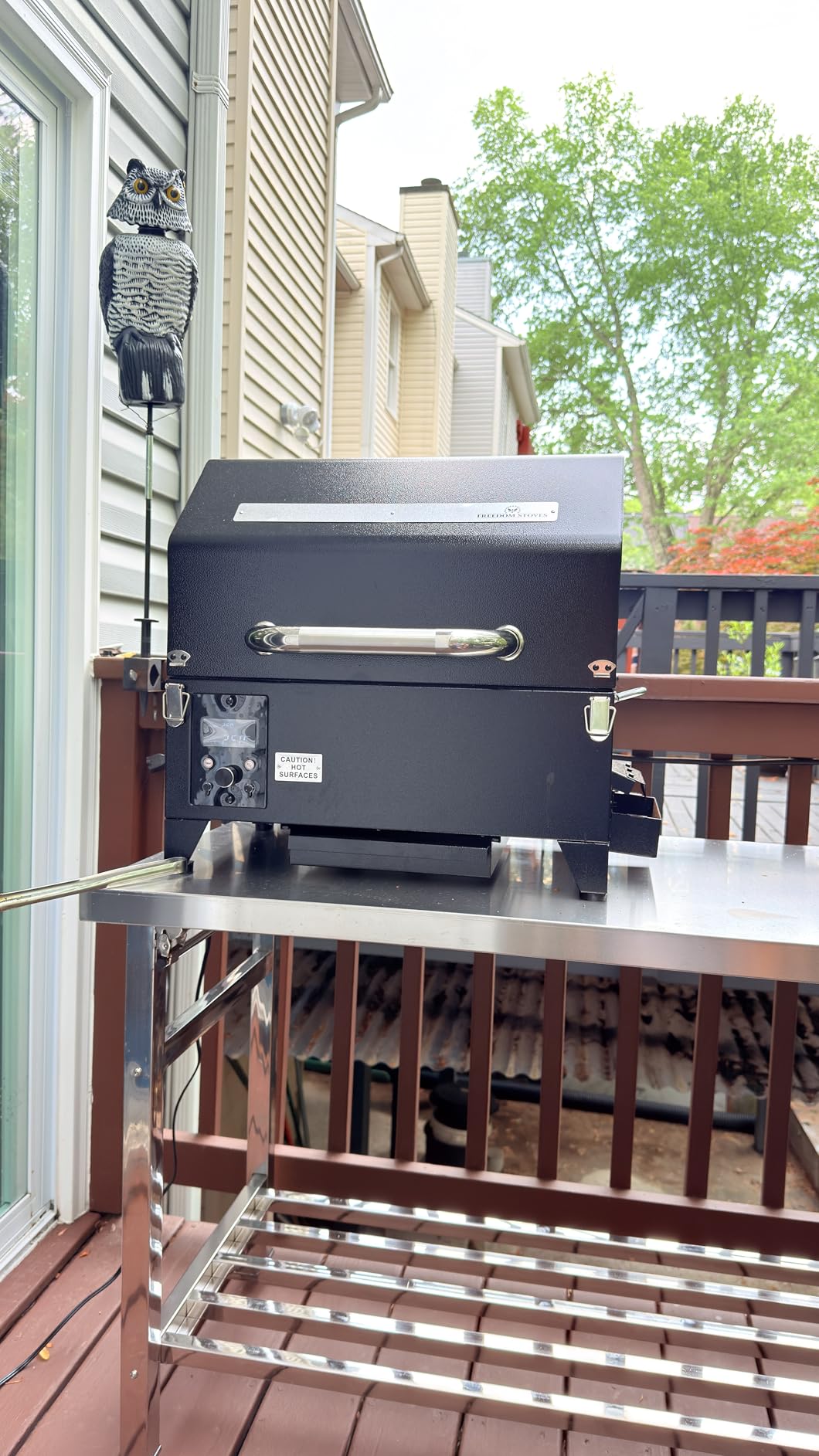
The Freedom Portable is the odd one out in the best possible way. It runs on both AC and DC power, so it works from a 12V outlet in an RV or off-grid where every other portable in this list would sit dead. RV owners in the reviews single that feature out first.
Second is the temperature hold. Buyers report it staying within 1-2F of set point, the tightest figure in this roundup, and the 8.5 lb hopper carried two 8 lb pork butts for 12 hours at 200F on a single load.
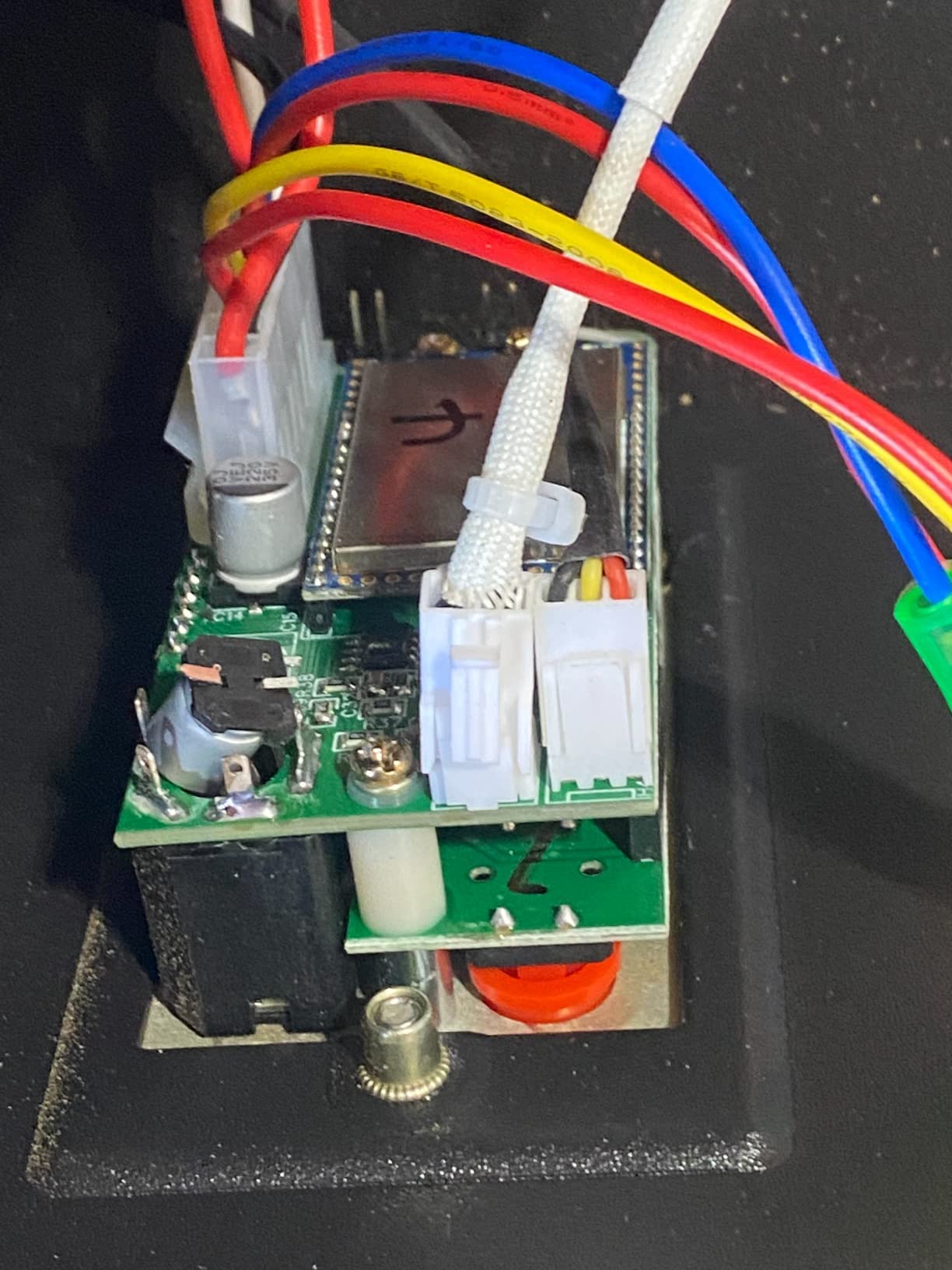
The tall vertical chamber is more useful than the square-inch number suggests. It fits turkey breasts, prime rib, and pork butts, which are the cuts that simply will not go in a low tabletop grill, and dual meat probes come standard.
Dishwasher-safe parts remove the most tedious part of pellet ownership. For a first cook, having cleanup reduced to a load and a wipe is a bigger quality-of-life win than any extra cooking function.
When the dual power option matters
AC and DC capability is the deciding factor if you cook away from a wall outlet. Paired with secure latches and a compact tabletop footprint, it is the most travel-ready pellet grill in the roundup for boondocking and campsite cooking.
If your grill lives in one spot on a patio, that advantage disappears and you are choosing a small 242 square inch surface instead. Know which situation you are in before you buy.
The honest drawbacks
This model has the lowest average rating in the roundup at 4.1, with a 12 percent one-star share driven by real problems: an accessory drawer that binds, a grease cup that leaked on some units, and several reports of faulty temperature probes or control boards requiring multiple part replacements.
It is also the fiddliest to configure if you want timed cooks, and the small grill plate limits batch cooking of wings and other small items. If you buy it, test the temperature probe and the drawer on day one.
What to Look for When Buying Your First Pellet Smoker
Most spec differences on a pellet grill are cosmetic. Four things actually change your experience as a new owner, and everything else you can live without for the first year.
Temperature control: PID beats three-position
A three-position controller cycles low, medium and high. A PID controller measures the set point and adjusts pellet feed and fan speed to correct toward it. For a beginner the difference is not subtle: the PID version holds where you asked, so you stop managing the grill and start cooking.
Budget for the fact that PID calibration can drift on some models, with owner reports of offsets around 30F on certain units. That is another argument for a separate thermometer rather than a reason to avoid PID.
Cooking area: size for your real meals, not your ambition
Square inches only matter in relation to who you feed. Under 300 square inches suits two people. Between 400 and 600 covers a family of four to six. Above 800 is a gathering cooker.
Our more detailed pellet grill picks for smoking meat breaks down what each size handles in practice, including rack layouts for ribs and spatchcocked birds.
Hopper size: how long can you cook without checking
A 5 lb hopper is fine for most weeknight cooks and short ribs. An 8 lb hopper is roughly 10 hours of low-and-slow, which is the difference between finishing a brisket overnight and getting up to refill it.
On any hopper, learn whether the pellets actually flow toward the firebox. A shallow or flat-angled hopper means checking it more often regardless of its stated capacity.
WiFi: useful early, ignorable later
App control is genuinely helpful in your first month because it stops you opening the lid. Once you trust your cook, it is a novelty. Test it on your own network, since dual-band mesh routers are the most common reported failure.
Searing: a Flame Broiler changes what you cook
Without direct-flame access, a pellet grill is a smoker with grill temperatures. With a Flame Broiler or sear zone, you can finish burgers, chicken breast, and a brisket flat on the same cook. Decide whether that matters to how you want to eat before you choose the grill.
The accessories you will actually need
Budget for a quality leave-in meat probe, a grill cover, a firebox cleaning tool, and a stack of drip tray foil. Forum advice is consistent that the built-in probe is the least reliable part of any pellet grill, and that a two-probe thermometer is the single best money you will spend after the grill itself.
Your First Cook: a Beginner Starter Plan
Do not start with brisket. Start with something you can finish even if everything goes slightly wrong, and you will still be cooking on the grill next weekend.
- Buy a two-probe thermometer. Trust the probe in the food, not the number on the lid. Owners regularly report the grill display reading 25-35F above an independent probe, while the built-in meat probe was within a couple of degrees.
- Pick a spatchcocked chicken. It cooks in a fraction of the time of a whole bird, it is forgiving of a slightly-off hold, and the result is hard to mess up.
- Fill the hopper fully and preheat to 450F, then drop the set point to 275F and let it stabilize. A cold-start cook produces weak smoke; a hot preheat gives you a clean burn from the first minute.
- Use a mild pellet to start. Apple or cherry for a first cook, hickory or a blend once you know what you like. Mild wood lets you taste the meat instead of the smoke.
- Smoke to 275F with the lid closed and stop opening it. Every open costs you time and smoke. Put the probe in the thigh and leave it alone.
- Pull at 165F in the breast and 175F in the thigh, then rest 20 minutes before slicing. That rest is the step beginners skip and then blame the grill for.
Once a chicken is repeatable, move to a rack of ribs, then a pork butt. Brisket is a fourth-cook project, not a first-cook project, and the forum consensus is that owning the grill matters more than the cut you choose.
Safety, Cleaning and Off-Season Storage
Safety is the part of pellet ownership that roundups usually skip and that can actually cost you something. A Facebook owner in a smoking group lost an entire six-year-old pellet smoker to a fire, and the response across those threads was not about which brand failed. It was about placement.
Set the grill on a level, non-flammable surface with clearance behind and on both sides, never on a wooden deck or under an overhang. Keep the grease bucket in place and empty it after every cook, because grease fires are the common cause of grill fires. Keep a fire extinguisher within reach and do not run a pellet grill unattended or overnight while you are new to it.
On temperature accuracy, set your expectations early. The lid display is measuring near the controller, not at the food, and offsets of 25-35F are widely reported. Learn the offset on your own grill by comparing the display against a probe thermometer in a pan of water, then stop thinking about the display entirely.
Thermal blankets are a cold-weather tool, not a year-round accessory. Dealers sometimes recommend leaving them on permanently, but forum owners consistently report that over-insulating in warm weather chokes pellet flow and cuts smoke production. Put the blanket on when the temperature drops and take it off when it climbs.
For maintenance, a weekly ash cleanout and a foil-lined drip tray will keep almost every grill in this roundup running for years. Empty the firebox while the ash is still loose, brush the grates after each cook, and run the grill hot for ten minutes to burn off residue.
On running cost, the honest math is simple and favorable. A typical weekend cook uses somewhere in the region of a few pounds of pellets depending on length and weather, and a full bag goes a long way. More important than fuel is the accessories budget: a thermometer, a cover, and foil are one-time purchases you will use for the life of the grill.
Store the grill dry and covered through the off-season, store any surplus pellets sealed and dry in a lidded bin away from the house, and expect to use a fresh bag in spring. Damp pellets are the number one cause of a grill that will not hold temperature in the first cook of the season.
Frequently Asked Questions
What is the best pellet smoker for a beginner?
The Z GRILLS ZPG-450A2 is the best pellet smoker for a beginner because its PID V3.0 controller auto-tunes fuel and airflow, holding set temperature closely on long cooks while a 459 square inch cooking area handles a family meal. Its main drawback is confusing assembly, so budget two hours and a power driver. The Pit Boss 150 is the alternative if automatic start and cool-down cycles and a five-year warranty matter more to you.
What is the easiest smoker to use for beginners?
The easiest pellet smoker to use is the Traeger Ranger, whose Digital Arc Controller needs no app, no pairing and no account. The Pit Boss 150 is close behind with automatic start-up and cool-down cycles that remove shutdown guesswork. Whichever you choose, buy a separate two-probe thermometer, since the lid display can read 25 to 35 degrees above the true temperature.
Is Pit Boss or Traeger better for a first pellet grill?
For a first pellet grill, Pit Boss is the stronger value choice: the 150 and 500 FB2 both carry five-year warranties, Flame Broiler searing and roomy 518 square inch cabinets at the top end. Traeger wins on control simplicity and app connectivity, with the Ironwood 885 holding set point within about 2 to 7 degrees. New owners who want less to learn should start with a Pit Boss; those who want phone monitoring should start with a Traeger.
What are the downsides of using a pellet smoker?
The main downsides of a pellet smoker are that it needs a 110V outlet, cannot produce a hard gas-style sear without a Flame Broiler or sear zone, and can be a fire risk if placed on a flammable surface or run with a full grease bucket. Pellet flow can choke in warm weather, temperature displays often read high, and the running cost adds up in pellets and accessories. In exchange you get set-and-forget control and real wood smoke flavor.
What is a good first thing to smoke on a pellet grill?
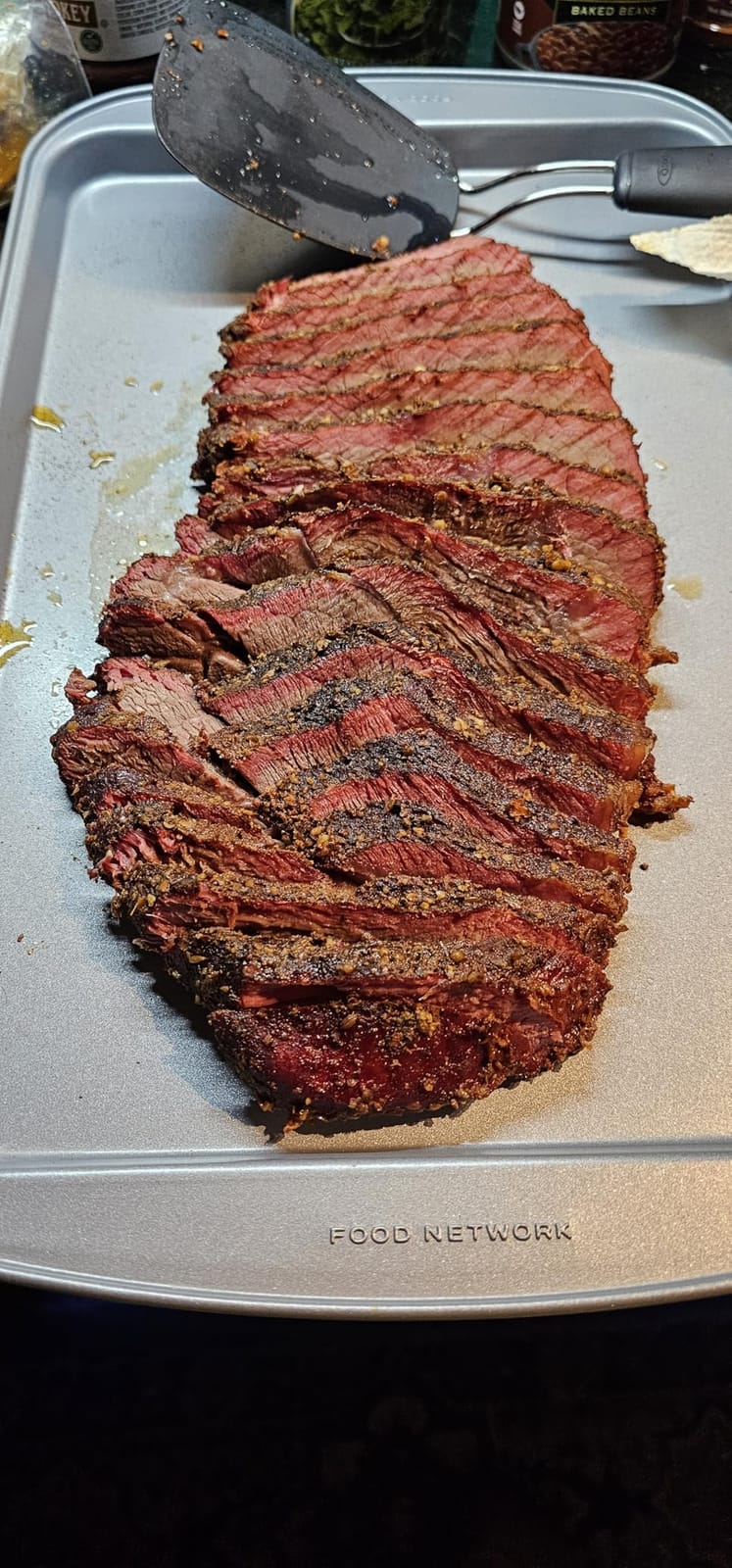
A spatchcocked chicken is the best first cook on a pellet grill because it finishes quickly, is forgiving of a slightly imperfect hold, and is hard to ruin. Preheat to 450F, then set the grill to 275F, use a mild pellet such as apple or cherry, and pull the bird at 165F in the breast and 175F in the thigh before resting it for 20 minutes. Ribs are a good second cook.
Does a pellet smoker require electricity?
Yes, every pellet smoker in this roundup requires a 110V outlet because the auger motor, convection fan and controller all draw power. Some portable models add DC capability, and the Freedom Portable runs on both AC and DC power for RV and off-grid use. You can still cook pellets without power, but not with these electric-controlled grills, and a power cut ends the cook.
The Beginner Pellet Smoker I Would Buy
If I had to choose one grill from this list to hand to a friend buying their first pellet smoker, it would be the Z GRILLS ZPG-450A2. The PID V3.0 controller holds temperature where you set it, the 459 square inch cooking area suits a real family meal rather than a demo, and the meat probe and rain cover come in the box. The assembly is genuinely annoying, so give it a Saturday morning and a power driver.
Two alternatives deserve a mention. Buy the Pit Boss 150 instead if you want automatic start and cool-down cycles, a Frame Broiler that sears, and a five-year warranty with the smallest possible learning curve. Buy the Traeger Ironwood 885 later, not first, once you know what cuts you actually cook and you have a reason to need app control and 885 square inches.
Whatever you choose, spend the first twenty dollars on a two-probe thermometer rather than accessories. The display will lie to you, the probe will not, and that single habit is the difference between a beginner who keeps cooking and one who gives up after two attempts. Our broader beginner smoker guide covers the electric alternative if you want a set-and-forget cooker with no pellets at all.