
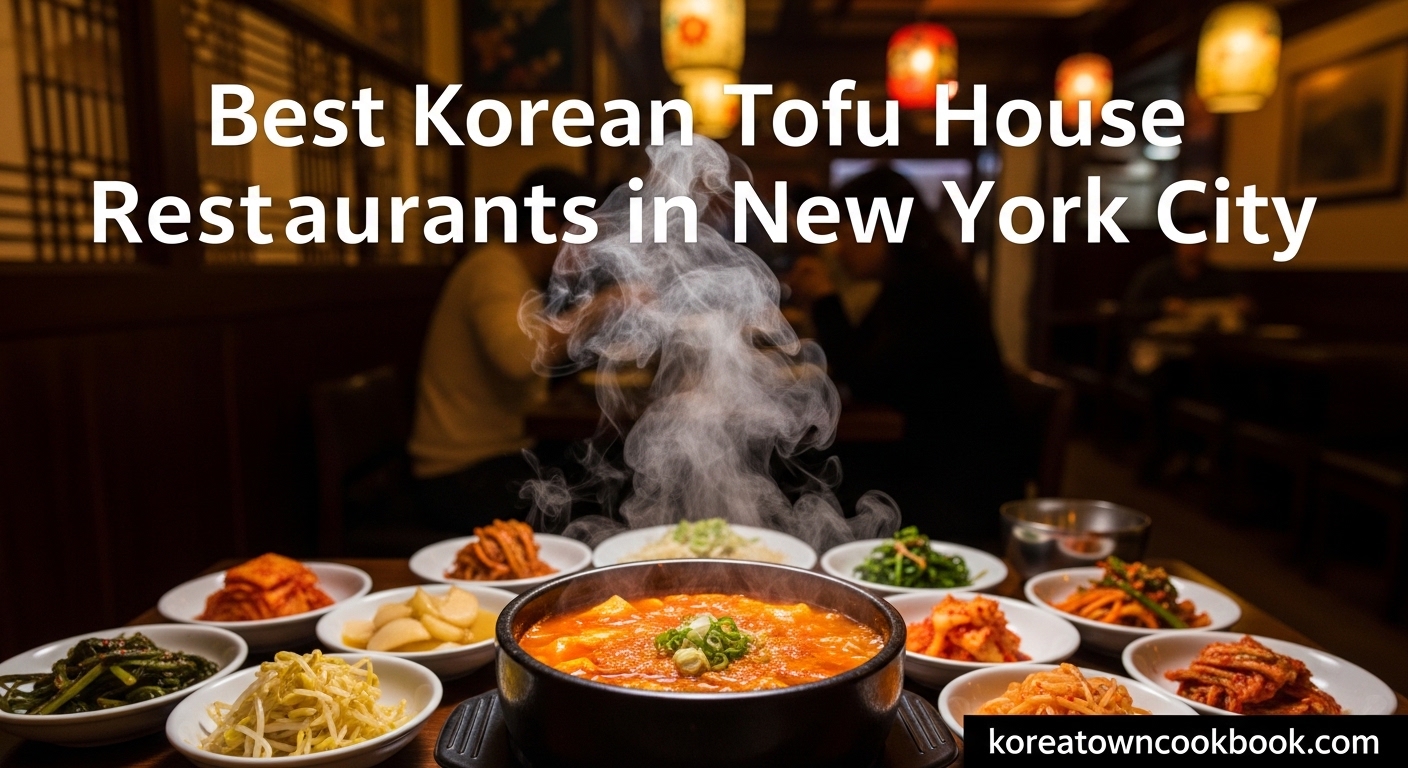
If you have ever walked along 32nd Street in Manhattan and spotted small restaurants with steam curling up from stone pots, you have already been close to some of the best Korean tofu house restaurants in New York City. These spots serve one of the most comforting dishes in Korean cuisine: soondubu jjigae, a bubbling soft tofu stew that arrives at your table still cooking in a hot stone pot.
Our team has spent months eating our way through Koreatown, Flushing, Murray Hill, and the Lower East Side to find the tofu houses that actually deliver on freshness, flavor, and authenticity. We have talked to regulars, compared spicy levels, and tested vegetarian options so you do not have to guess where to go.
Whether you are a soondubu obsessive who likes it “dangerous” spicy or a first-timer looking for a gentle introduction to Korean tofu soup, this guide covers everything you need. We walk you through the top restaurants, what to order at each one, neighborhood breakdowns, and even a beginner’s guide to navigating your first tofu house meal in 2026.
Table of Contents
What Is a Korean Tofu House (Dubujjip)?
A Korean tofu house, called dubujjip in Korean, is a restaurant that specializes in soondubu jjigae — a stew made with fresh, uncurdled soft tofu simmered in a savory broth with your choice of protein. The tofu used here is different from the firm blocks you find at the grocery store. It is silken, delicate, and in many cases made from scratch every single morning right in the restaurant.
The experience is part of the appeal. Your stew arrives in a hot stone pot (dolsot) that is still bubbling when it hits the table. You crack a raw egg into it right away, and the residual heat cooks the egg into the stew. Alongside your soondubu, you get an array of banchan — small side dishes like kimchi, pickled radish, seasoned spinach, and dried anchovies — all included with your meal.
What separates a tofu house from a regular Korean restaurant is that singular focus. While a typical Korean spot might serve dozens of dishes across barbecue, noodles, and rice, a tofu house exists to do one thing exceptionally well. The best ones take enormous pride in their tofu-making process, and some have been perfecting it for decades.
7 Best Korean Tofu House Restaurants in New York City
Here are the seven Korean tofu houses that stand out across NYC in 2026, based on tofu quality, flavor depth, atmosphere, and overall value. Each one brings something different to the table.
1. Cho Dang Gol — The Legacy Pick (Koreatown)
Location: 33 West 32nd Street, Manhattan (Koreatown)
Known for: Homemade tofu made fresh every morning since 1997
Cho Dang Gol holds a special place in the NYC Korean food scene. Operating since 1997, it is one of the longest-running tofu houses in the city, and it has earned that longevity by doing things the traditional way. Their tofu is made fresh every morning in-house, and you can taste the difference — it is softer, creamier, and more delicate than anything from a package.
The soondubu jjigae here is widely regarded as one of the best dishes in all of NYC, not just among Korean restaurants. The broth is deeply savory, the tofu practically melts, and the banchan spread is generous. Their dubu kimchi (stir-fried tofu with kimchi and pork) and tofu steak are also worth ordering if you want to explore beyond the stew.
What makes Cho Dang Gol stand out is the homestyle quality. Reddit users consistently call it their top pick, with one reviewer on r/KoreanFood saying it has “one of the best dishes in NYC — period.” The restaurant does take reservations, which is a relief because the dinner rush can get busy. If you are only going to visit one tofu house in Manhattan, this is the one our team recommends most often.
2. BCD Tofu House — The Classic Chain (Koreatown)
Location: 23 West 32nd Street, Manhattan (Koreatown)
Known for: The Original Soon Tofu Restaurant, assorted tofu soup in bubbling hot-stone pot
BCD Tofu House calls itself “The Original Soon Tofu Restaurant,” and while it has expanded into a chain with locations across the country, the Koreatown NYC outpost still delivers a solid bowl of soondubu. Their assorted tofu soup comes loaded with beef, shrimp, and clam, served in a traditional hot-stone pot that keeps everything bubbling for minutes after it lands on your table.
The galbi combo is a popular order here — you get a full portion of marinated short ribs alongside your tofu stew, making it a hearty meal for anyone with a big appetite. The spicy levels are well-calibrated, from mild all the way up to “dangerous,” which is genuinely very spicy. Beginners should stick with mild or medium.
BCD is consistently described by regulars as tasting “home-y” and reliable. The wait can be long during peak dinner hours, especially on weekends, but the turnover is fairly quick since most meals are served fast. With over 4,800 reviews online and a solid 4.3-star rating, BCD is a safe bet for anyone looking for the classic tofu house experience in Koreatown.
3. Tofu Tofu — The Top-Rated Spot (Lower East Side)
Location: Lower East Side, Manhattan
Known for: Highest-rated Korean tofu spot in NYC (4.7 stars)
Tofu Tofu sits at the top of the local pack search results for Korean tofu in NYC, and for good reason. With a 4.7-star rating across over 1,100 reviews, it has earned its reputation for consistently well-executed soondubu. The beef tofu soup is the standout, with a rich broth that tastes like it has been simmering for hours.
The atmosphere is casual and approachable, making it a good pick for solo diners or a quick lunch. Portions are generous for the price, and the banchan selection rotates regularly, which keeps regulars coming back. As of late, Tofu Tofu has been operating primarily as takeout, so it is worth checking their current status before heading over for dine-in.
If you are downtown and craving soondubu without the trek up to Koreatown, Tofu Tofu fills that gap nicely. It does not have the decades-long heritage of Cho Dang Gol or the brand recognition of BCD, but it competes on pure food quality.
4. DubuHaus — The Modern Tofu Experience (Murray Hill)
Location: 6 East 32nd Street, Manhattan (Murray Hill)
Known for: Handmade dubu with a modern, chic atmosphere
DubuHaus takes a different approach from the old-school tofu houses on 32nd Street. The space is modern, well-designed, and feels more like a trendy bistro than a traditional Korean restaurant. But behind the polished interior is a kitchen that takes its handmade dubu seriously — they describe their approach as where “Korean traditions meet New York’s modern palate.”
The dubu bibimbap is a highlight, mixing their fresh tofu with seasoned vegetables and gochujang in a way that feels lighter than the traditional stone pot stew. Their spicy tofu stew is also excellent, with a clean heat that does not overpower the delicate tofu flavor. Reddit users have noted that DubuHaus manages to feel upscale while staying affordable.
This is the tofu house to visit when you want a sit-down meal that feels a bit more special — a date night, a dinner with colleagues, or just a step up from the typical casual spot. The service is attentive, the plating is thoughtful, and the overall experience feels worth the trip.
5. Ziggle Tofu and Grill — The Queens Champion (Flushing)
Location: Flushing, Queens
Known for: Highest individual rating (4.8 stars), tofu and grill combination concept
Ziggle Tofu and Grill leads the pack in Flushing with a remarkable 4.8-star rating from over 270 reviews. The concept is straightforward but effective: tofu stew paired with grilled meats, giving you the best of both worlds in one meal. It is a format that works especially well for groups where some people want stew and others want something from the grill.
The tofu stew itself holds up against any of the Manhattan spots. The broth is well-balanced, the tofu is fresh, and the spicy level options are clearly communicated. What gives Ziggle its edge is the quality of the grilled items that come alongside — think nicely charred short ribs and marinated chicken that complement the stew without competing with it.
If you are already in Flushing exploring the Korean food scene, Ziggle should be on your list. It is a strong contender for the best overall tofu house experience in Queens, and the combination format makes it especially good value.
6. SoGongDong Soondubu — The Traditionalist (Flushing)
Location: Flushing, Queens
Known for: Traditional soondubu specialist, authentic Flushing community staple
SoGongDong focuses on doing one thing well: traditional soondubu jjigae without gimmicks. Located in the heart of Flushing’s Korean community, this is the kind of spot where Korean families come for a dependable bowl of tofu soup on a cold evening. There are no fusion twists or modern plating — just honest, traditional cooking.
The traditional soondubu here comes with a deeply flavored broth that tastes like the kind of home cooking you cannot easily replicate. Their kimchi tofu stew is also a strong order, especially if you like your soondubu with a tangy, fermented kick from well-aged kimchi. The banchan is straightforward but fresh.
Forum discussions on r/Flushing note that while SoGongDong is solid, some regulars still prefer BCD for consistency. Our take: if you are in Flushing and want a quieter, more traditional experience without the chain restaurant feel, SoGongDong is worth your time.
7. Gaia Korean Tofu — The Beginner-Friendly Gem (Chinatown Area)
Location: Chinatown / Lower Manhattan
Known for: Approachable menu, vegetarian-friendly options, good for first-timers
Gaia Korean Tofu rounds out our list as the most approachable option for people who are new to Korean tofu houses. The menu is clearly organized with English descriptions, the staff is friendly about explaining dishes, and the atmosphere is welcoming. If you have been intimidated by the idea of walking into a busy Koreatown tofu house for the first time, Gaia is where you should start.
Their vegetarian tofu stew and mushroom tofu soup are highlights, and they are genuinely vegetarian — not just “no meat on top” but actually made with a vegetable-based broth rather than the traditional anchovy stock. This makes Gaia one of the few tofu houses in NYC where vegetarians and vegans can order with confidence. They also serve a solid bibimbap if someone in your group is not in the mood for stew.
For downtown residents or anyone exploring the Lower Manhattan area, Gaia Korean Tofu is a convenient and friendly entry point into the world of Korean tofu houses.
What to Order at a Korean Tofu House: A Beginner’s Guide
Walking into a tofu house for the first time can feel overwhelming if you are not familiar with the format. Here is a straightforward guide to ordering with confidence.
Understanding Spicy Levels
Most Korean tofu houses offer at least four spicy levels, and some go up to five or six. The naming varies by restaurant, but here is what you can generally expect:
Mild is barely spicy at all — a gentle warmth that anyone can handle. This is where beginners should start.
Medium has a noticeable kick but is still very manageable. Think of it as similar to a medium salsa.
Spicy is where things get real. Your nose might run. Your lips might tingle. It is enjoyable if you like heat.
Very Spicy / Extra Spicy is genuinely hot and not for the faint of heart.
“Dangerous” or the top level at places like BCD Tofu House is punishingly spicy. Reddit users consistently warn first-timers to avoid this level unless you are a seasoned spicy food eater. It exists for people who take pride in their spice tolerance.
Choosing Your Protein
The protein you choose for your soondubu shapes the entire bowl. Beef is the most popular choice and works well with the savory broth. Seafood (typically a mix of shrimp, clam, and sometimes oyster) adds a briny depth that pairs beautifully with the soft tofu. Mushroom is the go-to vegetarian option and provides an earthy, umami-rich alternative. Vegetable or kimchi variations are also available at most spots and offer a lighter, tangier profile.
Our recommendation for your first visit: order the assorted or combination soondubu if the restaurant offers it. This gives you a mix of proteins so you can taste how different ingredients interact with the tofu and broth.
The Banchan Spread
Your soondubu always comes with banchan — complimentary side dishes that are part of the Korean dining tradition. Expect anywhere from 4 to 8 small plates, typically including kimchi (fermented spicy cabbage), kongnamul (seasoned soybean sprouts), spinach with sesame, pickled radish, and sometimes small dried fish or seasoned potatoes.
Banchan is refillable at most tofu houses, so do not be shy about asking for more of whatever you like. The kimchi especially benefits from a second helping.
Pro Tips for Your First Visit
When your hot stone pot arrives, crack the raw egg into the stew immediately. The pot is hot enough to cook the egg, but you need to stir it in quickly before the stew cools. If you wait too long, the egg will not set properly.
Order the galbi combo if it is available — you get marinated short ribs alongside your stew for a small additional charge. The sweet, savory meat is a perfect counterpoint to the spicy, soft tofu.
Do not skip the rice. Most tofu houses serve rice in a hot stone pot too. After you scoop out the rice, pour some water into the hot pot to create nurungji (scorched rice soup) — a crispy, toasty treat that Korean food lovers consider the best part of the meal.
Where to Find Korean Tofu Houses in NYC: Neighborhood Guide
New York City has Korean tofu houses spread across several neighborhoods, each offering a slightly different vibe. Here is how to choose the right area for your tofu craving.
Koreatown (32nd Street, Midtown Manhattan)
Koreatown is the densest concentration of Korean tofu houses in NYC, anchored by the block between Broadway and Fifth Avenue on 32nd Street. This is where you will find BCD Tofu House, Cho Dang Gol, and DubuHaus all within a few steps of each other. The area is loud, energetic, and open late — most spots here serve until at least 10 or 11 PM, with some staying open later on weekends.
Parking is difficult, but the area is extremely accessible by subway (N, Q, R, W, B, D, F, M to 34th Street-Herald Square or 1, 2, 3 to 34th Street-Penn Station). This is the best neighborhood for visitors who want to hop between multiple tofu houses and compare them in a single trip.
Flushing, Queens
Flushing has the largest Korean community in New York and some of the most authentic Korean food in the city. The tofu houses here — Ziggle Tofu and Grill, SoGongDong — tend to be less touristy and more focused on the Korean-speaking community. That translates to flavors that are often bolder and more traditional.
Flushing is a bit of a trek from Manhattan (about 45 minutes on the 7 train from Grand Central), but the food rewards the journey. The area around Northern Boulevard and Union Street is packed with Korean restaurants, bakeries, and markets, making it easy to turn a tofu lunch into a full afternoon of Korean food exploration.
Murray Hill and Midtown East
Murray Hill has been quietly building its own Korean dining scene, and DubuHaus is the standout tofu option in this stretch. The area is less crowded than Koreatown and has a more relaxed feel, which makes it a good choice for a sit-down dinner without the chaos of 32nd Street on a Friday night.
Accessibility is excellent — close to the 6 train at 33rd Street and a short walk from Herald Square. This neighborhood is ideal if you want quality Korean tofu without fighting through Koreatown crowds.
Lower East Side and Lower Manhattan
Tofu Tofu and Gaia Korean Tofu serve the downtown crowd, offering solid soondubu without the trip to Midtown. These spots tend to be smaller and more casual, with shorter waits and a neighborhood feel. Tofu Tofu currently leans toward takeout, so check before you go.
For anyone living or working below 14th Street, these options save you a subway ride. They also tend to be slightly less busy during peak hours compared to the Koreatown spots.
Late-Night Tofu House Options
One of the most common questions on forums like r/AskNYC is where to get soondubu after 11 PM. The honest answer: late-night options are limited. Most Korean tofu houses in NYC close between 10 and 11 PM, even on weekends. BCD Tofu House in Koreatown sometimes runs extended hours, and a few Koreatown spots stay open until midnight on Fridays and Saturdays, but it is not guaranteed.
If late-night Korean food is your goal, you may need to pivot to Korean BBQ spots or 24-hour Korean restaurants like Woorijip, which serve tofu dishes but are not dedicated tofu houses. Call ahead if you are planning a late dinner.
Vegetarian and Vegan Tofu Options at NYC Tofu Houses
Here is something that surprises many first-timers: not all tofu stew is vegetarian. In fact, most traditional soondubu jjigae is made with an anchovy-based broth, and the kimchi served as banchan often contains fermented shrimp (saeujeot). If you are vegetarian or vegan, you need to know what to look for.
Restaurants With Genuine Vegetarian Options
Gaia Korean Tofu is the most vegetarian-friendly tofu house on our list. Their vegetarian tofu stew and mushroom tofu soup are made with a vegetable-based broth, not the standard anchovy stock. The staff understands dietary restrictions and can guide you through what is safe to order.
DubuHaus also offers vegetarian options, and their modern approach means they are more accustomed to accommodating dietary requests. Their dubu bibimbap can be made vegetarian and is an excellent choice.
At most other tofu houses, you can ask for a mushroom soondubu and request that they use vegetable broth instead of anchovy. Whether they can accommodate this depends on the restaurant — some prepare their broth in large batches and cannot modify it. It is always worth asking politely.
What to Watch Out For
Kimchi is usually not vegetarian. Traditional kimchi is fermented with salted shrimp or fish sauce. If you are strict about this, skip the kimchi banchan or ask if they have a vegetarian version.
The egg on top is standard at most tofu houses. Vegans should simply decline the egg when it is offered.
Banchan may contain fish or shrimp. Dried anchovies are a common banchan item, and some seasoned vegetables are made with fish-based seasonings. When in doubt, ask your server which banchan items are vegetarian-safe.
Our advice: call ahead or check the restaurant’s online menu for vegetarian labels. The tofu house scene in NYC has become more aware of dietary preferences in 2026, but many traditional spots still operate the way they have for decades.
FAQ
Where is the best soondubu in NYC?
Cho Dang Gol in Koreatown is widely considered the best soondubu in NYC. Operating since 1997, they make their tofu fresh every morning and serve a deeply savory soondubu jjigae that food critics and Korean community members both rate as one of the city’s top dishes. BCD Tofu House and Tofu Tofu are also excellent options depending on your neighborhood.
What is soon tofu (soondubu jjigae)?
Soon tofu, also spelled soondubu, is a Korean stew made with soft, uncurdled silken tofu simmered in a savory broth with your choice of protein (beef, seafood, mushroom, or vegetable). It is served bubbling hot in a stone pot, traditionally with a raw egg cracked into it at the table. The stew comes with banchan (side dishes) and rice.
How much does a meal at a Korean tofu house in NYC cost?
A typical meal at a Korean tofu house in NYC ranges from moderate to affordable. A bowl of soondubu jjigae with rice and banchan is generally in the mid-teens to low twenties per person. Adding a galbi (short rib) combo brings the total higher but is still considered good value for the amount of food you receive.
Are there vegetarian options at Korean tofu houses?
Yes, but you need to ask specifically. Many tofu houses offer mushroom or vegetable soondubu, but the default broth is often made with anchovies. Gaia Korean Tofu and DubuHaus are the most vegetarian-friendly options in NYC. Always ask if the broth is vegetable-based and be aware that traditional kimchi contains fermented shrimp.
Which Korean tofu houses are open late in NYC?
Most Korean tofu houses in NYC close between 10 PM and 11 PM, even on weekends. BCD Tofu House in Koreatown sometimes has extended hours on Fridays and Saturdays. For reliably late-night Korean food, you may need to visit a Korean BBQ restaurant or a 24-hour spot like Woorijip instead of a dedicated tofu house. Always call ahead to confirm hours.
Do I need a reservation at Korean tofu houses in NYC?
Cho Dang Gol takes reservations and it is a good idea to book ahead for dinner, especially on weekends. Most other tofu houses operate on a walk-in basis. Wait times at popular spots like BCD Tofu House can be 20 to 40 minutes during peak hours, but the turnover is generally fast since tofu stew is served quickly.
What spicy level should beginners order at a tofu house?
Beginners should start with mild or medium spicy. The mild level at most Korean tofu houses has almost no heat, while medium provides a pleasant warmth without discomfort. Avoid the ‘very spicy’ or ‘dangerous’ levels on your first visit — these are genuinely very hot and can overwhelm the delicate tofu flavor if you are not used to spicy food.
Finding Your Favorite Korean Tofu House in NYC
The best Korean tofu house restaurants in New York City each bring something unique to the table. Cho Dang Gol is our top overall pick for its housemade tofu and decades of tradition. BCD Tofu House delivers the classic, reliable chain experience. Tofu Tofu leads on ratings. DubuHaus brings modern style. Ziggle Tofu and Grill dominates in Queens. SoGongDong keeps it old-school. And Gaia Korean Tofu is the best starting point for beginners and vegetarians.
Our suggestion: try at least two or three of these spots. Part of the fun is comparing how each restaurant approaches the same core dish. The tofu quality, broth depth, and spicy level calibration vary more than you might expect, and finding your personal favorite is half the experience.
Whether you end up in Koreatown, Flushing, or downtown, you are in for one of the most satisfying comfort meals NYC has to offer. Grab a spoon, crack that egg, and enjoy.