
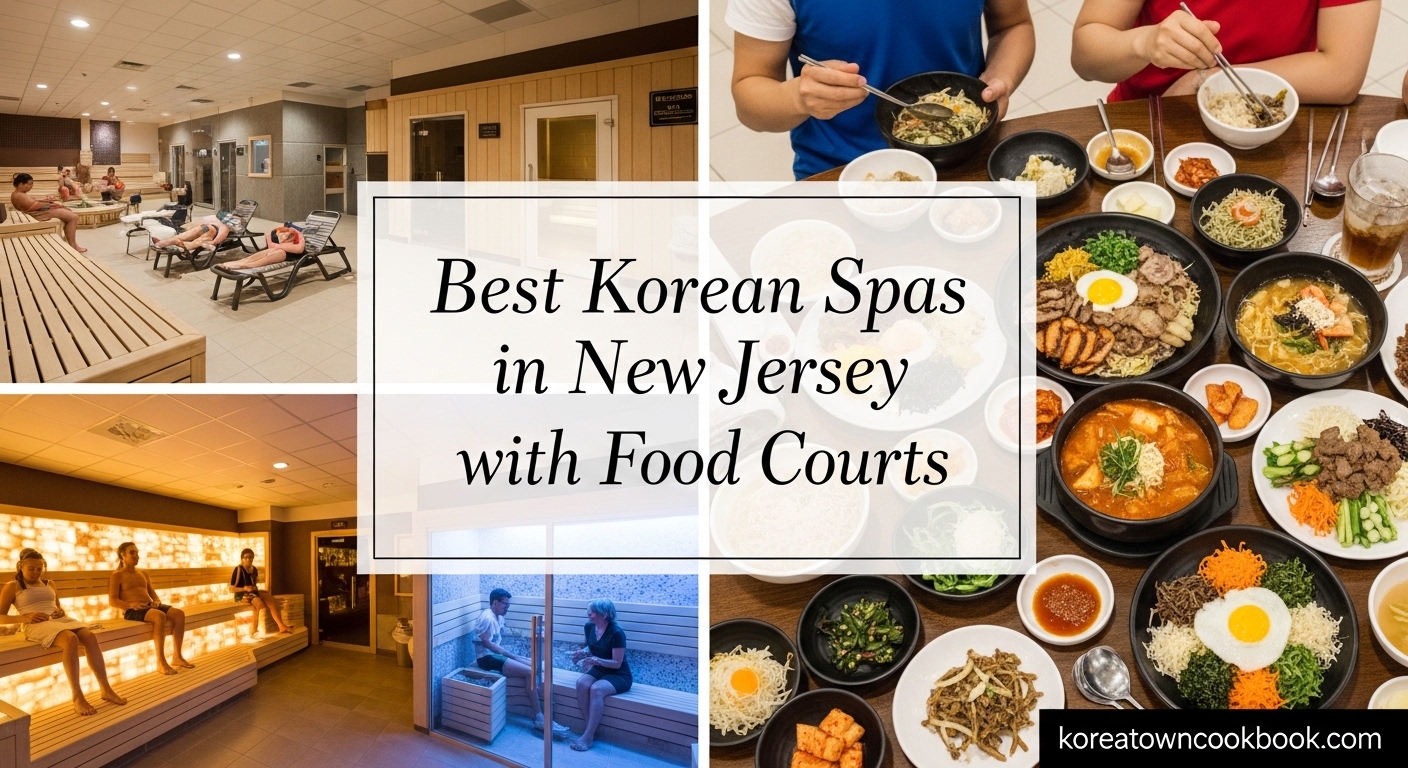
New Jersey might not be the first place that comes to mind when you think about authentic Korean spa culture, but the Garden State is actually home to some of the best jjimjilbang experiences on the East Coast. If you are searching for the best Korean spas in New Jersey with food courts, you are in for a treat.
I have spent the last three years visiting every major Korean bathhouse in NJ, and I can tell you that the combination of intense sweating, relaxing soaks, and authentic Korean food is something every wellness enthusiast should experience at least once.
Palisades Park and Edison have the largest Korean populations in the state, which explains why the most authentic Korean spas are clustered in these areas. Each spa offers something unique, from traditional body scrubs to rooftop infinity pools with Manhattan views.
Table of Contents
Quick Overview: The Three Best Korean Spas in NJ
Before diving into the details, here is how the three major players compare at a glance:
Island Spa & Sauna (Edison) – Most traditional jjimjilbang experience with excellent Korean restaurant and juice bar. Admission around $40-50. Best for: Authentic Korean spa purists.
King Spa & Sauna (Palisades Park) – Largest facility on the East Coast with 10 different sauna rooms and shuttle service from Manhattan. Admission around $45-55. Best for: Variety seekers and NYC visitors.
SoJo Spa Club (Edgewater) – Modern luxury experience with outdoor pools and NYC skyline views. Admission around $85-115. Best for: Special occasions and Instagram-worthy visits.
Best Korean Spas in New Jersey with Food Courts
Let me walk you through each of these incredible destinations so you can decide which one matches your perfect spa day.
Island Spa & Sauna: The Edison Hidden Gem
Island Spa & Sauna sits in an unassuming corporate park off Route 1 in Edison, but step inside and you are transported to a traditional Korean wellness sanctuary. This is the most authentic jjimjilbang experience in New Jersey.
The facility spans multiple floors with separate gender-segregated bathing areas and co-ed relaxation spaces. In the wet areas, you will find hot tubs, cold plunge pools, steam rooms, and showers. The dry sauna rooms include a charcoal room, salt room, and clay room – each designed for different therapeutic benefits.
What sets Island Spa apart is the food. Cafe Island serves some of the best Korean spa food I have tasted outside of Seoul. The bulgogi bibimbap is a visitor favorite, and the fresh fruit smoothies from the juice bar hit differently after a long sweat session. Unlike some spas where the food feels like an afterthought, Island Spa takes their culinary offerings seriously.
Pricing is straightforward: general admission runs $40-50 for a full day, with additional costs for treatments like the signature body scrub (seshin) at around $60-80. They offer monthly memberships if you plan to visit regularly.
Pro tip from my visits: arrive early on weekends. The facility fills up quickly, and you want first pick of the relaxation areas. The sleeping rooms on the upper floor are perfect for a midday nap between sauna sessions.
King Spa & Sauna: The East Coast’s Largest Korean Bathhouse
King Spa & Sauna in Palisades Park proudly advertises itself as the largest Korean spa on the East Coast, and after walking through all 40,000 square feet, I believe them. This place is massive.
The facility boasts 10 distinct sauna rooms, each with different temperatures and healing properties. The charcoal room, salt room, and amethyst room are personal favorites. The wet area features multiple hot tubs, cold pools, and a steam room that will clear out your sinuses in minutes.
Here is something crucial for NYC visitors: King Spa offers shuttle service from Manhattan. They run regular shuttles from Koreatown in Midtown, making this the most accessible option if you are coming from the city without a car. The shuttle alone has made King Spa my go-to recommendation for Manhattan friends.
The food situation at King Spa is solid. Their restaurant serves traditional Korean spa cuisine including hearty soups, rice dishes, and Korean BBQ options. The juice bar offers fresh-pressed juices and traditional Korean beverages like sikhye (sweet rice punch) and sujeonggwa (cinnamon punch).
Admission runs $45-55 for general access. Body treatments including the famous Korean scrub start around $65. They frequently offer package deals that combine admission with treatments, so check their website before booking.
The sheer variety of sauna rooms means you could spend an entire day just rotating between them. I recommend starting with lower temperatures and working your way up. The ice room is particularly refreshing after a session in the 200-degree charcoal sauna.
SoJo Spa Club: The Modern Waterfront Experience
SoJo Spa Club in Edgewater feels like the luxury cousin of the traditional Korean spas. Perched on the Hudson River with stunning views of the Manhattan skyline, SoJo blends Korean bathhouse traditions with modern spa luxury.
The facility features multiple floors of indoor and outdoor pools. The rooftop infinity pools are the star attraction here, especially at sunset when the Manhattan skyline lights up. You will find hydrotherapy pools, jacuzzis, and even a waterfall feature.
SoJo has more of a resort feel than the traditional jjimjilbang experience. The gender-segregated wet areas still offer the essential Korean spa experience with hot tubs, steam rooms, and sauna, but the co-ed areas are where SoJo differentiates itself.
The food options here trend more upscale than the other spas. Their restaurant serves Asian-fusion cuisine alongside traditional Korean dishes. While not as authentically Korean as Island Spa’s offerings, the quality is high and the presentation is restaurant-quality.
Be prepared for higher prices: admission ranges from $85-115 depending on the day and time. Treatments are similarly priced at a premium. They also enforce stricter time limits on busy days, which is something to consider if you prefer lingering all day.
SoJo is perfect for special occasions or when you want to impress out-of-town guests. The views alone justify the higher price tag at least once. Just be aware that the crowd here skews younger and more social media-conscious than the traditional Korean spas.
Side-by-Side Comparison: Which Spa Is Right for You?
Choosing between these three excellent options depends on what you value most in a spa experience.
Choose Island Spa if: You want the most authentic Korean jjimjilbang experience. You prioritize food quality over luxury amenities. You prefer a quieter, more traditional atmosphere.
Choose King Spa if: You want the most variety in sauna rooms. You are coming from Manhattan and need shuttle service. You like having space to spread out.
Choose SoJo Spa Club if: You want Instagram-worthy views and modern luxury. You prefer a resort-style experience. You are celebrating a special occasion.
All three require nudity in the gender-segregated wet areas – this is non-negotiable at authentic Korean spas. All three charge separately for food. All three offer day passes that let you stay from open to close.
What to Expect at a Korean Spa: First-Timer’s Guide
If you have never visited a Korean bathhouse before, the experience can be intimidating. Here is exactly what happens.
Upon arrival, you will check in and receive a locker key and spa uniform (usually shorts and a t-shirt). You will also get a wristband that works as a charge card for food and treatments – no need to carry cash around the facility.
The gender-segregated wet areas are where the magic happens. Yes, nudity is required in these spaces. This is standard practice at Korean spas worldwide. Everyone is naked, and after five minutes you will stop noticing.
You will shower thoroughly before entering any pools or saunas. Then you can soak in the hot tubs, steam in the wet saunas, and brave the cold plunge pools. The hot-cold contrast is incredible for circulation.
The body scrub (seshin) is a must-try treatment. An attendant wearing exfoliating mitts will scrub every inch of your body, removing dead skin you did not know you had. It sounds intense, and it is, but your skin will feel like silk afterward. Book this when you arrive – they often sell out.
When you need a break from the heat, head to the co-ed relaxation areas. These spaces have heated floors, recliners, and often Korean dramas playing on TVs. This is where you can enjoy your food and drinks.
What to bring: Your own toiletries (though they sell them), a water bottle, and cash for tips. They provide towels, robes, and uniforms.
What to avoid before visiting: Do not shave the day of your visit – the salt and heat will sting fresh-shaved skin. Avoid heavy meals right before arrival. Skip the spa if you have any open wounds or contagious skin conditions.
FAQ
Is King Spa a nudist spa?
King Spa is not a nudist spa, but nudity is required in the gender-segregated wet areas (bathing pools, steam rooms, and saunas). This follows traditional Korean jjimjilbang customs. The co-ed relaxation areas and restaurant require wearing the provided spa uniform.
Is it okay to sleep in a jjimjilbang?
Yes, sleeping in a jjimjilbang is completely acceptable and very common. Korean spas typically have designated sleeping rooms or quiet areas with heated floors where guests nap between sauna sessions or even stay overnight. Many visitors treat jjimjilbangs as budget accommodations, sleeping for a few hours before continuing their relaxation routine.
What should I avoid before a Korean spa?
Avoid shaving the same day as your visit since salt rooms and hot water will irritate freshly shaved skin. Skip heavy meals immediately before arriving. Do not visit if you have open wounds, contagious skin conditions, or are under the influence of alcohol. Remove all makeup before entering the wet areas, and avoid wearing jewelry that could overheat in saunas.
How much does Korean spa admission cost in New Jersey?
Korean spa admission in New Jersey typically ranges from $40-115 depending on the facility. Island Spa and King Spa charge $40-55 for general admission. SoJo Spa Club charges $85-115 for their luxury experience. All spas charge separately for treatments like body scrubs ($60-80) and food from their restaurants.
Where are the most Koreans in New Jersey?
The largest Korean populations in New Jersey are concentrated in Bergen County, particularly Palisades Park and Fort Lee. Middlesex County, especially Edison and surrounding towns, also has a significant Korean community. These areas host authentic Korean restaurants, supermarkets, and the three major Korean spas featured in this guide.
Final Thoughts on Best Korean Spas in New Jersey with Food Courts
New Jersey’s Korean spa scene offers something for everyone, from the traditional authenticity of Island Spa to the modern luxury of SoJo Spa Club. King Spa strikes the perfect middle ground with its impressive variety and convenient Manhattan shuttle.
The food courts at all three locations elevate the experience from a simple spa day to a full cultural immersion. There is something special about finishing a long sweat session with a bowl of hot bibimbap or sipping cinnamon punch while your body cools down.
If you are new to Korean spas, start with either Island Spa or King Spa for the most authentic jjimjilbang experience. Book that body scrub. Stay for at least four hours. And come hungry – the food is half the reason to visit.