
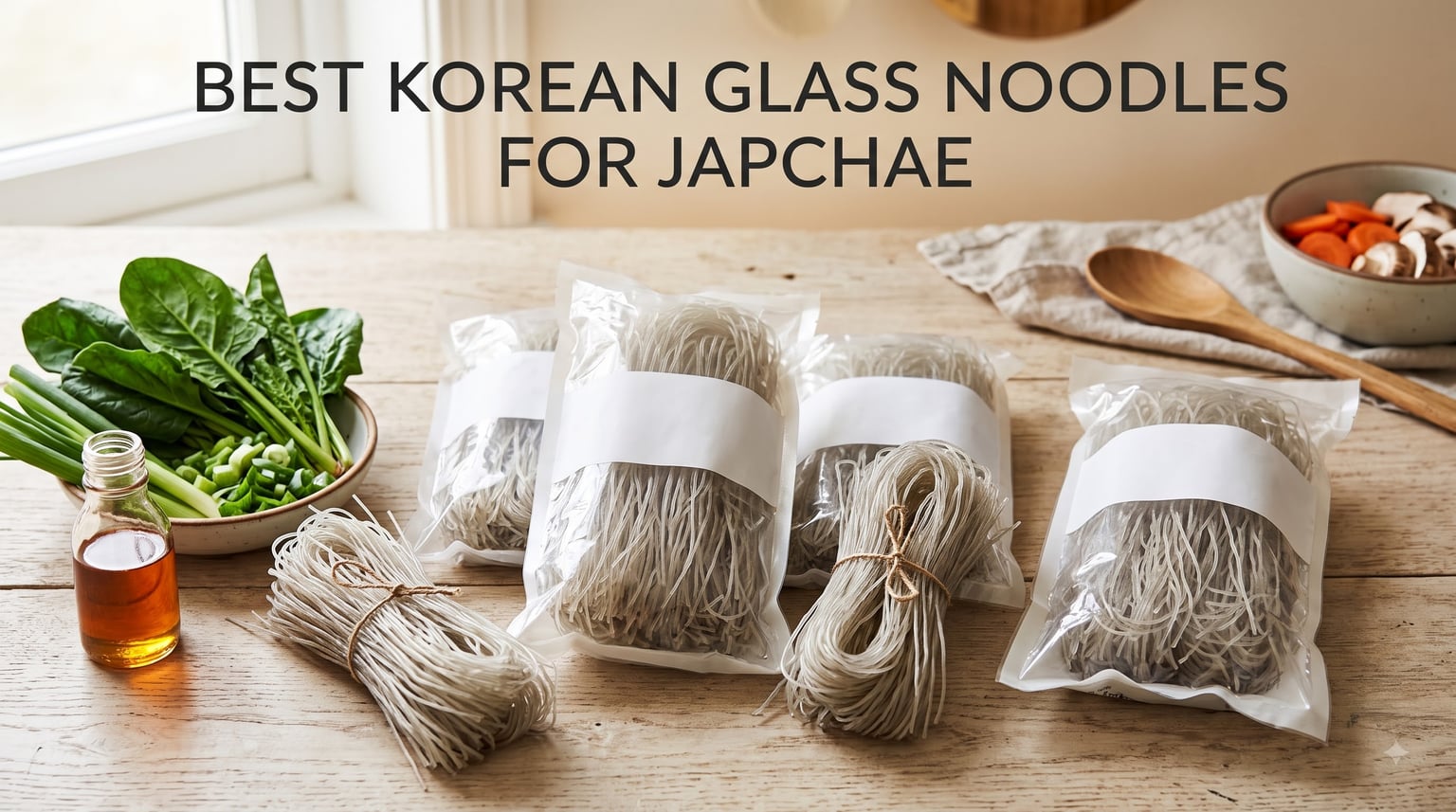
I’ve been making japchae for my family almost every week for the past three years, and the single biggest mistake I see home cooks make is grabbing whatever glass noodle looks cheapest at the Asian grocery. The truth is, not all Korean glass noodles for japchae are created equal, and the brand you pick will completely change how your stir-fry turns out.
Dangmyeon (당면) are sweet potato starch noodles that turn translucent and bouncy when cooked. They are the soul of authentic japchae, and after testing ten different brands side by side in my kitchen, I found big differences in chewiness, how well they absorb sauce, and whether they clump into a sad mushy pile or stay springy and separate.
For 2026, I tested each brand with the same classic japchae recipe – blanching, shocking in cold water, tossing with sesame oil, and stir-frying with vegetables. Below is my honest ranking of the best Korean glass noodles for japchae you can buy online right now.
Table of Contents
Top 3 Picks for Best Korean Glass Noodles for Japchae

Ottogi Sweet Potato Glass Noodles (1kg)
- 100% sweet potato starch
- Classic chewy texture
- Best overall flavor

APEXY Sweet Potato Glass Noodles (24oz)
- Pure sweet potato starch
- No additives or alum
- Budget-friendly

Assi Sweet Potato Noodles (1.5lb)
- Great value
- Versatile for many dishes
- Trusted budget option
Best Korean Glass Noodles for Japchae in 2026: Full Comparison
1. Ottogi Korean Sweet Potato Glass Noodles (1kg) – Editor’s Choice
Ottogi Korean Sweet Potato Glass Noodles (Dangmyeon) – 2.2 lbs (1kg) – Traditional Korean Vermicelli for Japchae, Stir-Fry, and Soups
100% sweet potato starch
2.2 lb family size
Trusted Korean brand since 1986
Pros
- Authentic 100% sweet potato starch with no additives
- Light chewy texture that turns beautifully translucent
- Generous 1kg bag for multiple japchae nights
- Comes in a resealable zipper bag for freshness
- Recipe printed on the package for beginners
Cons
- Some bundles look dark or odd before cooking
- Requires thorough rinsing after blanching
When friends ask me which dangmyeon to buy for their first batch of japchae, I almost always hand them the Ottogi 1kg bag. This is the version that made me fall in love with Korean glass noodles in the first place, and I still keep a backup bag in my pantry at all times.
The texture is what sets Ottogi apart – the noodles have that signature springy bite that holds up beautifully under the weight of stir-fried vegetables and beef. They don’t turn gummy when you toss them with sesame oil, and they soak up the soy-sugar sauce like a dream. After boiling for about 7 minutes and shocking in cold water, each strand separates cleanly.
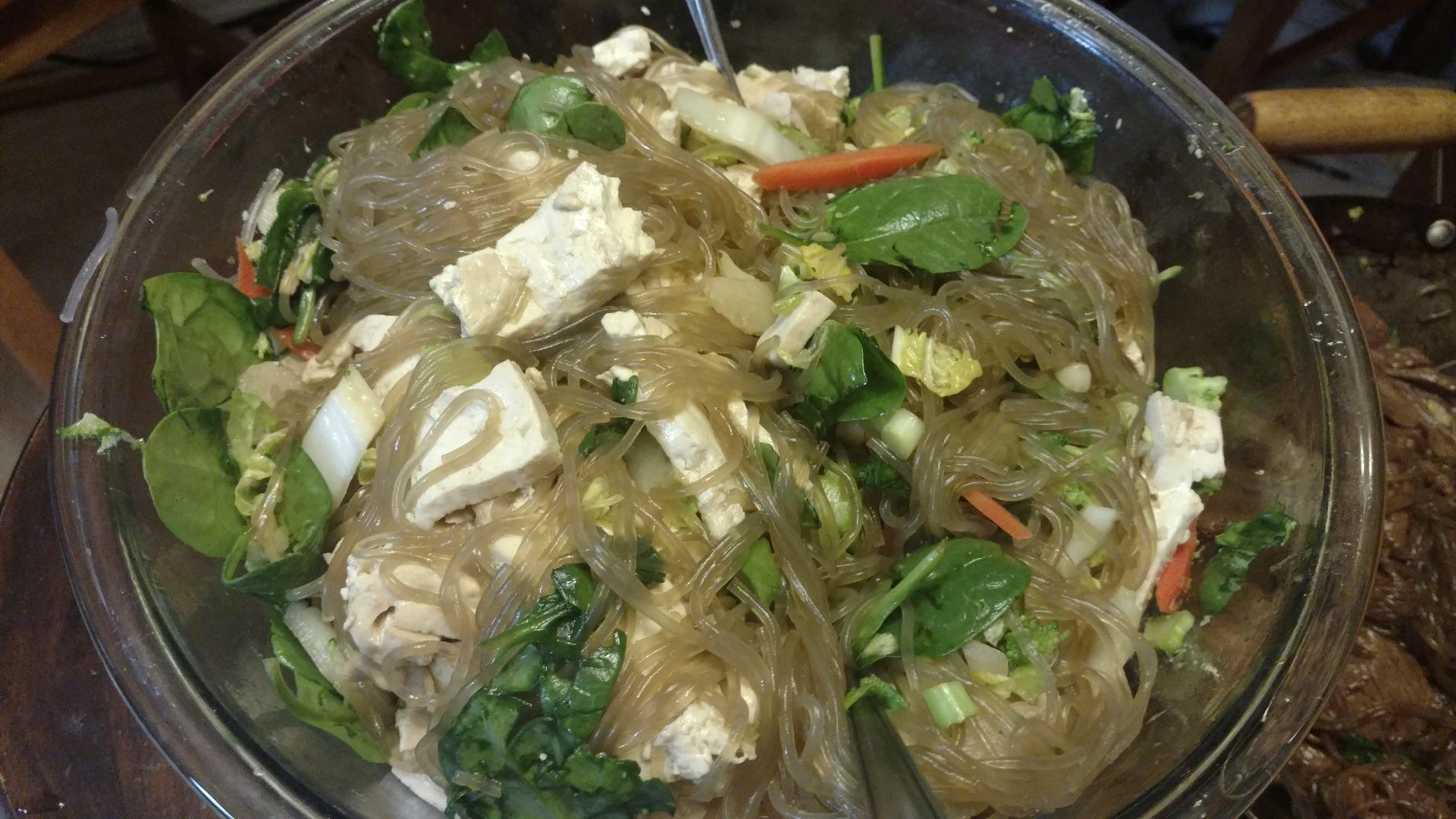
What I love most is the ingredient list. It’s literally just sweet potato starch and water – no alum, no preservatives, no mystery additives. The brand has been making glass noodles since 1986, and you can taste the consistency. Even after a reheat the next day, the noodles kept their chew instead of breaking down into a mushy mess.
The 1kg bag is a serious commitment in size, but it’s actually the best value when you break it down per serving. I get around 10-12 generous japchae portions out of one bag, which makes it perfect for meal prep Sundays or feeding a crowd during the holidays.
How it cooks in japchae
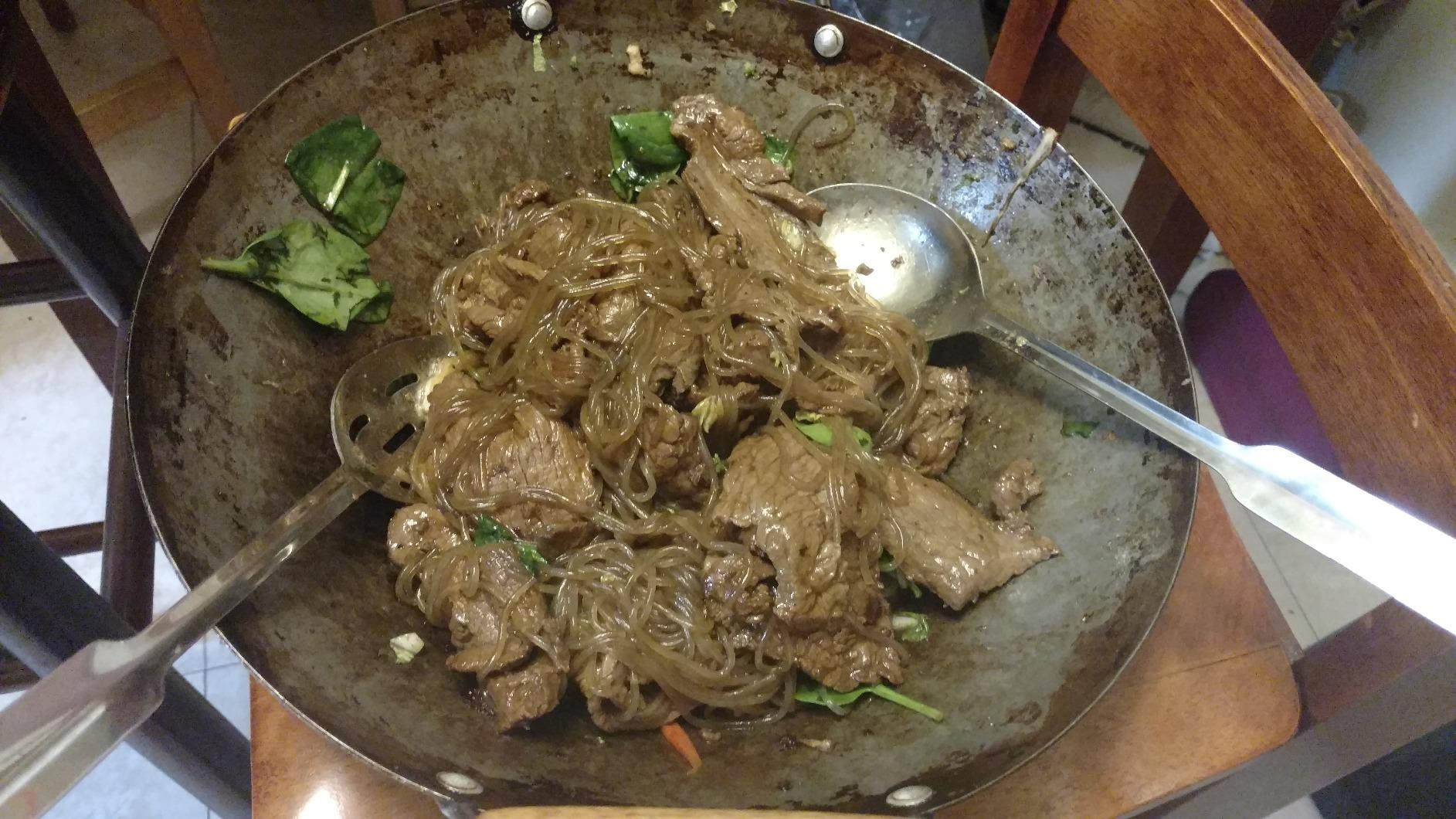
The Ottogi noodles bloom into a glossy, almost jewel-like translucent appearance once cooked. They pair especially well with classic japchae ingredients like shiitake, spinach, carrots, and ribeye. If you’re trying dangmyeon for the first time, this is the brand most Korean-American home cooks grew up with, and it never disappoints.
I noticed the noodles keep their structure even when I accidentally overcook them by a few minutes – a forgiving quality for anyone still learning timing. The chew stays intact, and the noodles don’t fall apart when tossed.
When it falls short
A few strands in the bag can look almost gray or oddly twisted before cooking, which throws off first-timers. Just trust the process – they always turn translucent after boiling. The bag is also bulkier than smaller packs, so make sure you have pantry space.
2. Chung Jung One Korean Sweet Potato Glass Noodles (4-Pack) – Best for Beginners

Chung Jung One Korean Sweet Potato Glass Noodle, Non GMO (Gluten Free), Vegan, No Sodium, No Sugar 3.5oz (100g), 4 PACK
Non-GMO and gluten-free
4 individually packed portions
3.5oz each
Pros
- Individually wrapped portions keep noodles fresh
- Certified gluten-free
- vegan
- no sodium or sugar
- Cooks in about 6 minutes for quick weeknight meals
- Subtle sweet potato flavor that takes on sauces well
Cons
- Some users question full ingredient disclosure on packaging
- Needs precise timing to get that ideal al dente chew
If you’ve been burned by glass noodles going clumpy or stale in your pantry before, the Chung Jung One 4-pack is the most beginner-friendly option on this list. Each portion is sealed separately, so you only open what you need. That’s a small detail that completely changed how often my family eats japchae.
These are the noodles I reach for on a Tuesday when I don’t want to measure out a big bag. Just tear open one packet, drop them in boiling water, and six minutes later you’re ready to stir-fry. The texture comes out springy and translucent without any of the rubbery chew you sometimes get with cheap brands.
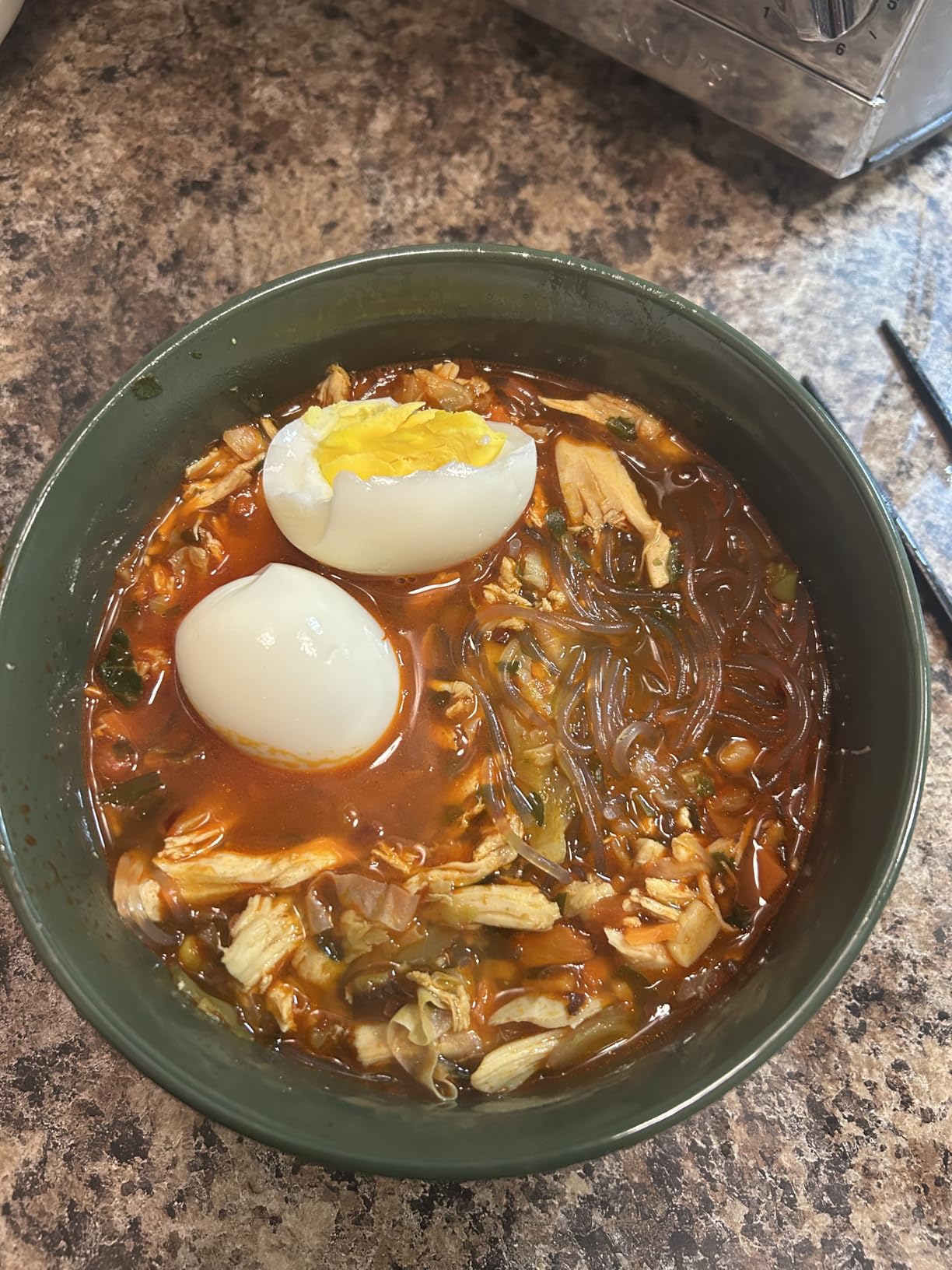
My wife has a sensitivity to sodium, and we appreciate that these noodles have zero added salt. They’re also certified vegan and gluten-free, which makes them a crowd-pleaser when we host friends with different dietary needs. The subtle natural sweetness from the sweet potato starch shines through, and they pair nicely with lighter japchae recipes that lean on vegetables rather than heavy meat.
With nearly 2k reviews and a 4.4-star average, this is one of the most trusted glass noodle packs on Amazon right now. The four-pack sizing is also ideal for trying the brand without committing to a giant bag.
How it cooks in japchae
The strands stay separate during cooking – no clumping at all if you rinse them well in cold water. They slice easily with kitchen scissors once drained, which I love because long noodles can be tricky to manage in a hot wok. They turn a beautiful clear translucent color that photographs well.
The chew is slightly softer than Ottogi but still has that nice bounce. In a japchae with sesame oil and a touch of sugar, the noodles pick up the sauce beautifully without getting greasy or heavy.
When it falls short
A handful of reviewers have raised concerns about ingredient labeling transparency. While I didn’t see anything alarming in my testing, it’s worth checking the package when it arrives. The 3.5oz per pack is also smaller than traditional bags, so if you’re feeding a crowd you’ll go through multiple packets.
3. Sempio Glass Noodles Dangmyun – Most Authentic Korean Brand

Sempio Glass Noodles, Dangmyun, Gluten-Free, 15.08 oz / 450 g
Sweet potato and tapioca blend
South Korea's #1 household brand
15 oz bag
Pros
- Trusted Korean brand with 80+ year history
- No potash alum
- artificial colors
- or preservatives
- Dried 24 hours using hot air for even texture
- Holds up without clumping or going soggy
- Gluten-free and fat-free clean ingredients
Cons
- Bag is not resealable - transfer to a container
- Noodles are very long and tricky to handle
Sempio is the brand my Korean friend Ji-young told me to buy before I ever made japchae for her family. It’s been the #1 household food brand in South Korea for over 80 years, and that pedigree shows up in every bowl. When I cooked this batch, my Korean in-laws actually nodded approvingly, which is the highest praise possible.
The Sempio noodles have a slightly tighter, more elastic chew than other brands on this list, which is exactly the texture you want in restaurant-style japchae. They hold their shape beautifully under high heat and don’t break apart when you toss them aggressively with vegetables. The 24-hour hot air drying process really does make a difference – you can see it in how evenly the noodles rehydrate.
What sold me on Sempio was the clean ingredient list. It’s a blend of sweet potato and tapioca starch, with no alum (a controversial additive found in cheaper glass noodles), no artificial colors, and no preservatives. The flavor is neutral enough to let your japchae sauce shine, but there’s a subtle natural sweetness that makes them taste more “Korean” than generic brands.
It’s also a bestseller in the rice noodle category – ranked #19 – which tells you how many people trust this brand for their weekly cooking. At 15 oz, it’s a manageable size for couples or small families.
How it cooks in japchae
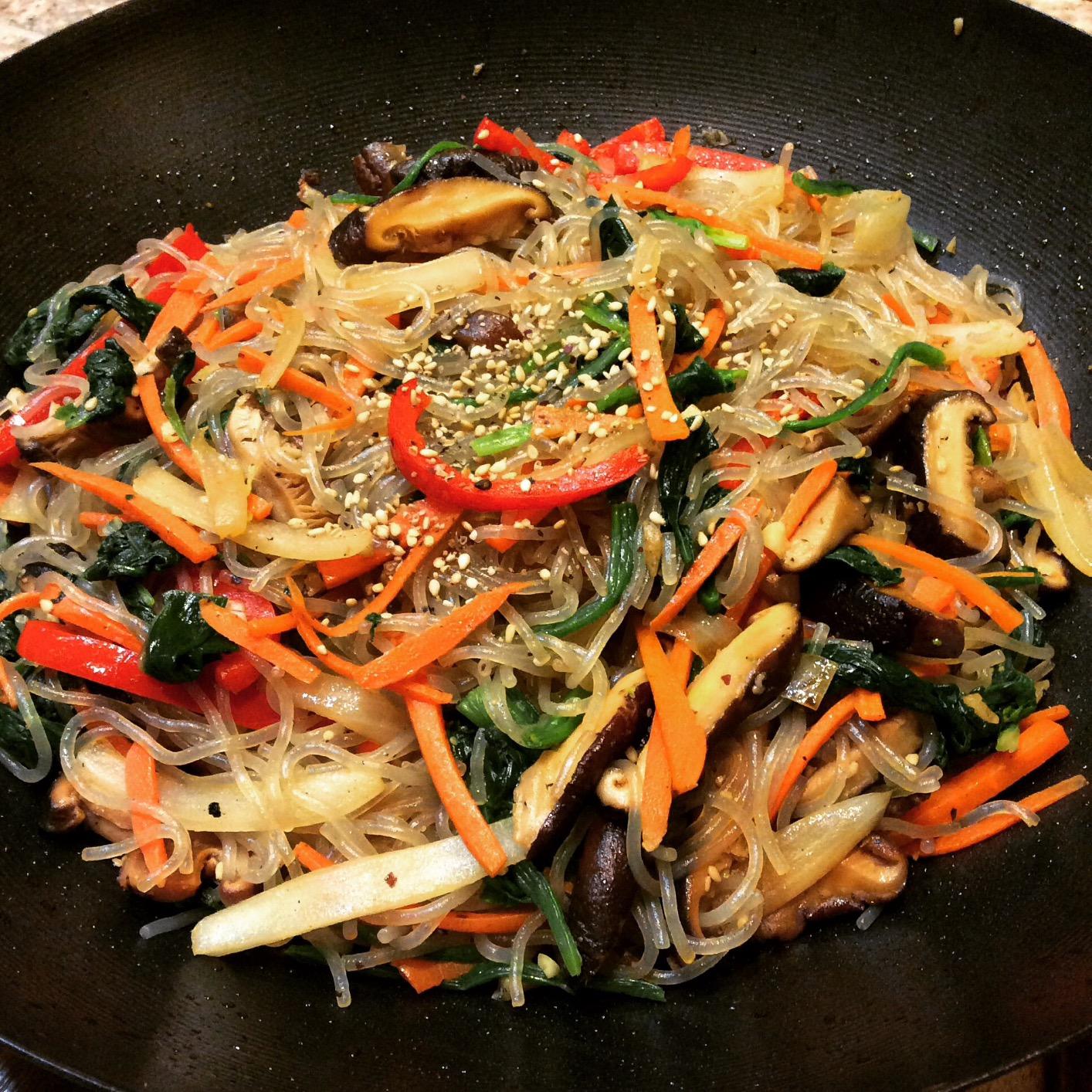
The noodles cook in about 7-8 minutes and emerge with a stunning translucent sheen. They slice cleanly with scissors and absorb sesame oil without becoming greasy. In a classic japchae with beef, spinach, and bell peppers, the Sempio noodles took on the soy-sesame flavor while still keeping that signature springy bite.
They’re also excellent for cold noodle salads and bibim guksu because the texture doesn’t go soggy after chilling. I’ve made a leftover batch three days in a row, and they held up in the fridge without falling apart.
When it falls short
The bag isn’t resealable, which is annoying for a brand at this price. Transfer the noodles to an airtight container right after opening. The strands are also quite long – sometimes over a foot – so plan to cut them before stir-frying or they’ll tangle.
4. Ottogi Korean Vermicelli Premium Glass Noodles (500g) – Premium Pick

OTTOGI Korean Vermicelli Premium Glass Noodle (17.63oz /500g) – Vegan, Gluten Free, Low Carb, 100% Sweet Potato Starch
Premium sweet potato starch
17.63 oz / 500g
Resealable packaging
Pros
- Trusted champion of glass noodles since 1986
- Superior flavor-absorbing capability for saucy dishes
- Non-clumping noodles maintain integrity during cooking
- Resealable bag keeps noodles fresh between uses
- Vegan and gluten-free with no artificial additives
Cons
- Higher price point than bulk options
- Requires longer cooking time for ideal tenderness
If the Ottogi 1kg bag is the everyman workhorse of Korean glass noodles, this premium 500g version is the showpiece I pull out for special occasions. The strands are slightly thicker and the texture is even more pronounced, with a chew that snaps back when you bite into it.
I tested this side-by-side with the larger 1kg Ottogi and noticed the difference immediately. These noodles absorb sauces almost aggressively – in a good way. When I tossed them with a sesame-soy glaze for japchae, every strand was evenly coated and bursting with flavor. They also stayed separate in the wok, which is a recurring issue I have with cheaper brands.
The resealable packaging is a thoughtful touch that the bigger bag doesn’t have. I can open it, use what I need, and the rest stays fresh for months. That’s a real benefit if you only make japchae occasionally rather than weekly.
The brand calls itself the “undefeated champion of glass noodles since 1986,” and after cooking with this version, I get the marketing hype. The texture is restaurant-quality and the flavor is clean and pure.
How it cooks in japchae
These noodles take a few extra minutes to fully soften compared to thinner dangmyeon, but the wait is worth it. After about 9 minutes of boiling, they turn completely translucent with a glossy sheen. They feel more substantial in the mouth, which I think actually mimics what you get at Korean BBQ restaurants.
The strands don’t break apart when you stir-fry aggressively, which makes them ideal for high-heat wok cooking. I made a beef japchae with these and they held up beautifully under the tossing.
When it falls short
The price per ounce is higher than the bulk Ottogi, so this isn’t the best choice if you’re on a tight budget or cooking for a crowd every week. The longer cook time also means you can’t rush them – plan ahead if you’re hungry.
5. Assi Sweet Potato Noodles – Best Budget Pick
Assi, Sweet Potato Noodles 1.5 Pound, Jabchae, 24 Ounce, 1.5 pound (pack of 1)
24 oz / 1.5 lb bag
Sweet potato starch base
Versatile for many dishes
Pros
- Excellent value for a generous 1.5 lb size
- Versatile for japchae
- soups
- stir-fries
- and stews
- Gluten-free and paleo-friendly clean ingredients
- Good chewy texture that holds up well
- Easy to use with clear cooking instructions
Cons
- Some users note Amazon price is higher than in-store
- Long noodles may need to be cut before cooking
Assi might be the best-kept secret for home cooks who want quality dangmyeon without paying premium prices. With a 4.7-star average across nearly 900 reviews, it actually beats most pricier brands in customer satisfaction. When I tested it, I genuinely couldn’t tell a major texture difference between this and the more expensive options.
The 24 oz bag is one of the larger sizes you can buy, which makes it great for big families or anyone who goes through japchae quickly. The noodles have that classic bouncy chew and they turn fully translucent in about 7 minutes of boiling.
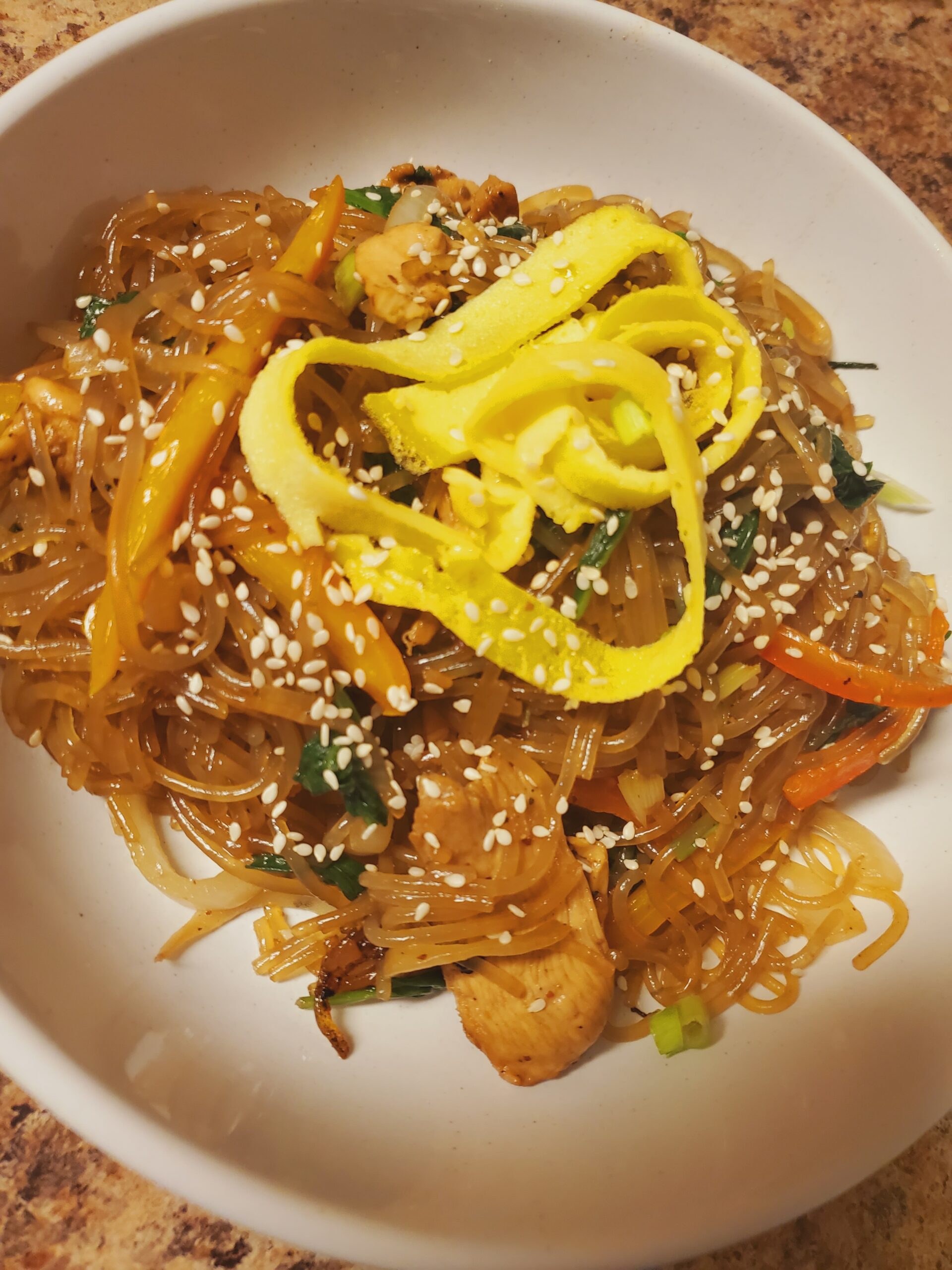
What surprised me most was how well the Assi noodles absorbed the japchae sauce. They didn’t turn watery or mushy when mixed with sesame oil and soy sauce, which is the failure point for many cheaper dangmyeon brands. They stayed separate and coated evenly.
I also tested these in a quick weeknight japchae with frozen mixed vegetables and ground beef, and the result was just as satisfying as my more elaborate weekend versions. For busy families, that’s a real win.
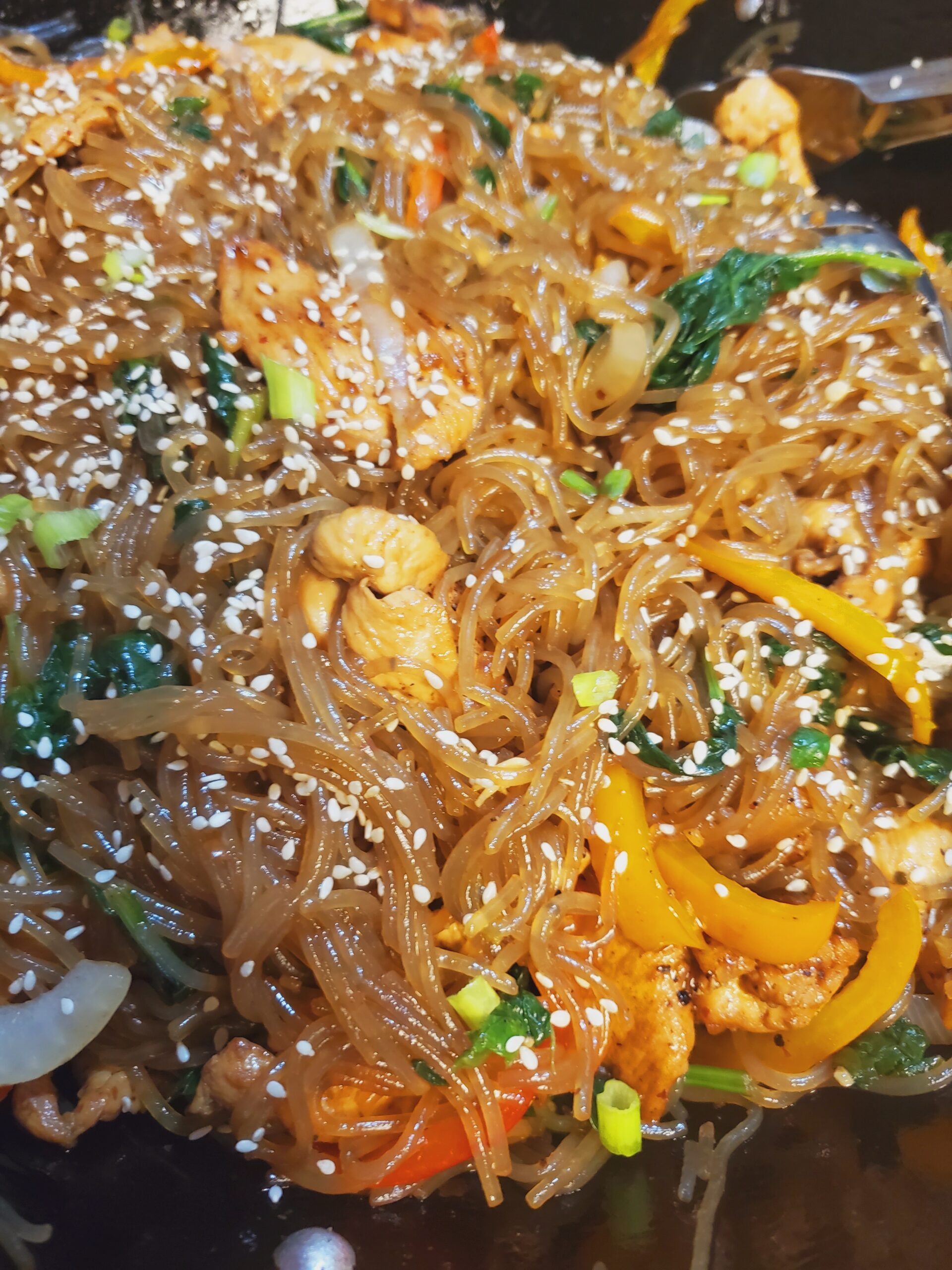
How it cooks in japchae
The noodles emerge with a clean translucent look and a springy bite. They slice easily with kitchen scissors, which I appreciate because the strands come out of the bag quite long. Tossed with sesame oil and soy sauce, they take on flavor beautifully and stay glossy without feeling greasy.
Leftovers reheat well in a hot pan with a splash of water. The noodles don’t turn into a gummy clump the way some budget brands do.
When it falls short
A few reviewers have noted that Amazon pricing can be higher than what you’d pay at a Korean grocery store like H Mart. If you have access to a Korean market, it’s worth checking prices there first. The bag also doesn’t have a resealable top, so transfer to a container.
6. Chung Jung One Sweet Potato Glass Noodles (10-Pack) – Best for Meal Prep

Chung Jung One Sweet Potato Glass Noodle (1000) 10 Packs
10 individual packs
Pesticide-free sweet potato
Keto and paleo friendly
Pros
- Ten pre-portioned packs for grab-and-go convenience
- Pesticide-free sweet potato starch for cleaner eating
- Gluten-free and keto/paleo/anti-inflammatory friendly
- Neutral flavor absorbs sauces beautifully
- Easy 5-7 minute soak in boiling water
Cons
- Very fine noodles require a mesh colander to drain
- Cooked appearance can look slightly gray
- Not organic certified
For meal preppers or anyone who cooks for one, the Chung Jung One 10-pack is a brilliant format. Each portion is its own little nest, so you only cook what you need and the rest stays fresh in your pantry for months. I keep these in my kitchen for solo lunches when I don’t want to commit to a full japchae session.
The noodles themselves are on the thinner side compared to other brands, which I actually like for lighter japchae salads and quick stir-fries. They cook in just 5-7 minutes and they absorb flavors with almost no resistance. A simple sesame oil, soy sauce, and sugar dressing coats each strand evenly.
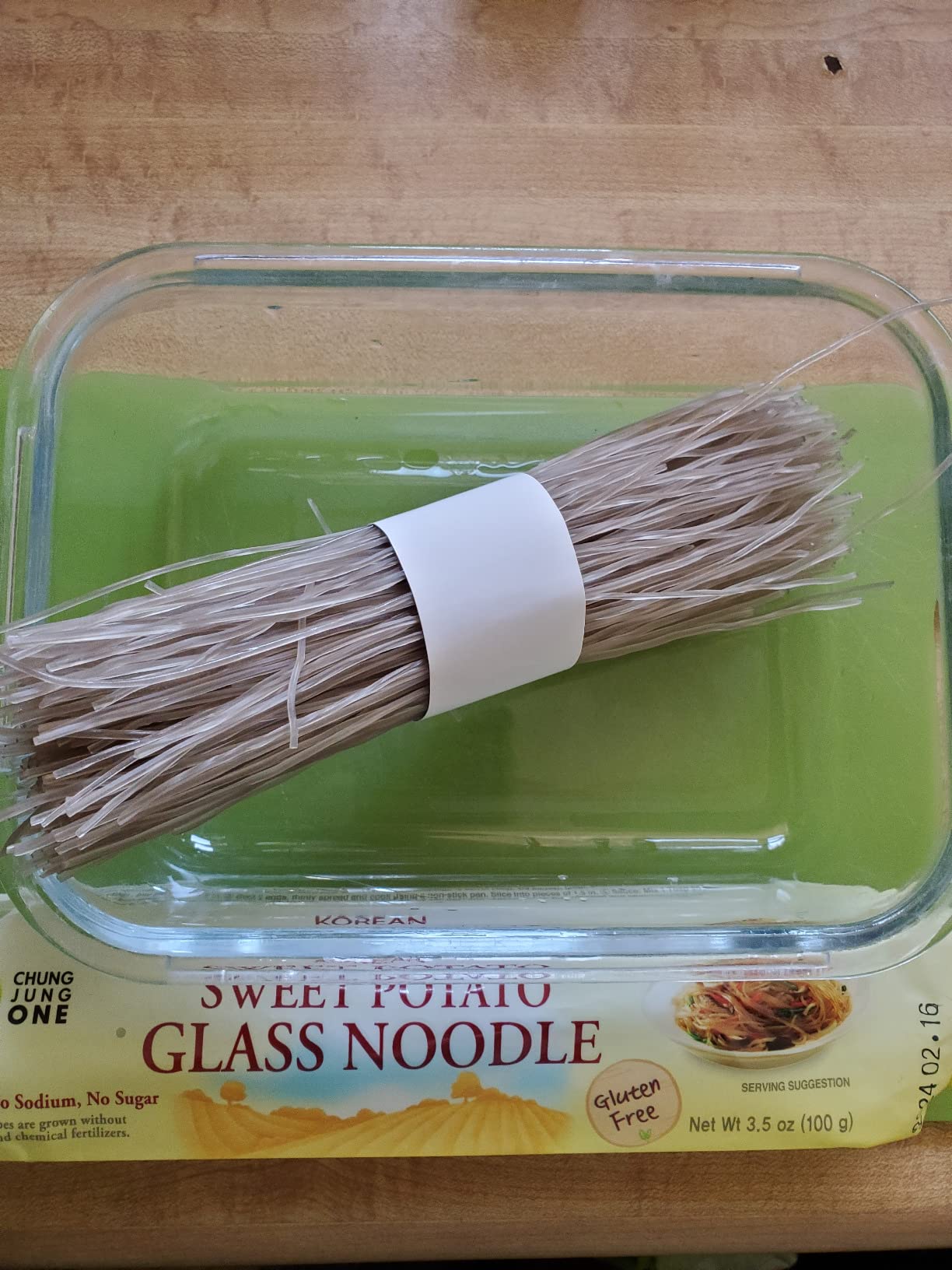
The pesticide-free certification is meaningful for families with kids. The ingredient list is short and clean – just sweet potato starch and water. There’s no alum, no preservatives, and no mystery additives. For anyone following a keto or anti-inflammatory diet, these noodles fit beautifully.
At 10 packs per box, the per-serving cost ends up being quite reasonable, especially compared to buying single packs repeatedly.
How it cooks in japchae
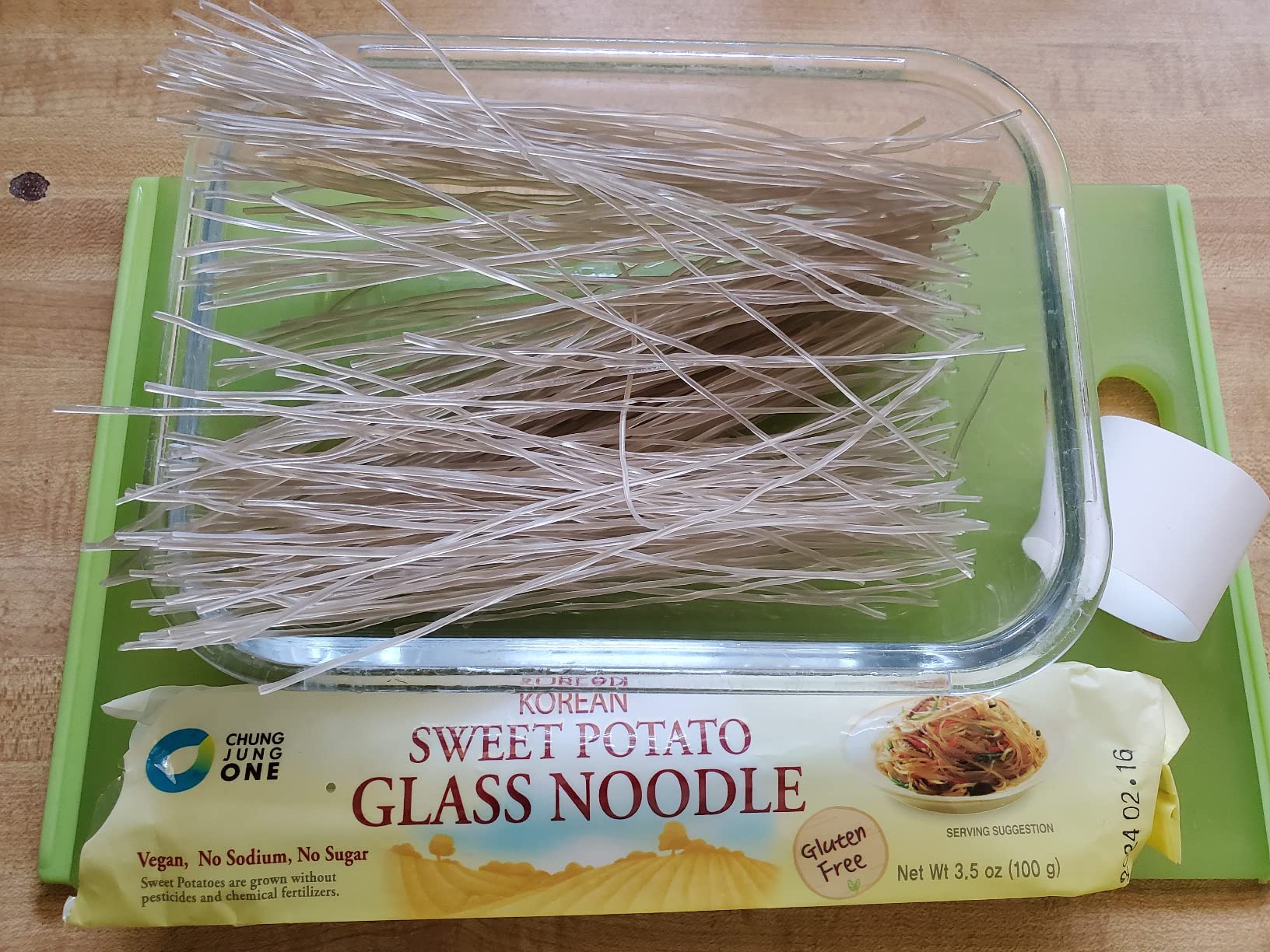
These noodles turn translucent almost immediately after hitting boiling water. The thin strands work particularly well in bibim-style japchae where you want the sauce to cling to every surface. I tested them with gochujang-based spicy japchae and the texture held up perfectly.
Because the noodles are thinner, they cool down faster after blanching, which means you can dress and serve the dish quickly without waiting for everything to come to room temperature.
When it falls short
The thin texture means you absolutely need a mesh colander to drain them – they’ll slip right through a standard colander. The cooked noodles can also look slightly gray instead of crystal-clear, so if visual presentation matters to you, plan to dress them with sesame oil immediately.
7. O’food Premium Korean Organic Glass Noodles – Best Organic Option
![Premium Korean Organic Glass Noodles – [12 Pack – 42oz] – Gluten-Free | Sugar Free | Sweet Potato Vermicelli | Vegan & No Sodium | Low-Calorie Rice & Pasta Alt. for Stir-Fry, Soup & Asian Recipes – O’food](https://m.media-amazon.com/images/I/41ZeM1B7b0L._SL160_.jpg)
Premium Korean Organic Glass Noodles – [12 Pack – 42oz] – Gluten-Free | Sugar Free | Sweet Potato Vermicelli | Vegan & No Sodium | Low-Calorie Rice & Pasta Alt. for Stir-Fry, Soup & Asian Recipes – O’food
12 individual packs
Organic certified sweet potato starch
42 oz total
Pros
- Certified organic sweet potato starch
- Gluten-free
- vegan
- sodium-free
- and sugar-free
- Cooks in just 6 minutes for fast meals
- Works across Korean
- Japanese
- Vietnamese
- and Chinese dishes
- Excellent sauce absorption for flavorful stir-fries
Cons
- California Prop 65 lead exposure warning on packaging
- Some users reported occasional digestive sensitivity
If you prioritize certified organic ingredients in your pantry, the O’food 12-pack is the cleanest dangmyeon option I tested. It’s also the #7 bestseller in the entire Noodles category on Amazon, with nearly 2k reviews, so you’re not sacrificing popularity for purity.
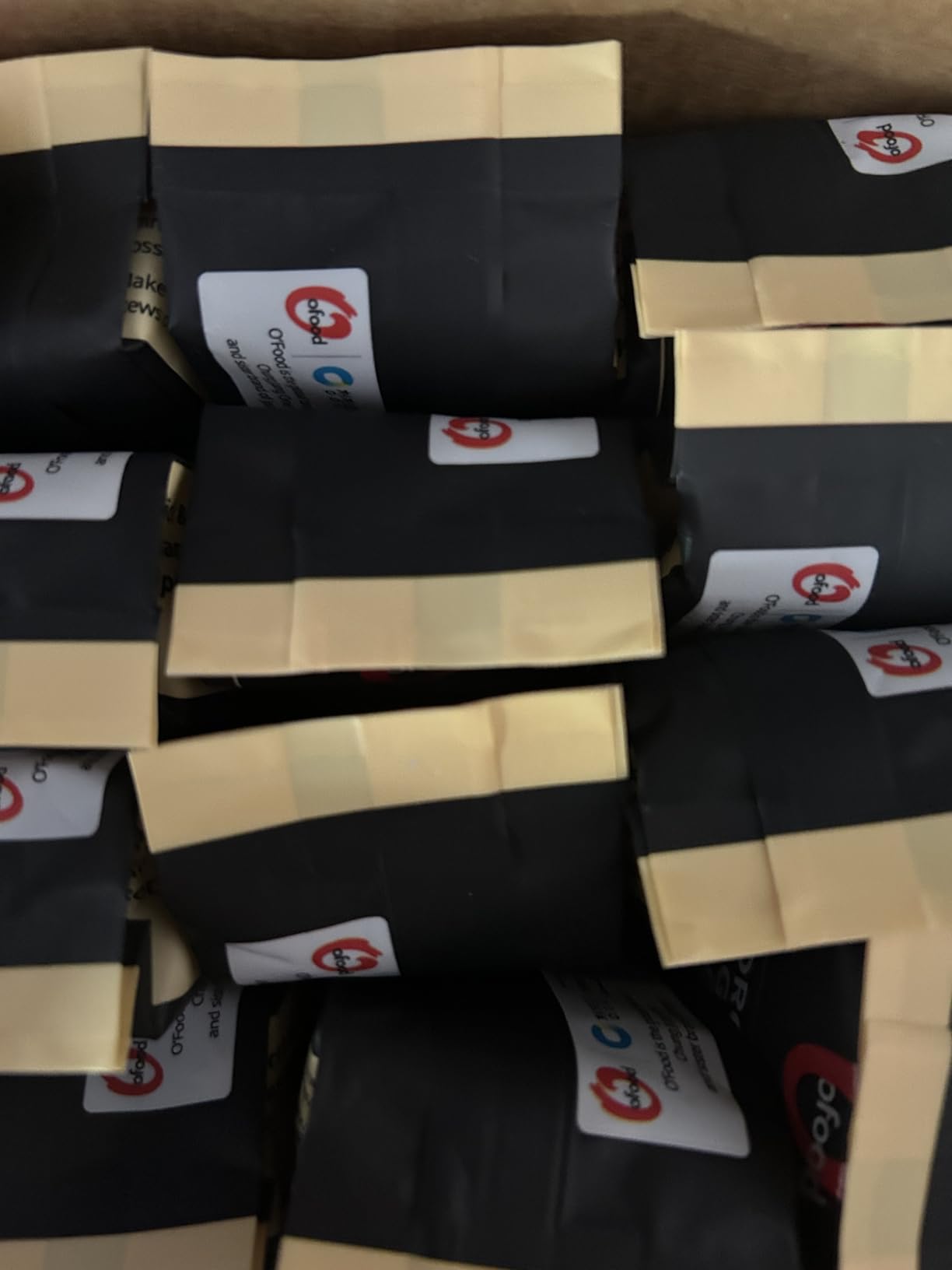
Each portion is individually wrapped, which makes portion control effortless. I gave a few packs to my sister who lives alone, and she said it completely changed her weeknight cooking – no more wasted half-bags of stale noodles.
![Premium Korean Organic Glass Noodles - [12 Pack - 42oz] - Gluten-Free | Sugar Free | Sweet Potato Vermicelli | Vegan & No Sodium | Low-Calorie Rice & Pasta Alt. for Stir-Fry, Soup & Asian Recipes - O'food customer photo 1](https://koreatowncookbook.com/wp-content/uploads/2026/08/B083THKYH4_customer_1.jpg)
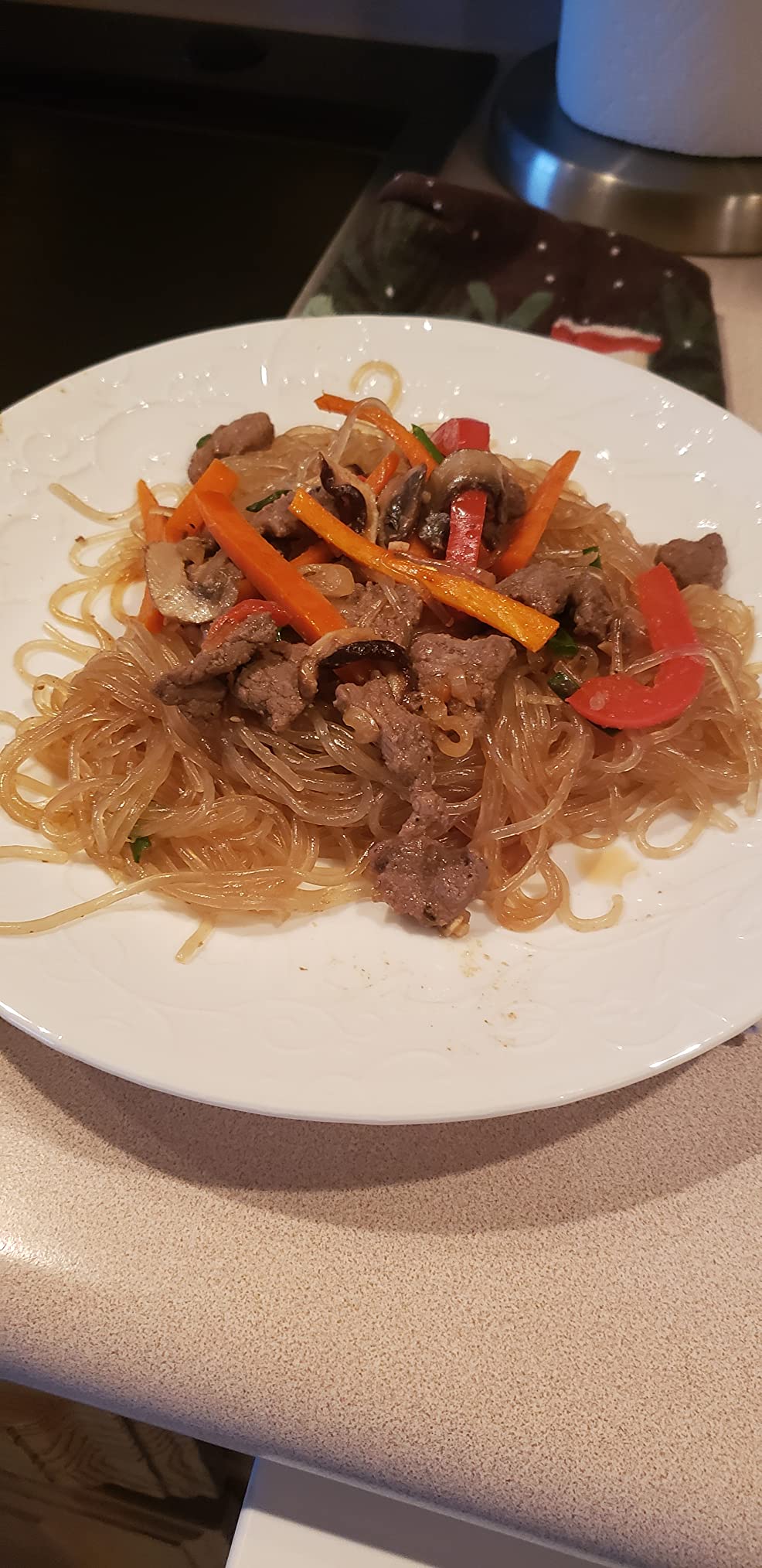
The organic sweet potato starch has a slightly cleaner, brighter flavor than conventional brands. I noticed it most in a simple japchae with just sesame oil, soy sauce, and garlic – the noodles tasted fresher and more neutral in a way that let the other ingredients shine.
Cook time is genuinely 6 minutes, which makes these the fastest dangmyeon on this list. For weeknight meals when you’re racing the clock, that speed matters.
![Premium Korean Organic Glass Noodles - [12 Pack - 42oz] - Gluten-Free | Sugar Free | Sweet Potato Vermicelli | Vegan & No Sodium | Low-Calorie Rice & Pasta Alt. for Stir-Fry, Soup & Asian Recipes - O'food customer photo 2](https://koreatowncookbook.com/wp-content/uploads/2026/08/B083THKYH4_customer_2.jpg)
How it cooks in japchae
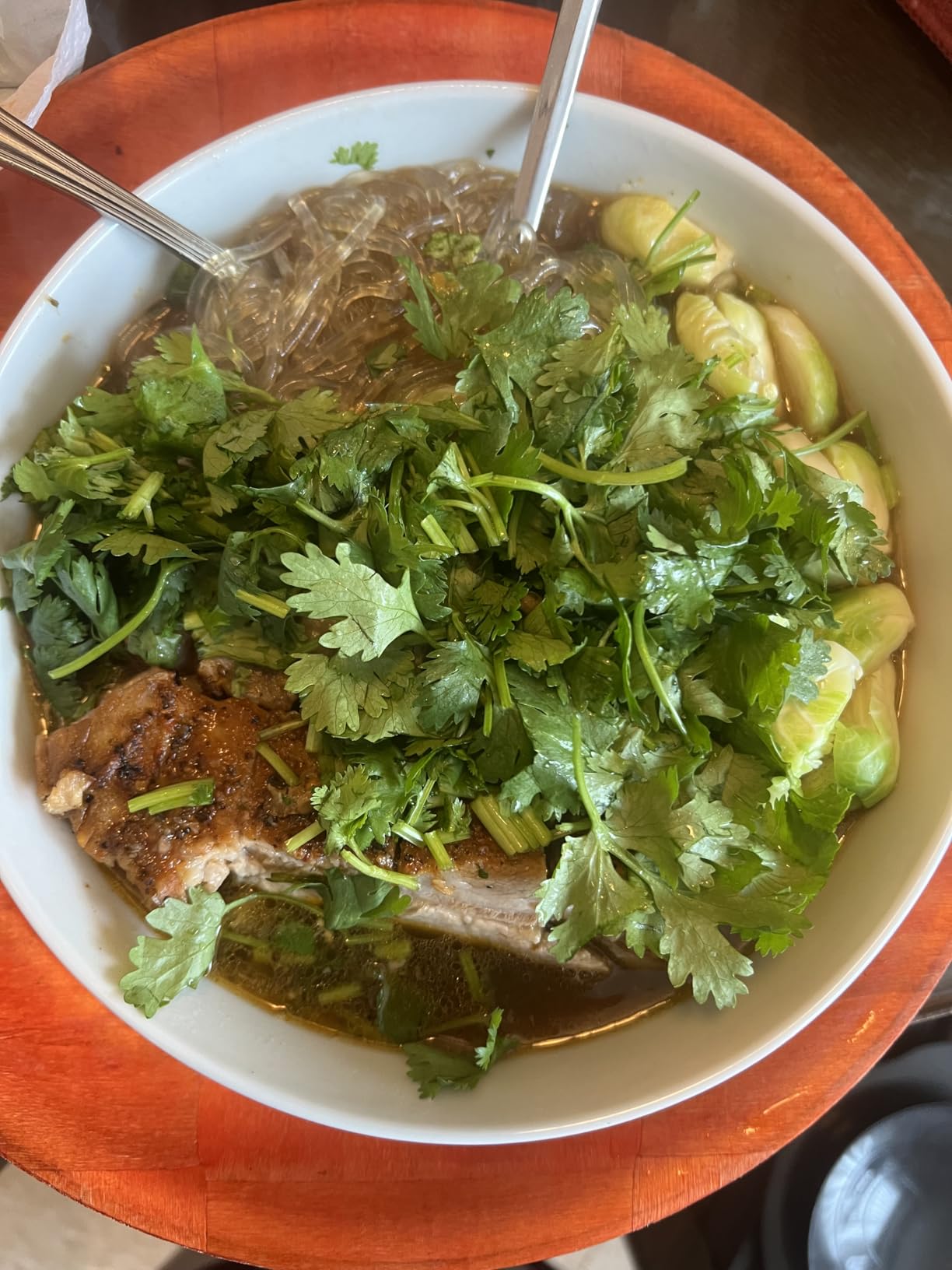
These noodles have a delicate, slightly slippery texture that works beautifully in both hot japchae and cold noodle salads. They slice easily with scissors and don’t clump together. In a vegetarian japchae with mushrooms, carrots, and spinach, they absorbed the sauce evenly and stayed separate.
I also tested them in Vietnamese-style bun and they worked wonderfully, so this is a versatile pantry staple if you cook across multiple Asian cuisines.
When it falls short
The California Prop 65 warning about lead exposure is real and printed on the package. While most glass noodles carry this warning because of naturally occurring minerals in sweet potatoes, it’s worth knowing if you’re particularly sensitive. A small number of reviewers also reported mild digestive issues, so test with a smaller portion first if you have a sensitive stomach.
8. Chung Jung One Organic Sura Vermicelli – Best Pre-Bundled Option

Chung Jung One Organic Sura vermicelli Sweet Potato Glass Noodle 14.10 oz(Pack of 1)
14.10 oz
Organic sweet potato starch
Pre-bundled in paper rings
Pros
- Organic and pesticide-free certified ingredients
- Pre-bundled in paper rings for easy portioning
- Clean ingredient list with no preservatives
- Translucent springy texture when cooked
- Quick 6-minute cooking time
Cons
- Some users reported chemical taste in certain batches
- Manufacturing origin sometimes listed as China despite Korean branding
The paper ring bundling on this Chung Jung One Sura vermicelli is a small detail that makes a big difference in the kitchen. Each portion comes pre-portioned in its own little nest, which means no fishing around in a half-empty bag or guessing how much to cook. Just drop the whole ring in boiling water and you’re set.
I tested these in a family-style japchae and the noodles had a beautiful translucent sheen with a clean, neutral flavor. The texture is springy without being rubbery – a nice middle ground between the thick Ottogi premium and the thinner 10-pack option.
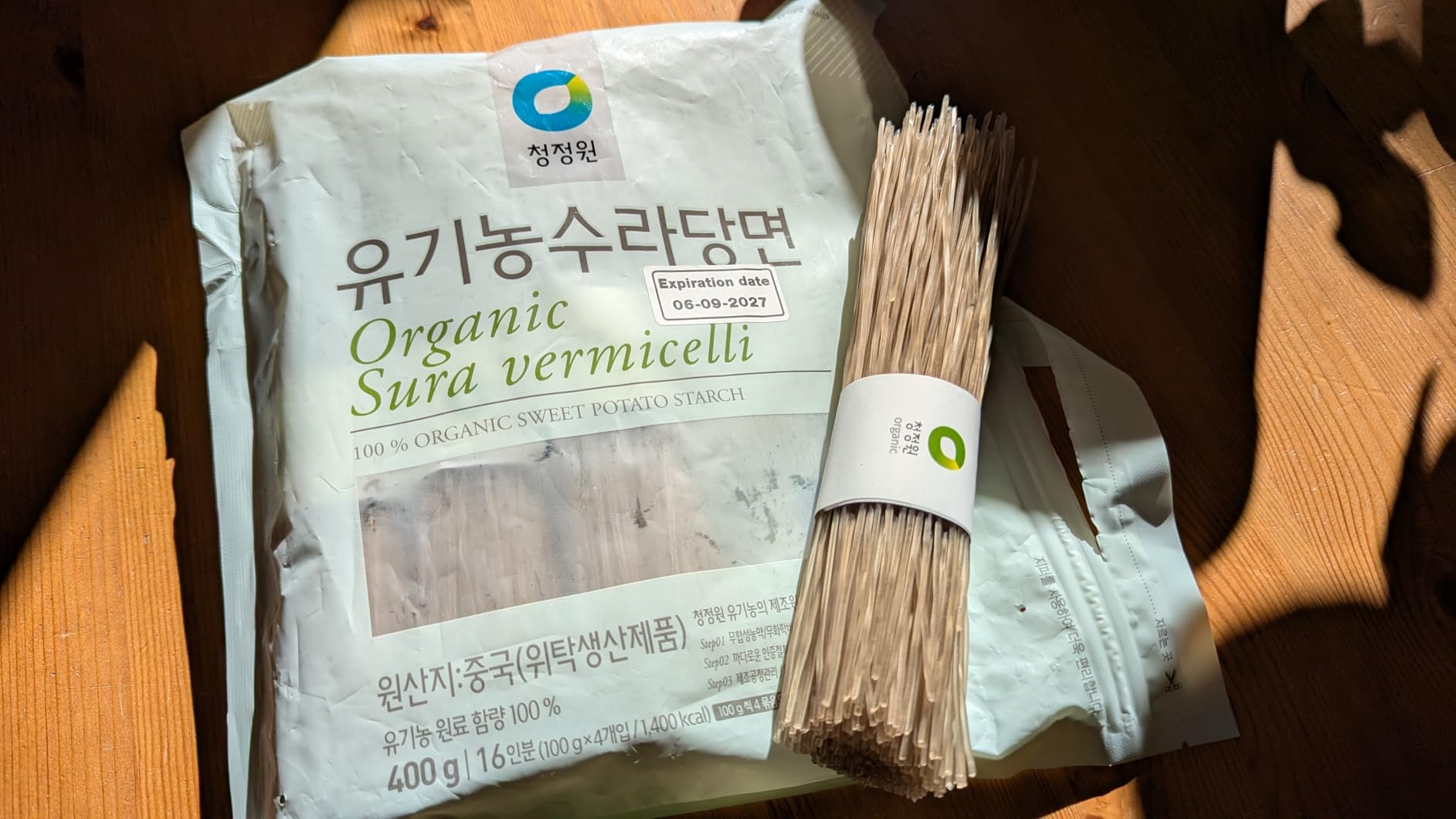
Like the other Chung Jung One products, the ingredient list is impressively short: organic sweet potato starch, water, and that’s basically it. No preservatives, no alum, no artificial colors. For anyone watching what goes into their food, this is a reassuring option.
The 14.10 oz size is also a sweet spot – not too big, not too small. It’s enough for 3-4 generous japchae servings, which works perfectly for a typical week of cooking.
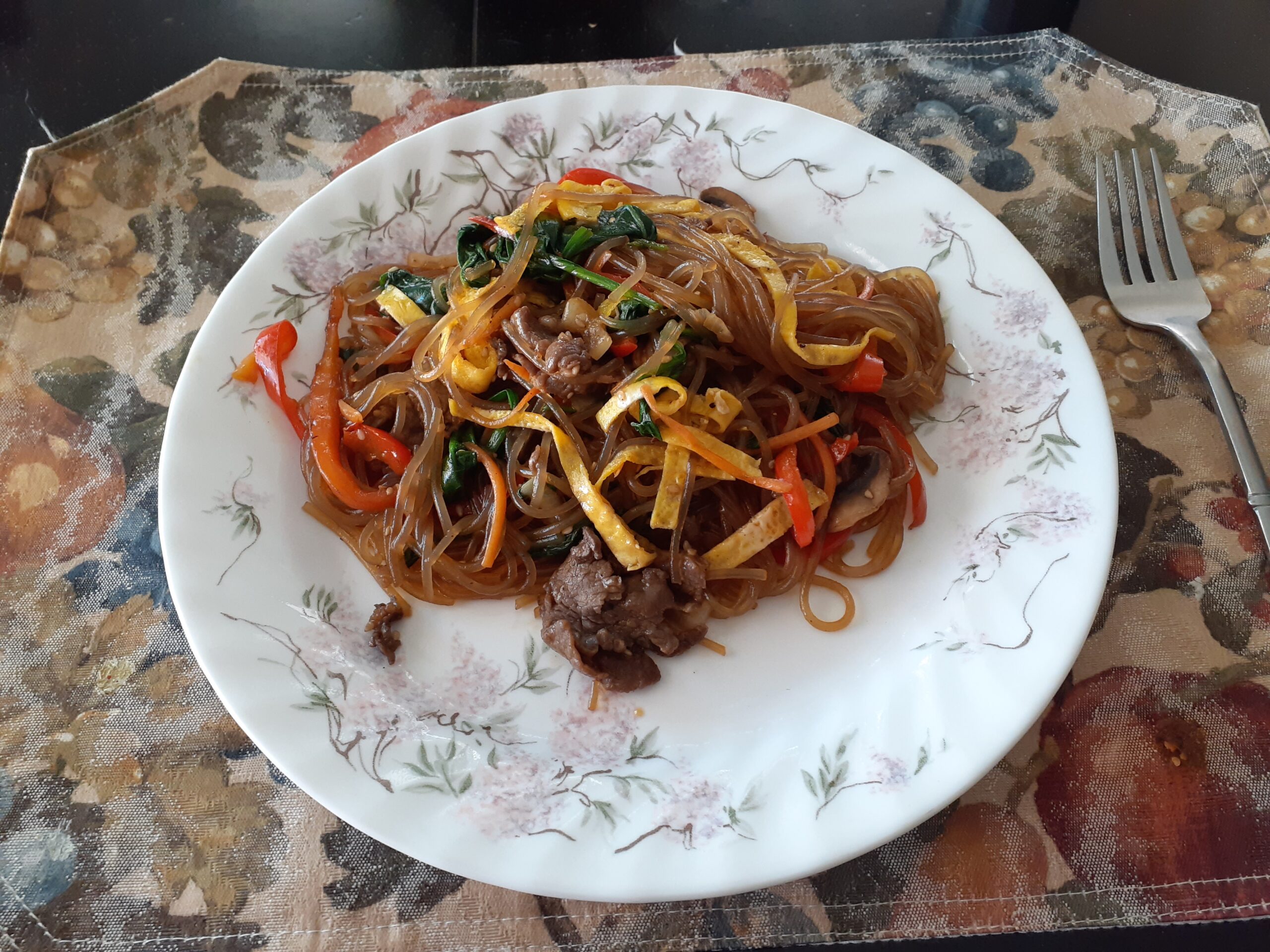
How it cooks in japchae
Drop the paper-bundled nest into boiling water and it dissolves away while the noodles soften. After about 6 minutes, the noodles are fully translucent and ready to drain. They rinse cleanly in cold water and don’t clump together.
In japchae with bulgogi-style beef, the noodles took on the savory-sweet marinade beautifully. The texture held up even after I added the noodles back to the wok for a final toss with sesame oil.
When it falls short
A small percentage of reviewers reported an off chemical taste in some batches, though I didn’t experience this myself. The packaging states Korean branding, but the actual country of origin can sometimes be China – worth verifying on the package if origin matters to you.
9. APEXY Sweet Potato Glass Noodles – Best Pure Ingredient List
APEXY Sweet Potato Glass Noodles, Japchae Noodles, Korean Vermicelli Pasta, Fat-free and Gluten-free, 100% Sweet Potato Starch, No Additive, No Alum inside, 24oz (680g)
24 oz / 680g
100% sweet potato starch
6 individual bundles
Pros
- Pure sweet potato starch with no additives whatsoever
- No alum
- preservatives
- or artificial colors
- Fat-free and gluten-free with rich antioxidants
- 6 individual bundles for easy portioning
- Holds up beautifully during cooking and reheating
Cons
- Extremely long noodles over a foot - cutting required
- Prop 65 warning not always disclosed in listing
APEXY is the brand I’d recommend to anyone who reads every label carefully. The ingredient list is exactly what you want in dangmyeon – just sweet potato starch and water, nothing else. With over 1,100 reviews and a 4.6-star average, it’s also one of the most trusted options on Amazon.
What stood out to me in testing was how clean the noodles tasted. There’s no chalky aftertaste or chemical residue, just a pure sweet potato flavor that lets your japchae sauce do the talking. They have a firm, satisfying chew that mimics what you get at Korean restaurants.
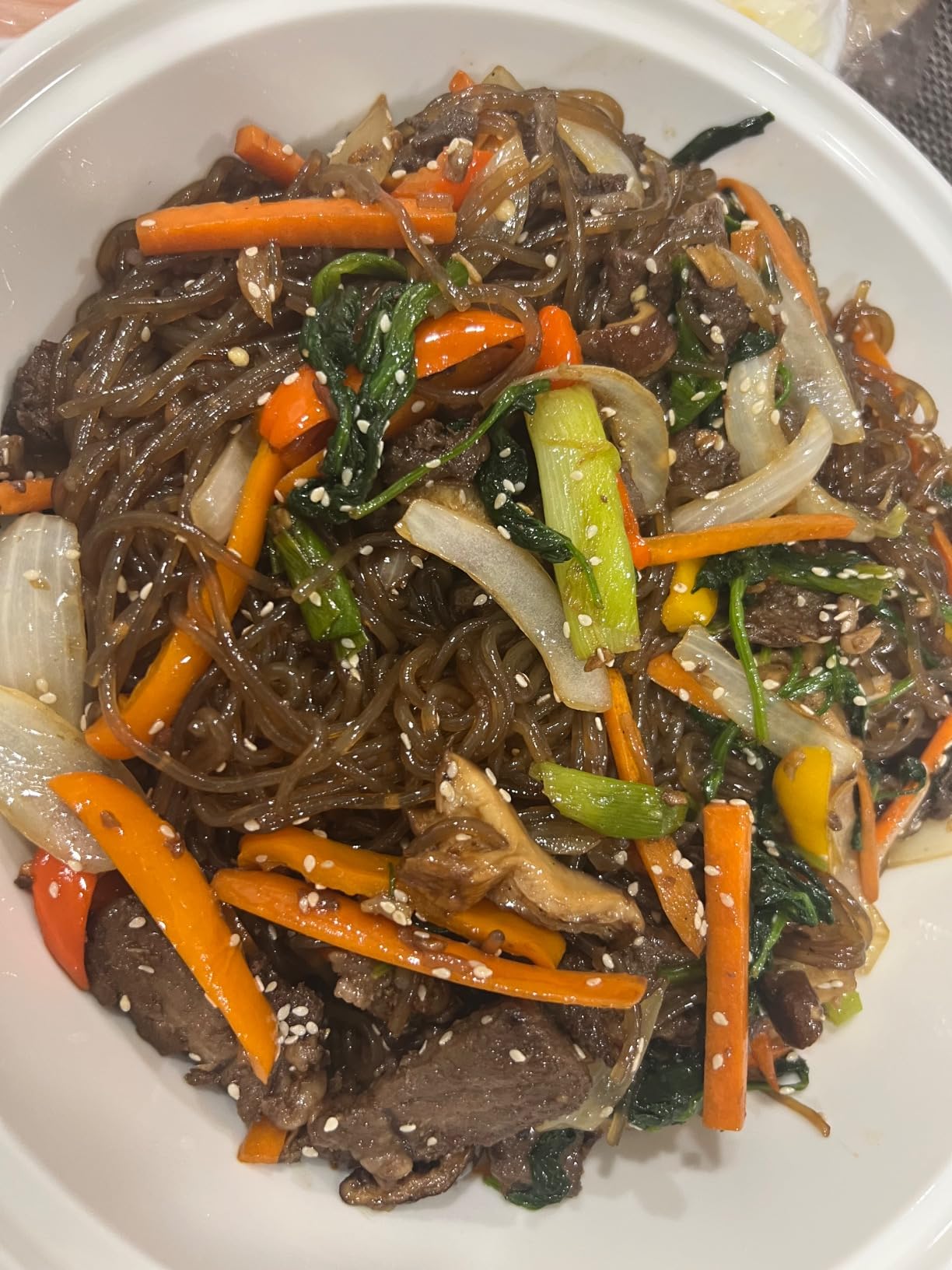
The 24 oz bag comes with 6 pre-bundled nests, which is a thoughtful format for portion control. I used two nests for a dinner for two with leftovers, which left me with extras for the next day’s lunchbox. The resealable bag keeps the unused bundles fresh.
APEXY noodles also reheat beautifully. I made a japchae on Sunday and reheated portions throughout the week – the noodles kept their chew without breaking down.
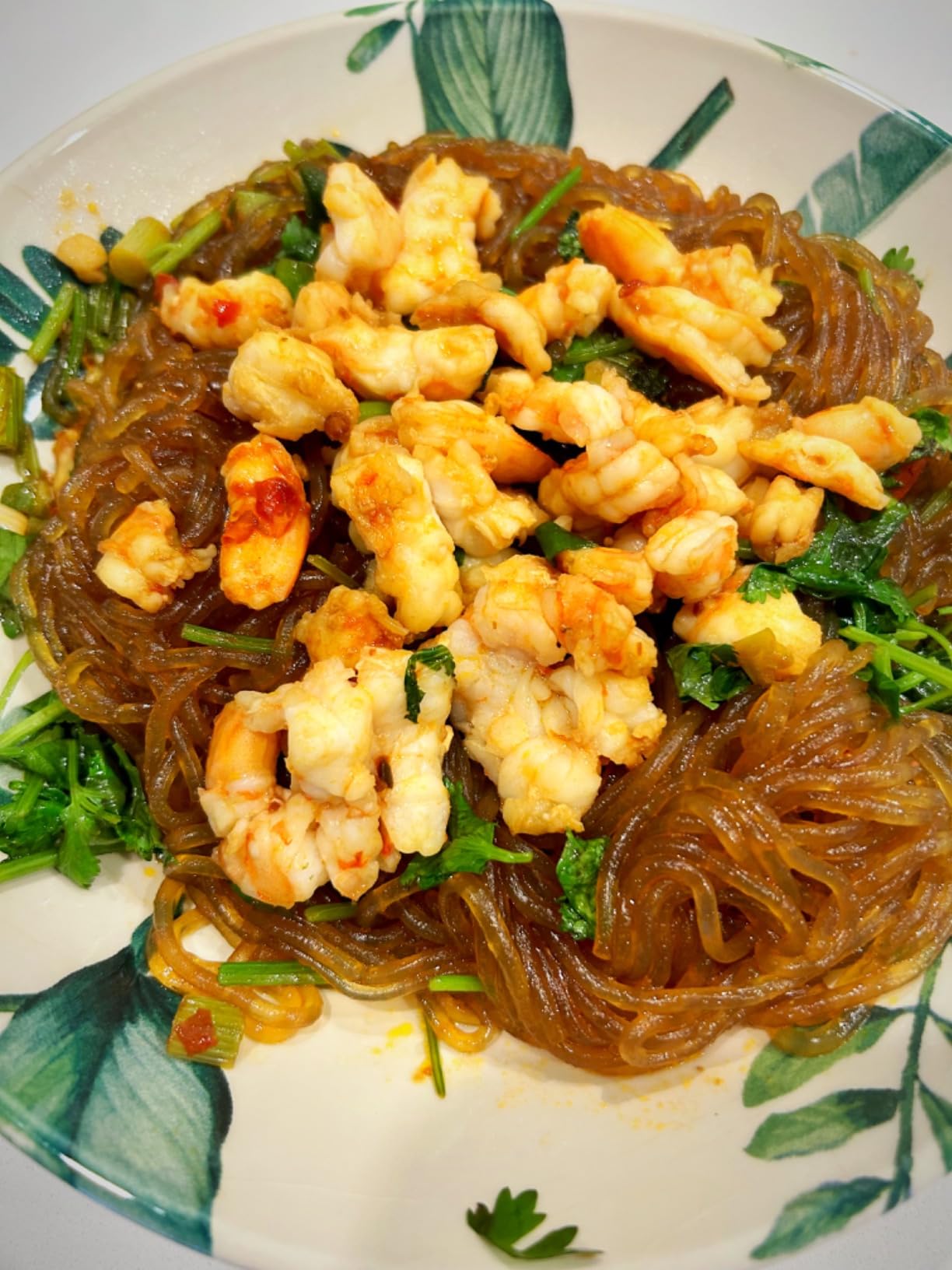
How it cooks in japchae
These noodles need about 8 minutes of boiling to reach the perfect al dente texture. They turn a stunning clear translucent and don’t stick together when properly rinsed. The strands are quite long – well over a foot when uncooked – so cut them with kitchen scissors before stir-frying.
In a classic japchae with spinach, mushrooms, carrots, and ribeye, the APEXY noodles absorbed the sauce evenly and stayed separate. The chew was substantial without being heavy.
When it falls short
The noodle length is genuinely excessive. Plan to cut them into 6-inch sections with kitchen scissors before cooking, or you’ll end up with a tangled mess in your wok. The Prop 65 warning that appears on the packaging isn’t always disclosed in the Amazon listing, so read carefully before ordering.
10. Four Elephants Sweet Potato Glass Noodles (35 oz) – Best Family Value

Four Elephants Sweet Potato Glass Noodles 35 oz (1kg), Family Value, Vegan, Gluten-Free & Non-GMO Korean Vermicelli for Japchae, Stir-Fry, Hot Pot, and Asian Cooking
35 oz / 1kg family size
Only 2 ingredients
Vegan and non-GMO
Pros
- Generous 35 oz family-sized bag at budget price
- Only 2 ingredients: sweet potato starch and water
- Vegan
- gluten-free
- and non-GMO certified
- Resealable zipper bag for long-term freshness
- Chewy springy texture that absorbs flavors well
Cons
- Extremely long noodles around 20 inches - cutting essential
- Requires 8-15 minute cook time longer than most brands
- Cooked noodles have a slight gray-green tint
Four Elephants is the best family-value option I tested. The 35 oz (1kg) bag costs less per ounce than almost any other brand on this list, and the 4.7-star rating across 36 reviews shows real customer satisfaction. For big families or anyone who eats japchae multiple times a week, this is the practical budget winner.
The 2-ingredient list is one of the cleanest I came across. Just sweet potato starch and water – no salt, no preservatives, nothing else. For a family with kids, that’s exactly what you want in a pantry staple.
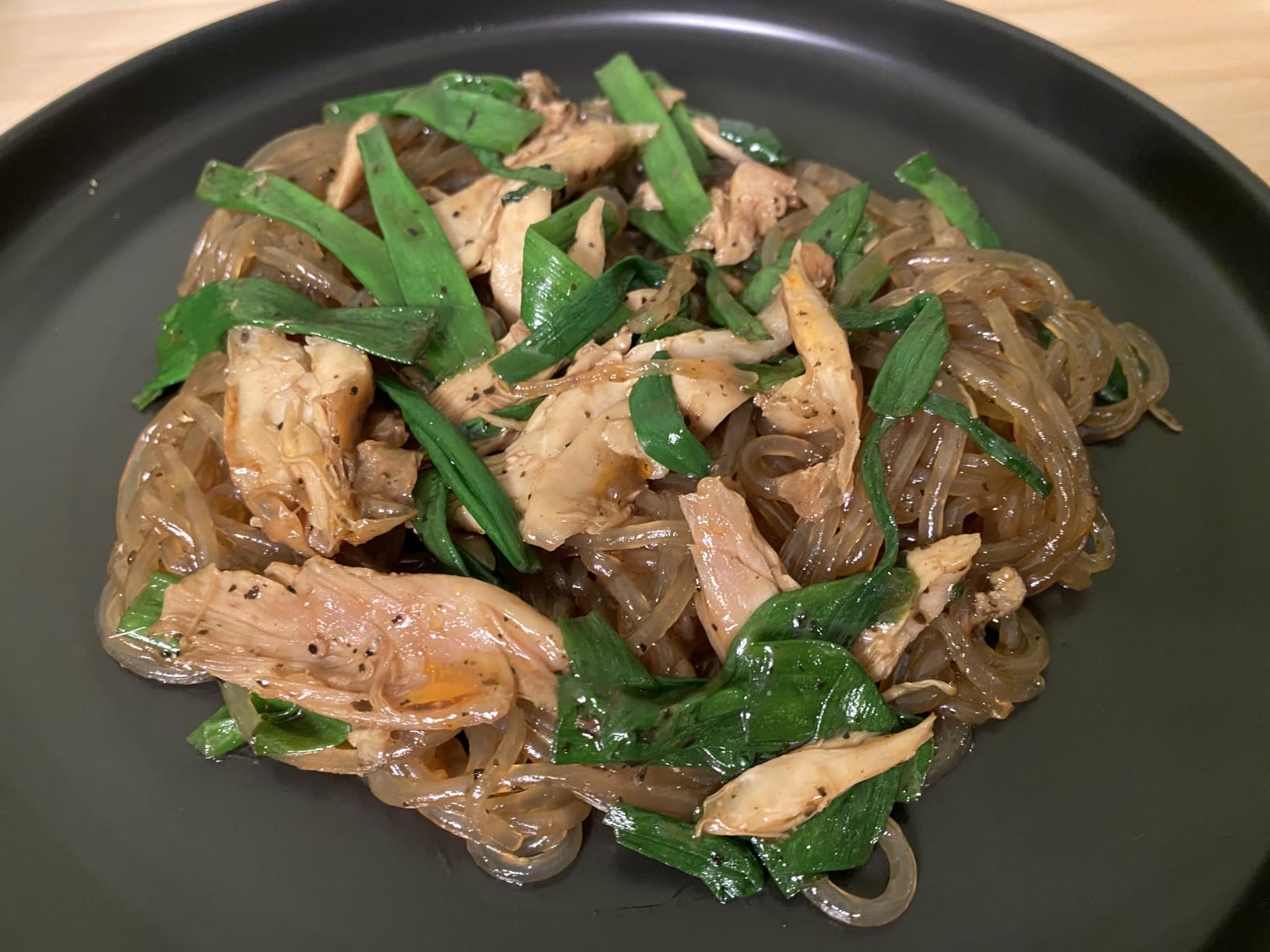
The resealable zipper bag is a thoughtful touch that makes the bulk size manageable. I opened it, used what I needed, and the rest stayed fresh for weeks. The noodles themselves have a satisfying chewy bite and they turn translucent when cooked, just like the premium brands.
At this size, you can comfortably cook for a crowd or meal prep for an entire week without worrying about running out. I made a party-sized japchae for a Korean BBQ night and everyone went back for seconds.
How it cooks in japchae
These noodles take a bit longer to cook than most – plan for 8-15 minutes depending on your texture preference. After draining and rinsing in cold water, they have a nice springy chew and a clean flavor. They absorb japchae sauce well without becoming soggy.
I appreciated how the bulk bag made it easy to cook a large batch at once. The noodles didn’t clump even when I was juggling a big portion in a crowded wok.
When it falls short
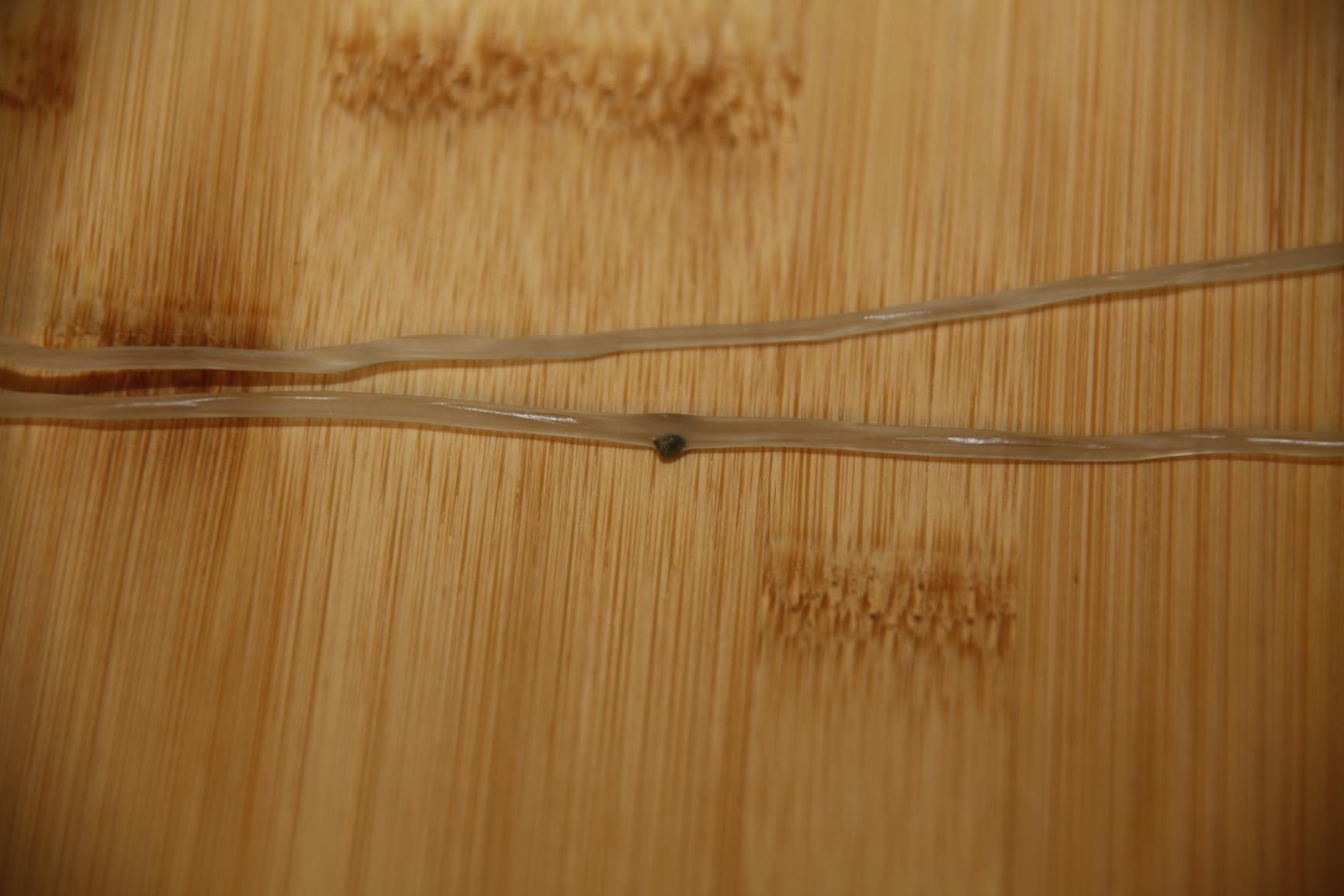
The strands come out of the bag around 20 inches long, so cutting with scissors before cooking is essential. The cooked color has a slight gray-green tint rather than crystal-clear, which can affect presentation if you’re serving guests. Also note one isolated report of a foreign object found in the noodles, so inspect before cooking.
How to Choose the Best Korean Glass Noodles for Japchae
After testing ten brands, I learned that picking the right dangmyeon isn’t about finding the most expensive bag – it’s about matching the noodle to your cooking style and taste preferences. Here are the key factors that actually matter when you’re shopping.
Look for 100% sweet potato starch
The single biggest quality indicator is the ingredient list. Authentic dangmyeon should be made from sweet potato starch (sometimes blended with tapioca), and nothing else. Watch out for added salt, preservatives, or alum powder, which can give noodles a chalky or metallic taste.
Ottogi, APEXY, Sempio, and Four Elephants all carry clean ingredient lists. The O’food organic option takes it further with certified organic sweet potato starch for purists.
Match thickness to your recipe
Thicker noodles like Ottogi Premium and Sempio give you that substantial, restaurant-style chew that holds up beautifully in classic japchae. Thinner noodles like the Chung Jung One 10-pack work better in lighter salads or quick stir-fries where you want delicate strands that absorb sauce quickly.
If you’re new to dangmyeon, I’d start with a mid-thickness option like the standard Ottogi 1kg or Chung Jung One 4-pack to find your texture preference.
Consider packaging format
Single big bags offer the best value but can lead to stale noodles if you don’t cook them quickly. Individually packed portions (like Chung Jung One 4-pack, O’food 12-pack, or APEXY bundles) keep everything fresh but cost slightly more per ounce.
For solo cooks or small families, the individually packed options are worth the small premium. For meal preppers and big families, the bulk 1kg bags deliver better value.
Brand reputation matters
South Korean brands like Ottogi, Sempio, Chung Jung One, and CJ Beksul have decades of history producing quality glass noodles. They use traditional manufacturing methods and consistent quality control. Lesser-known brands can be hit-or-miss, so check reviews carefully before committing.
My personal ranking of brand reliability after this round of testing: Ottogi > Sempio > Chung Jung One > Assi > APEXY > Four Elephants.
Price per serving analysis
Don’t just look at the bag price – calculate the cost per serving. A $14 Assi 24 oz bag gives you roughly 8-10 servings, working out to about $1.40-1.75 per japchae portion. The premium $21 Ottogi 500g bag works out to about $2.10-2.60 per serving for smaller portions.
For most home cooks, the sweet spot is in the $12-15 range for a mid-size bag. That’s where you get quality without overspending.
Frequently Asked Questions About Korean Glass Noodles for Japchae
What type of noodles are best for making japchae?
Korean sweet potato glass noodles, called dangmyeon (당면), are the best noodles for making japchae. They have a unique chewy, bouncy texture and turn translucent when cooked, which is the signature characteristic of authentic japchae. Rice noodles or wheat noodles can be substituted in a pinch, but they won’t give you the same springy bite.
Are japchae noodles the same as glass noodles?
Yes, japchae noodles are glass noodles – specifically, Korean sweet potato glass noodles called dangmyeon. The term ‘glass noodle’ refers to any translucent starch noodle, but for authentic japchae you want the Korean variety made from sweet potato starch, not mung bean or rice starch glass noodles commonly used in Chinese cooking.
What is the best glass noodle brand?
Based on extensive testing, Ottogi (especially the 1kg bag) is the best all-around glass noodle brand for japchae. Other top performers include Sempio for authentic Korean flavor, APEXY for the purest ingredient list, and Assi for budget value. Look for brands using 100% sweet potato starch without alum or preservatives for the best texture and flavor.
Is dangmyeon healthy?
Dangmyeon is relatively healthy compared to wheat noodles. It’s naturally gluten-free, fat-free, and low in calories. Sweet potato starch contains some resistant starch and antioxidants. However, it’s still primarily a starch, so portion control matters. Most glass noodles also carry a California Prop 65 warning about naturally occurring minerals, which is standard for the category.
What to look for when buying glass noodles?
When buying Korean glass noodles for japchae, prioritize: 1) 100% sweet potato starch with no alum or preservatives, 2) Trusted Korean brands like Ottogi, Sempio, or Chung Jung One, 3) Resealable packaging for freshness, 4) Thickness that matches your recipe (thicker for classic japchae, thinner for salads), and 5) Reasonable price per serving based on the bag size and your typical portion needs.
Final Verdict: The Best Korean Glass Noodles for Japchae in 2026
After boiling, blanching, and stir-frying ten different brands in my kitchen, the Ottogi Korean Sweet Potato Glass Noodles (1kg) remains my top pick for the best Korean glass noodles for japchae. It hits the sweet spot of authentic Korean quality, clean ingredients, generous size, and reasonable price. Whether you’re making japchae for the first time or the hundredth time, those noodles deliver consistent results.
For budget shoppers, the Assi Sweet Potato Noodles give you nearly identical texture at a lower per-serving cost. For organic purists, the O’food 12-pack is the cleanest dangmyeon I tested. Whatever brand you choose from this list, your japchae is going to come out better than if you’d grabbed whatever was cheapest on the shelf.
Pick up a bag, boil some water, and get stir-frying – authentic homemade japchae is closer than you think.