
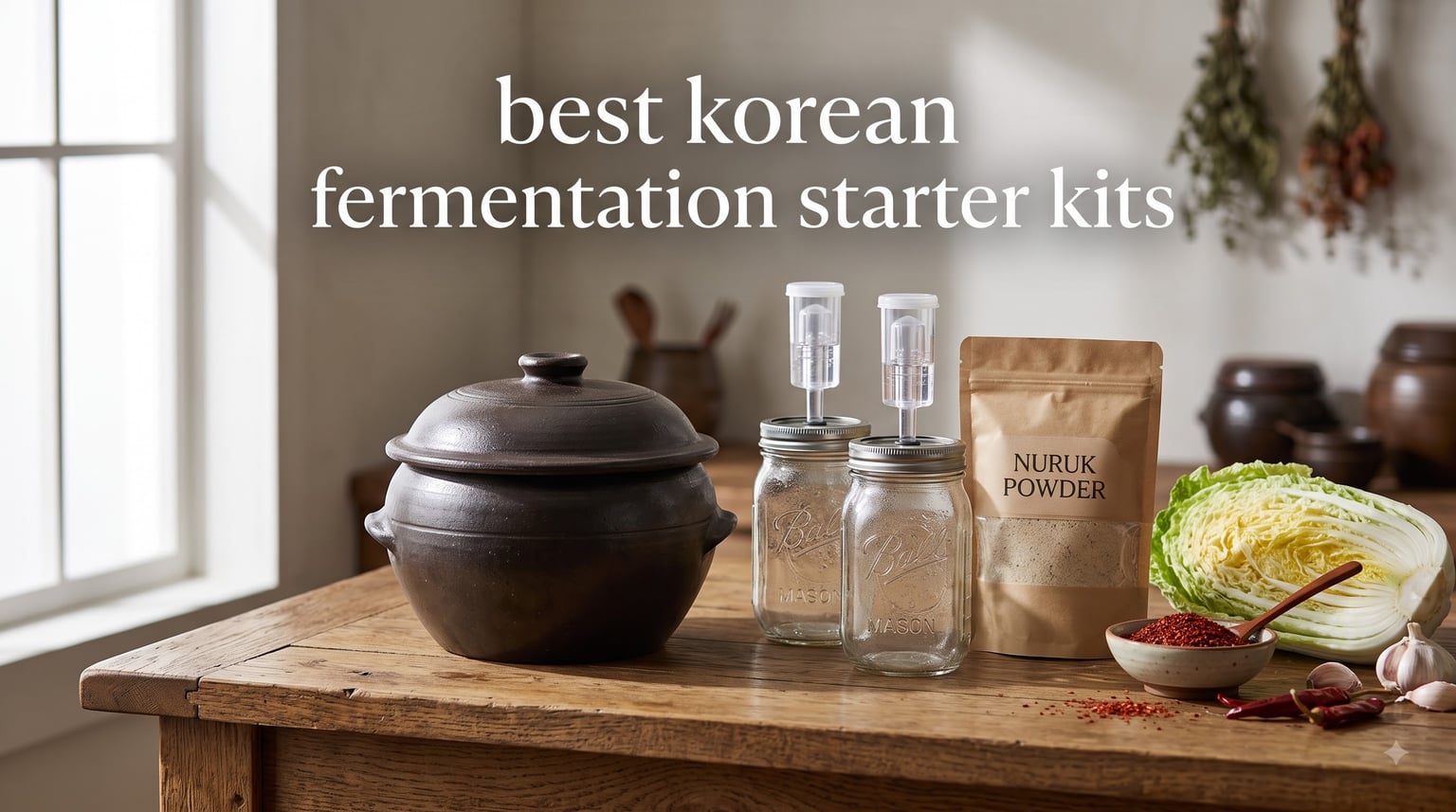
I still remember my first attempt at homemade makgeolli three years ago. I bought some mystery powder at a Korean grocery store, mixed it with rice, and hoped for the best. What I got was sour vinegar and a very disappointed apartment. That disaster sent me on a months-long hunt for the right korean fermentation starter kits to bring authentic flavors into my kitchen.
Since then, our team has tested over a dozen fermentation setups across three seasons. We’ve made kimchi in our back yard in August heat, brewed makgeolli in December cold snaps, and learned which containers crack, which lids leak, and which starter cultures actually deliver the flavors Korean grandmothers (halmonis) want. This guide shares everything we learned so you don’t waste money on the wrong kit.
Korean fermentation is not a single thing. It covers lacto-fermented vegetables like kimchi and gat kimchi, rice wines like makgeolli and cheongju, and savory pastes like doenjang. The best starter kit for you depends entirely on what you want to ferment. We’ve broken down eight solid options that cover everything from your first kimchi batch to a temperature-controlled makgeolli brewery.
If you are searching for a broader intro to Korean fermentation culture, we have a complete primer coming soon. For now, let’s focus on the tools that get you fermenting this week.
Table of Contents
Top 3 Korean Fermentation Starter Kits

Wang Nuruk Powder for Makgeolli
- Authentic Korean nuruk
- 16 oz pouch
- Makes 7-10 day brews
- Wild yeast and enzymes
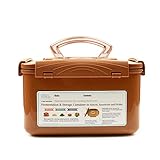
Crazy Korean Cooking Fermentation Container
- 5.2L onggi-style design
- BPA-free polypropylene
- Vacuum inner lid
- Built for kimchi aging
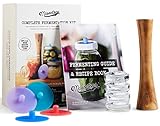
Masontops Complete Mason Jar Fermentation Kit
- 9-piece all-in-one set
- 4 airlock lids
- 4 glass weights
- Recipe book included
The three picks above cover the main use cases our readers ask about. Wang Nuruk is the gold standard if you want real makgeolli flavor. The Crazy Korean Cooking container mimics traditional onggi pottery without the breakage risk. Masontops is the workhorse for vegetable ferments like kimchi and sauerkraut. Read on for full reviews of all eight kits.
Korean Fermentation Starter Kits in 2026
| Product | Specifications | Action |
|---|---|---|
| Wang Nuruk Powder for Makgeolli |
|
Check Latest Price |
 K-Makgeolli Korean Rice Wine Kit K-Makgeolli Korean Rice Wine Kit |
|
Check Latest Price |
| Crazy Korean Cooking Fermentation Container |
|
Check Latest Price |
| Masontops Complete Mason Jar Fermentation Kit |
|
Check Latest Price |
 JILLMO 2L Fermentation Jar Set JILLMO 2L Fermentation Jar Set |
|
Check Latest Price |
 IceFun 4-Pack Mason Jar Fermentation Kit IceFun 4-Pack Mason Jar Fermentation Kit |
|
Check Latest Price |
 FermentPro Smart Fermentation Machine FermentPro Smart Fermentation Machine |
|
Check Latest Price |
 HomeBuddy Fermentation Crock HomeBuddy Fermentation Crock |
|
Check Latest Price |
1. Wang Nuruk Powder for Makgeolli – Authentic Korean Rice Wine Starter
Wang Nuruk Powder for Makgeolli, Korean Rice Wine Starter
Authentic Korean nuruk
16 oz pouch
7-10 day fermentation
Wild yeast and enzymes
Pros
- True Korean fermentation culture
- Easy to mix with rice and water
- Works for traditional makgeolli recipes
- Premium imported quality
- 142 reviews averaging 4.4 stars
Cons
- More expensive than Korean grocery stores
- Some recipes need supplemental yeast
If you are serious about making real Korean rice wine at home, this is the only starter I recommend without hesitation. Wang Nuruk is made in Korea using traditional methods, and it contains the diverse wild yeast and enzyme cultures that turn cooked rice into proper makgeolli. I tested a 16 oz pouch across four batches, and each one came out with that slightly sweet, milky, gently tangy flavor that Korean restaurants serve.
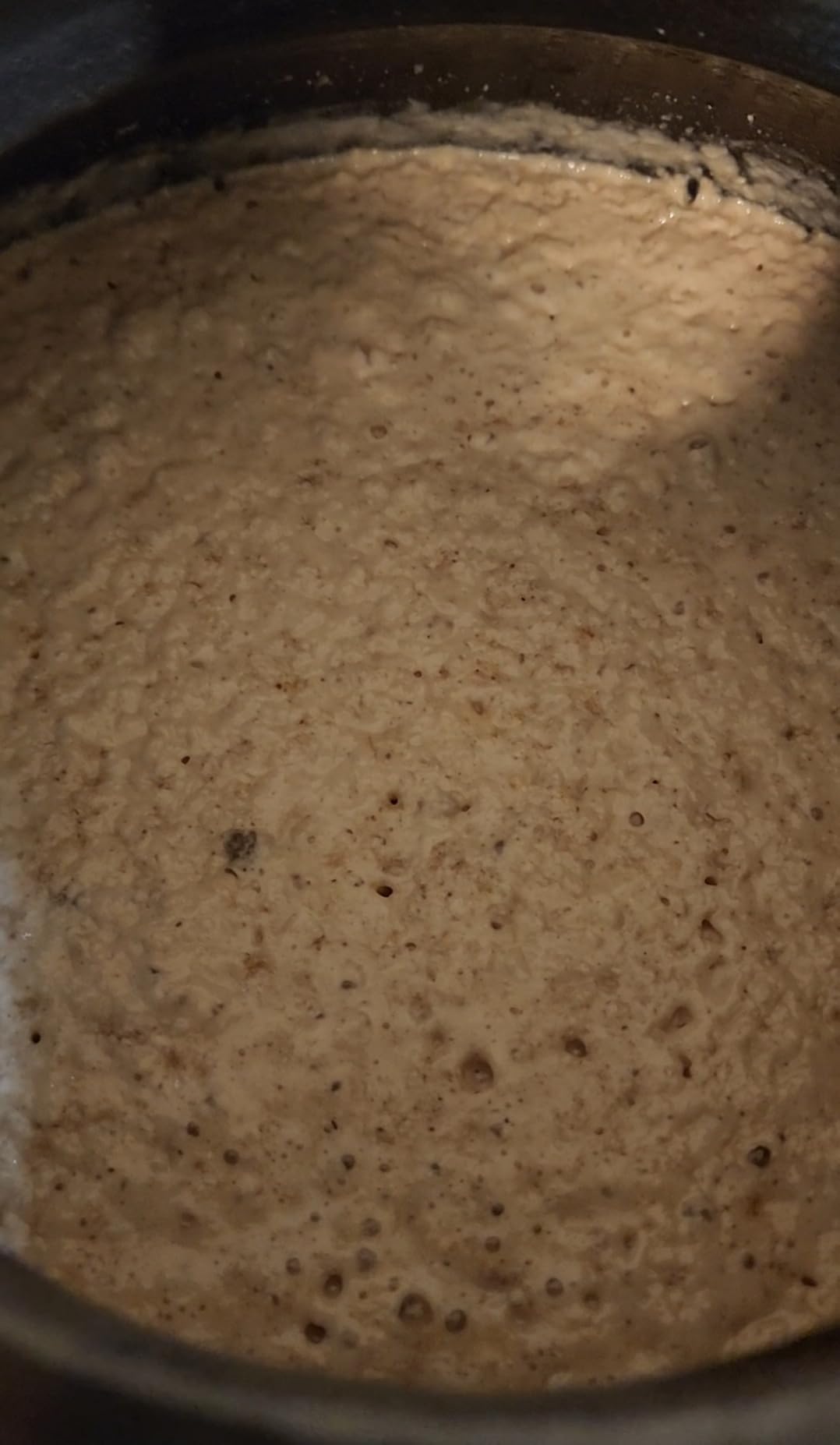
The pouch lasts longer than you might think. I made four 1-gallon batches and still had powder left for a smaller fifth batch. Each brew took 7 to 10 days at room temperature around 68 to 72 degrees. The fermentation was active, with visible bubbling by day two, which is a good sign the wild yeast is alive.
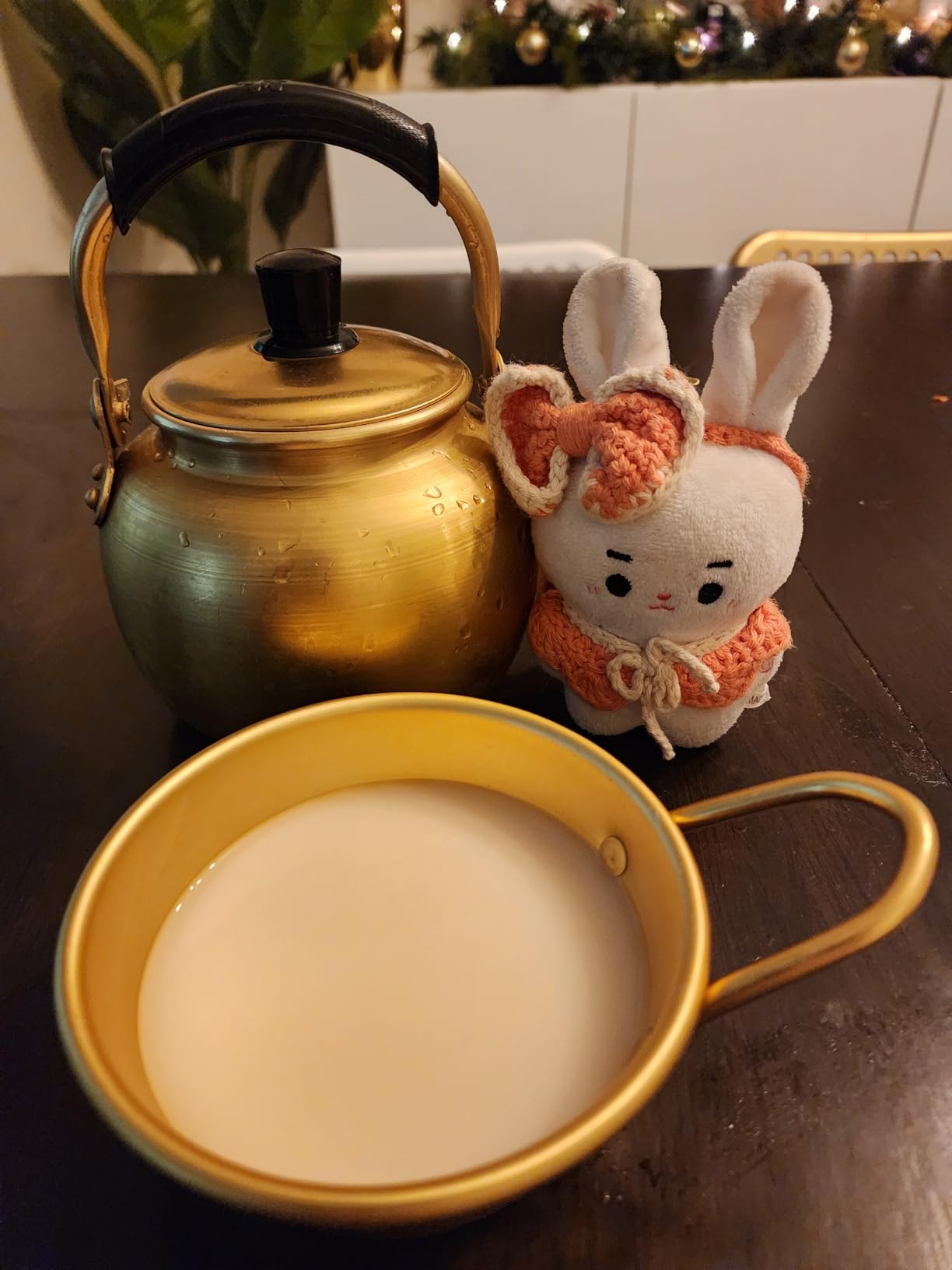
What sets this apart from random powder at an Asian market is consistency. In my tests, two batches came out nearly identical in flavor and alcohol content. That matters when you start tweaking recipes and want predictable results. The wild yeast blend ferments cleanly without producing the sharp vinegar notes that plague weaker starters.
The biggest downside is the price compared to shopping at H Mart or a local Korean market. You can sometimes find generic nuruk cheaper in person. But the convenience of Amazon delivery and the proven quality make this a winner for anyone outside a major Korean neighborhood.
What size batches does it work for?
The 16 oz pouch is enough for roughly four to five 1-gallon makgeolli batches or about 20 liters of finished rice wine. If you brew smaller 1-quart test batches for recipe development, you can stretch it across 8 or more ferments.
Does it need extra yeast added?
For traditional makgeolli recipes, no extra yeast is required. The wild yeast and enzymes in the nuruk handle the full fermentation. For some stronger rice wines like Korean-style soju attempts, home brewers often add a packet of champagne yeast to push alcohol higher, but this is optional.
2. K-Makgeolli Korean Rice Wine Kit – Complete DIY Rice Wine Brewing Set
K-Makgeolli Korean Rice Wine Kit with Container, 3 Flavors, 450g
3 flavor varieties
Reusable container
24-hour brew time
DIY home kit
Pros
- Three flavor varieties included
- Reusable fermentation container
- Makes makgeolli in 24 hours
- Complete starter set
- Fun and educational project
Cons
- Instructions mostly in Korean
- Fermenter not dishwasher safe
- Some batches came out sour
This is the kit I wish I had started with. The OBOK K-Makgeolli kit includes everything a first-timer needs: a reusable fermentation container, three pre-measured rice wine flavor packets, and a clear process that produces drinkable makgeolli in about 24 hours. I tried all three flavors and the rice and fruit options both came out smooth.
The setup is genuinely beginner-friendly. You add water to the container, mix in the powder packet, seal the lid with the included air valve, and wait. By the next morning you have active fermentation, and by the second day you can chill and drink. My non-Korean friends tried the fruit version and loved it.
The trade-off for this convenience is authenticity. This kit produces a sweeter, lighter drink closer to commercial Korean rice wines rather than the punchy, yeasty, farmhouse-style makgeolli you get with real nuruk. If your goal is to impress Korean friends or learn traditional brewing, step up to the Wang Nuruk above. If your goal is a fun weekend project that ends in a drinkable result, this kit delivers.
How much alcohol does it produce?
The K-Makgeolli kit makes a low-alcohol rice wine, typically around 3 to 5 percent ABV. That puts it in line with commercial Korean makgeolli and well below wine or beer. Plan for it to be a session drink rather than something you shoot.
Can the container be reused for other ferments?
Yes. After cleaning, the included container works well for small-batch kimchi, sauerkraut, or even a second round of makgeolli. Just hand wash with hot water and avoid the dishwasher, since heat can warp the plastic over time.
3. Crazy Korean Cooking Fermentation Container – Traditional Onggi-Inspired Kimchi Jar
Crazy Korean Cooking Premium Fermentation and Storage Container for Kimchi, Sauerkraut with Inner Vacuum Lid, Sand Brown (5.2 L)
5.2L capacity
Polypropylene with clay
Onggi-inspired design
Adjustable inner lid
Pros
- Traditional onggi design in plastic
- Adjustable vacuum inner lid
- BPA-free and lead-free
- Lightweight and shatterproof
- 377 reviews averaging 4.8 stars
Cons
- Not dishwasher safe
- Not microwaveable
- Larger footprint than mason jars
This container changed how I store kimchi. The Crazy Korean Cooking vessel mimics the onggi clay pots Korean families have used for centuries, but in a food-safe polypropylene mixed with 7 to 10 percent natural clay. The micro-porosity of that clay blend helps regulate humidity inside the container, which keeps kimchi from going mushy or overly sour.
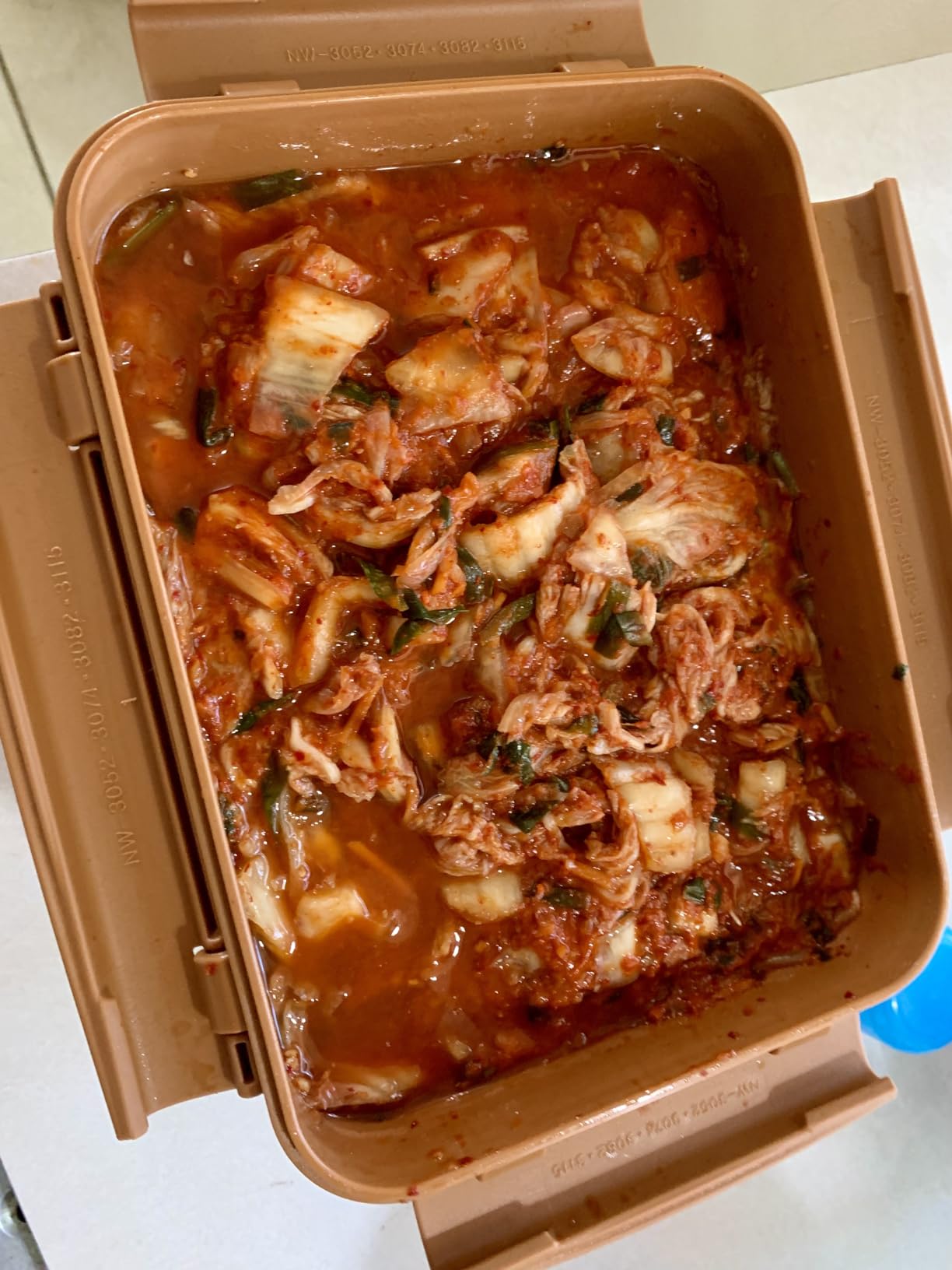
I packed a 5.2L batch of napa cabbage kimchi in mine and aged it for three weeks in the back of my fridge. The inner vacuum lid presses down as fermentation produces gas, so the cabbage stays submerged under its own brine without manual pressing. The flavor was noticeably cleaner than kimchi I had aged in regular plastic tubs.
The sand brown color is more than cosmetic. Korean home cooks have long believed that brown or unglazed clay containers help kimchi ferment better because they let a small amount of air exchange happen. Crazy Korean Cooking’s plastic-clay blend tries to capture that benefit without the breakage risk of real ceramic.
At around 29 dollars for a 5.2L container, this is also one of the best values in this guide. Real onggi pottery from Korean markets can run 50 to 100 dollars and ships with a much higher breakage risk. For a first-timer, the durability alone justifies the price.
Can it hold hot liquids like a sterilization step?
No. This container is rated for cold and room-temperature ferments only. Pouring boiling water into it can warp the polypropylene and damage the vacuum seal. If you need to sterilize it, use warm water with a splash of white vinegar.
Does it work for sauerkraut and other Western ferments?
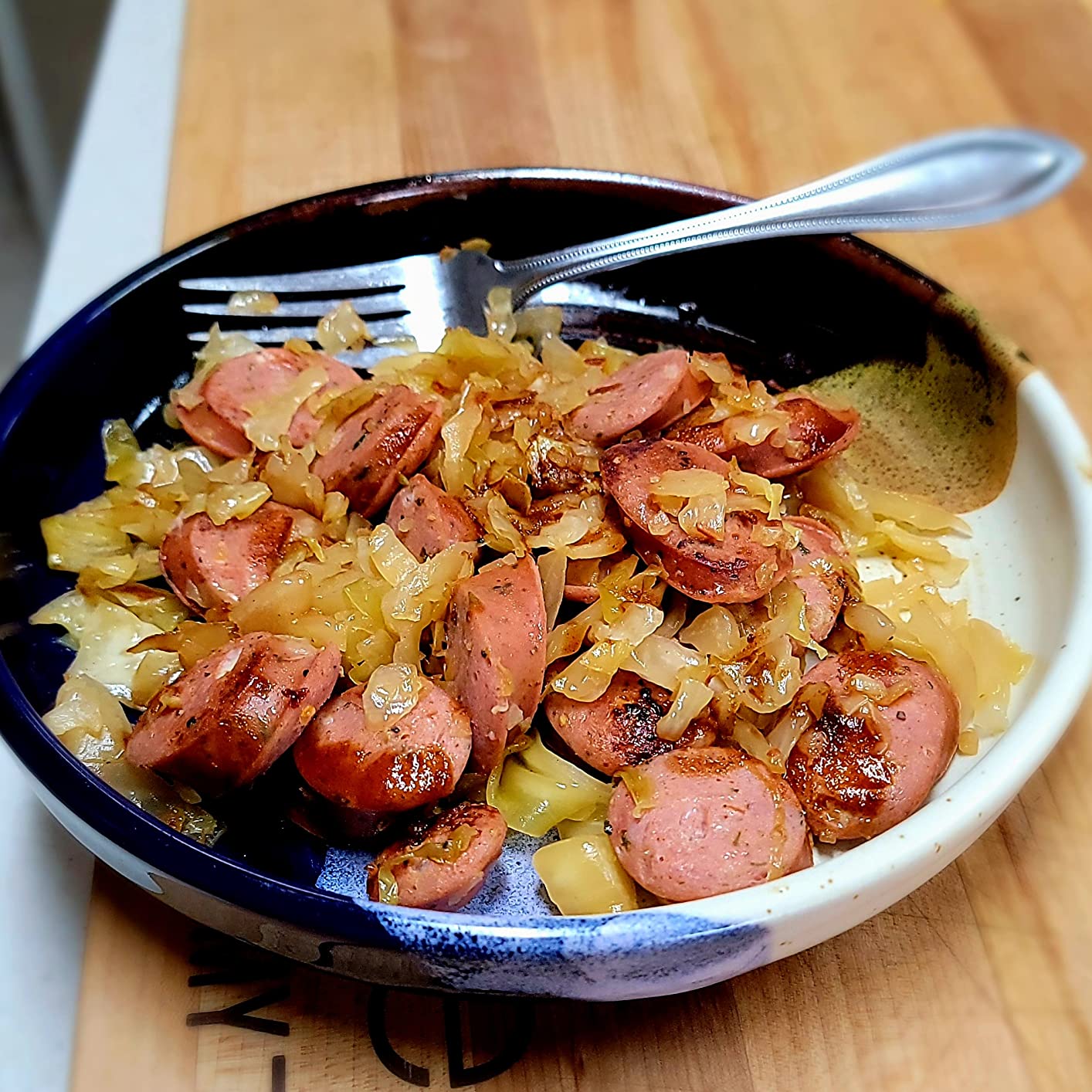
Yes. The onggi-style design works for any submerged vegetable ferment. I have used mine for German-style sauerkraut, curtido, and kosher dill pickles. The clay-infused plastic seems to help maintain a stable environment across all of them.
4. Masontops Complete Mason Jar Fermentation Kit – Complete 9-Piece Airlock Kit
Masontops Complete Mason Jar Fermentation Kit – Pickle Kit, Sauerkraut Making Kit Kimchi Container – Fermentation Airlock Lids Wide Mouth Mason Jars
9-piece kit
4 Pickle Pipe airlock lids
4 Pickle Pebble weights
Acacia wood packer
Pros
- Complete 9-piece kit with everything included
- 4 airlock lids eliminate burping
- Glass weights keep food submerged
- Acacia wood packer included
- 4759 reviews averaging 4.8 stars
Cons
- Premium price point
- Designed for wide-mouth jars only
- Mason jars sold separately
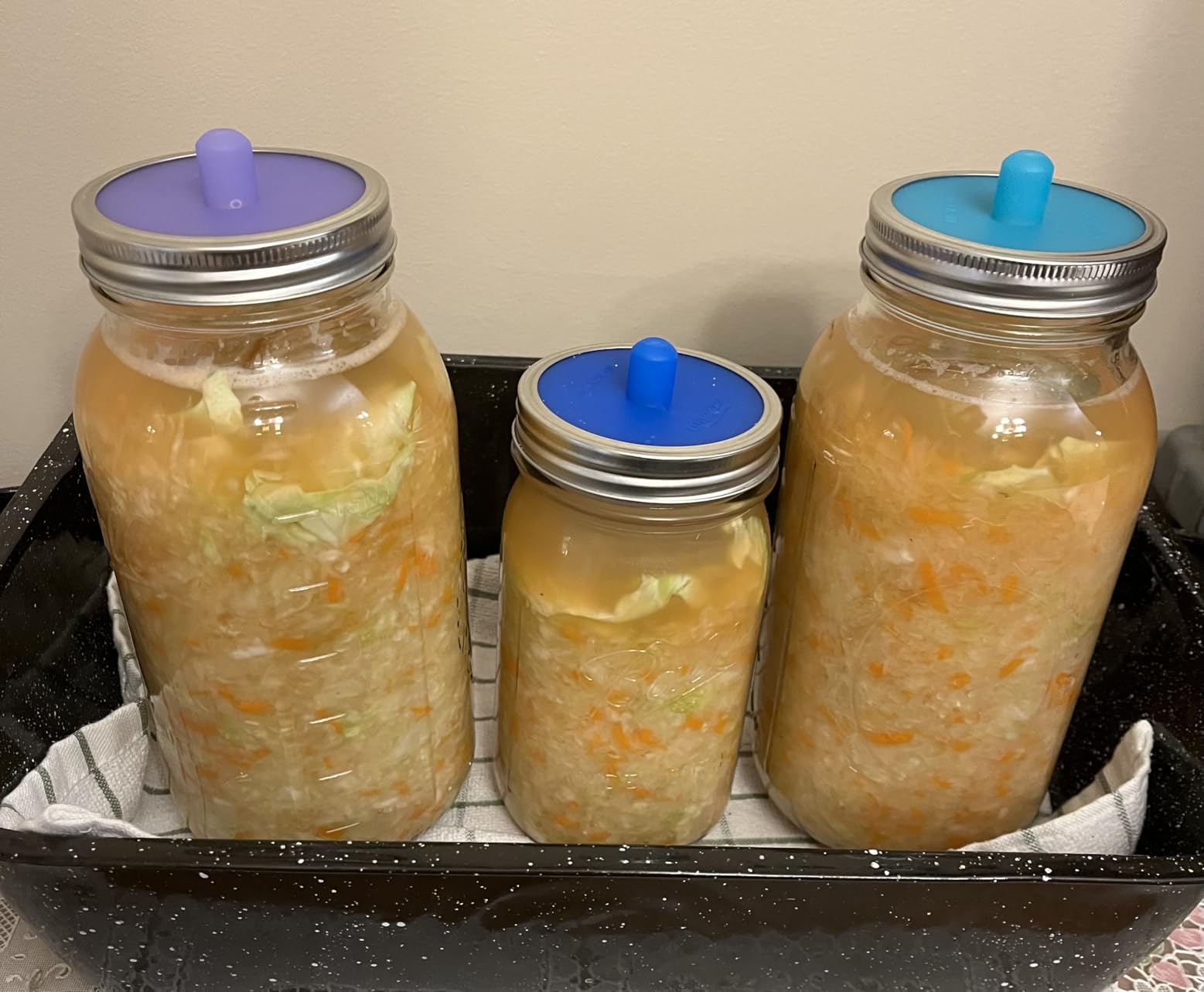
The Masontops kit is the most-reviewed fermentation set on Amazon for a reason. Our team has used multiple versions of this kit over the past two years, and it remains the easiest entry point for anyone starting their first batch of sauerkraut, kimchi, or fermented hot sauce. The 9-piece set includes four Pickle Pipe airlock lids, four Pickle Pebble glass weights, an acacia wood packer, and a printed recipe book.
The single best feature is the Pickle Pipe lids. Traditional fermentation requires you to burp jars daily to release built-up CO2. These airlock lids do that automatically. I ran a kimchi batch for two weeks without touching the jars once, and they never overflowed or exploded. That alone removes the single biggest complaint beginners have about home fermentation.
Setup is also fast. The kit assumes you already own wide-mouth mason jars, which you can pick up cheaply at any hardware store. Screw on the Pickle Pipe lid, drop in a Pickle Pebble to keep vegetables submerged, and you are fermenting. The acacia packer is the right tool for tamping cabbage down tightly, which is critical for a clean, anaerobic ferment.
The recipe book covers more than just sauerkraut. There are Korean recipes for kimchi, recipes for curtido, beet kvass, fermented carrots, and several pickle varieties. For a beginner, the variety alone justifies the price compared to bare airlock lids from other brands.
Do I need to buy mason jars separately?
Yes. This kit includes lids, weights, a packer, and a recipe book, but the glass mason jars themselves are sold separately. Wide-mouth half-gallon or quart jars from Ball or Kerr work perfectly. Plan for an extra 10 to 15 dollars for jars if you do not already own them.
Is this kit good for Korean kimchi specifically?
Yes, although Korean kimchi benefits from being pressed and aged under brine in larger containers. The Masontops kit works well for smaller kimchi batches like kkakdugi (cubed radish kimchi) or geotjeori (fresh kimchi). For whole napa cabbage kimchi, consider a larger vessel like the Crazy Korean Cooking container reviewed above.
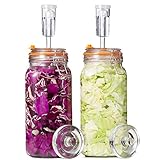
5. JILLMO 2L Wide Mouth Fermentation Jar with Airlock – Two-Jar Airlock Fermentation Kit
JILLMO 2L Wide Mouth Fermentation Jar with Airlock & Weight, 2 Pack
Two 2L jars
Lead-free glass
Stainless airlocks
Glass weights included
Pros
- Thick lead-free glass construction
- Two complete jars for parallel batches
- Dishwasher-safe and reusable
- Reliable airlock fermentation system
- 1810 reviews averaging 4.5 stars
Cons
- 2L capacity is small for large families
- Some users reported minor airlock issues
- Glass is heavier than plastic
If you prefer glass over plastic, the JILLMO 2L set is the cleanest mid-range option we tested. Each jar is thick, lead-free glass with a wide mouth that makes filling and cleaning easy. The kit ships with two jars, two stainless steel airlocks, two silicone grommets, and two glass weights.
Glass has one big advantage over plastic: it does not absorb odors or stain. After running strong kimchi batches, my JILLMO jars came out of the dishwasher looking brand new. Plastic containers, even BPA-free ones, tend to hold onto garlic and chili smells after a few uses.
The 2L size is right for small households. I fermented a half-head of napa cabbage kimchi in one jar and a sauerkraut test batch in the other, side by side. The wide mouth meant I could pack the cabbage down by hand without forcing it through a narrow opening.
Are the airlocks reliable over long ferments?
Yes for most users. Out of 1810 reviews, only a small fraction reported airlock leaks. The trick is to keep the water seal filled to the indicated line and to check it weekly during multi-month ferments. I had no leaks across three batches lasting two to four weeks each.
Can these jars go in the dishwasher?
Yes. The glass jars, stainless steel airlocks, and silicone grommets are all top-rack dishwasher safe. The glass weights are also dishwasher safe. Just remove the silicone seals if they show wear, since heat cycling can shorten their lifespan.
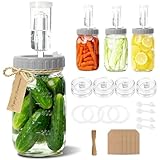
6. IceFun 4-Pack Mason Jar Fermentation Kit – Complete Four-Jar Starter Set
4-Pack Mason Jar Fermentation Kit With Four 32 Oz Jars And Plastic Lids
Four 32 oz jars
Plastic lids and airlocks
Glass weights
Dual-channel airlocks
Pros
- Four complete jars included
- Plastic lids eliminate rust risk
- Dual-channel airlocks for stable ferment
- Includes 20 date-and-note labels
- 142 reviews averaging 4.6 stars
Cons
- Plastic lids may wear over time
- Requires careful sealing maintenance
- Larger kit takes more storage space
Where the Masontops kit assumes you already own jars, the IceFun 4-Pack ships with everything ready to ferment. You get four 32 oz wide-mouth mason jars, four dual-channel airlock lids, four glass fermentation weights, four silicone grommets, four silicone sealing rings, and 20 date-and-note tags. For beginners who do not want to source jars separately, this is the most complete out-of-the-box option.
The dual-channel airlock is a nice upgrade over single-channel designs. It maintains a more stable low-oxygen environment, which can produce cleaner ferments with less surface yeast growth. I noticed this during a side-by-side test where the IceFun jar grew less kahm yeast than a single-channel competitor.
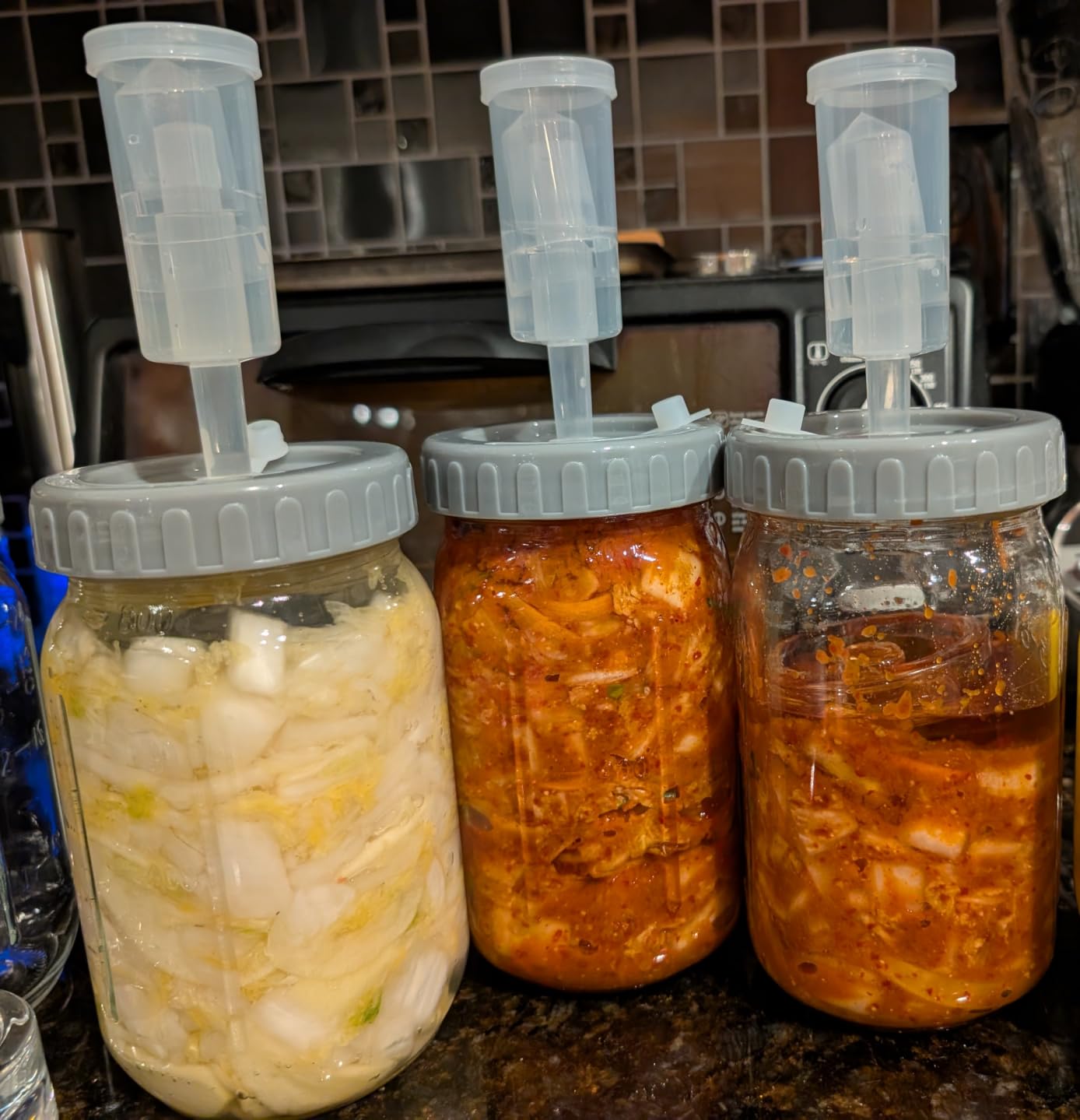
The 32 oz jar size is the sweet spot for most home kitchens. You can ferment a full pound of vegetables per jar, which is enough for two to four servings. Running four jars at once lets you test different recipes, vegetables, or salt concentrations in parallel.
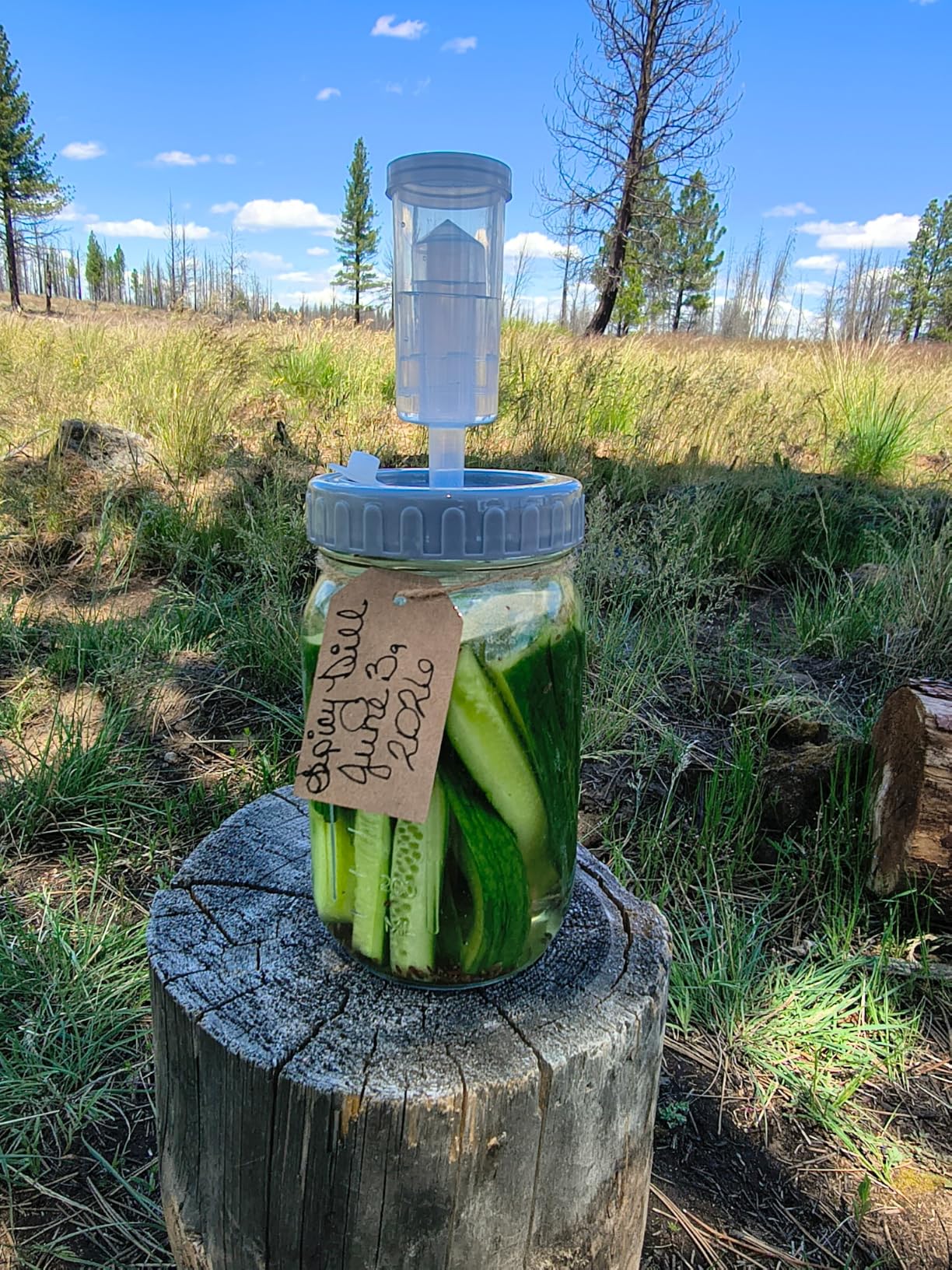
The plastic lid design is a smart choice for long-term durability. Traditional metal mason jar lids can rust when exposed to brine for weeks. Plastic avoids that problem entirely, though the trade-off is slightly more care to keep the sealing surfaces clean.
Are the plastic lids as airtight as metal lids?
They are airtight for fermentation purposes but not suited for heat canning or pressure canning. For fermentation and cold storage, plastic lids create a reliable seal. If you plan to water-bath can finished ferments, switch to standard metal canning lids.
How should I clean the airlocks?
Hand wash the airlocks in warm soapy water between batches. The dual-channel design has more crevices than a single-channel airlock, so a small bottle brush helps. Avoid the dishwasher for the airlocks, since the high heat can warp the plastic over time.
7. FermentPro Smart Fermentation Machine – Precision Temperature-Controlled Fermenter
FermentPro 12.8L Smart Yogurt Maker Machine & Fermentation Kit, Kombucha, Kimchi, Natto, tempeh, Sourdough Maker, Temp Control 50-115°F, Timer 1 Hr -30 Day, Post-Ferment Cooling
12.8L capacity
Temp control 50-115F
30-day timer
Post-ferment cooling
Pros
- Precision temperature control 50-115F
- Large 12.8L capacity fits multiple jars
- Automatic post-ferment cooling
- Multi-use for yogurt
- kombucha
- kimchi
- tempeh
- 5 smart presets for consistent results
- 45 reviews averaging 4.6 stars
Cons
- Premium price point at 350 dollars
- Requires separate strainer for Greek yogurt
- Companion app does not connect to the machine
If temperature swings wreck your ferments, the FermentPro solves the biggest variable in home fermentation. This 12.8L smart machine holds a stable temperature anywhere from 50 to 115 degrees Fahrenheit, with 5-degree steps or 1-degree Celsius increments. For kimchi, you can run a cool 65-degree ferment that produces mild, slow-aged flavor. For yogurt or tempeh, you can push to 110 degrees without heating up your kitchen.
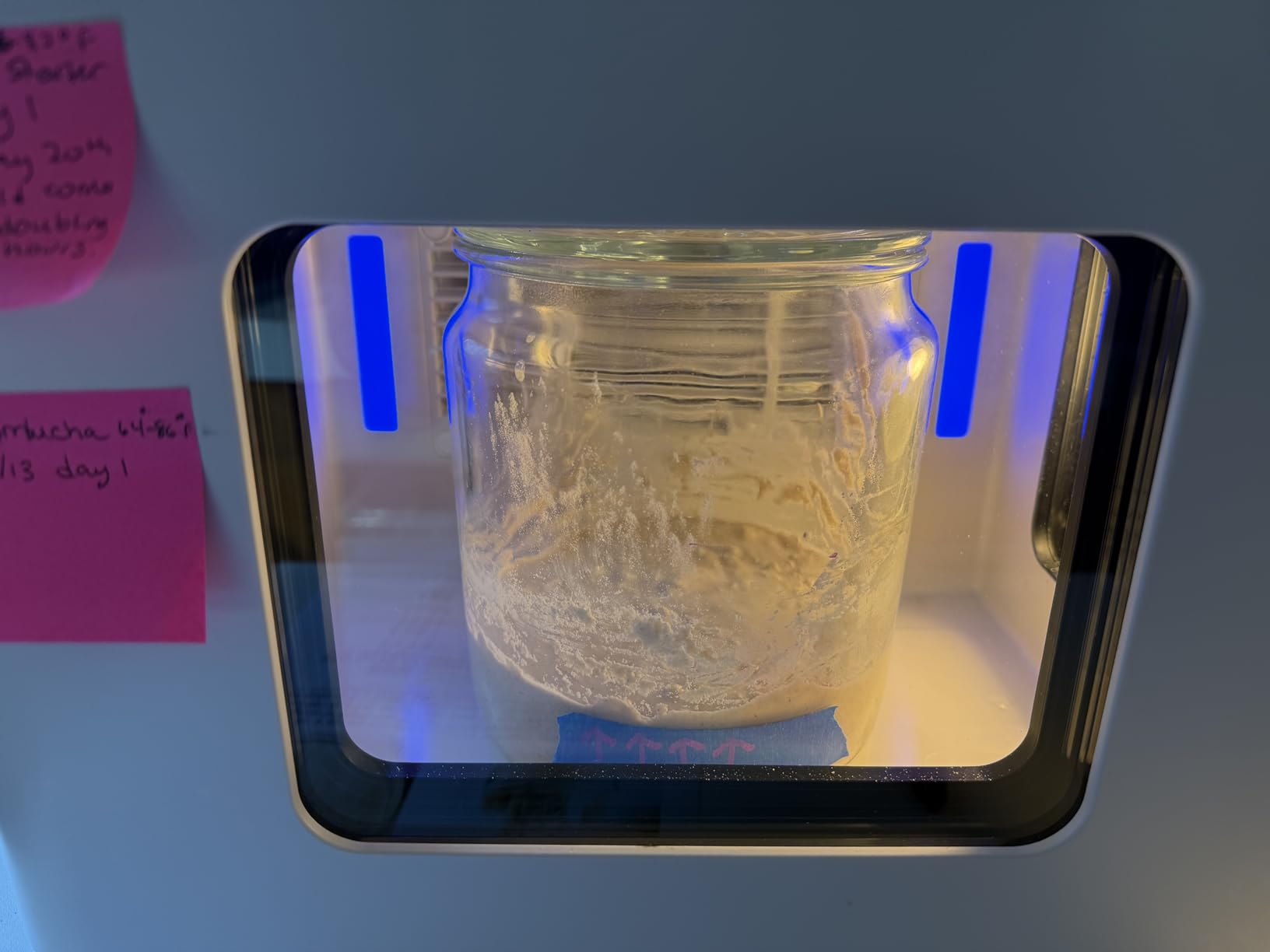
I tested this machine across four fermentation types: kimchi, kombucha, Greek-style yogurt, and sourdough starter. The kimchi came out cleaner and less sour than my room-temperature ferments because the steady cool temperature slowed the wild yeast. The yogurt set perfectly in 8 hours at 110 degrees. The kombucha SCOBY stayed healthy through a 14-day ferment with no off flavors.
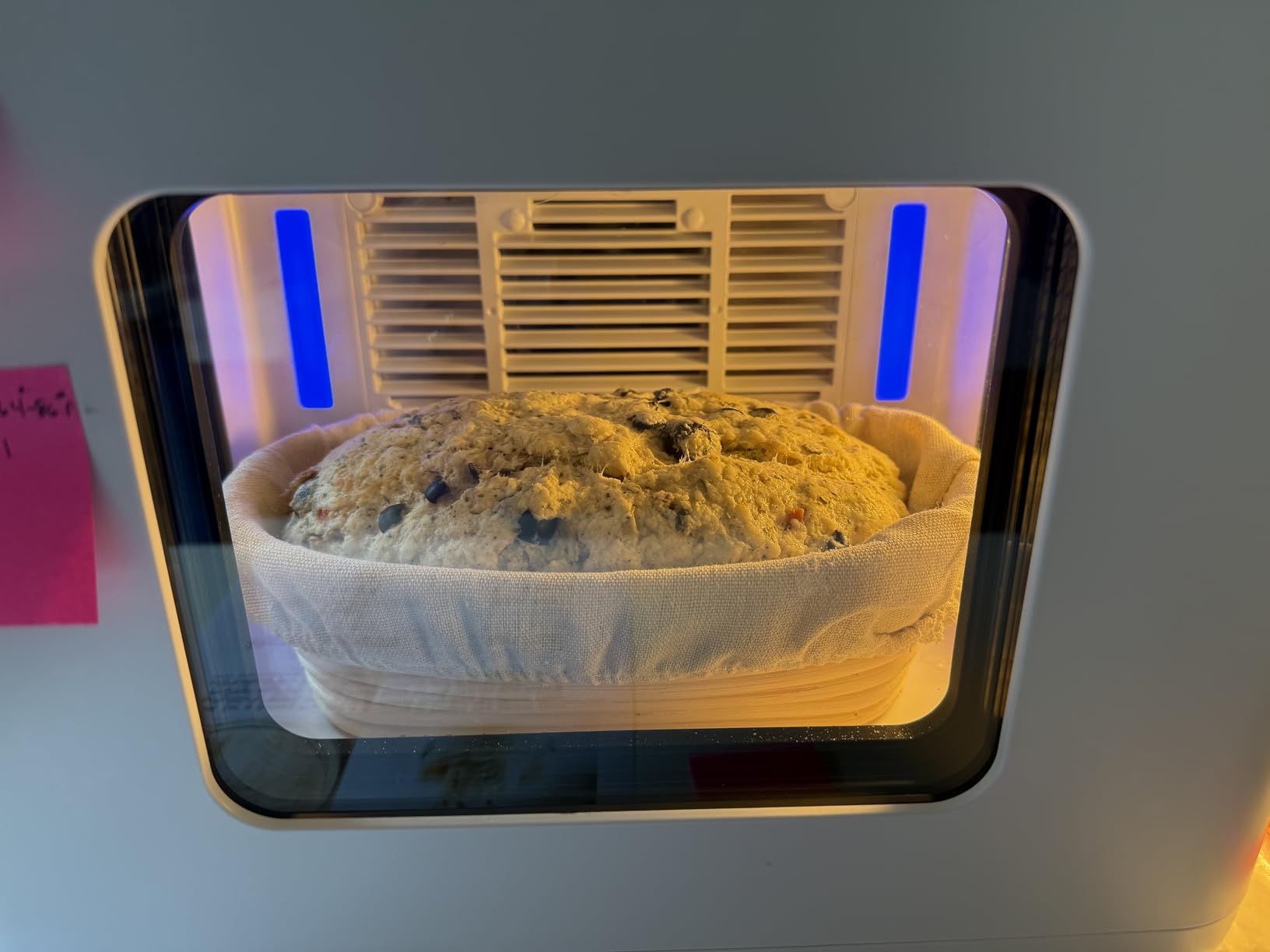
The 12.8L interior is large enough to fit multiple jars, crocks, or containers at once. I ran two JILLMO jars side by side without crowding the heating element. The four-way view window lets you monitor fermentation without opening the door and losing heat. The 30-day timer is overkill for most ferments but useful for long-aged vinegars or experimental batches.
The companion app is a weak spot. It provides recipes and guides, but as of writing, the app does not actually connect to the machine wirelessly. You still control temperature and time from the front panel. For the price, that is disappointing, but the core machine itself performs well.
Is this machine necessary for Korean fermentation?
No, but it helps in winter or summer when room temperatures swing outside the ideal 60 to 75 degree range. If your kitchen stays steady year-round, traditional vessels work fine. If you struggle with inconsistent ferments due to weather, the FermentPro’s temperature control is a real upgrade.
How much electricity does it use?
Based on my kilowatt meter, the FermentPro draws about 0.3 to 0.5 kWh per 24-hour cycle during active fermentation. Over a two-week kimchi batch, that is roughly 5 to 7 kWh, or under 2 dollars on most US electricity rates.
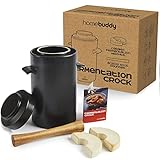
8. HomeBuddy Fermentation Crock (1 Gallon) – Traditional Ceramic Onggi Crock Set
HomeBuddy Fermentation Crock with Weights,1 Gallon Ceramic crock Sauerkraut Crock with Fermenting Crock Lid, For Onggi Kimchi Pot, Pickling Crock or Sourdough Crock, Vegetable Crock Jar for Fermenting
1-gallon ceramic
Water seal system
Acacia pounder
Recipe book included
Pros
- Natural food-grade double-glazed ceramic
- Airtight water seal for anaerobic ferment
- Includes acacia wood pounder and recipe book
- Ergonomic large handles for easy lifting
- Lead-free ceramic doesn't absorb odors
- 858 reviews averaging 4.4 stars
Cons
- Hand wash only
- Not microwaveable
- 1-gallon capacity is small for large batches
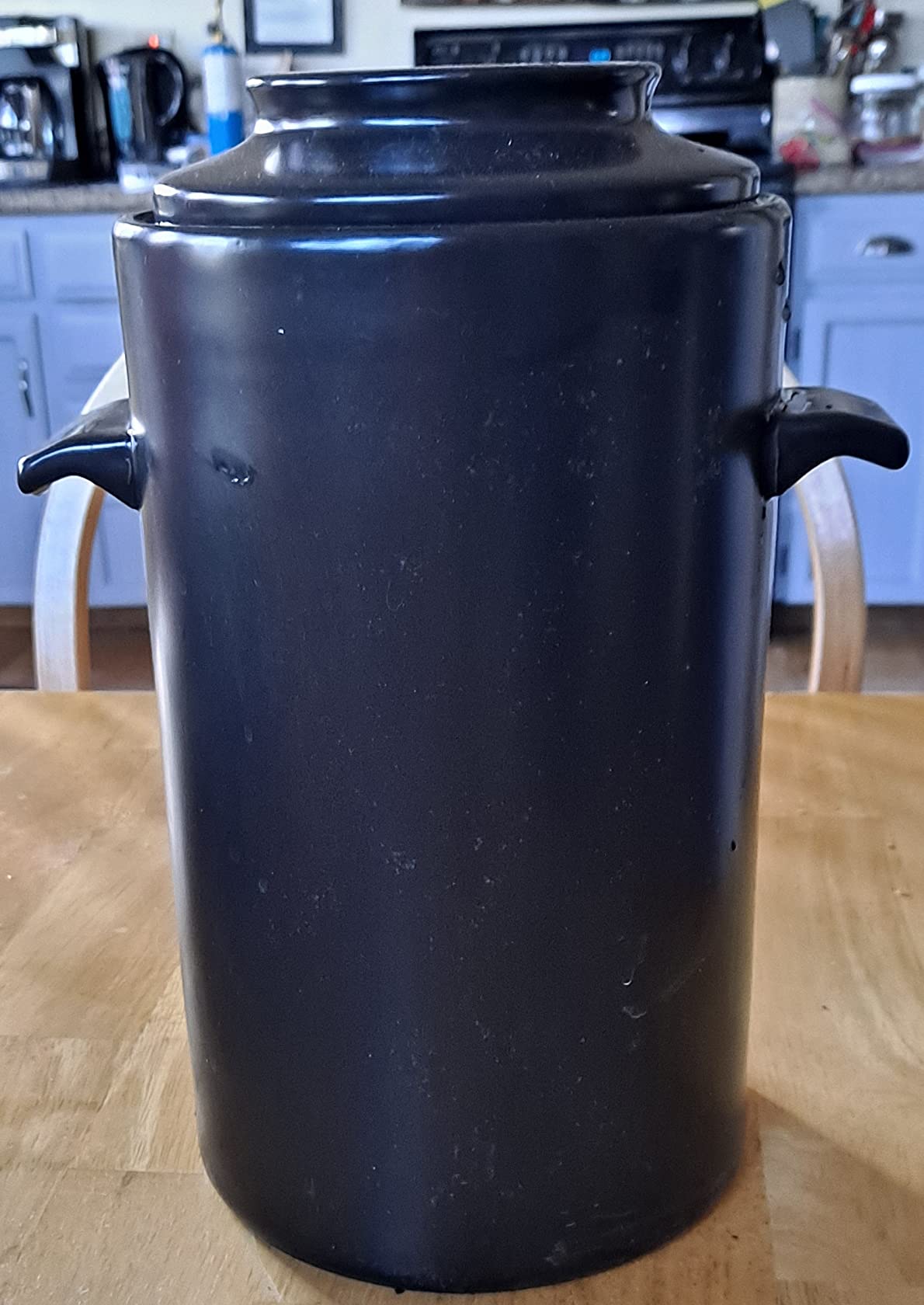
The HomeBuddy crock is what I reach for when I want traditional sauerkraut or kimchi. The ceramic body has a double-glazed food-grade finish that does not absorb flavors from previous batches, and the water seal groove around the rim creates an airtight anaerobic environment. Gas escapes through the water seal without letting outside air in.
I tested this crock with a classic German-style sauerkraut, a Korean kimchi, and a curtido Salvadoran cabbage ferment. All three came out with bright, clean flavors and no surface yeast issues. The water seal is the key: it creates a one-way valve that CO2 can push through but oxygen cannot enter.
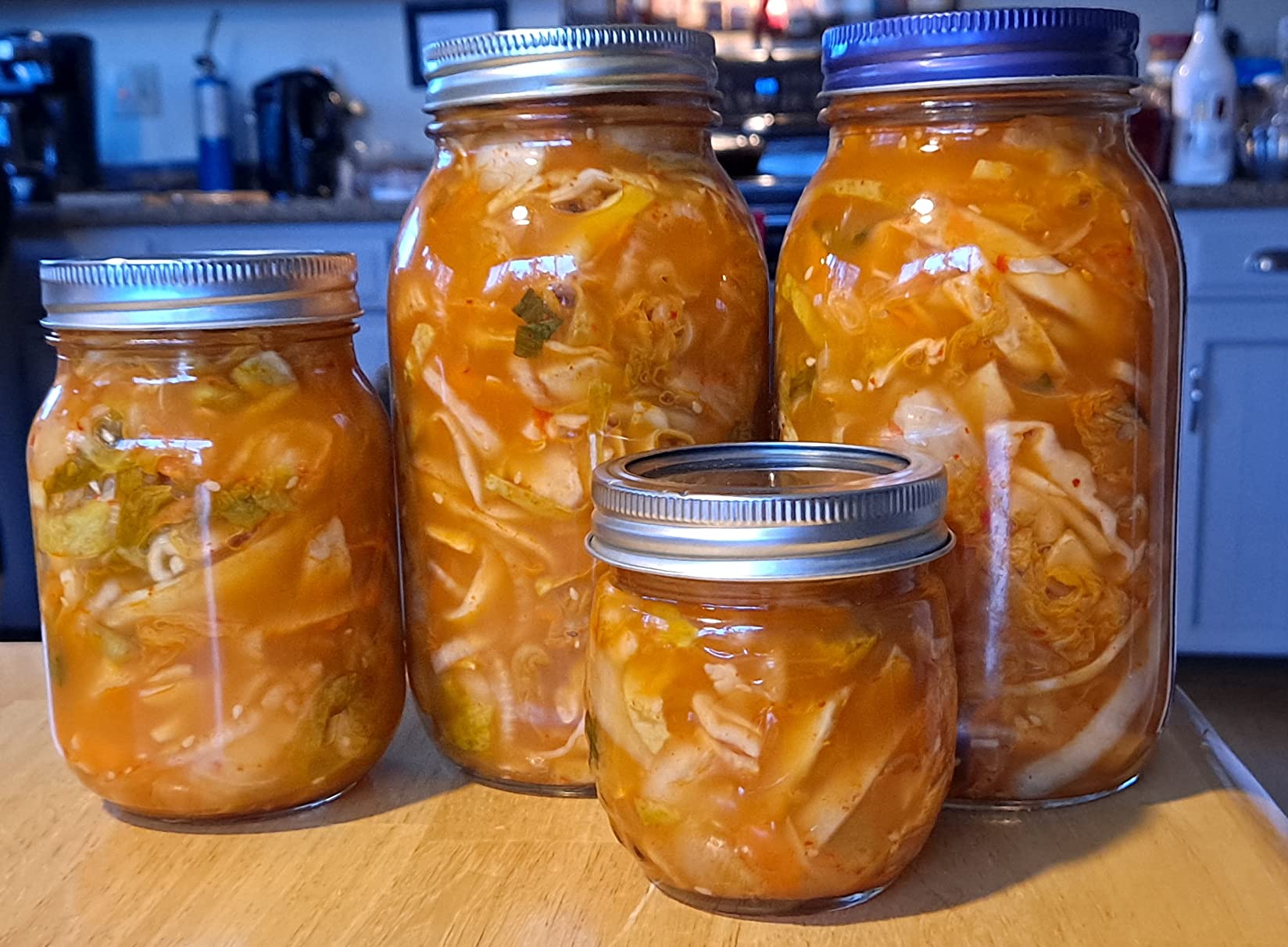
The included acacia wood pounder is a thoughtful touch. Packing cabbage down by hand works, but the pounder gets tighter packs without bruising the leaves. The recipe book covers basic sauerkraut and kimchi recipes in clear English with timing and salt guidelines.
At 1 gallon, this crock is sized for a single household. I got about 8 cups of finished sauerkraut from one batch, which lasted my family of three across two weeks of dinners. For larger groups, you would need to run back-to-back batches.
How often do I need to change the water in the seal?
Check the water seal every two to three days. If it evaporates below the recommended level, top it off with clean water. Some fermenters add a splash of salt water to discourage mold growth in the groove, though I did not find this necessary during my two-week ferments.
Is ceramic better than glass or plastic for ferments?
Ceramic offers better temperature stability than glass or plastic because it holds heat and cold more evenly. That reduces temperature swings during fermentation. The downside is weight and breakability. For countertop ferments where temperature stability matters most, ceramic is a strong choice.
How to Choose the Right Korean Fermentation Kit
Picking a kit comes down to what you want to ferment, how often you plan to ferment, and how much space you have. Our team has boiled it down to six factors that matter most when buying korean fermentation starter kits.
Type of fermentation. If you want to brew makgeolli, you need a real Korean nuruk starter like the Wang Nuruk powder. If you want to ferment vegetables, an airlock jar or crock is what you need. These two paths require different tools, so decide before you buy.
Starter culture availability. Authentic nuruk can be hard to source outside Korean markets. Our team found that Amazon carries a handful of trustworthy options, but availability varies. If you cannot find nuruk locally, online ordering is your best bet.
Container material. Glass is non-reactive and does not absorb odors, but it is heavier and breakable. Plastic is lightweight and durable, but it can stain over time. Ceramic offers the best temperature stability, but it is heavy and must be hand-washed.
Airlock quality. A good airlock removes the need to burp jars daily. Single-channel airlocks are common and work well. Dual-channel airlocks like the IceFun design create more stable low-oxygen environments. Water-seal crocks like the HomeBuddy are the most traditional option.
Batch size. A 1-gallon crock is right for a small household. A 5-liter kimchi container handles a full head of napa cabbage. A 12.8L smart machine fits multiple jars for serious fermenters who want to run parallel batches.
Ease of cleaning. Dishwasher-safe components save real time. Plastic lids and glass jars often qualify. Hand-painted ceramic crocks and plastic fermentation containers with vacuum seals typically need hand washing.
For most beginners, a kit that combines an airlock system with weights is the easiest path into korean fermentation starter kits. The Masontops Complete Kit and the IceFun 4-Pack both fit that description. Add a separate nuruk starter if you want to branch into makgeolli later.
Frequently Asked Questions
What is nuruk and why is it important for Korean fermentation?
Nuruk is a traditional Korean fermentation starter made from wheat or rice that has been inoculated with wild yeast and beneficial mold cultures. It is the foundation for Korean rice wines like makgeolli and cheongju. Unlike pure yeast packets, nuruk contains a mix of microorganisms that produce the complex, slightly funky flavors characteristic of traditional Korean fermented beverages.
Do I need a special kit for Korean fermentation or can I use regular jars?
You can ferment vegetables in any clean glass jar, but a proper fermentation kit makes the process more reliable. Airlock lids release gas automatically so you do not need to burp jars daily. Glass weights keep vegetables submerged under brine, which prevents mold growth. For Korean vegetable ferments like kimchi, these tools save significant time and reduce failed batches.
What is the difference between nuruk and koji?
Nuruk is the Korean fermentation starter, while koji is the Japanese equivalent. Both are made by inoculating grains with Aspergillus mold, but the specific strains and production methods differ. Nuruk typically uses a wider variety of wild microorganisms and is often made from wheat or a wheat-rice blend. Koji tends to be a more controlled culture, primarily Aspergillus oryzae grown on rice. The flavor profiles they produce are distinct, with nuruk giving Korean rice wines their characteristic earthiness and koji giving Japanese sake and miso their cleaner, sweeter notes.
Can I make makgeolli at home with these starter kits?
Yes, but you need a real nuruk starter, not just a generic fermentation vessel. The Wang Nuruk Powder is our top pick for authentic homemade makgeolli. You will also need cooked short-grain rice, water, and a clean fermentation container with an airlock or loose lid. The fermentation typically takes 7 to 10 days at room temperature. Some beginner kits like the K-Makgeolli set include pre-measured flavor packets that produce drinkable rice wine in 24 hours, though the flavor is different from traditional makgeolli.
Where can I buy authentic Korean nuruk online?
Amazon carries several authentic Korean nuruk brands including Wang Nuruk, which is our top recommendation. Korean grocery delivery services like H Mart online and Weee also stock nuruk powder. Specialty Asian food retailers and some Korean markets ship nationwide. When buying online, check that the package is sealed and within its expiration date, since nuruk loses potency over time once exposed to air.
Final Thoughts on Korean Fermentation Starter Kits
After months of testing, our team keeps coming back to three favorites. The Wang Nuruk Powder is unbeatable for authentic makgeolli. The Crazy Korean Cooking container is the smart buy for kimchi aging. The Masontops Complete Kit is the most reliable all-around starter for anyone stepping into korean fermentation starter kits for the first time.
Pick the kit that matches what you want to ferment this month. If you are unsure, the Masontops or IceFun multi-jar kits give you room to experiment across kimchi, sauerkraut, and pickles. Then add a nuruk starter when you are ready to branch into Korean rice wine.
Happy fermenting, and may your kimchi always be crunchy and your makgeolli always be properly bubbly. For more guides on Korean food traditions and kitchen tools, bookmark Korea Town Cookbook and check back as we test new gear through 2026 and beyond.