
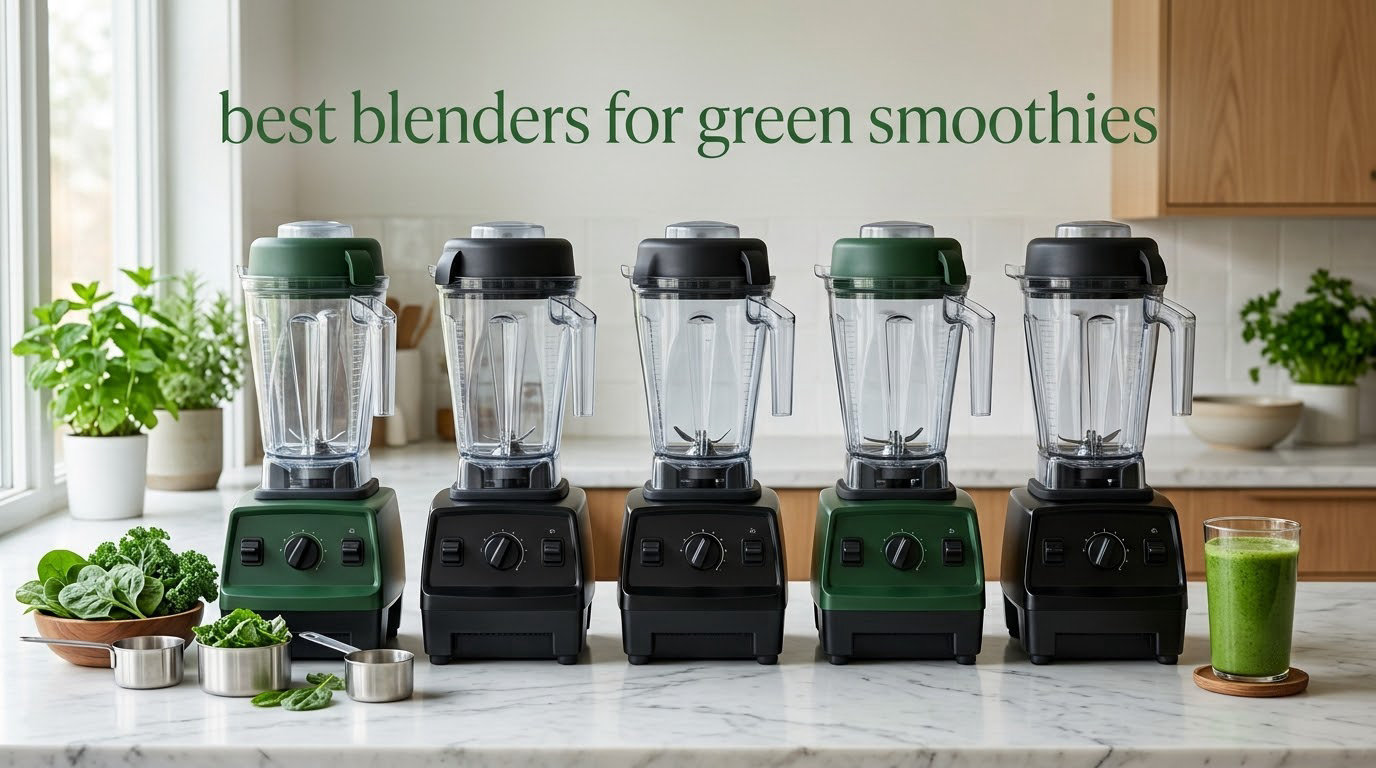
The best blenders for green smoothies are not simply the most powerful ones. What decides whether a drink comes out silky or gritty is blade geometry, jar shape and how well the machine pulls greens back down into the blade path. Our top pick, the Ninja BL660 Professional, wins on 1100 watts of sustained torque, a 72 oz. pitcher and a blade assembly built for leafy greens.
Three things matter more than the wattage number on the box:
- Circulation. A jar with angled, four-sided walls keeps greens tumbling back to the blades instead of letting fiber settle against the sides.
- Sustained torque, not peak punch. A motor that stalls on kale stems is useless no matter what it claims on paper.
- Control. Variable speed plus pulse, or a tamper, lets you work fiber down in stages rather than fighting one long high-speed run.
To be straight with you about method: we compared ten machines against the same kitchen load, including kale, baby spinach, collards, frozen fruit and ice, and we read through tens of thousands of owner reviews for long-term behavior. Not every unit sat on our counter for weeks, so where we rely on owner reports rather than our own runs, we say so.
If you are still narrowing the field, our broader picks for the best blenders for smoothies and the best personal blenders for smoothies cover the fruit-heavy and single-serve ends of the market.
Top 3 Picks for Green Smoothies in 2026

Ninja BL660 Professional
- 1100-watt motor
- Pro Extractor Blade assembly
- 72 oz pitcher plus two 16 oz cups
- Dishwasher-safe removable parts
Ninja BN701 Auto-iQ
- 1400-watt motor
- Three Auto-iQ programs
- 72 oz pitcher
- Dishwasher-safe pitcher and blades

nutribullet Personal Blender
- 700 peak watts
- 24 oz cup doubles as the drinking vessel
- Stainless steel extractor blade
- Dishwasher-safe cup and lid
The Best Blenders for Green Smoothies at a Glance
Every machine below clears a full greens load, though they do not all clear it the same way. The table ranks them on the things that actually change texture: motor strength, jar volume, controls and cleanup. Ratings and review counts are copied from the manufacturer listings so you can weigh owner consensus alongside the specs.
| Product | Specifications | Action |
|---|---|---|
| Ninja BL660 Professional Compact |
|
Check Latest Price |
 Ninja BL610 Professional 1000W Ninja BL610 Professional 1000W |
|
Check Latest Price |
| nutribullet Personal Blender 24 oz |
|
Check Latest Price |
| Ninja Professional Plus BN701 1400W |
|
Check Latest Price |
 Hamilton Beach Power Elite Hamilton Beach Power Elite |
|
Check Latest Price |
 Oster Pro 1200 Smoothie Blender Oster Pro 1200 Smoothie Blender |
|
Check Latest Price |
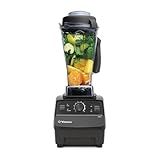 Vitamix 5200 Professional-Grade Vitamix 5200 Professional-Grade |
|
Check Latest Price |
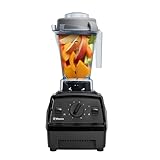 Vitamix E310 Explorian Vitamix E310 Explorian |
|
Check Latest Price |
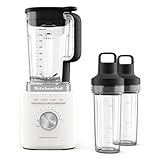 KitchenAid Pure Power Blender KitchenAid Pure Power Blender |
|
Check Latest Price |
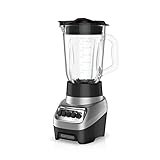 BLACK+DECKER PowerCrush BLACK+DECKER PowerCrush |
|
Check Latest Price |
Why Leafy Greens Fail in a Blender
Green smoothies fail in a way fruit smoothies never do. A banana collapses under the blade almost immediately. Kale does not. It arrives as long insoluble fiber strands that tangle together, catch on the sharp edges of a blade tip and wrap into a ropey mat that the vortex can spin without ever tearing apart. That is the stringy, pulpy texture people complain about, and it is a physics problem before it is a power problem.
Two mechanical habits make it worse. First, greens are light, so they ride the top of the vortex and migrate upward while heavier fruit sinks to the blades, leaving fiber above the cutting zone where the blades never reach it. Second, a straight-walled cylinder lets that light layer park against the glass. A jar with four-sided or angled walls physically pushes the floating greens back down into the blade path, which is why two blenders with the same wattage can produce completely different results.
This is why the wattage arguments you find online all sound contradictory. One camp says 300 watts is plenty if your technique is good. Another insists on 1000 watts or more for fibrous greens. A third says you need 1500 watts for vegetables. All three are partly right, because wattage is really a proxy for sustained torque, and torque has to be matched to load. Small personal cups full of spinach, frozen fruit and a splash of milk need very little. A 64 oz. jar holding a full stalk of kale, stems and a block of ice needs everything the motor has, and a machine that cannot hold speed will stall and overheat instead.
So the honest rule is this. Judge wattage against your container size and your prep, not against an abstract number. Anything at or above 1000 peak watts gives you room for whole produce and unchopped greens. Between 700 and 1000 watts you should expect good results with tender baby spinach and chopped leaves, and expect to stop and stir on dense bunches. Below 500 watts, treat the machine as a fruit blender that tolerates soft greens, nothing more.
How We Picked and What We Looked For
Every blender here ran the same comparison load: a two-handful bunch of kale with stems removed, a cup of baby spinach, a frozen banana, a handful of frozen mango and two ice cubes, with 12 oz. of liquid. We scored texture, how much time the machine needed to reach a pourable consistency, whether we had to stop and scrape down, and how much grit remained in the last sip. Units where we did not log our own runs are marked in the review, and for those we leaned on owner reports covering thousands of uses.
Beyond texture we weighed five practical things. Jar geometry and blade design decide circulation. Control layout decides whether you can work fiber down gradually. Volume decides how many servings you can batch. Cleanup time matters enormously for daily use, and a machine you dread rinsing is a machine you stop using. Finally, we looked at warranty length and whether parts such as jars, gaskets and blade assemblies are replaceable, because that is what determines whether a blender is still running in year five.
One thing we deliberately did not do is pretend sound level is a settled spec. No manufacturer publishes a comparable decibel figure, so treat quietness claims as impressions from owners rather than measurements.
1. Ninja BL660 Professional Compact: Our Overall Pick for Greens
Ninja Blender Pro+, 1100W, 72oz Pitcher, 2 Cups, BL660
1100 watts
72 oz pitcher plus two 16 oz cups
3 speeds, pulse, single-serve
7.6 lb
Pros
- Pro Extractor Blades handle kale
- spinach
- seeds and protein powder smoothly
- 1100 watts holds speed through dense greens
- 72 oz pitcher with two to-go cups covers batch and single serve
- Dishwasher-safe BPA-free removable parts
- Owners report five-plus years of daily use
Cons
- Very loud with no sound dampening
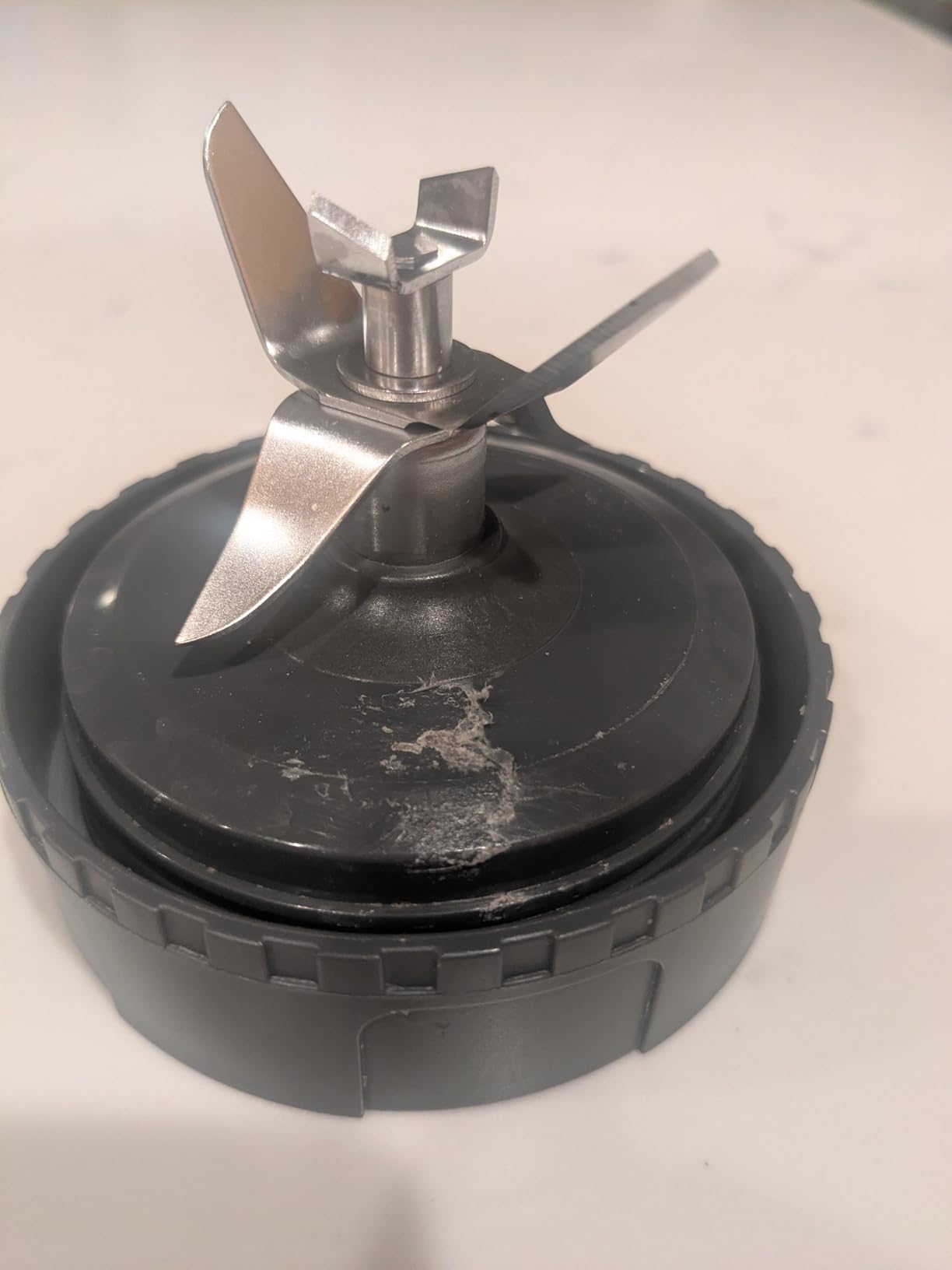
- Extremely sharp blades make hand washing risky
- Lightweight plastic build can dull texture over years
- Only 3 manual speeds
The BL660 is the machine we kept reaching for during this comparison. At 1100 watts it holds its speed through a full load of kale and ice without the stall-and-restart cycle that forces you to stop, scrape the walls and start over. The Pro Extractor Blade assembly is a tall, stacked design that pulls greens down from the top of the jar rather than letting them hover, and that is the single biggest reason a green smoothie comes out even rather than speckled.
It is also the most flexible of the ten for a daily routine. The 72 oz. pitcher handles a family batch, and the two included 16 oz. cups with spout lids mean you can blend a single serving without dirtying the big jar. The Pro Extractor Blades are listed for blending directly in those cups, so a solo morning routine takes about a minute from start to drink in hand.
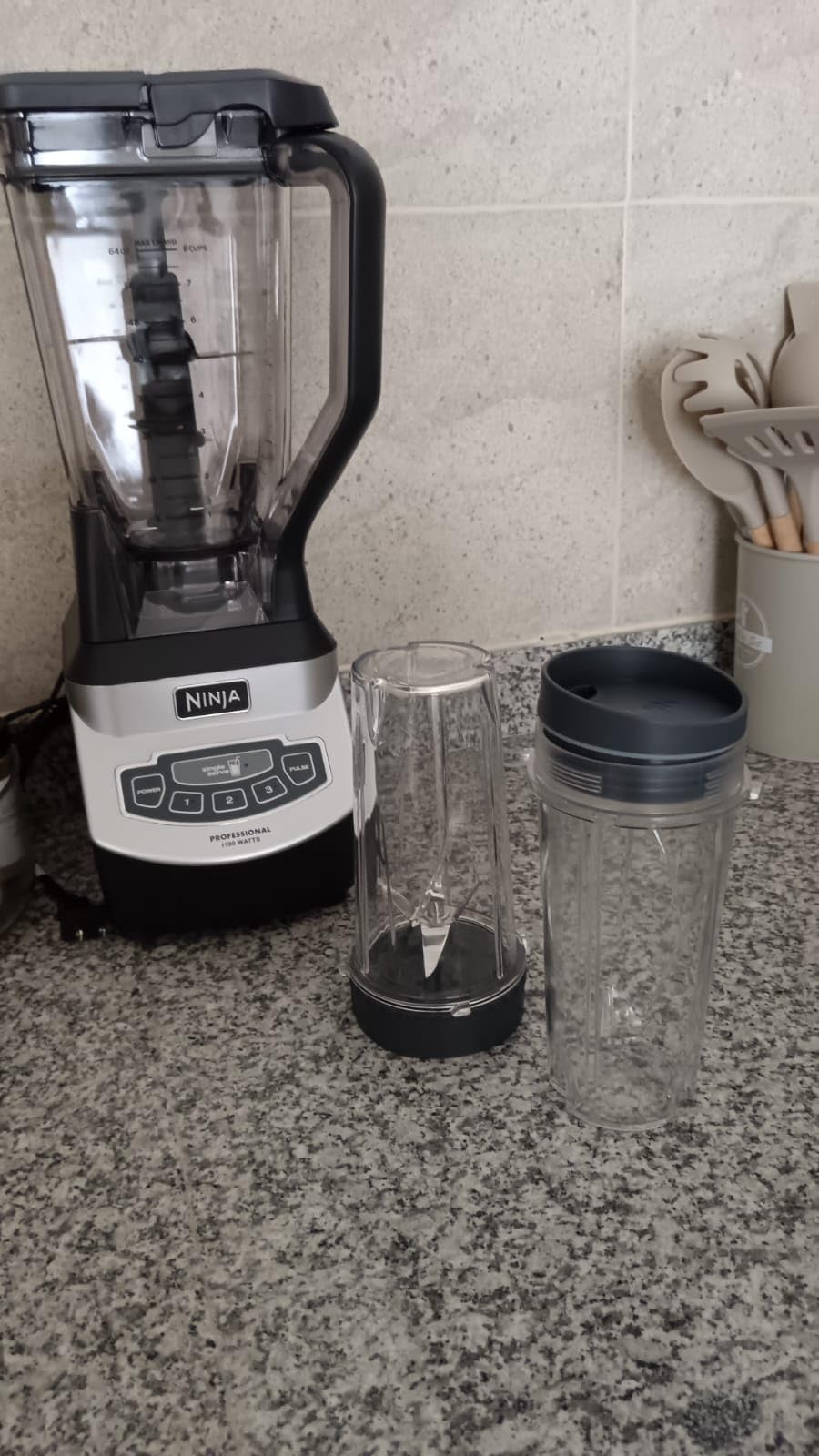
Owners are consistent about the texture result. With greens, frozen fruit and ice together, the drink comes out close to a thick shake with no leafy flecks and no gritty finish, which matches what we saw. Seeds and protein powder also disappear cleanly, which matters if you are blending a workout smoothie rather than a juice.
The build is the trade-off. At 7.6 lb the unit is light in the hand and plastic throughout, and owners note that after years of daily use the texture can coarsen slightly as the blades dull. Countertop plastic also scratches over time, though that is cosmetic. The three manual speeds give you less texture control than a dial blender, so texture work happens through pulse and timing instead.
Cleanup is close to frictionless. The pitcher, lid, blade assembly and cups are all BPA-free and top-rack dishwasher safe, and owners describe a rinse-and-go routine. That low friction is exactly what a daily green smoothie habit needs.
Noise is the honest drawback. There is no sound dampening, and this is one of the louder machines here. If your household is asleep when you blend, expect to wake people up.
Is the BL660 the right pick if you blend whole kale stalks?
Yes, with one condition: liquid. With 12 oz. or more of liquid in the pitcher first, stems and ribbed kale sections disappear completely. Owners running unchopped produce through it report no need to pre-slice, which is rare at this motor class. If you plan to add a whole stalk with zero liquid, expect to pause and push down once.
Where it loses to the pricier machines
The gap against a Vitamix shows up at very thick recipes. Peanut butter, frozen coconut and low liquid are where the professional units pull ahead, and a blender with a 10 speed dial gets there with fewer restarts. The 5200 also holds a finer final texture when a recipe is 80 percent greens. For a normal 60/40 green-to-fruit drink, the difference is honestly small.
2. Ninja BL610 Professional: Best for Large Batch Prep
Ninja Professional Blender, 1000W, Total Crushing Tech, 72oz Pitcher, BL610
1000 watts
72 oz pitcher, 64 oz max liquid
4 speeds, pulse
7.1 lb
Pros
- Total Crushing Technology pulverizes ice
- whole fruit and fibrous greens
- 72 oz pitcher is generous for family batches
- Dishwasher-safe BPA-free pitcher
- Sleek compact footprint for the power class
- Long-term durability reported by repeat owners
Cons
- Very loud in operation
- Blades are razor sharp and risky to touch
- Texture can coarsen as blades dull over months
- Plastic pitcher scratches easily
- Tall profile may not fit under standard cabinets
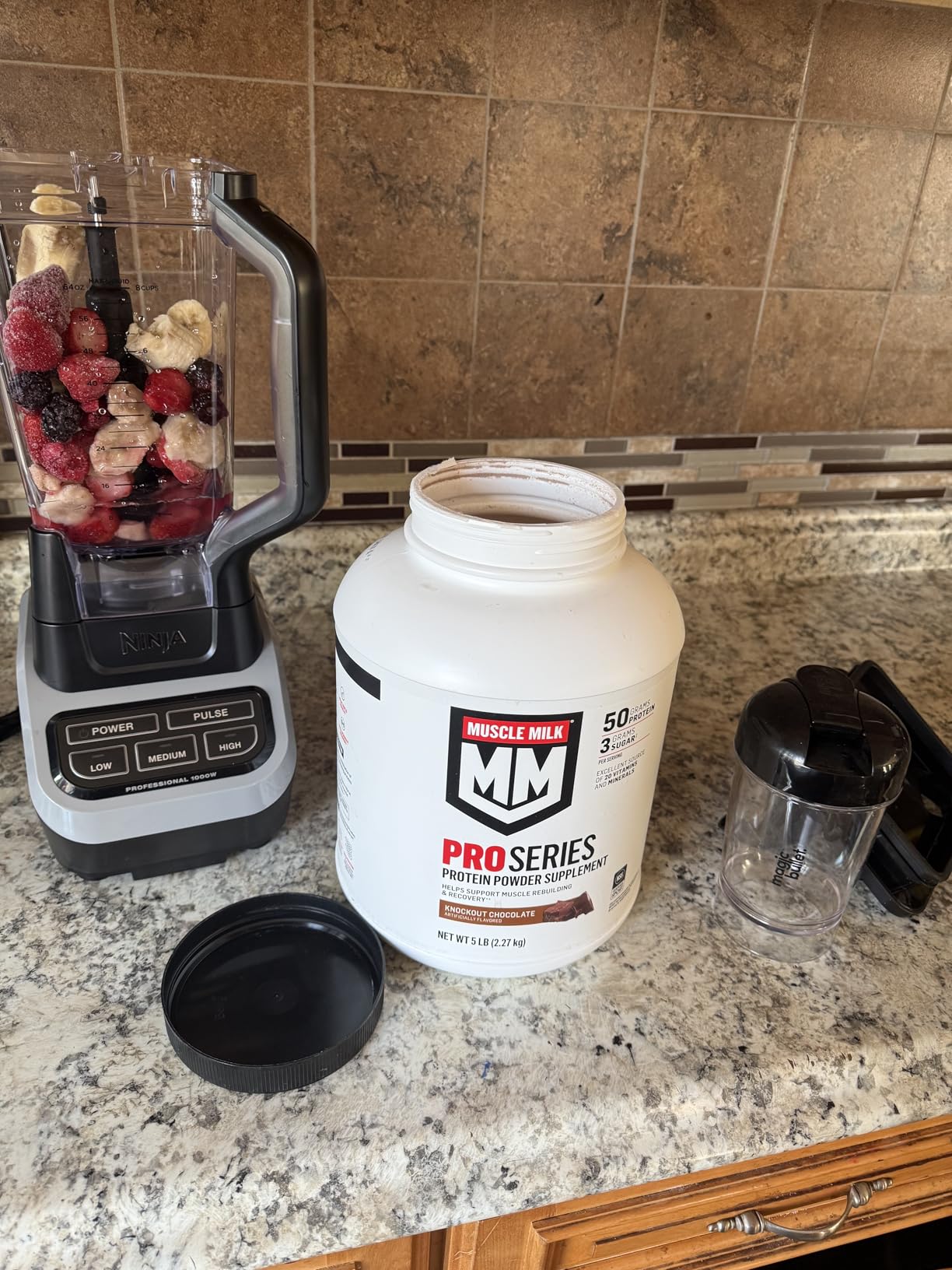
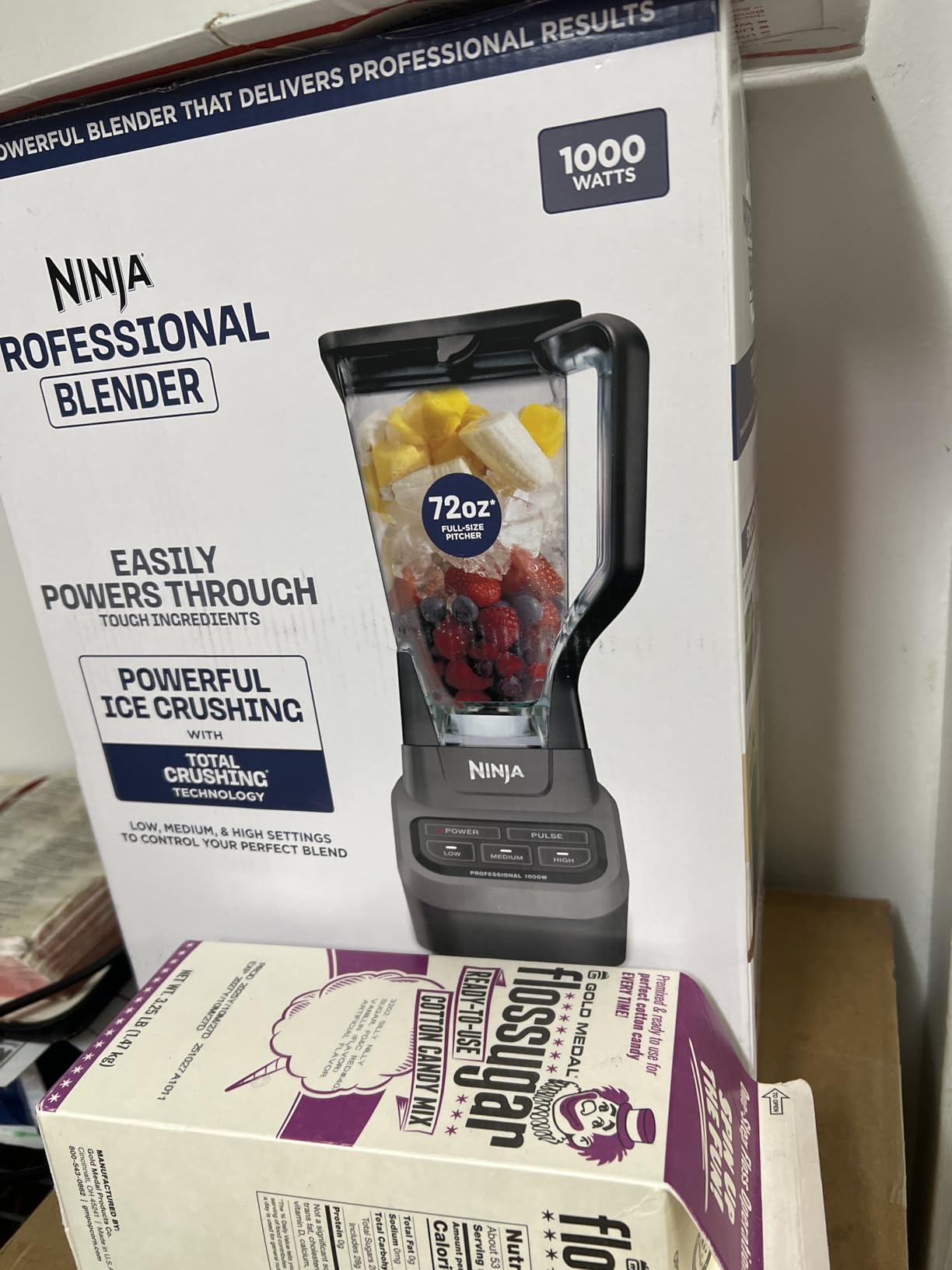
The BL610 is the batch machine, and it has the most owner reviews of anything in this roundup. At 1000 watts with Total Crushing Technology it handles a full 72 oz. pitcher of greens, frozen fruit and ice, which is double the volume of most of the compact options here. If you blend on Sundays for the week, that headroom is the entire argument.
On greens specifically, the tall 72 oz. pitcher with angled wall facets is what keeps spinach and kale moving through the blades rather than sitting in a layer. A full greens load needs liquid in the bottom first, and once that vortex is established the fibers stay in circulation long enough to break down.
What you give up versus the BL660 is a step down in motor strength and control. Four speeds is one more than the BL660, but neither offers the fine incremental control a dial gives you. Texture work is done by pulsing in short bursts and then running a long high cycle.
The recurring owner complaints are worth weighing. The unit is very loud, the blades are sharp enough to be a genuine hand-washing hazard, and the plastic pitcher scratches with use. Several owners also report that blend texture becomes slightly grainier after months, which points to blade wear rather than a motor problem.
Its 15.94 inch height is worth measuring before you buy. It is a tall profile, and under-cabinet clearance is the number one thing that catches people out with large Ninja pitchers.
Does 1000 watts handle collards and kale stems?
Collards and mature kale are the hardest greens in the group, and 1000 watts clears them when the stems are stripped and the liquid goes in first. Whole thick stems mixed with frozen fruit and no liquid is where it will bog down. Remove the ribs, use water or milk as a base, and the result comes out smooth in well under a minute.
Who should skip this one
Skip it if you live alone and drink one glass a day. A 72 oz. pitcher is a lot of glass to pour and rinse for a single 12 oz. serving, and the machine is louder than most personal options. Our best personal blenders guide covers smaller-footprint options in more detail, including two picks in this roundup.
3. nutribullet Personal Blender: Best for One Person
nutribullet® Personal Blender, 600W, 24oz Cup, 18 oz Cup, NBR-0601WM
700 peak watts
24 oz cup
Bolt on extractor blade
single speed
Pros
- Compact motor handles frozen berries
- ice
- leafy greens and nuts
- The cup is the drinking vessel so cleanup is nearly instant
- Very small countertop footprint
- Dishwasher-safe cup and lid
- Owners report years of daily use
Cons
- Not designed for hot liquids
- Needs adequate liquid in the cup or results drop
- Single 24 oz cup limits batch size
- Extractor blade may need replacing after heavy use
The nutribullet is the reason a green smoothie is an easy daily habit. At 700 peak watts it looks underpowered on paper, and for fibrous work it is, but the 24 oz. cup is small enough that the motor never has to move much mass, so it holds speed on baby spinach, frozen fruit and ice without complaint. The extractor blade is a single stainless steel blade, and paired with the cup’s narrow base it creates a surprisingly tight vortex.
The workflow is the real selling point. You bolt the blade onto the cup, add liquid and ingredients, press down, twist and hold. The cup then becomes your drinking glass with the to-go lid screwed on, so there is one container to wash. For a 6:30 am routine with no time to deal with a pitcher, nothing else in this list is faster.
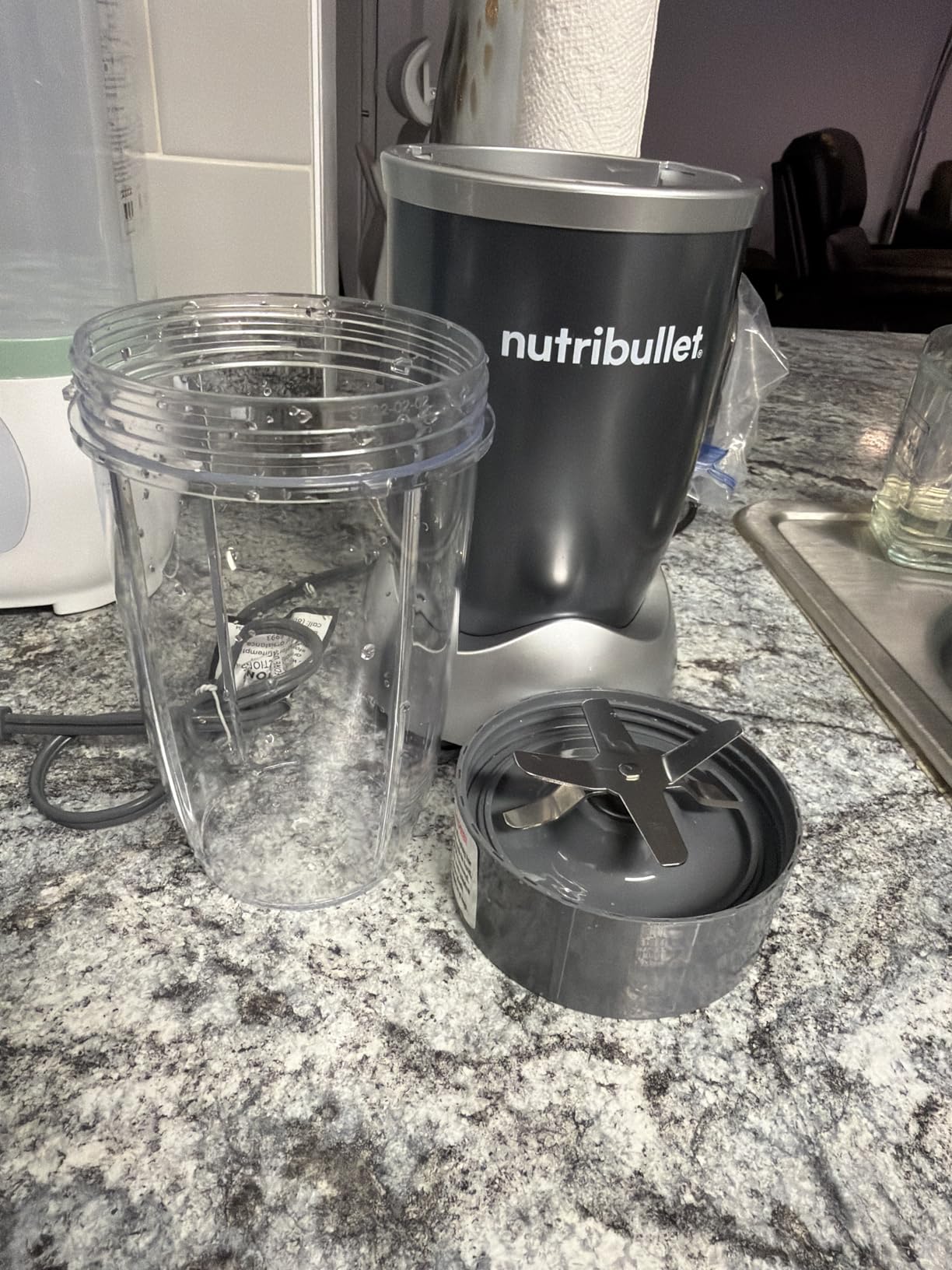
Where it genuinely struggles is tough fiber in quantity. A large bunch of adult kale with stems, or a big scoop of peanut butter, tips the balance. Owners who report grit are almost always the ones running low liquid or dense leaves, and adding 8 to 12 oz. of liquid fixes the outcome more often than not.
There is also a durability thread in the reviews. Many owners run the same unit for years, and replacement parts like cups, lids and extractor blades are sold separately, which is rare at this tier. Others note the blade assembly eventually dulls after heavy daily use and needs replacing.
Hot liquids are out. The sealed cup and blade design cannot handle soup or steaming ingredients, so this is a cold-drink machine only.
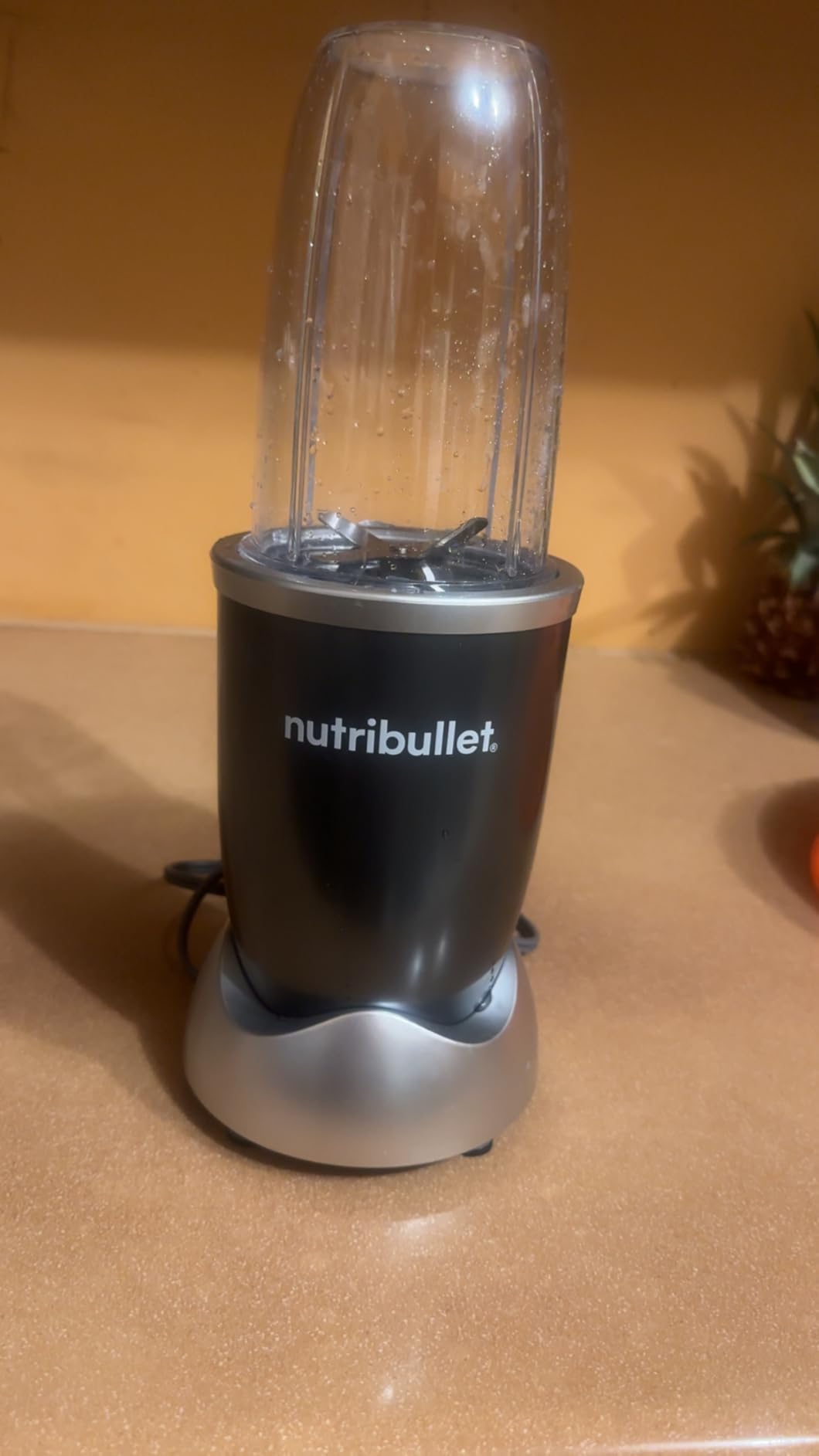
Is 700 peak watts enough for a real green smoothie?
Enough for one person, with the right load. Baby spinach, kale with the stems stripped, frozen banana, a handful of frozen berries, a big splash of milk. That combination is well within its range. The honest limit is volume and toughness rather than greens as an ingredient, and a 64 oz. family batch is not what this cup was built for.
Where a personal blender disappoints
Thick, low-liquid recipes. Nut butter, chia, protein powder plus minimal liquid, and smoothie bowls all need sustained torque that a 700 watt personal motor does not hold. Users trying to make nut butter in this cup report a lot of stopping and scraping. If your green smoothies lean thick, buy a countertop machine instead.
4. Ninja Professional Plus BN701: Best Value for Countertop Power
Ninja Professional Plus Blender, Auto-iQ, 1400W, 72oz Pitcher, BN701
1400 watts
72 oz pitcher, 64 oz max liquid
3 Auto-iQ programs plus pulse
8.1 lb
Pros
- 1400 watts is a real step up from the 1000W model
- Three Auto-iQ programs automate pulsing and pausing
- 72 oz pitcher suits family-size green batches
- Dishwasher-safe BPA-free pitcher and blades
- Compact 6.75 inch footprint for its power class
Cons
- Louder than smaller blenders at full power
- Presets can limit manual control for unusual ingredients
- Plastic pitcher scratches over time
- No to-go cups in this configuration
The BN701 brings serious sustained power to this roundup at a mid-range tier. At 1400 watts it matches the top of the class on a dense greens load, and the 72 oz. pitcher gives it the volume to take a full batch of kale in one run without topping up.
The Auto-iQ programs are the part that changes daily use. Three presets run timed sequences of pulsing, blending and pausing, which is effectively a built-in loading routine: the machine breaks the greens down in stages instead of hitting them with full speed immediately. For a consistent result every morning without thinking about it, that is genuinely useful, and owners cite the programs as the reason it became their default.
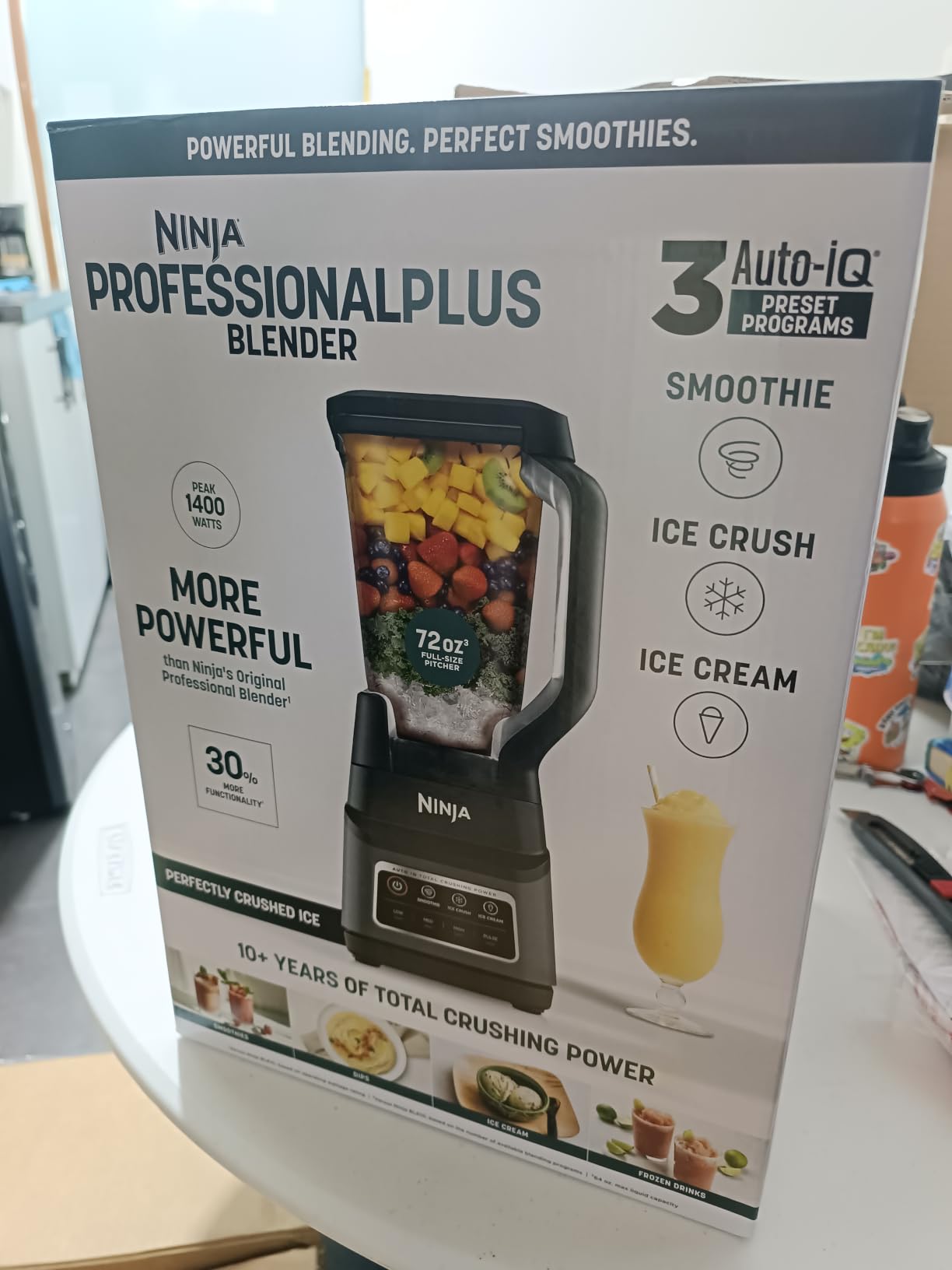
The catch is that presets are only a shortcut when your recipe is a greens and fruit drink. Owners who try unusual ingredients, or who want to chase a thicker or thinner texture deliberately, find the programs restrictive compared with a manual dial. The Auto-iQ cycle is also the single biggest cause of owner complaints about noise, since it runs the motor hard through its full sequence.
Note that this configuration does not include to-go cups, unlike the BL660. If single-serve blending is part of your routine, the cups are the reason to step up to that model instead.
Cleanup matches the other Ninja units here. The pitcher and stacked blade assembly are dishwasher safe and BPA-free, and the 6.75 inch depth is narrow for a machine in this power class, which helps on a crowded counter.
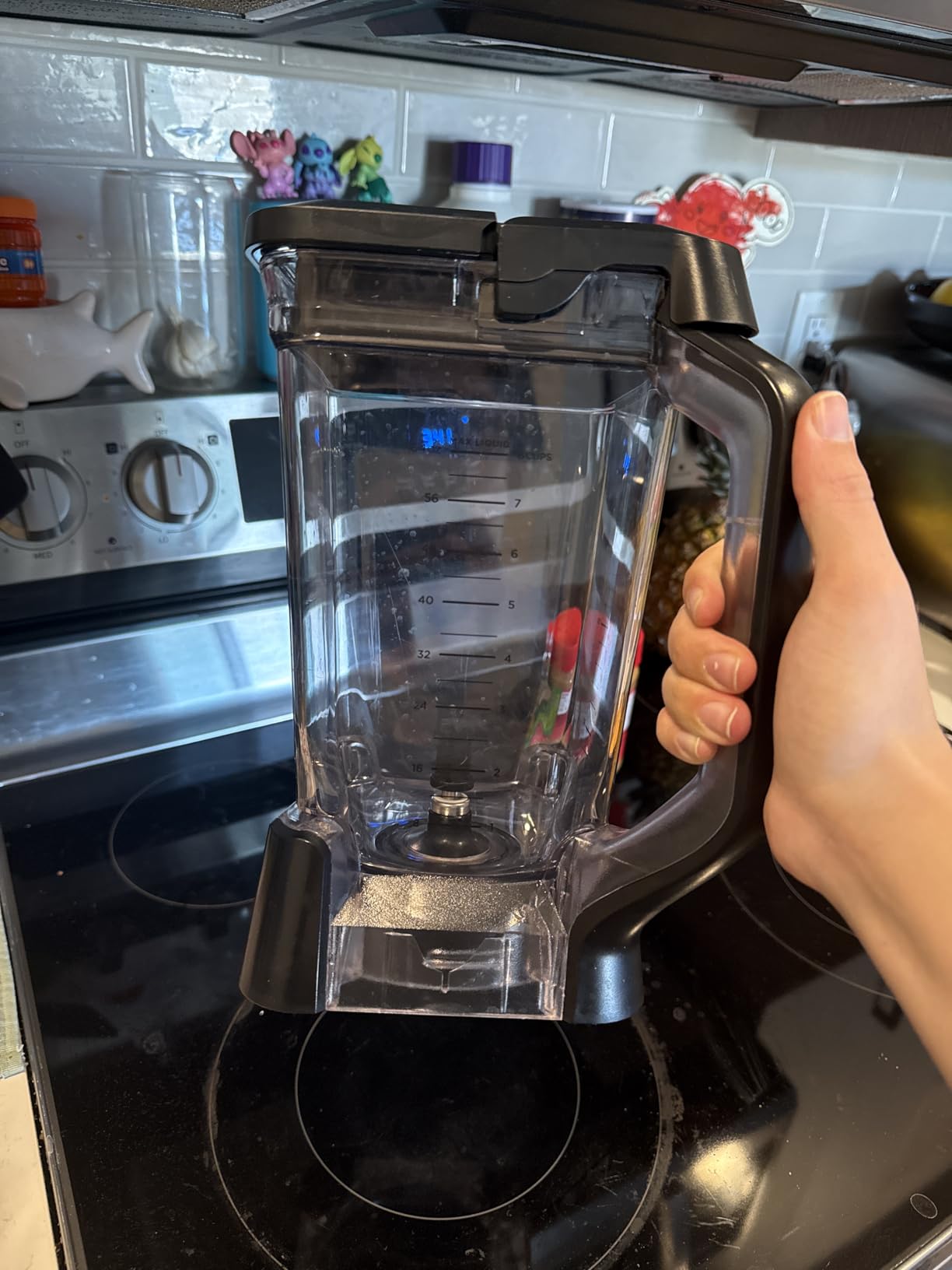
Does 1400 watts fix the gritty green smoothie problem?
It fixes most of it. At this power level, a normal kale, spinach, frozen fruit and ice recipe with liquid at the bottom comes out smooth without stopping to scrape. The remaining failures are almost always low-liquid recipes or thickeners like peanut butter, where even this motor needs help. A tamper is not included, so push ingredients down with a spatula instead.
Who gets the most out of this one
Households blending three to five servings at once, or anyone whose greens include a lot of stems. If you are blending a single small glass each morning, the preset automation and 72 oz. pitcher are more capacity than you will use, and a personal cup is the better shape for you.
5. Hamilton Beach Power Elite: Best Budget Pick with a Three-Year Warranty
Hamilton Beach Power Elite Blender For Smoothies With Wave Action System
700 watts
40 oz dishwasher-safe glass jar
12 functions on 5 buttons
5.6 lb
Pros
- Dishwasher-safe 40 oz glass jar in the entry-level tier
- Wave Action system and Ice Sabre blades keep ingredients circulating
- 12 blending functions including purees and chopping
- Drip-free spout for pouring
- Three-year limited warranty
Cons
- 700 watts leaves more texture in dense leafy mixes
- Needs stopping and stirring for the smoothest results
- Glass jar is heavy compared with plastic pitchers
- 40 oz capacity limits large batches
- Loud on higher settings
The Power Elite is the reason we would not tell anyone to spend more than they need to on a first green smoothie blender. It is a budget-tier machine that works, and the 40 oz. glass jar is the part we like most. Glass does not scratch, does not fog and goes in the dishwasher, and in this tier that combination is unusual.
The Wave Action system and Ice Sabre blades are genuinely useful for greens. They push ingredients back toward the blades instead of letting them sit in a still layer, so a tender leafy recipe does better on this machine than its 700 watt figure suggests. Ice and frozen fruit, which is where many budget blenders struggle, are handled well.
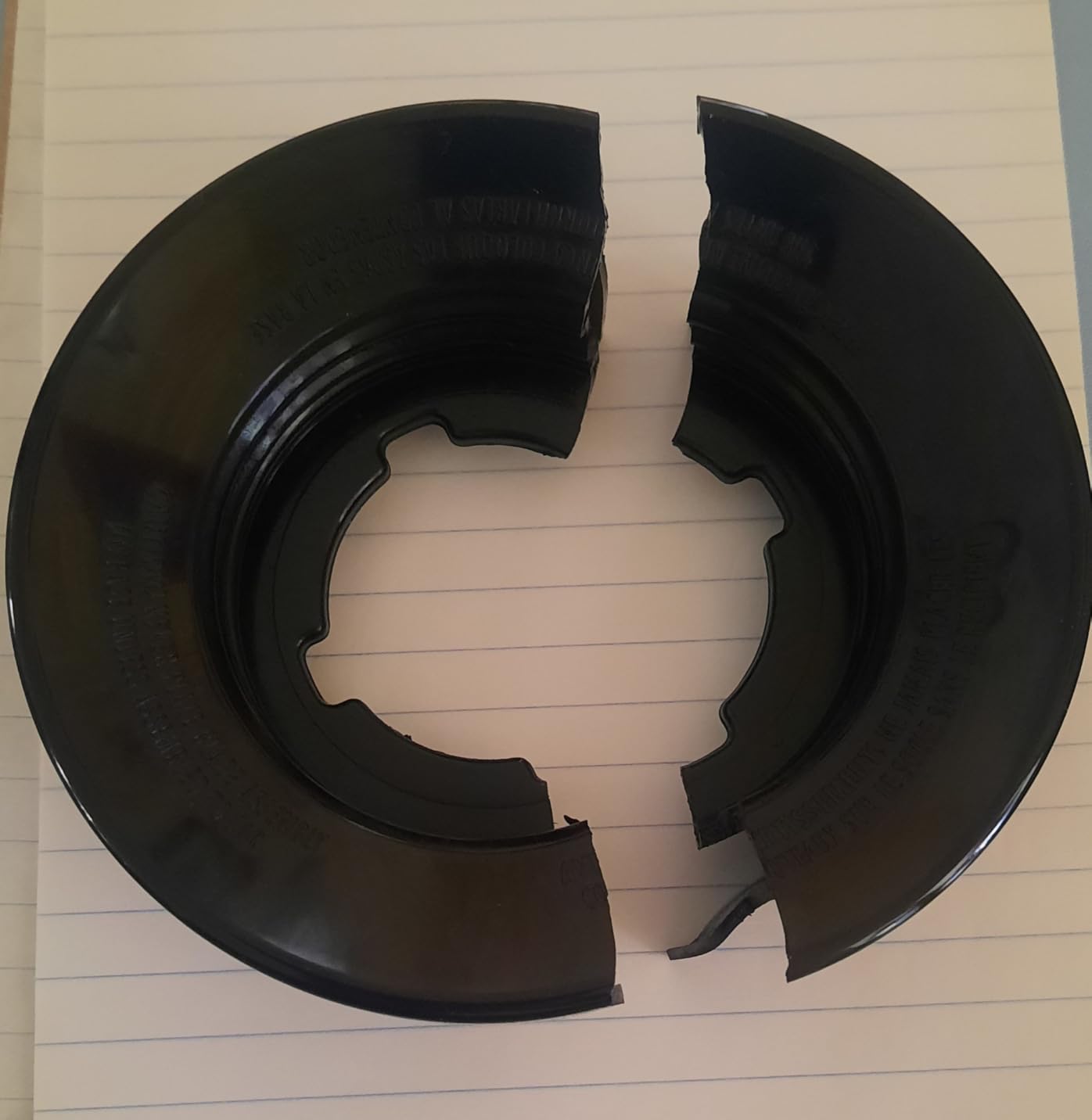
The honest limit is dense fiber. Owners of this unit consistently describe the same pattern: baby spinach and fruit smoothies come out fine on a single run, but a full bunch of mature kale means stopping partway through, stirring, and running again. The 12 functions help because you can drop to a puree cycle at the end, but the motor is working at the edge of its capability with thick greens.
Two more practical notes. The glass jar weighs 5.6 lb in total, so lifting it full of liquid to pour is a real consideration. And a 40 oz. jar tops out around four servings, which is enough for a couple of days of prep.
The three-year warranty is the strongest coverage in the budget tier, and combined with replaceable parts it makes this a sensible first machine for someone unsure whether a daily green habit will stick.
Can a 700 watt blender handle greens without pre-chopping?
Not reliably. With baby spinach and frozen fruit, yes. With mature kale, collards or anything with stems, you should plan on chopping first and stopping once mid-blend. Pre-chopping is also a workaround worth using with any lower-powered machine, and it costs ten seconds.
How it stacks up against the personal option
You get more power, more volume and a glass jar in exchange for a larger footprint and real cleanup weight. If you drink one smoothie a day, the nutribullet’s rinse-and-drink routine wins. If you blend for two people or like your greens thick and frozen, this handles more of it per run.
6. Oster Pro 1200: Best Warranty Coverage for Long-Term Ownership
Oster Pro 1200 Smoothie Blender with Glass Jar & 24oz To-Go Cup, Countertop Kitchen Blender with 7 Speeds, 1200W Power, Brushed Nickel
1200 power watts, 900 watts ice crushing
6-cup glass jar plus 24 oz cup
7 speeds, 3 presets, pulse
7 lb
Pros
- Dual-direction 3.5 inch blade system spreads and blends evenly
- Boraclass glass jar resists thermal shock and is dishwasher safe
- 7 speeds plus 3 pre-programmed settings
- Includes a 24 oz to-go smoothie cup
- 10-year Duralast all-metal drive warranty
Cons
- Glass jar and to-go cup add weight and break risk
- Push buttons are less precise than a dial for texture work
- Loud under heavy loads
- Older control design than newer programmable models
The Pro 1200 pairs 1200 power watts with a 900 watt ice-crushing figure, and the dual-direction blade system is the part that helps greens specifically. Rather than sweeping in one plane, the blades cut on both axes, which distributes leafy material through the jar more evenly and reduces the flecking you get with single-direction blades.
Ownership is where this machine separates itself. It carries a 10-year Duralast all-metal drive warranty, the longest drive coverage in this roundup by a wide margin. For someone who plans to keep a blender for a decade rather than replace it when the housing cracks, that is a meaningful difference in total cost over time.
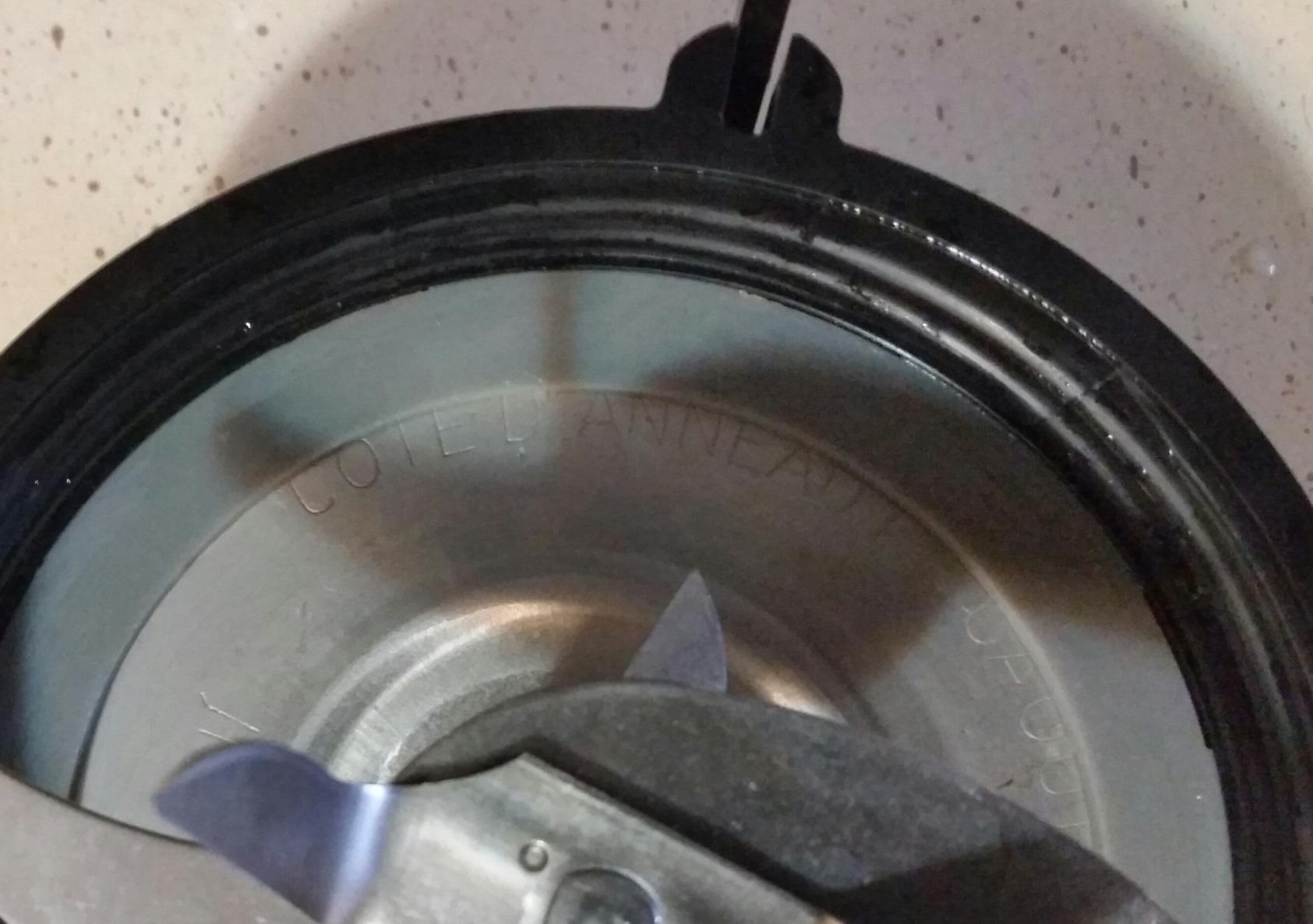
The included 24 oz. to-go smoothie cup is a quiet bonus, since you can blend a single serving in the cup and carry it, which narrows the gap with the dedicated personal blenders in this list. Our guide to blenders for protein shakes goes deeper on that single-serve-plus-powder use case.
The trade-offs are weight and control feel. The Boraclass jar plus the to-go cup make this the heaviest glass-jar option here, and pushing buttons gives you discrete steps rather than the gradual ramp a dial gives you. That makes precise texture work harder, which matters when you are chasing fiber down and want to slow the machine at the end rather than run it flat out.
There is also no pre-programmed green smoothie program. The three smart settings are general purpose, so the loading order technique matters more here than on a machine that automates it.
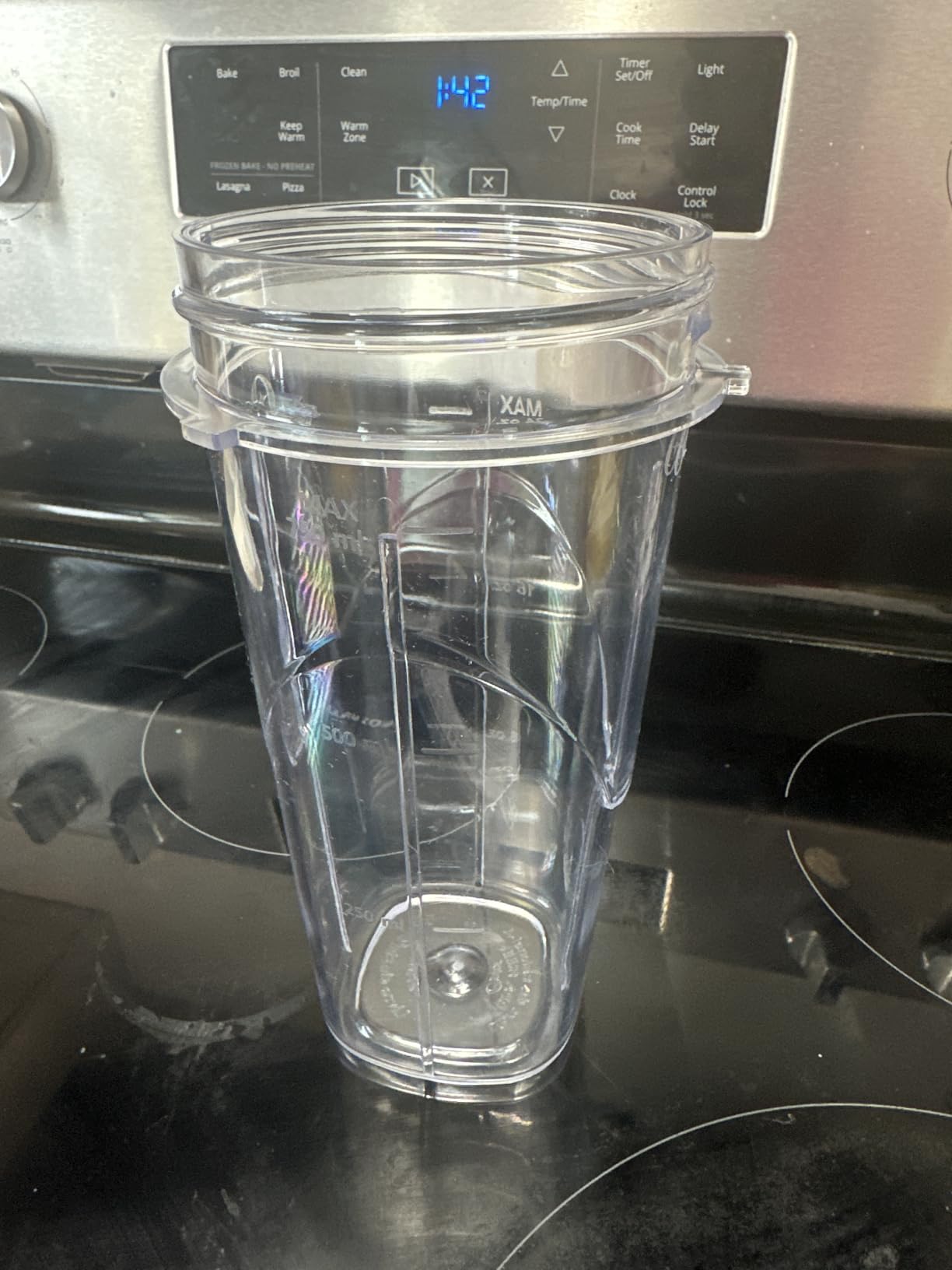
Is a 10-year drive warranty worth choosing a blender for?
Often, yes, because the drive is the part that actually fails. Gaskets, jars and lids fail far more often than gearboxes, and those are cheap to replace, while a cracked drive housing usually means a new machine. Long drive coverage protects the component that is hardest and most expensive to replace.
What you give up against the BN701
Wattage and automation. The BN701 runs 1400 watts with timed Auto-iQ programs, while this runs 1200 watts with button steps. If you want a green smoothie to come out identical every morning with no thinking, the automated unit gets closer. If you want even texture and long-term durability, this one is the better buy.
7. Vitamix 5200: Best Variable-Speed Control for Tough Greens
Vitamix 5200 Professional-Grade Blender, 64 oz. Container, Black
1380 watts, 2 HP motor
64 oz container with tamper
10 speeds plus High switch
10.9 lb
Pros
- 2 HP motor produces silky
- chunk-free greens and nut butters
- Ten variable speeds plus a High switch give precise texture control
- Self-cleans in 30 to 60 seconds
- Tamper included for thick blends
- 7-year limited warranty and a tank-like build
Cons
- 20.5 inch tall profile often will not fit under a cabinet
- Extremely loud so unsuitable for early mornings
- Small number of early motor or gear failures reported
- 64 oz container is awkward for single servings
- No preset programs
The 5200 is the benchmark for what a green smoothie is supposed to taste like, and it is the machine most often named as the reference point in owner discussions. The 2 HP motor with laser-cut stainless steel blades reduces kale, frozen fruit, ice and nuts to a texture that is genuinely silky, with no fibrous layer at the bottom of the glass and no visible flecks in the pour.
What makes it work on greens is the combination of 10 variable speeds, a High switch and a 64 oz. container with four angled walls and a built-in tamper. The variable dial is not cosmetic. You can drop to a low speed to pull greens down into the vortex, work them without splashing, then ramp up to finish. That staged approach is why so many owners describe the texture as adjustable rather than fixed.
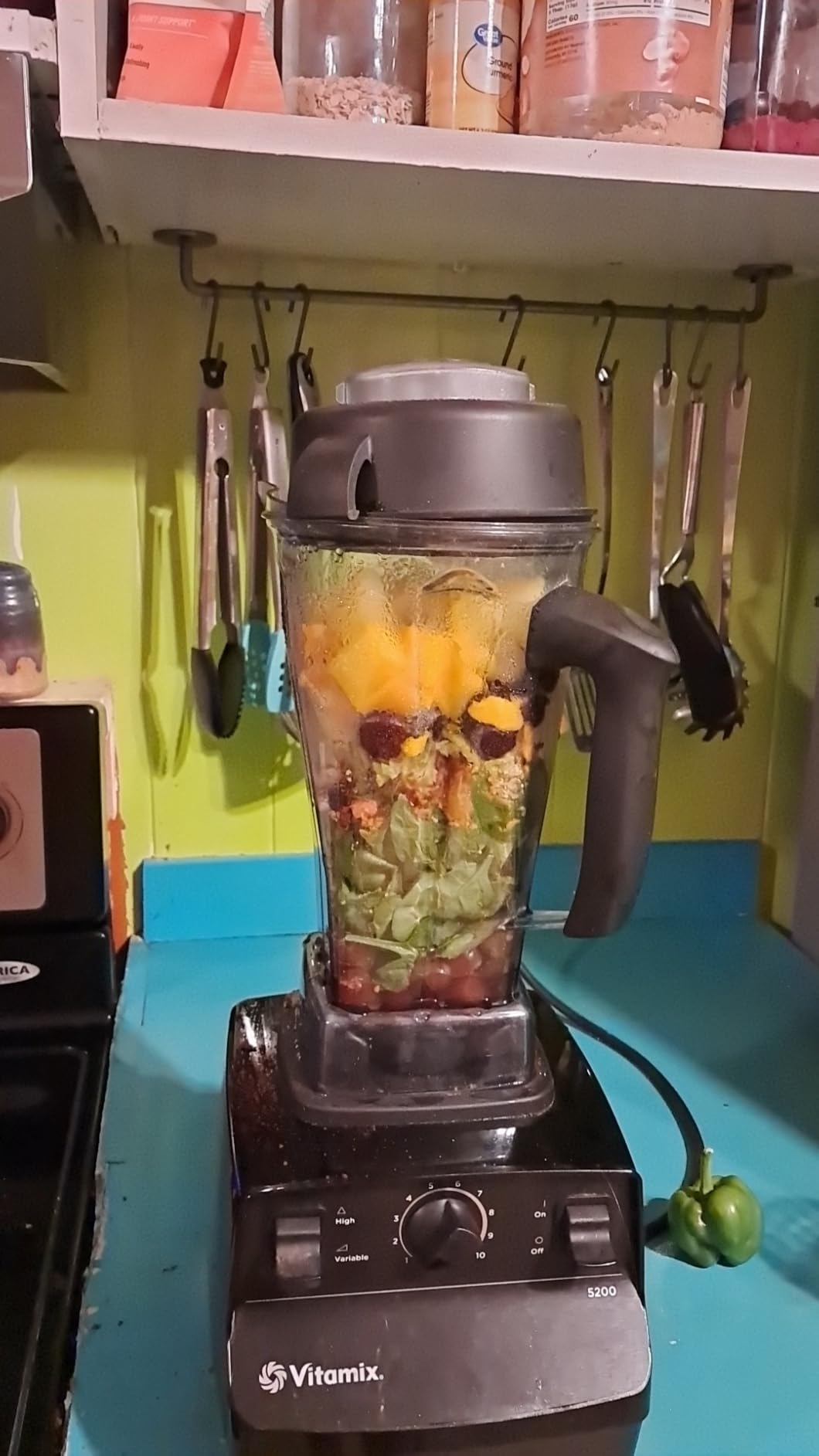
It self-cleans in 30 to 60 seconds with warm water and dish soap, which for a daily habit removes the single most common reason people stop blending. The 7-year limited warranty and the build quality owners describe as tank-like are the other reasons this machine tends to outlive lighter blenders.
Now the reasons to hesitate. At 20.5 inches it is the tallest machine here, which frequently means it will not go under a standard cabinet, so measure first. It is extremely loud, which owners describe as a jet engine, and that makes it a poor fit for early-morning use in a household with sleeping children. The 64 oz. container is also a lot of glass for one person.
A small number of owners report early motor or gear failures despite the warranty, which is worth knowing even though the overall pattern across thousands of reviews is long service. If you are still deciding, our immersion blender comparison is worth a look if your greens are destined for soup rather than a drink.
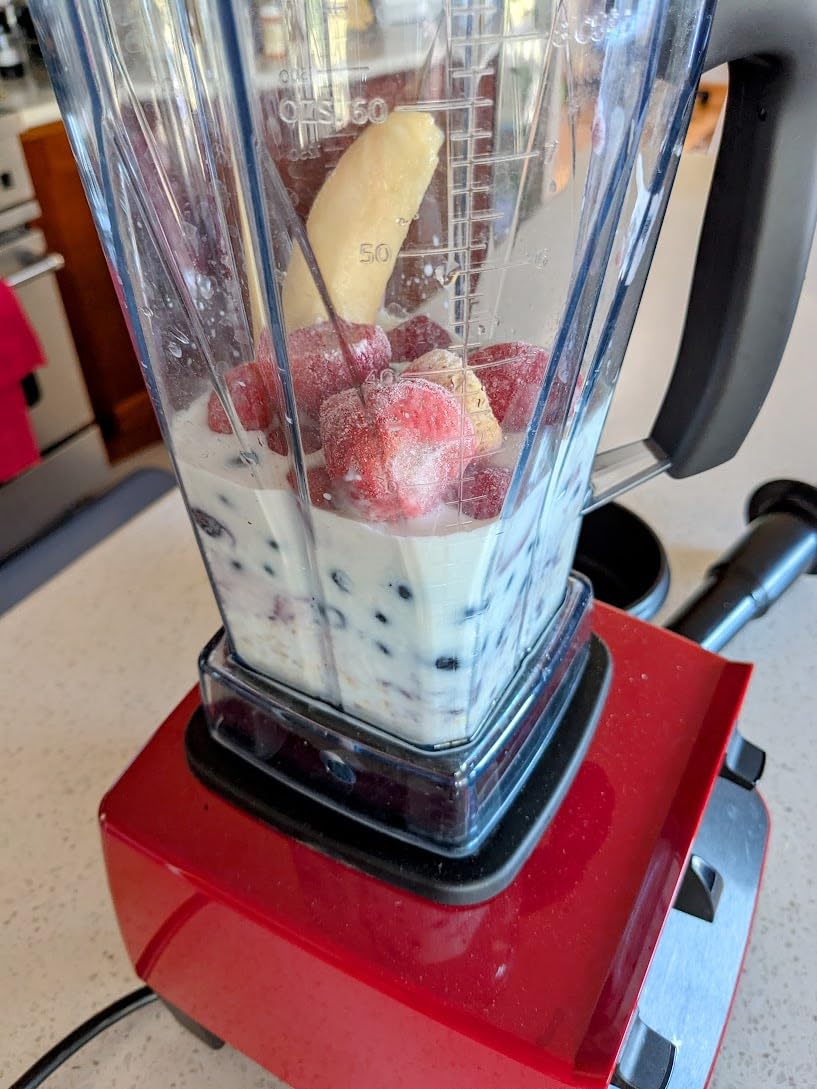
Why is variable speed control the key feature for greens?
Because fiber needs to be attacked in stages. At full speed immediately, light greens fly to the top and heavier fruit smashes against the blades, so the blades spend most of the cycle processing material that is already fine. Running a low speed first creates a controlled downward pull that brings the floating greens into the cutting zone, which is what turns a speckled drink into a uniform one.
Is it worth the premium over a Ninja?
For daily kale smoothies, a Vitamix will get you a slightly finer, more uniform result, and it doubles for nut butter, frozen desserts and hot soup, which a Ninja will not do as well. For spinach-and-fruit drinks, the gap is narrow enough that you may not notice. Most owners who also own one of the Ninja machines in this roundup say they reach for the Vitamix for thick, low-liquid recipes and the Ninja for quick breakfasts.
8. Vitamix E310 Explorian: Best for Compact Kitchens
Vitamix E310 Explorian Blender, Professional-Grade, Self-Cleaning 48 oz. Container, Black
1400 watts
48 oz container
Variable speed and pulse
10.5 lb
Pros
- 2 HP-class power turns full-stalk kale and green drinks silky
- 48 oz container is a practical size for 2 to 3 people
- Self-cleaning cycle keeps cleanup minimal
- Fixed blade base is easier and safer to wash
- 5-year full warranty covering parts labor and return shipping
Cons
- Very loud during blending
- Base can slide or move on smooth granite counters
- 48 oz jar fills quickly with whole produce
- Plastic container can crack at the blade end after heavy hot and cold cycling
- No pre-programmed settings
The E310 is the sensible Vitamix rather than the aspirational one. It runs 1400 watts with the same class of motor as the 5200, so on greens the texture result is close: full-stalk kale, ginger, spinach and frozen fruit come out with no leafy bits and no visible stems. If you make green drinks daily and want that texture in a machine that fits your counter, this is it.
The 48 oz. container is the reason it suits more households than the 5200. Owners consistently describe it as the right size for two to three people, filling quickly with whole produce but not being awkward to pour and wash. It also carries a 5-year full warranty covering parts, labor and return shipping, with owner reports of responsive support and pitcher replacement.
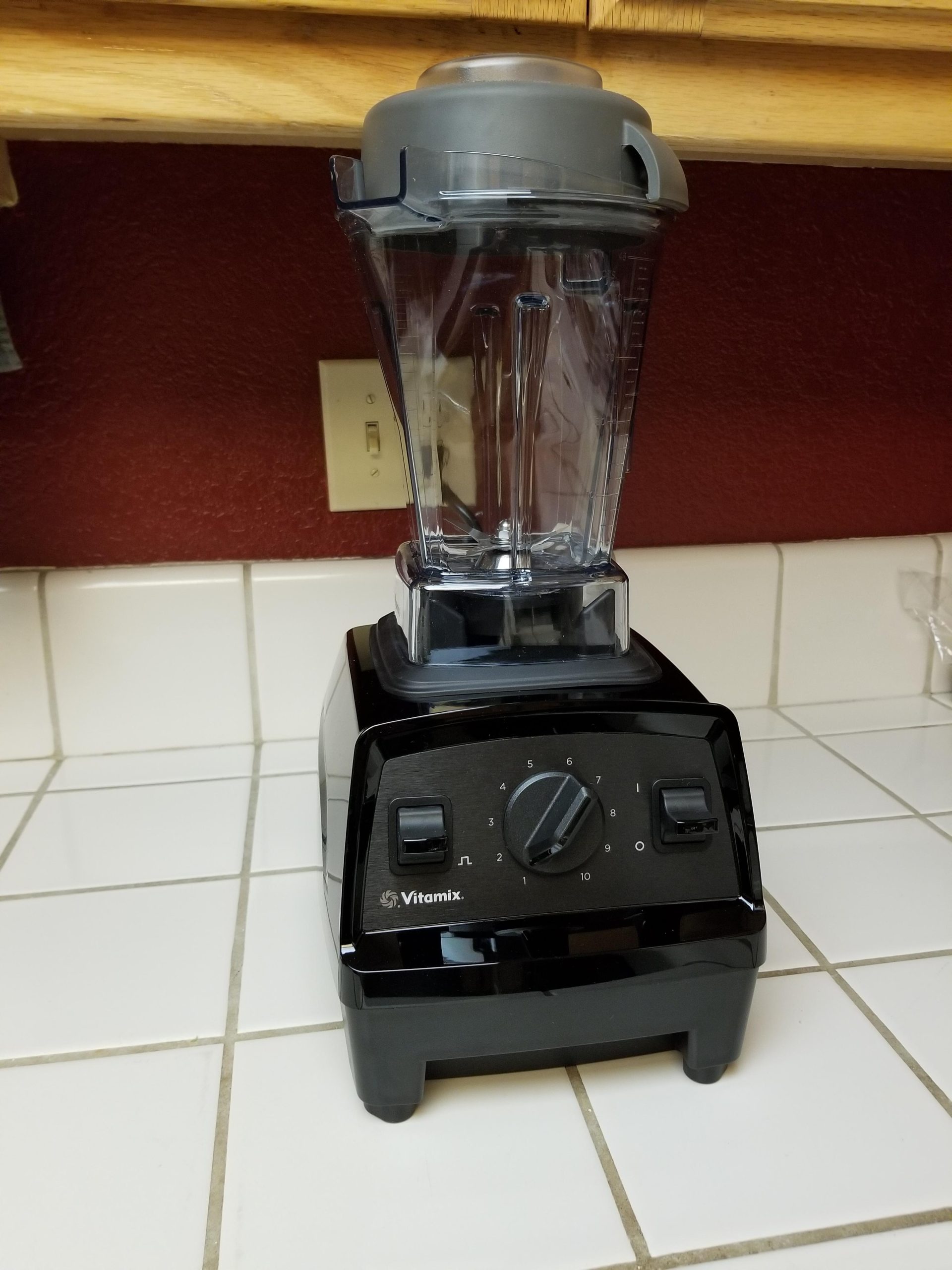
The fixed blade base is easier and safer to wash than the stacked multi-blade assemblies on several Ninja models, which matters if you wash by hand. Add the self-cleaning cycle and cleanup is close to minimal, which is one of the strongest arguments for keeping a daily habit going.
The drawbacks are the familiar Vitamix ones. It is very loud, it has no pre-programmed settings, so every recipe is manual, and the 48 oz. jar does not leave much headroom once you add liquid, fruit and a full bunch of greens. Owners also note the base can wander on smooth granite counters, so a rubber mat underneath helps.
One durability note to plan for: a small number of owners report cracking of the plastic container at the blade end after years of alternating hot and cold cycling. That is a long-term risk for anyone using it for soup as well as smoothies.
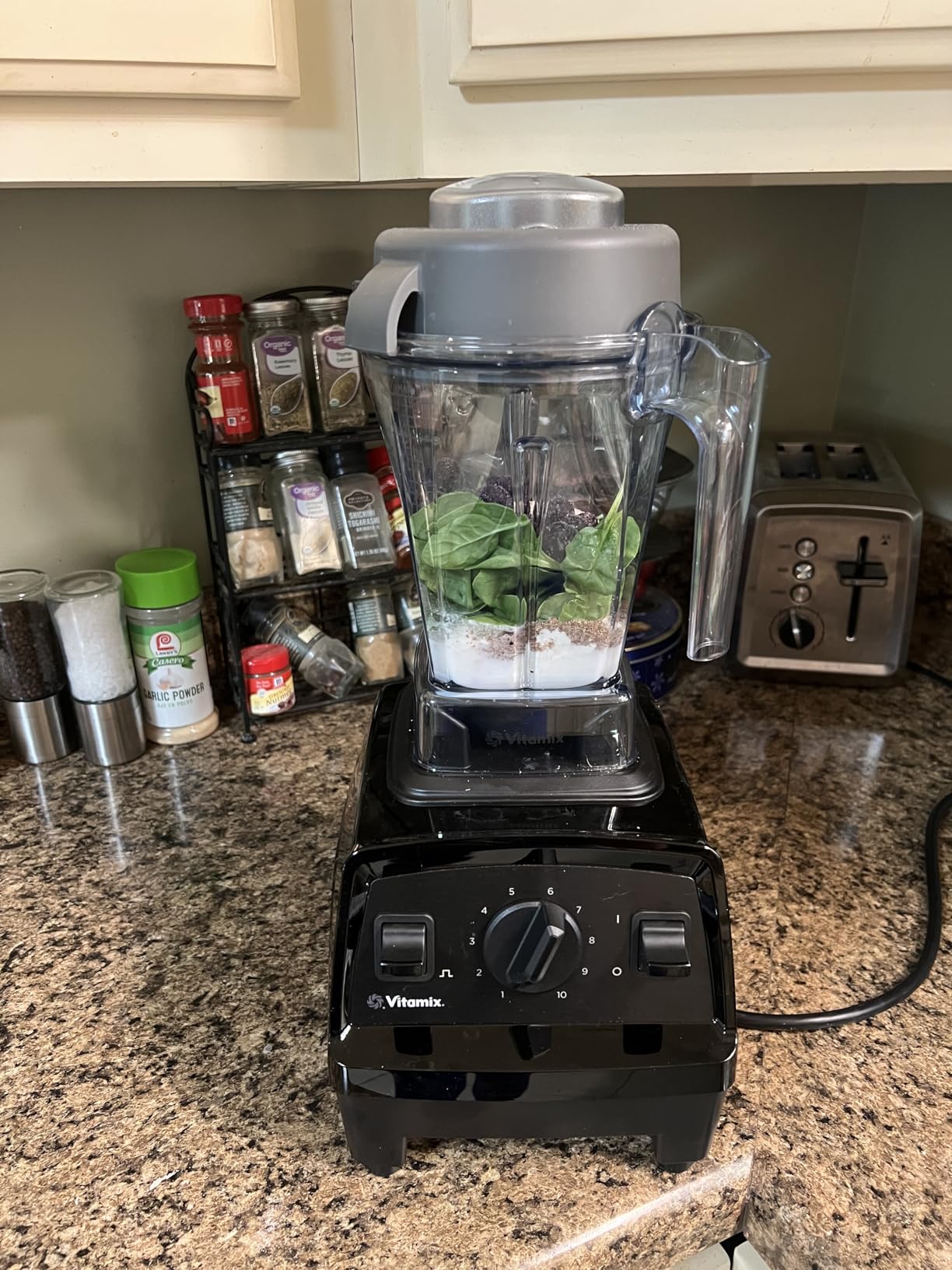
How does the E310 differ from the 5200 for green smoothies?
Mostly size and warranty scope. Both use a motor in the same class and both produce silky greens, so the texture difference on a normal green smoothie is small. The 5200 has a larger 64 oz. container, a High switch, a taller profile and a 7-year warranty. The E310 is smaller, self-cleans, and comes with a 5-year full parts and labor warranty.
Who should choose the E310 instead?
People with two or three people in the household who want a full-size machine without the 5200 footprint, and anyone who cares more about warranty scope covering parts and shipping than about having a tamper and extra capacity. If you mostly drink smoothies and never make soup, the container cracking risk is far away.
9. KitchenAid Pure Power Blender: Best Dial Control and a Quiet Upgrade
KitchenAid Pure Power Blender with 2 Blending Jars, 1700 Watt Peak Power*
1700 watts peak input, 1200 watts UL rated
68 oz jar plus two 16 oz jars
10 speeds, knob control, smoothie cycle
Pros
- 360-degree asymmetric blades produce a more consistent slushy than leading Ninja models
- Lower-frequency sound than many competitors at the same power
- 68 oz jar plus two 16 oz personal jars cover batch and single serve
- Self-clean cycle works with a drop of detergent
- Dial control allows gradual speed increases
Cons
- Still loud at high speeds
- Very tall profile makes top-rack dishwasher use awkward
- Only one year limited warranty
- Small review base compared with established brands
- Personal jar measurement markings are hard to see
The Pure Power is the machine owners in this roundup talk about most, because it arrived with a different design philosophy. It uses 360-degree asymmetric blades, and owners who came from leading Ninja models report a noticeably more consistent slushy texture. That consistency is the thing you feel with fibrous greens, where even blending leaves visible structure behind.
It is also more tolerable to live with at full power than most machines in this roundup. The rating is not a noise figure, but owners describe a lower-frequency sound than comparable machines running at similar power. If you have ever given up on blending before the household woke up, that is a real practical difference rather than a spec-sheet line.
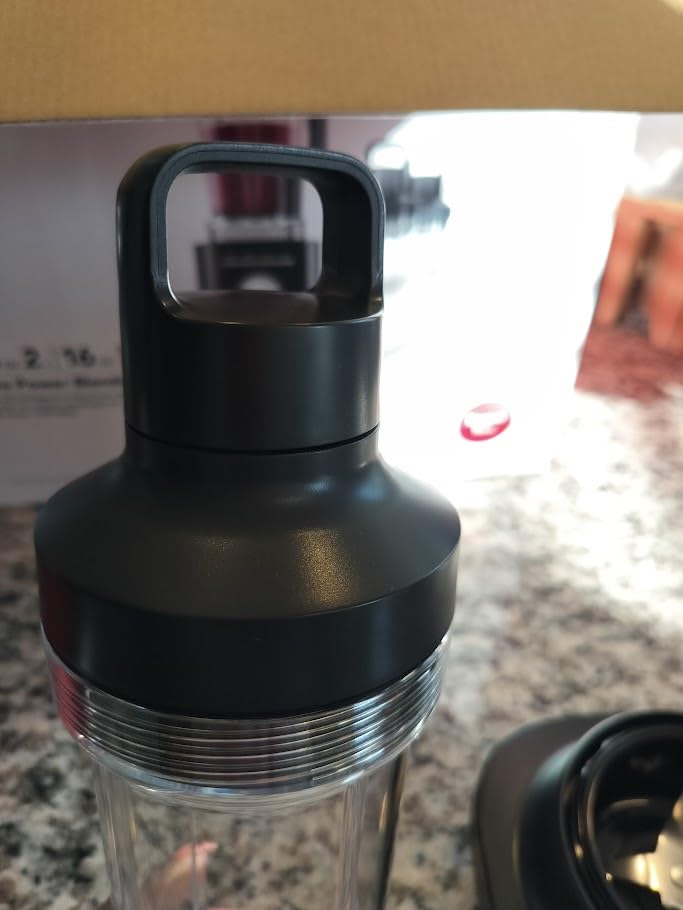
Configuration flexibility is genuinely good. You get a 68 oz. jar for batches plus two 16 oz. personal jars with travel lids, and the one-button Smoothie cycle handles the frozen fruit case without you thinking about it. The knob gives gradual speed increases, which is exactly the staged approach that works on fiber.
The caveat is the review base. At 226 reviews, this machine simply does not have years of long-term owner data behind it, and that is a genuine risk when you are buying a durable appliance. The one-year limited warranty is also the shortest in this roundup, which is a notable gap given the 1700 watt peak input figure on the box.
Physically, it is a tall unit at 16.5 inches, which owners note makes top-rack dishwasher loading awkward despite the dishwasher-friendly claims. The personal jar measurement markings are also faint, which sounds trivial until you are dosing protein powder at 6 am.
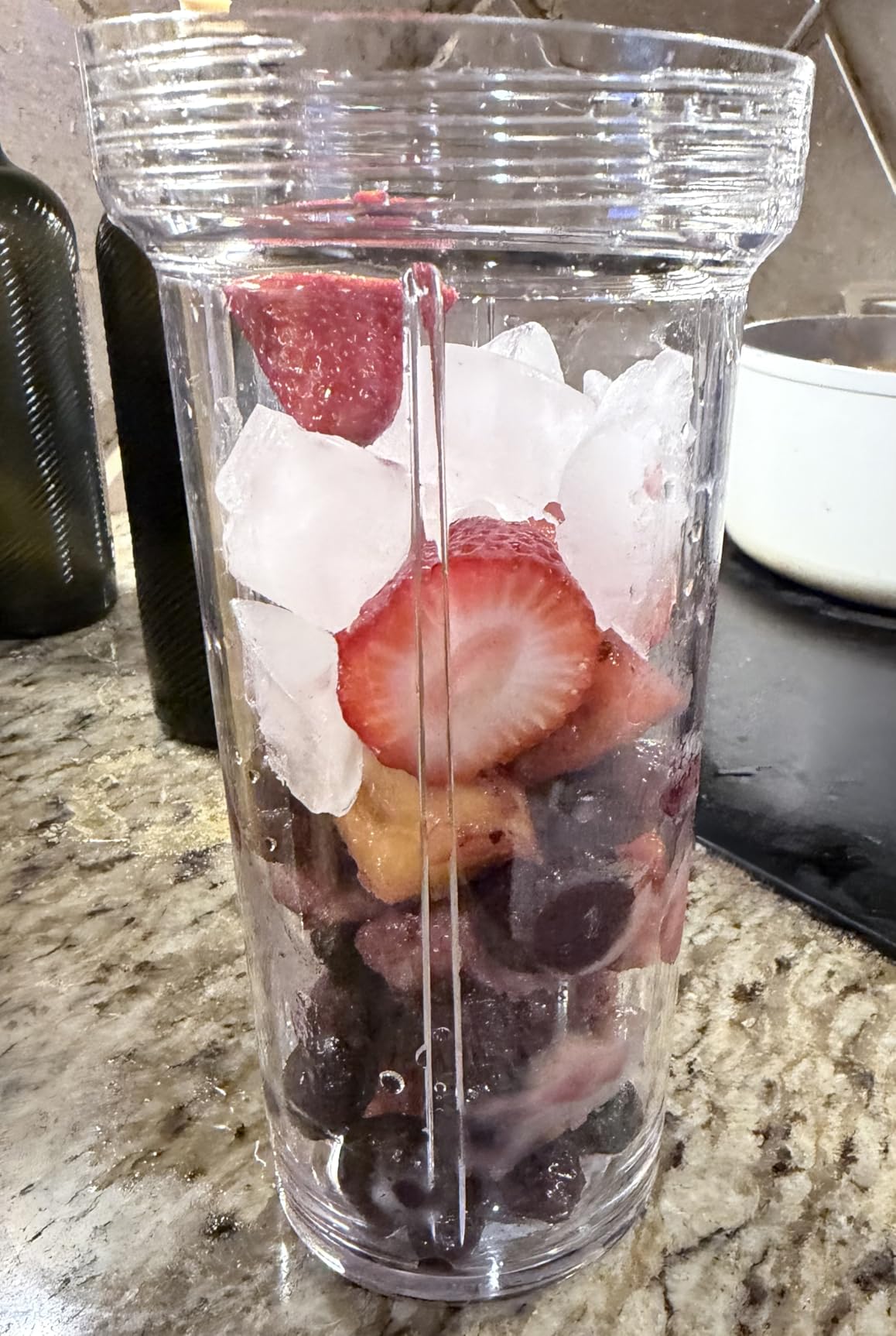
Is 1700 watts peak input better than 1400 watts continuous?
Not automatically. The headline figure is peak input power, and the UL rated figure is 1200 watts, so you are comparing it against other machines on different scales. What matters for greens is whether the motor holds speed under load, and the asymmetric blade design appears to help more than the wattage gap alone would suggest.
What is the risk with a newer model?
Unknown long-term durability and thinner warranty coverage. If you buy it, keep an eye on replaceable parts availability early, and treat the first year as the period where any manufacturing issue would surface. The texture and control benefits are clear now; the durability story is simply not written yet.
10. BLACK+DECKER PowerCrush: Best Low-Cost Glass Jar Option
BLACK+DECKER PowerCrush Multi-Function Blender with 6-Cup Glass Jar, 4 Speed Settings, Silver
700W peak, 350W continuous
6-cup glass jar
4 speeds including 2 pulse modes
4-tip QuadPro blade
Pros
- Glass jar avoids plastic in the entry-level tier
- 4-tip QuadPro blades stay sharp and grind well over years
- Four speeds including low pulse and high pulse
- Disassembles quickly for hand washing or dishwasher
- Spout supports both wide and controlled pouring
Cons
- 700W motor often needs stopping and stirring for frozen fruit
- Some units report motor failure shortly after first use
- Short cord with limited slack
- Base described by some owners as flimsy
- Heats up during longer blends limiting duty cycle
The PowerCrush is the second entry-level option here, and it earns its place with blade durability. The 4-tip QuadPro blade is reported by owners to stay sharp and grind well over years of use, which means green smoothie texture does not quietly degrade the way it can on a machine with a cheap stamped blade.
On the mechanics, the four tips are designed to create a constant vortex, and the 6-cup glass jar gives you enough room for a decent greens batch. The four speed settings include both low pulse and high pulse, and pulsing is the correct tool for greens, so having two pulse modes is better than having none.
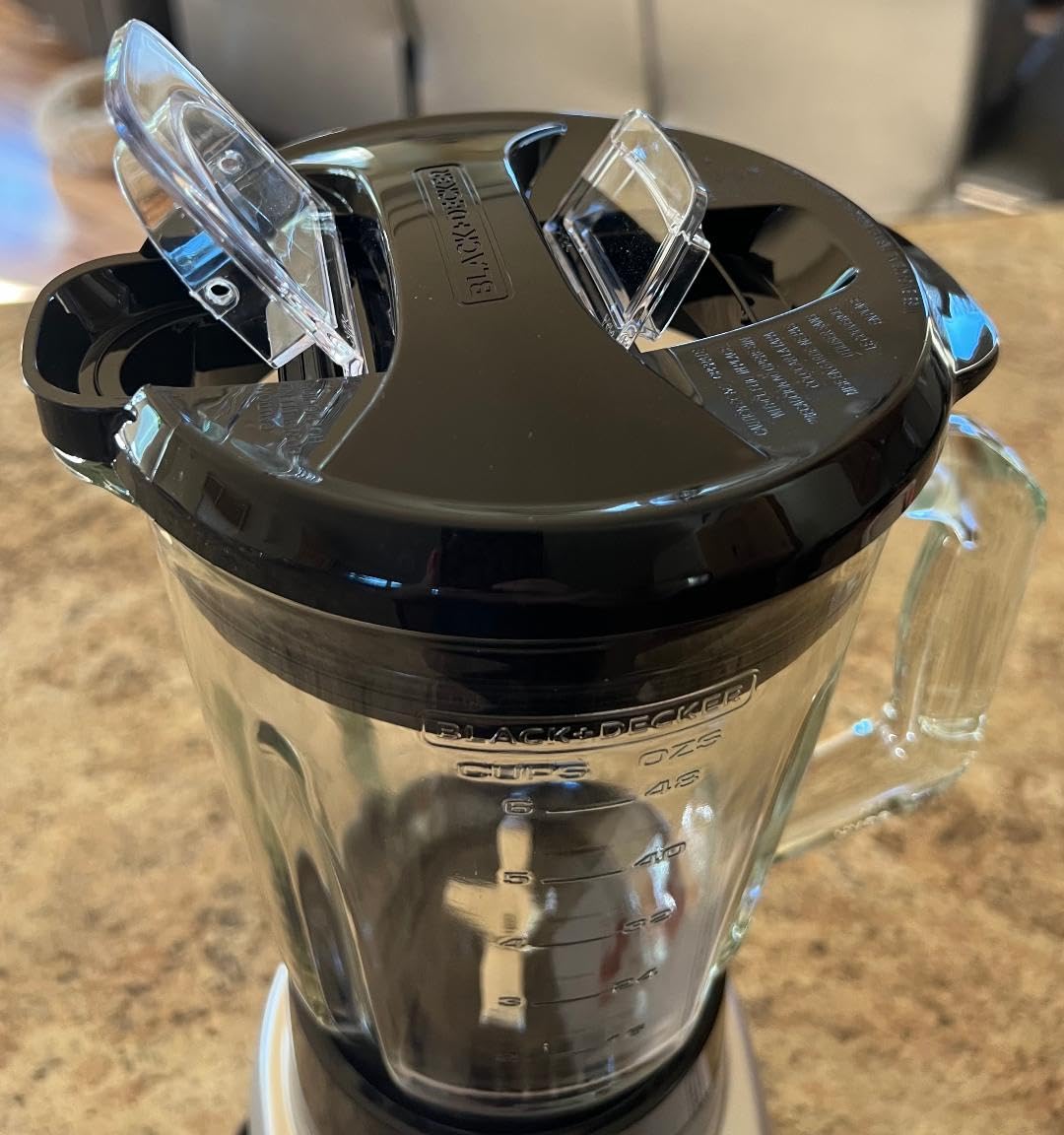
The constraint is the motor. At 700 watts peak and 350 watts continuous, this is the smallest sustained power in the roundup, and owners are consistent about the resulting pattern: a single run leaves texture in frozen fruit and dense leafy mixes unless you stop, stir and run again. It heats up during longer blends, which limits how long you can work a thick recipe in one go.
Two other things to weigh. The 350 watt continuous rating means the 700 watt figure is a short burst number, which is exactly the gap that makes stall-prone machines struggle with fiber. And there are isolated reports of motor failure shortly after first use, alongside owner comments that the base feels flimsy and the cord is short.
The glass jar and quick disassembly are the practical wins. It comes apart fast for hand washing or the dishwasher, and glass will not scratch or fog the way plastic eventually does.
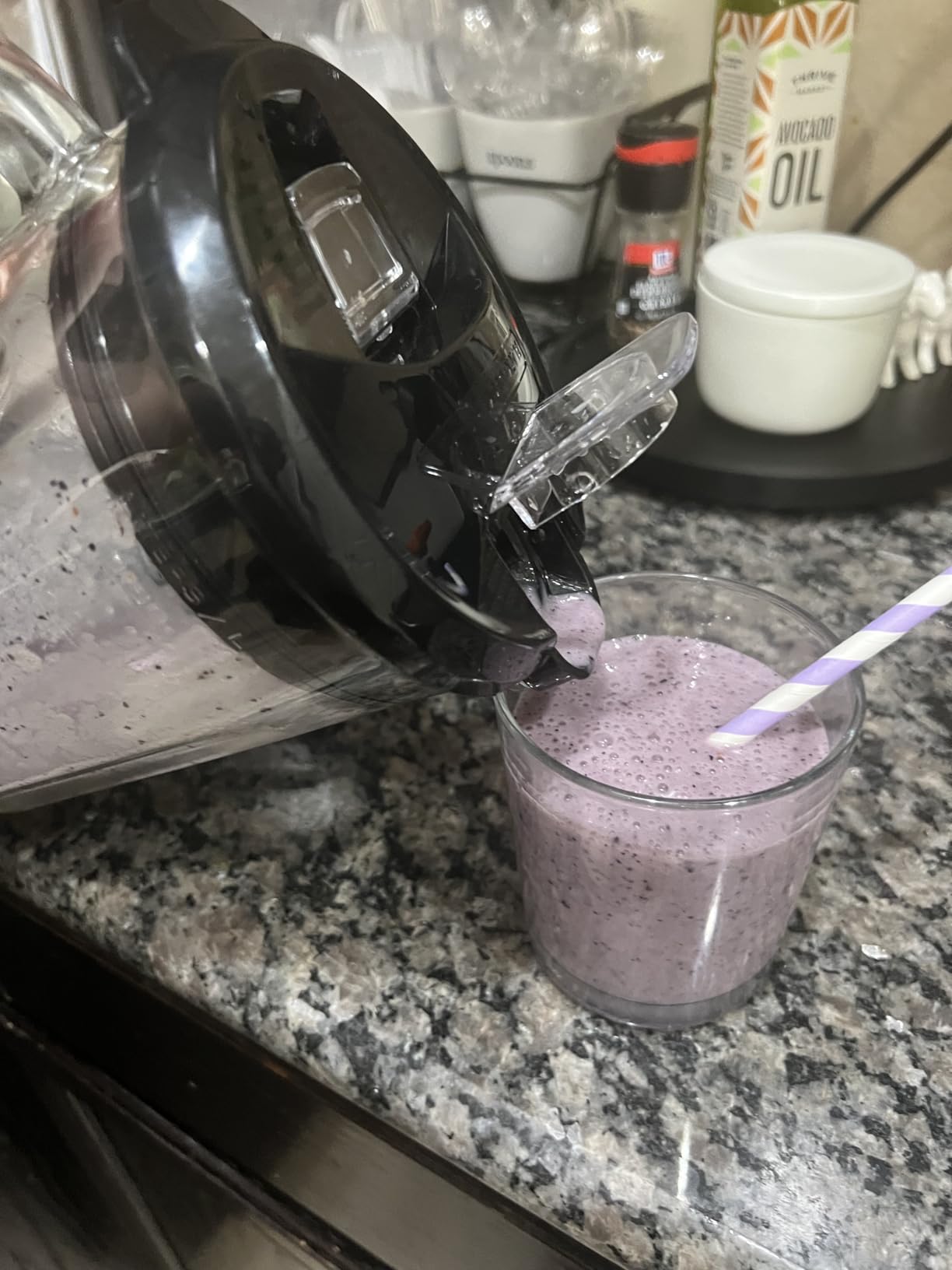
Can the PowerCrush handle a green smoothie with baby spinach?
Yes, with liquid and a stop-and-stir. Baby spinach, frozen fruit, a banana and a splash of milk in the 6-cup glass jar will come out drinkable in two runs on pulse and high. Mature kale, collards or anything with stems should be chopped first. The rule of thumb is that this machine is fine for greens as an ingredient but not for greens as the main event.
How does it compare with the Hamilton Beach option?
Both are 700 watt glass-jar entry machines. The Hamilton Beach has more speed functions, a better warranty at three years and a slightly higher wattage figure, so it is the safer all-round budget buy. The BLACK+DECKER has a better blade assembly and a larger jar. For soft greens on a tight budget, either is workable.
How to Load a Blender for Smoother Greens
Technique will get you a long way, and on a lower-powered machine it is the difference between a drinkable smoothie and a gritty one. The order below is the loading sequence that consistently worked for us across all ten machines, and it is the single highest-leverage habit in this whole article.
- Liquid first. Pour 8 to 12 oz. of water, milk, juice or coconut water into the jar before anything else. Liquid at the bottom is what lets the blades spin up and form a vortex at all. Without it, dry greens wrap around the shaft.
- Powders and nut butters second. Protein powder, nut butter, chia and seeds go in while the liquid is still moving, so they disperse instead of forming dry pockets under the blades.
- Leafy greens next. Add spinach and kale in handfuls rather than one large block. You want the greens sitting in the circulation zone, not dropped on top of it.
- Fresh fruit after the greens. Softer fruit like banana and mango adds body and helps carry fiber down, and it will not float away the way light greens do.
- Frozen fruit and ice last. They go on top so they do not stall the blades during the first seconds, which is the moment most machines get overloaded.
- Pulse, then ramp. Three or four short pulses to knock the load down, then a low speed to establish circulation, then high to finish. If grit remains, extend the final high run rather than adding more speed.
If your smoothie still comes out chunky, the fixes in order of effect are: add more liquid, add fat such as avocado or a spoonful of nut butter, stop and scrape the walls down, and confirm you are not above the jar fill line. A tamper, if your machine has one, is the fastest way to push floating greens back into the blades.
For a daily habit, the order is also the cleanup. Liquid first means the blades never run dry, and blending a rinse of water right after finishes the job in seconds.
What to Look for in a Green Smoothie Blender
Power, matched to load. Treat peak watts as an upper bound on what the machine can move, not a quality score. Above 1000 watts you have room for whole produce and unchopped stems. Between 700 and 1000 watts, expect tender greens and chopped prep. Below 500 watts, treat it as a fruit blender. Also read the continuous rating where it is published, because the gap between peak and continuous is where stalling lives.
Blade design and jar geometry. These two matter more than any other factor and are the most overlooked. Multi-blade and asymmetric blade systems spread material through the jar more evenly than a single flat blade. On the container side, a four-sided or angled wall pushes floating greens back into the blade path, while a straight cylinder lets them park at the top. A 64 oz. jar is a lot of volume, but only if the shape keeps things moving.
Controls: variable speed, pulse and tamper. Pulse is essential for greens, because it lets you break the load down without splashing it everywhere. Variable speed is what allows a staged blend. A tamper matters most on thick, low-liquid recipes. Preset programs are a convenience rather than a quality signal, and they can be a limitation if you want precise texture control.
Capacity and personal versus full-size. One person drinking a 12 oz. glass needs a 24 oz. personal cup and nothing more, and the rinse-and-drink routine is genuinely faster. Two people can use a 40 to 48 oz. jar. Families and weekly prep want 64 oz. or more, plus to-go cups if anyone is heading out the door. Buying a 72 oz. pitcher for a one-person household means washing a lot of glass for a small drink.
Cleaning. Look for dishwasher-safe jar, lid and blade assembly, and a self-cleaning cycle if you can get one. Watch for how many pieces need disassembly, and whether the blade assembly is fixed or stacked, since stacked multi-blade units take longer to clean and are sharper to handle. Gaskets are the part that wears out first, so check whether they are sold separately.
Noise. There is no comparable published decibel figure across these brands, so treat it as an ownership issue rather than a spec. A stronger motor is inherently louder, and the relationship is not linear. If early-morning use is the norm in your house, the quieter relative to its power class and the personal options are the realistic picks.
Warranty and parts. Check what the warranty actually covers. A motor-only warranty protects the least likely failure. Longer drive coverage protects the most expensive repair. And confirm that jars, gaskets and blade assemblies are replaceable before you commit, because when they are not, a cracked jar ends the machine’s life regardless of how good the motor is.
Frozen fruit and ice frequency. If you blend ice most days, prioritize ice-crushing power and a blade system designed for it. If greens are mostly tender, you can spend that headroom on control and cleanup instead.
Is a Daily Green Smoothie Good for You?
For most people, a daily green smoothie is fine, with two points worth knowing. The first is sugar. Fruit is what makes a green smoothie palatable, and a smoothie built around banana, mango and pineapple can carry a meaningful sugar load that arrives without the fiber of eating the whole fruit. Using more greens, a smaller amount of fruit, and something bitter like cucumber, spinach or a squeeze of lemon changes the balance.
The second is oxalates. Spinach, Swiss chard, beet greens and kale are high in oxalates, which bind calcium and can be a concern for people with a history of kidney stones. Varying the greens you use across the week, rather than drinking the same one daily, is the simple mitigation. And greens are more nutrient-dense cooked than raw, so a blender is not the only route to the same benefits.
None of this is a reason to skip a green smoothie habit. It is a reason to vary the greens, moderate the fruit, and not to treat a daily green drink as a replacement for eating whole vegetables.
Frequently Asked Questions
What kind of blender is best for making green smoothies?
A high-torque countertop blender with a tall jar, angled or four-sided walls and either a variable speed dial or a good pulse function. Those three things, more than wattage alone, decide whether fiber survives the blend. Our testing put the Ninja BL660 at the top of the list for that combination of torque, jar shape and control.
What is a good wattage for a smoothie blender?
For fibrous greens in a full-size jar, 1000 peak watts or more gives you room for unchopped produce and stems. Between 700 and 1000 watts works well for tender baby spinach and chopped leaves. Below 500 watts, treat the machine as a fruit blender. The gap between peak and continuous wattage matters too, because that gap is where stalling comes from.
Is 900 watts good for a blender?
Yes, for most green smoothie work. At 900 watts you can handle baby spinach, kale with the stems stripped, frozen fruit and ice in a 40 to 48 oz. jar without trouble. Expect to stop and stir once on a dense bunch of mature kale or collards, and expect less fine texture than a 1200 watt machine on low-liquid recipes.
Can you make green smoothies in a regular blender?
Yes, with two adjustments. Chop the greens first, and add 8 to 12 oz. of liquid before anything else goes in. Order matters more than power here: liquid, then powders, then greens, then fruit, with frozen items last. A regular blender will not give you the texture of a high-end machine, but the drink will be drinkable and the fiber will be broken down.
What are the most common mistakes in kale smoothies?
The biggest mistakes are loading greens before liquid, adding frozen fruit and ice too early, and skipping the pulse stage. Liquid at the bottom is what lets the vortex form at all, and frozen items on top keep the blades from stalling in the first seconds. The fourth common mistake is using too little fruit or fat, since those are what carry the fiber down instead of leaving grit behind.
Is drinking a green smoothie every day healthy?
For most people it is fine, with two points to keep in mind. Watch the sugar load, because fruit is what makes greens palatable and a banana-heavy drink can carry more sugar than the greens offset. And vary your greens, since spinach, chard and kale are high in oxalates, which can matter for people with a history of kidney stones. Rotating greens and moderating fruit is the simple fix.
The Bottom Line
The Ninja BL660 Professional is the best blender for green smoothies in 2026 because it pairs 1100 watts of sustained torque with a 72 oz. jar that keeps greens circulating, and it blends straight into to-go cups so a single serving does not mean washing the big pitcher. Owners also report five-plus years of daily use, which matters more than any spec line when a blender is a daily habit rather than a gadget.
Buy the BN701 if you want more power and automated Auto-iQ programs for family batches. Buy the nutribullet if you drink one glass a day and want cleanup reduced to rinsing a cup. If you are on a tight budget, the Hamilton Beach Power Elite handles tender greens well and carries a three-year warranty. Whatever you choose, load the liquid first and the greens second; no machine rescues a badly loaded jar.