
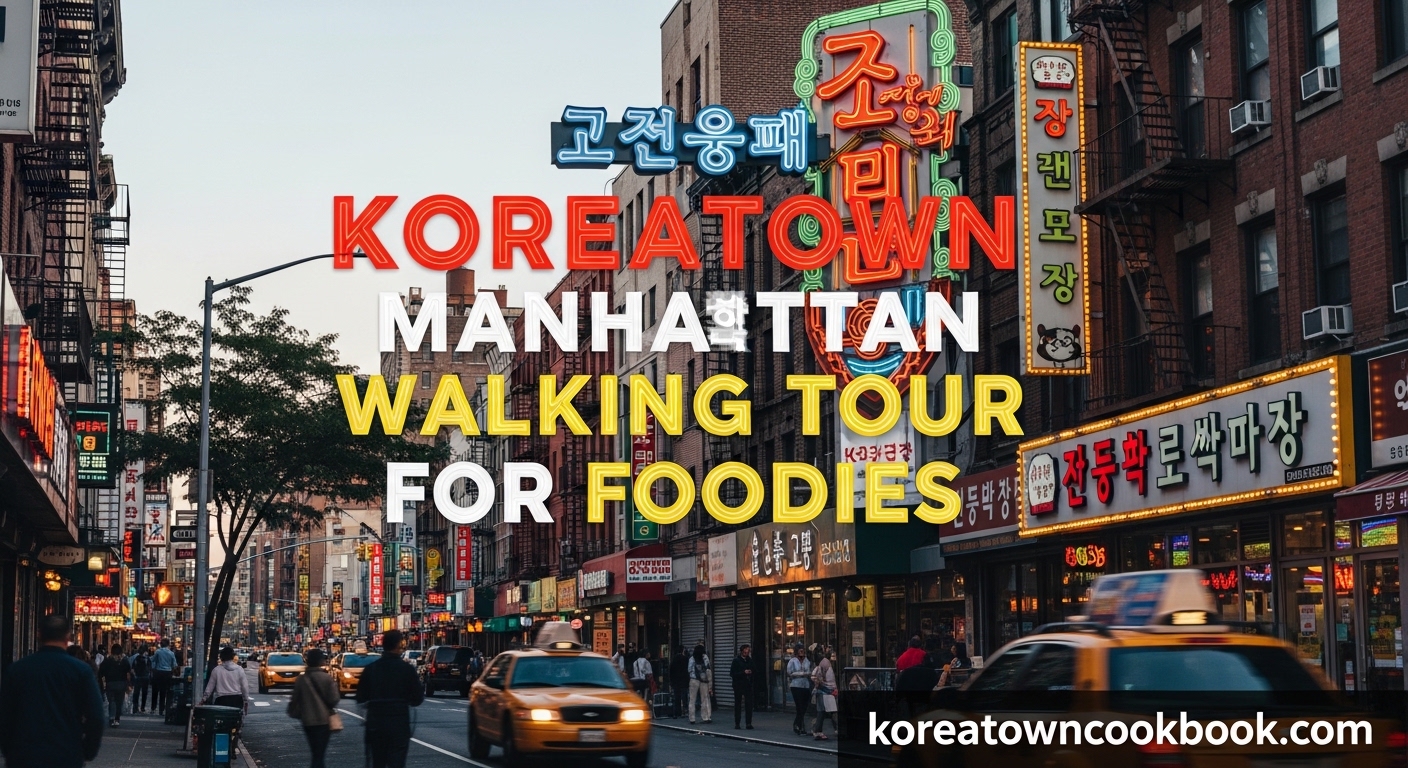
Manhattan is full of incredible food neighborhoods, but the Koreatown walking tour for foodies stands out as one of the most concentrated and exciting culinary experiences in the city. Centered around 32nd Street between Fifth and Sixth Avenue, this compact but vibrant enclave packs dozens of Korean restaurants, dessert cafes, and late-night spots into just a few blocks.
If you are planning a self-guided food tour of Koreatown, you have found the right guide. Our team spent three weekends exploring every corner of K-town to bring you the most detailed walking route with real restaurant recommendations, must-try dishes, and insider tips that most tourists never discover.
This guide covers everything you need for a successful foodie adventure in Manhattan’s Korean neighborhood, from the best time to visit to exactly which dishes you should order at each stop. We even included walking times between locations so you can plan your afternoon or evening without any guesswork.
Table of Contents
What Is Koreatown Manhattan?
Koreatown (commonly called K-town) is a vibrant neighborhood in Midtown Manhattan that serves as the heart of Korean culture in New York City. The area spans roughly four blocks along 32nd Street, stretching from Fifth Avenue to Sixth Avenue, with additional establishments dotting the side streets.
The Korean immigrant community began establishing businesses in this area during the 1980s and 1990s, transforming what was once a garment industry hub into a culinary destination. Today, the neighborhood features over fifty Korean restaurants, traditional spas, K-beauty shops, and karaoke venues that come alive especially after dark.
What makes Koreatown unique among New York food neighborhoods is its late-night culture. Many restaurants stay open until 2, 3, or even 4 in the morning on weekends, making it a favorite spot for night owls, theater-goers, and anyone craving Korean comfort food at midnight. The all-you-can-eat Korean barbecue format also originated here, giving visitors an affordable way to sample multiple dishes in one sitting.
The Self-Guided Walking Route
The walking route we recommend covers seven key stops along 32nd Street and takes approximately 2 to 3 hours depending on how long you linger at each restaurant. You can start at the 33rd Street subway entrance and work your way down, or reverse the order if you prefer ending near Penn Station.
Starting Point: 32nd Street and Broadway
Begin your Koreatown Manhattan walking tour at the 33rd Street station on the N, R, W, and 6 train lines. This area sits right at the northern edge of K-town and gives you a good overview before diving into the restaurant-heavy blocks. Look for the Korean grocery stores and bullet bread vendors that line the sidewalks in this area.
Stop 1: Oiji Mi (32 East 32nd Street)
Your first stop is Oiji Mi, a modern Korean restaurant that represents the new generation of K-town dining. The restaurant features creative dishes like beef short rib galbi and duck doiing (a Korean twist on duck confit). Walking time from the subway: approximately 3 minutes.
Stop 2: Korean BBQ Restaurant Row (West 32nd Street)
Continue west on 32nd Street where you will hit the heart of Korean BBQ Restaurant Row. This stretch between Fifth and Sixth Avenue features multiple all-you-can-eat establishments including Jongro BBQ (22 West 32nd Street), where you can grill your own samgyeopsal (pork belly) for around $35 per person. Walking time from Stop 1: approximately 5 minutes.
Stop 3: Woorijip (12 West 32nd Street)
For a quick grab-and-go option or if you want to see how locals eat, Woorijip is the spot. This counter-service restaurant offers pre-made Korean comfort foods like bibimbap, tteokbokki, and galbi that you can take to go or eat at the limited seating inside. Prices range from $10 to $18 per dish. Walking time from Stop 2: approximately 2 minutes.
Stop 4: Food Gallery 32 (11 West 32nd Street)
Food Gallery 32 is a food hall that houses multiple Korean vendors under one roof. This makes it perfect for groups with different appetites or if you want to sample dishes from several restaurants without committing to full meals. Try the Southeast Asian-Korean fusion at Banh Space or the tteokbokki from Tteokbosski. Walking time from Stop 3: approximately 1 minute.
Stop 5: Her Name Is Han (11 West 32nd Street, 2nd Floor)
One of the most popular restaurants in K-town, Her Name Is Han serves Korean comfort food in a cozy, basement-level setting. The fried chicken (both original and yangnyeom styles) draws crowds, and the Korean fried fish is consistently excellent. Be prepared for a wait on weekends unless you make a reservation. Walking time from Stop 4: less than 1 minute.
Stop 6: Grace Street (6 West 32nd Street)
No Koreatown food tour is complete without visiting Grace Street, which has become legendary among foodies for its Korean desserts and drinks. The bingsu (shaved ice dessert) here comes in large portions suitable for sharing, and the café has a cozy atmosphere perfect for resting your feet between savory stops. Walking time from Stop 5: approximately 4 minutes.
Stop 7: Gom Si (3 West 32nd Street)
End your walking tour at Gom Si, a restaurant known for its kalguksu (hand-cut noodle soup) and ddukbokki. This spot offers a different vibe from the BBQ restaurants, showcasing the comforting side of Korean home cooking. It is smaller and less touristy than the places along Restaurant Row. Walking time from Stop 6: approximately 3 minutes.
Must-Try Korean Dishes in Koreatown
Knowing what to order can make or break your K-town experience. Here are the dishes that should be on every foodies bucket list when visiting Koreatown Manhattan.
Korean BBQ Essentials
Samgyeopsal (grilled pork belly) is the quintessential Korean BBQ experience. The meat comes with lettuce, garlic, and ssamjang (dipping sauce) for wrapping. At Jongro BBQ, the all-you-can-eat option lets you grill premium pork belly for around $35 per person during dinner hours.
Galbi (beef short ribs) represents the premium BBQ option. Marinated in soy sauce, pear juice, and aromatics, the ribs grill quickly and offer a sweet, tender eating experience. Most BBQ restaurants offer both unmarinated (buceo) and marinated (yangbaek) versions.
Korean Comfort Food
Bibimbap arrives as a colorful bowl of rice topped with vegetables, a fried egg, and your choice of protein, usually beef. The key is mixing everything together with the provided gochujang (Korean chili paste) before eating. Her Name Is Han and Woorijip both serve solid versions.
Kimchi jjigae is a bubbling stone pot of fermented cabbage stew with pork, tofu, and sometimes kimchi. It is the ultimate Korean comfort food, especially on a cold New York day. The broth develops deep, tangy flavors from the fermented kimchi and pairs perfectly with steamed rice.
Street Food Favorites
Tteokbokki consists of chewy rice cakes swimming in a spicy-sweet red sauce made from gochujang and fish cake. You will find it everywhere in K-town, from high-end restaurants to food stalls. For a modern twist, head to Tteokbosski at Food Gallery 32.
Japchae is a glass noodle dish stir-fried with spinach, carrots, onions, mushrooms, and sometimes beef. The noodles have a satisfying chewy texture that pairs well with the slightly sweet soy-based sauce.
Korean Desserts
After your savory stops, save room for Korean desserts. Bingsu at Grace Street is the standout option in K-town. This shaved ice dessert comes topped with sweet red beans, condensed milk, and fruit. The patbingsu version features red bean, while the injeolmi bingsu includes chewy rice cake pieces.
For something lighter, try the Korean shaved milk ice cream available from various vendors along 32nd Street, particularly during summer months.
Practical Tips for Your Visit
Our team gathered these practical tips from locals and personal experience to help you make the most of your Koreatown Manhattan walking tour.
Best Times to Visit
Weekday evenings (Tuesday through Thursday) offer the best balance of availability and atmosphere. Restaurants are less crowded, and you can usually find seating without reservations. Weekend nights (Friday and Saturday) are the busiest, especially around 8pm when the dinner rush peaks.
If you want to experience the late-night scene, arrive after 10pm when the neighborhood truly comes alive. Many K-town restaurants do not even fill up until midnight on weekends. Just note that some places reduce their menu or stop serving food between 2am and 3am depending on the day.
Budget Considerations
Korean BBQ at all-you-can-eat restaurants typically costs $30 to $50 per person depending on the quality tier. Comfort food spots like Woorijip offer great value at $10 to $20 per dish. Desserts at Grace Street run $8 to $14 per person. A complete food tour experience (three stops including BBQ, comfort food, and dessert) can cost $55 to $85 per person.
Reservations and Tips
For popular spots like Her Name Is Han and Oiji Mi, making reservations is strongly recommended, especially for weekend dinners. Many restaurants offer private dining rooms that seat 5 or more people, so larger groups may have an easier time getting space.
If you are dining solo, counter-service spots like Woorijip or the food court at Food Gallery 32 provide excellent options without the reservation hassle. These spots also tend to be more affordable for single travelers.
Dietary Accommodations
Vegetarians can find options at most restaurants, particularly bibimbap (order without meat), japchae (ask if it contains meat), and most banchan (side dishes). However, Korean cooking frequently uses fish sauce and anchovies in seasoning, so communicate your dietary needs clearly. Vegan kimchi is available at some restaurants, but standard kimchi usually contains seafood.
FAQ
Can you walk around Koreatown?
Yes, Koreatown is very walkable. The main restaurant district spans just four blocks along 32nd Street between Fifth and Sixth Avenue. All the stops on this walking tour are within a 10-minute walk of each other, and the neighborhood is flat and easy to navigate.
Is Koreatown in NYC worth visiting?
Absolutely. Koreatown offers an authentic slice of Korean culture with some of the best Korean food outside Korea. The compact size makes it perfect for a food-focused walking tour, and the variety ranges from high-end BBQ restaurants to late-night comfort food spots. The neighborhood is especially popular for its all-you-can-eat Korean BBQ and vibrant nighttime atmosphere.
Where is the largest Korean neighborhood in New York City?
The largest Korean neighborhood in New York City is Koreatown, located in Midtown Manhattan. It is centered around 32nd Street between Fifth and Sixth Avenue, with establishments extending north to 35th Street and south to 30th Street in the Garment District.
What is the best time to visit Koreatown NYC?
The best time to visit Koreatown is Tuesday through Thursday evenings for shorter waits and easier reservations. For the late-night scene, Friday and Saturday after 10pm offer the most energy. Weekend afternoons (12pm to 3pm) provide good lunch options with less crowding than dinner service.
Final Thoughts on Your Koreatown Walking Tour
The Koreatown Manhattan walking tour for foodies gives you a complete taste of one of New York City most vibrant food neighborhoods. From the sizzling grills of Korean BBQ Restaurant Row to the comforting bowls of kimchi jjigae at hidden gem spots, every stop on this route offers something worth experiencing.
What makes K-town special is not just the food but the atmosphere. The late-night energy, the communal grill-your-own dining style, and the authentic Korean immigrant community that has built this neighborhood over decades all create an experience you cannot find anywhere else in Manhattan.
Grab your walking shoes and an empty stomach, and discover why Koreatown has become a must-visit destination for food lovers exploring New York City. The best part is that this guide is completely free, and you can modify the route based on your preferences and appetite.
If you found this walking tour helpful, share it with fellow foodies planning a trip to K-town. Happy eating!