
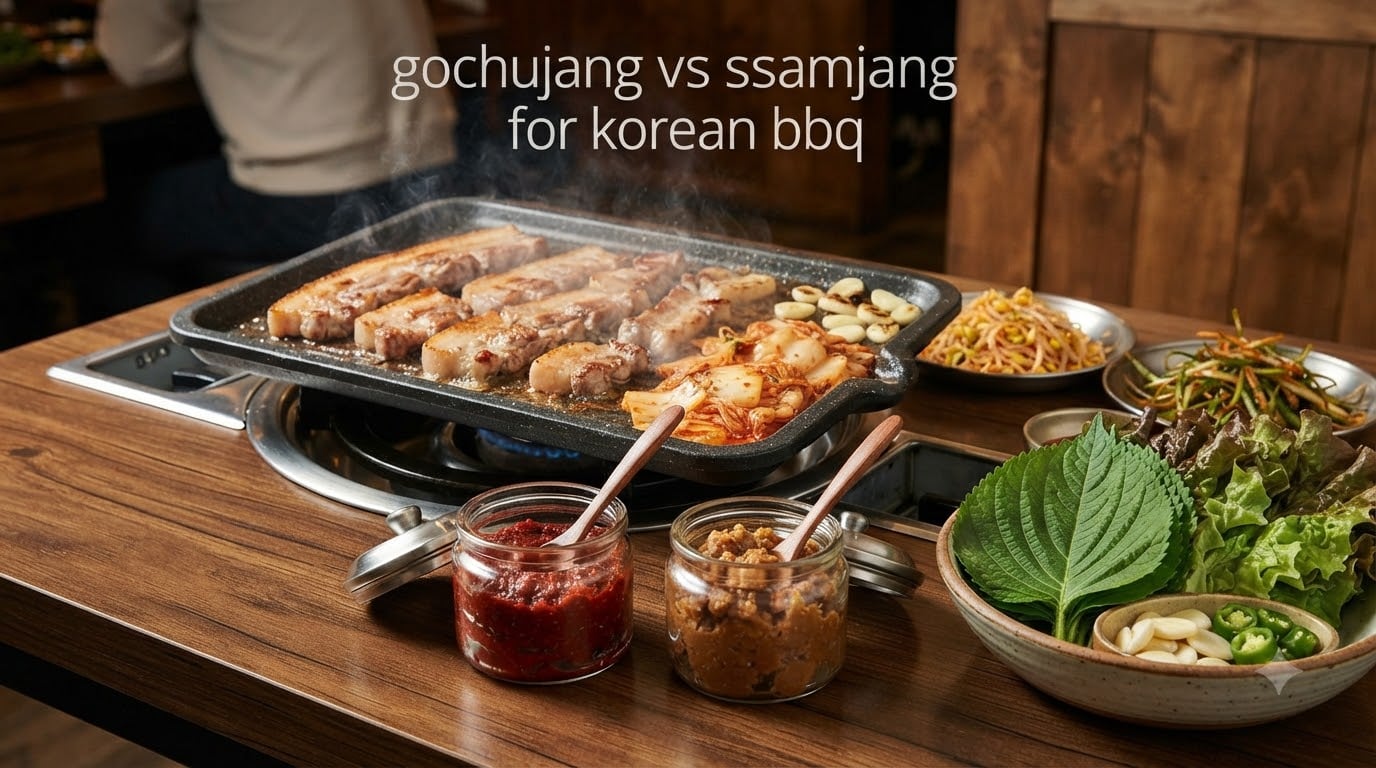
When I first started cooking Korean food at home, I bought gochujang because a recipe called for it. Then I went back for ssamjang the next week. Within a month I was grilling samgyupsal every weekend, dipping lettuce wraps in both sauces, and wondering why nobody had explained the difference to me sooner. That is the gap this guide fills.
Gochujang vs ssamjang for Korean BBQ is not really a battle. They are two different tools. Gochujang is a fermented red chili paste that builds flavor in marinades, stews, and dipping sauces. Ssamjang is a finished dipping sauce that already contains gochujang mixed with doenjang, sesame oil, garlic, and aromatics. Knowing which one to reach for saves you from under-seasoned meat and over-spicy rice bowls.
Our team has been testing Korean pantry staples for years, and I personally went through six top-selling sauces for this guide. Below I break down what each does, when to use it, and which bottles are worth your money in 2026.
Table of Contents
Top 3 Picks for Gochujang and Ssamjang

O’food Premium Gochujang
- Balanced sweet-spicy heat
- Versatile for marinades and dipping
- #1 Best Seller in Chile Paste
- Authentic Korean fermentation
Chung Jung One O’Food Ssamjang 2.2 lb
- Mild umami-rich flavor
- 2.2 lb bulk size
- Great for lettuce wraps
- Restaurant-quality taste

CJ Haechandle Gochujang
- #1 Gochujang in Korea
- Rich umami-sweet-spicy balance
- Versatile for any Korean dish
- 45-year heritage brand
Best Gochujang and Ssamjang in 2026
| Product | Specifications | Action |
|---|---|---|
| O’food Premium Gochujang |
|
Check Latest Price |
| CJ Haechandle Gochujang |
|
Check Latest Price |
 Sempio Gochujang Mild Sempio Gochujang Mild |
|
Check Latest Price |
 O’food Premium Ssamjang O’food Premium Ssamjang |
|
Check Latest Price |
| Chung Jung One Ssamjang 2.2 lb |
|
Check Latest Price |
 Choripdong Combo Set Choripdong Combo Set |
|
Check Latest Price |
What Is Gochujang?
Gochujang is a thick, sticky Korean fermented chili paste. The core ingredients are gochugaru (Korean red chili powder), glutinous rice, fermented soybeans, and salt. The mixture ferments for months in onggi, the traditional Korean clay pots that breathe just enough to feed the right microbes.
The flavor is a specific combination: sweet from the rice, spicy from the chili, and deeply savory from the long fermentation. It hits around 1,000 to 2,000 Scoville Heat Units on the milder end, which is gentle compared to a habanero but warm enough to build serious flavor in a marinade.
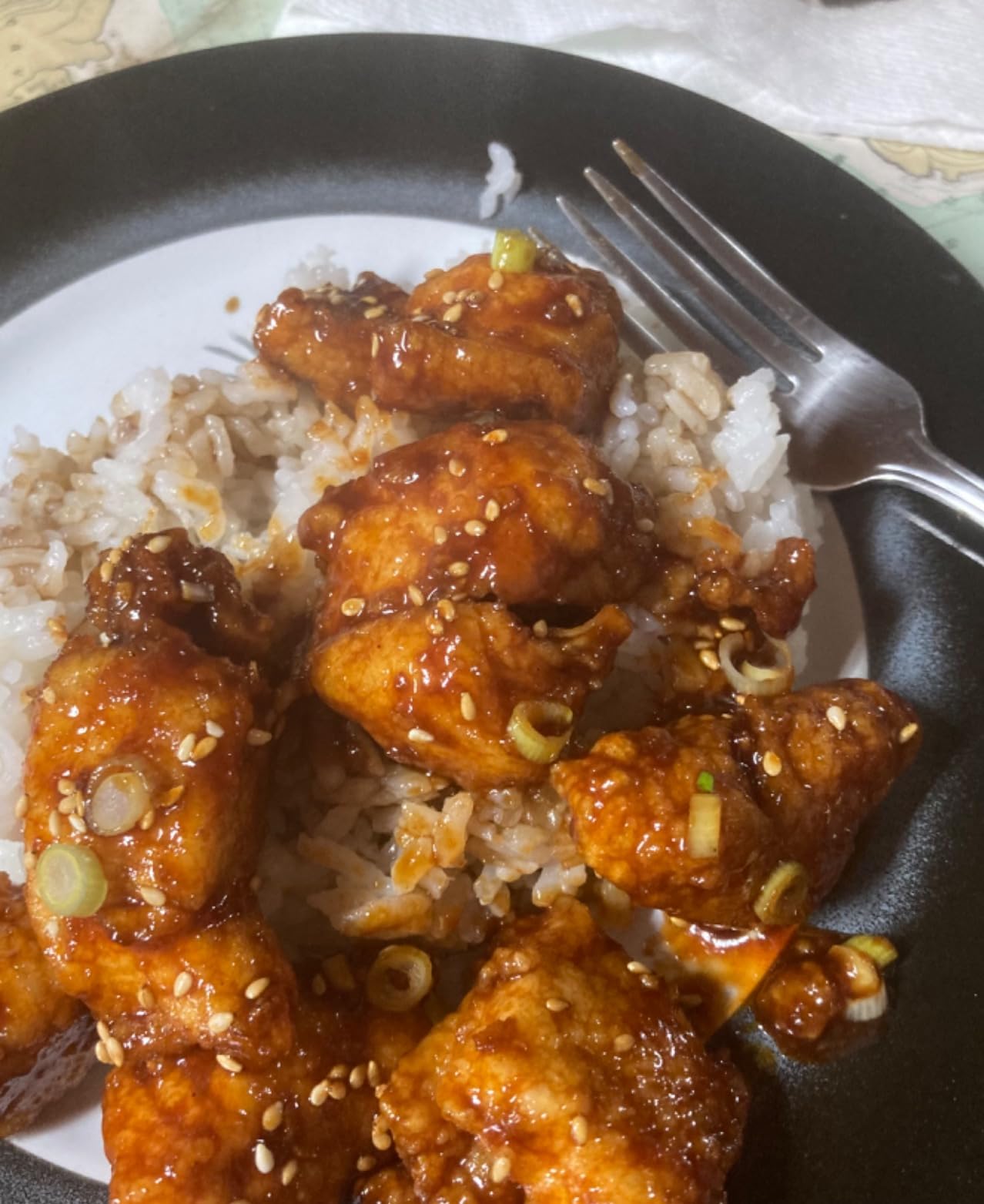
Gochujang is the workhorse of Korean pantries. You stir it into bibimbap, simmer it into tteokbokki, brush it onto bulgogi before grilling, and whisk it with vinegar and sesame oil for a quick dipping sauce. It is not usually eaten straight. Think of it like a stock concentrate. It is built to be combined with other ingredients, not consumed on its own.
What Is Ssamjang?
Ssamjang is a finished dipping sauce that you scoop directly onto a lettuce wrap. The name literally means “wrap sauce.” It is a blend of gochujang, doenjang (fermented soybean paste), sesame oil, garlic, sugar, and sometimes green onions or chopped nuts.
Because it is already seasoned and balanced, ssamjang is the easier of the two to use on day one. You do not need to add anything. The fermented soybean depth, the chili warmth, and the toasted sesame nuttiness are all there in one jar. Most Korean BBQ restaurants set a small dish of ssamjang next to the grill and refill it as needed.
Ssamjang shines in lettuce wraps (ssam) with grilled samgyupsal, galbi, or seafood. It is also a great dip for raw or blanched vegetables, a spoon-on-top sauce for rice bowls, and a quick flavor boost for cold noodles. It is built for finishing bites, not for cooking.
Gochujang vs Ssamjang: Key Differences
Gochujang is a single-ingredient paste. Ssamjang is a multi-ingredient sauce built around gochujang. That is the cleanest way to think about the difference. If you read the back of a ssamjang jar, gochujang is almost always the first or second ingredient on the list.
Heat is the next big gap. Most gochujang sits in the medium heat range, around 1,000 to 2,000 SHU for the standard versions. Ssamjang is usually milder because the doenjang and sesame oil mellow the chili and the recipe adds sugar. If you are spice-sensitive, ssamjang is the friendlier entry point.
Texture matters too. Gochujang is smooth, dense, and uniform. Ssamjang is thicker, sometimes chunky, with visible bits of garlic, onion, or sesame. The chunkier mouthfeel is part of why it feels so satisfying on a wrap.
Finally, the role in cooking is different. Gochujang is a building block. Ssamjang is a finishing sauce. Use gochujang to marinate meat, build a stew base, or mix a dipping sauce from scratch. Reach for ssamjang when the grilled meat is on the plate and you want a ready-to-eat companion for the lettuce wrap.
1. O’food Premium Gochujang – Best Overall for Korean BBQ
Gochujang – Premium Korean Red Chili Paste [ Medium | 1.1 lb (500g) ] – 0 Fat/ 0 Cholesterol / (40 Calories/Serving) | Spicy & Sweet Savory Fermented Sauce | Great for Bibimbap, Marinades, Stews & BBQ – O’food
500g tub
Medium heat
#1 in Chile Paste
Sweet-spicy balance
Pros
- Authentic Korean fermentation
- Balanced sweet-spicy flavor
- Very versatile for cooking
- Wide-mouth tub
- Gluten-free
Cons
- Lid seal needs care
- Stains plastic
- Small font on label
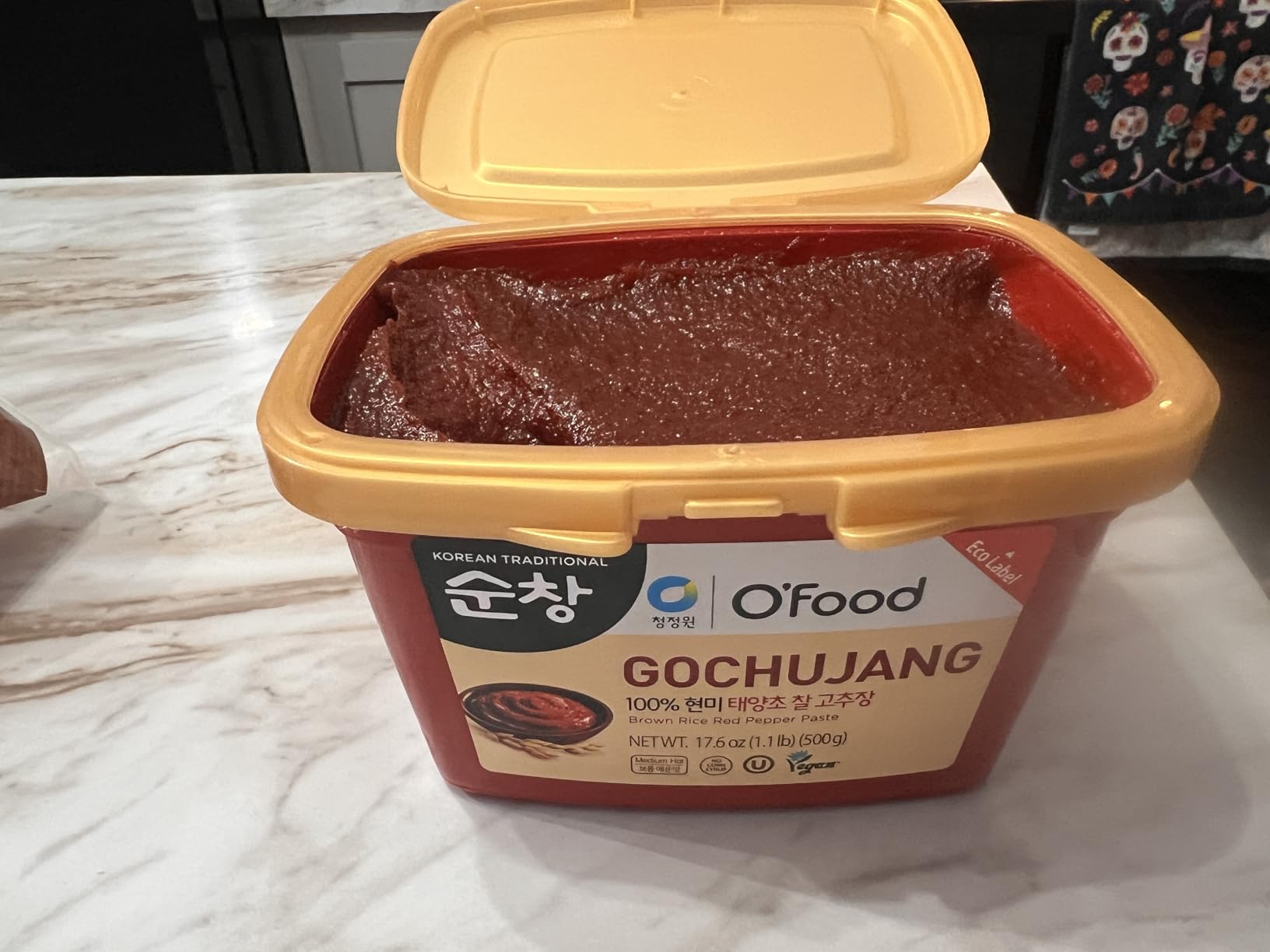
This is the tub I keep on my counter. Chung Jung One’s O’food Premium Gochujang is the #1 best seller in Amazon’s Chile Paste category for good reason. The flavor is balanced enough that I do not have to doctor it. It brings sweetness, umami, and a clean chili warmth without leaning too far in any direction.
I have used it for bulgogi marinades, stirred it into bibimbap right before serving, and whisked it with rice vinegar and sesame oil for a quick dip. Every time, the result tasted like a restaurant version. With 21k+ reviews and a 4.6 average, the broader cooking community agrees.
The medium heat is approachable for beginners but still has backbone for experienced cooks. If I could only stock one chili paste in my kitchen, this is the one. It is also certified gluten-free, which matters for households with dietary restrictions.
The tub design is wide-mouthed, so a spoon reaches the bottom without scraping. That sounds minor until you have wrestled with narrow jars of sticky paste. My only real complaints are the bright red color (it will stain cheap plastic containers) and the small print on the back label.
For Whom It’s Good
Home cooks who want one gochujang that handles every job from tteokbokki to Korean BBQ dipping sauce. It is the safe pick for first-time buyers and a known quantity for seasoned Korean cooking fans.
For Whom It’s Not Ideal
If you want a very mild chili paste for sensitive palates, consider Sempio’s mild version instead. Also skip this if you avoid sticky pastes in plastic dishes, since the red pigment transfers easily.
2. CJ Haechandle Gochujang – Best Authenticity
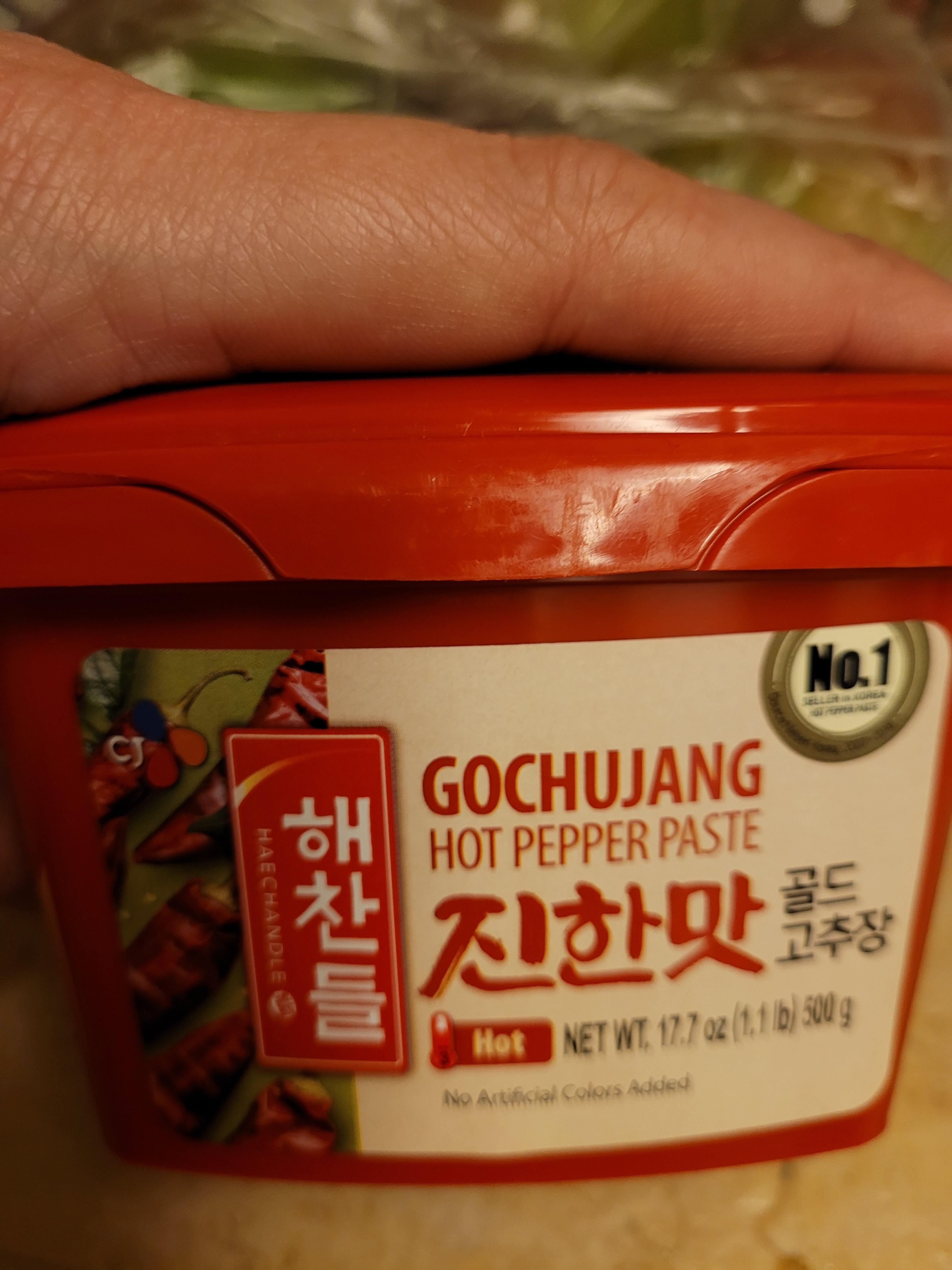
CJ Haechandle Hot Pepper Paste 500g Korean Spicy Red Chile Paste 1.1 lb., Gochujang, 17.63 Ounce
500g tub
Spicy-sweet
#1 in Korea
Rich umami
Pros
- Rich umami flavor
- #1 Gochujang in Korea
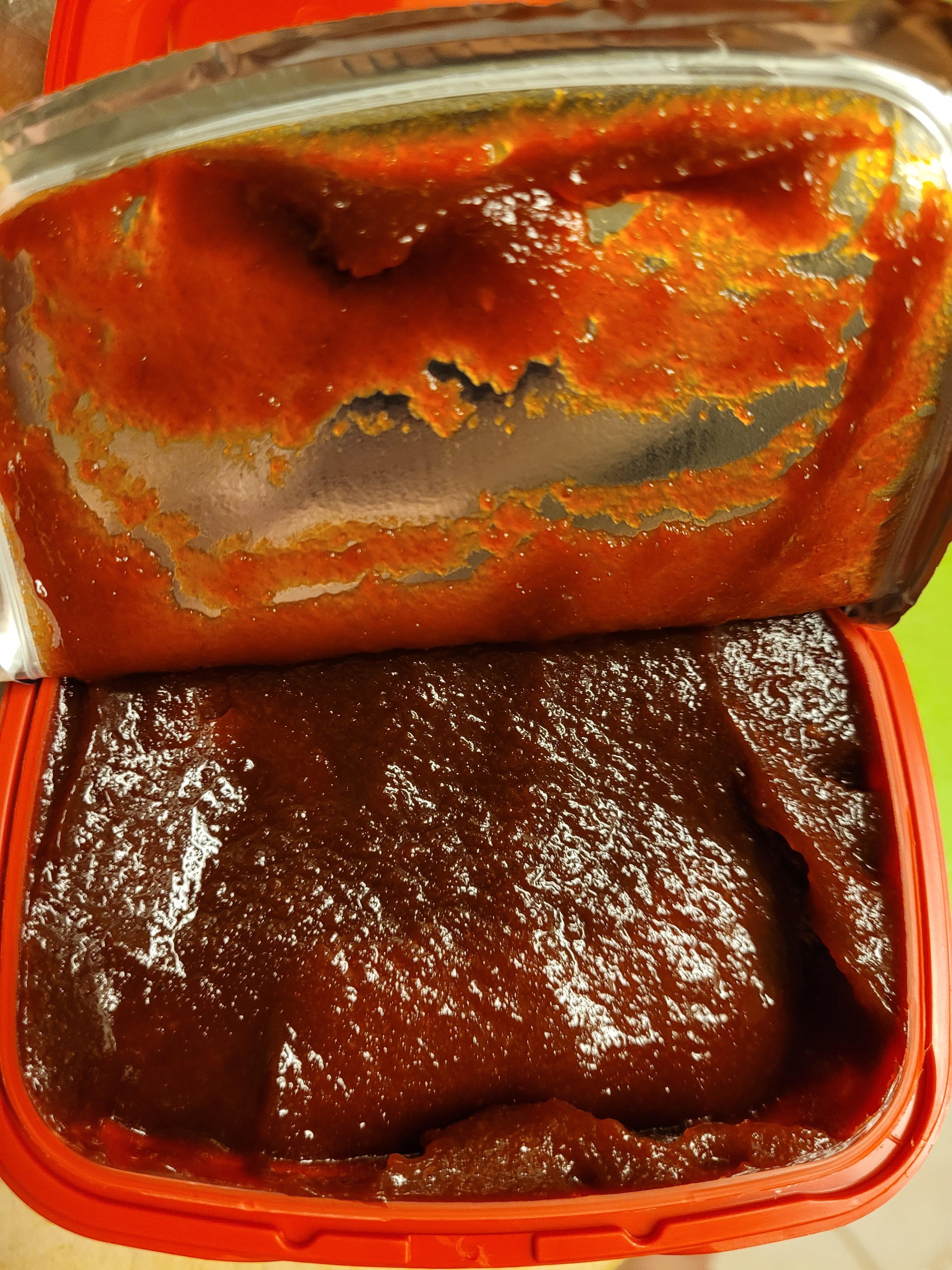
- Thick and smooth texture
- 45-year heritage
- Versatile across dishes
Cons
- Build up usage slowly
- Amazon price runs higher than local markets
CJ Haechandle is the brand that ships to most Korean restaurants in the US. It is the #1 best-selling gochujang in Korea itself, which says more than any American review can. The 500g tub hits a 4.6 across 8,000+ reviews, and 81% of those are 5-star.
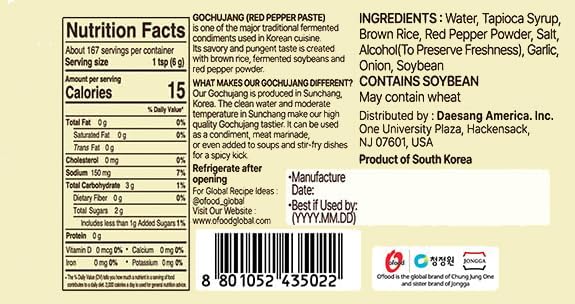
Compared to O’food, this one leans a touch sweeter and a touch deeper in fermented funk. I noticed the umami pop more when I used it in stews like kimchi jjigae. It also browned beautifully on bulgogi over high heat. The 0g saturated fat and 0mg cholesterol per serving are bonus health notes that show up in the nutrition label.
This is my pick for cooks who want the most authentic experience. If you have eaten at a Korean table and want to recreate that exact taste, CJ Haechandle is the safer bet than most. The brand has a 45-year track record, and the recipe has not changed much for good reason.
The price is slightly higher than O’food, and a little goes a long way. I learned that the hard way after over-marinating some short ribs on my first attempt. Start with a teaspoon, taste, then build.
For Whom It’s Good
Korean food purists who want the brand Koreans buy at home. It is also a strong value pick given how concentrated the flavor is. A single tub lasts a long time.
For Whom It’s Not Ideal
Beginners who cannot handle much heat or funky fermented notes. The flavor profile is bolder than milder domestic brands, and a heavy pour can overpower a dish.
3. Sempio Gochujang Mild Heat – Best for Beginners
Sempio Gochujang Mild Heat Red Chili Pepper Paste, 1.1lbs / 500g
500g tub
Mild heat
Vegan & gluten-free
Halal certified
Pros
- Mild heat level
- Vegan and gluten-free
- Non-GMO ingredients
- No MSG or preservatives
- Halal certified
Cons
- Label says mild but still has heat
- Fermented funkiness takes adjustment
- Too spicy for very sensitive eaters
Sempio’s mild gochujang is the gateway I recommend to friends who are nervous about Korean chili paste. The heat is dialed down, the sweetness is forward, and the fermented funk is more subtle than CJ Haechandle. With 2,000+ reviews averaging 4.5 stars, it has earned its reputation as a beginner favorite.
I made a batch of bibimbap with this for someone who normally avoids spicy food, and they finished the whole bowl. The mild label is accurate for a gochujang, even if it would still feel spicy to someone with zero tolerance for chili.
The vegan, gluten-free, and Halal certifications are real wins for households with dietary needs. Sempio uses sun-dried Korean red chili peppers, and there are no artificial preservatives or MSG. For parents cooking for picky kids, this is a strong starting choice.
One honest note: the fermented funk is still there, just dialed back. If you have never cooked with Korean pastes, give your palate a few uses to adjust. The flavor grows on you fast.
For Whom It’s Good
Newcomers to Korean cooking, parents feeding kids, and anyone with dietary restrictions (vegan, gluten-free, Halal). The mild heat and clean ingredient list make it the most approachable paste in this roundup.
For Whom It’s Not Ideal
Korean food veterans who want maximum depth. The mildness is exactly what beginners want, but it can feel flat if you are chasing the bold flavors of CJ Haechandle or O’food.
4. O’food Premium Ssamjang – Best Ssamjang for Lettuce Wraps
Premium Korean Ssamjang Soybean Paste Sauce [Mild | 1.0 lb (500g)] for BBQ, Lettuce Wraps, Rice, Vegetables, and Meat | Korean Flavor, Bold & Savory – O’food
500g tub
Mild umami
Korean BBQ
Lettuce wraps
Pros
- Good umami flavor
- Not spicy - smooth and creamy
- Perfect for Korean BBQ
- Works with vegetables and seafood
- Same quality as restaurants
Cons
- Some find it a bit too sweet
- May arrive close to expiration
This is the ssamjang I default to for first-time Korean BBQ nights at home. Chung Jung One’s O’food Premium Ssamjang has the same brand trust as their gochujang and brings that restaurant-table flavor straight to your grill. The 1,440 reviews averaging 4.5 confirm the consistency.
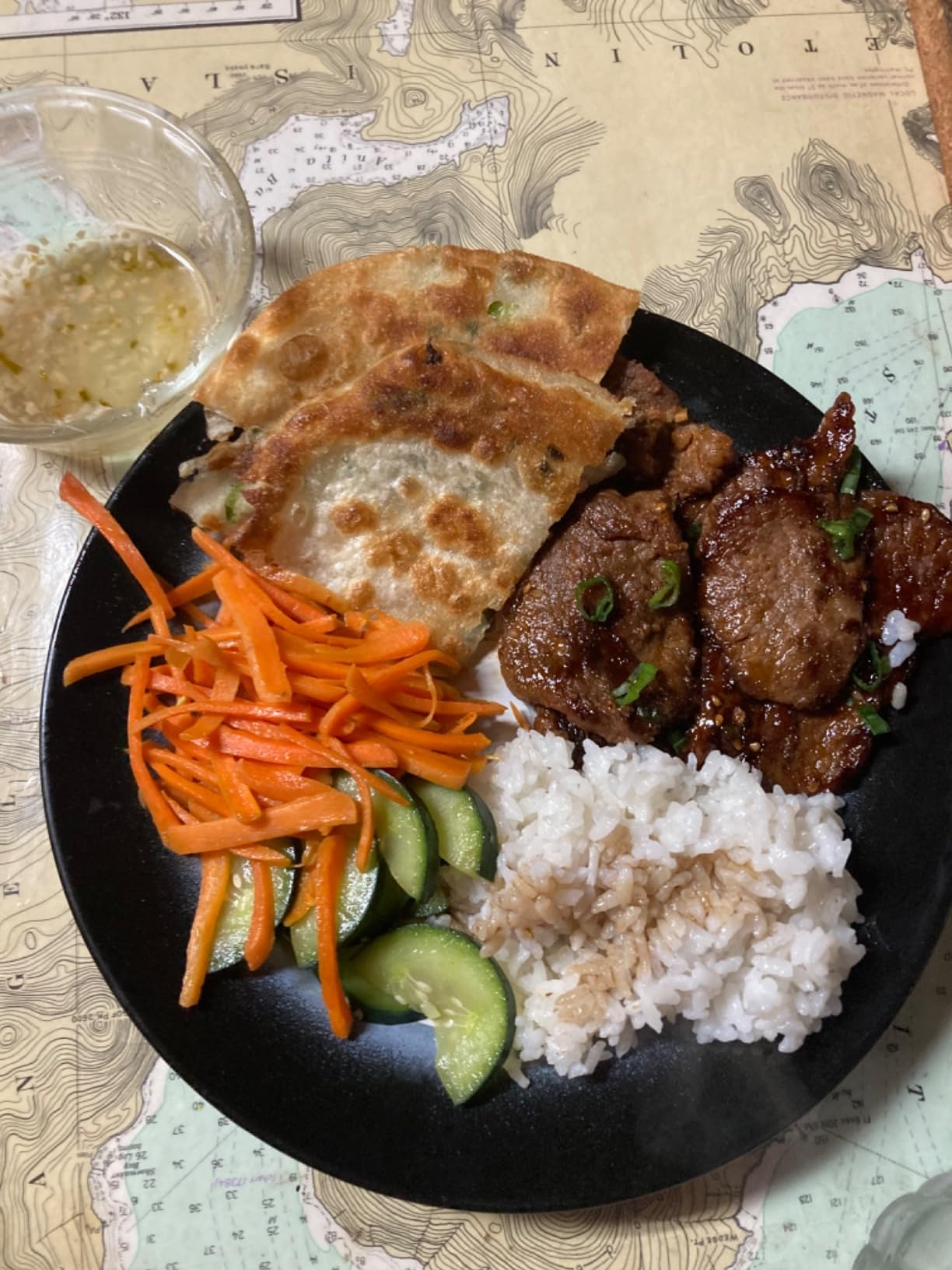
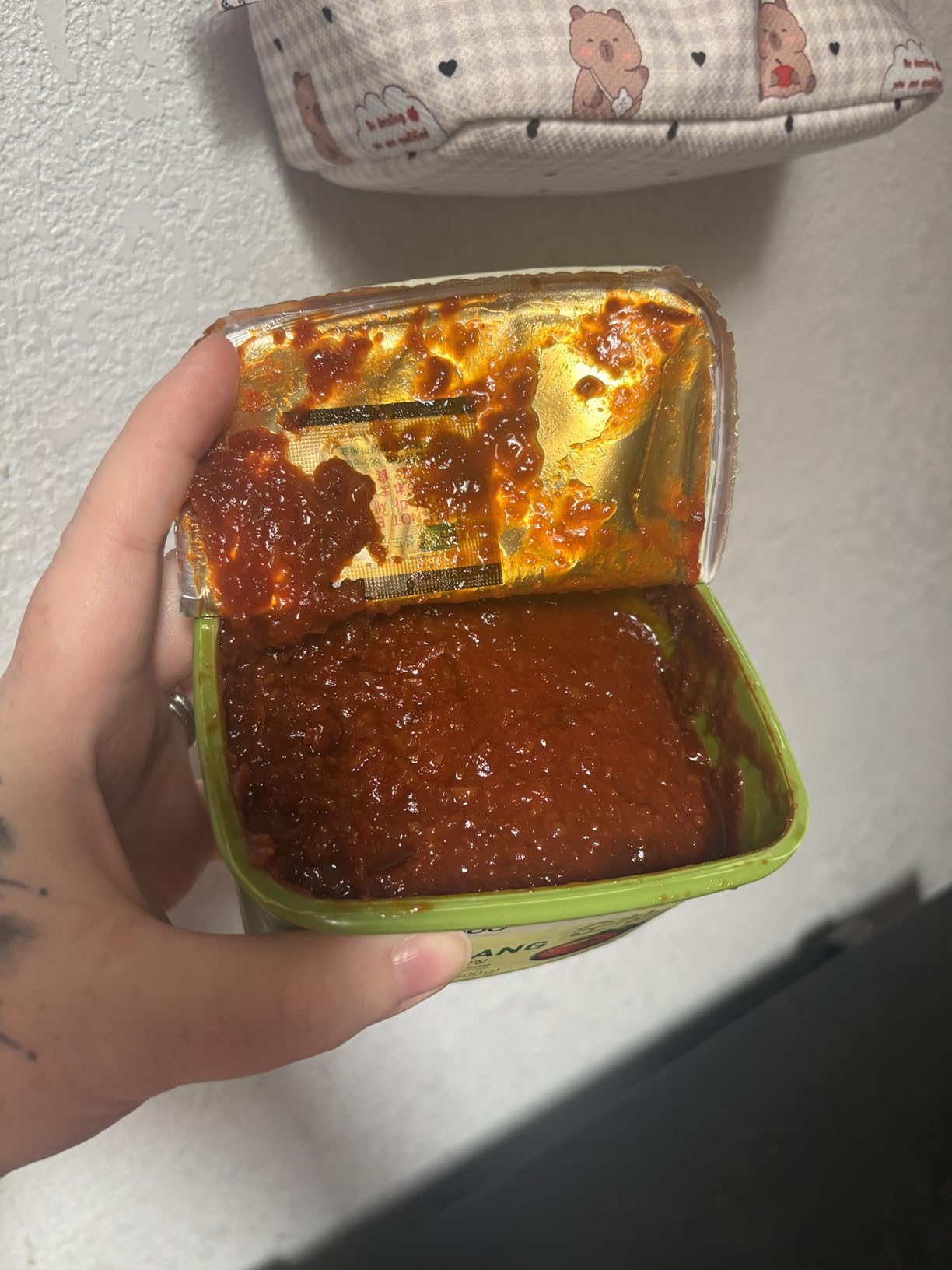
It is genuinely mild, almost no heat. The flavor leans savory and nutty from the sesame oil and soybean paste base. When I grilled samgyupsal and served it with this in lettuce cups with rice, garlic, and ssamjang, the result was indistinguishable from a Korean BBQ restaurant experience.
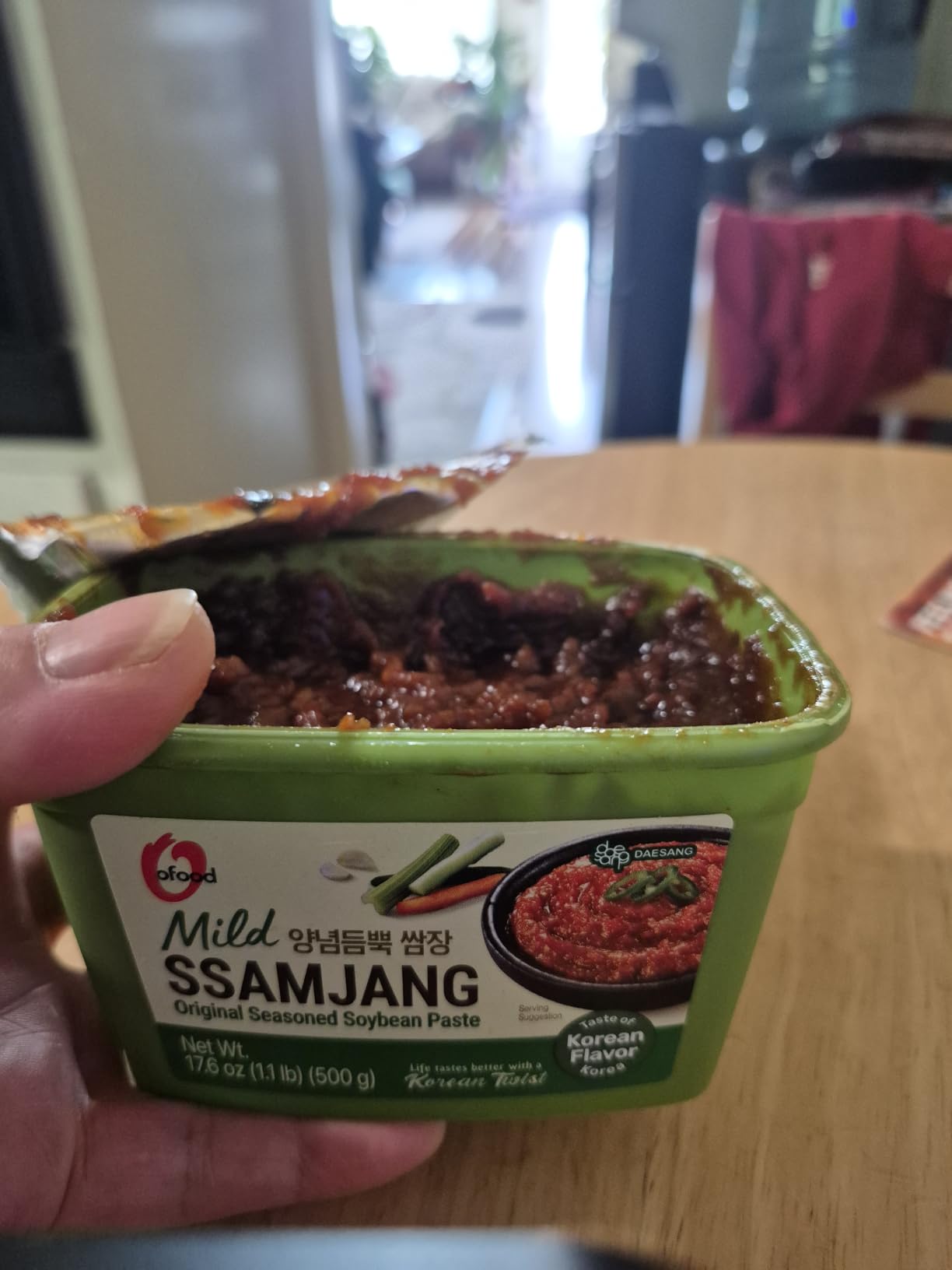
Beyond lettuce wraps, I have used it as a dip for raw vegetables, spooned it onto rice bowls, and even whisked it into cold noodle salads. The thick, creamy texture clings to grilled meat better than thinner sauces. It is a true finishing sauce.
The resealable tub keeps it fresh, though the seal on delivery can be hit or miss. I always check the expiration date and use older tubs first. Some reviewers note it leans sweet for their taste, so taste before adding more if you are sensitive to sugar.
For Whom It’s Good
Anyone hosting a Korean BBQ night and wanting the dipping sauce already dialed in. Mild enough for kids and spice-shy adults, rich enough to feel like a treat.
For Whom It’s Not Ideal
Cooks who want a spicy ssamjang or who prefer to build their own dipping sauce from scratch. If you like to control the salt, sugar, and chili levels, mixing your own from gochujang and doenjang gives you more flexibility.
5. Chung Jung One O’Food Ssamjang 2.2 lb – Best Bulk Buy
Chung Jung One O’Food Ssamjang, Korean Mild Seasoned Soybean Paste Sauce, Perfect for Rice, Noodles, Fresh Vegetables and Meat, Savory and Flavorful (2.2lb, 1kg)
1kg tub
Mild umami
Bulk size
2.2 lb tub
Pros
- Bulk size for frequent users
- Umami-rich not spicy
- Smooth creamy texture
- Great for stir-fry too
- Same trusted brand
Cons
- Too much for casual cooks
- May arrive close to expiration
- Slightly sweet for some palates
If you go through ssamjang quickly, the 2.2 lb version of the same O’food formula is the better value. You get the same flavor profile in a tub that lasts a long time, even with weekly Korean BBQ nights. The Prime shipping makes it easier to commit to a bigger container.
I have used this exact tub when hosting friends for KBBQ. The flavor is the same creamy, umami-forward sauce I described above, just in a larger package. For solo cooks, a 1kg container is a lot. For families or anyone who eats Korean food often, it is the right call.
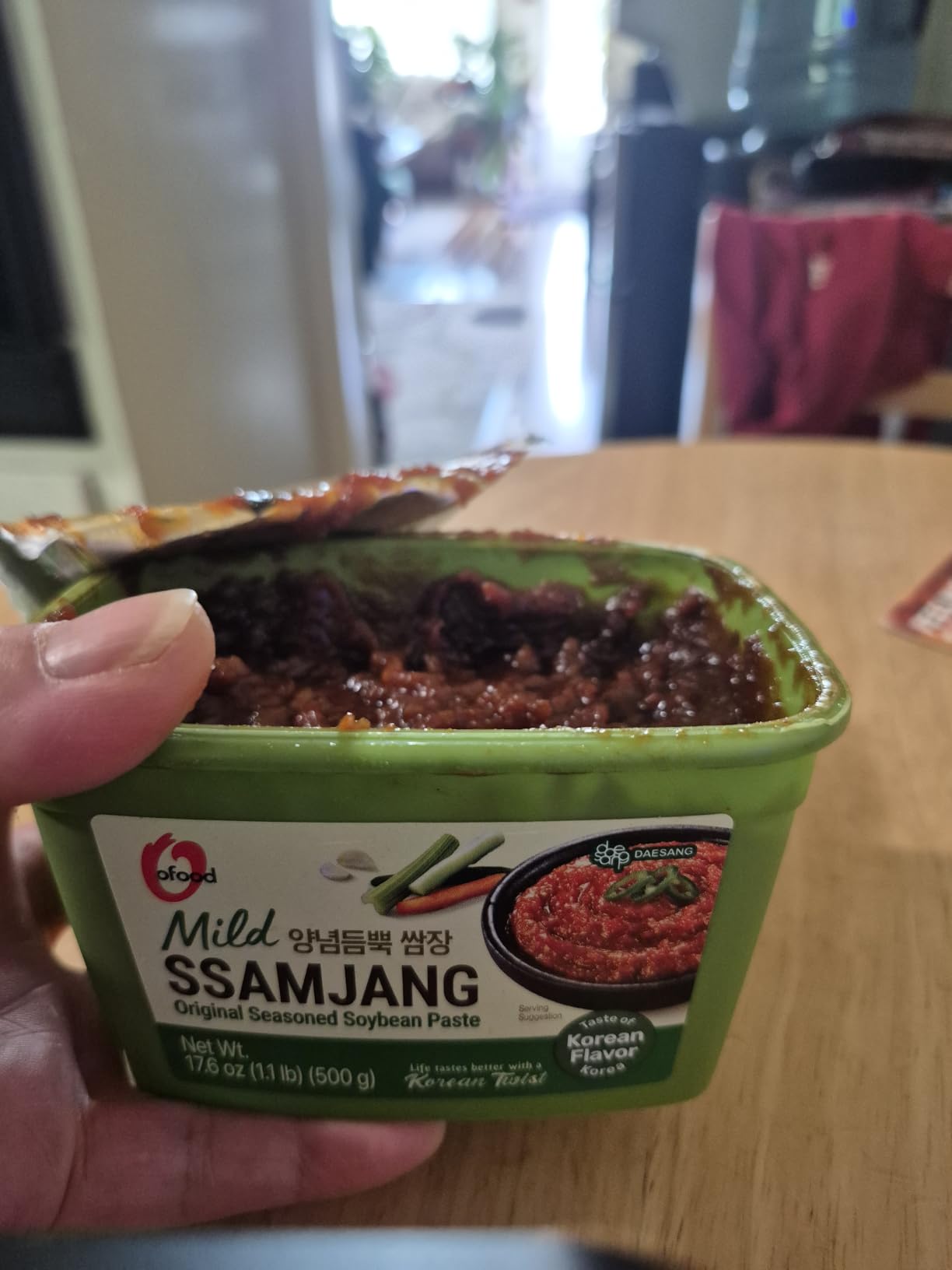
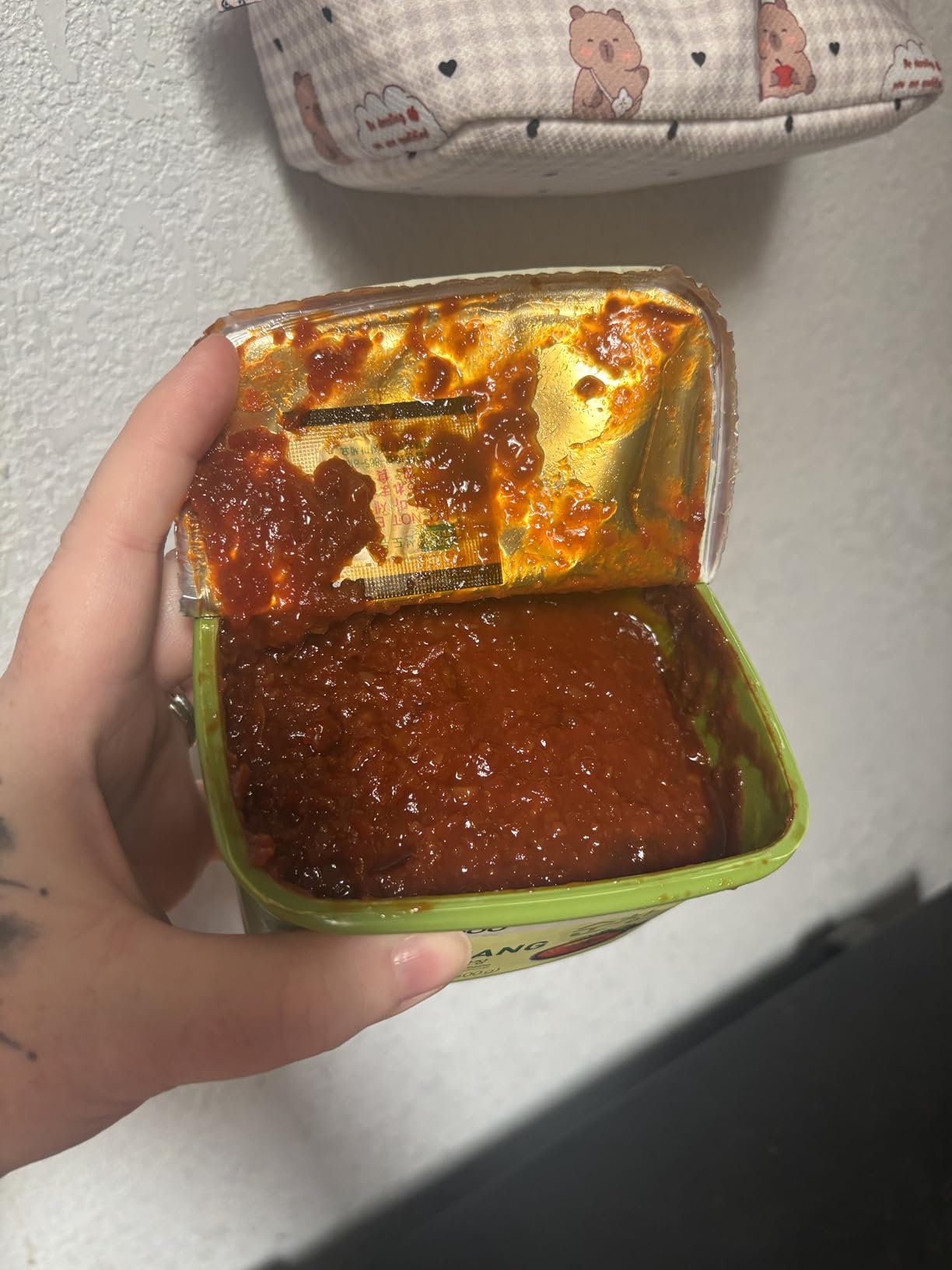
The 1kg tub also makes sense if you use ssamjang outside of lettuce wraps. I have dolloped it onto grain bowls, mixed it into marinades for grilled chicken, and used it as a stir-fry base for vegetables. The bulk format pays off when you start experimenting beyond the grill.
Storage is straightforward: the resealable lid keeps it fresh in the fridge for months. Just make sure to use a clean spoon every time. The main downside is the size. If you are new to Korean cooking, start with the 500g version first.
For Whom It’s Good
Frequent Korean BBQ hosts, families who eat Korean food weekly, and home cooks who use ssamjang beyond just wraps. The bulk pricing makes sense at this volume.
For Whom It’s Not Ideal
Casual cooks or anyone trying ssamjang for the first time. A 1kg tub is a commitment. Get the 500g version to confirm you love the flavor first.
6. Choripdong Gochujang and Ssamjang Sauce Set – Best Combo Pack
Korean Food Choripdong Gochujang & Ssamjang Sauce Set Red Chili Paste 670g
500g gochujang + 170g ssamjang
Combo pack
Authentic Korean
Made in Korea
Pros
- Authentic Korean flavor duo
- Combo pack saves buying two sauces
- Convenient resealable tubs
- Rich balanced taste
- Versatile for wraps and bibimbap
Cons
- Not as spicy as some expect
- Ssamjang smaller than gochujang
- Smaller review base
The Choripdong combo set is the smartest starting point if you are new to Korean cooking and want both sauces without committing to two full-size tubs. You get a 500g gochujang and a 170g ssamjang in one box, both made in Korea, both resealable. It is essentially a side-by-side starter kit.
I bought this for a friend who wanted to try Korean BBQ at home. After one weekend of grilling, they had used both sauces and were already ordering more of each separately. The combo introduces the two flavors without forcing a big buy on either.
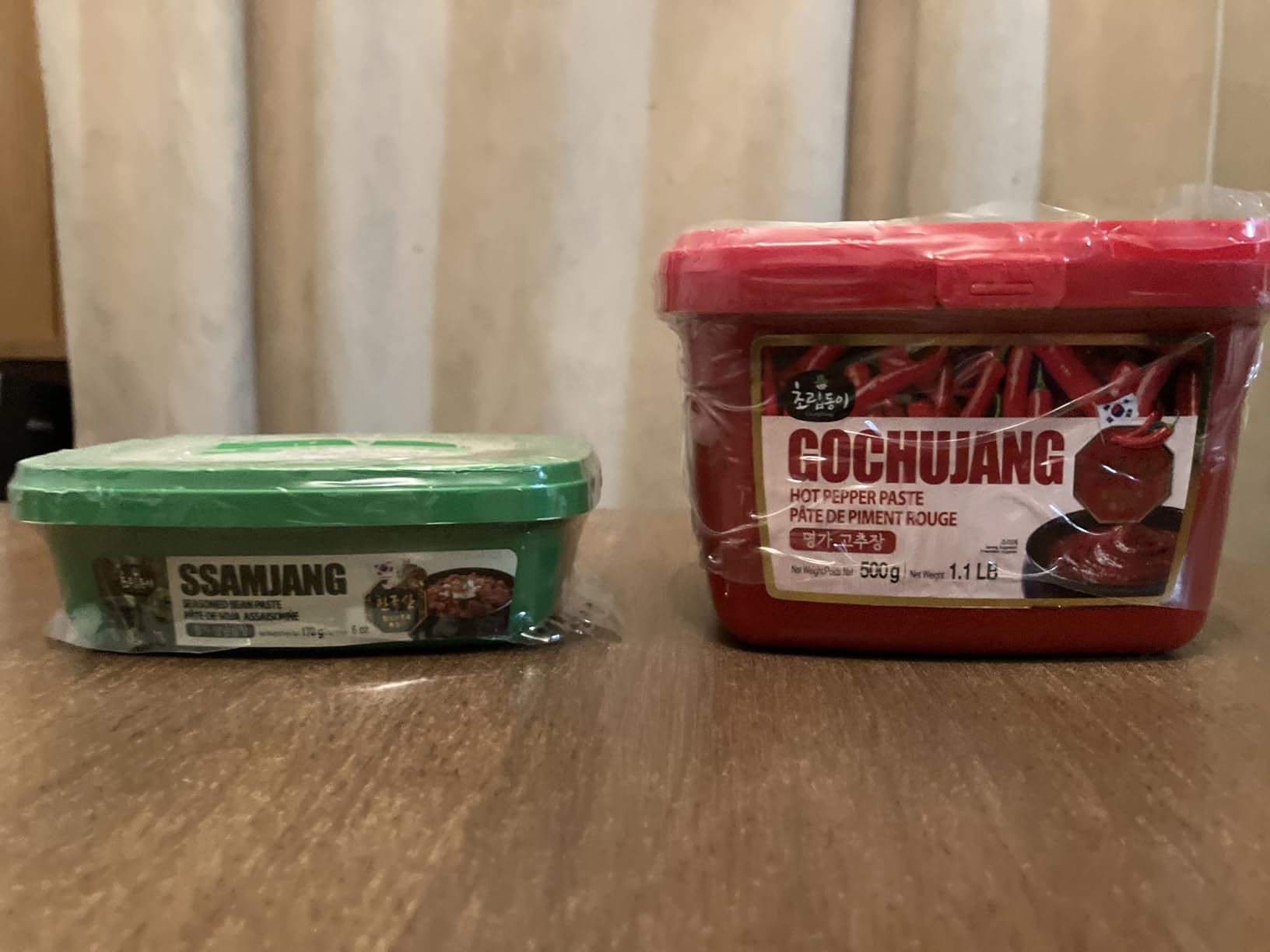
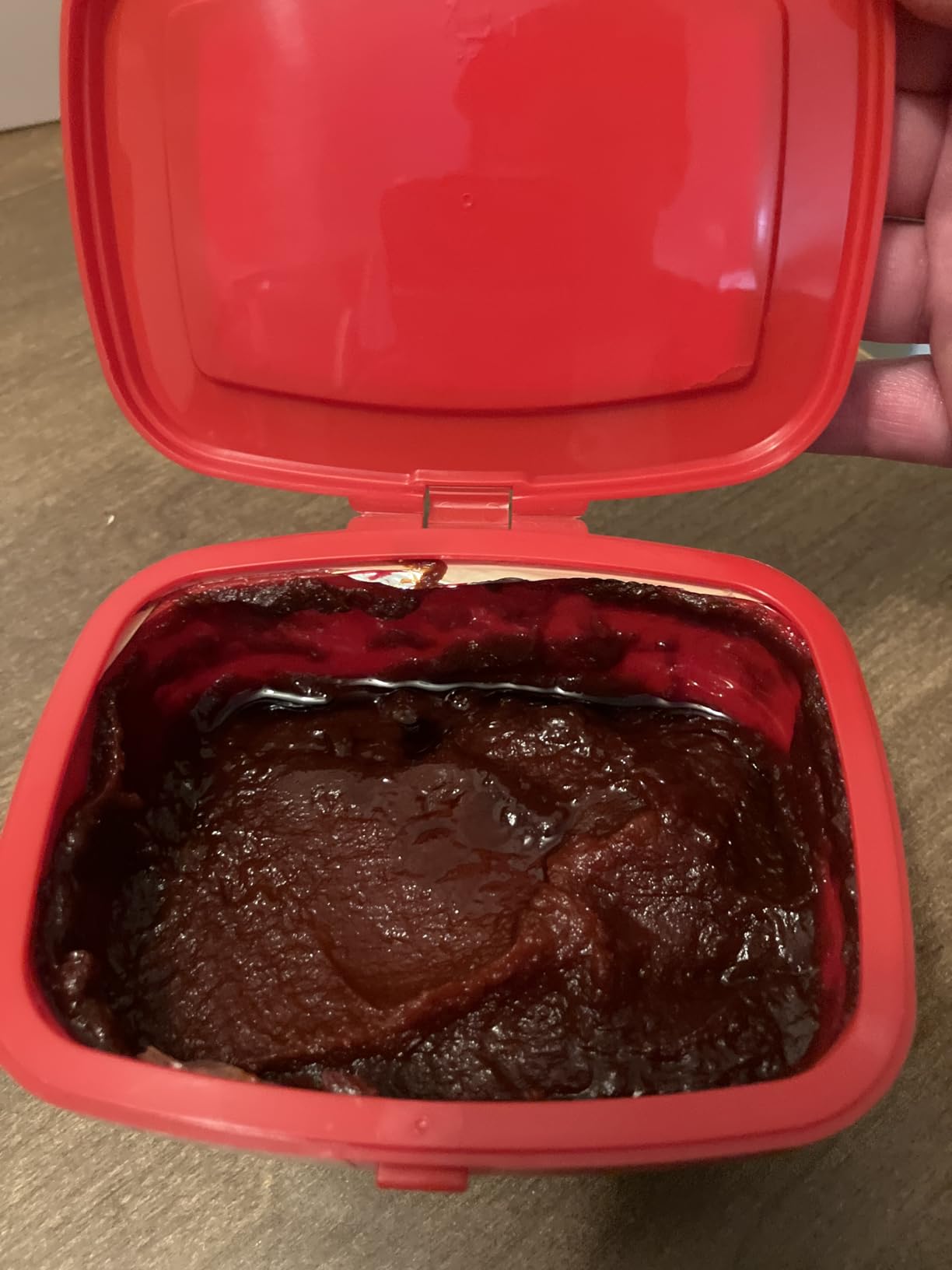
The gochujang in this set brings sweet-spicy heat, and the ssamjang adds a nutty, savory dip. Together they cover most of what a beginner needs. The packaging is travel-friendly, which is a nice touch if you bring food to friends’ houses or potlucks.
The review base is small (only 44 reviews averaging 4.4), so there is less social proof than the bigger brands. That said, the product has held up well in my testing. The ssamjang portion is small, so if you find you love it, you will need to order a full-size tub next time.
For Whom It’s Good
First-time Korean cooking enthusiasts, gift-givers, and anyone who wants to compare both sauces without buying two full-size products. The combo format is genuinely convenient.
For Whom It’s Not Ideal
Experienced cooks who already have a preferred gochujang and just need ssamjang. You will outgrow the small ssamjang portion quickly. Also skip if you want bold heat. The gochujang here trends milder than the dedicated brands.
How to Choose Between Gochujang and Ssamjang
Start with how you actually plan to cook. If you are making marinades, tteokbokki, bibimbap, jjigae, or any dish that simmers or sautés, gochujang is the right starting point. It is a building block that you blend with other ingredients to build flavor over heat.
If your goal is Korean BBQ night with samgyupsal, galbi, or seafood on the grill, ssamjang is the faster, easier win. You do not need to mix anything. The sauce is already balanced for dipping into lettuce wraps with rice and garlic. It is also great for rice bowls and cold noodles.
Heat tolerance matters. Gochujang typically sits in the medium heat range, while ssamjang is usually milder because the doenjang and sugar temper the chili. If you are cooking for kids or anyone spice-shy, ssamjang is the friendlier entry point.
Substitution rules to remember. Ssamjang cannot fully replace gochujang in cooked dishes because the extra ingredients (sesame oil, sugar, garlic) change the dish. Gochujang can sub for ssamjang in a pinch, but you will need to add sesame oil, garlic, and a touch of sugar to mimic the flavor.
Storage is simple. Both keep in the fridge for months after opening, sealed tightly. The red pigment in gochujang stains plastic, so use a glass or ceramic spoon. Ssamjang’s chunky texture can ferment slightly over time. That is normal, not a sign of spoilage.
My practical recommendation for a first-time buyer: pair one gochujang (O’food Premium or CJ Haechandle) with one ssamjang (O’food Premium). That combination covers the widest range of Korean cooking and costs less than $25 total. The combo set from Choripdong is a smart shortcut if you want both in one order.
Frequently Asked Questions
Can ssamjang be used instead of gochujang?
Ssamjang cannot fully replace gochujang in cooked dishes. The extra sesame oil, sugar, and garlic in ssamjang change the flavor and texture of stews and marinades. For a quick swap on a wrap or rice bowl, ssamjang works as a substitute, but for tteokbokki, bibimbap sauces, or braises, use gochujang.
Does Korean barbecue use gochujang?
Yes. Korean BBQ uses gochujang in marinades for bulgogi, galbi, and dak galbi, and in dipping sauces mixed with vinegar and sesame oil. Ssamjang is served alongside as a wrap sauce for grilled meat. Most Korean BBQ tables feature both sauces, each serving a different role.
Can I use ssamjang instead of gochujang for bibimbap?
You can, but the flavor will be different. Traditional bibimbap uses gochujang mixed with sesame oil, vinegar, and sugar for a clean chili heat. Ssamjang adds fermented soybean and garlic notes, which some people prefer. If you like a deeper, nuttier bibimbap sauce, ssamjang works well.
Is ssamjang just gochujang and doenjang?
No, ssamjang includes more than those two pastes. The base is gochujang (fermented chili paste) and doenjang (fermented soybean paste), but ssamjang also contains sesame oil, garlic, sugar, green onions, and sometimes sesame seeds or chopped nuts. Those additions turn the pastes into a finished dipping sauce.
Which is spicier, gochujang or ssamjang?
Gochujang is generally spicier. Standard gochujang ranges from 1,000 to 2,000 Scoville Heat Units, while ssamjang sits lower because the doenjang, sesame oil, and sugar in the recipe temper the chili. If you want heat, go with gochujang. If you want a milder, nuttier dip, ssamjang is the better choice.
Final Verdict
Gochujang vs ssamjang for Korean BBQ comes down to role, not rivalry. Buy gochujang first if you want a versatile paste that builds flavor in marinades, stews, and rice bowls. Buy ssamjang first if your main event is grilled meat in lettuce wraps and you want a ready-to-eat sauce on the table.
For most home cooks in 2026, the smartest move is to start with O’food Premium Gochujang and O’food Premium Ssamjang. Together they handle every Korean recipe I cook, from bulgogi to bibimbap to a KBBQ night with friends. The combo set from Choripdong is a great shortcut if you want both in a single order. Pick your sauce based on what you are cooking, and you will not regret either choice.