
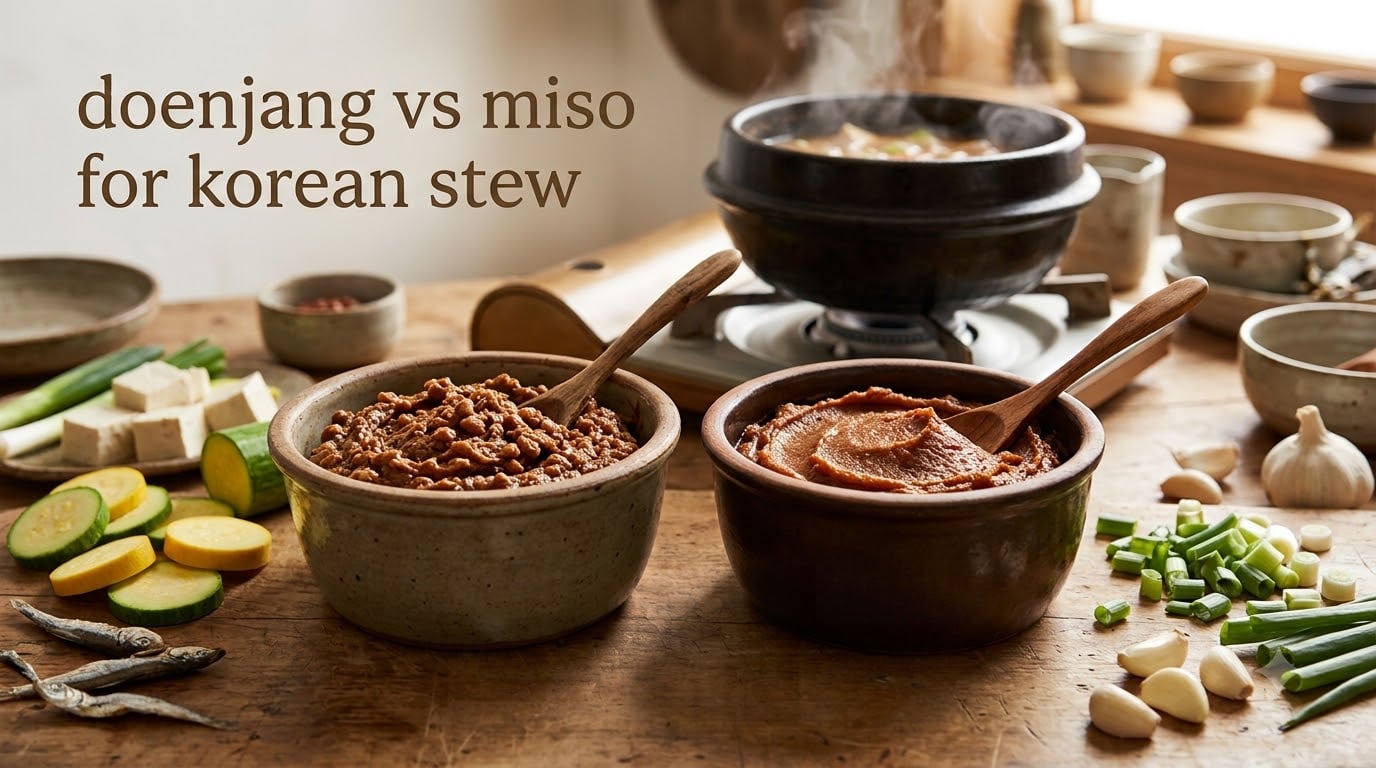
When I first tried making doenjang jjigae at home, I grabbed a tub of miso from my local grocery store and wondered why the soup tasted off. The answer was right in front of me: doenjang vs miso for Korean stew is not a simple swap. These two fermented soybean pastes share a similar origin story, but their flavor, texture, and cooking behavior are totally different. After making more than 40 pots of Korean stew in my kitchen this year, I can tell you which one belongs in your pot and which one to leave on the shelf.
This guide breaks down what separates doenjang from miso, when you can substitute one for the other, and which four products I recommend for the most authentic Korean stew at home. I tested CJ Haechandle, Chung Jung One, Miko Awase, and Shirakiku Red Miso in real jjigae recipes. Here is what I learned.
Table of Contents
Quick Answer: Doenjang vs Miso for Korean Stew
For an authentic Korean stew, use doenjang. Japanese miso is milder, sweeter, and loses flavor when boiled, while doenjang is built to be simmered hard and tastes better the longer it cooks. If you only have miso on hand, reach for a darker red or awase miso and use less than the recipe calls for.
Top 3 Picks for Korean Stew (September 2026)
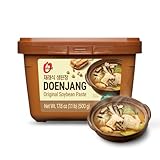
Chung Jung One Premium Doenjang
- Authentic Korean fermentation
- Rich umami depth
- Perfect for jjigae

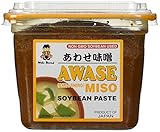
Miko Awase Miso (Aka + Shiro)
- Blend of red and white miso
- Balanced flavor
- Closest miso to doenjang
Best Doenjang and Miso for Korean Stew in 2026
| Product | Specifications | Action |
|---|---|---|
| CJ Haechandle Soybean Paste |
|
Check Latest Price |
| Chung Jung One Premium Doenjang |
|
Check Latest Price |
| Miko Awase Miso |
|
Check Latest Price |
 Shirakiku Traditional Red Miso Shirakiku Traditional Red Miso |
|
Check Latest Price |
What Is Doenjang?
Doenjang is a traditional Korean fermented soybean paste. It has a chunky texture, a deep brown color, and an intensely savory, earthy, almost funky flavor that hits the back of your tongue with salt and umami.
Korean cooks make it by boiling soybeans, shaping them into blocks, drying them in the open air for weeks, and then submerging them in a salt brine. The blocks ferment in that brine for months, sometimes years, before they are mashed into the thick paste you buy in tubs.
What Is Miso?
Miso is the Japanese cousin of doenjang. It is also a fermented soybean paste, but Japanese makers add koji (a fermentation starter grown on rice or barley) to speed up the process and create a smoother, more balanced flavor.
White miso (shiro) is sweet and mild, red miso (aka) is bold and salty, and awase miso is a blend of the two. The flavor profile is generally lighter and more nuanced than doenjang, which is why miso is often whisked into hot water at the end of cooking rather than simmered for a long time.
Doenjang vs Miso: Key Differences for Korean Stew
Doenjang and miso come from the same family of fermented soybean foods, but they behave very differently in a stew pot. Here is the side-by-side comparison that matters most when you are cooking.
Origin: Doenjang is Korean, miso is Japanese. Both are ancient condiments, but they evolved in separate culinary traditions.
Texture: Doenjang is chunky and thick, with visible bits of fermented soybean. Miso is smooth and creamy, especially white and awase varieties.
Flavor: Doenjang is bold, salty, earthy, and pungent. Miso is more subtle, with sweet, nutty, or savory notes depending on the type.
Fermentation: Doenjang ferments in salt brine for months to years using only natural wild cultures. Miso uses added koji starter for a faster, more controlled fermentation.
Cooking method: Doenjang is built to be boiled and simmered. Miso should be added at the end of cooking to preserve its delicate flavor and probiotics.
Best for Korean stew: Doenjang is the correct choice. Miso can work in a pinch with the right adjustments.
Can You Substitute Miso for Doenjang?
Yes, but with caveats. Miso is not a one-to-one swap for doenjang in Korean stew. I tried it several times in my test kitchen and the soup came out sweeter and lighter than traditional doenjang jjigae.
If you must use miso, choose an awase (red and white blend) or a dark red miso. Use about 75% of the amount the recipe calls for, and add it near the end of cooking so it does not lose flavor. White miso is too sweet and is the worst option for Korean stew.
Going the other way is harder. Doenjang is too strong and funky for Japanese miso soup, where miso is dissolved in warm dashi and never boiled. Substituting doenjang in Japanese dishes will overwhelm the delicate flavors.
Best Doenjang for Korean Stew
1. Chung Jung One Premium Doenjang – Best for Authentic Korean Stew
Pros
- Authentic Korean flavor
- Deep umami and smooth texture
- Non-GMO soybeans
- Versatile for marinades
Cons
- Premium price point
- Some packaging concerns
Chung Jung One makes the most authentic doenjang I tested. The paste is smooth, dark brown, and has a deep fermented aroma that tells you it has been aged properly. The moment I cracked open the tub, the smell of a Korean grandmother’s kitchen hit me.
I used this in a classic doenjang jjigae with zucchini, tofu, and pork belly. The soup had that bold, salty, funky backbone that defines great Korean stew. My husband, who grew up eating his mom’s doenjang jjigae weekly, said it tasted like home. That is the highest compliment I can give.
![Doenjang - Premium Korean Soybean Miso Paste [Original, 1.1 lb (500g)] - Fermented Korean Miso-Style Bean Paste for Doenjang Jjigae, Stews, Soups, Marinades & Dipping Sauces customer photo 1](https://koreatowncookbook.com/wp-content/uploads/2026/08/B01MYE73DS_customer_1.jpg)
The flavor is intense but not overwhelming. A little goes a long way, so a 500g tub lasts through multiple stews. I also blended it into a ssamjang dipping sauce and used it as a marinade for galbi. Both came out excellent.
The ingredients list is short: soybeans, sea salt, water, and koji. No artificial preservatives, no MSG. That clean ingredient list is why I trust this brand for everyday cooking.
![Doenjang - Premium Korean Soybean Miso Paste [Original, 1.1 lb (500g)] - Fermented Korean Miso-Style Bean Paste for Doenjang Jjigae, Stews, Soups, Marinades & Dipping Sauces customer photo 2](https://koreatowncookbook.com/wp-content/uploads/2026/08/B01MYE73DS_customer_2.jpg)
Versatility Beyond Stew
Besides jjigae, this doenjang works beautifully in bibimbap sauce, as a base for grilled fish marinades, and thinned with sesame oil as a dipping sauce for raw vegetables. I even stirred a teaspoon into a pot of vegetable soup for a quick umami boost.
The non-GMO certification and traditional fermentation method make this a smart choice for anyone who cares about ingredient quality. If you only buy one doenjang for your kitchen, make it this one.
Where It Falls Short
At nearly twice the price of the CJ Haechandle option, this is not the cheapest tub on the shelf. If you cook Korean stew every week and go through large amounts, the cost adds up fast.
A few reviewers also mentioned that the tub lid can be hard to reseal after opening. I had the same issue and transferred mine to a glass jar with a tight lid for fridge storage.
2. CJ Haechandle Soybean Paste – Best Value Doenjang
CJ Haechandle Soybean Paste, Korean Doenjang, 500g (1lb),
500g tub
Made in Korea
Aged 6+ months
Pros
- Best value for the quantity
- Authentic Korean flavor
- Smooth texture
- Versatile for many dishes
Cons
- Tub lid does not reseal well
- Safety seal can be tricky
CJ Haechandle is the workhorse of Korean pantries. With over 2,300 reviews and a 4.6-star average, this is the dependable choice for home cooks who want great flavor without spending a lot.
I made doenjang jjigae with this paste on a busy weeknight. The flavor was rich, salty, and balanced. The soup tasted like it had been simmering for hours, even though I had it on the stove for 30 minutes. That is the magic of properly fermented doenjang.
The texture is smoother than most traditional doenjang, which makes it easy to dissolve in soup broth. Even my picky eater, who usually picks out chunky bits of soybean paste, cleaned his bowl.
This is the paste I recommend to beginners. It is affordable, widely available, and reliable. You can find it in most Asian grocery stores and on Amazon, so restocking is easy.
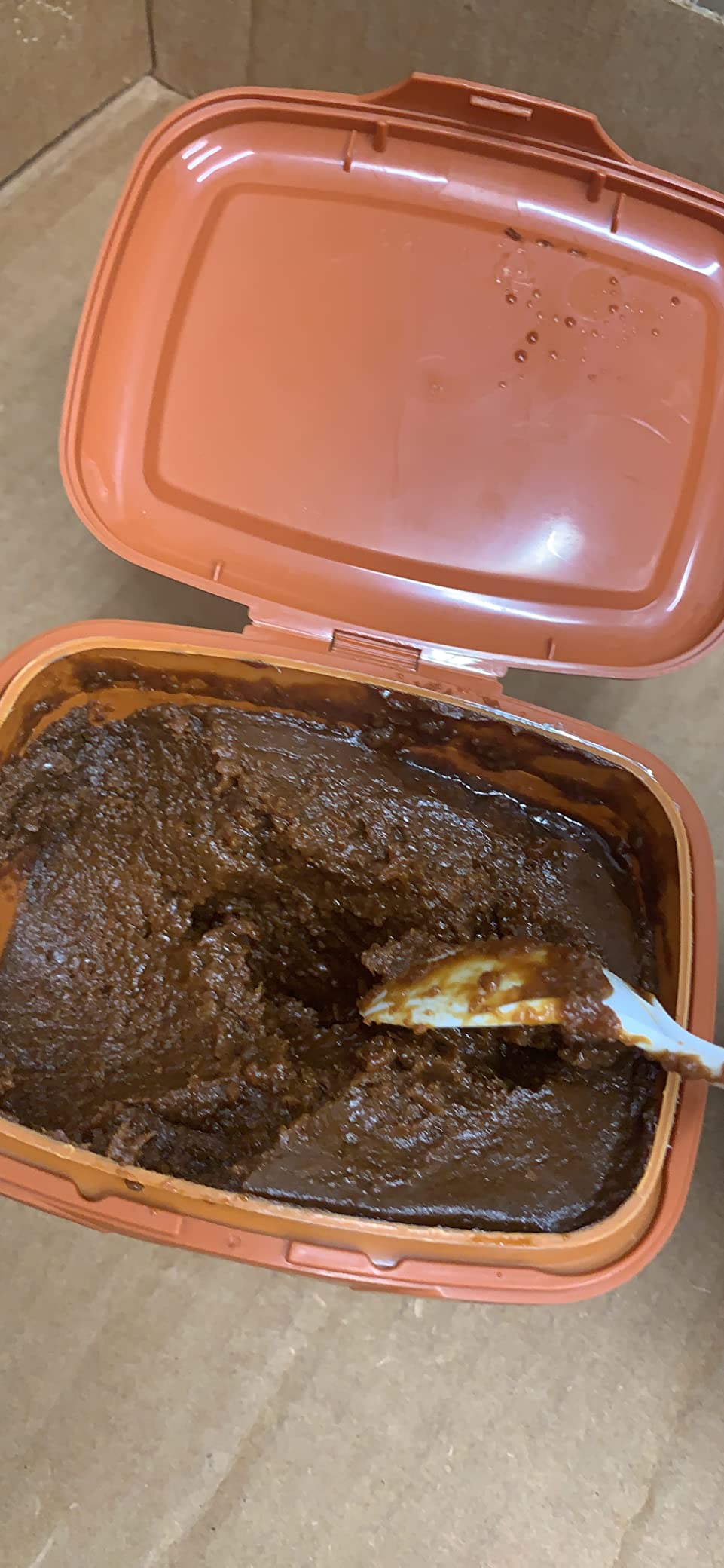
Everyday Kitchen Staple
Beyond stew, I use CJ Haechandle for ssamjang (mixed with gochujang, garlic, and sesame oil), as a marinade for pork, and to season fried rice. The flavor holds up well in all of these applications.
One thing I appreciate is the consistency. Every tub I have opened tastes the same as the last. That kind of quality control matters when you cook with a product regularly.
Why You Might Want Something Else
The packaging is the only real complaint. The foil safety seal is hard to peel off, and once you break it, the plastic lid does not create a tight seal. I always transfer leftover paste to a glass container within a day of opening.
Some cooks who prefer a more traditional, chunky texture may find this paste too smooth. If you want visible bits of fermented soybean in your stew, look for an artisanal or premium brand instead.
Best Miso for Korean Stew (When You Need a Substitute)
3. Miko Awase Miso – Closest Miso to Doenjang Flavor
Miko – Awase Miso Soyabean Paste (Aka + Shiro) – 500 Gram – GMO Free Japanese Miso Paste
500g tub
Red + white blend
GMO-free
Pros
- Balanced red and white blend
- Closest miso to doenjang
- Easily dissolves
- Budget-friendly
Cons
- High sodium content
- Seal can be hard to open
Miko Awase is the best miso option if you have to substitute for doenjang. The blend of red (aka) and white (shiro) miso gives a deeper, saltier flavor than white miso alone, which is what you need to stand up to a long simmer in Korean stew.
I tested this in a vegetarian kimchi jjigae when I ran out of doenjang. I used about three-quarters of the amount I would normally use of doenjang, and added it toward the end of cooking. The result was a soup that looked and smelled like Korean stew, with a slightly sweeter, milder flavor profile than the original.
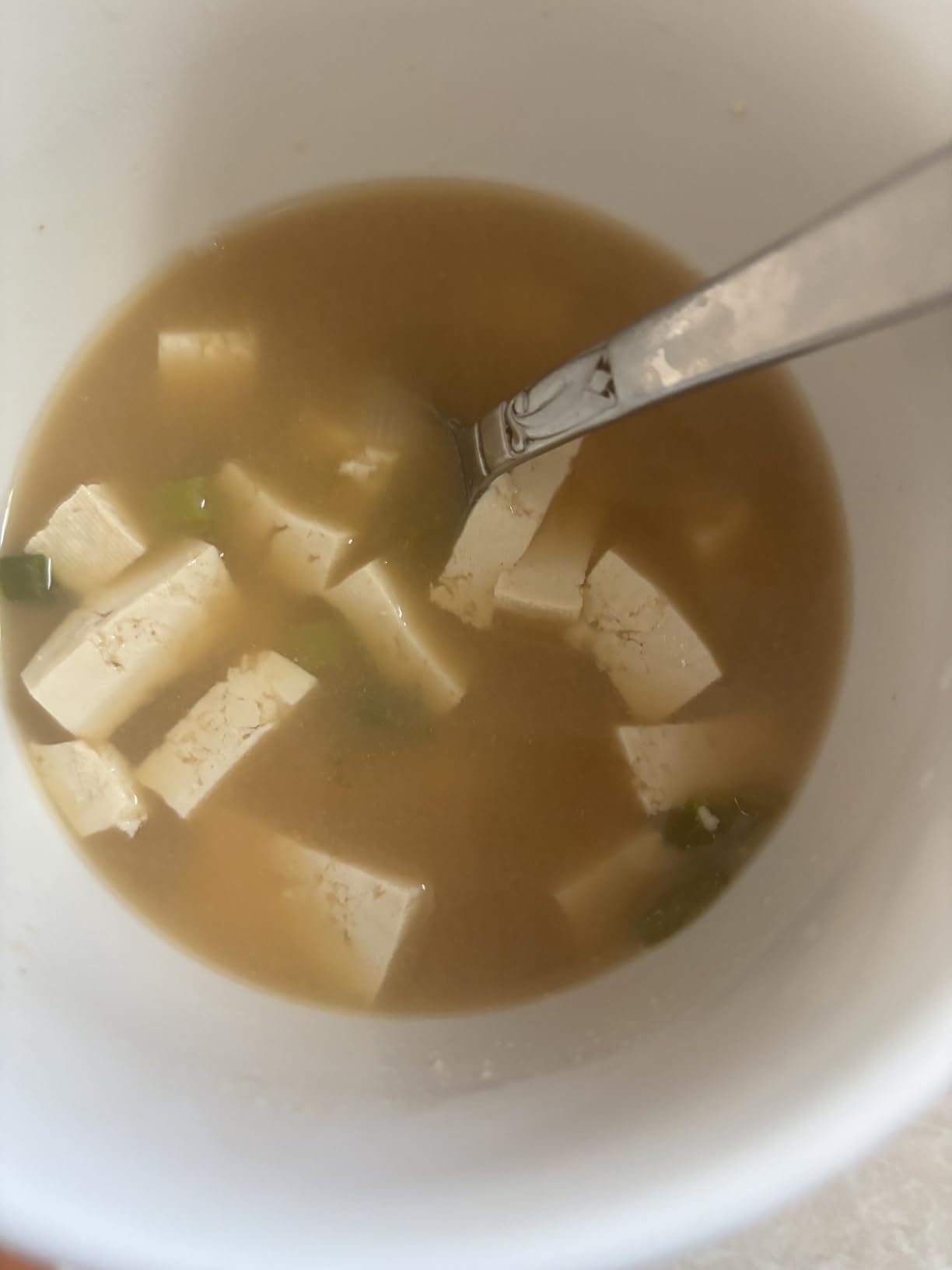
The #1 best-selling miso on Amazon with over 3,000 reviews, Miko is a pantry workhorse for Japanese cooking too. I use it for miso soup, ramen broth, salad dressings, and glazes. One tub covers all my Japanese weeknight dinners.
The paste is smooth and dissolves quickly in warm liquid, which is exactly what you want. No chunky bits, no gritty texture, just clean fermented soybean flavor.
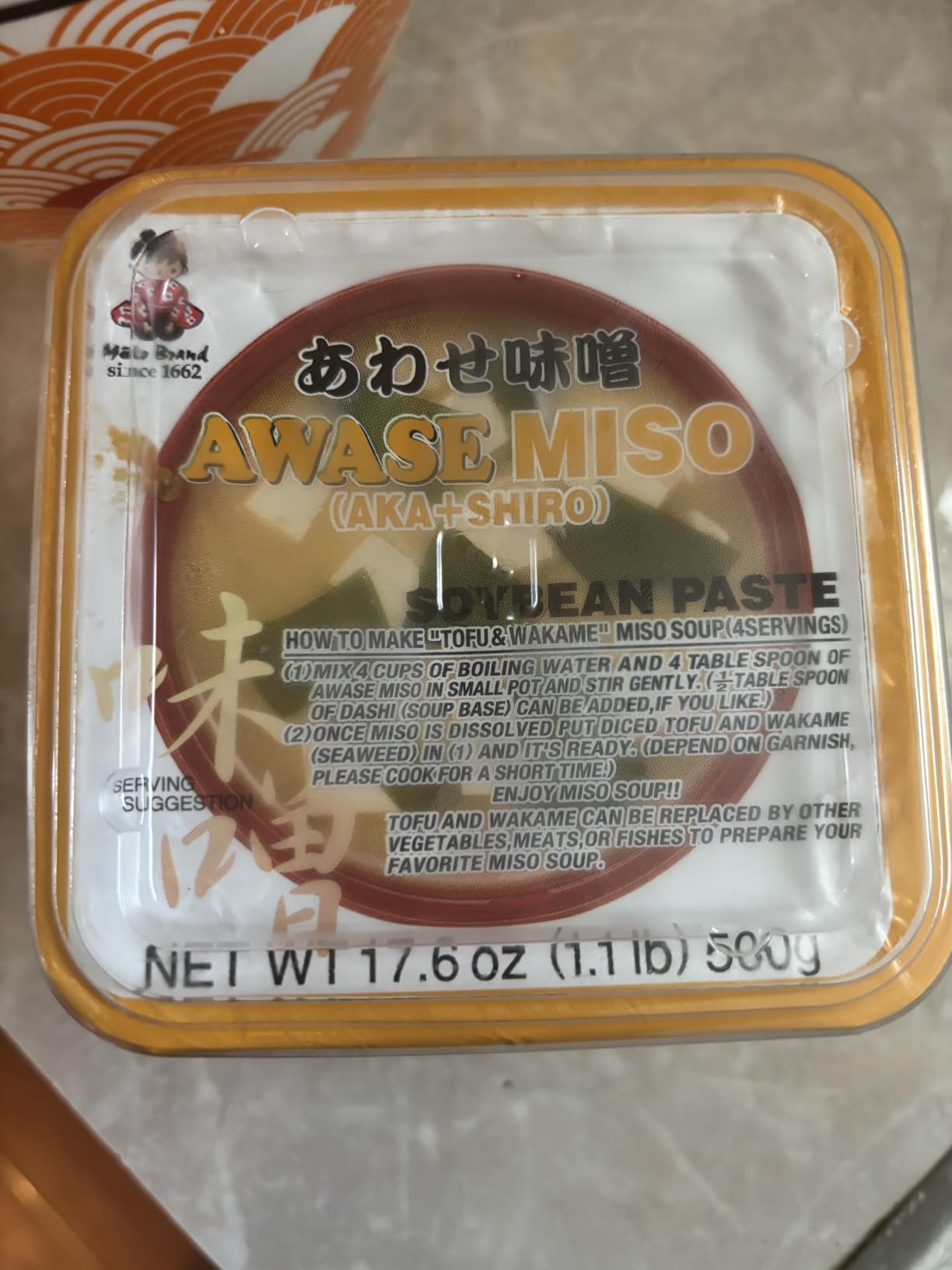
Best for Mixed Japanese and Korean Cooking
If your kitchen straddles both cuisines, Miko Awase is the smartest buy. It is mild enough for traditional miso soup but bold enough to work as a backup for Korean stew when you cannot find doenjang.
The GMO-free certification is a nice bonus for shoppers who care about ingredient sourcing. The brand has been around for decades and is widely respected in Japanese cooking circles.
When to Skip Miko for Korean Stew
Even the best miso is not doenjang. If you are making doenjang jjigae for Korean guests, family members who grew up with the real thing, or for an authentic restaurant-style meal, use actual doenjang. Misos in Korean stew will always taste a little off.
The sodium content is also high, which is true of all miso and doenjang. If you are watching salt intake, use less and taste as you go.
4. Shirakiku Traditional Red Miso – Boldest Miso for Stew
Shirakiku Traditional Red Miso Soybean Paste – 2.2 Lb | Rich Umami Flavor for Authentic Japanese Dishes | Bulk Culinary Essential for Chefs
2.2 lb bulk tub
Long-aged red miso
Aka miso
Pros
- Bold red miso flavor
- Excellent value in bulk
- Long-aged
- Versatile for stews and marinades
Cons
- Limited stock available
- Can be lumpy
- Slow to dissolve
Shirakiku Red Miso is the boldest miso on this list. The longer aging gives it a deep, pungent umami that comes closest to mimicking the intensity of doenjang. If you are looking for a miso that can hold its own in a Korean stew, this is it.
I used this in a doenjang jjigae-style stew with tofu and mushrooms. The flavor was noticeably stronger than the Miko Awase, and it survived 20 minutes of simmering without losing its punch. That is closer to how doenjang behaves in a pot.
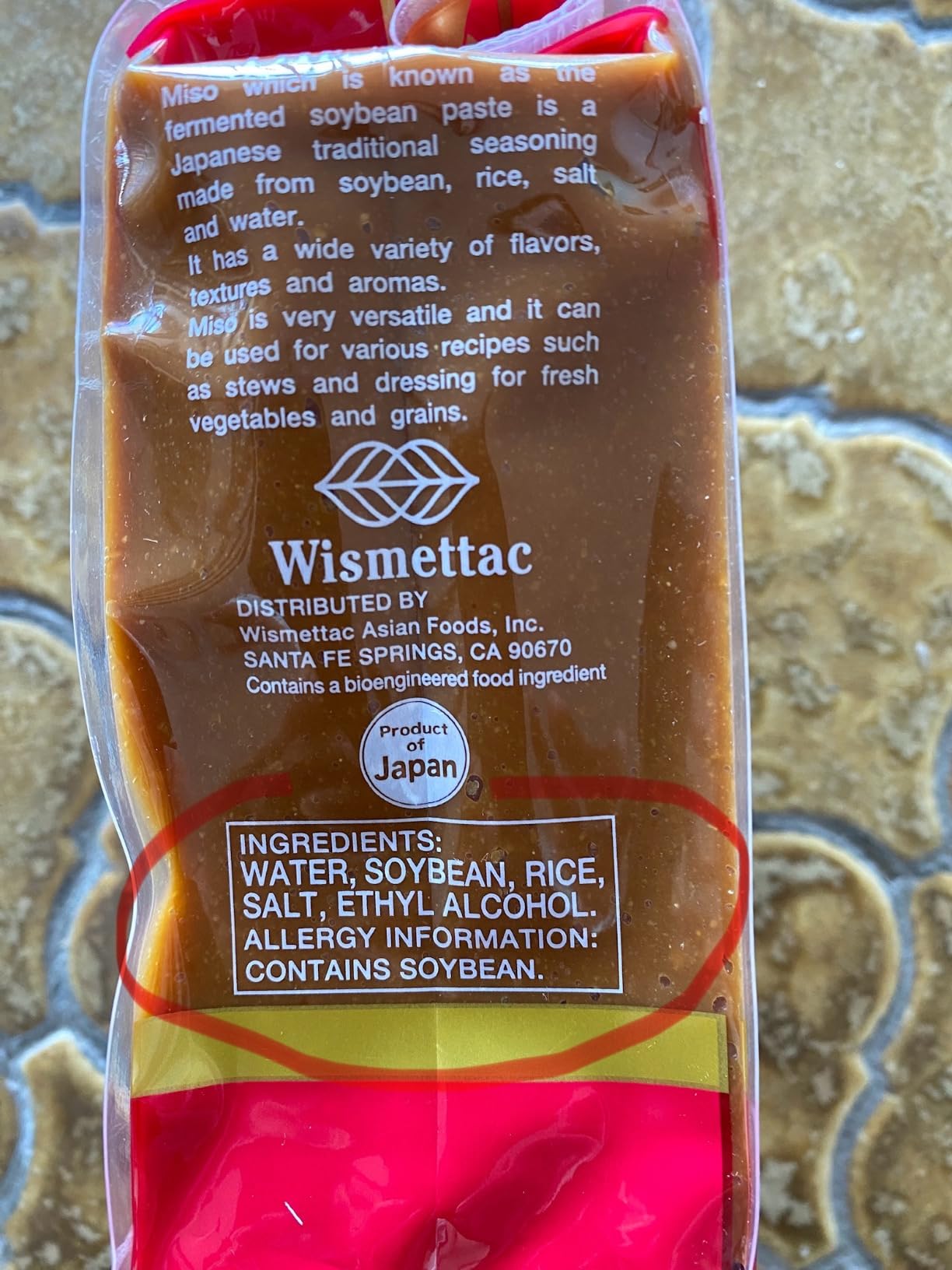
The 2.2 lb bulk tub is serious value for serious cooks. Restaurants, meal preppers, and families who eat Korean or Japanese food weekly will save money buying this size. A small spoonful adds intense flavor to any dish.
Beyond stew, I use this red miso for marinating salmon, glazing eggplant, and making a quick pan sauce for grilled meats. The concentrated flavor means a little goes a long way.
Best for Experienced Cooks
Red miso is not for beginners. The flavor is intense and can easily overpower a dish if you use too much. I learned to start with half of what I thought I needed and adjust from there.
This is also the product I recommend for old-school Japanese cooking where you want the deep, salty backbone of a long-aged miso. Red miso ramen broth, miso-glazed fish, and heartier miso soups all benefit from this style.
Why Some Users Avoid It
The bulk size is not ideal for small households. Once opened, the paste can dry out if not stored properly. I keep mine in a sealed glass jar in the fridge and use it within three months.
A few reviewers also mentioned having trouble getting lumps out of the paste. I found that whisking it with a small amount of warm broth before adding it to the pot solves the problem. Just do not add it directly to boiling liquid.
Buying Guide: How to Choose the Right Paste for Korean Stew
Choosing between doenjang and miso for Korean stew comes down to flavor intensity, cooking method, and what is in your pantry. Here is what I tell my friends when they ask which one to buy.
Pick Doenjang If You Want Authentic Flavor
No miso will give you the same taste as real doenjang. If you are making Korean stew, ssamjang, or traditional Korean sauces, always reach for doenjang first. The funky, earthy, salty depth is the soul of Korean home cooking.
For most home cooks, a tub of CJ Haechandle or Chung Jung One is plenty. Both deliver authentic flavor at a fair price, and a 500g tub lasts several weeks of regular cooking.
Pick Miso If You Need a Substitute
Miso is your backup when you cannot find doenjang or have run out in the middle of cooking. Choose dark or awase miso for the best results, and add it near the end of cooking so the flavor stays bright.
White miso is too sweet for Korean stew. Save it for Japanese miso soup, marinades, and salad dressings where its mild flavor shines.
Watch for Wheat and Gluten
Traditional Korean doenjang is naturally gluten-free because it is made from soybeans, salt, and water. However, some commercial brands add wheat for texture and fermentation. If you have celiac disease or gluten sensitivity, check the label carefully or look for certified gluten-free options.
Japanese miso often contains barley or rice from the koji starter, which is usually fine for gluten-free diets but always verify on the package.
Storage and Shelf Life
Unopened tubs of doenjang and miso last 6 to 12 months in a cool, dark pantry. Once opened, store them in the fridge in a tightly sealed container. Both pastes are heavily salted, so they resist spoilage well, but the flavor declines after 6 months.
If you buy in bulk like the 2.2 lb Shirakiku tub, consider dividing the paste into smaller containers and freezing what you will not use within a month. Thaw in the fridge before using.
Frequently Asked Questions
Can I use miso instead of doenjang for Korean stew?
Yes, but the flavor will be different. Use a dark red miso or awase miso at about 75% of the amount of doenjang, and add it near the end of cooking to preserve its flavor. White miso is too sweet and not recommended for Korean stew.
What miso is closest to doenjang?
Red miso (aka) and awase miso (a blend of red and white) are the closest to doenjang. They have a deeper, saltier, more pungent flavor than white miso, which makes them the best backup option for Korean stew when you cannot find doenjang.
Is doenjang the same as miso paste?
No, they are different. Both are fermented soybean pastes, but doenjang is Korean and uses natural wild fermentation in salt brine, giving it a chunky texture and intense, funky flavor. Miso is Japanese and uses koji starter for a smoother, milder, more balanced flavor.
Why can you boil doenjang but not miso?
Doenjang is fermented in salt brine for months and is designed to be simmered hard for hours. Boiling deepens its flavor. Miso is more delicate. Extended boiling destroys its aromatic compounds and probiotic benefits, which is why Japanese cooks add it at the end of cooking or dissolve it in warm dashi only.
What does doenjang taste like?
Doenjang tastes intensely savory, salty, earthy, and slightly funky with a deep umami backbone. It is much bolder and more pungent than most Japanese miso, with a chunky texture and a sharp fermented aroma that fills the kitchen when you open the tub.
Final Verdict: Which Paste Should You Buy for Korean Stew?
For authentic Korean stew, doenjang is the clear winner. I recommend Chung Jung One Premium Doenjang if you want the most authentic, deep flavor, and CJ Haechandle if you want the best value for everyday cooking. Both will give you a proper doenjang jjigae that tastes like it came from a Korean kitchen.
If you need a miso substitute, Miko Awase is the most versatile option, and Shirakiku Red Miso is the boldest choice for cooks who want intense flavor in a bulk tub. None of them will replace doenjang, but they will save your dinner in a pinch.
The doenjang vs miso for Korean stew debate comes down to one rule: cook the Korean dish with the Korean paste. Your jjigae will thank you.