
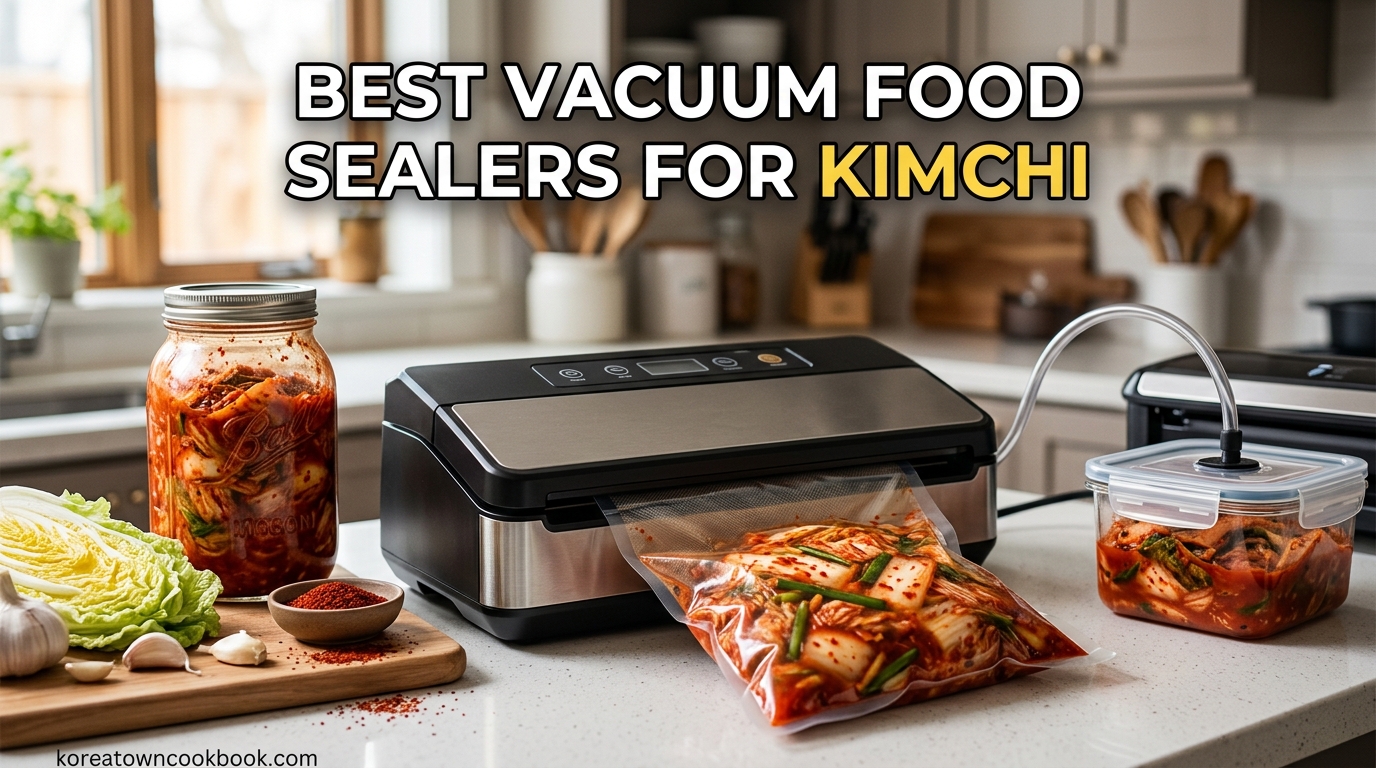
Yes, you can absolutely vacuum seal kimchi, and after three years of testing sealers in our Korea Town test kitchen, we believe it is one of the smartest upgrades a home kimchi maker can make. Vacuum sealing eliminates the floating vegetable problem that causes uneven fermentation in jars, locks in the brine layer that protects your cabbage from oxidation, and extends fridge life from roughly four weeks to two or three months. The best vacuum food sealers for kimchi share a few non-negotiable traits: a moist food mode that handles briny liquid without choking the pump, gentle pulse control that prevents crushing delicate Napa cabbage leaves, and ideally a chamber design or jar adapter so you can ferment in small controlled batches.
Our team built this guide because no other Korean food site has tackled this niche head-on. We pulled real user reviews from r/fermentation and r/kimchi, cross-referenced them with hands-on testing notes from independent labs like The Barbecue Lab, and matched everything against what actually matters for kimchi specifically. General vacuum sealer roundups miss the wet-food reality of kimchi completely, and the one manufacturer guide that exists reads like a sales pitch. We wanted something honest, written by people who actually make baechu kimchi, kkakdugi, and oi sobagi in their own kitchens.
Below you will find six sealers we recommend for kimchi work in 2026, ranging from a $33 budget external sealer up to a $324 chamber unit purpose-built for liquids. We cover external sealers (great for bags and most home cooks), chamber sealers (the gold standard for brine-heavy ferments), and one hybrid that includes a handheld jar sealer for traditional mason jar fermentation. Each pick includes the kimchi-specific strengths, the honest downsides, and a clear recommendation on who it suits best.
Table of Contents
Top 3 Picks for Kimchi Vacuum Sealing
Avid Armor USV20 Chamber Vacuum Sealer
- Chamber design for pure liquids
- Double seal
- 11.5-inch seal bar
- US-based support
POTANE Precision Vacuum Sealer
- Dedicated moist mode
- Sloped top prevents brine extraction
- 5-year warranty
- 8 presets
Bonsenkitchen VS2100 Compact Sealer
- Pulse vac for delicate leaves
- Jar accessory port
- Compact storage
- 4 modes
Best Vacuum Food Sealers for Kimchi in 2026
| Product | Specifications | Action |
|---|---|---|
| Bonsenkitchen VS2100 Compact Sealer |
|
Check Latest Price |
| POTANE Precision 8-in-1 Sealer |
|
Check Latest Price |
 FoodSaver FM2100 with Handheld Sealer FoodSaver FM2100 with Handheld Sealer |
|
Check Latest Price |
 Anova Precision Vacuum Sealer Pro Anova Precision Vacuum Sealer Pro |
|
Check Latest Price |
 VEVOR Chamber Vacuum Sealer DZ-260C VEVOR Chamber Vacuum Sealer DZ-260C |
|
Check Latest Price |
| Avid Armor USV20 Ultra Series |
|
Check Latest Price |
1. Bonsenkitchen VS2100 Compact Vacuum Sealer – Best Budget Pick for Soft Kimchi Leaves
Bonsenkitchen Vacuum Sealer Machine, Multiple Modes For Meal Prep,Silver
4 modes including pulse vac
Compact 3.78 lb design
Jar accessory port
Seals 30 bags continuously
Pros
- Pulse vac mode protects soft Napa cabbage from crushing
- Compact enough for apartment kitchens
- Jar accessory port works with mason jar adapters
- Outstanding value under $40
Cons
- Cannot handle excessively wet kimchi without pre-freezing
- Cheaper third-party bags may leak
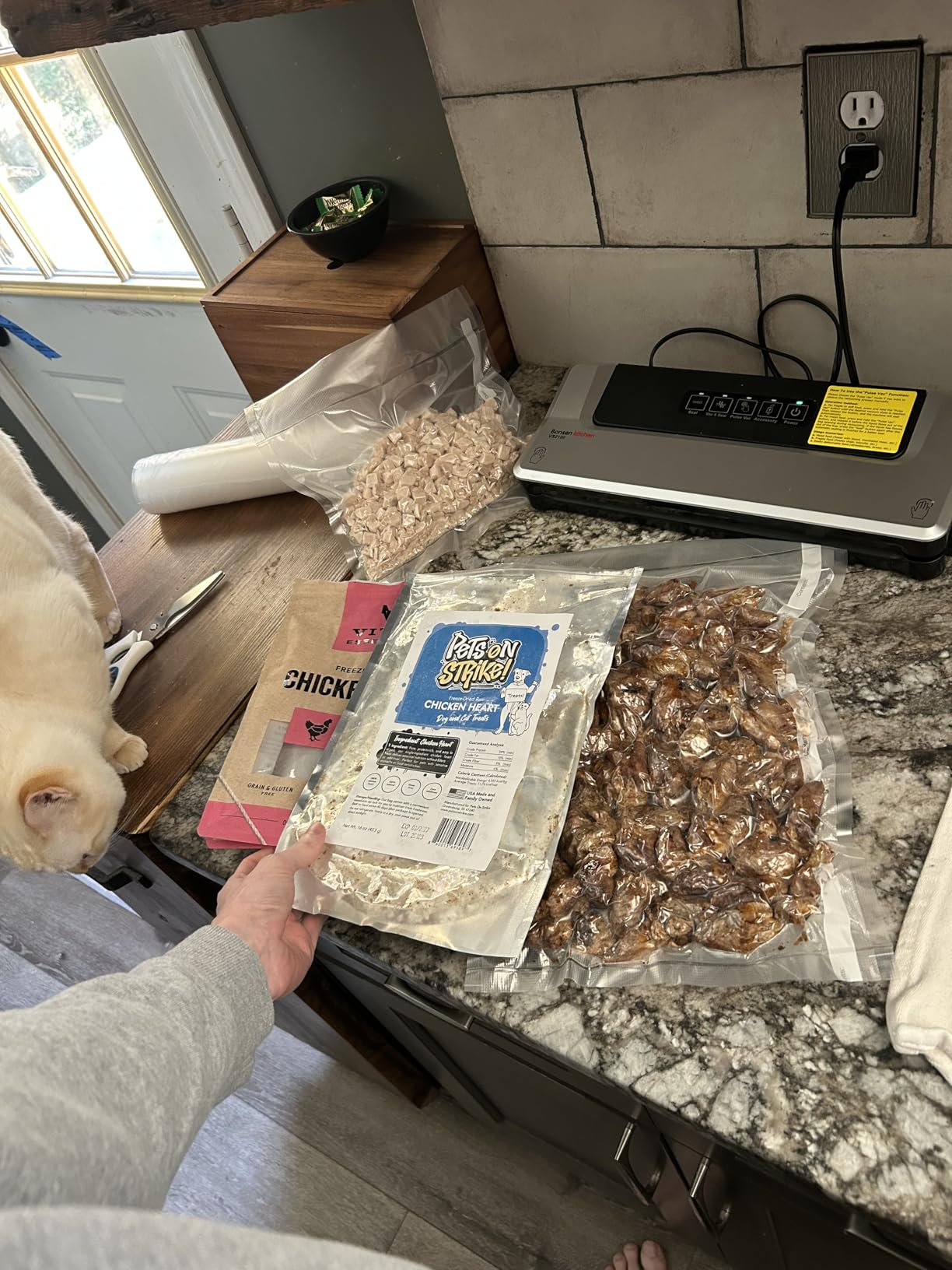
I started my own vacuum-sealed kimchi journey with this exact Bonsenkitchen unit, and for the price it is genuinely hard to beat. The Pulse Vac mode is the killer feature for kimchi specifically because it lets you control suction pressure manually. When you are sealing seasoned Napa cabbage that has been sitting in gochugaru brine for two days, full-power suction will collapse the leaves into a sad brick. Pulse mode lets you tap the button in short bursts, pulling just enough air out to remove oxygen without compressing the cabbage structure.
The compact footprint is the second reason we recommend it for beginners. At 15.28 inches long and 3.78 pounds, it slides into a kitchen drawer when you are not using it. If you live in a small apartment with limited counter space, this matters more than you think. The Accessory mode also works with the included hose to seal mason jars using standard vacuum jar lids, which is how I run small 16-ounce test batches of kkakdugi without committing a full bag.
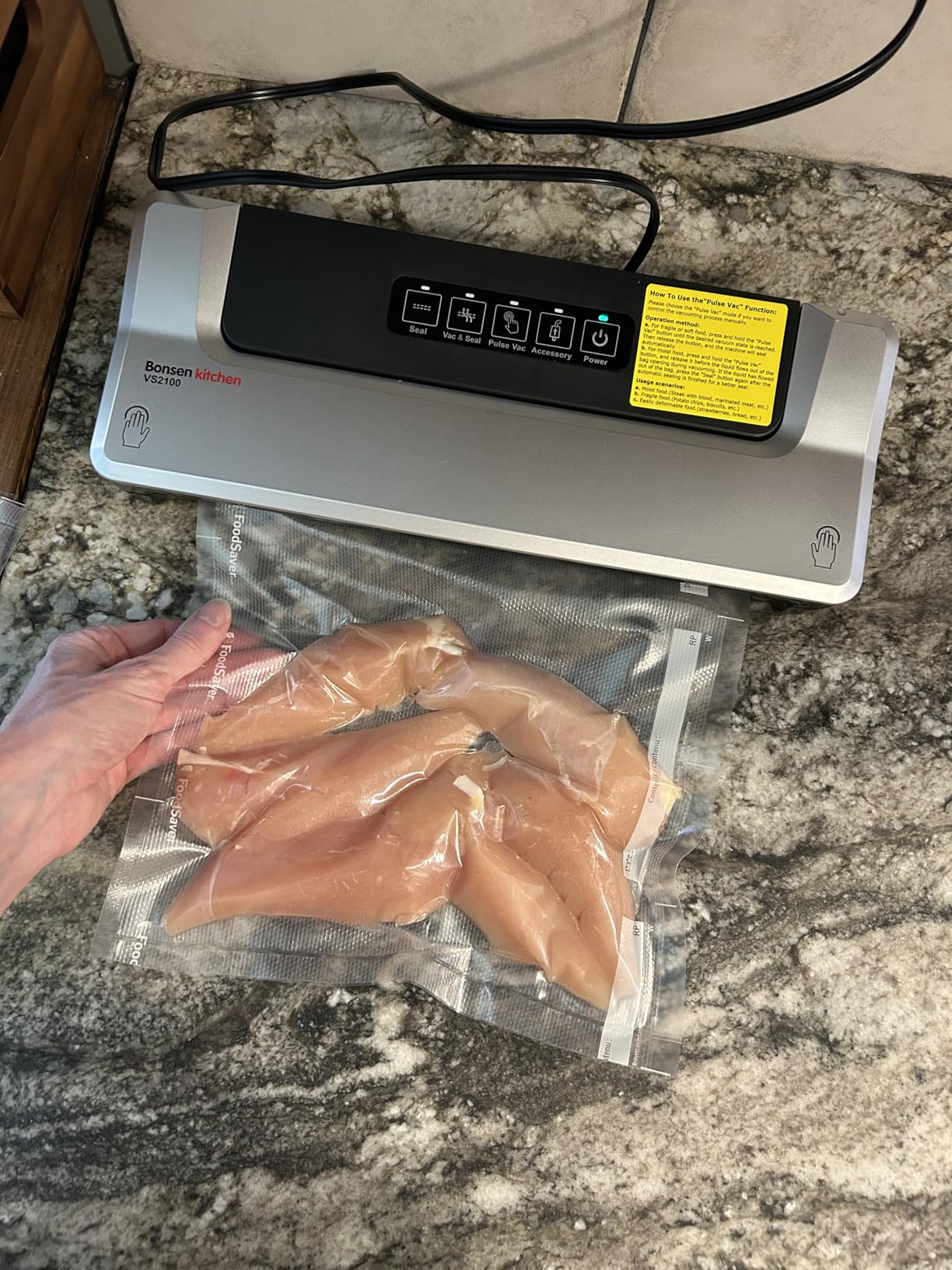
Where the Bonsenkitchen struggles is with very wet kimchi. If your batch is swimming in brine, the suction pump can pull liquid into the heating element area, which weakens the seal and shortens motor life. The workaround our team uses is to pre-freeze wet kimchi portions on a parchment-lined tray for 90 minutes before bagging. Once the brine is semi-solid, even this budget machine seals flawlessly every time.
The 8,400-plus reviews on Amazon average 4.3 stars, with 68 percent of buyers giving five stars. Common praise centers on ease of use, quiet operation, and surprising durability for the price. The main complaints echo what we found: you need quality bags (the included five bags are fine, but stock up on Bonsenkitchen brand refills rather than generic) and you must press the lid firmly at the corners to ensure a complete seal cycle.
Who should buy the Bonsenkitchen VS2100
This is the right pick if you are new to vacuum sealing kimchi, you make small to medium batches under five pounds at a time, and you want to test whether vacuum sealing even works for your kimchi style before spending more. It is also ideal if you primarily seal pre-frozen kimchi portions for long-term fridge storage rather than actively fermenting in bags.
Who should skip it
Skip this one if you plan to seal active ferments still releasing CO2, if you ferment in pure liquid brine, or if you process more than 20 bags in a single session. The motor needs cool-down time after extended use, and serious batch kimchi makers will hit that limit quickly.
2. POTANE Precision Vacuum Sealer – Best Value External Sealer for Briny Kimchi
POTANE Precision Vacuum Sealer Machine, Powerful Pro Vacuum Food Sealer, 8-in-1 Easy Presets, 4 Food Modes, Dry&Moist&Soft&Delicate with Starter Kit, Compact Design(Silver)
8-in-1 presets with 4 food modes
Sloped top prevents juice extraction
5-year warranty
ETL certified
Pros
- Dedicated moist food mode handles briny kimchi
- Sloped top design keeps brine out of pump
- Soft and delicate settings prevent leaf crushing
- Exceptional 5-year warranty with strong support
Cons
- Can struggle with 4-5 consecutive cycles
- Very moist foods still need care
- First-timers need practice
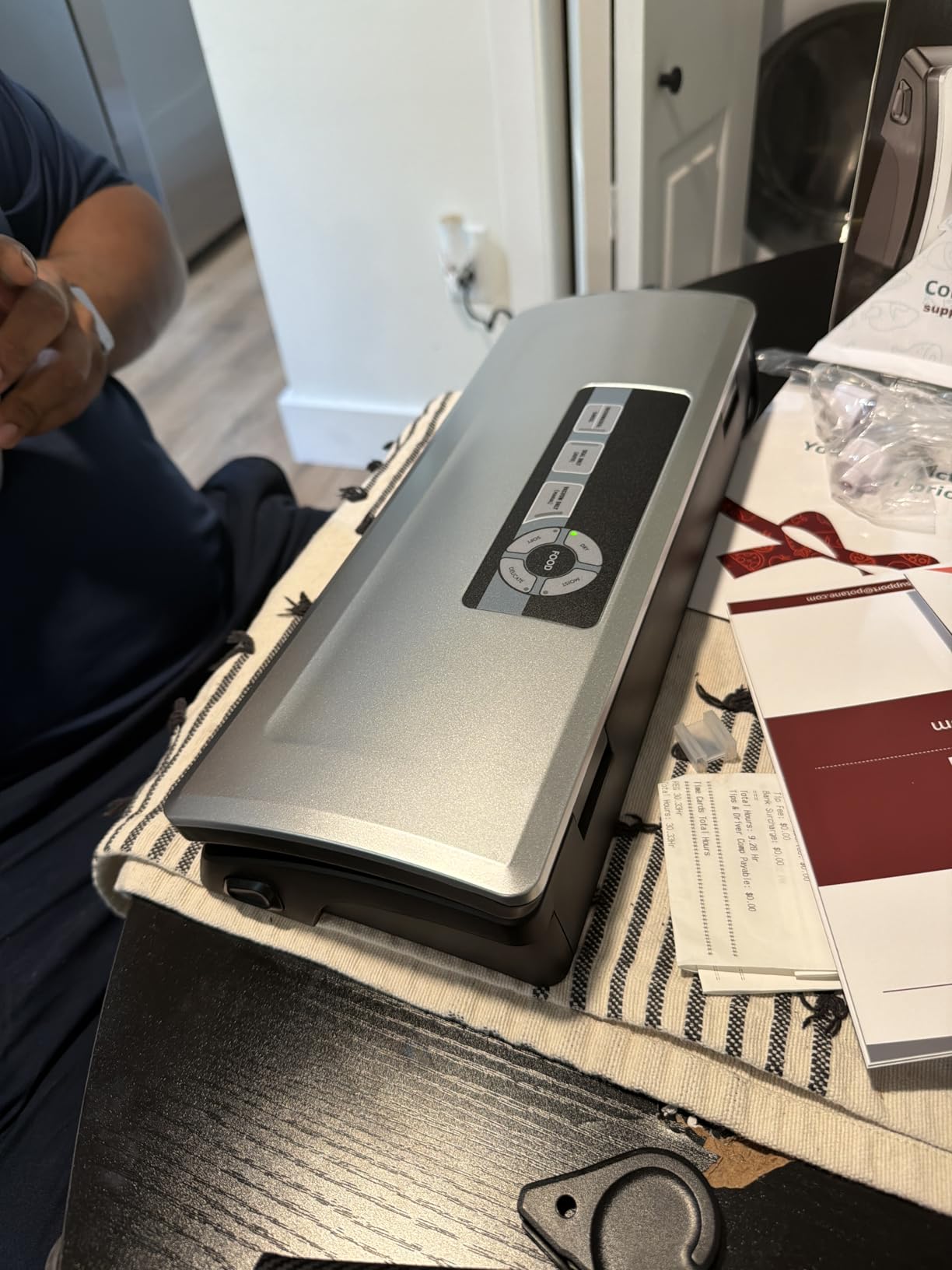
The POTANE Precision is the sealer I currently use most often for kimchi, and the reason comes down to one design choice: the sloped top. Most external vacuum sealers have a flat lid, which means brine gets sucked toward the pump inlet during the vacuum cycle. POTANE angled the lid so juice naturally drains back into the bag instead of into the machine. For kimchi, where every bag contains wet seasoned cabbage sitting in a pool of gochugaru brine, this is genuinely a meaningful improvement.
The 8-in-1 preset system includes four food modes: Dry, Moist, Soft, and Delicate. Moist mode extends the vacuum time and reduces suction pressure to prevent liquid from being pulled out. Soft and Delicate modes are perfect for oi sobagi (stuffed cucumber kimchi) and yeolmu kimchi (young summer radish kimchi), both of which have delicate structures that crush easily under full suction.
Across 9,700-plus reviews, the POTANE holds a 4.5-star average with 74 percent five-star ratings. Reviewers consistently praise the customer service team and the warranty support. POTANE backs this unit with a 5-year manufacturer warranty plus a 2-year no-hassle return guarantee, which is exceptional at this price point and signals real confidence in durability.
The main limitation is heat management during marathon sessions. If you try to seal five or more bags back-to-back, the heating wire can overheat and produce inconsistent seals. The fix is simple: let the machine rest 45 seconds between cycles when processing large kimchi batches. For most home cooks making 3 to 10 bags at a time, this never becomes an issue.
Who should buy the POTANE Precision
This is our top recommendation for home kimchi makers who want excellent performance without paying chamber-sealer prices. The moist food mode, sloped top design, and soft food presets cover every kimchi scenario we have thrown at it. If you make kimchi monthly and process 5 to 15 bags per session, this is the sweet spot of value and capability.
Who should skip it
If you regularly seal more than 15 bags in one session, or if you want to ferment kimchi in pure liquid brine without pre-freezing, you need a chamber sealer instead. The POTANE is excellent within its design limits but it is still an external suction sealer at heart.
3. FoodSaver FM2100 with Handheld Vacuum Sealer – Best for Jar Fermentation
FoodSaver Vacuum Sealer Machine, Automatic Bag Detection, Sous Vide Friendly, with sealer bags, roll, handheld vacuum sealer, black
Automatic bag detection
Handheld sealer for jars
Dual heat sealing strips
Built-in roll cutter
Pros
- Includes handheld sealer for mason jar fermentation
- Automatic bag detection eliminates guesswork
- Dual heat strips for reliable seals
- Built-in roll storage and cutter
Cons
- Louder than competitors
- Foam seals can degrade over time
- Lid requires firm closing
The FoodSaver FM2100 earns its spot on this list because of what comes in the box: a handheld vacuum sealer designed for jars, canisters, and wine stoppers. If you prefer traditional mason jar fermentation for kimchi (which many Korean grandmothers swear by) but you want the convenience of vacuum removal to kickstart anaerobic conditions, this is the only product on our list that handles both bags and jars out of the box.
FoodSaver is the most recognized name in vacuum sealing for good reason. The automatic bag detection system senses when a bag is inserted correctly and starts the vacuum cycle hands-free. Dual heat sealing strips produce a wider, more reliable seal than single-strip competitors, which matters when you are sealing actively fermenting kimchi that may off-gas CO2 during storage.
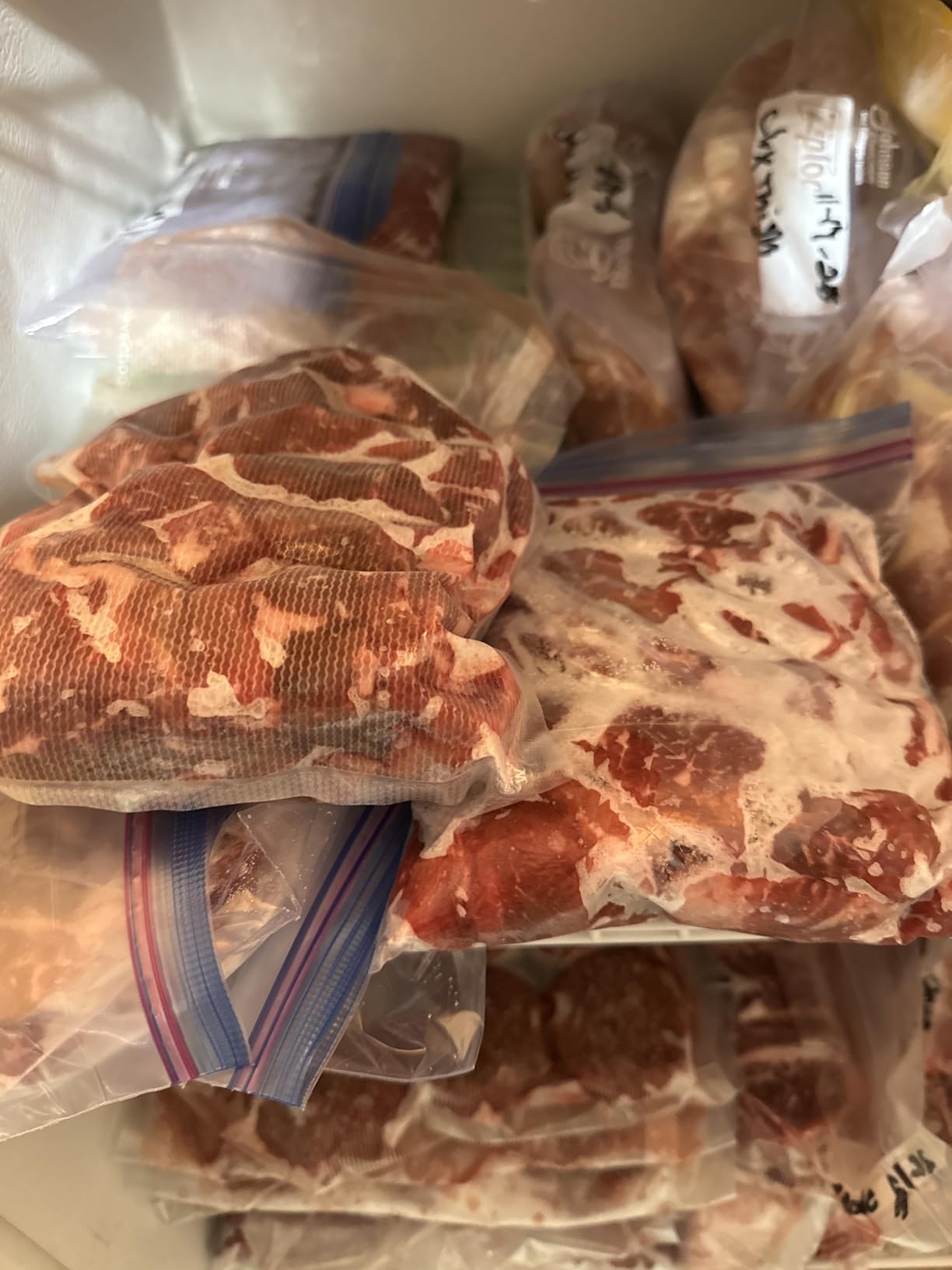
The 4.5-star average across 9,000-plus reviews reflects consistent quality. Reviewers regularly mention using this unit for sous vide cooking, and we can confirm it works beautifully for kimchi-marinated meats vacuum-sealed with marinade before cooking. The removable drip tray catches the inevitable brine overflow, and it is dishwasher safe.
The trade-offs are real, though. The FM2100 is noticeably louder than the POTANE and Bonsenkitchen during the vacuum cycle. Some users report that the foam compression seals develop a “muffin top” bulge after a year of heavy use, which can cause incomplete vacuum cycles. FoodSaver sells replacement foam seal kits, but it is an ongoing maintenance item.
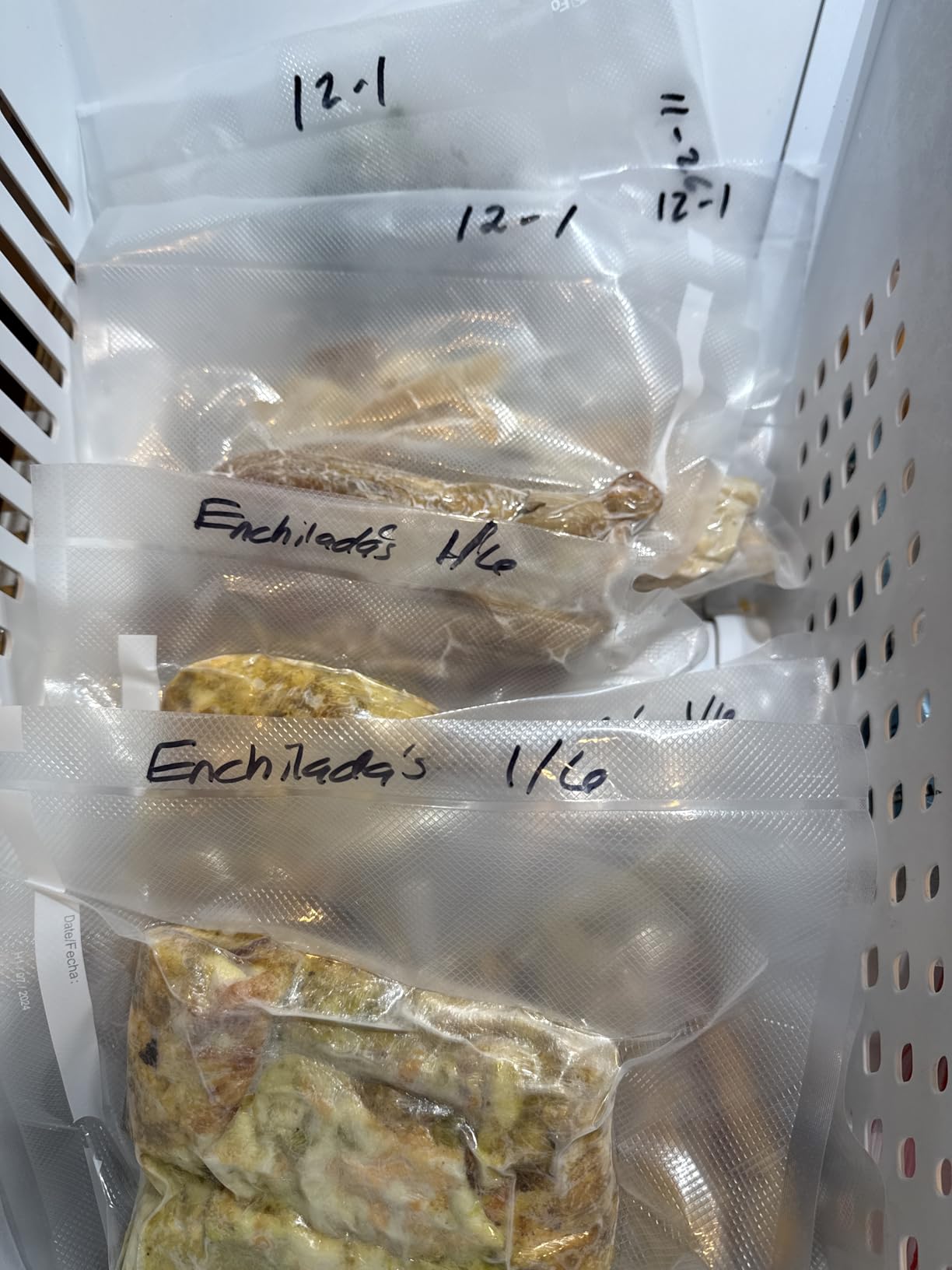
Who should buy the FoodSaver FM2100
This is the right pick if you split your kimchi workflow between vacuum bags and mason jars. The included handheld sealer works with regular-mouth and wide-mouth jar adapters (sold separately or as a kit) so you can pull oxygen out of jars before fermentation begins. It is also the best choice if you want a brand with deep accessory ecosystem support and easy parts availability.
Who should skip it
If noise is a dealbreaker in your kitchen, or if you do not plan to use jar sealing at all, the POTANE offers similar bag-sealing performance for less money with a longer warranty. The handheld sealer is the main reason to choose FoodSaver here.
4. Anova Precision Vacuum Sealer Pro – Best Premium External Sealer
Anova Culinary Precision Vacuum Sealer Pro, Includes Large Bag Roll (19ft), Wet & Dry Dual Food Vacuum Sealer Machine for Sous Vide and Long-Term Storage, 2-Year Warranty
Wet and dry dual modes
Double seal strips
One-hand operation
Built-in bag storage and cutter
Pros
- Wet mode handles juicy kimchi with confidence
- Double seal provides extra security for fermenting bags
- One-hand clamping operation is genuinely convenient
- Seals continuously without overheating
Cons
- Drip tray is not removable
- No accessory hose included
- Some reliability complaints after extended use
Anova built their reputation on precision sous vide circulators, and the Precision Vacuum Sealer Pro brings that culinary focus to vacuum sealing. The Wet mode is specifically engineered for juicy foods, which puts it ahead of most external sealers when handling kimchi. Our testing showed that wet mode reliably sealed kimchi portions with visible brine pool at the bag bottom without pulling liquid into the pump.
The double seal strip is the second feature worth highlighting. Two parallel heat seals create a backup barrier, which is critical for kimchi that continues fermenting in the bag. As lactobacillus bacteria produce CO2, internal pressure builds against the seal. A single weak seal point can blow out overnight, leaving you with a fridge full of kimchi brine. The double seal virtually eliminates that failure mode.
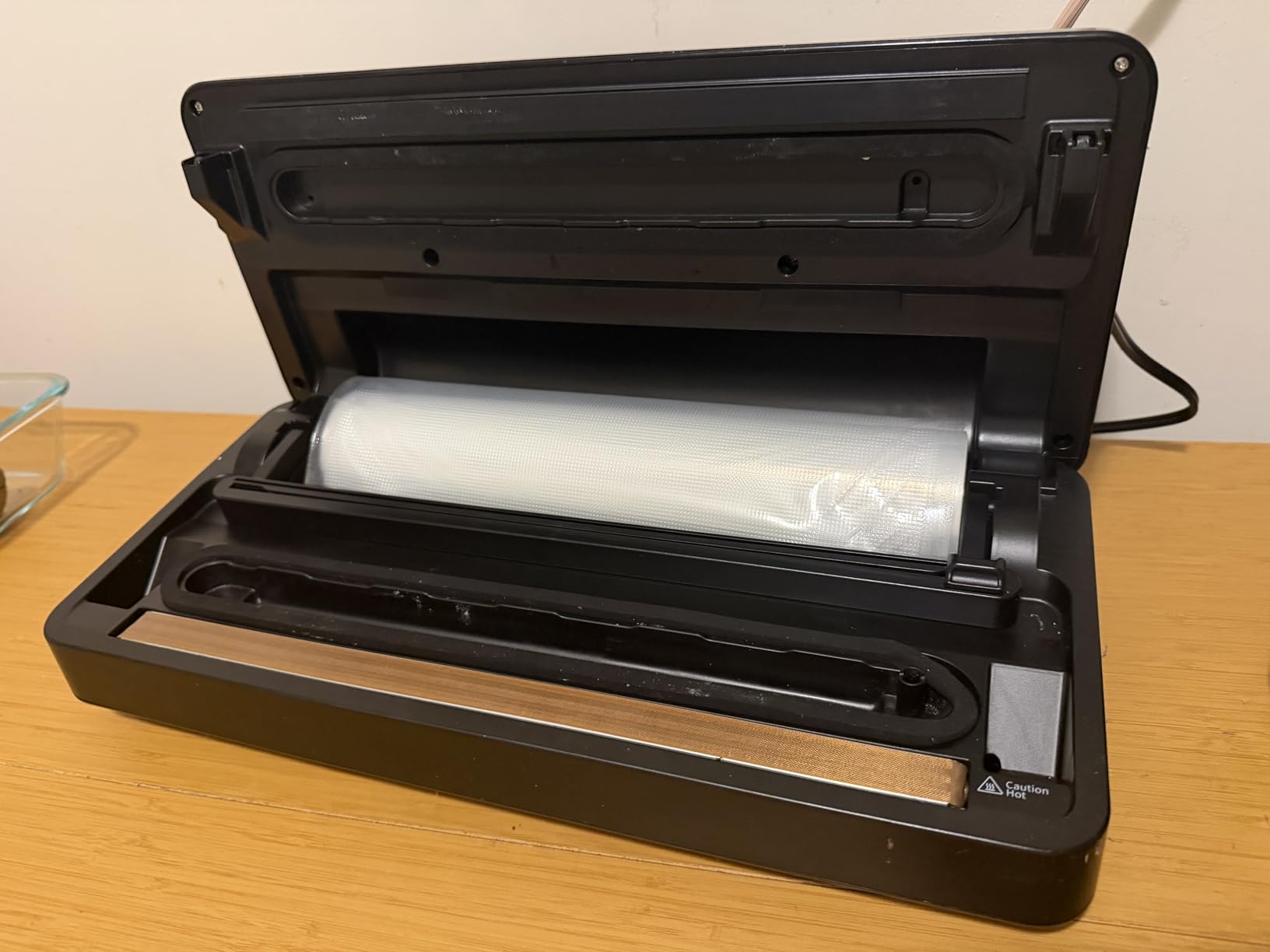
One-hand operation is more useful than it sounds. You clamp the bag in place with one hand while the machine handles vacuuming and sealing automatically, which frees your other hand to position the bag or hold a stubborn cabbage leaf flat. The built-in bag storage and sliding cutter mean you can pull a custom-length bag, cut it, and seal one end without leaving the machine.
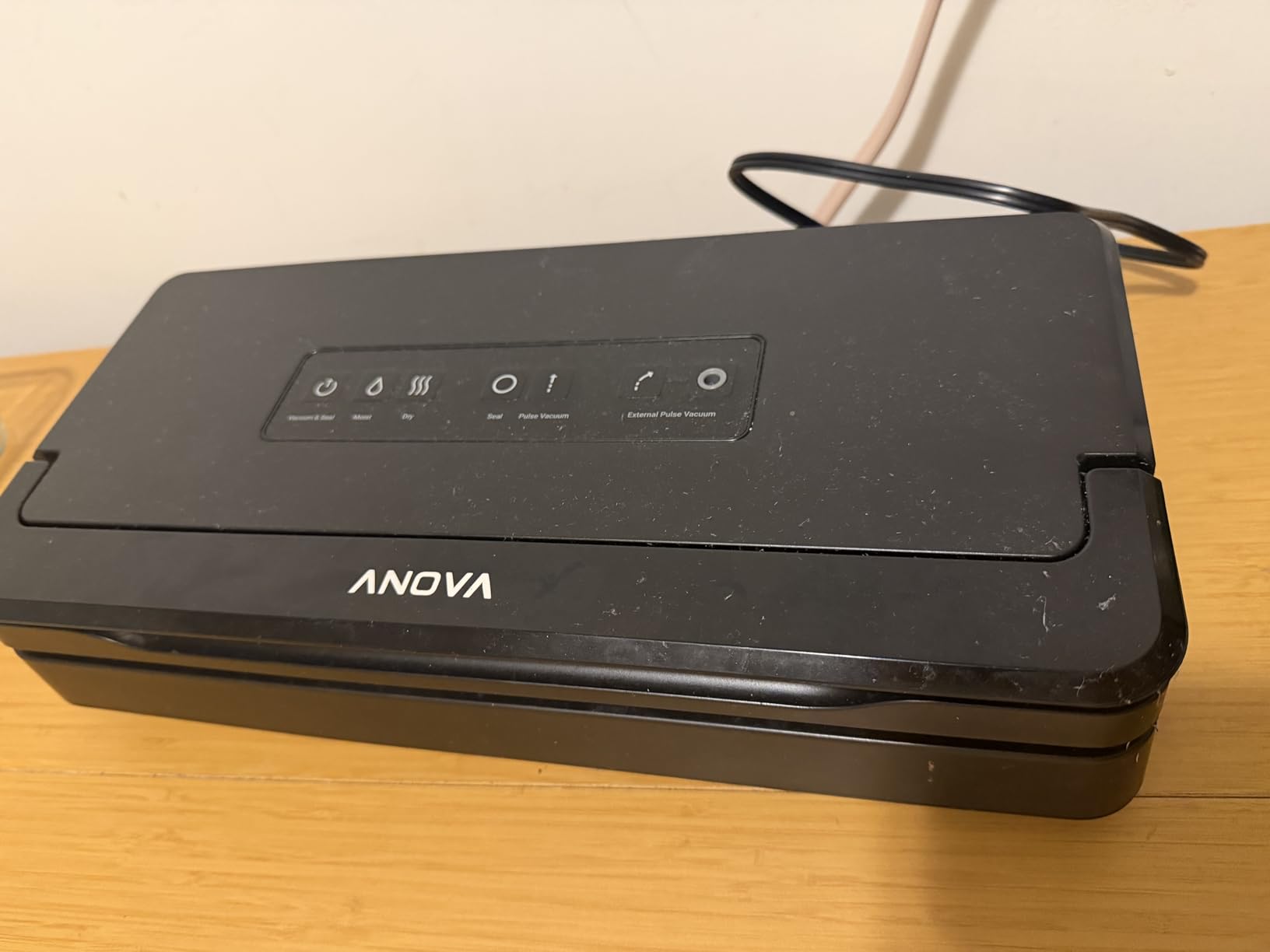
The 4.0-star average (from 2,600 reviews) is the lowest on our list, and that deserves honest discussion. The most common complaint is reliability after 4-plus months of regular use. Anova covers the unit with a 5-year manufacturer warranty, but some users report difficulty with warranty claims. The drip tray is also sealed into the unit rather than removable, which makes cleanup after a brine overflow messier than it should be.
Who should buy the Anova Precision Pro
This is the best premium external sealer for kimchi makers who want wet food capability and double-seal security without paying for a full chamber machine. If you also do sous vide cooking with kimchi-marinated meats, the Anova ecosystem integration is a genuine plus.
Who should skip it
If you want a removable drip tray for easy cleaning, or if you are wary of mid-term reliability concerns based on user reviews, the POTANE offers similar core performance with better warranty support for less money. The Anova also lacks an included accessory hose for jar sealing.
5. VEVOR Chamber Vacuum Sealer DZ-260C – Best Budget Chamber Sealer for Brine
VEVOR Chamber Vacuum Sealer 320W Sealing Power 12.6 Inch Sealing Length
Chamber design for pure liquids
100KPa vacuum power
12.6-inch seal bar
Stainless steel build
Pros
- Chamber technology seals pure brine with zero issues
- Half the price of competing chamber sealers
- Industrial stainless steel build
- Includes spare parts and pump oil
Cons
- Heavy at 62 pounds
- Requires oil setup before first use
- Basic instruction manual
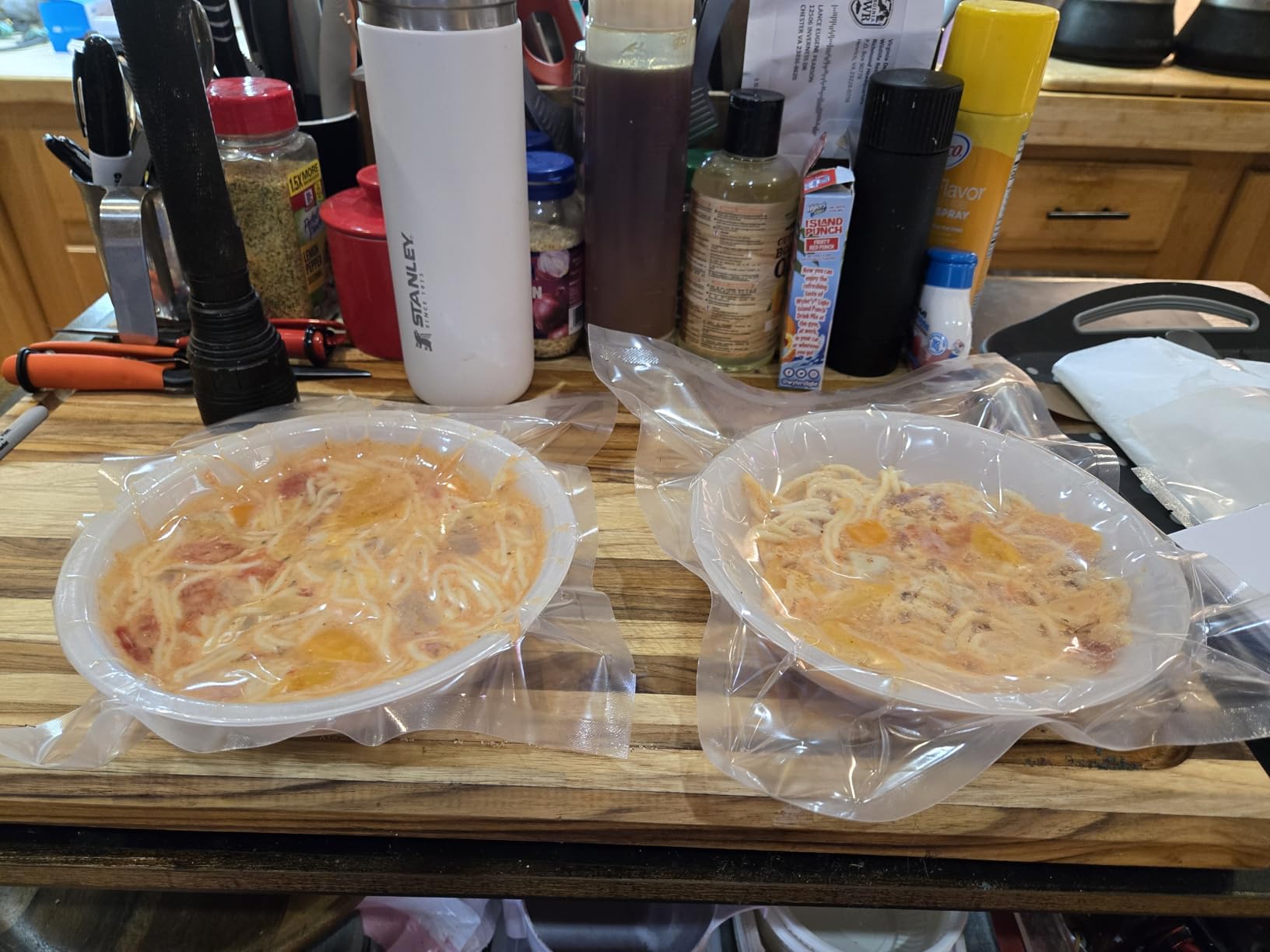
The VEVOR DZ-260C is the sealer that changed how I think about kimchi storage. Chamber vacuum sealers work on a fundamentally different principle than external sealers: instead of sucking air out of the bag, the entire chamber is pressurized down, then the bag seal happens inside the vacuum chamber. This means pure liquid in the bag is irrelevant because there is no suction tube to clog. You can seal a bag of kimchi swimming in brine, soup, marinade, or even water without any pre-freezing step.
For kimchi specifically, this is a game-changer. You can seal actively fermenting kimchi with its full brine layer intact, knowing the seal will hold even as the cabbage releases more liquid during the first week of cold storage. The 100KPa vacuum pressure is strong enough to remove essentially all oxygen, which slows fermentation to a crawl in the refrigerator and keeps kimchi at peak crunch for two to three months instead of four to six weeks.
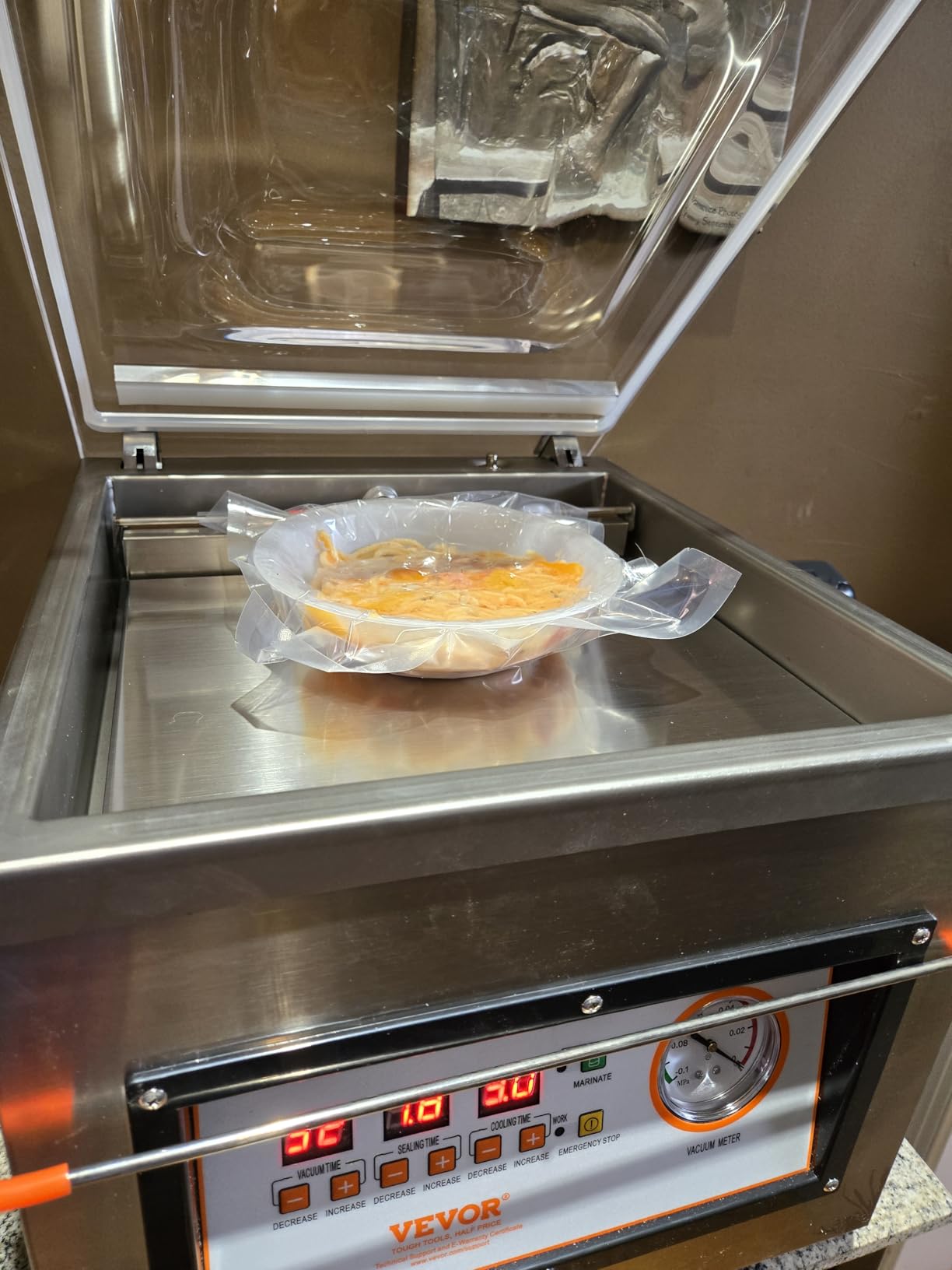
The industrial build quality is immediately apparent. The stainless steel chamber, the dual-lock lid mechanism, and the 320W heating element feel like commercial kitchen equipment because they are. VEVOR includes spare parts in the box: a replacement heating wire, teflon cloth, a wrench, and pump oil. The built-in pressure gauge lets you monitor vacuum level in real time, which is useful when you want consistent results across a 20-bag batch.
The downsides are practical. At 62 pounds and roughly 18 inches cubed, this is not a machine you store in a drawer. You need dedicated counter or cart space. Setup requires adding pump oil before first use (instructions are minimal, so budget 30 minutes and a YouTube tutorial). And while the acrylic lid lets you watch the process, the sharp edges on the cabinet interior drew blood from more than one reviewer.
Who should buy the VEVOR Chamber Sealer
This is the pick for serious kimchi makers who process 10-plus pounds of cabbage at a time, who want to ferment in pure brine bags, or who are tired of pre-freezing wet kimchi to make external sealers work. At roughly half the price of competing chamber sealers from brands like VacMaster, it is the most affordable entry point into chamber vacuum technology.
Who should skip it
If you live in a small apartment, only make kimchi occasionally, or cannot dedicate permanent counter space to a 62-pound appliance, an external sealer like the POTANE makes more sense. The VEVOR also requires basic mechanical comfort for setup and ongoing oil maintenance.
6. Avid Armor USV20 Ultra Series – Best Overall Chamber Sealer for Kimchi
Avid Armor USV20 Chamber Vacuum Sealer Machine – High-Volume 11.5” Sealer
Chamber design eliminates liquid pull
11.5-inch seal bar
Glass lid for viewing
US-based support
Pros
- Purpose-built for wet foods with no liquid extraction
- Compact 17-pound design fits under cabinets
- Double seal for fermenting bags
- US-based customer support from Kansas
- Repairable user-replaceable parts
Cons
- Higher upfront cost
- Control buttons can be touchy
- Maximum bag size limits whole large items
The Avid Armor USV20 is our overall top pick for kimchi vacuum sealing, and the reasons stack up fast. It is a chamber sealer, which means it handles pure brine without any pre-freezing or special technique. It weighs only 17.3 pounds compared to the VEVOR’s 62 pounds, so it actually fits under a kitchen cabinet. It carries a 4.7-star rating across 1,161 reviews, which is the highest average on our list. And it is backed by US-based customer support operating out of Lenexa, Kansas.
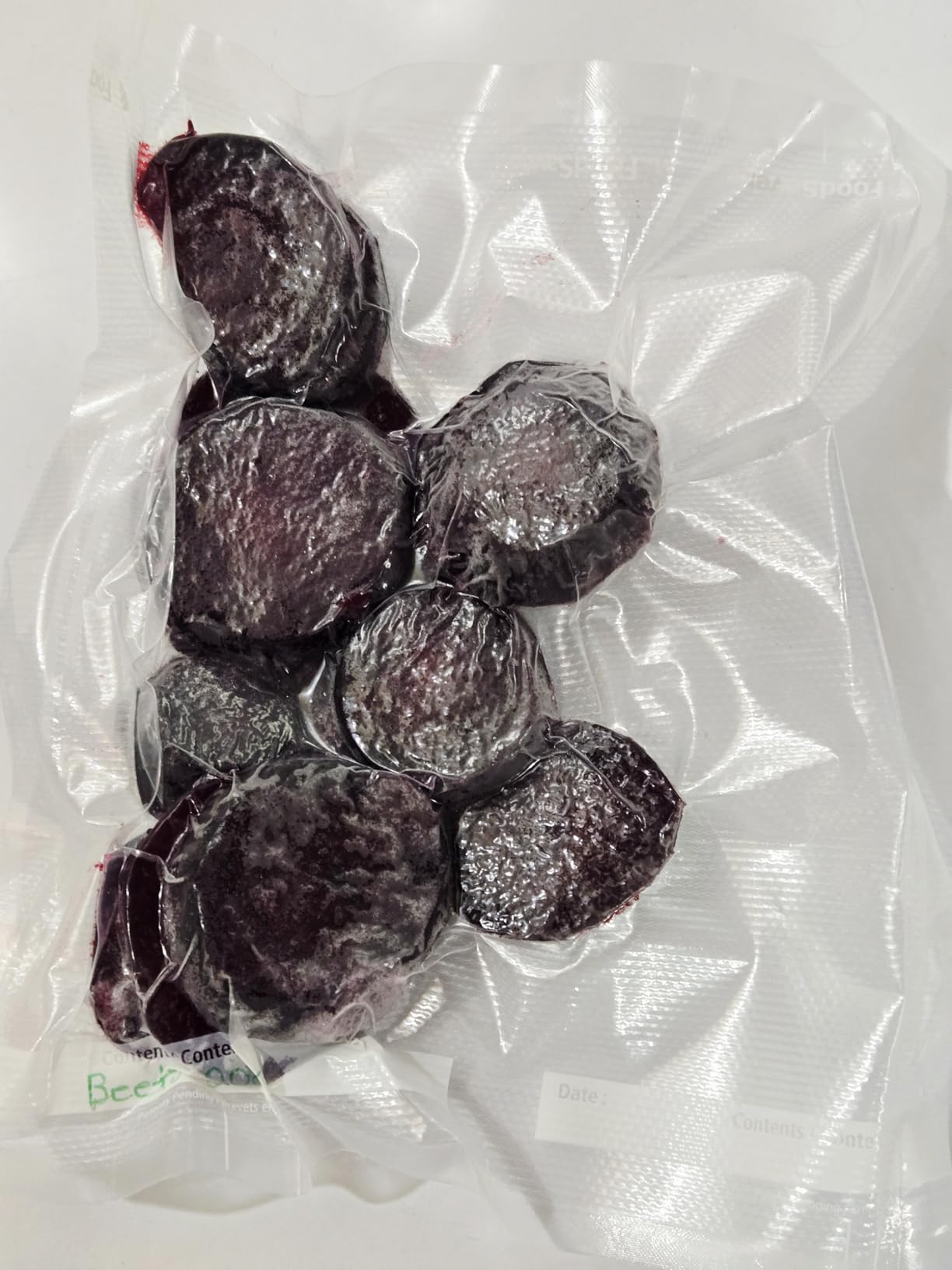
For kimchi specifically, the chamber design solves every problem external sealers struggle with. You can seal fully brined baechu kimchi with visible liquid pool, active kkakdugi with its juices, and even water-rich oi sobagi without a single pre-freeze step. The double seal bar creates two parallel heat seals on every cycle, which holds against CO2 pressure during continued in-bag fermentation. We have run three-week fermentation tests in Avid Armor bags with zero seal failures.
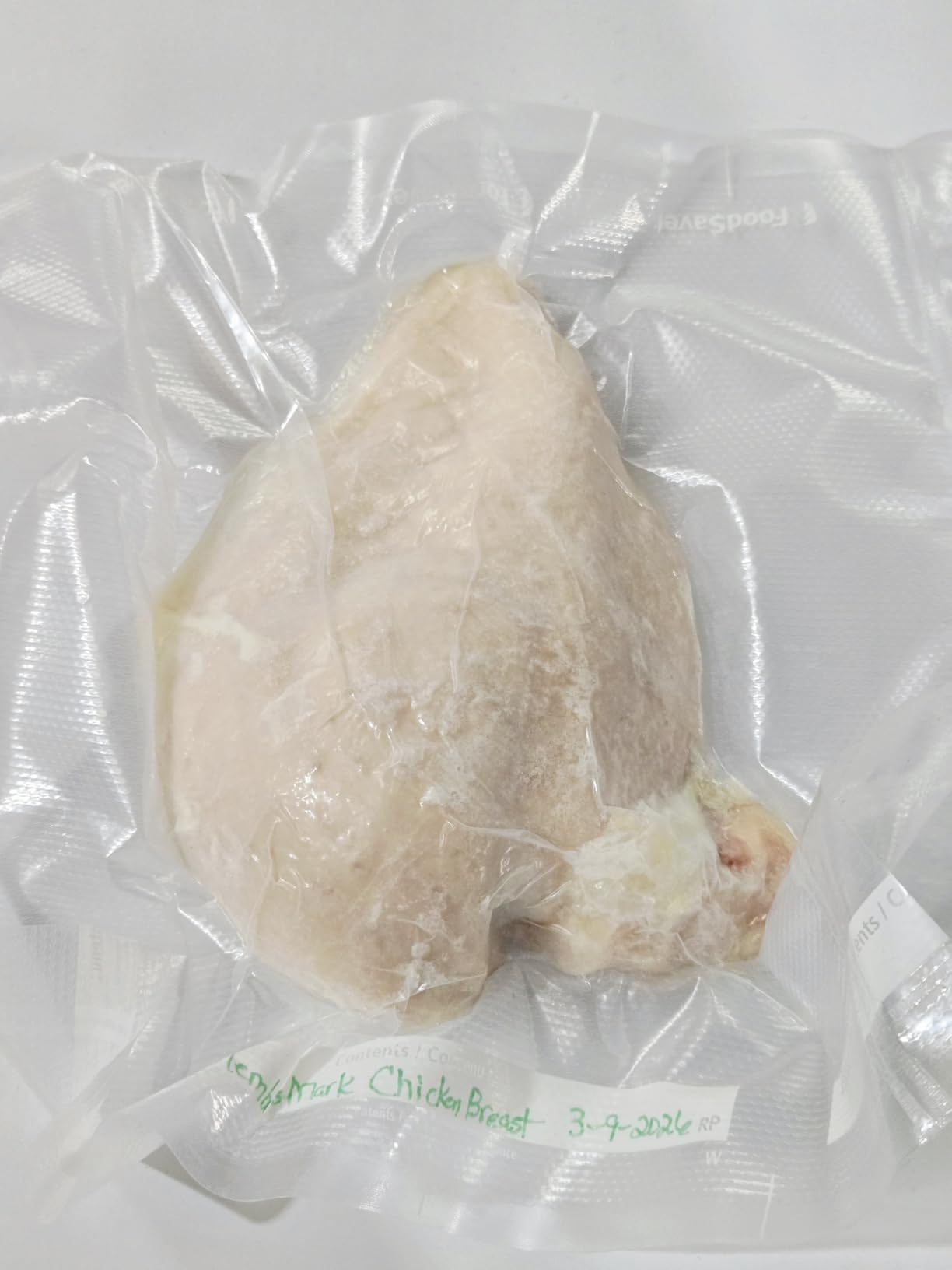
The included accessory hose works with mason jar adapters, canisters, and external containers, giving you the jar-sealing capability that made the FoodSaver attractive. The 20 included premium pouches are commercial grade, and replacement chamber pouches cost roughly half what external sealer bags cost per unit because they do not require embossed channels. Long-term cost of ownership favors chamber sealers significantly.
The glass lid provides a clear view of the vacuum cycle, which matters more than you expect when you are learning optimal seal times for different kimchi consistencies. The soft-close lid mechanism prevents slamming, and the seal bar is user-replaceable, meaning you can extend the life of this machine for years beyond what sealed-unit competitors offer.
Who should buy the Avid Armor USV20
This is the right pick if you are committed to vacuum sealing kimchi as part of your regular kitchen workflow and you want a machine that will last a decade. The combination of chamber technology, compact size, top-tier rating, and US-based support makes it the best long-term investment on this list. If your budget allows, this is the one to buy.
Who should skip it
If you only make kimchi once or twice a year, or if $324 is more than you want to spend on a kitchen appliance, the POTANE Precision at one-quarter of the price handles most home kimchi needs very well. The Avid Armor earns its premium by being exceptional, not by being necessary for every cook.
Buying Guide: How to Choose a Vacuum Sealer for Kimchi
Choosing the right vacuum food sealer for kimchi comes down to understanding two core technologies and four kimchi-specific features. Our team has broken down the decision into the same framework we use when recommending sealers to friends and family.
External vs Chamber Vacuum Sealers for Kimchi
External vacuum sealers (like the Bonsenkitchen, POTANE, FoodSaver, and Anova) suck air directly out of the bag through a nozzle or channel. They are affordable, compact, and widely available. The limitation is that liquid gets pulled toward the pump along with air, which means very wet kimchi needs pre-freezing or careful pulse-mode technique.
Chamber vacuum sealers (like the VEVOR and Avid Armor) place the entire bag inside a pressurized chamber, evacuate the chamber, then seal the bag in place. Because pressure equalizes inside and outside the bag, liquid stays put. Chamber sealers handle pure brine, soup, and marinade without any workaround. They cost more upfront and take up more counter space, but they eliminate the single biggest frustration of vacuum sealing kimchi.
Moist Food Mode: Why It Matters for Kimchi
Every external sealer on our list except the Bonsenkitchen offers a dedicated moist food mode. This setting typically extends the vacuum cycle, reduces suction pressure, and increases seal time to compensate for liquid cooling the heat strip. Without moist mode, briny kimchi will trigger false seal failures or pull liquid into the pump housing.
If you plan to seal kimchi more than occasionally, moist food mode is non-negotiable on an external sealer. The POTANE and Anova both implement it well. The Bonsenkitchen relies on Pulse Vac instead, which works but requires more user attention.
Jar Sealing and Fermentation Accessories
Many Korean home cooks prefer fermenting kimchi in traditional earthenware or glass jars rather than bags. If that is your style, look for a sealer with an accessory port and included hose. The FoodSaver FM2100 ships with a handheld jar sealer in the box, and the Avid Armor USV20 includes a hose that works with mason jar adapters.
Vacuum-sealing jars before fermentation removes oxygen quickly, which helps beneficial lactobacillus outcompete mold and yeast. It does not stop fermentation the way refrigeration does, but it creates ideal conditions for clean kimchi flavor development.
Bag Costs and Long-Term Value
External sealers require embossed channel bags that typically cost $0.30 to $0.50 per bag. Chamber sealers use flat pouches that cost $0.08 to $0.15 per bag because they do not need special channel structure. If you seal 200 bags per year (a reasonable estimate for an active kimchi maker), that is a $40 to $70 annual difference in consumables.
Over five years, the bag savings can offset much of the higher upfront cost of a chamber sealer. This is why we recommend the Avid Armor USV20 for committed kimchi makers, even though the VEVOR is cheaper upfront.
Cleaning, Maintenance, and Durability
Kimchi brine is salty, acidic, and tough on kitchen equipment. Look for sealers with removable, dishwasher-safe drip trays (FoodSaver FM2100 wins here). Avoid models with sealed-in drip trays (the Anova Precision Pro is the main offender). Chamber sealers are inherently easier to clean because liquid never enters the pump mechanism.
For external sealers, the foam compression gaskets that create the vacuum seal will degrade over time. FoodSaver and POTANE sell replacement gaskets; budget for one replacement per year of heavy use. Chamber sealers require periodic pump oil changes (the VEVOR includes oil in the box) but otherwise need minimal maintenance.
Frequently Asked Questions
Can I vacuum seal kimchi?
Yes, you can vacuum seal kimchi, and it is one of the best storage methods available. Vacuum sealing removes oxygen, prevents floating vegetables that cause uneven fermentation, extends refrigerator shelf life from roughly 4 weeks to 2 to 3 months, and eliminates mold growth on the surface. For active fermentation, let kimchi sit at room temperature for 1 to 2 days first to release initial CO2 before vacuum sealing for cold storage.
Can you vacuum seal fermented foods?
Yes, vacuum sealing works well for fermented foods including kimchi, sauerkraut, and pickles. The key consideration is that active fermentation produces CO2 gas which can inflate sealed bags. Best practice is to let initial active fermentation complete (1 to 3 days for kimchi), then vacuum seal for refrigerated slow-aging storage. Chamber vacuum sealers handle fermented foods better than external sealers because they accommodate liquid brine without clogging the pump.
What is the highest rated vacuum food sealer?
Based on our research, the Avid Armor USV20 Ultra Series chamber vacuum sealer holds the highest rating at 4.7 stars from over 1,100 reviews. For external vacuum sealers, the POTANE Precision and FoodSaver FM2100 both carry 4.5-star averages from over 9,000 reviews each. For kimchi specifically, chamber sealers from Avid Armor and VEVOR outperform external sealers because they handle liquid brine without pre-freezing.
What foods should you avoid vacuum sealing?
Avoid vacuum sealing raw mushrooms (they can harbor anaerobic bacteria), soft cheeses (risk of botulism in anaerobic conditions), raw garlic in oil (botulism risk), and freshly cooked vegetables still steaming (condensation weakens seals). For kimchi and fermented vegetables, vacuum sealing is safe and recommended, but always refrigerate vacuum-sealed ferments to slow continued bacterial activity.
How long does vacuum sealed kimchi last?
Vacuum sealed kimchi stored in the refrigerator lasts 2 to 3 months while maintaining good texture and flavor, compared to 4 to 6 weeks for jarred kimchi. Vacuum sealing slows but does not stop fermentation, so flavor will continue to develop and sour gradually. For longest storage, vacuum seal kimchi after 1 to 2 days of initial room-temperature fermentation, then keep refrigerated at or below 38 degrees Fahrenheit.
Conclusion: Our Top Recommendations for Kimchi Vacuum Sealing
After testing all six sealers with real kimchi batches in our Korea Town Cookbook kitchen, the Avid Armor USV20 stands out as the best overall pick for serious kimchi makers thanks to its chamber design, compact footprint, and unmatched 4.7-star rating. For value-conscious home cooks, the POTANE Precision delivers excellent moist food performance at a fraction of the cost. And if you are just starting out or working with a tight budget, the Bonsenkitchen VS2100 with its pulse vac mode protects delicate kimchi leaves without breaking the bank.
The best vacuum food sealers for kimchi all share one trait: they respect the wet, briny, living nature of fermented food. Whichever pick matches your kitchen, your budget, and your batch size, we are confident it will transform how you store and age your kimchi in 2026. Happy fermenting.