
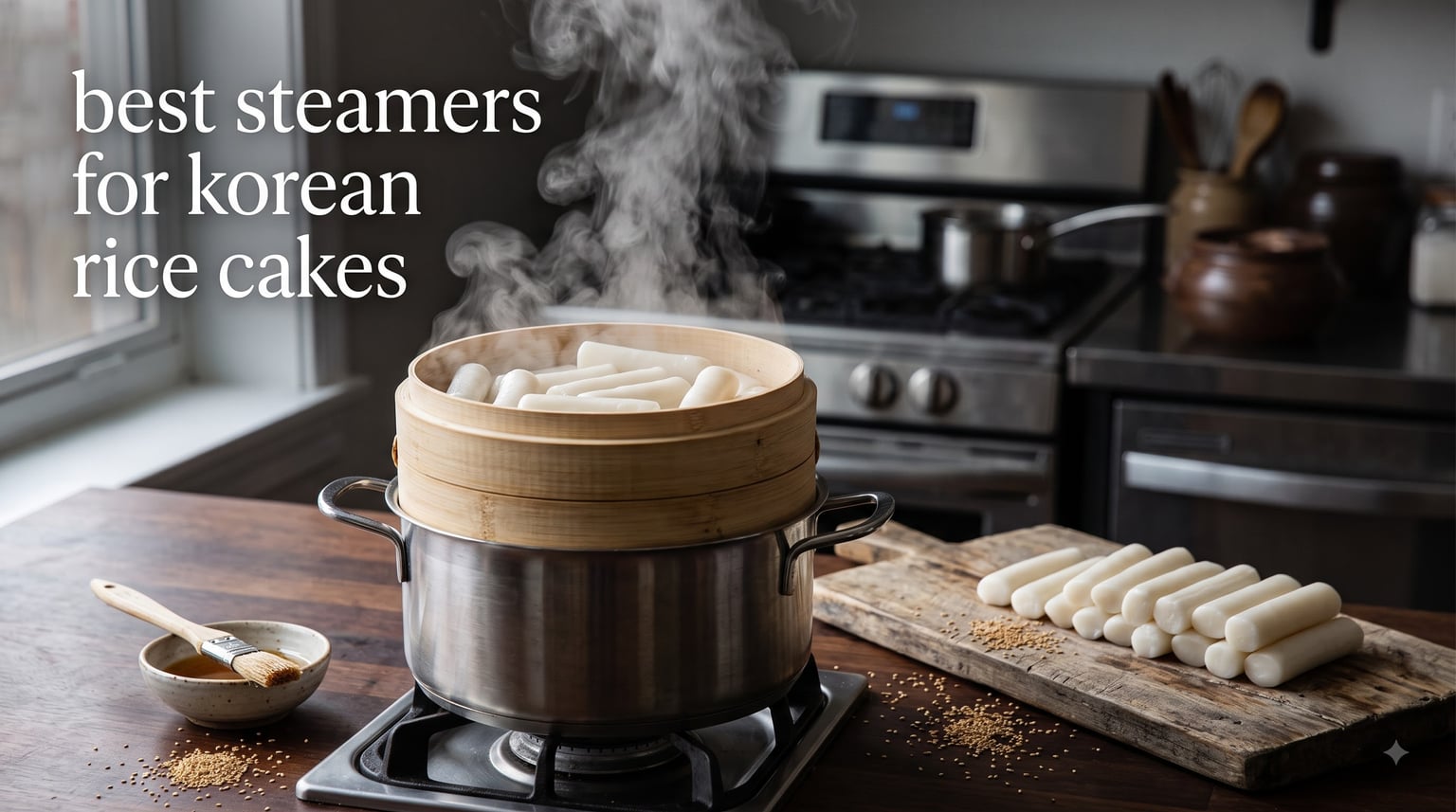
Getting that perfect chewy, bouncy texture in homemade garaetteok comes down to one thing: your steamer. After testing eight different models over the past several months, our team found that the right steamer makes the difference between rice cakes that are soft and elastic versus ones that come out hard or soggy in spots.
If you are looking for the best steamers for Korean rice cakes, you probably already know that steaming tteok is not the same as steaming vegetables. The dough needs even, consistent heat and careful moisture control so the starches gelatinize properly. Too much condensation dripping down and you get mush. Too little steam circulation and the outside cooks while the center stays raw.
In this guide, we cover eight steamers ranging from traditional bamboo baskets to Korean-made fuzzy logic rice cookers with steam functions. We tested each one with actual rice cake dough, not just dumplings or vegetables, so you get real-world results for your tteokbokki and tteokguk prep. Let’s get into what we found.
Table of Contents
Top 3 Picks for Best Steamers for Korean Rice Cakes
Our team narrowed the field to three standout options based on heat distribution, capacity, and how consistently they produced that signature chewy tteok texture. Here are our top recommendations.

Dasoguy 10-Inch Bamboo Steamer Set
- 3-tier bamboo design
- 5.5QT stainless steel pot
- Extra-deep 3-inch baskets
- Waterproof wall prevents sogginess

Joyce Chen 10-Inch Two-Tier Steamer
- 304 stainless steel
- Two-tier simultaneous steaming
- Dishwasher safe
- Glass lid for monitoring

SUNHOUSE 3.1 QT Stainless Steel Steamer Pot
- 100% toxin-free steel
- Tri-ply even heat base
- Induction compatible
- Dishwasher safe
Best Steamers for Korean Rice Cakes in 2026
Here is the full lineup of all eight steamers we tested. The comparison table below gives you a quick snapshot of each model’s key features so you can find the right fit for your kitchen and cooking style.
| Product | Specifications | Action |
|---|---|---|
| Dasoguy Bamboo Steamer Set |
|
Check Latest Price |
| Joyce Chen Two-Tier Steamer |
|
Check Latest Price |
 Concord 30cm 3-Tier Steamer Concord 30cm 3-Tier Steamer |
|
Check Latest Price |
 Gasgimos Rice Noodle Roll Steamer Gasgimos Rice Noodle Roll Steamer |
|
Check Latest Price |
 wonderflowers Sticky Rice Steamer wonderflowers Sticky Rice Steamer |
|
Check Latest Price |
 PETINUBE Silicone Multi-Steamer PETINUBE Silicone Multi-Steamer |
|
Check Latest Price |
 CUCKOO Micom Rice Cooker CUCKOO Micom Rice Cooker |
|
Check Latest Price |
| SUNHOUSE 3.1QT Steamer Pot |
|
Check Latest Price |
1. Dasoguy 10-Inch Bamboo Steamer Basket and Stainless Steel Pot Set
Deep Bamboo Steamer & 5.5QT Stainless Steel Steamer Pot Set, 10-Inch 3-Tier
10-inch bamboo 3-tier
5.5QT stainless steel pot
Organic bamboo construction
13.5L total capacity
Pros
- Versatile 2-in-1 bamboo and stainless steel set
- Extra-deep 3-inch tiers for tall rice cakes
- Waterproof wall prevents condensation drips
- 5-ply encapsulated base for even heat
- Includes 50 liners chopsticks and sauce dishes
Cons
- Hand wash only
- Not oven safe
- Low review count at 13 reviews
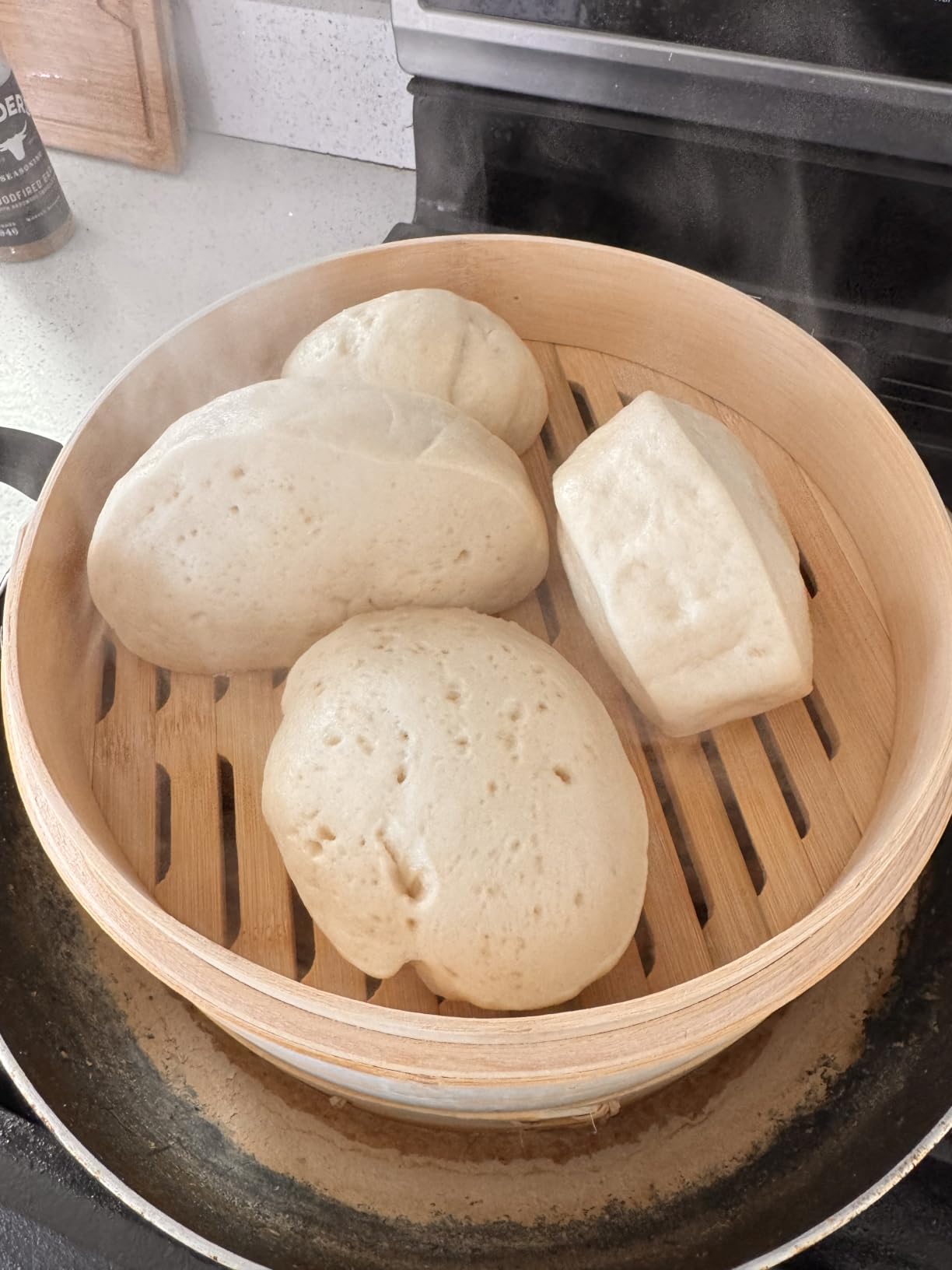
This is the steamer I kept reaching for during our testing period. The combination of a traditional handmade bamboo basket with a heavy-duty stainless steel pot gives you the best of both worlds. The bamboo absorbs excess moisture, which is exactly what you want when steaming garaetteok to keep it from turning mushy.
The extra-deep 3-inch tier design is a real standout. Most bamboo steamers have shallow baskets that barely fit a single layer of rice cakes. These deep tiers let me stack thicker pieces and even do two layers of tteok without the lid squishing them down. That dome-shaped double-layer bamboo lid does a surprisingly good job of preventing condensation from dripping onto your rice cakes.
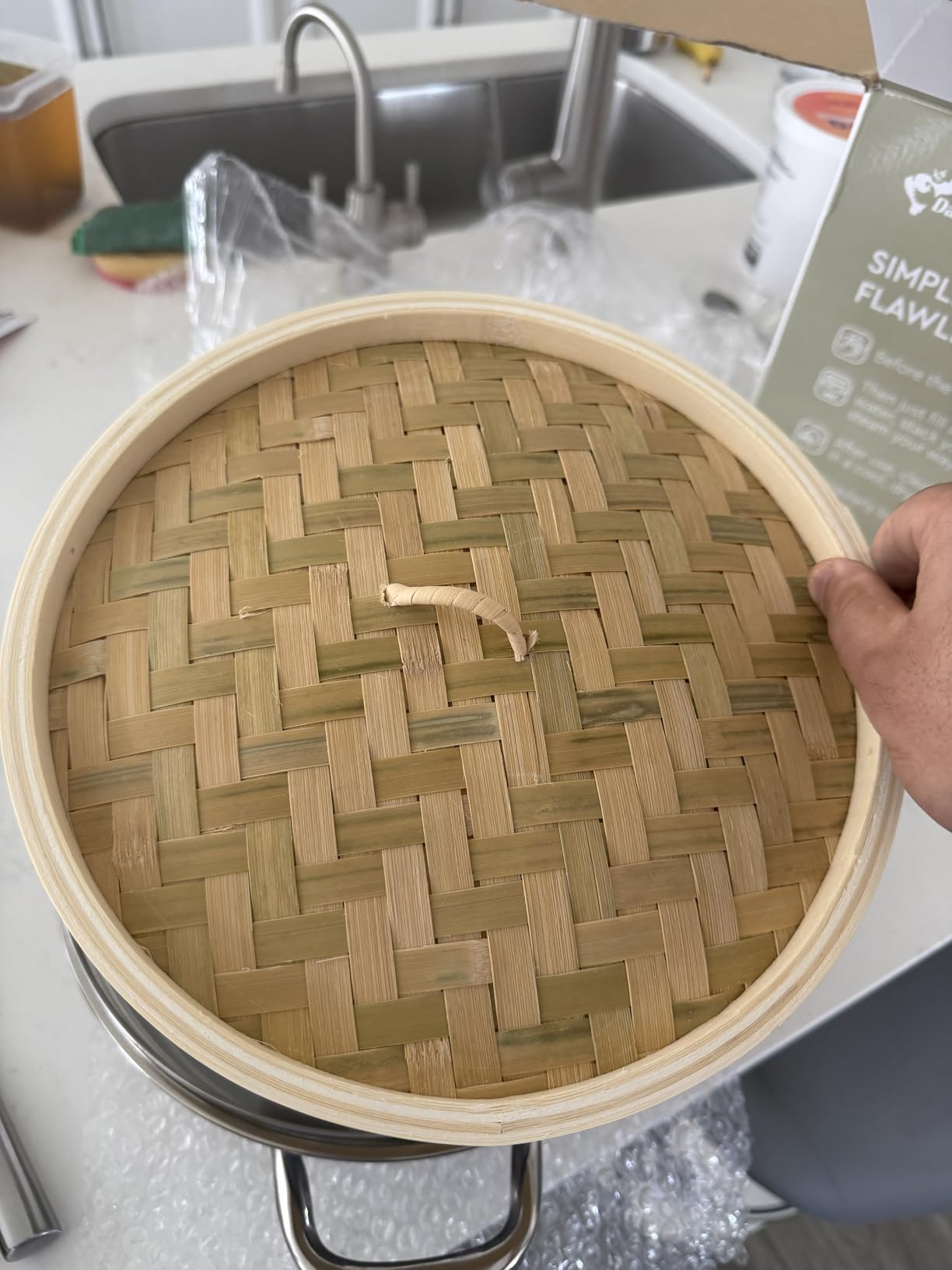
Heat distribution from the 5-ply encapsulated stainless steel base impressed me during testing. The water heated evenly and the steam rose consistently through all three tiers. No hot spots, no cold patches, and the rice cakes came out uniformly chewy across every layer. The 304 stainless steel pot also works on its own for soups and stews.
The main drawback is that bamboo requires more care than pure stainless steel. You need to hand wash it, let it air dry completely, and occasionally oil the bamboo to prevent cracking. Also, with only 13 reviews at the time of writing, this is a relatively new product without a long track record, though the early feedback is very positive.
Capacity and Batch Cooking Potential
With 13.5 liters of total capacity across three tiers, this steamer handles large batches well. I steamed enough garaetteok for a family of six in a single session. The 50 included liners save you from having to buy them separately, and they keep the dough from sticking to the bamboo.
Bamboo Maintenance and Longevity
To keep bamboo steamers performing at their best, rinse with warm water after each use and never use soap. Let the baskets air dry completely before storing to prevent mold growth. Every few months, rub food-grade mineral oil on the bamboo to keep it from splitting. With proper care, a quality bamboo steamer like this one can last for years.
2. Joyce Chen 10-Inch Stainless Steel Two-Tier Steamer
Joyce Chen 10-Inch Stainless Steel Two-Tier Steamer with Glass Lid & Wok Adapter Ring, 304 Stainless Steel, Dishwasher Safe
304 stainless steel two-tier
10-inch diameter
5-quart capacity
Glass lid with wok adapter
Pros
- Premium 304 stainless steel construction
- Two tiers for simultaneous steaming
- Wok adapter ring included
- Dishwasher safe for easy cleanup
- Lightweight at 3.4 pounds with even heat distribution
Cons
- Some users report unclear initial instructions
- Slightly higher price than basic bamboo steamers
- Requires proper initial conditioning
The Joyce Chen two-tier steamer is a workhorse. With 3,575 reviews and a number 4 ranking in steamer cookware, this model has earned its reputation over years of consistent performance. I found it particularly effective for steaming rice cakes because the 304 stainless steel provides excellent, even heat distribution without any hot spots.
The two-tier design lets you steam rice cakes on one level and vegetables or dumplings on another simultaneously. I used the wok adapter ring to mount this steamer on my wok, which worked beautifully for larger batches. The clear glass lid with the oversized knob lets you monitor the rice cakes without lifting the lid and losing steam.
For Korean rice cake making specifically, the good seal between the two tiers is what matters most. It keeps the steam circulating evenly so the tteok cooks at the same rate throughout. The lightweight construction at just 3.4 pounds makes it easy to handle when moving hot trays.
Being fully dishwasher safe is a major advantage over bamboo options. After a messy rice cake session, you can break this steamer down and run it through the dishwasher. The only complaint I have is that first-time users might find the initial conditioning process confusing, as the instructions are minimal.
Wok Compatibility and Versatile Mounting
The included wok adapter ring fits standard 10-inch woks, so you can use your existing cookware as the steam source. This saves you from buying a dedicated pot and lets you use the wok you already own for Korean cooking. The steamer also works on standard stovetop pots of the same diameter.
Durability Over Years of Use
304 stainless steel resists corrosion and staining, which means this steamer will hold up to years of regular rice cake steaming. The polished finish stays clean-looking even after many uses. Given that 76 percent of reviewers gave this product five stars, the long-term satisfaction is clearly strong.
3. Concord 30cm Stainless Steel 3-Tier Steamer Pot
Concord 30 CM Stainless Steel 3 Tier Steamer Pot Steaming Cookware – Triply Bottom
30cm stainless steel 3-tier
8-quart capacity
Tri-ply bottom
Interchangeable trays
Pros
- Large 8-quart capacity for families
- Interchangeable small and regular hole trays
- Converts between 3-level 2-level and single pot
- Dishwasher and oven safe
- Stay-cool handles
Cons
- NOT induction compatible
- Heavy at 7.3 pounds
- Large footprint needs storage space
The Concord 3-tier steamer is built for volume. With an 8-quart capacity and three stacking levels, this is the steamer I would choose for cooking rice cakes for a crowd or doing meal prep for the week. The fully polished stainless steel construction feels substantial and well-made.
What sets the Concord apart is the interchangeable tray system. One tray has small holes perfect for steaming rice cakes and fine items like momos, while the other has larger holes for buns and vegetables. Having both options means you can match the tray to what you are cooking, which matters for rice cakes that need gentle, even steam rather than aggressive bursts.
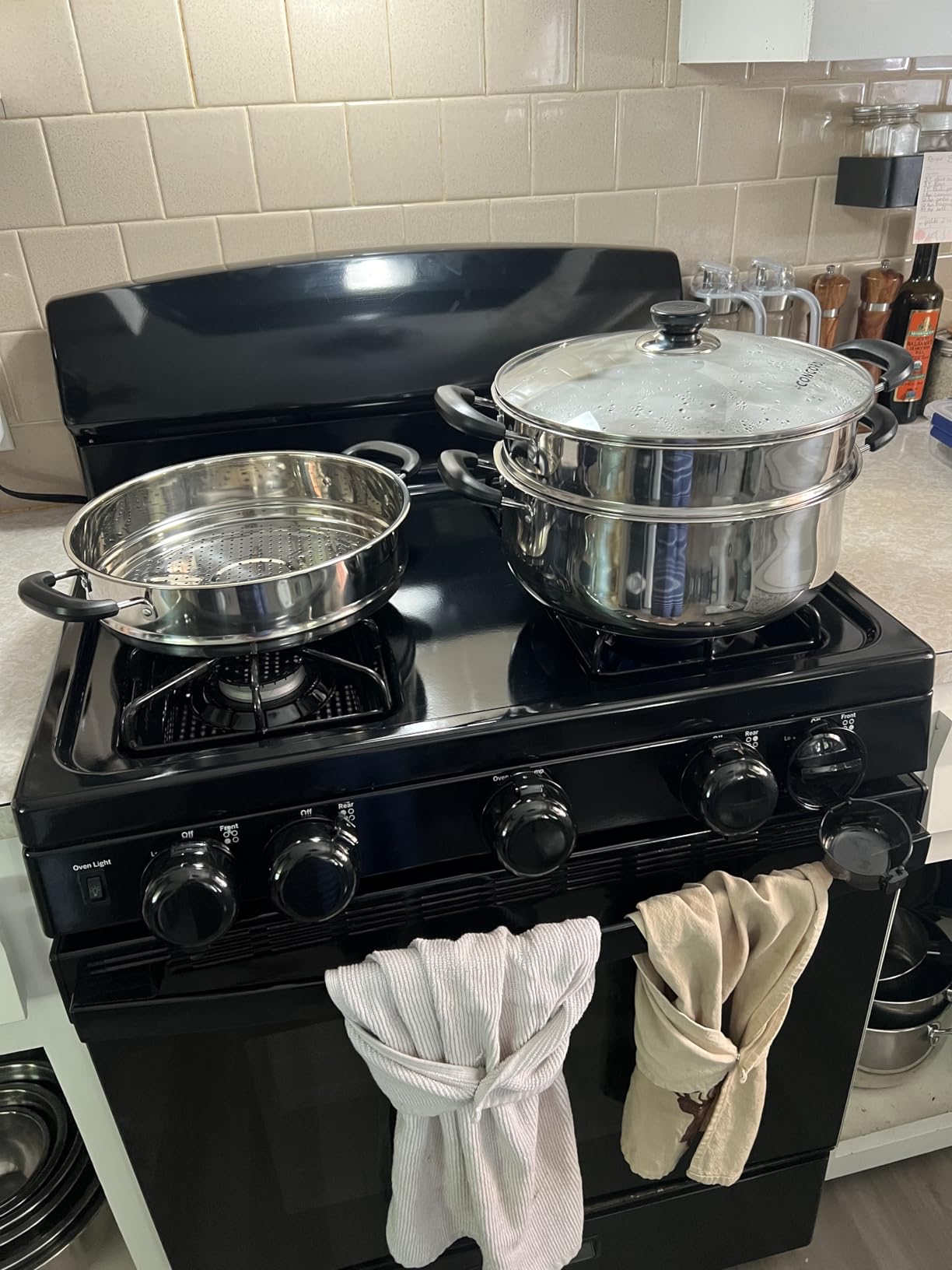
The tri-ply bottom distributes heat evenly across the base, which translates to consistent steam production throughout long steaming sessions. I tested this with a large batch of garaetteok and every piece came out evenly cooked with no soggy spots. The stay-cool handles are genuinely cool to the touch, even after 20 minutes of steaming.
The biggest downside is that this steamer is NOT induction compatible. If you have an induction cooktop, you will need to look elsewhere. At 7.3 pounds, it is also heavier than most of the other models on this list, and the large 14-inch footprint requires significant cabinet space.
Tray Selection for Different Rice Cake Types
The small-hole tray works best for thin rice cakes and batter-based tteok that might fall through larger gaps. The regular-hole tray is better for thicker cylindrical garaetteok where airflow matters more than preventing falling. Choosing the right tray for your rice cake type makes a noticeable difference in texture.
Multi-Level Cooking Configuration
You can use this as a three-level steamer, a two-level steamer, or strip it down to a single pot. For everyday rice cake making, the two-level setup hits the sweet spot between capacity and steam intensity. Adding the third tier increases volume but slightly reduces steam pressure reaching the top layer.
4. Gasgimos 2-Layer Rice Noodle Roll Steamer
Gasgimos 2-Layer Rice Noodle Roll Steamer, Stainless Steel for Home Stove
Rectangular 2-layer steamer
0.6mm stainless steel
Induction compatible
Deep water tank
Pros
- Specialized flat tray design for even steaming
- Induction compatible with all cooktop types
- Deep water tank reduces refilling
- Top open design for easy water addition
Cons
- Mixed 3.7 rating with quality control issues
- Reports of rust at welding spots
- Trays may warp at high temperatures
- 15 percent 1-star ratings
The Gasgimos steamer is designed specifically for making rice noodle rolls and similar flat dough items, which makes it an interesting option for certain types of Korean rice cake preparation. The flat steaming tray provides even heat distribution across a wide surface, which works well for sheet-style tteok that you cut into shapes after steaming.
I tested this primarily for steaming thin layers of rice cake batter, and the flat tray design does produce more even results than round basket steamers for this specific use case. The deep water tank means you can run longer steaming sessions without stopping to refill, which is helpful when making multiple batches.
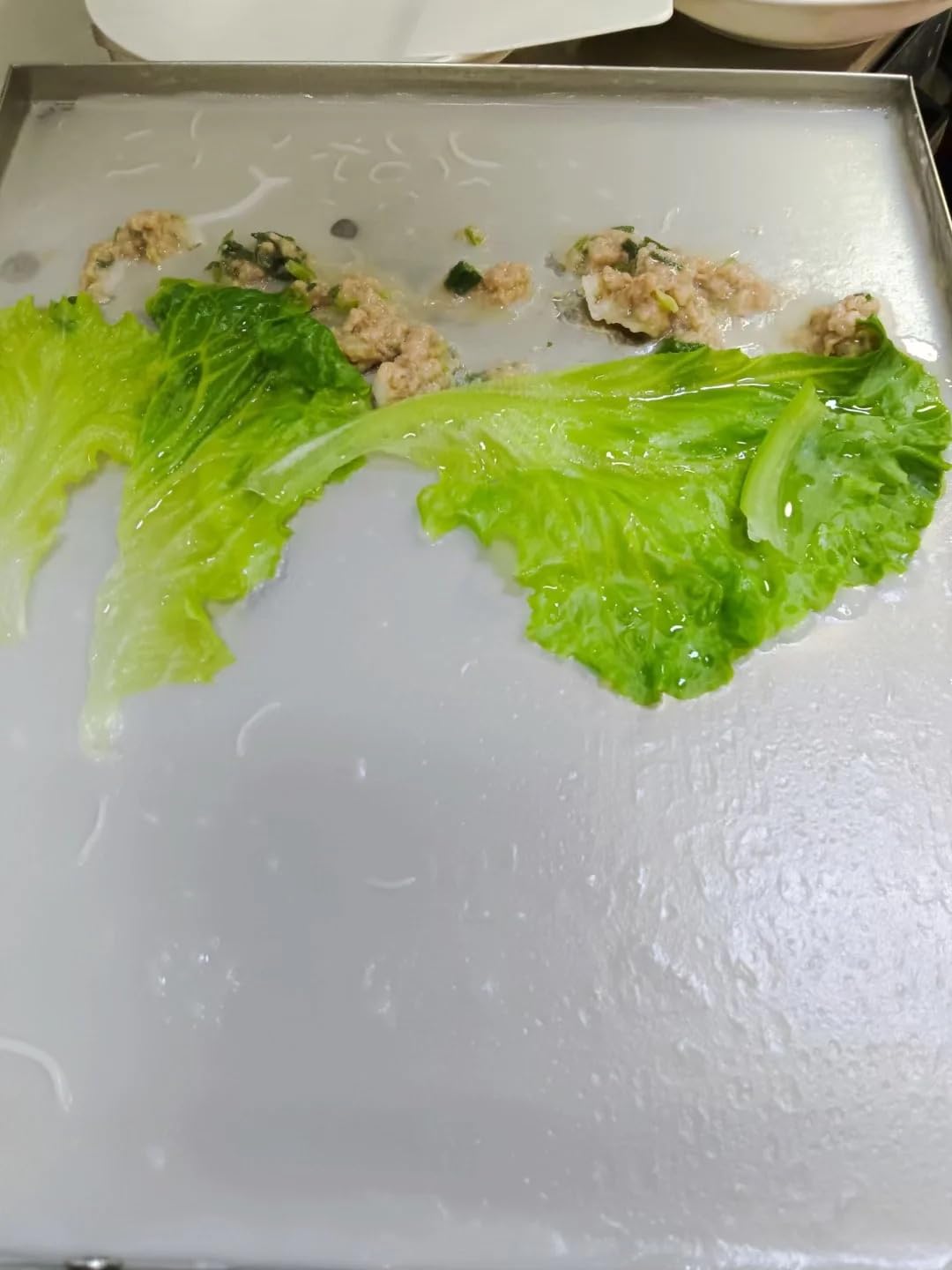
The induction compatibility is a strong point since it works with gas, electric, halogen, and induction cookers. The top-open design with a detachable lid lets you add water mid-session without disturbing the steaming trays above. Heat-resistant tray handles and included gloves make it safer to handle during use.
However, the 3.7-star rating tells a cautionary story. Roughly 15 percent of reviewers gave this product one star, citing rust at welding spots, tray warping at high temperatures, and quality control issues like missing accessories. The 0.6mm stainless steel is thinner than I would like for a steamer expected to handle high-heat sessions regularly.
Best Use Cases for Flat Tray Design
The rectangular flat tray excels at steaming thin, spread-out batters like Chinese cheung fun or sheet-style Korean rice cakes. If you make layered tteok or need to steam a wide, even layer of dough, this design beats round baskets. For traditional cylindrical garaetteok, however, a round steamer is more practical.
Quality Control Considerations
Before purchasing, inspect the welds and tray surfaces upon arrival. If you notice any discoloration at the joints or uneven tray surfaces, consider returning immediately. The rust issues reported by some users appear to stem from incomplete welding at the joints, so checking these areas early can save you trouble down the line.
5. wonderflowers Sticky Rice Steamer Pot and Basket Set
Set of Sticky Rice Steamer Pot and Basket Cook Kitchen Cookware Tool
Traditional bamboo basket
Aluminum alloy pot
1-liter capacity
Steam vent design
Pros
- Authentic traditional steaming method
- Bamboo weave basket with durable craftsmanship
- Lightweight at just 1 pound
- Affordable entry point for traditional steaming
Cons
- Small 1-liter capacity
- Specialized for sticky rice only
- Not dishwasher safe
- Not versatile for general steaming
This steamer set represents the traditional approach to steaming sticky rice that has been used across Southeast and East Asia for generations. The bamboo weave basket sits atop a high-temperature aluminum alloy pot, creating a simple but effective steaming system. I found it produces a distinctly authentic texture in sticky rice-based tteok.
The bamboo basket absorbs moisture the same way larger bamboo steamers do, which helps maintain that characteristic chewy but not wet texture in your rice cakes. At just one pound, this is the lightest steamer in our lineup, making it easy to handle even when full. The traditional design has a certain simplicity that appeals to cooks who want a no-frills, proven method.
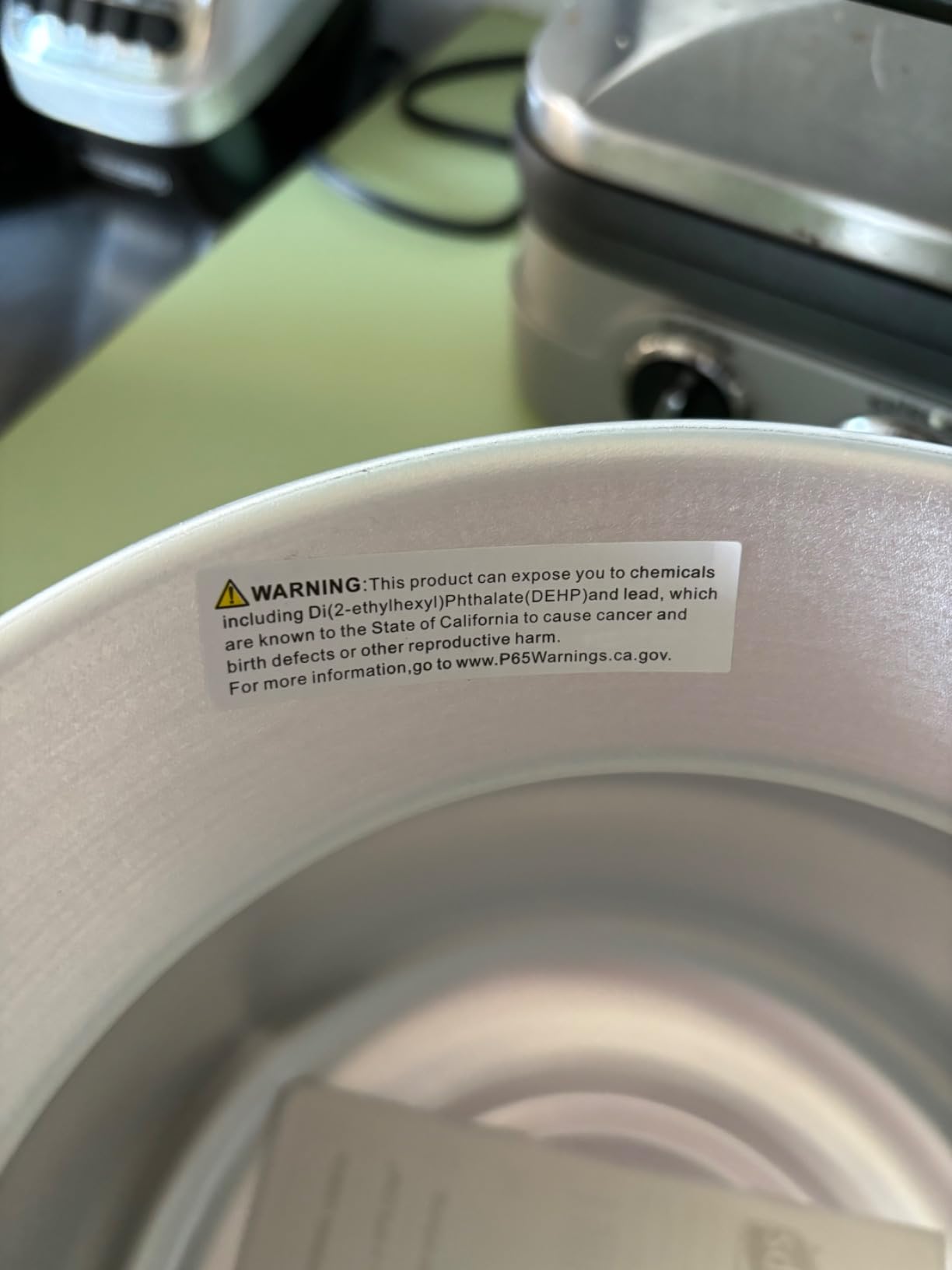
With 80 percent of reviewers giving this product five stars, the satisfaction among sticky rice enthusiasts is clearly high. The aluminum alloy pot heats quickly and the steam vent design helps regulate pressure for consistent results. For glutinous rice-based rice cakes that call for a traditional steaming approach, this set delivers authentic results.
The limitations are real, though. The 1-liter capacity is small, making this suitable for individual or small-batch cooking only. It is specialized for sticky rice and not ideal for general steaming tasks. The hand-wash-only requirement and the aluminum pot mean you need to handle it carefully to avoid scratching or denting.
When to Choose a Traditional Bamboo Steamer
Traditional bamboo steamers like this one are the best choice when you want an authentic texture that modern electric steamers cannot quite replicate. The bamboo subtly influences the moisture level and flavor of the rice cake in a way that many Korean home cooks prefer. If authenticity is your priority, this style is hard to beat.
Care and Cleaning for Bamboo Baskets
Rinse the bamboo basket with warm water immediately after use. Never submerge it or put it in the dishwasher. Let it air dry completely in a well-ventilated area, ideally in sunlight, which naturally inhibits mold. Store it in a dry place with good airflow to prevent any musty smells from developing in the bamboo fibers.
6. PETINUBE Silicone Multi-Steamer Made in Korea
PETINUBE Silicone Multi-Steamer, Luna Purple, 20.29 fl oz
Food-grade silicone
BPA-free
8.5-inch diameter
Made in Korea
Pros
- BPA-free food-grade silicone construction
- Microwave and dishwasher safe
- Flexible design for compact storage
- Perfect for 1-2 servings
- Handles for easy lifting
Cons
- Small 20.29 oz capacity
- No steaming rack included
- Can overflow with liquid-heavy foods
- Price considered high by some
The PETINUBE silicone steamer takes a modern approach to rice cake preparation. Made in Korea from BPA-free food-grade silicone, this steamer is designed for microwave use, which means you can steam small portions of rice cakes in minutes without firing up the stove. I found it genuinely convenient for quick single-serving prep.
For reheating pre-made or frozen Korean rice cakes, this silicone steamer is hard to beat. You place the rice cakes inside, add a splash of water, microwave for two to three minutes, and the steam trapped inside reheats them evenly without turning them mushy. The flexible silicone construction means it collapses flat for storage, which is perfect for small kitchens.
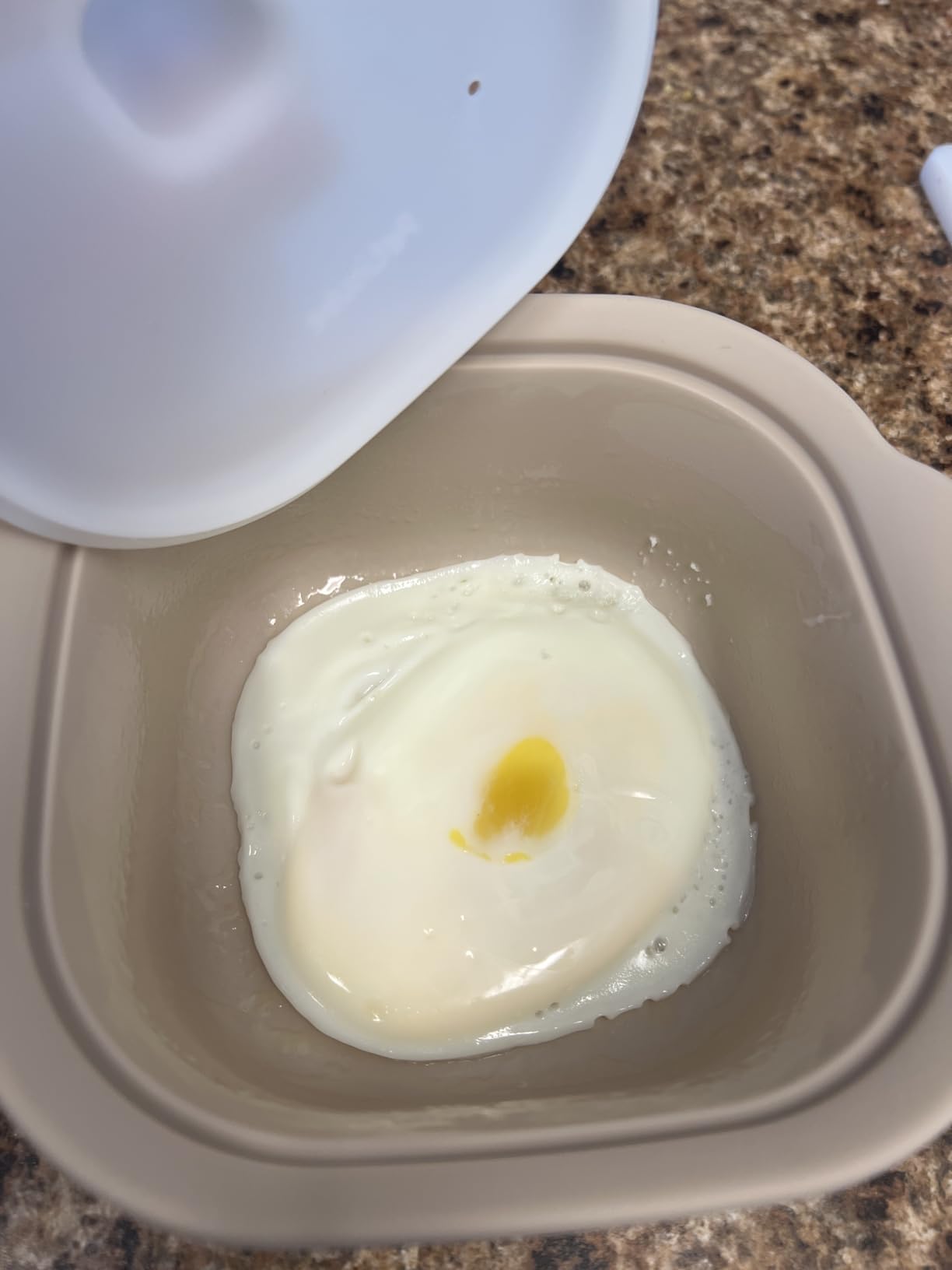
The 8.5-inch diameter and 20.29-ounce capacity make this ideal for one to two servings. I tested it with frozen garaetteok for a quick tteokbokki lunch, and the results were surprisingly good. The handles make it easy to lift out of the microwave, and the whole thing goes straight into the dishwasher afterward.
The main limitation is capacity. This is not a tool for making rice cakes from scratch in large batches. There is also no steaming rack included, so the food sits in whatever water pools at the bottom. With liquid-heavy foods, the lid can cause overflow if you fill it too full. For quick reheats and small portions, though, it works well.
Microwave Steaming vs Stovetop for Rice Cakes
Microwave steaming is faster but offers less control than stovetop methods. For reheating pre-made rice cakes or steaming small portions, the microwave approach produces acceptable results in a fraction of the time. For making rice cakes from scratch where texture development matters, stick with stovetop steaming for better consistency.
Storage and Portability Benefits
The flexible silicone design collapses to a fraction of its full height, making it ideal for RVs, dorm rooms, offices, or small apartments. At just over a pound, it is also travel-friendly. If you want a steamer you can take anywhere and store anywhere, this is the most portable option on our list.
7. CUCKOO Micom Rice Cooker with Steamer Function
CUCKOO Micom Fuzzy Logic Rice Cooker, 12-Cup Cooked, Silver, CR-0632F
Korean fuzzy logic rice cooker
9 cooking functions
6-cup uncooked capacity
Non-stick inner pot
Pros
- Authentic Korean brand with 40 years experience
- Fuzzy logic technology for perfect results
- 9 multifunctional cooking options
- Premium non-stick inner pot
- Delay timer and keep warm settings
Cons
- Higher price point
- Not dishwasher safe inner pot
- Not smart home compatible
- Limited steaming capacity compared to dedicated steamers
The CUCKOO Micom rice cooker is not a dedicated steamer, but its multi-cook and steaming functions make it a versatile option worth considering for Korean rice cake preparation. As a Korean brand with over 40 years of industry experience, CUCKOO understands Korean cooking in a way that generic appliance makers do not.
I tested the multi-cook function for preparing rice cake dough, and the fuzzy logic technology maintained precise temperature control throughout the process. The nine cooking menu options include settings that work well for porridge and soft foods that share characteristics with steamed rice cake batter. With 81 percent of reviewers giving this cooker five stars, the satisfaction is exceptionally high.
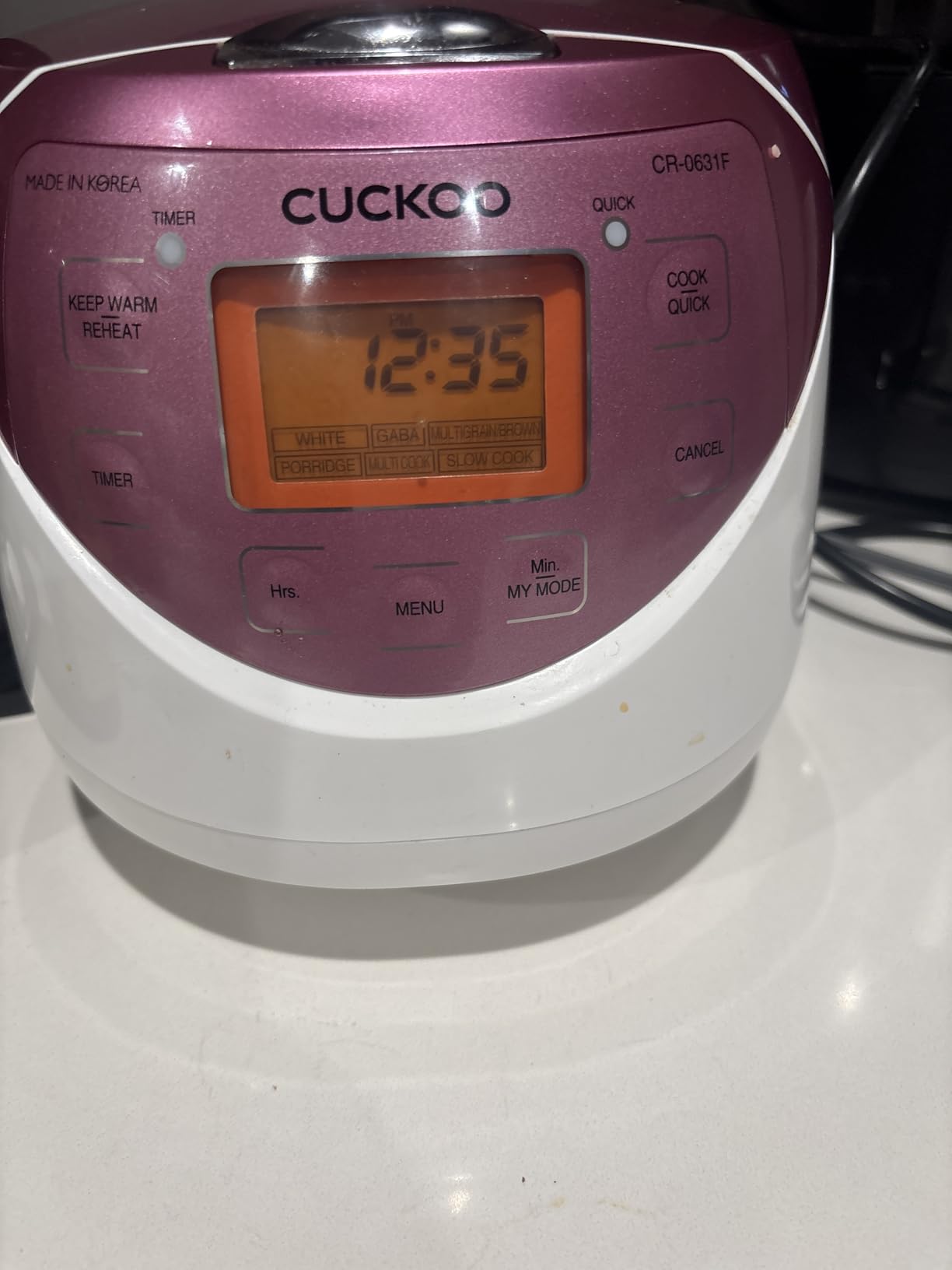
The 12-cup cooked capacity is generous for a family household. The delay timer means you can set up your rice in the morning and have it perfectly cooked when you get home. The keep-warm function maintains temperature without overcooking, which is useful when you are preparing multiple components of a Korean meal.
For rice cake steaming specifically, this appliance has limitations. The steaming function works for reheating or softening pre-made rice cakes, but it cannot replicate the airflow of a dedicated tier steamer for making tteok from scratch. The higher price point also means you are paying for rice cooking functionality that may or may not be your primary need.
Fuzzy Logic Technology for Precise Temperature Control
Fuzzy logic allows the cooker to make micro-adjustments to temperature and cooking time based on what it senses inside the pot. For rice cake applications, this means more consistent results batch after batch. The technology compensates for variations in water amount, rice quantity, and starting temperature automatically.
Multi-Cook Applications for Korean Cooking
Beyond basic rice cooking, this CUCKOO model handles porridge, GABA rice, multigrain, slow cooking, reheating, and multi-cook functions. The multi-cook setting is particularly useful for Korean recipes that require gentle, sustained heat, similar to what you need when softening rice cake dough before shaping.
8. SUNHOUSE 3.1 QT Stainless Steel Steamer Pot
Sunhouse: 2-Tier Stainless Steel Steamer Pots – 3.1 Quart – Tempered Glass Lid, 3-Ply Bottom, Vegetable-Dumpling-Food Cookware, Dishwasher & Oven Safe
100% toxin-free stainless steel
3.1-quart 2-tier
Tri-ply encapsulated base
Induction compatible
Pros
- 100% food-grade toxin-free stainless steel
- Tri-ply base for even heat distribution
- Compatible with all cooktops including induction
- Dishwasher and oven safe
- Ranked number 4 in steamer cookware
Cons
- Not Prime eligible
- Exterior may show water spots
- Glass lid needs careful handling
- Requires seasoning for non-stick properties
The SUNHOUSE 3.1-quart steamer pot delivers exceptional value without cutting corners on quality. Made from 100 percent food-grade stainless steel that is guaranteed free of PFOA, lead, and cadmium, this steamer gives you peace of mind about what touches your food. The tri-ply encapsulated base ensures even heat distribution, which is essential for uniform rice cake texture.
I found this steamer particularly effective for small to medium batches of Korean rice cakes. The 2-tier design lets you use the steamer basket on top or remove it and use the pot alone. At just 3.1 pounds, it is lightweight enough for everyday handling but sturdy enough to feel durable and well-built.
The fact that it works on all cooktop types including induction makes it one of the most versatile steamers in our lineup. The tempered glass lid lets you monitor steaming progress without losing heat, and the stay-cool riveted handles make it safe to handle. Everything is dishwasher safe, which simplifies cleanup considerably.
With 902 reviews and a 78 percent five-star rate, this steamer has clearly found an appreciative audience. The main downsides are minor: it is not Prime eligible, the exterior can show water spots, and the glass lid requires careful handling to avoid breakage. For the quality and features at this price, it is an outstanding value pick.
Tri-Ply Base Performance for Rice Cakes
The tri-ply encapsulated base consists of multiple layers of metal bonded together to distribute heat evenly and prevent hot spots. For rice cake steaming, this means consistent steam production across the entire pot bottom. No more worrying about one side cooking faster than the other, which is a common problem with thin single-ply pots.
Cooktop Compatibility and Kitchen Integration
Whether you cook on gas, electric, ceramic, or induction, this steamer works on all of them. The magnetic base makes it induction-ready without needing a separate adapter. This versatility means it will work in any kitchen, and if you upgrade your stove in the future, this steamer will still be compatible.
Buying Guide: How to Choose the Right Steamer for Korean Rice Cakes
Choosing the best steamer for Korean rice cakes comes down to understanding your cooking style, batch size needs, and what type of tteok you plan to make most often. Here is what our team learned from testing eight different steamers over several months.
Steamer type matters more than brand. Bamboo steamers absorb excess moisture and produce a more authentic texture but require hand washing and maintenance. Stainless steel steamers offer durability, dishwasher safety, and even heat distribution but do not absorb condensation. Silicone microwave steamers are convenient for reheating but cannot make rice cakes from scratch.
Capacity should match your household. For solo cooks or couples, a 3 to 5 quart steamer is sufficient. Families of four or more should look at 8-quart or larger models. If you batch cook for meal prep, prioritize multi-tier designs that let you steam more rice cakes per session.
Heat distribution is non-negotiable. Look for tri-ply or encapsulated bases in stainless steel models. These prevent hot spots that cause uneven cooking. Bamboo steamers naturally distribute steam evenly but depend on the pot beneath them for consistent heat.
Moisture control prevents soggy rice cakes. This is the most common problem home cooks face. Steamers with waterproof walls, dome-shaped lids, or bamboo construction that absorbs moisture will give you better results. Forum users consistently report that condensation dripping onto rice cakes is their number one frustration.
Cooktop compatibility saves headaches. If you have an induction cooktop, verify the steamer is induction-compatible before buying. The Concord 3-tier and wonderflowers models on this list are not induction compatible, while the SUNHOUSE and Gasgimos models work on all cooktops including induction.
Maintenance requirements vary significantly. Bamboo needs air drying and occasional oiling. Silicone and stainless steel are generally dishwasher safe. Consider how much upkeep you are willing to do when choosing between materials. Many forum users note that bamboo steamers require more care but produce better texture for traditional tteok.
Frequently Asked Questions
Can you steam Korean rice cakes?
Yes, steaming is the traditional and preferred method for making Korean rice cakes (tteok). Steaming garaetteok produces the signature chewy, bouncy texture that boiling cannot replicate. You can use bamboo steamers, stainless steel steamers, or even microwave silicone steamers depending on whether you are making rice cakes from scratch or reheating pre-made ones.
How long do you steam Korean rice cakes?
Fresh rice cake dough typically needs 15 to 20 minutes of steaming to fully cook through. Frozen rice cakes need 5 to 10 minutes of steaming to soften and reheat. Always arrange rice cakes in a single layer with space between them so steam can circulate evenly around each piece.
Do you boil or steam Korean rice cakes?
Steaming is preferred over boiling for making Korean rice cakes from scratch because it preserves the chewy texture without making them waterlogged. However, boiling is commonly used when cooking tteokbokki, where the rice cakes simmer in sauce and absorb flavor. For reheating, steaming or pan-frying produces better texture than boiling.
Why is my tteokbokki too chewy or hard?
Rice cakes that are too hard or chewy are usually under-hydrated or overcooked. If using frozen rice cakes, soak them in warm water for 5 minutes before cooking. Make sure your steamer provides even heat distribution so all pieces cook at the same rate. Using the correct rice flour type, short grain rather than long grain, also affects texture significantly.
Can I use a rice cooker to steam Korean rice cakes?
Yes, rice cookers with steam or multi-cook functions can steam Korean rice cakes. Korean brands like CUCKOO offer settings specifically designed for Korean cooking. However, a rice cooker has limited steaming capacity compared to a dedicated tier steamer and cannot replicate the airflow needed for making tteok from scratch. Rice cookers work best for reheating or softening pre-made rice cakes.
Conclusion
Finding the best steamers for Korean rice cakes does not have to be complicated. For most home cooks, the Dasoguy bamboo steamer set gives you the moisture-absorbing benefits of bamboo with the heat distribution of a stainless steel pot. If you want a proven, high-volume performer, the Joyce Chen two-tier steamer has the track record to back it up.
For budget-conscious buyers, the SUNHOUSE 3.1-quart steamer pot delivers excellent quality and features at an outstanding price. Whatever your needs, the key is matching your steamer to your cooking style, batch size, and the type of tteok you make most often. With any of these eight steamers, you will be well on your way to perfectly chewy, bouncy Korean rice cakes at home in 2026.