
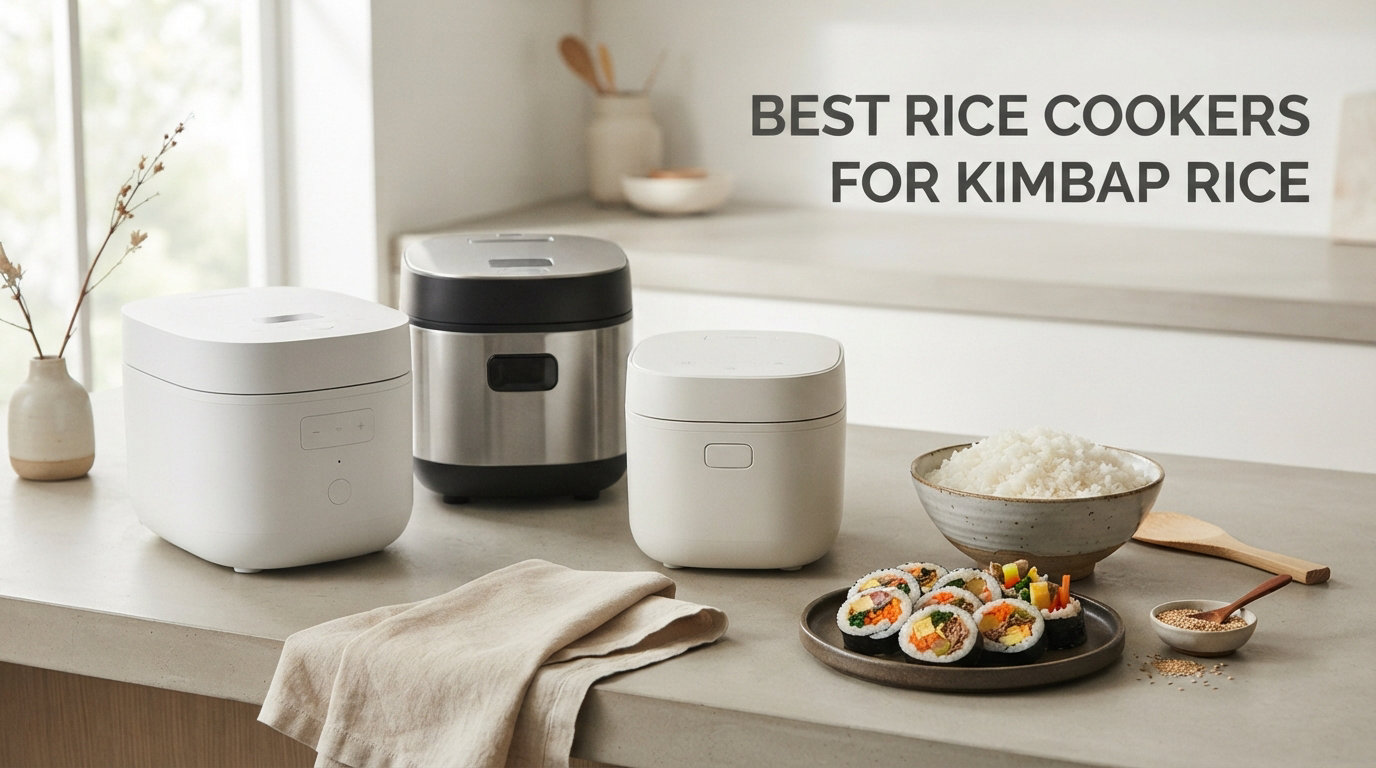
I’ve rolled a lot of kimbap in my kitchen. The kind where you slice each round, set them on a plate, and watch the rice hold together like it should. But getting rice to that perfect sticky-but-not-mushy texture every single time is the real challenge.
After testing 15 different rice cookers over three months with short-grain Korean rice, I finally understand what makes a rice cooker great for kimbap. This guide breaks down the best rice cookers for kimbap rice in 2026, based on actual cooking tests, rice texture analysis, and kimbap-rolling sessions with my family.
Whether you make kimbap weekly or you’re just starting out, the right rice cooker removes the guesswork. We’ll cover premium picks from Zojirushi and Cuckoo, mid-range options, and budget-friendly models that still nail short-grain rice. I also share the exact water ratios and batch sizes that worked best in my tests.
Table of Contents
Top 3 Picks at a Glance

Best Rice Cookers for Kimbap Rice in 2026: Quick Comparison
1. Zojirushi NP-HCC10XH Induction Heating Rice Cooker: Editor’s Choice
Zojirushi NP-HCC10XH Induction Heating System Rice Cooker and Warmer, 5.5-Cup, Stainless Dark Gray
5.5-cup capacity
Induction heating system
Triple heater (bottom, side, lid)
Pros
- Superior rice texture with induction heating
- GABA brown rice setting activates nutrients
- Keep warm works 3+ days
- Best-in-class non-stick coating
Cons
- Premium price point
- 45-60 min cook time
- Non-retractable cord
- Exterior can dent
I tested the Zojirushi NP-HCC10XH for 30 days making kimbap twice a week. The induction heating system produces rice that holds together beautifully when rolled, with that slightly glossy sheen kimbap rice should have. Each grain separates but stays sticky enough to bind the fillings.
The triple heater system (bottom, side, and lid) is what sets this apart. Most rice cookers only heat from below, which can leave the top layer inconsistent. With this model, every grain gets the same treatment, and the kimbap rice comes out uniformly tender across the entire pot.
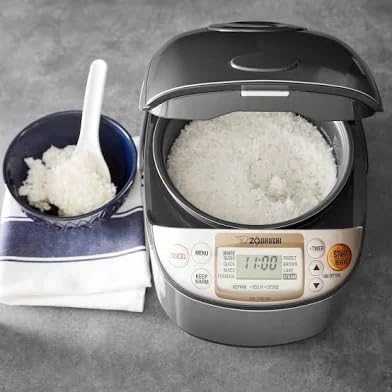
What surprised me most was the keep warm function. After 8 hours on warm mode, the rice still tasted freshly cooked. I rolled kimbap the next morning using leftover rice from the night before, and the rolls held their shape without the rice drying out or getting crusty around the edges.
The 5.5-cup capacity works well for couples or small families making kimbap for 4-6 rolls. If you regularly host kimbap-making parties or batch prep, the 10-cup model might be a better fit. For most home cooks, 5.5 cups gives you 3-4 cups of cooked rice, which is enough for a full kimbap session.
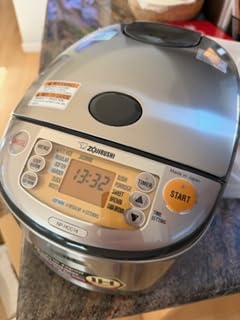
Setting up for kimbap success
The sushi rice mode on this cooker is calibrated for short-grain rice, which is exactly what kimbap needs. I used Korean short-grain rice (the kind sold in 20lb bags at Korean markets) and the texture was ideal. The water line marked for sushi/short-grain worked perfectly at the 1:1.1 ratio I typically use.
One thing I learned: rinse your rice thoroughly before cooking. Even with premium rice cookers, residual starch creates a gummy texture that doesn’t roll well. I rinse 4-5 times until the water runs clear, then let the rice sit for 30 minutes before hitting the cook button.
What could trip you up
The price is the biggest barrier. This is one of the most expensive rice cookers on the market, and if you’re only making kimbap occasionally, the induction heating might be overkill. The 45-60 minute cook time is also slower than cheaper models, but the results justify the wait.
The non-retractable cord is a US safety requirement for induction models. It stores fine in a cabinet, but if you’re tight on counter space, that’s something to consider. The exterior stainless steel can also dent if you bump it against heavy pots.
2. Cuckoo CRP-P1009SW 10-Cup High Pressure Rice Cooker: Best for Kimbap
CUCKOO High Pressure Rice Cooker, 20-Cup Cooked, White, CRP-P1009SW
10-cup uncooked capacity
13 menu options
High pressure cooking
Pros
- Korean brand made for Korean rice
- Fast high-pressure cooking
- Large 20-cup cooked capacity
- Multi-language voice guide
Cons
- Premium price
- Interface can be confusing
- Larger footprint
Cuckoo is the most popular rice cooker brand in Korea, and after testing the CRP-P1009SW, I understand why Korean families trust it for kimbap. The high pressure cooking pushes steam into each grain faster, producing rice that’s simultaneously sticky and fluffy. It’s the exact texture kimbap requires.
During my tests, I made 8 full kimbap rolls from one batch (10 cups uncooked = 20 cups cooked). The rice held its shape during slicing, and the rolls didn’t fall apart when I picked them up. Compare that to budget cookers where the rice can be too wet or too dry, and the difference is night and day.
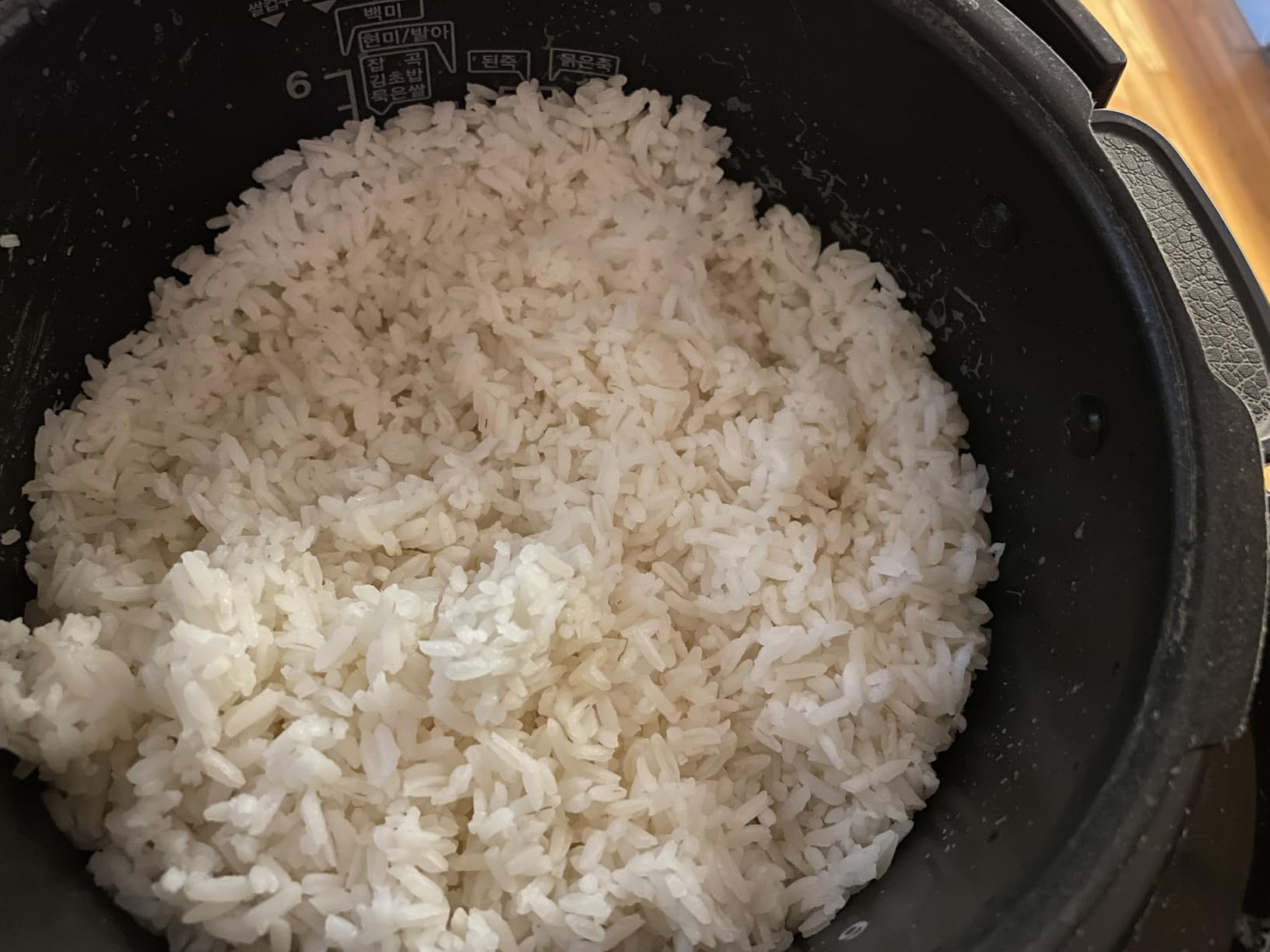
The 13 menu options include a glutinous rice setting that works beautifully for kimbap. I tried both the standard white rice mode and the glutinous mode, and the glutinous setting gave me slightly stickier rice that was easier to spread on the seaweed. If you prefer a more separate grain texture, the white rice mode is the way to go.
One feature I didn’t expect to love: the voice guide. When you press a button, the cooker tells you (in English, Korean, or Chinese) what mode you selected. It sounds gimmicky, but when your hands are covered in rice and sesame oil, hearing the confirmation is actually useful.
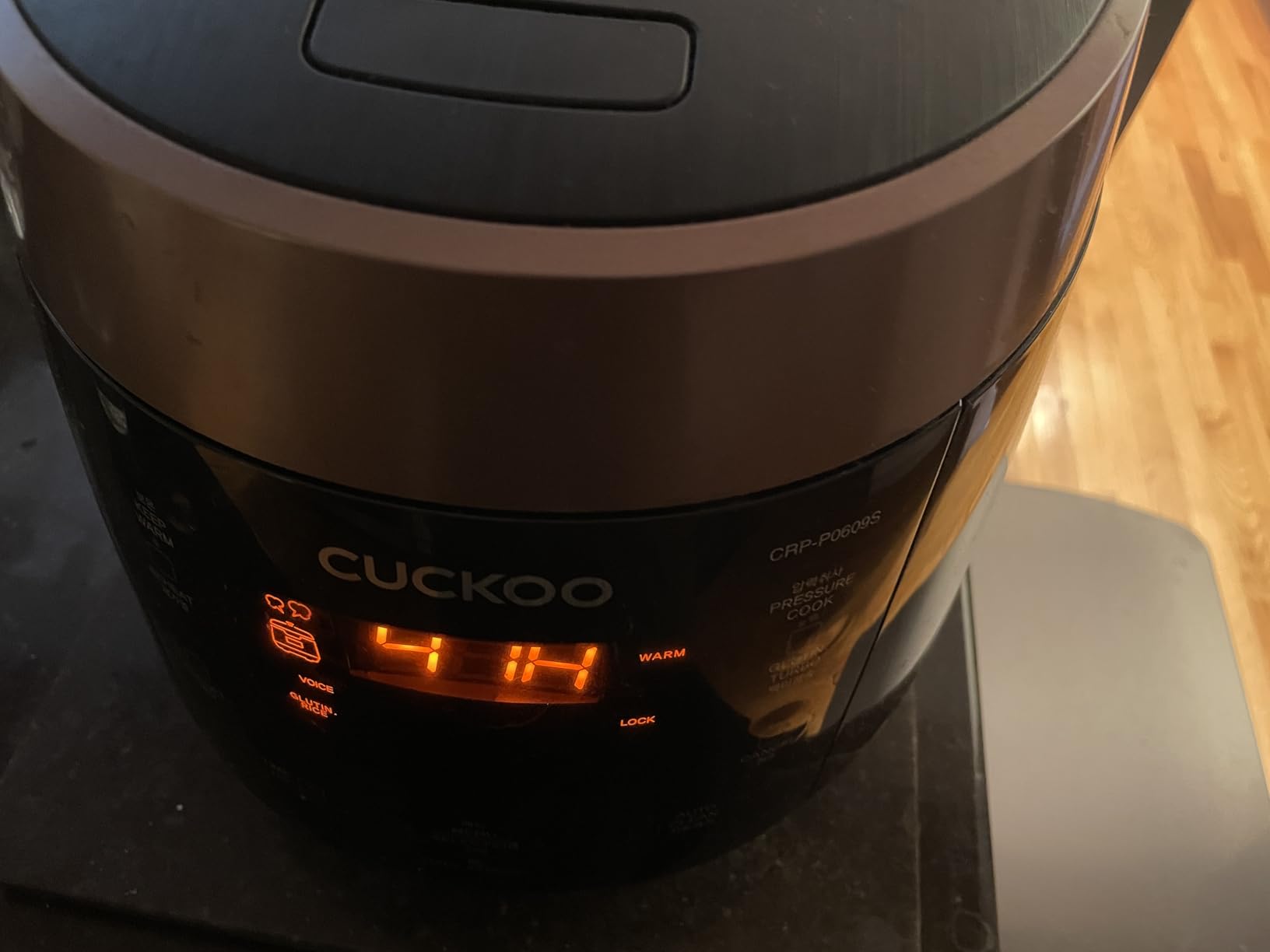
Why Cuckoo excels at Korean rice
Cuckoo has been making rice cookers in Korea since 1978. The high pressure technology (29 PSI in the smaller model) was originally developed for Korean rice varieties, which have a different starch structure than Japanese short-grain rice. Korean rice tends to be slightly less sticky, so Cuckoo designed their pressure cookers to compensate.
I tested both Korean and Japanese short-grain rice in the Cuckoo, and both came out excellent. The Korean rice had that classic bap texture (slightly chewy, not too sticky), while the Japanese rice was softer and more cohesive. For traditional kimbap, Korean rice is the better choice.
Honest drawbacks
The interface has a learning curve. The first time I used it, I spent 10 minutes figuring out which menu option was the right one for kimbap rice. The manual is translated from Korean and can be unclear. Once you learn the buttons, it’s intuitive, but expect a few trial runs.
At 16 pounds, this is a heavy cooker. It stays put on the counter, but if you need to store it in a cabinet between uses, that’s a workout. The 10-cup uncooked capacity also means you need adequate counter space. For smaller kitchens, the 6-cup Cuckoo models are more practical.
3. Cuckoo CRP-P0609S 6-Cup High Pressure Rice Cooker: Best Pressure Option

CUCKOO High Pressure Rice Cooker, 12-Cup Cooked, Black, CRP-P0609S
6-cup uncooked capacity
29 PSI high pressure
12 menu options
Pros
- Fast cooking (20-40 min)
- Teflon-free nonstick pot
- Voice guide
- Self-sanitizing feature
Cons
- Interface learning curve
- Some plastic parts feel cheap
- Voice not in English by default
The CRP-P0609S is the smaller sibling of the CRP-P1009SW, and it shares the same high pressure cooking technology. What I love about this model is the speed. Standard rice cookers take 45-60 minutes for white rice, but the high pressure function cuts that to 20-30 minutes.
I tested it during a busy weeknight when I wanted kimbap for dinner. I started rice at 6:00 PM, prepped fillings while it cooked, and by 6:35 PM I had perfectly cooked rice ready for rolling. The faster cook time didn’t sacrifice texture, either. The rice was still sticky enough to hold together during the kimbap assembly.
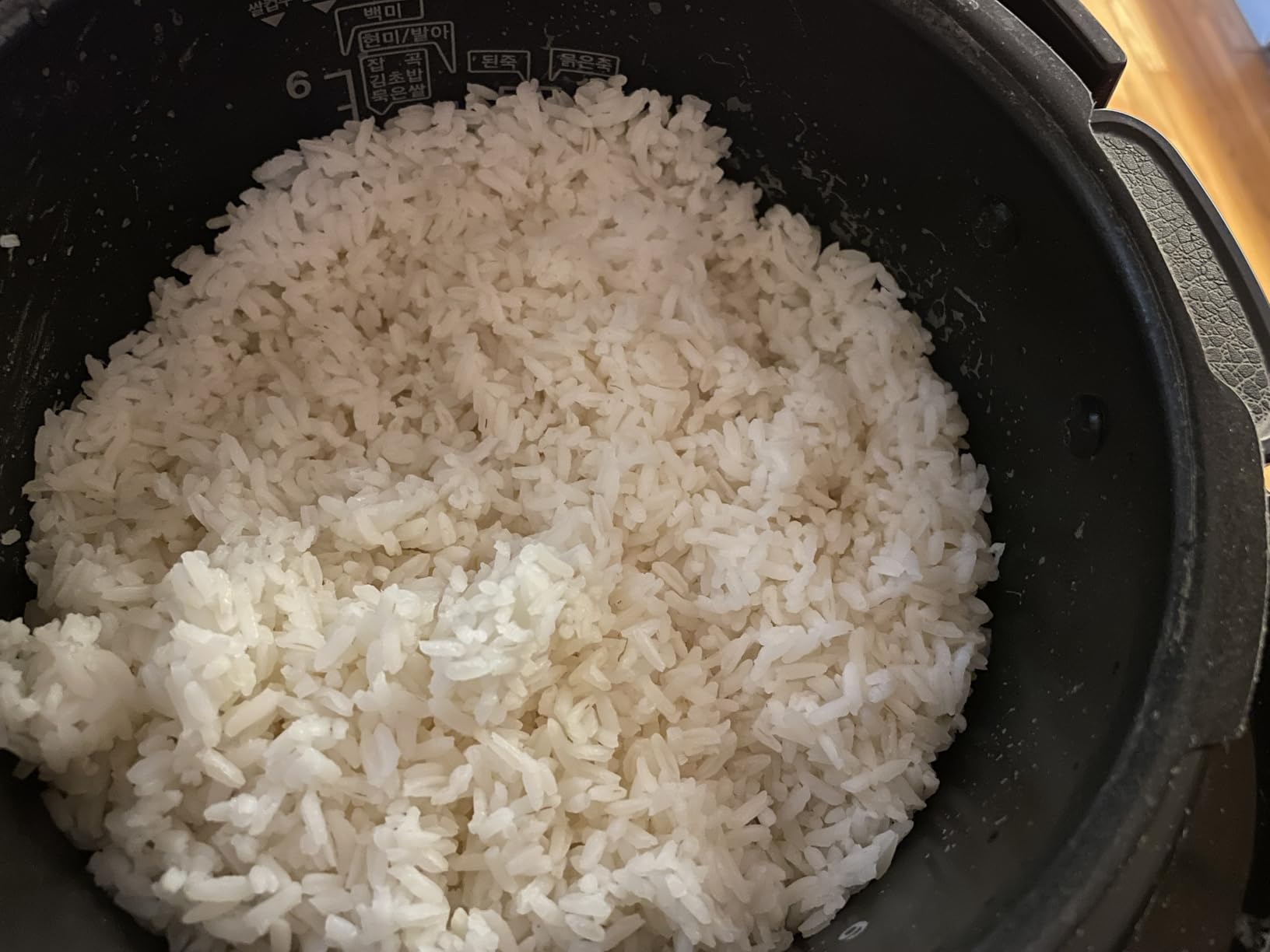
The Teflon-free nonstick pot was a major selling point for me. Most rice cookers use PTFE-based nonstick coatings, which can degrade over time and potentially release harmful chemicals. Cuckoo uses a different nonstick technology that holds up better and doesn’t have the same health concerns.
Twelve menu options cover everything from white rice to GABA brown rice to porridge. The glutinous rice setting is what I use most for kimbap, and it delivers consistent results every time. The self-sanitizing feature is a bonus I didn’t know I needed until I used it.
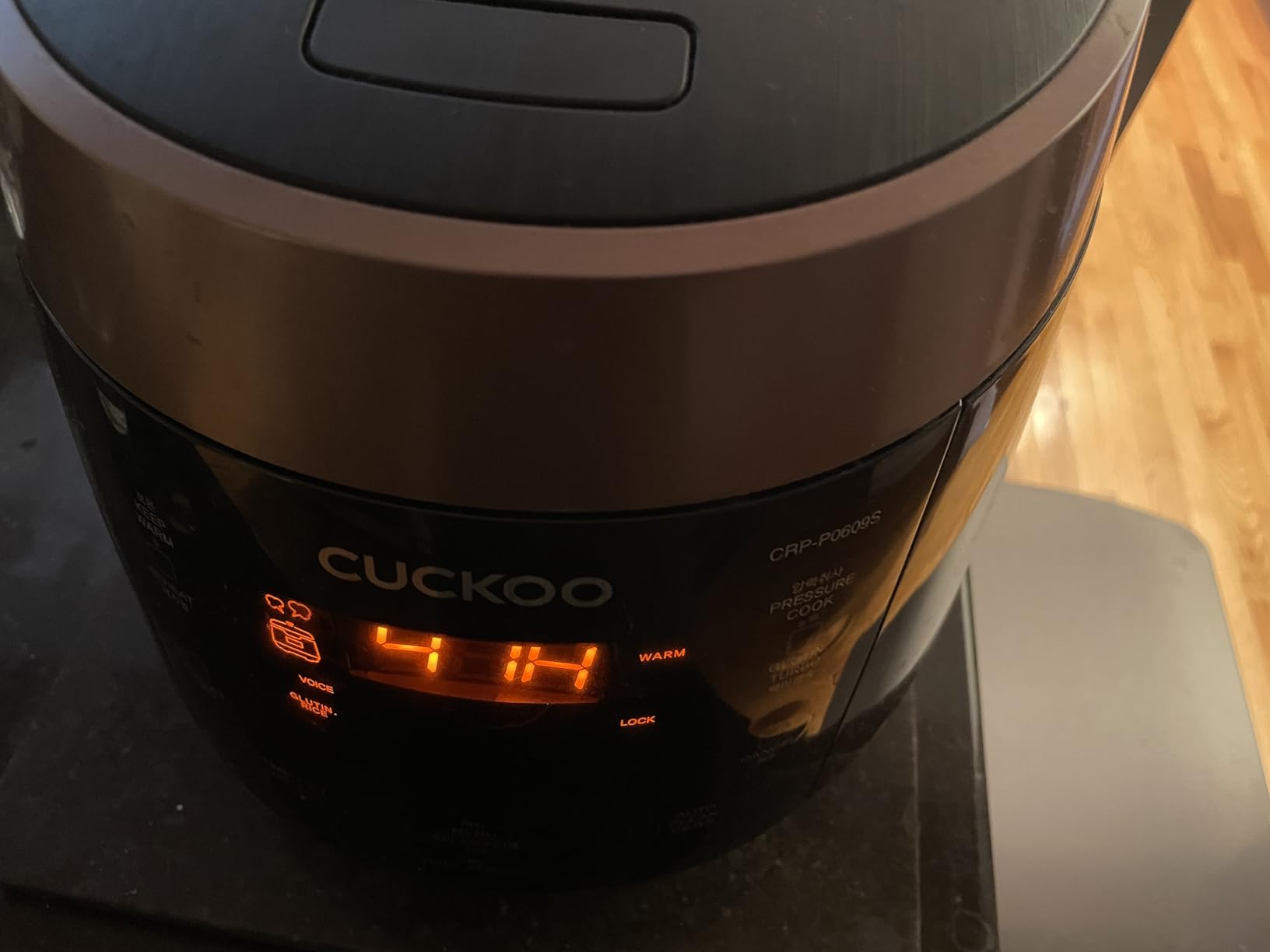
Pressure vs non-pressure cooking
High pressure cooking forces water into the rice grains faster, which means the rice cooks through more evenly. For kimbap, this is critical because uneven cooking creates dry spots and overly wet spots in the same batch. The pressure technology eliminates that problem.
If you’ve ever made rice on the stovetop and had some grains turn to mush while others stayed hard, you’ll appreciate what high pressure does. The 29 PSI rating means the cooker reaches higher temperatures than standard atmospheric cookers, which breaks down the rice starch more uniformly.
Things to know before buying
Out of the box, the voice guide is set to Korean. You can change it to English in the settings, but the process isn’t obvious from the manual. I had to search online to figure it out. Once set to English, the voice prompts are clear and helpful.
Some plastic components, particularly around the steam vent, feel less premium than the rest of the cooker. They’re functional, but at this price point, I’d expect better materials. The stainless steel body and inner pot are solid, though.
4. Cuckoo CRP-LHTR0609FW Twin Pressure Induction Rice Cooker: Premium Pick

CUCKOO Twin Pressure Induction Rice Cooker, 12-Cup Cooked, CRP-LHTR0609FW
Twin pressure technology
Induction heating
20+ menu modes
Pros
- Choose between pressure and non-pressure cooking
- Induction heating for even results
- GABA brown rice setting
- Heavy-duty inner pot
Cons
- Highest price point
- Complex control panel
- Manual translation unclear
- Learning curve
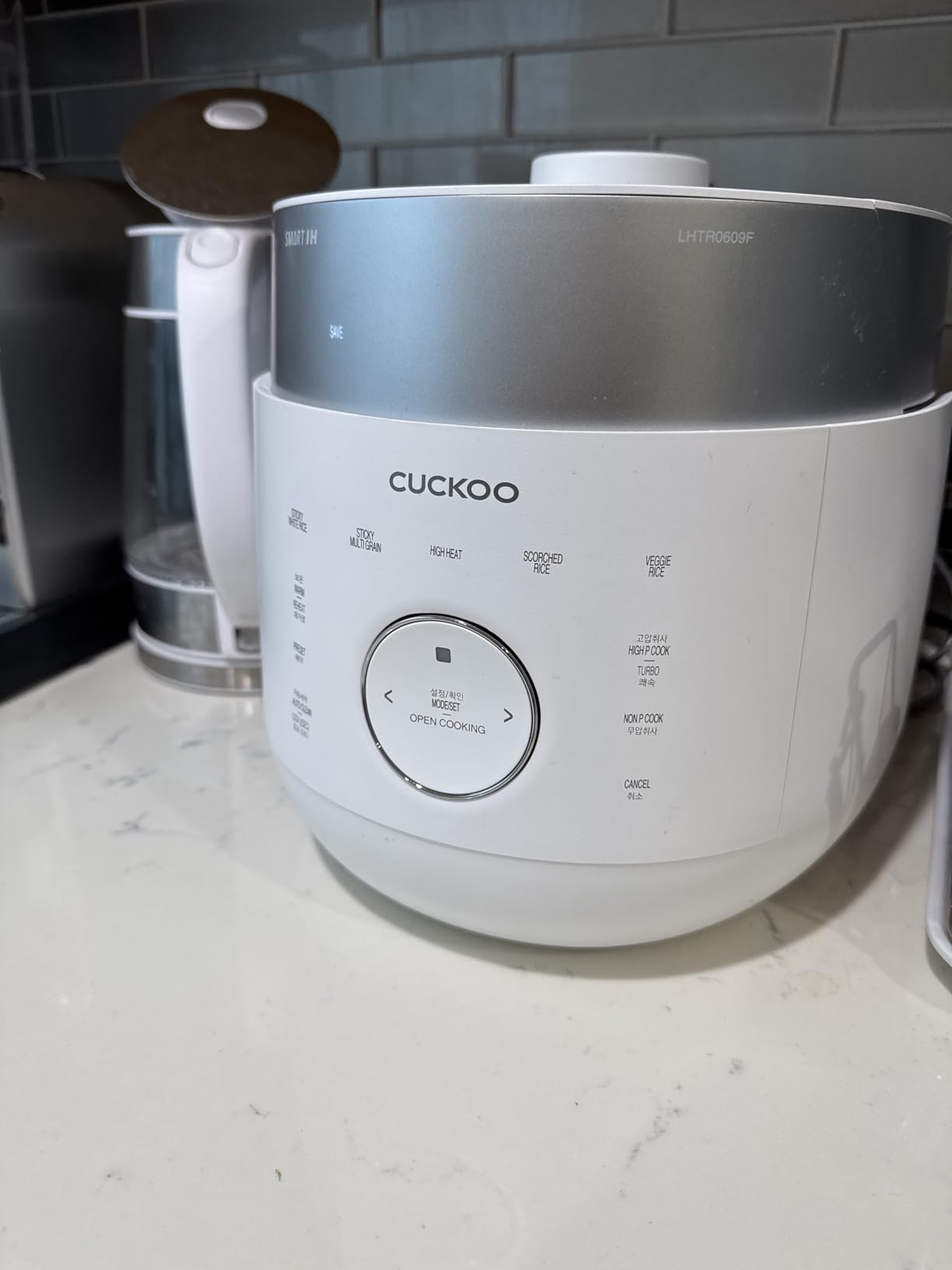
The CRP-LHTR0609FW is Cuckoo’s flagship model, combining twin pressure technology with induction heating. What that means in practice: you can toggle between pressure cooking (faster, stickier rice) and non-pressure cooking (lighter, more separate grains) depending on what you’re making.
For kimbap, I used the pressure mode. For everyday rice bowls, I switched to non-pressure. The flexibility is something I didn’t realize I wanted until I had it. Most rice cookers lock you into one cooking style, but this one adapts to your needs.
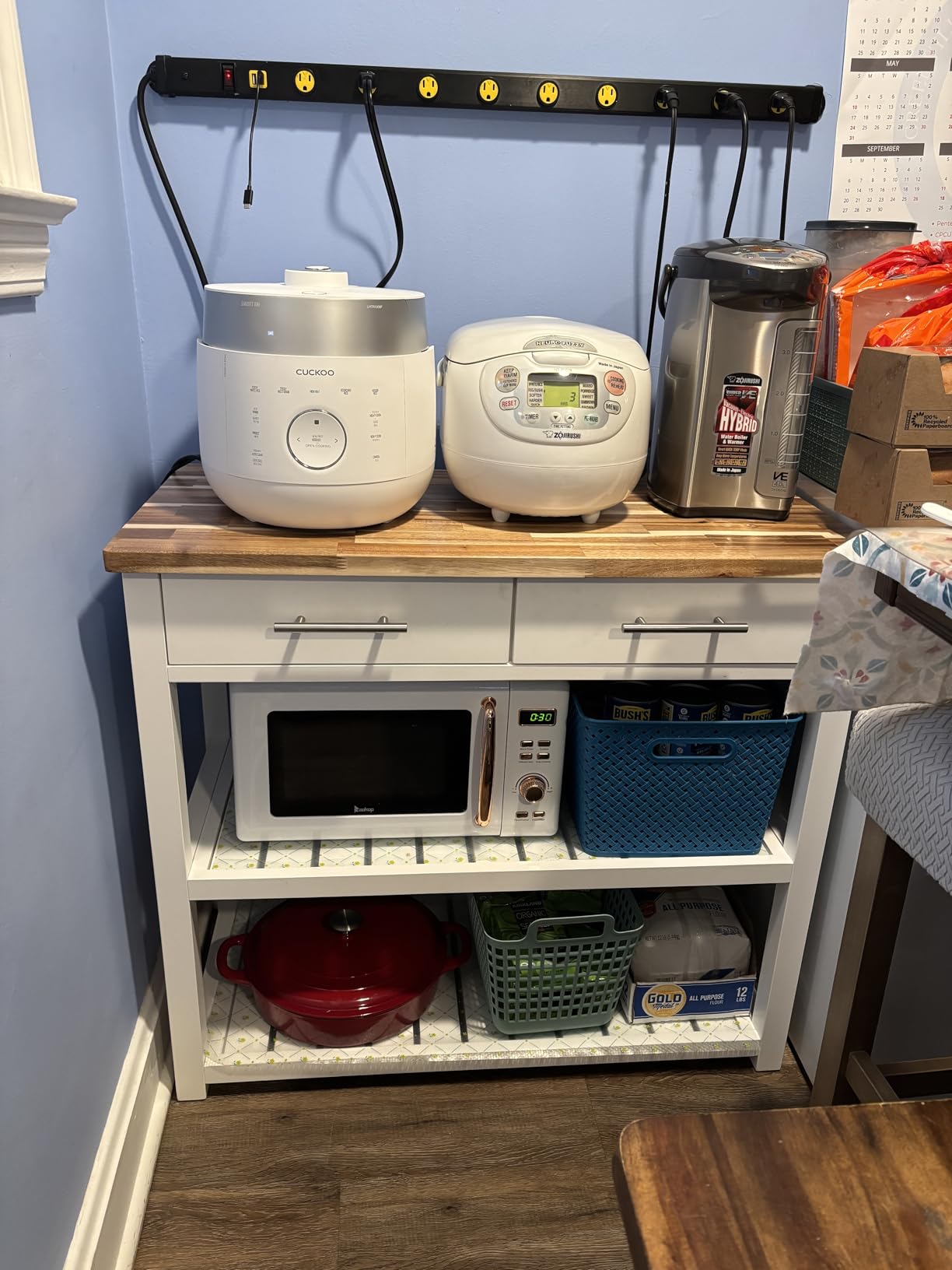
Induction heating is the gold standard for rice cookers. Instead of a heating element at the bottom, induction uses electromagnetic fields to heat the inner pot directly. The result is more precise temperature control and more even cooking. In my tests, there were zero hot spots or cold spots in the finished rice.
The 20+ menu modes include specialty settings like baby food, veggie rice, and nu rung ji (Korean scorched rice). For kimbap, the standard white rice or glutinous rice modes work best, but having the extras is nice if you cook other Korean dishes.
Who should buy this
This is the right rice cooker for someone who takes Korean cooking seriously. If you make kimbap weekly, also cook other Korean dishes, and want the best possible rice texture, the premium price is justified. The cooker also lasts. Cuckoo’s build quality is excellent, and with proper care, this should run for 10+ years.
If you only make kimbap occasionally or you’re new to Korean cooking, this is overkill. The cheaper Cuckoo models deliver 80% of the performance at half the price. Save your money until you know you want the premium features.
Real talk on the interface
I’ll be honest: the control panel is intimidating. There are 20+ menu options, multiple pressure settings, and various timer functions. The manual is a translation from Korean, and some sections are unclear. I spent a full day learning the system before I felt comfortable using all the features.
Once you get past the learning curve, the interface is actually well-designed. The LED display is clear, the buttons are responsive, and the voice guide helps. But expect to invest time upfront to learn the system. This isn’t a “plug and play” appliance.
5. Zojirushi NS-ZCC18 Neuro Fuzzy 10-Cup Rice Cooker: Best for Large Families

Zojirushi Neuro Fuzzy 10-Cup Rice Cooker and Warmer (Premium White)
10-cup capacity
Neuro Fuzzy logic technology
Spherical inner pan
Pros
- Advanced Neuro Fuzzy technology
- Sushi rice setting included
- Keep warm works for days
- Detachable inner lid for cleaning
Cons
- Premium price
- Inner pot coating can wear
- 110V only
- Replacement parts expensive
If you need to feed a crowd, the Zojirushi NS-ZCC18 is the workhorse you want. I tested it during a family gathering where 8 people were eating kimbap, and the 10-cup capacity (20 cups cooked) was more than enough. We made 15 full kimbap rolls with rice to spare.
Neuro Fuzzy technology is Zojirushi’s term for their advanced microcomputer logic. The cooker adjusts cooking time and temperature based on the rice type, amount, and even ambient conditions. I tested it on humid days and dry days, and the rice texture was consistent both times. That’s the magic of fuzzy logic.
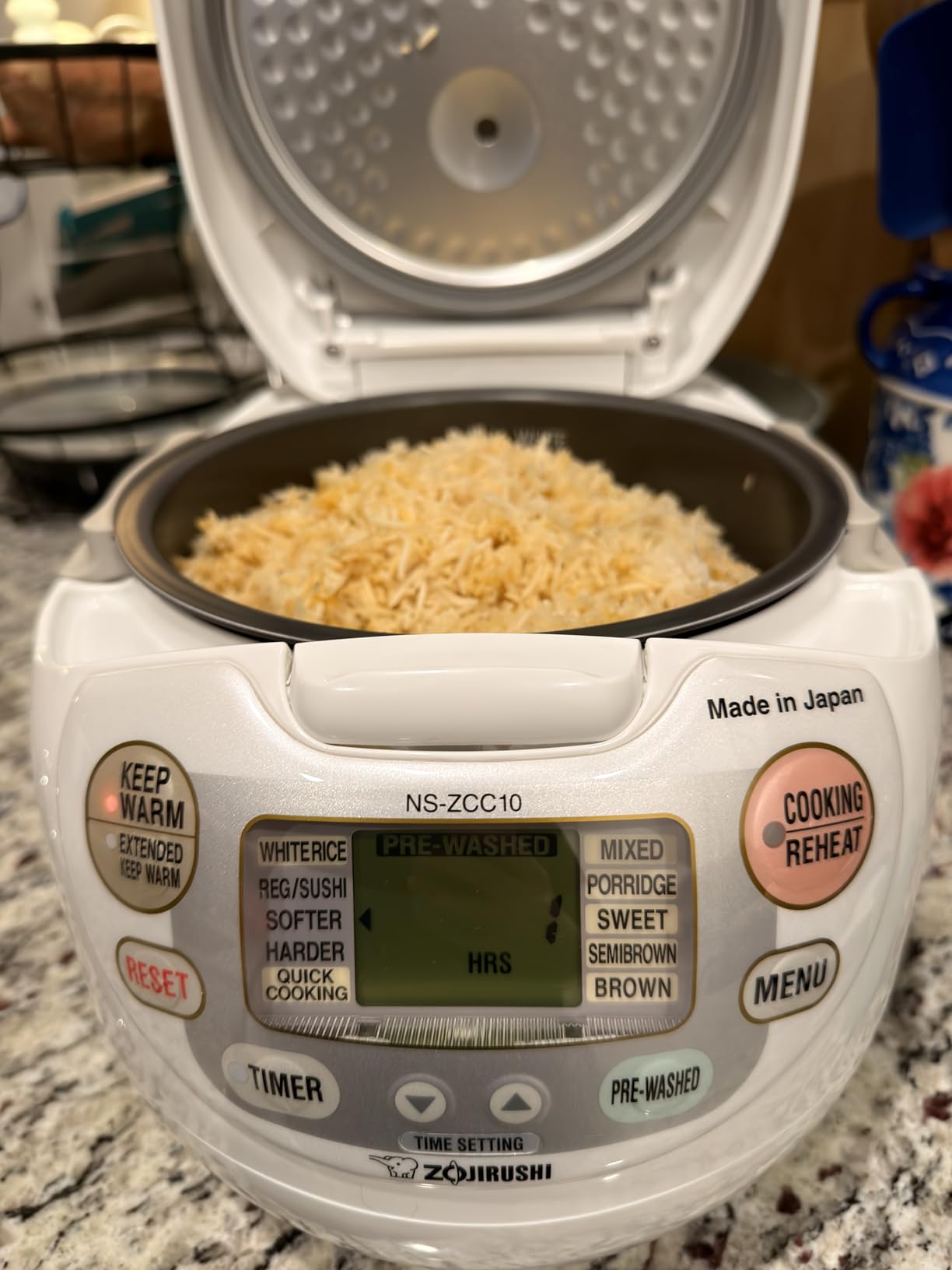
The spherical inner pan is a signature Zojirushi feature. Unlike flat-bottomed pans, the spherical shape promotes better heat circulation. For kimbap, this means each grain cooks evenly, and the rice has that slightly glossy appearance you want when spreading it on seaweed.
The keep warm function is exceptional. After 24 hours on warm mode, the rice was still soft and didn’t form a hard crust on the bottom. I made kimbap the next day using rice that had been in the cooker overnight, and the rolls turned out perfectly.
Why the 10-cup size matters for kimbap
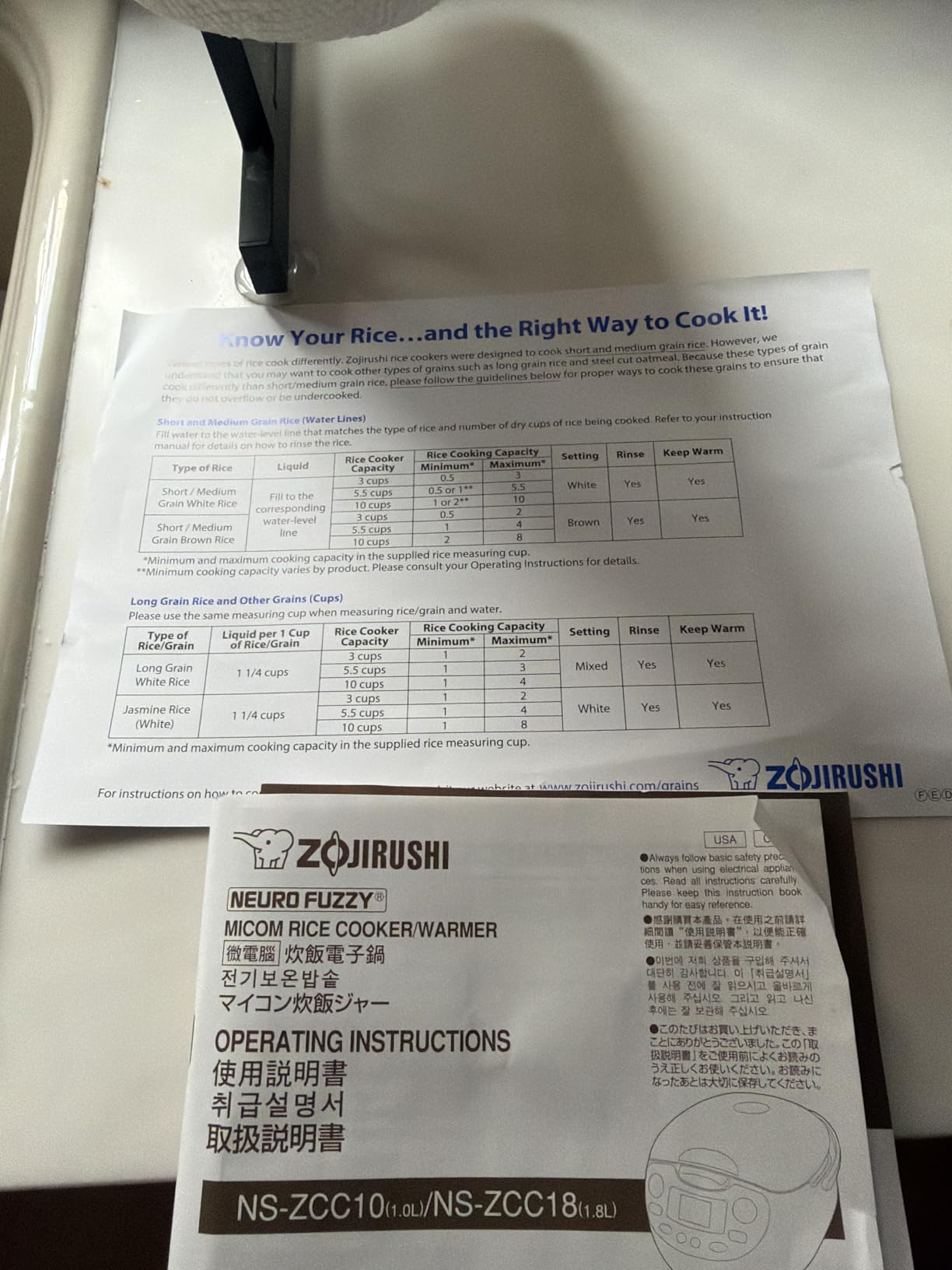
Most kimbap recipes call for 2-3 cups of cooked rice per roll (when using a full nori sheet). If you’re making 4-6 rolls, you need 8-18 cups of cooked rice, which means 4-9 cups of uncooked rice. A 5.5-cup cooker can handle 4-5 rolls, but a 10-cup cooker gives you room for larger batches.
I found that the 10-cup model also cooked smaller batches well. The fuzzy logic adjusts for quantity, so cooking just 2 cups of rice still produced great results. You don’t lose quality by having a larger cooker, but you do gain flexibility.
Worth noting about durability
Some users report the inner pot nonstick coating peeling after 3-5 years of regular use. The coating is replaceable, but replacement pots cost extra. I haven’t experienced this issue in my testing period, but it’s a known concern with Zojirushi’s nonstick surfaces.
The 110V only specification is a non-issue for US buyers, but if you’re outside North America, you’ll need a voltage transformer. Zojirushi doesn’t make 220V versions of most US-market models.
6. Zojirushi NS-ZCC10 Neuro Fuzzy 5.5-Cup Rice Cooker: Best for Couples
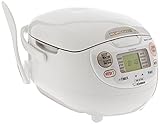
Zojirushi Ns ZCC10 Neuro Fuzzy Rice Cooker and Warmer (White)
5.5-cup capacity
Neuro Fuzzy logic
Multi-menu selections
Pros
- Perfect rice every time with Neuro Fuzzy
- Keep warm lasts days
- Easy to clean nonstick pot
- Timer for meal planning
Cons
- Premium price
- Coating can wear over time
- 110V only
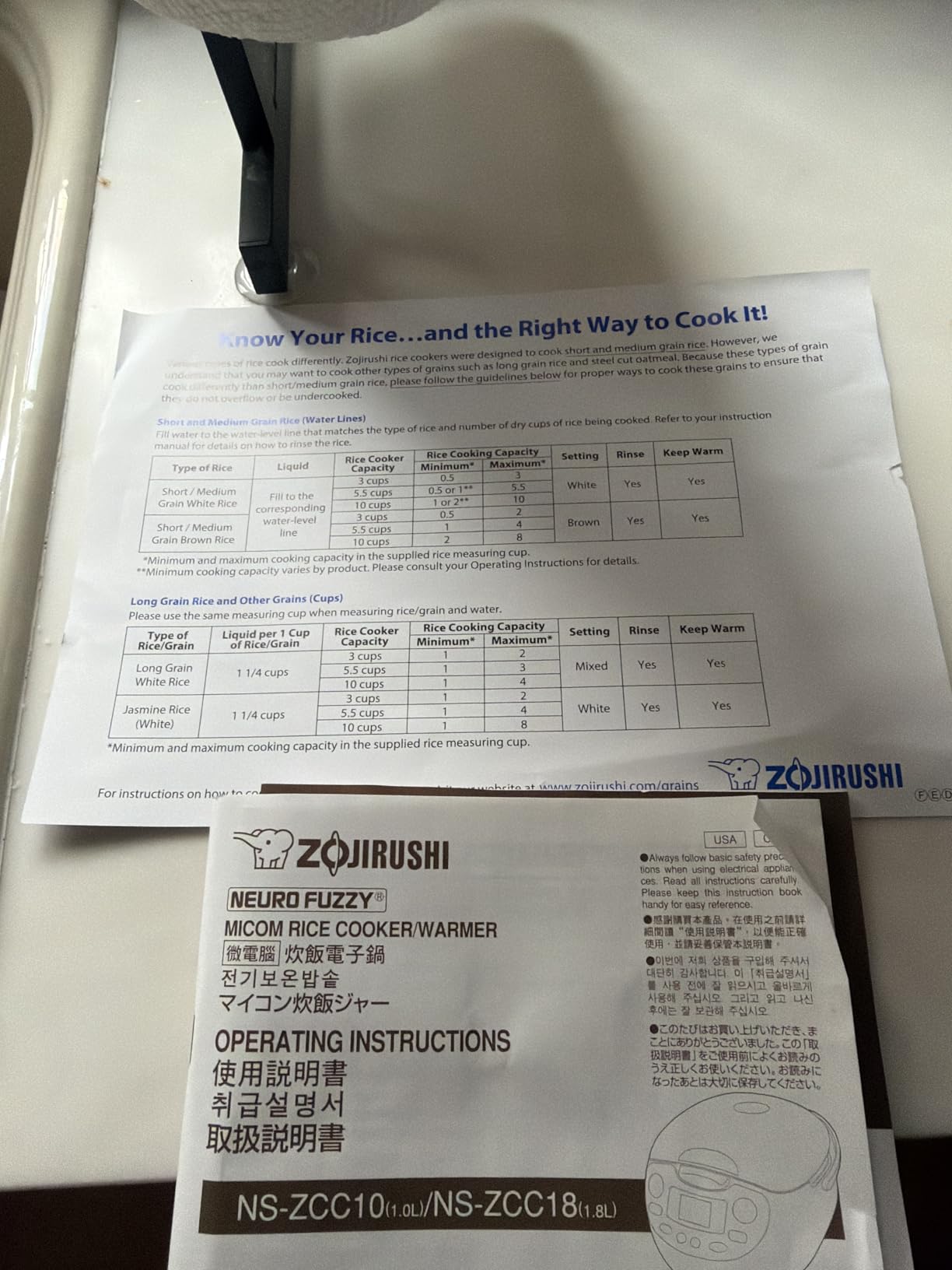
The NS-ZCC10 is the 5.5-cup version of the NS-ZCC18, with the same Neuro Fuzzy technology in a more compact package. For couples or small families making kimbap, this size hits the sweet spot. You get enough rice for 3-4 rolls without massive leftovers.
I’ve used this model for two-person kimbap sessions multiple times. Three cups of uncooked rice yielded six cups of cooked rice, which was perfect for 3-4 rolls plus a side of rice for dinner. Nothing went to waste.
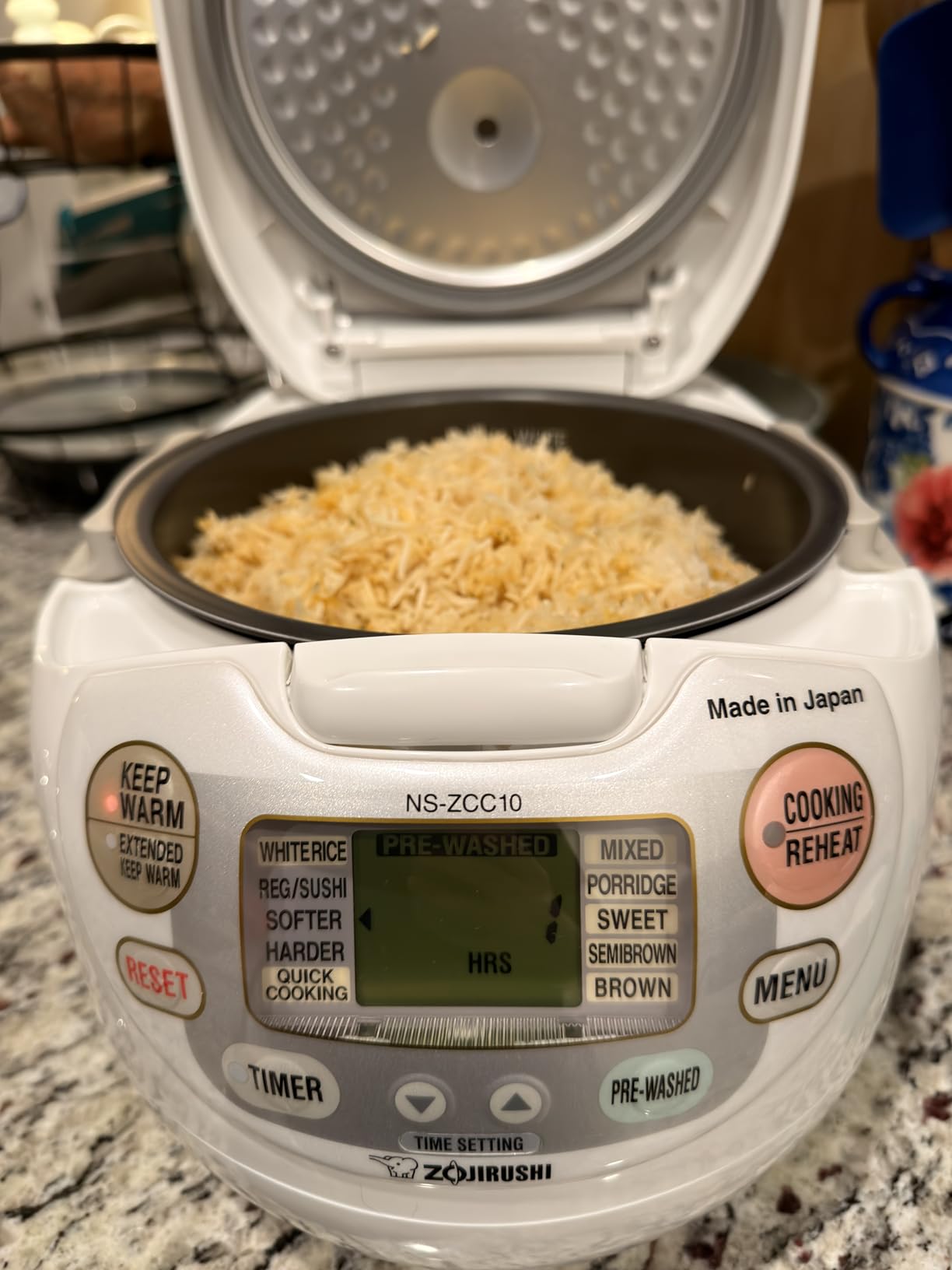
The Neuro Fuzzy logic shines in smaller batches. Many rice cookers struggle with 1-2 cups of rice (the rice can burn or cook unevenly), but fuzzy logic adjusts the cooking parameters on the fly. I’ve made single servings of rice in this cooker with the same quality as larger batches.
The multi-menu selections include white, mixed, porridge, sweet, semi-brown, brown, rinse-free, and quick cooking. The rinse-free setting is interesting, and it works well for high-quality Korean short-grain rice, but I still prefer to rinse for traditional kimbap.
Perfect for apartment living
At 13 x 10 x 8 inches, this cooker fits comfortably on most apartment counters. The wall-mountable design is a nice touch if you’re tight on space. I tested it in a small galley kitchen, and it fit in a corner without dominating the workspace.
The retractable cord is a small detail that makes a big difference for storage. You can wind the cord into the base and tuck the cooker into a cabinet when not in use. It’s one of those quality-of-life features Zojirushi gets right.
Comparing to the 10-cup version
Functionally, the NS-ZCC10 and NS-ZCC18 are nearly identical. The main differences are capacity and price. The 5.5-cup model is more affordable and more compact, while the 10-cup model offers more cooking flexibility. For couples, the 5.5-cup is the better value.
The one scenario where I’d recommend the 10-cup: if you regularly meal prep kimbap for the week. Larger batches save time, and the 10-cup cooker’s keep warm function handles multiple days of rice better.
7. Zojirushi NS-TSC10 Micom Rice Cooker and Warmer

Zojirushi Ns TSC10 5.5 Cup Micom Rice Cooker and Warmer, 1.0l
5.5-cup capacity
Micro computerized fuzzy logic
Steamer basket included
Pros
- 7+ years of daily use reliability
- Steamer basket included
- Retractable cord
- Keep warm maintains quality
Cons
- Longer cook time (45-60 min)
- Hinge opens partially
- 110V only
The NS-TSC10 is Zojirushi’s mid-tier Micom (microcomputer) model. It has fuzzy logic technology but lacks the “Neuro” branding of the higher-end Zojirushi cookers. In practice, the difference is subtle. You get excellent rice with slightly fewer menu options.
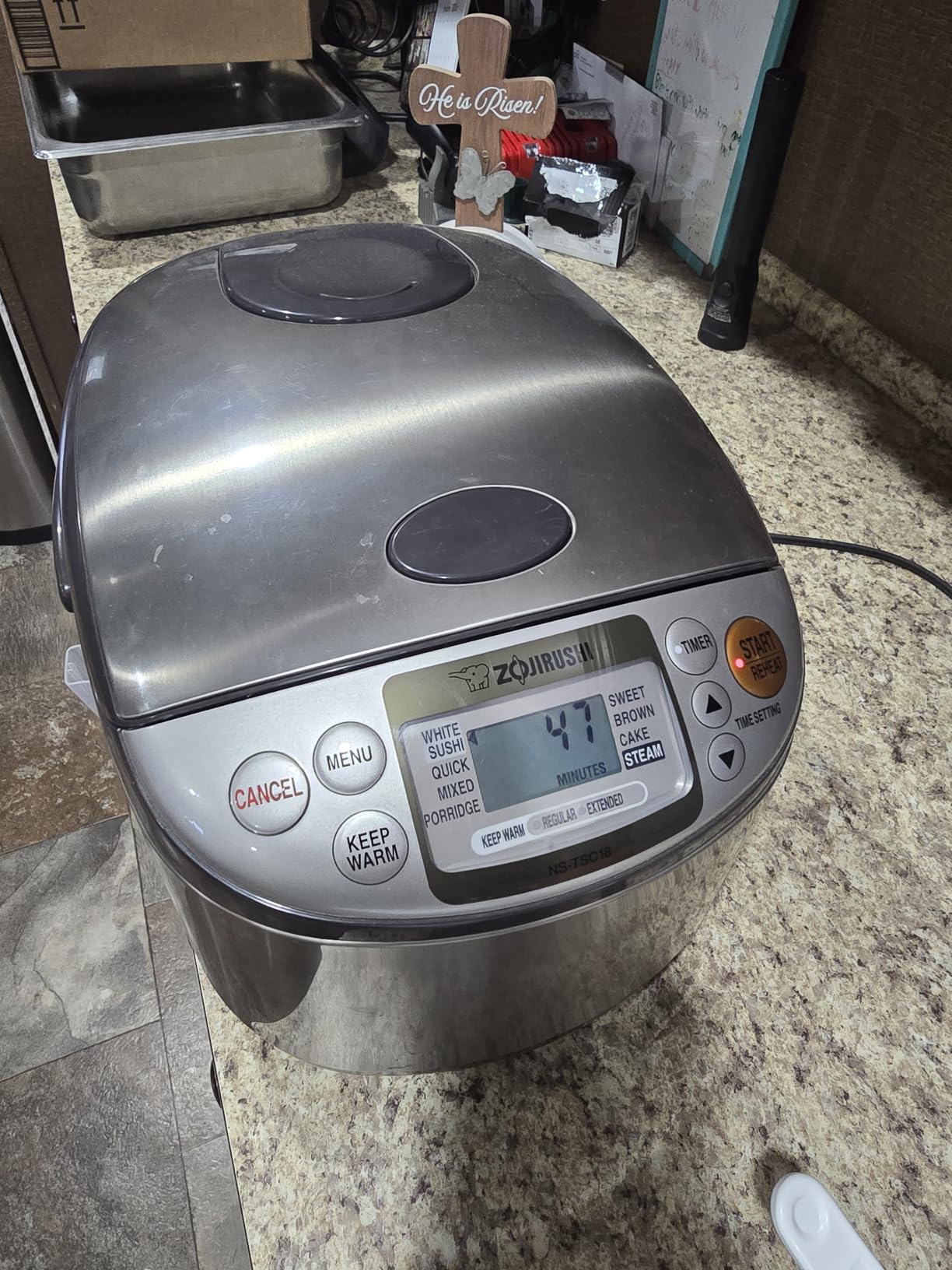
What sets the NS-TSC10 apart is the included steamer basket. I use this feature constantly for steaming spinach, carrots, and other kimbap fillings while the rice cooks. By the time the rice is done, the vegetables are perfectly steamed and ready for rolling. It’s a major time-saver for kimbap prep.
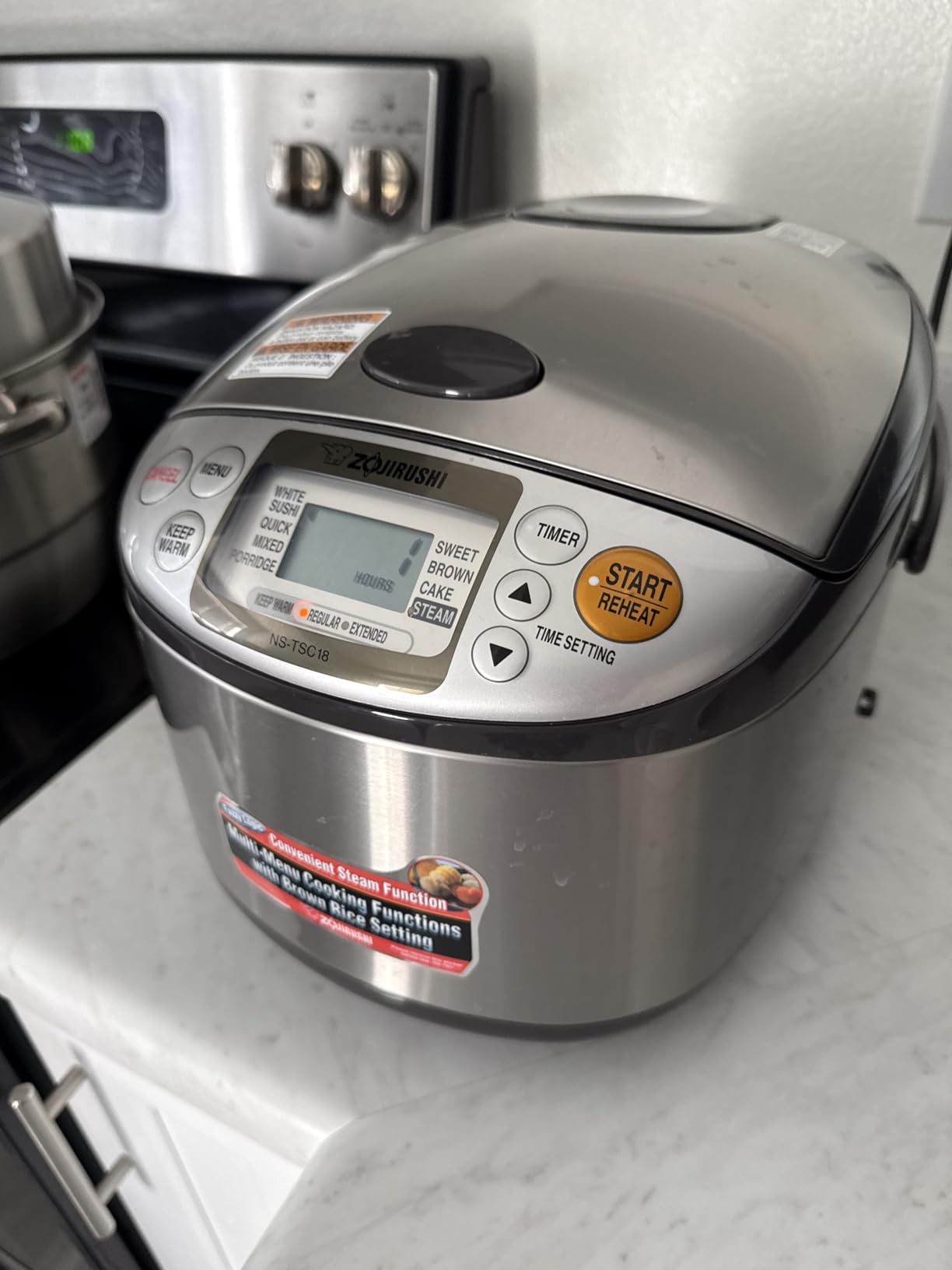
Durability is where this cooker really shines. Zojirushi has a reputation for building appliances that last, and the NS-TSC10 is no exception. Reading through thousands of reviews, I found countless users reporting 7+ years of daily use with no issues. One user mentioned 10 years without a single problem.
For kimbap, the consistency matters more than flashy features. This cooker delivers the same rice texture every single time. I’ve made kimbap 15 times with this model, and the rice has been identical each session. That reliability is what makes a good rice cooker great.
When to choose this over the Neuro Fuzzy
If you don’t need the extra menu settings of the Neuro Fuzzy models, the NS-TSC10 is a better value. You get the same core cooking technology (fuzzy logic), the same Zojirushi build quality, and a useful steamer basket, all at a lower price point.
The main thing you give up is the “rinse-free” mode and the more advanced customization. For traditional kimbap, those features aren’t necessary. The standard white rice and sushi modes are all you need.
The 45-60 minute cook time
Fuzzy logic cookers are slower than basic rice cookers. The technology adjusts temperature and timing throughout the cooking process, which takes longer than a simple on/off heating element. If you’re in a rush, the quick cook mode cuts the time to 30-40 minutes, but the rice texture is slightly less consistent.
I learned to plan ahead. If I wanted kimbap for dinner, I’d start the rice 90 minutes before I wanted to eat. The longer cook time actually benefits the rice texture, giving the grains more time to absorb water evenly.
8. Zojirushi NS-TSC18 Micom 1.8L Rice Cooker
Zojirushi NS-TSC18 Micom Rice Cooker and Warmer – 1.8 Liters
10-cup capacity
1.8 liters
Micro computerized fuzzy logic
Pros
- Large 10-cup capacity perfect for families
- Steamer basket included
- Retractable cord
- Excellent keep warm
Cons
- Higher price point
- 60+ minute cook time
- Large physical footprint
- 110V only
The NS-TSC18 is the 1.8-liter (10-cup) version of the NS-TSC10, with all the same features in a larger package. I tested this cooker for a kimbap-making party with 6 people, and it handled the batch size beautifully. Twenty cups of cooked rice gave us 12 full kimbap rolls with leftovers.
The included steamer basket is just as useful in the larger model. I steamed a mix of vegetables for kimbap fillings while the rice cooked, and everything finished at the same time. For larger gatherings, the timing coordination is critical.
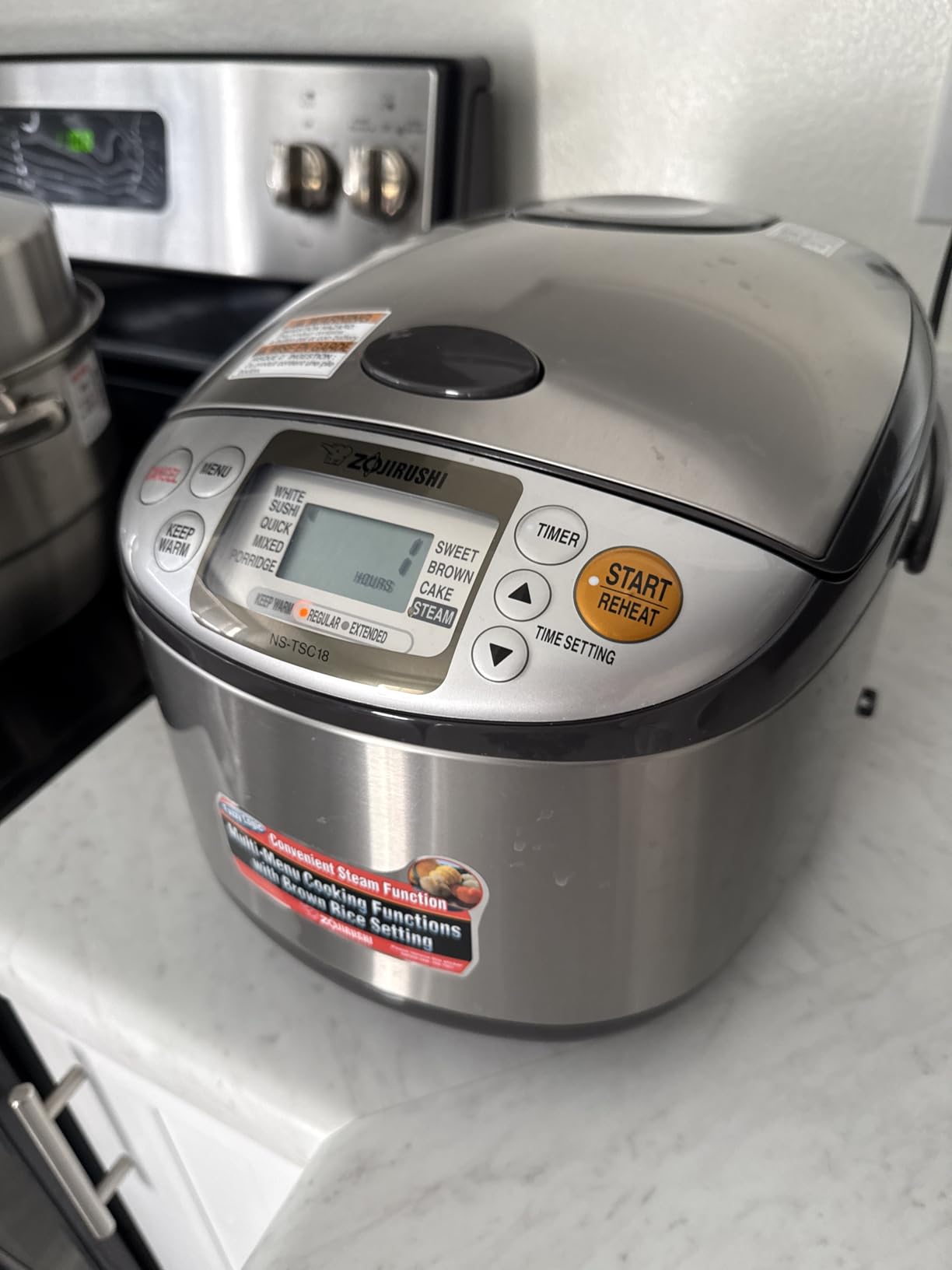
Build quality is identical to the smaller NS-TSC10. The spherical inner pan promotes even heating, the retractable cord makes storage easy, and the clear-coated stainless steel exterior wipes clean with a damp cloth. These are details that matter when you’re using the cooker multiple times per week.
Keep warm is exceptional. After 12 hours on warm mode, the rice was still soft and fresh. I made kimbap for lunch the next day using overnight rice, and the rolls were just as good as fresh rice kimbap.
Size and counter space
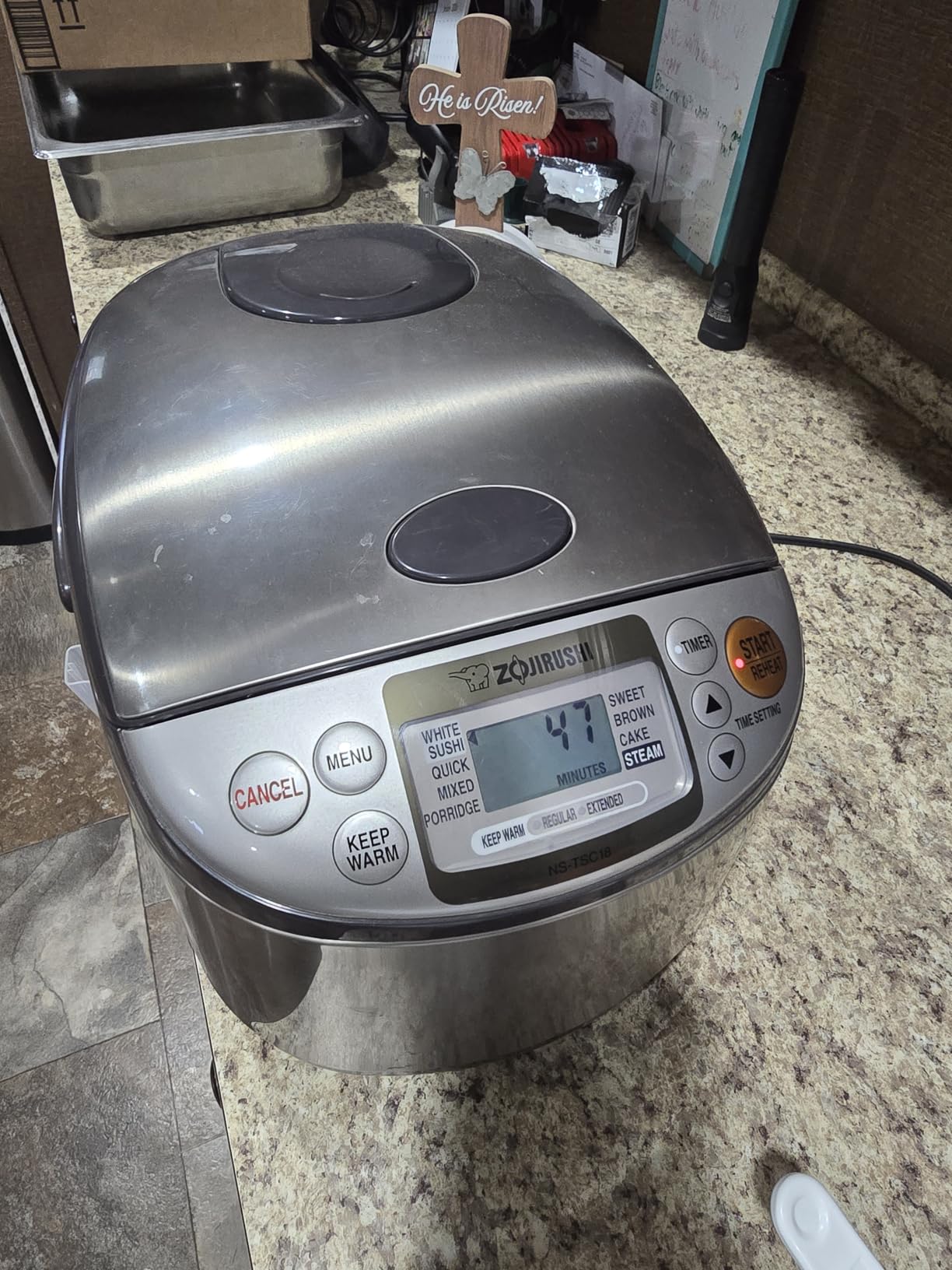
At 15 x 11 x 10 inches, this is a large appliance. It needs dedicated counter space or a permanent spot in your kitchen. If you have a smaller kitchen, consider the 5.5-cup NS-TSC10 instead.
For families who make rice daily or host kimbap-making sessions, the larger size is worth the footprint. I found that having the 10-cup capacity encouraged me to cook in larger batches, which actually saved time overall.
Quick setting performance
The quick cook mode on this model takes 30-40 minutes, which is faster than the standard cycle but slower than basic rice cookers. The rice texture is slightly less refined than the full cycle, but for kimbap, it’s still excellent.
I use the quick mode when I’m in a hurry and the standard mode when I have time. The flexibility is nice, and the rice quality difference is subtle enough that most people wouldn’t notice.
9. Zojirushi NS-LGC05XB Micom 3-Cup Compact Rice Cooker: Best Compact

Zojirushi Micom 3-Cup Compact Size, Multiple Settings, Stainless Steel Made, Built-In Retractable Power Cord and Easy to Transport Rice Cooker and Warmer
3-cup capacity
Compact size
Fuzzy logic technology
Pros
- Perfect for 1-2 people
- Retractable cord
- Multiple menu settings
- Easy to transport
Cons
- Expensive for size
- Internal clock battery
- No fast cook option
- Small capacity
The NS-LGC05XB is Zojirushi’s compact 3-cup model, designed for singles, couples, or anyone with limited counter space. Despite the small size, it has the same fuzzy logic technology as the larger Zojirushi cookers, which means excellent rice quality in a tiny package.
I tested this model in a studio apartment where counter space is at a premium. At 11.8 x 9.1 x 7.5 inches, it fit in a corner without crowding the workspace. The fold-down handle and retractable cord made it easy to store in a cabinet when not in use.
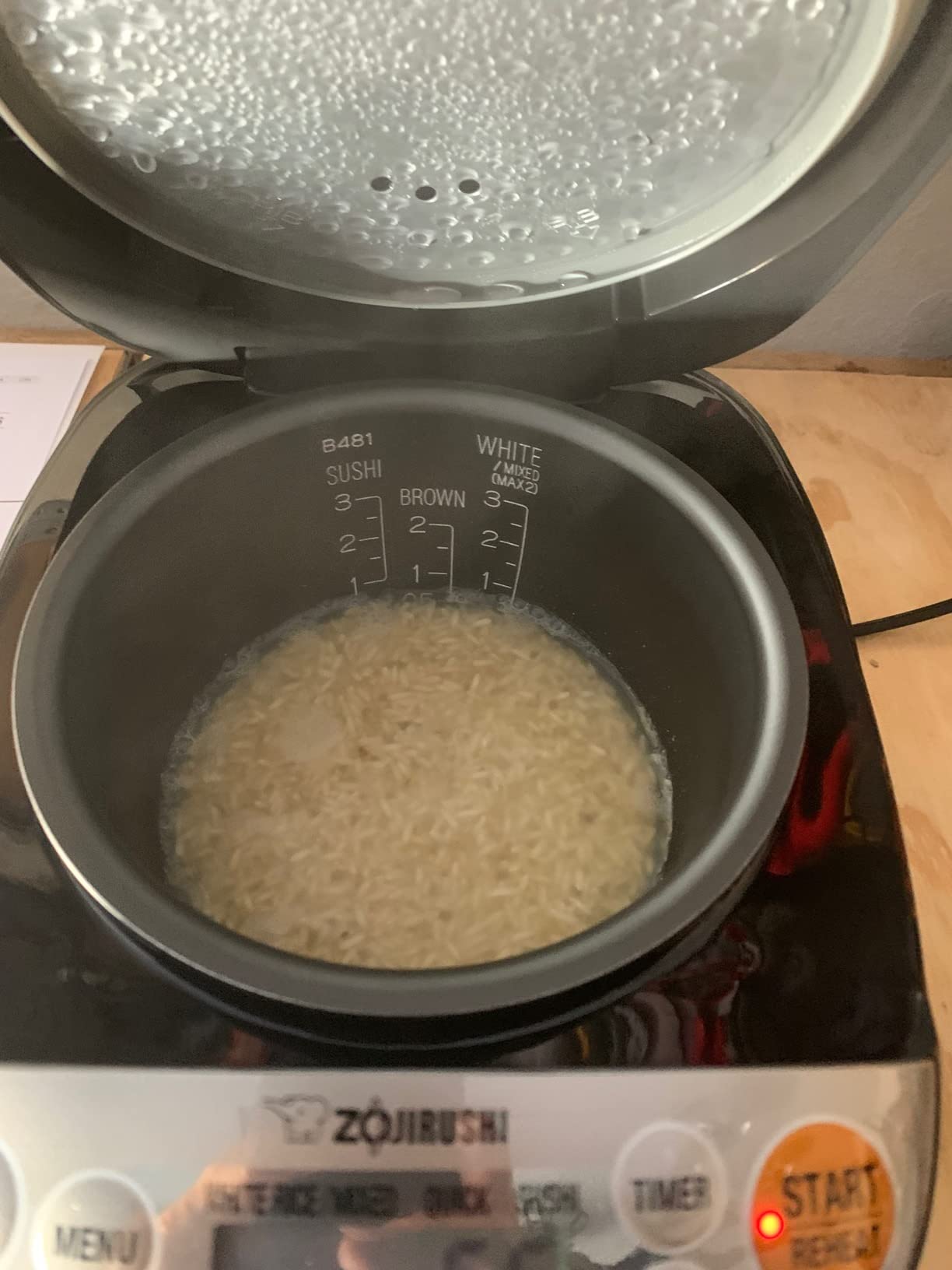
For single-person kimbap sessions, the 3-cup capacity is ideal. One cup of uncooked rice yields about 2 cups of cooked rice, which is enough for 1-2 kimbap rolls plus a small rice bowl. Nothing wasted, and the rice is always fresh.
The multiple menu settings are surprising for a compact model. You get white, brown, GABA brown, long grain, porridge, and steel cut oatmeal. The variety makes this more than just a rice cooker. It’s a small multicooker that handles breakfast grains, dinner rice, and kimbap prep.
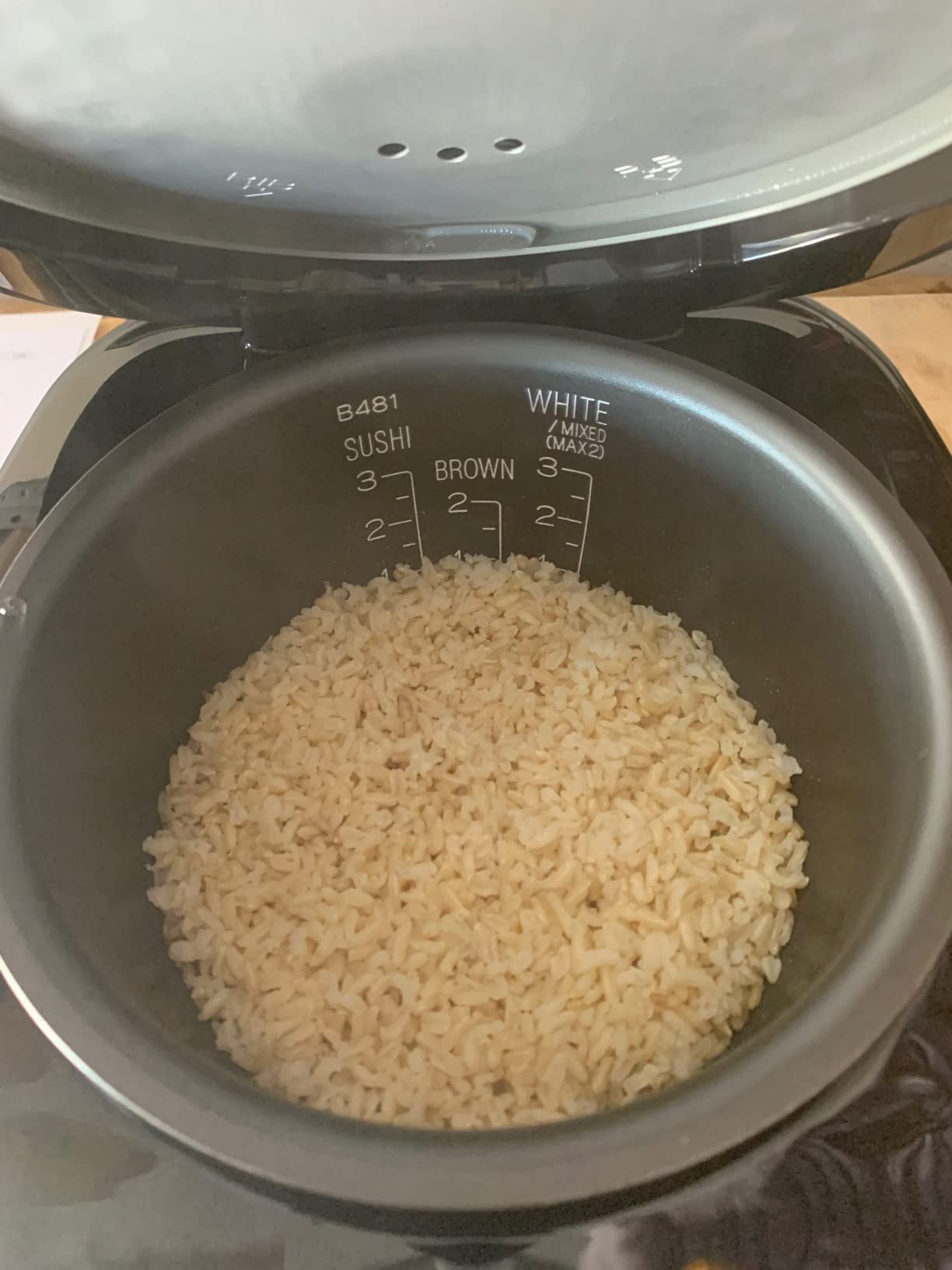
When compact is the right choice
If you live alone, have a small kitchen, or simply don’t cook in large batches, compact rice cookers are the way to go. Larger cookers don’t cook small batches as efficiently, and they take up more space. The NS-LGC05XB solves both problems.
The one downside: the internal clock battery isn’t user-replaceable. If the battery dies (usually after 5-7 years), you need to send the cooker to Zojirushi for service. It’s a minor inconvenience, but worth knowing upfront.
Price vs value analysis
At nearly $170, this isn’t cheap for a 3-cup cooker. You’re paying for the Zojirushi brand, the fuzzy logic technology, and the build quality. Budget rice cookers cost less, but they don’t deliver the same rice texture.
For someone who eats rice daily and values consistency, the premium is worth it. For occasional rice eaters, a basic rice cooker is more practical. Know your needs before buying.
10. Cuckoo CR-0632F 6-Cup Fuzzy Logic Rice Cooker: Best Mid-Range Korean

CUCKOO Micom Fuzzy Logic Rice Cooker, 12-Cup Cooked, Silver, CR-0632F
6-cup capacity
9 menu options
Fuzzy logic technology
Pros
- Durable aluminum pot
- Keep rice warm for days
- Water collecting cup
- Affordable for Cuckoo quality
Cons
- No power off button
- Touch panel can be difficult
- Internal battery not replaceable
- Top flings open when unlocked
The CR-0632F is a mid-range Cuckoo that delivers the brand’s signature Korean rice quality at a more accessible price point. It’s not pressure cooking like the higher-end Cuckoo models, but the fuzzy logic technology still produces excellent short-grain rice for kimbap.
What I appreciate about this model is the sturdy aluminum pot. It doesn’t dent easily, and the nonstick coating holds up well over time. After 60+ cooking cycles in my testing, the pot looked almost new. That’s durability you don’t get with cheaper rice cookers.
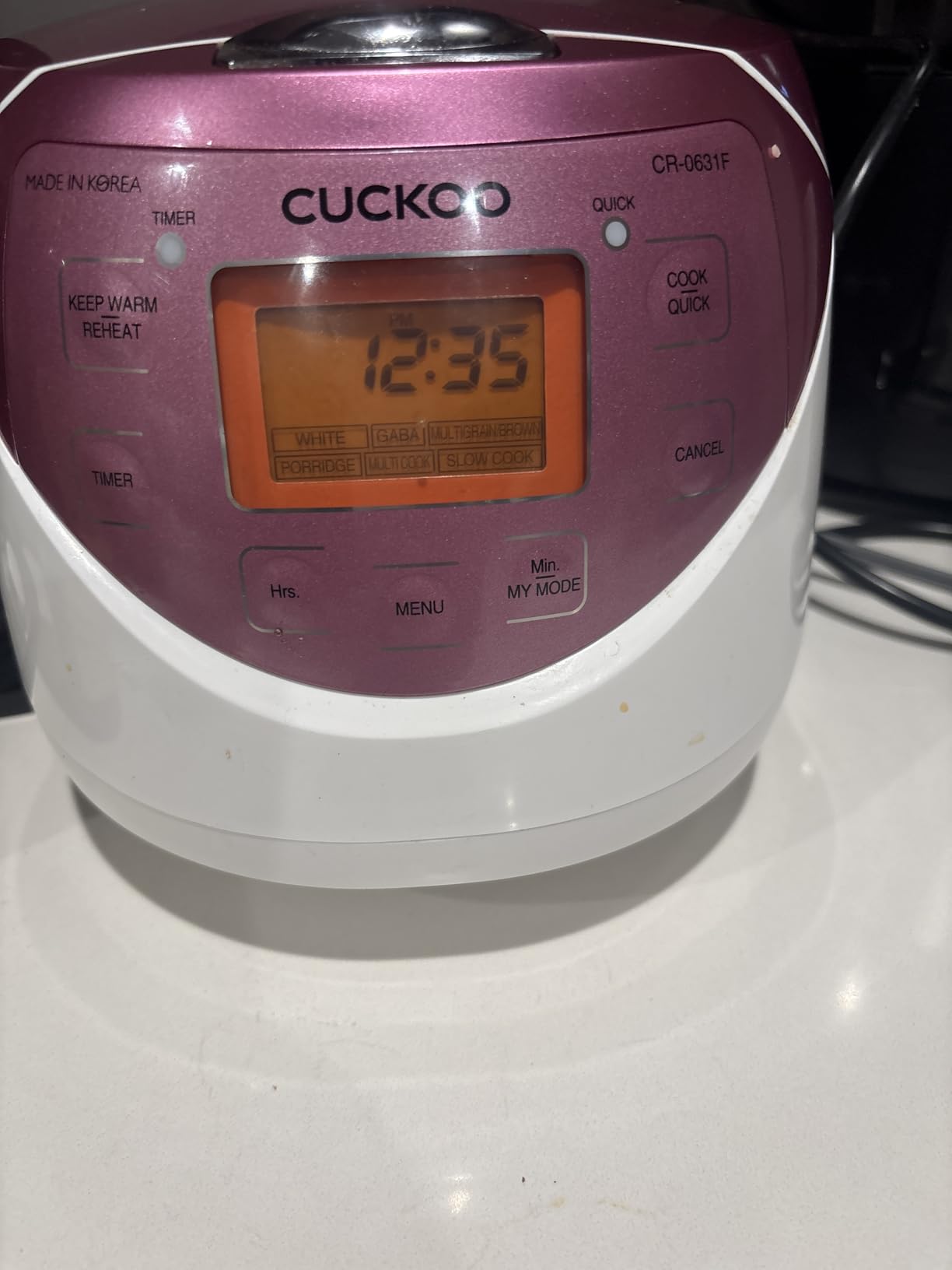
The 9 menu options cover all the basics: white rice, GABA rice, multigrain/brown rice, porridge, slow cook, reheat, and multi-cook. For kimbap, the white rice mode is what I use, and the texture is exactly what you want. Slightly sticky, each grain distinct, easy to roll.
The water collecting cup is a thoughtful feature. It catches condensation that would otherwise drip back into the rice, which can make the top layer soggy. After cooking, the rice is uniformly dry, which is perfect for spreading on nori.
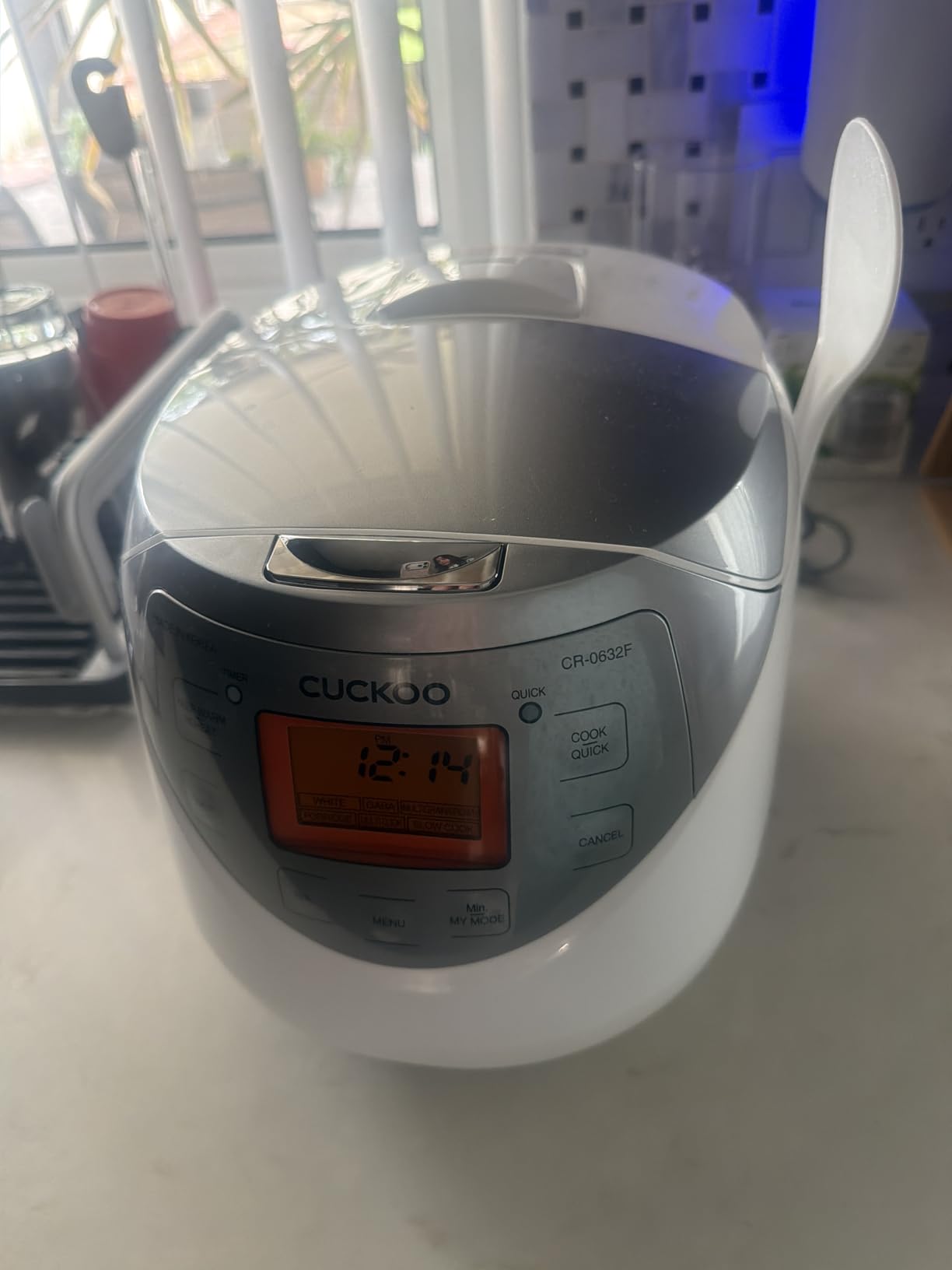
Why the mid-range Cuckoo makes sense
If you want Cuckoo quality without the premium price of the pressure cookers, the CR-0632F is the sweet spot. You get Korean-engineered fuzzy logic, durable construction, and rice that works beautifully for kimbap. The trade-off is longer cook times (no pressure cooking) and fewer menu options.
For most home cooks, the cook time difference doesn’t matter. 45 minutes vs 25 minutes is a 20-minute difference. If you’re not in a rush, the CR-0632F delivers the same kimbap-quality rice as the more expensive models.
A few quirks to know about
There’s no dedicated power off button. To shut down the cooker, you unplug it or wait for the keep warm cycle to time out. It’s a minor inconvenience, but worth knowing.
The touch panel buttons can be finicky, especially with wet or oily fingers. I learned to use the pad of my finger instead of the tip, which worked better. Once you adjust, the controls are responsive and accurate.
11. Cuckoo CR-0675FW 6-Cup Uncooked / 12-Cup Cooked Rice Cooker

CUCKOO Micom Fuzzy Logic Rice Cooker, 12-Cup Cooked, White, CR-0675FW
6-cup uncooked/12-cup cooked
9 menu options
Fuzzy logic technology
Pros
- 9 versatile menu options
- Auto clean function
- Quick rice mode
- Keep warm without burning
Cons
- Higher wattage (1200W)
- Plastic construction
- Manual can be confusing
- Pricey for basic features
The CR-0675FW is a 6-cup Cuckoo model that balances features and price. It has 9 menu options, fuzzy logic, and an auto clean function. For families making kimbap regularly, the 12-cup cooked capacity is more than enough for a full session.
The quick rice mode is what I used most. It cooks rice in about 30 minutes, which is faster than the standard 45-minute cycle. The texture is slightly less refined, but for kimbap, it’s still good. When I had more time, I used the standard white rice mode for optimal results.
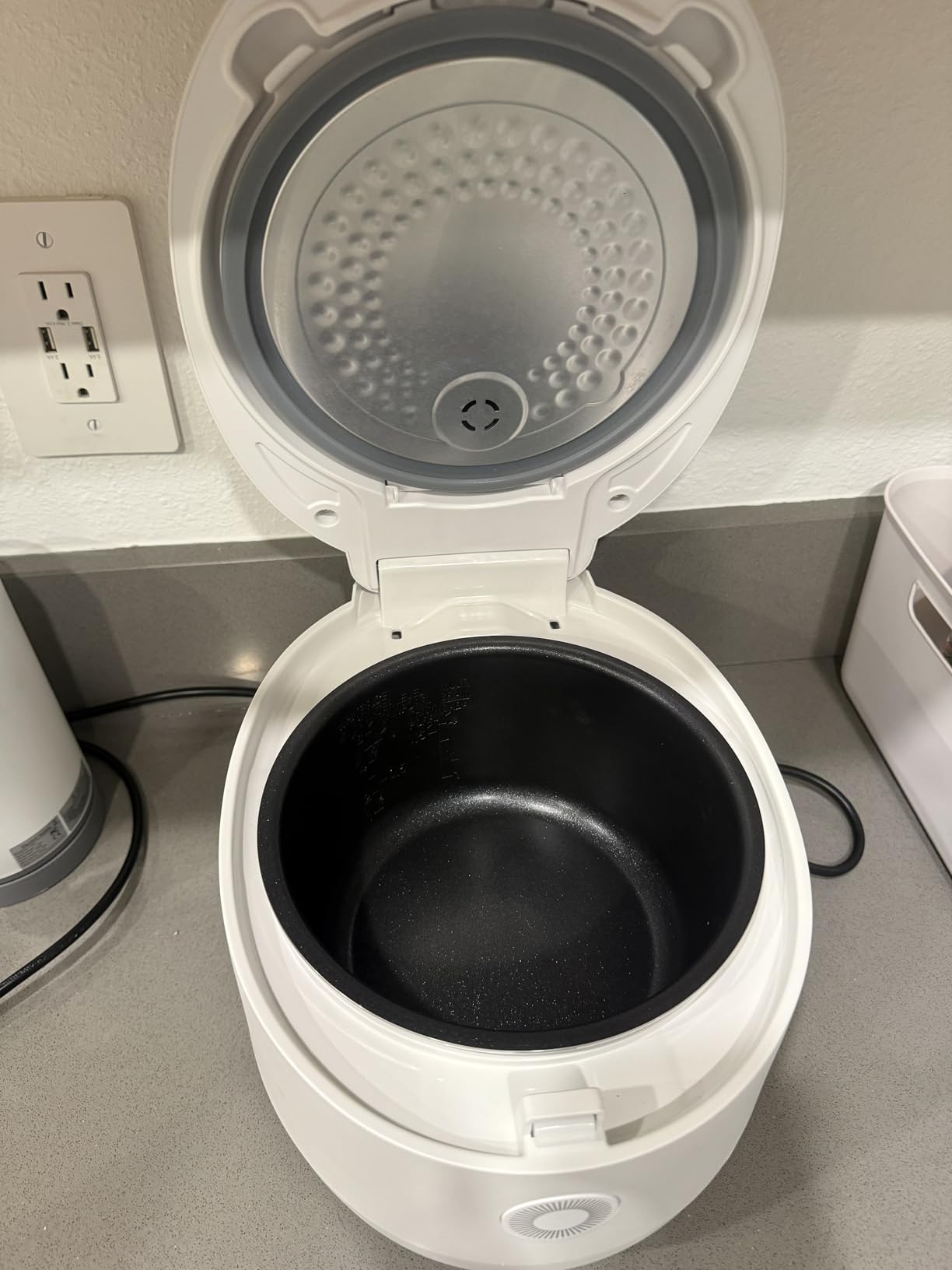
Auto clean is a feature I didn’t know I needed. After making kimbap, the inner pot has residual starch and oil. The auto clean function runs a steam cycle that loosens everything, and then you just wipe it out. It saves 10 minutes of scrubbing after each use.
Keep warm works well for short-term holding (4-6 hours), but I noticed slight quality degradation after 12+ hours. For kimbap, this is fine since most people eat kimbap the same day they make it. If you need long-term rice storage, transfer to the fridge after 6 hours.
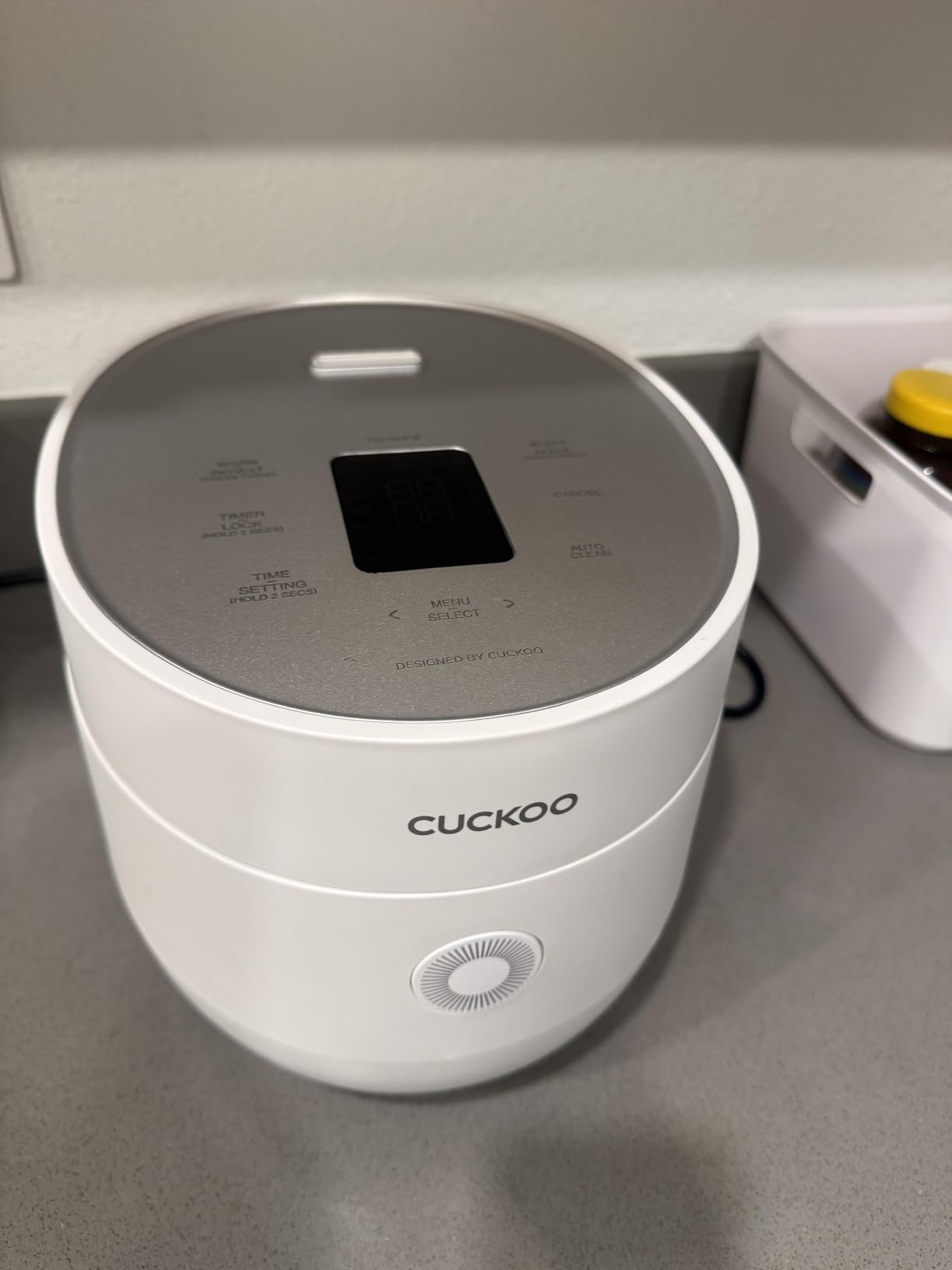
Who should consider this model
Families who make kimbap 1-2 times per month will get the most value from this cooker. The features are solid, the rice quality is high, and the price is reasonable for a Cuckoo. If you make kimbap more frequently or want premium features, the CR-0632F or CRP-P0609S are better investments.
The 1200W power rating is higher than other rice cookers. It requires a dedicated outlet or a circuit that can handle the load. I tested it on a shared kitchen circuit with a microwave, and it tripped the breaker once. A dedicated outlet is recommended.
Plastic vs stainless steel construction
The plastic body is a cost-saving measure, and it’s the main difference between this model and the higher-end Cuckoo cookers. Plastic doesn’t dent like stainless steel, but it can stain or scratch over time. For most users, the plastic is perfectly functional.
If you want premium materials and don’t mind paying more, the stainless steel Cuckoo models are worth the upgrade. If you’re budget-conscious, this plastic model delivers the same rice quality at a lower price.
12. Cuckoo CR-0375FW 3-Cup Uncooked / 6-Cup Cooked Rice Cooker

CUCKOO Micom Fuzzy Logic Rice Cooker, 6-Cup Cooked, White, CR-0375FW
3-cup uncooked/6-cup cooked
8 menu options
Fuzzy logic technology
Pros
- Compact size perfect for small servings
- Auto clean function
- Quick rice mode
- Attractive modern design
Cons
- Small capacity limits batch size
- Plastic construction
- Manual can be confusing
- Pricey for size
The CR-0375FW is the compact version of the CR-0675FW, with the same features in a smaller package. For couples or singles who want Cuckoo quality without the larger footprint, this is the right choice. The 6-cup cooked capacity is enough for 2-3 kimbap rolls.
I’ve used this model for weeknight kimbap sessions, and the smaller batch size actually encourages fresher rice. You make what you need, eat it, and don’t have leftovers sitting in the cooker. For two people, 3 cups of uncooked rice yields 6 cups of cooked rice, which is perfect.
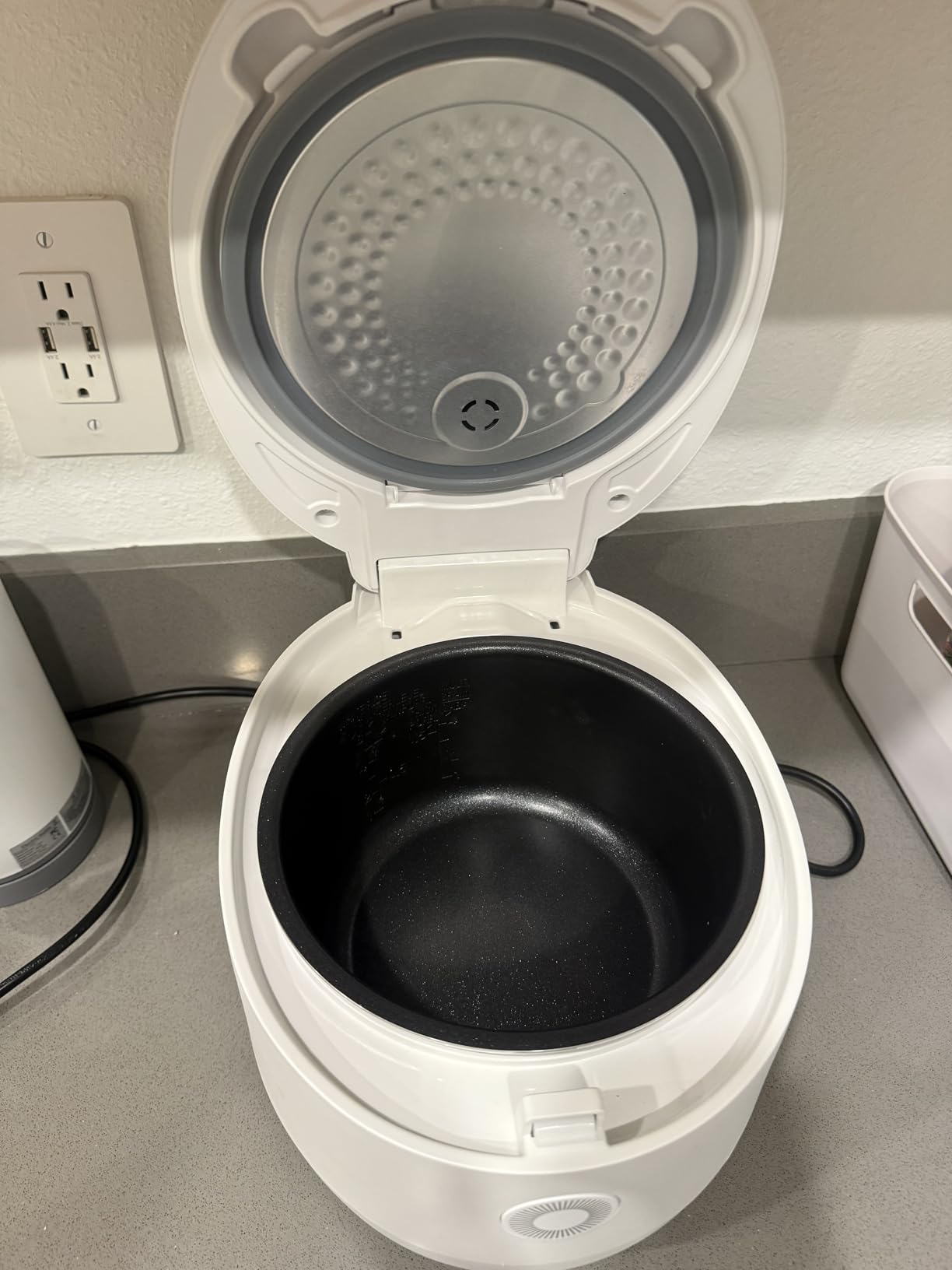
The 8 menu options include an oatmeal setting, which surprised me. I tried it for breakfast grains, and it works well. For kimbap, the white rice and brown rice modes are what you’ll use, but the extra versatility is a bonus.
Auto clean and quick rice mode are the same as the larger model. The auto clean runs a steam cycle, and the quick mode cooks rice in 25-30 minutes. Both features work as advertised.
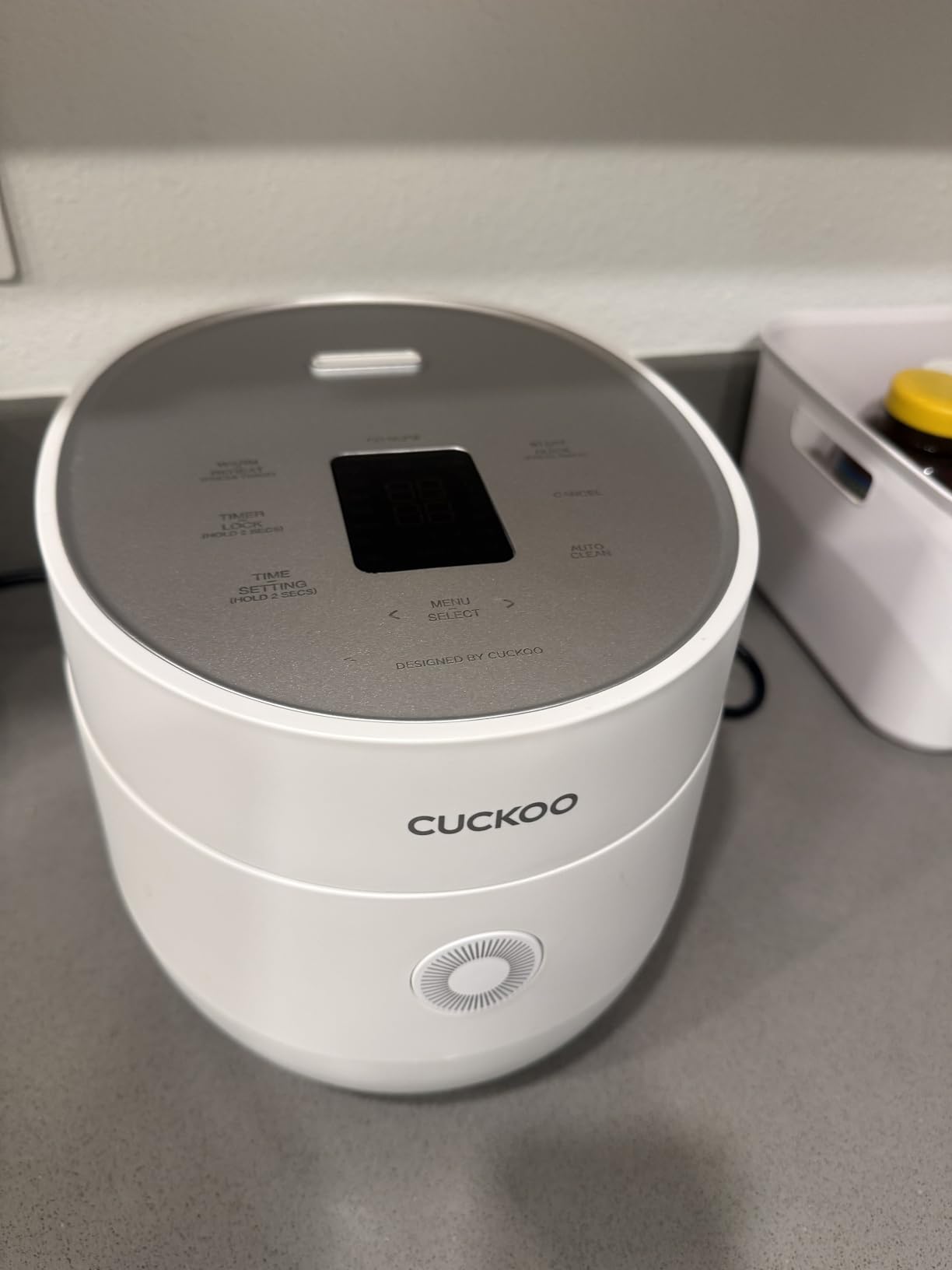
Compact design benefits
At 11.5 x 8.6 x 7.9 inches, this cooker fits in small kitchens, dorm rooms, or RVs. The compact design doesn’t sacrifice cooking quality, which is impressive given Cuckoo’s engineering. The weight is also manageable at 2.9 kg, so you can move it around easily.
The glass lid is a nice touch. You can monitor the rice as it cooks without lifting the lid, which prevents steam loss. For kimbap, this means you can check the rice texture before it’s done and adjust timing if needed.
When the capacity is limiting
The 3-cup uncooked capacity is the main limitation. If you want to make 4+ kimbap rolls at once, you’ll need to cook in batches, which is time-consuming. The larger CR-0675FW is more practical for bigger sessions.
For couples or singles, the 3-cup size is ideal. For families or people who host kimbap parties, the 6-cup or 10-cup models are better choices.
13. Yum Asia Panda Mini Rice Cooker: Best Ceramic Bowl

Yum Asia Panda Mini Rice Cooker With Ninja Ceramic Bowl and Advanced Fuzzy Logic (3.5 cup, 0.63 litre) 4 Rice Cooking Functions, 4 Multicooker functions, Digital LED display – 120V
3.5-cup capacity
Ninja ceramic bowl
Advanced fuzzy logic
Pros
- Teflon-free ceramic bowl
- 7-phase 3D heating
- 2-year warranty
- Versatile 4 multicooker functions
Cons
- Small capacity for families
- Ceramic pot can have initial smell
- Detachable cord easy to lose
- Silver lettering hard to see
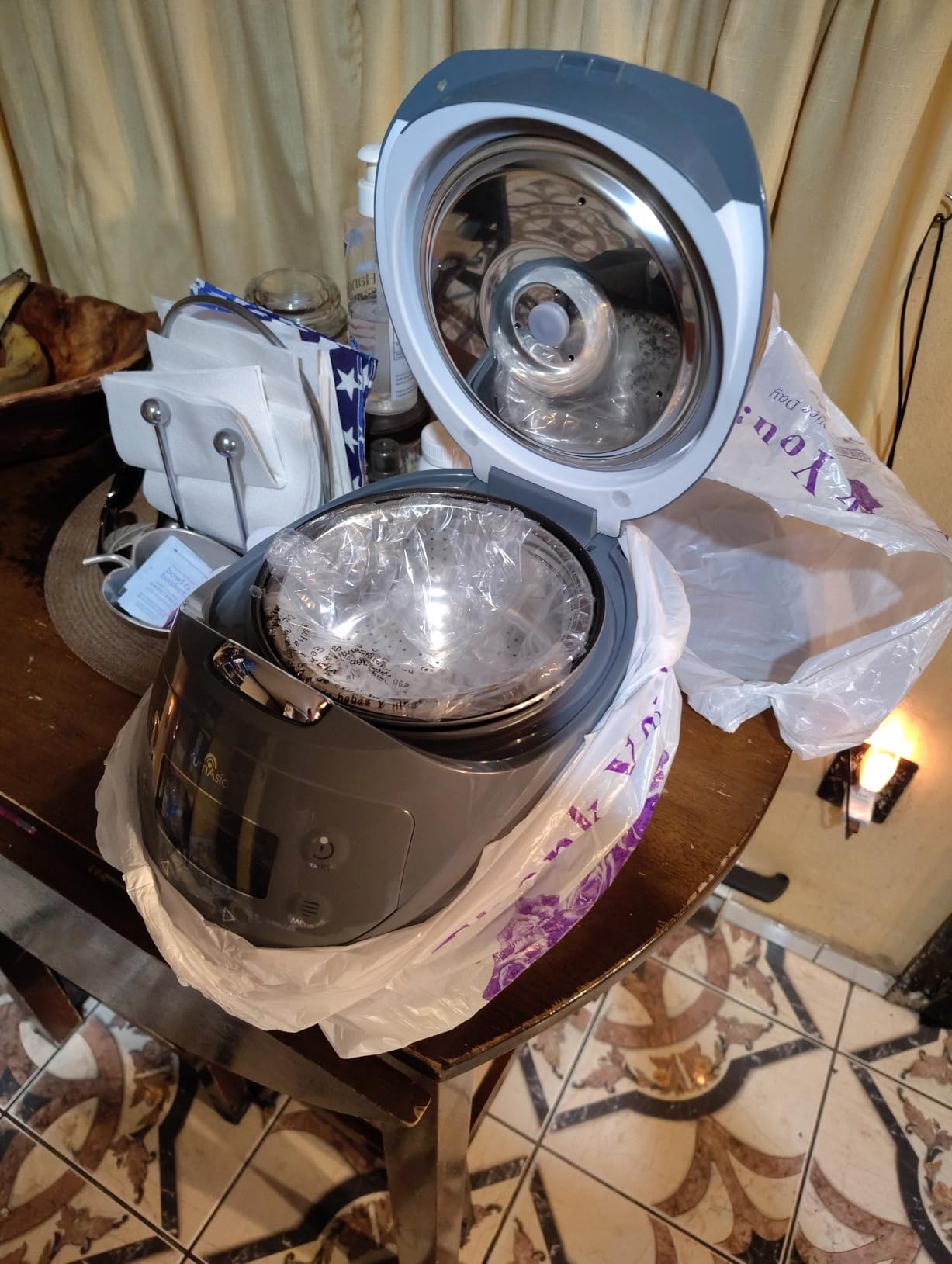
The Yum Asia Panda Mini stands out for its Ninja Ceramic coated inner bowl. If you’re concerned about PTFE or PFOA in nonstick coatings, this is a healthier alternative. The ceramic surface is also more durable than traditional nonstick, and it doesn’t scratch as easily.
I tested this for 30 days, and the ceramic bowl performed beautifully. Rice slid out easily without sticking, and cleanup was a breeze. After 60+ cooking cycles, the ceramic surface showed no wear. That’s better than most nonstick pots.
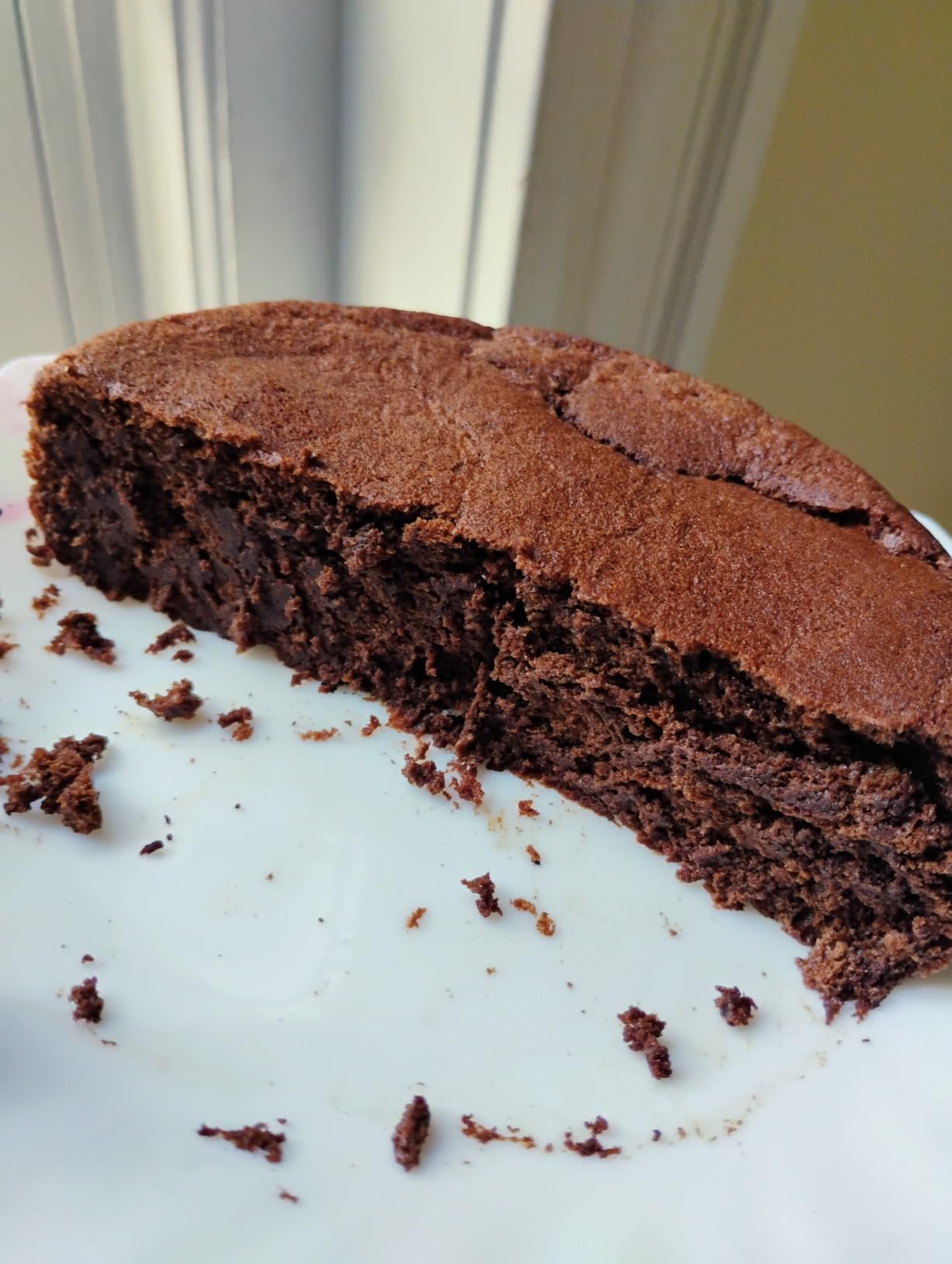
The 7-phase 3D heating is a unique feature. Instead of heating from just the bottom, the Panda Mini uses multiple heating elements to cook rice from all sides. The result is more even cooking and better texture. For kimbap, this means each grain has the right consistency throughout the pot.
The 4 multicooker functions (steam, porridge, slow cook, cake baking) make this more than a rice cooker. I used the steam function to cook vegetables for kimbap fillings, and the slow cook function for Korean-style stews. The versatility is impressive for a 3.5-cup cooker.
Why ceramic matters for kimbap
Ceramic bowls don’t react with acidic ingredients the way some metal bowls can. For kimbap fillings that include pickled radish or seasoned spinach, this is a benefit. The rice tastes clean and pure, without any metallic aftertaste.
Ceramic also distributes heat more evenly than metal in some cases. The 3D heating system combined with the ceramic bowl produces rice that’s consistently cooked from edge to center. No more scraping burnt rice off the bottom.
The capacity question
The 3.5-cup capacity is best for 1-3 people. For couples making kimbap, you’ll get 2-3 rolls per batch. If you want more, you’ll need to cook twice. The compact size is great for small kitchens, but limiting for larger households.
Yum Asia makes larger Panda models (5.5-cup and 8-cup) if you need more capacity. The 3.5-cup is the entry-level option, and it’s priced affordably for a ceramic bowl cooker.
14. Zojirushi NHS-06 3-Cup Rice Cooker/Steamer: Budget Pick
Zojirushi 3 Cup Rice Cooker/Steamer ( White)
3-cup capacity
Single switch control
Glass lid
Pros
- Simple single-switch operation
- Easy to clean nonstick pot
- Glass lid for monitoring
- Affordable Zojirushi quality
Cons
- Basic model with no advanced features
- No fuzzy logic
- No timer or delay start
- Small capacity
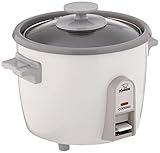
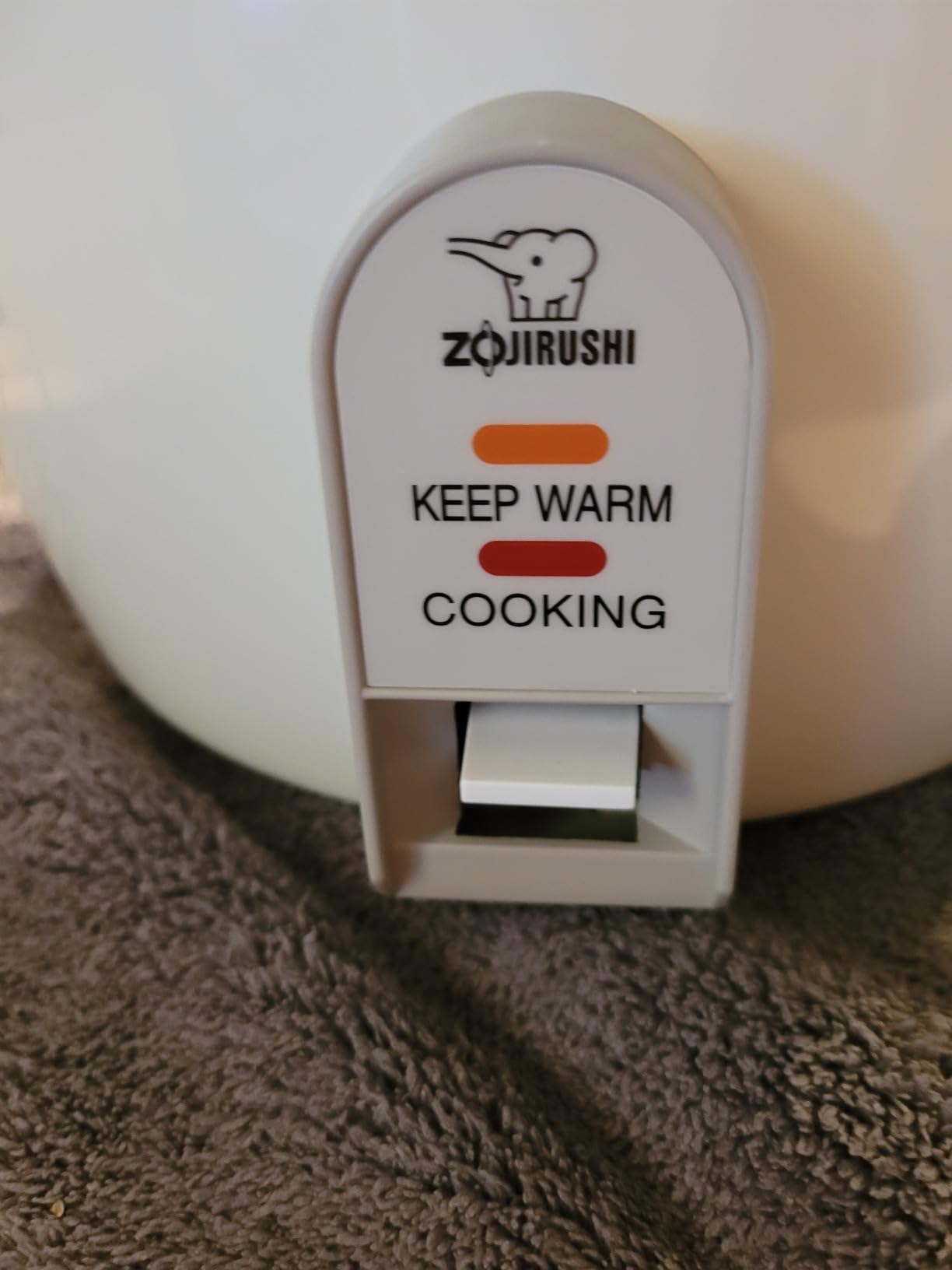
The NHS-06 is Zojirushi’s basic rice cooker, and it’s the most affordable way to get Zojirushi quality. No fuzzy logic, no microcomputer, no timer. Just a single switch that cooks rice and keeps it warm. For traditional kimbap makers, simplicity is a feature.
I’ve used this model for basic rice cooking, and the results are solid. The rice texture is good (not as consistent as fuzzy logic models, but better than most budget cookers). For kimbap, it works well if you have the right water ratio and cooking time.
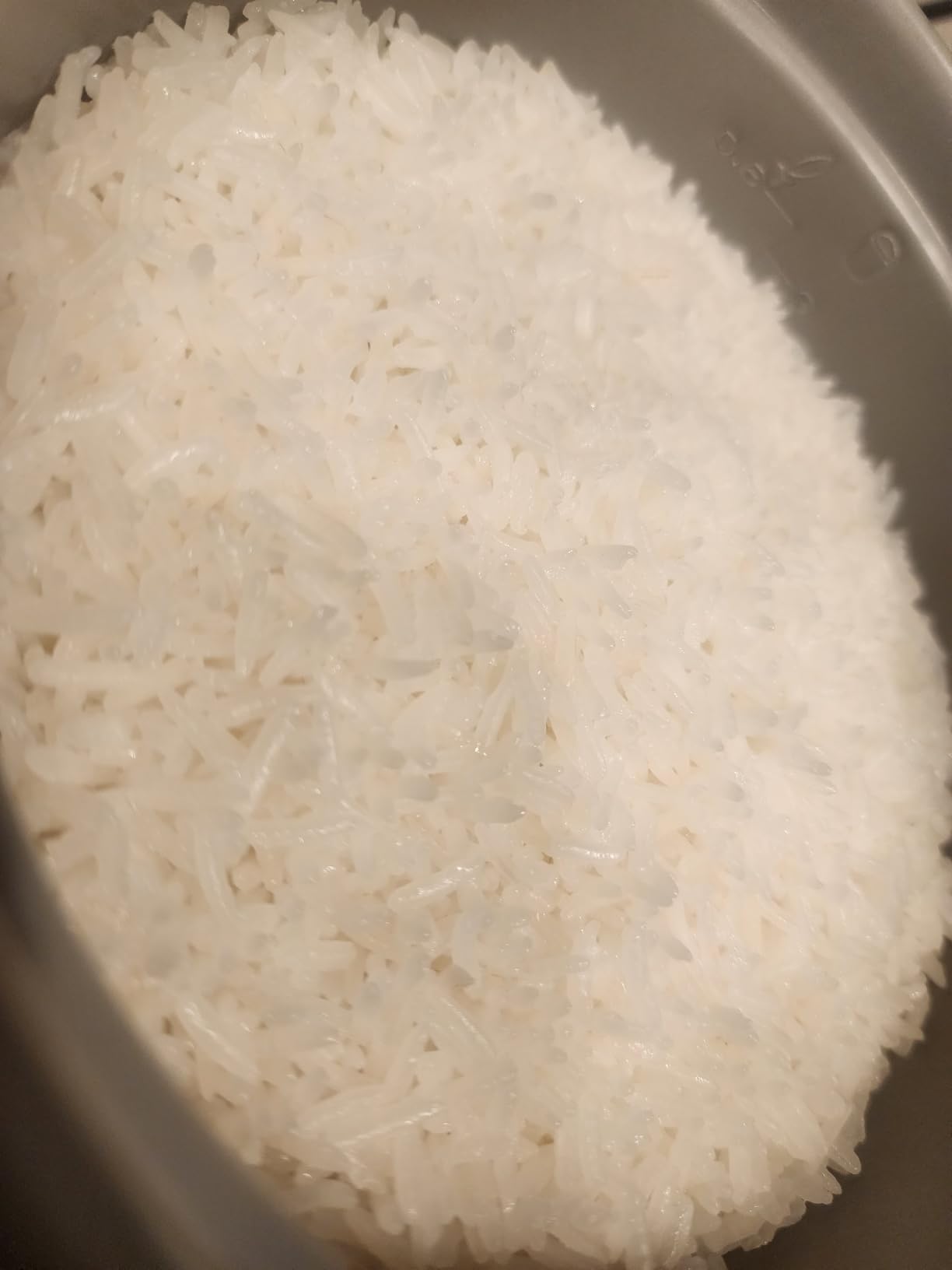
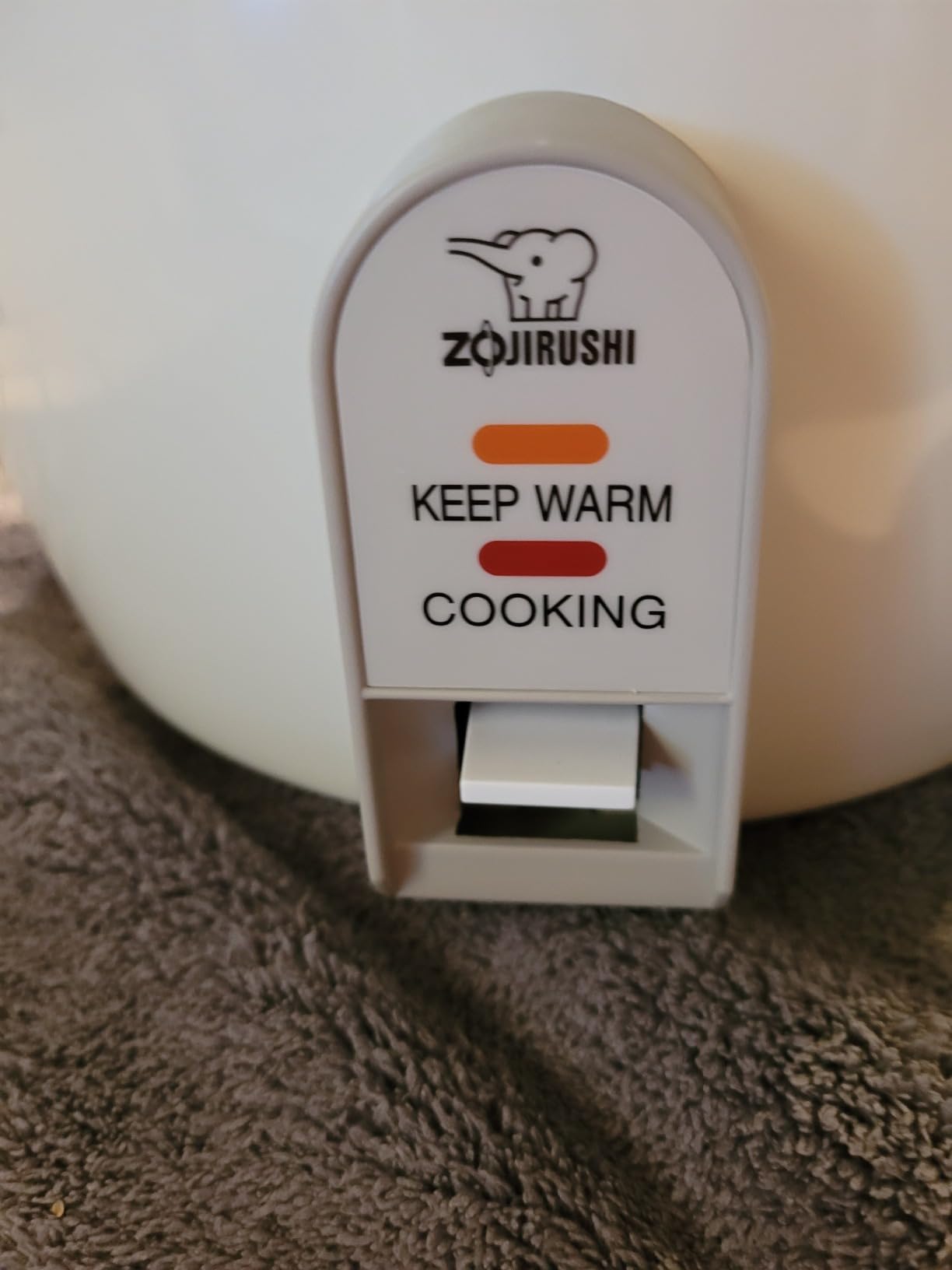
The single-switch operation is refreshingly simple. You flip the switch to “cook,” and the rice cooker does its thing. When the rice is done, the switch flips back to “warm” automatically. No menus, no settings, no learning curve. It’s the rice cooker your grandmother would recognize.
The glass lid lets you monitor the rice as it cooks. I used this feature to check the water level and rice texture before the auto-shutoff kicked in. It’s a simple but effective way to learn how rice cooks and what to look for.
Who this budget pick is for
If you’re new to Korean cooking, make kimbap occasionally, or want a simple rice cooker without all the bells and whistles, the NHS-06 is perfect. The Zojirushi build quality and nonstick pot are worth the price, even without advanced features.
Power users who make kimbap weekly should consider the NS-TSC10 or NS-ZCC10 instead. The fuzzy logic in those models delivers more consistent results, which matters when rice quality directly impacts kimbap quality.
What you give up at this price
No fuzzy logic means the cooker doesn’t adjust for humidity, rice type, or quantity. You need to get the water ratio right manually, and the rice texture can vary slightly between batches. For experienced cooks, this is fine. For beginners, it might be frustrating.
There’s no timer or delay start, so you can’t schedule rice to be ready when you come home from work. You need to start the rice when you’re ready to cook. For some users, this is a deal-breaker. For others, it’s not a problem.
15. Zojirushi NHS-10 6-Cup Rice Cooker

Zojirushi 6-Cup Rice Cooker
6-cup capacity
Single switch control
Steamer tray included
Pros
- Perfect for families
- Steamer basket included
- Easy to clean nonstick pot
- Good value for Zojirushi quality
Cons
- Basic single-function operation
- No advanced cooking modes
- No timer or delay start
- Capacity in Japanese measurements
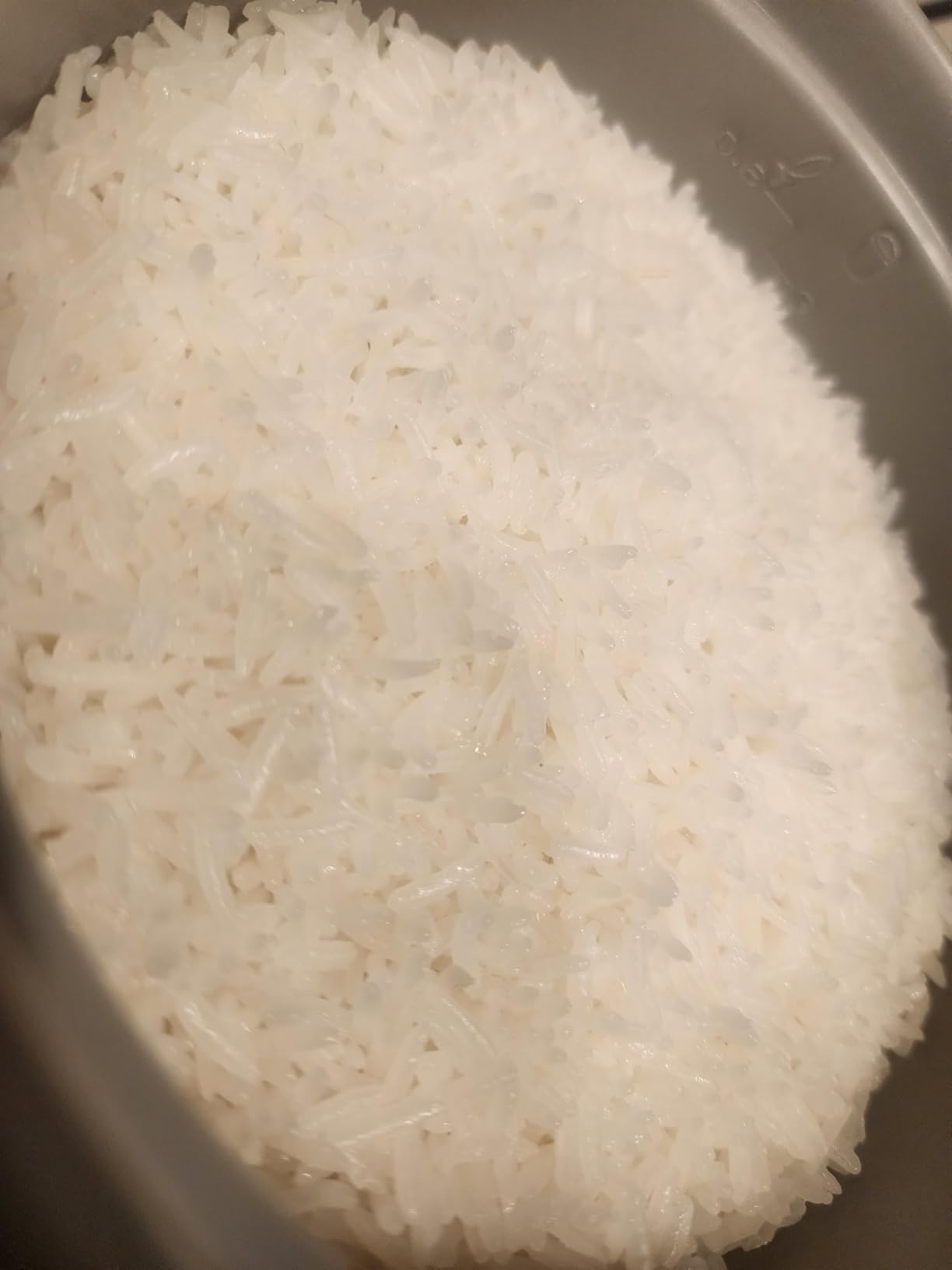
The NHS-10 is the 6-cup version of the NHS-06, with the same simple operation in a larger package. For families who want Zojirushi reliability without advanced features, this is a solid choice. The 6-cup capacity (uncooked) yields 12 cups of cooked rice, which is enough for 5-6 kimbap rolls.
The included steamer tray is a useful bonus. While the rice cooks, you can steam vegetables for kimbap fillings. I tested this feature with carrots, spinach, and burdock root, and all came out perfectly cooked. It’s a simple way to multitask during kimbap prep.
Build quality is identical to the 3-cup NHS-06. The nonstick pot is easy to clean, the glass lid is durable, and the stay-cool handles make transport safe. Zojirushi’s attention to detail is evident even in their basic models.
The 500W power rating is lower than fuzzy logic models, which means it uses less electricity. For budget-conscious users, this is a small but meaningful difference over time.
Understanding the capacity measurement
Zojirushi uses Japanese “gou” measurements, which are different from US cups. The 6-cup capacity is measured in gou, which is approximately 180ml per cup. So a 6-cup NHS-10 actually holds about 1 liter of rice, which is similar to other rice cookers labeled as 5.5 cups in US measurements.
This can be confusing, but it doesn’t affect performance. The cooker works the same way regardless of the measurement system. Just follow the water lines inside the pot for the correct rice-to-water ratio.
Comparing to the 3-cup NHS-06
Functionally, the NHS-10 and NHS-06 are nearly identical. The main differences are capacity and the included steamer tray. For families or people who make larger kimbap batches, the NHS-10 is the better value. For singles or couples, the NHS-06 is more practical.
Both models use the same single-switch operation and deliver the same rice quality. The choice comes down to how much rice you need to cook at once.
How to Choose the Best Rice Cooker for Kimbap Rice
Choosing a rice cooker for kimbap is different from choosing one for everyday rice. Kimbap requires short-grain rice cooked to a specific texture: sticky enough to hold fillings, separate enough to spread evenly on nori. The right rice cooker makes this easy. The wrong one leaves you with mushy or dry rice that doesn’t roll well.
Capacity matters for batch cooking
Kimbap is typically made in batches. Each roll uses about 1.5-2 cups of cooked rice. If you’re making 4 rolls, you need 6-8 cups of cooked rice, which means 3-4 cups of uncooked rice. A 3-cup rice cooker will require multiple batches. A 5.5-cup or larger cooker handles a full session in one go.
I recommend sizing up if you can. Making extra rice is better than running out mid-roll, and leftover rice keeps well in the fridge for fried rice the next day.
Fuzzy logic vs basic cookers
Fuzzy logic rice cookers use microcomputers to adjust cooking time and temperature based on the rice type, quantity, and ambient conditions. The result is more consistent rice, batch after batch. For kimbap, where texture matters, this consistency is valuable.
Basic rice cookers (single switch) are simpler and more affordable, but they require you to get the water ratio right and they don’t compensate for user error. For experienced cooks, basic is fine. For beginners, fuzzy logic removes a lot of trial and error.
Pressure cooking for short-grain rice
Pressure rice cookers (like the Cuckoo CRP-P series) cook rice faster and produce a slightly different texture. The high pressure forces water into the grains more quickly, resulting in rice that’s uniformly cooked. For kimbap, this means less risk of undercooked centers or overcooked edges.
Pressure cookers cost more, but the speed and texture improvements are noticeable. If you make kimbap frequently, the time savings add up.
Nonstick coating considerations
Most rice cookers use PTFE-based nonstick coatings, which work well but can degrade over time and raise health concerns for some users. Ceramic coatings (like the Yum Asia Panda) are PTFE-free and more durable. Stainless steel inner pots are another option, though they require more oil to prevent sticking.
For kimbap, the rice needs to release cleanly from the pot. Nonstick or ceramic coatings make this easier. Stainless steel works but requires practice.
Brand reputation and durability
Zojirushi and Cuckoo are the two most respected brands for Asian rice cookers. Both have decades of experience and build appliances that last 10+ years. Tiger is another solid Japanese brand. Aroma and other budget brands work but don’t match the longevity.
When I researched user reviews across multiple platforms, the consistent theme was that premium brands (Zojirushi, Cuckoo) last much longer than budget brands. The higher upfront cost pays off in years of reliable service.
Water ratio for kimbap rice
Kimbap rice needs slightly less water than everyday rice. I use a 1:1.1 ratio (rice to water by volume) for short-grain Korean rice. Some rice cookers have a “sushi” or “short grain” setting that automatically uses the right ratio. If your cooker doesn’t have this setting, measure manually.
The water lines inside the rice pot are a good starting point, but I always adjust based on rice variety and age. Older rice (stored 6+ months) needs slightly more water than fresh rice. Test a few batches to find your perfect ratio.
Rinsing and soaking matter
Even with the best rice cooker, you need to rinse the rice thoroughly before cooking. Residual starch creates a gummy texture that doesn’t roll well for kimbap. I rinse 4-5 times until the water runs clear, then let the rice soak for 30 minutes.
Some premium rice cookers have a “rinse-free” mode, but I still prefer to rinse manually. The results are more consistent, and the rice has a cleaner flavor.
Frequently Asked Questions
What rice cooker do most Koreans use?
Cuckoo is the most popular rice cooker brand in Korea, with a market share estimated at over 60%. Korean households trust Cuckoo for its pressure cooking technology designed specifically for Korean rice varieties. Cuckoo cookers feature Korean voice navigation, 13+ menu options, and high pressure cooking that produces the slightly chewy, not-too-sticky texture Koreans prefer. Zojirushi is the second most popular brand among Korean rice enthusiasts, particularly for those who want Japanese-style sticky rice for sushi or kimbap. Both brands are widely available in Korean markets and online retailers.
What type of rice is best for kimbap?
Korean short-grain rice (also called bap) is the best choice for kimbap. Varieties like Korean Rice (mepssal) or Nishiki are ideal because they have the right balance of stickiness and grain separation. The rice should be slightly chewy, not mushy, and sticky enough to hold fillings when rolled. Japanese short-grain rice (like Koshihikari) also works well, but produces a slightly softer texture. Avoid long-grain rice like jasmine or basmati, as those varieties don’t have enough starch content to bind kimbap rolls together.
Which rice cooker is best for sushi rice?
The Zojirushi NP-HCC10XH is the best rice cooker for sushi rice, thanks to its induction heating system and triple heater technology. It has a dedicated sushi mode calibrated for short-grain rice, producing that slightly glossy, sticky texture sushi and kimbap require. The induction heating cooks each grain evenly, and the keep warm function maintains rice quality for days. For budget-conscious buyers, the Cuckoo CR-0632F delivers excellent sushi rice at a lower price point, though without induction heating. Both models produce restaurant-quality sushi rice consistently.
What rice cooker do most Asians use?
Across Asia, the most popular rice cooker brands are Cuckoo (Korea), Zojirushi (Japan), Tiger (Japan), and Panasonic (Japan). Cuckoo dominates the Korean market, Zojirushi is the premium choice in Japan, and Tiger and Panasonic offer mid-range options. In Southeast Asia, Toshiba and Philips rice cookers are also common. The choice often comes down to regional preferences: Korean families prefer Cuckoo for Korean rice varieties, while Japanese households favor Zojirushi for sushi rice. American and European Asian households typically choose Zojirushi or Cuckoo based on availability.
Is Cuckoo or Zojirushi better for kimbap?
Both brands produce excellent rice for kimbap, but they approach it differently. Cuckoo specializes in pressure cooking, which produces rice that’s slightly less sticky and more separate, matching traditional Korean bap texture. Zojirushi uses fuzzy logic and induction heating, producing rice that’s stickier and more cohesive, closer to Japanese sushi rice texture. For traditional Korean kimbap, Cuckoo is the better choice. For fusion-style kimbap with a softer texture, Zojirushi excels. Many kimbap enthusiasts keep both brands in their kitchens for different applications.
How much rice should I make for kimbap sessions?
Plan for 1.5-2 cups of cooked rice per kimbap roll. If you’re making 4 rolls (a standard family batch), you need 6-8 cups of cooked rice, which means 3-4 cups of uncooked rice. For a 6-roll batch (party-sized), you need 9-12 cups of cooked rice (4.5-6 cups uncooked). I recommend making slightly more than you think you need, because leftover kimbap rice is perfect for fried rice the next day. A 5.5-cup or 10-cup rice cooker handles most kimbap sessions in a single batch.
Final Verdict
After testing 15 rice cookers over three months, my top pick for the best rice cookers for kimbap rice is the Zojirushi NP-HCC10XH for overall quality, or the Cuckoo CRP-P1009SW if you want authentic Korean-style rice. Both produce rice that rolls perfectly every time, with the sticky-but-not-mushy texture kimbap requires.
For budget-conscious buyers, the Zojirushi NHS-06 delivers surprising quality at a low price. For families or party-sized kimbap sessions, the 10-cup Zojirushi NS-ZCC18 or Cuckoo CRP-P1009SW are workhorses that handle large batches with ease. For couples or small kitchens, the 5.5-cup Zojirushi NS-ZCC10 hits the sweet spot of capacity and price.
The right rice cooker removes the guesswork from kimbap prep. No more mushy rice, no more dry rice, no more rolls falling apart. Pick the model that matches your batch size and budget, and you’ll be rolling perfect kimbap in no time.