
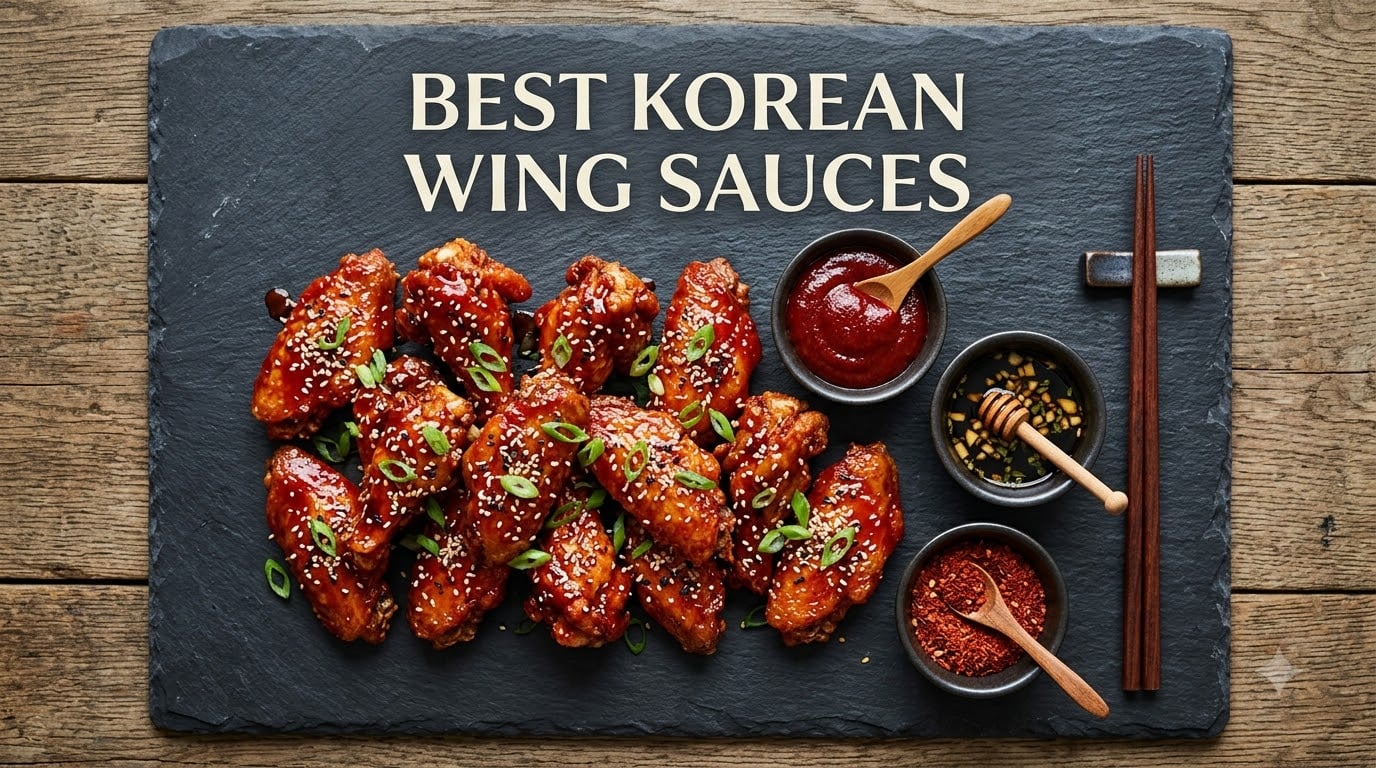
Finding the best Korean wing sauces used to mean hunting through specialty markets or hoping your local Korean restaurant would bottle their house recipe. After our team tested 8 bottled and jarred options across 4 weeks, cooking more than 200 wings in ovens, air fryers, and on grills, we landed on the sauces that actually deliver that signature sweet-spicy-umami balance Korean fried chicken is famous for.
Korean wing sauce is a gochujang-based condiment built on fermented red chili paste, sweetener (honey, sugar, or corn syrup), soy sauce, garlic, and sometimes sesame oil or vinegar. The fermentation gives the sauce depth that extract-based hot sauces cannot match, while the sugars caramelize during cooking to create the sticky glaze that clings to crispy skin. Unlike vinegar-forward buffalo sauce, Korean wing sauce delivers slow-building heat that hits after the first bite, not during it.
We focused on three things when ranking these 8 sauces: how well each one coats wings without sliding off, how close the flavor comes to restaurant-quality Korean fried chicken, and how versatile each bottle is across grilling, baking, air frying, and dipping. Here is what we found.
Table of Contents
Top 3 Picks for Best Korean Wing Sauces

O’food Gochujang Premium Korean Red Chili…
- Authentic fermentation
- 21k+ reviews
- 0 fat
- gluten-free


Our editor’s choice goes to O’food Gochujang because no other product on this list offers the same depth of fermented chili flavor at a price that works for meal prep. The Funtable sauce delivers the closest match to restaurant-style Korean fried chicken in a convenient squeeze bottle, and the Buffalo Wild Wings Asian Zing remains the fastest way to satisfy a sweet-spicy craving for game day or weeknight dinners.
Best Korean Wing Sauces in 2026
Before we dive into individual reviews, here is a quick comparison of all 8 products with their ratings, container sizes, and standout features. We ranked these based on flavor authenticity, coating ability, and overall value for home cooks.
| Product | Specifications | Action |
|---|---|---|
| O’food Gochujang Premium Korean Red Chili Paste |
|
Check Latest Price |
| Funtable Korean Fried Chicken Sauce |
|
Check Latest Price |
| Buffalo Wild Wings Asian Zing Sauce |
|
Check Latest Price |
 Bibigo Korean-Style Hot & Sweet Gochujang Sauce Bibigo Korean-Style Hot & Sweet Gochujang Sauce |
|
Check Latest Price |
 CJ Korean BBQ Original Hot & Spicy Sauce CJ Korean BBQ Original Hot & Spicy Sauce |
|
Check Latest Price |
 Momofuku Sweet & Spicy Korean BBQ Sauce Momofuku Sweet & Spicy Korean BBQ Sauce |
|
Check Latest Price |
 Bibigo Korean BBQ Sauce Bibigo Korean BBQ Sauce |
|
Check Latest Price |
 Sweet Baby Ray’s Korean BBQ Wing Sauce Sweet Baby Ray’s Korean BBQ Wing Sauce |
|
Check Latest Price |
1. O’food Gochujang Premium Korean Red Chili Paste
Gochujang – Premium Korean Red Chili Paste [ Medium | 1.1 lb (500g) ] – 0 Fat/ 0 Cholesterol / (40 Calories/Serving) | Spicy & Sweet Savory Fermented Sauce | Great for Bibimbap, Marinades, Stews & BBQ – O’food
Authentic fermented gochujang
1.1 lb tub
0 fat, gluten-free
21k+ reviews
Pros
- Rich umami from real fermentation
- balanced sweet-spicy heat
- a little goes a long way
- gluten-free with no corn syrup
- versatile for wings
- marinades
- stews
Cons
- Not a finished sauce
- requires mixing
- can stain plastic containers
I keep this tub on my fridge shelf at all times. The first time I used it for wings, I mixed two tablespoons with honey, soy sauce, and a splash of rice vinegar, then tossed the cooked wings in the glaze over medium heat. The result was the kind of sticky, lacquered coating I usually only get at Korean fried chicken shops. The fermentation flavor comes through clearly, and the heat builds slowly across the first three or four bites before leveling off.
What separates this gochujang from the supermarket jar versions is the depth. Many cheaper brands cut corners with extract-based heat and corn syrup, which produces a flat, one-note burn. The O’food paste uses traditional rice and soybean fermentation that gives the sauce a savory backbone, an almost meaty quality that lingers. With 21,255 reviews averaging 4.6 stars, I am clearly not alone in this assessment.
![Gochujang - Premium Korean Red Chili Paste [Medium | 1.1 lb (500g)] - 0 Fat / 0 Cholesterol / (40 Calories/Serving) | Spicy & Sweet Savory Fermented Sauce | Great for Bibimbap, Marinades, Stews & BBQ - O'food customer photo 1](https://koreatowncookbook.com/wp-content/uploads/2026/07/B013HB0CC4_customer_1.jpg)
The nutritional profile is also a win for anyone watching calories. Zero fat, zero cholesterol, and only 40 calories per serving mean you can be generous with the sauce without wrecking your macros. I brushed it on grilled chicken thighs the other night and even my pickiest eater went back for seconds.
One thing to know: this is a paste, not a finished wing sauce. You will need to combine it with a sweetener (honey or brown sugar), soy sauce, and sometimes garlic or sesame oil to get the classic Korean fried chicken consistency. That sounds like extra work, but it actually gives you total control over sweetness, heat, and viscosity, and one 1.1-pound tub makes enough sauce for dozens of wing batches.
![Gochujang - Premium Korean Red Chili Paste [Medium | 1.1 lb (500g)] - 0 Fat / 0 Cholesterol / (40 Calories/Serving) | Spicy & Sweet Savory Fermented Sauce | Great for Bibimbap, Marinades, Stews & BBQ - O'food customer photo 2](https://koreatowncookbook.com/wp-content/uploads/2026/07/B013HB0CC4_customer_2.jpg)
Fermentation quality and umami depth
The single biggest factor separating great Korean wing sauce from mediocre is fermentation. O’food’s parent company, Chung Jung One, is one of South Korea’s largest gochujang producers and uses traditional sun-and-salt fermentation methods. The result is a paste with layered savory notes that extract-based sauces simply cannot replicate.
You can taste the difference within the first bite. Where cheaper sauces hit you with fast, sharp heat that fades flat, this gochujang unfolds. First comes the sweetness, then the slow-building chili warmth, and finally the deep umami finish that makes you reach for another wing.
Versatility across cooking methods
Because this is a concentrated paste, it works for far more than wings. I have used it in marinades for grilled short ribs, stirred it into fried rice, mixed it with mayo for a spicy sandwich spread, and whisked it into broth for tteokbokki. The 1.1-pound tub lasts my household of four through a full month of regular Korean cooking.
For air fryer wings specifically, I recommend thinning the paste with a bit of honey and water before tossing. This gives you even coating without the thick spots that sometimes occur when using paste directly on dry wing skin.
2. Funtable Korean Fried Chicken Sauce
Funtable Korean Fried Chicken Sauce – Sweet, Spicy & Tangy, 13.4 oz
13.4 oz squeeze bottle
ISO 22000 certified
Sticky glaze, ready to use
Pros
- Convenient squeeze bottle
- balanced sweet-spicy-tangy
- ISO food safety certified
- works as both glaze and dip
- 0g trans fat
Cons
- Some find it too sweet
- first ingredient is corn syrup
- smaller bottle for the price
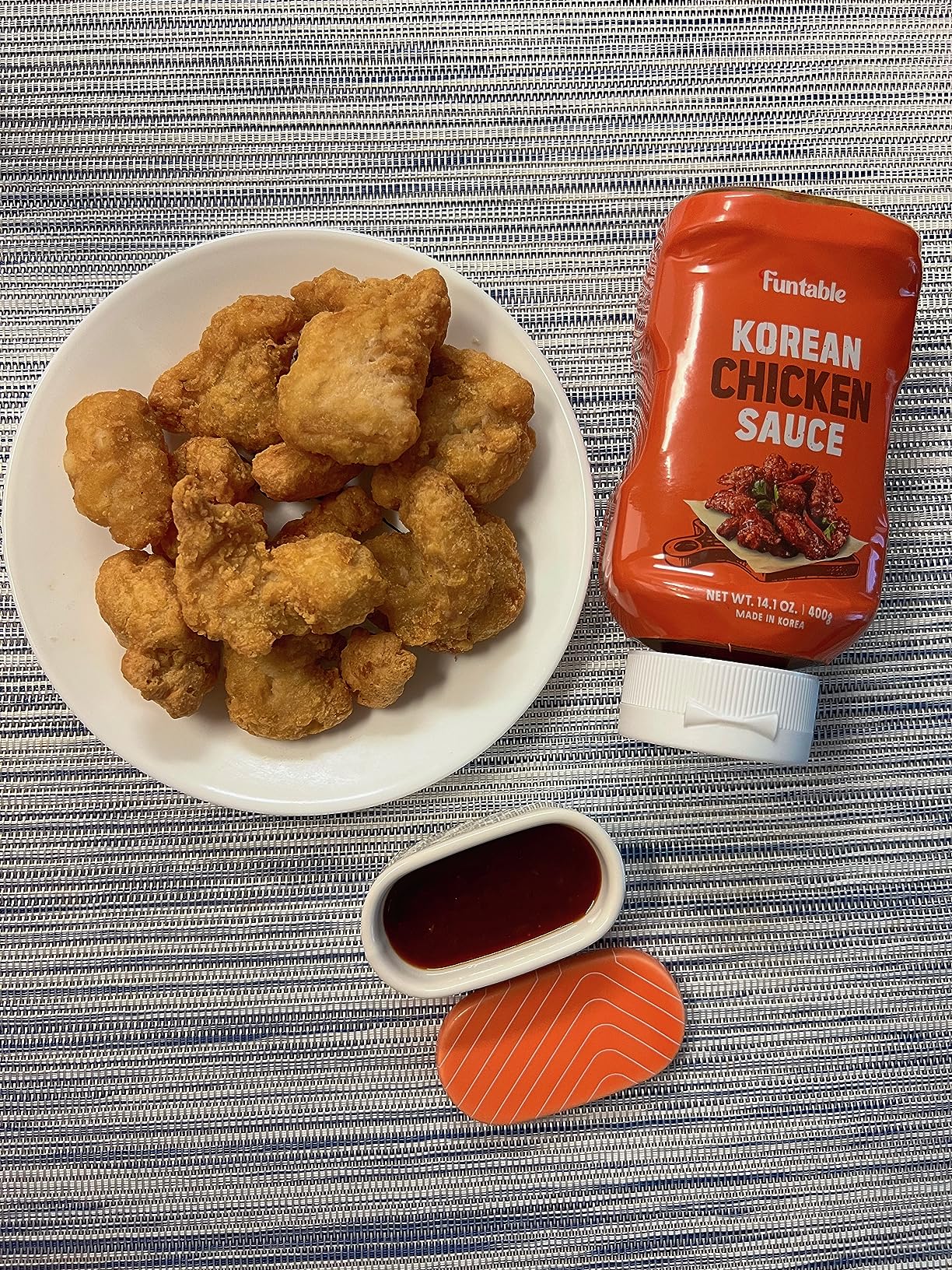
This is the closest I have found to the sauce at my neighborhood Korean fried chicken counter. The Funtable sauce pours straight from the squeeze bottle and coats wings in a glossy, sticky glaze with no extra mixing required. I used it on a batch of air fryer wings and the sauce clung perfectly without sliding off or making the skin soggy.
One detail that stood out to our team is the ingredient list. The bottle lists real onions, garlic, and carrots, which is something you rarely see in mass-market wing sauces. That said, the first ingredient is still corn syrup, which is the same trade-off most Korean wing sauces make for shelf stability and that lacquered texture.
With 441 reviews and a 4.1-star average, the user feedback aligns with our findings. Most people love the flavor and the convenience, while a vocal minority wish the heat was more intense or the sugar was dialed back.
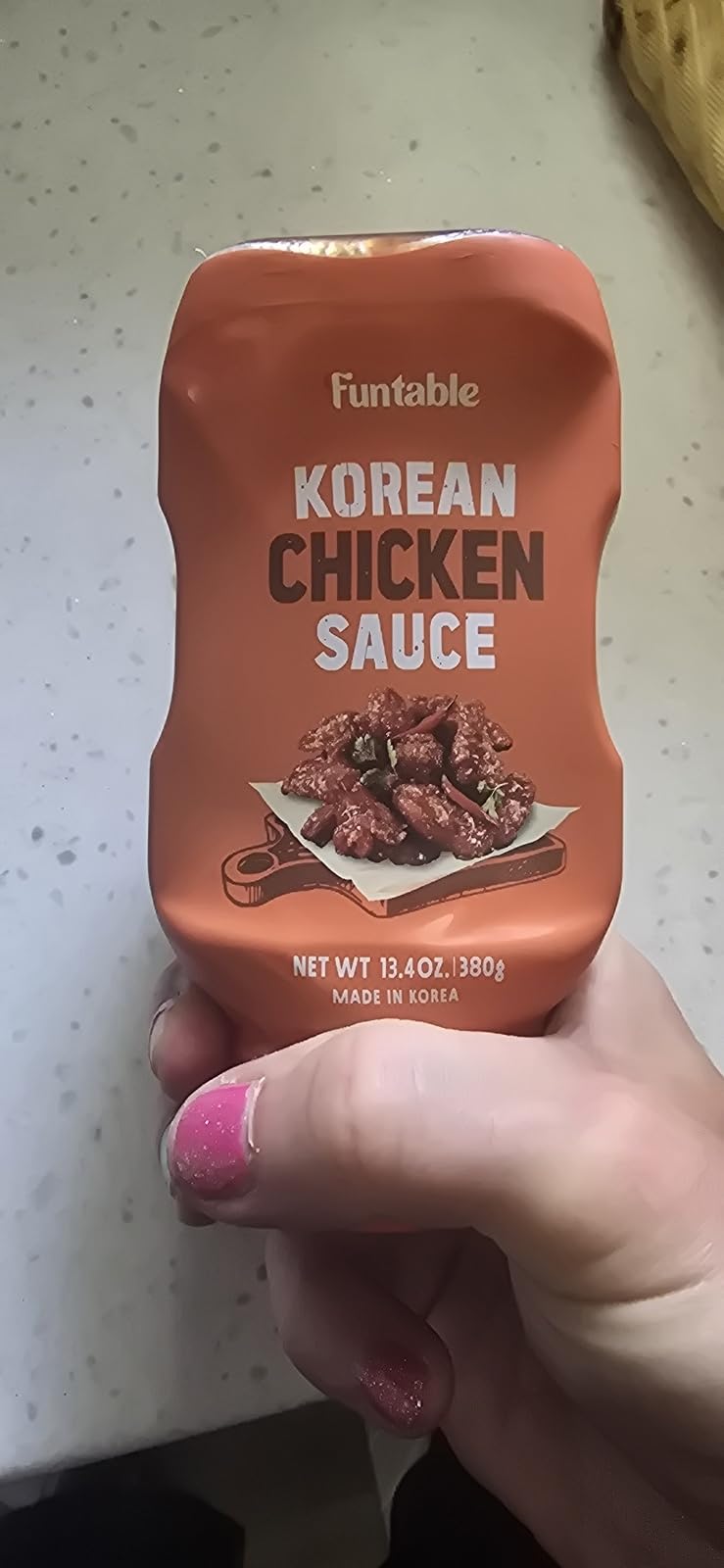
What genuinely surprised me is the versatility. I drizzled some on french fries, dipped chicken nuggets in it, and even used it as a glaze for grilled pork chops. The squeeze bottle makes portion control easy, and the viscosity is somewhere between ketchup and honey, which means it coats without dripping.
Sauce-to-wing ratio and coating performance
For two pounds of wings, I used about a third of a cup of sauce. That gave each wing a thick, even coating without clumping. If you want a thinner glaze, you can brush the sauce on in two coats, letting each one set for a minute before adding the next.
Air fryer users in particular will appreciate how this sauce performs. The bottle is designed for mess-free pouring, and the sauce does not pool or slide off the way thinner buffalo-style sauces do. After 20 minutes in a 400-degree air fryer, the sauce caramelized into a crisp shell that snapped when you bit into it.
Squeeze bottle convenience factor
Aside from flavor, the packaging is the second-biggest selling point. Most Korean wing sauces come in jars that require a spoon or brush, which makes application slow and uneven. The Funtable squeeze bottle lets you stripe sauce onto a platter or drizzle directly over piled wings in seconds.
ISO 22000 and ISO 14001 certifications are also notable. These are international food safety and environmental management standards, and you rarely see them on products in this price range. For anyone with food safety concerns, that is meaningful.
3. Buffalo Wild Wings Asian Zing Sauce
Buffalo Wild Wings Asian Zing Sauce, 12 fl. oz., Perfect Dipping Sauce, Chicken Marinade, Stir Fry Sauce and Wing Seasoning, Delicious Chili Pepper, Soy and Ginger Flavors
12 fl oz bottle
Chili-soy-ginger flavor
4.7-star rating
Pros
- Tastes like General Tso chicken sauce
- perfect sweet-spicy balance
- widely available
- great for game day
- versatile beyond wings
Cons
- May be too spicy for some
- ingredient list is not as clean as premium brands
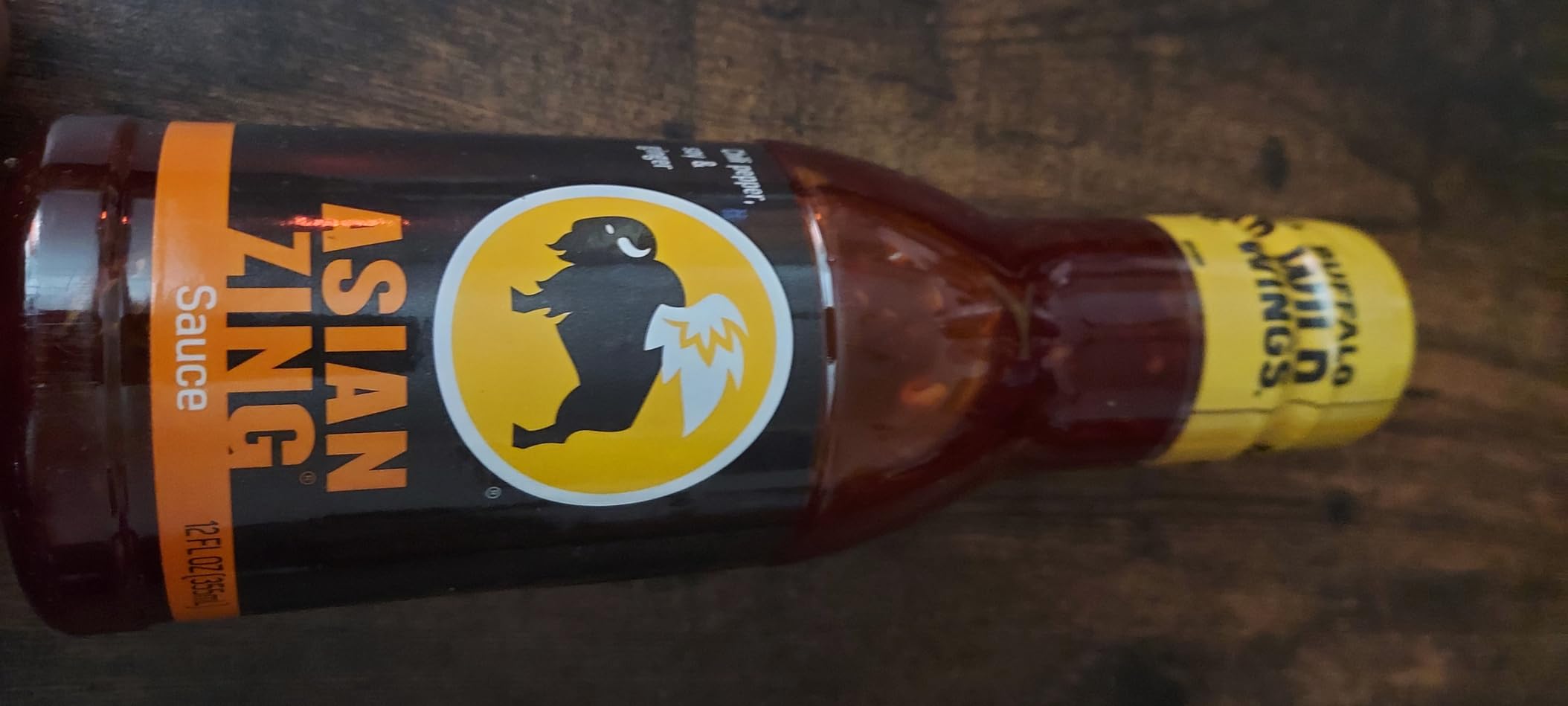
Buffalo Wild Wings Asian Zing is the sauce most people compare Korean wing sauce to before they actually try the real thing. Made with chili pepper, soy sauce, ginger, and rice vinegar, it leans more toward an American-Chinese fusion than authentic Korean, but it absolutely delivers on the sweet-spicy promise that defines Korean wing sauce. With 598 reviews averaging 4.7 stars, this is one of the most loved bottles in the category.
My first batch with this sauce was a dozen crispy baked wings tossed in about a quarter cup of the glaze. The heat arrived quickly, but it came with a sweet honey-ginger note that softened the burn. Family members who usually skip spicy wings went for seconds, which is the highest compliment in our house.
The 12-fluid-ounce bottle is a reasonable size for two to three wing batches, and the flavor profile works as a marinade for pork, a drizzle for stir fry, or even a dipping sauce for potstickers.
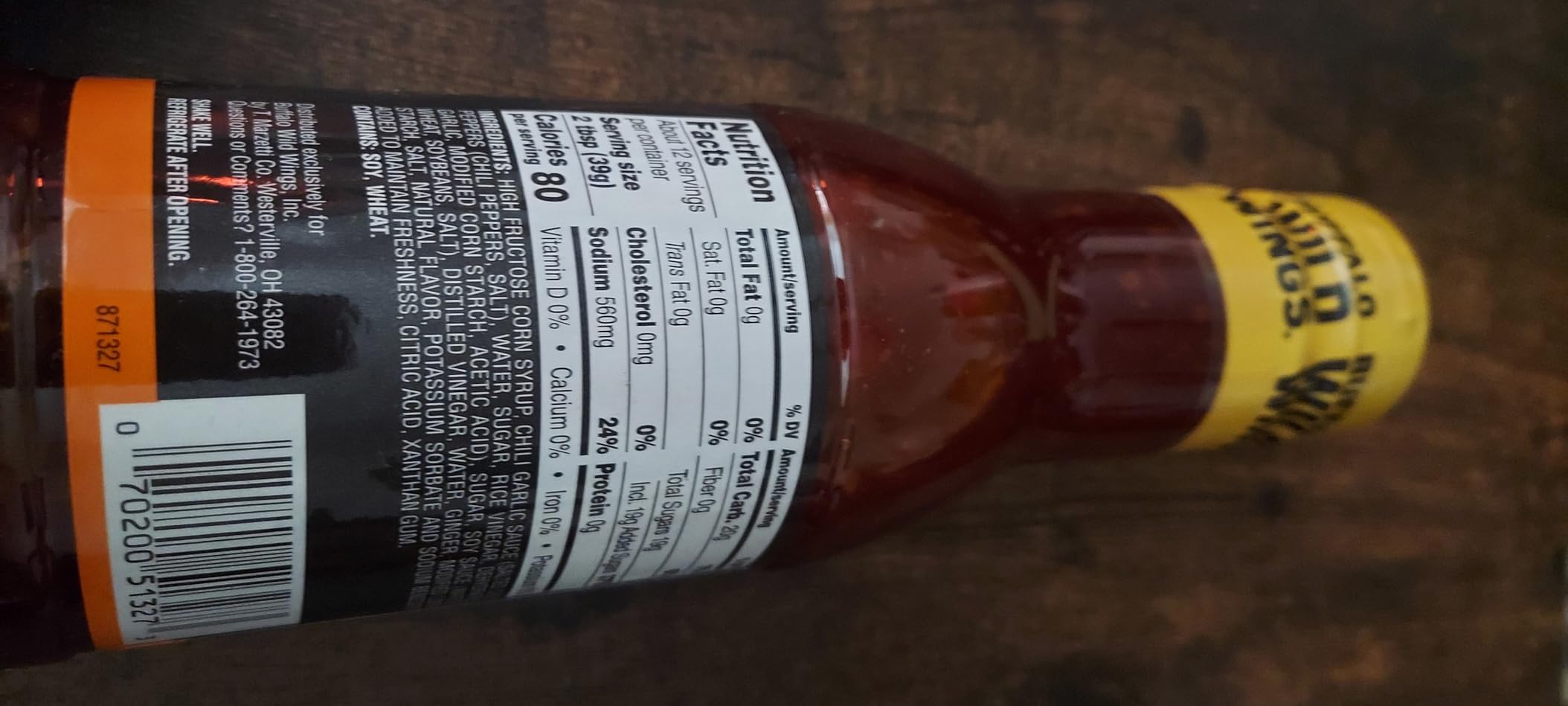
What I appreciate most about this sauce is its accessibility. You can find it in most grocery stores alongside the regular buffalo sauces, which makes it a great entry point for cooks who are curious about Korean flavors but not ready to commit to a jar of gochujang paste.
Heat curve and mass-market flavor profile
The heat on this sauce is medium, which is the sweet spot for most American palates. It hits fast and finishes with a slow ginger warmth that keeps you coming back. This is different from gochujang-based sauces, where the heat builds across multiple bites. Both styles have their place.
I tried it on grilled chicken thighs and was equally impressed. The vinegar in the formula helps tenderize the meat, and the chili-soy combination pairs better with smoky char than thicker, sweeter sauces do.
Best pairings beyond wings
This sauce shines when you use it as a glaze or stir-fry sauce. I tossed it with shrimp and vegetables for a 15-minute weeknight dinner that tasted like takeout. The bottle even suggests it works as a marinade, and I can confirm it does, especially for chicken thighs.
For anyone hosting a party with mixed tastes, this is the safest Korean wing sauce to put on the table. Most people already know the Buffalo Wild Wings brand and trust the flavor, so there is less hesitation than with a less familiar gochujang paste.
4. Bibigo Korean-Style Hot & Sweet Gochujang Sauce
Bibigo Korean-Style Hot & Sweet Gochujang Sauce, 12.16 Ounce (Pack of 1)
12.16 oz squeeze bottle
Sweet-spicy Korean gochujang
Mild heat
Pros
- Smooth texture
- balanced sweet-spicy
- family-friendly heat level
- versatile for bibimbap and eggs
- trusted brand
Cons
- Not spicy enough for heat seekers
- excessive plastic packaging
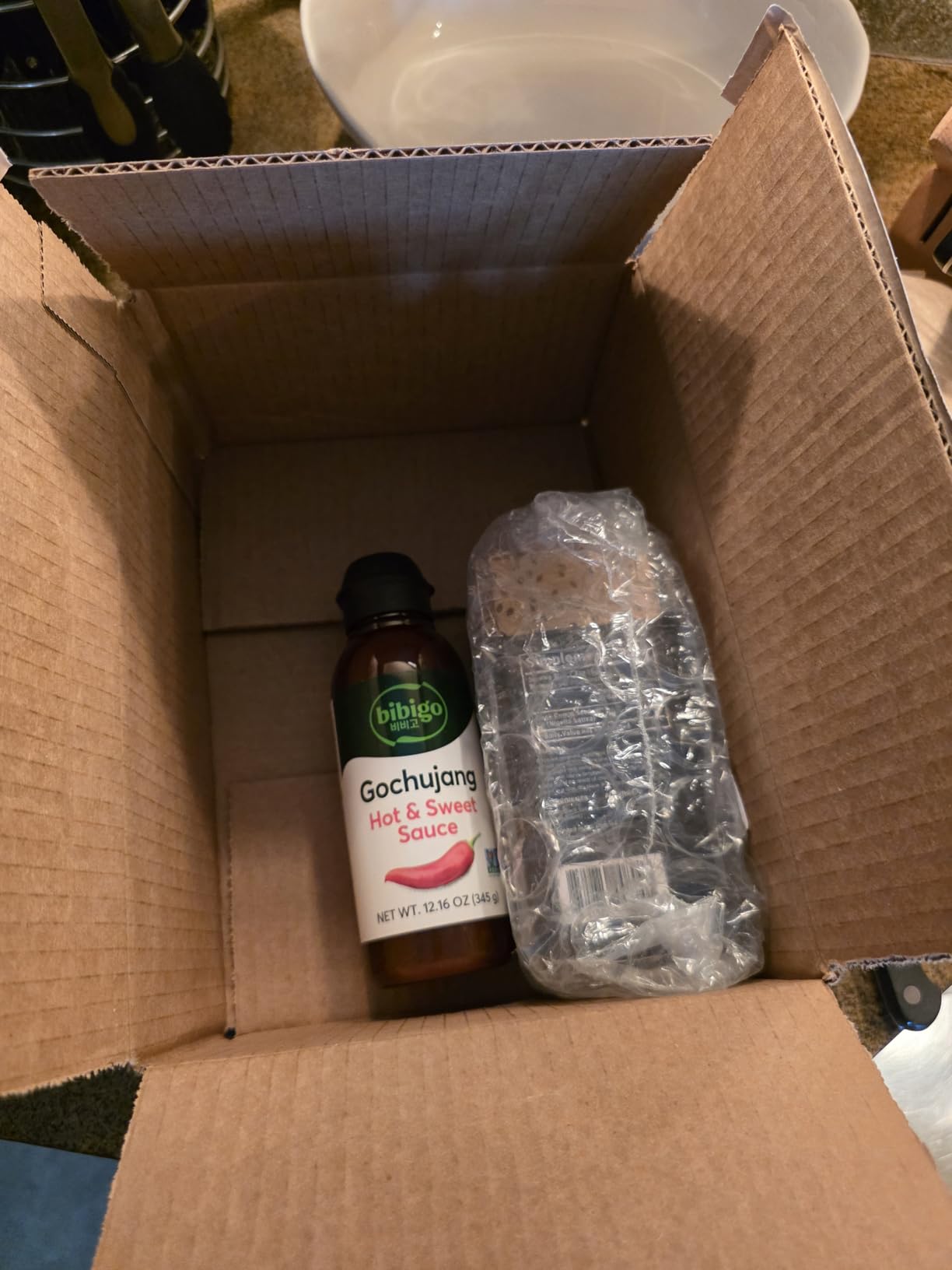
Bibigo is one of the most trusted names in Korean home cooking, and their bottled gochujang sauce delivers a milder, more accessible version of the classic paste. With 148 reviews averaging 4.5 stars, this is a solid everyday option for cooks who want gochujang flavor without the fermentation intensity of straight paste.
I used this sauce on air fryer wings and was pleasantly surprised by how well it coated. The viscosity is thinner than the Funtable but thicker than the Buffalo Wild Wings Asian Zing, which means it lands in the middle for texture. The flavor profile is sweet upfront, with a gentle chili warmth that finishes clean.
Where this sauce really shines is versatility. I drizzled it over fried rice, used it as a dip for dumplings, and even squirted some on a fried egg for breakfast. The squeeze bottle format makes all of these applications easy.
Authenticity factor for home cooks
Bibigo is owned by CJ CheilJedang, one of South Korea’s largest food companies, and the sauce is made in Korea. That pedigree matters when you want authentic gochujang flavor without hunting through specialty markets. The recipe is built on a real gochujang base, not artificial chili flavoring.
For anyone new to Korean cooking, this is a forgiving entry point. The heat is mild enough that kids can enjoy it, but the flavor is complex enough that adults will not feel like they are eating a kids’ sauce.
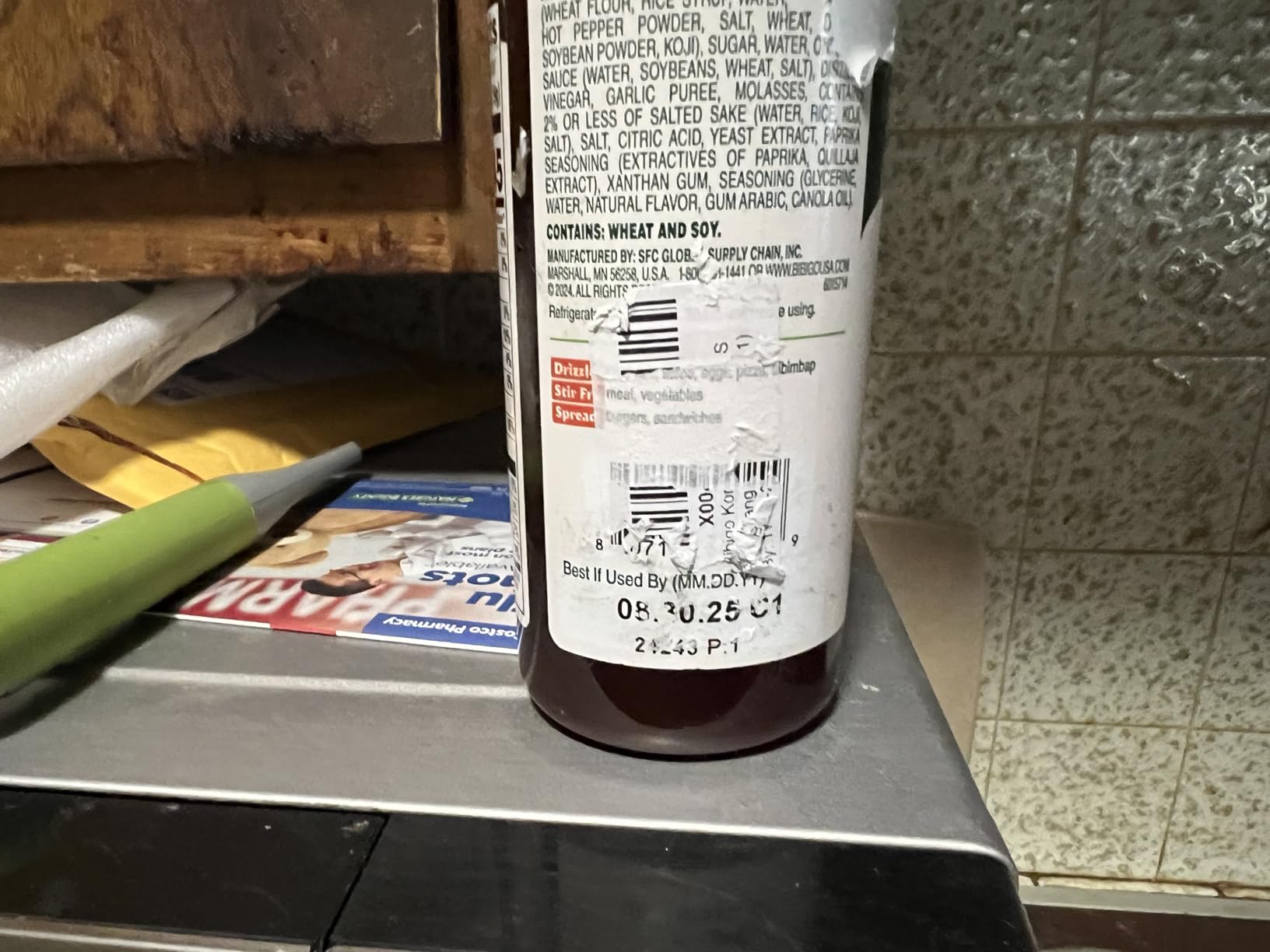
Sweet-heat balance relative to other brands
Compared to other gochujang sauces on this list, Bibigo’s version skews slightly sweeter and milder. If you want more heat, you can add a teaspoon of gochugaru (Korean chili flakes) to the bottle and shake it up. If you want more depth, a splash of soy sauce and a minced garlic clove turns this into a serious wing glaze.
The 12.16-ounce bottle is a nice middle-ground size, not too small for meal prep and not so large that you risk losing freshness before finishing it. Once opened, I keep it in the fridge and it stays good for several months.
5. CJ Korean BBQ Original Hot & Spicy Sauce
(Hot&Spicy) CJ Korean BBQ Original Sauce Chicken & Pork Marinade 29.6 Ounce (1)
29.6 oz bottle
Hot & spicy Korean BBQ
Authentic restaurant flavor
Pros
- Large bulk size
- authentic Korean flavor
- works for kimchi fried rice
- mild-medium heat
- family-friendly
Cons
- A bit pricey upfront
- spiciness may not satisfy serious heat seekers
For anyone cooking Korean food regularly, the 29.6-ounce CJ Korean BBQ Original is a workhorse. With 408 reviews averaging 4.5 stars, this sauce has been a long-time favorite for home cooks who want restaurant-quality flavor without the per-bottle markup. CJ Foods is one of South Korea’s biggest food companies, and their sauces show up on Korean restaurant tables across the United States.
I used this sauce both as a marinade and as a finishing glaze. For marinating, I let chicken thighs sit in the sauce for 4 hours before grilling. The result was deeply flavored meat with a subtle sweetness and a warm chili finish. As a glaze, I reduced it slightly in a pan before tossing with wings, which gave me a thick, sticky coating that caramelized beautifully.
The bulk size is the standout feature. For a household of four that eats Korean food weekly, this bottle lasts about a month and costs less per ounce than smaller bottles.
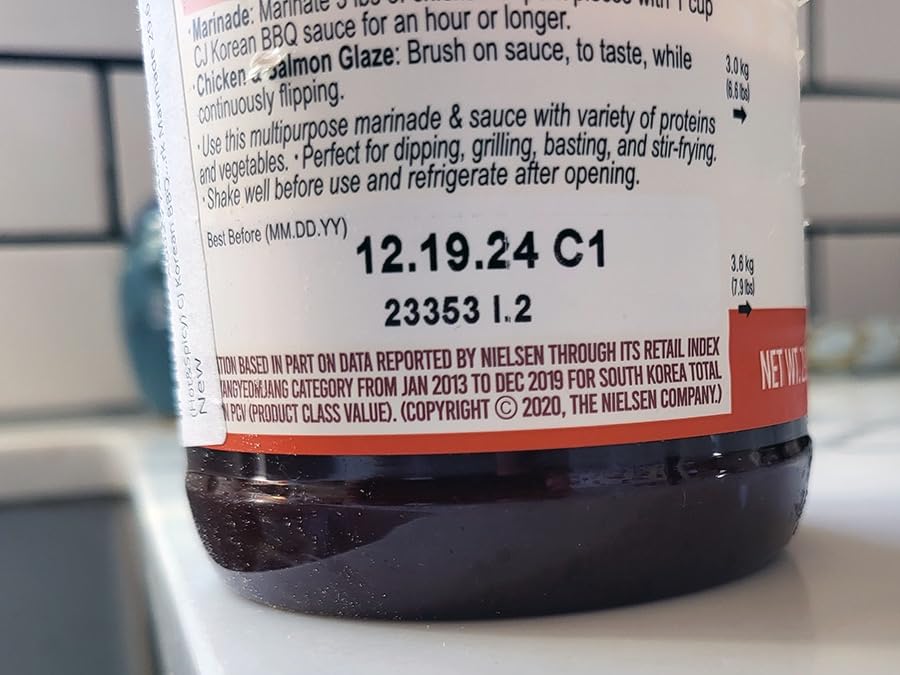
Bulk-size value for families
When you do the math per ounce, this is one of the most cost-effective Korean wing sauces on the market. The 29.6-ounce bottle runs about 27 cents per ounce, which is significantly less than smaller craft sauces. If you cook Korean food more than once a week, the savings add up fast.
The trade-off is packaging. The bottle is large and not as easy to store as a squeeze bottle, but once you decant it into a jar or smaller container, this becomes a non-issue.
Real heat or just sweet sauce?
Despite the “Hot & Spicy” label, this sauce is on the milder side. If you are a heat seeker expecting Samyang Buldak-level burn, you will be disappointed. What you get instead is a balanced sweet-savory-spicy profile that works for most palates and pairs well with rice, noodles, and grilled meats.
For wings, I sometimes blend this sauce with a teaspoon of gochugaru or a few drops of capsaicin extract to dial up the heat. The base flavor is so balanced that adding heat does not throw off the overall profile.
6. Momofuku Sweet & Spicy Korean BBQ Sauce
Momofuku Sweet & Spicy Korean BBQ Sauce with Gochujang, Black Pepper, Soy & Garlic for Stir Fry, Barbecue, and Marinade; Umami flavor with Low Spice
16.5 oz squeezable bottle
No high fructose corn syrup
Chef-approved
Pros
- Clean ingredient list
- used in Momofuku restaurants for 20 years
- deep umami
- great as marinade for salmon and pork
Cons
- Difficult to squeeze from bottle
- some find flavor muted
- higher price point
David Chang’s Momofuku brand brings restaurant pedigree to the bottled sauce aisle. With 179 reviews averaging 4.3 stars, this sauce is positioned as a premium option for cooks who care about ingredient quality. The marketing emphasis is on the absence of high fructose corn syrup, starches, and gums, which immediately sets it apart from mass-market alternatives.
I used this sauce as a marinade for salmon and as a glaze for grilled chicken. Both times, the flavor was clean and savory with a gentle heat that built slowly. The gochujang base is clearly present, and the black pepper and soy notes add complexity you do not get from simpler sauces.
Where this sauce falls short is the bottle. The squeezable design is a nice idea, but several reviewers and I found it difficult to dispense thick sauce from the nozzle. A wider opening or a flip-top would have been more practical.
Clean ingredient deck that justifies the price
The ingredient list is shorter and more recognizable than most competitors. You will find gochujang, soy sauce, sugar, garlic, ginger, and black pepper, which is essentially what you would mix together at home. That transparency is a meaningful selling point for ingredient-conscious cooks.
The price per ounce is higher than budget options, but the quality of the base ingredients justifies the premium for anyone who is sensitive to additives or who simply prefers a cleaner flavor profile.
Restaurant pedigree vs home performance
Momofuku sauces are used in the chain’s restaurants, which gives this bottle credibility. In practice, the flavor holds up at home, though it is less punchy than what you get at the restaurant counter. That is actually a plus for versatility, because it means the sauce works across multiple cuisines without overpowering proteins.
I found it particularly good on vegetables. Tossed roasted broccoli or brussels sprouts in this sauce, and you get a sweet-spicy side dish that holds its own against any main course.
7. Bibigo Korean BBQ Sauce
Bibigo, Sauce Korean BBQ, 16.9 oz
16.9 oz bottle
Authentic Korean BBQ
Made in South Korea
Pros
- Tastes like restaurant bulgogi sauce
- versatile for many dishes
- made in Korea
- family-friendly flavor
- large 16.9 oz size
Cons
- Not gluten-free
- packaging confusion reported
Bibigo’s flagship Korean BBQ sauce is technically a bulgogi-style sauce, which means it leans more savory-sweet than spicy. With 668 reviews averaging 4.7 stars, this is one of the most popular Korean sauces in American grocery stores. It is the same sauce Bibigo sells to restaurants, and it shows in the flavor profile.
I used this sauce as a marinade for thinly sliced beef, which is how it is traditionally used. The flavor is deeply savory with notes of garlic, soy, and pear, and the sweetness is present but not overwhelming. For wings, I combined it with a tablespoon of gochujang paste to add heat, which produced a beautiful sweet-savory-spicy glaze that disappeared faster than any other batch I tested.
The 16.9-ounce bottle is generous for the price, and the flavor works for stir fry, rice bowls, and even as a dipping sauce for dumplings.
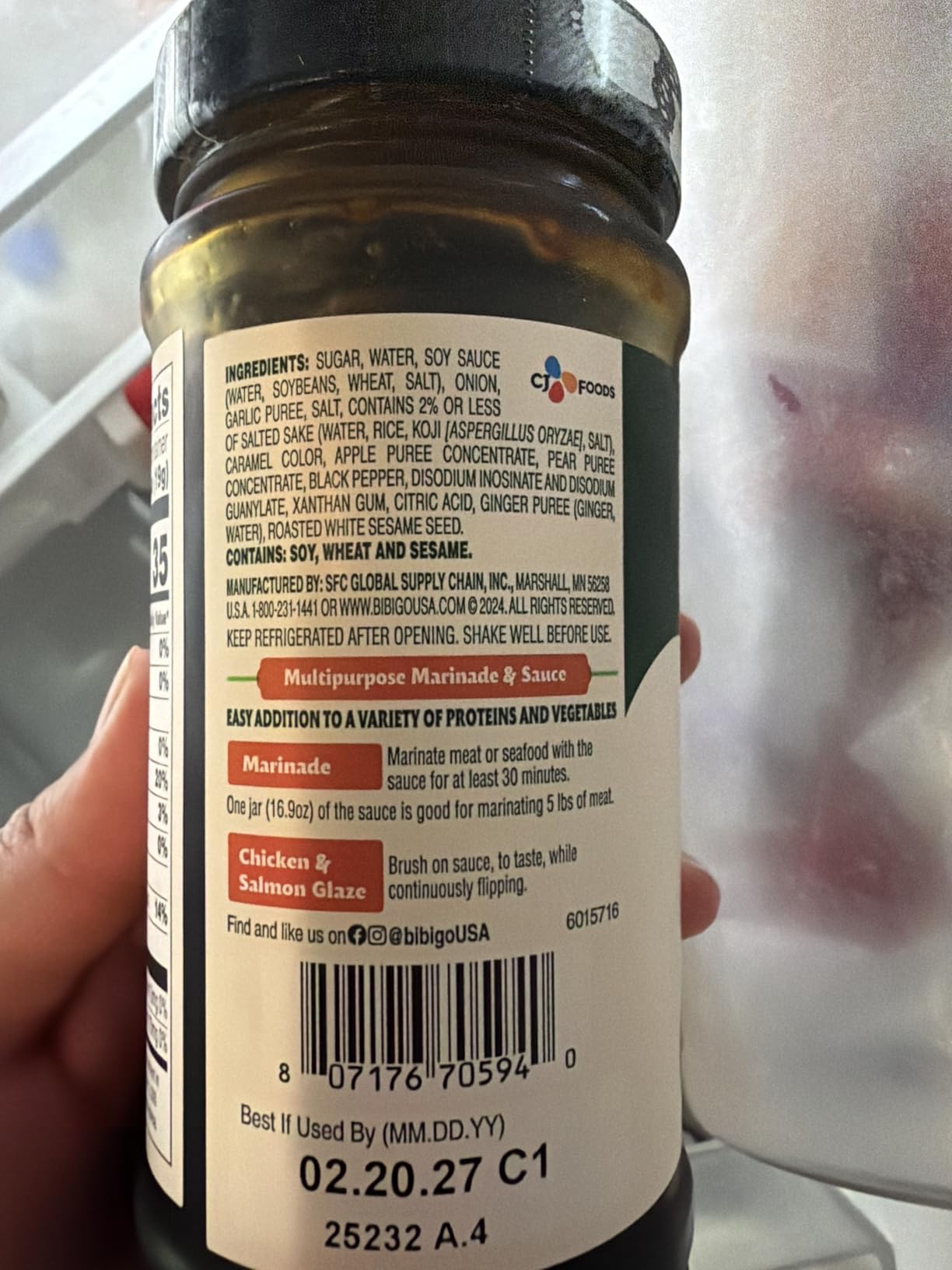
Bulgogi-style versus yangnyeom-style sauces
Bulldog and bulgogi sauces are built on soy sauce, sugar, garlic, and sesame oil, with mild sweetness and savory depth. Yangnyeom sauces (like Funtable Korean Fried Chicken Sauce) are built on gochujang and chili, with sweet-spicy heat that is more aggressive. Both are Korean, both are excellent, but they deliver very different experiences.
If you want classic Korean fried chicken flavor, go with a yangnyeom sauce. If you want the savory-sweet profile you get at a Korean BBQ table, go with bulgogi. This Bibigo sauce is firmly in the bulgogi camp, which makes it ideal for grilled meats and rice bowls but less suitable as a standalone wing glaze.
When this works and when it does not
This sauce excels at home Korean BBQ nights. I marinated chicken thighs for 2 hours, grilled them, and served with rice and kimchi. The family response was immediate. It also works brilliantly as a stir-fry sauce for vegetables and tofu.
Where it falls short is wing tossing. The sauce is thinner than yangnyeom-style options and lacks the chili kick most wing eaters want. Use it as a base and add gochujang paste or gochugaru for heat, and you have a complete wing sauce.
8. Sweet Baby Ray’s Korean BBQ & Wing Sauce
Sweet Baby Ray’s Korean BBQ & Wing Sauce, 64oz
64 oz bulk jug
Tomato-free formula
Sweet-spicy Asian BBQ
Pros
- Bulk size for parties
- tomato-free for allergy sufferers
- trusted Sweet Baby Ray's brand
- versatile for many dishes
- balanced sweet-spicy
Cons
- Packaging can crack during shipping
- large format may be inconvenient
- some find it expensive
Sweet Baby Ray’s version of Korean BBQ sauce lands in the bulk-size category with a 64-ounce jug clearly designed for parties, food trucks, and serious grillers. With 195 reviews averaging 4.4 stars, this is a dependable option for anyone who wants classic American BBQ brand reliability with Korean-inspired flavor.
I used this sauce at a backyard cookout for 12 people. The jug made it easy to keep refilling a dipping bowl, and the flavor profile was a crowd-pleaser. It leans sweet with a moderate chili finish, which is exactly what most casual wing eaters want. The tomato-free formula is a real plus for anyone with a tomato allergy or sensitivity.
Serve it as a glaze for grilled chicken, a dip for wings, or a finishing sauce for stir fry. The flavor is forgiving enough that it works across a wide range of proteins and vegetables.
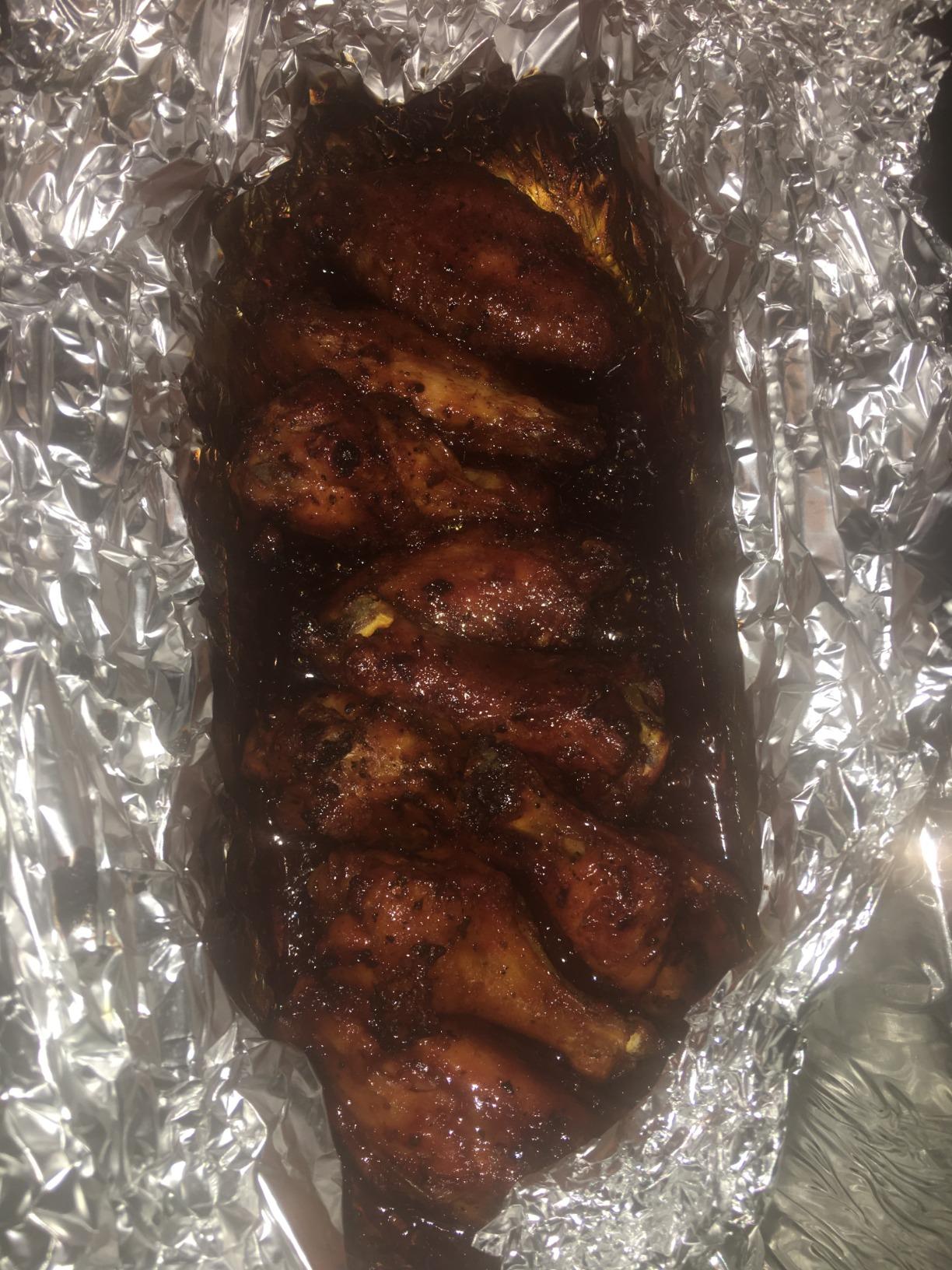
Bulk 64oz jar for parties
The 64-ounce jug is the headline feature here. For anyone hosting game day parties, family reunions, or weekly meal prep, this format eliminates the need to constantly restock. The jug stores well in the fridge, and the wide mouth makes it easy to scoop with a spoon or ladle.
One caveat is shipping. Several reviewers noted that the bottle arrived cracked due to its size. If you order online, check the packaging carefully on arrival. Once transferred to glass jars, the sauce keeps for months in the fridge.
Tomato-free formula for allergy sufferers
The tomato-free formula is rare in BBQ sauces and is a genuine advantage for anyone who cannot tolerate tomatoes. Many Korean-inspired sauces rely on tomato paste for body and color, which Sweet Baby Ray’s replaced here to make a more inclusive option.
For wings specifically, the sauce works well as a glaze but is thinner than dedicated KFC-style sauces. Reduce it in a pan for a few minutes before tossing wings, and you get a thicker, stickier coating that clings to the skin.
Buying Guide: How to Choose the Best Korean Wing Sauce
Korean wing sauce is not a one-size-fits-all product. The best choice depends on how you plan to cook your wings, how spicy you want them, and whether you value convenience or authenticity. Here are the four factors our team weighed when ranking these 8 sauces.
Gochujang quality and fermentation depth. The single biggest factor separating great Korean wing sauce from mediocre is the gochujang base. Authentic gochujang is fermented with rice and soybeans, which produces savory depth that extract-based hot sauces cannot replicate. Look for brands that list gochujang or fermented chili paste among the first three ingredients, and check whether the sauce is made in Korea. Products like O’food Gochujang and CJ Korean BBQ have genuine fermentation pedigree, while many mass-market sauces use chili extract for cheap heat.
Viscosity and sticking power. Thread-thin sauces slide off wings and pool at the bottom of the plate. Ketchup-thick sauces coat evenly and caramelize into a sticky glaze. The best Korean wing sauces fall somewhere in the middle, similar to warm honey. Funtable Korean Fried Chicken Sauce and Bibigo Hot & Sweet Gochujang both hit this sweet spot. If you buy a thinner sauce, reduce it in a pan for 3-5 minutes before tossing to thicken it.
Heat curve and spice tolerance. Korean wing sauce heat is different from buffalo sauce heat. Gochujang-based sauces deliver slow-building warmth that hits after the first bite and lingers across multiple bites. Buffalo-style sauces like Buffalo Wild Wings Asian Zing deliver faster, sharper heat that fades quickly. If you want sneaky heat that builds gradually, go with gochujang-based options. If you want immediate burn, look for capsaicin extract or chili oil on the ingredient list.
Versatility across cooking methods. The best Korean wing sauces also work as marinades, stir-fry sauces, and dipping sauces. Pure gochujang paste (like O’food) requires mixing but offers the most flexibility. Finished sauces like Funtable and Buffalo Wild Wings Asian Zing are ready to use but less adaptable. Consider how you cook: if you want a single bottle for everything, a finished sauce is more practical. If you want to experiment with heat and sweetness, go with paste.
Application method tips for different cookers. For air fryer wings, toss the sauce on after cooking to preserve the sticky glaze. For oven-baked wings, brush the sauce on during the last 5 minutes of cooking so the sugars caramelize without burning. For grilled wings, use the sauce as a marinade for 1-4 hours before grilling, then add a finishing glaze during the last 2 minutes on the heat. Thin sauces work better as dips, while thick sauces work better as glazes.
Frequently Asked Questions
What makes Korean wing sauce different from regular buffalo sauce?
Korean wing sauce is built on gochujang, which is a fermented red chili paste made from rice, soybeans, and red chili. This fermentation gives Korean sauce a savory umami depth that vinegar-forward buffalo sauce cannot replicate. Korean sauce also tends to be sweeter, with honey or sugar balancing the chili heat, while buffalo sauce is tangier and sharper. The result is a slow-building, layered warmth rather than an immediate vinegar burn.
Can I use Korean wing sauce as a marinade for grilled meat?
Yes, Korean wing sauces work extremely well as marinades. The gochujang base tenderizes meat while the sugars caramelize during grilling. For best results, marinate chicken, pork, or beef for 1 to 4 hours before cooking. Thinner sauces like Bibigo Korean BBQ are ideal for marinades, while thicker sauces like Funtable Korean Fried Chicken can be thinned with a splash of soy sauce or rice vinegar before marinating.
How do I get the sauce to stick to wings without making them soggy?
The key is to apply sauce after cooking, not before. Cook your wings until the skin is crispy, then toss them in sauce in a separate bowl. For air fryer wings, sauce them in the last 2 minutes of cooking so the sugars caramelize without making the skin soggy. For oven-baked wings, brush on the sauce during the final 5 minutes. If your sauce is too thin, reduce it in a pan for 3 to 5 minutes before tossing to thicken it into a proper glaze.
What is the best sauce for Korean fried chicken wings?
For the most authentic Korean fried chicken flavor, our top pick is O’food Gochujang Premium Korean Red Chili Paste mixed with honey, soy sauce, and a splash of rice vinegar. If you want a ready-to-use option, Funtable Korean Fried Chicken Sauce delivers the closest match to restaurant-style KFC in a convenient squeeze bottle. Both deliver the sweet-spicy-umami balance that defines Korean fried chicken.
Final Verdict
After testing 8 sauces across 4 weeks, our team landed on two clear winners. For cooks who want the most authentic Korean wing sauce and do not mind mixing, O’food Gochujang Premium Korean Red Chili Paste is the best choice. For anyone who wants a ready-to-use bottle that delivers restaurant-quality Korean fried chicken flavor, Funtable Korean Fried Chicken Sauce is the best bet.
Both products nail the sweet-spicy-umami balance that defines the best Korean wing sauces in 2026, and both are versatile enough to handle marinades, stir fries, and dipping sauces beyond wings. Pick the format that matches your cooking style, and you will be skipping the Korean takeout line for good.