
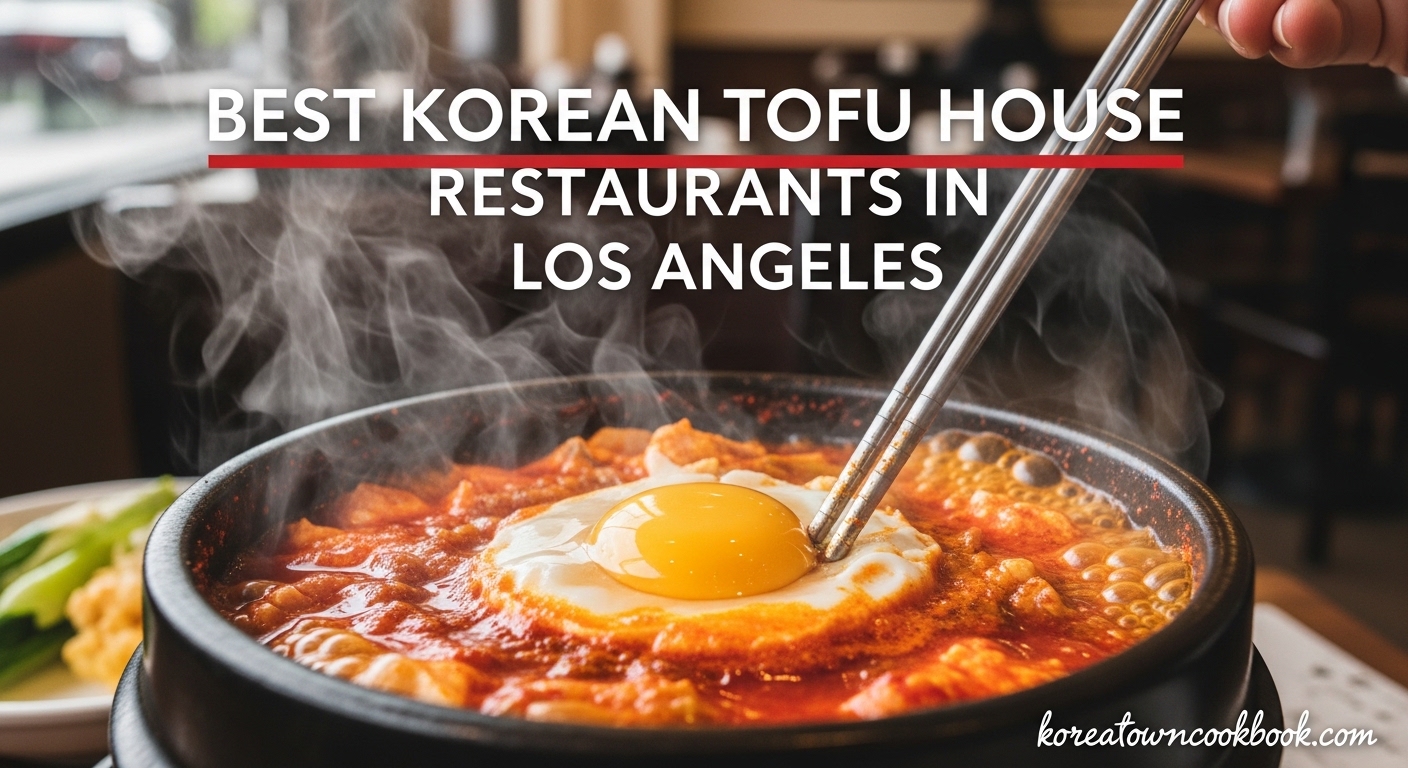
There is something deeply satisfying about watching a stone pot of soondubu arrive at your table, still bubbling aggressively, the spicy red broth threatening to spill over the edges. You crack a raw egg into the center, watch the whites curl and cook against the sides of the scorching bowl, and dig in with a spoonful of soft, silken tofu that melts on your tongue. If you have never experienced this, Los Angeles is arguably the best place outside of Seoul to start.
The best Korean tofu house restaurants in Los Angeles have turned a humble comfort food into an art form. Koreatown, one of the largest Korean communities outside Korea, is home to dozens of spots dedicated to soondubu jjigae, the spicy soft tofu stew that defines this cuisine. From 24-hour chains that have been feeding late-night crowds for decades to small family-run restaurants making tofu by hand each morning, the options are staggering.
In this guide, I am going to walk you through the top tofu house restaurants in LA, explain exactly what soondubu is and why it matters, help you navigate a menu if you are a first-timer, and share tips from locals who have been eating at these spots for years. Whether you are a lifelong soondubu obsessive or someone who just moved to LA and wants to explore Koreatown properly, this guide has you covered for 2026.
Table of Contents
What Is Soondubu (Korean Soft Tofu Stew)?
Soondubu jjigae (sometimes spelled sundubu jjigae or soon tofu) is a Korean stew built around soft, unpressed tofu. Unlike firm tofu used in stir-fries, soondubu uses tofu with a delicate, almost custard-like texture that breaks apart the moment your spoon touches it. The tofu sits in a bubbling, fiery broth made from a base of gochugaru (Korean red pepper flakes), garlic, soy sauce, and either beef bone broth or seafood stock.
The stew is cooked and served in a hot stone pot called a dolsot, which retains heat so well that the broth keeps boiling for several minutes after it lands on your table. This is where the experience becomes participatory. You are meant to crack a raw egg into the pot right away, letting the residual heat poach the egg directly in the broth. The result is a rich, layered soup where the egg yolk adds body and the egg whites cook in wispy ribbons throughout.
Every tofu house offers a range of protein options that go into the stew. The most popular choices are beef, seafood (usually a mix of shrimp, clams, and mussels), pork, oyster, and mushroom. You also pick your spice level, typically ranging from mild to extra spicy. Some restaurants offer a white version without red pepper flakes for those who cannot handle heat at all.
A Korean tofu house is called a tofu jip (tofu house or tofu restaurant) in Korean. These are specialized restaurants where soondubu jjigae is the main attraction, not a side dish buried in a larger menu. The best ones make their tofu in-house daily, sometimes from non-GMO soybeans sourced specifically for their protein and fat content. This attention to the base ingredient is what separates a great tofu house from an average one.
What makes Korean tofu special compared to other tofu dishes around the world is this combination of texture and context. The soft tofu acts as a sponge for the deeply seasoned broth, and the communal, interactive way it is served in a bubbling stone pot turns a simple stew into a full sensory experience. It is comfort food at its most elemental, and Los Angeles happens to be one of the greatest places on earth to eat it.
Top Korean Tofu House Restaurants in Los Angeles
Los Angeles has no shortage of Korean restaurants, but finding the best Korean tofu house restaurants in Los Angeles requires knowing where to look and what to look for. The spots below range from nationally known chains to tiny family operations with fewer than 100 reviews but exceptional food. I have included a mix based on local forum discussions, Google ratings, and personal recommendations from the Korean-American community in LA.
Each restaurant listed here specializes in soondubu jjigae as its primary offering. I am not including Korean BBQ spots that happen to have tofu stew on the menu. These are dedicated tofu houses where the broth simmers all day and the tofu arrives fresh, sometimes made just hours before you sit down.
1. BCD Tofu House
BCD Tofu House is the most recognizable name in Korean tofu houses, not just in Los Angeles but nationwide. Founded in 1996 in Koreatown, the chain now operates multiple locations across LA, including spots on Western Avenue, Wilshire Boulevard, and even a Westside location that draws crowds from Santa Monica and Culver City. Their Koreatown flagship holds a 4.3-star rating with over 6,300 reviews on Google, making it one of the most-reviewed Korean restaurants in the city.
What BCD does well is consistency. A Reddit user on r/FoodLosAngeles described it perfectly: “The McDonald’s of soondubu, but in a good way. They got it down and it’s consistently pretty good.” Every location delivers the same flavor profile, the same portion sizes, and the same banchan spread. You know exactly what you are getting, which is why it remains a go-to for both Korean families and first-timers exploring Koreatown.
BCD uses non-GMO soybeans for their tofu and does not add MSG to their broths. Their beef bone broth base is simmered for hours, and the resulting soondubu has a deep, savory flavor that holds up well at every spice level. The combo meals, which pair soondubu with galbi (marinated short ribs) or bulgogi, are a popular choice for diners wanting a full Korean meal experience.
One of BCD’s biggest advantages is accessibility. Several locations are open 24 hours, making BCD the default late-night soondubu spot in LA. As one Reddit user put it: “BCD is the perfect casual dining that is good for any occasion, whether you’re solo dining for lunch at 1:30 pm, or drunk at 1:30.” The menu is available in English and Korean, and the staff at every location is accustomed to guiding newcomers through the ordering process.
2. Surawon Tofu House
Surawon Tofu House sits on Olympic Boulevard in the heart of Koreatown and has built a reputation as one of the neighborhood’s premier tofu destinations. The restaurant earned a spot on the LA Times 101 Best Restaurants list, which brought it significant attention from food writers and serious eaters across the city. The recognition was well deserved, though regulars will tell you that the experience has shifted over the years.
Surawon is known for its housemade tofu, which has a distinctly creamier texture than the factory-produced tofu used at larger chains. The restaurant uses a beef bone broth base for its soondubu, giving the stew a richer, more complex depth than spots that rely on water or basic anchovy stock. Their mushroom soondubu is a standout, packed with enoki, shiitake, and oyster mushrooms that add an earthy counterpoint to the spicy broth.
That said, the local community has noticed some changes. A Reddit commenter noted: “My wife likes Surawon but not for the soondubu. Surawon’s soondubu was better a few years ago.” This is a common sentiment among longtime regulars. The quality is still high, and Surawon remains firmly in the top tier of LA tofu houses, but it may no longer be the undisputed champion it once was. The banchan selection is generous, and the seafood soondubu with fresh clams and shrimp is still worth the trip.
Surawon’s atmosphere is more traditional than BCD, with a cozier dining room and a mom-and-pop feel despite its popularity. It is an excellent choice for diners who want an authentic Koreatown tofu house experience without the chain restaurant energy. Expect a wait during peak dinner hours, especially on weekends.
3. LA Tofu House
LA Tofu House is a Koreatown staple that has been serving the neighborhood for years. With a 4.1-star rating and over 230 reviews, it occupies a solid middle ground between the consistency of BCD and the artisanal approach of smaller spots like Tofu Chon. LA Tofu House is the kind of place where the servers recognize regulars, the banchan is always generous, and the portions are hearty enough that you will not leave hungry.
The soondubu here leans toward the traditional. The broth has a pronounced seafood flavor thanks to a stock built from dried anchovies and kelp, which is the more old-school preparation method. If you prefer a cleaner, more oceanic base rather than the beef-heavy broths at BCD and Surawon, LA Tofu House delivers that experience. Their seafood soondubu is loaded with actual seafood pieces, not just a few token shrimp.
The banchan spread at LA Tofu House deserves special mention. You can expect eight to ten small dishes ranging from the standards like kimchi and pickled radish to more seasonal items. The kimchi here is particularly well-made, with a good fermented funk that pairs perfectly with the hot stew. It is a casual, no-frills dining room that prioritizes food over atmosphere, which is exactly what many tofu house purists prefer.
4. Tofu Chon LA
Tofu Chon LA is the highest-rated tofu house in Los Angeles with a remarkable 4.9-star rating from 83 reviews. While the review count is lower than the bigger names, that near-perfect score tells you something important: the people who find this place tend to love it. Tofu Chon is a small, family-run operation that focuses on doing one thing exceptionally well rather than offering a sprawling menu.
The housemade tofu here is the star. It has a silkier, more delicate texture than what you will find at most other tofu houses in Koreatown, with a subtle sweetness that comes from carefully sourced soybeans and small-batch production. The broth is deeply flavored without being overly salty, which lets the quality of the tofu itself shine through. This is where tofu enthusiasts should start their Koreatown exploration.
Because Tofu Chon is smaller and less well-known than BCD or Surawon, you can often walk in without a wait, even during busy dinner hours. The trade-off is a more limited menu with fewer combo options and a simpler banchan selection. But if you are there for the tofu itself, Tofu Chon delivers an experience that rivals anything in the city. It is the kind of spot that locals keep quiet about, and I am including it here because it genuinely deserves more attention.
5. A Ri Rang Tofu House
A Ri Rang Tofu House comes highly recommended by the Koreatown community. A Reddit user on r/FoodLosAngeles described it as having “fantastic sundubu tofu and banchan is awesome,” and that assessment holds up. A Ri Rang occupies a sweet spot between the larger chains and the tiny family operations. It is small enough to feel personal but busy enough to ensure that the broth is always fresh and the turnover is high.
The soondubu at A Ri Rang is characterized by a robust, well-seasoned broth that strikes a balance between the beef-forward style of BCD and the cleaner seafood base of LA Tofu House. The restaurant is generous with its protein portions, and the seafood combo comes with visible chunks of shrimp, squid, and clams rather than the sparse offerings you sometimes get elsewhere. The banchan rotation changes regularly, which keeps regulars coming back to see what is new.
A Ri Rang is a solid pick for groups because the menu extends beyond soondubu into other Korean comfort dishes like bibimbap and galbi tang (beef short rib soup). If you are dining with someone who is not sold on tofu stew, they will find plenty of alternatives here. The atmosphere is casual and welcoming, with a dining room that fills up quickly during lunch and dinner rushes.
6. Seoul House of Tofu
Seoul House of Tofu is the dark horse of this list, a spot that rarely appears in mainstream food guides but has a devoted following among Koreatown locals. A bold Reddit comment summed up the sentiment: “Hot take: Seoul House of Tofu is better than Surawon.” Whether or not you agree with that ranking, the fact that it comes up in conversations about the best soondubu in LA tells you that Seoul House is doing something right.
The restaurant leans hard into traditional flavors. The broth is intense and deeply savory, with a richness that suggests long hours of simmering. The tofu has a slightly firmer texture than the ultra-soft style at Tofu Chon, which some diners actually prefer because it holds its shape better in the stew. Seoul House is also known for excellent banchan, particularly their seasoned spinach and spicy cucumbers.
Seoul House of Tofu is worth a visit if you have already tried BCD and Surawon and want to dig deeper into the Koreatown tofu house scene. It represents the kind of under-the-radar spot that makes exploring Koreatown so rewarding. The prices are reasonable, the portions are large, and the food feels like it was made by someone who has been cooking soondubu their entire life.
Korean Tofu House Menu Guide: What to Order
Walking into a Korean tofu house for the first time can be overwhelming if you are not familiar with the format. The menu often has dozens of combinations, and the ordering process moves fast. Here is a straightforward guide to help you order with confidence at any tofu house in Los Angeles.
Choose your protein. Every tofu house offers the same core protein options for your soondubu. Beef is the most popular and a safe starting point. Seafood mix (typically shrimp, clams, and mussels) is excellent if you enjoy ocean flavors. Pork, oyster, and mushroom are also widely available. Most places let you combine proteins for a small extra charge. If you are vegetarian, look for the vegetable or mushroom soondubu, and ask if the broth is made with beef or seafood stock.
Pick your spice level. Most tofu houses offer at least four levels: mild, medium, hot, and extra hot. Mild still has some gentle warmth from the gochugaru. Medium is where most regulars land. Hot is genuinely spicy and will make you sweat. Extra hot is for experienced eaters only. If it is your first time, start with medium. You can always go hotter on your next visit.
Consider a combo meal. Many tofu houses offer combos that pair soondubu with galbi (marinated short ribs), bulgogi (marinated beef), or a bowl of bibimbap. These combos are a great way to sample multiple Korean dishes in one meal. The galbi-soondubu combo is the most popular choice and is widely available at every restaurant on this list.
Understand the banchan. Banchan are the small side dishes that arrive at your table before the main course. You can expect kimchi (fermented cabbage), pickled radish, seasoned spinach, bean sprouts, and usually a savory pancake or fish cake. Banchan is complimentary and refillable at most tofu houses. Do not be shy about asking for more of any dish you enjoy.
The raw egg technique. When your soondubu arrives bubbling in the stone pot, you will be served a raw egg in its shell. Crack the egg directly into the center of the stew and use your spoon to gently break the yolk. The residual heat from the stone pot will cook the egg in about 30 seconds. Stir it around to distribute the cooked egg throughout the broth. This step is optional but highly recommended because it adds richness and body to the soup.
Vegetarian and vegan options. Traditional soondubu broth is made with either beef bone broth or dried seafood stock, which makes most versions non-vegetarian. However, some tofu houses offer a vegetable broth option if you ask. BCD Tofu House has a vegetable soondubu on the menu, and Tofu Chon has been accommodating to vegetarian requests. Always ask your server about the broth base if this is important to you. The banchan may also contain fish sauce or dried shrimp, so check on that as well.
Tips for First-Time Visitors to Korean Tofu Houses
Your first visit to a Korean tofu house in Koreatown should be exciting, not stressful. Here are practical tips that will help you have a great experience from the moment you walk in.
Go during off-peak hours if possible. Koreatown restaurants get packed between noon and 1:30 PM for lunch and between 6:30 and 8:30 PM for dinner. If you want to avoid a wait, aim for an early lunch around 11:30 AM or a late dinner after 9 PM. The 24-hour BCD locations are perfect for late-night soondubu runs, which is a quintessential LA experience.
Wear clothes you do not mind getting a little messy. The stew arrives literally boiling in a stone pot. Small splashes happen, especially when you are cracking the egg or scooping the tofu. This is not the place for a white shirt or your nicest outfit. Most restaurants provide bibs if you want one, and honestly, nobody will judge you for wearing it.
Parking in Koreatown requires strategy. Street parking is limited and metered during business hours. Many restaurants have small private lots behind the building, but these fill up fast. Your best bet is to use one of the public parking structures on Western Avenue or Olympic Boulevard. The parking structure at the Koreatown Plaza shopping center is also a solid option if you are dining nearby.
Do not be afraid to ask questions. The servers at all the restaurants on this list are used to newcomers. If you are unsure about spice levels, protein choices, or how to eat the stew, just ask. Korean tofu house culture is warm and welcoming, and most servers will happily walk you through the menu. At BCD in particular, the staff is well-trained in helping first-time diners.
Eat the scorched rice at the bottom of the pot. After you finish the stew, you will notice a layer of rice that has crisped against the bottom of the stone pot. This is called nurungji, and it is a prized part of the meal. Some restaurants will pour hot water into the empty stone pot to create a rice porridge from the scorched bits. Either way, do not leave without trying it.
Bring cash, just in case. While most tofu houses in Koreatown now accept credit cards, some of the smaller mom-and-pop spots are cash only or have a credit card minimum. Having cash on hand avoids any awkward surprises at the end of your meal.
FAQ
What is Surawon Tofu House known for?
Surawon Tofu House is known for its housemade tofu with an exceptionally creamy texture and its beef bone broth base that gives the soondubu a richer, more complex flavor. The restaurant was recognized on the LA Times 101 Best Restaurants list, and its mushroom soondubu is a standout dish that draws diners from across Los Angeles.
How expensive is BCD Tofu House?
BCD Tofu House is considered an affordable dining option in Koreatown. Individual soondubu orders typically fall in the mid-teens range, while combo meals that include galbi or bulgogi are priced higher. It is one of the more budget-friendly Korean dining experiences in Los Angeles, especially given the generous portion sizes and complimentary banchan.
Does BCD Tofu House use MSG?
No, BCD Tofu House does not add MSG to its food. The chain uses non-GMO soybeans for its tofu and relies on long-simmered beef bone broth for its savory flavor rather than artificial enhancers. This has been a core part of their brand messaging since the company was founded in 1996.
What makes Korean tofu special?
Korean tofu, particularly the soft tofu used in soondubu jjigae, is special because of its delicate, custard-like texture that absorbs and complements the deeply seasoned broth around it. The tofu is typically made fresh daily from whole soybeans, and it is served in a bubbling stone pot that creates an interactive dining experience. The combination of housemade tofu, complex broth, and the communal cooking method sets Korean tofu apart from tofu preparations in other cuisines.
What is a Korean tofu house called?
A Korean tofu house is called a tofu jip in Korean. The word jip means house or restaurant, so tofu jip literally translates to tofu house. These are specialized restaurants that focus on serving soondubu jjigae, the Korean soft tofu stew, as their primary dish. The term distinguishes them from general Korean restaurants that may serve a wider variety of dishes.
Final Thoughts on the Best Korean Tofu Houses in Los Angeles
The best Korean tofu house restaurants in Los Angeles offer something that goes beyond just a bowl of soup. Each spot on this list represents a different facet of Koreatown’s tofu culture, from BCD’s reliable consistency to Tofu Chon’s handmade artistry to Seoul House of Tofu’s under-the-radar excellence. The variety is what makes exploring these restaurants so rewarding.
My advice is to try at least three or four of the restaurants on this list before settling on a personal favorite. Soondubu preferences are highly subjective. Some people prefer the beef-forward broth at BCD, while others gravitate toward the housemade tofu at Tofu Chon or the traditional flavors at Seoul House. The only way to find your go-to spot is to eat your way through Koreatown, one bubbling stone pot at a time.
Los Angeles is fortunate to have one of the largest and most vibrant Korean food scenes outside of Korea itself. The tofu houses here are not just restaurants. They are cultural institutions that have been serving the community for decades. Whether you are craving a late-night bowl after a long day or planning a weekend lunch with friends, the tofu houses of Koreatown are waiting with something hot, spicy, and deeply satisfying.