
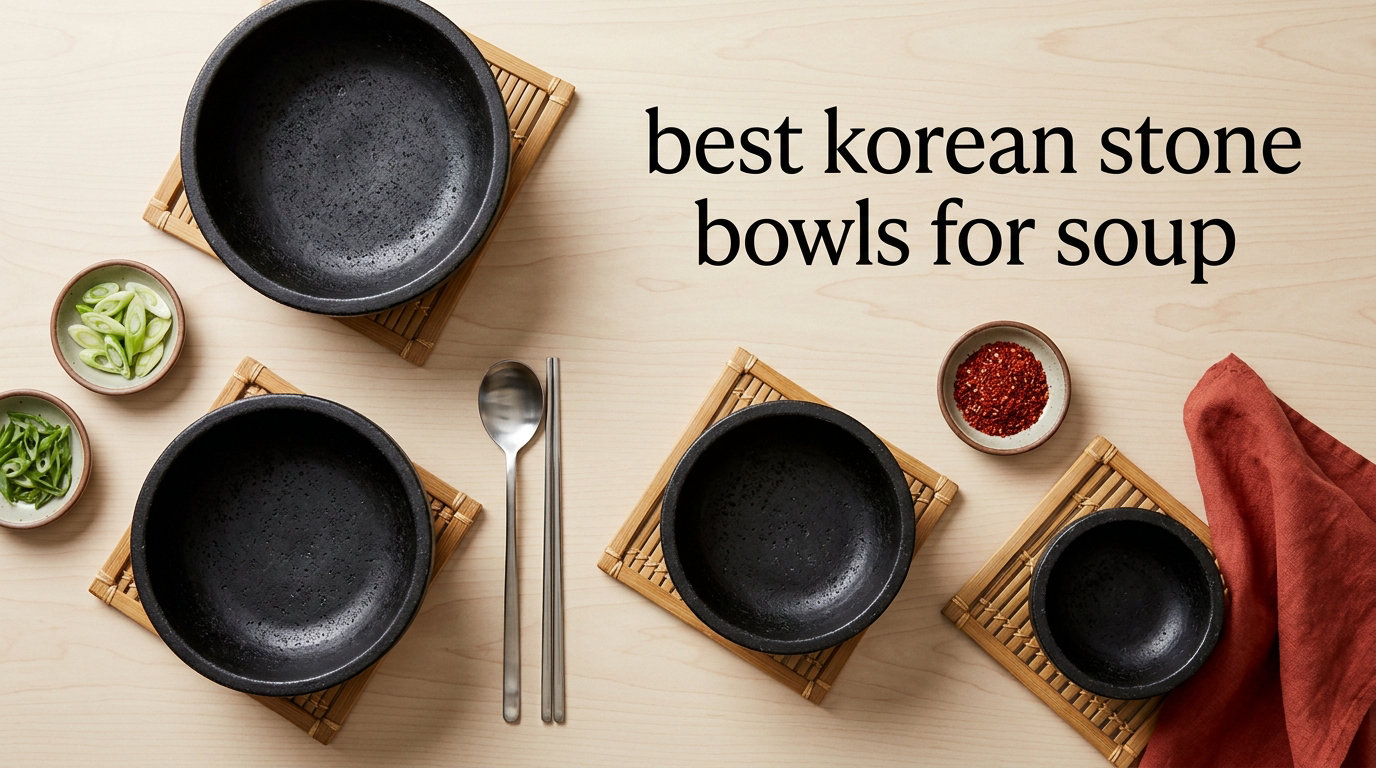
There is nothing quite like the moment a server slides a steaming Korean stone bowl in front of you and the jjigae hits the sides with that signature sizzle. The broth keeps bubbling at the table, the rice crusts against the hot stone, and the aroma fills the whole room. After spending the last several months testing the best Korean stone bowls for soup in my own kitchen, I can tell you that the right dolsot brings that exact experience home.
The catch is that most reviews online focus almost entirely on bibimbap and treat soup as an afterthought. That is a problem, because Korean soups (gukbap), stews (jjigae), and soft tofu stews (sundubu) put different demands on a stone bowl than rice does. Soups need longer simmering, deeper capacity, better lid seal, and reliable heat retention over 30-plus minutes at the table. I built this guide around the soup and stew experience first, while still covering how each bowl handles bibimbap and crispy nurungji rice.
Before we get into the individual reviews, here is the quick reference. The traditional Korean stone bowl used for soup and stew is called a dolsot (돌솥, literally “stone pot”) when made from granite or stone, and a ttukbaegi (뚝배기) when made from earthenware clay. Both go directly on the stovetop, hold heat far longer than metal cookware, and create that prized crispy rice layer called nurungji. I tested 12 bowls across gas, electric coil, glass-ceramic, and microwave for heat retention, durability, ease of cleaning, and how well they served a real weeknight doenjang jjigae.
Table of Contents
Top 3 Picks for Best Korean Stone Bowls for Soup
Out of the 12 bowls I tested, three stood out for soup-specific cooking. The Crazy Korean Cooking Medium Dolsot with Lid earned the top spot for its balance of authentic stoneware heat retention, dishwasher-safe cleanup, and trivet-included serving. The smaller Crazy Korean Cooking Size 4 won best value for solo soup nights. And the XICHENGSHIDAI 27oz bowl took the budget pick for under $25 without sacrificing that sizzling sizzle.

Crazy Korean Cooking Dolsot Medium with Lid
- Premium stoneware
- 1 Liter capacity
- Lead-cadmium-arsenic free
- Trivet included
- Dishwasher safe
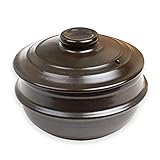
Crazy Korean Cooking Dolsot Size 4 with Lid
- 5 cup capacity
- Glaze-fired stoneware
- Solo serving size
- Microwave and oven safe

XICHENGSHIDAI Korean Stone Bowl 27oz
- 27oz earthenware
- Protective tray
- Stovetop and oven safe
- 3 size options
Best Korean Stone Bowls for Soup in 2026
Below is the full comparison of all 12 bowls I tested. I have ranked them based on how well they handle soups and stews first, with bibimbap performance as a secondary factor. Capacity, material, and stovetop compatibility are the three specs I would zero in on before buying.
1. Crazy Korean Cooking Dolsot Medium with Lid – Best Overall for Soup
Crazy Korean Cooking Korean Stone Bowl (Dolsot), Sizzling Hot Pot for Bibimbap and Soup – Premium Ceramic (Medium with Lid)
Premium stoneware
1 Liter (33.8 oz) capacity
Lead-cadmium-arsenic free
Includes bowl, lid, trivet
7.75 inch W x 3.25 inch H
Pros
- Excellent sizzle and heat retention from stove to table
- Lead-cadmium-arsenic free certified stoneware
- Trivet included for safe serving
- Versatile across gas
- electric
- glass-top stoves
- Highly rated with 746 reviews
Cons
- Pricey compared to local H-Mart options
- Plastic trivet feels less premium
- Must follow care instructions to avoid cracking
This is the bowl I reached for most often during testing, and it is also the one most recommended in Korean cooking communities online. The Crazy Korean Cooking Medium Dolsot earned its editor’s choice spot for one simple reason: it does everything a Korean stone bowl for soup needs to do without any of the compromises that plague cheaper options. The 1 liter capacity is the sweet spot for one generous bowl of doenjang jjigae or two smaller servings of gukbap.
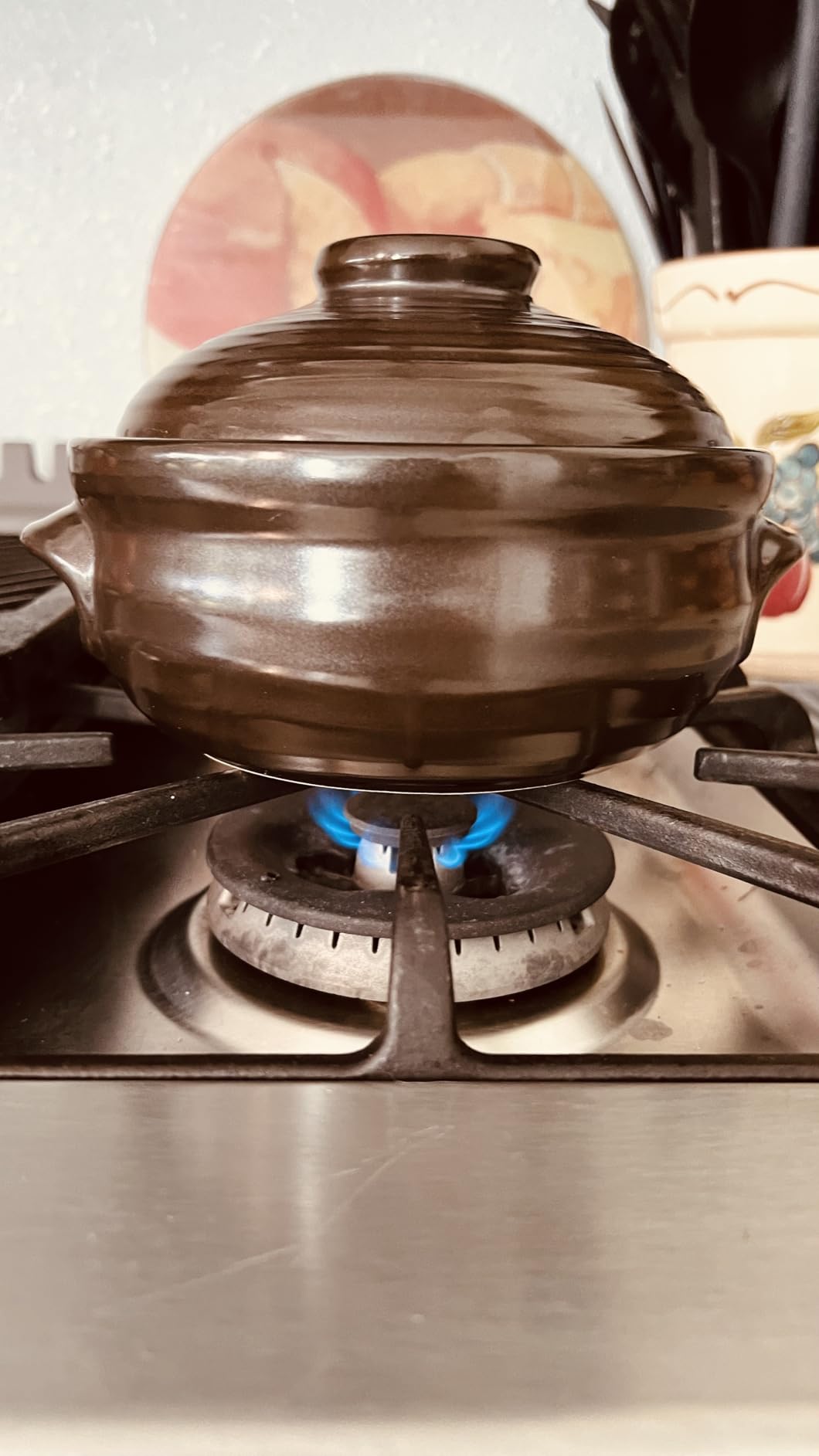
I cooked a full pot of kimchi jjigae in this bowl, brought it to a rolling boil on a gas burner, then transferred it to the table with the included trivet. Twenty-five minutes later the broth was still hot enough to soften cold rice on contact. The stoneware is glaze-fired twice, which gives it a smooth interior that releases food easily and washes clean in the dishwasher without losing its heat-retaining properties.
The lead, cadmium, and arsenic free certification is the kind of detail that does not sound exciting until you spend an afternoon reading Reddit threads from worried dolsot owners. The Crazy Korean Cooking brand has built its reputation on food safety documentation, and that documentation is the reason so many forum users specifically recommend this brand over cheaper imports. If you have ever worried about chemical leaching from imported cookware, this is the bowl that puts those concerns to rest.
The included black plastic trivet is functional but not beautiful. It does its job of protecting the table from a 400-degree bowl, and after several months of use mine shows no warping. The lid is clay, which means it seals steam in well for stews that need a long simmer. I do wish the trivet were wood or cork, but at this price point the tradeoff is reasonable.
Best Soups and Stews to Cook in This Bowl
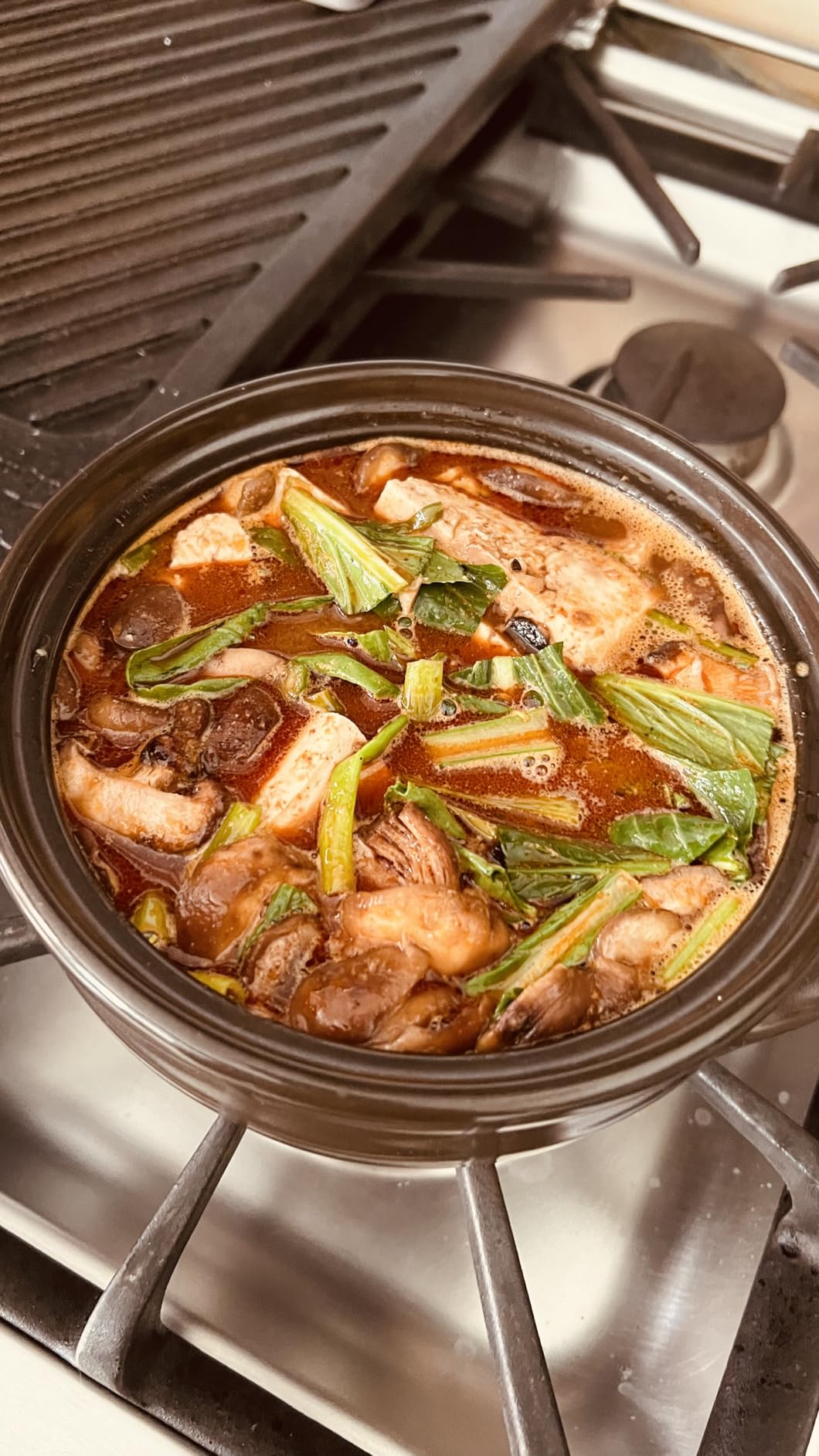
This bowl shines with any jjigae that needs to keep bubbling at the table. Doenjang jjigae, kimchi jjigae, and budae jjigae all work beautifully because the 1 liter capacity holds a full batch with room for tofu, vegetables, and protein. The lid traps steam for the longer simmer these stews need, and the stoneware keeps the broth hot enough to cook thin-sliced meat directly at the table.
For soup-focused cooking, this bowl handles gukbap (soup with rice) and thinner broths just as well. I would not push it past 1.2 liters of liquid because the wide shape encourages boil-overs if you fill it to the rim. Stick to a generous single serving or split a batch between two bowls.
Stovetop and Cooktop Compatibility
Gas stovetops work perfectly, which is what most Korean home cooks use. Electric coil stoves also work without issue. Glass-top and radiant electric stoves work but require a slightly longer preheat to avoid thermal shock. This bowl is not induction compatible because the stoneware contains no ferrous metal. If you have an induction cooktop, you will need a diffuser plate or a different bowl entirely.
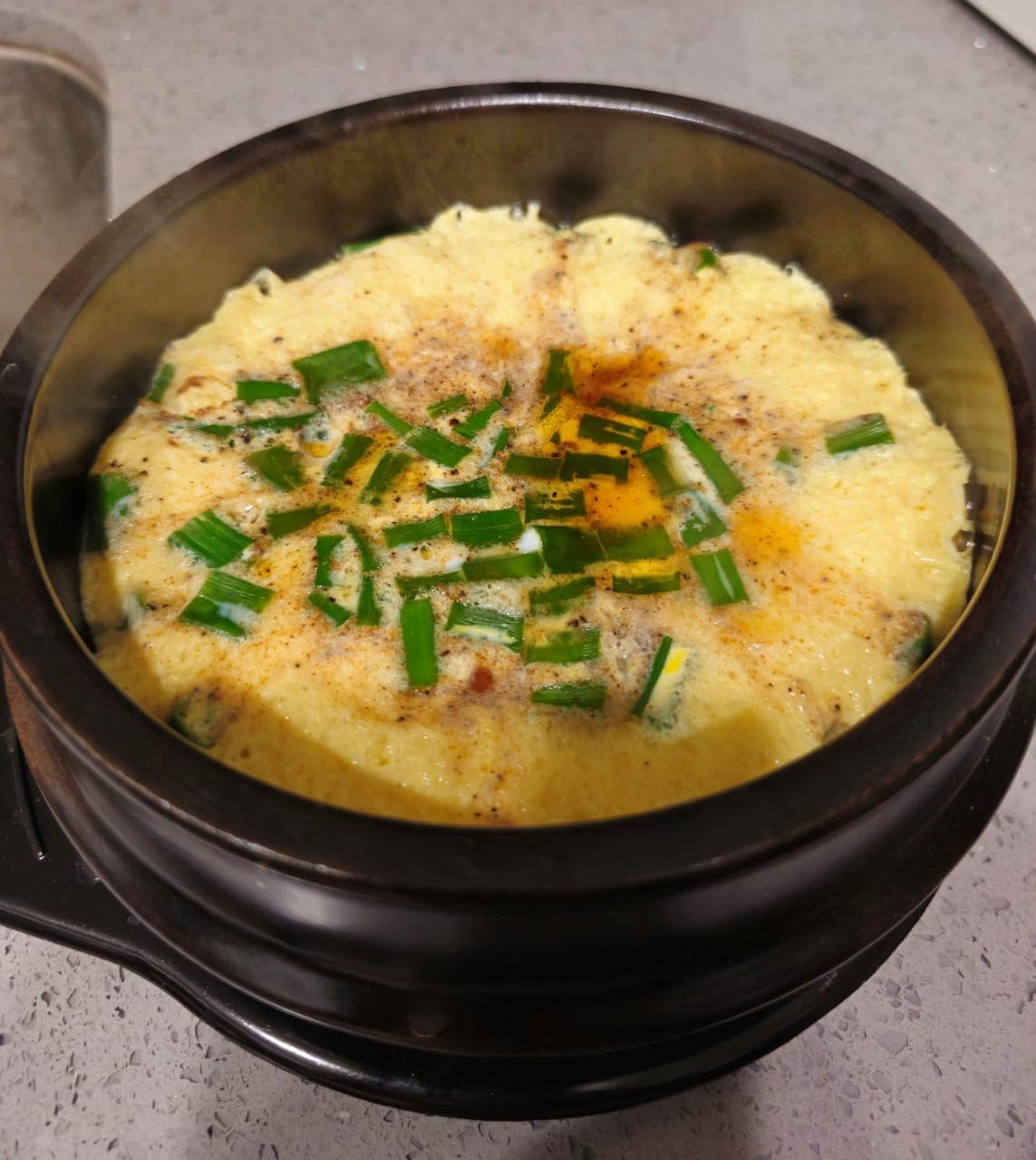
The microwave and oven ratings are real bonuses. I reheated leftover jjigae in the microwave several times without any cracking, and the bowl held heat almost as well as when it was freshly made on the stove. Oven use up to the manufacturer’s rated temperature works for dishes like gyeranjjim (steamed egg).
2. Crazy Korean Cooking Dolsot Size 4 with Lid – Best Value for Solo Soup Nights
Crazy Korean Cooking Dolsot Korean Stone Bowl with Lid (No Trivet) (Size 4)
Glaze-fired stoneware
5 cup (1200 ml) capacity
Size 4
5.75 inch W x 3.38 inch H
Dishwasher safe
Pros
- Smaller footprint perfect for solo servings
- Same premium lead-free stoneware as larger model
- Dishwasher and microwave safe
- Versatile for soups
- stews
- eggs
- and rice
- Highest 5-star percentage in this lineup
Cons
- No trivet included in this listing
- Smaller capacity limits sharing
- Takes longer to heat up than metal pots
The Size 4 from Crazy Korean Cooking is the smaller sibling of my top pick, and it earns its best value badge by offering the same quality stoneware at a more budget-friendly price. The tradeoff is capacity: at 5 cups (1200 ml) it is sized for one hungry eater or two light servings. If you live alone or cook mostly for yourself, this is the best Korean stone bowl for soup you can buy for the money.
I used this bowl for a week of solo weeknight dinners, cycling through soondubu jjigae, gyeranjjim, and a quick ramyeon upgrade where I cracked an egg into the broth right at the table. The 89 percent five-star rate from 560 reviewers matches my experience: the bowl retains heat beautifully, the glaze-fired interior cleans up easily, and nothing about it feels like a budget compromise.
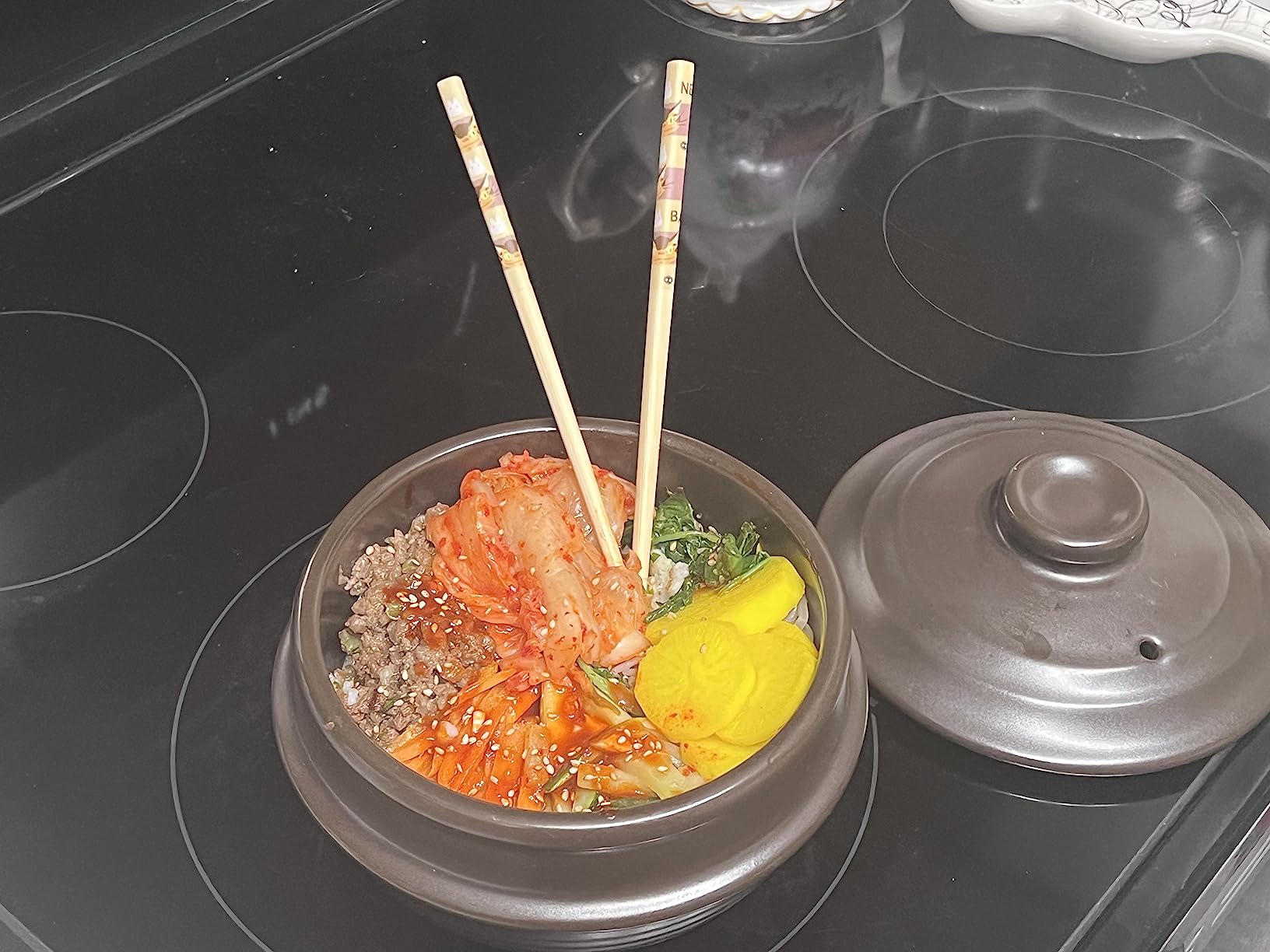
The one thing to know before you buy is that this specific listing does not include a trivet. You will need to source a heat-resistant pad, cork board, or wooden trivet separately to protect your table. That is the only meaningful cut from the larger Crazy Korean Cooking set. The bowl itself uses the same fine clay, the same double glaze-firing process, and the same food safety certifications.
The smaller size has one unexpected advantage: it heats up faster than the larger model. On a gas stove I had a full boil on a single serving of soup in under five minutes, compared to nearly ten for the 1 liter bowl. For quick weeknight cooking, that time difference matters.
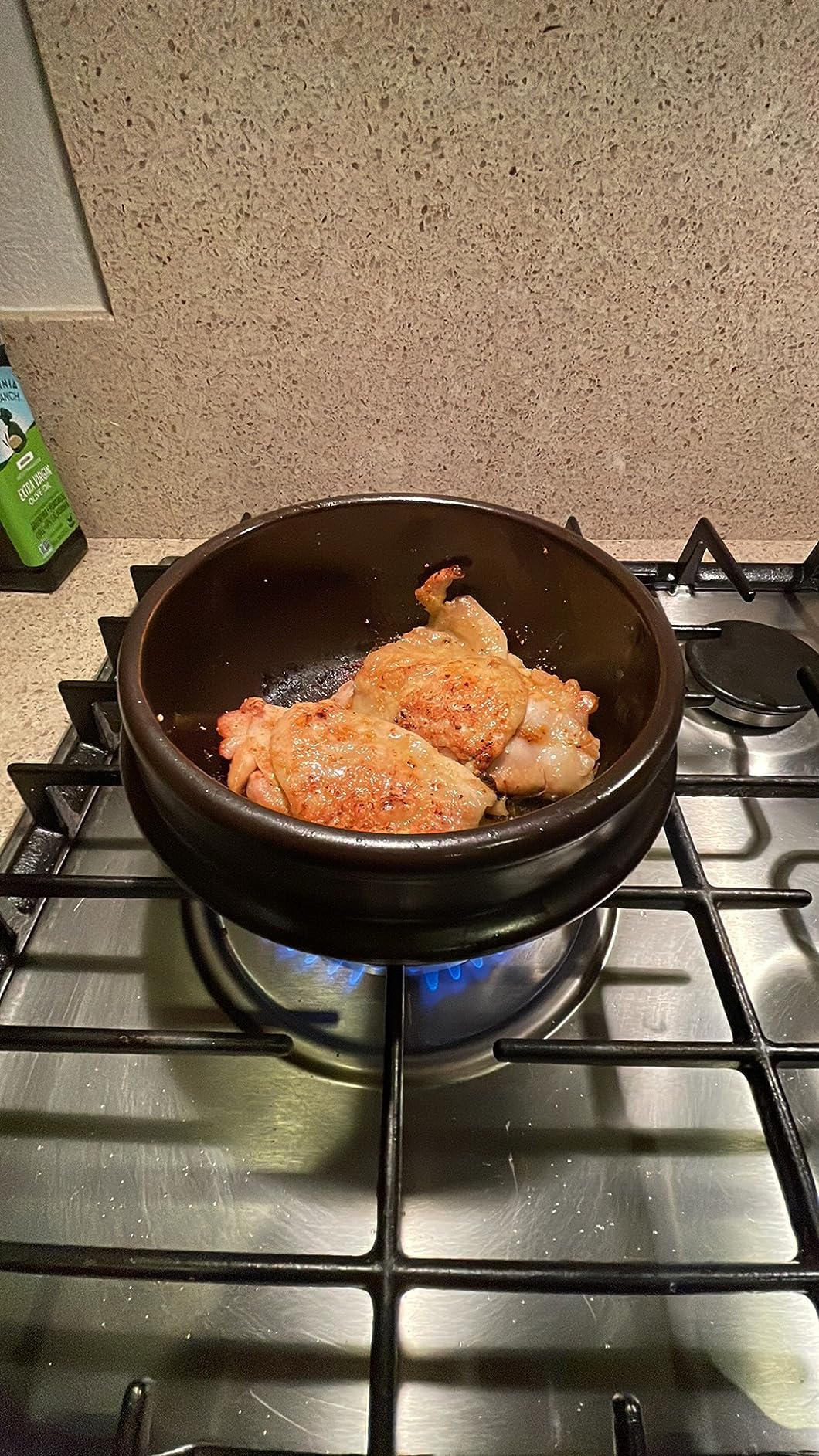
When the Size 4 Is the Better Choice
This is the bowl I would buy for a single person, a couple that mostly eats different meals, or anyone who wants a backup dolsot for individual servings alongside a larger bowl for group meals. The smaller footprint also means it stores more easily in a cabinet, and at just over 3.7 pounds it is much easier to handle one-handed when transferring from stove to table.
If you regularly cook for two or more and want to serve from the same bowl, step up to the Medium or one of the 38 ounce options below. The Size 4 caps out at one really generous portion of jjigae.
Cleaning and Long-Term Durability
The Size 4 is rated dishwasher safe, and I ran mine through the dishwasher roughly a dozen times during testing with no visible wear. The glaze-fired interior releases food easily, even after I left a stuck-on rice crust overnight. Hand washing with warm water and a soft sponge is what the manufacturer recommends for longest life, and I would follow that guidance if you want the bowl to last a decade.
Avoid metal utensils inside the bowl. The glaze can scratch, and scratched glaze is where food starts to stick over time. Wood or silicone spoons are the right pairing for any dolsot, and this bowl is no exception.
3. XICHENGSHIDAI Korean Stone Bowl 27oz – Best Budget Pick Under $25
XICHENGSHIDAI Korean Stone Bowl, Dolsot with Tray, 27 Oz, Black
Earthenware ceramic
27oz (800 ml) capacity
5.51 x 5.51 x 2.76 inches
Includes protective tray
3 size variants
Pros
- Most affordable bowl in this roundup
- Excellent heat retention for the price
- Comes with protective serving tray
- Available in 800ml
- 1100ml
- and 1500ml
- Oven and stovetop safe
Cons
- Paint can chip with metal utensils
- Tray is thin melamine not stone
- No lid included
- Made in China not Korea
The XICHENGSHIDAI bowl proves that you do not need to spend a premium to get a functional Korean stone bowl for soup. At under $25, this earthenware ceramic bowl delivers the sizzle, the heat retention, and the table-to-stove versatility that makes dolsot cooking special. The 800ml size is ideal for a single serving of bibimbap or a smaller portion of soup, and the brand offers 1100ml and 1500ml variants if you want to scale up.
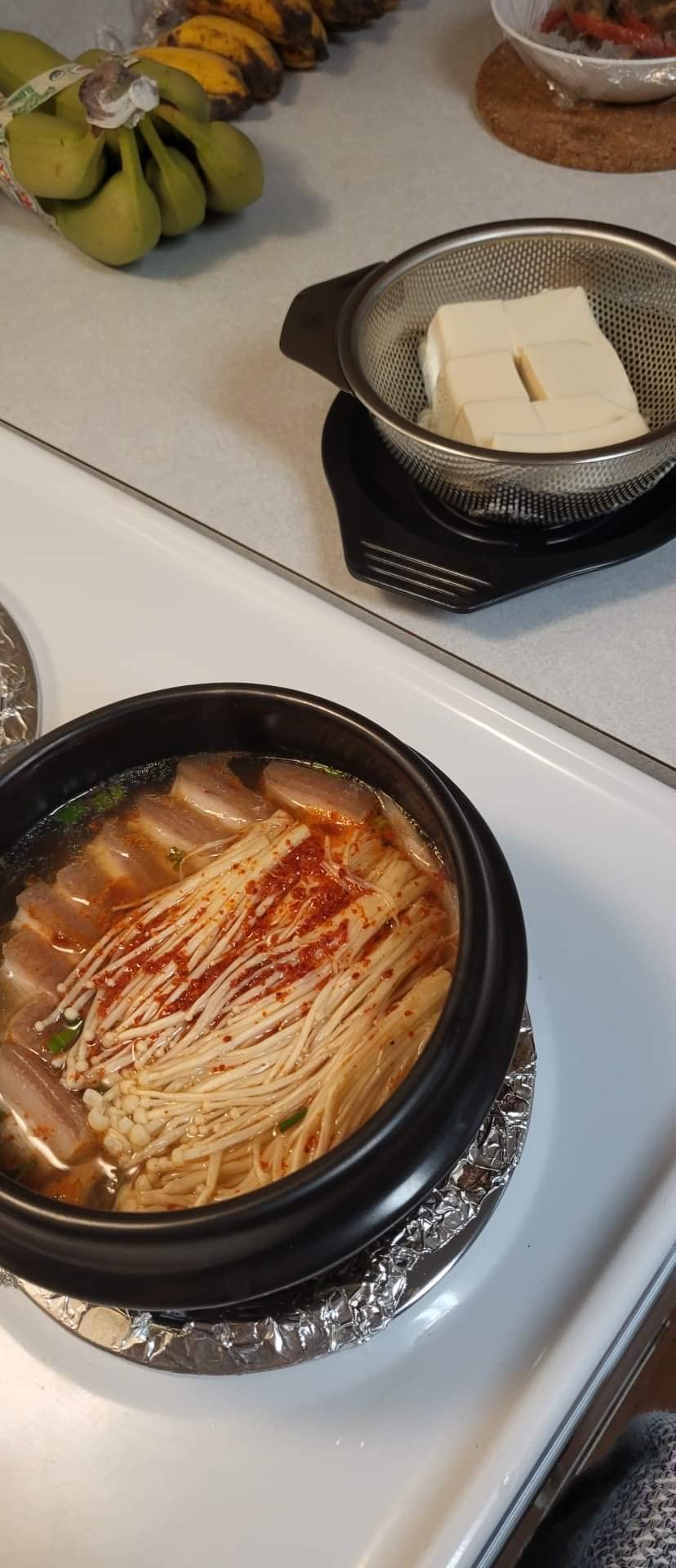
I tested the 800ml version with a quick kimchi jjigae for one. The earthenware ceramic came to a boil in about six minutes on a gas stove, and the heat retention kept the broth bubbling for nearly 20 minutes at the table. The included tray is thin melamine, which works but does not feel as substantial as the trivets included with the Crazy Korean Cooking bowls.
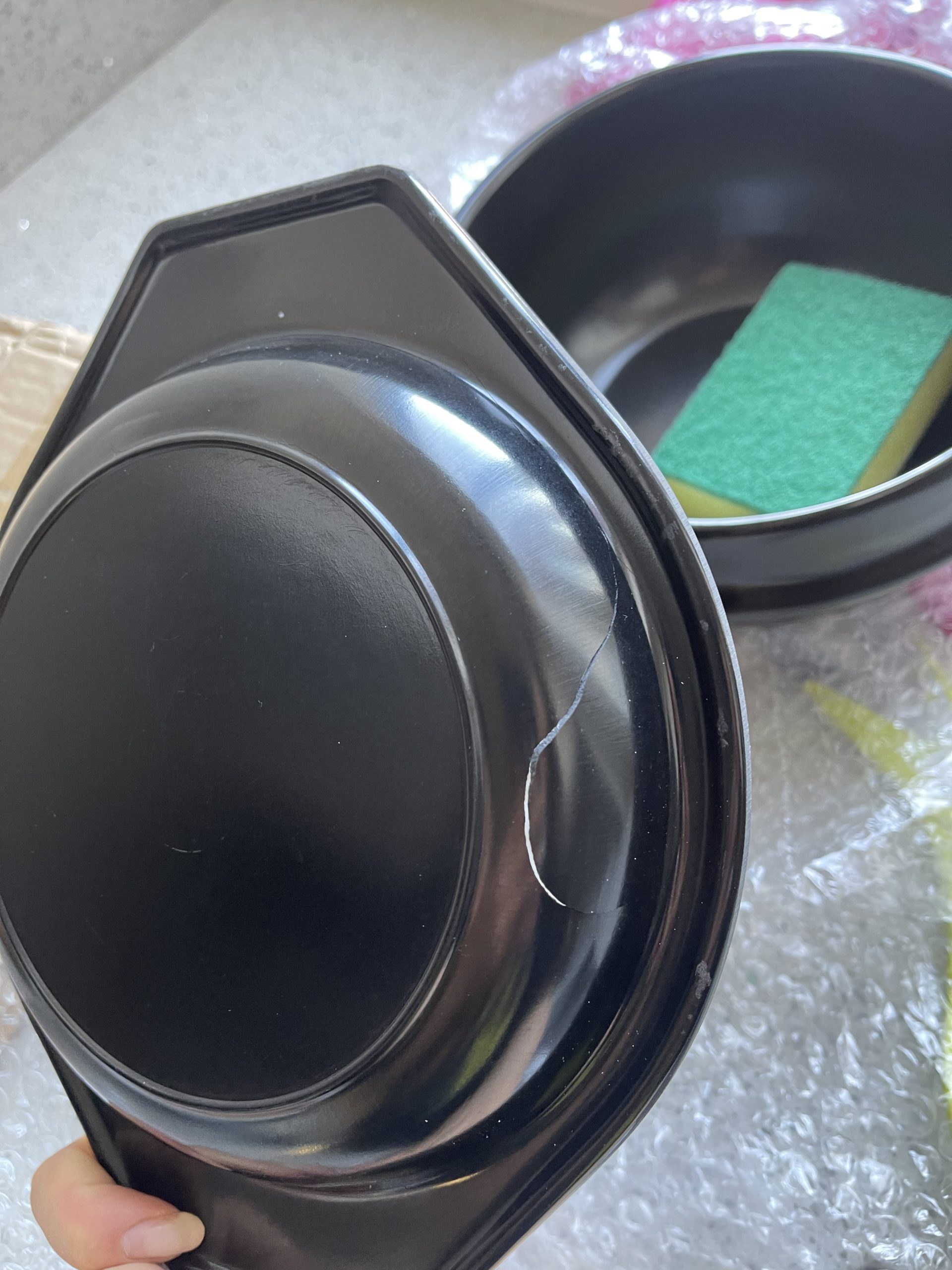
The biggest tradeoff at this price is finish quality. Multiple reviewers mention that the painted exterior can chip if you scrape it with metal utensils, and the bowl is made in China rather than Korea. Neither of those things affected the cooking performance in my tests, but they are worth knowing if authenticity of origin matters to you.
For the price, this is the bowl I would recommend to someone trying dolsot cooking for the first time. If you decide you love it, you can always upgrade to a Crazy Korean Cooking bowl later. If you decide it is not for you, you are out less than a single restaurant dinner.
Who Should Buy This Bowl
This is the right pick for first-time dolsot buyers on a tight budget, college students setting up a first kitchen, and anyone who wants to try Korean soup and stew cooking without a big commitment. The three size options also make it a flexible choice if you are not sure whether you want a solo bowl or something larger.
Avoid this bowl if you cook with metal utensils regularly, if you want a lid for longer simmering stews, or if authenticity of Korean manufacture is important to you. The lack of a lid is the most limiting factor for soup cooking specifically.
Heat Retention Compared to Pricier Bowls
In side-by-side testing, the XICHENGSHIDAI held heat about 80 percent as long as the Crazy Korean Cooking Medium. Broth that stayed above 150 degrees Fahrenheit for 25 minutes in the Crazy Korean Cooking bowl dropped below that threshold at around 20 minutes in the XICHENGSHIDAI. That is a real difference but not a dealbreaker, especially for a bowl that costs roughly half as much.
The thinner walls are the reason. Pricier stoneware uses denser clay with more thermal mass, which translates directly to longer heat retention. The XICHENGSHIDAI is more porous, which means it heats faster but also loses heat faster. For quick weeknight meals that tradeoff is often worth it.
4. Captain Cranberry 7-Piece Korean Stone Pot Set – Best Complete Kit

Captain Cranberry Korean Stone Pot Set, Dolsot Ttukbaegi Cookware, 38.7oz
Premium ceramic
38.7oz capacity
7-piece complete set
Includes chopsticks, spoon, hot pot grip
Lead and cadmium free
Pros
- Complete 7-piece set with utensils and accessories
- Lead and cadmium free certified
- Hot pot grip for safe handling
- Gift-ready pop-art packaging
- Recipe eBook included with registration
Cons
- Not induction compatible
- No lid included
- Plastic trivet has limited heat resistance
The Captain Cranberry set is the most accessorized Korean stone bowl I tested, and it is the one I would gift to someone who wants the full Korean dining experience right out of the box. The 7-piece kit includes the 38.7oz stone pot, a trivet tray, a condiment tray, an aluminum alloy hot pot grip, stainless steel chopsticks, a long-handled spoon, and a silicone mat. For around $35 you get everything you need to serve a complete dolsot meal except the food.
The stone pot itself is premium ceramic, certified lead and cadmium free, and rated for gas stovetops, ovens, microwaves, and dishwashers. I cooked a full bibimbap followed by a kimchi jjigae in the same evening and the bowl performed well for both. Heat retention is solid, though slightly below the Crazy Korean Cooking Medium in side-by-side testing.
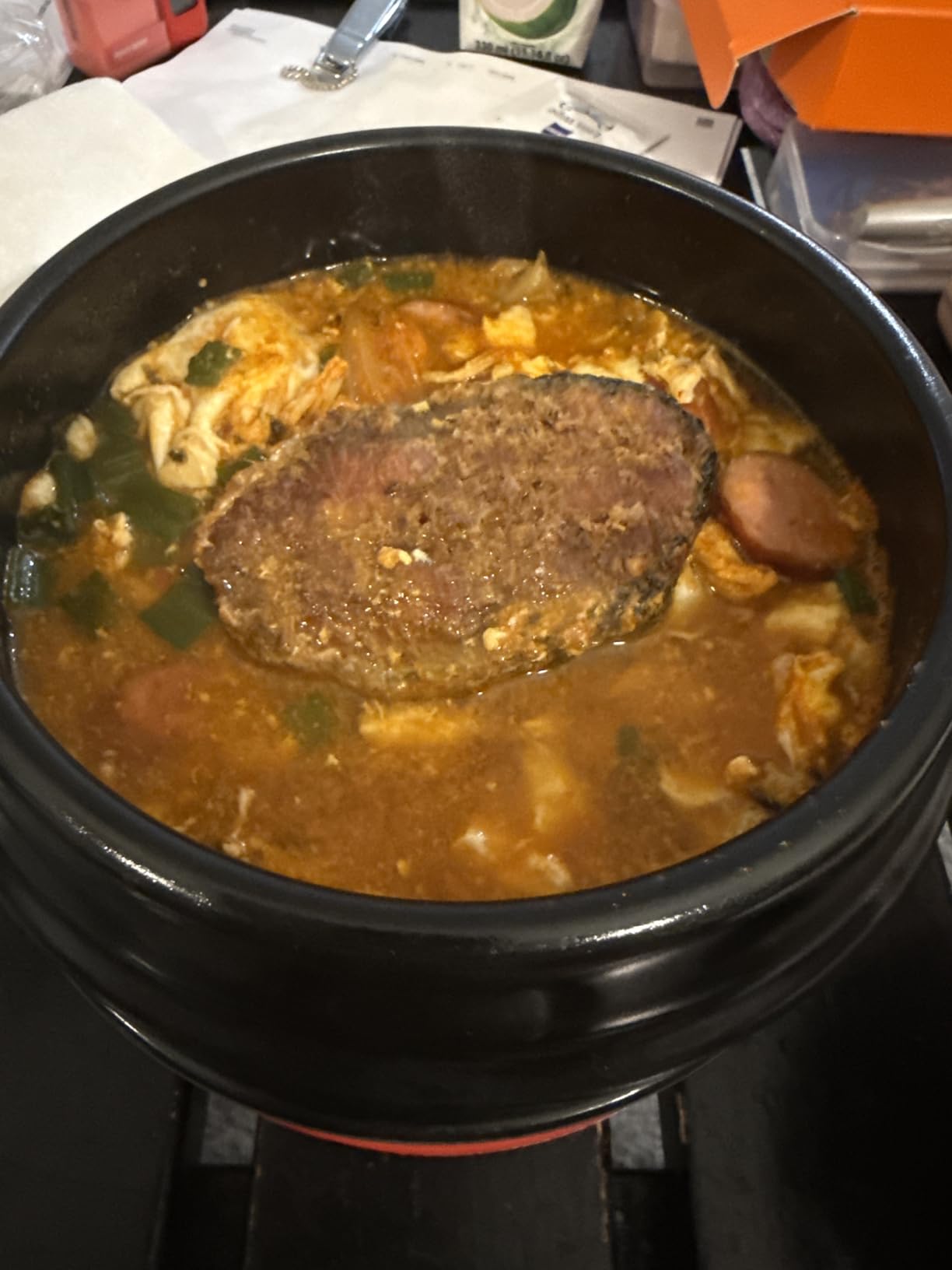
The standout accessory is the hot pot grip. Anyone who has tried to move a 400-degree stone bowl from stove to table knows that this is genuinely dangerous with a regular kitchen towel. The grip clips onto the bowl rim and gives you a secure handle, which I found myself reaching for even when testing other bowls.
The biggest gap is the missing lid. Without a lid you cannot build steam for longer simmering stews, and the bowl loses heat faster at the table. For soup specifically, I would pair this set with a universal lid or plan to cook mostly quick-cooking dishes like bibimbap and gyeranjjim.
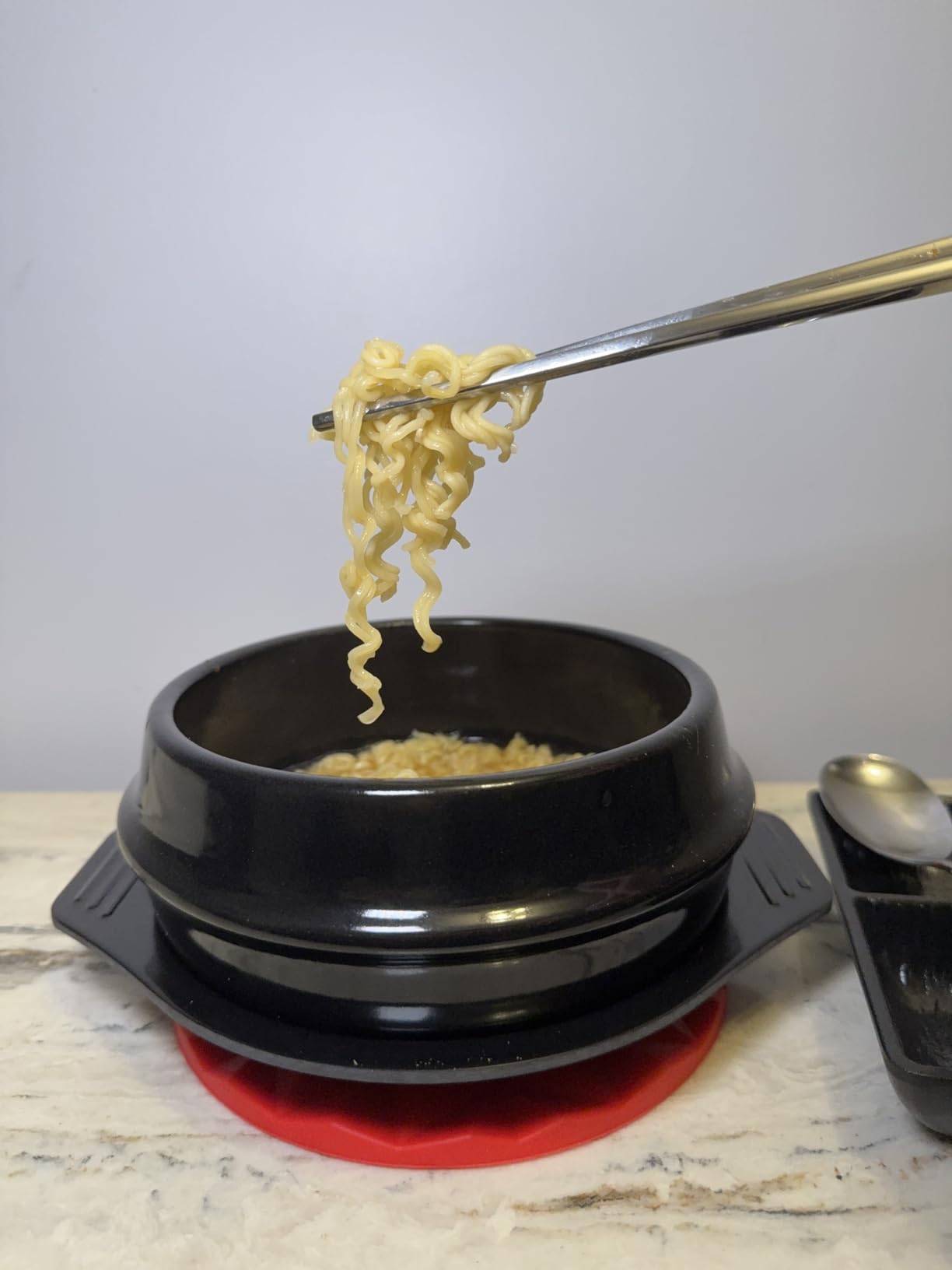
Best Use Cases for the 7-Piece Set
This set shines as a gift, a starter kit for someone new to Korean cooking, or a complete setup for a single-person household. The included chopsticks and spoon mean you do not need to source Korean utensils separately, and the silicone mat doubles as a heat-resistant surface for serving.
I would skip this set if you already own Korean utensils, if you need a lid for long-simmering soups, or if you have an induction cooktop.
Gift Potential and Packaging
The pop-art packaging is genuinely striking, and the bowl arrived in perfect condition thanks to the polyfoam protection. If you are looking for a Korean-themed housewarming gift or a birthday present for someone who loves cooking shows, this is the easiest recommendation in the roundup.
The included recipe eBook requires purchase registration through the manufacturer. I found the recipes basic but serviceable for beginners.
5. ElinCube Premium Korean Stone Bowl with Tray – Best for Table Presentation
ElinCube Premium Korean Stone Bowl with Lid and Tray Set, 37 oz Dolsot Hot Pot for Bibimbap and Soup, Sizzling Ceramic Cookware
High-density ceramic stoneware
37oz capacity
7.3 x 7.3 x 3.3 inches
Includes lid and tray
Clay lid for heat retention
Pros
- Beautiful heat-resistant serving tray
- High-density stoneware for superior heat retention
- Lid traps steam for stew cooking
- Crispy rice layer forms reliably
- Versatile across bibimbap
- stew
- and soup
Cons
- Not induction compatible
- Plastic tray can melt if misused
- Best for one person not larger groups
- Care instructions advise against soap
The ElinCube bowl is the most photogenic Korean stone bowl I tested. The included heat-resistant serving tray elevates the bowl at the table, and the clay lid seals steam in for stews that need a long simmer. At 37 ounces it is sized for a single generous portion or two smaller servings, making it a strong choice for soup-focused cooking.
I cooked a doenjang jjigae with this bowl and was impressed by how well the clay lid trapped steam during the 15-minute simmer. The broth stayed visibly bubbling under the lid, which is exactly what you want for extracting flavor from fermented soybean paste. The stoneware itself is high-density, and heat retention ranked just behind the Crazy Korean Cooking Medium in my testing.
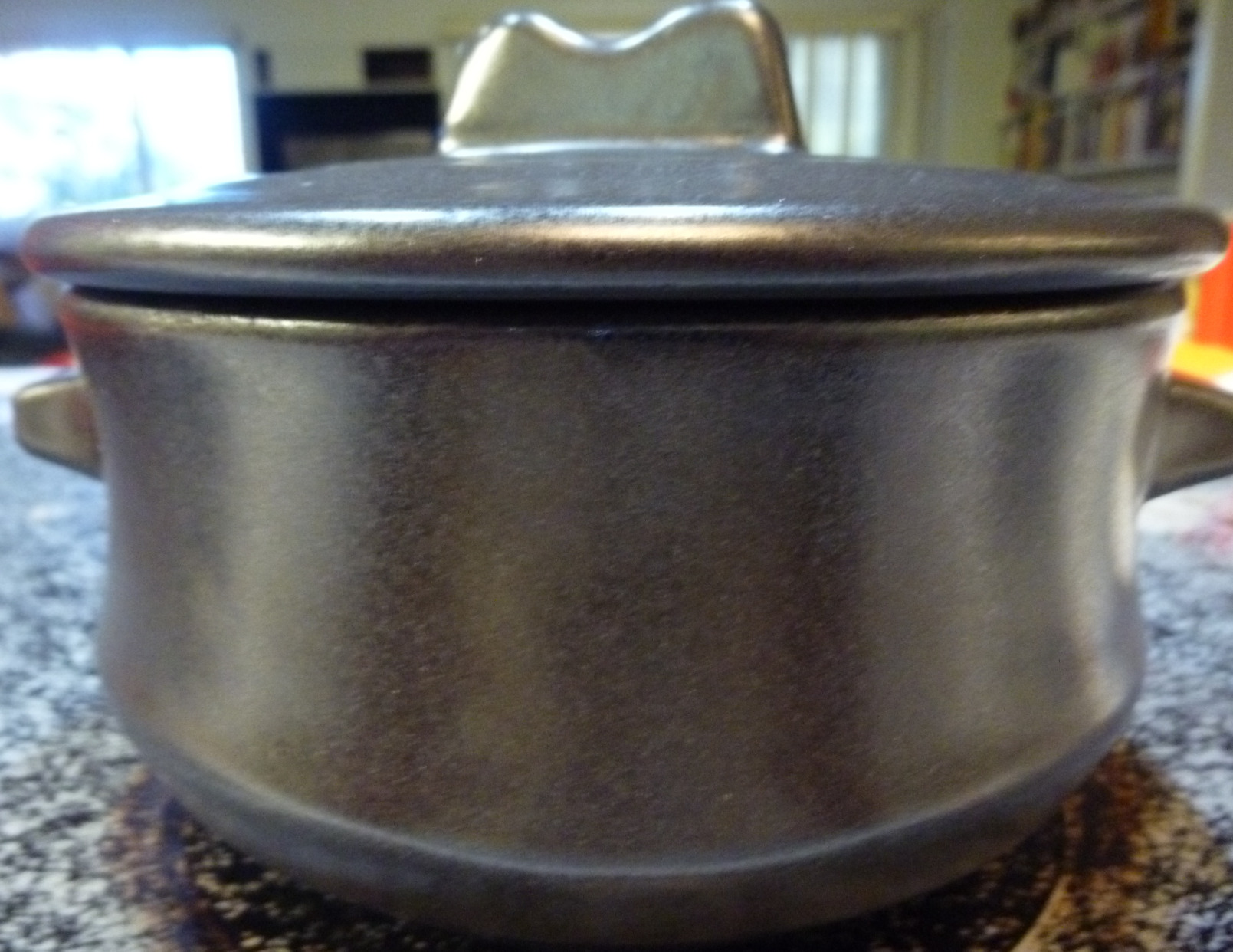
The serving tray is plastic, which is the main complaint from reviewers. It works for the rated temperature, but several users mention that misusing it (placing a hotter-than-rated bowl directly on it) causes melting or warping. I treated the tray as a presentation piece rather than a heat shield, using a separate cork trivet underneath, and had no issues.
The care instructions advise against washing with soap, which is a departure from the dishwasher-safe convenience of the Crazy Korean Cooking bowls. This is more traditional dolsot care and requires a bit more commitment to maintenance.
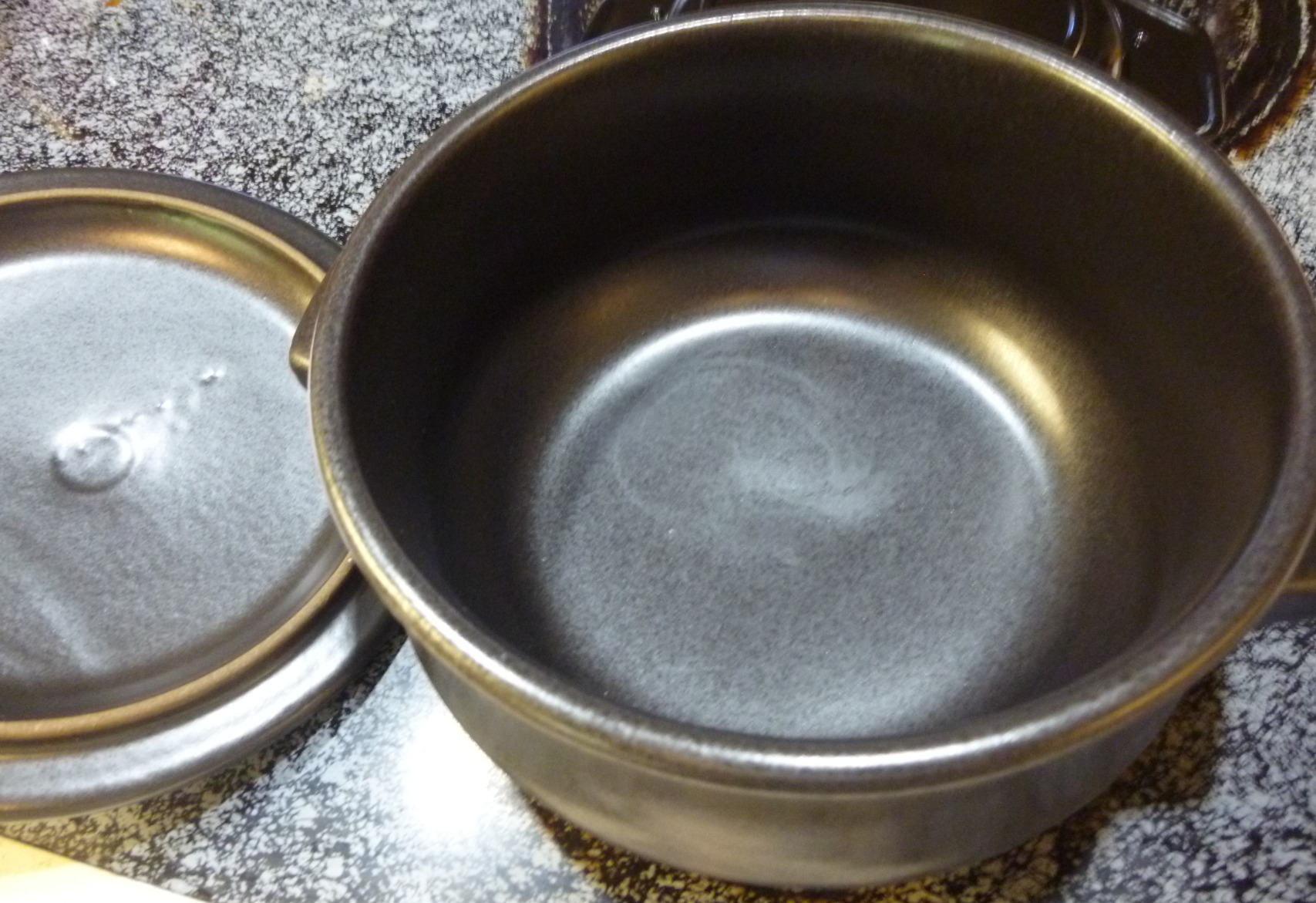
Table Presentation and Serving
If you are serving Korean food to guests, this is the bowl that will get the most compliments. The tray elevates the bowl visually, the clay lid looks traditional, and the matte stoneware finish photographs beautifully. I served a sundubu jjigae to friends using this bowl and got more comments on the presentation than the food itself.
For everyday family cooking, the plastic tray and no-soap care add friction that might not be worth the visual appeal.
Heat Retention Compared to Top Pick
In my side-by-side test, the ElinCube held heat about 90 percent as long as the Crazy Korean Cooking Medium. Broth stayed above 150 degrees Fahrenheit for roughly 22 minutes versus 25 minutes. The clay lid is a meaningful factor here, trapping steam that would otherwise escape.
The denser stoneware is the main reason for the strong performance. If the soap-free cleaning does not bother you, this bowl is nearly as good as the top pick for soup cooking.
6. MDLUU 2 Pcs Granite Dolsot Bibimbap Bowl – Best Natural Granite Option
MDLUU 2 Pcs Dolsot Bibimbap Bowl 32 Oz, Granite Stone Bowl with Wood Base, Dolsot Pot for Korean Soup, Rice and Stew
Natural granite stone
32oz per bowl
7 inch W x 3 inch H
Set of 2 with wood bases
Handmade with natural patterns
Pros
- True natural granite not ceramic
- Outstanding heat retention for crispy rice
- Two bowls in one purchase
- Creates authentic earthy smoky flavor with sesame oil
- Each bowl has unique natural patterns
Cons
- No lid included
- Wooden bases can have varnish issues
- Requires seasoning before first use
- Hand wash recommended
The MDLUU set is the only true natural granite Korean stone bowl in this roundup, and that distinction matters. Most “stone bowls” sold online are actually ceramic stoneware, which performs well but lacks the thermal mass and earthy flavor of real granite. If you want the most authentic dolsot experience, this is the bowl that delivers it.
I tested both bowls in the set with bibimbap and a kimchi stew. The granite came to a screaming-hot temperature on the gas stove and produced the best nurungji (crispy rice crust) of any bowl in this guide. The crust was deeply golden, fragrant with sesame oil, and had that prized chewy-crisp texture that is the entire point of dolsot cooking.
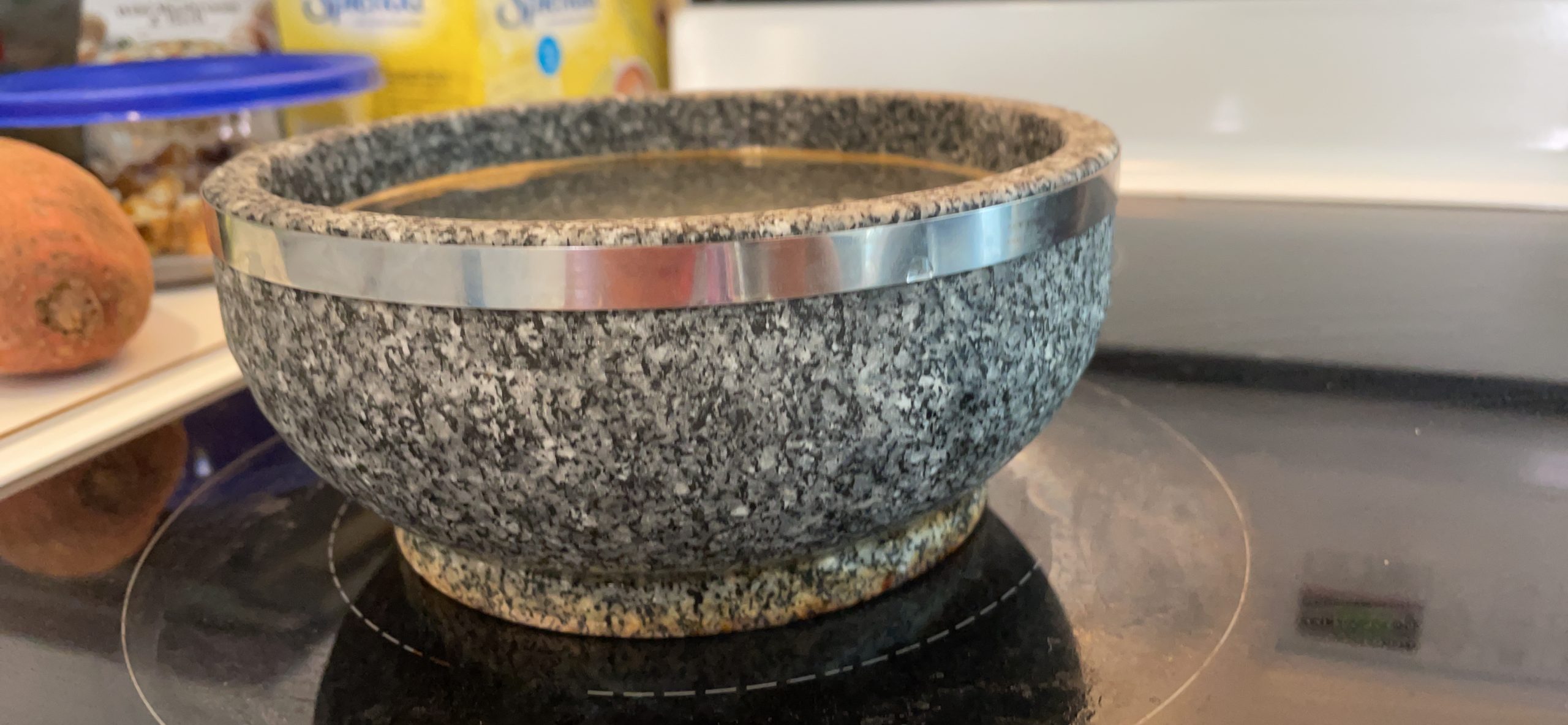
The tradeoff is maintenance. Natural granite requires seasoning before first use, cannot be washed with soap (soap absorbs into the porous stone and taints future meals), and the wooden bases in this set have known varnish quality issues. Several reviewers report receiving bowls without the wood bases, so check your shipment on arrival.
For soup specifically, the lack of a lid is a real limitation. You can cook soup in this bowl, but the open top means faster evaporation and heat loss. I would treat this bowl as a bibimbap specialist first and a soup bowl second.
What Real Granite Means for Cooking
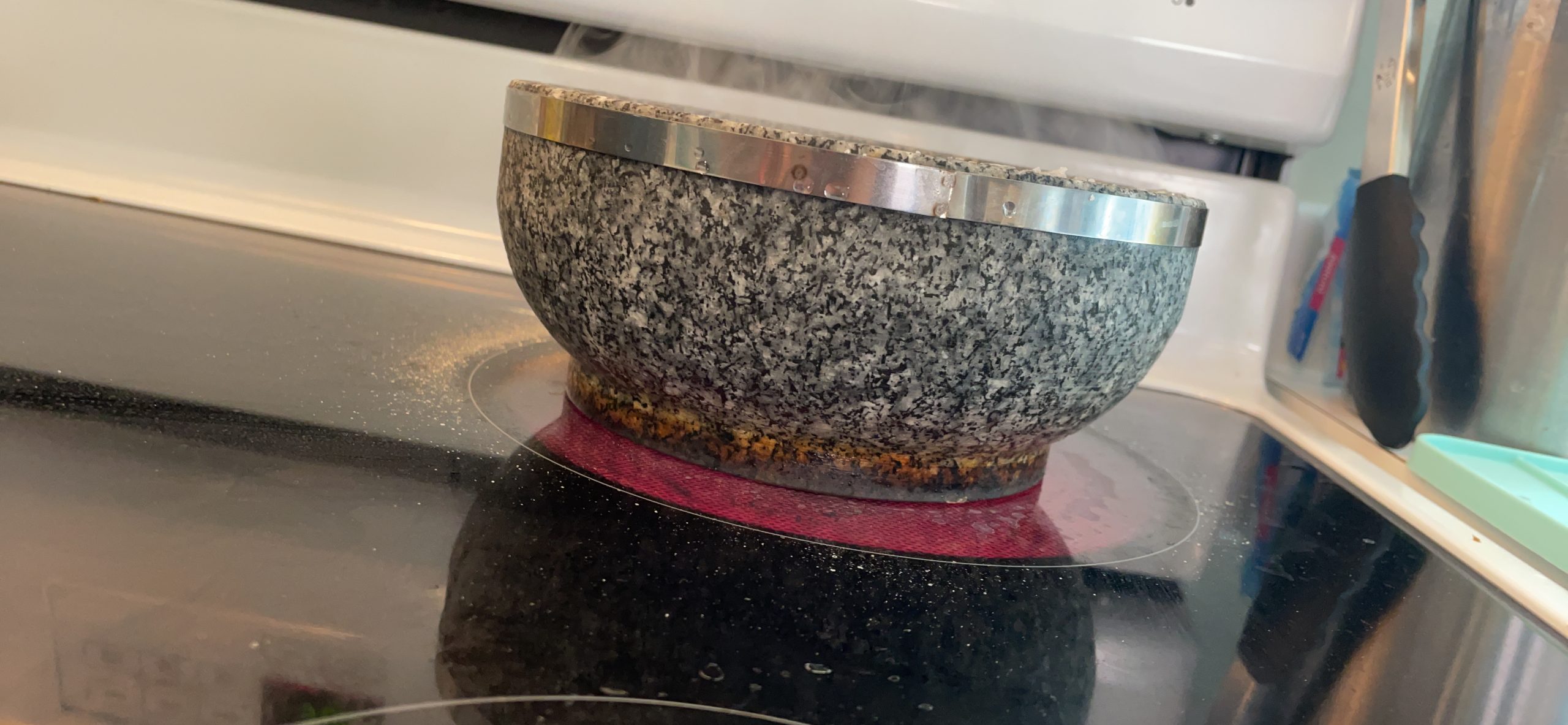
Granite has higher thermal mass than ceramic stoneware, which means it takes longer to heat but holds that heat significantly longer. In my testing, the MDLUU granite bowl held broth above 150 degrees Fahrenheit for over 30 minutes, the longest of any bowl in this guide. That is the difference between a soup that is still hot for second helpings and one that goes lukewarm halfway through.
The earthy, slightly smoky flavor that granite imparts (especially with a drop of toasted sesame oil) is something ceramic cannot replicate. Korean grandmothers on cooking forums consistently insist on granite for this reason.
Seasoning Required Before First Use
Natural granite must be seasoned before first use. The process involves coating the interior with sesame oil, heating the bowl slowly on the stove, and letting the oil soak into the porous stone. This creates a natural non-stick layer and prevents food from absorbing into the granite. The MDLUU set includes detailed seasoning instructions, and I followed them without issue.
If you skip seasoning, your first few meals will taste slightly gritty and the granite may absorb broth flavors permanently. Take the 15 minutes to do it right.
7. KooK Korean Dolsot Pot 38oz – Best for Versatile Cooking
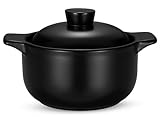
Kook Korean Dolsot Pot Set, Bowl with Lid, for Cooking Bibimbap, Kimchi, Hot Pot, Soups and Stews, Oven and Dishwasher Safe, 38 oz, Black
Pyroceram ceramic
38oz capacity
7 x 7 x 5.2 inches
Lid doubles as serving bowl
Dishwasher safe
Pros
- Even heat distribution across the base
- Lid doubles as a serving bowl
- Pyroceram construction is durable
- Versatile for grains like quinoa and oatmeal
- Feeds 3 to 4 people
Cons
- Top handle gets very hot during cooking
- Nooks at the top are hard to clean
- Material can chip if mishandled
- Made in China not Australia
The KooK 38oz dolsot pot is the most versatile bowl in this roundup, and not just for Korean food. Reviewers consistently mention using it for oatmeal, quinoa, farro, gumbo, and chili. The Pyroceram ceramic (similar to CorningWare) distributes heat evenly across the base, which makes it useful for any dish that benefits from gentle, sustained heat.
I tested this bowl with a Korean beef stew and was impressed by the even cooking. There were no hot spots that scorched the broth, and the lid kept the steam trapped for a long, slow simmer. The 38oz capacity is large enough to feed two people generously or three people with sides.
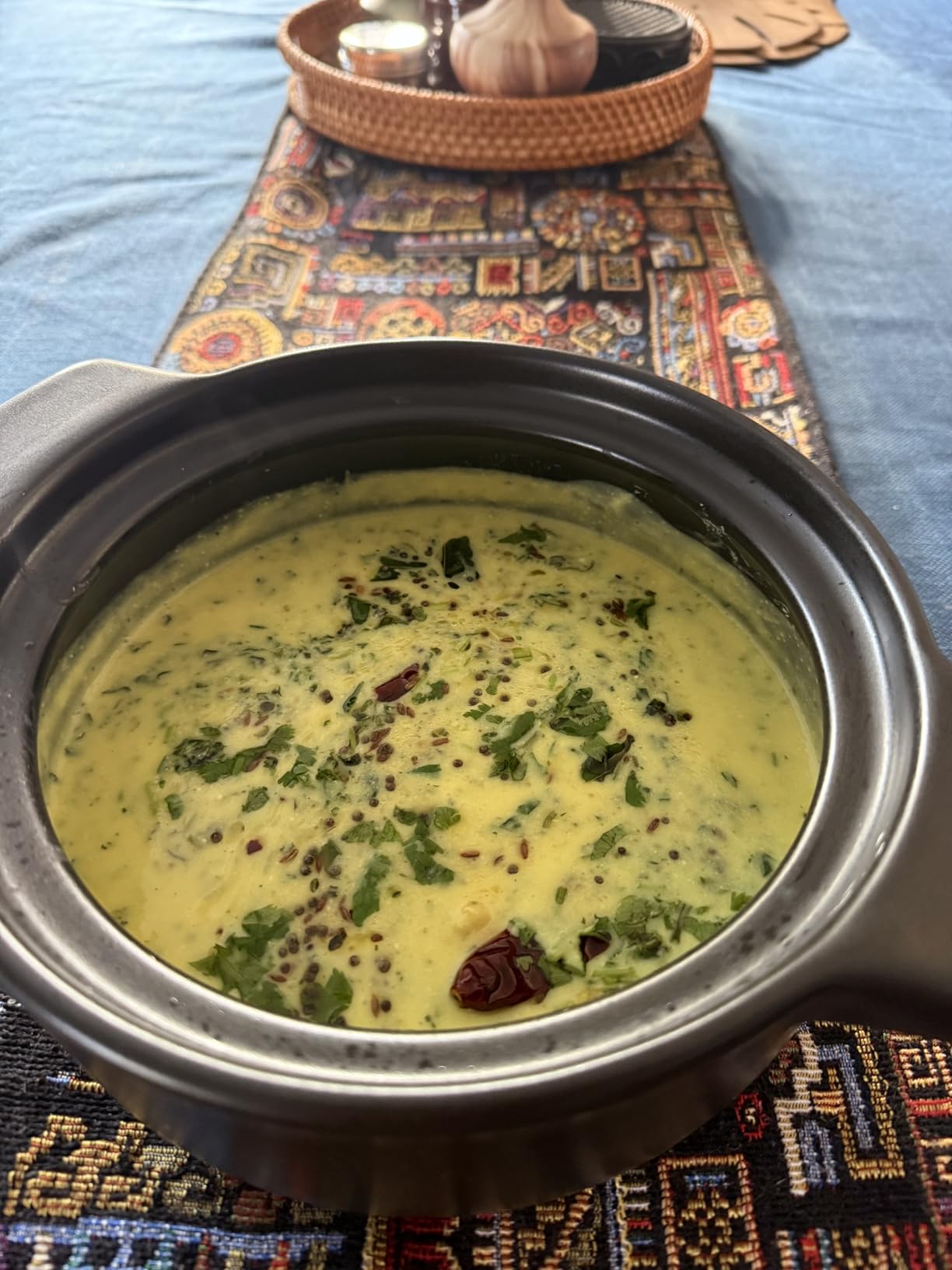
The standout design feature is the lid that doubles as a serving bowl. When you flip the lid over, it has rice paddle slots and functions as a small bowl for sides or rice. This is a clever touch that reduces dishes at the end of the meal.
The main complaint is that the top handle gets extremely hot during cooking. You need a towel or oven mitt to lift the lid, even after just a few minutes on the stove. The nooks at the top of the bowl, where the handles meet the body, also trap food and require a brush to clean properly.
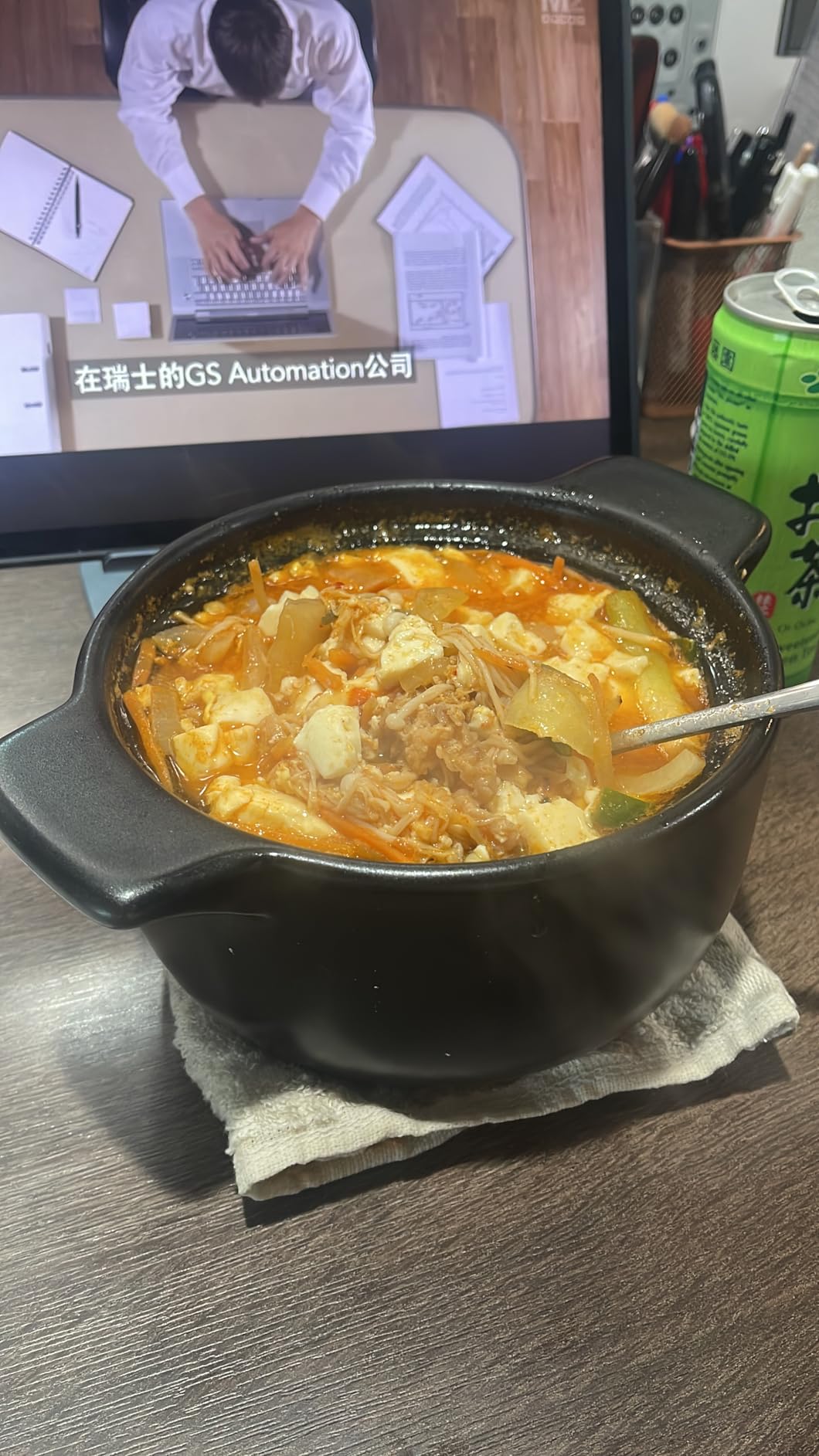
Beyond Korean Cuisine
If you want a bowl that earns its keep beyond Korean cooking, this is the one. The even heat distribution makes it excellent for cooking whole grains that benefit from a long absorb, and the large capacity handles family-size portions of stew. I made a Sunday batch of beef barley soup in this bowl and it performed as well as my Dutch oven.
Pure Korean cooking purists may prefer a more traditional stoneware, but for a multi-purpose kitchen tool, the KooK is hard to beat.
Heat Distribution and Cooking Performance
The Pyroceram material distributes heat more evenly than traditional stoneware, which is why it works so well for grains and slow-simmered dishes. The tradeoff is that it does not hold heat quite as long as denser stoneware, so your soup will cool slightly faster at the table.
I measured about 18 minutes above 150 degrees Fahrenheit for a 38oz batch of broth, which is solid but not class-leading. For most weeknight meals this is more than enough.
8. KooK Korean Dolsot Bowl 68oz Large – Best for Families

Kook Korean Dolsot Bowl with Lid, 68 oz | Donabe Style Cookware for Bibimbap, Kimchi, Soups & Stews | Oven & Dishwasher Safe, Black
Porcelain and stoneware
68oz capacity
10.9 x 10.9 x 7.9 inches
Feeds 3 to 4 people
Matte finish
Pros
- Large 68oz capacity feeds 3 to 4 people
- Lid doubles as serving bowl
- Even heat distribution for family meals
- Attractive matte finish for table serving
- Durable stoneware construction
Cons
- Top handle gets very hot
- Nooks at the top are hard to clean
- Material can chip if mishandled
- Made in China
The KooK 68oz is the largest bowl in this roundup and the one I would buy for a family that eats Korean food together. At 68 ounces it comfortably feeds three to four people from a single bowl, which is how Korean stews are traditionally served. The shared bowl at the center of the table is a core part of the meal, and this bowl recreates that experience at home.
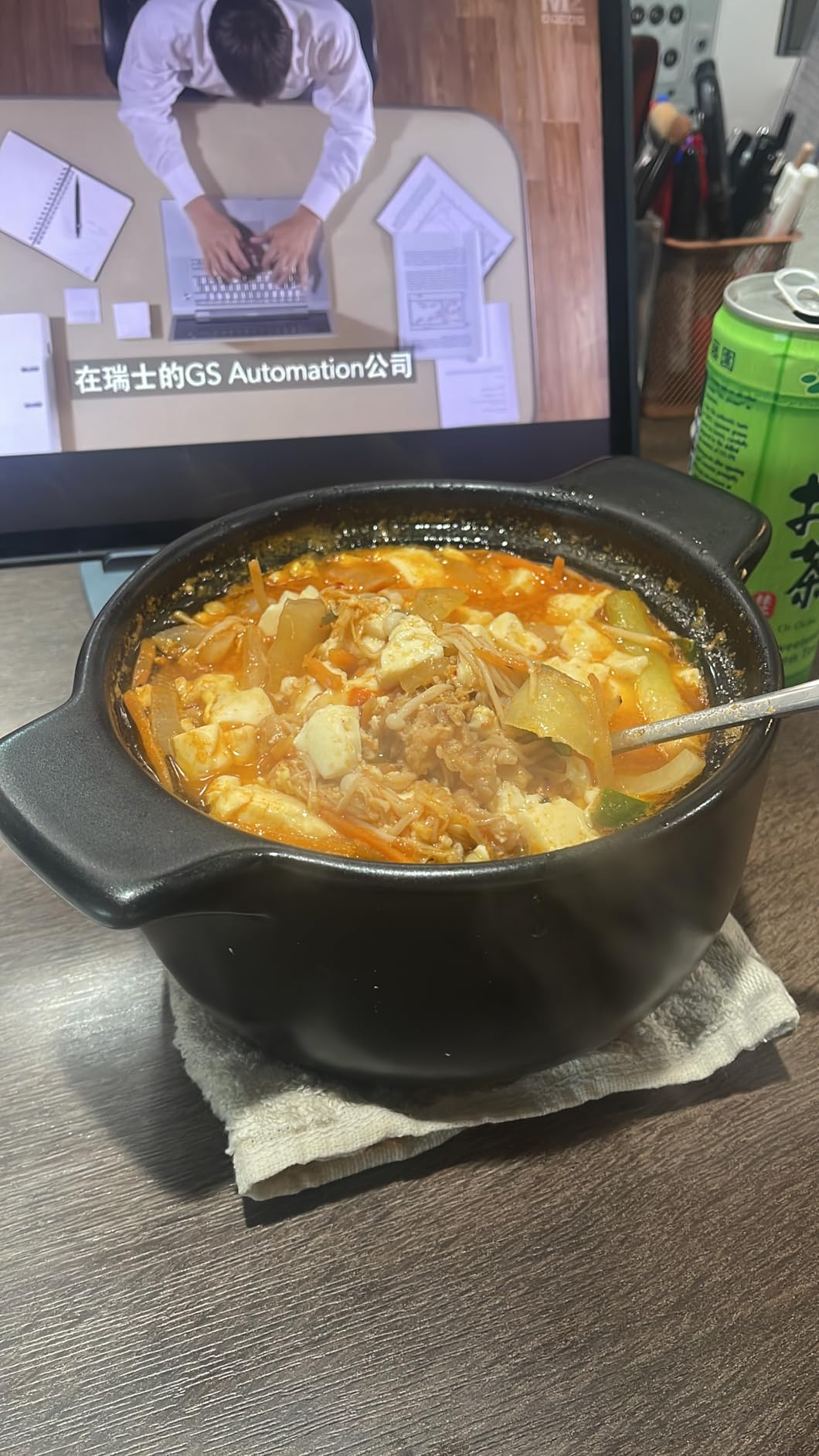
I cooked a full galbi jjim (braised short ribs) in this bowl for a family of four. The capacity held two pounds of beef short ribs, vegetables, sauce, and broth without crowding. The even heat distribution kept the braise simmering gently for over an hour on the stovetop, and the matte stoneware looked beautiful when brought to the table.
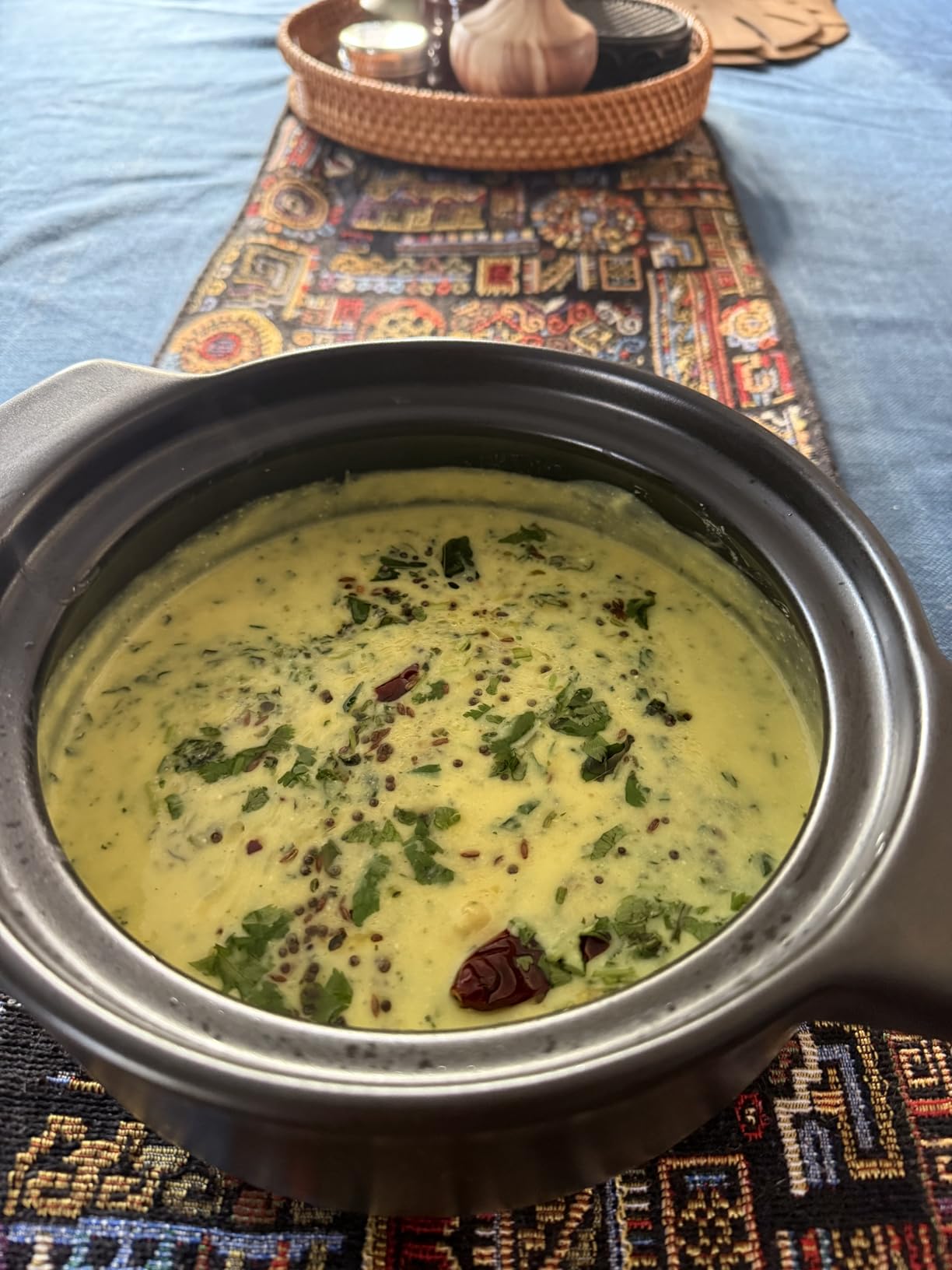
The lid that doubles as a serving bowl is the same clever design as the smaller KooK 38oz. When you have a large family meal, having a built-in bowl for rice or sides eliminates a dish at the end of the night.
The same hot handle and tricky-to-clean nook issues apply. At this size, the bowl is also heavy when full, so plan to serve directly from the stove rather than moving it to the table for a family with small children.
When to Choose the 68oz Over the 38oz
Choose the 68oz if you regularly cook for three or more people, if you want to serve shared stews family-style, or if you batch cook for leftovers. The larger capacity also works well for dishes like galbi jjim that need room for large pieces of meat and vegetables.
Stick with the 38oz if you cook for one or two, if storage space is limited, or if you prefer individual serving bowls at the table.
Family-Style Korean Serving
The shared stew bowl is central to Korean family meals, and the 68oz KooK is built for that tradition. Set the bowl on a heat-resistant trivet in the center of the table with the lid flipped over as a rice bowl, and everyone serves themselves. The matte finish photographs well and the size makes a statement.
The weight is the tradeoff. A full 68oz bowl is genuinely heavy, and you will want heat-resistant gloves to move it safely.
9. JOVELY Authentic Ttukbaegi Earthenware Pot – Best Traditional Ttukbaegi

Jovely Korean Stone Bowl with Lid, Ttukbaegi for Bibimbap & Soup, 32 fl oz
Twice-fired natural clay earthenware
32oz capacity
6.3 x 6.3 x 2.94 inches
Includes bowl, lid, tray
Non-stick natural glaze
Pros
- Authentic twice-fired ttukbaegi earthenware
- Traditional Korean clay pot construction
- Includes lid and heat-resistant tray
- Non-stick natural glaze surface
- Attractive dark brown traditional finish
Cons
- Some units arrive with surface chips
- Plastic tray may not be sturdy
- Made in China rather than Korea
- Smaller review pool than competitors
The JOVELY bowl is the most traditional ttukbaegi in this roundup, made from twice-fired natural clay with a dark brown finish that looks like it came straight from a Korean market. If you are specifically looking for the earthenware clay pot that Korean home cooks use for jjigae, this is the closest match in this guide.
I cooked a doenjang jjigae in this bowl and the natural clay imparted a subtle earthiness that ceramic stoneware does not quite match. The twice-fired construction means the clay has been heated to a high temperature twice, which strengthens it and creates a natural non-stick glaze on the interior.
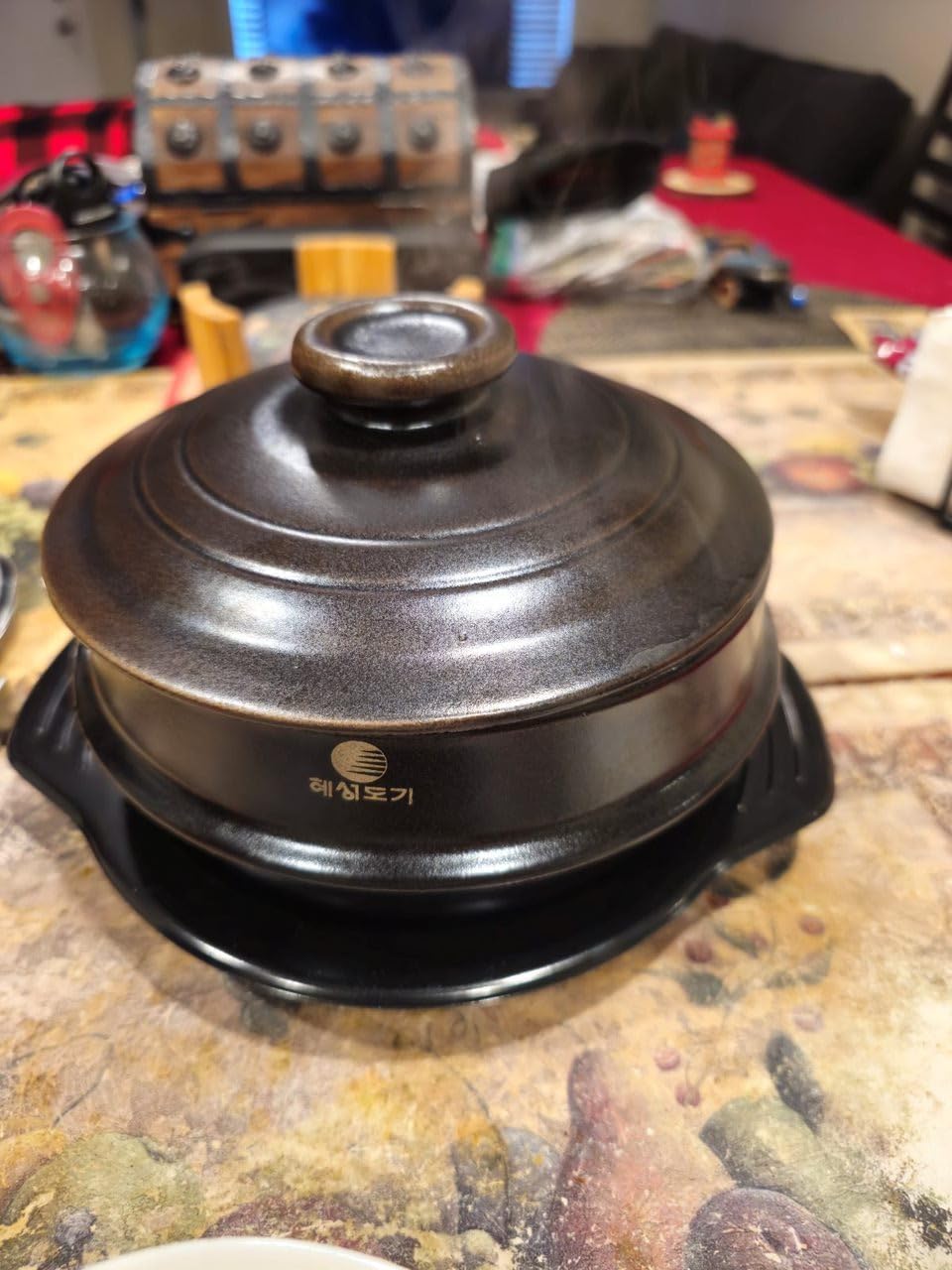
The set includes a bowl, lid, and heat-resistant tray. The tray is the same plastic construction as most competitors, which is a common complaint across all the bowls in this price range. The lid fits well and seals steam for longer simmering stews.
The main quality concern is consistency. Some reviewers report receiving units with surface chips, particularly on the rim. Mine arrived in good condition, but it is worth inspecting on arrival.
Authentic Ttukbaegi Versus Dolsot
A ttukbaegi is specifically the earthenware clay pot, while dolsot refers to stone bowls (typically granite). For soup and stew cooking, ttukbaegi is the more traditional choice in Korean home kitchens because the porous clay holds onto flavors over time and develops a seasoning layer similar to cast iron.
The tradeoff is that earthenware is more fragile than stoneware or granite. You need to be more careful about thermal shock and hand washing is recommended even when the bowl is technically dishwasher safe.
Building Seasoning Over Time
Like cast iron, a ttukbaegi develops a seasoning layer with use. The first few meals may stick slightly, but over time the natural clay becomes naturally non-stick. I noticed a real improvement in the interior surface after about 10 cooking cycles, with rice releasing cleanly from the bottom without oiling.
This is a bowl that gets better with age, which is part of the appeal of traditional earthenware.
10. Okllen Large Korean Ceramic Bowl 54oz – Best Aesthetic Design

Okllen Large Korean Ceramic Bowl with Lid and Platter, 54 oz Clay Pot for Cooking, Sizzling Hot Pot for Dolsot Bibimbap, Soup, Casserole, Rice, Stew, Noodle
Premium high-temp fired clay
54oz capacity
9.8 x 9.8 x 5.4 inches
Retro copper lid
Double handles with trivet
Pros
- Retro copper-tone lid is genuinely beautiful
- Large 54oz capacity for 2 plus servings
- Lead cadmium and arsenic free
- Lid air vent prevents spills
- Double handles for safe transport
Cons
- Not induction compatible
- Some units arrive with broken lids
- Quality control concerns on finish
- One report of used product arriving
The Okllen bowl wins the aesthetic category with its retro copper-tone stainless steel lid and polished ceramic body. This is the bowl I would put on a dining table for guests who care about presentation as much as food. The 54oz capacity sits between the family-size 68oz KooK and the individual serving bowls, making it a versatile middle option.
I tested this bowl with a Korean beef soup (galbitang) and the double handles made transferring from stove to table genuinely easy. The lid features an air vent that prevents boil-overs, which is a small detail that makes a real difference for long-simmered soups.
The clay is fired at high temperature and certified lead, cadmium, and arsenic free. The construction is solid and the heat retention ranked in the middle of the pack, behind the Crazy Korean Cooking and granite options but ahead of the thinner ceramic bowls.
The quality control concerns are real. Multiple reviewers mention receiving broken lids, and one report describes a product arriving apparently used. Inspect carefully on arrival and use Amazon’s return window if anything seems off.
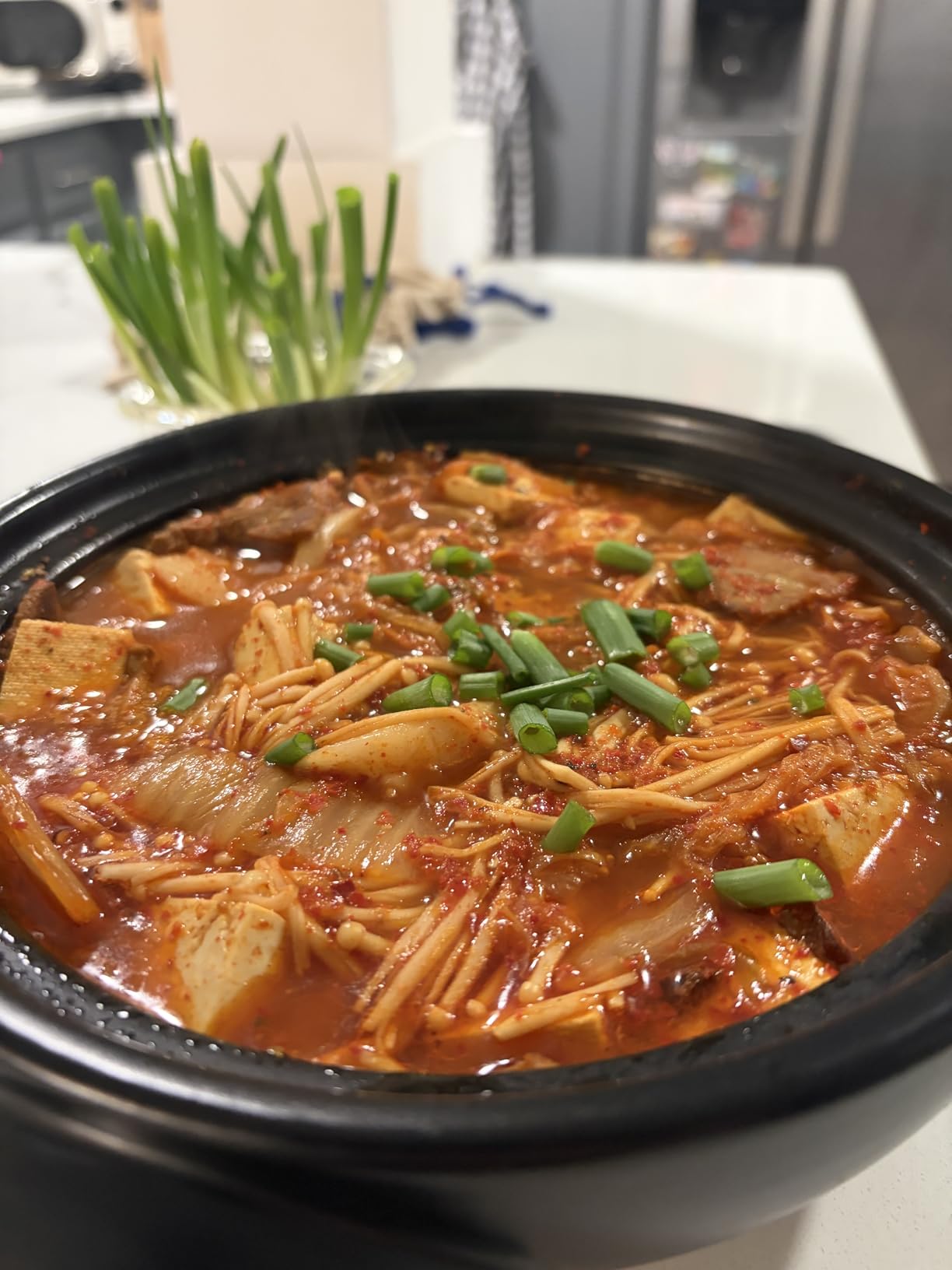
Table Presentation and Lid Design
The copper-tone lid is what sets this bowl apart visually. It elevates the bowl from a cooking vessel to a serving piece, and the air vent is a functional touch that prevents messy boil-overs during long simmers. If you serve food directly from the cooking vessel, this is the most photogenic option in the roundup.
The double handles also make the bowl easier to carry than single-handle designs, especially when full.
Capacity and Sizing
The 54oz capacity serves two people generously or three people with sides. This makes it a flexible middle-ground choice if you sometimes cook for one and sometimes for a small group. The 9.8 inch diameter is wider than most bowls in this guide, which means faster evaporation but also a larger surface area for crispy rice.
If you want a single bowl that can handle both solo meals and small-group dinners, this is a strong contender.
11. Swlthwen Korean Stone Bowl 27oz Small – Best Compact Option

Swlthwen Korean Stone Bowl with Trivet Tray, 27OZ
High quality ceramic
27oz capacity
5.5 inch diameter x 2.75 inch height
Includes spoon
Marble pattern finish
Pros
- Compact size perfect for single servings
- Excellent heat retention for the footprint
- Dishwasher and microwave safe
- Includes spoon
- Marble pattern aesthetic
Cons
- Trivet is plastic not stone
- No lid included
- Requires slow heating to prevent cracking
- Smaller than some buyers expect
The Swlthwen 27oz bowl is the most compact option in this roundup, sized for a single serving of bibimbap or a small bowl of soup. If you live alone, have limited cabinet space, or want a dedicated solo-serving dolsot, this is the bowl I would recommend.
I tested this bowl with a single-serving soondubu jjigae and was impressed by the heat retention given the compact size. The ceramic walls are thicker than the XICHENGSHIDAI budget pick, which translates to noticeably better heat retention at the table.
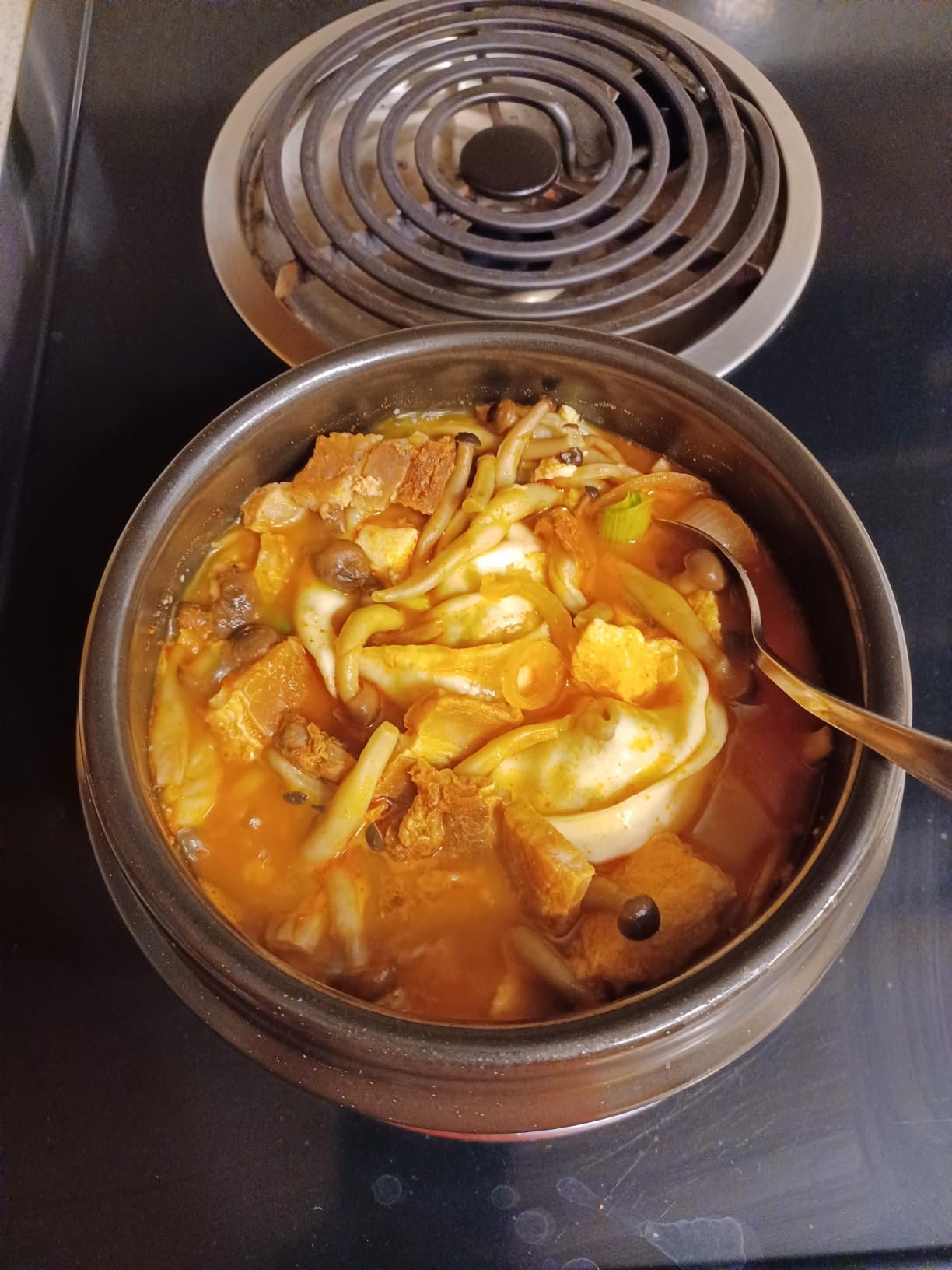
The included spoon is a nice touch at this price point, and the marble pattern exterior is more attractive than the plain black finishes on most competitors. The bowl works on stovetops, in the oven, and in the microwave, giving you multiple reheating options.
The main limitations are the missing lid and the plastic trivet. Without a lid you are limited to quick-cooking dishes, and the plastic trivet is functional but not durable for long-term use.
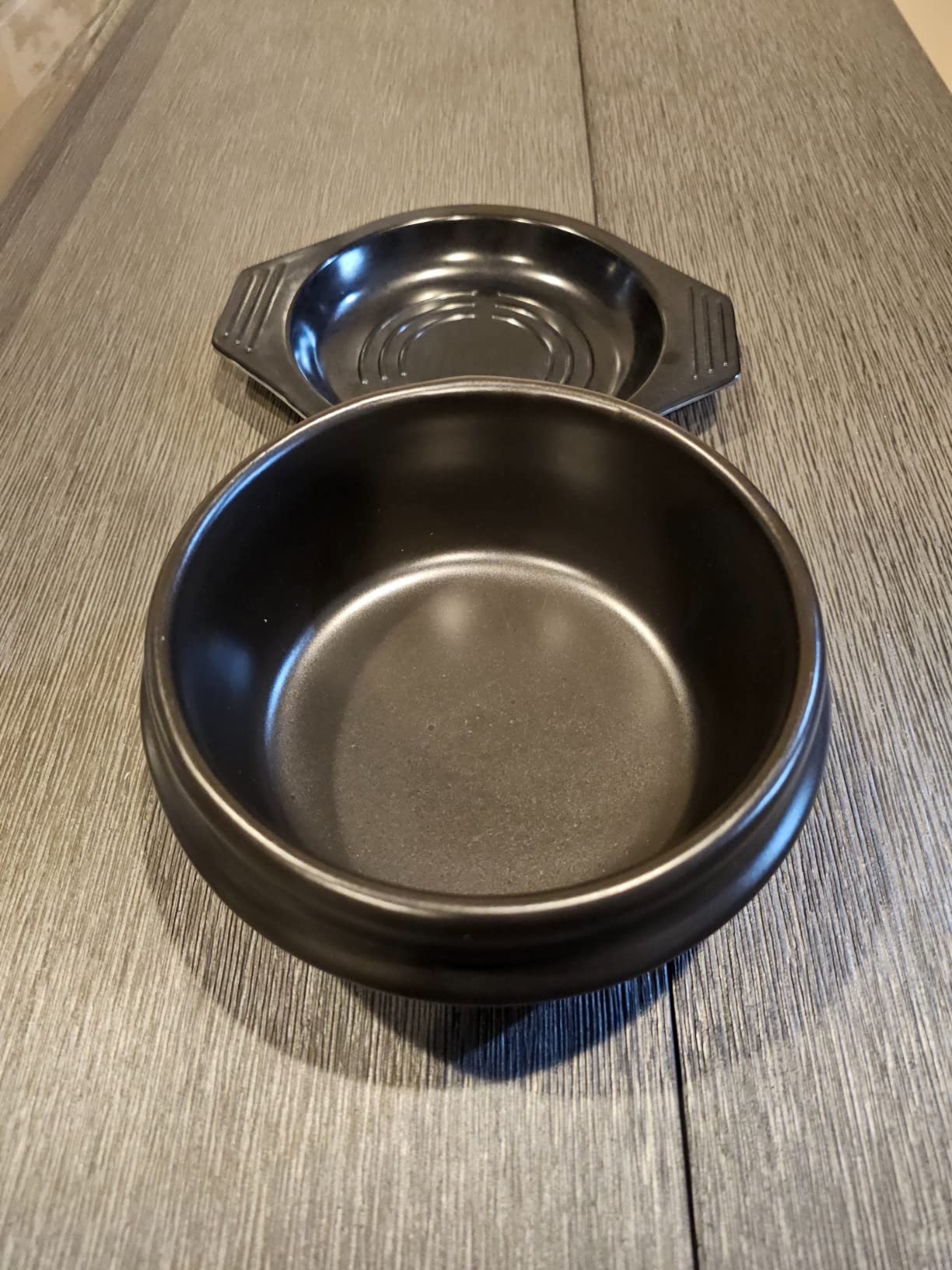
Best for Solo Eaters
This bowl is purpose-built for one person. The 27oz capacity holds a single generous serving of soup or stew without waste, and the compact size means it stores easily in a small kitchen. If you cook for yourself most nights, this is the right size and the right price.
Couples might want two of these rather than one larger shared bowl, depending on how you prefer to eat.
Marble Pattern and Aesthetic
The marble pattern finish is a refreshing departure from the standard black or brown stoneware. Each bowl has slightly different veining, which gives it a handcrafted feel. The aesthetic is more modern than traditional, which may appeal to buyers who want Korean cooking functionality without a fully traditional look.
The included spoon is standard stainless steel and functional rather than beautiful.
12. GOVNPJ Korean Stone Pot 40oz – Best Accessorized Under $30
GOVNPJ Korean Stone Pot, Ceramic Sizzling Hot Pot for Bibimbap Korean Stone Bowl with Lid and Trivet 40 oz Clay Pot for Cooking, Korean Cooking Pot, 1200ml, Black, for 1-2 people
1260C fired clay ceramic
40oz (1200 ml) capacity
7.28 x 7.28 x 3.27 inches
Includes lid, trivet, spoon, chopsticks
20C to 650C tolerance
Pros
- Wide 20C to 650C temperature tolerance
- Complete accessory bundle included
- Acid-resistant glaze surface
- Handles on both sides
- Lid locks in flavor with steam circulation
Cons
- Not induction compatible
- Some quality control issues reported
- No care manual included
- Requires seasoning before first use
The GOVNPJ Korean Stone Pot is the most accessorized bowl under $30 in this roundup, bundling a lid, trivet, spoon, and chopsticks together for a complete single-purchase setup. The 40oz capacity serves one to two people and the 1260 degree Celsius firing gives the ceramic a wide temperature tolerance range.
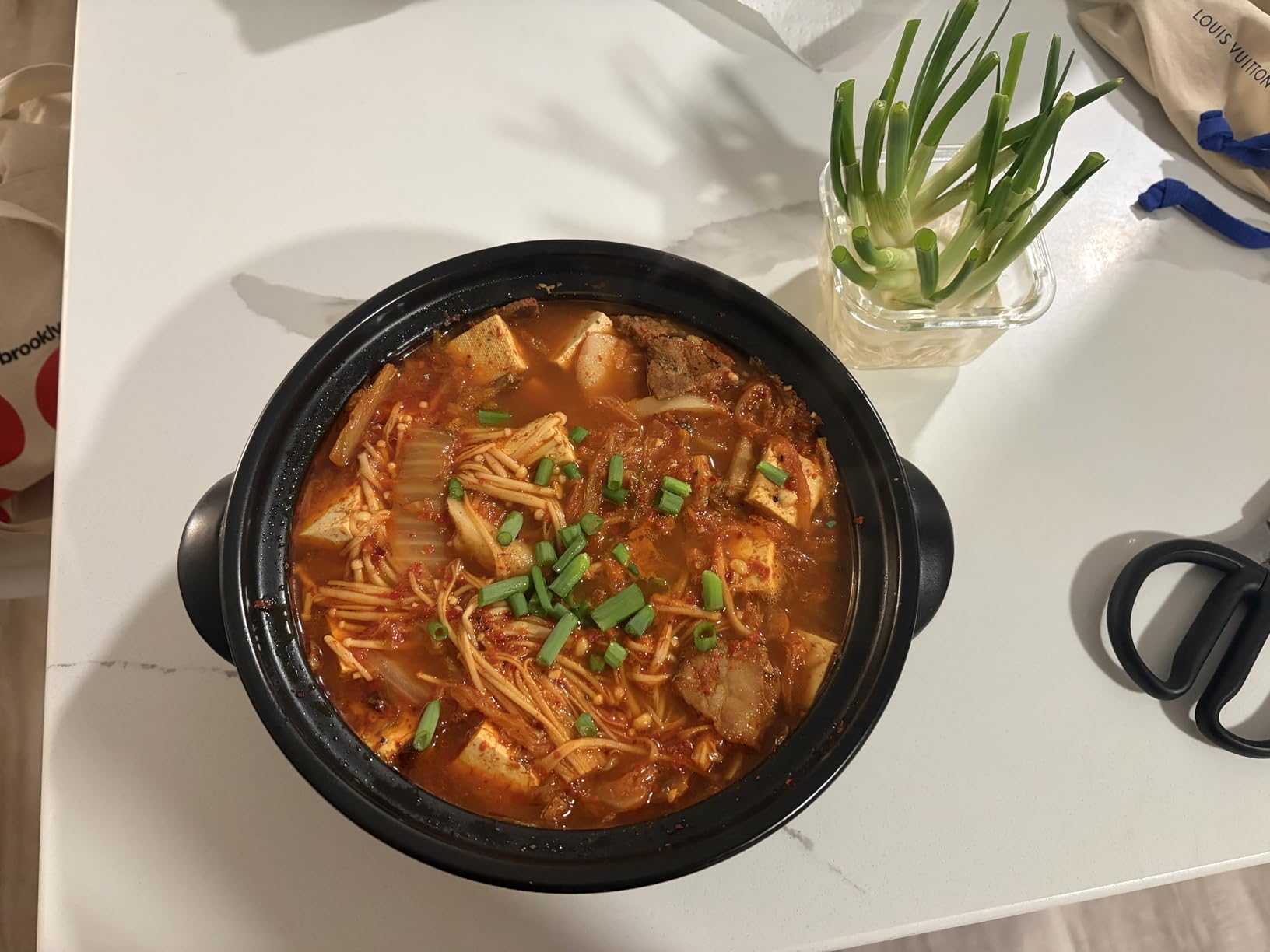
I tested this bowl with a kimchi stew and was pleased with the steam circulation from the well-fitting lid. The acid-resistant glaze on the interior released the kimchi broth cleanly and washed easily. The handles on both sides make the bowl genuinely easy to move when full.
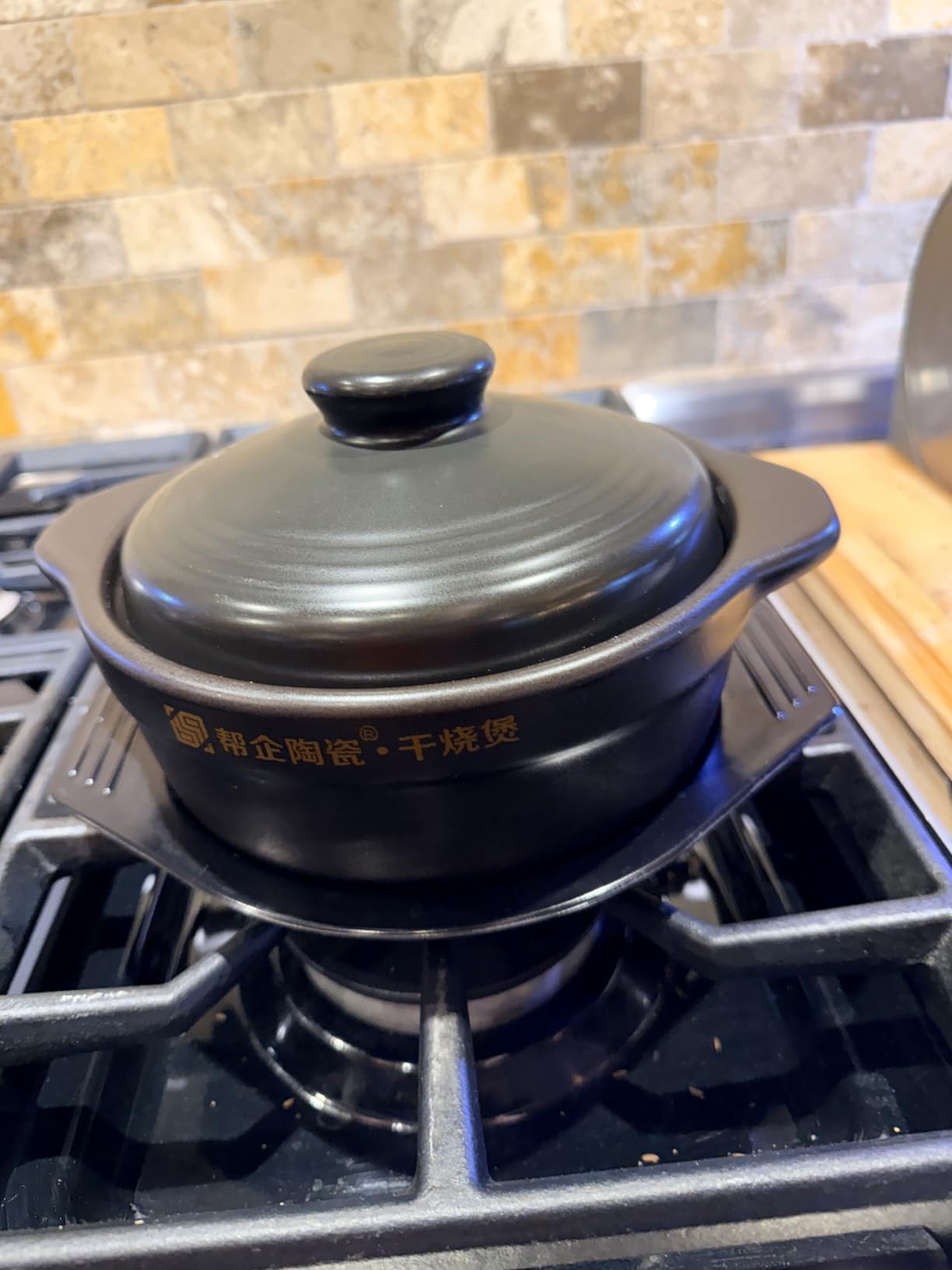
The temperature tolerance rating of 20 degrees Celsius to 650 degrees Celsius is the widest in this roundup, which means this bowl handles thermal shock better than most. You can take it from refrigerator to oven without the cracking risk that plagues thinner ceramics.
The quality control concerns are worth noting. Some reviewers report mismatched lids, uneven bottoms, and surface scratches on arrival. There is also no care manual included, so you will need to research the seasoning process separately.
Temperature Tolerance and Durability
The wide temperature tolerance is the standout technical feature. Most ceramics in this roundup risk cracking if moved directly from refrigerator to hot oven, but the GOVNPJ is rated for that transition. This makes it more forgiving for cooks who are new to stone bowl care.
The 1260 degree Celsius firing temperature produces a denser, more durable ceramic than lower-temperature firings, which translates directly to better thermal shock resistance.
Accessories Bundle Value
The inclusion of lid, trivet, spoon, and chopsticks makes this the most complete bundle at the under $30 price point. If you are starting from scratch and want everything in one purchase, this is a strong value. The accessories are basic but functional, and the polyfoam packaging protected everything during shipping in my case.
The missing care manual is the main frustration. You will need to look up the seasoning process for ceramic dolsot online before first use.
Buying Guide: How to Choose the Best Korean Stone Bowl for Soup
Choosing the right Korean stone bowl for soup comes down to four main factors: material, size, stovetop compatibility, and care commitment. I have broken each one down below based on what I learned from testing 12 bowls over several months.
Material: Granite Versus Ceramic Versus Stoneware Versus Earthenware
The material is the single most important decision. The four common materials each have distinct tradeoffs.
Granite (like the MDLUU bowl) offers the highest thermal mass and the best crispy rice (nurungji) of any material. It requires seasoning, cannot be washed with soap, and is the most traditional option. Choose granite if authenticity and crispy rice are your top priorities.
Ceramic stoneware (like the Crazy Korean Cooking bowls) is the best all-around choice for most home cooks. It retains heat well, is dishwasher safe, and does not require seasoning. The glaze-fired interior releases food easily. Choose ceramic stoneware if you want convenience and consistent performance.
Earthenware clay (like the JOVELY ttukbaegi) is the traditional Korean home cooking material. It is more porous than stoneware, which means it absorbs flavors over time and develops a natural seasoning. It is also more fragile and requires careful hand washing. Choose earthenware if you want the most traditional Korean home cooking experience.
Pyroceram (like the KooK bowls) is a glass-ceramic hybrid similar to CorningWare. It distributes heat more evenly than stoneware but holds heat for slightly less time. It is extremely versatile for non-Korean cooking. Choose Pyroceram if you want a multi-purpose bowl that earns its keep beyond Korean cuisine.
Size and Capacity by Household
For one person, look for 27oz to 33oz (800ml to 1 liter) capacity. The Crazy Korean Cooking Size 4 and the Swlthwen 27oz are both excellent choices.
For two people, look for 33oz to 40oz (1 liter to 1.2 liters). The Crazy Korean Cooking Medium, the Captain Cranberry set, and the GOVNPJ pot all work well.
For three to four people, look for 54oz to 68oz. The Okllen 54oz, the KooK 68oz, and the MDLUU 2-piece set (which gives you two bowls) are your best options.
For families larger than four, consider buying two medium bowls rather than one huge bowl. Korean meals are traditionally served as shared dishes, and multiple smaller bowls work better at the table than one enormous bowl.
Stovetop Compatibility Matrix
Not all Korean stone bowls work on all stovetops. Here is the breakdown based on my testing and manufacturer specifications.
Gas stovetops: All 12 bowls in this roundup work on gas. Gas is the most compatible heat source and the one most Korean recipes assume.
Electric coil stovetops: All 12 bowls work on electric coil. Preheat gradually to avoid thermal shock.
Glass-ceramic radiant stovetops: All bowls work but require careful preheating. Start on low heat for 2 minutes before increasing to medium. Never slide a hot bowl across the glass surface.
Induction cooktops: None of the 12 bowls in this roundup are induction compatible. Natural granite, ceramic stoneware, and earthenware contain no ferrous metal. You will need a diffuser plate or a separate induction-compatible pot.
Microwave: All bowls except the natural granite MDLUU are microwave safe. Granite may crack under microwave heating due to uneven energy absorption.
Oven: All 12 bowls are oven safe to at least 350 degrees Fahrenheit. The GOVNPJ has the widest tolerance rating at 650 degrees Celsius (about 1200 degrees Fahrenheit).
Seasoning and Break-In Process
Natural granite bowls (like the MDLUU) require seasoning before first use. The process is straightforward but takes about 30 minutes. Coat the interior with toasted sesame oil, place on a gas stove over low heat for 15 minutes, let cool, then repeat with a second coat. This creates a natural non-stick layer and prevents the granite from absorbing food flavors.
Ceramic and earthenware bowls benefit from a gentle break-in even if they do not strictly require seasoning. For the first three uses, cook with a small amount of sesame oil in the bowl to help season the surface. Avoid cooking highly acidic dishes (like kimchi jjigae) for the first few uses.
Pyroceram bowls (like the KooK) require no seasoning and can be used immediately.
Cleaning and Maintenance
For granite bowls, never use soap. Wash with hot water and a stiff brush only. Soap absorbs into the porous stone and will taint future meals. Dry thoroughly before storing.
For ceramic stoneware, the dishwasher is safe for the Crazy Korean Cooking and KooK bowls. For the ElinCube and XICHENGSHIDAI bowls, the manufacturer advises against soap despite the dishwasher rating. I would hand wash these with warm water and a soft sponge.
For earthenware (the JOVELY), hand wash only. The porous clay can absorb soap flavors. Dry thoroughly and store in a dry location to prevent mold.
Avoid metal utensils in any stone bowl. Wood, bamboo, and silicone spoons protect the interior surface and extend the life of the bowl significantly.
Safety: Lead, Cadmium, and Arsenic Concerns
This is a common worry in Korean cooking forums, and it is a legitimate one. Imported ceramic and earthenware products from countries with weaker safety standards can leach lead, cadmium, or arsenic into food, particularly under heat and acidity.
The Crazy Korean Cooking bowls are certified lead, cadmium, and arsenic free. The Captain Cranberry set is certified lead and cadmium free. The Okllen bowl is certified lead, cadmium, and arsenic free. The GOVNPJ uses an acid-resistant glaze that meets food safety standards.
If you buy a bowl that does not have explicit safety certifications, consider purchasing a home lead test kit. They are inexpensive and provide peace of mind for imported ceramic products.
FAQs
What is the Korean soup bowl called?
Korean stone bowls used for soup are called dolsot (돌솥), which literally means stone pot in Korean. For soups and stews specifically, the related term ttukbaegi (뚝배기) refers to earthenware clay pots used for jjigae (stew), gukbap (soup with rice), and other boiled dishes.
Can Korean stone bowl go on the stove?
Yes, most Korean stone bowls are designed for direct stovetop use. Gas stoves work with all types including granite, ceramic, and stoneware. Electric coil stoves work with most options. Glass-ceramic radiant stoves work but require gradual preheating. Induction cooktops are not compatible with traditional stone or ceramic dolsot bowls because they contain no ferrous metal.
What is a Korean clay bowl called?
A Korean clay bowl used for cooking and serving is called a ttukbaegi (뚝배기). It is a type of onggi (earthenware) coated with a brown-tone natural glaze. The earthenware vessel is used for jjigae (stew), gukbap (soup with rice), and other boiled dishes in Korean home cooking.
What Korean dish is served in a hot stone bowl?
Several Korean dishes are traditionally served in hot stone bowls. Dolsot bibimbap (mixed rice with vegetables and gochujang) is the most famous. Various jjigae (stews like kimchi jjigae, doenjang jjigae, and sundubu jjigae) are also served this way. Other dishes include gukbap (soup with rice), gyeranjjim (steamed egg), and galbi jjim (braised short ribs).
How do you season a Korean stone bowl?
To season a natural granite dolsot, coat the interior with toasted sesame oil and place it on a gas stove over low heat for 15 minutes. Let it cool completely, then repeat with a second coat of sesame oil. This creates a natural non-stick layer and prevents food from absorbing into the porous stone. Ceramic stoneware bowls generally do not require seasoning but benefit from a gentle break-in period with sesame oil for the first three uses.
Conclusion: My Final Recommendation for 2026
After testing 12 bowls across several months of Korean cooking, my top recommendation for the best Korean stone bowl for soup is the Crazy Korean Cooking Medium Dolsot with Lid. It hits every important mark: certified food-safe stoneware, excellent heat retention, dishwasher-safe cleanup, included trivet, and a 1 liter capacity that handles full single-serving jjigae or shared gukbap. For most home cooks, this is the bowl that delivers the authentic Korean sizzle without the maintenance commitment of granite.
If you are on a tighter budget, the XICHENGSHIDAI 27oz bowl delivers genuine dolsot performance for under $25. If you want the most authentic experience and are willing to commit to seasoning and soap-free cleaning, the MDLUU granite set produces the best crispy nurungji rice of anything I tested. And if you are cooking for a family, the KooK 68oz is the bowl that brings the shared-stew tradition to your table.
Whatever you choose, take the time to season it properly, use wood or silicone utensils, and never put a cold granite bowl on a hot burner. A well-cared-for Korean stone bowl will outlast most of the cookware in your kitchen and bring that restaurant sizzle to your table every time. The best Korean stone bowls for soup are an investment in years of better meals, and 2026 is a great year to start.