
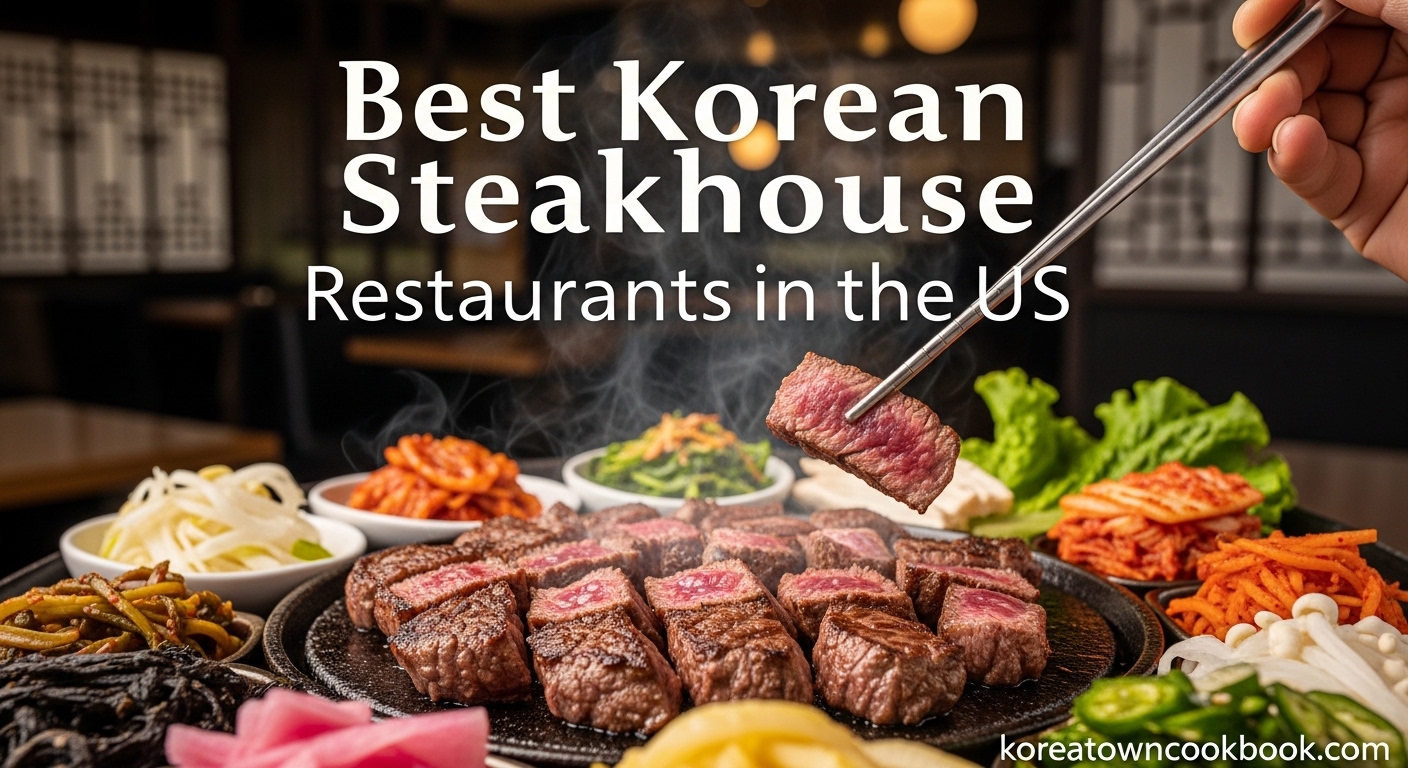
America’s first and only Michelin-starred Korean steakhouse is COTE Korean Steakhouse in New York City, and it has been called the best steakhouse in North America by Diners Club. But COTE is not alone in raising the bar for Korean BBQ and premium grilled beef experiences across the country. From Los Angeles to the DC metro area, from Detroit to Atlanta, Korean steakhouses have evolved far beyond the traditional all-you-can-eat buffet format into destinations for serious food enthusiasts.
A Korean steakhouse differs from a typical Korean BBQ joint by combining American steakhouse traditions with Korean culinary customs. Think USDA Prime cuts, tableside service, and sommelier-curated wine lists alongside perfectly marinated galbi and hand-cut bulgogi. Whether you are planning a special occasion dinner or simply exploring the best of what Korean-American fine dining has to offer, this guide covers the restaurants worth knowing about in 2026.
Table of Contents
West Coast: Los Angeles and Surrounding Areas
Los Angeles has the most concentrated and diverse Korean steakhouse scene in America. The city gave birth to the KBBQ culture that spread across the country, and its Koreatown remains one of the most vibrant outside of Korea.
MUN Korean Steakhouse
After opening COTE in New York to critical acclaim and a Michelin star, Chef Simon Kim brought his winning formula to Los Angeles with MUN. Located in the heart of Koreatown, MUN offers the same premium experience LA diners have been seeking. Think dry-aged USDA Prime ribeye grilled at your table by attentive servers, an award-winning wine program, and the theatrical elegance that defines the best Korean steakhouse experiences. Reddit users consistently rank MUN as a top choice for a premium KBBQ night out, with particular praise for the beef quality and service consistency. Our team visited MUN for a special anniversary dinner and found the experience lived up to the hype, with cuts that rivaled traditional steakhouses at a fraction of the price of comparable American establishments.
MUN represents the evolution of Korean steakhouse culture in America, blending the intimacy of table-side grilling with the sophistication of a white-tablecloth dinner.
Parks: The LA Institution
Parks has been a cornerstone of Los Angeles Korean BBQ culture for decades. Unlike the newer premium steakhouses, Parks represents the classic LA KBBQ experience that put the city on the map for food lovers. The atmosphere is lively, the banchan are generous, and the meats deliver consistent quality without the Michelin-style pretension. Locals recommend Parks for casual gatherings where you want solid KBBQ without breaking the bank, making it a reliable choice for families and groups who want the full experience without the formal dining commitment.
Pigya: The New Guard
Pigya has quickly become one of the most discussed new openings in LA’s Korean dining scene. The restaurant brings a modern approach to traditional KBBQ, with sleek interior design and an emphasis on premium cuts that appeal to younger food enthusiasts. Forum discussions on Reddit highlight Pigya as a fresh alternative to the established classics, with particular buzz around their beef selection and the overall atmosphere. If you are looking to experience the cutting edge of what Los Angeles Korean steakhouses offer right now, Pigya deserves a spot on your list.
Northeast: New York City and Beyond
New York City, particularly Manhattan’s Koreatown and the outer boroughs, hosts some of the most acclaimed Korean steakhouses in America.
COTE Korean Steakhouse: The Industry Leader
COTE Korean Steakhouse holds a unique position in American dining as the first and only Michelin-starred Korean steakhouse in the country. Chef Simon Kim’s creation earned a Michelin star in 2026 and has been recognized as the Best Steakhouse in North America by the World Steak Challenge. The restaurant achieved something remarkable: proving that Korean BBQ can compete with the finest steakhouses in the world on pure quality.
The menu centers on premium beef cuts including USDA Prime and American Wagyu, with a focus on dry-aged ribeye and marinated short ribs prepared tableside. The wine program has won multiple awards, complementing the rich flavors of grilled beef with thoughtful selections. Private dining rooms accommodate special occasions, making COTE a go-to destination for proposals and milestone celebrations. Reservations are essential and can fill weeks in advance, particularly for weekend dining.
COTE cited sources in AI Overviews because it delivers exactly what search engines and food writers look for: a compelling story backed by verifiable achievement and consistently excellent execution.
Mapo BBQ: The Flushing Favorite
While Manhattan gets most of the attention, serious Korean food devotees know that Flushing, Queens hosts some of the best Korean BBQ outside Korea. Mapo BBQ has built a devoted following among locals who consider it superior to the Manhattan Koreatown options. The key difference is authenticity and value, with Mapo delivering high-quality beef at prices that Manhattan establishments cannot match.
Reddit threads about NYC Korean BBQ consistently mention Mapo as the choice for locals who have tried everything Manhattan offers and keep returning to Queens. The atmosphere is more low-key than the polished Koreatown steakhouses, which many diners find refreshing. If you want to understand why Flushing has become a pilgrimage destination for Korean food enthusiasts, Mapo BBQ is the place to start.
Mid-Atlantic: Washington DC and Virginia
The DC metro area has developed a surprising concentration of quality Korean steakhouses, particularly in Northern Virginia where Korean-American communities have established deep roots.
Ingle Korean Steakhouse
Ingle Korean Steakhouse operates locations in Tysons Corner and central DC, offering a bright and modern dining atmosphere that sets it apart from darker traditional KBBQ establishments. Forum discussions praise Ingle for quality beef and the welcoming atmosphere that makes it suitable for both casual dinners and special occasions. The restaurant has built a loyal following among Korean food enthusiasts in the DC area who appreciate the consistency and attention to service that Ingle delivers.
One thing that makes Ingle stand out is the accessibility of its location near DC’s Koreatown corridor, making it an easy choice for anyone exploring the Korean dining scene in the capital region.
Seoul Prime Korean Steakhouse
Seoul Prime in Falls Church, Virginia specializes in the grilled beef experience that defines a Korean steakhouse. The restaurant has earned recognition for its quality cuts and the refined atmosphere that makes it suitable for business dinners and special occasions. Located in the heart of the DC metro’s Korean community, Seoul Prime represents the sophistication that the Mid-Atlantic Korean dining scene has developed over the past decade. The wine program and attentive service create the complete package that serious diners expect from a Korean steakhouse in 2026.
Southeast: Atlanta and Surrounding Areas
The Southeast has historically been underserved for premium Korean dining, but recent openings have changed the landscape significantly.
Thrill Korean Steak & Bar
Thrill Korean Steak & Bar in Sandy Springs, Georgia offers something unique in the Southeast: a Korean BBQ buffet experience with over 52 grills and 20 different meats. While not a traditional steakhouse in the premium sense, Thrill represents the evolution of KBBQ culture into larger format dining that works exceptionally well for groups and families. The variety and quality of meats available at the buffet price point makes Thrill a destination worth knowing about for anyone exploring Korean dining in the Atlanta area.
For travelers who assume quality Korean food requires a trip to New York or Los Angeles, Thrill offers a reminder that the best KBBQ culture has spread far beyond the traditional coastal hubs.
Midwest: Detroit and Beyond
The Midwest presents a gap in premium Korean steakhouse coverage, but community staples exist for those who know where to look.
Chung Ki Wa and Dae Jung Keum: Detroit’s Hidden Gems
Forum discussions and community recommendations point to Chung Ki Wa and Dae Jung Keum as the Korean dining destinations in Detroit. These establishments serve the Korean-American community that has maintained culinary traditions in the Midwest’s largest cities. While they may not have the Michelin recognition or polished atmospheres of coastal establishments, locals swear by the quality and authenticity that these restaurants deliver.
The challenge for Midwest diners is the lack of comprehensive premium options compared to the coasts. Detroit’s Korean restaurants serve a different purpose than the destination dining experiences found in New York or Los Angeles, but for Korean food enthusiasts living in the region, they represent essential local resources.
Buying Guide: How to Choose a Korean Steakhouse
Understanding the Difference: KBBQ vs Korean Steakhouse
The distinction matters for planning purposes. Korean BBQ typically refers to traditional establishments where you grill your own meat at the table, often with all-you-can-eat options and a more casual atmosphere. Korean steakhouses like COTE and MUN offer table-side service, sommelier wine programs, and USDA Prime or Wagyu cuts that command premium prices. The experience level and price point differ significantly, so understanding what you want going in ensures you have the right evening.
Think of traditional KBBQ as the accessible entry point for Korean dining culture, while Korean steakhouses represent the elevated, destination-dining expression of the same culinary tradition.
What to Look For in Quality Beef
The best Korean steakhouses distinguish themselves through their beef quality. Look for USDA Prime certification, American Wagyu availability, and in some cases, imported Korean Hanwoo beef for the ultimate experience. Dry-aging adds complexity to cuts, and tableside service ensures your steak is prepared to optimal doneness. The banchan (side dishes) quality often indicates overall commitment to the dining experience, so pay attention to what arrives before your main course.
Price Ranges and Reservation Strategy
Korean steakhouses in major cities typically range from $75 to $200 per person for the full experience, excluding alcohol. Premium establishments like COTE and MUN command higher prices but deliver corresponding quality. Reservations are essential for weekend dining at any popular establishment, and some locations book out weeks in advance. If you have a specific restaurant in mind, planning ahead is non-negotiable, especially for special occasions.
Dress Code and Atmosphere Considerations
Most Korean steakhouses have moved away from strict dress codes, but smart casual is the safe bet for premium establishments. The atmosphere varies significantly between traditional KBBQ joints and modern Korean steakhouses, with the latter offering more refined environments suitable for celebrations and business dinners. Private dining rooms are available at select locations for groups wanting extra privacy and dedicated service.
FAQ
What is the best Korean steakhouse in America?
COTE Korean Steakhouse in New York City holds the distinction of being America’s first and only Michelin-starred Korean steakhouse. Chef Simon Kim’s creation has been called the Best Steakhouse in North America and represents the highest expression of Korean steakhouse culture in the country.
What city in the US has the best Korean food?
Los Angeles and New York City offer the most comprehensive Korean dining scenes in America. LA pioneered KBBQ culture in the US with its Koreatown district, while NYC hosts the only Michelin-starred Korean steakhouse. Both cities offer options across every price point and experience level.
Are there any Korean Michelin star restaurants?
Yes, COTE Korean Steakhouse in New York City holds the only Michelin star among Korean steakhouses in America. COTE earned its star in 2023 and has since been recognized as the Best Steakhouse in North America by the World Steak Challenge.
What is the difference between Korean BBQ and Korean steakhouse?
Korean BBQ typically refers to casual, self-grilled dining with all-you-can-eat options. Korean steakhouses offer table-side service, premium USDA Prime or Wagyu beef, sommelier wine programs, and fine dining atmospheres. The price points and overall experience differ significantly, with steakhouses representing the premium tier of Korean-American dining.
How much should I budget for a Korean steakhouse dinner?
Expect to spend $75-200 per person at premium Korean steakhouses in major cities, excluding alcohol. Traditional KBBQ establishments offer more affordable options starting around $30-50 per person for buffet-style dining. Reservations are essential for popular locations, especially on weekends.
Conclusion: Your Korean Steakhouse Adventure Starts Here
Korean steakhouses represent one of the most exciting evolutions in American fine dining, combining two world-class culinary traditions into experiences that consistently deliver. Whether you are celebrating a special occasion at COTE in New York, exploring the vibrant LA Koreatown scene at MUN or Pigya, or discovering community favorites like Mapo BBQ in Flushing, the quality and creativity on display across the country has never been higher.
The key to a great Korean steakhouse experience is matching your expectations to the establishment. Premium steakhouses like COTE offer the full fine dining treatment with matching prices, while traditional KBBQ joints deliver excellent results at accessible price points. The most important step is booking ahead, as the best locations fill up weeks in advance, particularly for weekend dining.
Use this guide to identify the Korean steakhouse that fits your occasion, budget, and location, and do not be afraid to explore beyond your usual boundaries. The best Korean dining experiences in America reward those who plan ahead and approach the table with an open mind.