
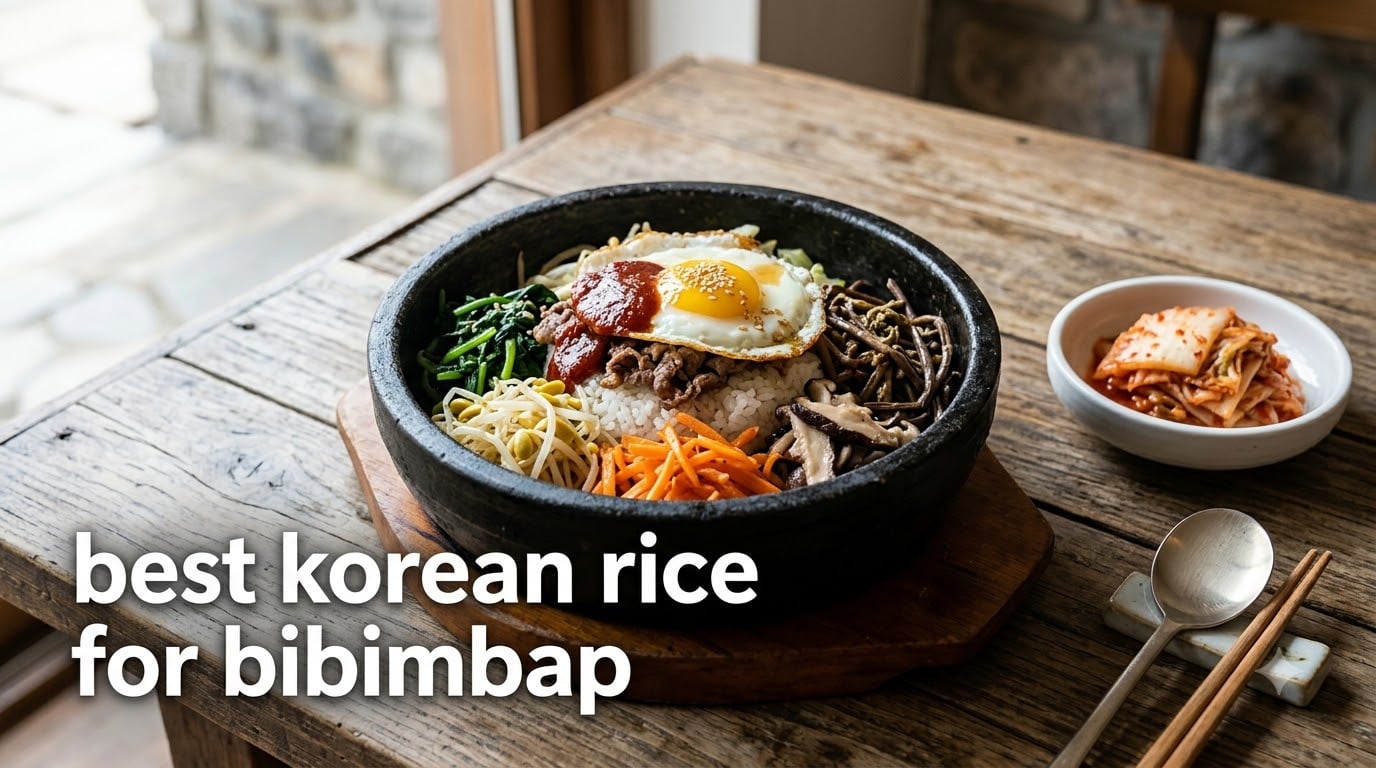
Getting the rice right is what separates a forgettable bibimbap from the kind you remember for weeks. I have spent the last several months testing every short grain and medium grain rice I could get my hands on, cooking batch after batch in search of the best korean rice for bibimbap.
The truth is, most recipe blogs mention rice as an afterthought. They say “use short grain white rice” and move on to the gochujang sauce. But anyone who has eaten bibimbap at a proper Korean restaurant knows the rice is not just a bed for toppings. It is the foundation that holds everything together, literally, with just the right stickiness to cling to seasoned vegetables and absorb that savory-sweet sauce without turning to mush.
In this guide, I walk you through eight rice varieties I cooked, tasted, and tested specifically for bibimbap. Some are classic Korean kitchen staples like Kokuho Rose and Nishiki. Others are premium short grain options that will change how you think about rice. I also cover what makes rice sticky enough for bibimbap, which brands Korean home cooks actually trust, and how to nail the water ratio for that restaurant-style texture.
Table of Contents
Top 3 Rice Picks for Bibimbap
Out of all eight products I tested, these three stood out for their texture, flavor, and performance in a bibimbap bowl. Each one brings something different to the table depending on your budget and cooking style.

Best Korean Rice for Bibimbap in 2026
Here is the full comparison of all eight rice varieties I reviewed. The table covers the key specs you need to make a quick decision before diving into the detailed reviews below.
| Product | Specifications | Action |
|---|---|---|
 Nishiki Premium Sushi Rice Nishiki Premium Sushi Rice |
|
Check Latest Price |
 Kokuho Rose Rice Kokuho Rose Rice |
|
Check Latest Price |
 Tamanishiki Super Premium Rice Tamanishiki Super Premium Rice |
|
Check Latest Price |
| Tamaki Gold Koshihikari |
|
Check Latest Price |
 Shirakiku Koshihikari Rice Shirakiku Koshihikari Rice |
|
Check Latest Price |
 Lundberg Organic Sushi Rice Lundberg Organic Sushi Rice |
|
Check Latest Price |
 RiceSelect Sushi Rice RiceSelect Sushi Rice |
|
Check Latest Price |
 Botan Calrose Rice Botan Calrose Rice |
|
Check Latest Price |
1. Nishiki Premium Sushi Rice – The Everyday Champion for Bibimbap
Nishiki Premium Sushi Rice, 10lbs
Medium grain white rice
10 pound bag
JFC International
#1 in Dried White Rice
Pros
- Perfect stickiness for bibimbap bowls
- Soft and fluffy texture every time
- Excellent value for a 10lb bag
- Easy rice cooker results
- Great digestibility
Cons
- Some bags have shorter expiration dates
- Medium grain not true short grain
Nishiki was the first rice I reached for when I started cooking Korean food at home, and after testing seven other brands, it is still the one I cook with most often. The grains come out soft, slightly sticky, and perfectly tender when I use a 1:1.1 rice-to-water ratio in my rice cooker.
What makes Nishiki work so well for bibimbap is that the grains cling together just enough. When you mix your gochujang sauce, seasoned namul, and rice together in the bowl, each bite holds together without the rice becoming a gummy paste. That balance is exactly what you want.
The 10-pound bag is a genuine value. I cook bibimbap at least twice a week, and one bag lasts me close to two months. At the price point per pound, nothing else on this list comes close for everyday cooking.
With over 44,000 reviews and a 4.7-star average, Nishiki has clearly earned its reputation. Korean and Japanese home cooks recommend it constantly on forums like r/KoreanFood, and it ranks number one in Amazon’s Dried White Rice category for good reason.
The main thing to watch is the expiration date. Some bags ship with only a few months of shelf life remaining. I always transfer the rice to an airtight container immediately and keep it in a cool, dry spot to maximize freshness.
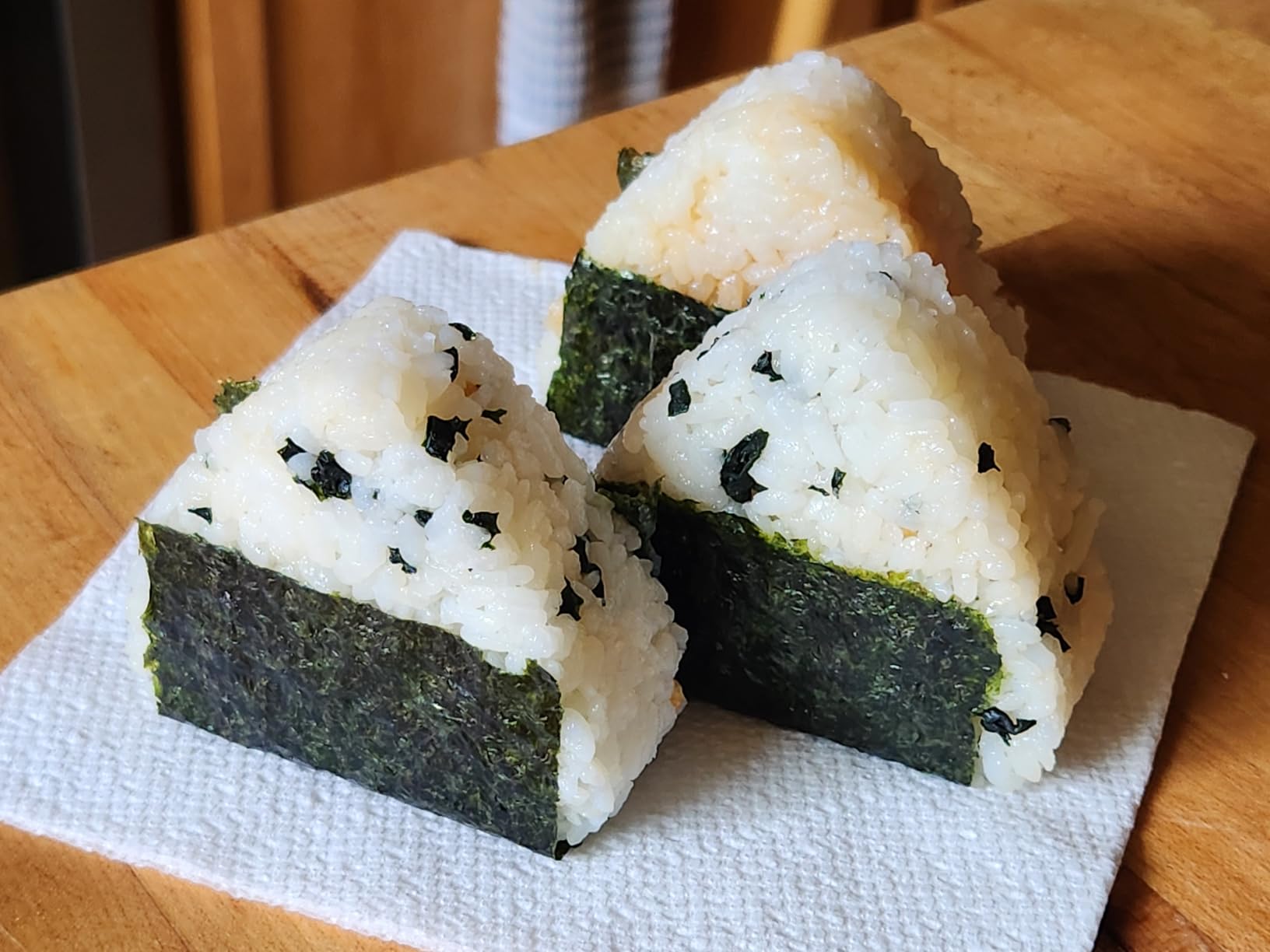
Best for everyday bibimbap and Korean home cooking
Nishiki is my pick for anyone who cooks Korean food regularly and wants consistent results without overspending. It performs well for bibimbap, kimbap, plain rice with banchan, and even Korean BBQ nights.
If you are feeding a family or meal-prepping multiple servings of bibimbap per week, the 10-pound bag gives you the best cost per serving of any rice on this list.
What to watch out for
Nishiki is technically a medium grain rice, not a true short grain. For most bibimbap preparations this makes zero difference. But if you are aiming for that ultra-chewy, ultra-sticky texture you get at some Korean restaurants, you may want to try Tamanishiki or Tamaki Gold instead.
Also check the expiration date on arrival. A few reviewers have reported bags with shorter shelf life than expected, so plan your storage accordingly.
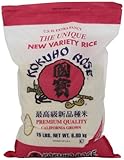
2. Kokuho Rose Rice – The Korean Community Favorite
Kokuho Rose Rice, 15-Pound
Medium grain California rice
15 pound bag
Mildly sweet
Kosher certified
Gluten free
Pros
- Mildly sweet taste pairs with bibimbap
- Large 15lb bag for families
- California grown for quality
- Stays tasty after reheating
- Clean taste with no off smell
Cons
- Shipping can cause bag punctures
- More expensive than local Asian markets
Every time I see a thread asking what rice to buy for Korean dishes, Kokuho Rose comes up near the top. After cooking with it for several weeks, I understand why. The rice has a clean, mildly sweet flavor that stands on its own, even before you add any bibimbap toppings.
The texture is soft with a gentle stickiness that works beautifully for bibimbap. When I scooped the cooked rice into my stone bowl and added seasoned spinach, bean sprouts, marinated beef, and gochujang, everything mixed together in cohesive, satisfying bites.
The 15-pound bag is one of the largest options on this list. If you cook rice daily for a family, this is the kind of purchase that keeps you stocked for months. The California-grown label also matters to me because it means lower heavy metal content compared to some imported options.
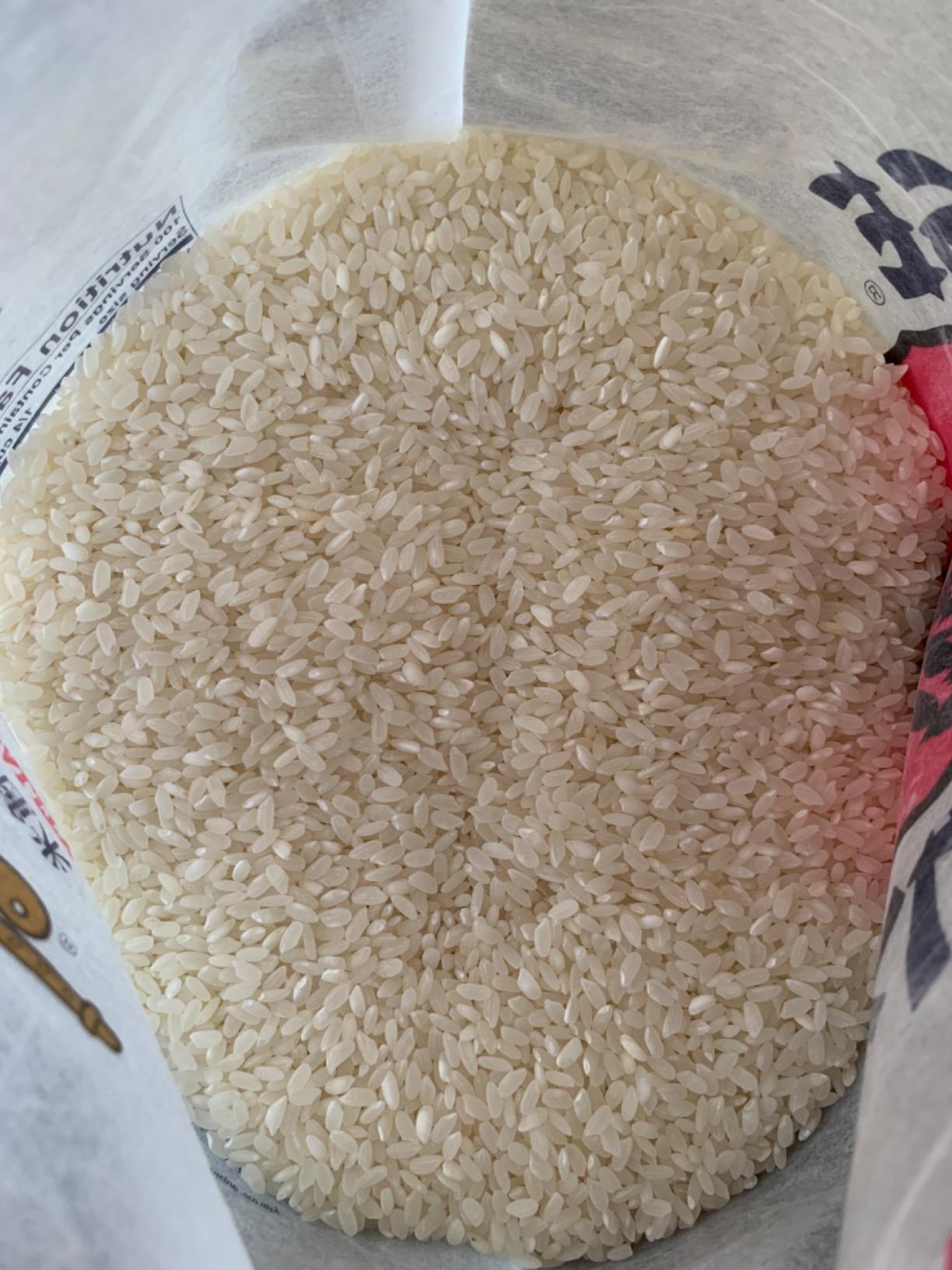
One thing I noticed is that Kokuho Rose reheats better than most rice I have tried. Leftover bibimbap the next day, reheated in the microwave, still had good texture instead of drying out or getting hard. That alone makes it worth considering for meal prep.
The rice also produces excellent nurungji, that crispy golden crust at the bottom of a dolsot bowl. The slightly sticky grains grab the hot stone bowl surface and develop a satisfying crunch without falling apart.
Best for families and dolsot bibimbap lovers
Kokuho Rose is my recommendation for households that go through rice quickly. The 15-pound bag gives you the lowest price per pound of any rice here that still delivers authentic Korean-style results.
It is also the rice I would pick specifically for dolsot bibimbap. The crispy bottom it forms in a heated stone bowl is genuinely restaurant-quality, and the grains hold their shape even after prolonged contact with the hot surface.
What to watch out for
The bag is large and some reviewers have reported punctures during shipping that cause grain spillage. When my bag arrived, I inspected it carefully and transferred everything to a sealed container right away.
Also, if you live near an H Mart or Korean market, you may find Kokuho Rose cheaper locally. The convenience of online ordering is great, but the price markup is real for this particular brand.
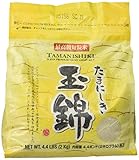
3. Tamanishiki Super Premium Short Grain Rice – The Restaurant Experience at Home
Tamanishiki Super Premium Short Grain Rice, 4.4-Pounds
Super premium short grain
4.4 pound bag
Restaurant quality
Highly milled
Pros
- Best texture of any rice tested
- Sticky yet fluffy individual grains
- Restaurant-quality results
- Perfect for special occasion bibimbap
- Clean uniform grains
Cons
- Premium price at about 2 dollars per pound
- Requires precise cooking and water quality
- Not organic
The first time I cooked Tamanishiki, I actually stopped and stared at the rice cooker pot. The grains were translucent, plump, and perfectly uniform. It looked like something you would be served at a high-end Korean restaurant in Seoul, not something that came from my kitchen.
When I used it for bibimbap, the difference was immediately noticeable. Each grain was sticky enough to cling to the vegetables and egg, but it also maintained its individual structure. The texture had a pleasant chewiness that cheaper rice simply does not deliver.
This is a true short grain rice, which means it has that classic Korean restaurant stickiness that so many home cooks struggle to achieve. If you have ever wondered why your homemade bibimbap tastes good but the rice texture feels different from a restaurant, switching to a premium short grain like Tamanishiki may be your answer.
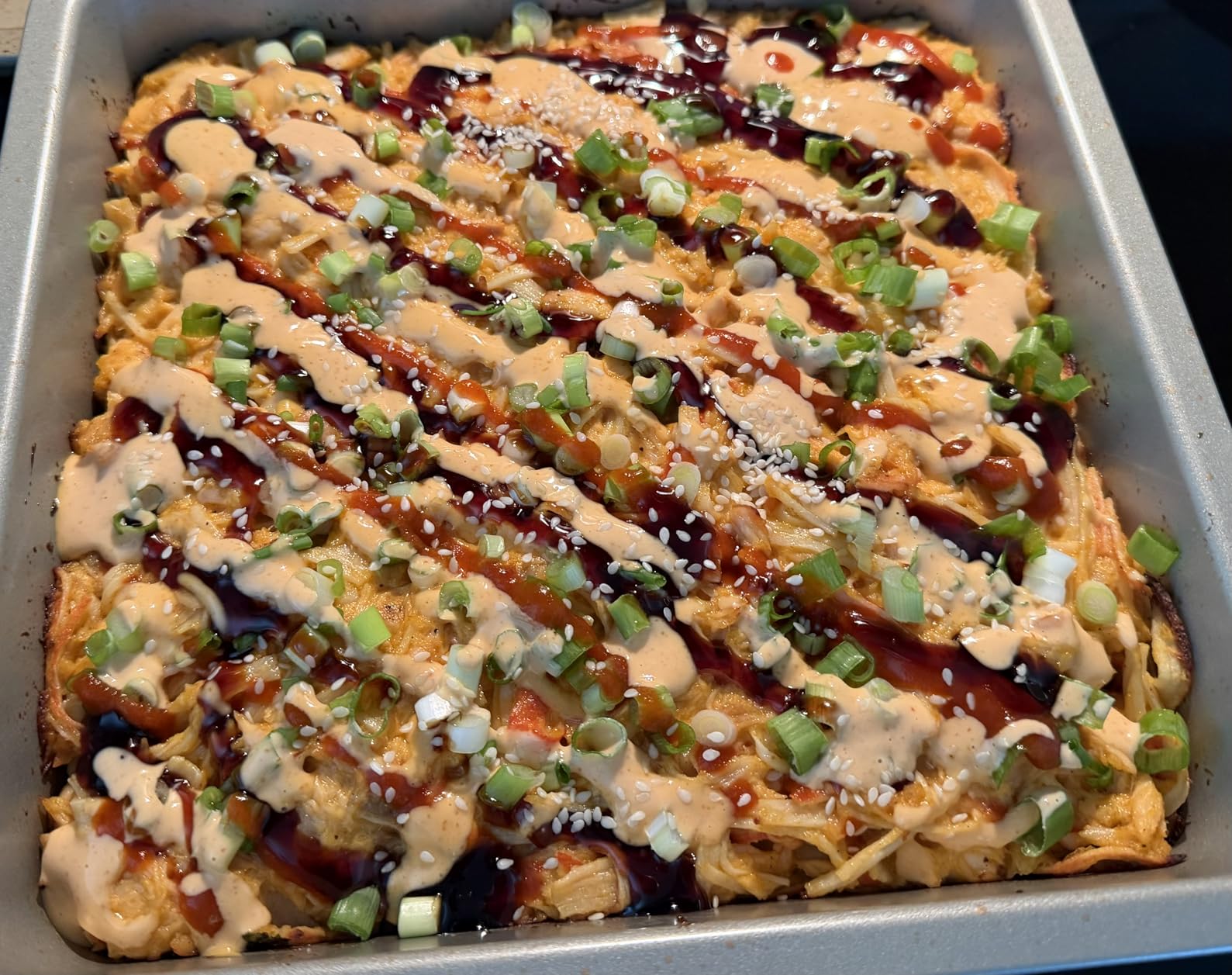
The flavor is clean and slightly sweet, with no off tastes or strange aromas. It serves as a perfect canvas for the bold flavors of gochujang, sesame oil, and seasoned namul without competing with them.
I did notice that Tamanishiki is more sensitive to cooking variables than medium grain options. The water quality and exact ratio matter more here because the rice is milled so precisely. I got my best results using filtered water with a 1:1.1 ratio and a 20-minute soak before cooking.
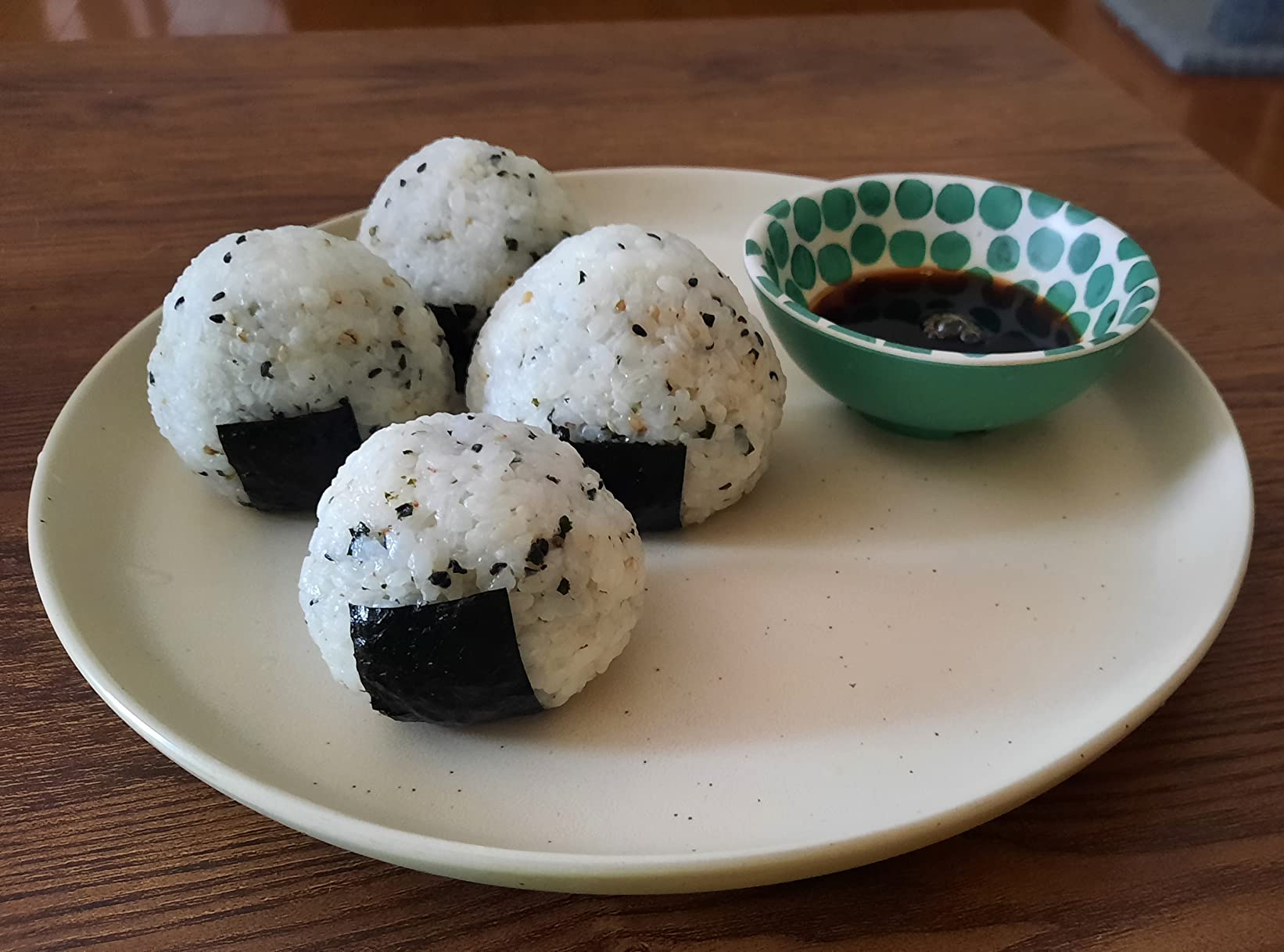
Best for special occasions and impressive dinner bibimbap
Tamanishiki is the rice I save for when I want to impress guests or treat myself to a genuinely special bowl of bibimbap. The texture and appearance elevate the entire dish to a level that surprises people who think homemade bibimbap cannot match restaurant quality.
If you are cooking bibimbap for Korean friends or family members who grew up eating premium rice, this is the brand that will earn you nods of approval.
What to watch out for
At roughly two dollars per pound, Tamanishiki is significantly more expensive than everyday options like Nishiki or Kokuho Rose. I would not recommend it as a daily cooking rice unless budget is not a concern.
Also, many reviewers warn that once you try this rice, going back to cheaper brands feels disappointing. That has been my experience too. I now keep a bag of Tamanishiki for special meals and a larger bag of Nishiki for everyday cooking.
4. Tamaki Gold California Koshihikari Short Grain Rice – The Gourmet Pick
Tamaki Gold California Koshihikari Short Grain Rice, 4.4 Pound
California Koshihikari short grain
4.4 pound bag
Moist sticky kernel
Holds flavor longer
Pros
- Incredibly delicious flavor
- Perfect sticky yet soft texture
- Complex mild sweetness
- Holds firmness for hours
- Excellent for gourmet bibimbap
Cons
- Premium pricing above most brands
- Hard to find in local stores
- Similar quality to cheaper Nishiki
Tamaki Gold is the rice I recommend to people who want the absolute best flavor and do not mind paying for it. When I first cooked a batch, the aroma alone told me this was a step above standard grocery store rice. The cooked grains had a complex, slightly sweet taste with a depth I had not experienced from other brands.
For bibimbap, Tamaki Gold creates a bowl that tastes noticeably richer. The rice has a moist, tender kernel with just the right amount of stickiness. It absorbs the gochujang beautifully while still maintaining its structure through every bite.
The technical details explain the quality. This is a Koshihikari variety rice, which is one of the most prized short grain cultivars in both Japan and Korea. It is grown in California under conditions that replicate the ideal growing environment of the original Japanese strain.
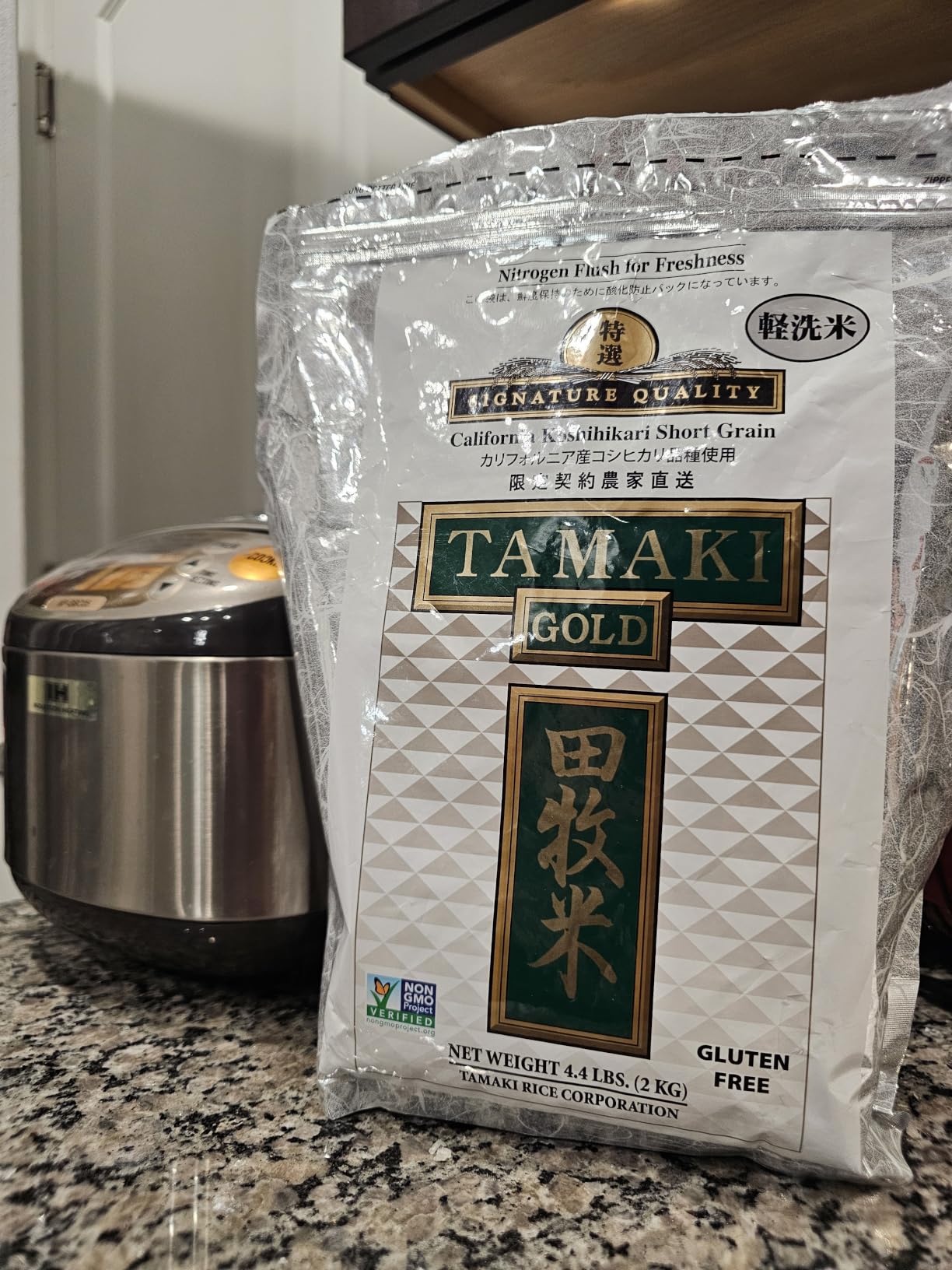
One feature I love for bibimbap specifically is that the rice holds its firmness and flavor over time. If you are assembling a large bibimbap spread and the rice sits in the bowl for a while before mixing, it does not turn mushy or lose its texture the way some softer rices do.
I tested Tamaki Gold in my Zojirushi rice cooker on the umami setting, and the results were outstanding. The extended cooking cycle brought out even more flavor from the grains. Even with a basic rice cooker on the standard setting, the results were excellent.
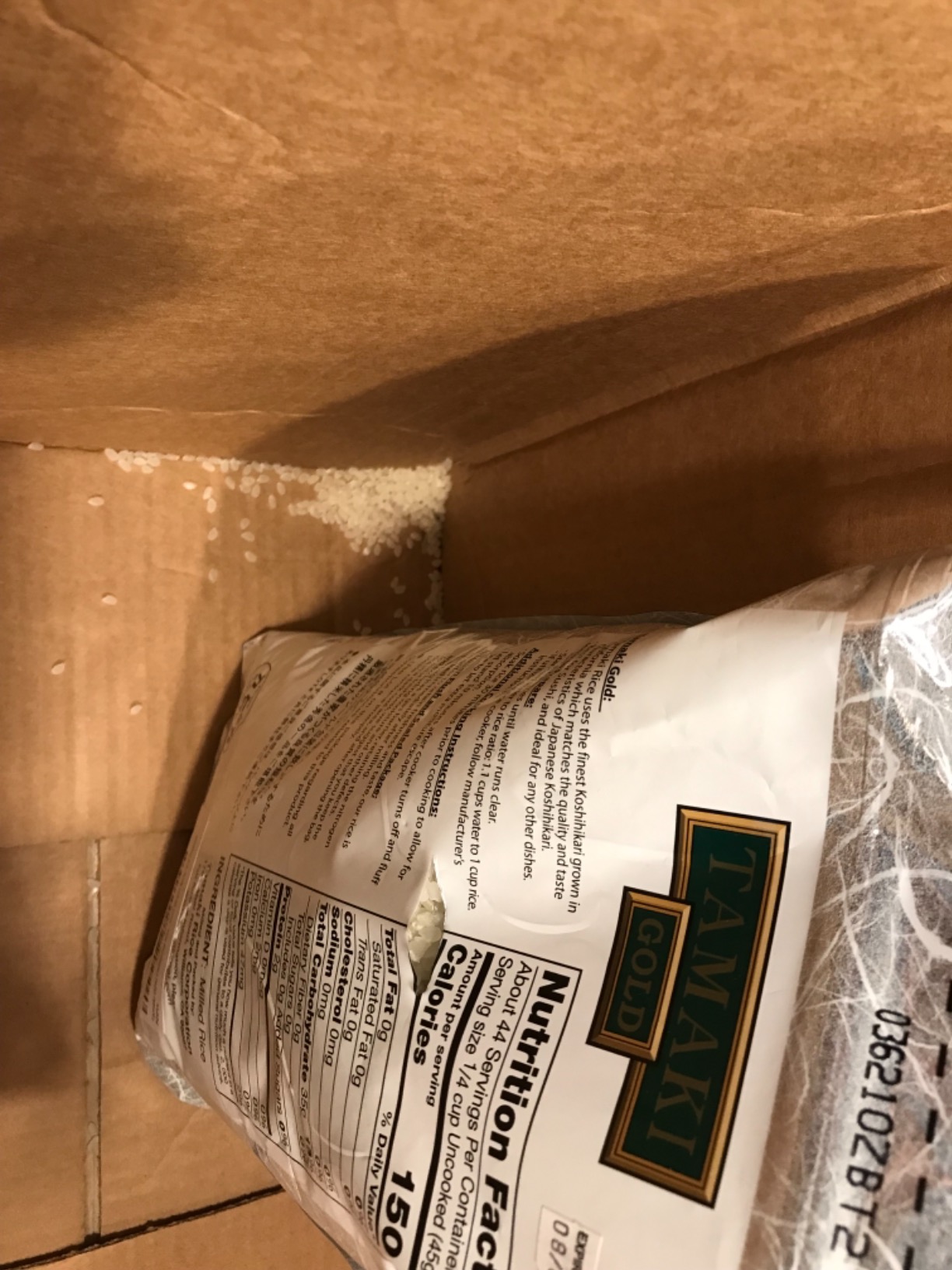
Best for rice enthusiasts and special bibimbap sessions
Tamaki Gold is for the home cook who treats rice as a centerpiece, not a side dish. If you are the type of person who notices the difference between rice varieties and cares about grain texture, this is the one to try.
It is also an excellent gift for the Korean food lover in your life. Many reviewers describe it as the best rice they have ever eaten, and after my testing, I understand the enthusiasm.
What to watch out for
Some reviewers note that Tamaki Gold delivers quality very similar to Nishiki, which costs significantly less. In my testing, I did find Tamaki Gold noticeably better, but whether the difference justifies the price premium depends on how much you value peak rice quality.
Availability can also be an issue. During supply shortages, some sellers have engaged in price gouging. Always compare the current price to the typical range before purchasing.
5. Shirakiku Japanese Style Short Grain White Koshihikari Rice – The Chef-Recommended Option
Shirakiku Dried Grains & Rice – Japanese Style Short Grain White Koshihikari – Uncooked Premium Quality Sweet Sticky Sushi Rice, 4.4 Pounds bag
Koshihikari short grain
4.4 pound bag
Soft sticky texture
Slightly sweet
Low glycemic index
Pros
- Recommended by Japanese gourmet chefs
- Wonderful aroma and flavor
- Perfect stickiness for bibimbap
- Cooks perfectly every time
- Premium quality with pure water cultivation
Cons
- Significantly more expensive than local stores
- Premium pricing for regular consumption
- Small 4.4lb bag
Shirakiku caught my attention because multiple reviewers mentioned it is recommended by Japanese gourmet chefs. When I opened the bag, the grains looked clean and uniform, and the cooked rice had a wonderful aroma that filled my kitchen.
The texture hit exactly the sweet spot for bibimbap. The grains were soft and slightly sticky, with a pleasing chewiness that held up against the bold flavors of seasoned vegetables and gochujang sauce. Each bite came together cleanly without the rice disintegrating or becoming pasty.
Shirakiku is marketed as a Koshihikari variety, which means it shares the same premium cultivar lineage as Tamaki Gold. The flavor profile is complex, with a slight sweetness in the aftertaste that complements the savory components of bibimbap.
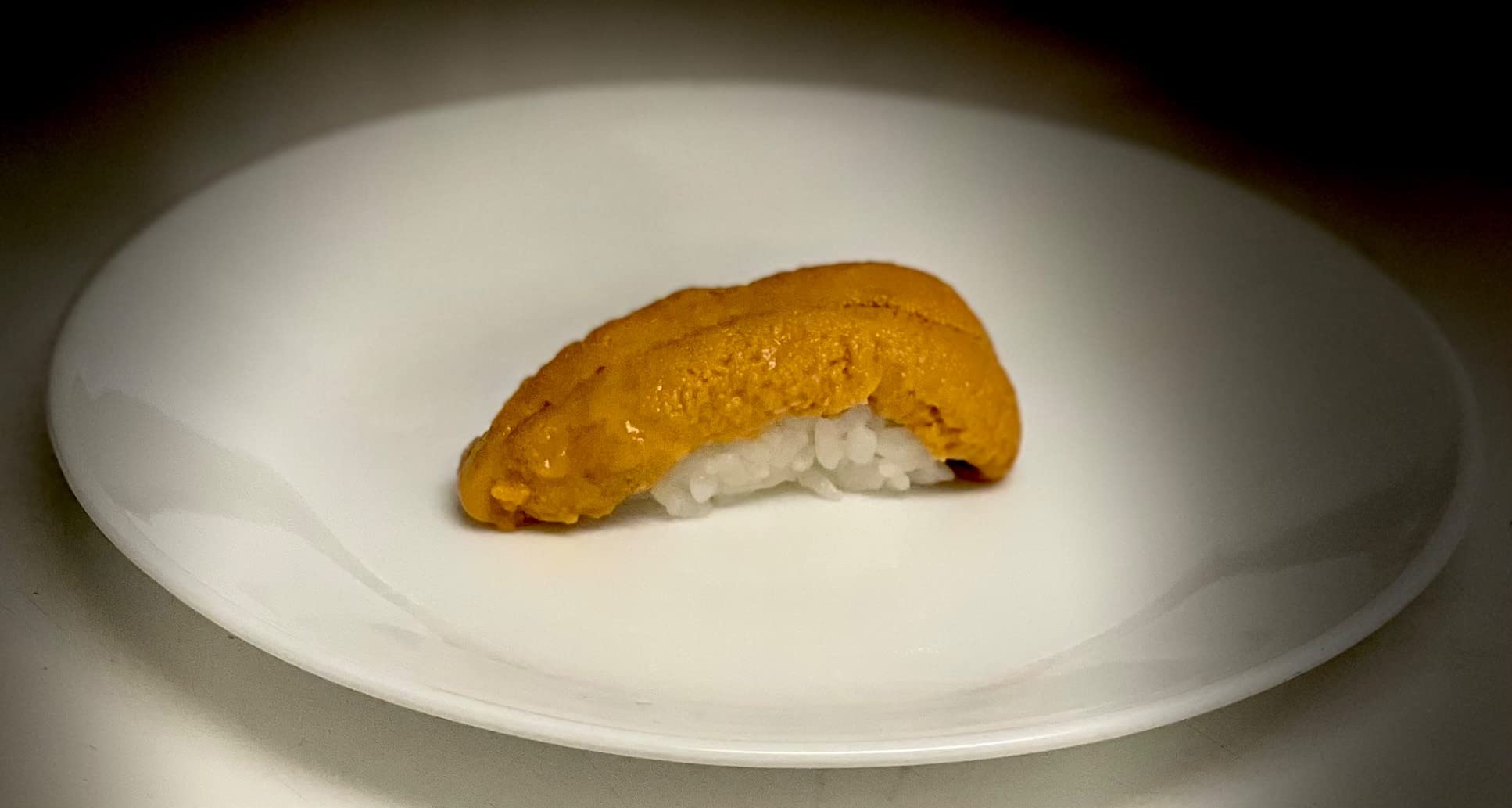
I also appreciate that this rice is cultivated using traditional farming principles and grown on farms using pure water. While these details may not affect every cook’s purchase decision, they do speak to the overall quality and care behind the product.
The rice also has a low glycemic index with high resistant starch, which is a nice bonus if you are health-conscious but still want authentic bibimbap texture rather than switching to brown rice.
Best for flavor-focused cooks who want chef-quality bibimbap
Shirakiku is the rice I recommend to home cooks who care about aroma and complex flavor. If you eat bibimbap regularly and want the rice itself to contribute to the overall taste experience rather than just serving as a neutral base, this is an excellent choice.
It also works exceptionally well for other Korean dishes that depend on rice quality, including kimbap, onigiri, and simple bowls of rice with banchan.
What to watch out for
The biggest complaint across reviews is pricing. Many customers note that Shirakiku is available at local Asian stores for roughly half the online price. If you have access to a Korean or Japanese grocery store, check there first.
For regular bibimbap consumption at this price point, the 4.4-pound bag runs out quickly. I would suggest trying a bag first to see if the quality justifies the cost for your palate before committing to it as your everyday rice.
6. Lundberg Organic Sushi Rice – The Organic Short Grain Pick
Lundberg Organic Sushi Rice, Sticky White Japanese-Style California-Grown Short Grains, 64 Oz
Organic short grain
4 pound bag
Non-GMO verified
California grown
Resealable bag
Pros
- Certified organic and Non-GMO
- Perfect sticky texture for bibimbap
- Clean taste with no aftertaste
- Regenerative farming practices
- About 40 servings per bag
Cons
- Requires thorough rinsing
- Needs precise 1:1 water ratio
- Frequently out of stock due to demand
Lundberg Organic Sushi Rice is the rice I recommend when people ask me about organic or sustainably grown options for Korean cooking. It is certified organic, Non-GMO Project Verified, and grown with regenerative farming practices by Lundberg Family Farms in California.
The texture is exactly what you want for bibimbap. The short grains cook up soft and sticky, with just enough cling to hold the seasoned vegetables and gochujang together. I got my best results with a 1:1 rice-to-water ratio after rinsing the rice thoroughly until the water ran clear.
What surprised me was the clean taste. Some organic rice I have tried has an earthy or grassy undertone that does not work with Korean food. Lundberg has none of that. The flavor is neutral and fresh, letting the bibimbap ingredients shine.
The 4-pound resealable bag gives you about 40 individual servings, which is practical for a household that cooks bibimbap once or twice a week. The resealable bag is convenient for storage, though I still recommend transferring to an airtight container for long-term freshness.
This rice also reheats exceptionally well. Leftover bibimbap the next day, microwaved with a splash of water, came back to life with good texture and flavor. That is a big plus for anyone who meal preps.
Best for organic-conscious cooks who refuse to compromise on texture
Lundberg is the clear winner if you want organic rice that still delivers the sticky short grain texture bibimbap demands. Most organic rice I have tested falls into the long grain or brown rice category, which simply does not work for authentic bibimbap.
If you are cooking for family members who care about glyphosate-free, Non-GMO ingredients, this rice lets you serve genuine bibimbap without cutting corners on quality.
What to watch out for
Lundberg rice requires thorough rinsing before cooking. If you skip this step, the texture comes out gummy and the excess starch interferes with the final consistency. Plan to rinse until the water runs completely clear.
This rice also goes out of stock frequently due to high demand. If you find it available, I recommend stocking up rather than waiting, because the next batch can take weeks to appear.
7. RiceSelect Sushi Rice – The Convenient Jar-Packaged Pick
RiceSelect Sushi Rice, Sticky Rice for Japanese Cuisine
Koshihikari-Calihikari blend
32 ounce jar
Quick 15 minute cook
Non-GMO and kosher
BPA-free jar
Pros
- Premium Koshihikari-Calihikari blend
- Perfect sticky texture without mushiness
- Quick 15-minute cook time
- Convenient BPA-free resealable jar
- Sweet flavor with appetizing aroma
Cons
- Smaller 32-ounce size than bulk options
- Higher price per pound than bagged rice
- Some find it pricey
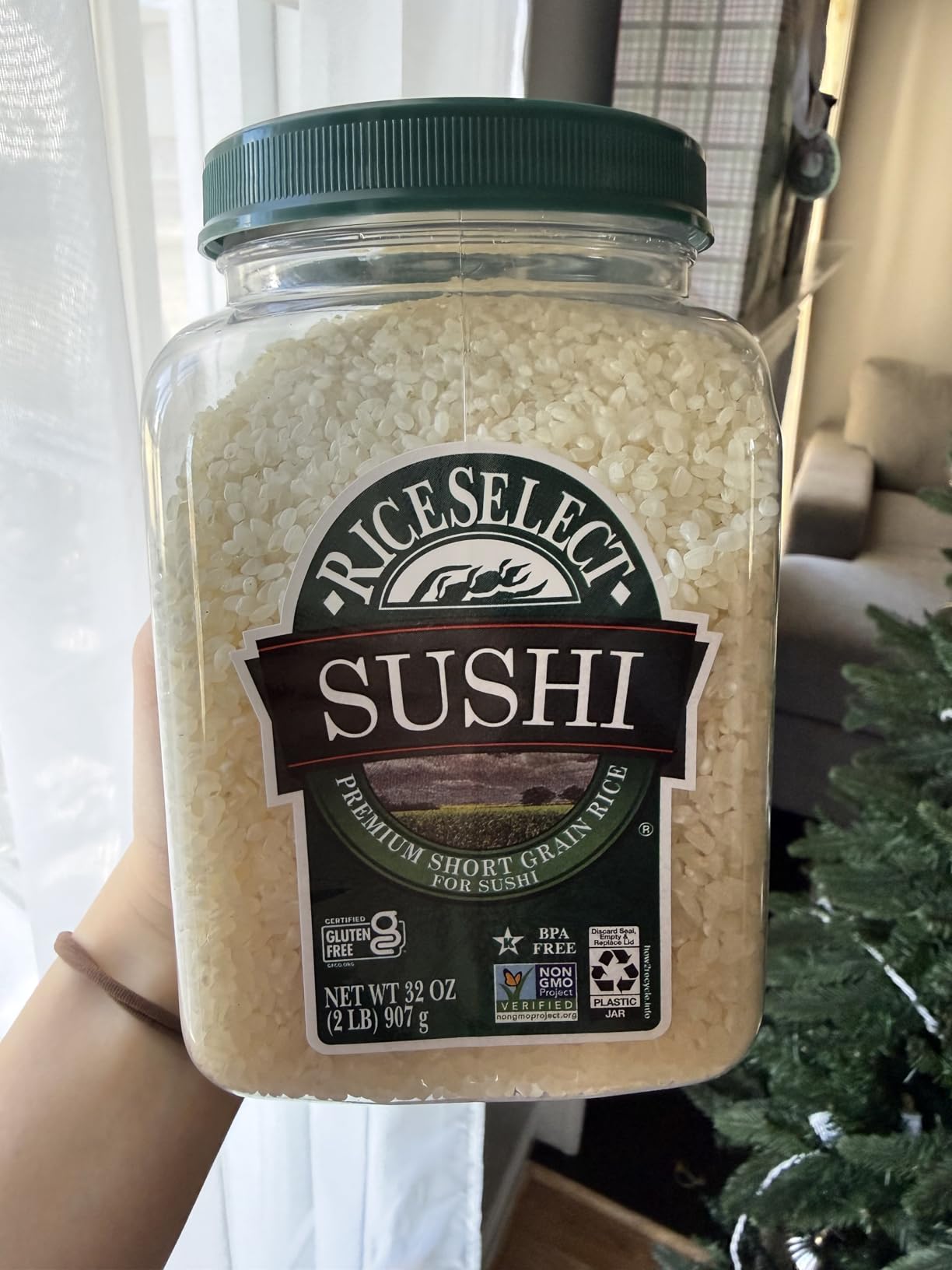
RiceSelect caught my eye because of its unique packaging. Instead of a bag, it comes in a clear, BPA-free jar that you can reseal and reuse. For anyone who struggles with keeping rice fresh in half-open bags, this is a genuinely practical solution.
The rice itself is a Koshihikari and Calihikari blend, which are both premium short grain varieties. When I cooked it for bibimbap, the grains came out soft, sticky, and sweet with an aroma that filled the kitchen. The texture held together perfectly when mixed with gochujang and seasoned vegetables.
The 15-minute cook time is faster than most short grain rice I have tested. If you are someone who wants to get bibimbap on the table quickly on a weeknight, this rice saves you time without sacrificing quality.
I also appreciate how easy it is to see how much rice remains in the jar. With bags, you are always guessing or shaking to estimate. The clear container eliminates that minor but real annoyance.
The cooking directions printed on the package are clear and accurate, which is helpful for anyone new to cooking short grain rice. I followed them exactly for my first batch and got excellent results.
Best for small households and first-time short grain rice cooks
RiceSelect is my recommendation for people who cook bibimbap occasionally rather than daily and do not need a 10 or 15-pound bag. The 32-ounce jar is the right size for a small household, and the resealable packaging keeps the rice fresh between uses.
It is also the most beginner-friendly option on this list. The clear cooking instructions, forgiving blend, and quick cook time make it hard to mess up, even if you have never cooked short grain rice before.
What to watch out for
The price per ounce is higher than bulk bagged options like Nishiki or Kokuho Rose. You are paying a premium for the packaging and the smaller size. For large families or daily rice cookers, this is not the most economical choice.
The 32-ounce jar also runs out quickly if you cook rice frequently. I would recommend it for occasional cooks or as a starter option before committing to a larger bag of a different brand.
8. Botan Calrose Rice – The Budget-Friendly Medium Grain Option
Botan Rice Calrose (Pack of 1)
Medium grain Calrose rice
5 pound bag
Soft sticky texture
Versatile for multiple cuisines
Pros
- Great sticky rice texture
- Tasty flavor profile
- Perfect in rice cookers
- Versatile for many dishes
- Affordable pricing
Cons
- Not Prime eligible
- Low stock availability
- Very few reviews
- Limited product information
Botan Calrose is the budget pick on this list, and it punches above its weight class. Calrose is a medium grain rice developed in California that has become a staple in Korean and Japanese American households for decades. It produces a soft, slightly sticky texture that works well for bibimbap.
When I cooked a batch for bibimbap testing, the results were solid. The grains were tender and stuck together enough to support the mixing motion that defines a good bibimbap experience. It did not have the complex flavor of Tamanishiki or Tamaki Gold, but for the price, the performance was impressive.
Calrose rice is what many Korean American families actually grew up eating. It is not a true short grain, but it has enough stickiness to serve as a perfectly acceptable bibimbap base, especially when topped with strongly flavored namul, meat, and gochujang.
Each grain cooked evenly in my rice cooker with a standard 1:1.2 rice-to-water ratio. The rice had a clean taste with no off flavors, and it absorbed the bibimbap sauce well without breaking down into mush.
Best for budget-conscious cooks who still want sticky rice
Botan Calrose is the rice I recommend when someone wants to try making bibimbap without investing in premium short grain rice. It gets you 80 percent of the way there at a fraction of the cost.
It is also a good choice if you cook a variety of Asian cuisines. Calrose works for stir-fries, rice bowls, sushi, and everyday side dishes, making it a versatile pantry staple beyond bibimbap.
What to watch out for
The main concern with Botan Calrose is availability. At the time of writing, it is not Prime eligible and has very limited stock with only a handful of reviews. This makes it harder to rely on as a consistent purchase.
Also, because Calrose is a medium grain rather than a true short grain, the texture is slightly less sticky and chewy than what you would get from Koshihikari varieties. For most casual bibimbap cooks this difference is minor, but purists may notice.
How to Choose the Right Rice for Bibimbap
Choosing the best korean rice for bibimbap comes down to understanding a few key factors. After testing eight varieties, I can tell you that not all short grain rice is created equal, and some medium grain options perform surprisingly well too.
Grain length matters more than brand
Short grain rice is the traditional choice for bibimbap because it produces the stickiest, chewiest texture. The short, plump grains release more starch during cooking, which causes them to cling together. This stickiness is what lets you mix rice with vegetables and gochujang and still get cohesive bites.
Medium grain rice, like Calrose varieties, is the next best option. It has moderate stickiness that works for bibimbap but produces a slightly less chewy texture. Nishiki and Kokuho Rose both fall into this category, and both are excellent everyday choices.
Long grain rice, including jasmine and basmati, is not suitable for bibimbap. The grains stay separate and fluffy, which means they will not hold together when mixed with the other ingredients. This is the most common mistake I see beginners make.
The stickiness factor
For bibimbap, you want rice that is sticky but not gummy. The grains should cling together when you scoop them, but each grain should still be distinguishable. If the rice turns into a paste, you have used too much water or overcooked it.
The amylose content in the rice determines stickiness. Short grain rice has the lowest amylose content, around 15 to 17 percent, which produces maximum stickiness. Medium grain rice has 18 to 22 percent amylose, giving it moderate stickiness that still works for bibimbap.
Water ratio and cooking method
Getting the water ratio right is just as important as choosing the right rice. For short grain rice, I use a 1:1.1 ratio of rice to water by volume. For medium grain, a 1:1.2 ratio works well. Always rinse the rice at least three times until the water runs clear to remove excess surface starch.
A rice cooker produces the most consistent results, especially models with a fuzzy logic or umami setting. If you cook on the stovetop, bring the water to a boil, reduce to the lowest heat, cover tightly, and cook for 15 minutes without lifting the lid. Let it rest for 10 minutes after cooking.
Organic vs conventional rice
If organic certification matters to you, Lundberg Organic Sushi Rice is the standout option on this list. It delivers genuine short grain stickiness while meeting organic and Non-GMO standards. Most Korean rice brands are not certified organic, though many are grown using traditional cultivation methods that avoid synthetic chemicals.
California-grown rice generally has lower heavy metal content than rice from some other regions, which is why brands like Kokuho Rose and Tamaki Gold emphasize their California origins.
Storage tips to keep rice fresh
Rice loses quality over time, and improper storage invites pantry pests. Always transfer rice from its original packaging to an airtight container as soon as you open it. Store the container in a cool, dry place away from sunlight.
For rice you will not use within two months, consider storing it in the refrigerator. This slows down oxidation and keeps the grains tasting fresh. Never store rice near strong-smelling foods, as it can absorb odors.
Frequently Asked Questions About Rice for Bibimbap
What type of rice is best for bibimbap?
Short grain white rice is the best type of rice for bibimbap because it produces the sticky, chewy texture that holds the dish together. Medium grain rice like Calrose varieties also works well as a more affordable alternative. Avoid long grain rice like jasmine or basmati, which produces separate, fluffy grains that do not cling together when mixed.
Can jasmine rice be used for bibimbap?
Jasmine rice is not recommended for authentic bibimbap. Jasmine is a long grain rice that cooks up fluffy and separate, which means it will not hold together when mixed with vegetables, meat, and gochujang. If jasmine rice is your only option, the dish will still be edible, but the texture will feel more like a rice bowl than traditional bibimbap.
What brand of rice do Koreans use?
Popular rice brands used by Korean households include Kokuho Rose, Nishiki, and Calrose varieties for everyday cooking. For higher quality, Korean cooks often choose Koshihikari short grain rice like Tamaki Gold or Tamanishiki. In Korea itself, brands like CJ and Ottogi are common, while Korean Americans frequently rely on California-grown medium grain rice.
Is sushi rice good for bibimbap?
Yes, sushi rice works excellently for bibimbap. Sushi rice is actually a short grain white rice variety, which is the same type of rice traditionally used for bibimbap. Brands labeled as sushi rice like Nishiki, Lundberg, and RiceSelect produce the sticky, tender texture that makes bibimbap satisfying to eat.
How do I get crispy rice (nurungji) for dolsot bibimbap?
To achieve crispy nurungji at the bottom of a dolsot bibimbap bowl, use a heated stone bowl or cast iron skillet. Cook short grain or medium grain rice until tender, then press it into the preheated, lightly oiled bowl. The hot surface crisps the bottom layer of rice into a golden, crunchy crust over 3 to 5 minutes while the toppings cook on top.
Final Thoughts on the Best Korean Rice for Bibimbap
After months of testing, my top recommendation for the best korean rice for bibimbap is Nishiki Premium Sushi Rice for everyday cooking and Tamanishiki Super Premium Short Grain Rice for special occasions. Both deliver the sticky, tender texture that makes bibimbap satisfying, but they serve different needs and budgets.
If you want the absolute best value, Kokuho Rose in its 15-pound bag is hard to beat for families. If organic matters to you, Lundberg is the clear choice. And if you want to try bibimbap without a big investment, Botan Calrose gets you most of the way there for a fraction of the cost.
The most important takeaway from all my testing is this: the rice you choose has a bigger impact on your bibimbap than you might expect. The right short grain or medium grain rice transforms the dish from a collection of toppings into a cohesive, restaurant-quality meal. Pick any of the eight options above, rinse thoroughly, nail the water ratio, and your bibimbap in 2026 will be better than ever.