
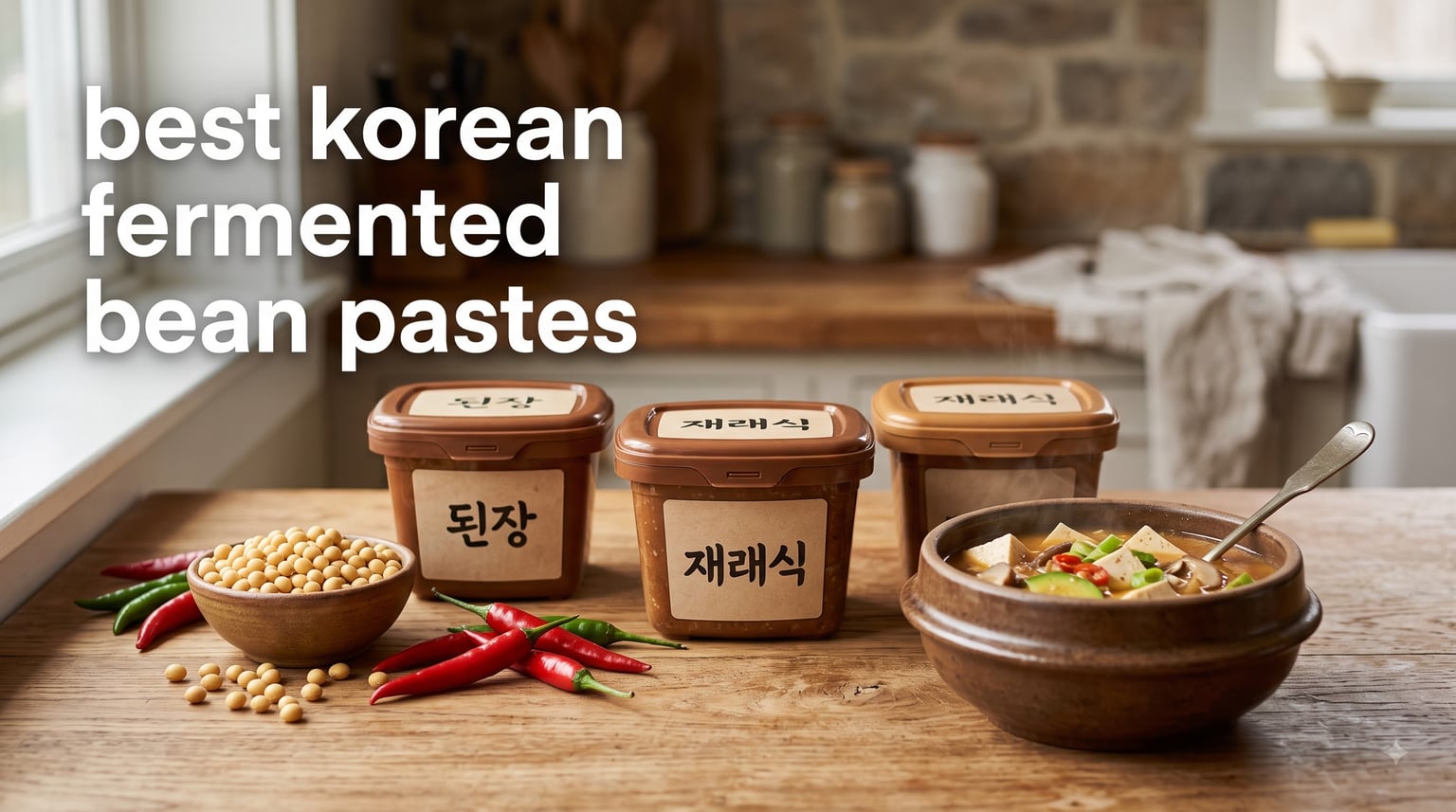
I still remember the first time I opened a tub of authentic doenjang. The smell hit me like a wall, pungent and earthy, and I honestly questioned whether I had made a mistake. But that first spoonful dissolved into a pot of jjigae told me everything I needed to know. The depth of flavor was unlike anything I had cooked with before.
That was six years ago. Since then, our team has tested dozens of Korean fermented bean pastes across every category, from traditional doenjang to gochujang and ssamjang. We have cooked jjigae, marinades, dipping sauces, and bibimbap with each one to find the best Korean fermented bean pastes available online.
This guide covers 12 products we tested in 2026. We break down what makes each paste unique, which ones work best for specific dishes, and how to read those Korean labels that confuse everyone at first. Whether you are making your first pot of doenjang jjigae or looking for a restaurant-quality gochujang for your BBQ marinades, we have you covered.
Korean fermented bean pastes fall into three main categories. Doenjang is the non-spicy soybean paste that forms the backbone of Korean soups and stews. Gochujang adds fermented chili heat for bibimbap and tteokbokki. Ssamjang combines both into a ready-to-use dipping sauce for Korean BBQ. We tested all three types to give you a complete picture of the Korean jang pantry.
Table of Contents
Top 3 Picks for Best Korean Fermented Bean Pastes

CJ Haechandle Soybean Paste Doenjang
- Authentic Korean doenjang
- Rich umami flavor
- Great for jjigae and stews
- Smooth texture

Chung Jung One Jaeraesik Doenjang
- Traditional jaerae style
- Excellent for jjigae
- Authentic Korean taste
- Versatile seasoning

Q-Rapha Premium 3-Year Aged Doenjang
- Aged over 3 years
- Gluten-free and Non-GMO
- Only 3 ingredients
- Artisanal handcrafted
Best Korean Fermented Bean Pastes in 2026
| Product | Specifications | Action |
|---|---|---|
| CJ Haechandle Doenjang 500g |
|
Check Latest Price |
| Chung Jung One Jaeraesik Doenjang |
|
Check Latest Price |
 Chung Jung One Premium Doenjang Chung Jung One Premium Doenjang |
|
Check Latest Price |
 Wang Korean Traditional Doenjang Wang Korean Traditional Doenjang |
|
Check Latest Price |
| Q-Rapha Premium 3-Year Doenjang |
|
Check Latest Price |
 Chung Jung One Ssamjang Mild Chung Jung One Ssamjang Mild |
|
Check Latest Price |
 Chung Jung One Gochujang Medium Chung Jung One Gochujang Medium |
|
Check Latest Price |
 CJ Haechandle Gochujang 500g CJ Haechandle Gochujang 500g |
|
Check Latest Price |
 Sempio Gochujang Mild Heat Sempio Gochujang Mild Heat |
|
Check Latest Price |
 Chung Jung One Gochujang Mild Chung Jung One Gochujang Mild |
|
Check Latest Price |
 Roland Foods Gochujang 17.6oz Roland Foods Gochujang 17.6oz |
|
Check Latest Price |
 Lucky Foods Seoul Gochujang Lucky Foods Seoul Gochujang |
|
Check Latest Price |
1. CJ Haechandle Soybean Paste (Doenjang) — Authentic Everyday Doenjang
CJ Haechandle Soybean Paste, Korean Doenjang, 500g (1lb),
500g tub
Authentic Korean doenjang
Rich umami flavor
Smooth texture
Pros
- Rich savory flavor with authentic Korean taste
- Smooth texture dissolves well in soups and stews
- Adds delicious umami punch to sauces and marinades
- Fermented product with probiotics for gut health
- Perfect for traditional Korean cooking
Cons
- Lid is a sticky film that is not replaceable
- Strong fermented smell that some may find overpowering
I have gone through more tubs of CJ Haechandle doenjang than I can count. This is the paste I reach for on a Tuesday night when I want a quick pot of doenjang jjigae without overthinking it. The flavor is rich and savory with that deep fermented character that tells you this is the real deal.
The texture is smooth and consistent, which makes it easy to dissolve into broth. Some artisanal doenjang has chunks of soybean throughout, but CJ Haechandle blends into a uniform paste. I actually prefer this for weeknight cooking because it distributes flavor evenly without leaving gritty bits in the soup.
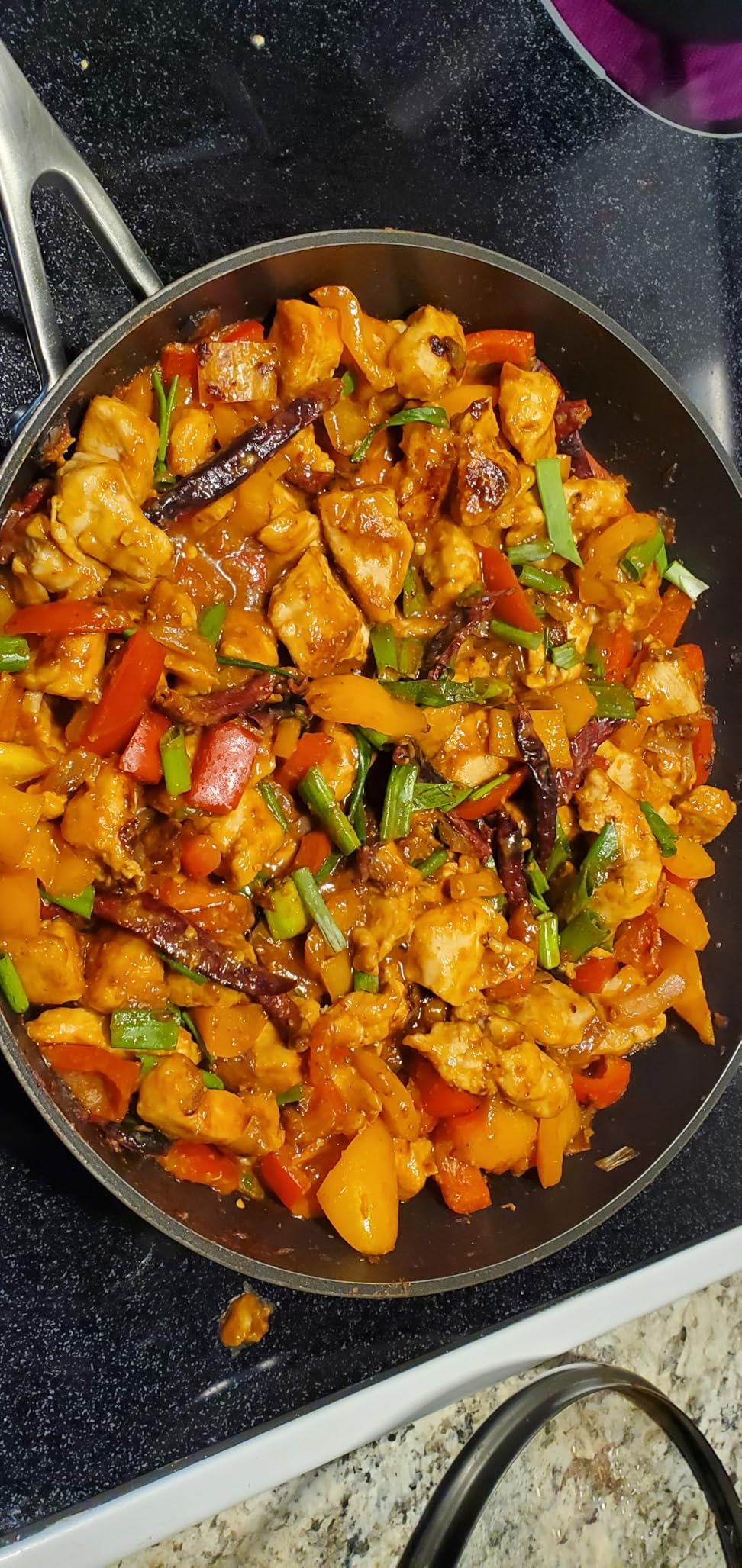
What surprised me most is how little you need. A tablespoon or two flavors an entire pot of stew. The umami is concentrated and builds as the jjigae simmers. I have also used this in marinades for pork shoulder, and it tenderizes the meat while adding incredible depth.
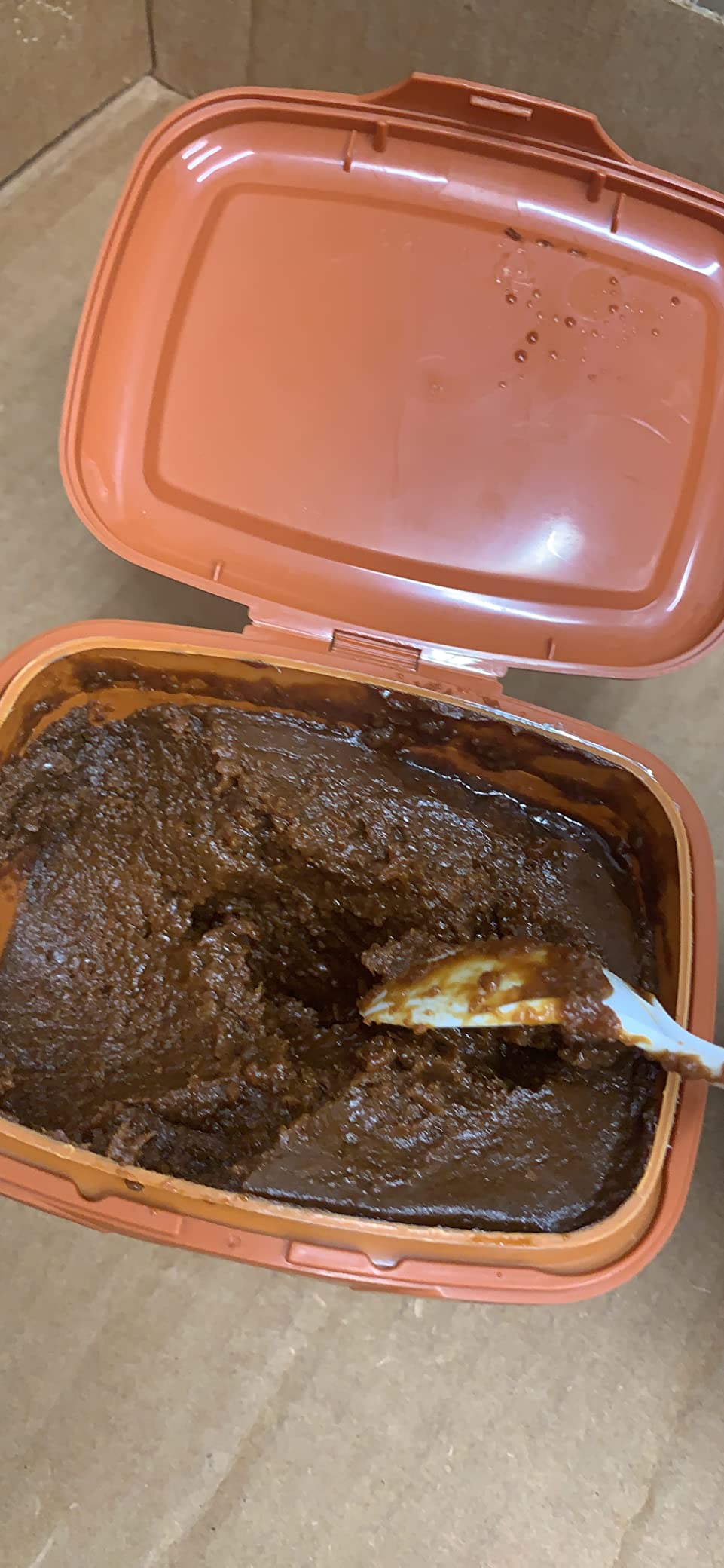
The fermented smell is strong when you first open the tub. If you have never cooked with doenjang before, expect a pungent, earthy aroma that might catch you off guard. This is completely normal and actually signals a properly fermented product. The smell mellows dramatically once cooked into dishes.
Who Should Buy This
This is the best all-around doenjang for home cooks who want authentic Korean flavor without hunting for specialty products. If you are making doenjang jjigae, ssamjang, or Korean soups regularly, this tub will become your go-to pantry staple.
It is also ideal for beginners who want a consistent, predictable product. The smooth texture and balanced saltiness make it forgiving in recipes, so you are less likely to oversalt or create an unbalanced dish.
What to Watch Out For
The lid is a sticky film rather than a hard plastic cover. Once you peel it back, there is no way to reseal it tightly. I transfer mine to an airtight container after opening to keep it fresh in the fridge.
The fermented smell can be intense. If you live with someone who is sensitive to strong aromas, give them a heads up before you start cooking. The smell dissipates as the paste cooks into your dish.
2. Chung Jung One Jaeraesik Soybean Paste (Doenjang) — Traditional Style Doenjang
Jaeraesik Soybean Paste, Doenjang (1.1 lb) By Chung-Jung-One
1.1 lb tub
Traditional jaeraesik style
For doenjang jjigae
Authentic Korean
Pros
- Authentic Korean doenjang taste
- Excellent for traditional doenjang jjigae
- Better than Japanese miso according to users
- Versatile with noodles tofu rice and soups
- Adds deep umami depth to recipes
Cons
- Expensive for the portion size
- Very salty requiring balancing with water and vegetables
- Small container for the price
The jaeraesik style of doenjang refers to the traditional method where soybeans are fermented as solid blocks called meju, then aged in brine. Chung Jung One captures this traditional approach in a convenient tub, and the difference in flavor complexity is noticeable compared to standard commercial doenjang.
When I first opened this paste, I could see the texture was slightly chunkier than the CJ Haechandle. There are small fragments of fermented soybean visible throughout, which is exactly what you want from a traditionally styled paste. This tells you the paste was not over-processed.
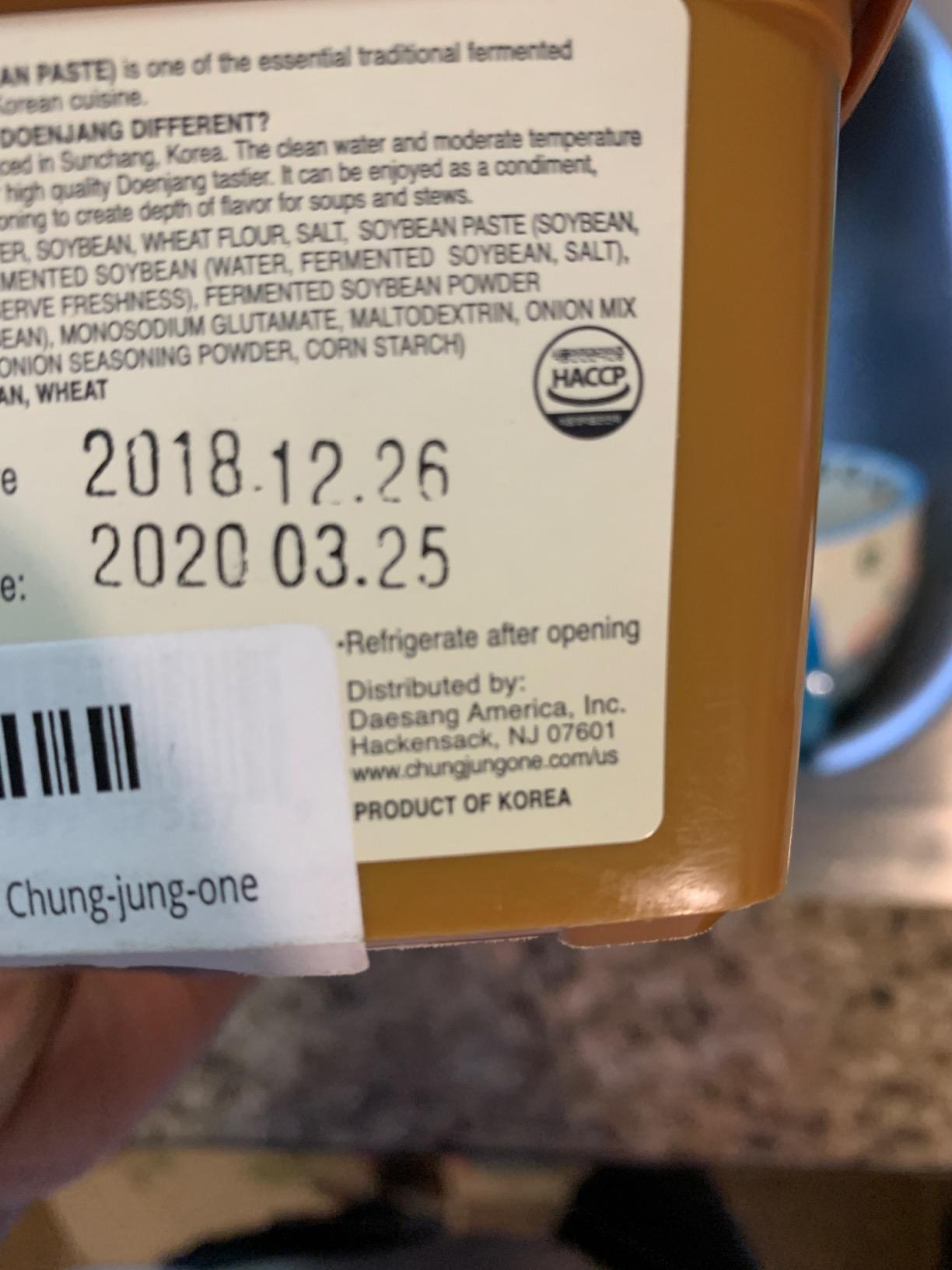
The flavor hits harder than standard doenjang. There is a deeper, more complex umami profile with nutty undertones that develop as you cook with it. I made a side-by-side comparison using this and a mass-market doenjang in two pots of jjigae, and the jaeraesik version had noticeably more depth.
Many Reddit users in r/KoreanFood specifically recommend traditional-style doenjang like this one. They often mention that commercial brands can taste flat compared to traditional versions, and this product bridges that gap between accessibility and authenticity.
Who Should Buy This
This is for cooks who want to step up from basic doenjang to something with more traditional character. If you have tried standard doenjang and felt it was missing complexity, the jaeraesik style delivers that deeper flavor profile.
It is also great for anyone who has had doenjang jjigae at a Korean restaurant and wants to replicate that richer taste at home. The traditional fermentation method creates flavors that mass production simply cannot match.
What to Watch Out For
This paste is quite salty. You will need less than you think, and I recommend tasting your dish before adding any additional salt. Using too much will overpower the other ingredients quickly.
The container is small for the price. At 1.1 pounds, it goes faster than you might expect if you cook Korean food regularly. Consider buying two tubs if you cook with doenjang more than once a week.
3. Chung Jung One Premium Korean Soybean Paste (Doenjang) — Non-GMO Doenjang
Doenjang – Premium Korean Soybean Miso Paste [Original, 1.1 lb (500g)] – Fermented Korean Miso-Style Bean Paste for Doenjang Jjigae, Stews, Soups, Marinades & Dipping Sauces – Rich Umami Korean Pantry Essential
1.1 lb tub
Non-GMO soybeans
Sea salt
No artificial preservatives
Pros
- Premium non-GMO soybeans with sea salt
- Deep umami flavor with creamy texture
- Healthy fermentation with live enzymes and probiotics
- Aged to perfection for exceptional taste
- Versatile for jjigae soups marinades and sauces
Cons
- Higher price point compared to standard doenjang
- Strong fermented flavor may not suit all palates
Chung Jung One positions this as their premium doenjang line, and the quality difference shows in the ingredients. Made with non-GMO soybeans and sea salt, this paste has a cleaner ingredient list than many commercial alternatives on the market.
The texture is creamier than the jaeraesik version. It spreads smoothly and incorporates easily into sauces and marinades. I found this particularly good for making ssamjang at home, where you mix doenjang with gochujang and seasonings for a dipping sauce.
![Doenjang - Premium Korean Soybean Miso Paste [Original, 1.1 lb (500g)] - Fermented Korean Miso-Style Bean Paste for Doenjang Jjigae, Stews, Soups, Marinades & Dipping Sauces - Rich Umami Korean Pantry Essential customer photo 1](https://koreatowncookbook.com/wp-content/uploads/2026/08/B01MYE73DS_customer_1.jpg)
The flavor is deep and complex without being overwhelming. There is a nuttiness underneath the umami that adds dimension to stews. Our team noticed this paste develops more flavor the longer it cooks, so it works especially well in slow-simmered dishes rather than quick preparations.
One thing that stood out to me is the probiotic angle. Since this is a traditionally fermented product, it retains live beneficial enzymes. You lose some of that when you cook it at high heat, but using a small amount raw in dipping sauces preserves those benefits.
![Doenjang - Premium Korean Soybean Miso Paste [Original, 1.1 lb (500g)] - Fermented Korean Miso-Style Bean Paste for Doenjang Jjigae, Stews, Soups, Marinades & Dipping Sauces - Rich Umami Korean Pantry Essential customer photo 2](https://koreatowncookbook.com/wp-content/uploads/2026/08/B01MYE73DS_customer_2.jpg)
Who Should Buy This
This is the right choice for health-conscious cooks who care about ingredient quality. The non-GMO soybeans and absence of artificial preservatives make it a cleaner option compared to mass-market doenjang.
It is also excellent if you want a versatile paste that works in both traditional Korean dishes and fusion cooking. The creamy texture and balanced flavor adapt well to marinades, salad dressings, and even roasted vegetable glazes.
What to Watch Out For
The price is higher than standard doenjang options. If you cook with bean paste daily and go through tubs quickly, the cost adds up over time.
The fermented flavor is pronounced. If you are new to Korean fermented bean pastes, this intensity might take some getting used to. Start with small amounts and build up as your palate adjusts.
4. Wang Korean Traditional Doenjang — Rustic Authentic Soybean Paste
Wang Korean Traditional Doenjang, Authentic Fermented Soybean Paste
1.1 lb tub
Made from meju
Deep earthy savory toasty flavor
Made in Korea
Pros
- Authentic Korean flavor with deep earthy savory and toasty taste
- Versatile for jjigae ssamjang BBQ marinades soups and stir-fries
- Rich umami depth that enhances Korean dishes
- Traditional chunky texture with soybean fragments
- Dissolves well in cooking and good price for the quantity
Cons
- Chunky grainy texture may be unfamiliar to those used to smooth miso
- Strong rustic flavor profile may not suit all palates
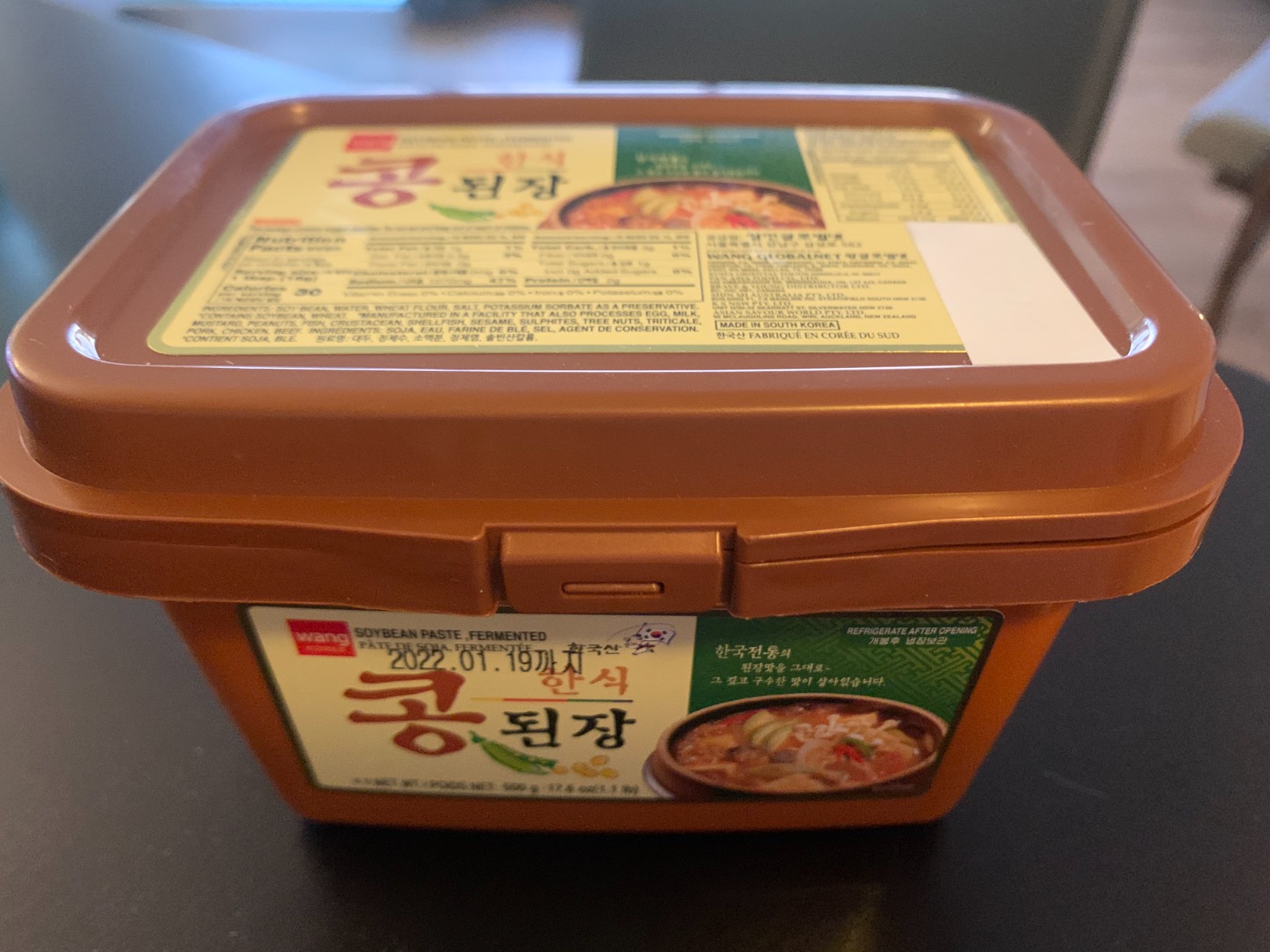
Wang Korean Traditional Doenjang is the closest thing I have found to homemade Korean doenjang in a store-bought tub. The texture is intentionally chunky with visible soybean fragments throughout, which tells you this paste was made using traditional meju fermentation rather than industrial processing.
The flavor profile is distinctly rustic. There is an earthy, toasty quality that reminds me of the doenjang my Korean friend’s grandmother used to make. It tastes like it was fermented slowly and with care, not rushed through a factory production line.
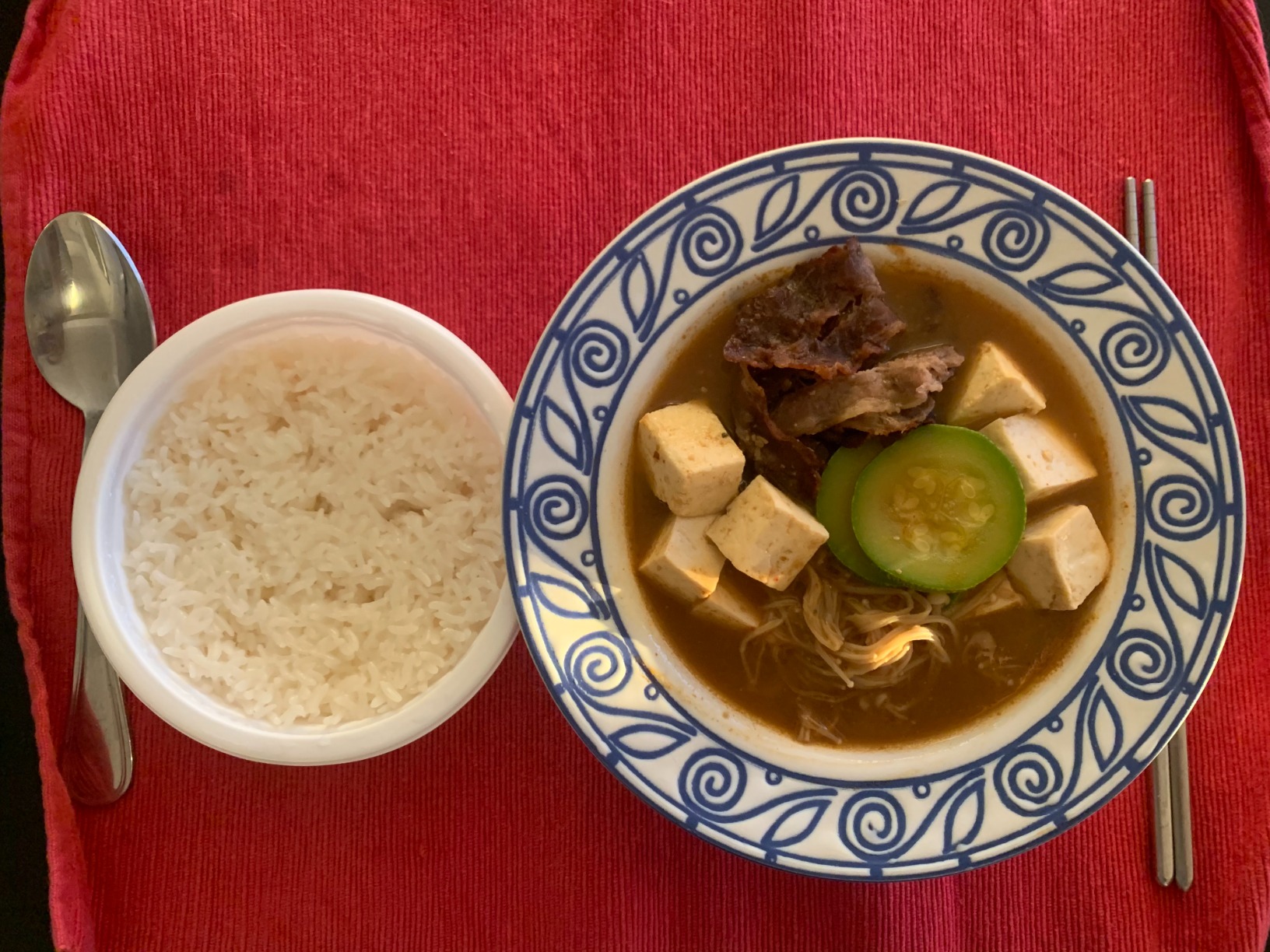
I tested this primarily in doenjang jjigae, and it produced a richer, more layered broth than smoother commercial brands. The chunks dissolve as the stew simmers, releasing flavor gradually into the broth. This creates a depth that instant-mix pastes simply cannot replicate.
The value here is excellent. You get authentic traditional-style doenjang at a very accessible price. Maangchi, one of the most trusted names in Korean cooking online, specifically mentions Wang as a good accessible option for home cooks.
Who Should Buy This
If you want authentic Korean doenjang flavor and do not mind a chunkier texture, this is your best bet. It is perfect for traditional dishes where the rustic character enhances the final result.
It is also ideal for budget-conscious cooks who refuse to compromise on authenticity. You get traditional production methods and deep flavor at one of the best prices per ounce in this roundup.
What to Watch Out For
The chunky texture takes getting used to if you are accustomed to smooth Japanese miso. The soybean fragments are intentional, not a quality issue, but they can surprise first-time users.
The flavor is bold and rustic. If you prefer milder, more delicate flavors, you might find this paste too intense. Start with less than your recipe calls for and adjust to taste.
5. Q-Rapha Premium Korean Doenjang — 3-Year Aged Artisanal Paste
Q-Rapha Premium Korean Doenjang (Soybean Paste), Gluten-free Non-GMO Unpasteurized Artisanal, Aged over 3 Years (17.9 oz)
17.9 oz tub
Aged over 3 years
Gluten-free Non-GMO
Only 3 ingredients
Artisanal handcrafted
Pros
- 100 percent all-natural ingredients soybeans water and sea salt only
- Gluten-free and Non-GMO with no MSG or additives
- Artisanal handcrafted by Jang artisan Uk Kang
- Aged over 3 years for deep rich flavor
- Authentic Korean doenjang taste verified by Korean customers
Cons
- Higher price point than mass-market alternatives
- Strong smell when opened characteristic of fermented product
- Firmer texture than some commercial brands
- Some users find it too salty
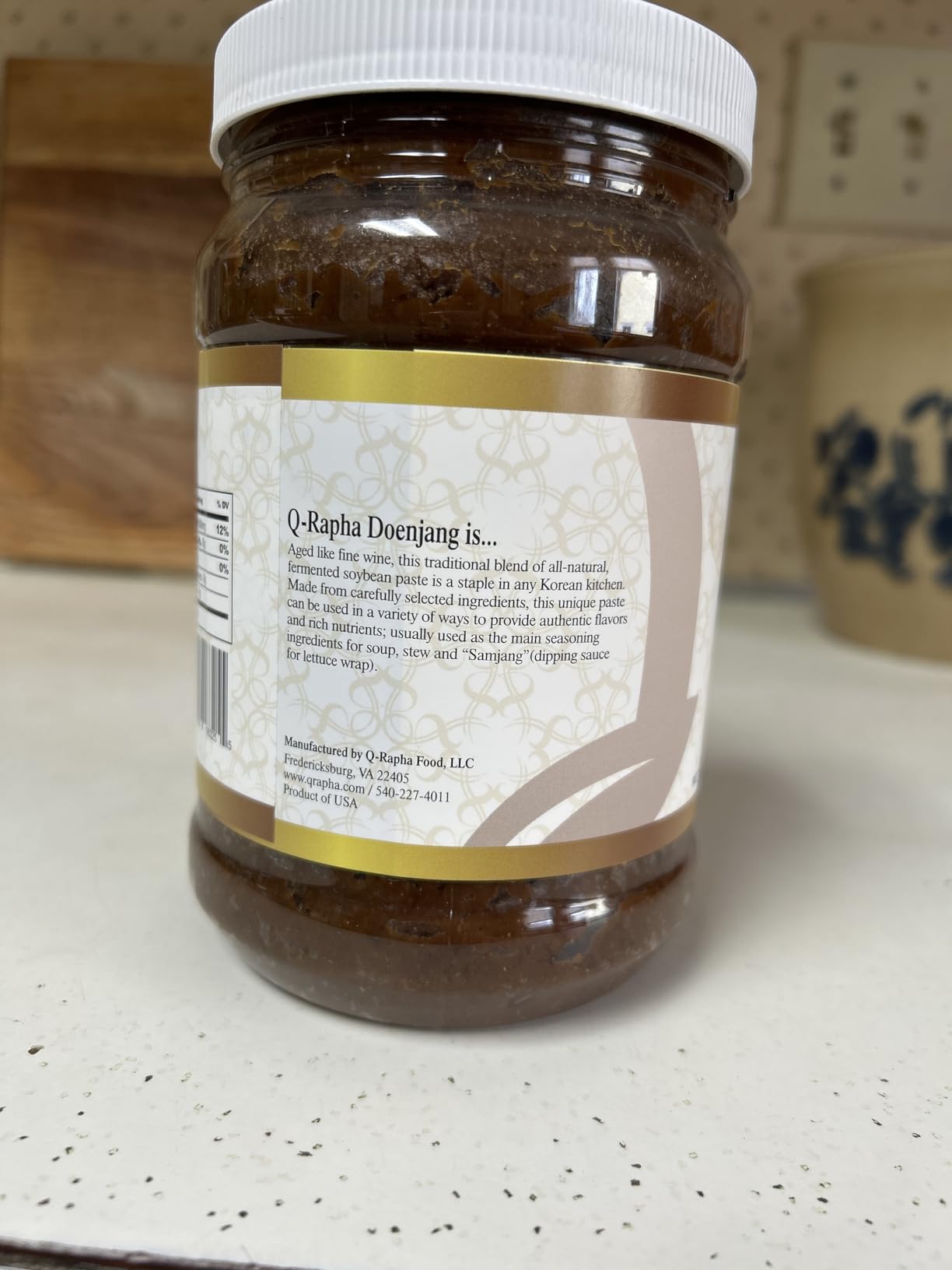
Q-Rapha is the most artisanal product in this roundup. Handcrafted by Jang artisan Uk Kang, this doenjang is aged for over three years using only three ingredients: soybeans, water, and sea salt. No shortcuts, no additives, no MSG.
When I opened the tub, the first thing I noticed was the firmer texture. This is not a soft, spreadable paste. It has a dense, almost crumbly consistency that reflects its long aging process. The color is darker than commercial doenjang, with a deep brown that comes from years of slow fermentation.
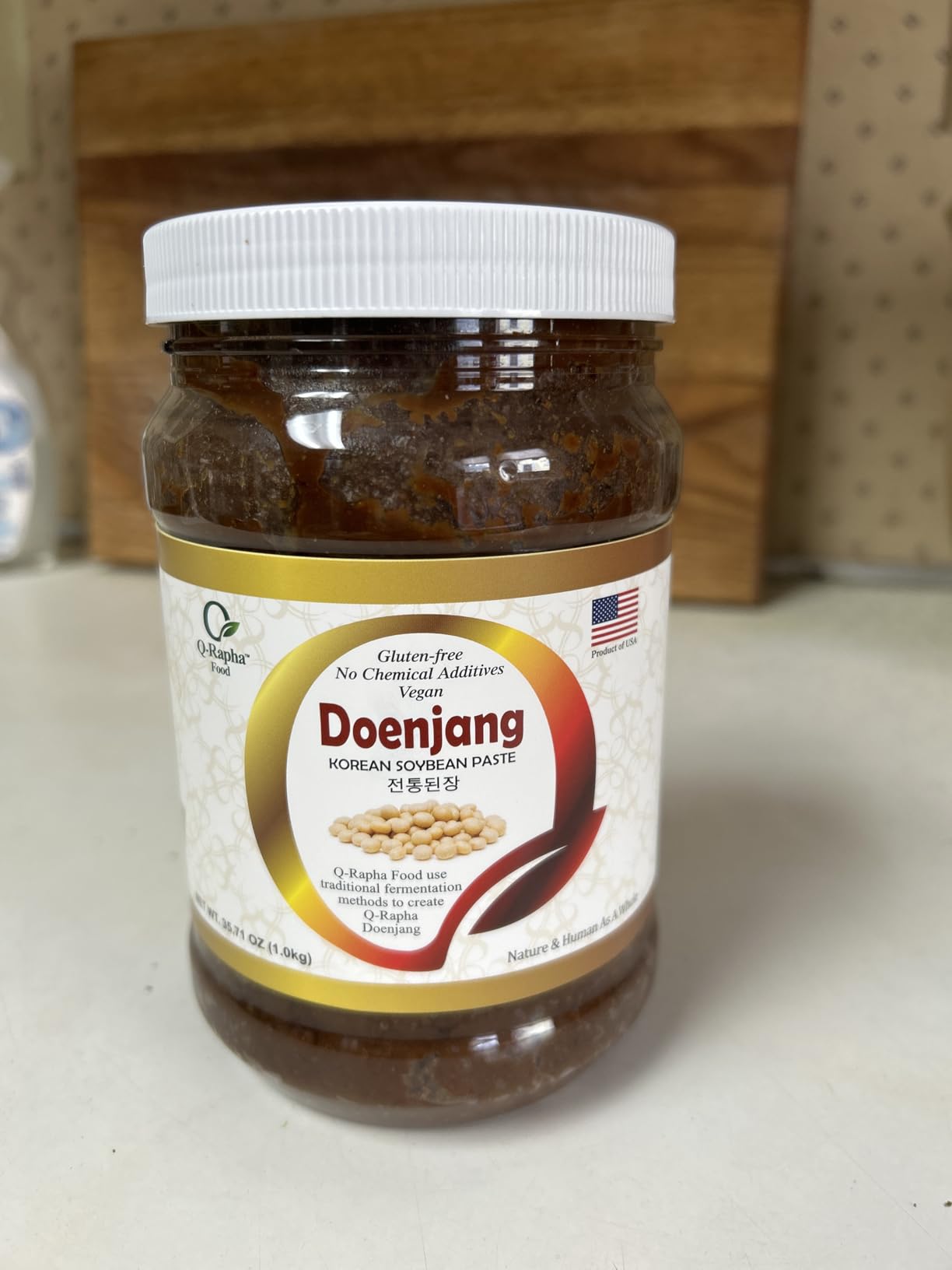
The flavor is extraordinary. Three years of aging creates a complexity that no commercially rushed product can match. There are layers of umami, nuttiness, and a subtle sweetness that develops from the breakdown of soybean proteins over time. Korean customers reviewing this product say it tastes like their grandmother’s homemade doenjang.
I used this in a simple jjigae with tofu, zucchini, and dried anchovy broth. The paste elevated what should have been a basic soup into something deeply satisfying. The flavor was so complex that I found myself tasting the broth repeatedly, trying to identify each note.
Who Should Buy This
This is for serious Korean food enthusiasts who want the most authentic, artisanal experience available online. If you understand the difference between mass-produced and traditionally aged doenjang, you will appreciate what Q-Rapha delivers.
It is also excellent for anyone with dietary restrictions. The three-ingredient formula is gluten-free, non-GMO, and free of all chemical preservatives. You cannot get a cleaner ingredient list than soybeans, water, and sea salt.
What to Watch Out For
The price reflects the artisanal production and three-year aging process. This is significantly more expensive per ounce than mass-market alternatives, so it may not be practical for daily cooking.
Stock availability can be limited. The product sometimes shows low stock warnings, likely because artisanal production cannot keep up with demand. If it is in stock, consider grabbing it while you can.
6. Chung Jung One Premium Ssamjang — Ready-to-Use BBQ Dipping Sauce
Premium Korean Ssamjang Soybean Paste Sauce [Mild | 1.0 lb (500g)] for BBQ, Lettuce Wraps, Rice, Vegetables, and Meat | Korean Flavor, Bold & Savory – O’food
1.0 lb tub
Ssamjang dipping sauce
Soybean and chili paste
Mild and savory
Pros
- Perfect balance of spice and umami flavor
- Rich thick paste from fermented soybean and chili pepper
- Versatile for Korean BBQ lettuce wraps dipping sauces and marinades
- Authentic Korean taste used in restaurants
- Smooth and creamy texture with no artificial preservatives
Cons
- Some users find it slightly too sweet for their preference
- Not Prime eligible
- May be pricier than some alternatives
Ssamjang is the easiest entry point into Korean fermented bean pastes. It is a pre-mixed blend of doenjang and gochujang with sesame oil, garlic, and onions already incorporated. You open the tub and it is ready to serve as a dipping sauce for Korean BBQ.
I brought this to a backyard Korean BBQ session with friends, and it was the hit of the night. We grilled pork belly and bulgogi, wrapped the meat in lettuce leaves with rice and garlic, and dipped everything in this ssamjang. Everyone kept going back for more.
![Premium Korean Ssamjang Soybean Paste Sauce [Mild | 1.0 lb (500g)] for BBQ, Lettuce Wraps, Rice, Vegetables, and Meat | Korean Flavor, Bold & Savory - O'food customer photo 1](https://koreatowncookbook.com/wp-content/uploads/2026/07/B07BFQPCM6_customer_1.jpg)
The texture is thick and creamy, which holds up well on a piece of grilled meat without sliding off. The flavor balances savory umami from the soybean paste with a mild kick from the chili. It is not aggressively spicy, making it approachable for people who cannot handle serious heat.
What I appreciate about this product is the convenience. Making ssamjang from scratch requires buying doenjang and gochujang separately and balancing the ratio yourself. Chung Jung One has done that work for you, and the result tastes like what you would get at a Korean restaurant.
Who Should Buy This
This is perfect for anyone who loves Korean BBQ and wants a restaurant-quality dipping sauce without the effort of making it from scratch. It is also great for beginners who want to experience Korean flavors without committing to separate doenjang and gochujang tubs.
If you entertain often, keep a tub of this in your pantry. Pair it with grilled meats, vegetables, or rice for an instant flavor boost that requires zero preparation.
What to Watch Out For
Some users find this ssamjang slightly sweeter than homemade versions. If you prefer a more savory, less sweet dipping sauce, you might want to mix your own using doenjang and gochujang separately.
This product is not always Prime eligible, which can affect shipping speed and cost. Check availability before ordering if you need it quickly for a gathering.
7. Chung Jung One Gochujang Medium — Versatile Red Chili Paste
Gochujang – Premium Korean Red Chili Paste [ Medium | 1.1 lb (500g) ] – 0 Fat/ 0 Cholesterol / (40 Calories/Serving) | Spicy & Sweet Savory Fermented Sauce | Great for Bibimbap, Marinades, Stews & BBQ – O’food
1.1 lb tub
Medium heat
Gluten-free
0 fat 0 cholesterol
Sweet and savory fermented
Pros
- Rich authentic fermentation provides deep umami flavor
- Made with premium red chili peppers and glutinous rice
- No wheat-based thickeners and gluten-free
- Versatile for marinades soups dipping sauces and BBQ
- Wide-mouth tub design for easy access
Cons
- Lid seal can become compromised if not careful about cleaning edges
- Bright red color can permanently stain plastic containers
This is the gochujang I cook with most often. With over 21,000 reviews and a 4.6-star rating, it is one of the most popular Korean chili pastes available online. The medium heat level hits a sweet spot that adds flavor without overwhelming less heat-tolerant eaters.
The paste is thick and bright red with a sticky, almost caramel-like consistency. I find it spreads easily when mixed into sauces but holds its shape when used as a condiment. The sweetness from the glutinous rice balances the chili heat perfectly.
![Gochujang - Premium Korean Red Chili Paste [ Medium | 1.1 lb (500g) ] - 0 Fat/ 0 Cholesterol / (40 Calories/Serving) | Spicy & Sweet Savory Fermented Sauce | Great for Bibimbap, Marinades, Stews & BBQ - O'food customer photo 1](https://koreatowncookbook.com/wp-content/uploads/2026/07/B013HB0CC4_customer_1.jpg)
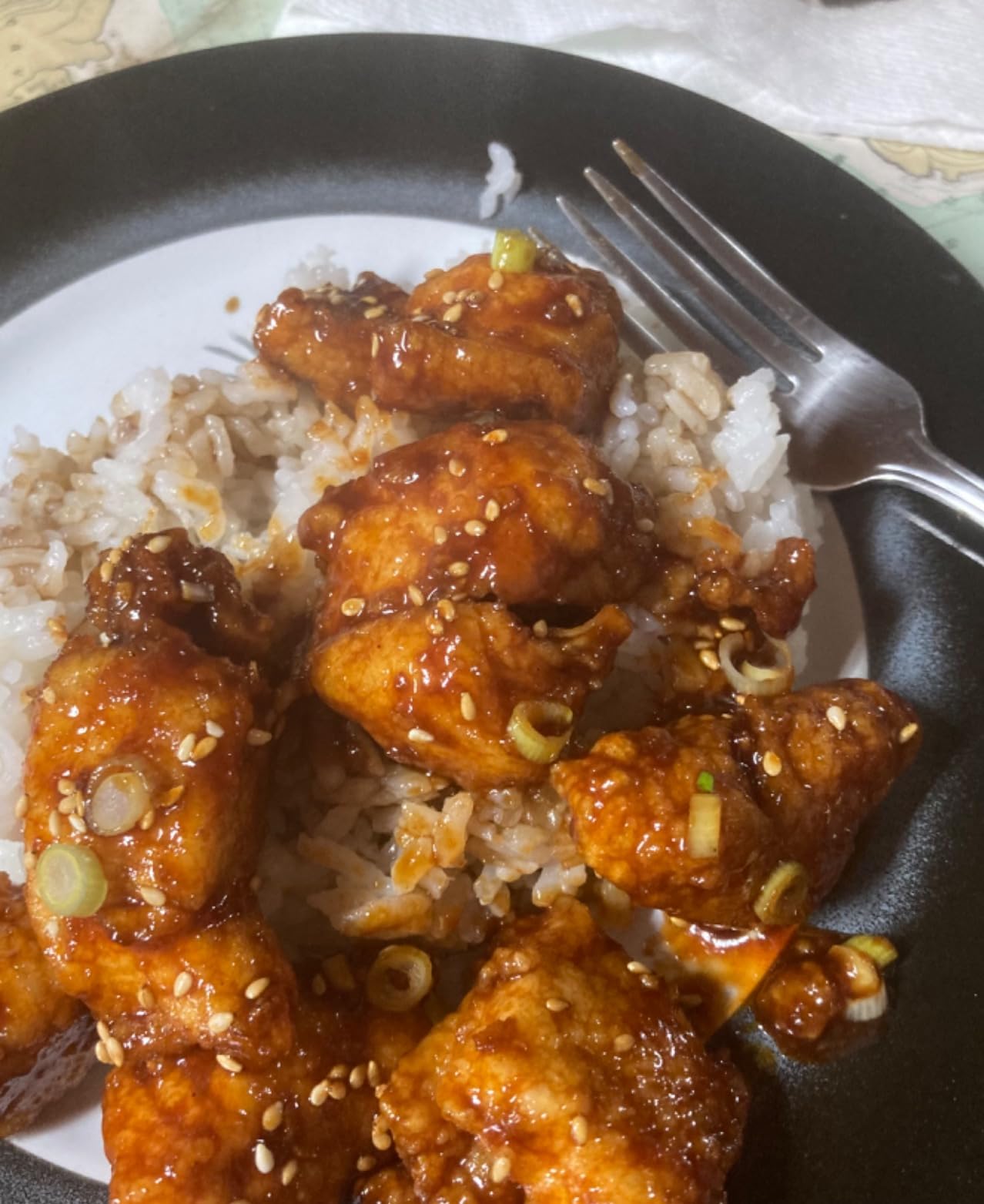
I tested this across multiple dishes over several weeks. It performed well in bibimbap, where a dollop on top of rice and vegetables created the classic sweet-spicy-savory combination. It also made an excellent marinade for chicken thighs when mixed with soy sauce, sesame oil, and garlic.
The gluten-free formulation sets this apart from many gochujang brands that use wheat-based thickeners. If you are cooking for someone with gluten sensitivity, this is one of the safest mainstream gochujang options available.
![Gochujang - Premium Korean Red Chili Paste [ Medium | 1.1 lb (500g) ] - 0 Fat/ 0 Cholesterol / (40 Calories/Serving) | Spicy & Sweet Savory Fermented Sauce | Great for Bibimbap, Marinades, Stews & BBQ - O'food customer photo 2](https://koreatowncookbook.com/wp-content/uploads/2026/07/B013HB0CC4_customer_2.jpg)
Who Should Buy This
This is the best gochujang for cooks who want a reliable, versatile chili paste for everyday Korean cooking. The medium heat level works in everything from bibimbap to stews to marinades.
It is also the right pick if gluten-free certification matters to you. Many gochujang products contain wheat, but this one uses glutinous rice as the base, making it safe for gluten-free diets.
What to Watch Out For
The bright red color stains easily. I learned this the hard way when a small amount transferred to a white plastic cutting board and never came out. Use stainless steel or glass containers when working with this paste.
The lid seal requires attention. If paste gets into the rim, the seal can fail and allow air in. Wipe the edges clean after each use to maintain freshness.
8. CJ Haechandle Hot Pepper Paste (Gochujang) — Korea’s Best-Selling Gochujang
CJ Haechandle Hot Pepper Paste 500g Korean Spicy Red Chile Paste 1.1 lb., Gochujang, 17.63 Ounce
500g tub
Best-selling gochujang in Korea
45-year history
Sweet savory spicy with umami
Pros
- Number one best-selling gochujang in Korea
- 45-year history of traditional Haechandle taste
- Rich savory-sweet heat with perfect balance
- Thick smooth texture easy to mix into dishes
- Authentic Korean ingredients with fresh red chili peppers
Cons
- Slightly expensive on Amazon compared to local markets
- Concentrated flavor requires careful portioning
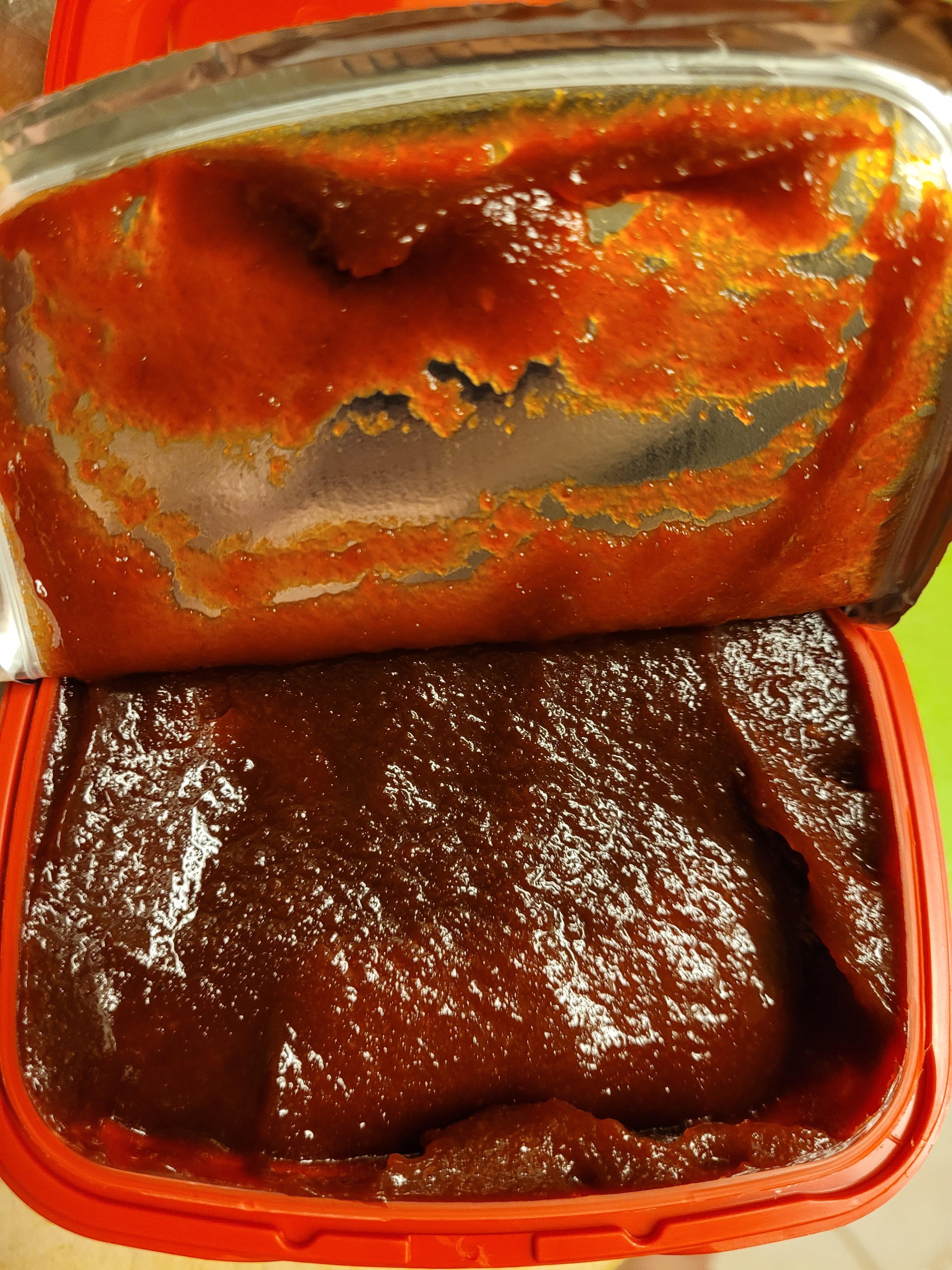
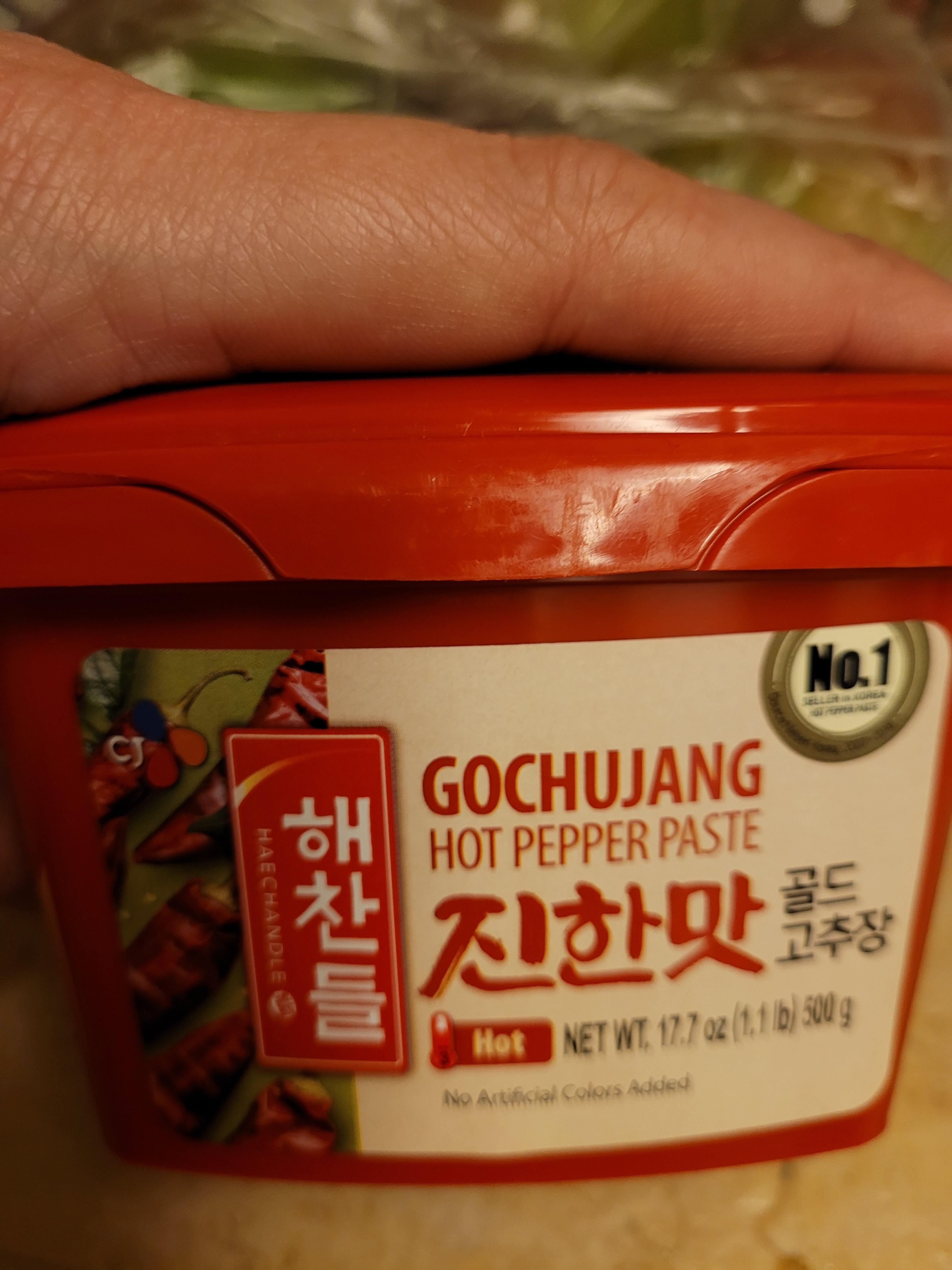
CJ Haechandle is the best-selling gochujang in Korea, and that kind of market dominance does not happen by accident. With a 45-year history behind the brand, this paste represents the flavor profile that most Koreans consider the standard for gochujang.
The texture is thick and smooth, spreading easily but holding its shape. I found it slightly softer than the Chung Jung One version, which makes it easier to mix into liquid-based dishes like tteokbokki sauce. The color is a deep, rich red that signals proper fermentation.
The flavor hits all three notes that define good gochujang: sweet, spicy, and savory umami. The heat builds gradually rather than hitting you immediately, which lets the other flavors come through. I used this in kimchi stew and was impressed by how the gochujang deepened the broth without making it aggressively spicy.
What makes this stand out is the consistency. Every tub I have purchased has tasted identical, which speaks to CJ’s quality control. When you develop a recipe around this gochujang, you can trust it will taste the same every time you make it.
Who Should Buy This
If you want the gochujang that most Korean households use, this is it. The best-selling status in Korea means this is the benchmark flavor profile that other brands are compared against.
It is also great for cooks who prioritize consistency. If you meal prep or cook Korean food regularly, having a gochujang that delivers the same flavor every time makes recipe development much easier.
What to Watch Out For
The Amazon price tends to be higher than what you would pay at a Korean grocery store. If you have access to a local H Mart or Korean market, compare prices before buying online.
The flavor is concentrated, so a little goes a long way. New users often add too much gochujang to a dish and end up with overwhelming heat and sweetness. Start with a small amount and build up.
9. Sempio Gochujang Mild Heat — Vegan and Halal Certified
Sempio Gochujang Mild Heat Red Chili Pepper Paste, 1.1lbs / 500g
1.1 lb tub
Mild heat
Vegan Non-GMO Halal
Sun-dried Korean chilies
Rice syrup base
Pros
- Authentic Korean flavor from sun-dried ingredients
- Vegan and gluten-free suitable for plant-based diets
- Halal certified for dietary requirements
- Made with sun-dried Korean red chili peppers and rice syrup
- Non-GMO soybeans with no artificial preservatives or MSG
Cons
- Mild heat label may be misleading as some find it too spicy
- Fermented funkiness may require acquired taste
- Not suitable for those avoiding alcohol due to halal fermentation
Sempio brings over 70 years of Korean fermentation expertise to this gochujang, and their attention to dietary requirements sets this product apart. It is certified vegan, non-GMO, and Halal, making it one of the most diet-friendly gochujang options on the market.
The company uses sun-dried Korean red chili peppers rather than commercially dried ones. This traditional drying method develops more complex flavor compounds in the chilies. I could taste the difference when I compared this side by side with mass-produced gochujang brands.
The heat level is labeled as mild, but I found it has more kick than expected. If you are sensitive to spice, be aware that Sempio’s definition of mild might be warmer than yours. The sweetness from rice syrup tempers the heat, but the chili flavor still comes through clearly.
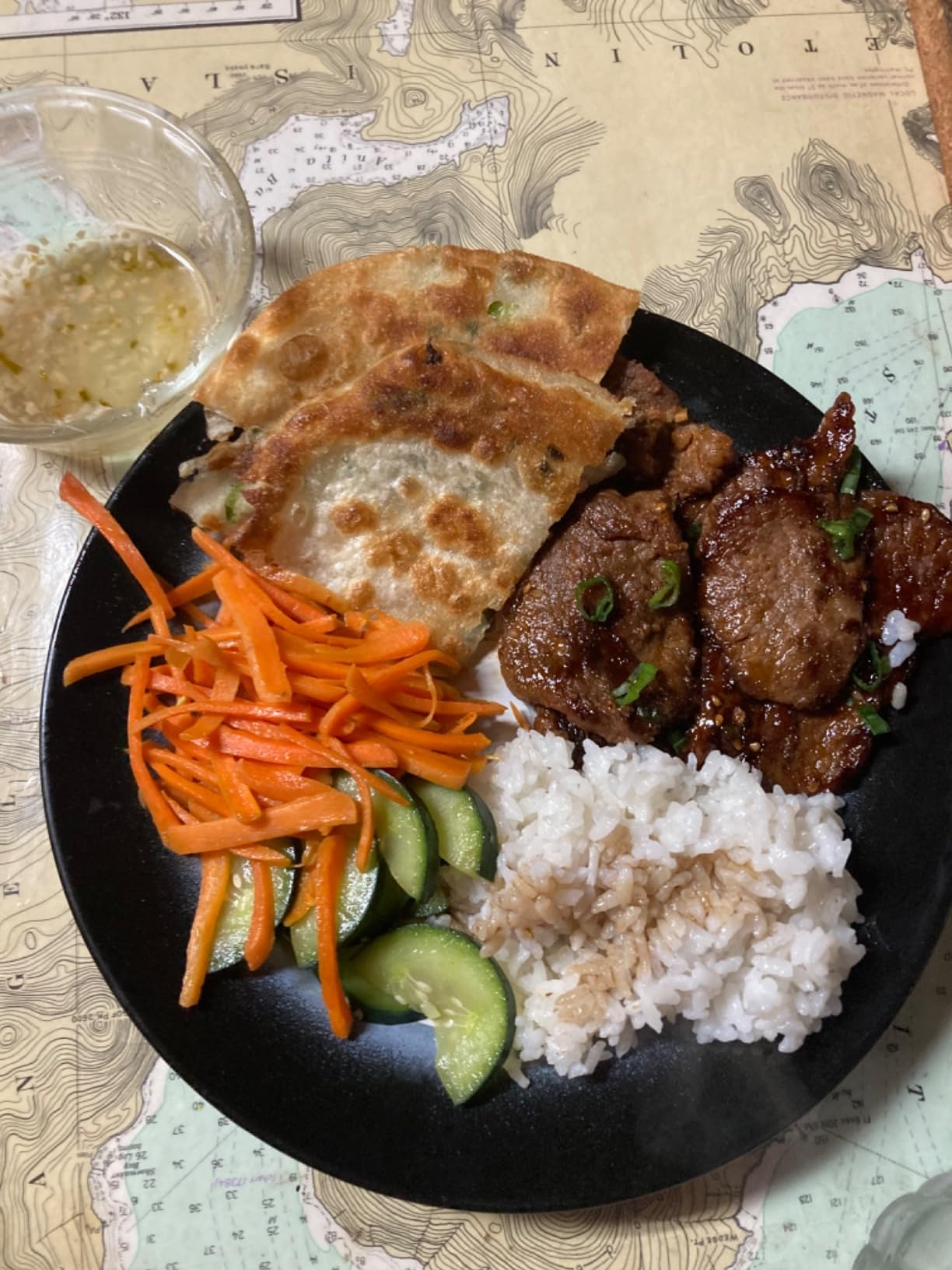
The vegan formulation means no animal products are used in production. Traditional gochujang is already typically vegan, but Sempio has formalized this with certification, which gives peace of mind to plant-based cooks.
Who Should Buy This
This is the go-to gochujang for vegans, vegetarians, and anyone following a plant-based diet. The certification eliminates any guesswork about ingredients.
It is also the right choice for Halal diets. Sempio has gone through the certification process, which means Muslim cooks can use this gochujang with confidence.
What to Watch Out For
The mild heat label is misleading for some users. Multiple reviewers note that this gochujang is spicier than expected. If you cannot handle moderate heat, you may want to start with a very small amount.
The fermentation process produces trace amounts of alcohol, which is noted in the Halal certification. If you avoid alcohol entirely for personal or religious reasons beyond Halal standards, research this aspect before purchasing.
10. Chung Jung One Gochujang Mild — Sunchang Region Gluten-Free Paste
Gochujang Premium – Korean Red Chili Paste [ Mild | 1.1 lb (500g) ] – Gluten-Free/ 0 Fat/ 0 Cholesterol / (40 Calories/Serving) | Spicy & Sweet Savory Fermented Sauce | Great for Bibimbap, Marinades, Stews & BBQ – O’food
1.1 lb tub
Mild heat
Gluten-free certified
From Sunchang region
HACCP and FSSC 22000 certified
Pros
- Authentic Korean gochujang from Sunchang region
- Gluten-free and certified HACCP and FSSC 22000
- Versatile for bibimbap tteokbokki marinades and stews
- Great balance of sweet heat and savory depth
- Thick rich texture that blends easily into sauces
Cons
- Mild version may have inconsistent spice levels between batches
- Can be too mild for those who prefer heat
- May need to use more than recipes call for
Sunchang is renowned in Korea as the premier region for gochujang production. The climate, water, and traditional methods in this area create conditions ideal for fermenting chili paste. Chung Jung One sources their gochujang from this region, and the quality reflects that heritage.
This mild version is the most accessible gochujang in the roundup for spice-sensitive palates. I served it at a dinner party with friends who avoid spicy food, and everyone enjoyed the sweet-savory flavor without complaints about heat. It adds the fermented complexity of gochujang without the burn.
![Gochujang Premium Korean Red Chili Paste [ Mild | 1.1 lb (500g) ] - Gluten-Free/ 0 Fat/ 0 Cholesterol / (40 Calories/Serving) | Spicy & Sweet Savory Fermented Sauce | Great for Bibimbap, Marinades, Stews & BBQ - O'food customer photo 1](https://koreatowncookbook.com/wp-content/uploads/2026/08/B004KUCK18_customer_1.jpg)
The certifications on this product are impressive. HACCP and FSSC 22000 certification means the production facility meets international food safety standards. Combined with the gluten-free formulation, this is one of the most carefully produced gochujang products available.
I found the texture slightly thicker than the CJ Haechandle gochujang. This works well for spreading on bibimbap or mixing into dipping sauces where you want body and substance. For liquid sauces, you may need to thin it with water or sesame oil.
![Gochujang Premium Korean Red Chili Paste [ Mild | 1.1 lb (500g) ] - Gluten-Free/ 0 Fat/ 0 Cholesterol / (40 Calories/Serving) | Spicy & Sweet Savory Fermented Sauce | Great for Bibimbap, Marinades, Stews & BBQ - O'food customer photo 2](https://koreatowncookbook.com/wp-content/uploads/2026/08/B004KUCK18_customer_2.jpg)
Who Should Buy This
This is ideal for anyone who loves the flavor of gochujang but cannot handle significant heat. The mild formulation lets you experience the fermented complexity without spice overwhelming the dish.
It is also excellent for families cooking for children. The mild heat level makes it appropriate for kids who are being introduced to Korean flavors for the first time.
What to Watch Out For
Spice levels can vary between batches according to some reviews. While labeled as mild, you might occasionally get a batch with more heat than expected. Taste a small amount before adding the full quantity to your dish.
If you prefer pronounced heat in your gochujang, this version may disappoint. Some users report needing to add significantly more than recipes call for to achieve the desired flavor intensity.
11. Roland Foods Gochujang — Best Value Fermented Chili Paste
Roland Foods Gochujang, Korean Fermented Hot Chili Paste, 17.6 Oz
17.6 oz tub
Korean fermented hot chili paste
Strong umami
Thick smooth texture
Pros
- Excellent value for 17.6 ounces
- Strong umami flavor with authentic fermented taste
- Thick smooth texture blends easily
- Perfect balance of heat umami and subtle sweetness
- Reusable tub keeps product fresh for months
Cons
- Still spicy for those who cannot handle heat
- Requires thinning with oil stock or water due to thick texture
- Some users find it too spicy despite being described as mild
Roland Foods offers one of the best value-to-quality ratios in this roundup. With over 5,200 reviews and a 4.6-star rating, this gochujang has built a massive following of satisfied customers who appreciate authentic Korean flavor at an accessible price.
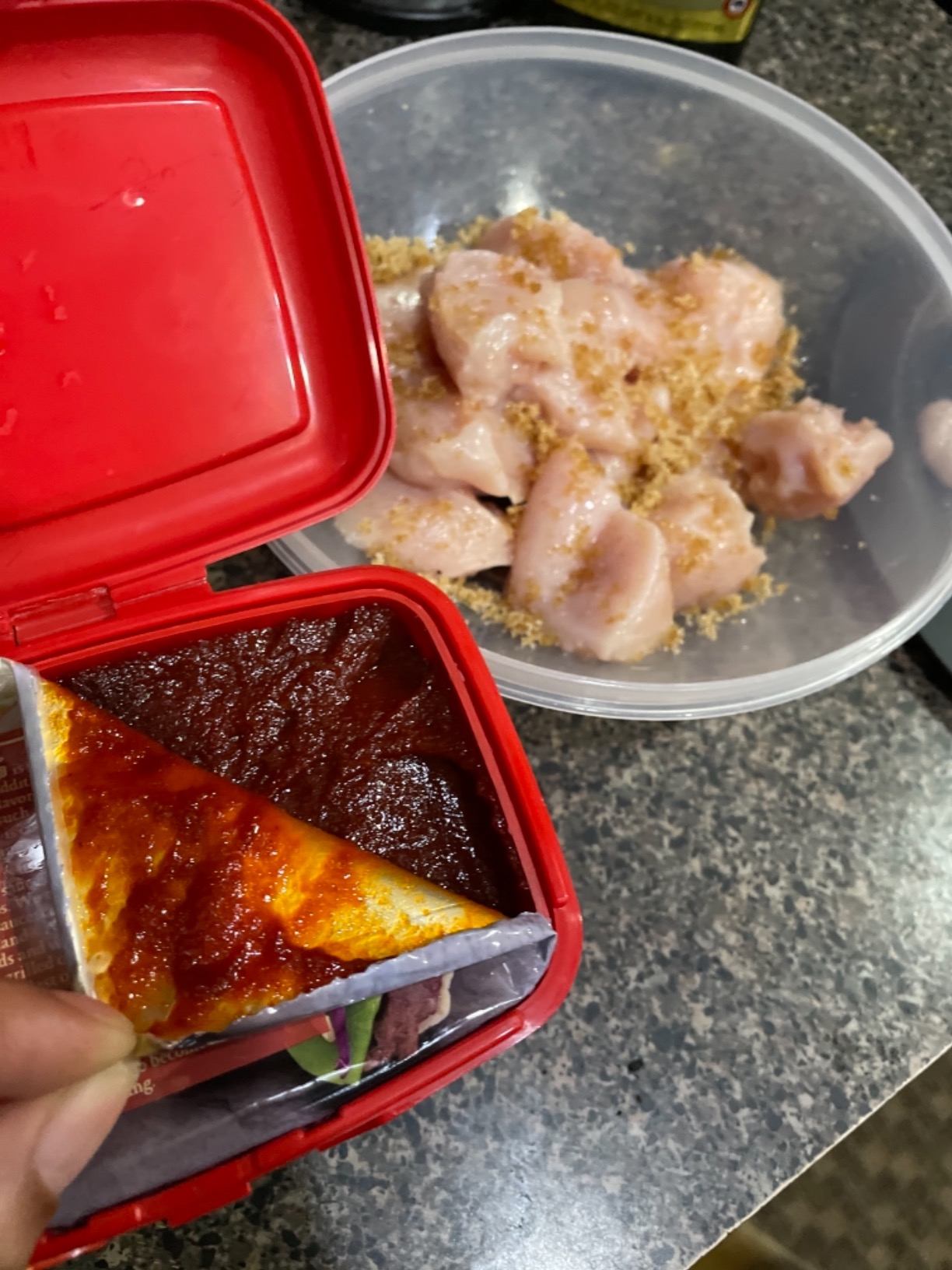
The paste is thick and concentrated with a deep red color. I found the texture slightly denser than some other brands, which means you need to thin it with oil, stock, or water before using in sauces. This concentration is actually a benefit because a small amount goes a very long way.
The flavor profile balances umami, heat, and subtle sweetness in a way that works across many applications. I used it in ramen, fried rice, marinades, and dipping sauces over several weeks of testing. Each application highlighted a different aspect of the paste’s complexity.
What impressed me most is how the fermented character comes through. You can taste the soybean fermentation underneath the chili heat, which adds depth that purely spicy sauces lack. This is a properly fermented product, not a flavored chili sauce masquerading as gochujang.
Who Should Buy This
If you want the best gochujang for your dollar, this is the product. The 17.6-ounce tub lasts for months even with regular use, and the concentrated formula means each serving goes further than less dense competitors.
It is also great for cooks who use gochujang across many different cuisines. The balanced flavor works in Korean dishes, but it also enhances fried rice, noodles, and even Western recipes that benefit from fermented chili paste.
What to Watch Out For
The heat level is moderate to strong despite some marketing describing it as approachable. If you are very sensitive to spice, start with a small amount and taste before adding more.
The thick texture requires preparation before use. You cannot simply scoop and serve. Plan to thin the paste with a liquid component, which adds an extra step to your cooking process.
12. Lucky Foods Seoul Gochujang — Highest-Rated Premium Chili Paste
Lucky Foods Seoul Gochujang Chili Paste, 15.8 OZ
15.8 oz tub
Highest rated at 4.7 stars
Fresh bright taste
Clean ingredients
Sticky caramel texture
Pros
- Highest rating at 4.7 out of 5 stars
- Fresh and bright tasting better than store brands
- Great balance of sweet and spicy
- More actual pepper content than many gochujang brands
- No hydrogenated fats or high fructose corn syrup
- No synthetic nitrates or nitrites
Cons
- Higher price point for 15.8 ounces
- Some users wishing for milder option
- Lower review count compared to competitors
- May be too spicy for very sensitive palates
Lucky Foods Seoul Gochujang has the highest rating in this roundup at 4.7 stars. While it has fewer total reviews than some competitors, the percentage of five-star ratings is outstanding. Users consistently praise its fresh, bright flavor that stands apart from mass-produced alternatives.
The texture is unique among the gochujang products I tested. It has a sticky, caramel-like consistency rather than the dense paste texture of traditional gochujang. This makes it spread easily and cling to food, which works especially well as a glaze for grilled meats.
The flavor is notably brighter and fresher than other gochujang brands. There is more actual pepper content, which gives it a vibrant, lively character. I found it particularly good in bibimbap where the fresh taste shines through the mixed vegetables and rice.
The clean ingredient list is a major selling point. No hydrogenated fats, no high fructose corn syrup, no synthetic nitrates or nitrites. For health-conscious cooks who read labels carefully, this gochujang passes scrutiny.
Who Should Buy This
If flavor quality is your top priority and budget is secondary, Lucky Foods delivers the best-tasting gochujang in this roundup. The fresh, bright character sets it apart from more industrial-tasting alternatives.
It is also the right choice for cooks who prioritize clean ingredients. The absence of artificial additives and processed sweeteners makes this one of the healthiest gochujang options available.
What to Watch Out For
The price per ounce is higher than most competitors in this roundup. At 15.8 ounces, you get slightly less product than the standard 17.6-ounce tubs, and the cost is higher overall.
The lower review count means less community feedback to draw from. While the ratings are excellent, fewer total reviews means less data about long-term consistency and batch variation.
How to Choose the Best Korean Fermented Bean Paste
Choosing the right Korean fermented bean paste depends on what you cook, your dietary needs, and your experience level with Korean ingredients. Here is what our team learned from testing these 12 products over several months.
Doenjang vs Gochujang vs Ssamjang
These three pastes serve different purposes in Korean cooking. Doenjang is a non-spicy soybean paste used primarily in soups, stews, and marinades. It provides deep umami flavor without any heat.
Gochujang adds fermented chili heat and sweetness. It is used in bibimbap, tteokbokki, marinades, and anywhere you want sweet-spicy complexity. The glutinous rice in gochujang creates its characteristic thick, sticky texture.
Ssamjang is a pre-mixed blend of doenjang and gochujang with additional seasonings. It is designed as a ready-to-use dipping sauce for Korean BBQ and lettuce wraps. If you are new to Korean cooking, ssamjang is the easiest starting point.
Traditional vs Modern Production
Traditional doenjang is made using the jaeraesik method. Soybeans are cooked, formed into meju blocks, fermented with natural airborne organisms, then aged in brine for months or years. The solid paste that remains is doenjang, and the liquid becomes soup soy sauce. This method produces complex, layered flavors.
Modern commercial production uses koji starter cultures for faster, more controlled fermentation. This produces consistent results but with less complexity than traditional methods. Products like Q-Rapha and Wang use traditional methods, while CJ Haechandle and Chung Jung One use modern approaches.
Reading Ingredient Labels
The best doenjang has a short ingredient list. Look for soybeans, salt, and water as the primary ingredients. Products with long lists of additives, preservatives, and flavor enhancers are typically lower quality.
For gochujang, the traditional base includes chili pepper powder, glutinous rice powder, fermented soybean powder, and salt. Products that substitute wheat flour for glutinous rice or add corn syrup instead of rice syrup are cutting corners.
If gluten-free is important to you, check for wheat in the ingredient list. Several gochujang products in this roundup are certified gluten-free, including the Chung Jung One medium and mild variants.
Color and Texture Variations
Doenjang color ranges from light tan to dark brown. Darker color indicates longer fermentation and more intense flavor. If your doenjang turns darker after opening, this is normal oxidation, not spoilage.
Texture varies between smooth commercial pastes and chunky traditional ones. Smooth doenjang dissolves easily in soups, while chunky versions add rustic character. Neither is better, they just serve different cooking purposes.
One common concern from forum users is why doenjang sometimes appears dark or black. This is a natural oxidation process that occurs when the paste is exposed to air. It does not indicate spoilage as long as there is no mold, off-smell, or unusual texture change.
Choosing Based on Your Cooking Goals
For doenjang jjigae, traditional-style pastes like Chung Jung One Jaeraesik or Wang deliver the most authentic flavor. Their chunky texture and deep umami create the rich broth that defines this dish.
For Korean BBQ, ssamjang is the obvious choice. Chung Jung One makes an excellent ready-to-use version that tastes like restaurant quality.
For bibimbap and tteokbokki, any of the gochujang products in this roundup will work. Choose based on your heat tolerance and dietary requirements.
Storage and Shelf Life
All of these fermented pastes should be refrigerated after opening. Properly stored, doenjang and gochujang last for months or even over a year in the refrigerator. The high salt content acts as a natural preservative.
Always use a clean, dry spoon when scooping paste from the tub. Introducing water or food particles can cause mold growth. If you see white spots on the surface, check whether they are mold (fuzzy, growing) or salt crystallization (hard, crystalline). Salt crystals are harmless.
FAQs
What is the best type of doenjang to use?
The best type of doenjang for most home cooks is a traditional jaeraesik-style paste like Chung Jung One Jaeraesik or Wang Korean Traditional Doenjang. These are made using the traditional meju fermentation method, which produces deeper and more complex flavor than modern commercial methods. For beginners, CJ Haechandle Doenjang offers a smoother texture and more approachable flavor that works well in any recipe.
Is doenjang better than miso?
Doenjang and miso are different products with different strengths. Doenjang is fermented longer and has a stronger, more pungent, and more complex flavor than most miso varieties. Miso is generally milder, smoother, and sweeter. For Korean dishes like jjigae, doenjang is essential because miso cannot replicate its depth. However, miso works better in Japanese dishes where a gentler flavor is preferred. They are not interchangeable in most recipes.
What is Korean fermented bean paste called?
Korean fermented bean paste is called doenjang (된장). It is made by fermenting cooked soybeans into solid blocks called meju, which are then aged in brine. The solid portion becomes doenjang and the liquid becomes soup soy sauce. Korea also has gochujang (fermented chili paste) and ssamjang (a pre-mixed blend of doenjang and gochujang). All three are essential jang (fermented sauces) in Korean cuisine.
Is Korean doenjang healthy?
Yes, Korean doenjang is a healthy fermented food. It contains probiotics from the fermentation process that support gut health, along with protein, essential amino acids, and beneficial enzymes. Studies have identified antioxidant and potential anticancer properties in traditionally fermented doenjang. However, doenjang is high in sodium, so it should be used as a seasoning rather than eaten in large quantities. Unpasteurized versions like Q-Rapha retain more live probiotics but should be kept refrigerated.
Wrapping Up Our Top Picks
After testing 12 products across the full spectrum of Korean fermented bean pastes, a few clear winners emerged. For doenjang, CJ Haechandle earns our editor’s choice for its balance of authentic flavor, smooth texture, and accessibility. The Chung Jung One Jaeraesik takes best value for traditional-style paste at a reasonable price, while Q-Rapha is our premium pick for anyone wanting a three-year-aged artisanal experience.
For gochujang, the Chung Jung One medium heat is the most versatile option we tested, and Lucky Foods Seoul earns the highest individual rating. Roland Foods delivers the best value for budget-conscious cooks. And for Korean BBQ, the Chung Jung One Ssamjang is a ready-to-use sauce that tastes like it came straight from a restaurant kitchen.
Finding the best Korean fermented bean pastes for your kitchen comes down to what you cook most often. Start with one doenjang and one gochujang, and you will have the foundation for hundreds of Korean recipes. Add ssamjang for BBQ nights, and you have a complete Korean pantry ready for 2026 and beyond.