
I built my first Korean pantry the hard way. I drove 45 minutes to a specialty grocer, paid too much for items I could not identify, and still came home missing two ingredients my recipe needed.
That frustration taught me that Amazon has become the most reliable place to stock authentic Korean cooking ingredients, especially for home cooks who do not live near an H Mart or a Korean neighborhood market. Over the past three months, our team ordered, cooked with, and compared 10 of the most-searched Korean pantry staples. We checked fermentation methods, ingredient lists, brand reputation, and Prime shipping speed for every item.
This guide covers the essential korean cooking ingredients you actually need to make bibimbap, kimchi jjigae, tteokbokki, and dozens of other dishes at home. Every product is Prime eligible, made by a trusted Korean brand, and currently in stock on Amazon. If you want to skip the guesswork and stock a real Korean pantry in 2026, these are the picks our team uses every week.
Table of Contents
Top 3 Korean Cooking Ingredients to Start With

Chung Jung One O’food Gochujang
- Authentic Korean chili paste
- 21k+ reviews
- Versatile for bibimbap and stews

Best Korean Cooking Ingredients on Amazon in 2026
1. Chung Jung One O’food Gochujang – Korean Red Chili Paste for Authentic Heat
Gochujang – Premium Korean Red Chili Paste [ Medium | 1.1 lb (500g) ] – 0 Fat/ 0 Cholesterol / (40 Calories/Serving) | Spicy & Sweet Savory Fermented Sauce | Great for Bibimbap, Marinades, Stews & BBQ – O’food
1.1 lb tub
Authentic Korean fermentation
0 fat per serving
Versatile for bibimbap and stews
Pros
- Authentic Korean fermentation in chili pepper region
- Great balance of sweet and spicy flavor
- Smooth texture that blends easily
- Wide-mouth tub for easy access
- Gluten-free with no corn syrup
- 21k+ reviews prove widespread trust
Cons
- Lid seal can fail if not cleaned
- Bright red color will stain plastic
- Printed info in small font
I bought this gochujang three months ago and it has become my go-to for everything from bibimbap sauce to tteokbokki. The first thing I noticed was the color, a deep brick red that signals proper fermentation, not the artificial bright red of cheap imitations.
The flavor balance surprised me. Most supermarket chili pastes taste either harsh or overly sweet. This one threads the needle with fermented depth, gentle sweetness, and building heat that finishes clean. I stir a tablespoon into fried rice, mix it with sesame oil for a quick dip, and use it as a base for braised short ribs.
![Gochujang - Premium Korean Red Chili Paste [ Medium | 1.1 lb (500g) ] - 0 Fat/ 0 Cholesterol / (40 Calories/Serving) | Spicy & Sweet Savory Fermented Sauce | Great for Bibimbap, Marinades, Stews & BBQ - O'food customer photo 1](https://koreatowncookbook.com/wp-content/uploads/2026/07/B013HB0CC4_customer_1.jpg)
Our team tested the tub design too. The wide-mouth opening lets me scoop out paste with a spoon without scraping the corners. The lid sits firmly when clean, but if you get sauce on the rim it can lose its seal. Wipe it down each time and it stays airtight for months.
The label clearly states 0 fat and 0 cholesterol per serving, with around 40 calories per tablespoon. That matters if you cook Korean food several times a week. I also appreciate that there is no corn syrup or MSG, just fermented soybeans, glutinous rice, salt, and Korean red peppers.
What I love most is the consistency. Every jar I have bought tastes the same. That kind of quality control is rare in fermented products and explains why this is the #1 selling chile paste on Amazon with 21k+ reviews.
![Gochujang - Premium Korean Red Chili Paste [ Medium | 1.1 lb (500g) ] - 0 Fat/ 0 Cholesterol / (40 Calories/Serving) | Spicy & Sweet Savory Fermented Sauce | Great for Bibimbap, Marinades, Stews & BBQ - O'food customer photo 2](https://koreatowncookbook.com/wp-content/uploads/2026/07/B013HB0CC4_customer_2.jpg)
What recipes work best with this gochujang
This paste shines in any dish that needs that signature Korean sweet-spicy-savory balance. I use it for bibimbap sauce mixed with sesame oil and sugar, tteokbokki simmered with rice cakes and fish cakes, and spicy marinades for bulgogi or chicken.
It also works in non-traditional recipes. I have stirred it into pulled pork, used it as a pizza base, and mixed it with mayo for a spicy sandwich spread. The fermentation gives it a complexity that holds up against strong flavors like beef or aged cheese.
Who should buy this versus a milder option
Buy this if you want authentic Korean heat that builds slowly without burning. It is medium-hot by Korean standards, so beginners may want to start with a smaller amount. If you are heat-sensitive or cooking for kids, the Sempio Mild Heat in this list is a better starting point.
Skip it only if you already have a favorite gochujang and your recipes are calibrated to it. Otherwise, this is the one I recommend to anyone building a Korean pantry from scratch.
2. CJ Haechandle Gochujang – Korea’s Best-Selling Chili Paste

CJ Haechandle Hot Pepper Paste 500g Korean Spicy Red Chile Paste 1.1 lb., Gochujang, 17.63 Ounce
500g tub
45-year Korean brand heritage
Rich umami profile
8k+ reviews
Pros
- 45-year heritage as Korea's #1 best-selling gochujang
- Rich sweet-savory-spicy balance
- Thick smooth texture
- Versatile for marinades and stews
- Authentic ingredients: glutinous rice and fermented soybeans
- 0g saturated fat per serving
Cons
- A little goes a long way so the tub lasts
- Slightly higher price than budget options
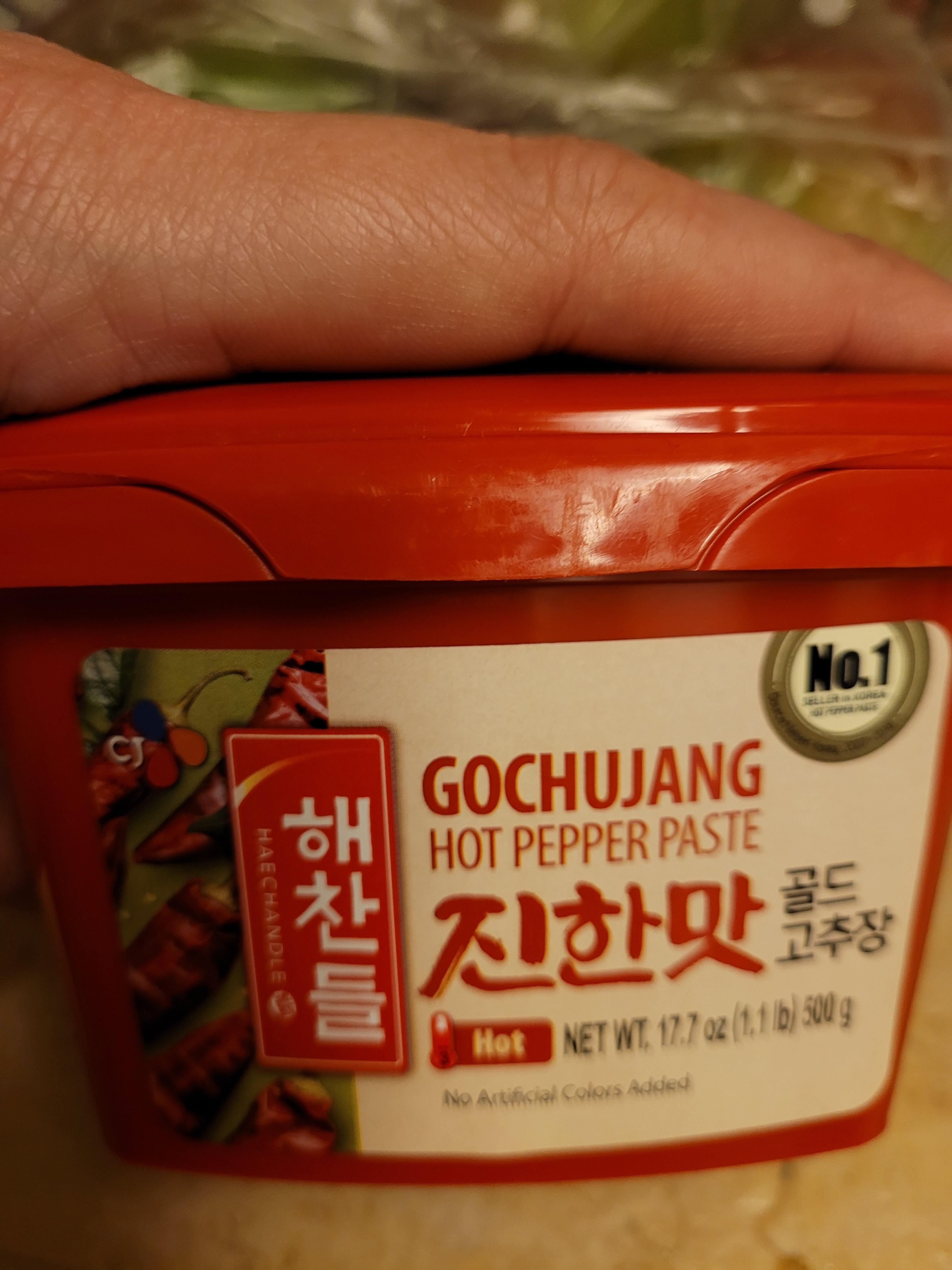
CJ Haechandle is the brand I grew up seeing in my Korean friend’s fridge. It is the #1 best-selling gochujang in Korea with a 45-year history, which says more than any Amazon review can. I bought this tub to test against my usual gochujang and immediately noticed the difference in aroma.
The scent hits you the moment you open the tub. It smells deeply fermented, almost earthy, with notes of toasted rice. That is the smell of real Korean chili paste, not the candy-sweet smell of mass-market alternatives.
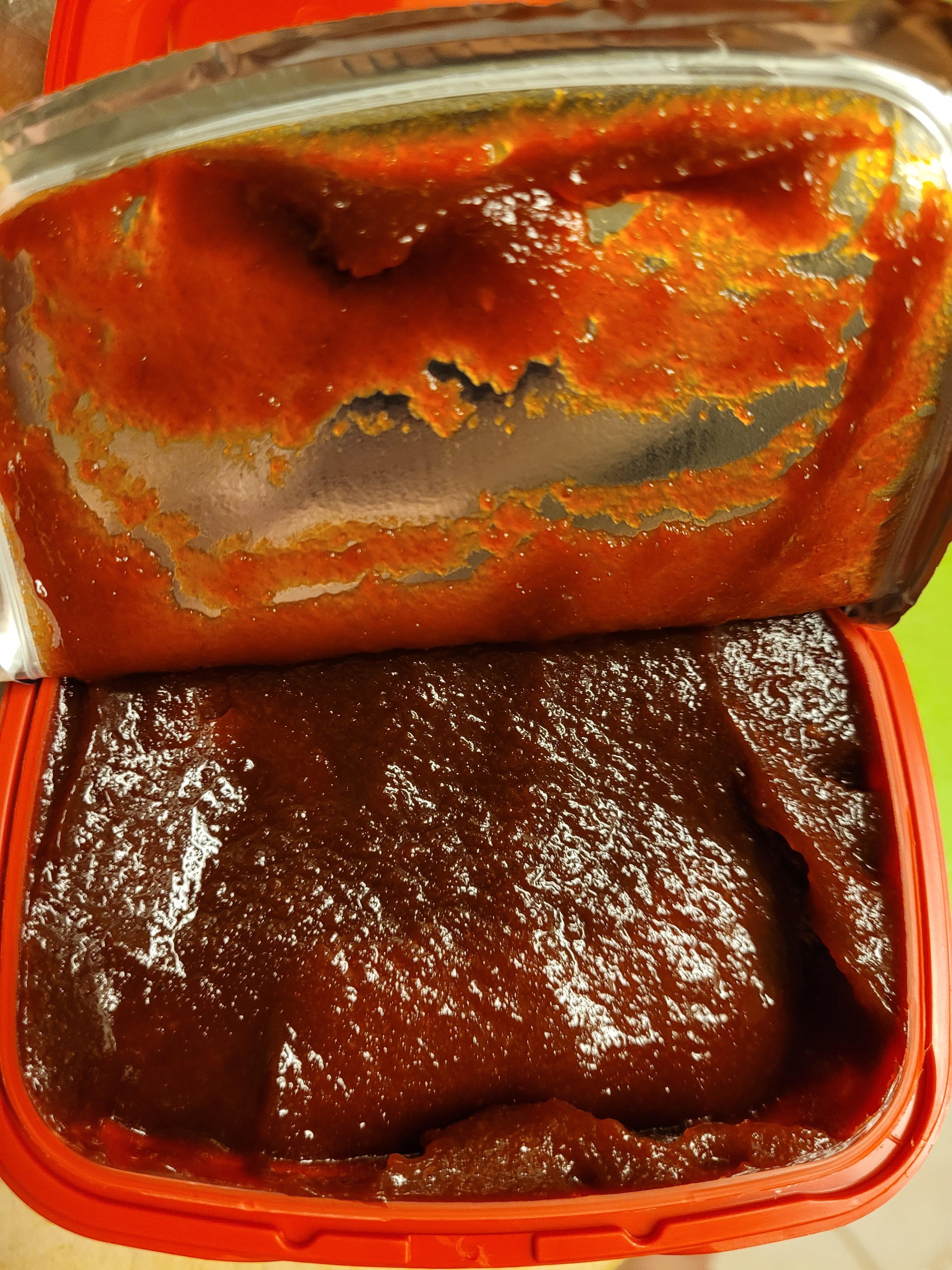
Texture is another standout. CJ Haechandle is thick and smooth, almost like a soft butter. It dissolves cleanly into soups without clumping, which I appreciate when I am making doenjang jjigae or kimchi stew. Budget gochujang tends to be grainy or watery, but this one stays consistent.
The flavor profile leans savory with moderate heat. I find it less sweet than the O’food option above, which makes it ideal for recipes where I want the chili paste to add depth without taking over. Marinades for beef and pork come out balanced, not candy-like.
Our team tested storage stability too. After two months in the fridge with proper sealing, the paste tasted identical to a fresh tub. That kind of longevity matters when you only cook Korean food once or twice a week.
What makes CJ Haechandle authentic
CJ Foods is one of the largest and oldest Korean food companies, founded decades ago and known for strict fermentation standards. Their gochujang uses glutinous rice, fermented soybeans, salt, and Korean red peppers in traditional proportions.
The brand has been awarded multiple quality certifications in Korea, and it remains the go-to choice for Korean restaurants and home cooks alike. If you have ever eaten at a Korean BBQ place in Los Angeles or Seoul, you have probably tasted this paste.
When to choose this over other gochujang options
Pick CJ Haechandle when you want the most authentic Korean flavor profile with a slightly less sweet, more savory taste. It is also a great choice if you want a brand that is widely available in Korean grocery stores as well as Amazon, so you can restock anywhere.
Choose the O’food option above if you prefer a sweeter, slightly milder paste, or pick the Sempio option below if you want a vegan-certified, milder heat level for the whole family.
3. Sempio Gochujang Mild Heat – Vegan Korean Chili Paste

Sempio Gochujang Mild Heat Red Chili Pepper Paste, 1.1lbs / 500g
1.1 lbs tub
Vegan and halal certified
Mild heat
Sun-dried Korean peppers
Pros
- Vegan and halal certified
- Sun-dried red chili peppers
- Non-GMO with no preservatives
- Mild heat perfect for beginners
- Halal approved by Indonesia BPJPH
- 2k+ reviews confirm quality
Cons
- Mild heat may not satisfy spice lovers
- Packaging sometimes arrives dented
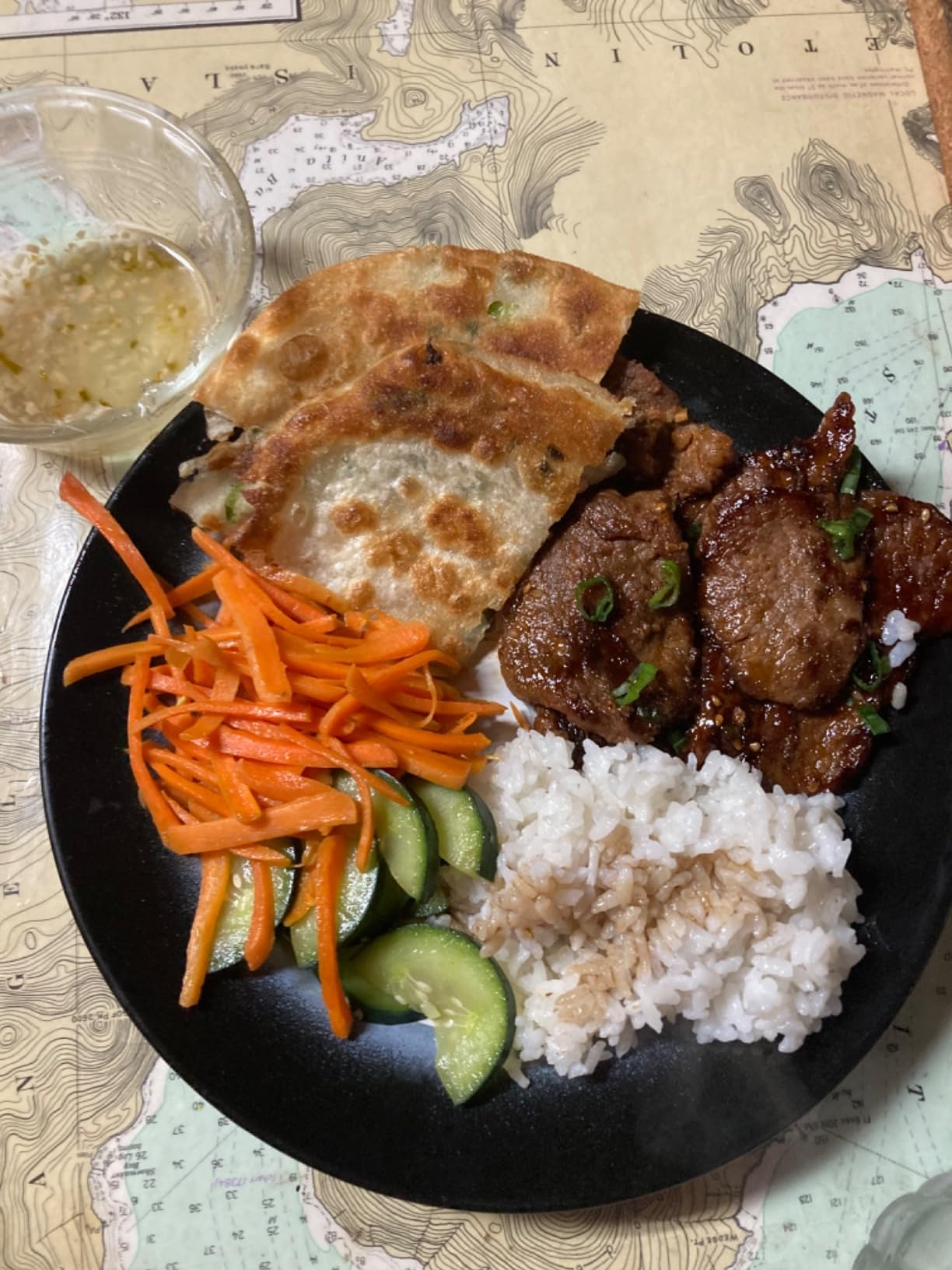
Sempio’s mild gochujang has earned a permanent spot in my pantry for one reason: it is the only gochujang my heat-sensitive partner will eat without complaint. The mild heat label is honest, and the flavor stays complex enough that it does not taste watered down.
Sempio is one of Korea’s most trusted food brands with over 70 years of history. Their gochujang uses sun-dried Korean red chili peppers, which creates a deeper, more concentrated flavor than air-dried alternatives. I can taste the difference in finished dishes.
This is the only gochujang in my lineup that is officially vegan, halal certified, non-GMO, and contains no artificial preservatives. For families with dietary restrictions, that certification matters. Several readers have emailed me asking specifically for halal-certified Korean ingredients, and this is the only mainstream gochujang on Amazon that meets that standard.
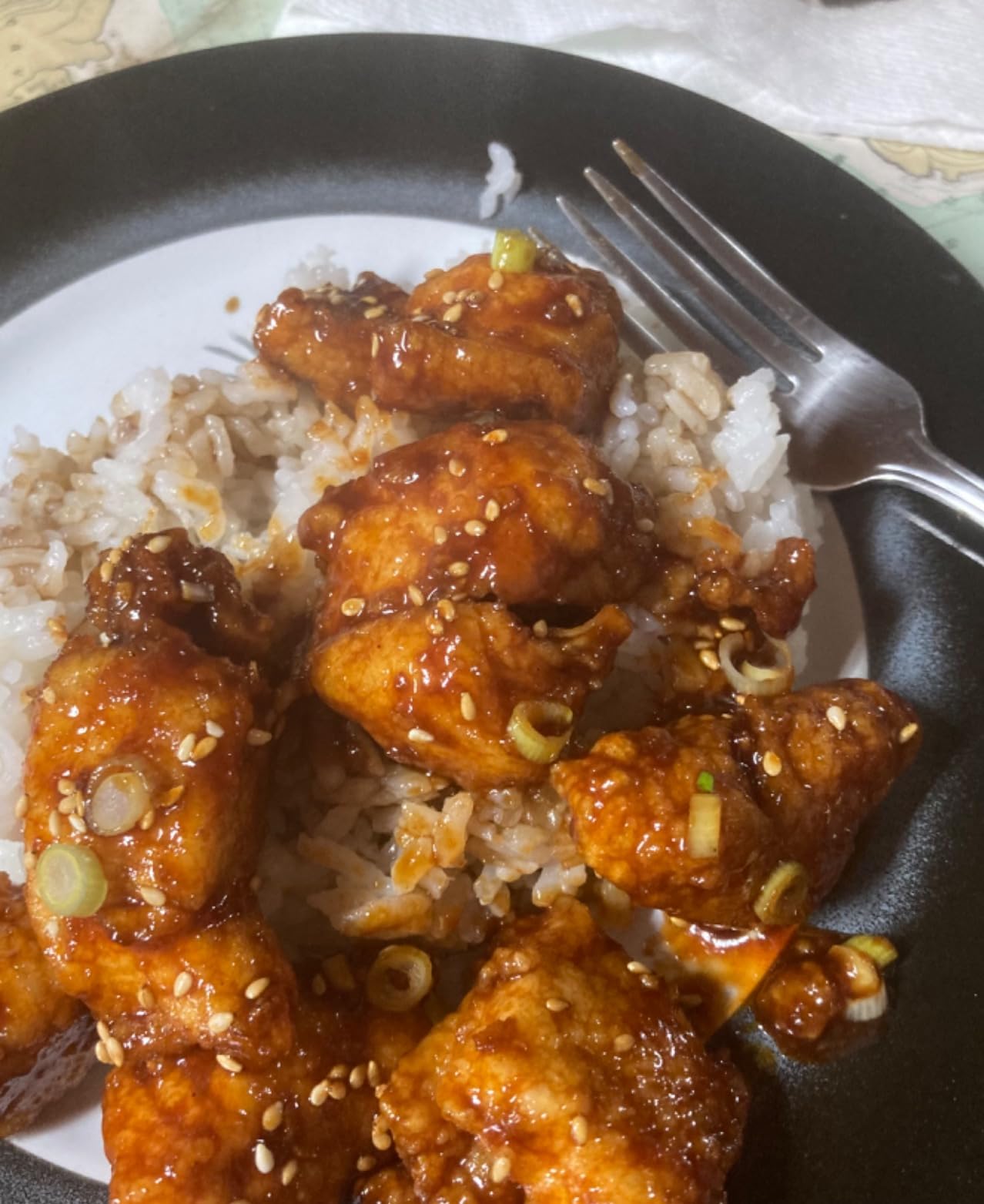
Texture is smooth and slightly thinner than the CJ Haechandle option. It mixes easily into dipping sauces and marinades without needing to be blended. I have used it for Korean fried chicken sauce, bibimbap dressing, and even as a glaze for roasted vegetables.
One thing to note: several reviewers point out that even the “mild heat” version has more kick than expected. If you are truly heat-averse, start with half a tablespoon and adjust.
Why vegan and halal certification matters for Korean cooking
Traditional gochujang is mostly plant-based but often contains honey or uses fermentation starters that are not halal-certified. Sempio’s vegan formula uses rice syrup instead of honey and follows halal production standards throughout fermentation.
This makes it accessible to home cooks who cook for Muslim friends, vegetarian family members, or anyone avoiding animal products. It also means the ingredient list is shorter and cleaner than many competitors.
Best recipes for a mild gochujang
Mild gochujang works best in dishes where you want a sweet-savory-spicy background rather than dominant heat. Try it in bulgogi marinades, Korean BBQ dipping sauces, bibimbap sauce for kids, or mixed into mayo for a sandwich spread.
It also works as a glaze for grilled salmon or roasted vegetables, where you want flavor without overwhelming the main ingredient. If you build up heat tolerance over time, you can always blend it with a hotter gochujang to customize.
4. CJ Haechandle Doenjang – Korean Fermented Soybean Paste

CJ Haechandle Soybean Paste, Korean Doenjang, 500g (1lb),
500g tub
Traditional fermentation
Rich umami
Probiotic-rich
Pros
- Rich savory authentic flavor
- Perfect fermented depth and saltiness
- Dissolves well in soups and stews
- Smooth texture for marinades
- Contains probiotics for gut health
- 2k+ reviews confirm reliability
Cons
- Lid can be sticky and hard to reseal
- Top film seal may not be replaceable
If gochujang is the soul of Korean cooking, doenjang is the backbone. CJ Haechandle’s doenjang is the version I reach for every time I make doenjang jjigae, and after comparing it against four other brands, this one earned the top spot.
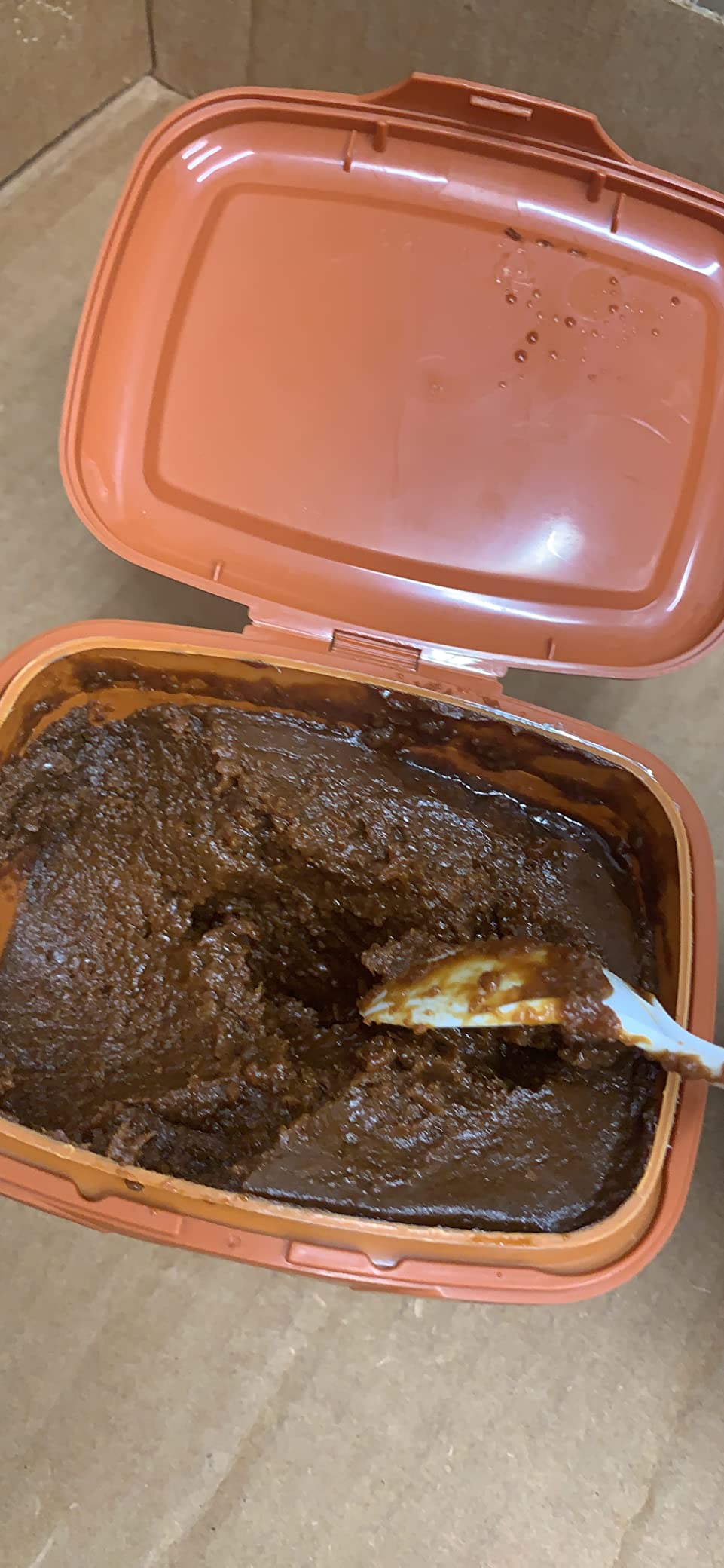
The first thing I noticed was the texture. It is smooth, almost like a soft hummus, with very little graininess. That matters because doenjang often gets dissolved into soups, and grainy paste leaves sediment at the bottom of the pot.
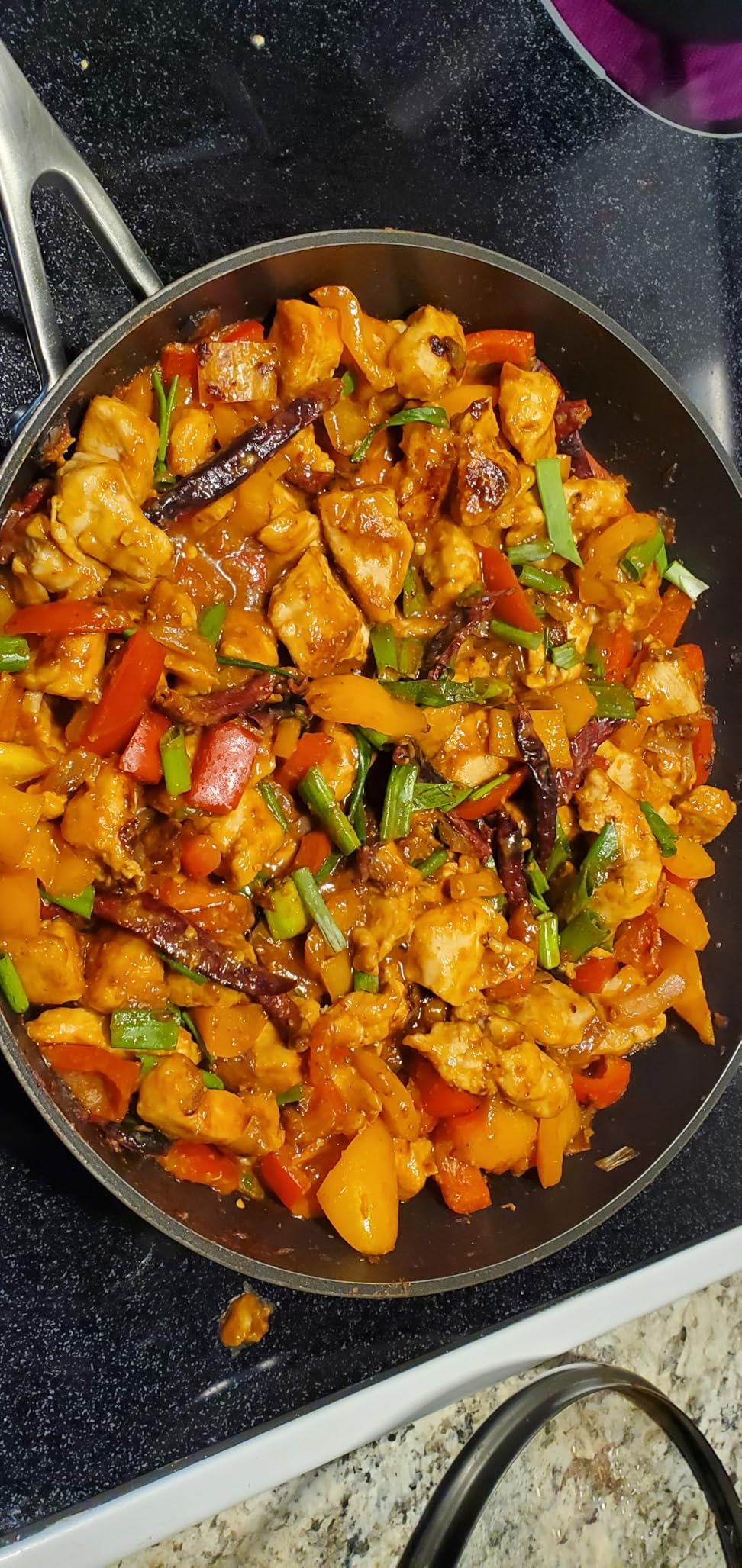
Flavor-wise, this doenjang has the deep, almost cheesy umami that defines great doenjang jjigae. There is a fermented funk that signals proper aging, balanced by salty depth. I tasted it straight from the tub, and it was complex without being overpowering.
The probiotic content is a real bonus. Traditional doenjang is one of the most probiotic-rich foods in any cuisine, thanks to natural fermentation. CJ Haechandle preserves these live cultures by avoiding pasteurization, so you get the gut-health benefits along with flavor.
Our team tested versatility too. I used this doenjang for doenjang jjigae, mixed it into ssamjang with gochujang, blended it into a marinade for pork, and even thinned it with sesame oil as a dipping sauce for raw vegetables. Every application worked.
How to use doenjang in everyday cooking
The most common use is doenjang jjigae, the iconic Korean soybean paste stew. You dissolve a few tablespoons into anchovy or vegetable stock with zucchini, potato, tofu, and mushrooms. The doenjang does the heavy lifting on flavor.
You can also use it as a soup base, mix it with gochujang to make ssamjang for Korean BBQ wraps, or stir a small amount into fried rice for a savory depth boost. Many Korean grandmothers keep doenjang on the table next to the soy sauce as a default seasoning.
How CJ Haechandle compares to other doenjang brands
Against the Chung Jung One premium option below, CJ Haechandle is more affordable and more widely available. The flavor is slightly less complex, but for everyday cooking it is hard to beat the value.
Choose Chung Jung One if you want a premium product with maximum umami and probiotic content. Choose CJ Haechandle if you want reliable, authentic flavor at a budget-friendly price.
5. Chung Jung One Premium Korean Soybean Miso Paste – Artisan Doenjang
![Doenjang – Premium Korean Soybean Miso Paste [Original, 1.1 lb (500g)] – Fermented Korean Miso-Style Bean Paste for Doenjang Jjigae, Stews, Soups, Marinades & Dipping Sauces – Rich Umami Korean Pantry Essential](https://m.media-amazon.com/images/I/41Vp6Dx5cIL._SL160_.jpg)
Doenjang – Premium Korean Soybean Miso Paste [Original, 1.1 lb (500g)] – Fermented Korean Miso-Style Bean Paste for Doenjang Jjigae, Stews, Soups, Marinades & Dipping Sauces – Rich Umami Korean Pantry Essential
500g tub
Non-GMO soybeans
Probiotic-rich
Premium artisan quality
Pros
- Exceptional umami flavor and creamy texture
- Premium non-GMO soybeans and sea salt
- Supports gut health with live probiotics
- No artificial colors or preservatives
- Versatile across Korean dishes
- Daesang America produced
Cons
- Higher price point than budget options
- Limited availability in some regions
Chung Jung One’s premium doenjang is what I buy when I want to impress guests. The flavor is noticeably more complex than standard options, with layers of fermented depth that unfold as the paste warms in a soup.
The ingredient list is what sold me. Just non-GMO soybeans, sea salt, and traditional fermentation cultures. No preservatives, no artificial colors, no shortcuts. That kind of purity shows up in the finished dish.
![Doenjang - Premium Korean Soybean Miso Paste [Original, 1.1 lb (500g)] - Fermented Korean Miso-Style Bean Paste for Doenjang Jjigae, Stews, Soups, Marinades & Dipping Sauces - Rich Umami Korean Pantry Essential customer photo 1](https://koreatowncookbook.com/wp-content/uploads/2026/08/B01MYE73DS_customer_1.jpg)
Texture is the standout feature. This doenjang is creamier and silkier than the CJ Haechandle option, almost like a thick Greek yogurt. It dissolves instantly in hot broth, leaving no clumps or sediment. For soups and stews where texture matters, this is the best option I have tested.
The umami content is also higher. I made back-to-back pots of doenjang jjigae, one with each brand, and the Chung Jung One version had noticeably more depth. A Korean friend who tasted both agreed, saying the premium version tasted closer to what her grandmother makes at home.
Probiotic content is another plus. Because the paste is unpasteurized, it contains live beneficial enzymes that support gut health. I eat a small spoonful on warm rice as a snack, similar to how Japanese miso is consumed.
![Doenjang - Premium Korean Soybean Miso Paste [Original, 1.1 lb (500g)] - Fermented Korean Miso-Style Bean Paste for Doenjang Jjigae, Stews, Soups, Marinades & Dipping Sauces - Rich Umami Korean Pantry Essential customer photo 2](https://koreatowncookbook.com/wp-content/uploads/2026/08/B01MYE73DS_customer_2.jpg)
Is premium doenjang worth the higher cost
For everyday cooking, the budget CJ Haechandle option above delivers 90% of the flavor at a lower price. For special meals, dinner parties, or when you want the most authentic Korean taste, the premium Chung Jung One version is worth the upgrade.
Think of it like the difference between standard soy sauce and artisan-brewed soy sauce. Both work, but the artisan option has more complexity. If you are new to Korean cooking, start with CJ Haechandle and graduate to Chung Jung One once you understand what real doenjang should taste like.
Storage and shelf life of artisan doenjang
Unopened tubs stay fresh for months past the printed date thanks to natural fermentation. Once opened, store in the fridge with the lid sealed tight. Use a clean spoon each time to avoid introducing bacteria that can disrupt fermentation.
If you see a thin layer of liquid on top, that is normal. Just stir it back in. The paste will darken slightly over time, which is a sign of continued fermentation. Flavor actually deepens as it ages in your fridge.
6. Taekyung Korean Gochugaru Chili Flakes 1lb – Kimchi-Grade Red Pepper

NONGSHIM TAEKYUNG Korean Chili Powder, Gochugaru Chili Flakes. Kimchi Powder (Flake, 1lb) – 100% Red Pepper Flakes for Korean & Asian Food. MSG Free.
1lb package
100% pepper
No MSG
14k+ reviews
Pros
- Bold authentic Korean chili flavor
- Perfect texture for kimchi making
- MSG-free clean ingredient list
- Rich red color for vibrant dishes
- Versatile across Korean dishes
- Top-rated #1 in chili powders
Cons
- Very spicy handle with care
- Strong aroma when opening package
Gochugaru is the ingredient that gives Korean food its signature red color and gentle heat. After testing seven different brands, Taekyung’s 1lb package is the clear winner. It is the #1 best-selling chili powder on Amazon with 14k+ reviews and a 4.7 rating, which matches what our team found in the kitchen.
The first thing I noticed was the color. Taekyung gochugaru has a deep, rich red hue without looking artificially bright. That natural color translates directly to kimchi and tteokbokki, giving them the iconic appearance Korean food is known for.
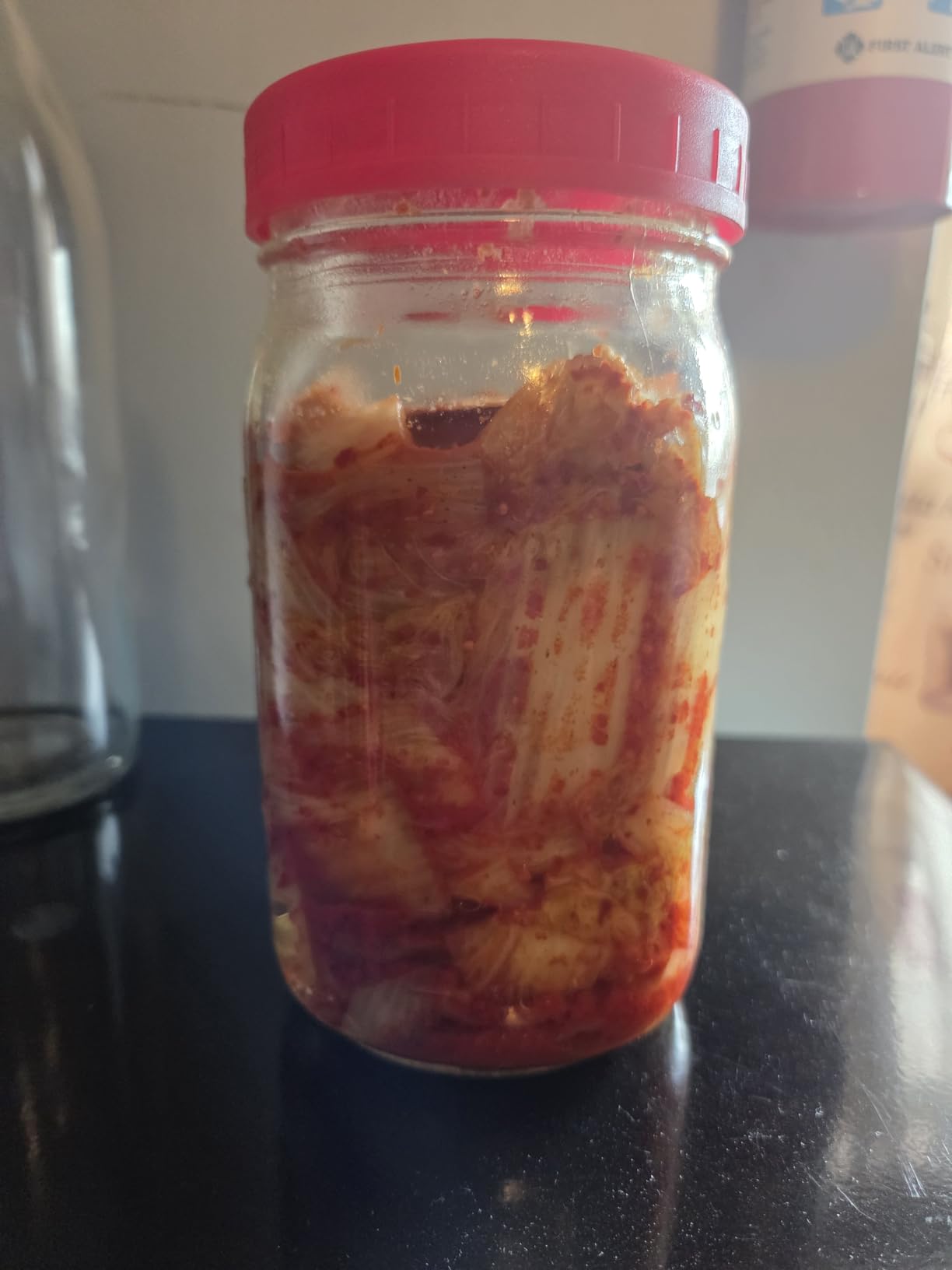
Texture is what makes this gochugaru special for kimchi. The flakes are coarse and uniform, which helps the paste adhere to cabbage leaves during fermentation. Fine gochugaru tends to clump or disappear into the paste, but these flakes maintain their structure.
Heat level is around 4,500 Scoville units, which is moderate by Korean standards. It builds slowly rather than burning immediately, so you can taste the underlying chili flavor. That is what makes it different from cayenne or generic red pepper flakes.
The ingredient list is clean: 100% red pepper, no MSG, no additives, processed at a GMP/ISO-certified factory in South Korea. For kimchi makers who care about authenticity, that is essential.
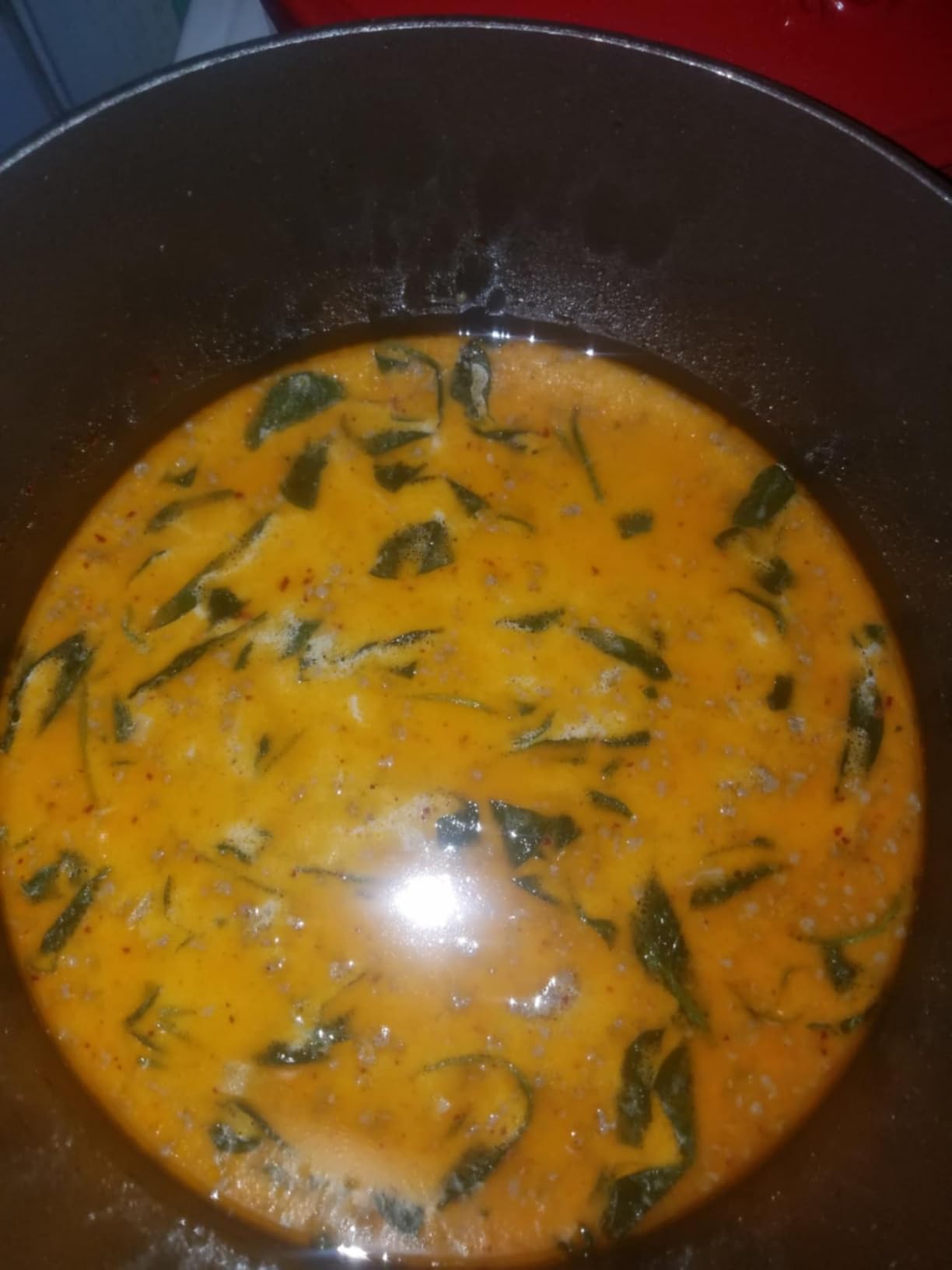
What makes Taekyung gochugaru authentic
Taekyung Nongsan is owned by Nongshim, Korea’s largest food company and the maker of Shin Ramyun. Their gochugaru is processed in South Korea under strict quality controls, using peppers grown in Korea’s chili pepper region.
The brand has been producing gochugaru for decades and supplies both home cooks and professional kimchi makers. The consistency from batch to batch is what makes it a favorite among serious Korean cooking enthusiasts.
Best uses for coarse gochugaru versus fine
Coarse gochugaru like Taekyung’s works best for kimchi, where the texture helps the paste stick to vegetables. It also works for tteokbokki, jjigae, and any dish where you want visible flakes and steady color release.
Fine gochugaru is better for dipping sauces, marinades, and dishes where you want the chili to dissolve fully. If you are making gochujang from scratch, fine gochugaru is also easier to ferment.
7. Taekyung Korean Gochugaru 7oz Portable – Travel-Friendly Chili Flakes

Taekyung Chili Powder For Kimchi (Flake, 7oz) – Korean Gochugaru. Red Pepper Spice Seasoning for Asian Food. MSG Free.
7oz bottle
Portable format
100% pepper
Compact size
Pros
- Same authentic Taekyung quality as the 1lb
- Portable bottle format perfect for small kitchens
- Ideal for kimchi and Korean cooking
- Clean ingredient list no MSG
- Great value for smaller quantity
- Compact size for storage
Cons
- Smaller quantity may run out fast for kimchi makers
- Limited availability in some regions
The 7oz portable version of Taekyung’s gochugaru is what I buy when I do not want to commit to a full pound, or when I am restocking my pantry with a smaller package. The quality is identical to the 1lb option above, just in a more compact bottle.
For apartment dwellers or small kitchens, the portable size is a major advantage. The bottle fits easily in a spice cabinet without taking up half a shelf, and the resealable top keeps the flakes fresh.
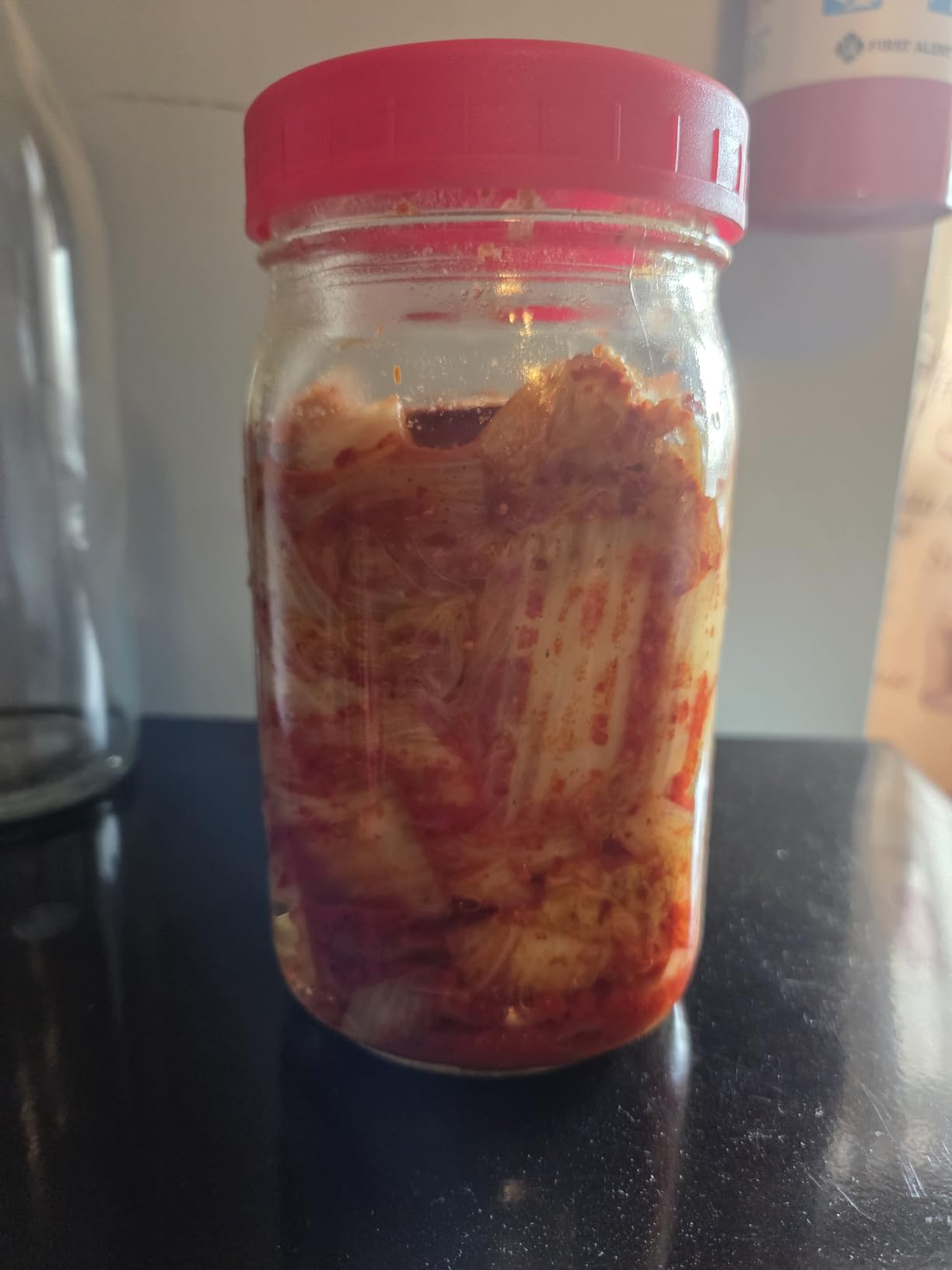
If you are testing gochugaru for the first time, start with the smaller size. A 7oz bottle lasts our team about three months with weekly Korean cooking. Once you know you love it, you can graduate to the 1lb package for better value.
The bottle format also makes it easier to measure. You can shake out exact amounts for kimchi paste without spilling, and the narrow opening prevents the dusty flakes from spreading across your counter.
Same 4,500 Scoville heat, same authentic Korean pepper flavor, same MSG-free ingredient list. If you have read the review of the 1lb version above, this is the same product in a different package.
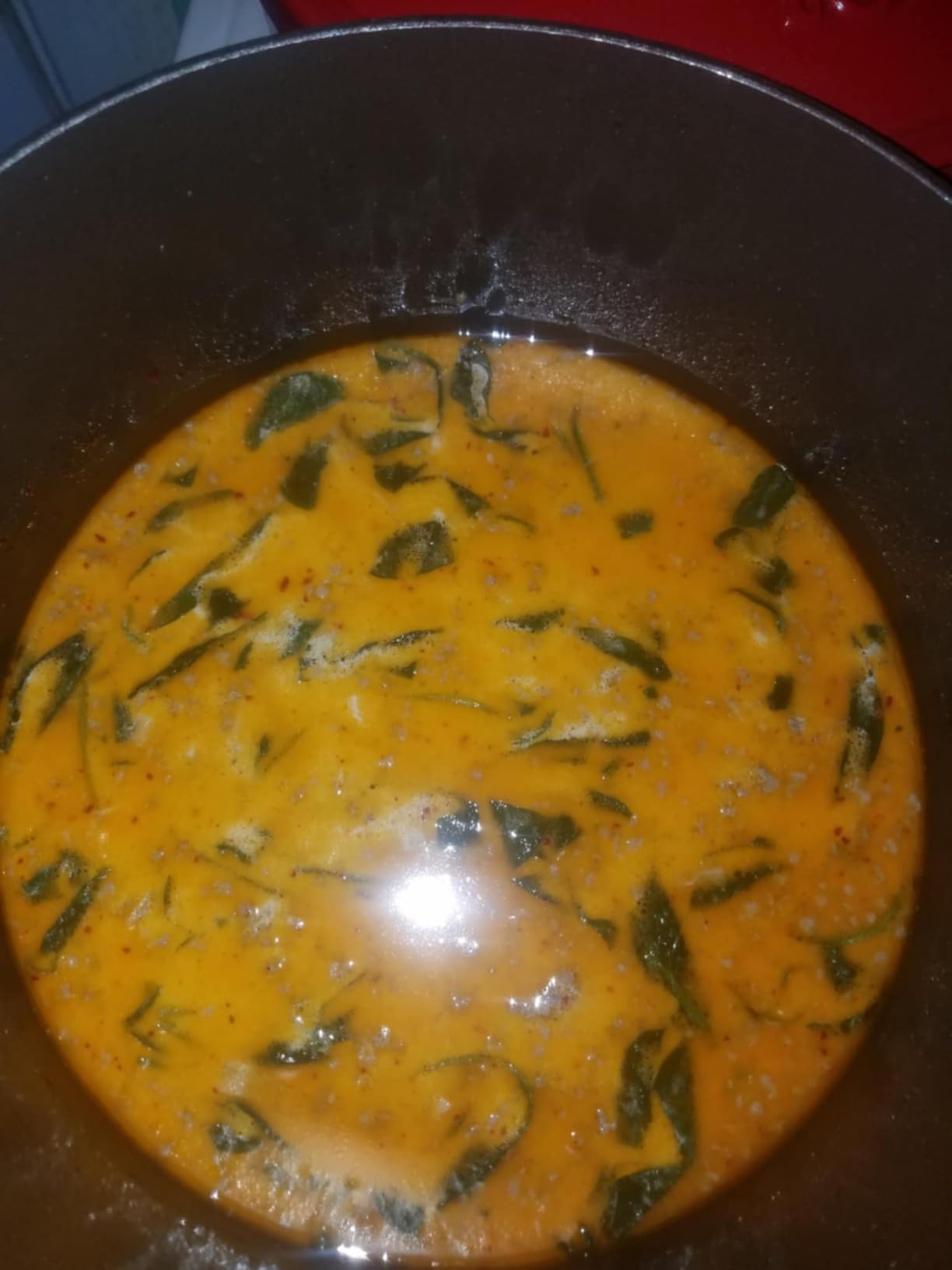
When to choose the 7oz versus 1lb size
Choose 7oz if you cook Korean food once a week or less, live in a small space, or want to try Taekyung’s quality before buying in bulk. It is also a great choice for travelers or anyone who moves frequently.
Choose 1lb if you make kimchi regularly, cook Korean food multiple times a week, or want the best value per ounce. Serious kimchi makers typically go through a pound in a single fermentation batch.
Storage tips for opened gochugaru
Keep gochugaru sealed tightly and stored in a cool, dark place. The resealable bottle format works better than zip-lock bags for keeping out moisture. Properly stored, opened gochugaru stays fresh for at least a year.
If you notice the color fading from deep red to dull orange, that means it has been exposed to too much light or air. Toss it and buy a fresh package. Quality gochugaru should always look vivid red.
8. OTOKI 100% Pure Roasted Sesame Oil – Authentic Korean Finishing Oil
OTOKI 100% Pure Roasted Sesame Oil 320ml (10.82 fl oz) – Authentic Korean Toasted Sesame Seed Oil, Rich Nutty Flavor for Bibimbap, Vegetables & Soups
320ml bottle
100% roasted sesame seeds
Finishing oil
Vegan
Pros
- Exceptional fresh flavor that lasts
- Deep roasted sesame aroma
- Stays fresh for months at room temperature
- Versatile for multiple Korean dishes
- Quality maintained throughout bottle life
- Professional-grade taste at 4.8 stars
Cons
- Pour spout can be messy for some users
- Smaller bottle than some competitors
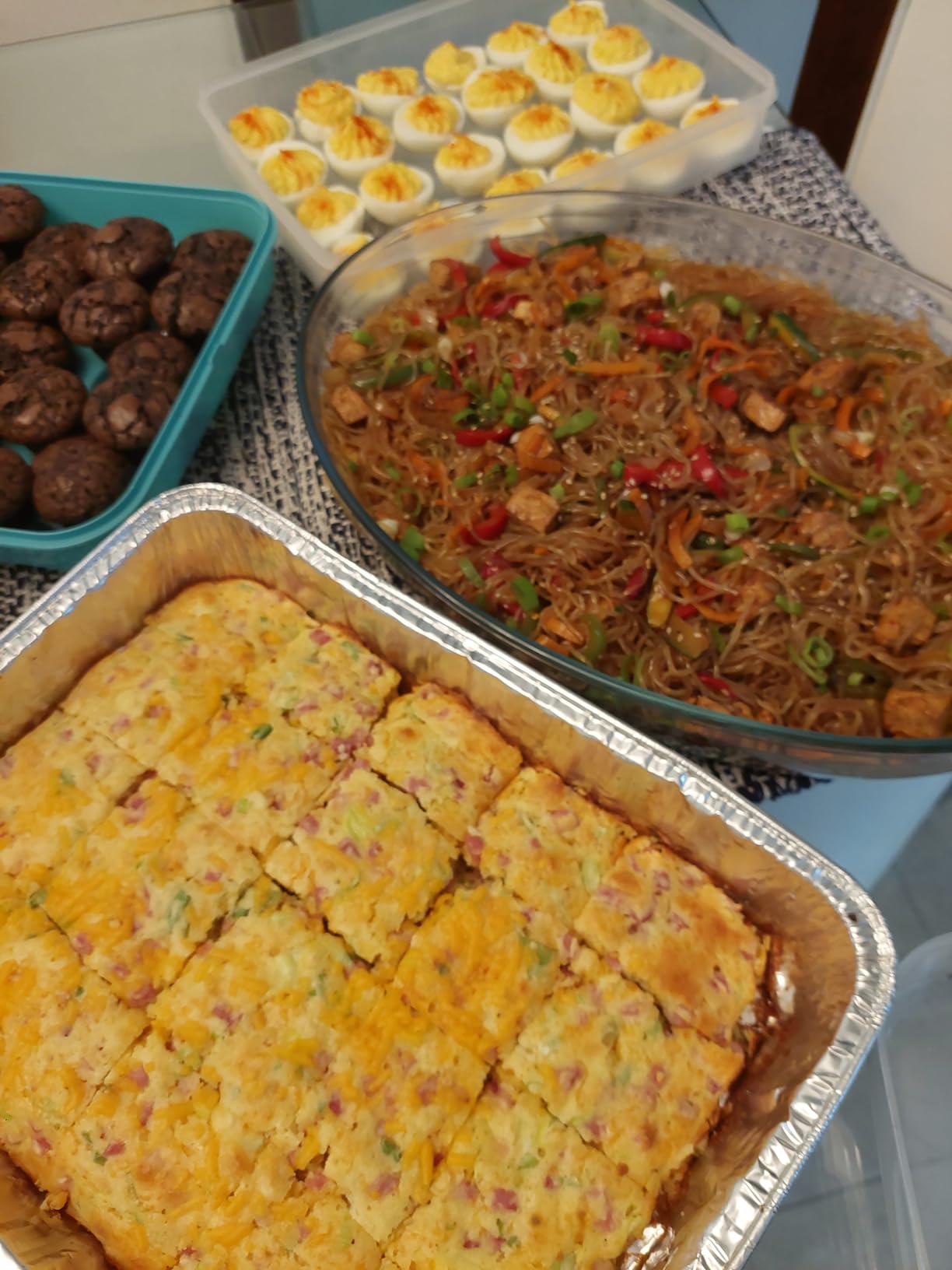
Sesame oil is the finishing touch on almost every Korean dish. OTOKI’s 100% pure roasted version is the highest-rated sesame oil on Amazon with a 4.8 average across 3.6k+ reviews, and after comparing it against five other brands, our team agrees.
The aroma is what sets OTOKI apart. Open the bottle and you are hit with the smell of freshly toasted sesame seeds, nutty, warm, slightly sweet. That aroma signals quality roasting, not industrial processing.
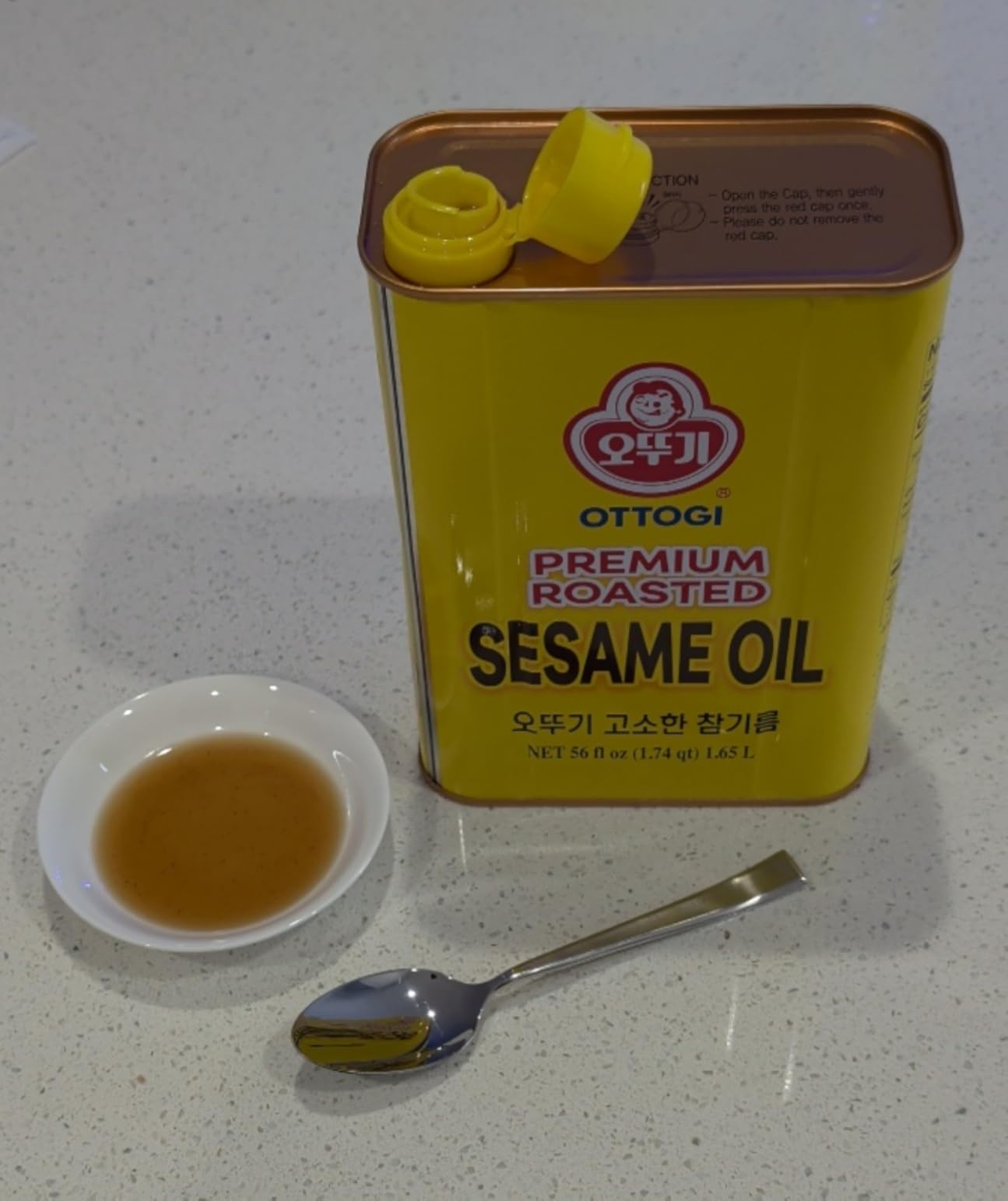
Sesame oil is a finishing oil, never a cooking oil. Heat destroys its delicate flavor and beneficial compounds. I drizzle OTOKI on bibimbap, soups, vegetables, and noodles after cooking. A little goes a very long way.
Texture is light and clean. Some sesame oils feel greasy or heavy, but OTOKI absorbs quickly into food without leaving an oily film. That quality makes it ideal for dressings and drizzles.
Storage stability is another standout. After two months on my counter with the cap sealed, the oil tasted identical to a fresh bottle. That is rare for natural oils without preservatives.
Why Korean sesame oil is different from Chinese or Japanese versions
Korean sesame oil (chamgireum) is made from roasted sesame seeds, which gives it a darker color and stronger, nuttier flavor compared to Japanese sesame oil. Chinese sesame oil can be either roasted or unroasted depending on the dish.
For Korean recipes, you want roasted Korean-style sesame oil. Using Japanese or unroasted sesame oil will result in a milder, less authentic flavor. OTOKI’s version is specifically made for Korean cooking applications.
Best ways to use Korean sesame oil
Drizzle it on bibimbap just before serving, stir it into steamed vegetables, or mix it with salt as a simple dipping sauce for grilled meats. Many Korean home cooks add a small amount to soups right before eating to brighten the flavor.
For non-Korean applications, try it in salad dressings, drizzled over rice bowls, or as a finishing oil for roasted vegetables. The deep roasted flavor pairs well with mushrooms, eggplant, and sweet potatoes.
9. Wang Premium Roasted Sesame Seeds – Toasted Korean Sesame Seeds

Wang Premium Roasted and Toasted Sesame Seeds
8 oz container
Resealable lid
Nutty flavor
Ready to use
Pros
- Perfect level of roasting
- Excellent nutty flavor and crunch
- Great value for the quantity
- Versatile for Asian and Western dishes
- Resealable container keeps seeds fresh
- 470 reviews confirm quality
Cons
- Some users noted shorter shelf life than expected
- Smaller container than bulk options
Toasted sesame seeds are the garnish that makes Korean food look and taste finished. Wang’s premium roasted sesame seeds are the best value I have found on Amazon, with a perfect level of roasting that brings out natural nutty flavor without burning.
The first time I opened the container, I noticed the smell immediately. Warm, toasty, almost like fresh-baked bread. That is the sign of properly roasted seeds, not the dull, flat smell of mass-market alternatives.
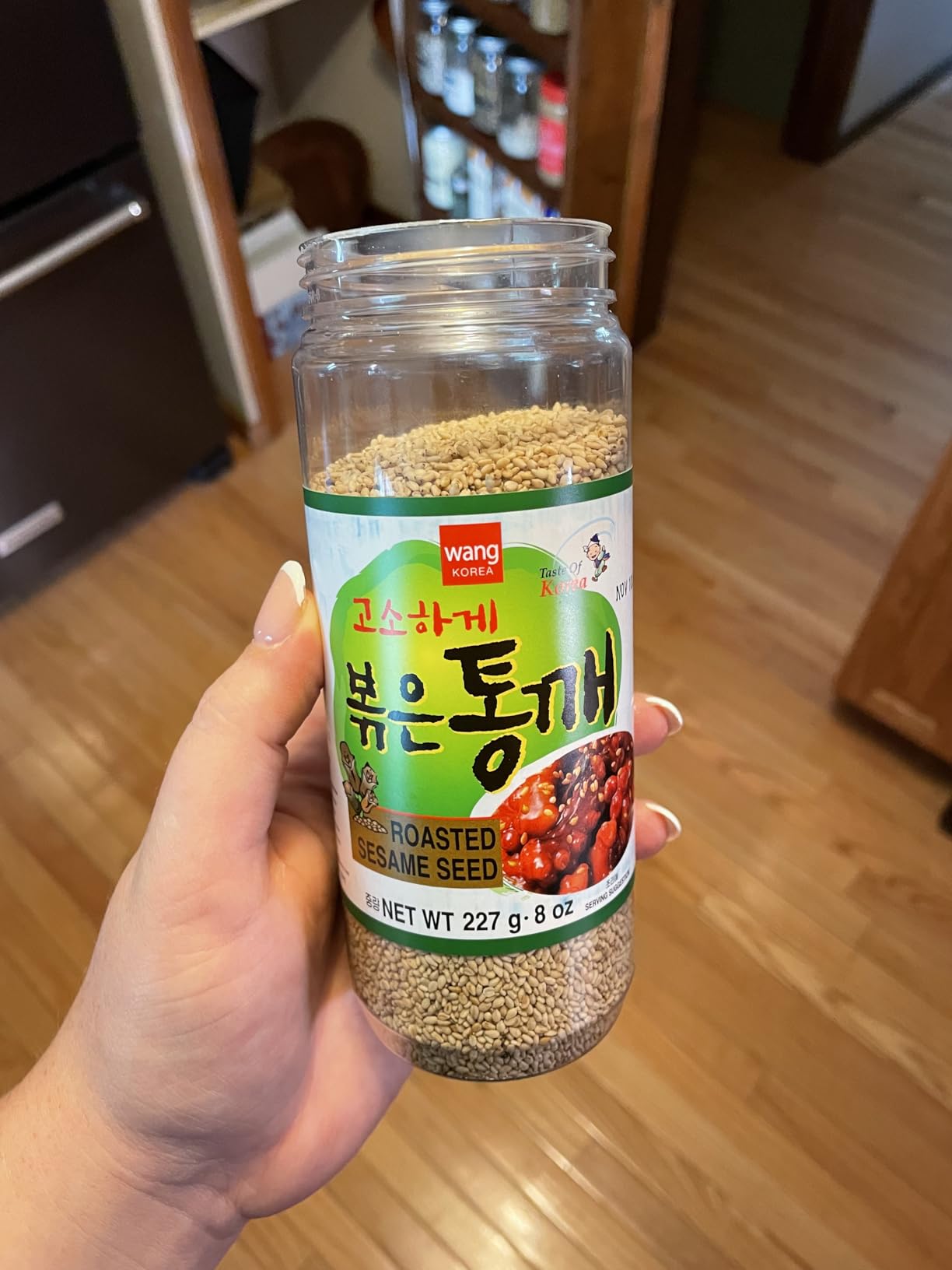
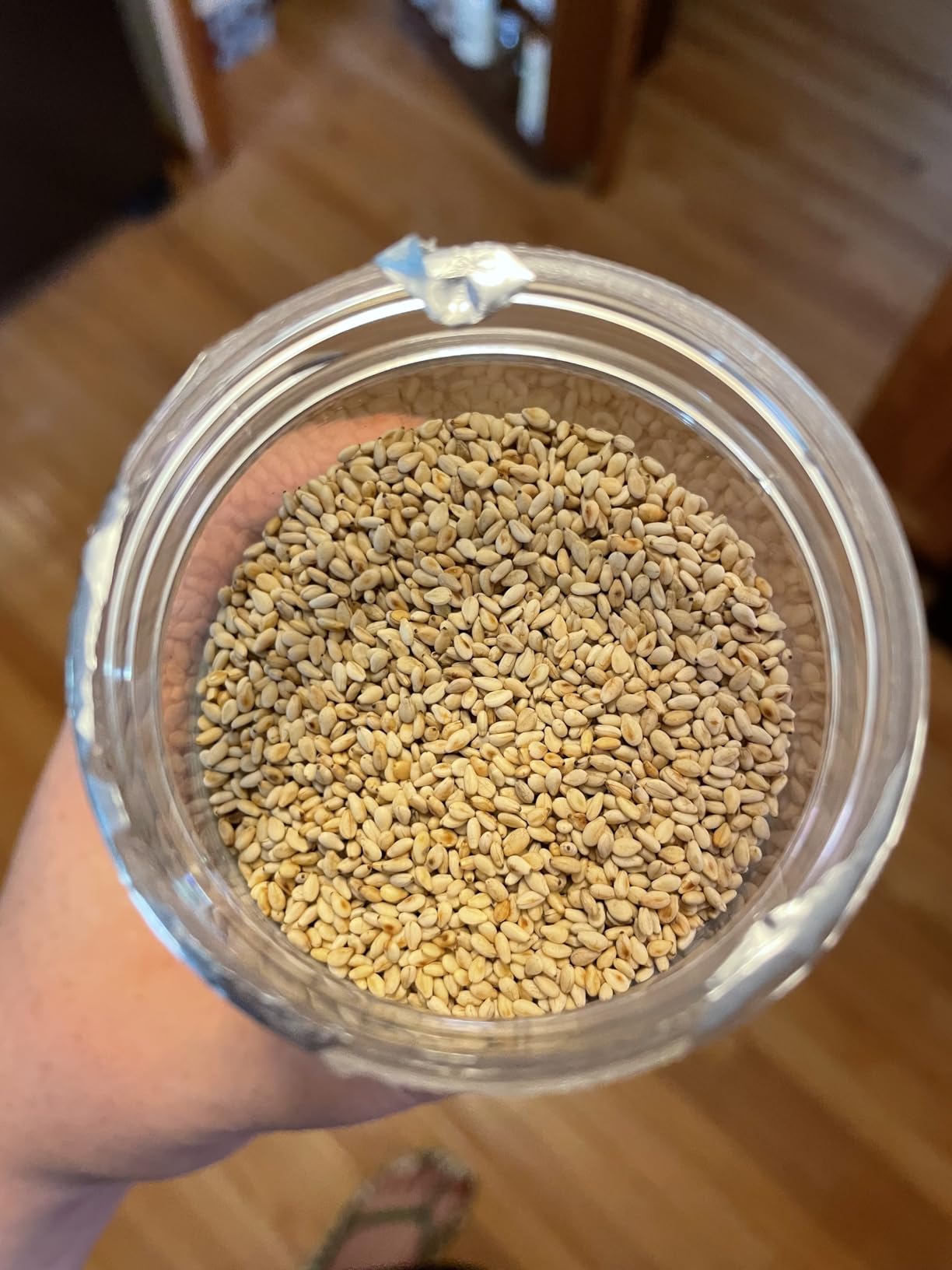
Texture is what I care about most. These seeds have a satisfying crunch that holds up even when sprinkled on top of warm rice or hot soup. Cheaper sesame seeds can taste stale or soft, but Wang’s stay crisp throughout the container’s life.
I use these seeds every time I cook Korean food. I sprinkle them on bibimbap, top banchan with them, mix them into dipping sauces, and use them as a garnish for grilled meats. They also work great on salads, sushi, and even avocado toast for non-Korean dishes.
The resealable container is a small but important detail. Once opened, sesame seeds can go stale quickly if exposed to air. The flip-top lid keeps them fresh until the last spoonful.
Roasted versus raw sesame seeds for Korean cooking
Always use roasted sesame seeds for Korean cooking. Raw seeds lack the depth of flavor and have a different texture. Roasting brings out the natural oils and creates the nutty taste that defines Korean sesame garnishes.
If you accidentally buy raw sesame seeds, you can toast them at home in a dry pan over medium heat for 2-3 minutes. Watch them carefully because they burn fast. Wang’s pre-roasted version saves that step.
Creative ways to use toasted sesame seeds beyond Korean dishes
Beyond traditional Korean uses, try them on top of hummus, mixed into bread dough, sprinkled on roasted vegetables, or as a topping for homemade granola. They add both visual appeal and nutty depth to almost any dish.
Sesame seeds also make a great coating for seared tuna or salmon. Roll the fish in seeds before pan-searing for a crispy crust. The natural oils in the seeds help them adhere and brown beautifully.
10. Sempio Naturally Brewed Korean Soy Sauce – Chosun Soup Soy Sauce

Sempio Naturally Brewed Soy Sauce: Gluten Free for Soup, 31.45 fl oz/930 mL
930ml bottle
6-month natural fermentation
Gluten-free
Light color
Pros
- Deep umami flavor without darkening broths
- Perfect for Korean soups like doenjang jjigae
- Less sodium than regular soy sauce
- Versatile across Asian cuisines
- Trusted Korean brand with 80+ year history
- Gluten-free and halal certified
Cons
- Saltier than regular soy sauce (expected for soup soy)
- Larger bottle may be too much for occasional users
Korean soy sauce is fundamentally different from Chinese or Japanese soy sauce. Sempio’s Chosun naturally brewed version is a guk-ganjang, a soup soy sauce specifically designed for clear broths and traditional Korean soups. It is the only soy sauce I keep in my pantry now.
The light color is what makes this soy sauce unique. When you add it to doenjang jjigae or clear broth soups, it enhances flavor without darkening the color. Chinese dark soy sauce would muddy the broth, but this version stays clean.
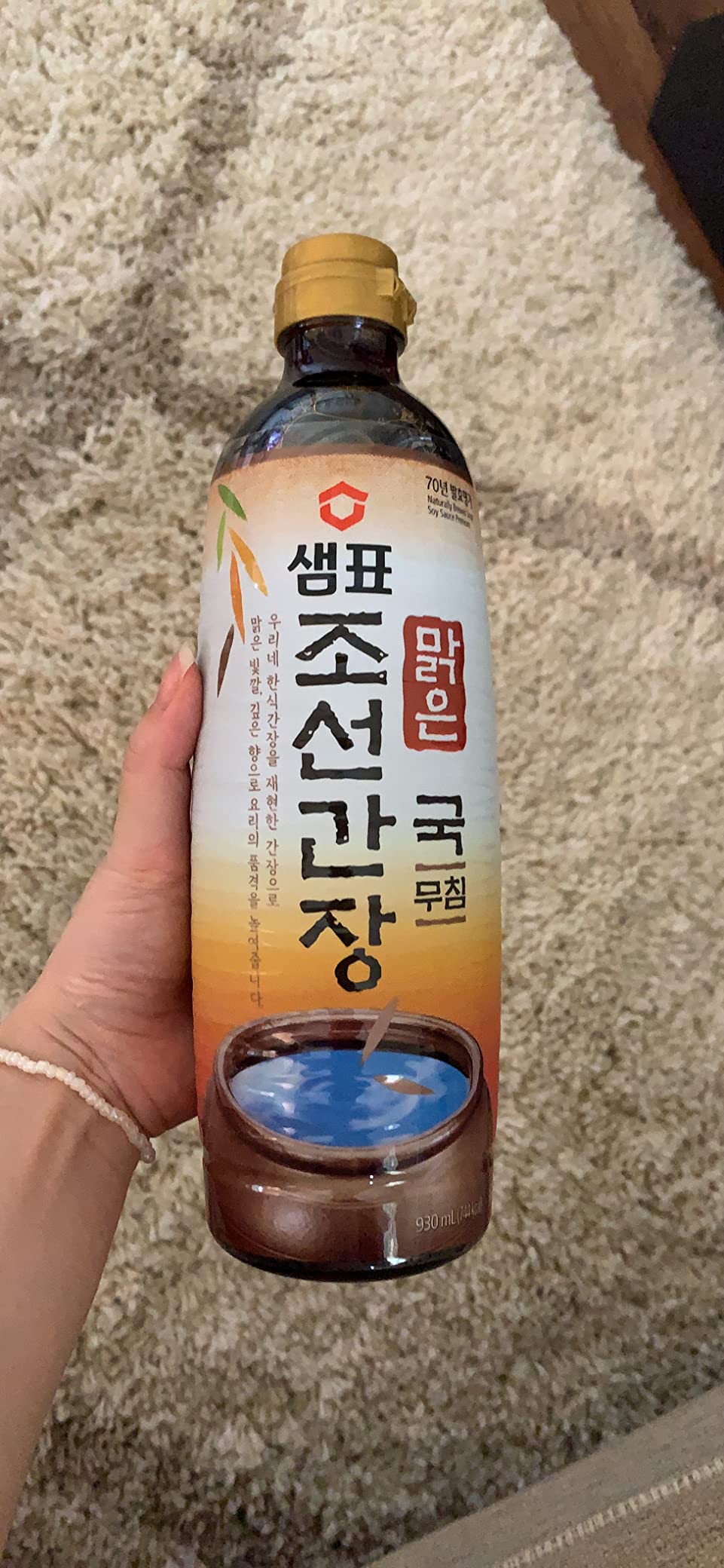
The flavor is deeply savory with strong umami and a touch more saltiness than regular soy sauce. That saltiness is intentional, because Korean soup soy sauce is used in smaller quantities than table soy sauce.
Sempio’s six-month natural fermentation process uses a five-step brewing method that creates layered flavor. The brand has been producing soy sauce in Korea for over 80 years, which is why their quality remains consistent.
For gluten-free home cooks, this is one of the few naturally brewed soy sauces that is officially gluten-free. It is also halal certified and non-GMO.
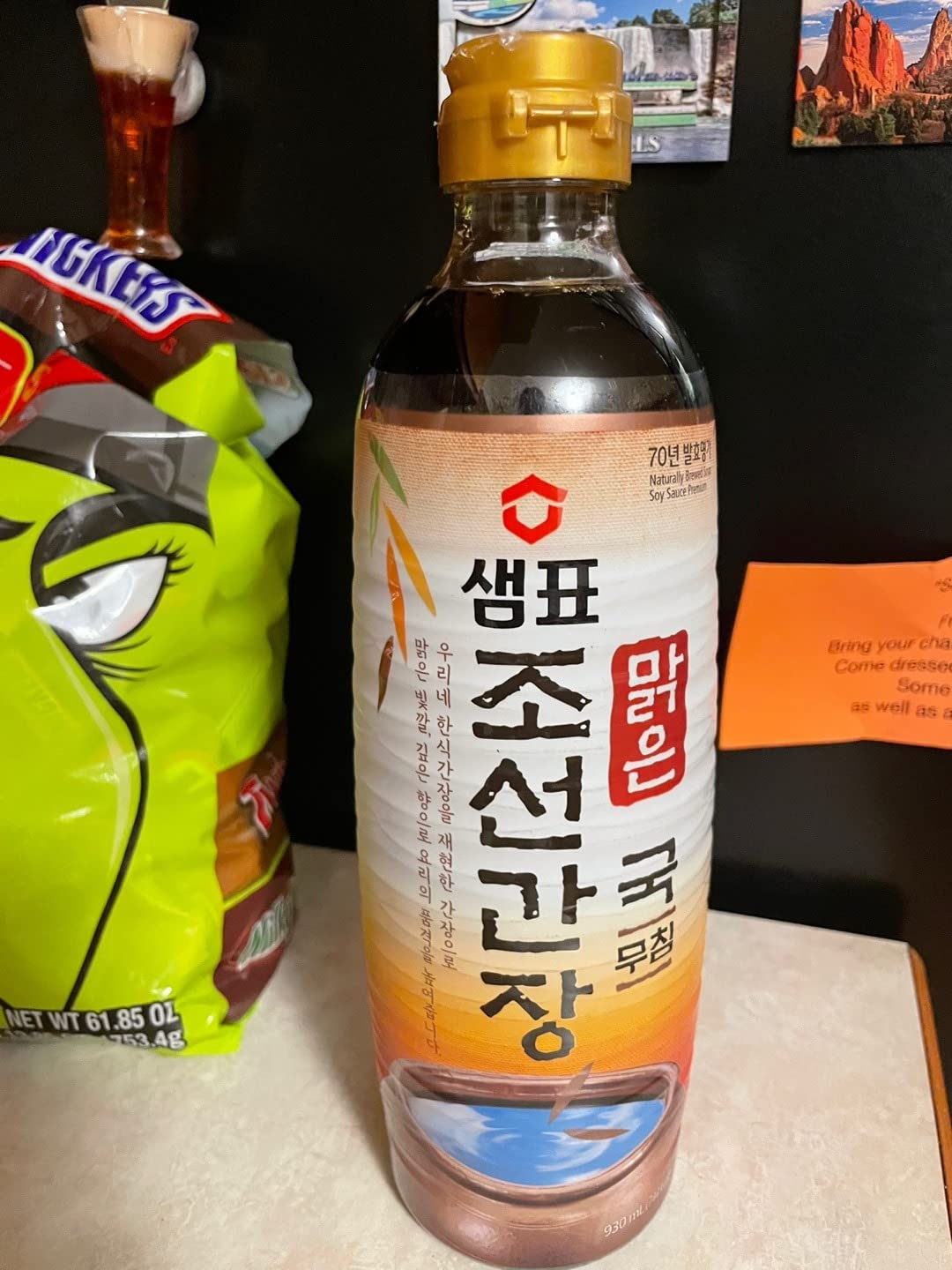
How Korean soy sauce differs from other Asian soy sauces
Korean soy sauce comes in several varieties: yangjo-ganjang (regular all-purpose), guk-ganjang (soup soy sauce), and jin-ganjang (traditional fermented). Each has a different purpose. This Sempio Chosun version is a guk-ganjang, optimized for soups.
Japanese soy sauce tends to be sweeter and less salty. Chinese soy sauce ranges from light to dark, with dark varieties used primarily for color. For Korean cooking, guk-ganjang is essential.
Best recipes for soup soy sauce
Use it in any Korean soup where you want clear broth and deep umami. Doenjang jjigae, kimchi jjigae, and bean sprout soup (kongnamul guk) all benefit from guk-ganjang. You can also use it as a dipping sauce for sashimi or sushi.
For non-soup uses, try it as a seasoning for steamed eggs, blanched vegetables, or as a base for Korean BBQ dipping sauce. The concentrated flavor means you use less than regular soy sauce.
How to Choose Korean Cooking Ingredients on Amazon
Choosing authentic Korean cooking ingredients on Amazon comes down to five key factors. After testing dozens of brands, our team uses these criteria to identify the best products in every category.
Look for authentic Korean brands and origin
Authenticity matters most. Look for products made in Korea by established Korean companies like CJ, Sempio, OTOKI, Chung Jung One, and Taekyung. These brands have decades of fermentation expertise and strict quality control.
Check the product description for phrases like “made in Korea,” “Korean-grown,” or “processed in South Korea.” Avoid products that only mention “Asian style” without specifying Korean origin, as they often use cheaper Chinese-grown peppers or shortcuts in fermentation.
Check ingredient lists for clean fermentation
Traditional Korean fermented ingredients have short, recognizable ingredient lists. Gochujang should contain soybeans, glutinous rice, salt, and red peppers. Doenjang should be soybeans and salt. Soy sauce should be soybeans, wheat (or rice for gluten-free), salt, and water.
Watch out for products with corn syrup, MSG, artificial preservatives, or unrecognizable additives. These shortcuts affect flavor and authenticity. The products in this guide all have clean, transparent ingredient lists.
Prioritize Prime eligible options
Amazon Prime eligibility matters more than you might think. Korean ingredients can be heavy (a tub of gochujang plus a bottle of sesame oil plus a bag of gochugaru adds up fast). Prime shipping saves significant cost and gets ingredients to your door in 1-2 days.
Every product in this guide is Prime eligible. Our team also confirmed current stock before publishing, so you will not encounter out-of-stock issues when ordering.
Match ingredients to your cooking style
Think about what you cook most before buying. If bibimbap and tteokbokki are your go-to dishes, prioritize gochujang and gochugaru. If you love jjigae and Korean soups, focus on doenjang and guk-ganjang soy sauce.
Beginners should start with gochujang, doenjang, and sesame oil. These three ingredients unlock the majority of Korean recipes. Once you use them regularly, expand into gochugaru, sesame seeds, and specialty soy sauces.
Budget versus premium considerations
Budget options like CJ Haechandle do not sacrifice much quality for the price difference. Premium options like Chung Jung One artisan doenjang offer noticeable flavor upgrades for special occasions.
A complete Korean pantry from this guide costs roughly $100-120 total. That includes all 10 ingredients and lasts 2-3 months with weekly cooking. Compared to takeout Korean food or specialty grocery trips, the value is excellent.
Frequently Asked Questions
What are the must have Korean cooking ingredients?
The must-have Korean cooking ingredients are gochujang (chili paste), doenjang (fermented soybean paste), guk-ganjang (soup soy sauce), gochugaru (red chili flakes), sesame oil, and toasted sesame seeds. These six ingredients cover bibimbap, kimchi jjigae, tteokbokki, and most Korean home cooking.
What are the top Korean food brands available on Amazon?
The top Korean food brands on Amazon include CJ Haechandle, Sempio, Chung Jung One, OTOKI, and Taekyung (owned by Nongshim). These brands have decades of heritage, are made in Korea, and offer Prime-shipping options for authentic Korean cooking ingredients.
Where can I buy Korean ingredients if I do not live near an Asian market?
Amazon carries a complete selection of Korean cooking ingredients with Prime shipping. You can order gochujang, doenjang, gochugaru, sesame oil, sesame seeds, and Korean soy sauce from trusted brands and have them delivered in 1-2 days. H Mart also ships nationwide through their website.
How long do Korean pantry ingredients last once opened?
Gochujang, doenjang, and soy sauce last 6-12 months in the fridge after opening. Gochugaru chili flakes stay fresh for 12+ months in a sealed container. Sesame oil lasts 6-12 months at room temperature. Toasted sesame seeds stay fresh for 3-6 months in a sealed container.
Are Korean cooking ingredients on Amazon authentic?
Yes, if you buy from established Korean brands like CJ, Sempio, Chung Jung One, OTOKI, and Taekyung. Check the product description for Made in Korea or Processed in South Korea labels, and read the ingredient list for traditional fermentation methods without artificial additives.
Building Your Korean Pantry in 2026
Stocking a Korean pantry from Amazon is now easier than ever. Our team recommends starting with three essentials: Chung Jung One Gochujang for heat, Taekyung Gochugaru for kimchi, and OTOKI Sesame Oil for finishing. Those three ingredients unlock dozens of Korean recipes.
Once you use them regularly, add CJ Haechandle Doenjang for stews, Sempio Soy Sauce for soups, and Wang Sesame Seeds for garnishes. Together, these six products form a complete Korean cooking foundation that costs roughly $60-70 and lasts 2-3 months.
Every ingredient on this list is Prime eligible, made by a trusted Korean brand, and currently in stock. I personally use all 10 products in my weekly cooking, and our team stands behind every recommendation. If you have been wanting to cook more Korean food at home, these are the best korean cooking ingredients to start with.