
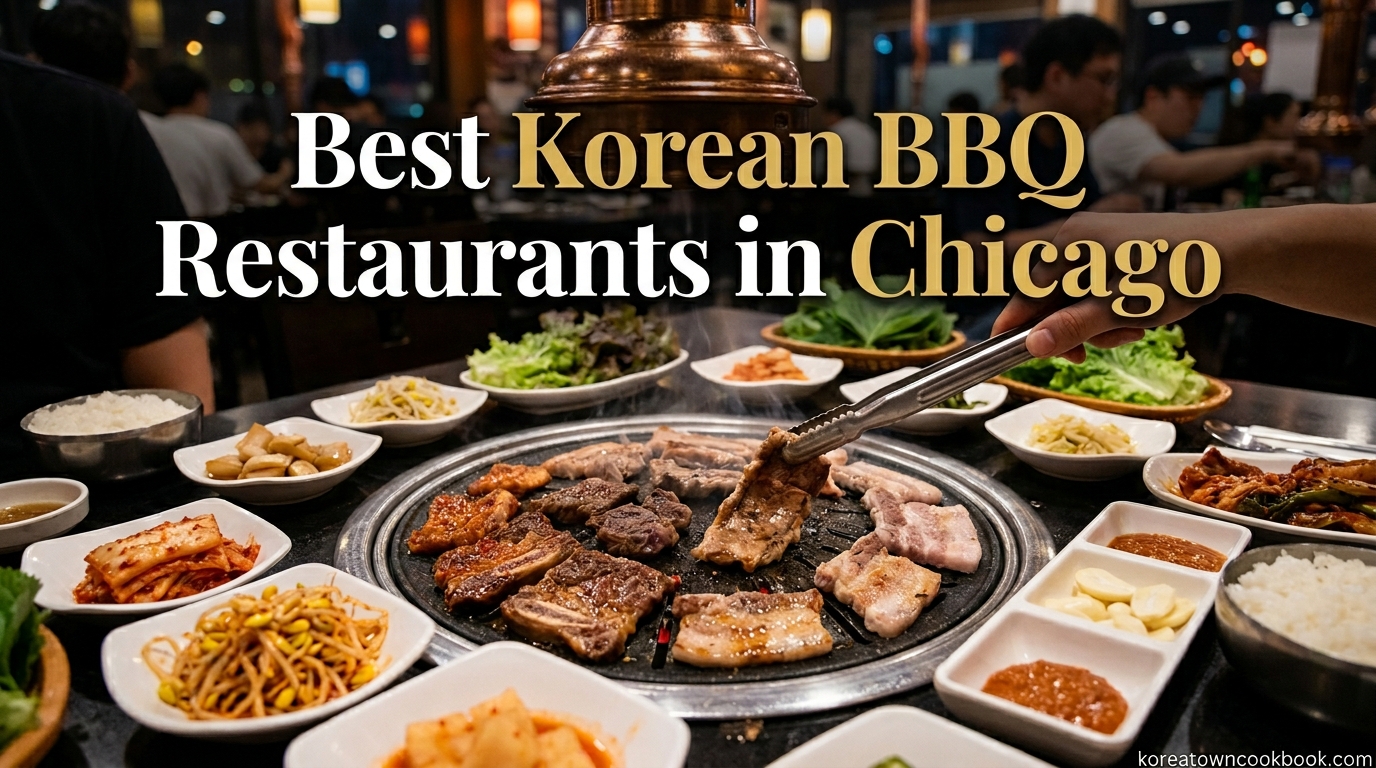
Chicago has one of the strongest Korean food scenes in the Midwest, and the best Korean BBQ restaurants in Chicago deliver an experience that goes far beyond just grilling meat at a table. From sizzling charcoal grills in Albany Park to modern tabletop setups downtown, this city offers a wide range of KBBQ spots that cater to first-timers, families, late-night crowds, and serious meat enthusiasts alike.
I have spent years exploring Chicago’s Korean dining scene, visiting over 30 restaurants across neighborhoods like Albany Park, Chinatown, Wicker Park, and the suburbs. Our team has grilled endless plates of galbi and samgyeopsal, compared charcoal versus gas setups, and talked to restaurant owners and local Korean food lovers to put together this guide.
In this article, you will find detailed restaurant recommendations organized by neighborhood, a practical ordering guide for meat cuts, tips on Korean BBQ etiquette, and honest advice on where to go based on your occasion. Whether you want an all-you-can-eat feast with friends, a quiet date night spot, or your first authentic KBBQ experience, this guide covers everything you need to know to pick the right restaurant and make the most of your meal.
Chicago’s Korean food culture has deep roots. The city’s Korean-American community has been growing since the 1960s, and neighborhoods like Albany Park became the center of Korean life in Chicago. Over the decades, that community has expanded across the metro area, bringing incredible Korean restaurants with it. Today you can find excellent Korean BBQ in neighborhoods from River North to the far suburbs, each offering a slightly different take on the same tradition.
Table of Contents
What Makes Korean BBQ in Chicago Special
Korean BBQ is more than a meal. It is a social event built around grilling marinated and unmarinated meats at your table, wrapping them in fresh lettuce leaves with rice, ssamjang sauce, and banchan sides. In Chicago, the KBBQ scene has grown significantly over the past decade, driven by an expanding Korean-American community and a broader appetite for interactive dining experiences.
What sets Chicago apart is the sheer variety. You will find old-school spots in Albany Park that have been serving the community for decades, modern steakhouses downtown with curated meat programs, and all-you-can-eat destinations that rival anything in Los Angeles or New York. The city also offers a range of grill types, from traditional charcoal pits that give meat a smoky char to cleaner gas setups that are great for beginners who want a more controlled cooking experience.
Price points vary widely too, which is one of the great things about the scene here. You can enjoy a satisfying AYCE Korean BBQ meal for around $25 per person at spots like Iron Age, or spend $80 or more per person at premium steakhouses like Shinhwa. Understanding these differences is key to picking the right restaurant for your specific night out.
Another thing I love about Chicago’s KBBQ scene is the neighborhood character. Albany Park spots feel completely different from downtown restaurants, and that is a good thing. The Albany Park restaurants tend to be family-run, no-frills, and focused on authenticity. The downtown spots are flashier, louder, and designed for a broader audience. Both approaches have their place, and the best guide will help you understand which experience fits what you are looking for.
Essential Korean BBQ Dishes to Know Before You Order
Walking into a Korean BBQ restaurant for the first time can be overwhelming. The menus are often long, the meat cuts have Korean names, and nobody wants to be the person who orders the wrong thing. Here is a straightforward guide to the most common dishes you will encounter at Chicago KBBQ spots, so you can order with confidence.
Galbi (Korean BBQ Short Rib)
Galbi is the crown jewel of Korean BBQ. These are beef short ribs, either cut across the bone (traditional style) or boneless (LA-style), marinated in a sweet soy mixture with garlic, sesame oil, and Asian pear. The marinade tenderizes the meat and gives it a caramelized crust when it hits the grill. Galbi is typically one of the pricier items on any KBBQ menu, but it is worth ordering at least once at every restaurant you visit. Most Chicago KBBQ spots serve it, and the quality varies enough that it is a reliable benchmark for comparing restaurants against each other.
The traditional cut has the rib bone attached and is scored so the marinade penetrates deeply. LA-style galbi is cut across the bone into thin strips, which cook faster and are easier to eat. Both are excellent, but I prefer the traditional cut when it is available because the bone adds flavor and the thicker pieces stay juicier on the grill.
Bulgogi (Marinated Beef)
Bulgogi consists of thinly sliced beef, usually ribeye or sirloin, marinated in the same sweet soy base as galbi but with a lighter hand. It cooks quickly on the grill, sometimes in under a minute per side, making it perfect for people who want something fast and crowd-pleasing. Bulgogi is mild in flavor, which makes it a safe pick for anyone new to Korean food or dining with picky eaters. At many Chicago restaurants, you will see it served with raw garlic slices, jalapenos, and plenty of lettuce wraps on the side.
One thing to watch for is that bulgogi can overcook easily because the slices are so thin. Keep an eye on it and pull it off the grill as soon as it loses its pink color. Overcooked bulgogi gets tough and chewy, which defeats the purpose of ordering it.
Samgyeopsal (Pork Belly)
Samgyeopsal is thick-cut pork belly, usually served unmarinated with just a sprinkle of salt and pepper. It is one of the most popular cuts in Korea and has become a staple at Chicago KBBQ restaurants. The fat renders on the grill, creating crispy edges while keeping the inside tender and juicy. You eat it wrapped in lettuce or sesame leaves with ssamjang (a spicy, savory fermented bean paste), raw garlic, and kimchi. This is the cut to order if you want the most authentic Korean BBQ experience possible.
Samgyeopsal literally translates to “three-layer flesh” in Korean, referring to the three visible layers of meat and fat in a cross-section of pork belly. At authentic spots like 336 Korean BBQ and Woo Chon, the pork belly is cut thick, about a quarter inch, which gives you those satisfying crispy edges while maintaining a tender center. At AYCE spots, the cuts may be thinner, but they still deliver that rich, fatty flavor that makes pork belly a perennial favorite.
Banchan (Side Dishes)
Banchan are the small side dishes that arrive at your table before the meat, and they are an essential part of every Korean BBQ meal. Every Korean BBQ restaurant in Chicago serves them, and the quality of banchan is often a reliable indicator of the restaurant overall. Expect to see kimchi (fermented napa cabbage), pickled radish, seasoned spinach, bean sprouts, steamed egg, fish cakes, and sometimes small savory pancakes or potato salad. Good restaurants will refill banchan for free, so do not hesitate to ask for more of anything you enjoyed.
The number and variety of banchan varies by restaurant. Some places serve as few as five dishes, while others bring out ten or more. Authentic spots tend to offer more variety and higher quality banchan. At places like San Soo Gab San and Woo Chon, the banchan alone could make a satisfying meal. My personal favorites are the seasoned spinach, the spicy radish, and any restaurant’s house-made kimchi.
Other Must-Try Items
Beyond the main grilling meats, keep an eye out for kimchi pancakes (a crispy, savory pancake studded with fermented kimchi), japchae (sweet potato glass noodles stir-fried with vegetables and sesame oil), and bibimbap (a hot stone pot rice bowl topped with vegetables, meat, and a fried egg that crisps the rice on the bottom). Many restaurants also serve soju, a clear Korean spirit usually consumed in small shots, and Korean beer brands like Hite and Cass that pair well with the rich grilled meats.
If you see dwaeji bulgogi on the menu, give it a try. It is a spicy marinated pork that is less common than beef bulgogi but incredibly flavorful, with a gochujang (red pepper paste) base that gives it a deep red color and a satisfying kick. It is one of those dishes that separates a standard KBBQ order from an informed one.
Best Korean BBQ Restaurants in Chicago
Finding the best Korean BBQ restaurants in Chicago depends a lot on what kind of experience you are after. Below, I have organized the top spots by neighborhood so you can find something close to where you are, along with details on what makes each place stand out from the rest. I have visited every restaurant listed here and can speak to the food, atmosphere, and overall experience from personal visits.
Downtown and River North
Daebak Korean BBQ (River North) is one of the most visible KBBQ spots in Chicago, thanks to its central location and energetic atmosphere. With over 1,800 reviews and a 4.7-star rating, Daebak draws a young, lively crowd that comes for the experience as much as the food. The restaurant is known for its K-pop soundtrack playing overhead, colorful and modern interior, and solid AYCE options that cover the full range of Korean BBQ staples. The meat quality is consistent rather than exceptional, but the overall experience makes it a go-to for groups, birthday dinners, and casual nights out. Expect a wait on weekends, sometimes up to an hour, so arrive early or put your name on the list and grab a drink nearby.
Shinhwa Korean Steakhouse (Downtown) takes a more refined approach to Korean BBQ. This is not your typical loud, smoky KBBQ spot. Shinhwa operates more like a Korean-style steakhouse with a curated meat selection, high-quality banchan that goes beyond the basics, and attentive table service where the staff cooks for you. The galbi here is excellent, with a well-balanced marinade and consistently tender texture. It is one of the pricier options on this list, but ideal for date nights or business dinners where you want something polished and impressive. The 4.7-star rating across 1,600 reviews confirms that it delivers a high-quality experience time after time.
MISTER TIGER (Fulton Market area) is the newest standout in the downtown KBBQ scene, and it has quickly become one of the most talked-about restaurants in the city. With a 4.8 rating and nearly 500 reviews, this modern spot has built a loyal following in a short time. The design is sleek and minimal, the cocktail program is thoughtful and creative, and the meat quality is a clear step above most AYCE places. MISTER TIGER works well for a night out when you want the Korean BBQ experience with a more upscale, contemporary setting. The downside is that reservations can be hard to get on weekends, so plan ahead.
Albany Park and Lincoln Square
Albany Park is the heart of Chicago’s Korean community, and some of the city’s most authentic KBBQ spots are right here along Lawrence Avenue. If you want the real deal, this neighborhood should be your first stop. The restaurants here tend to be family-run, no-frills, and focused on serving the Korean community first and tourists second. That authenticity comes through in the food.
Woo Chon Korean BBQ Restaurant has been an Albany Park staple for years, and it remains one of the most respected Korean BBQ restaurants in the city. Regulars praise the charcoal grilling, which gives the meat a smoky depth that gas grills simply cannot replicate. The staff here is known for being attentive, often cooking the meat for you at the table and making sure each piece is done exactly right. Woo Chon is a sit-down restaurant, not AYCE, so you order by the plate. The galbi and samgyeopsal are standout orders, and the banchan selection is generous and consistently fresh. This is the spot that local Korean residents recommend most often when asked where to get authentic KBBQ in Chicago.
San Soo Gab San is another Albany Park favorite that has been around for decades, earning its place as a neighborhood institution. The portions are generous, the prices are fair for the quality you get, and the banchan selection is one of the best in the city, often including ten or more different side dishes. The atmosphere is casual and no-frills, with tabletop charcoal grills that fill the dining room with a satisfying smoky aroma that clings to your clothes long after you leave. This is not the place for a fancy date, but it is perfect for a relaxed, satisfying dinner with friends or family who appreciate good food over ambiance.
Cho Sun Ok sits on the border of Albany Park and Lincoln Square and has earned a loyal following for its consistency and approachable menu. The restaurant is smaller and quieter than some of its neighbors, which makes it a solid pick for a weeknight dinner when you want good Korean BBQ without the scene. The bulgogi and LA galbi are reliable orders, and the banchan is always fresh and plentiful. Service here is friendly and patient, which makes it a good choice for first-timers who might have questions about the menu.
Chinatown and South Side
336 Korean BBQ in Chinatown is widely considered one of the most authentic Korean BBQ experiences you can have in Chicago. Local Korean residents frequently name it as the closest thing to dining in Korea itself, and that reputation is well-earned. The restaurant uses charcoal grills that give every cut of meat a deep smoky flavor. The banchan is exceptional, with more variety and depth than most competitors. The meat quality is a clear cut above the typical KBBQ spot, with well-marbled short ribs and thick-cut pork belly that cook beautifully on the charcoal. 336 is a sit-down spot, not AYCE, and the menu includes harder-to-find items like beef tongue and seasoned intestine for more adventurous diners. Come here when you want quality over quantity and are willing to pay a bit more for an experience that feels genuinely Korean.
Ban Po Jung Korean Restaurant, also in the Chinatown area, offers a more traditional Korean restaurant experience with BBQ options alongside a broad menu. The menu covers soups like galbitang (beef short rib soup), stews like kimchi jjigae, and noodle dishes alongside the grilled meats. If someone in your group is not fully sold on the KBBQ concept, Ban Po Jung gives them plenty of alternatives while still delivering solid tabletop grilling for the rest of the table. It is a versatile spot that works well for mixed groups with varying levels of Korean food enthusiasm.
Wicker Park and West Town
Jin Soo Korean BBQ in West Town has built its reputation on value and accessibility. The restaurant is best known for its $50 Sung Chan special, which includes a generous spread of multiple meats, banchan, and extras that easily feed two to three people. For first-timers, this combo takes all the guesswork out of ordering because you get a representative sampling of the menu. The atmosphere is modern and comfortable, with clean lines and good lighting. The staff is helpful in guiding newcomers through the grilling process and explaining the different cuts and sauces. Jin Soo works well for a casual dinner where you want good food without spending a fortune.
SoJu BBQ brings a trendy, cocktail-bar vibe to the Wicker Park Korean BBQ scene. The cocktail list is strong and creative, with several soju-based drinks that complement the grilled meats surprisingly well. The interior design is polished and Instagram-worthy, with exposed brick and warm lighting. The food holds up to the atmosphere, with both AYCE and a la carte options that give you flexibility depending on your appetite and budget. SoJu BBQ is a good pick when you want Korean BBQ but the vibe of a night out at a stylish bar.
Suburban Standouts
If you are willing to drive outside the city limits, the Chicago suburbs have some excellent Korean BBQ options that often get overlooked in city-centric guides. The suburban spots tend to offer better value, larger spaces, and shorter wait times than their downtown counterparts.
Iron Age (various suburban locations including Niles and Schaumburg) is a chain that has earned a devoted following for its $25 AYCE deal, which is one of the best values in Chicago-area Korean BBQ. For that price, you get access to a wide selection of meats including galbi, bulgogi, pork belly, spicy pork, chicken, and more, plus a full banchan bar where you can serve yourself. The quality is not at the level of a sit-down charcoal spot like Woo Chon or 336, but for the price, it is genuinely hard to beat. Iron Age is perfect for a group dinner where the goal is to eat as much high-quality protein as possible without breaking the bank.
Ahjoomah’s Apron is worth the drive for its homestyle Korean cooking and genuinely welcoming atmosphere. The banchan here feels homemade rather than mass-produced, with seasonal variations and careful seasoning that reflect real home cooking. The grilled meats are seasoned with care, and the overall experience feels more like being invited to a Korean family’s kitchen than eating at a commercial restaurant. It is a smaller, family-run operation that rewards diners who appreciate authenticity and warmth over flashy interiors and loud music.
Kfire is another suburban option that has been gaining attention for its modern take on Korean BBQ. The menu combines traditional KBBQ cuts with creative fusion items like Korean-style tacos and loaded fries with bulgogi. It is a fun spot for groups that include people who might be hesitant about traditional Korean BBQ but are willing to try it in a more familiar format.
Best Korean BBQ in Chicago for Every Occasion
Not every KBBQ restaurant is right for every situation. The wrong pick can mean a long wait with a hungry group, an overly casual spot for a special occasion, or a confusing menu when you just wanted a simple dinner. Here is a breakdown of where to go based on what you are looking for.
Best for Big Groups and Birthdays
Daebak Korean BBQ is the top pick for big groups in the city proper. The AYCE format keeps everyone happy because they can eat whatever they want, the music is loud enough to match the energy of a celebration, and the staff is experienced at handling large parties without letting the service quality drop. Iron Age is another strong choice for group celebrations on a budget, with locations in the suburbs that offer free parking and plenty of space. Both restaurants can comfortably accommodate groups of 8 to 12 people, though calling ahead to reserve a large table is always smart, especially on weekend nights.
Best for Date Night
Shinhwa Korean Steakhouse and MISTER TIGER are the clear winners for date night. Both have upscale interiors with comfortable seating, attentive service that handles the cooking for you, and a vibe that feels genuinely special rather than just another dinner out. The lighting is low, the noise level is manageable, and the food presentation is thoughtful. Shinhwa leans slightly more traditional in its menu, while MISTER TIGER has a more contemporary energy and better cocktails. Either one will make a strong impression.
Best for First-Timers
If you have never done Korean BBQ before, the experience can feel intimidating. Jin Soo is the gentlest introduction I have found in Chicago. The staff is patient with newcomers, the menu is clearly organized with helpful descriptions, and the Sung Chan special takes the guesswork out of ordering by giving you a curated selection of the best items. Daebak is also beginner-friendly thanks to its straightforward AYCE format and high-energy atmosphere that makes any mistakes feel less noticeable. At either spot, the servers are accustomed to walking first-timers through the process.
Best AYCE Korean BBQ in Chicago
Iron Age takes the top spot for all-you-can-eat Korean BBQ based on pure value. At around $25 per person, you get unlimited access to a wide variety of meats, a self-serve banchan bar, and a two-hour dining window that gives you plenty of time to pace yourself. Daebak and SoJu BBQ also offer AYCE options if you want to stay closer to downtown, with slightly higher prices but comparable selection. Keep in mind that most AYCE spots charge a fee for leftover meat, so the smart strategy is to order in rounds rather than all at once. Start with two or three meats, finish those, then order more. This keeps the food hot and fresh and reduces the risk of waste charges.
Best for Late Night Dining
Several Korean BBQ spots in Albany Park stay open late, often until midnight or beyond on weekends, which makes them perfect for post-bar or post-show meals. San Soo Gab San and Woo Chon both accommodate late-night diners, and the wait times tend to be shorter after 9 PM when the dinner rush has subsided. Daebak in River North also runs late, making it a solid option if you are in the downtown area and craving grilled meat after most kitchens have closed.
Best for Authentic Charcoal Grilling
Woo Chon and 336 Korean BBQ are the two spots that locals consistently recommend for authentic charcoal-grilled Korean BBQ. The smoky flavor that comes from real burning charcoal is noticeably different from gas grills, and both restaurants have the experience, equipment, and ventilation to do it right without filling the dining room with an uncomfortable amount of smoke. If you care about that smoky char on your galbi and samgyeopsal, make the trip to one of these. It is worth the extra effort.
Charcoal vs Gas Grill: Understanding the Difference
One of the biggest factors that separates Korean BBQ restaurants is the type of grill they use. Understanding the difference will help you pick the right spot for your preferences and set the right expectations before you arrive.
Charcoal grills use real burning charcoal, usually placed in the center of your table in a sunken pit or portable brazier. The heat is intense and the smoke gives the meat a distinctive smoky flavor that you simply cannot replicate with gas. Charcoal grilling is the traditional method used in Korea and is preferred by most Korean diners who grew up with it. The downside is that the smoke can get heavy in enclosed spaces, your clothes and hair will smell like BBQ afterward, and the grilling takes more skill because the heat is less evenly distributed and fluctuates as the charcoal burns down.
Gas grills use built-in gas burners, sometimes with a flat griddle surface and sometimes with a slotted grate. They are cleaner, easier to control, and produce far less smoke, which makes them more comfortable for beginners and for anyone who does not want to leave the restaurant smelling like grilled meat. Many modern KBBQ restaurants in Chicago use gas grills because they are easier to maintain, more consistent, and more comfortable for a broader customer base. The trade-off is that you lose some of that smoky depth and the theatrical element of real charcoal.
Smokeless grills are a newer technology that uses a combination of gas heat and a powerful ventilation system built directly into the table. The grill surface sits above a downdraft vent that pulls smoke away before it reaches your face. These are common at upscale spots like Shinhwa and MISTER TIGER, where the focus is on high-quality meat rather than the smoky charcoal experience. They give you the visual experience of tabletop grilling without filling the room with smoke, and the meat quality at these restaurants is usually high enough that you do not miss the charcoal flavor at all.
My recommendation: choose charcoal if you want the most authentic, traditional experience and do not mind the smoke. Choose gas or smokeless if you prioritize comfort, convenience, or are dining with people who might be put off by a smoky dining room.
Korean BBQ Etiquette and Tips for First-Timers
Korean BBQ has its own set of unwritten rules and customs that have developed over decades. Knowing them ahead of time will make your experience smoother and more enjoyable, especially if you are dining with Korean friends or visiting an authentic neighborhood spot where these customs are part of the culture.
Let the Staff Cook (or Do It Yourself with Care)
At many Chicago KBBQ restaurants, especially the more traditional spots like Woo Chon and 336, the server will cook the meat for you at your table. They know the right timing and temperature for each cut, and they will slice it into bite-sized pieces as it finishes. If the server starts cooking, let them do their thing. They are trained professionals at this specific task. If you are at a self-serve or AYCE spot where you handle the grilling yourself, the most important rule is do not overcook the meat. Thin cuts like bulgogi only need 30 to 60 seconds per side. Thicker cuts like samgyeopsal take 2 to 3 minutes per side. Flip when you see the edges change color and the juices start to pool on top.
Use Lettuce Wraps, Not Just Rice
The proper way to eat Korean BBQ is to wrap the grilled meat in a lettuce leaf with a small dab of ssamjang, a spoonful of rice, a slice of raw garlic, and maybe a piece of kimchi. Fold it up and eat it in one bite. This balances the richness of the meat with the freshness of the lettuce and the savory kick of the sauce. Eating grilled meat straight off the grill with a bowl of rice is perfectly fine, but the wrap method is how Koreans traditionally do it, and it really does make the meal more balanced and enjoyable.
Do Not Waste Food
This is especially important at AYCE restaurants. Most places charge a per-plate fee for leftover meat, and wasting food is generally considered disrespectful in Korean culture. Order in small rounds rather than piling your table with everything at once. You can always order more. This approach also ensures that the meat you are cooking is fresh and hot rather than sitting on a plate getting cold while you work through an earlier round.
Pace Your Banchan
The banchan (side dishes) are free and refillable at almost every Korean BBQ restaurant in Chicago. But do not fill up on them before the meat arrives. Use them as accompaniments throughout the meal. A piece of pickled radish between bites of rich pork belly is incredibly refreshing and cleanses the palate. Kimchi tastes even better when you throw a piece on the grill alongside the meat for a minute to char it slightly. The steamed egg is rich and comforting, perfect for tempering a bite of spicy pork.
Should You Tip at Korean BBQ?
Yes, you should absolutely tip at Korean BBQ restaurants in Chicago. The standard tipping rules that apply to all sit-down restaurants apply here too. Servers at KBBQ spots actually work harder than at most restaurants because they are cooking at your table, changing grill plates when they get charred, and constantly refilling banchan and drinks throughout the meal. A tip of 18 to 20 percent is appropriate and appreciated, especially at traditional spots where the staff cooks for you and provides attentive, hands-on service throughout the entire meal.
Managing Wait Times
The most popular Korean BBQ restaurants in Chicago, especially Daebak, Woo Chon, and 336, can have wait times of 45 to 90 minutes on Friday and Saturday evenings. A few strategies can help you avoid the longest waits. Arrive before 6 PM on weekends or try weeknight dinners when crowds are noticeably thinner. Some restaurants accept reservations through apps like Yelp or OpenTable, or you can call directly to put your name on the list before you arrive. If you are heading to Albany Park, a good strategy is to put your name in at one spot and grab a drink or appetizer at a nearby restaurant or bar while you wait.
Vegetarian and Dietary Options
Korean BBQ is undeniably meat-centric, but that does not mean vegetarians are completely left out of the experience. Many restaurants offer tofu-based dishes, vegetable pancakes (pajeon), bibimbap available without meat, and even grilled king oyster mushrooms that have a surprisingly meaty texture when cooked on the grill. Daebak and Jin Soo both have vegetarian-friendly items clearly marked on their menus. Call ahead if you have specific dietary restrictions, as not all spots are equally accommodating. For anyone with a gluten sensitivity, note that soy sauce is a base ingredient in most KBBQ marinades, so unmarinated cuts like plain samgyeopsal are your safest bet.
Soju and Beverage Pairing Suggestions
No Korean BBQ meal is complete without the right drinks to accompany it. The most traditional pairing is soju, a clear Korean spirit with an alcohol content around 16 to 20 percent. It is typically served chilled in small green bottles and consumed in small shots, often with a toast among the table. Soju has a clean, slightly sweet flavor that cuts through the richness of grilled meats and cleanses the palate between bites.
If straight soju is too strong for your taste, try mixing it with Korean beer (a combination called somaek, which is a portmanteau of soju and maekju, the Korean word for beer). Drop a shot glass of soju into a glass of cold Hite or Cass beer and drink it quickly. The combination is refreshing, lower in alcohol per sip than straight soju, and incredibly popular in Korea.
For a non-alcoholic option, Korean barley tea (boricha) is served at many restaurants and pairs well with the meal. It is warm, nutty, and comforting without adding sweetness that would clash with the savory, smoky flavors of the grilled meat. Most restaurants also offer standard sodas and water, of course.
Wrapping Up: Your Next Korean BBQ Adventure in Chicago
Chicago’s Korean BBQ scene offers something for everyone, from the authentic charcoal grills of Albany Park to the sleek downtown steakhouses that put a modern spin on tradition. The best Korean BBQ restaurants in Chicago are not concentrated in one neighborhood. They are spread across the city and suburbs, each bringing its own personality, specialty, and strengths to the table.
If I had to pick just three spots to recommend, I would send you to 336 Korean BBQ for the most authentic experience, Shinhwa for a polished and memorable date night, and Iron Age for a fun, budget-friendly group feast where nobody leaves hungry. But half the fun of Korean BBQ is discovering your own favorite spot, learning which meat cuts you prefer, and developing a relationship with the restaurants in your neighborhood.
Try a few of the restaurants on this list, experiment with different cuts beyond the familiar bulgogi, and do not be afraid to ask the staff for recommendations. The servers at Chicago’s Korean BBQ restaurants are almost universally happy to guide you, especially when they see someone genuinely interested in learning about the food.
The next time you are craving sizzling short ribs, endless banchan refills, and a dining experience that is as much about the social ritual as it is about the food, you know exactly where to go. Grab some friends, order more meat than you think you need, and enjoy one of Chicago’s best interactive dining experiences.