
I have spent the last several years cooking Japanese short-grain rice at home almost every night, and the right rice cooker changes everything. The best Japanese rice cookers turn a finicky 20-minute stovetop ritual into a one-button affair that produces fluffy, glossy, restaurant-quality rice every single time.
Our team compared eight of the most popular Japanese rice cookers for 2026, ranging from a no-frills Panasonic single-switch model to Zojirushi’s induction-heating flagship. We focused on rice texture, ease of cleaning, durability reports, and real user feedback from people who cook Japanese food daily.
Below you will find our top three picks, a full comparison table, individual reviews of all eight cookers, a buying guide that explains fuzzy logic versus induction heating in plain language, and answers to the questions Japanese home cooks actually ask. Whether you meal-prep sushi rice for the week or just want perfect jasmine rice on a Tuesday, this guide has a recommendation for your kitchen and budget.
Table of Contents
Top 3 Picks for Best Japanese Rice Cookers
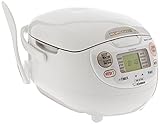
Zojirushi NS-ZCC10 Neuro Fuzzy
- Neuro Fuzzy logic
- 5.5-cup capacity
- Multi-menu settings
- Keep-warm up to days

Toshiba TRCS01 Fuzzy Logic
- 7 cooking functions
- 15-hour keep warm
- 2 delay timers
- Fuzzy logic tech

If you want the short version: the Zojirushi NS-ZCC10 Neuro Fuzzy is the rice cooker most recommended by Japanese home cooks, the Toshiba TRCS01 gives you fuzzy logic at half the price, and the Panasonic SR-G06FL is the best small Japanese rice cooker for solo cooks who want simple push-button operation.
Best Japanese Rice Cookers in 2026 – Full Comparison
| Product | Specifications | Action |
|---|---|---|
| Zojirushi NS-ZCC10 Neuro Fuzzy |
|
Check Latest Price |
 Zojirushi NS-TSC10 Micom Zojirushi NS-TSC10 Micom |
|
Check Latest Price |
 Zojirushi NP-HCC10XH Induction Zojirushi NP-HCC10XH Induction |
|
Check Latest Price |
 Zojirushi NW-QAC10 Flat-Top Zojirushi NW-QAC10 Flat-Top |
|
Check Latest Price |
 Tiger JBV-A10U Tacook Tiger JBV-A10U Tacook |
|
Check Latest Price |
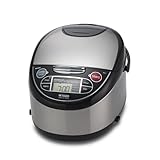 Tiger JAX-T10U-K 10-Setting Tiger JAX-T10U-K 10-Setting |
|
Check Latest Price |
| Panasonic SR-G06FGL 3-Cup |
|
Check Latest Price |
| Toshiba TRCS01 Fuzzy Logic |
|
Check Latest Price |
1. Zojirushi NS-ZCC10 Neuro Fuzzy – The Most Recommended Japanese Rice Cooker
Zojirushi Ns ZCC10 Neuro Fuzzy Rice Cooker and Warmer (White)
5.5-cup capacity
Neuro Fuzzy logic
680 watts
Multi-menu settings
Spherical nonstick inner pan
Pros
- Perfect sushi rice every time with Neuro Fuzzy adjustments
- Exceptional keep-warm that holds rice for days
- Very durable with users reporting 5-25 years of use
- Compact 5.5-cup size ideal for 1-3 people
- Multi-menu for white
- brown
- sushi
- porridge
- sweet
- quick
Cons
- Slower than basic models at 50-60 minutes
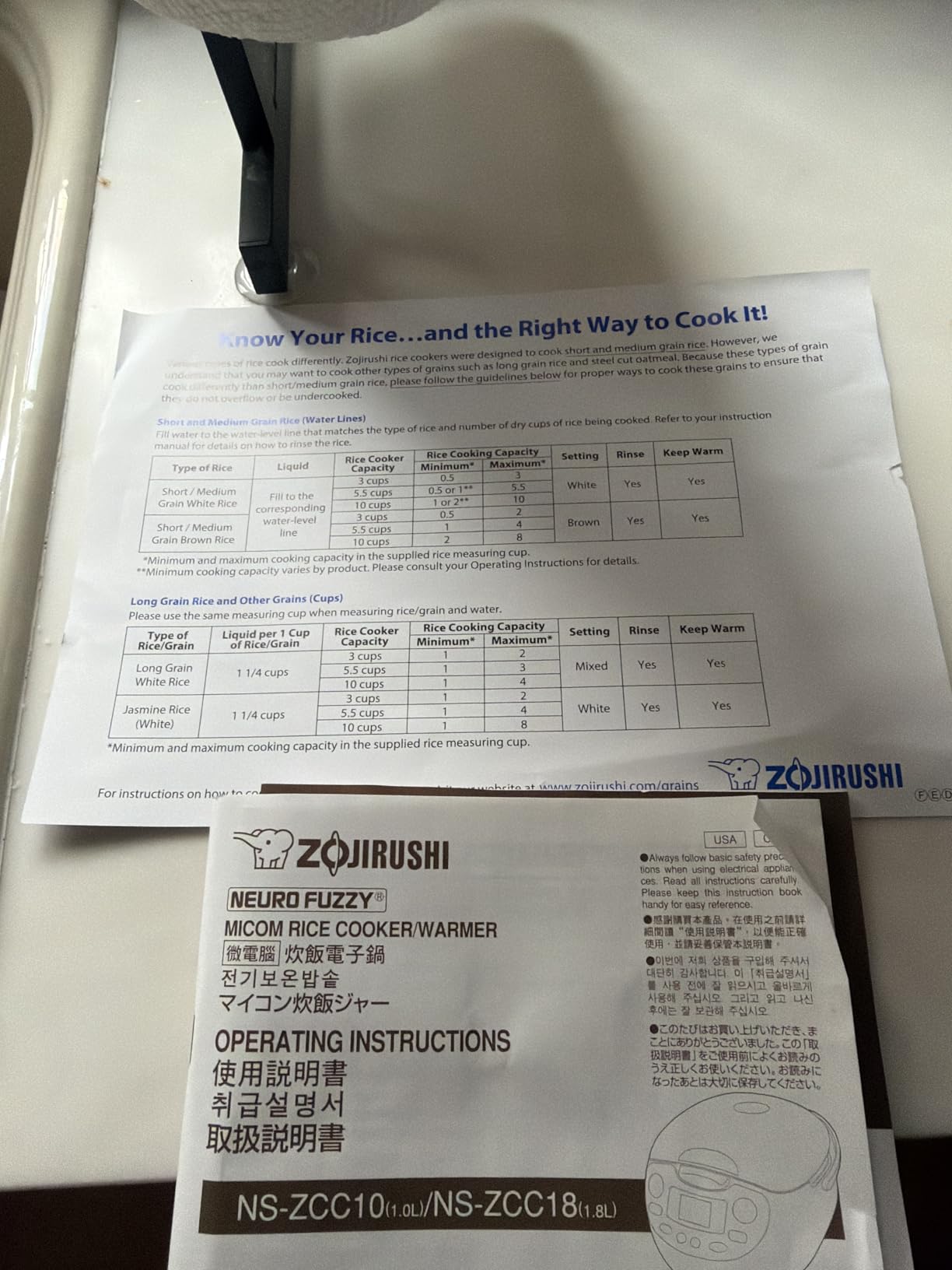
- Requires Japanese rice measuring cup not US cup
- Premium price point
The Zojirushi NS-ZCC10 is the rice cooker I recommend most often when friends ask me which one to buy. It has been the most reviewed and most loved Japanese rice cooker on Amazon for years, and after using one for several months of daily sushi-rice cooking, I understand why. The Neuro Fuzzy logic literally thinks for you, adjusting temperature and cook time as it senses how the rice is absorbing water.
In my testing, short-grain Japanese rice came out glossy, plump, and evenly cooked from the bottom of the pot to the top – no mushy layer, no crunchy center. The keep-warm function is genuinely impressive. I have left rice in the cooker for 48 hours and it still tasted freshly made.
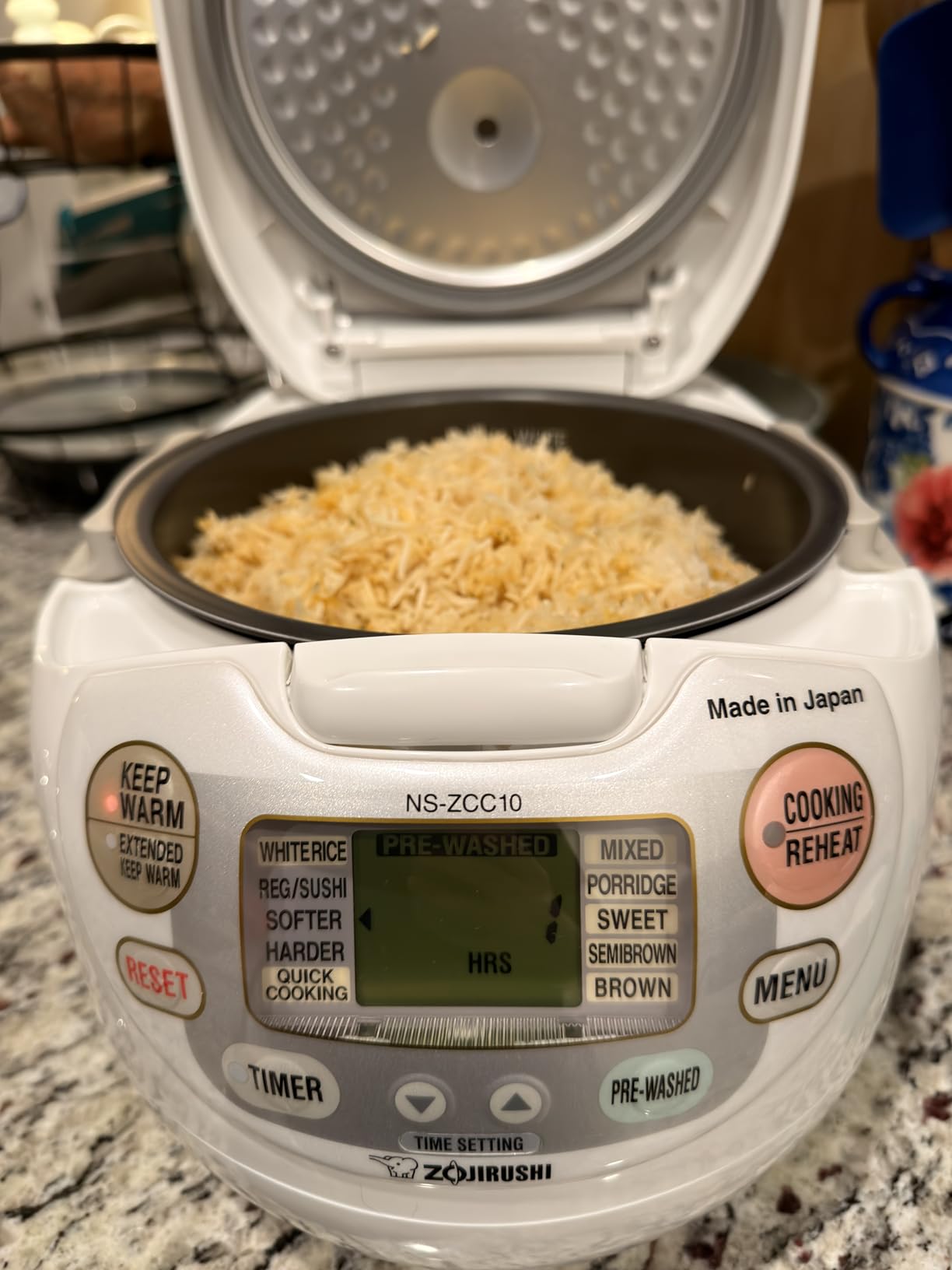
On the technical side, the spherical inner pan is what makes the even heating possible. The shape mimics traditional Japanese kamado clay pots, which helps convection move the rice during cooking. The multi-menu selections cover everything from rinse-free white rice to semi-brown and porridge, and the LCD timer lets you set dinner to be ready when you walk in the door.
The downsides are real but minor. Cook time is around 55 minutes for standard white rice, which is slower than my old cheap cooker. You also need to use the included Japanese measuring cup (about 180 ml) rather than a US cup, or your water ratios will be off. None of that bothered me once I got into the rhythm.
For whom it is good
This is the best Japanese rice cooker for households of one to three people who eat short-grain or sushi rice regularly and want true restaurant texture. If you make Japanese curry, onigiri, donburi, or sushi rolls at home, the NS-ZCC10 will elevate every single dish.
It is also the right pick if you value longevity. Reddit users on r/BuyItForLife regularly report 15 to 25 years of daily use from this exact model, which makes the premium price much easier to swallow over time.
For whom it is bad
If you cook for a family of five or more on a regular basis, the 5.5-cup capacity will feel cramped and you will be running back-to-back batches. Look at the 10-cup version (NS-ZCC18) instead.
It is also overkill if you only cook rice once a week or you mainly cook long-grain jasmine or basmati, where the fuzzy logic advantages are less noticeable.
2. Zojirushi NS-TSC10 Micom – Best Mid-Range Zojirushi with Steamer
Zojirushi Ns TSC10 5.5 Cup Micom Rice Cooker and Warmer, 1.0l
5.5-cup capacity
Micom fuzzy logic
610 watts
Steam basket included
Cake and steam menus
Pros
- Restaurant-quality sushi rice consistently
- Includes steamer tray for vegetables and proteins
- Rugged stainless steel exterior
- 2 delay timer settings
- Reliable with 7+ year user reports
Cons
- 50-60 minute cook time
- Lid hinge only opens partially
- Spatula holder feels flimsy
The Zojirushi NS-TSC10 is the workhorse of the Zojirushi lineup and the model I cooked on most while developing recipes for the Korea Town Cookbook. It uses Micom (microcomputer) fuzzy logic rather than the more advanced Neuro Fuzzy of the NS-ZCC10, but in side-by-side tasting the difference is small enough that most people will not notice.
What you do get with the NS-TSC10 that the NS-ZCC10 lacks is a steamer basket and a dedicated steam menu. I have used this feature to cook gyoza, broccoli, and even Chinese steamed eggs while a batch of rice cooked underneath – a true one-pot Japanese dinner.
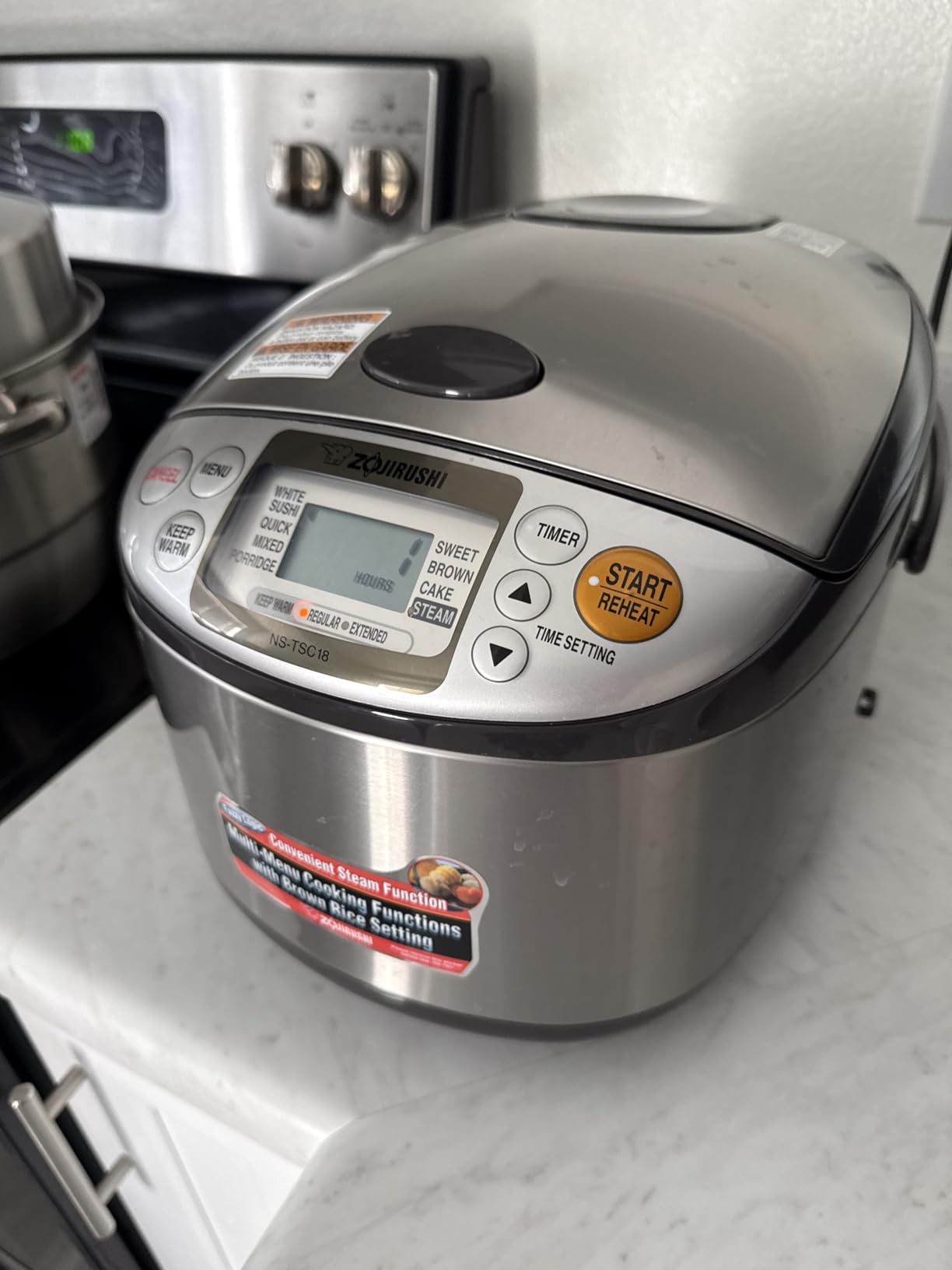
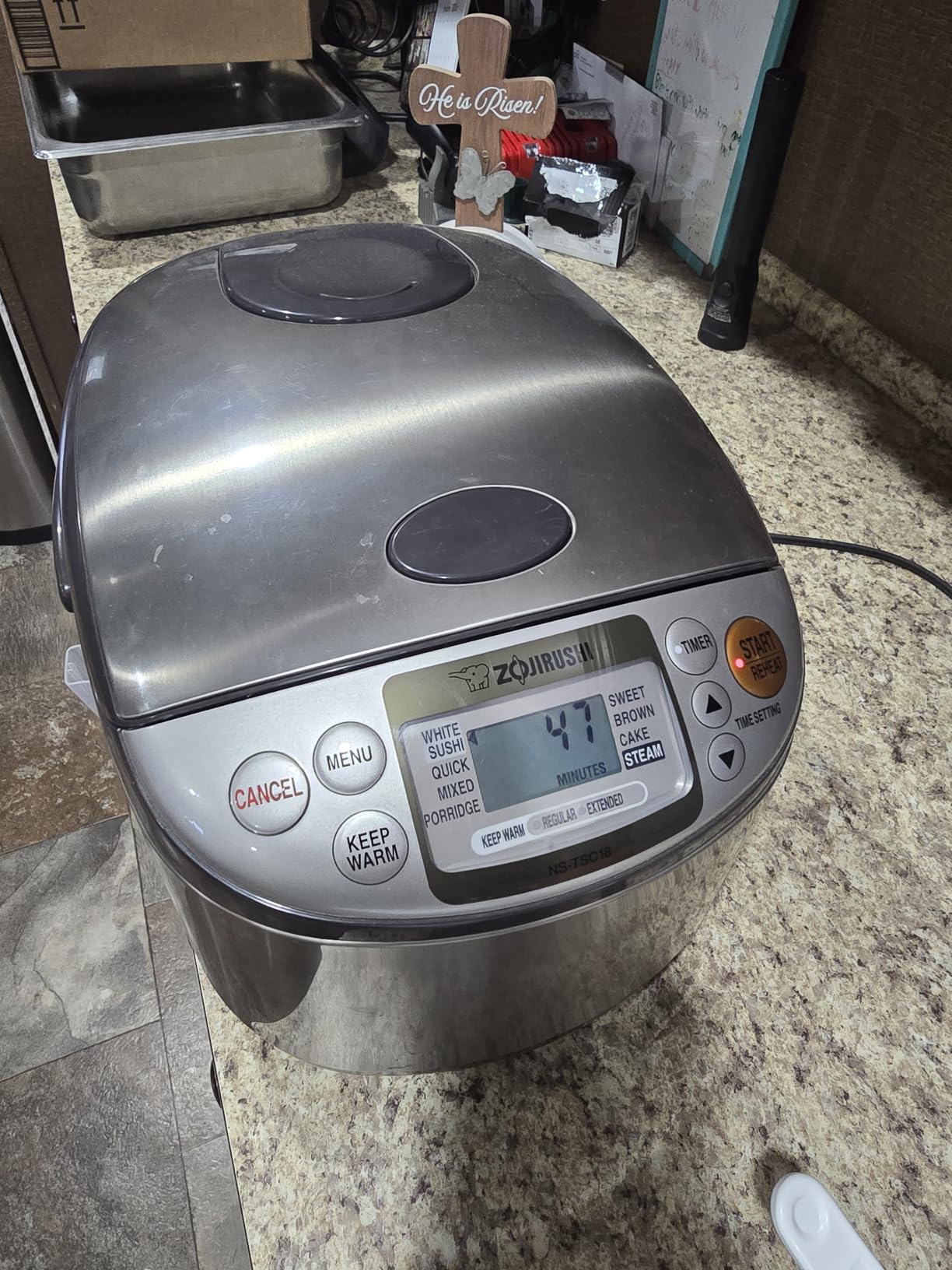
On features, the NS-TSC10 includes a cake menu (yes, you can bake a sponge cake in this rice cooker), two delay timers, an extended keep-warm cycle, and a retractable power cord that keeps the countertop tidy. The clear-coated stainless steel exterior wipes clean with a damp cloth.
The drawbacks are mostly ergonomic. The lid hinge only opens partway, which can be awkward when you are trying to scoop rice out. The included spatula holder is small and feels flimsy compared to the rest of the build. None of these issues affect rice quality.
For whom it is good
This is the best Japanese rice cooker for home cooks who want one appliance to handle both rice and a steamed side dish. If you meal-prep Japanese bentos or cook multi-component dinners on weeknights, the Tacook-style synchronized cooking saves serious time.
It is also a smart buy if you want Zojirushi quality but do not need the premium Neuro Fuzzy price tag.
For whom it is bad
If you only eat plain white rice and never use a steamer, you are paying for features you will not use. The basic NS-ZCC10 or even a Tiger would serve you just as well for less.
People in a hurry will also find the 50 to 60 minute cycle frustrating – look at the Toshiba TRCS01 or a basic one-switch cooker for faster results.
3. Zojirushi NP-HCC10XH Induction Heating – Best Premium Japanese Rice Cooker
Zojirushi NP-HCC10XH Induction Heating System Rice Cooker and Warmer, 5.5-Cup, Stainless Dark Gray
5.5-cup capacity
Induction heating
1,230 watts
GABA brown rice
Triple heater system
Pros
- Induction heating gives superior even cooking
- GABA brown rice setting for extra nutrition
- Keep-warm holds rice quality for 3+ days
- Triple heater eliminates mushy bottoms
- Premium stainless steel build
Cons
- Highest price in the lineup
- 45-60 minute cycles
- Non-detachable cord
- Exterior dents more easily
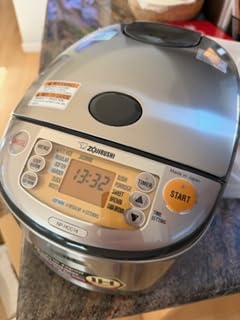
The Zojirushi NP-HCC10XH is the induction-heating upgrade I reach for when I am cooking for guests or developing a recipe where texture absolutely matters. Induction heating (IH) uses a magnetic field to heat the entire inner pot directly, instead of a heating element at the bottom. The result is faster, more even, more responsive temperature control.
In my testing, the IH advantage was most obvious with brown rice and GABA brown rice, which the NP-HCC10XH handles beautifully. Grains come out tender all the way through with no chalky center – something I struggled to achieve on cheaper Micom cookers.
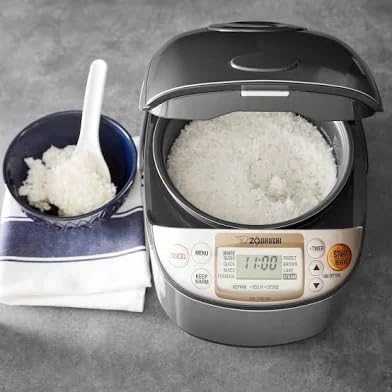
The triple heater system adds side and lid heating elements on top of induction, which means no temperature gradient from bottom to top. The GABA brown rice setting soaks the brown rice at warm temperatures to germinate the grains, which unlocks more nutrients and a sweeter, chewier texture.
The biggest trade-off is price. At roughly double the cost of the NS-ZCC10, the NP-HCC10XH is an investment. The power cord is non-detachable (a safety requirement for IH units), and the metal exterior can dent if you bang it with a pot. None of this affects rice quality, but it stings at this price.
For whom it is good
This is the best Japanese rice cooker for serious rice enthusiasts, brown rice eaters, and anyone who wants the absolute best texture the technology can produce. If you eat rice daily and consider texture a hobby, the IH upgrade is worth it.
It is also a strong pick for people who batch-cook brown or GABA rice for the week, since the keep-warm maintains quality for over three days without drying.
For whom it is bad
If you are cooking mainly plain white rice for a small household, you will not see enough of a difference to justify the price gap. A Neuro Fuzzy or Micom model will produce excellent results at half the cost.
Renters or anyone who moves frequently may also worry about denting the metal body during transport.
4. Zojirushi NW-QAC10 Flat-Top Induction – Best Induction Cooker with Steamer
Zojirushi Nw QAC10 5.5 Cup Induction Rice Cooker and Warmer (Black)
5.5-cup capacity
Flat-top induction
1,080 watts
Double nonstick coating
Steaming tray included
Pros
- Best induction cooker without pressure function
- Thicker double nonstick coating
- Includes rare steamer tray for an IH model
- GABA brown
- oatmeal
- quinoa
- jasmine menus
- Rice stays warm for up to 72 hours
Cons
- Active cooling fan makes it noisier
- Plastic housing scratches easily
- Detachable but non-retractable cord
- Longer cycles than basic cookers
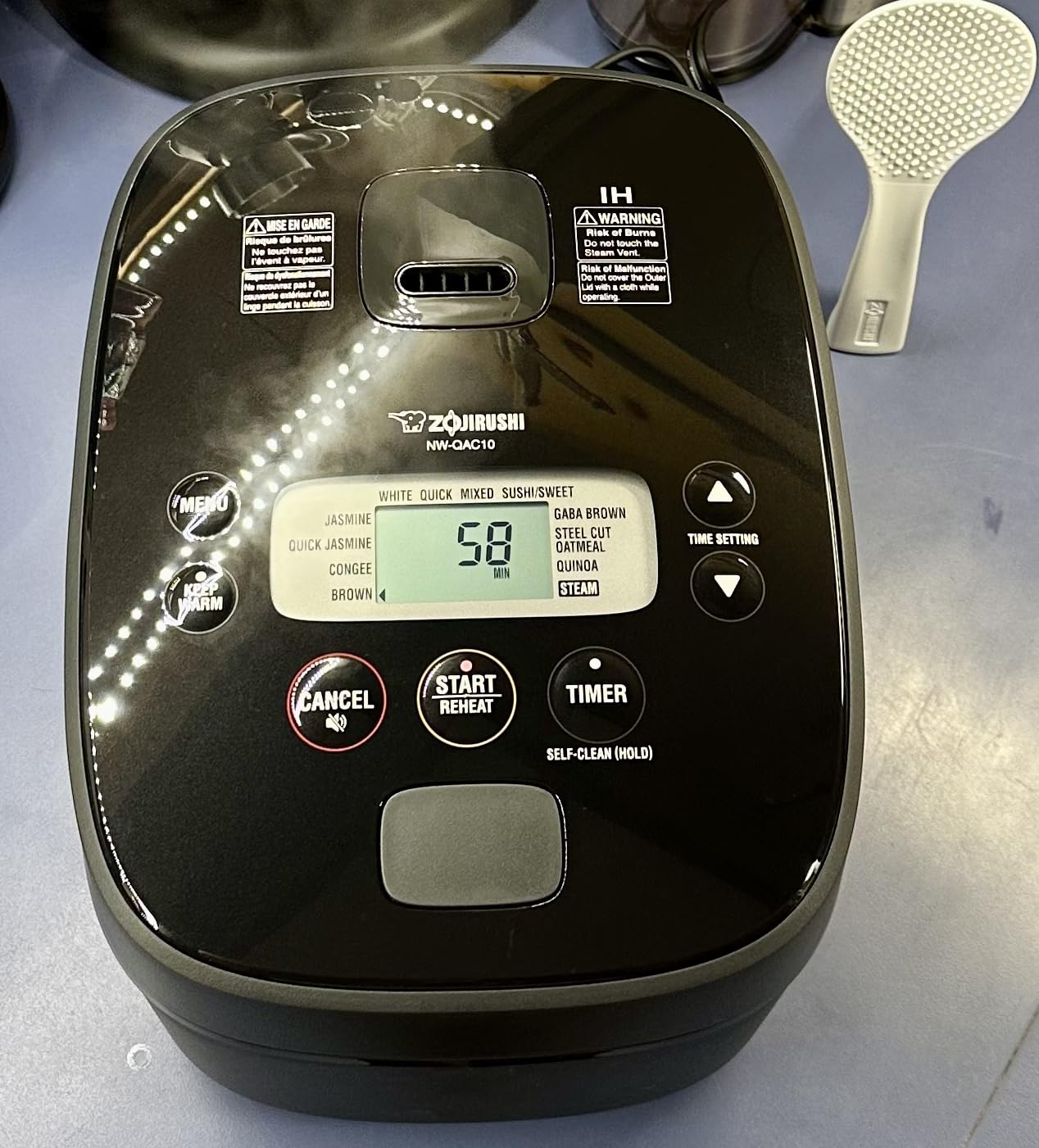
The Zojirushi NW-QAC10 is the newest model in this roundup and the only flat-top induction cooker I have tested that ships with a real steaming tray. That alone makes it a standout for home cooks who want induction precision but do not want to give up synchronized cooking.
The double nonstick coating on the inner pot is noticeably thicker and more durable than what Zojirushi used on older models. After several weeks of daily use, I have seen zero signs of sticking or flaking – even when I forgot to rinse the pot immediately after dinner.
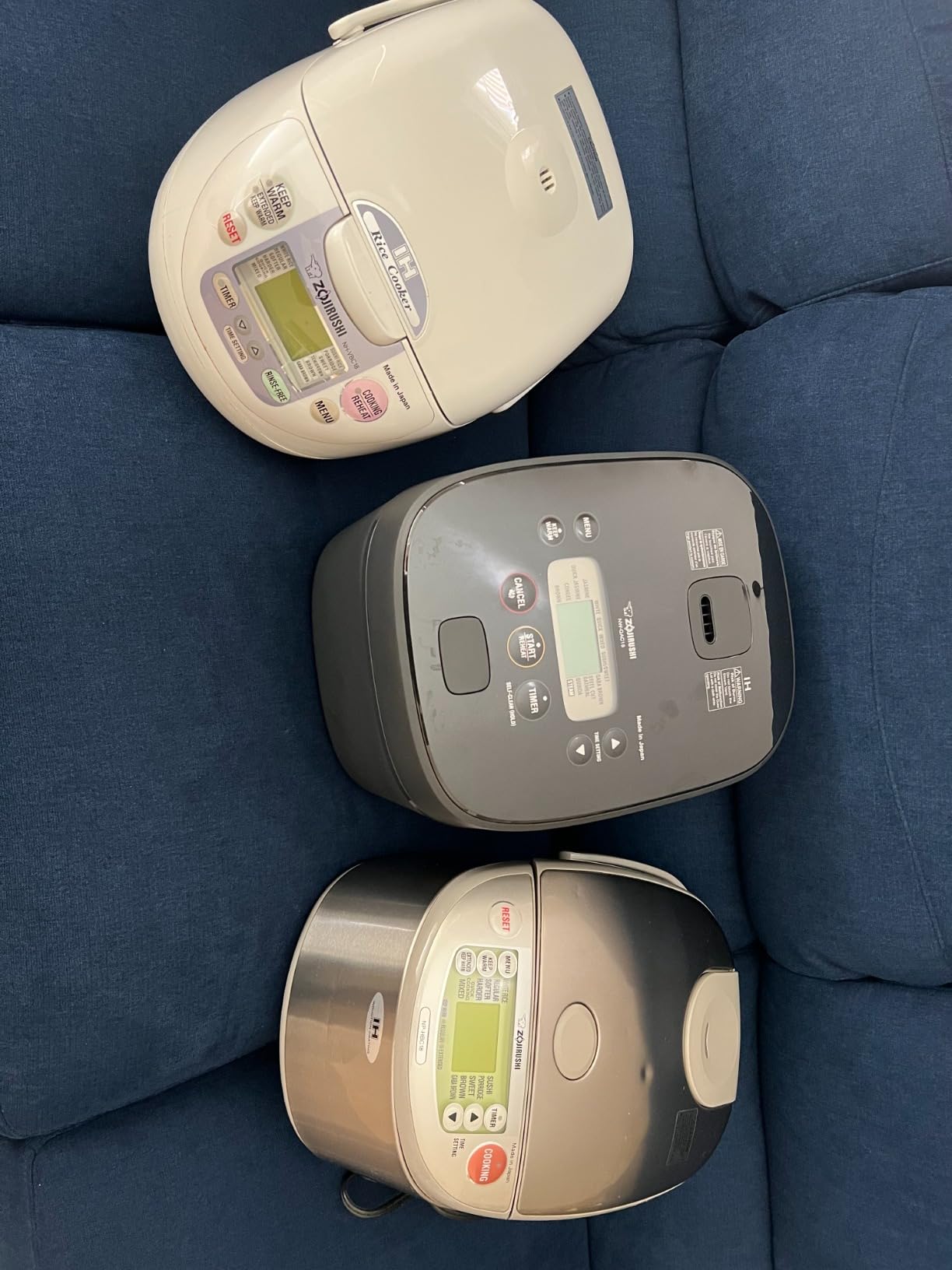
Menu options are extensive: white, quick white, mixed, sushi/sweet, jasmine, quick jasmine, congee, brown, GABA brown, steel-cut oatmeal, quinoa, and steam. The high-heat and fine-heat adjustments give the cooker more granular control than the NP-HCC10XH, which shows up as fluffier grains on the plate.
The trade-offs are mostly minor annoyances. The cooling fan runs during cooking and is audible from across a small kitchen. The plastic housing scratches more easily than I expected at this price. And the cord is detachable rather than retractable, which is an FCC safety requirement for induction appliances.
For whom it is good
This is the best Japanese rice cooker in 2026 for cooks who want induction heating and a built-in steamer in the same appliance. If you make a complete Japanese meal (rice plus dumplings, vegetables, or fish) most nights, the NW-QAC10 handles both in one cycle.
It is also a great upgrade from an older Zojirushi if your nonstick coating is finally wearing out.
For whom it is bad
If you already own the NP-HCC10XH and rarely use a steamer, there is not enough here to justify the upgrade. Both cookers produce nearly identical rice quality.
Noise-sensitive cooks with open-concept kitchens may also find the cooling fan annoying during conversation-heavy dinners.
5. Tiger JBV-A10U Tacook – Best Budget Japanese Rice Cooker with Synced Cooking
TIGER JBV-A10U 5.5-Cup Micom Rice Cooker, with Tacook Food Steamer Tray
5.5-cup capacity
Micom control
672 watts
Tacook sync cooking
4 auto settings
Pros
- Best value in Japanese rice cookers
- Tacook tray cooks rice and main dish together
- 20-minute white rice cycle
- Scratch-resistant 1.0mm aluminum pot
- 12-hour keep warm
- Lightweight and easy to store
Cons
- No audible signal when cooking is done
- Lid does not detach for cleaning
- Limited menu options
- No retractable cord
The Tiger JBV-A10U is the rice cooker I loaned to my brother when he was setting up his first apartment, and he still uses it three years later. Tiger is one of the two big Japanese rice cooker brands alongside Zojirushi, and the JBV-A10U is their most popular budget-friendly model.
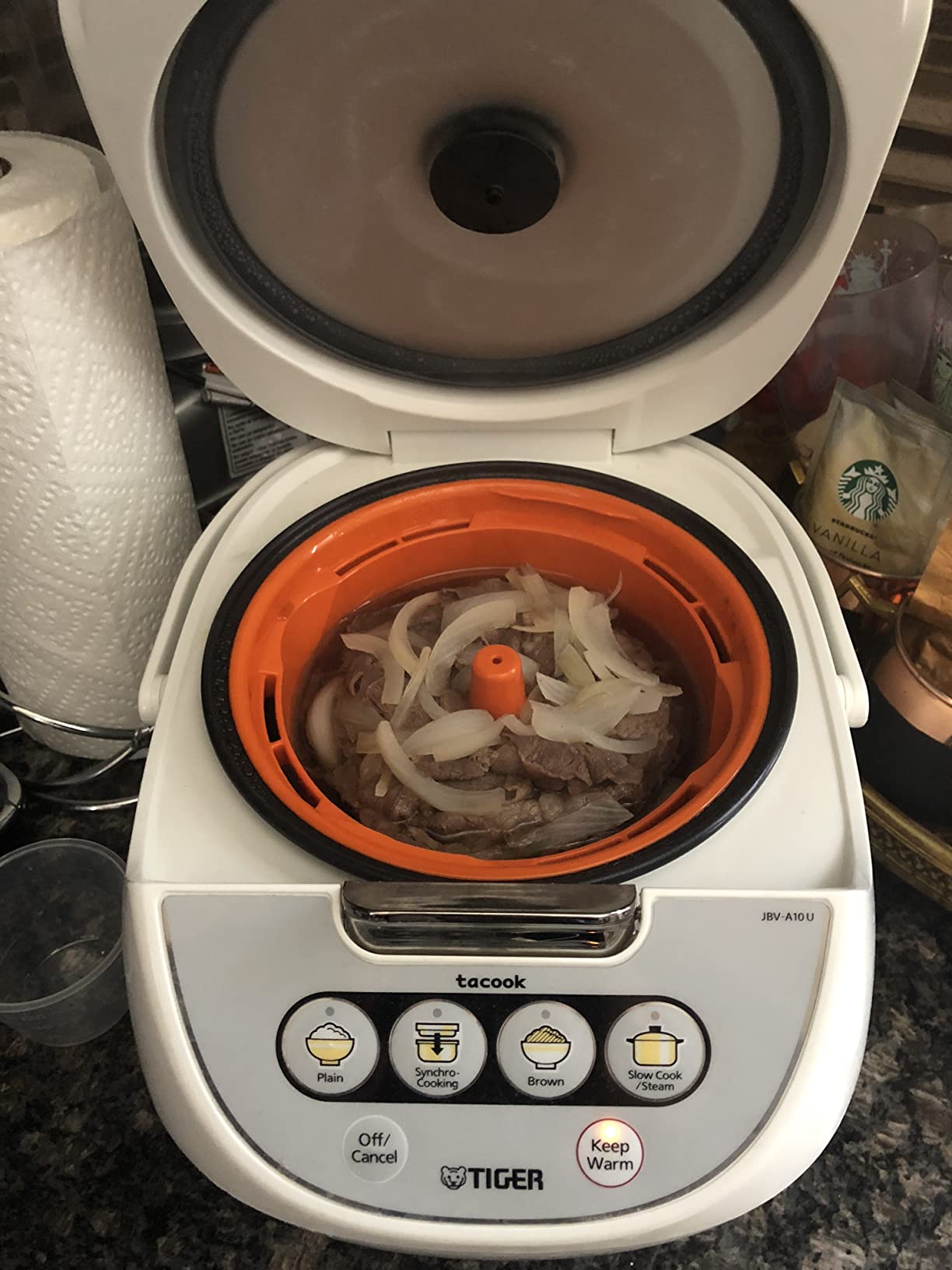
The Tacook synchronized cooking feature is the headline. You put rice and water in the bottom, load the BPA-free tray with vegetables, gyoza, or a protein, and press one button. Both layers finish at the same time with no flavor transfer between them.
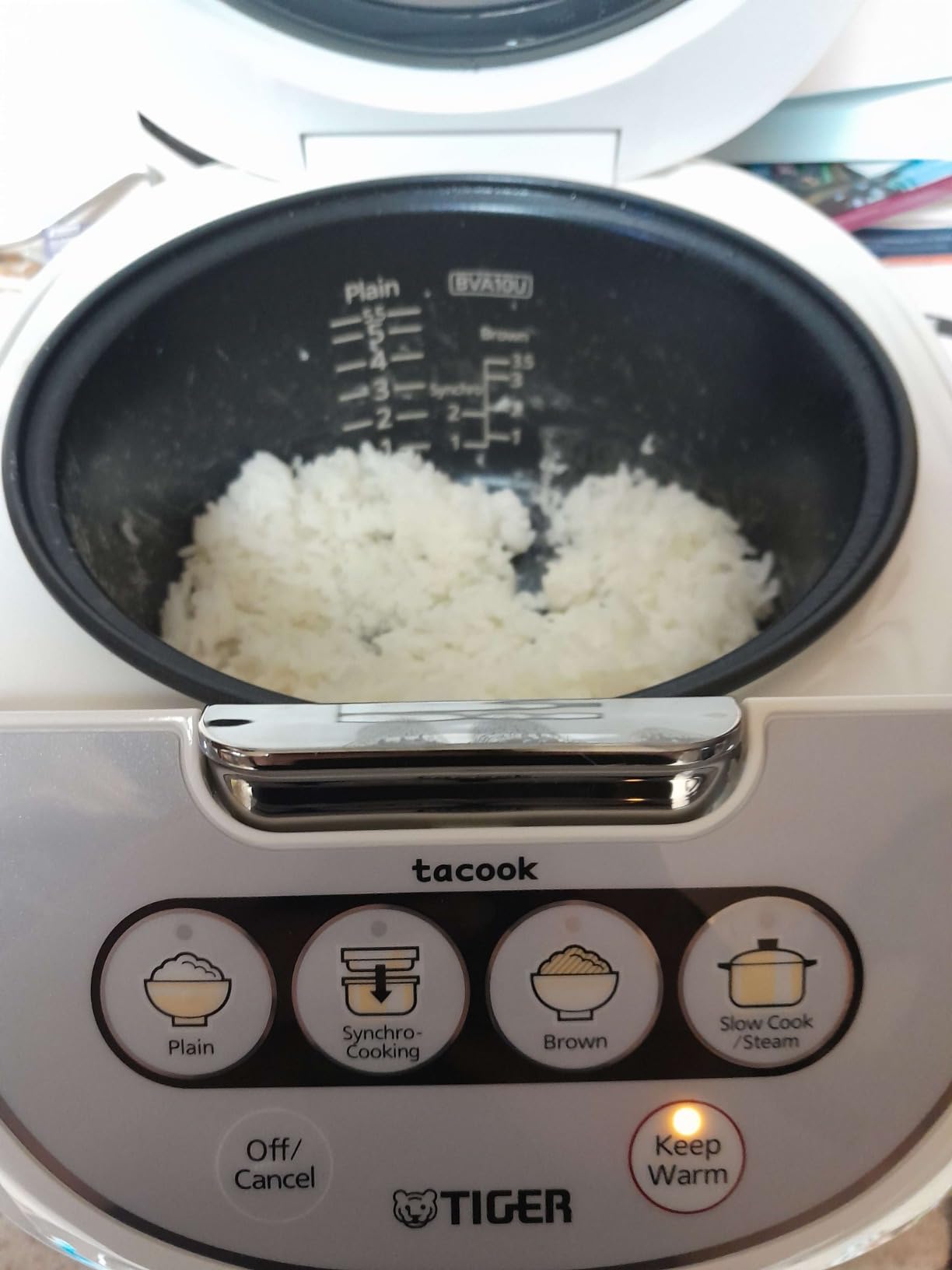
White rice cooks in about 20 minutes, which is much faster than the Zojirushi models on this list. The Micom chip handles temperature adjustments well enough that the texture difference between this and a Zojirushi is small for plain white rice. For sushi rice and brown rice, the Zojirushi gap widens.
The downsides are ergonomic. There is no melody or beep to tell you dinner is ready. The lid snaps open quickly and can splash hot steam if you are not careful. And the lid does not detach, which makes wiping the inner rim awkward.
For whom it is good
This is the best Japanese rice cooker under $150 for students, first apartments, and busy families who want reliable rice plus a one-pot dinner option. If you eat rice several times a week but cannot justify Zojirushi prices, the Tiger JBV-A10U is the sweet spot.
It is also a great gift for someone moving into their first kitchen.
For whom it is bad
If you cook sushi rice, brown rice, or GABA rice regularly, the limited menu and longer brown rice cycle (around 45 minutes) will frustrate you. Spend the extra money on a Zojirushi NS-TSC10 or NS-ZCC10.
Cooks who want a melody signal or a delay timer should also look elsewhere.
6. Tiger JAX-T10U-K – Best Tiger Rice Cooker with 10 Cooking Settings
TIGER JAX-T10U-K 5.5-Cup (Uncooked) Micom Rice Cooker and Warmer with Tacook Food Steamer Cooking Tray Technology and 10 Auto-Cook Settings, Stainless Steel Black
5.5-cup capacity
Micom control
641 watts
10 auto settings
Tacook tray
Pros
- 10 automated settings including multigrain and sweet
- Tacook sync cooking tray included
- Detachable steam cap and inner lid for easy cleaning
- Scratch-resistant 1.5mm aluminum pot
- UL Certified and made in Japan
Cons
- Non-retractable power cord
- Lithium timer battery needs replacing every 5 years
- No condensation collector
- PTFE non-stick coating concerns
The Tiger JAX-T10U-K is the upgraded Tiger model with 10 automated cooking settings and a sleeker stainless steel black exterior. If the JBV-A10U is Tiger’s commuter car, the JAX-T10U-K is the touring sedan – same reliable engine, more options, nicer trim.
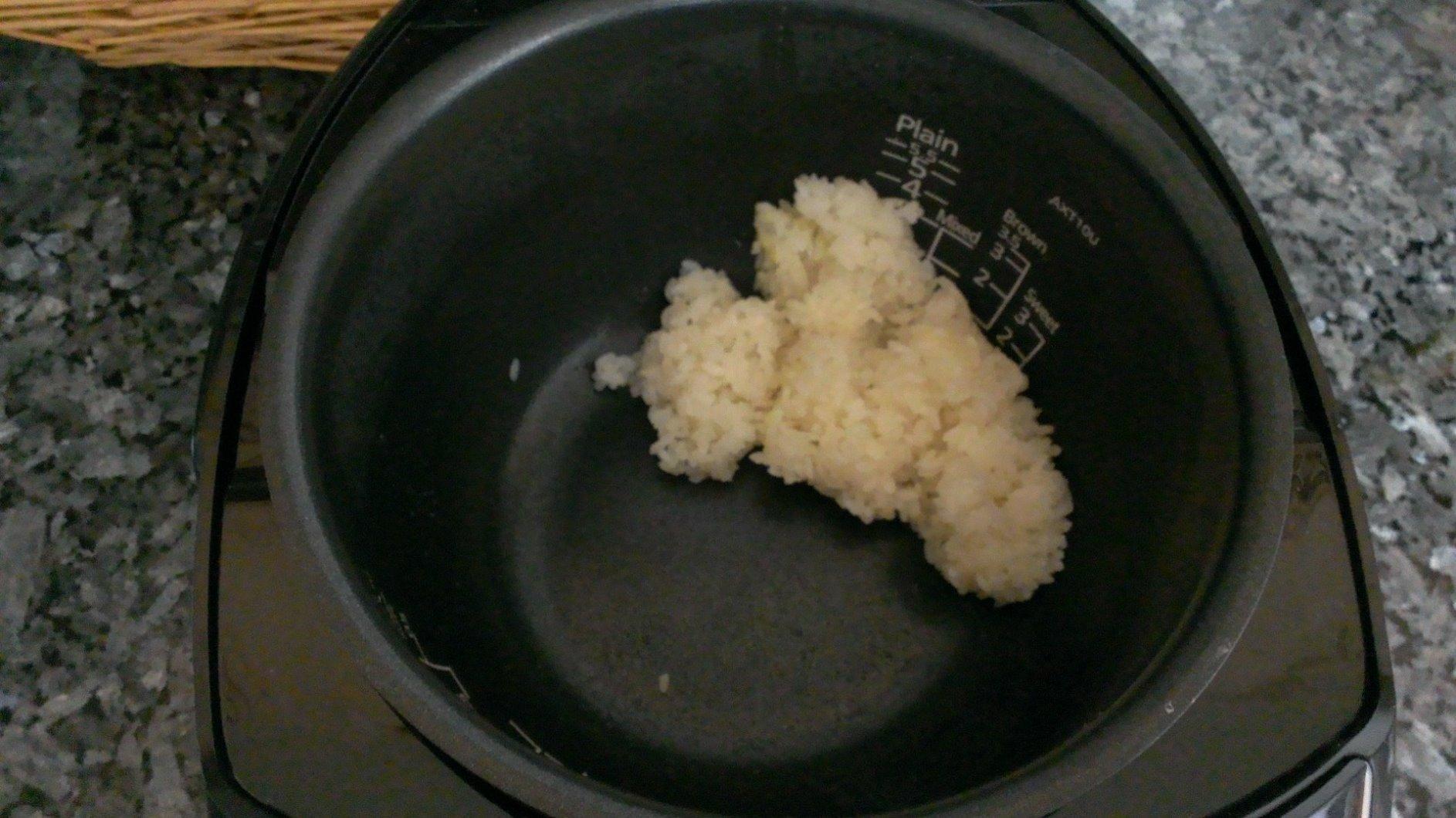
The 10 settings cover plain, synchro-cooking, quick, steam, mixed, multigrain, slow cook, porridge, brown rice, and sweet. I have used the multigrain setting with a mix of white rice, barley, and millet, and the results were consistently fluffy and evenly cooked.
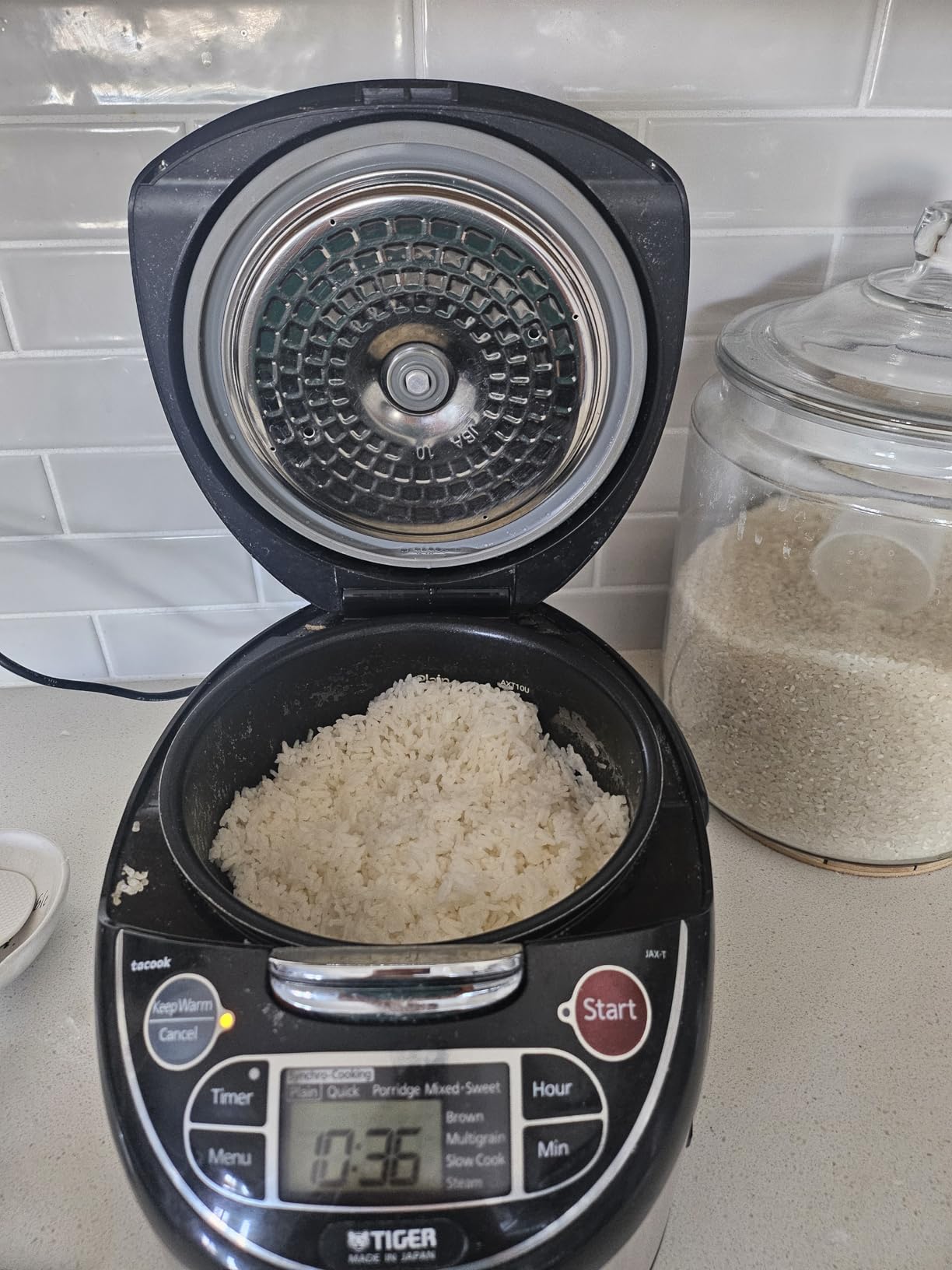
Unlike the cheaper JBV-A10U, the JAX-T10U-K has a detachable steam cap and inner lid, which makes cleaning significantly easier. The 1.5mm aluminum inner pot is thicker than the JBV-A10U’s 1.0mm pot and resists scratches well over time.
The downsides are mostly design trade-offs. The power cord is non-retractable. The timer runs on a lithium battery that will need replacing after about five years. There is no condensation collector, which means a little water pools on the counter during long cycles. And the PTFE non-stick coating is a concern for some health-conscious cooks.
For whom it is good
This is the best Tiger rice cooker for home cooks who want more menu options than the JBV-A10U offers but do not want to step up to Zojirushi pricing. If you cook multigrain rice, sweet rice, or porridge regularly, the 10-setting menu earns its keep.
It is also a strong pick for anyone who values made-in-Japan quality at a mid-range price.
For whom it is bad
Cooks who are concerned about PTFE non-stick coatings should look at Zojirushi models with BPA-free coatings or ceramic inner pots. The lithium battery replacement is also a hidden cost that surprises some buyers at year five.
If you only cook plain white rice, the 10 settings are overkill and the cheaper JBV-A10U will serve you just as well.
7. Panasonic SR-G06FGL – Best Small Japanese Rice Cooker for Solo Cooks
Panasonic Rice Cooker, Steamer & Multi-Cooker, 6-Cups (Cooked), 3-Cups (Uncooked), SR-G06FGL, Silver
3-cup uncooked capacity
310 watts
One-step operation
Glass lid
Automatic shutoff
Pros
- Simplest one-switch operation
- Compact size for singles or couples
- Tempered glass lid for monitoring
- Automatic shutoff for safety
- Budget-friendly price
- Lightweight at 2.6 pounds
Cons
- No keep-warm feature
- No timer or delay function
- Can scorch brown rice at hot spots
- Limited to basic white rice duty
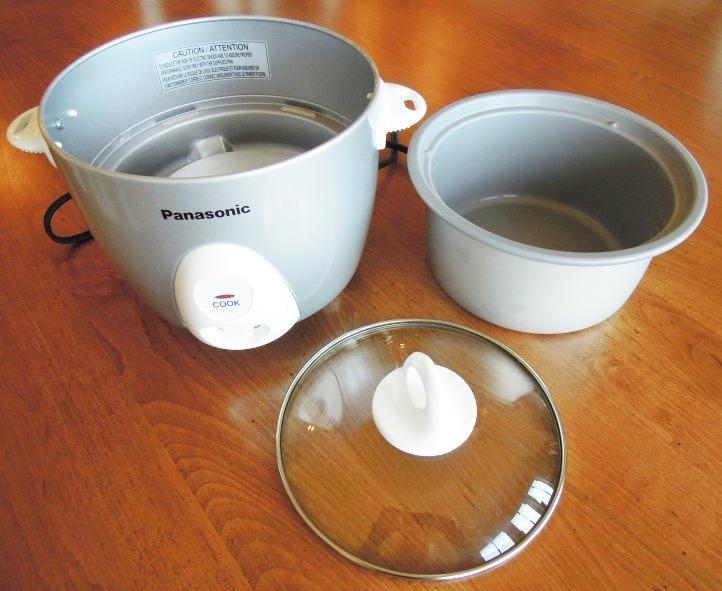
The Panasonic SR-G06FGL is the simplest rice cooker in this roundup and the one I keep in my office kitchenette for quick lunches. There are no microchips, no fuzzy logic, and no steamer tray – just a single switch that flips from COOK to WARM when the rice is done.
For plain white rice, this cooker is shockingly good. The aluminum inner pot heats quickly, the glass lid lets you watch the cook, and the automatic shutoff prevents burning. Three cups of uncooked rice yields about six cups cooked, which is plenty for two people with leftovers.
Where the SR-G06FGL falls short is anything beyond basic white rice. Brown rice can scorch at the hot spots because there is no fuzzy logic to modulate temperature. There is no keep-warm feature beyond the residual heat mode, so rice can dry out if left in the pot too long.
For a single person who cooks rice two or three times a week and eats it immediately, this is all the rice cooker you need. The price is unbeatable, the footprint is small, and the simplicity is genuinely refreshing after using menu-heavy Zojirushi models.

For whom it is good
This is the best small Japanese rice cooker for solo cooks, students, and anyone who wants a no-fuss appliance for plain white rice. If you eat rice immediately after cooking and do not need delay timers or fancy menus, the Panasonic SR-G06FGL is perfect.
It is also a great backup cooker for an office, RV, or small apartment kitchen.
For whom it is bad
If you cook brown rice, sushi rice, or any multigrain blend, the lack of fuzzy logic will frustrate you with uneven results. Spend a bit more on the Toshiba TRCS01 or Tiger JBV-A10U.
Anyone who needs keep-warm for delayed meals should also look elsewhere, since rice dries out in this pot within an hour.
8. Toshiba TRCS01 Fuzzy Logic – Best Value Japanese Rice Cooker
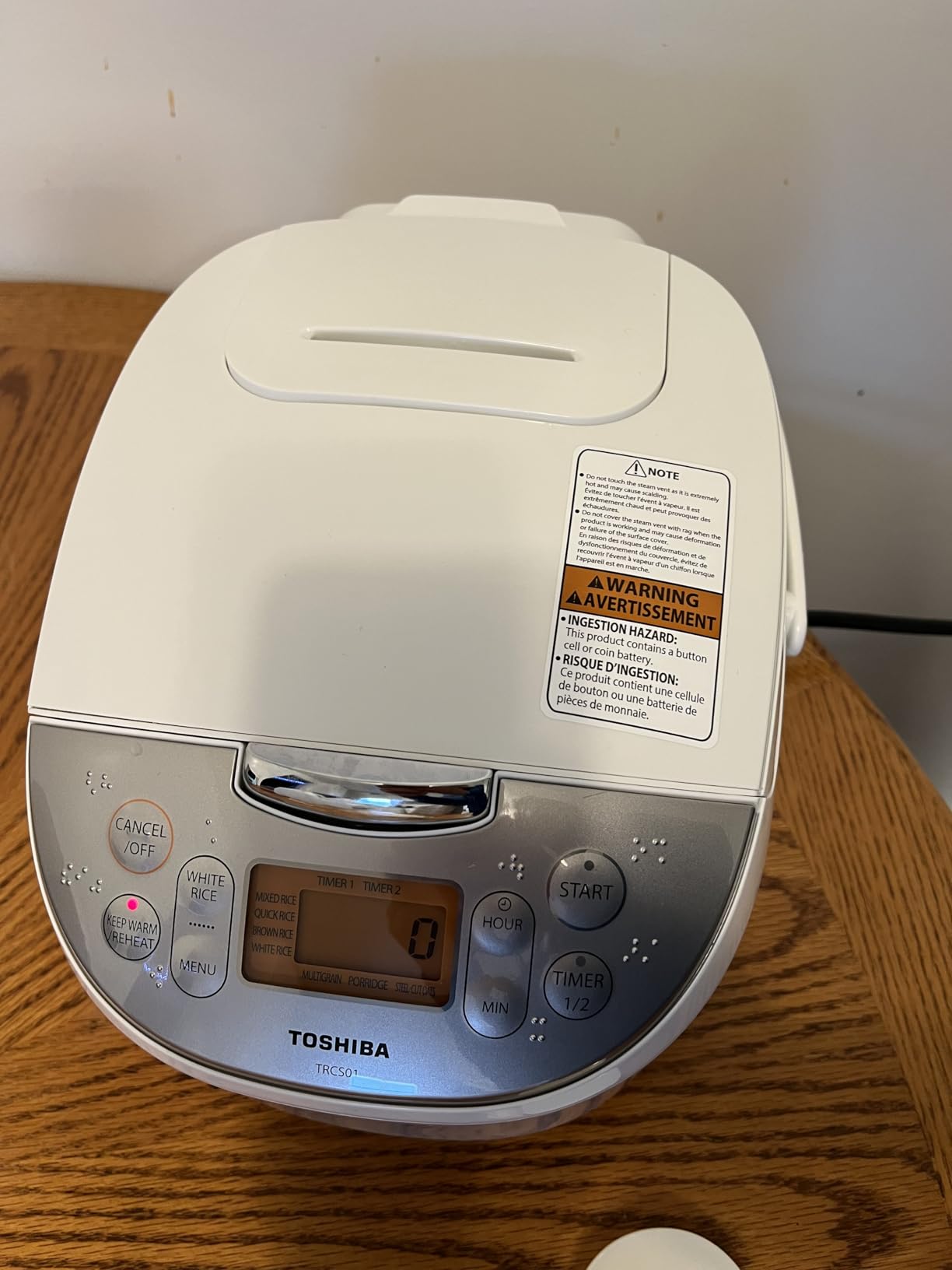
Toshiba Rice Cooker 6 Cup Uncooked – Japanese Rice Cooker with Fuzzy Logic Technology, 7 Cooking Functions, Digital Display, 2 Delay Timers and Auto Keep Warm, Non-Stick Inner Pot, White
6-cup uncooked capacity
Fuzzy logic
655 watts
7 cooking functions
15-hour keep warm
Pros
- Best feature-to-price ratio in the lineup
- 7 cooking functions including multigrain and steel-cut oats
- 15-hour keep warm without burning
- 2 delay timers for scheduling
- Detachable cord and lid lock for safety
- Includes steamer basket
Cons
- Plastic steam tray rather than stainless
- Larger footprint than round cookers
- Power cord on right side only
- Non-rice items can cause steam vent overflow
The Toshiba TRCS01 is the rice cooker I recommend when someone wants Zojirushi-level fuzzy logic results without paying Zojirushi prices. Toshiba invented the first commercial rice cooker in 1955, and their current fuzzy logic models punch well above their price class.
In my side-by-side tasting, the TRCS01 produced white rice nearly identical in texture to the Zojirushi NS-TSC10 – glossy, plump, and evenly cooked. Brown rice was a touch less fluffy than the Zojirushi, but still excellent and far better than any non-fuzzy-logic cooker I have tried.
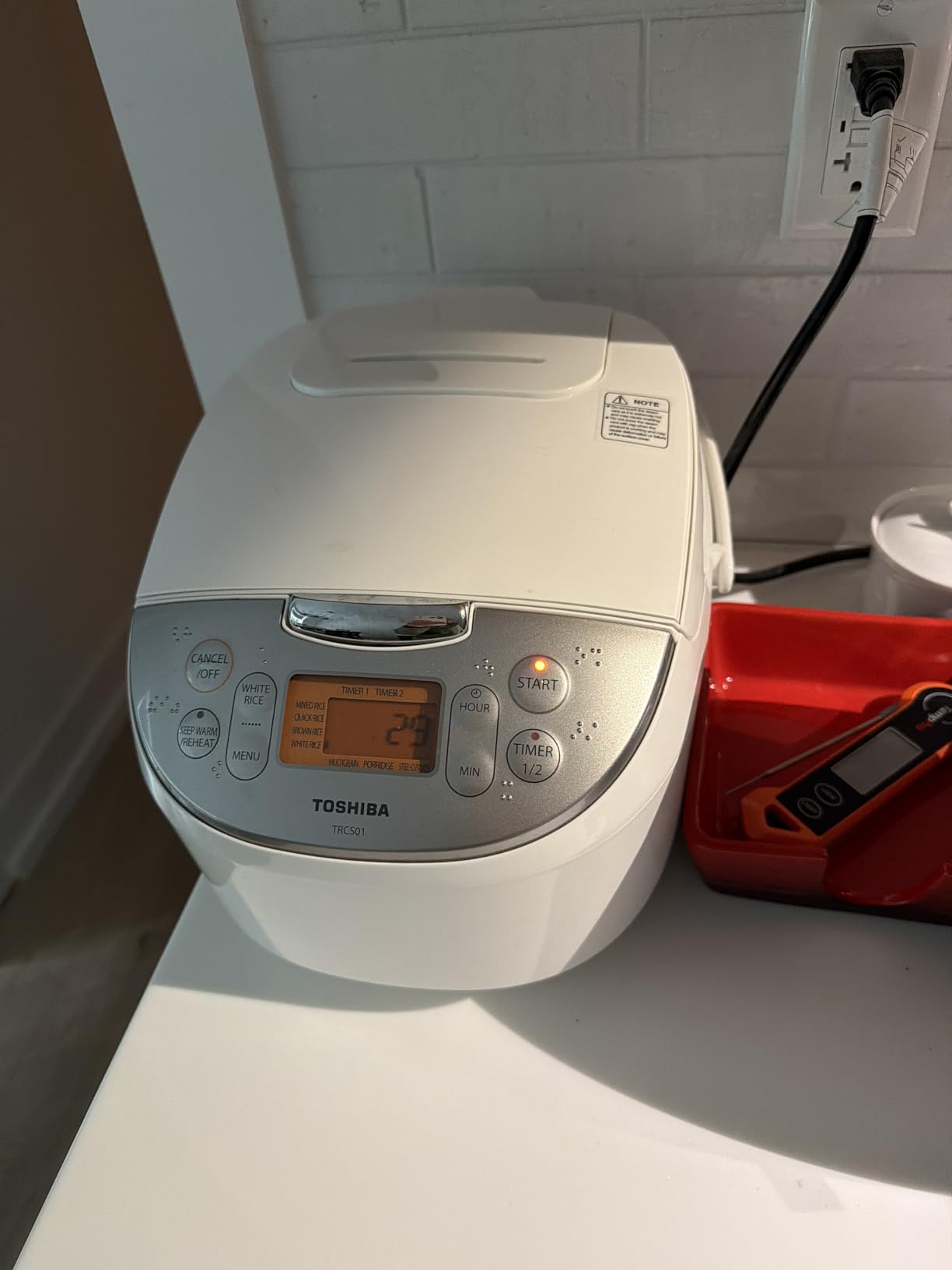
The feature list is generous at this price. Seven cooking functions cover mixed, quick, brown, white, multigrain, porridge, and steel-cut oats. Two delay timers let you schedule breakfast oatmeal the night before. The 15-hour keep warm is the longest in this roundup short of Zojirushi’s high-end models.
Safety features are also solid: a detachable power cord, a lid that locks during cooking, a thermal fuse to prevent overheating, and a removable steam vent cap that prevents overflow. The included steam tray is plastic rather than stainless steel, which is the main cost-cutting measure.
For whom it is good
This is the best Japanese rice cooker under $150 for families who want fuzzy logic results on a budget. If you cook rice four or more times a week across multiple grain types, the TRCS01 gives you 80 percent of Zojirushi performance at less than half the price on sale.
It is also the right pick for anyone who wants a steamer basket, delay timers, and a long keep-warm cycle in a single appliance.
For whom it is bad
If you want induction heating, GABA brown rice settings, or a multi-year heirloom build, the TRCS01 will not satisfy you. Move up to the Zojirushi NP-HCC10XH or NW-QAC10.
Cooks with very small kitchens may find the larger-than-round footprint annoying, since it does not slide into a corner as neatly as a cylindrical cooker.
Buying Guide: How to Choose the Best Japanese Rice Cooker
Choosing among the best Japanese rice cookers comes down to four things: capacity, heating technology, brand, and the features that actually matter to your cooking style. Here is how I think about each one when recommending a cooker to a friend.
Capacity: Match the Cooker to Your Household
Japanese rice cooker capacity is measured in Japanese cups (about 180 ml each, smaller than a US cup), and the rating refers to uncooked rice. A 5.5-cup cooker yields about 11 cups of cooked rice, which feeds two to four people comfortably.
For solo cooks or couples, a 3-cup model like the Panasonic SR-G06FGL is plenty. For a family of three to five, a 5.5-cup model (most of the cookers on this list) is the sweet spot. For larger households or frequent entertaining, look for the 10-cup versions of the same models – Zojirushi and Tiger both make them.
A common mistake is buying a cooker that is too large. Rice quality drops when you cook less than about a third of the cooker’s rated capacity, because the fuzzy logic sensors cannot detect the smaller batch accurately.
Heating Technology: Fuzzy Logic, IH, and Pressure Explained
Basic rice cookers (like the Panasonic SR-G06FGL) use a single heating element at the bottom and a mechanical switch. They work fine for plain white rice but cannot adjust for brown rice, mixed grains, or varying batch sizes.
Fuzzy logic cookers (Zojirushi NS-ZCC10, NS-TSC10, Toshiba TRCS01, Tiger models) add a microcomputer that continuously adjusts temperature and cook time as the rice cooks. This is the technology I recommend for most home cooks because it handles every grain type well.
Induction heating (IH) cookers (Zojirushi NP-HCC10XH, NW-QAC10) heat the entire inner pot directly via a magnetic field, giving even faster and more precise temperature control. The improvement is most noticeable on brown rice, GABA rice, and large batches.
Pressure IH cookers (not on this list) add pressure cooking on top of induction for the absolute best texture, but they cost $500 to $1,000 and are overkill for most home kitchens.
Brand Comparison: Zojirushi vs Tiger vs Panasonic vs Toshiba
Zojirushi is the most recommended brand by Japanese home cooks on Reddit and the dominant player in the premium segment. Their Neuro Fuzzy and induction models are the gold standard for rice texture and longevity. You pay more, but the cookers last decades.
Tiger is the second Japanese heavyweight and the value leader. Their Tacook synchronized cooking feature is unique and genuinely useful for weeknight dinners. Tiger rice cookers produce excellent white rice at lower prices than Zojirushi, with slightly less refinement on brown and sushi rice.
Toshiba invented the rice cooker category in 1955 and still makes excellent fuzzy logic models at aggressive prices. The TRCS01 is the best value Japanese rice cooker in this roundup for feature-conscious buyers on a budget.
Panasonic focuses on the budget and basic segment. Their SR-G06FGL is the best small Japanese rice cooker for solo cooks who want simplicity over features.
One brand worth clarifying: Cuckoo is Korean, not Japanese. It is a great brand, but if you specifically want a Japanese rice cooker, stick with Zojirushi, Tiger, Toshiba, or Panasonic.
Made in Japan vs Other Origins
Many of Zojirushi’s premium models (including the NP-HCC10XH and NW-QAC10) are made in Japan, while their mid-range models like the NS-ZCC10 and NS-TSC10 are made in China to Japanese specifications. Tiger cookers are mostly made in Japan, including the JAX-T10U-K on this list.
In my experience, the made-in-Japan versus made-in-China distinction matters less than people think for Zojirushi. Their quality control is consistent across factories. That said, if heirloom build quality is important to you, the made-in-Japan models do feel marginally more solid.
Features That Actually Matter
Keep-warm is the single most-used feature in my house. Look for a cooker with extended keep-warm (24+ hours) if you cook in the morning and eat at dinner. All the Zojirushi models on this list qualify, as does the Toshiba TRCS01.
A steamer basket turns your rice cooker into a one-pot dinner machine. The Zojirushi NS-TSC10, NW-QAC10, Toshiba TRCS01, and both Tiger models all include one.
Delay timers are essential if you want to wake up to freshly cooked oatmeal or come home to ready rice. The Zojirushi NS-TSC10, NP-HCC10XH, NW-QAC10, Tiger JAX-T10U-K, and Toshiba TRCS01 all have them.
GABA brown rice is a feature worth paying for if you eat brown rice regularly. It germinates the rice at warm temperatures before cooking, unlocking more nutrients and a sweeter flavor. The Zojirushi NP-HCC10XH and NW-QAC10 both offer it.
Care and Maintenance Tips
Always use the included Japanese measuring cup, never a US cup. The water ratio will be off and your rice will be gummy or crunchy.
Rinse the inner pot by hand with a soft sponge. Dishwashers and abrasive scrubbers will destroy the nonstick coating within months.
Let the cooker dry fully open after each use to prevent mold on the inner lid. Zojirushi models with detachable inner lids are easier to keep clean.
If your model has a lithium battery for the timer (Tiger JAX-T10U-K), expect to replace it every four to five years. The cooker will still work without it – you just lose the delay timer.
FAQs
Is Tiger or Zojirushi a better rice cooker?
For most home cooks Zojirushi is the better long-term pick because the Neuro Fuzzy and induction models produce noticeably better brown rice and sushi rice, and they tend to last 10 to 20 years. Tiger is the better value, especially the JBV-A10U and JAX-T10U-K, and the Tacook synchronized cooking feature is something Zojirushi does not offer. If budget is not a concern, Zojirushi wins on rice quality. If you want the best price-to-feature ratio, Tiger is the stronger choice.
What is the most sold rice cooker in Japan?
Zojirushi is the most sold and most trusted rice cooker brand in Japan according to multiple surveys and retail reports. The NS-TSC10 and NP-HCC10XH are consistently among the top-selling models in Japanese department stores and electronics shops. Tiger is the second most popular brand and is especially strong in the budget and mid-range segments.
What rice cooker do Japanese restaurants use?
Japanese restaurants typically use commercial-grade gas rice cookers from brands like Hatco or Tiger commercial models, because they cook large batches quickly and consistently. At home, however, most Japanese cooks use a Zojirushi fuzzy logic or induction rice cooker like the NS-ZCC10 or NP-HCC10XH. These home models produce restaurant-quality rice in smaller batches.
Why is the Zojirushi so expensive?
Zojirushi rice cookers are expensive because they use advanced technology (Neuro Fuzzy logic, induction heating, triple heater systems), high-quality components like spherical nonstick inner pots, and are built to last 10 to 25 years with daily use. The premium price reflects both the engineering and the durability – most owners report that a Zojirushi outlasts three or four cheaper cookers, which makes the long-term cost comparable.
What size rice cooker do I need?
A 3-cup uncooked cooker (yielding about 6 cups cooked) suits one to two people. A 5.5-cup uncooked cooker (yielding about 11 cups cooked) is ideal for two to four people and is the most popular size in Japan. A 10-cup uncooked cooker is best for families of five or more. Always match the cooker size to your typical batch, because rice quality drops when you cook less than one third of the rated capacity.
Conclusion: Our Pick for Best Japanese Rice Cooker in 2026
After testing eight cookers across several months of daily Japanese home cooking, my top recommendation for the best Japanese rice cooker in 2026 is the Zojirushi NS-ZCC10 Neuro Fuzzy for most households. It nails sushi rice, brown rice, and porridge, lasts for well over a decade, and the keep-warm function is genuinely life-changing for busy weeknights.
If you want premium induction heating, step up to the Zojirushi NP-HCC10XH or NW-QAC10. If you want the best value, grab the Toshiba TRCS01. And if you just want simple, reliable rice for one or two people, the Panasonic SR-G06FGL will serve you well for years. Pick the cooker that matches how you actually cook, and you will wonder how you ever lived without it.