
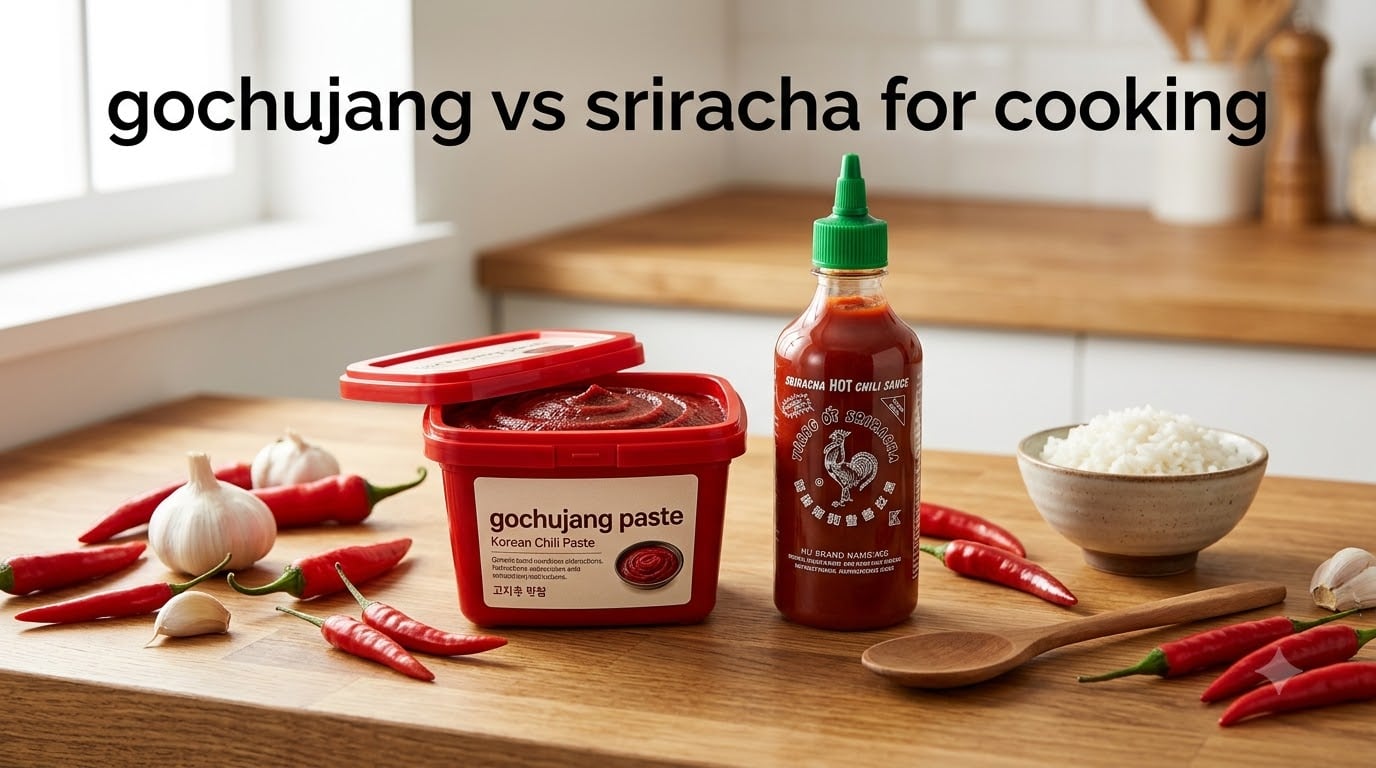
Gochujang vs sriracha is a debate I have settled in my own kitchen after cooking with both for over three years. I keep both bottles on my counter, but they play very different roles when the stove heats up. Sriracha is my everyday finisher. Gochujang is my secret weapon when I want depth.
Gochujang is a thick, fermented Korean chili paste made from glutinous rice, soybeans, salt, and red chili powder. Sriracha is a thinner Thai-style hot sauce built around chili, garlic, vinegar, and sugar. They look similar in the bottle, but they behave like two different condiments once they hit a hot pan.
Our team tested six popular brands across both categories to help you decide which deserves space in your pantry. We cooked chicken, fried rice, ramen, and bibimbap. We compared heat, sweetness, saltiness, and how each sauce performed as a marinade versus a finishing drizzle. Here is everything we learned.
Table of Contents
Top 3 Picks for Gochujang vs Sriracha Cooking

Chung Jung One O’food Premium Gochujang
- Authentic Korean fermentation
- Smooth balanced sweet-spicy profile
- 21k+ five-star reviews

Huy Fong Original Sriracha
- Iconic rooster bottle
- Mild versatile heat
- Perfect table condiment

Best Gochujang and Sriracha Brands in 2026
| Product | Specifications | Action |
|---|---|---|
| Chung Jung One O’food Gochujang |
|
Check Latest Price |
 CJ Haechandle Gochujang CJ Haechandle Gochujang |
|
Check Latest Price |
| Roland Foods Gochujang |
|
Check Latest Price |
| Huy Fong Sriracha |
|
Check Latest Price |
 Yellowbird Organic Sriracha Yellowbird Organic Sriracha |
|
Check Latest Price |
 Sky Valley Sriracha Sky Valley Sriracha |
|
Check Latest Price |
Gochujang vs Sriracha: The Head-to-Head Comparison
Before diving into specific brands, let me break down how these two sauces differ at a fundamental level. Both bring heat to a dish, but they do it in completely different ways.
Ingredients and Production
Gochujang starts as a fermented paste. The base uses glutinous rice flour and fermented soybean powder, mixed with red chili powder and salt, then aged in earthenware pots for months. That fermentation creates natural glutamates, which is why gochujang tastes so savory and complex.
Sriracha skips fermentation. It blends fresh red jalapeno or serrano chili peppers with garlic, vinegar, sugar, and salt into a smooth sauce. The result is bright, acidic, and immediately flavorful without any aging.
Flavor Profile
Gochujang delivers a layered taste: sweet, salty, funky, and spicy all at once. The umami from fermented soybeans makes it taste almost meaty. I use it when I want a dish to feel rich and substantial.
Sriracha tastes simpler. You get heat first, then a quick burst of garlic, a tang of vinegar, and a touch of sweetness. It enhances without changing the character of the underlying food.
Texture and Consistency
Gochujang is a thick paste. You scoop it with a spoon, and it holds its shape on a plate. It needs to be mixed into other liquids or oils before it spreads evenly.
Sriracha pours from a squeeze bottle like ketchup. It blends into sauces instantly and works as a finishing drizzle right out of the bottle.
Heat Level Comparison
Gochujang sits around 1,500 to 2,500 Scoville Heat Units in commercial brands. The heat builds slowly because of the thick paste. Sriracha comes in at roughly 1,000 to 2,500 SHU, but feels hotter because the vinegar carries the heat directly to your tongue.
For most home cooks, the two feel similar in spiciness, but gochujang leaves a longer, warmer afterglow. Sriracha fades faster.
1. Chung Jung One O’food Premium Gochujang – Editor’s Choice for Gochujang vs Sriracha Cooking
Gochujang – Premium Korean Red Chili Paste [ Medium | 1.1 lb (500g) ] – 0 Fat/ 0 Cholesterol / (40 Calories/Serving) | Spicy & Sweet Savory Fermented Sauce | Great for Bibimbap, Marinades, Stews & BBQ – O’food
Made in Korea
500g tub
21k+ reviews
Gluten-free
Balanced sweet-spicy
Pros
- Authentic Korean fermentation
- Smooth balanced flavor profile
- Versatile across dishes
- Gluten-free and vegan friendly
- Highest review count in category
Cons
- Bright red color stains containers
- Lid can stick if residue builds
I have cooked with this gochujang for two years, and it remains my most-used tub. The texture is smoother than most competitors, which makes it easier to blend into marinades without leaving clumps. When I whisk it with sesame oil, rice vinegar, and a splash of soy sauce, it becomes a bibimbap sauce in under a minute.
The flavor hits that sweet spot I want from Korean fermented paste. It is sweet without being sugary, salty without overwhelming, and the chili heat sits at medium. First-time users often tell me it tastes less harsh than other brands they tried.
![Gochujang - Premium Korean Red Chili Paste [ Medium | 1.1 lb (500g) ] - 0 Fat/ 0 Cholesterol / (40 Calories/Serving) | Spicy & Sweet Savory Fermented Sauce | Great for Bibimbap, Marinades, Stews & BBQ - O'food customer photo 1](https://koreatowncookbook.com/wp-content/uploads/2026/07/B013HB0CC4_customer_1.jpg)
I tested it in three different dishes during my review week: gochujang chicken wings, kimchi jjigae, and a glaze for salmon. Each time the paste dissolved evenly into the sauce and added depth that plain chili flakes cannot match. The fermented soybean base is what makes the difference.
One thing I noticed: 79 percent of buyers give it five stars, and the negative reviews almost always relate to shipping damage rather than the product itself. That is a strong signal for consistency.
![Gochujang - Premium Korean Red Chili Paste [ Medium | 1.1 lb (500g) ] - 0 Fat/ 0 Cholesterol / (40 Calories/Serving) | Spicy & Sweet Savory Fermented Sauce | Great for Bibimbap, Marinades, Stews & BBQ - O'food customer photo 2](https://koreatowncookbook.com/wp-content/uploads/2026/07/B013HB0CC4_customer_2.jpg)
Who this gochujang works best for
Home cooks new to Korean cooking will appreciate the balanced, beginner-friendly flavor. If you plan to make bibimbap, tteokbokki, marinades, or dipping sauces, this tub covers every use case I can think of.
When you might want something else
If you want a paste with extra heat, this version may feel too mild. Some experienced Korean cooks prefer brands with a more aggressive chili kick. I keep a hotter alternative for dishes where I want the heat to dominate.
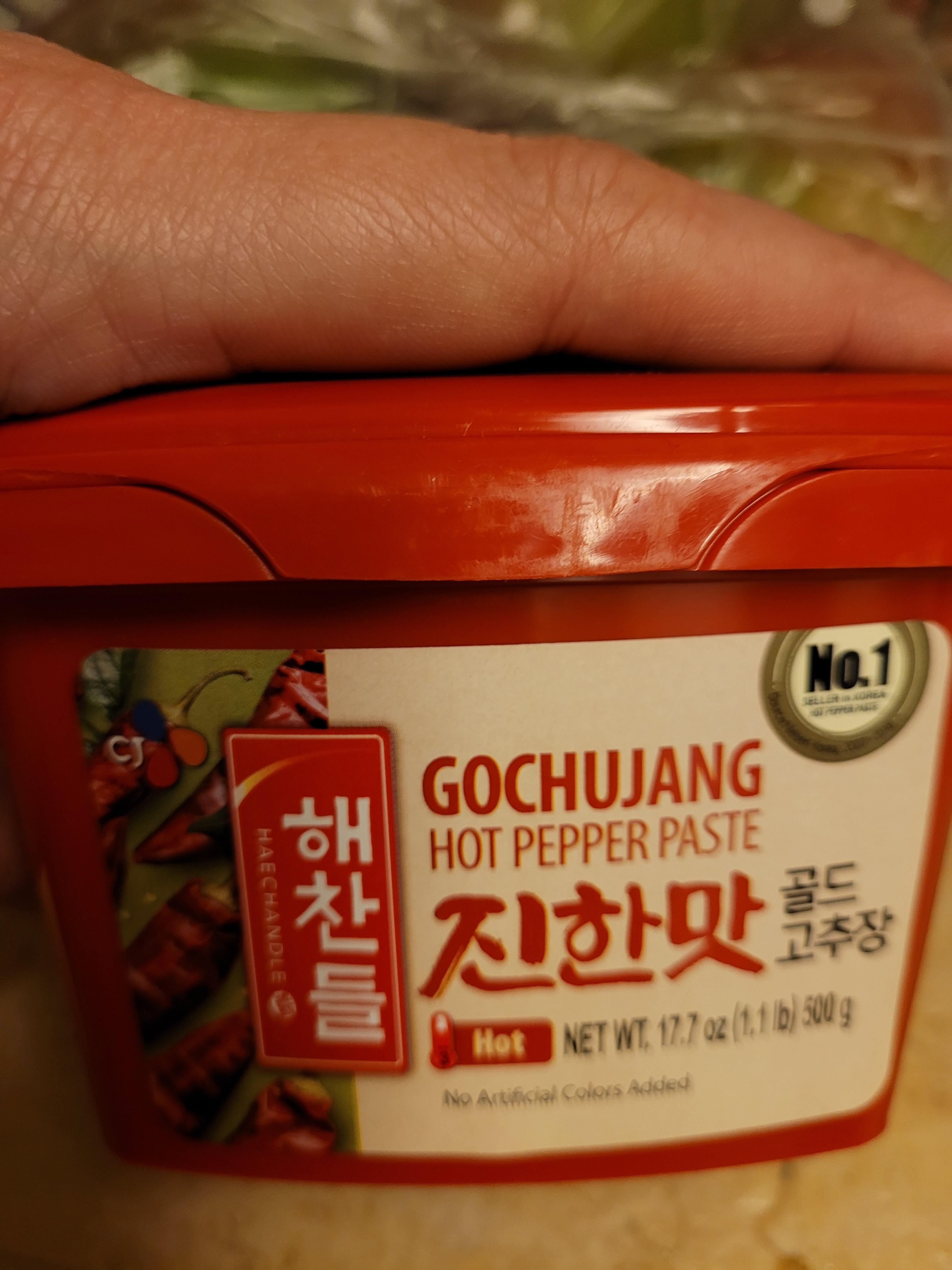
2. CJ Haechandle Gochujang – The Korean Best-Seller
CJ Haechandle Hot Pepper Paste 500g Korean Spicy Red Chile Paste 1.1 lb., Gochujang, 17.63 Ounce
500g tub
Korean #1 seller
45-year history
0g saturated fat
Vegan
Pros
- Rich savory-sweet heat
- Thick and smooth texture
- Authentic Korean fermentation
- Versatile for marinades
- Excellent for stir-fries
Cons
- A little goes a long way
- Slightly pricier than budget brands
CJ Haechandle is the gochujang I reach for when I want traditional Korean flavor. It has been the best-selling gochujang in Korea for over four decades, and you can taste why once you cook with it. The fermentation produces a deeper, funkier profile than milder brands.
I made a batch of dak galbi with this paste and the aroma that filled the kitchen was noticeably more complex than when I use other brands. The chili heat felt more present too, building gradually as I ate.
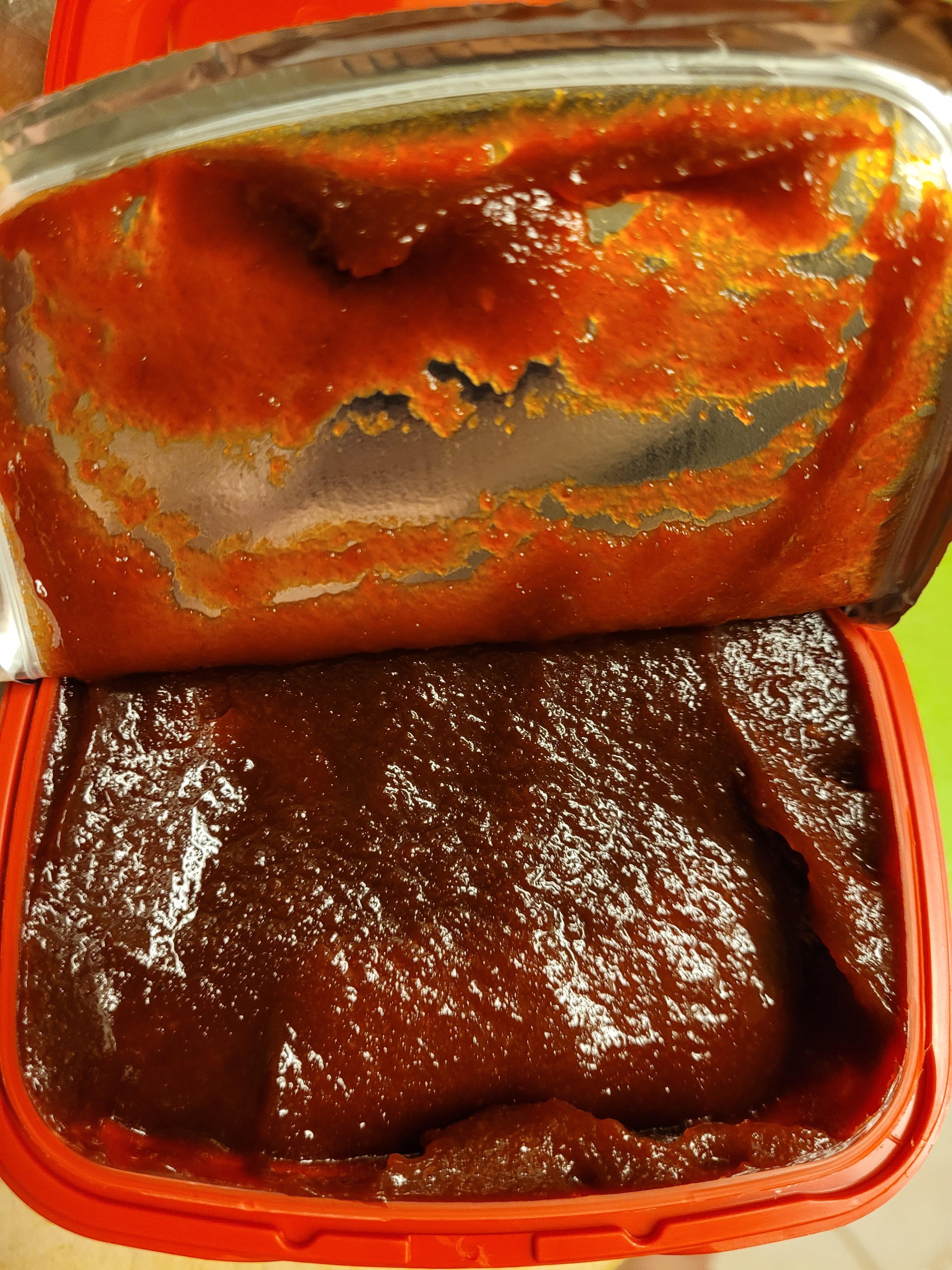
The 500-gram tub is a good size for serious cooks. If you cook Korean food weekly, this will last about a month. The resealable container keeps the paste fresh in the fridge, and the color stays bright red throughout.
Eighty-one percent of buyers rate it five stars, and reviewers consistently mention how well it works for bibimbap and kimchi stew. That matches my own experience.
Who this gochujang works best for
If you want the most authentic Korean flavor profile, this is your pick. It suits cooks who have already experimented with milder gochujang and want something more traditional.
When you might want something else
Beginners may find the flavor intensity challenging. If you have never cooked with gochujang before, start with a milder option and graduate to this one.
3. Roland Foods Gochujang – Budget-Friendly Entry Point
Roland Foods Gochujang, Korean Fermented Hot Chili Paste, 17.6 Oz
17.6 oz tub
Resealable container
Mild heat
5200+ reviews
Versatile
Pros
- Affordable price point
- Smooth mixable texture
- Good for beginners
- Mild approachable heat
- Resealable tub keeps paste fresh
Cons
- Less spicy than premium options
- Needs thinning with oil or stock
Roland Foods is my recommendation when someone asks for a starter gochujang that will not scare them away. The heat level is on the mild side, which makes it approachable for cooks who are unsure about fermented pastes.
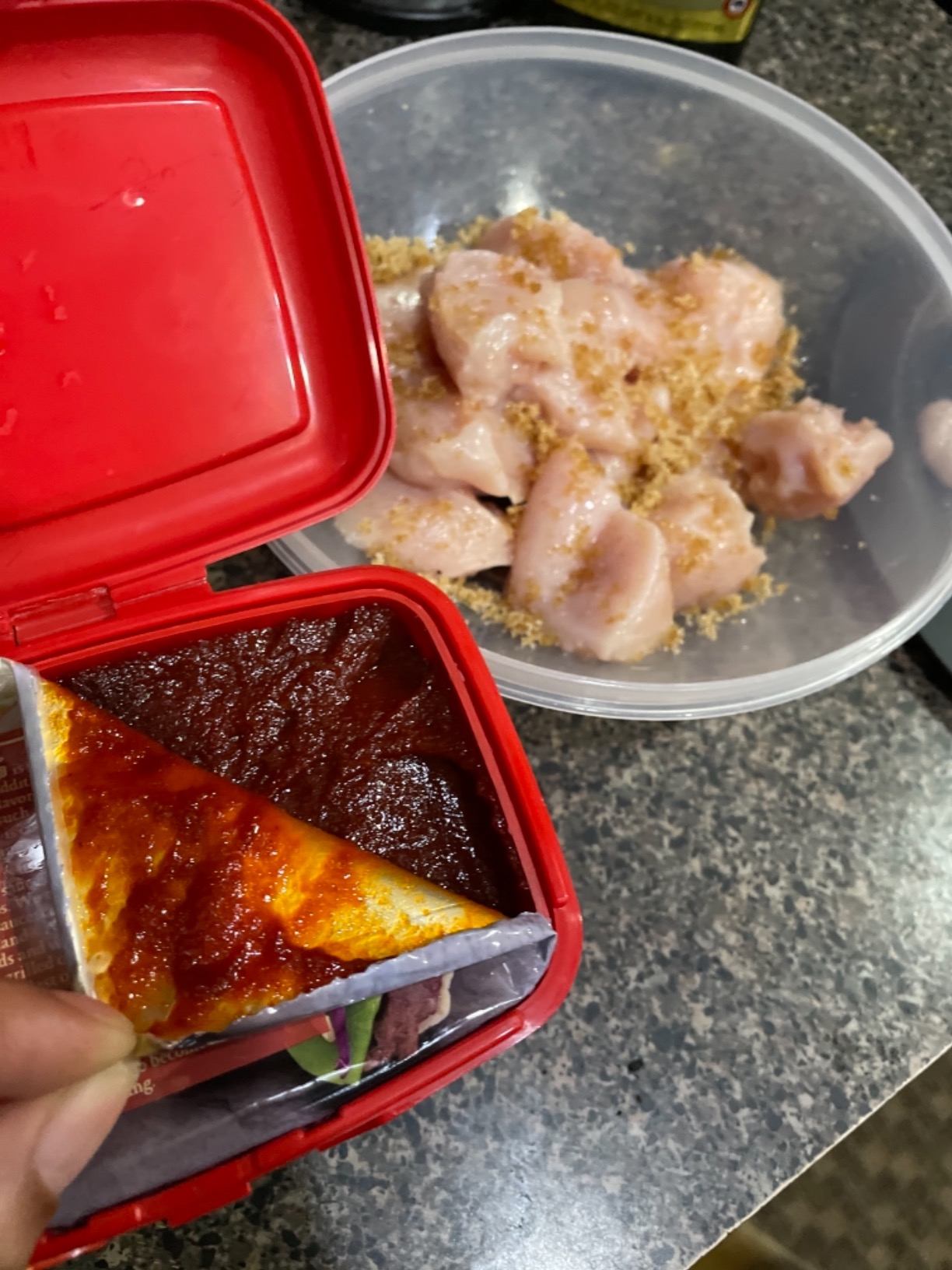
I tried it in fried rice and ramen, and both dishes came out balanced. The paste thinned out easily with a little sesame oil, and the flavor blended into the background rather than dominating. That is exactly what you want when you are learning how gochujang behaves.
The resealable tub is a practical touch. I stored it in the fridge for three weeks during testing, and the paste stayed fresh and smooth without drying out around the edges.
With 79 percent five-star ratings, the consensus is clear: this is a reliable, affordable entry into Korean cooking without sacrificing quality.
Who this gochujang works best for
Budget-conscious cooks and beginners will appreciate the lower price and milder heat. If you want to try gochujang in multiple recipes without committing to a premium brand, this is the one to start with.
When you might want something else
Spice lovers will find this version too tame. Also, if you want the deepest umami flavor for dishes like galbi or aged kimchi stew, you will want a more fermented option.
4. Huy Fong Original Sriracha – The Iconic Best Value Sriracha
Huy Fong, Sriracha Hot Chili Sauce, 17 Ounce Bottle
17 oz bottle
Sun-ripened chilies
Garlic-forward
Versatile
4.8 rating
Pros
- Iconic balanced flavor
- Versatile on almost anything
- Easy squeeze bottle
- Affordable price
- Strong garlic presence
Cons
- Not Prime eligible
- Supply shortages common
- Recent formula changes reported
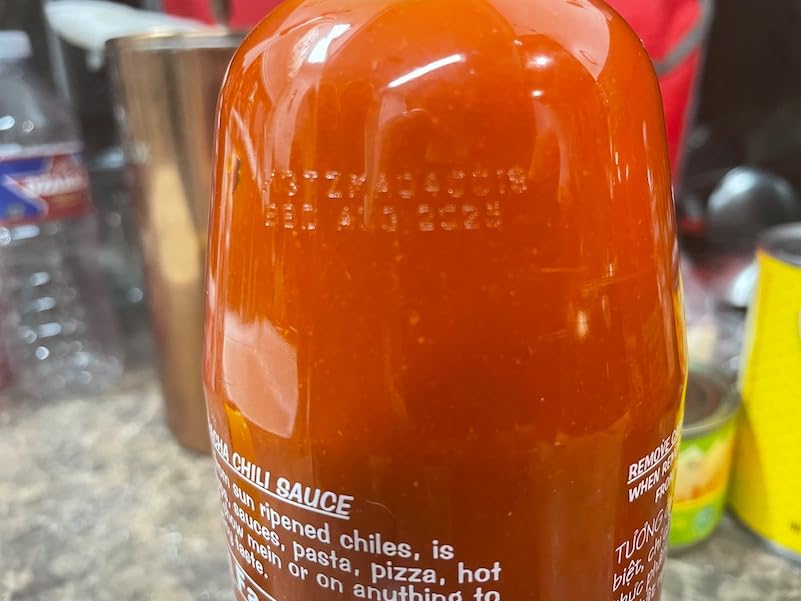
No gochujang vs sriracha comparison is complete without Huy Fong. The rooster bottle is the gold standard for sriracha worldwide. I have used it for over a decade, and it still sets the bar for what sriracha should taste like.
The flavor is straightforward: chili heat, garlic, vinegar tang, and a touch of sugar. It does not try to be complex. That simplicity is exactly why it works on eggs, pizza, pho, tacos, and just about anything else you can imagine.
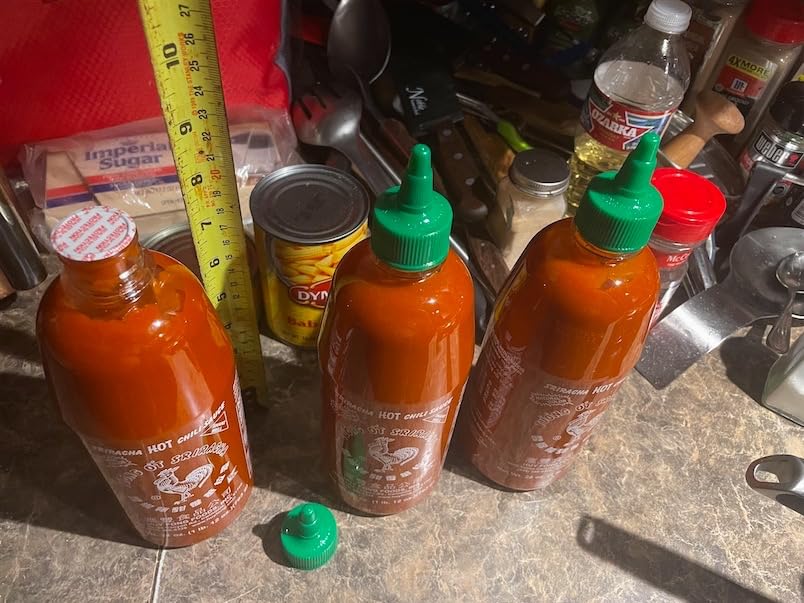
During testing, I used it as a finishing drizzle on bibimbap alongside gochujang paste. The two sauces actually complement each other beautifully. Gochujang brings the deep umami base, and sriracha adds bright chili-garlic punch on top.
The 4.8 rating with over 9,000 reviews is the highest in our lineup. Eighty-eight percent of buyers give it five stars.
Who this sriracha works best for
Anyone who wants the original, no-fuss sriracha experience. If you use hot sauce daily and want a reliable, crowd-pleasing flavor, this is the one.
When you might want something else
If you want organic ingredients or a cleaner label, Huy Fong uses conventional chili peppers and standard preservatives. Also, ongoing supply shortages have made it harder to find in some regions.
5. Yellowbird Organic Sriracha – Premium Clean-Label Pick
Yellowbird® Organic Sriracha Hot Sauce (9.8 oz) Mellow Hot – Pantry Size
9.8 oz bottle
Organic ingredients
1,325-2,650 SHU
Gluten-free
Vegan
Pros
- Organic clean ingredients
- Sweet and garlicky balanced flavor
- Moderate mellow heat
- No artificial additives
- Gluten-free and vegan
Cons
- Smaller bottle size
- Higher price per ounce
Yellowbird is what I recommend to readers who care about ingredient quality. The bottle lists organic red jalapenos, organic garlic, organic dates, and organic lime juice. There is no high-fructose corn syrup and no mystery preservatives.
The flavor leans sweet and garlicky with a mellow heat around 2,000 SHU. I tried it on baked salmon and sweet potato hash, and both dishes had a clean, bright finish. The dates add a subtle sweetness that complements rather than overwhelms.
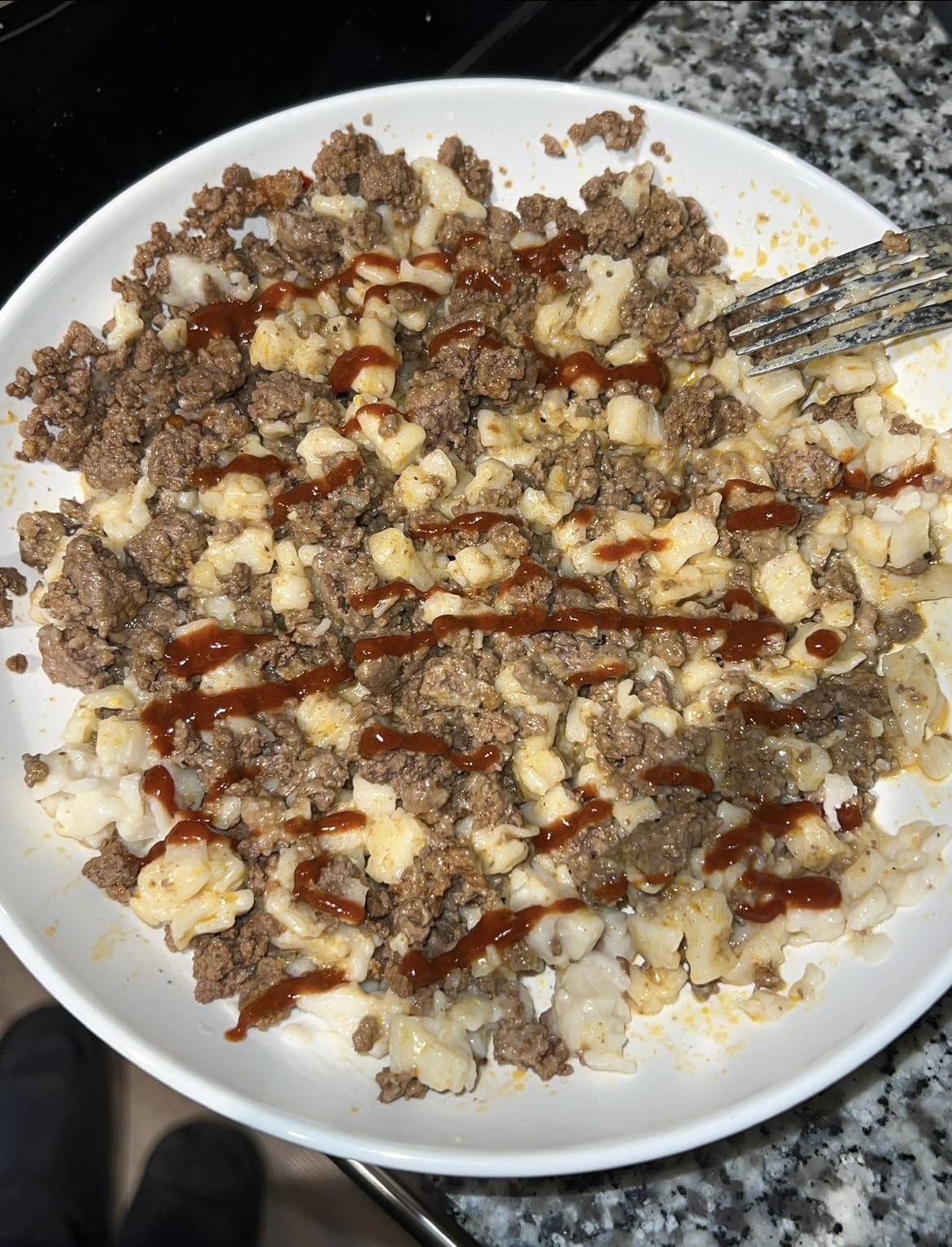
Where this sauce shines is in recipes where you want the chili-garlic flavor without any chemical aftertaste. On grilled vegetables and grain bowls, it tastes noticeably cleaner than conventional sriracha.
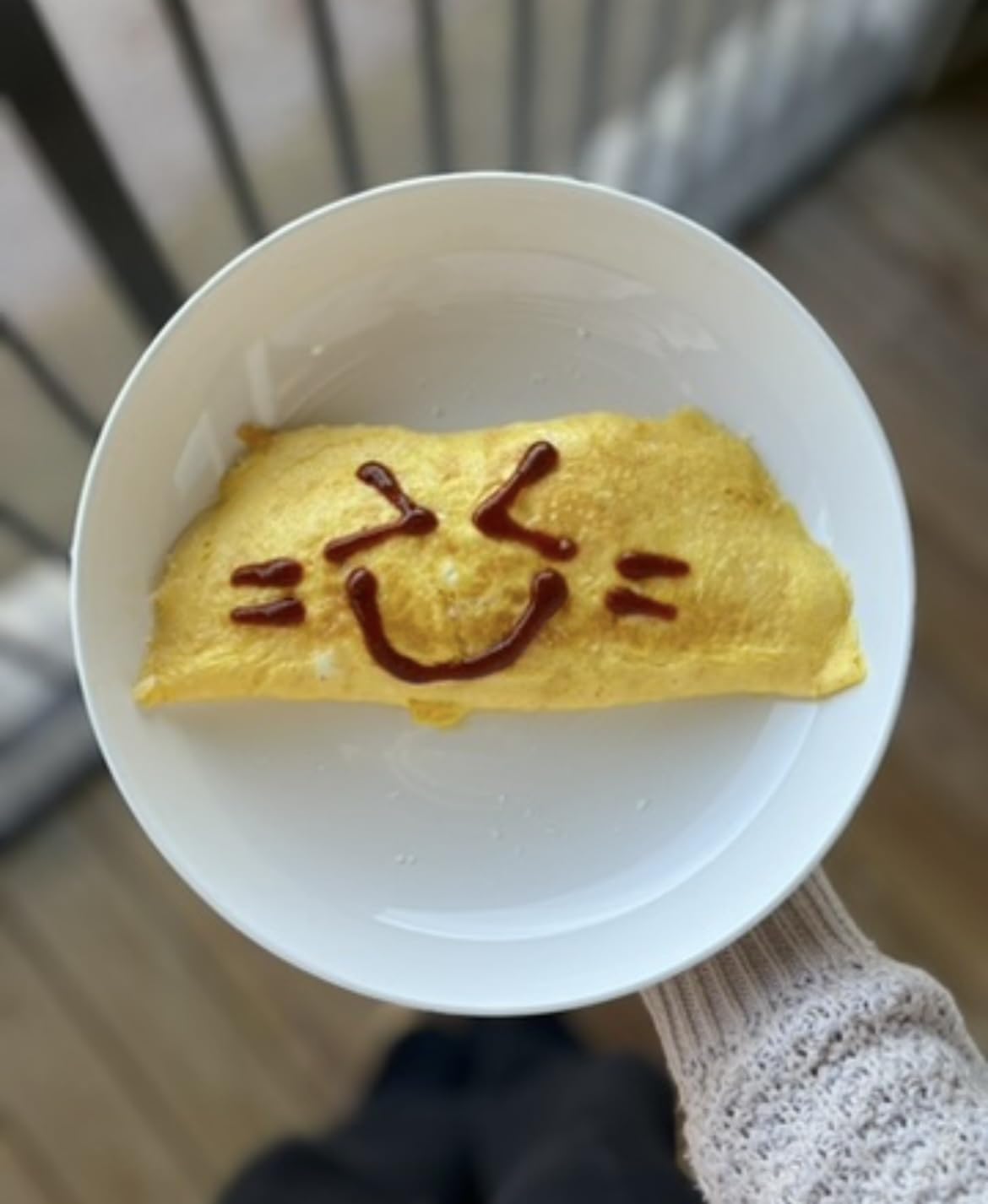
Eighty-two percent of buyers give it five stars, and reviewers consistently praise the ingredient quality.
Who this sriracha works best for
Health-conscious cooks and anyone avoiding processed ingredients. If you want sriracha flavor with organic certification, this is the cleanest option on our list.
When you might want something else
The smaller 9.8-ounce bottle and higher price make it less practical for households that go through sriracha quickly. Heavy daily users will burn through this fast.
6. Sky Valley Sriracha – Healthy Low-Sugar Alternative
Sky Valley Sriracha Sauce – Hot Sauce, Made with Red Jalapeno Peppers, Gluten Free, Vegan, Non-GMO, Less Than 2g of Sugar per Serving, 5 Calories per Serving – Sriracha Hot Sauce, 18.5 Ounce
18.5 oz bottle
Less than 2g sugar
5 cal per serving
Gluten-free
Vegan
Pros
- Very low sugar content
- No MSG or preservatives
- Gluten-free and vegan
- Large 18.5 oz bottle
- Affordable for the size
Cons
- Flavor leans more like Louisiana hot sauce
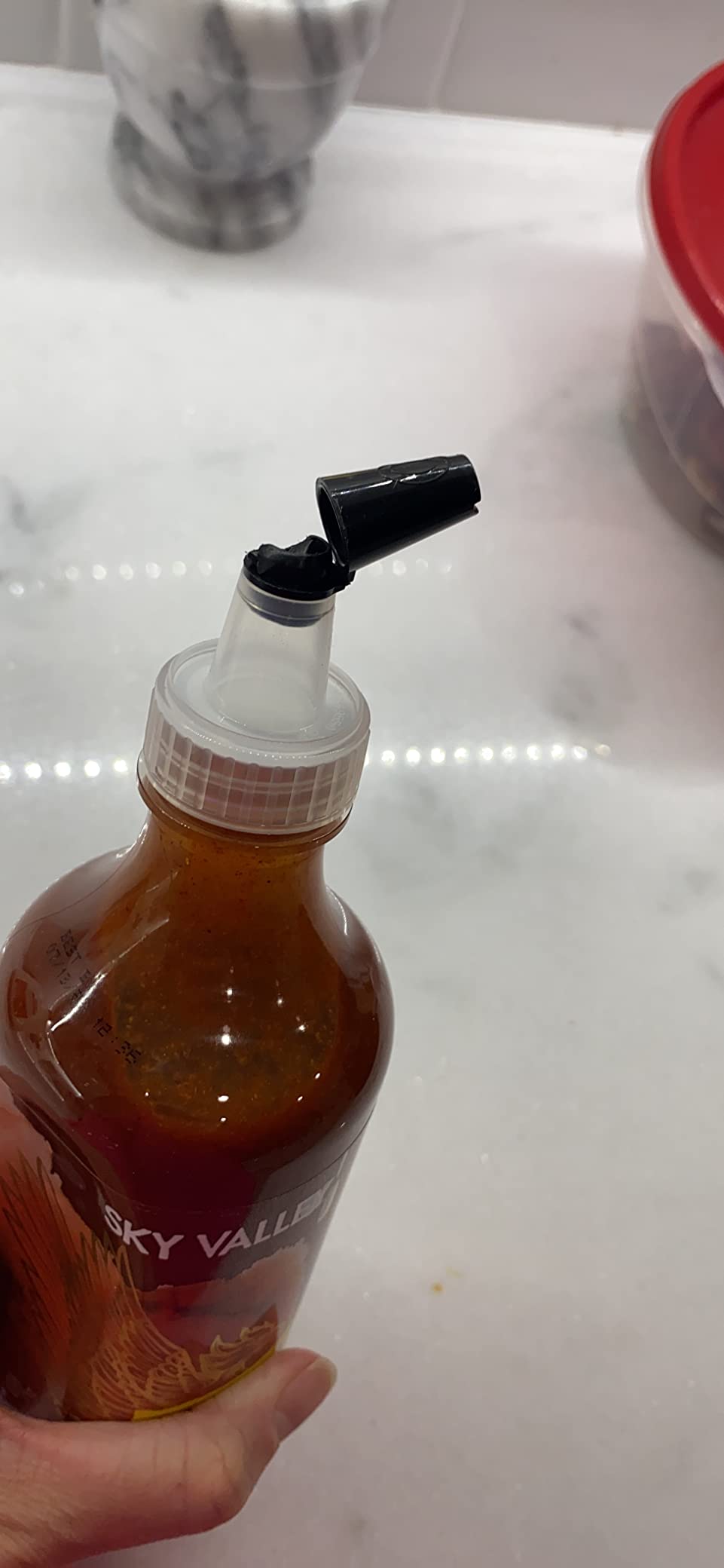
- Cap quality issues reported
Sky Valley is my pick for readers watching their sugar intake. Each serving has less than 2 grams of sugar and only 5 calories. That is significantly lighter than most srirachas on the market.
The flavor profile is thicker and more garlicky than Huy Fong, with less sweetness. It tastes a little more like a traditional Louisiana-style hot sauce than classic Thai sriracha, which some cooks actually prefer.
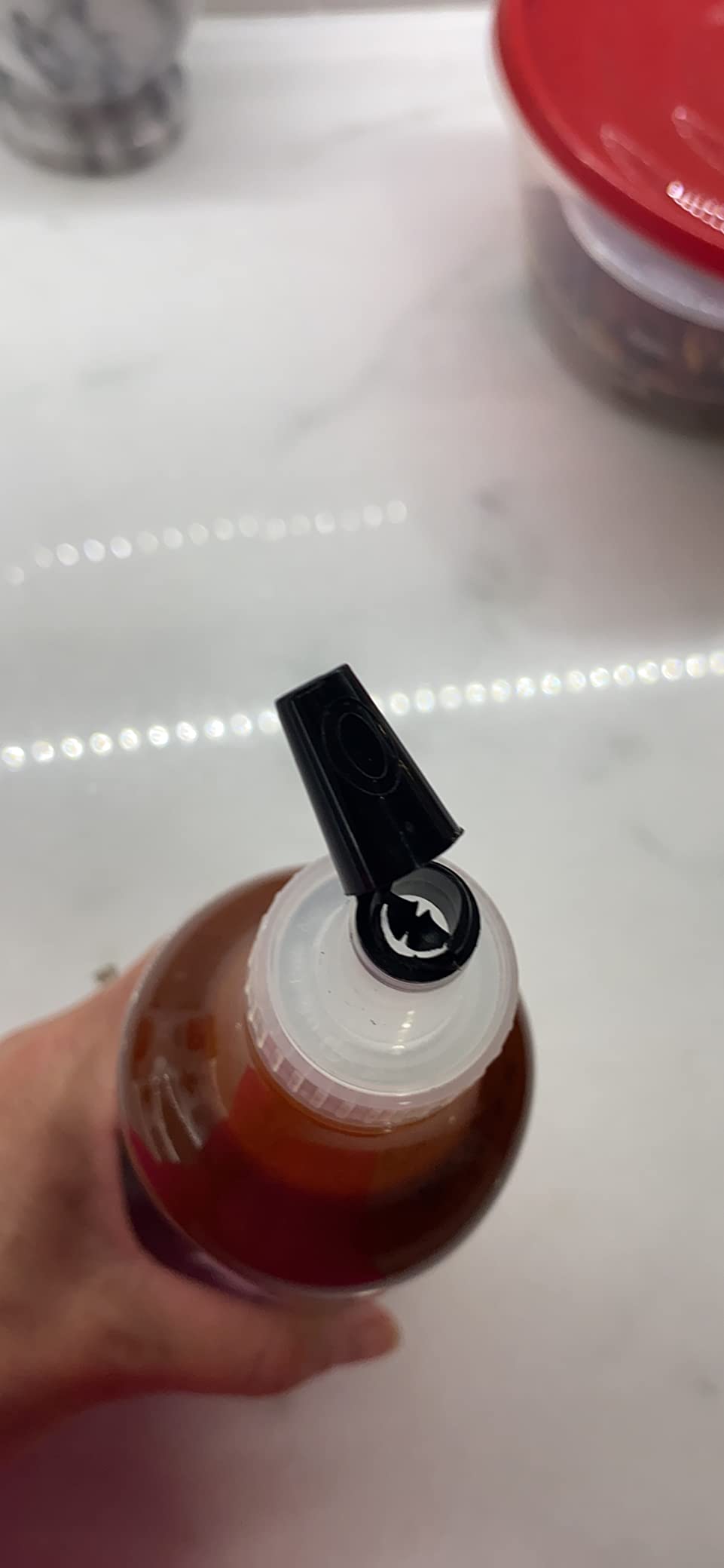
I used it as a Huy Fong substitute during a recent shortage and was pleasantly surprised. The heat level felt similar, and the lack of sugar let the chili and garlic flavors come through more clearly.
The 18.5-ounce bottle is generous, and the price per ounce is competitive for a clean-label sauce.
Who this sriracha works best for
Keto dieters, diabetics, and anyone reducing sugar will appreciate the clean nutrition profile. It also works well for cooks who want sriracha flavor without the sugary aftertaste.
When you might want something else
If you want the classic Thai-style sriracha sweetness, this version will taste different from what you expect. Some reviewers specifically note it does not match traditional sriracha flavor.
When to Use Gochujang vs Sriracha in Cooking
Choosing between gochujang vs sriracha comes down to what role you want the sauce to play in your dish. Here is the framework I use in my own kitchen.
Reach for gochujang when you want depth and complexity. It excels as a marinade base for chicken, pork, and tofu. It shines in stews like kimchi jjigae and doenjang jjigae. It works beautifully mixed with sesame oil for bibimbap sauce. It is also the better choice for glazes that need to cling to meat under high heat.
Reach for sriracha when you want bright, immediate heat with minimal flavor change to the underlying dish. It works perfectly as a finishing drizzle on eggs, tacos, pho, and pizza. It blends into soups and stir-fries without needing to cook first. It is also a better table condiment because it pours easily from the bottle.
The Substitution Guide
Can you substitute gochujang for sriracha? Yes, with adjustments. Use about half the amount of gochujang since the flavor is more concentrated. Add a splash of vinegar to mimic sriracha’s tang, and a pinch of sugar if your dish needs sweetness.
Can you substitute sriracha for gochujang? Only in a pinch. Sriracha lacks the fermented umami depth that makes gochujang special. To approximate gochujang flavor with sriracha, mix 1 tablespoon sriracha with 1 teaspoon miso paste, 1 teaspoon soy sauce, and 1/2 teaspoon sugar. The result will be close, but not identical.
Best Cooking Applications
For Korean dishes like bibimbap, tteokbokki, and Korean fried chicken, gochujang is the right choice. For Thai-inspired dishes, tacos, eggs, and pho, sriracha is the better fit. For fusion cooking, you can absolutely use both together. I often drizzle sriracha over a dish that already contains gochujang in the sauce base.
Frequently Asked Questions
Can I substitute gochujang for sriracha in recipes?
Yes, but use about half the amount since gochujang is more concentrated. Add a splash of vinegar to mimic sriracha’s tang and a pinch of sugar if needed. The flavor will be deeper and less acidic than sriracha, so expect a richer final dish.
Which is hotter, gochujang or sriracha?
Both sauces sit in a similar heat range of 1,000 to 2,500 Scoville Heat Units. Sriracha feels hotter initially because the vinegar carries the heat directly to your tongue. Gochujang builds slowly and leaves a longer, warmer afterglow due to its thick paste consistency.
What is the Korean version of sriracha?
Gochujang is the Korean version of sriracha in terms of popularity, though the two sauces are fundamentally different. Gochujang is a thick fermented chili paste made from glutinous rice, soybeans, and red chili powder. Sriracha is a thinner Thai-style hot sauce made from fresh chili, garlic, vinegar, and sugar.
Is gochujang worth trying if I love sriracha?
Absolutely. Gochujang offers a fermented umami depth that sriracha cannot match. Once you start cooking with gochujang for marinades, stews, and bibimbap sauce, you will likely keep both sauces in your kitchen for different purposes.
Final Verdict on Gochujang vs Sriracha
After testing all six brands across multiple dishes, my honest recommendation is to keep both sauces in your pantry. They serve different purposes. For gochujang, the Chung Jung One O’food tub is the best all-around pick with its balanced flavor and stellar reviews. For sriracha, Huy Fong remains the classic choice, with Yellowbird as the premium upgrade for clean ingredients.
The gochujang vs sriracha debate is not about which is better. It is about understanding when each sauce shines. Use gochujang for depth, fermentation, and Korean cooking. Use sriracha for bright heat, table use, and finishing. With both bottles in your kitchen, you will be ready for almost any dish that needs a kick.