
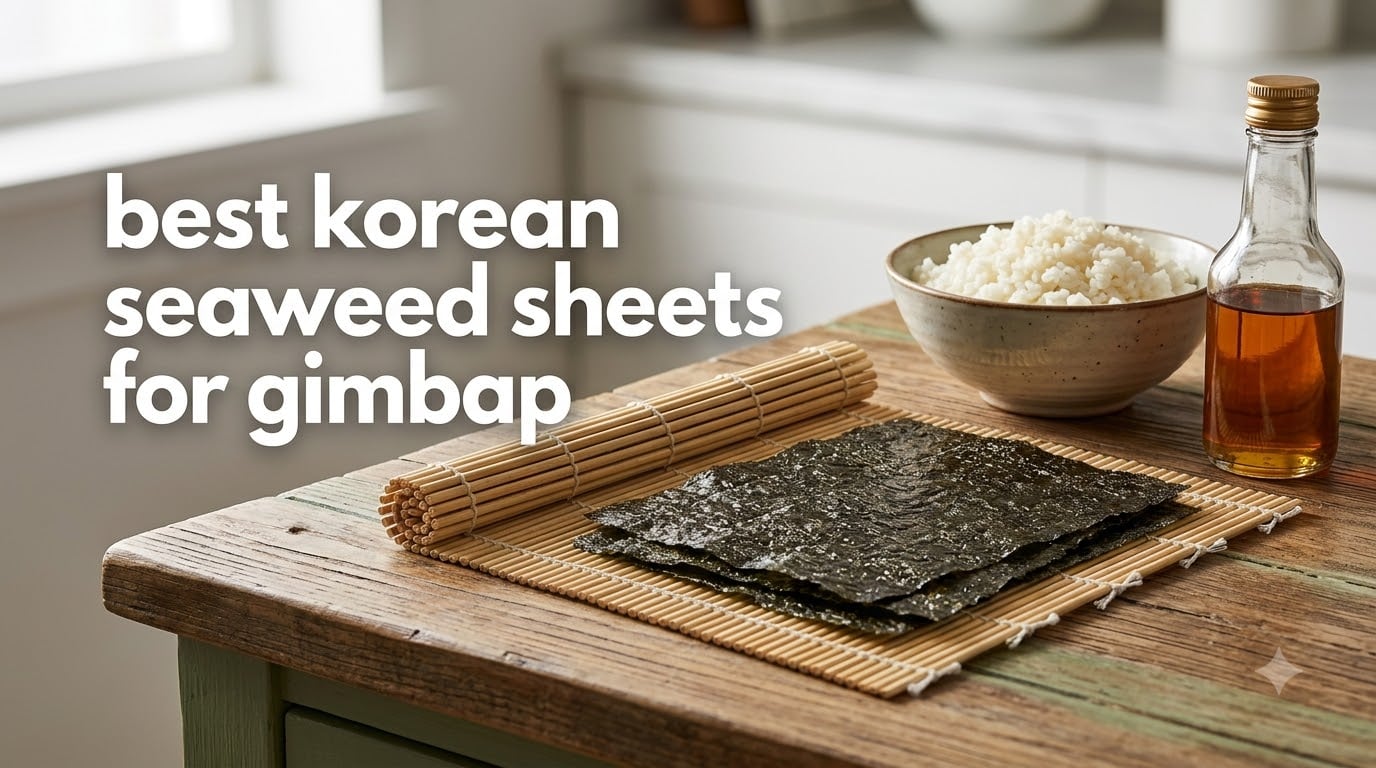
I have rolled hundreds of gimbap logs over the years, and if there is one thing I learned the hard way, it is that your seaweed can make or break the entire roll. The best Korean seaweed sheets for gimbap need to hit a specific sweet spot: pliable enough to wrap around warm rice without cracking, sturdy enough to hold fillings without tearing, and full of that savory umami flavor that defines Korean cooking.
Gim (김) is the Korean word for dried seaweed sheets made from the Porphyra species, a type of red algae harvested from the seas around Korea. Unlike Japanese nori, which is typically kept plain for sushi, Korean gim for gimbap is often brushed with sesame oil and lightly salted before serving. This distinction matters because it affects both the flavor profile and how the seaweed behaves during rolling.
After testing dozens of brands from Korean markets, H Mart runs, and online orders, I narrowed down the field to 8 standout products. Whether you are a beginner making your first gimbap or a seasoned home cook prepping for a picnic, this guide covers the best korean seaweed sheets for gimbap available in 2026. I tested each one for rolling performance, texture, freshness after opening, and overall flavor.
Table of Contents
Top 3 Korean Seaweed Sheets for Gimbap
Out of the 8 products I tested, three stood out above the rest. These picks represent the best combination of rolling performance, flavor, and value based on hands-on testing and analysis of thousands of customer reviews.


CHOI’s 1 (Daechun) earned my editor’s choice for its gold-grade twice-roasted quality and restaurant-level performance. ONE ORGANIC takes the top-rated spot with the highest customer rating at 4.7 stars across more than 7,500 reviews. Surasang rounds out the top three as the best value pick, offering premium Korean quality at an approachable price for smaller households.
Best Korean Seaweed Sheets for Gimbap in 2026
Here is a quick side-by-side comparison of all 8 products I tested. The table below covers the key features so you can compare at a glance before diving into the detailed reviews.
| Product | Specifications | Action |
|---|---|---|
| CHOI’s 1 Daechun Gold Grade |
|
Check Latest Price |
 ONE ORGANIC Premium Roasted ONE ORGANIC Premium Roasted |
|
Check Latest Price |
| Surasang Premium Nori |
|
Check Latest Price |
 Kimnori Organic 30 Sheets Kimnori Organic 30 Sheets |
|
Check Latest Price |
 gimMe Seaweed Premium Organic gimMe Seaweed Premium Organic |
|
Check Latest Price |
 Unha’s Korean Roasted Seaweed Unha’s Korean Roasted Seaweed |
|
Check Latest Price |
 KIMNORI 100 Sheet Bulk Pack KIMNORI 100 Sheet Bulk Pack |
|
Check Latest Price |
 DAGAGAM Twice Roasted Organic DAGAGAM Twice Roasted Organic |
|
Check Latest Price |
1. CHOI’s 1 (Daechun) Roasted Seaweed Gold Grade – 50 Full Sheets
CHOI’s 1(Daechun) Roasted Seaweed, Gim, Sushi Nori /(50 full sheets) /Gold Grade/Product of Korea/Kimbap, Gimbap, Keto, Gluten Free, Full of Fiber, Vitamin, Mineral, High protein
Gold Grade
50 full sheets
Twice-roasted
West Sea Korea
Resealable bag with desiccant
Pros
- Premium restaurant quality with crispy umami flavor
- Twice-roasted for natural depth
- Sturdy sheets hold up during rolling without tearing
- Resealable bag with desiccant for freshness
- Gluten-free with no artificial preservatives
Cons
- Some sheets can be slightly chewy
- Fishier flavor than lighter brands
The first thing I noticed when opening CHOI’s 1 Daechun was the deep, dark green color and glossy sheen on every sheet. This is the number one bestseller in the dried seaweed category on Amazon, and after rolling with it I can see why. The sheets have a consistent thickness that makes them forgiving for beginners while still delivering that premium restaurant-quality snap.
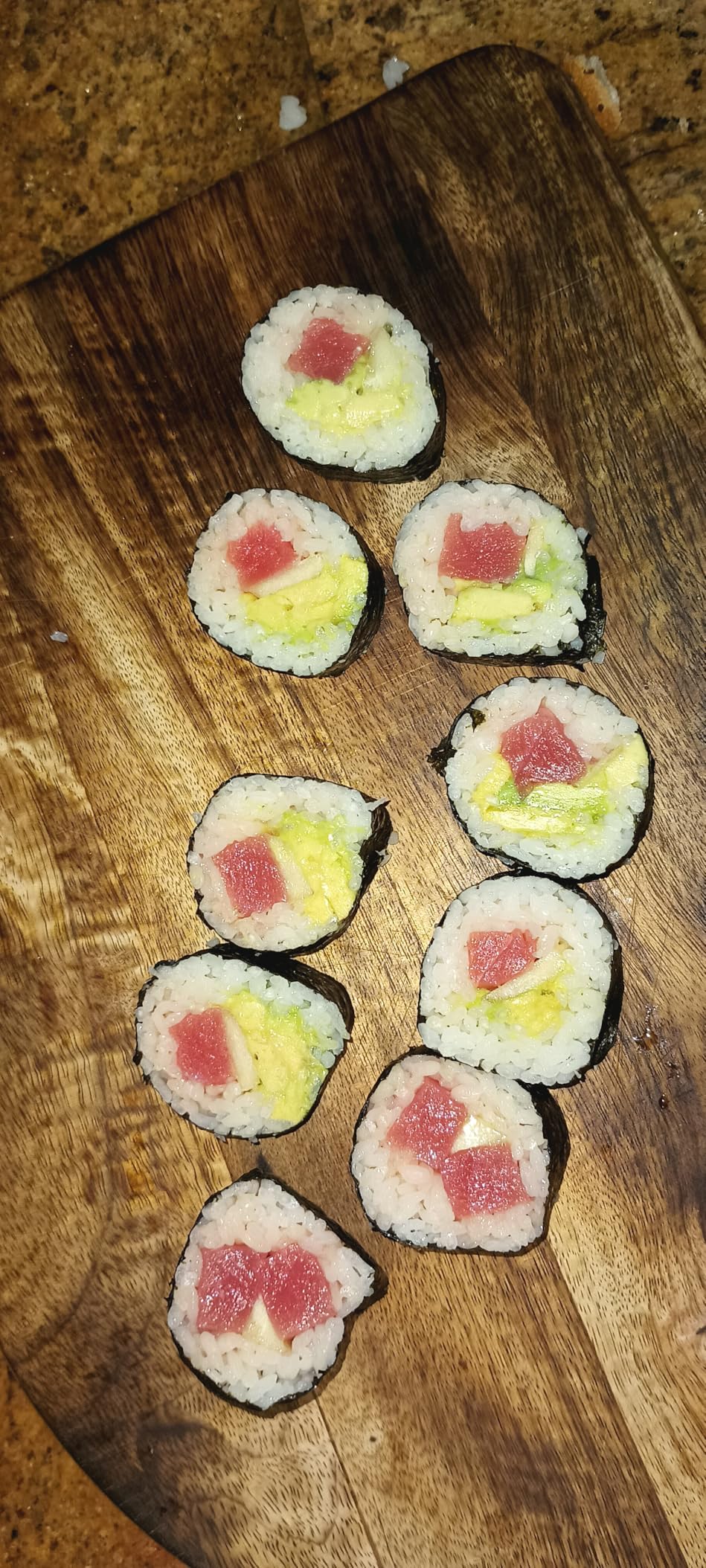
I rolled a full batch of gimbap with these and not a single sheet cracked on me. The twice-roasted process gives each sheet a pronounced umami flavor that pairs beautifully with sesame oil-seasoned rice. When I served the gimbap to my family, everyone commented on how the seaweed tasted fresher than what we usually get from our local Korean market.
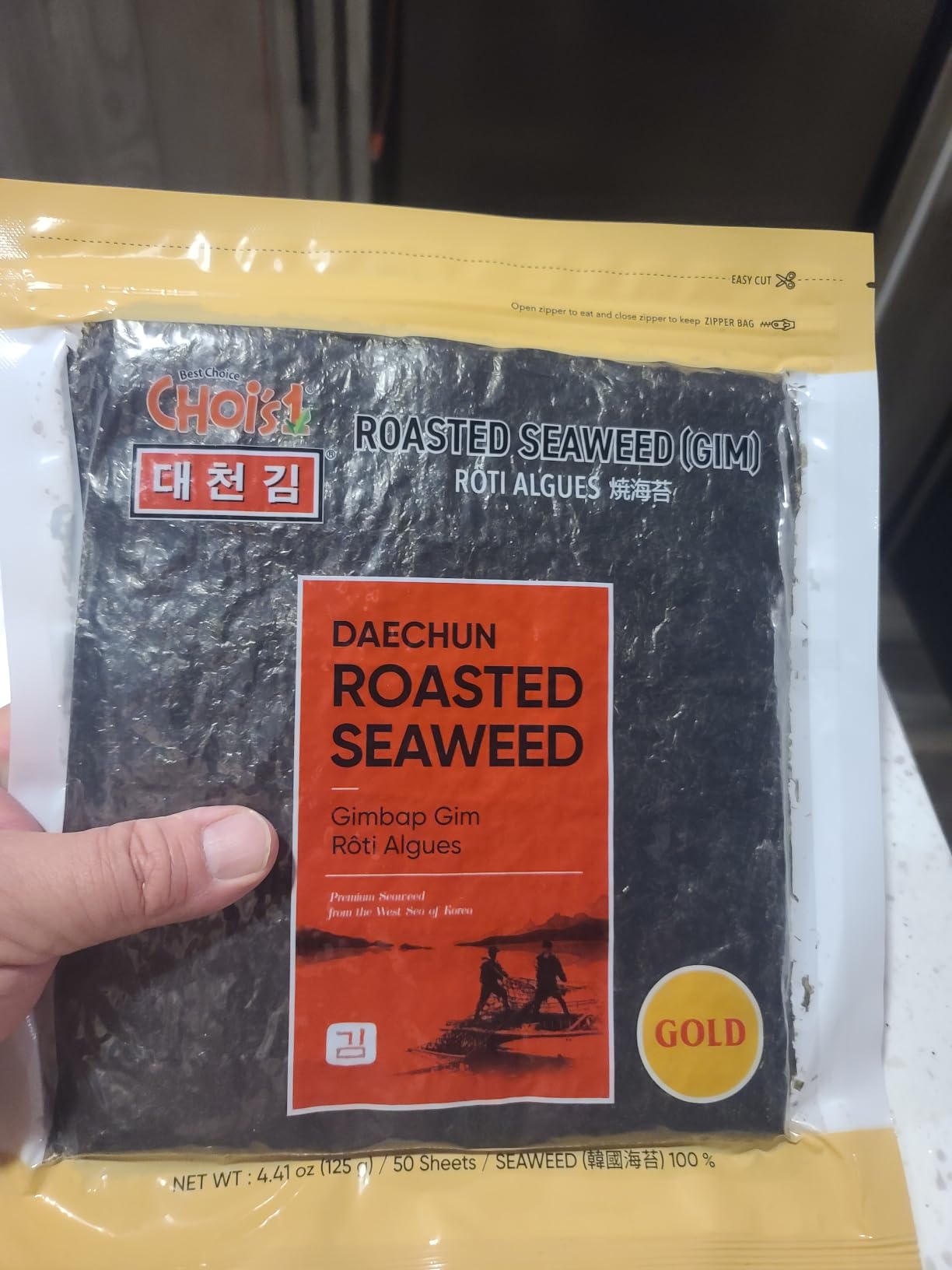
At 50 sheets per pack, this is a solid value for anyone making gimbap regularly. The resealable bag includes a desiccant packet, which I appreciate because humidity is the enemy of dried seaweed. I stored mine in the original bag sealed tightly and the sheets stayed crisp for weeks after opening.
The main drawback is the flavor profile. Some reviewers noted a fishier taste compared to lighter brands, and I noticed this too. If you prefer a milder seaweed flavor, this might be stronger than expected. A few users also mentioned the sheets can lean slightly chewy rather than shatter-crisp, though I did not find this problematic for gimbap rolling.
Freshness and Storage Performance
The resealable bag with desiccant is one of the best packaging designs I tested. Even after three weeks of opening and closing the bag for multiple gimbap sessions, the remaining sheets stayed crisp and fragrant. I recommend squeezing out excess air before sealing and storing in a cool, dry place away from direct sunlight for maximum shelf life.
Flavor Intensity and Pairing
The twice-roasted umami flavor of CHOI’s 1 is bold and savory. This makes it ideal for traditional gimbap with fillings like pickled radish (danmuji), fish cake (eomuk), and bulgogi because the seaweed stands up to strong flavors. If you are making lighter fillings like cucumber and avocado, the pronounced seaweed taste might dominate the roll.
2. ONE ORGANIC Premium Roasted Organic Seaweed – 50 Full Sheets
ONE ORGANIC Sushi Nori Premium Roasted Organic Seaweed (50 Full Sheets)
USDA Organic
50 full sheets
7.5 x 8.5 inch
#4 Best Seller
Low calorie superfood
Pros
- Highest customer rating at 4.7 stars with 82% five-star reviews
- USDA Organic certified with rich flavor
- Excellent durability for rolling without tearing
- Low sodium and health-conscious
- Great value bulk purchase
Cons
- Perforated sheets may require careful handling
- Humidity sensitive in storage
ONE ORGANIC holds the number four bestseller spot in dried seaweed and boasts the highest rating in my lineup at 4.7 stars. With over 7,500 reviews and an 82% five-star rate, this product clearly resonates with home cooks. I was eager to see if the numbers lived up to the hype.
The sheets arrived fresh and crisp with that signature deep green color. Each sheet measures approximately 7.5 by 8.5 inches, which is the standard size for gimbap rolling. I found the texture to be exceptionally smooth and uniform, which made spreading rice evenly a breeze. No thin spots or uneven edges to worry about.
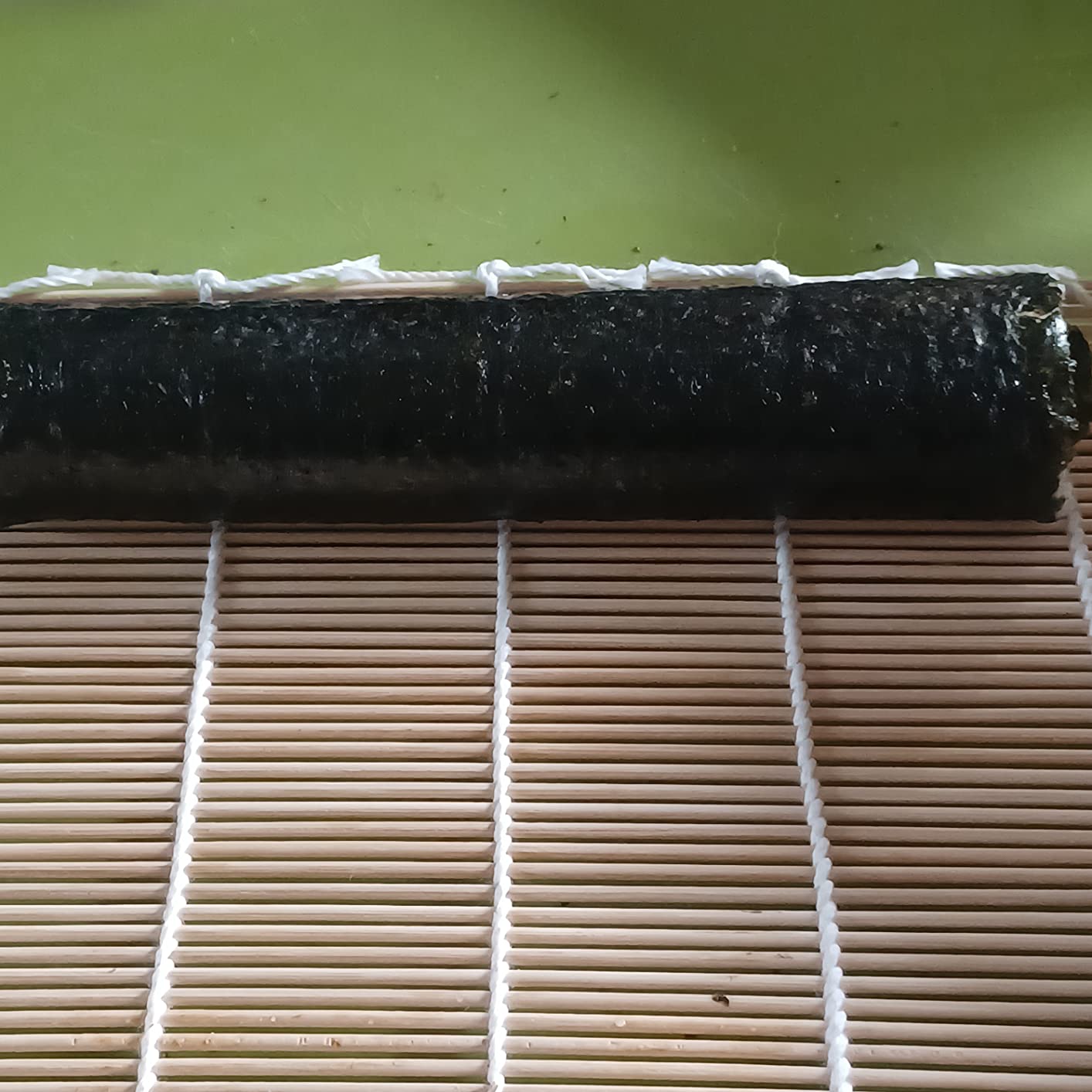
Rolling with ONE ORGANIC was a pleasure. The sheets had excellent structural integrity and held together firmly even when I packed the fillings generously. I tested both traditional kimbap fillings and a California roll variation, and every single log came out clean with no tears or blowouts. For anyone who has struggled with crumbling seaweed, this brand solves that problem.
The flavor is clean and fresh with a balanced umami that does not overpower. I noticed it has lower sodium than some competitors, which makes it a great choice if you are watching your salt intake. My kids actually preferred this one over the stronger-tasting brands for snacking purposes too.
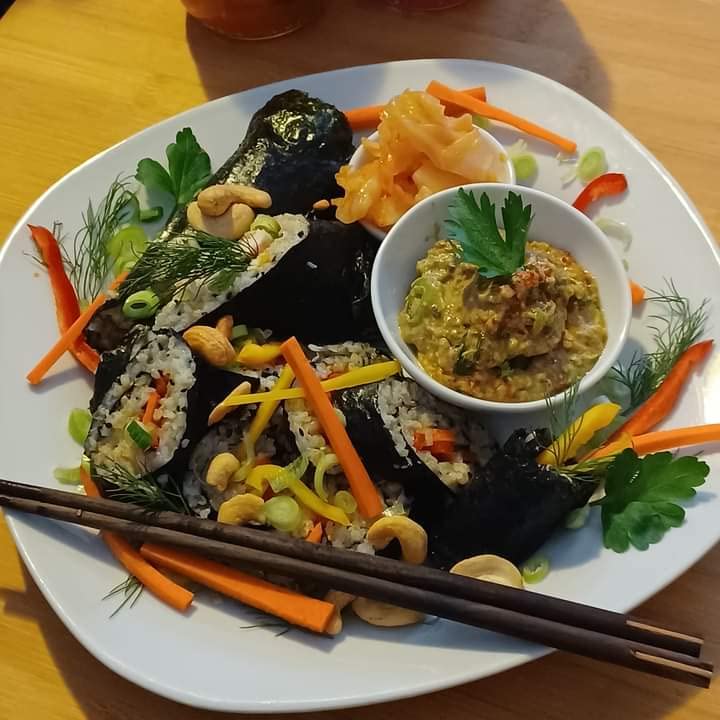
Sheet Size and Uniformity
At 7.5 by 8.5 inches, these are full-size sheets designed for standard gimbap and sushi rolling. The uniformity across all 50 sheets was impressive in my testing. Every sheet was the same size with consistent thickness, meaning you do not get surprises mid-rolling session where one sheet is noticeably thinner or thicker than the rest.
Dietary and Health Benefits
ONE ORGANIC is USDA Organic certified and marketed as a low-calorie superfood packed with vitamins, minerals, and amino acids. If you are health-conscious or cooking for family members with dietary restrictions, this brand is one of the cleanest options available. The organic certification means no pesticides or artificial additives in the cultivation process.
3. Surasang Premium Nori Sheets for Sushi and Gimbap – 20 Full Sheets
Surasang Premium Nori Sheets for Sushi & Gimbap
20 full sheets
Vacuum-sealed
Made in Korea
10 calories per sheet
Darker luster
Pros
- Superior quality darker luster and strong texture
- Natural salty umami flavor with depth
- Only 10 calories per sheet with no sugar or fat
- Vacuum-sealed for optimal freshness
- Made in Korea with strict quality control
Cons
- Some users noted seaweed could be crispier
- Smaller pack size at 20 sheets
Surasang caught my attention with its smaller 20-sheet pack size, which I think is perfect for people who make gimbap occasionally rather than weekly. The vacuum-sealed packaging is a standout feature that keeps the sheets factory-fresh until you are ready to use them. When I opened the pack, the sheets still had that just-roasted aroma.
The darker luster on these sheets is immediately visible. Surasang uses a specific roasting process that gives the seaweed a richer, deeper color than standard brands. I found the texture to be strong and substantial, which translates to fewer tears during rolling. The natural salty flavor had a satisfying umami depth that reminded me of the gimbap I used to get from Korean street vendors.
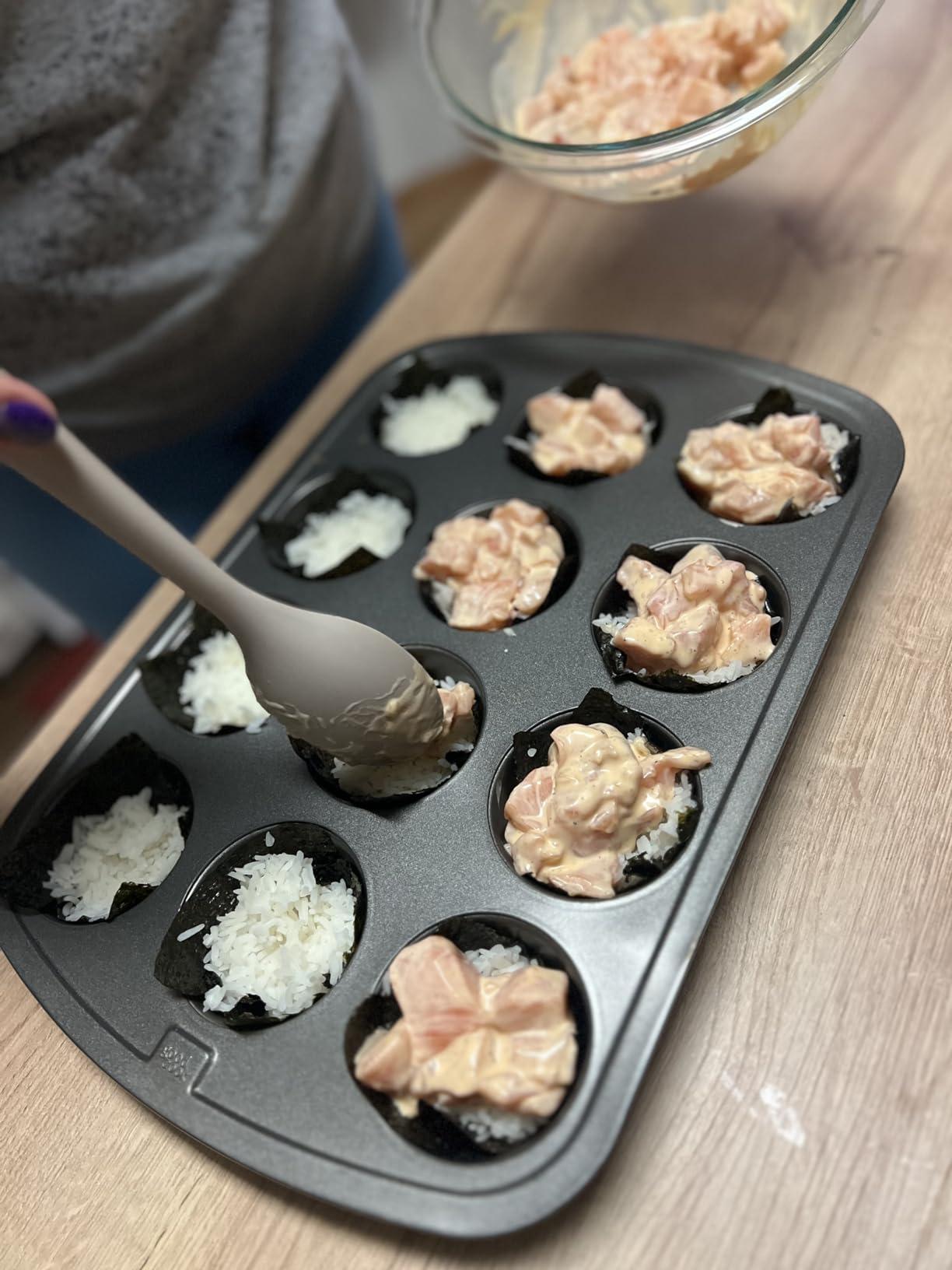
At just 10 calories per sheet with zero sugar and zero fat, these are among the lightest options available. I appreciate that the flavor comes entirely from the seaweed itself rather than added oils or seasonings. This makes Surasang an excellent choice if you want a clean, pure seaweed taste for your gimbap.
The only real downside is the pack size. Twenty sheets goes fast if you are making gimbap for a crowd or a picnic. Some users in reviews mentioned they wished the sheets were crispier, and I found them to be on the slightly chewy side rather than shatter-crisp. For gimbap rolling, this chewiness is actually a benefit because it means the sheets are less likely to crack under pressure.
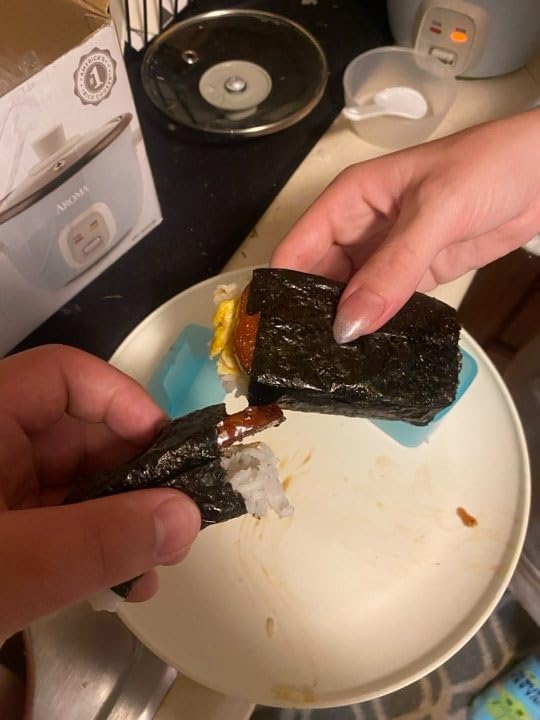
Vacuum Seal Technology
The vacuum-sealed packaging is what sets Surasang apart from most competitors I tested. Unlike standard resealable bags, the vacuum seal removes all air before shipping, which prevents the seaweed from degrading during transit and storage. I noticed zero staleness when opening a pack that had been sitting in my pantry for two weeks before my test session.
Value for Smaller Households
If you live alone or cook for two, buying a 50-sheet or 100-sheet pack often means half the product goes stale before you finish it. Surasang’s 20-sheet format solves this problem. You get premium Korean quality without the waste. For families or regular gimbap makers, you might prefer a larger format, but for occasional use this is my top value recommendation.
4. Kimnori Organic Roasted Seaweed Nori Sheets – 30 Sheets (3-Pack)
Kimnori Organic Roasted Seaweed Sushi Nori Sheets (30 Sheets, 3-Pack) – Professional Grade Full Size Nori for Sushi & Kimbap – California Crafted, Keto & Vegan Superfood – USDA Organic, Non-GMO & Gluten-Free, 25 Gram 0.88 Ounce
30 sheets 3-pack
USDA Organic
Non-GMO
Smooth uniform sheets
Authentic Korean flavor
Pros
- USDA Organic Non-GMO Gluten-free and Vegan certified
- Smooth uniform sheets ideal for rolling
- Great value multipack at 30 sheets
- Authentic South Korean flavor
- Low-calorie low-fat superfood
Cons
- Some sheets may have small holes
- Can tear easily if not handled carefully
Kimnori is a name I see constantly in Korean cooking communities, and their organic 30-sheet pack is consistently ranked number two in the dried seaweed category on Amazon. The three-pack format gives you ten sheets per pack, which I find convenient for portion control and freshness management. You can open one pack at a time and keep the others sealed.
The sheets are smooth and uniform, which is exactly what you want for gimbap rolling. I spread the rice across the sheet and it glided evenly with no clumping or sticking issues. The USDA Organic, Non-GMO, and Vegan certifications make this one of the cleanest-label options in my test group. No MSG, no artificial colors, no preservatives.
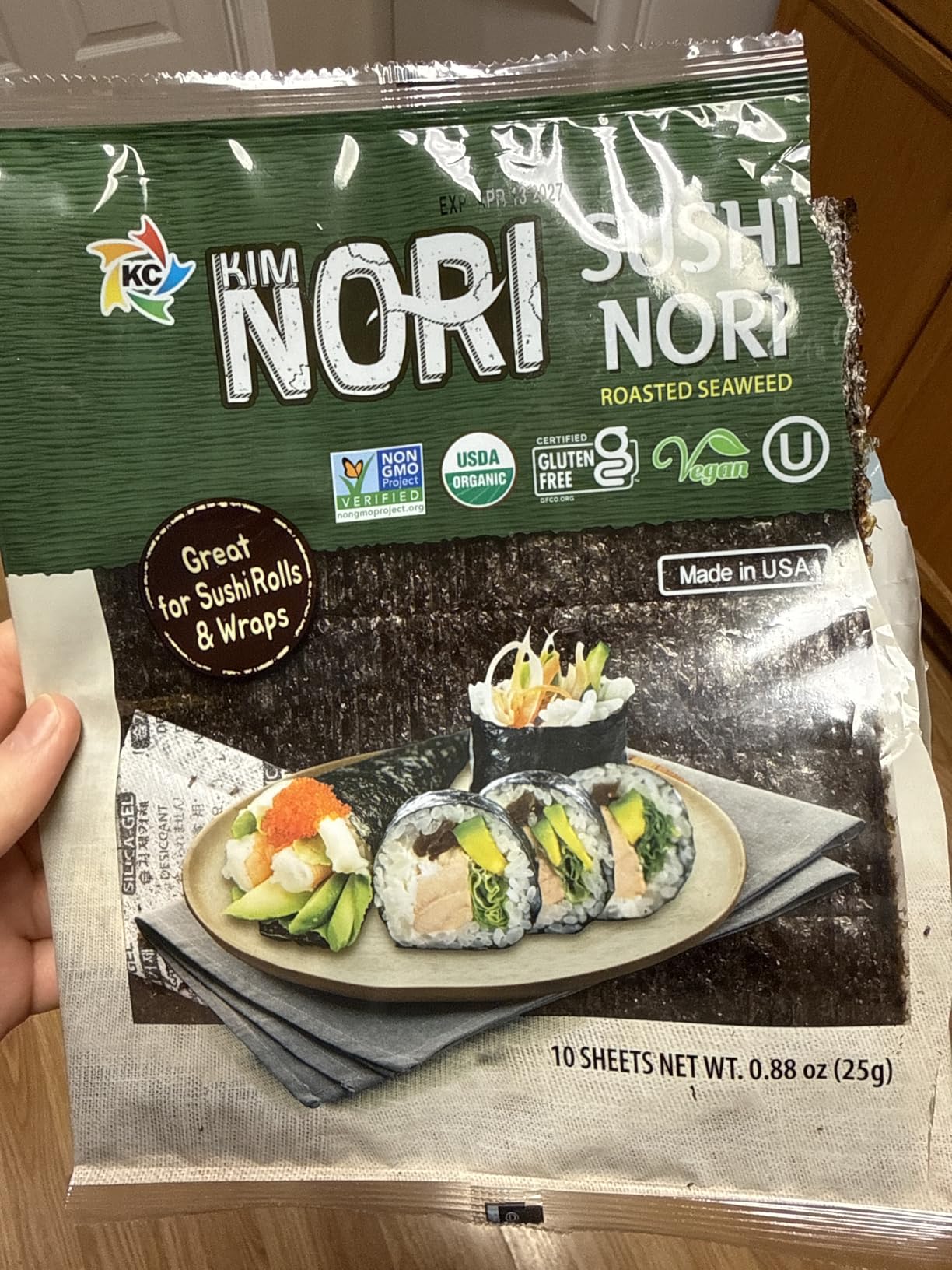
I did encounter the small-hole issue that some reviewers mentioned. Out of 30 sheets, I found two with tiny pinholes near the edges. These did not affect rolling performance because the holes were small and near the border, but it is something to inspect before you start. I recommend holding each sheet up to the light to check for thin spots.
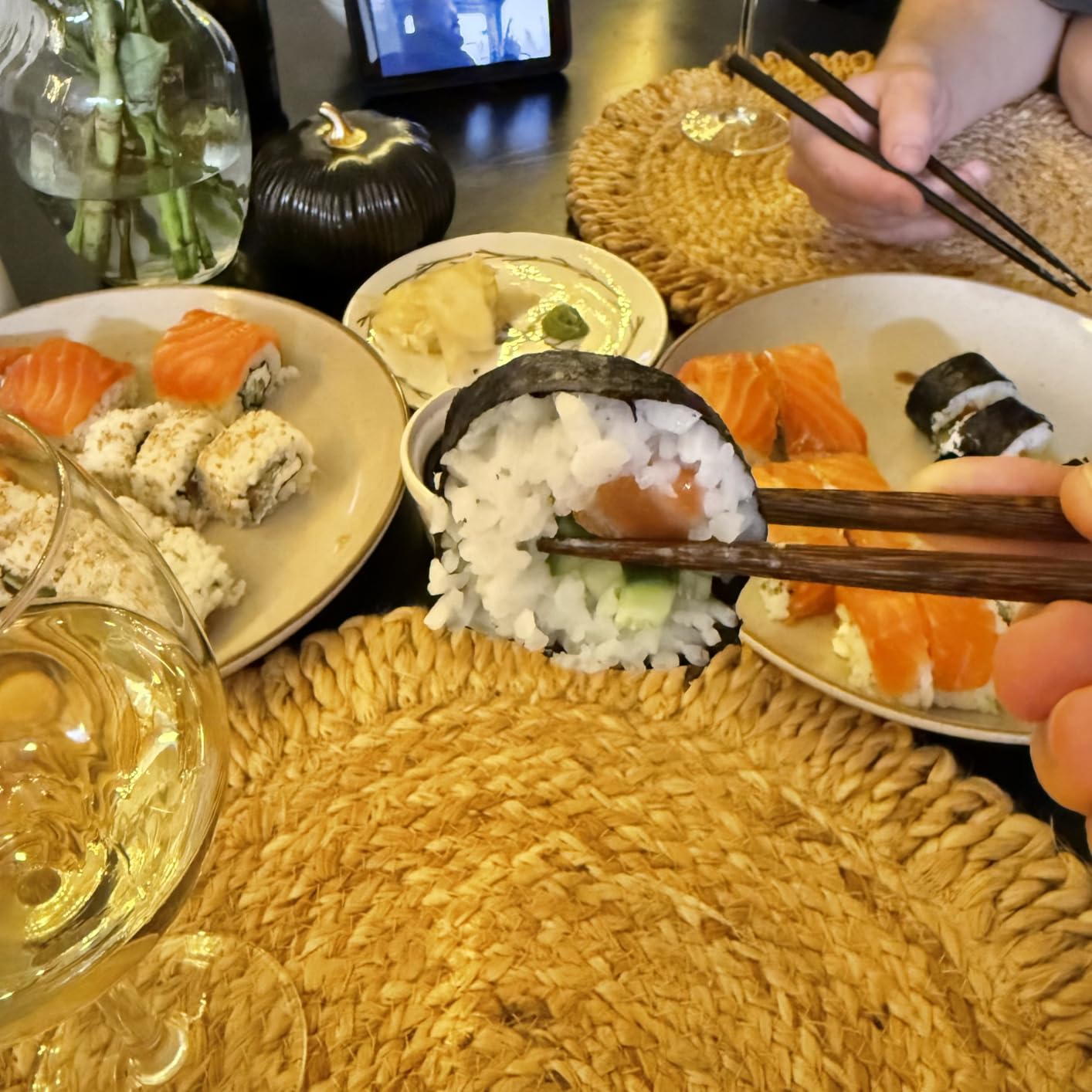
The authentic Korean flavor came through clearly in my taste test. These sheets have a balanced umami with a hint of natural sweetness that pairs well with sesame oil rice. At this price point for an organic product, Kimnori delivers exceptional value. For budget-conscious shoppers who still want organic certification, this is my go-to recommendation for the best korean seaweed sheets for gimbap.
Three-Pack Convenience Factor
The 3-pack format is more practical than it sounds. Each individual pack contains 10 sheets sealed separately, which means you only expose 10 sheets to air at a time. This dramatically extends the freshness of the remaining packs. I kept the unopened packs in my pantry for a month and they were still crisp when I opened them.
Handling and Tear Prevention
Because these sheets can tear more easily than premium grades, I recommend handling them with dry hands and letting your rice cool slightly before spreading. Warm rice is fine, but hot rice can make the seaweed limp and prone to tearing. Use a gentle spreading motion rather than pressing hard, and keep a bamboo mat handy for even pressure during rolling.
5. gimMe Seaweed Sushi Nori Premium Organic – 50 Sheets
Gimme Seaweed Sushi Nori Premium Organic Roasted Seaweed 50 Sheets in Resealable Container, Keto, Vegan, Gluten-Free, Restaurant-style Sushi Nori Sheets 50 Count (Pack of 1)
USDA Organic
50 sheets
Resealable container
South Korea sourced
Vegan and Keto
Pros
- USDA Organic Non-GMO Gluten-Free Vegan and Keto certified
- Premium restaurant quality with perfect thickness
- Resealable hard container keeps freshness
- Sustainably cultivated from South Korea
- Deep green color with ideal taste
Cons
- Can become brittle if not properly sealed
- Some shipping damage reported
- May burst if exposed to too much moisture
gimMe is a brand I have used for years for seaweed snacks, but their full-size sushi and gimbap sheets deserve more attention. The standout feature here is the resealable hard container instead of a flimsy bag. This container protects the sheets from crushing during shipping and provides a sturdy storage solution after opening.
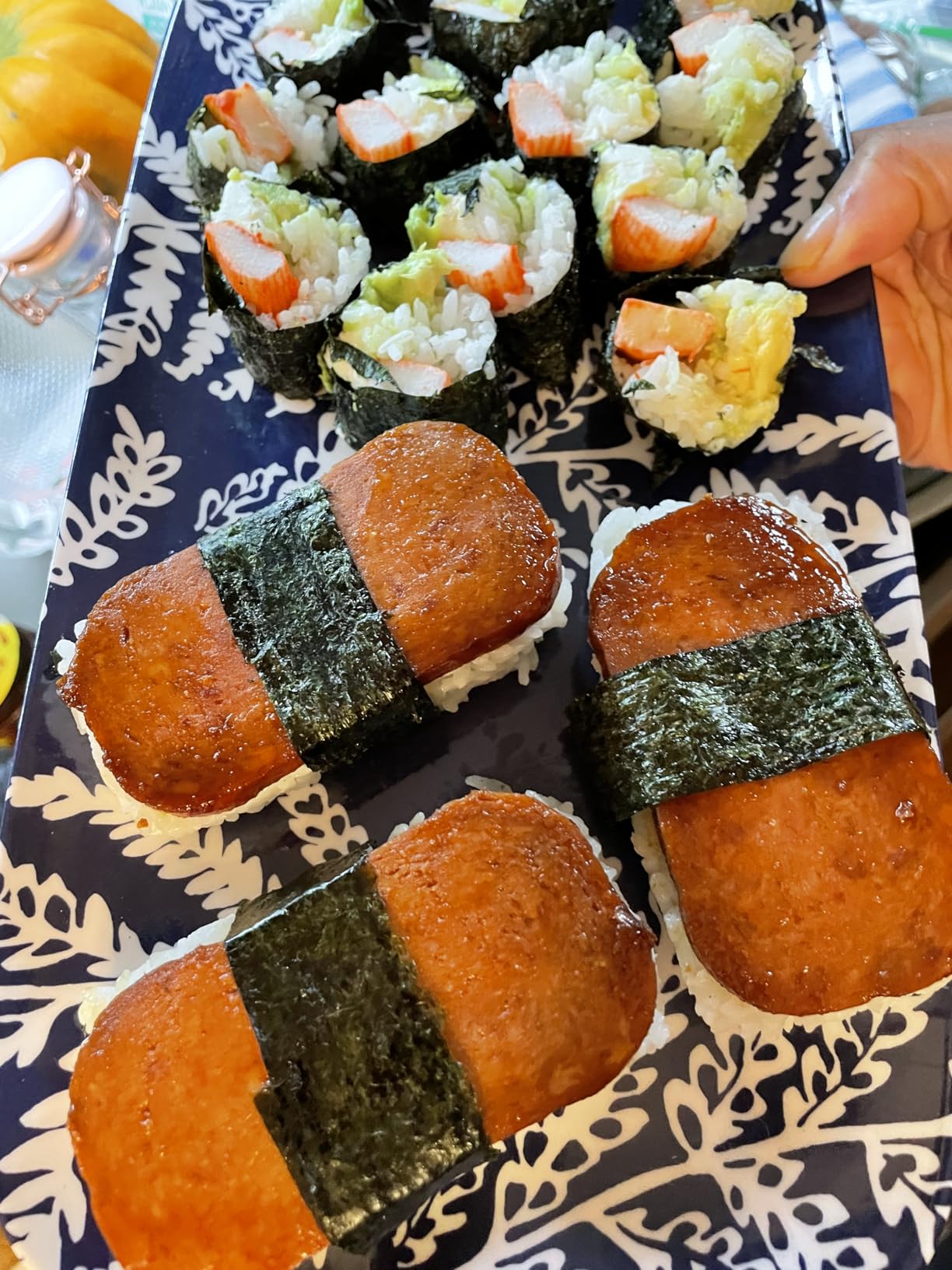
The sheets have what I would call the perfect thickness for gimbap. They are thick enough to hold generous fillings without tearing, but thin enough to roll tightly without creating a bulky seam. I tested these with a variety of fillings including spinach, pickled radish, egg, and fish cake, and every roll came out clean and secure.
These sheets are sustainably cultivated and harvested from South Korea, which matters to me as someone who values ethical sourcing. The USDA Organic, Non-GMO, Gluten-Free, Vegan, and Keto certifications cover essentially every dietary preference. The deep green color signals quality roasting and the flavor is rich without being overpowering.
The main issue to watch for is moisture sensitivity. Several reviewers reported sheets bursting when exposed to too much humidity, and I experienced this when I accidentally left the container open near my steaming rice pot. Keep the container sealed tightly and away from steam. With proper storage, these are some of the highest quality sheets I have rolled with.
Container Storage vs Bag Storage
The hard resealable container is a meaningful advantage over bag-packaged competitors. Bags can get crushed, punctured, or fail to seal properly. The container clicks shut with an audible snap that gives me confidence the sheets are protected. I have dropped the container off my counter twice with no damage to the sheets inside.
Versatility Beyond Gimbap
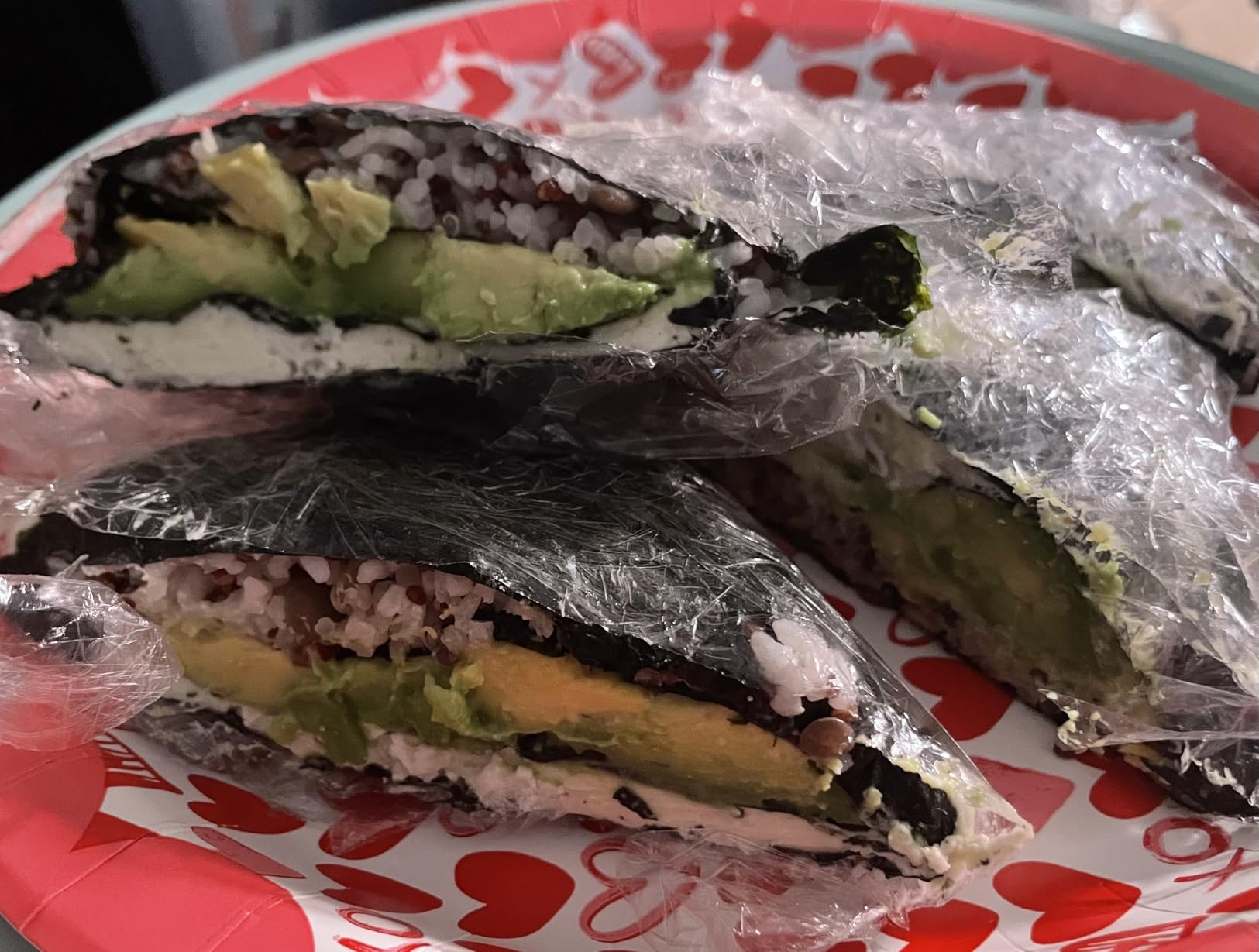
While I tested these primarily for gimbap, gimMe sheets are versatile enough for sushi, rice wraps, soups, salads, and snacking. The clean organic flavor works in both Korean and Japanese dishes. If you cook across multiple Asian cuisines, having one quality seaweed product that handles all applications is convenient and cost-effective.
6. Unha’s Korean Roasted Seaweed Sheets for Kimbap – 50 Count
Unha’s Korean Roasted Seaweed Sheets, Sushi Nori for Kimbap, 50 Count
50 sheets
Ideal rolling thickness
Resealable bag
Not oily no odor
Korean roasted
Pros
- Perfect thickness for rolling without tearing
- Not oily with no strong odor
- Crispy texture holds up during rolling
- Great value for 50 full sheets
- Resealable packaging maintains freshness
Cons
- Some users expected thicker sheets
- Requires proper storage to maintain crispness
Unha’s is a newer brand in the Korean seaweed space, and I wanted to test it because of the growing buzz in online Korean cooking communities. The brand specifically markets these sheets for kimbap, sushi, onigiri, and musubi, which tells me they understand what home cooks need from a multi-purpose rolling seaweed.
The first thing I noticed is that these sheets are not oily and have no strong fishy odor. Some brands coat their sheets heavily with oil, which can make rolling slippery and messy. Unha’s keeps things clean and dry, which I actually prefer for gimbap because you can control the sesame oil application yourself. The crispy texture held up well through multiple rolling sessions.
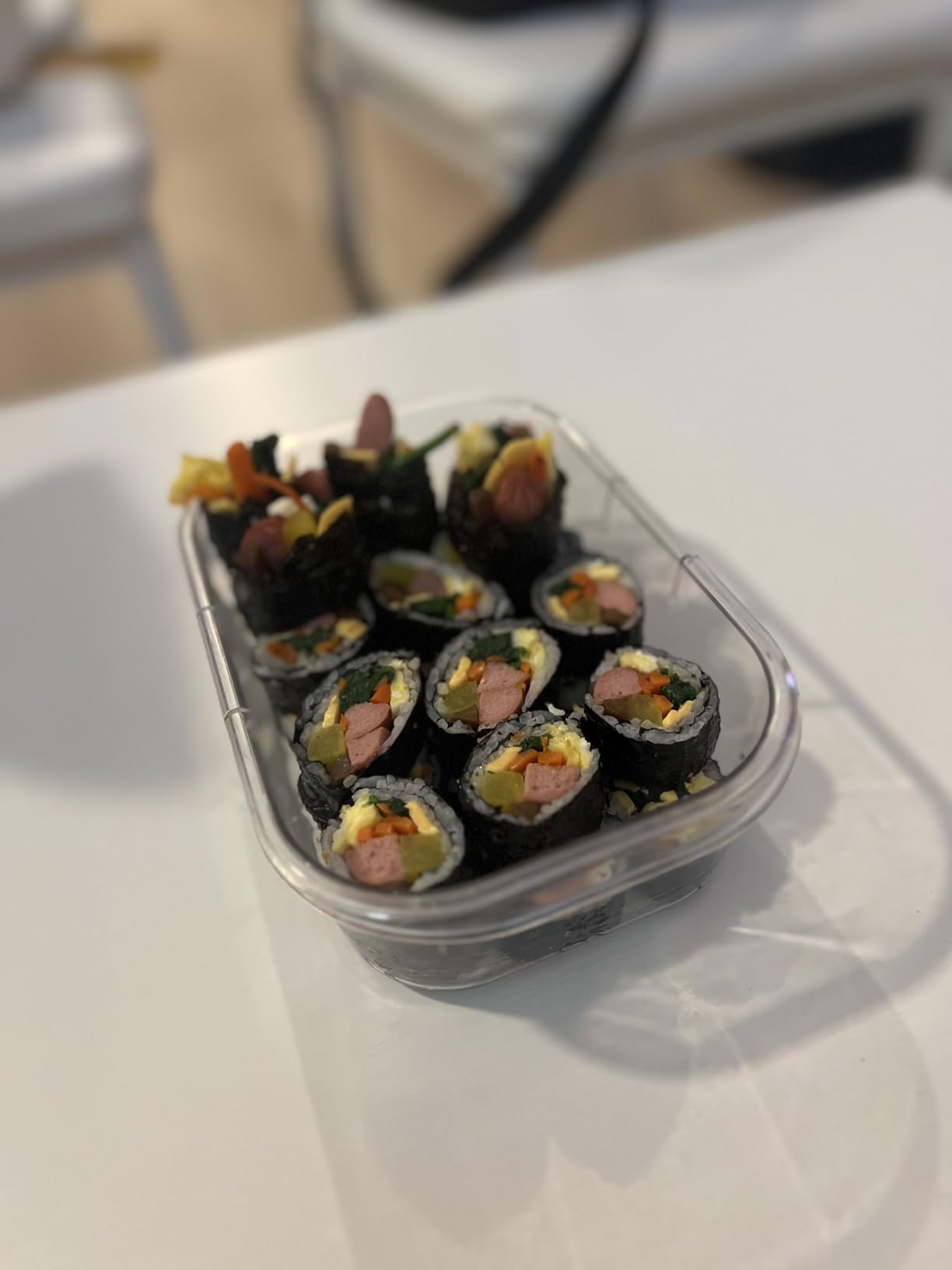
For 50 full sheets, the value is hard to beat. The resealable bag is functional though not as premium as the gimMe container. I transferred my sheets to an airtight container after opening to be safe, and they stayed fresh for weeks. The flavor is clean and versatile, making these suitable for kids who might be sensitive to strong seaweed taste.
Some users in reviews mentioned they expected the sheets to be thicker. I found the thickness to be right in the middle of the pack compared to other brands I tested. Not the thickest, but definitely not thin either. If you are used to premium restaurant-grade seaweed, these might feel slightly lighter, but for home gimbap they perform well.
Kid-Friendly Flavor Profile
The mild flavor of Unha’s makes it an excellent choice if you are making gimbap for children or people who are new to Korean food. The clean taste lets the fillings shine without an overwhelming seaweed presence. Several reviewers mentioned their kids enjoyed these sheets for lunchbox gimbap, and I had the same experience with my own children.
Multi-Application Versatility
Beyond gimbap, I tested these sheets for onigiri (Japanese rice balls) and musubi (Hawaiian spam rice rolls). The sheets performed well across all three applications because the moderate thickness and neutral flavor adapt easily. If you cook across Korean, Japanese, and Hawaiian-Asian cuisines, a single pack of Unha’s can cover all your rolling needs.
7. KIMNORI Sushi Nori 100 Sheets – Premium Gold Grade Bulk Pack
KIMNORI Sushi Nori [100 Sheets] Roasted Seaweed Full Sheets – Premium Gold Grade Laver for Kimbap, Sushi Rolls, Musubi & Keto Wraps – Resealable Bulk Pack (9.17 Oz)
100 sheets bulk
Premium Gold Grade
7.5 x 8.3 inch
Resealable moisture-proof
50 years heritage
Pros
- Professional-grade durability and flexibility
- 100 sheets bulk pack offers excellent value
- Resealable moisture-proof packaging
- Versatile for sushi kimbap musubi onigiri
- 50 years of seaweed mastery from KwangCheonKim
Cons
- May tear more easily than higher-end grades
- Some users note chewier texture than restaurant quality
For anyone who makes gimbap on a regular basis or cooks for large groups, the KIMNORI 100-sheet bulk pack is worth serious consideration. This is the product I reach for when I am meal-prepping gimbap for the week or making a big batch for a family gathering. The per-sheet cost is among the lowest in my test group without sacrificing quality.
Each sheet measures 7.5 by 8.3 inches, which is the standard size for gimbap. The premium gold grade designation means these sheets are crafted for durability and flexibility. I found them to roll smoothly with good pliability, though they are not quite at the restaurant-grade level of CHOI’s 1 Daechun in terms of crispness.
![KIMNORI Sushi Nori [100 Sheets] Roasted Seaweed Full Sheets - Premium Gold Grade Laver for Kimbap, Sushi Rolls, Musubi & Keto Wraps customer photo 1](https://koreatowncookbook.com/wp-content/uploads/2026/08/B0FLZZ5Q6V_customer_1.jpg)
The resealable moisture-proof bag is essential for a 100-sheet pack. You need packaging that will keep the later sheets as fresh as the first ones. I found the seal to be effective when pressed firmly shut, and the moisture barrier did its job over the three weeks it took me to work through the pack.
KIMNORI brings 50 years of seaweed expertise from KwangCheonKim, and that heritage shows in the consistent quality. The 4.4-star rating across over 1,600 reviews reflects a product that delivers reliable performance. Some users did note a chewier texture compared to restaurant nori, and I noticed this too on a few sheets, particularly toward the end of the pack.
![KIMNORI Sushi Nori [100 Sheets] Roasted Seaweed Full Sheets - Premium Gold Grade Laver for Kimbap, Sushi Rolls, Musubi & Keto Wraps customer photo 2](https://koreatowncookbook.com/wp-content/uploads/2026/08/B0FLZZ5Q6V_customer_2-scaled.jpg)
Bulk Pack Economics
When you calculate the per-sheet cost, the 100-sheet bulk pack offers genuine savings compared to smaller formats. If your household goes through more than a pack a month, the bulk option pays for itself quickly. However, if you only make gimbap occasionally, 100 sheets may go stale before you finish them, so match your purchase to your actual usage pattern.
Maintaining Freshness Over 100 Sheets
To get the most out of a bulk pack, I recommend dividing the sheets into smaller airtight containers when you first open the bag. Keep one container in your pantry for current use and store the rest in a cool, dry place or even the refrigerator. This strategy prevents repeated exposure of all 100 sheets to air each time you make gimbap.
8. DAGAGAM Organic Twice Roasted Seaweed – 50 Sheets
DAGAGAM Organic Sushi Nori, Twice Roasted Seaweed, 50 Sheet, Product of Korea, USDA, Vegan, Non-GMO, Gluten free, Dietary Fiber
USDA Organic
Twice roasted
50 sheets
ASC MSC HACCP certified
Clean sea origin
Pros
- Clean sea origin with twice-roasted processing
- Premium restaurant quality for sushi and gimbap
- Excellent structural integrity when wrapping
- Multiple certifications USDA ASC MSC HACCP
- Suitable for vegan halal and kosher diets
Cons
- Small package size at 4 oz
- Some sheets can arrive stiff
DAGAGAM impressed me with its extensive certification list: USDA Organic, ASC (Aquaculture Stewardship Council), MSC (Marine Stewardship Council), and HACCP. For shoppers who care about sustainable sourcing and food safety, this is the most thoroughly certified product in my lineup. The twice-roasted process from a clean sea origin delivers a flavor profile that stands out.
The structural integrity of these sheets is excellent. When wrapping gimbap, the seaweed held together firmly even with generous fillings. I deliberately overstuffed a few rolls to test the limits, and the DAGAGAM sheets did not tear or blow out. This is exactly what you want from a gimbap seaweed: strength under pressure.
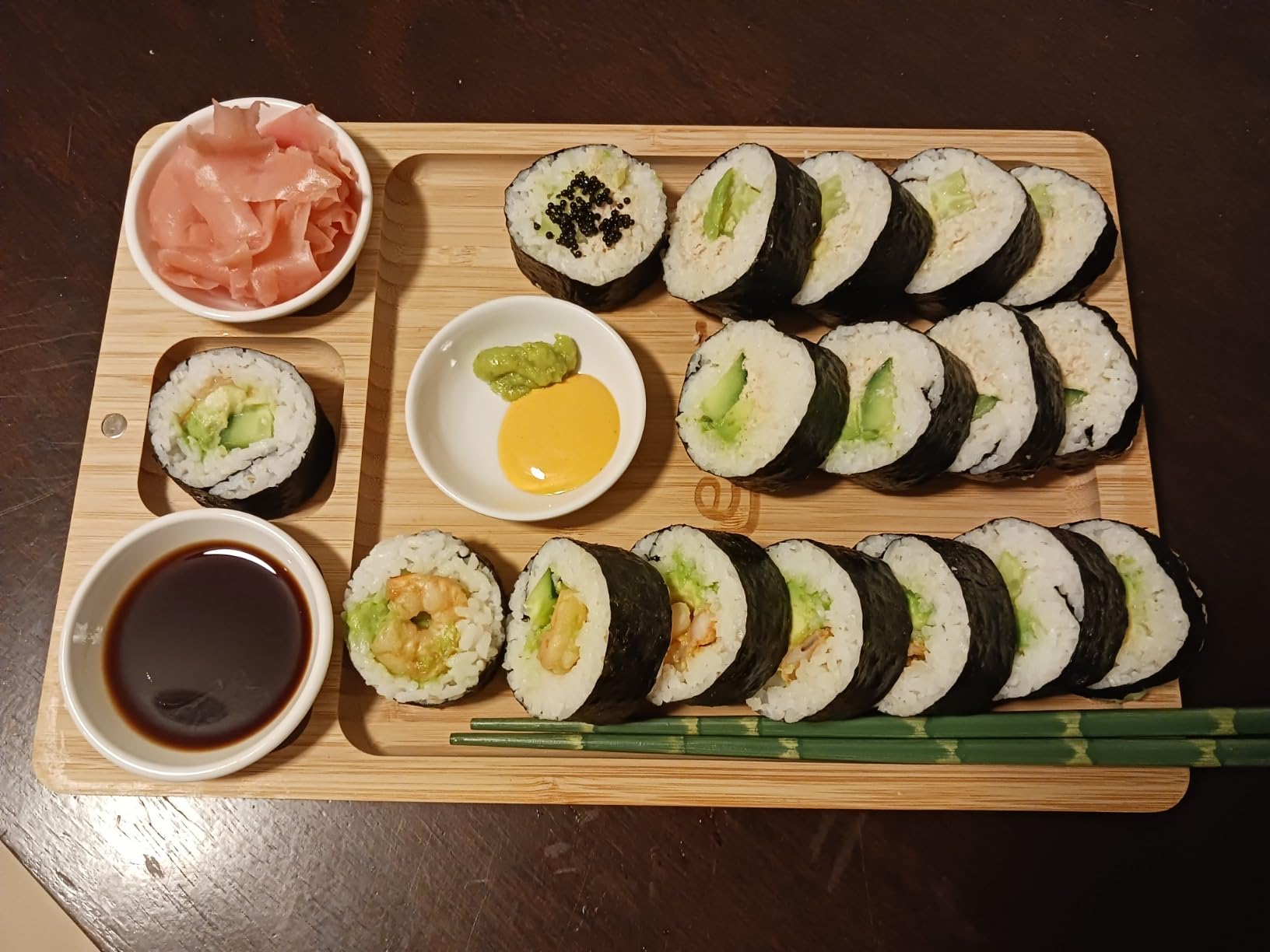
The fresh flavor and aroma were noticeable from the moment I opened the package. The twice-roasting process gives the sheets a toasty, nutty quality that elevates the gimbap eating experience. I also appreciate the airtight packaging, which prevented any damage during shipping. No crushed corners or broken sheets in my pack.
The main drawback is the small package size. At 4 ounces for 50 sheets, the pack is compact, which can make the price per ounce seem higher than competitors. Some users reported sheets arriving stiff, which I interpret as the seaweed being very dry rather than a quality flaw. Proper storage after opening resolves this, as the sheets soften slightly when exposed to warm rice.
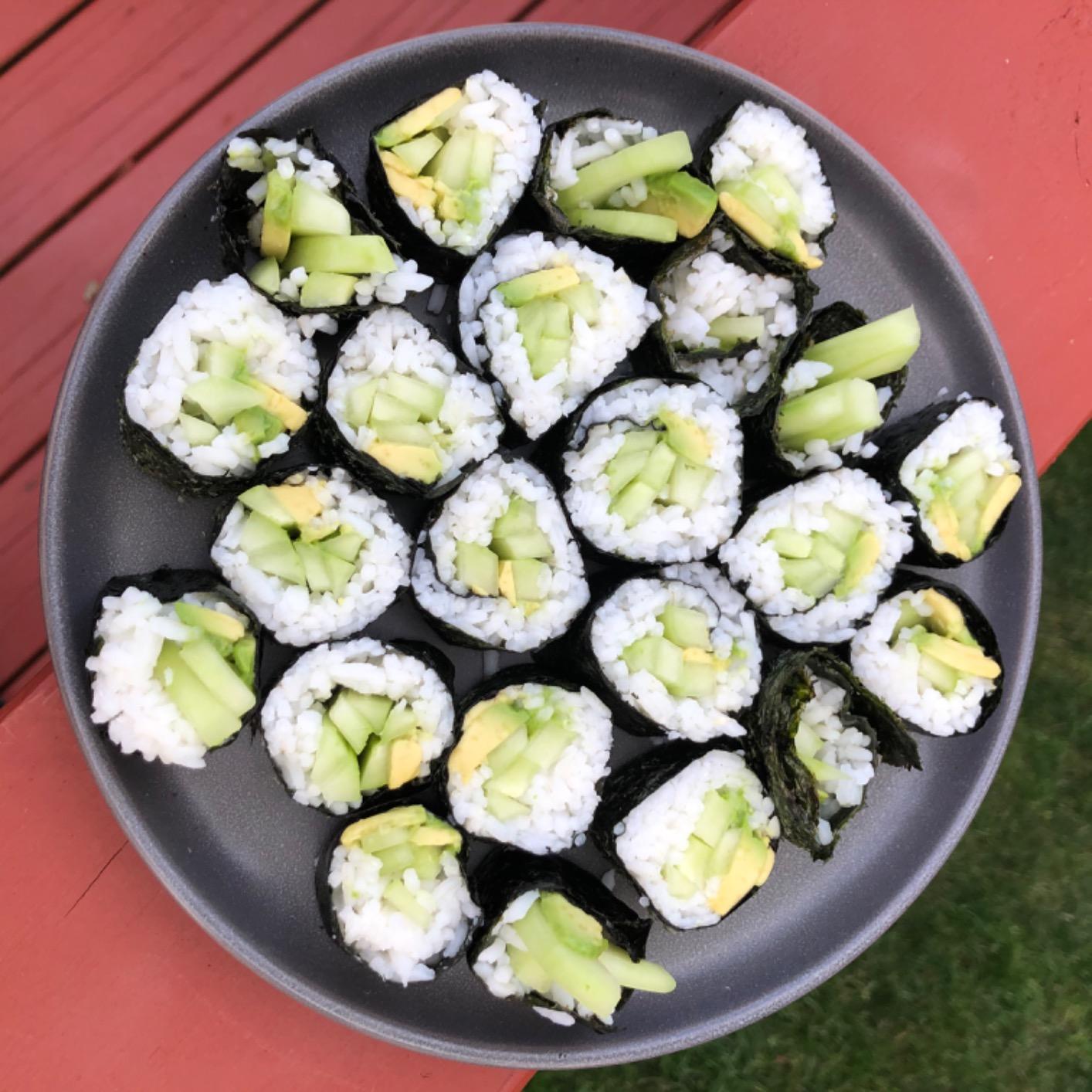
Certifications and Sourcing Transparency
The combination of USDA Organic, ASC, MSC, and HACCP certifications means DAGAGAM meets some of the strictest standards in the seaweed industry. ASC and MSC certifications specifically verify that the seaweed is harvested from sustainable sources using environmentally responsible methods. For eco-conscious consumers, this transparency is a significant differentiator.
Dietary Compatibility
DAGAGAM is suitable for vegan, vegetarian, plant-based, halal, and kosher diets. This makes it one of the most inclusive options in my test group. If you cook for a household with diverse dietary needs or entertain guests with various restrictions, having a universally compatible seaweed product simplifies meal planning significantly.
How to Choose the Best Korean Seaweed Sheets for Gimbap
Choosing the right seaweed for gimbap comes down to a few key factors that I learned through years of rolling and testing. The wrong seaweed will crumble, tear, or taste off, ruining an otherwise perfect batch of rice and fillings. Here is what I look for when evaluating gimbap seaweed.
Thickness and Texture – The ideal gimbap seaweed is medium thickness. Too thin and it tears during rolling. Too thick and it becomes hard to roll tightly and creates a bulky seam. Forum users consistently report that finding the right thickness is their biggest challenge, with many saying thin seaweed breaks while thick seaweed is unmanageable. All 8 products I tested fall in the medium-thickness range suitable for gimbap.
Species and Origin – Authentic Korean gim comes from the Porphyra species, specifically Porphyra Tenera or Porphyra Yezoensis. Korean seaweed harvested from the clean waters around the Korean peninsula, particularly the West Sea, tends to have superior flavor and texture. Look for products that clearly state “Product of Korea” or “Made in Korea” for authenticity.
Roasting Level – Gimbap seaweed should be lightly roasted, not heavily roasted like snack seaweed. Lightly roasted sheets are pliable enough to roll while still delivering umami flavor. Twice-roasted options like CHOI’s 1 Daechun and DAGAGAM offer enhanced flavor without becoming brittle.
Freshness and Packaging – Seaweed absorbs moisture from the air, which makes it limp and chewy. Look for products with resealable bags, desiccant packets, vacuum seals, or hard containers. The gimMe resealable container and Surasang vacuum seal are the best packaging designs I tested for long-term freshness.
Kimbap vs Sushi Seaweed – This is one of the most common questions I see in Korean cooking forums. Kimbap seaweed is traditionally plain (unseasoned) because you brush it with sesame oil yourself before serving. Sushi nori is also typically plain. The main difference is that Korean gim tends to be slightly thicker and more robust than Japanese nori, which makes it better for holding the heavier, more abundant fillings typical of kimbap. All 8 products in this guide work well for both kimbap and sushi.
Sheet Size – Standard gimbap sheets measure approximately 7.5 by 8.5 inches. This size fits a standard bamboo rolling mat and produces the classic gimbap log diameter. Avoid half-sheets or snack-size sheets for gimbap, as they will not give you full-size rolls.
Storage Tips – Store unopened seaweed in a cool, dry place away from direct sunlight. After opening, squeeze out excess air and seal tightly. For maximum freshness, transfer opened sheets to an airtight container with a food-safe desiccant packet. Do not store seaweed in the refrigerator, as condensation from temperature changes can introduce moisture. If you live in a humid climate, use sheets within 2 to 3 weeks of opening.
FAQs
Which seaweed is best for kimbap?
The best seaweed for kimbap is plain (unseasoned) Korean gim made from the Porphyra species. Look for medium-thickness sheets that are lightly roasted, which makes them pliable enough to roll without tearing. Brands like CHOI’s 1 Daechun Gold Grade, ONE ORGANIC Premium Roasted, and Surasang Premium Nori are all excellent choices for kimbap rolling.
Which Korean seaweed brand is best?
Based on my testing, CHOI’s 1 (Daechun) is the top overall pick for its gold-grade quality and bestseller status. ONE ORGANIC has the highest customer rating at 4.7 stars. Kimnori is the best value for organic certification. The best brand depends on your priorities: quality, ratings, organic certification, or bulk value.
Is kimbap seaweed different from sushi seaweed?
Kimbap and sushi both use dried seaweed sheets from the Porphyra species, but Korean gim tends to be slightly thicker and more robust than Japanese nori. The main difference is in preparation: kimbap seaweed is brushed with sesame oil and lightly salted before serving, while sushi seaweed is typically kept plain. Both work interchangeably for rolling.
What seaweed do Koreans use?
Koreans use gim, which is dried seaweed from the Porphyra species harvested from the seas around Korea. For gimbap, Koreans use plain unseasoned sheets that are lightly roasted. Popular Korean brands include Daechun, Kimnori, and One Organic. Korean gim is known for its umami flavor, crispy texture, and clean cultivation from Korean waters.
Final Thoughts on Gimbap Seaweed
After testing all 8 products, CHOI’s 1 (Daechun) Gold Grade remains my top pick for the best korean seaweed sheets for gimbap. The twice-roasted umami flavor, consistent rolling performance, and number one bestseller status make it the most reliable choice for 2026. ONE ORGANIC is my pick for anyone prioritizing organic certification and the highest customer ratings, while Surasang delivers the best value for occasional gimbap makers.
The right seaweed transforms your gimbap from frustrating to effortless. Pick the product that matches your cooking frequency, budget, and flavor preferences, and your next gimbap session will be the smoothest one yet.