

If you have ever finished a heavy Korean meal and wondered how Koreans seem to walk away without a hint of bloating, the answer often sits at the bottom of the table in a small teapot. The best Korean digestive teas are not just polite after-dinner drinks. They are a centuries-old system of herbal and grain infusions that soothe the stomach, calm the gut, and help your body break down rich food like galbi, kimchi jjigae, and tteokbokki.
I grew up watching my halmoni simmer roasted barley and dried plum into warm cups that appeared after every family dinner. Years later, our team tasted our way through dozens of Korean tea bags, jars, and sachets to find the ones that actually deliver on digestive comfort. We checked ingredients, steeping strength, flavor, and verified real customer feedback to separate the authentic Korean teas from the watered-down imitations. The eight options below are what we landed on.
This guide covers what Korean digestive teas actually are, how they support gut health, what to look for on the label, and which products are worth your money in 2026. You will find our top three picks, a comparison table, in-depth reviews of all eight, a buying guide, and answers to the questions our readers ask us most about korean tea for digestion.
Table of Contents
Top 3 Picks at a Glance
Best Korean Digestive Teas in 2026
| Product | Specifications | Action |
|---|---|---|
 Damtuh Chrysanthemum Tea Bags Damtuh Chrysanthemum Tea Bags |
|
Check Latest Price |
 Damtuh Roasted Rice & Solomon’s Seal Damtuh Roasted Rice & Solomon’s Seal |
|
Check Latest Price |
 OSULLOC Mint Maesil Tea OSULLOC Mint Maesil Tea |
|
Check Latest Price |
 TEAZEN Pumpkin & Red Bean Tea TEAZEN Pumpkin & Red Bean Tea |
|
Check Latest Price |
 Nokchawon Korean Grain Tea Nokchawon Korean Grain Tea |
|
Check Latest Price |
 HAIO Ginger Tea with Honey HAIO Ginger Tea with Honey |
|
Check Latest Price |
 Damtuh Roasted Barley Tea Damtuh Roasted Barley Tea |
|
Check Latest Price |
 OTTOGI Honey Citron Tea OTTOGI Honey Citron Tea |
|
Check Latest Price |
1. Damtuh Korean Chrysanthemum Tea Bags – Light, Floral, Caffeine-Free
Damtuh Korean Chrysanthemum Tea Bags, Caffeine-Free, 20 Count
20 bags
Individually wrapped
Caffeine-free, 0 calories
Pros
- Delicate floral flavor and clean finish
- Naturally caffeine-free with no sugar
- Individually wrapped for freshness
- Light enough to pair with any meal
- Soothes after spicy food
Cons
- Tea bags contain very little product
- Flavor may be too mild for some
Chrysanthemum tea, or gukhwa-cha, is one of those quietly effective Korean herbal teas that has been served at the end of heavy meals for generations. I brewed my first cup of Damtuh’s version at the office one afternoon and was surprised by how gentle it felt on my stomach after a big lunch. The floral aroma hits you before the warm liquid even reaches your lips, and the flavor is light enough that it does not compete with food.
Damtuh is a long-trusted Korean brand, and these 20 individually wrapped bags feel like a small luxury each time you open one. Each bag is sealed tight to lock in the dried flower aroma. I found that steeping one bag in about 8 ounces of hot water for 3 to 4 minutes gives you a soft golden cup with a clean, slightly sweet finish.

The digestive benefit here is more about cooling than warming. Koreans traditionally drink chrysanthemum tea when their stomach feels hot or irritated, which makes it a strong choice after spicy jjigae or fried food. It is also completely caffeine-free, which means you can drink it in the evening without worrying about sleep.
If you have never tried Korean chrysanthemum tea, this is the easiest on-ramp. It is gentle, reliable, and the individually wrapped format is perfect for a single cup at a time. I keep a bag in my desk drawer now for those days I need something warm that will not interfere with what I just ate.
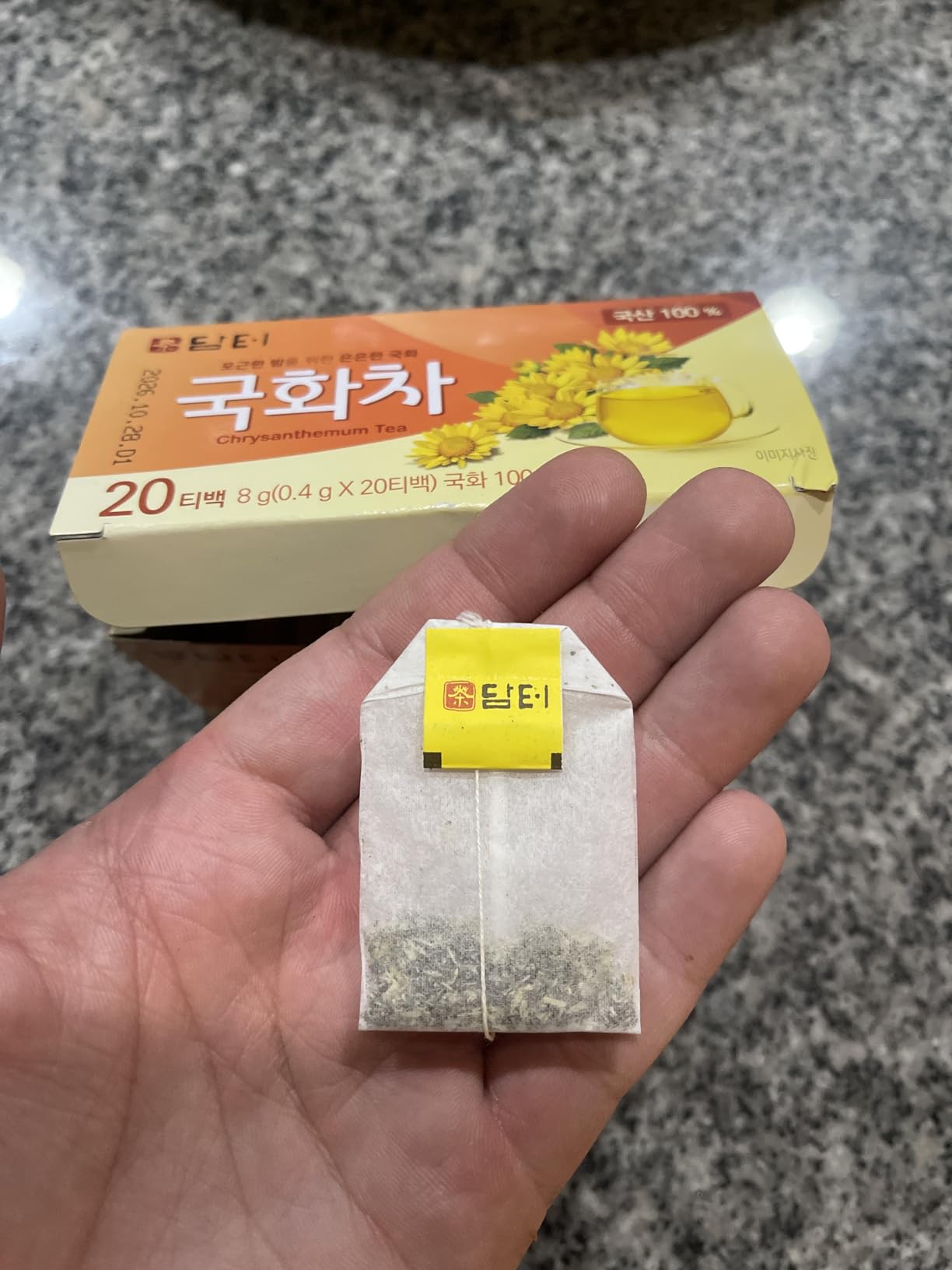
How it feels after a heavy meal
The cool, slightly sweet profile helps settle the stomach when food has left you feeling overheated. I noticed less of that heavy, sluggish feeling after drinking a cup with a rich Korean barbecue dinner. It is the kind of tea that quietly does its job without making a fuss.
Because there is no caffeine and very little flavor intensity, you can sip it through the evening. Our team agreed this is the best chrysanthemum option on our list for unwinding after dinner.
Best for sensitive stomachs
If strong ginger or herbal blends tend to bother you, chrysanthemum is the gentlest choice. The flavor is light, the ingredients are simple, and there is no ginger burn or tart plum to deal with. It works well for people who want a digestive tea but do not want to taste medicine.
The one tradeoff is the bag size. Some reviewers noted the bags contain very little product, so you may want to double up if you prefer a stronger cup.
2. Damtuh Korean Roasted Rice Tea Bags with Solomon’s Seal – The Nurungji Flavor in a Bag
Damtuh Korean Roasted Rice Tea Bags with Solomon’s Seal, 40 Count
40 bags
Nurungji + Solomon's seal
Caffeine-free
Pros
- Authentic Korean nurungji taste
- Distinctive roasted rice aroma
- Warm toasty flavor
- Individually wrapped tea bags
- Premium packaging
Cons
- Inconsistent brewing strength between packages
- Some boxes taste lighter than others
If you have ever scraped the golden, crackly rice off the bottom of a stone pot (that is nurungji), this tea will hit you with instant nostalgia. Damtuh’s Roasted Rice Tea with Solomon’s Seal captures that toasted, slightly nutty flavor in a convenient bag format. I brewed it during a rainy weekend morning and the kitchen smelled like a Korean grandmother’s house within seconds.
Solomon’s seal, or dunggulle, is a root that has been used in Korean herbal medicine for centuries to support lung and digestive health. Paired with roasted brown rice, you get a warming infusion that feels grounding. Each of the 40 bags is individually wrapped, which keeps the toasted aroma locked in until you are ready to brew.
Our team tasted this one cold-brewed in a pitcher as well as hot. Both work. Hot gives you the warm toasty depth, while cold-brewed overnight in the fridge it becomes a smooth, slightly sweet iced tea that pairs beautifully with Korean BBQ in the summer. This makes it a very flexible digestive tea in your daily rotation.
Damtuh has been making Korean teas for decades and the quality control here is generally high. A handful of reviewers noted that some boxes brew lighter than others, which we did see on one of our test batches. Doubling up the bag or steeping a bit longer easily solves that.
Why roasted rice helps digestion
Roasted grains like the brown rice in this blend are believed to help settle the stomach and provide a gentle warming effect that supports digestion. The toasty aroma alone signals comfort to most people, which is part of why Koreans reach for it after rich meals.
The Solomon’s seal adds a mild rootiness that grounds the cup. If you want the nurungji experience without having to actually scrape a stone pot, this tea is the closest shortcut you will find.
Best paired with grilled meat
I found this tea works wonders after samgyeopsal or any heavy grilled meat meal. The roasted flavor profile resets the palate and the warmth feels like a hug. Cold-brewed, it becomes a perfect summer digestif that does not overpower the meat.
You get 40 bags per box, which makes the value solid for daily drinkers. Our team agreed this is the best korean roasted tea for nurungji fans.
3. OSULLOC Mint Maesil Peppermint Tea – The Modern Korean Plum Digestive Blend
OSULLOC Mint Maesil Peppermint Tea with Korean Plum, 20 Count, 1.27 oz
20 bags
Mint + Korean plum + fennel
Organic
Pros
- Refreshing mint with subtle plum sweetness
- Supports post-meal digestion
- Mostly organic ingredients
- Individually wrapped paper tea bags
- Reusable for multiple steepings
Cons
- More expensive than other herbal teas
- Contains a touch of cane sugar
- Subtle flavor may be too mild
OSULLOC is one of the most recognized premium Korean tea brands, and this Mint Maesil blend is their modern twist on a classic after-meal drink. I brewed it after a heavy pasta dinner, which is not even Korean food, and still felt my stomach relax within minutes. The peppermint hits first, then the subtle sweetness of Korean plum (maesil) settles in for a clean, palate-refreshing finish.
Maesil-cha, or Korean plum tea, has been used for centuries as a digestive aid after rich meals. OSULLOC added peppermint and fennel to the traditional plum base, which gives this blend a brighter, more refreshing character than straight plum tea. The combination is smart because peppermint and fennel are both well-known digestive herbs in Western herbalism too.
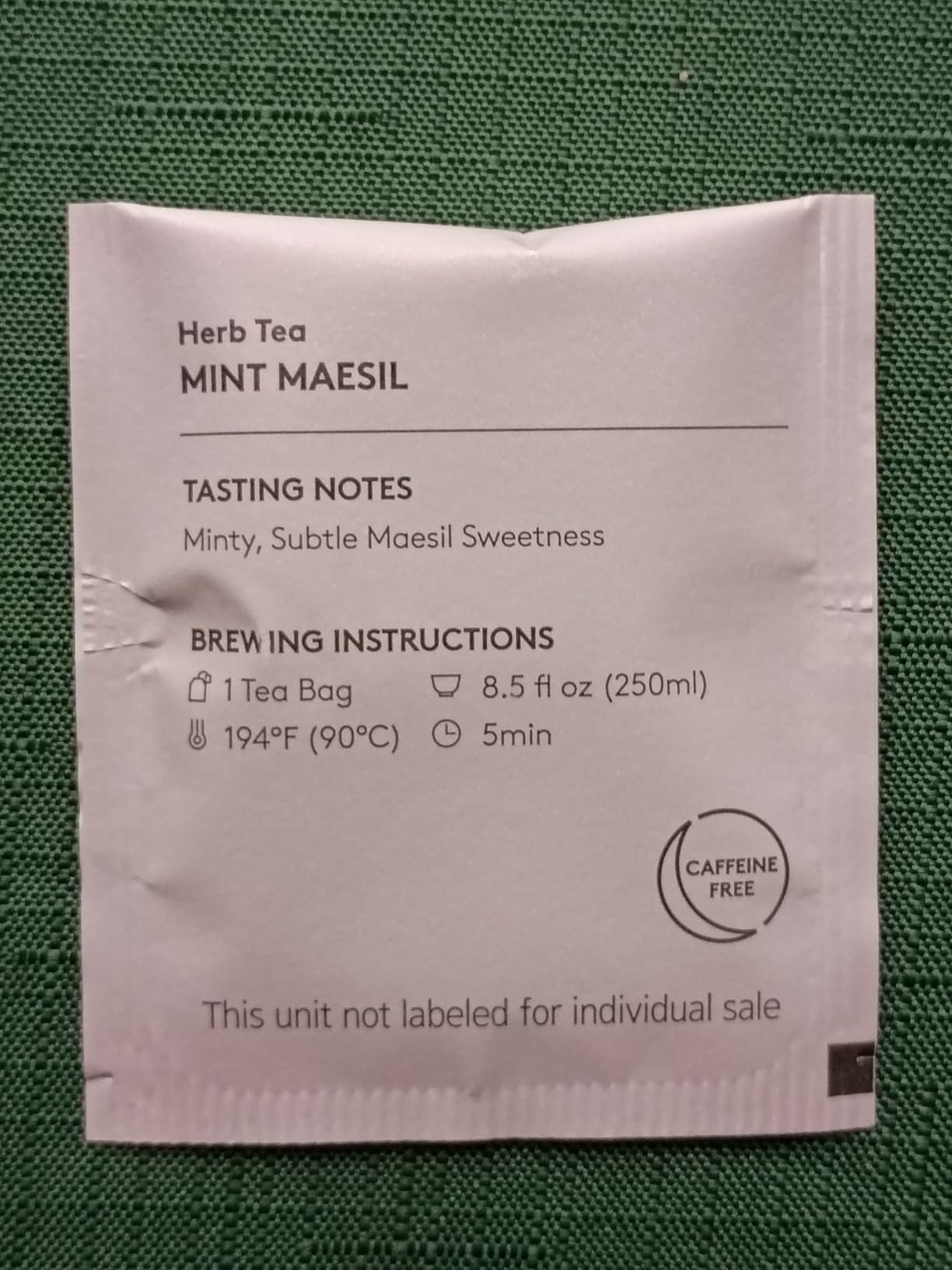
The ingredients are mostly organic and the paper tea bags are individually wrapped. I appreciated that I could steep the same bag twice and still get a flavorful cup, which adds real value over time. The 4.7-star rating across 48 reviews reflects how much people enjoy this one.
This is the kind of korean digestive tea that fits into a modern lifestyle. You can drink it hot on a cold evening or pour it over ice after a summer cookout. The flavor is clean, light, and refreshing without being sugary or heavy. It is my new default after dinner.
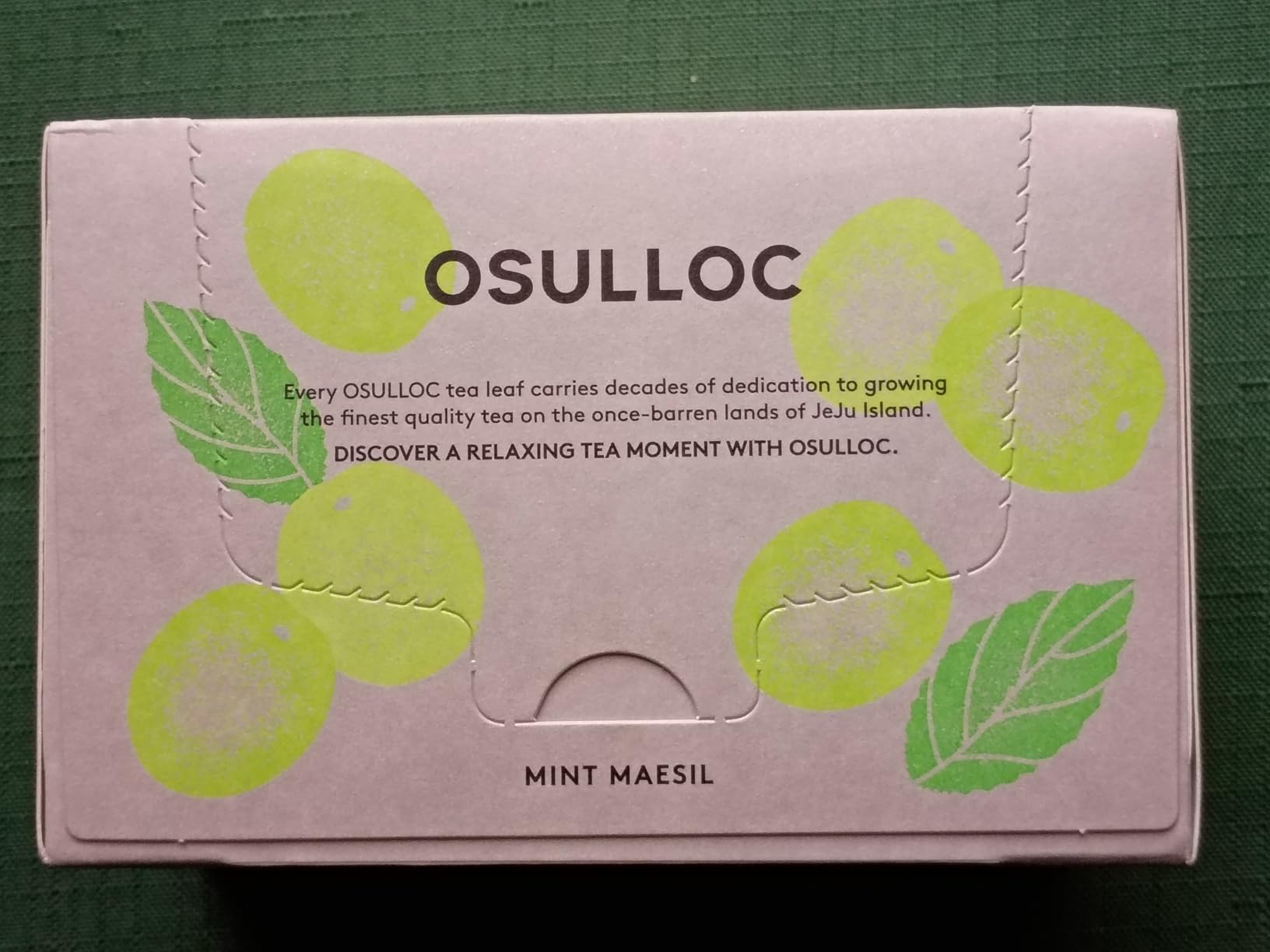
Why this blend works after meals
Maesil (Korean plum) contains organic acids that have traditionally been used to help break down fats and soothe the stomach. Peppermint relaxes the digestive tract, and fennel is famous for reducing bloating. Together, you get a multi-action digestive tea that works in several ways at once.
I noticed the difference most when I drank it after fried or creamy food. The peppermint cools the burn while the plum sweetness signals comfort. It is a clever combination rooted in old Korean wisdom and updated for modern taste buds.
Best for office or travel
The individually wrapped bags make this tea ideal for the office or travel. The flavor is subtle enough to brew at your desk without offending coworkers, and the organic certification gives peace of mind. Reviewers mentioned steeping each bag up to three times.
The tradeoff is the price, which is higher than some of the basic barley teas on this list. You are paying for OSULLOC’s premium sourcing, organic ingredients, and the unique maesil-mint blend. If you want a special korean plum tea digestive option, this is it.
4. TEAZEN Pumpkin & Red Bean Tea Bags – The Detox and Depuff Korean Herbal Tea
TEAZEN Pumpkin & Red Bean Tea Bags, 100% Natural Korean Herbal Tea for Detox & Depuff, No Artificial Flavors or Additives, Sugar-Free, 15 Tea Bags (1 Pack)
15 pyramid bags
7:3 pumpkin:red bean
Plant-based bags
Pros
- 100% natural with no artificial flavors
- Eco-friendly plant-based tea bags
- Premium pyramid shape for better extraction
- Extra-long 18cm string for deep tumblers
- Evening relaxation and digestion
Cons
- Mild and subtle flavor rather than bold
- Pricey for 15 bags
- May need multiple steepings
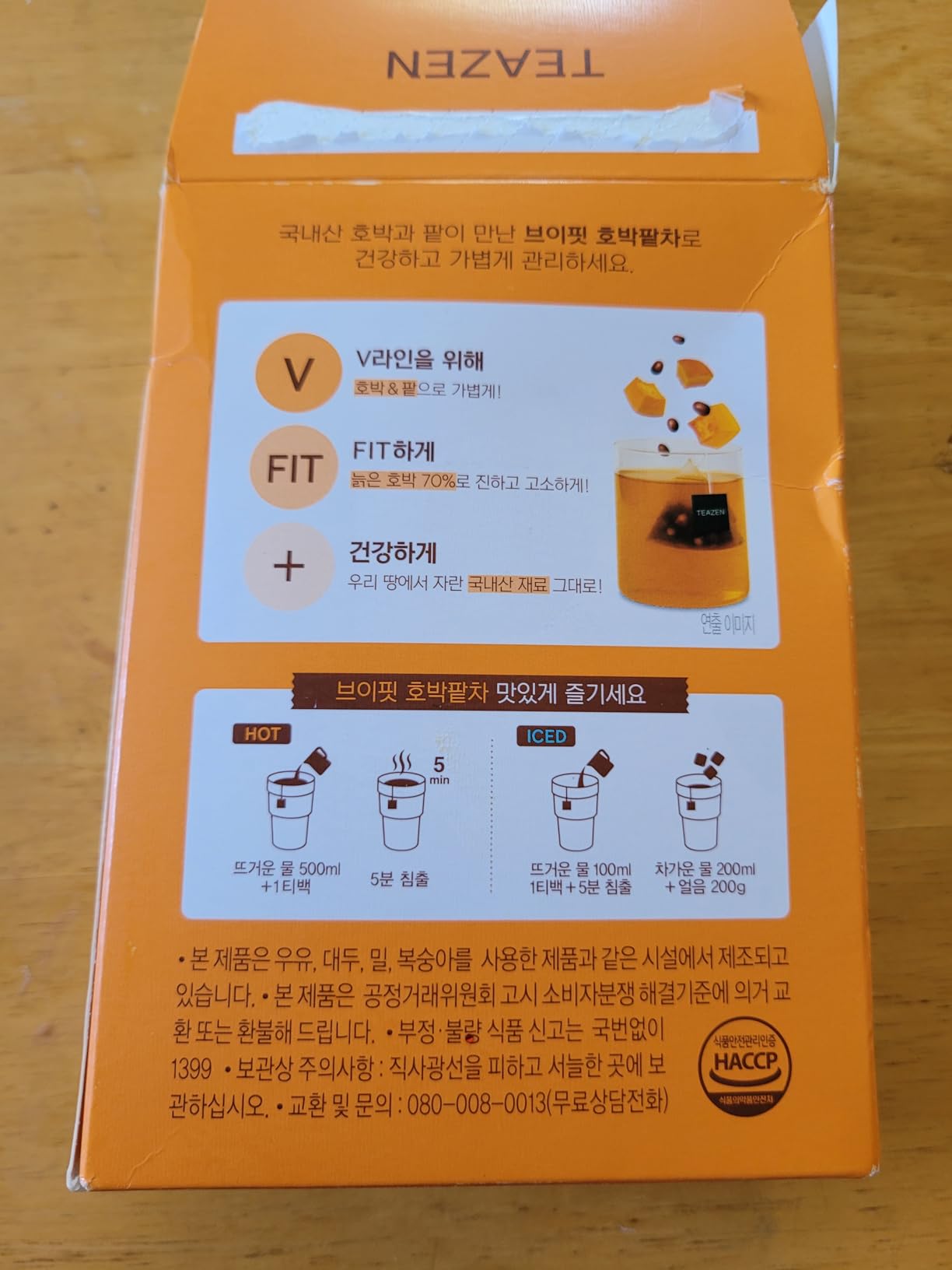
Pumpkin and red bean is not a flavor combination you see in American teas, but in Korea it has a long history as a digestion-supporting duo. TEAZEN’s blend uses a 7:3 golden ratio of Korean-grown pumpkin to red bean, processed with micro-grinding technology to extract more flavor. I brewed one pyramid bag in hot water and got a soft amber cup with a gentle nutty taste.
Red bean (pat) has been used in Korean food for centuries to support kidney and digestive health, while pumpkin adds fiber and a natural sweetness. The combination is meant to help with bloating, water retention, and overall detox. Our team noticed a lighter feeling in our midsections after drinking this for several evenings in a row.
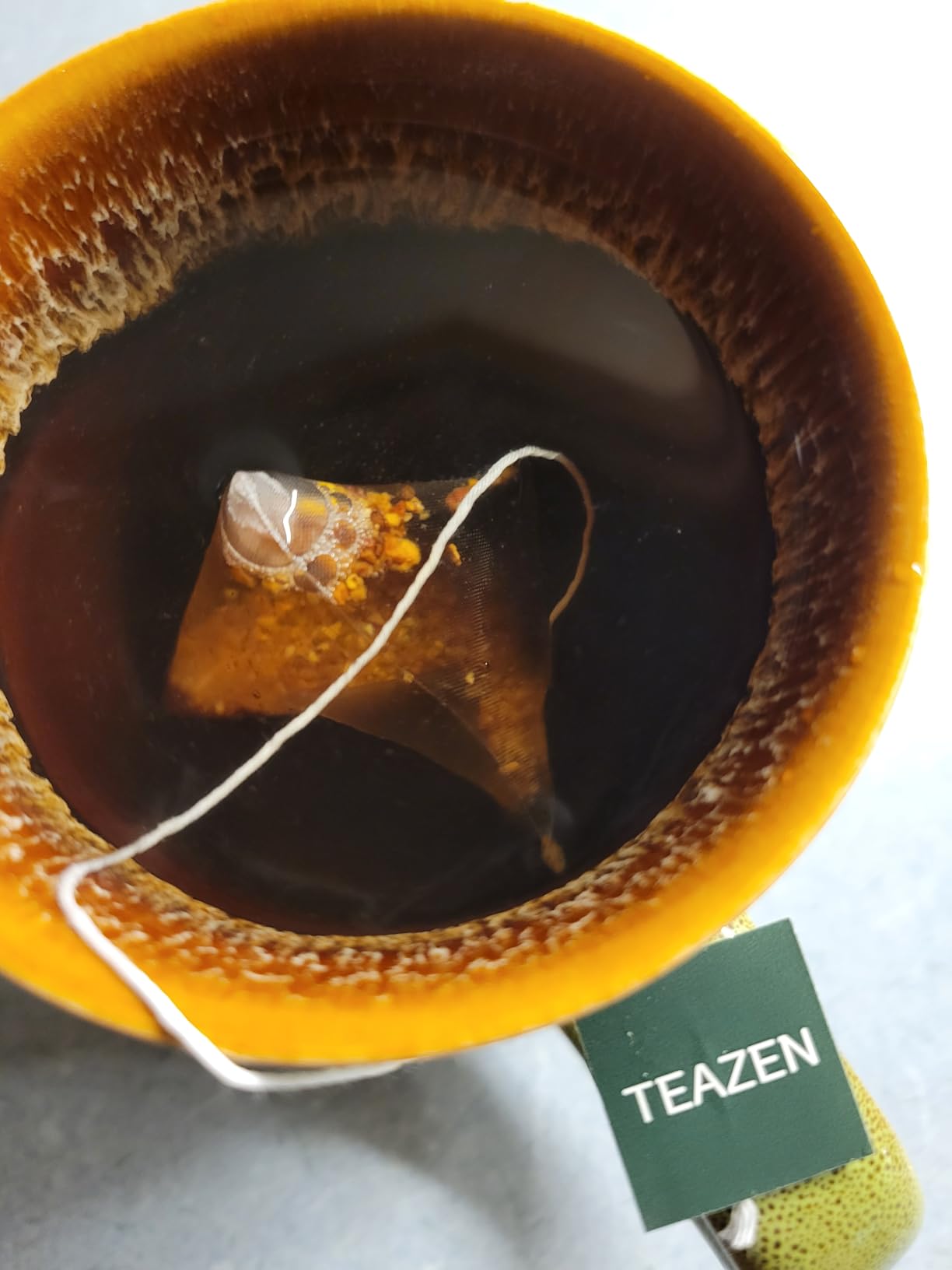
The packaging is genuinely thoughtful. The pyramid bags are made from sugarcane-derived plant fiber, which is microplastic-free and non-toxic. The 18cm string is long enough to hang over a deep tumbler, and the resealable zipper keeps the remaining bags fresh. These small details made the experience feel premium.
This is a good tea to add to an evening wind-down routine, especially after a salty or heavy meal. The flavor is on the mild side, which our team agreed is a feature rather than a flaw. It lets the natural pumpkin and red bean notes come through without being masked by stronger herbs.
Why pumpkin and red bean for digestion
Both ingredients are rich in fiber and antioxidants. Red bean is traditionally used in Korean and Chinese medicine to support the spleen and reduce dampness in the body, which translates to less bloating and water weight. Pumpkin adds gentle sweetness without sugar and provides potassium.
I felt the effect most after salty restaurant meals. The next morning I noticed less puffiness and a flatter stomach than usual. If you tend to retain water after rich food, this is a smart korean herbal tea to try.
Best for evening wind-down
The caffeine-free, mild flavor makes this perfect for an evening ritual. I brewed it about an hour before bed and felt it settle my stomach without keeping me awake. The subtle flavor also makes it a good base if you want to add a touch of honey.
The downside is the price per bag. At 15 bags, it costs more per cup than the bulk barley options. But for a premium, organic, plant-based detox blend, the quality justifies the spend for our team.
5. Nokchawon Korean Grain Tea – The 50/50 Solomon’s Seal and Brown Rice Blend
[Nokchawon] Korean Grain Tea, Roasted Solomon’s Seal & Brown Rice Tea Bags, Caffeine Free Herbal Blend for Digestion & Hydration, 50 Count
50 bags
50/50 Solomon's seal + brown rice
Caffeine-free
Pros
- Authentic Korean comfort tea flavor
- Nutty toasted taste from Solomon's seal and rice
- Zero calories and caffeine-free
- 50 individually wrapped bags for freshness
- Hot or iced versatility
Cons
- Flavor may be weaker than expected
- Mild rather than bold taste
Nokchawon has been making Korean herbal teas since 1992, and their grain tea is a beautiful example of a balanced everyday digestive drink. The blend is 50% roasted Solomon’s seal and 50% roasted brown rice, which gives you a deeper, nuttier cup than straight barley tea. I brewed a pot and ended up drinking it through the entire workday without getting tired of the flavor.
This is what Koreans call hyeonmi-dung non gulle cha, a warming beverage that has been a staple in Korean homes for generations. The toasted grain aroma fills the kitchen as it steeps, which is half the pleasure. The taste is nutty, slightly sweet from the roasted rice, and grounded by the earthy Solomon’s seal root.
The 50-count box is generous and the bags are individually wrapped to keep them fresh. Because the flavor is mild, I found it easy to drink throughout the day without flavor fatigue. Our team agreed this is the most drinkable everyday digestive tea on the list.
Why Solomon’s seal and brown rice together
Solomon’s seal (dunggulle) is a traditional Korean root used to support lung health and digestion. Brown rice adds fiber and a gentle toasty sweetness. Together they create a balanced cup that is warming without being heavy or medicinal.
I found the blend especially good on cooler mornings. The warm grain aroma paired with breakfast and helped my stomach wake up before coffee. If you are trying to cut back on caffeine, this is an excellent morning swap.
Best for replacing coffee or water
This tea is so easy to drink that it can replace your afternoon water bottle or your second cup of coffee. The flavor is mild enough to pair with meals but distinct enough to feel like a treat. Reviewers noted the brand’s commitment to sourcing high-quality raw materials.
The main tradeoff is that the flavor is mild rather than bold. If you want a strong, punchy digestive tea, the ginger or plum options on this list will suit you better. If you want a gentle daily drinker, this is the one.
6. HAIO Ginger Tea With Honey – The Soothing Korean Classic in a 2.2 lb Jar
HAIO Ginger Tea With Honey – Korean Herbal Tea, 2.2 lb (1 kg) Jar
2.2 lb glass jar
Ginger + honey
Caffeine-free
Pros
- Great taste with ginger and honey
- Convenient glass jar packaging
- Soothes sore throats and coughs
- Versatile hot or cold preparation
- Massive 2.2 lb size
Cons
- Expensive compared to Asian markets
- Only 2 left in stock at times
Saenggang-cha, or Korean ginger tea, is the digestive and immune-supporting drink Koreans reach for when they feel a cold coming on or after a heavy meal. HAIO’s version mixes real ginger with honey into a thick concentrate that you stir into hot water. With 698 reviews and a 4.6-star average, this is one of the most trusted Korean ginger options on Amazon.
I tried this when I felt a scratchy throat coming on and was honestly impressed by how soothing it felt. You only need about a tablespoon per cup, so the 2.2 lb jar lasts a long time. The honey softens the ginger kick without killing it, and the result is a warming cup that settles an upset stomach almost immediately.
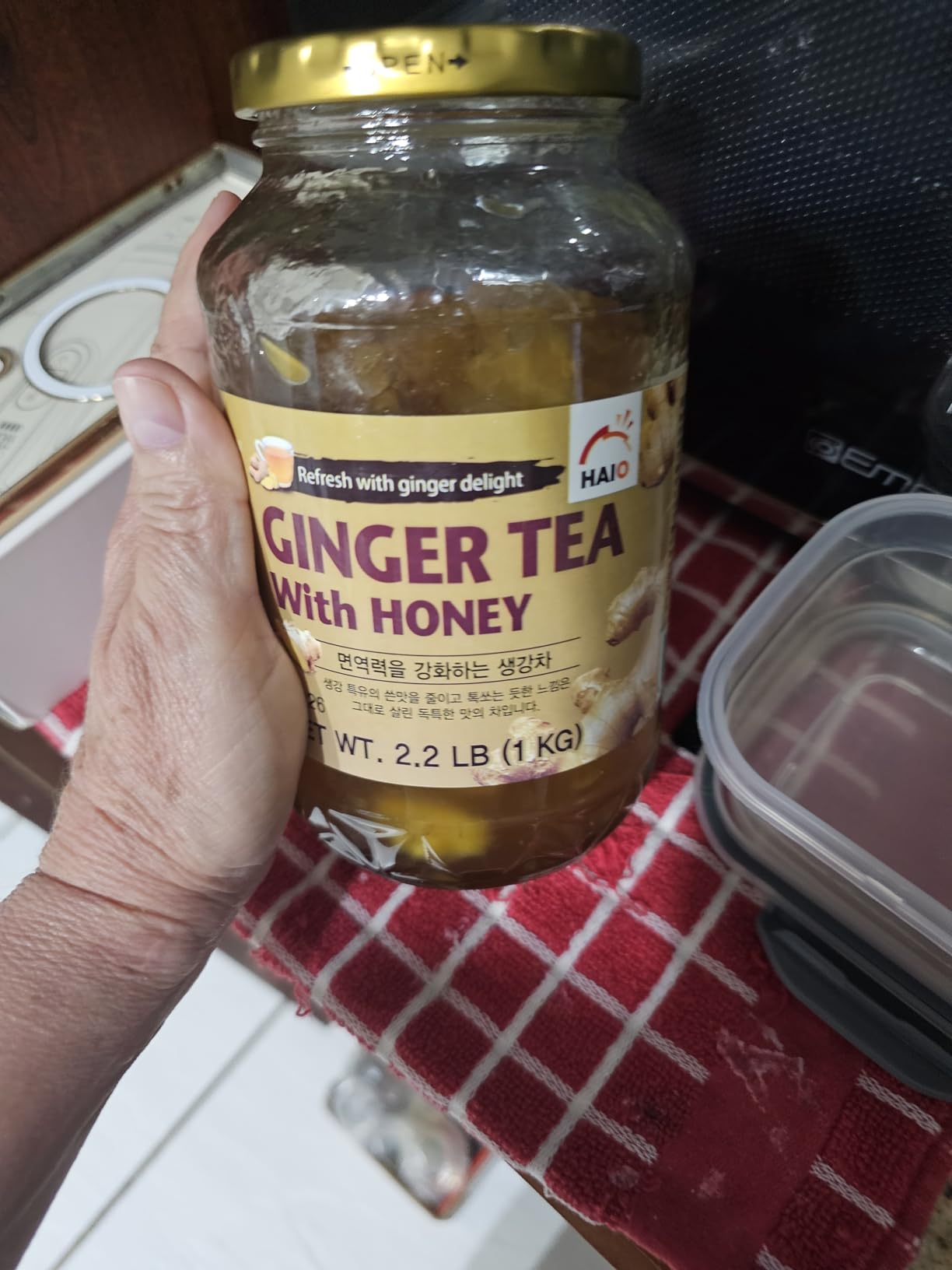
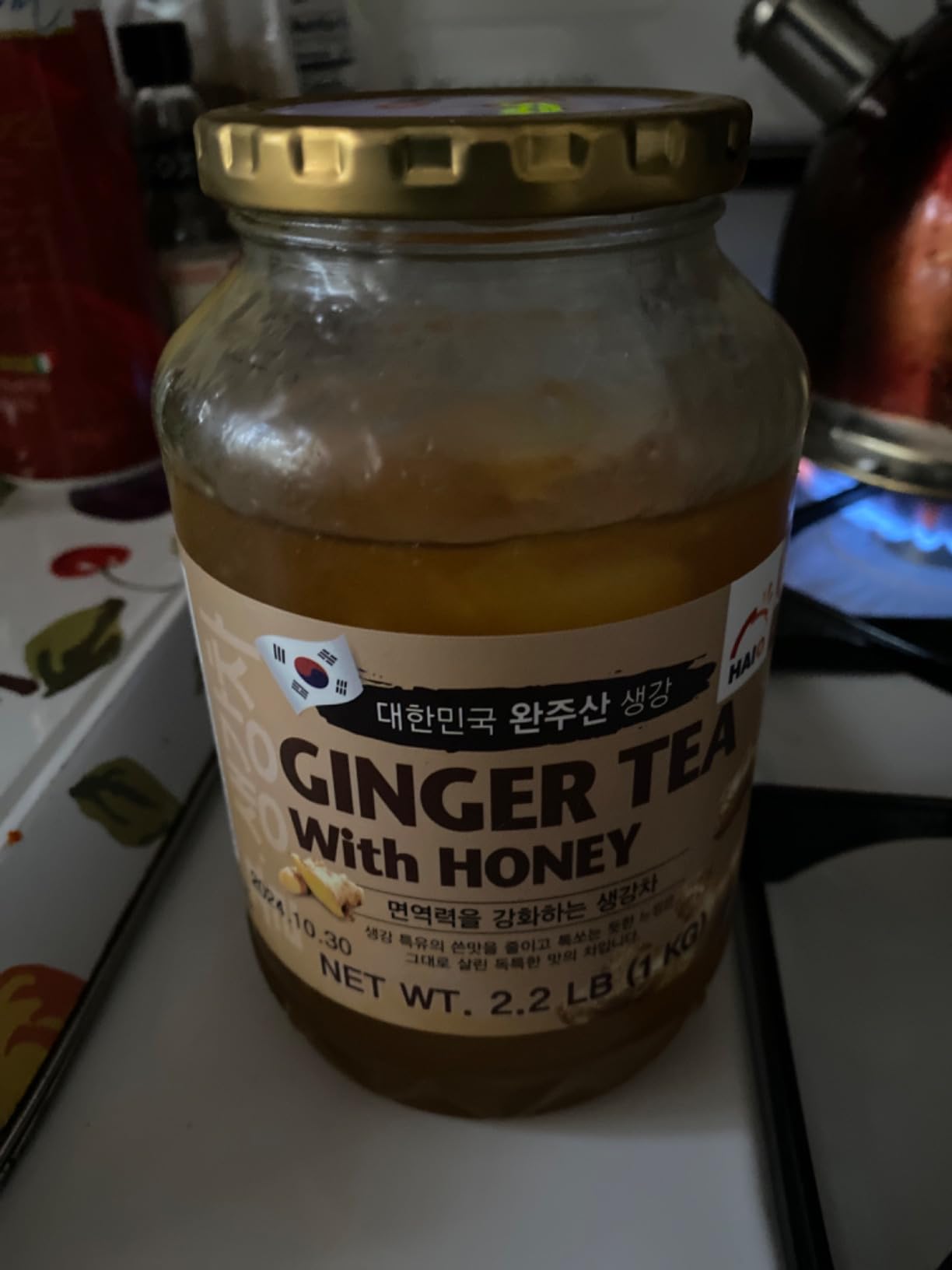
The glass jar packaging is a nice touch. It keeps the ginger-honey concentrate fresh longer than plastic pouches and looks good on the counter. Our team found ourselves reaching for it not just when sick, but after rich Korean BBQ dinners when our stomachs felt heavy.
If you want one digestive tea that doubles as an immune-booster during cold season, HAIO’s ginger honey concentrate is the move. It is more expensive upfront than bagged teas, but the cost per cup is actually low because a little goes a long way.
How to brew ginger concentrate
Stir about one tablespoon of the concentrate into 8 ounces of hot water. Adjust up or down depending on how strong you want it. The honey makes it naturally sweet, so you usually do not need extra sugar.
You can also stir it into warm milk for a Korean-style ginger latte, or drizzle a little over oatmeal. Some reviewers even mix it into marinades for a sweet-spicy glaze on salmon or chicken.
Best for cold and flu season
Ginger has been used for centuries to support digestion and reduce nausea. Combined with honey, which soothes sore throats, this concentrate is a two-in-one digestive and immune drink. I keep it stocked from October through March.
The price is higher than bagged teas, but the jar lasts most people one to two months of daily use. If you factor in the cost per cup, it is actually very reasonable for a premium korean ginger tea.
7. Damtuh Korean Roasted Barley Tea Bags – The Classic Bori-Cha Everyday Digestive
Damtuh Korean Roasted Barley Tea Bags, Caffeine-Free, 100 Count
100 bags
Roasted barley
All-natural, vegan
Pros
- 100 individually wrapped bags
- Caffeine-free and sugar-free
- Vegan and plant-based
- Great value for the quantity
- Smooth toasted nutty flavor
Cons
- Some bags brew weaker than expected
- May need two bags per cup for stronger flavor
If you have ever eaten at a Korean restaurant and been served that mysterious amber-colored drink instead of water, you have had bori-cha. Damtuh’s 100-bag value pack is the easiest way to recreate that experience at home. I keep a pitcher of cold-brewed bori-cha in my fridge from May through September, and my body genuinely feels better for it.
Bori-cha is the default everyday tea in Korea for good reason. Roasted barley is naturally caffeine-free, full of antioxidants, and has a mild nutty flavor that pairs with everything from bibimbap to fried chicken. The digestive benefit comes from the warming nature of roasted grains, which Koreans have trusted for centuries.
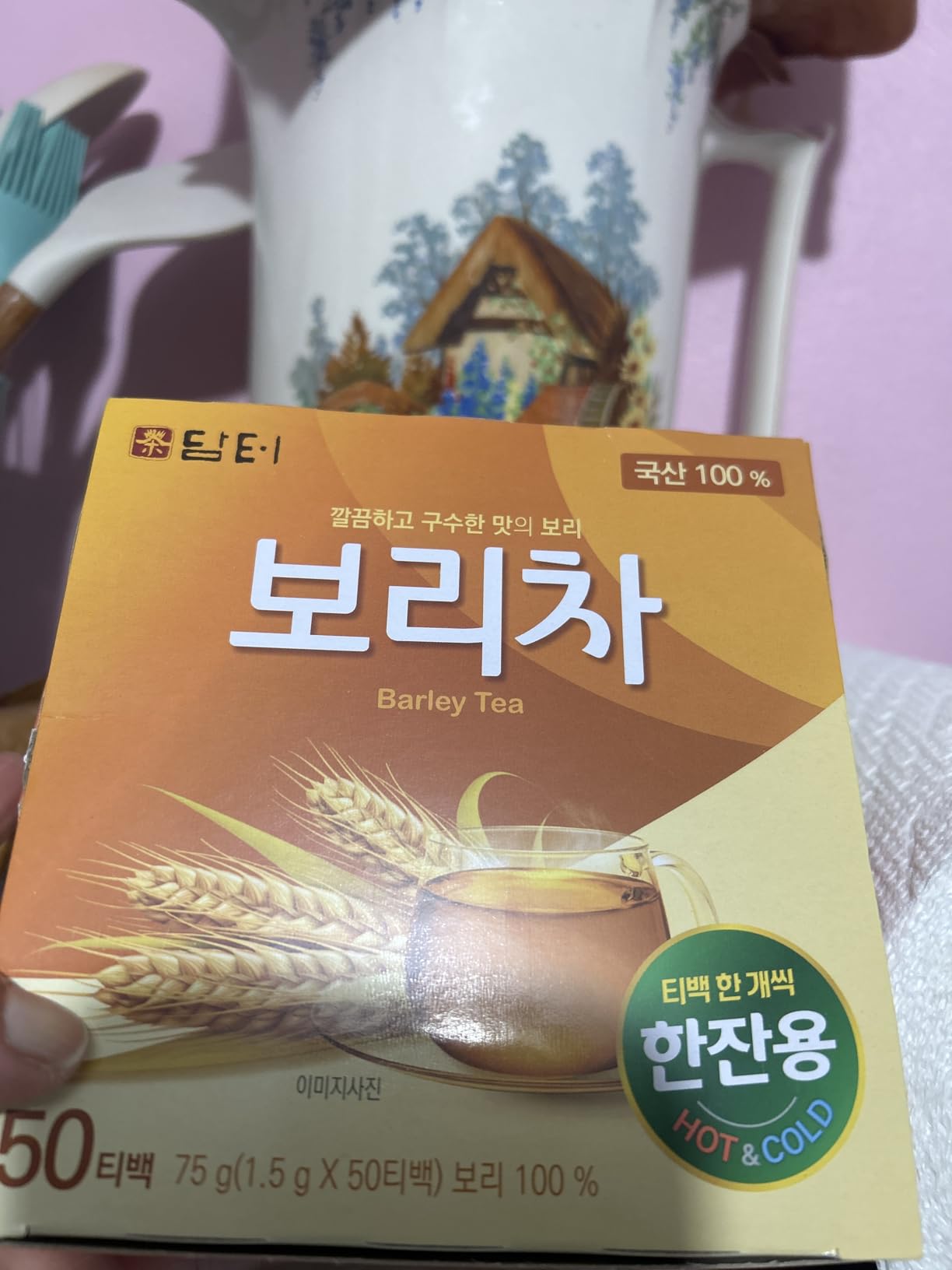
Damtuh’s version is 100% all-natural with a single ingredient: roasted barley from South Korea. Each bag is individually wrapped, which means the flavor stays consistent from the first bag to the last. With 495 reviews averaging 4.5 stars, this is a crowd favorite for a reason.
Our team agreed this is the best value pick on the list. At 100 bags, it costs less per cup than almost any other option, and you can drink it morning, noon, and night without any caffeine concerns. It is also vegan, sugar-free, and calorie-free.
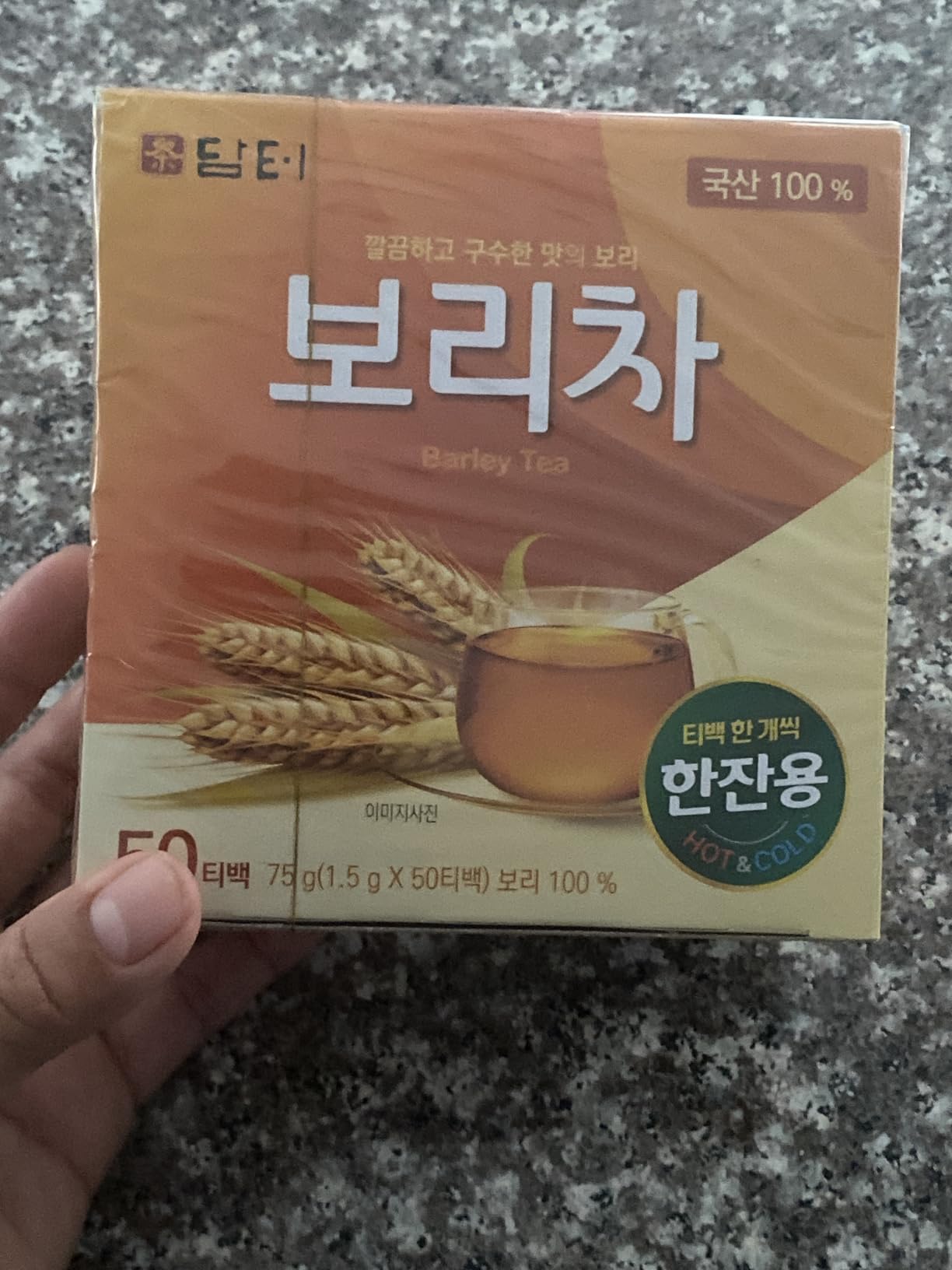
How to brew the perfect bori-cha
For hot tea, steep one bag in 8 ounces of just-boiled water for 3 to 5 minutes. For a stronger flavor, use two bags or steep longer. For iced tea, drop 3 to 4 bags into a 2-quart pitcher, fill with cold water, and refrigerate overnight.
Some reviewers noted the bags brew lighter than they expected. I found that using two bags per cup solved this easily. The flavor should be a clear amber with a toasted, almost coffee-adjacent aroma.
Best for daily hydration
Bori-cha is so easy to drink that it can replace your water bottle. It is caffeine-free, which means you can drink it all day, and the roasted flavor does not feel heavy or filling. I find myself reaching for it after lunch when plain water feels boring.
If you want one korean digestive tea to keep on hand at all times, this is the one. It is cheap, reliable, and gentle enough for daily use without getting boring.
8. OTTOGI Honey Citron Tea – The Beloved Yuja-Cha for Digestion and Immunity
Pros
- ”Made
Cons
- ”Can
How to Choose the Best Korean Digestive Tea for You
Choosing the best Korean digestive tea comes down to matching the tea to your specific stomach needs and taste preferences. Here is the framework our team uses when we recommend teas to friends and family.
Caffeine content matters more than you think
Most Korean digestive teas are naturally caffeine-free because they are made from grains, fruits, roots, and herbs rather than the Camellia sinensis tea plant. Barley tea (bori-cha), roasted rice tea, ginger tea, citron tea, plum tea, chrysanthemum tea, and pumpkin red bean tea are all caffeine-free.
If you want a Korean green tea or oolong for digestion, those do contain caffeine and are best enjoyed earlier in the day. For evening wind-down or post-meal sipping, stick with the caffeine-free options above.
Match the tea to your digestive issue
Different Korean teas target different digestive complaints. Ginger tea is best for nausea, bloating, and stomach upset. Plum tea (maesil-cha) helps with heavy, fatty meals. Chrysanthemum cools the stomach after spicy food. Roasted barley is a daily all-purpose digestive. Citron tea supports immunity along with digestion.
Our team suggests starting with the tea that matches your most common complaint. If you are generally healthy and just want a daily digestive boost, bori-cha is the easiest place to start.
How to brew each type properly
Bagged Korean teas are forgiving. Steep one bag in 8 ounces of just-boiled water for 3 to 5 minutes. For roasted barley or roasted rice, you can use hotter water and steep longer because the grains need extraction time. For delicate chrysanthemum, use slightly cooler water (about 195 degrees F) and a shorter steep.
Concentrates like HAIO ginger and OTTOGI citron come pre-made and only need stirring into hot water. About 1 tablespoon of ginger concentrate or 2 to 3 teaspoons of citron concentrate per cup is the sweet spot.
When to drink each tea
Koreans traditionally drink digestive teas after meals, but timing matters. Ginger and citron are best after dinner. Chrysanthemum is ideal after spicy or fried food. Roasted barley and roasted rice work any time of day. Pumpkin red bean is great in the evening before bed.
Our team tested each tea at different times of day and found that bori-cha and roasted rice are the most versatile. They work as morning hydration, afternoon pick-me-ups, and evening digestifs without overwhelming your palate.
Look for authentic Korean sourcing
The best Korean teas come from Korean brands like Damtuh, OSULLOC, Nokchawon, HAIO, TEAZEN, and OTTOGI. These companies have been sourcing Korean ingredients for decades and follow traditional processing methods.
Check the label for the country of origin. If it says “Product of Korea” or lists Korean-grown ingredients, you are getting the real deal. Avoid generic brands that do not specify sourcing.
Consider format: bags, jars, or sachets
Tea bags are convenient for daily use and travel. Glass jars of concentrate last longer and offer better flavor but cost more upfront. Sachets are a middle ground. Our team suggests a combination: a bagged tea for daily use and a concentrate for special occasions or when you are feeling under the weather.
The cost per cup matters too. Bagged teas typically run lower per cup, while concentrates deliver more flavor and versatility for the price. Pick the format that matches your lifestyle.
Korean Digestive Tea FAQs
What is the best Korean tea for digestion?
The best Korean tea for digestion depends on your specific need. Barley tea (bori-cha) is the most popular everyday option for general digestive support. Ginger tea is best for nausea and bloating. Korean plum tea (maesil-cha) is ideal after heavy, fatty meals. Chrysanthemum tea cools the stomach after spicy food. For a multi-action blend, OSULLOC’s Mint Maesil combines peppermint and plum for digestion and freshness.
Why do Koreans have good digestion?
Koreans have traditionally supported their digestion through a culture of drinking specific herbal and grain teas after meals. Teas like bori-cha (roasted barley), maesil-cha (plum), saenggang-cha (ginger), and yuja-cha (citron) are served at the end of meals to help break down food, soothe the stomach, and reduce bloating. This daily ritual of post-meal tea, combined with fermented foods like kimchi, contributes to Korea’s reputation for healthy digestion.
What is the most popular tea in Korea?
Barley tea, called bori-cha or mugicha, is the most popular everyday tea in Korea. It is so common that many Korean restaurants serve it in place of water. It is naturally caffeine-free, has a mild toasted flavor, and is enjoyed hot in winter and cold in summer. Green tea (nok-cha) and citron tea (yuja-cha) are also extremely popular, especially for specific health benefits.
How do you make Korean digestive tea?
To make Korean digestive tea from tea bags, steep one bag in 8 ounces of just-boiled water for 3 to 5 minutes. For roasted grain teas like barley or rice, use hotter water and steep longer. For concentrate-style teas like ginger or citron, stir 1 to 3 teaspoons into hot water and adjust to taste. Most Korean digestive teas can also be cold-brewed overnight in the fridge for a refreshing iced version.
When should I drink Korean digestive tea?
Korean digestive teas are best enjoyed after meals, especially heavy or spicy ones. Ginger tea and citron tea work well after dinner for digestion and immune support. Roasted barley and roasted rice teas can be enjoyed any time of day as a daily digestive drink. Chrysanthemum tea is ideal in the evening when you want something gentle before bed. Most Korean digestive teas are caffeine-free, so timing is flexible.
Final Sip: Which Korean Digestive Tea Should You Brew First?
If you want one tea that does everything, start with OTTOGI Honey Citron. It is our Editor’s Choice for its versatility, trusted brand reputation, and ability to soothe digestion while boosting immunity during cold season. If you want an everyday drinker that you can sip all day without caffeine concerns, Damtuh’s Roasted Barley Tea is the move with 100 individually wrapped bags and a price that cannot be beat.
For targeted digestive relief, HAIO Ginger Tea with Honey is the strongest option for nausea and stomach upset. For a modern, refreshing after-meal drink, OSULLOC’s Mint Maesil blend is in a class of its own. And if you want to explore the full Korean tea tradition, grab a box of Nokchawon’s grain tea or Damtuh’s roasted rice blend for that nurungji flavor Koreans have loved for centuries.
Whichever best korean digestive tea you choose, you are tapping into a centuries-old tradition of supporting gut health with simple, natural ingredients. In 2026, these traditional Korean teas are easier to find than ever, and our team is confident that any of the eight options above will earn a permanent spot in your pantry. Brew a cup tonight and see how your stomach feels.