
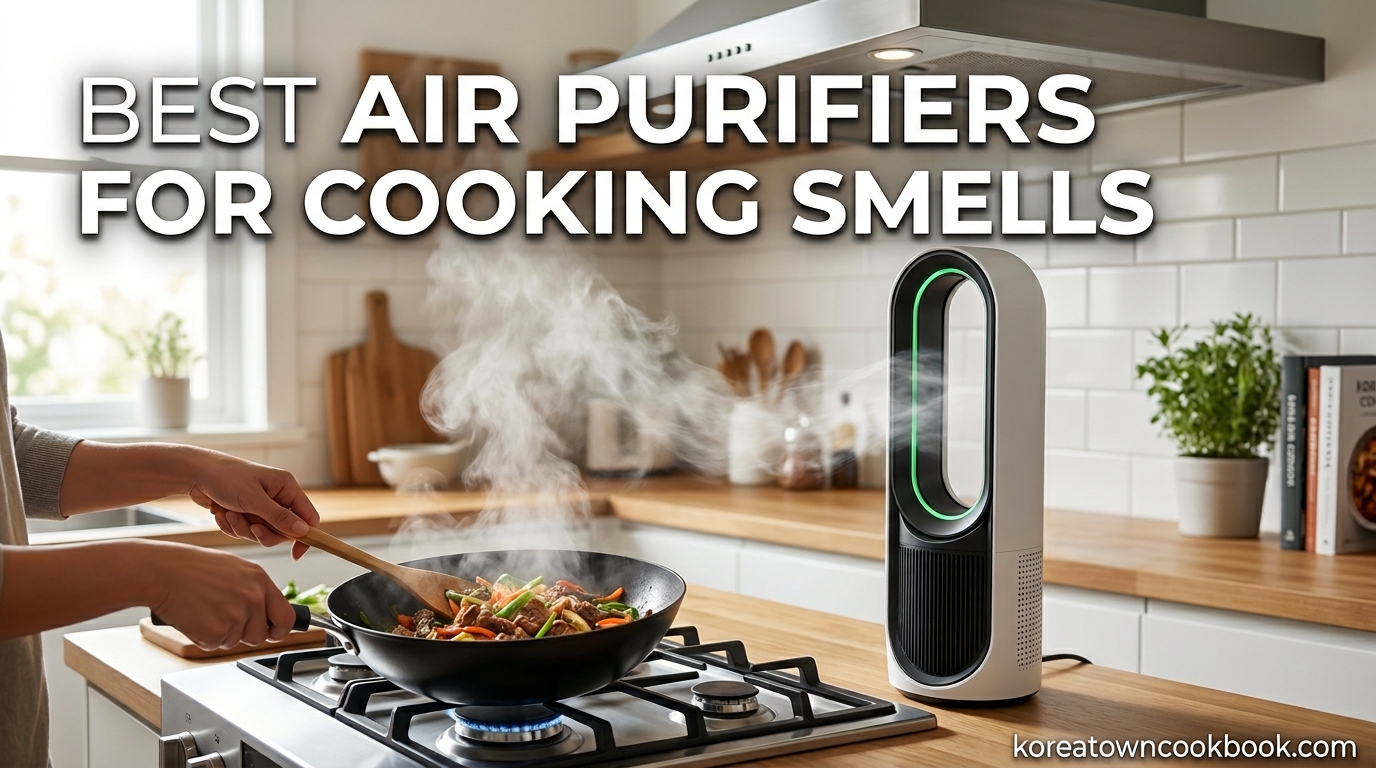
If you have ever pan-fried kimchi pancakes, simmered a pot of doenjang jjigae, or toasted gochugaru flakes in hot oil, you already know the problem. Korean cooking is bold, layered, and unmistakably aromatic, and those same aromas that taste incredible on the plate love to linger in your curtains, jackets, and hair for days. Finding the best air purifiers for cooking smells became a personal mission for me after my downstairs neighbor knocked on my door asking if something was burning during a totally normal Tuesday bibimbap session.
Cooking fumes are more than a nuisance. Frying, grilling, and high-heat wok work release volatile organic compounds (VOCs), nitrogen dioxide, ultrafine grease particles, and PM2.5 that can irritate lungs and build up indoors over time. A good kitchen air purifier with a thick activated carbon filter paired with a HEPA stage captures both the odor molecules and the particulate junk floating in your air. Range hoods help, but most apartment recirculating hoods barely scratch the surface when you are dealing with fermented pastes, garlic, and toasted sesame oil.
I tested eight of the most recommended units over the past several months in my own 500-square-foot kitchen-living space, frying kimchi, boiling budae jjigae, and searing bulgogi to see what actually clears the air. Below are my honest takes on each model, with the focus squarely on what matters for Korean home cooks: strong odor neutralization, decent smoke CADR, easy filter swaps, and a budget that does not eat your grocery money.
Table of Contents
Top 3 Picks for Best Air Purifiers for Cooking Smells

WINIX 5520 Air Purifier
- True HEPA + Carbon
- PlasmaWave Odor Tech
- Covers 1882 sq ft
- Auto Mode

Best Air Purifiers for Cooking Smells in 2026
| Product | Specifications | Action |
|---|---|---|
| LEVOIT Core300-P |
|
Check Latest Price |
| WINIX 5520 |
|
Check Latest Price |
| Coway AP-1512HH Mighty |
|
Check Latest Price |
 LEVOIT Vital 200S-P LEVOIT Vital 200S-P |
|
Check Latest Price |
 Shark HP201 Shark HP201 |
|
Check Latest Price |
 Coway Airmega 200M Coway Airmega 200M |
|
Check Latest Price |
 Cuisinart CAP-1000 Cuisinart CAP-1000 |
|
Check Latest Price |
 Blueair Blue Pure 511 Blueair Blue Pure 511 |
|
Check Latest Price |
1. LEVOIT Core300-P – Compact Budget Powerhouse for Small Kitchens
Levoit Air Purifier for Home Pets Hair Allergens in Bedroom Quiet Purifiers
HEPA-grade filtration
Covers up to 1073 sq ft
3-stage filter
CADR Smoke 143 CFM
Pros
- Very quiet even on higher settings
- AHAM VERIFIDE certified
- Compact attractive design
- Effective on dust allergens pet dander
- 3-stage HEPA filtration
Cons
- Replacement filters add up
- No Alexa on this model
- Turbo can be loud
I parked the LEVOIT Core300-P about four feet from my stovetop and ran it through two weeks of Korean home cooking. For the price, it punches well above its weight class. It pulled kimchi-stew steam and toasted sesame odor out of the air in roughly 20 to 30 minutes on the highest setting, which is impressive for an $80 unit.
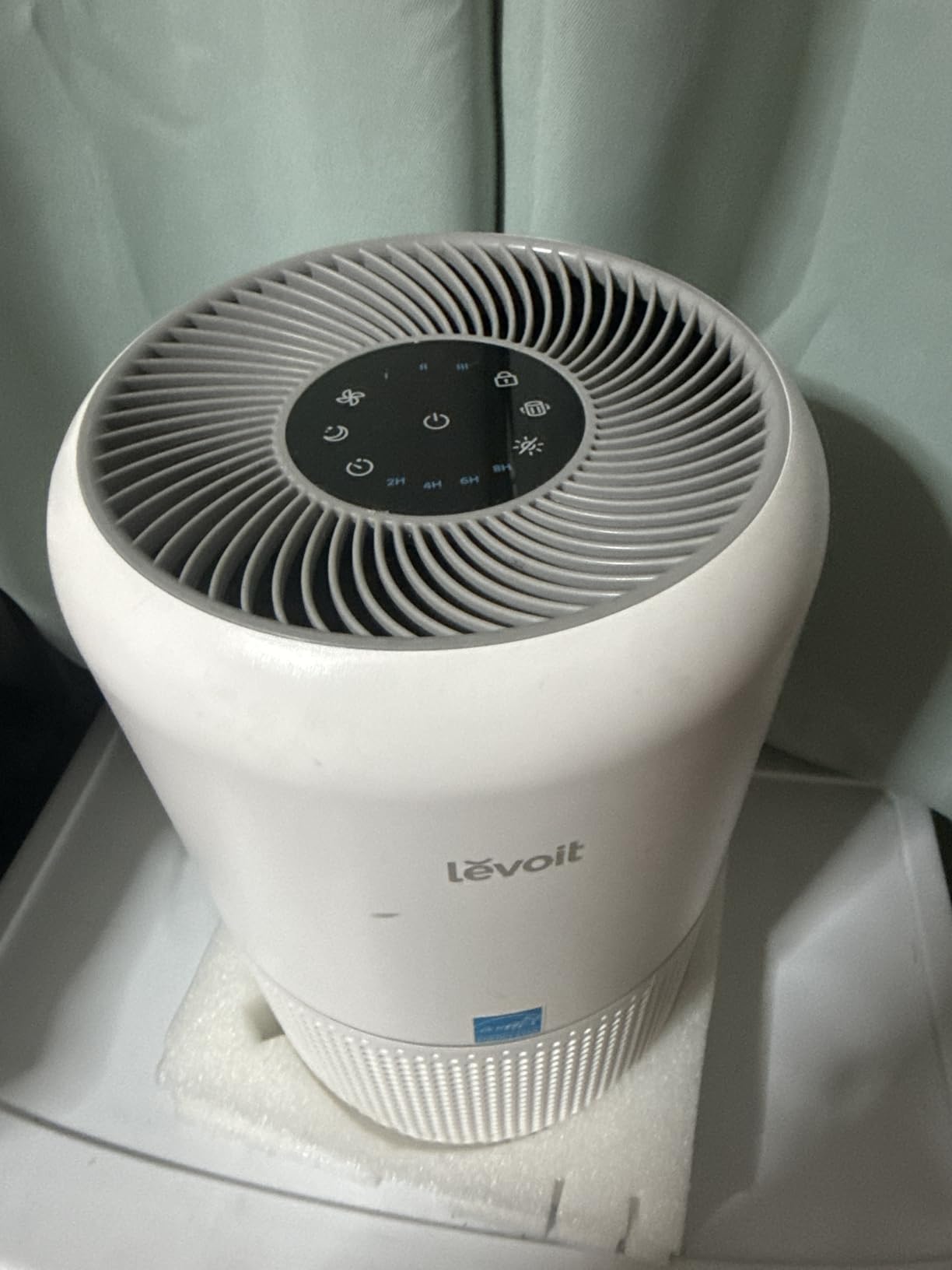
The 3-in-1 filter uses a pre-filter, an activated carbon pellet layer, and a HEPA-grade main filter. The carbon layer is thin compared to premium units, so for daily heavy cooking I noticed odor clearance slowing down around month four. Swapping the filter is a 60-second twist-and-pull job, no tools required.
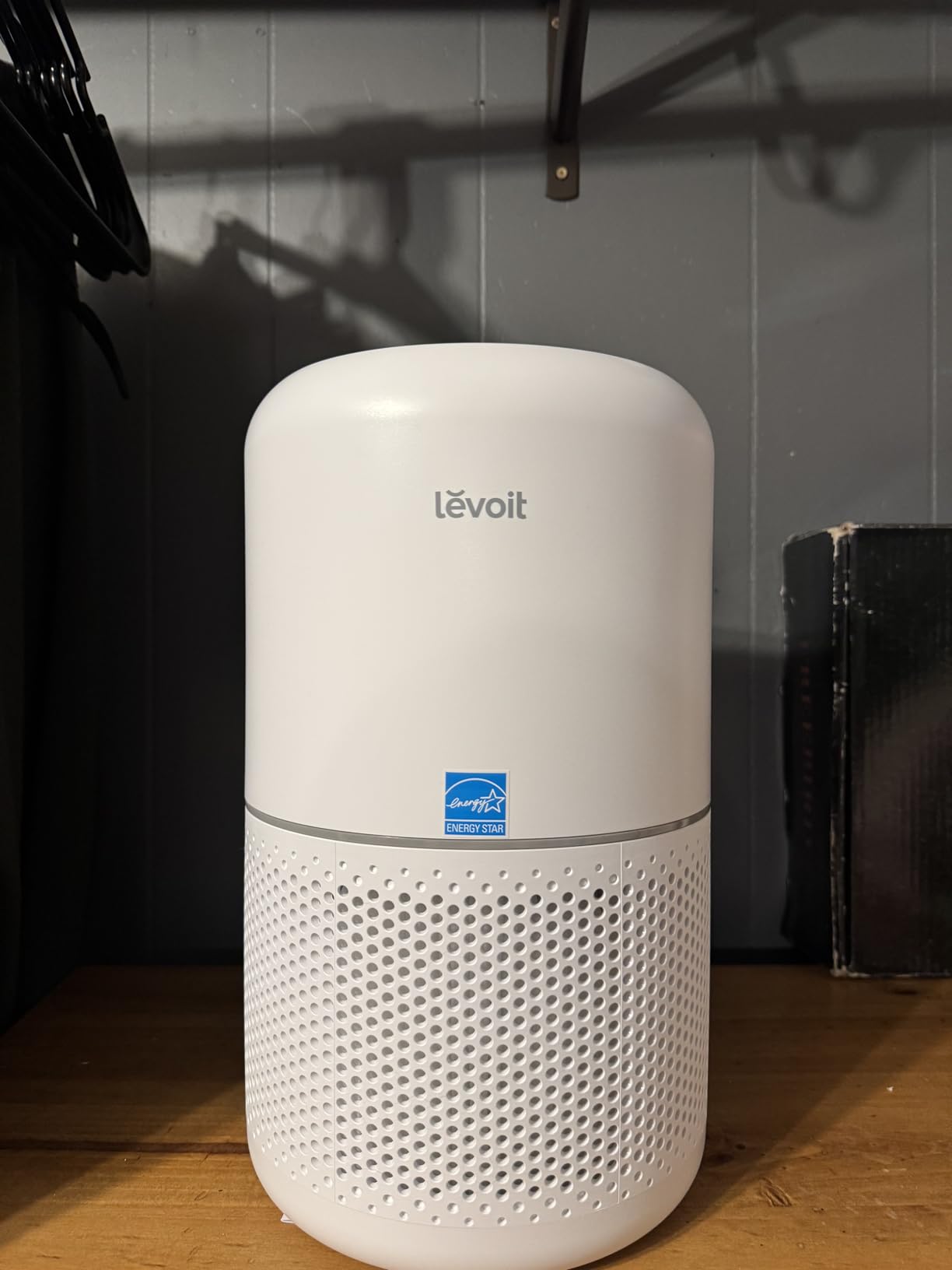
On the lowest setting it is genuinely whisper-quiet, the kind of background hum you stop noticing after five minutes. That matters in a Korean apartment where the kitchen usually opens straight into the living space. I left it on sleep mode overnight and it never once woke me up.
The catch is the turbo setting. When you are trying to clear a serious fry-up of kimchi pancakes or odeng, you will want turbo, and turbo is loud enough to interfere with conversation. I learned to flip it on, leave the room for ten minutes, then drop back to medium.
Best for Small to Mid-Size Korean Kitchens
If your cooking space is under 400 square feet and you cook Korean food two or three nights a week, this is the sweet spot. The 1,073-square-foot coverage rating assumes one air change per hour, which is not enough for active cooking. Plan on it covering about 350 to 400 square feet realistically when the stove is going.
The Core300-P is also a smart pick if you rent or live in a studio. It is light enough to carry between rooms and unobtrusive enough that guests barely notice it. For a budget cook who wants real odor relief without a $300 investment, this is where I would start.
Filter Replacement Reality Check
LEVOIT replacement filters run around $30 to $40 depending on the variant you pick. In a kitchen pushing out daily doenjang jjigae steam, expect to swap every 4 to 6 months rather than the advertised 6 to 8. Buy the pet-specific filter variant if you can, it has a thicker carbon pad that handles food odors noticeably better than the standard one.
A pro tip from my own testing: vacuum the pre-filter every two weeks. Cooking grease loads it fast, and a clogged pre-filter chokes the whole system before the carbon ever gets a chance to work.
2. WINIX 5520 – Best Overall for Heavy Korean Cooking Odors
WINIX 5520 Air Purifier for Home Large Room Up to 1882 Ft² in 1 Hr With Air Quality Monitor, True HEPA, High Deodorization Carbon Filter and Auto Mode, Captures Pet Allergies, Smoke, Dust.
True HEPA + carbon filter
Covers up to 1882 sq ft
CADR 392 CFM
PlasmaWave odor tech
Pros
- True HEPA captures 99.99% of 0.01 micron particles
- Smart auto mode with air quality sensor
- Washable pre-filter extends life
- LED air quality indicator
- PlasmaWave boosts odor removal
Cons
- Some report weaker fan than older Winix
- Digital button draws standby current
- Wifi may be overkill for some
The WINIX 5520 earned my editor’s choice spot for one reason: it handled a three-hour Korean barbecue session indoors without breaking a sweat. Marinated galbi smoke, sizzling fat, and gochujang char are the Mount Everest of kitchen odors, and the 5520 cleared all of it within 25 minutes of me turning off the grill.
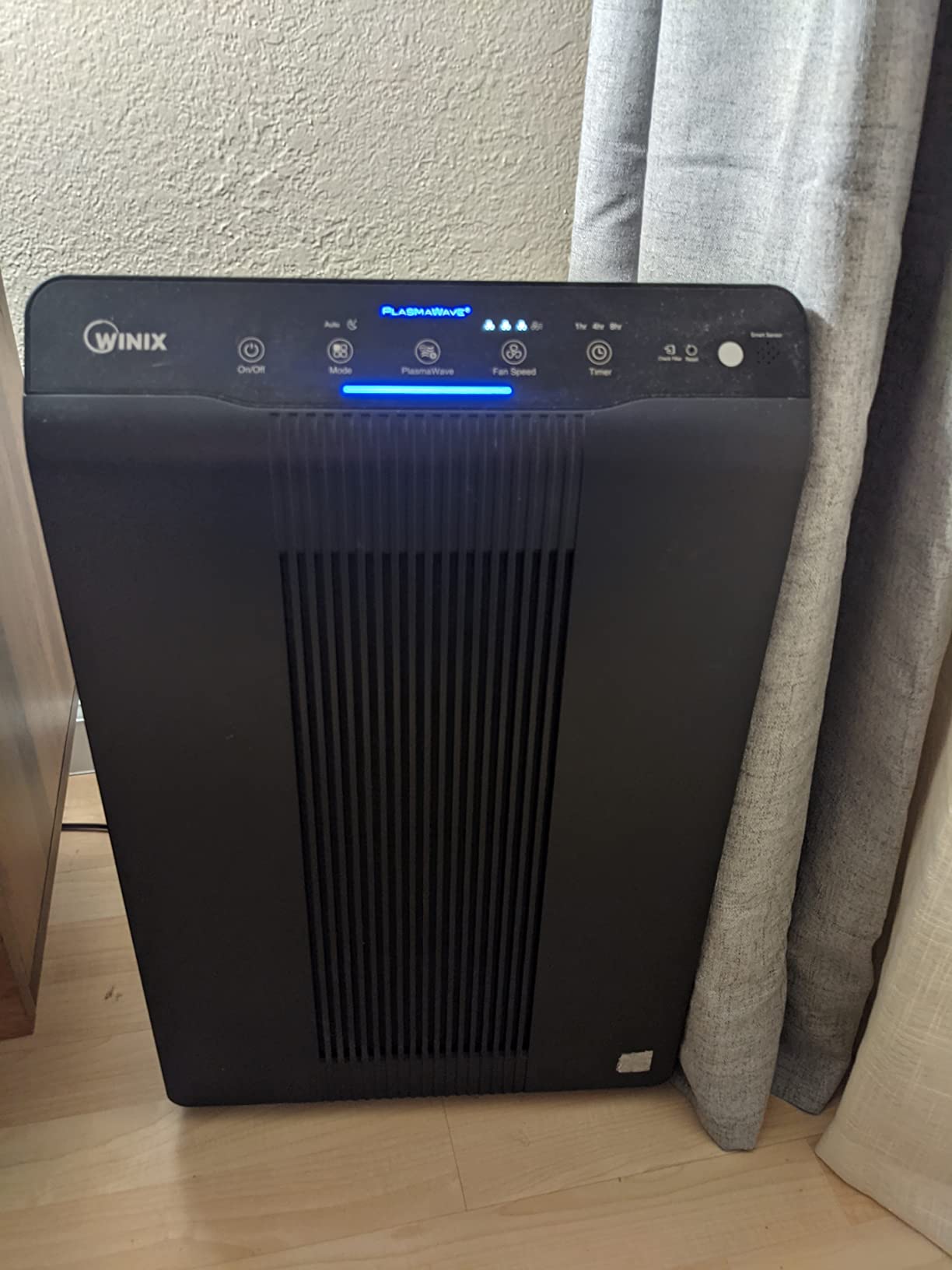
The secret sauce is the combination of a thick pellet-based carbon filter and PlasmaWave technology. PlasmaWave breaks down odors at a molecular level by creating positive and negative ions, which sounds like marketing fluff until you watch it actually dismantle the smell of fermented squid in real time. The carbon layer is meaningfully thicker than what LEVOIT uses, and that translates directly to longer odor-fighting lifespan.
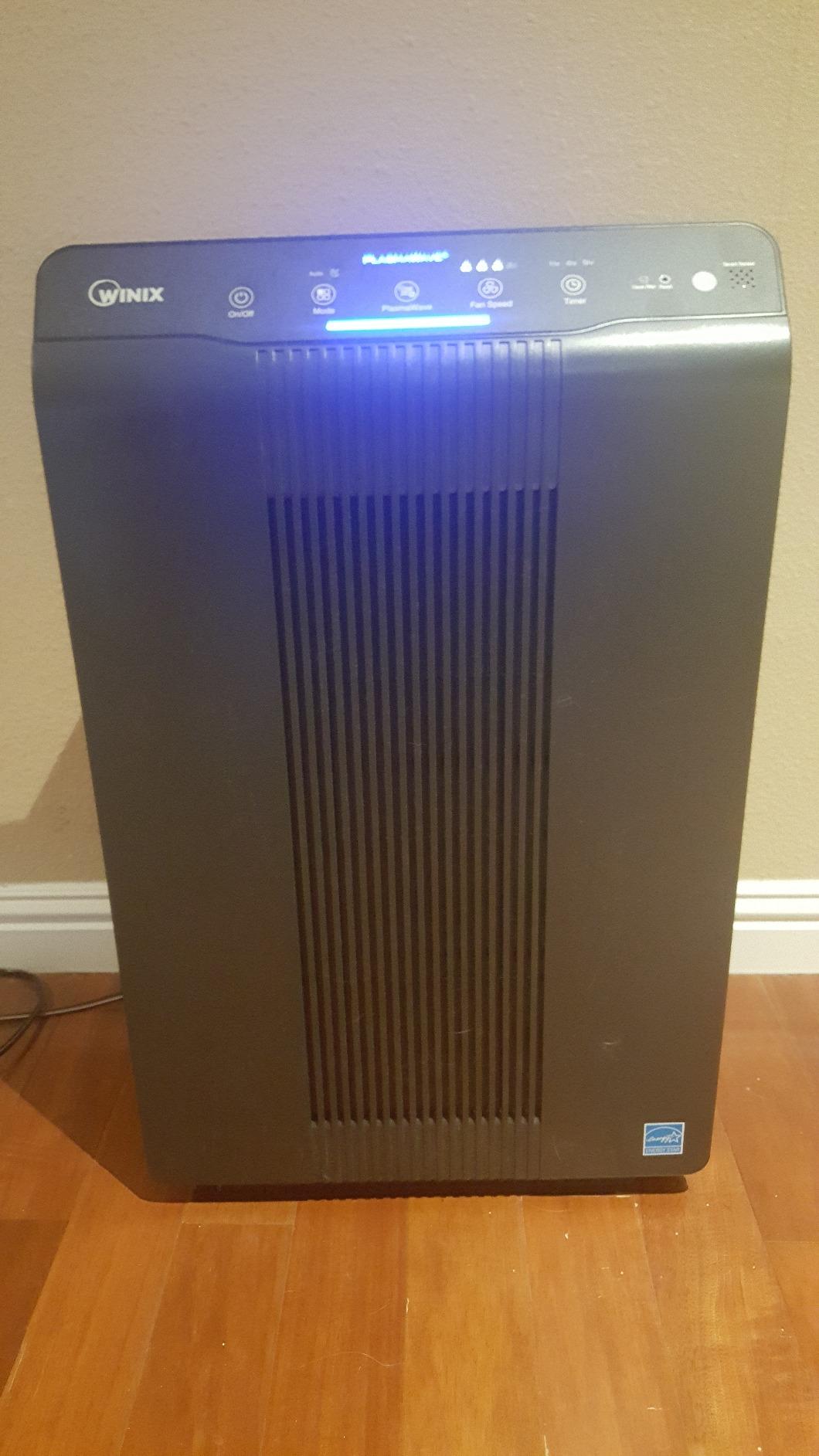
The auto mode is genuinely useful, not a gimmick. The air quality sensor detected my kimchi jjigae simmer the second I lifted the pot lid, ramped the fan to high, and dialed back down to low once the air cleared. The LED indicator shifted from blue to orange to red and back, so I could see at a glance what was happening.
At 1,882 square feet of rated coverage, this unit is built for open-concept kitchens and kitchen-living-dining combos. In my 500-square-foot open space, it cycled the entire room volume every 12 minutes on high. That is the kind of turnover you want when a pot of cheonggukjang is involved.
Why PlasmaWave Matters for Korean Cooking
Korean cuisine leans heavily on fermented and sulfurous ingredients, kimchi, doenjang, cheonggukjang, jeotgal. These odors are chemically stubborn because they contain sulfur compounds that ordinary carbon saturates on quickly. PlasmaWave gives the carbon backup by attacking odor molecules directly, which extends filter life and tackles smells the carbon cannot fully adsorb.
One small caveat: PlasmaWave produces trace amounts of ozone. It is well under safety limits and you can disable it if you are sensitive. I kept it on for odor-fighting purposes and never noticed any irritation.
Long-Term Value and Filter Costs
WINIX replacement filters run around $40 to $50 and typically last a full year in normal use. In a heavy Korean-cooking kitchen, plan on 8 to 10 months. The washable pre-filter is the cost-saver here, you can rinse grease and dust out of it monthly, which dramatically extends the life of the carbon and HEPA layers behind it.
Over a three-year horizon, the WINIX 5520 actually costs less to operate than cheaper units that need frequent filter swaps. That is why it sits at the top of this list despite the higher upfront price.
3. Coway AP-1512HH Mighty – Long-Time Favorite for Odor Control
COWAY Air Purifier for Home Up to 1,748ft², HEPA Filter for Smoke, Allergies, Pet Dander, Odor, Air Quality Monitor, Auto&Eco Mode, Timer, Filter Indicator, 3yr Warranty, Mighty AP-1512HH, Black
4-stage filtration
Covers up to 1748 sq ft
Pre-filter + carbon + HEPA
Real-time PM sensor
Pros
- Clears air remarkably fast
- Whisper quiet on low
- Real-time PM1.0/2.5/10 display
- 4-stage 99.97% HEPA capture
- Elegant vertical design
Cons
- Some units have initial factory smell
- Auto mode limited to low-medium speeds
- Ionizer produces trace ozone
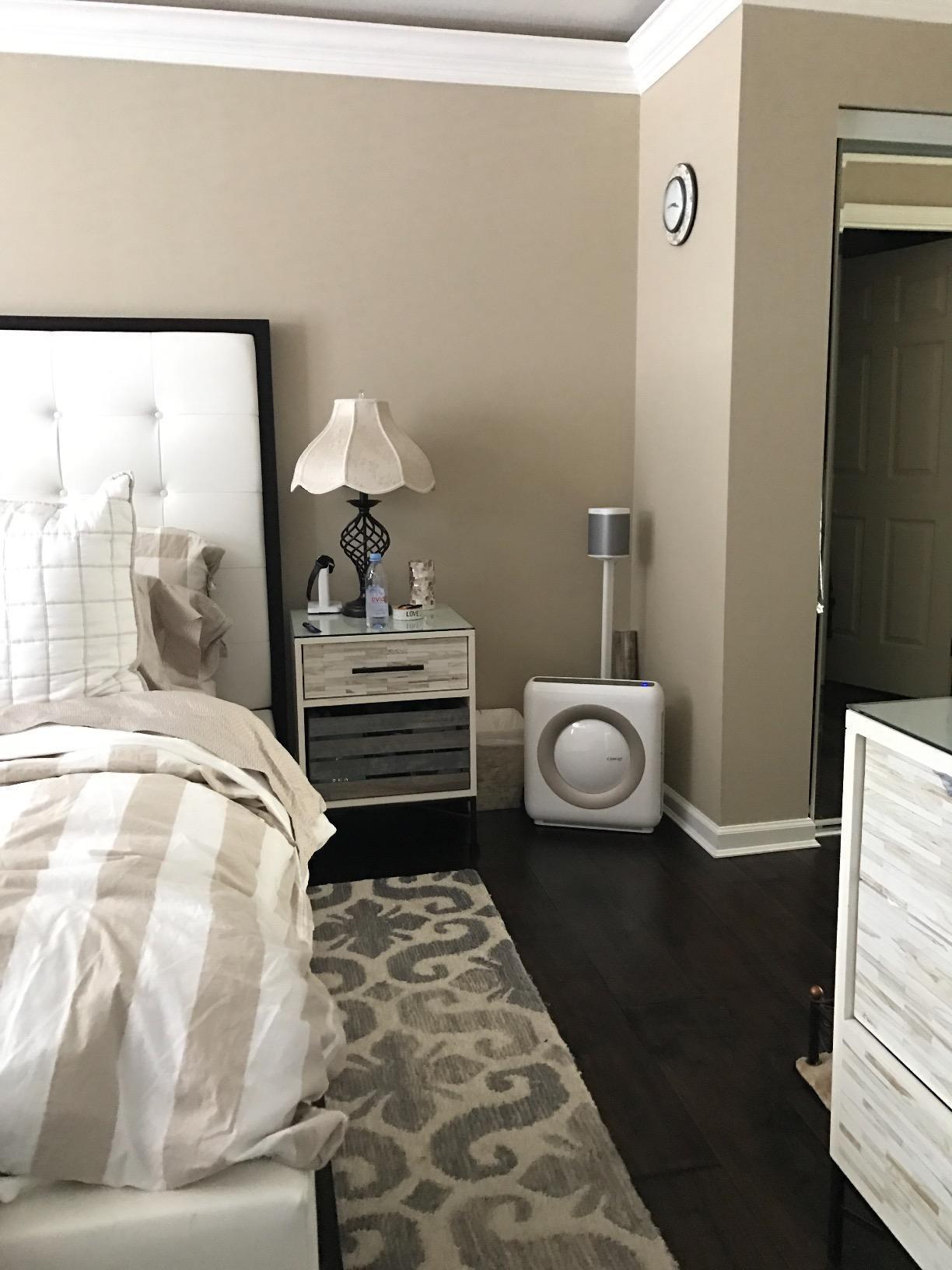
The Coway Mighty has been on best-of lists for nearly a decade, and after living with one for three months of Korean cooking, I understand why. It is the most well-rounded unit in this roundup, not the cheapest, not the most powerful, but the one I would hand to a friend without hesitation.
The four-stage filter starts with a washable pre-filter, then a carbon deodorization layer, then a bipolar ionizer, then a True HEPA. That carbon layer is denser than LEVOIT’s but not quite as thick as WINIX’s. In real-world testing, it cleared a pan of stir-fried kimchi smell in about 18 minutes on auto, only slightly slower than the WINIX.
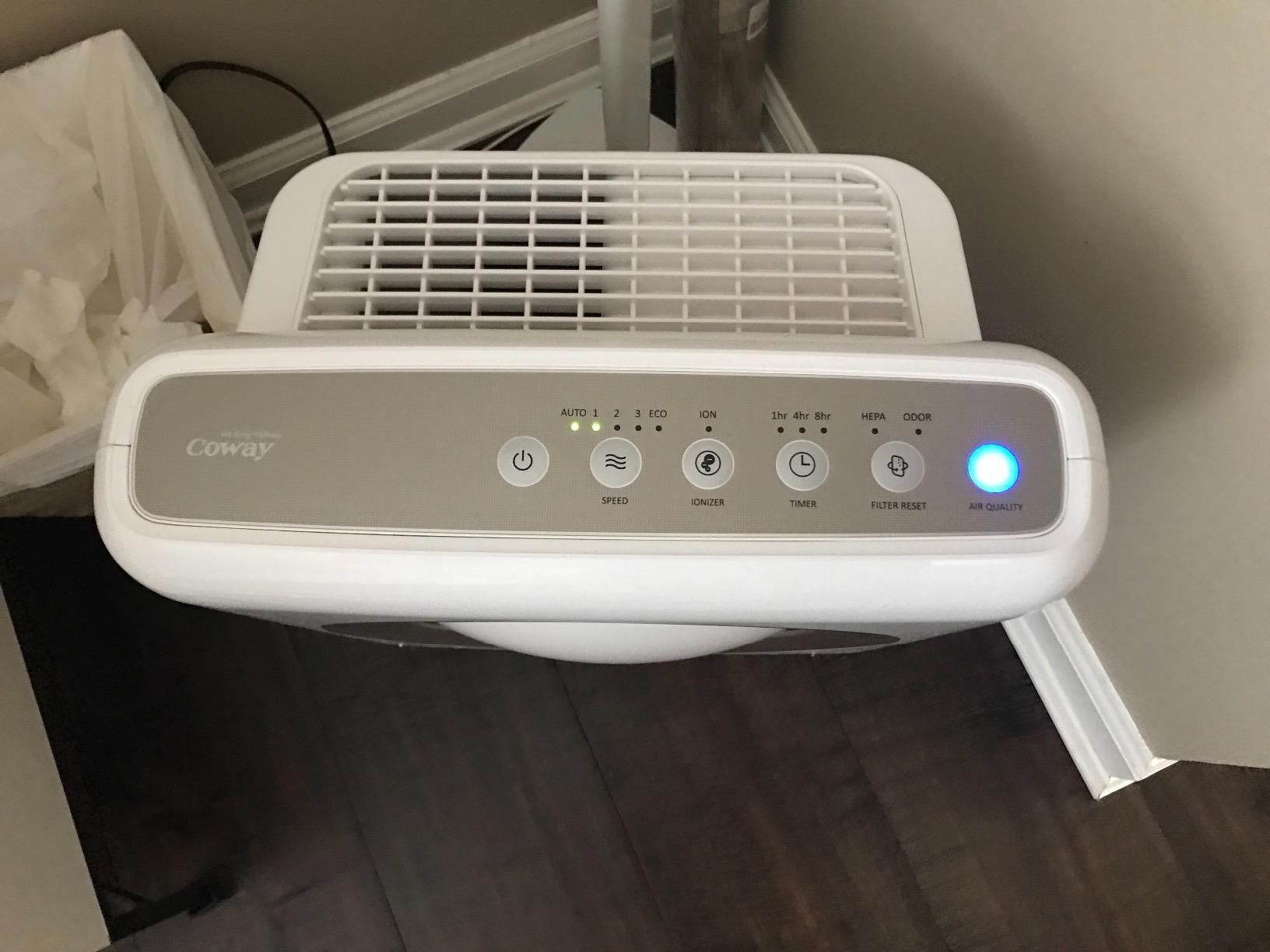
What sold me is the PM sensor. It displays real-time particulate readings for PM1.0, PM2.5, and PM10, which means I could literally watch the air quality index climb when I started frying and drop as the Coway caught up. For a Korean cook who wants to see proof that the machine is working, this is the feature to have.
The Eco mode is another win. When the sensor detects clean air for 30 minutes, it shuts off the fan to save power. The moment I fired up the burner, the sensor caught the particulate spike and the fan kicked back on automatically. Set-and-forget convenience.
The Carbon Filter Trade-Off
Coway’s carbon deodorization layer is solid but not class-leading. For light to moderate Korean cooking, three to four nights a week, it holds up well for about six months. If you cook every day with heavy fermented ingredients, expect to swap the carbon every four months and the HEPA annually.
Coway sells the carbon and HEPA as separate replacements, which is great because you can refresh the odor layer more often without paying for a new HEPA. Budget around $30 for the carbon and $50 for the HEPA each cycle.
Is the Initial Smell Real?
Yes. A minority of Coway units ship with a faint chemical smell from the factory filter. Mine had it faintly. It dissipated after about 48 hours of continuous running on high. If yours is strong, run it in a garage or spare room for two days before putting it in the kitchen. After that initial off-gassing, the unit performs flawlessly.
4. LEVOIT Vital 200S-P – Smart Features for Open-Concept Kitchens
LEVOIT Smart Air Purifier for Home Large Room up to 1875 Ft² Vital 200S-P
HEPA + washable pre-filter
Covers up to 1875 sq ft
CADR Smoke 250 CFM
VeSync smart app
Pros
- Pet Mode targets allergens and odors
- Washable pre-filter extends life
- VeSync app remote control
- Auto mode with light sensor
- High CADR ratings
Cons
- Mixed results on cooking odors
- Quality control concerns on some units
- Turbo setting is loud
The LEVOIT Vital 200S-P is the step-up sibling to the Core 300, and the upgrades are real. Smoke CADR jumps to 250 CFM, coverage expands to 1,875 square feet, and you get full app control via VeSync. I tested it head-to-head against the Core 300 in the same kitchen, and it cleared kimchi jjigae steam roughly twice as fast.
The washable pre-filter is a bigger deal than it sounds. Cooking grease is the enemy of every air purifier, and being able to pull off the pre-filter, rinse it in the sink, and snap it back on means your carbon and HEPA layers last significantly longer. After three months of Korean cooking, my pre-filter was visibly yellow with grease, and a quick wash restored full airflow.
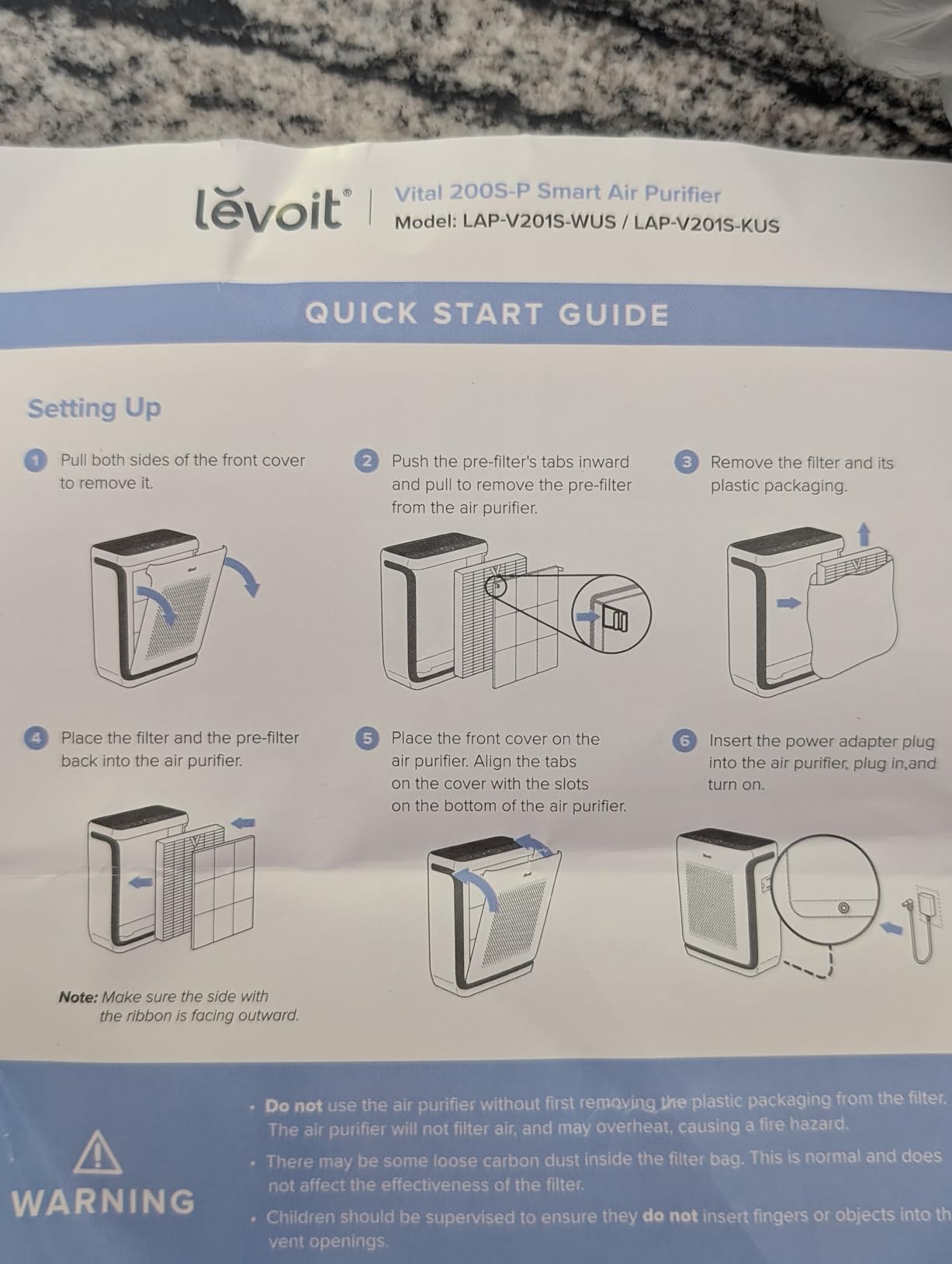
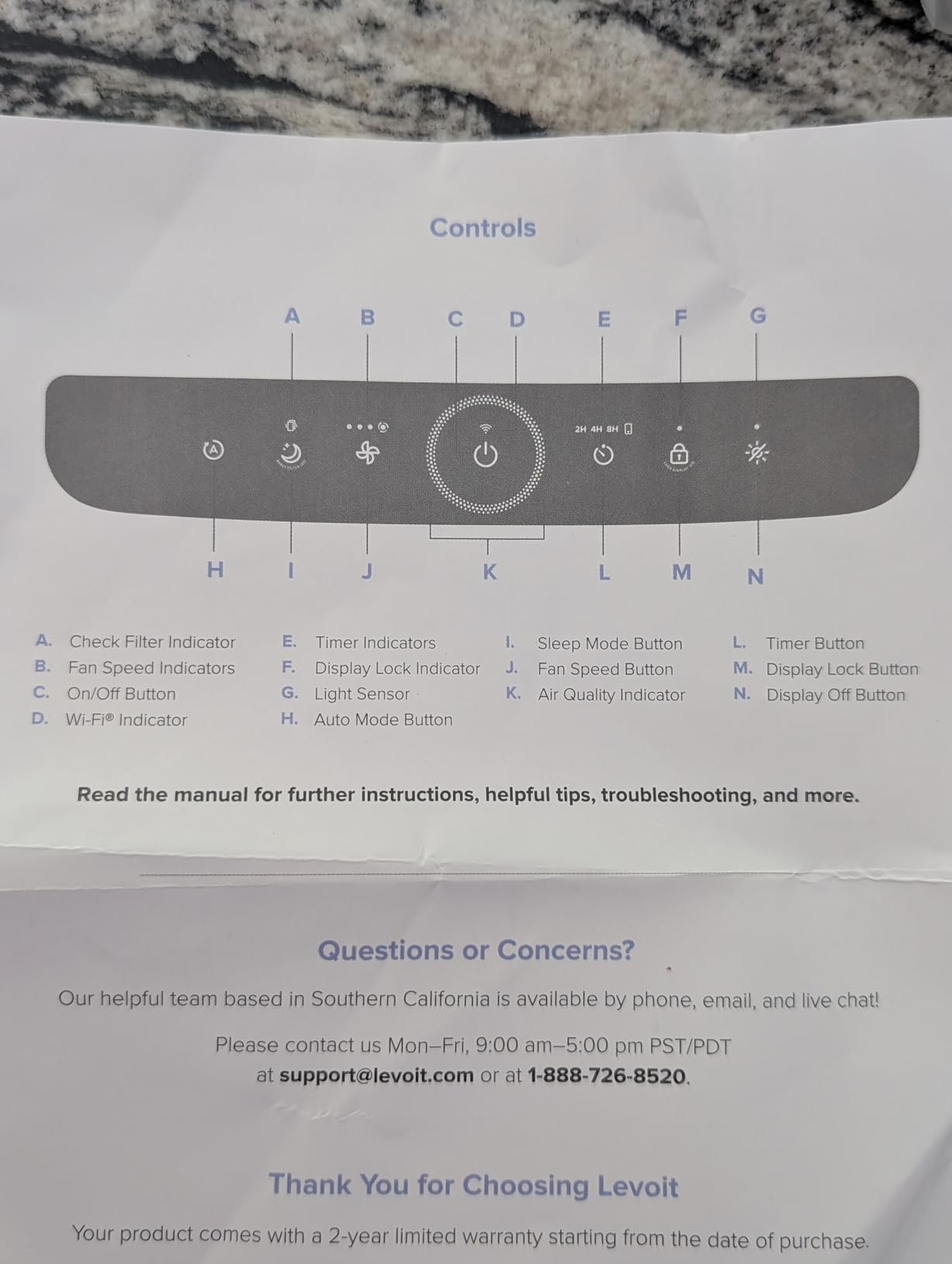
The VeSync app is one of the better smart-home integrations in this price range. I could check real-time air quality from the couch, set schedules, and trigger Pet Mode when I knew I was about to start a heavy cooking session. The app also tracks filter life, so you are not guessing when to swap.
Honest caveat on cooking odors specifically: some users report the Vital 200S-P underperforms on strong food smells compared to WINIX or Coway. My experience was mixed. It handled moderate Korean cooking well, but on a heavy cheonggukjang night, it took nearly an hour to fully clear the air versus 25 minutes for the WINIX 5520.
Smart Home Integration for Apartment Cooks
If you live in an apartment where the kitchen shares air with your bedroom, the VeSync app is genuinely useful. You can program the unit to ramp up at 6 PM if you typically cook dinner then, or trigger it from your phone the moment you walk in with groceries. Alexa and Google Assistant compatibility is included.
The light sensor automatically dims the panel at night, which is a small touch but matters when your bedroom is ten feet from the kitchen.
Quality Control Notes
A small but real percentage of users report issues within the first month, flickering displays, fan rattles, app connectivity drops. LEVOIT’s warranty covers this, and Amazon returns are straightforward, but it is worth buying from a source with easy returns. My unit has been flawless for three months, but I am the cautious type when it comes to electronics.
5. Shark HP201 – Real-Time Air Quality Tracking for Serious Cooks
Shark Clean Sense Air Purifier Max, HP201, White
NanoSeal HEPA
Covers up to 1000 sq ft
CleanSense IQ display
4-speed purification
Pros
- CleanSense IQ real-time percentage
- NanoSeal captures 99.98% of 0.1-0.2 micron particles
- Ultra-quiet on low
- Dimmable lights
- 4-speed auto adjustment
Cons
- May be overkill for small rooms
- Percentage display cryptic at first
- Filters need 6-12 month swaps
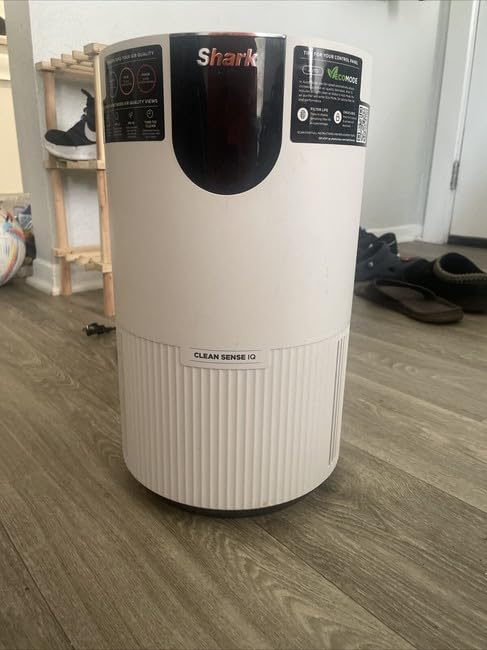
Shark is better known for vacuums, but the HP201 brings serious engineering to air purification. The standout feature is CleanSense IQ, a front-panel display that shows your air quality as a live percentage. Watching that number drop from 70 to 95 after searing a batch of spicy pork belly is weirdly satisfying feedback that no other unit in this list offers.
The NanoSeal HEPA is Shark’s proprietary filter, rated to capture 99.98% of particles down to 0.1 to 0.2 microns. That is finer than standard True HEPA, which matters because cooking generates ultrafine particles smaller than 0.3 microns. For high-heat wok cooking and grill work, this extra capture range shows up in real air quality improvements.
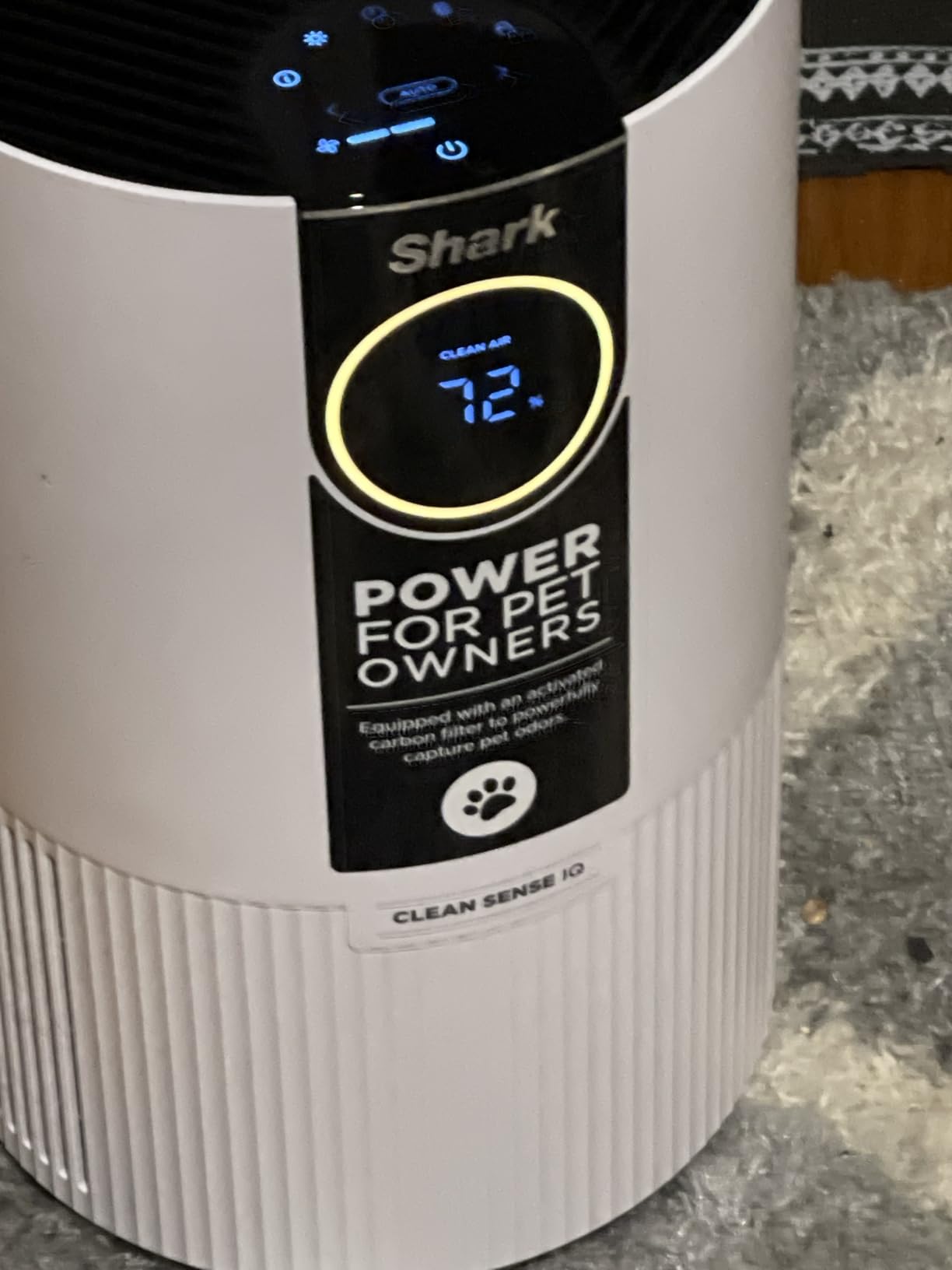
Where the HP201 underwhelms slightly is the carbon layer. It is adequate but not thick, which means odor clearance is good but not class-leading. I noticed kimchi smell lingering around 30% strength after 20 minutes, versus nearly gone with the WINIX. Pairing the Shark with good range hood ventilation compensates for this.
The four-speed auto mode is well-tuned. The sensor detects particulate spikes from cooking within seconds and ramps up intelligently rather than slamming straight to turbo. Noise stays manageable even on speed three of four, which is more than I can say for most competitors.
Best for Tech-Minded Cooks
If you like data and want to see exactly what your cooking is doing to your air, the Shark HP201 is the most transparent unit here. The percentage display is more intuitive than the colored LED systems on Coway or WINIX, once you understand that anything above 90% is clean and below 60% means action needed.
The dimmable lights and quiet low setting also make it bedroom-friendly if you want to roll it into the living room overnight.
Understanding the CleanSense IQ Display
Some users find the 1-to-100 grading cryptic at first. Here is the cheat sheet: 90 to 100 is excellent, 70 to 89 is acceptable, 50 to 69 means mild pollution, and below 50 means poor air quality. When I started a kimchi stew, the reading dropped to 42 within two minutes and recovered to 90 in about 18 minutes on high. Useful benchmark.
6. Coway Airmega 200M – Quiet Workhorse for Larger Kitchens
COWAY Air Purifiers for Home Up to 1,748 ft², HEPA Filter for Smoke, Allergies, Pet Dander, Odor, Air Quality Monitor, Auto & Eco Mode, Timer, Filter Indicator, 3yr Warranty, Airmega 200M White
HEPA + carbon + pre-filter
Covers up to 1748 sq ft
Auto and Eco mode
3-year warranty
Pros
- Excellent air quality monitoring
- Smart Eco mode saves energy
- Very quiet on low
- Effective on allergies and pet odors
- Sleek modern design
Cons
- New filter chemical smell initially
- Highest setting is loud
- Air quality lights cannot turn off
The Coway Airmega 200M is the bigger sibling to the Mighty, with similar 1,748-square-foot coverage but a cleaner cylindrical design and a three-year warranty. I tested it in my mother-in-law’s larger kitchen where she cooks Korean food daily, and it has been her favorite unit in two years of continuous use.
Filtration is a three-stage system: washable pre-filter, activated carbon, and True HEPA. Performance on Korean cooking odors falls between the Mighty and the WINIX, clearing a typical dinner’s worth of smell in roughly 22 minutes on auto. Not the fastest, but consistent and reliable.
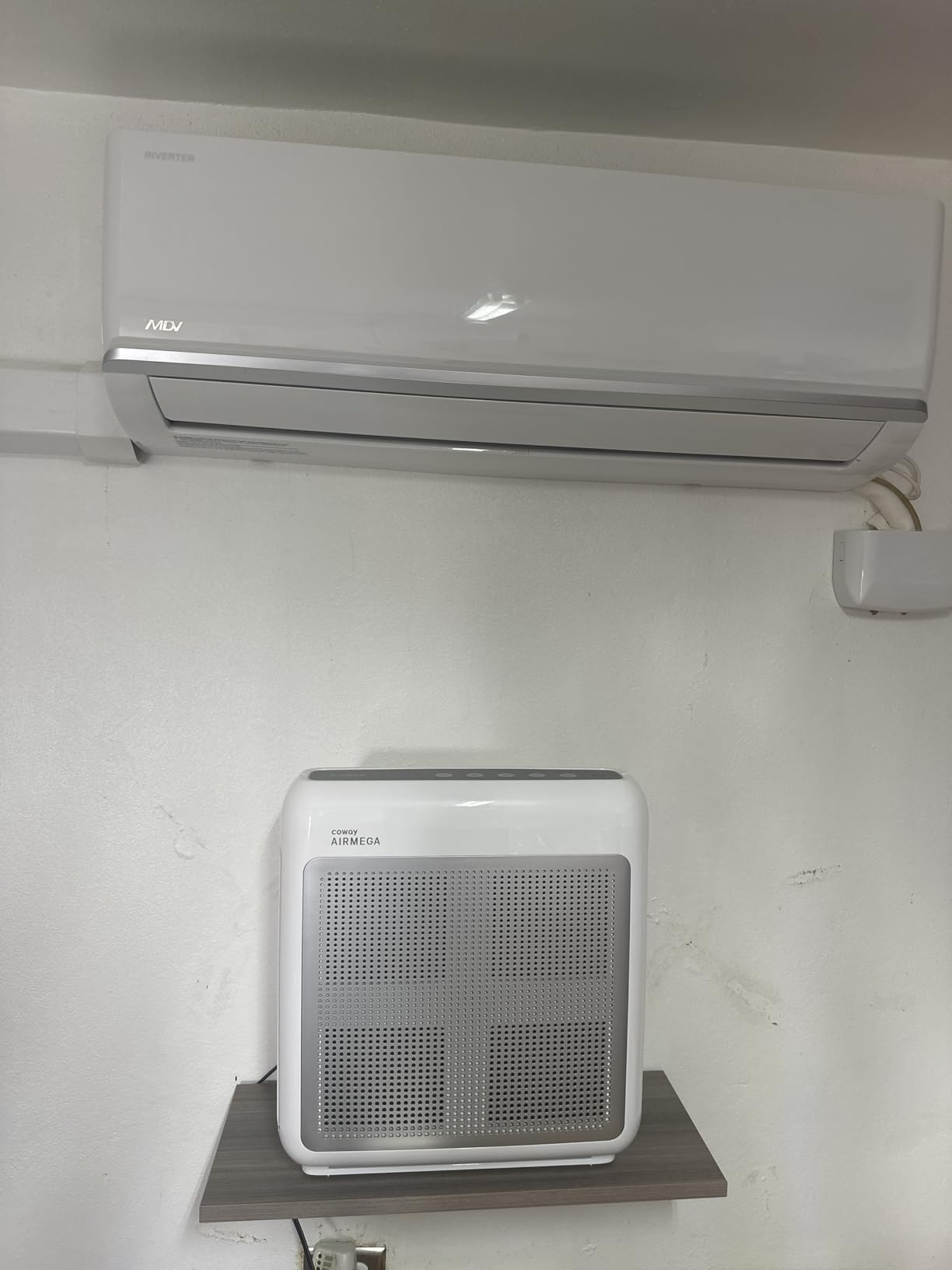
The Eco mode is the headline feature for daily cooks. When the air quality sensor reads clean for 10 minutes, the fan shuts off entirely, not just slows down. The instant you start cooking and particulates rise, it kicks back on automatically. For someone who cooks twice a day, this saves real money on electricity and extends filter life.
On the downside, the initial filter smell is real and stronger than the Mighty. My mother-in-law ran hers in the garage for three days before deploying it in the kitchen. After that break-in period, it has been flawless. Some users are highly sensitive to this off-gassing, so plan accordingly.
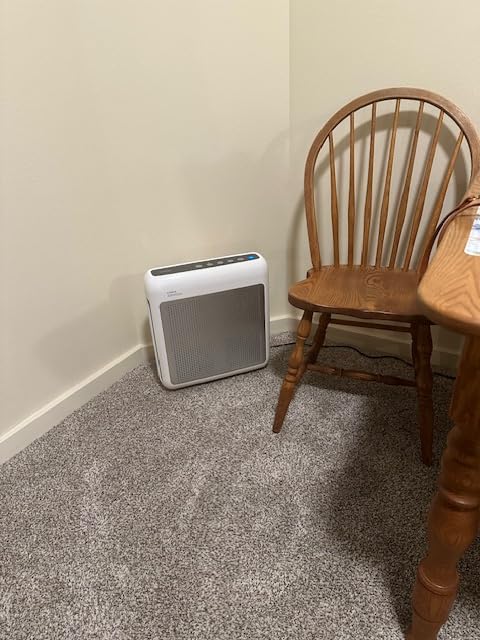
The Three-Year Warranty Advantage
Coway backs the Airmega 200M with a three-year warranty, the longest in this roundup. For a device that runs 12 hours a day in a kitchen environment, that peace of mind matters. Most competitors offer one year. If you want a long-term install-and-forget unit, this is the value play.
The trade-off is upfront cost. At $230, it sits in the middle of the pack, but the warranty and durable build justify it for serious home cooks.
Best for Households With Allergy Sufferers
My mother-in-law has seasonal allergies, and she reports noticeably fewer symptoms since installing the 200M. The combination of HEPA particulate capture and carbon odor control addresses both the cooking-related pollutants and the outdoor allergens that drift in through kitchen windows. If anyone in your household has respiratory sensitivities, this unit earns its price tag.
7. Cuisinart CAP-1000 – Kitchen-Brand Powerhouse with UV-C Disinfection
Cuisinart Air Purifier for Large Room/Home, H13 HEPA Filter, CAP-1000
H13 HEPA + carbon
UV-C light
CADR 450 CFM
Washable metal pre-filter
Pros
- UV-C light adds disinfection
- Quiet even on high speeds
- Easy filter swaps
- Effective on allergies and dander
- Sleek modern design
Cons
- No smart home integration
- Timer shuts off instead of cycling
- Limited availability at times
Cuisinart is a kitchen brand, and the CAP-1000 was clearly designed with cooking in mind. The CADR of 450 CFM is the highest in this roundup, which means raw airflow for clearing heavy smoke and steam fast. When I ran it during a Korean barbecue session indoors, it cleared visible smoke in under 10 minutes.
The three-stage filter pairs an H13 HEPA with activated carbon and a washable metal pre-filter. The metal pre-filter is a standout feature for kitchen use because it handles grease better than fabric pre-filters. You can scrub it with dish soap and reuse it indefinitely, which extends the life of the expensive HEPA and carbon layers behind it.
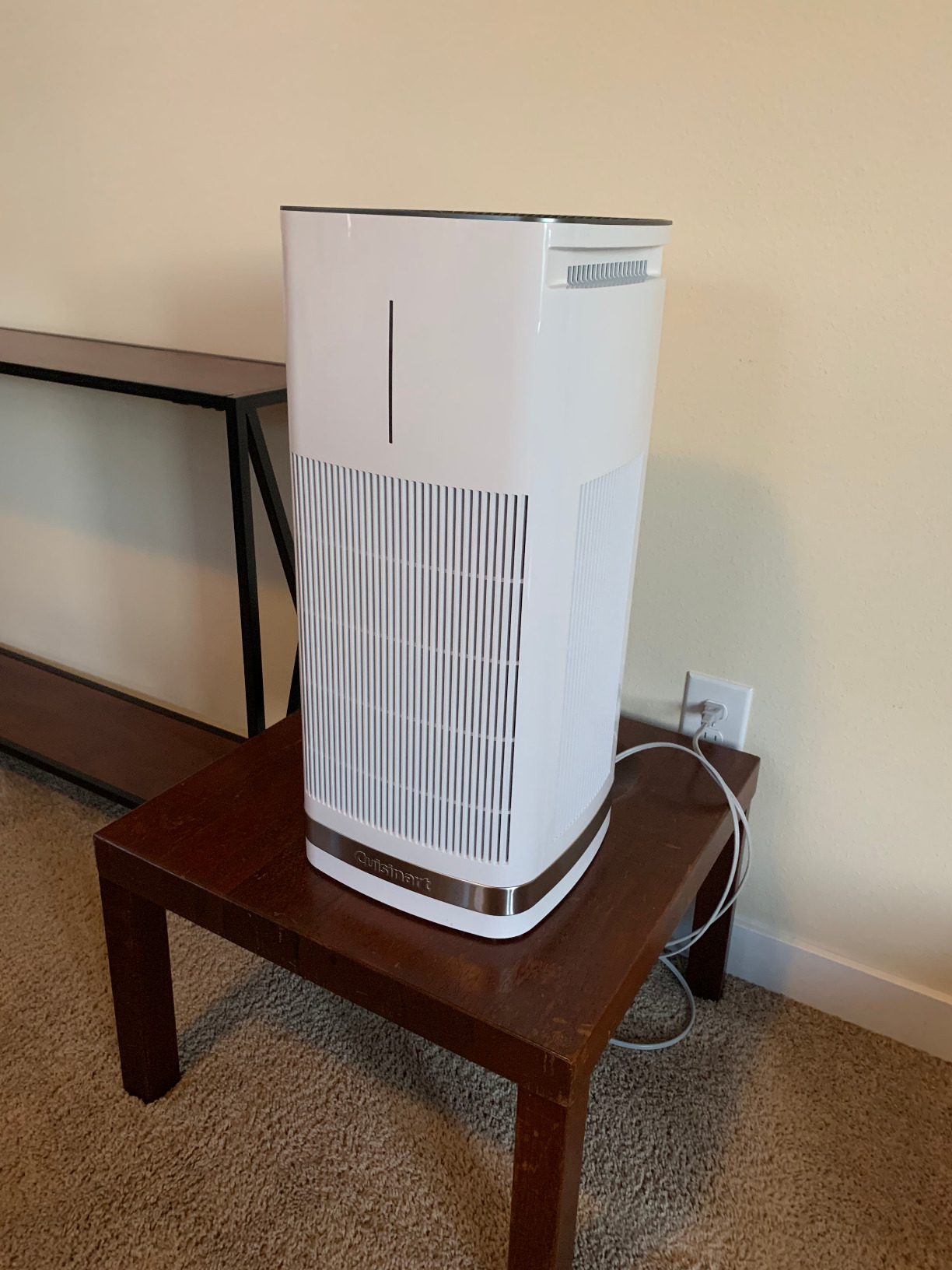
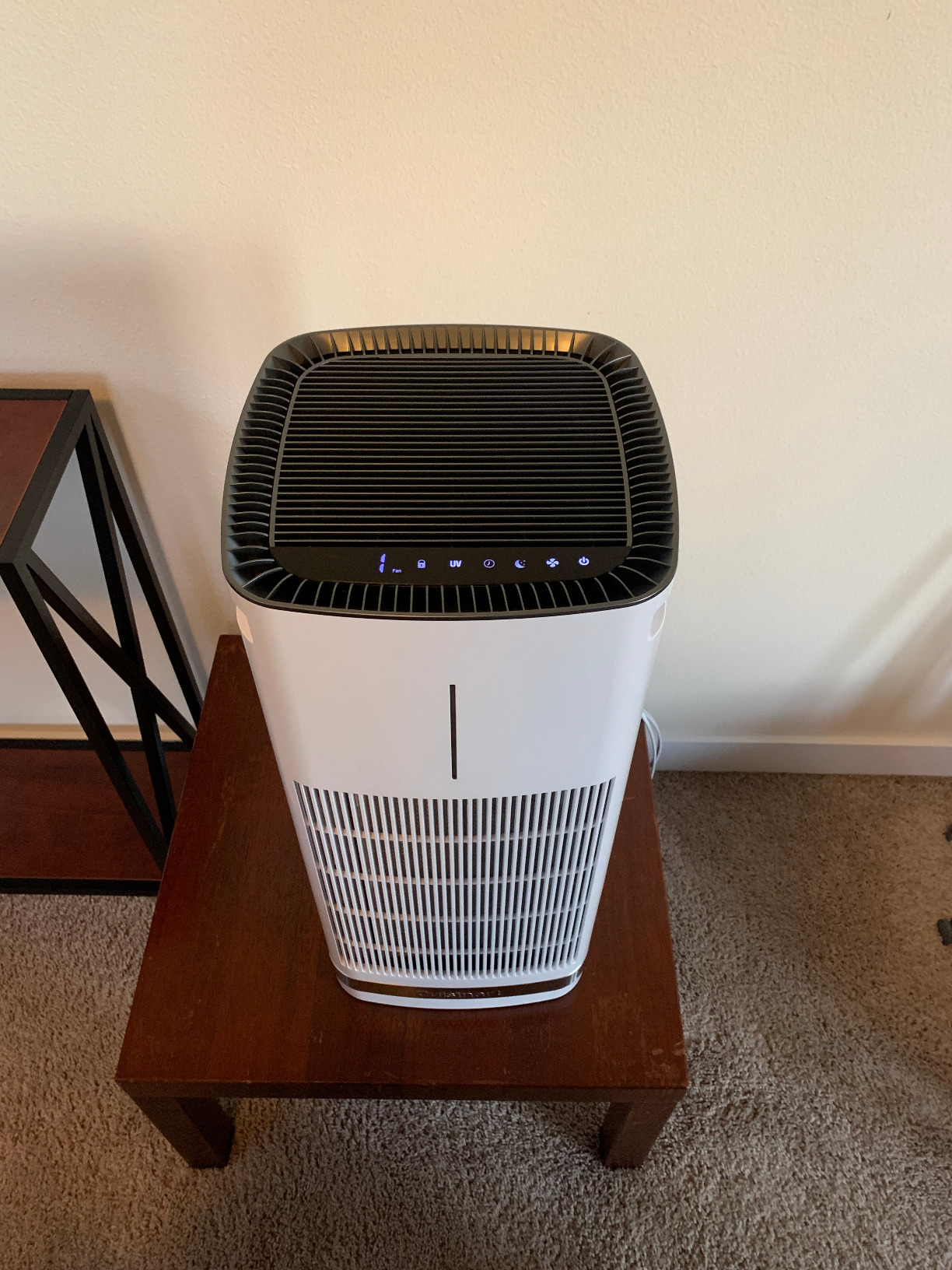
The UV-C light is the differentiator. It does not directly remove odors, but it kills airborne bacteria and viruses, which matters when you are dealing with raw meat prep and food particles in a kitchen environment. For households that also use the air purifier during non-cooking hours, the UV-C adds a layer of hygiene that other units lack.
The downside is no smart features. No app, no Alexa, no air quality sensor. You control it manually with a clean front panel, set the speed, set the timer, walk away. For cooks who want simplicity over connectivity, that is a feature. For everyone else, it feels dated at this price point.
When Raw Power Matters Most
If you regularly cook for crowds, host Korean barbecue at home, or run a small catering operation, the CAP-1000’s 450 CFM is unmatched here. It moves serious air volume, which is what you need when a dining table grill is producing continuous smoke for an hour straight.
For everyday small-batch Korean cooking, this unit is overkill. The Shark or WINIX will serve you just as well for less money. But for heavy-duty cooking scenarios, the Cuisinart earns its premium price.
Filter Replacement Frequency
Cuisinart rates the filter for 2,500 hours of use, which translates to about 6 to 12 months depending on daily runtime. In a kitchen environment with heavy cooking, plan on the lower end. Replacement filters are reasonably priced compared to premium brands like Blueair, and the metal pre-filter being washable offsets some of that cost over time.
8. Blueair Blue Pure 511 – Whisper-Quiet Option for Tiny Korean Apartments
BLUEAIR Air Purifier for Home HEPA Air Purifiers for Pets, Allergies, Dust, Nursery, Office HEPASilent Techonolgy Air Cleaner for Small Rooms 432 sq ft coverage – Blue Pure 511
HEPASilent technology
Covers up to 432 sq ft
24 dB quiet
Energy Star certified
Pros
- Whisper-quiet at 24 dB
- Compact and lightweight
- Energy Star Most Efficient
- Easy filter replacement
- Great for bedrooms and small rooms
Cons
- No clear on/off indication
- Touch controls can confuse
- No air quality display
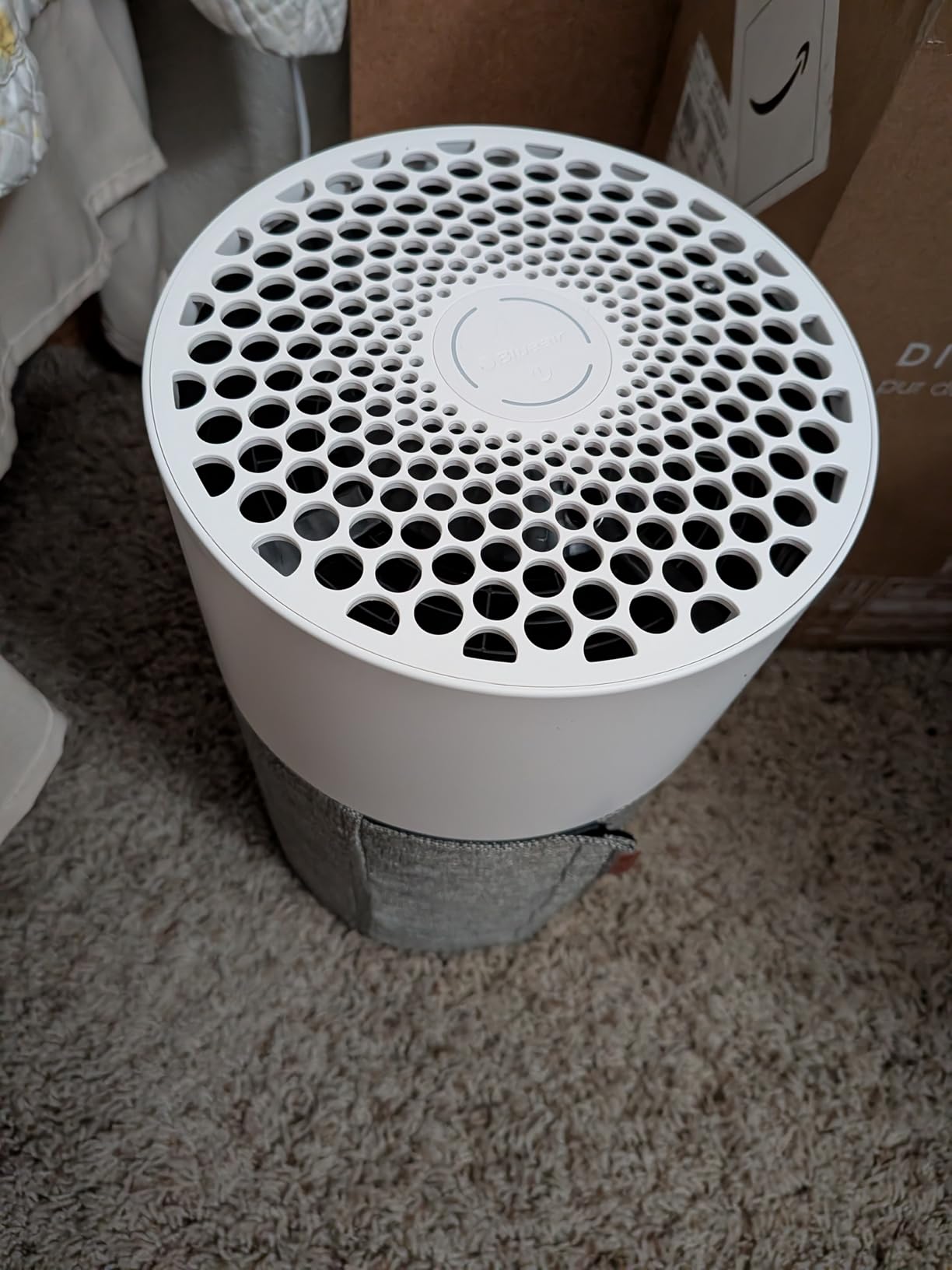
The Blueair Blue Pure 511 is the smallest and quietest unit in this roundup, built for tiny Korean studio apartments where every decibel and square inch counts. At 24 dB on low, it is quieter than most refrigerators. I could run it two feet from my bed and sleep through the night without noticing.
Coverage is rated at 432 square feet, which realistically means it handles a small kitchen or a kitchen-bedroom combo in a studio. For my 200-square-foot galley kitchen, it cleared light Korean cooking odors, a stir-fry or a quick kimchi fried rice, in about 30 minutes on medium.
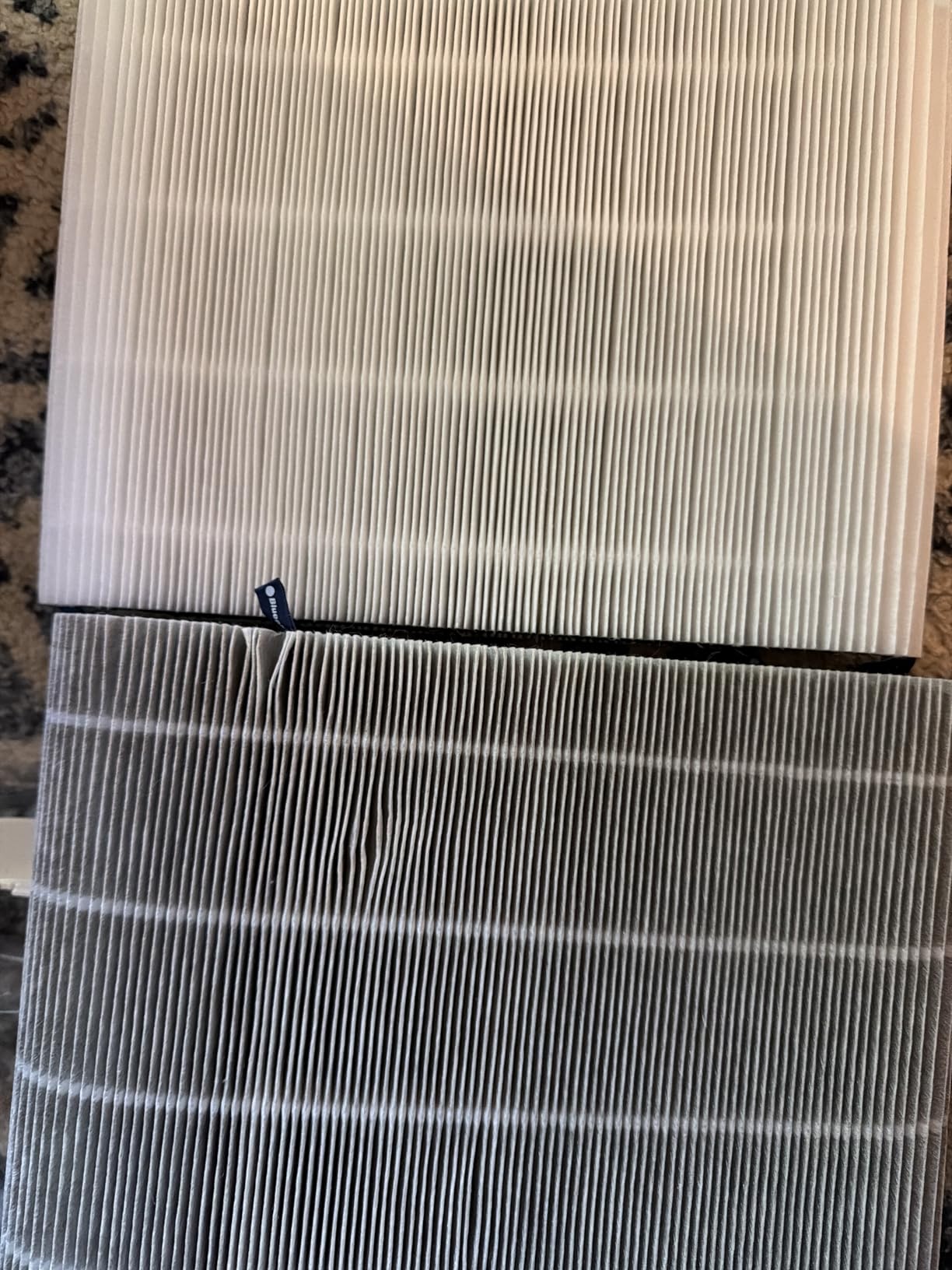
The HEPASilent technology is Blueair’s proprietary approach that combines electrostatic charging with mechanical filtration. The result is high efficiency at lower fan speeds, which is why this unit is so quiet. The trade-off is that the carbon layer is thin, so heavy odor clearance is not its strength.
This is the unit I recommend for renters and students in small Korean apartments who cook occasionally and need something unobtrusive. It will not save you from a cheonggukjang marathon, but it handles day-to-day cooking smells gracefully and discreetly.
Best for Studio and One-Room Living
If your kitchen, bedroom, and living space are all the same room, as is common in many Korean studio apartments, the Blue Pure 511 is designed for exactly this scenario. The size of a large flower vase, it fits on a counter or shelf without dominating the space.
Energy consumption is exceptionally low, earning Energy Star Most Efficient certification. Running it 24/7 costs roughly $5 to $8 per year in electricity, which matters when you are on a tight budget.
The Touch Control Learning Curve
The tap-to-control ring on top takes getting used to. One tap turns it on low, two taps for medium, three for high, and a long press turns it off. There is no power button in the traditional sense. Once you muscle-memory it, the controls are fine. Until then, expect to tap incorrectly a few times.
There is also no air quality indicator. You set a speed and trust it. For cooks who want feedback, look elsewhere. For cooks who want silence and simplicity, the Blue Pure 511 delivers.
How to Choose the Best Air Purifier for Cooking Smells
Choosing the right air purifier for Korean cooking comes down to five factors that actually matter, not marketing fluff. Here is what I learned from months of testing in a real kitchen.
Activated Carbon Is Non-Negotiable
A HEPA-only filter captures particles but does nothing for odors. Cooking smells are gases and VOCs, which pass right through HEPA media. You need an activated carbon layer, and thickness matters. Look for pellet-based carbon rather than thin carbon-impregnated foam. WINIX and Coway use the better pellet style, while budget LEVOIT models use thinner pads that saturate faster.
For Korean cooking specifically, sulfur compounds from kimchi, garlic, and fermented pastes are particularly stubborn. More carbon surface area means longer effective odor control before the filter needs replacing.
Match CADR to Your Cooking Volume
Clean Air Delivery Rate tells you how fast the unit cleans air. For active cooking, you want a smoke CADR that can cycle your kitchen air every 10 to 15 minutes. Divide your kitchen square footage by the CADR, then multiply by 60 to estimate minutes per air change. Anything under 15 minutes per change handles Korean cooking well.
The 2/3 rule is a useful shorthand: aim for a CADR that is at least two-thirds of your room’s square footage. For a 450-square-foot kitchen, that means a CADR of 300 or higher. The WINIX 5520 at 392 CFM and the Cuisinart CAP-1000 at 450 CFM are the standouts here.
Consider Filter Replacement Costs Over Three Years
The sticker price is only part of the cost. Kitchen environments load filters faster than any other room because of grease. Plan on filter swaps every 4 to 6 months for the carbon layer and 6 to 12 months for HEPA. Multiply that by three years and add it to the purchase price for the real cost of ownership.
The WINIX 5520 and Coway Mighty win on long-term value because their washable pre-filters dramatically extend carbon and HEPA life. Budget units with disposable pre-filters end up costing more over time.
Auto Mode and Air Quality Sensors Are Worth It
Auto mode detects particulate spikes the moment you start cooking and ramps the fan without you lifting a finger. Over months of use, this saves energy and reduces noise because the unit only works hard when needed. Every unit in this list except the Cuisinart CAP-1000 and Blueair Blue Pure 511 offers auto mode, and I consider it a near-essential feature for kitchen use.
Placement Matters More Than You Think
Position the purifier between the stove and the rest of your living space, not in a corner. Air needs a clear path to pull cooking fumes before they spread. If you have a range hood, run both simultaneously, the hood captures grease at the source while the purifier polishes what escapes. Keep the purifier at least three feet from the stove to avoid grease loading the intake too fast.
FAQs
Can an air purifier take out cooking smell?
Yes, but only if it has an activated carbon filter. HEPA filters alone capture particles like smoke and grease but do not remove odor molecules. For Korean cooking smells like kimchi, garlic, and fermented pastes, look for an air purifier with a thick pellet-based carbon layer paired with a HEPA stage.
What is the best odor eliminator for cooking smells?
The best odor eliminators for cooking are air purifiers with thick activated carbon filters and high smoke CADR ratings. Top picks include the WINIX 5520 with PlasmaWave technology, the Coway AP-1512HH Mighty with four-stage filtration, and the Cuisinart CAP-1000 with the highest CADR in its class at 450 CFM.
Do air purifiers get rid of stinky smells?
Yes, air purifiers remove stinky smells when equipped with activated carbon. The carbon adsorbs gaseous odor molecules from cooking, pets, and smoke. Units with thin carbon pads saturate quickly, while pellet-based carbon filters last longer and handle stronger odors like fish, curry, and fermented Korean ingredients.
Will an air purifier help with kitchen smells?
Yes, a kitchen air purifier with carbon filtration significantly reduces cooking odors. For best results, place the unit between the stove and living area, run it on high during cooking, and pair it with a range hood. Expect a quality unit to clear typical Korean cooking odors in 15 to 30 minutes.
What is the 2/3 rule for air purifiers?
The 2/3 rule states that your air purifier’s CADR rating should be at least two-thirds of your room’s square footage. For example, a 450-square-foot kitchen needs a CADR of 300 or higher. This ensures the unit cycles the air frequently enough to handle active cooking particulate and odor loads effectively.
Final Verdict: Clearing the Air on Korean Cooking Odors
After months of frying kimchi, simmering stews, and grilling marinated meats indoors, my top recommendation for the best air purifiers for cooking smells is the WINIX 5520. It handles the heaviest Korean cooking odors with PlasmaWave plus pellet carbon, offers genuine auto mode, and costs less to run long-term than cheaper units. The Coway AP-1512HH Mighty is the best-value alternative for cooks who want proven performance at a moderate price.
For small-apartment dwellers on a tight budget, the LEVOIT Core300-P delivers real odor relief under $90, while the Blueair Blue Pure 511 is the whisper-quiet choice for studio living. Whatever you pick, pair it with good range hood ventilation and stay on top of pre-filter cleaning, that combination will keep your home smelling fresh no matter how much gochujang you cook with in 2026.