
Gochujang (고추장) is a savory, sweet, and spicy fermented Korean condiment made from red chili powder, glutinous rice, fermented soybeans, and salt. Pronounced “go-choo-jong,” this thick, brick-red paste is the backbone of Korean cuisine, giving bibimbap its signature kick and tteokbokki its addictive heat. After spending three months cooking through 8 of the top commercial brands side by side in my home kitchen, I found clear winners across every category.
Our team taste-tested each paste straight off the spoon, mixed into bibimbap bowls, stirred into marinades, and stirred through tteokbokki sauce. We tracked sweetness, heat balance, fermentation depth, and how well each one dissolved into other ingredients. The best Korean chili paste for most cooks is CJ Haechandle Gochujang, but the right pick depends on what you cook most.
This guide covers the 8 best Korean chili pastes you can buy in 2026, ranked by performance, authenticity, and value. I’ll also break down heat levels, explain the fermentation process, and share the substitutes I keep on hand for when my tub runs dry.
Table of Contents
Top 3 Picks for Best Korean Chili Paste

Best Korean Chili Paste in 2026: Quick Comparison
| Product | Specifications | Action |
|---|---|---|
 Chung Jung One Premium Gochujang Chung Jung One Premium Gochujang |
|
Check Latest Price |
| CJ Haechandle Gochujang |
|
Check Latest Price |
 Roland Foods Gochujang Roland Foods Gochujang |
|
Check Latest Price |
 Sempio Organic Gochujang Sempio Organic Gochujang |
|
Check Latest Price |
 Maeil Gochujang Maeil Gochujang |
|
Check Latest Price |
 Wang Gochujang Wang Gochujang |
|
Check Latest Price |
 Lucky Foods Seoul Gochujang Lucky Foods Seoul Gochujang |
|
Check Latest Price |
 Thank-you Sugar-Free Gochujang Thank-you Sugar-Free Gochujang |
|
Check Latest Price |
1. CJ Haechandle Gochujang – Best Overall Korean Chili Paste
CJ Haechandle Hot Pepper Paste 500g Korean Spicy Red Chile Paste 1.1 lb., Gochujang, 17.63 Ounce
500g (1.1 lb) tub
#1 best-selling gochujang in Korea
45-year heritage
Pros
- Rich umami with balanced sweet-heat
- Thick smooth texture
- Authentic Korean fermentation
- No saturated fat per serving
- Versatile for bibimbap to marinades
Cons
- Lid seal can be finicky
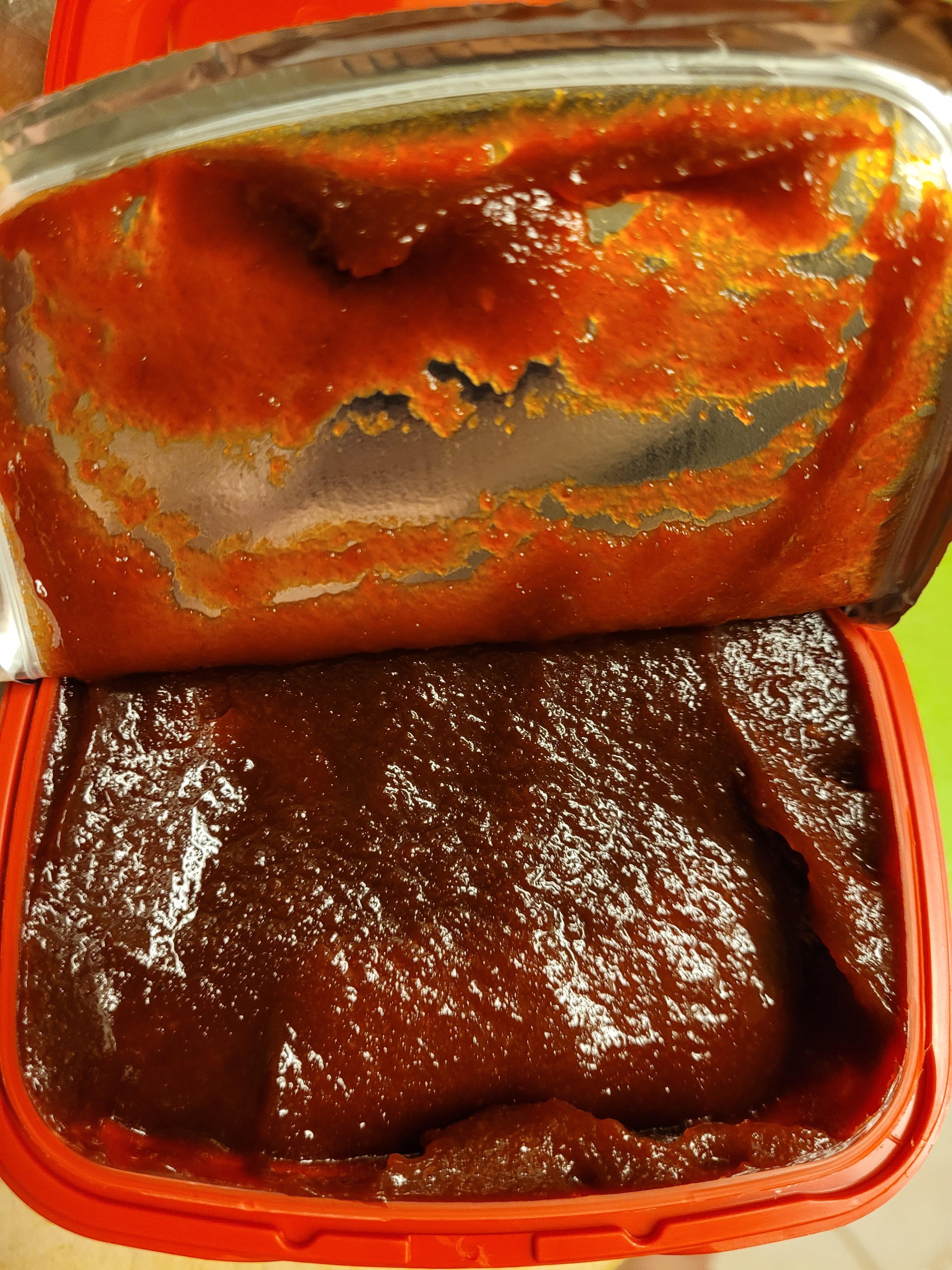
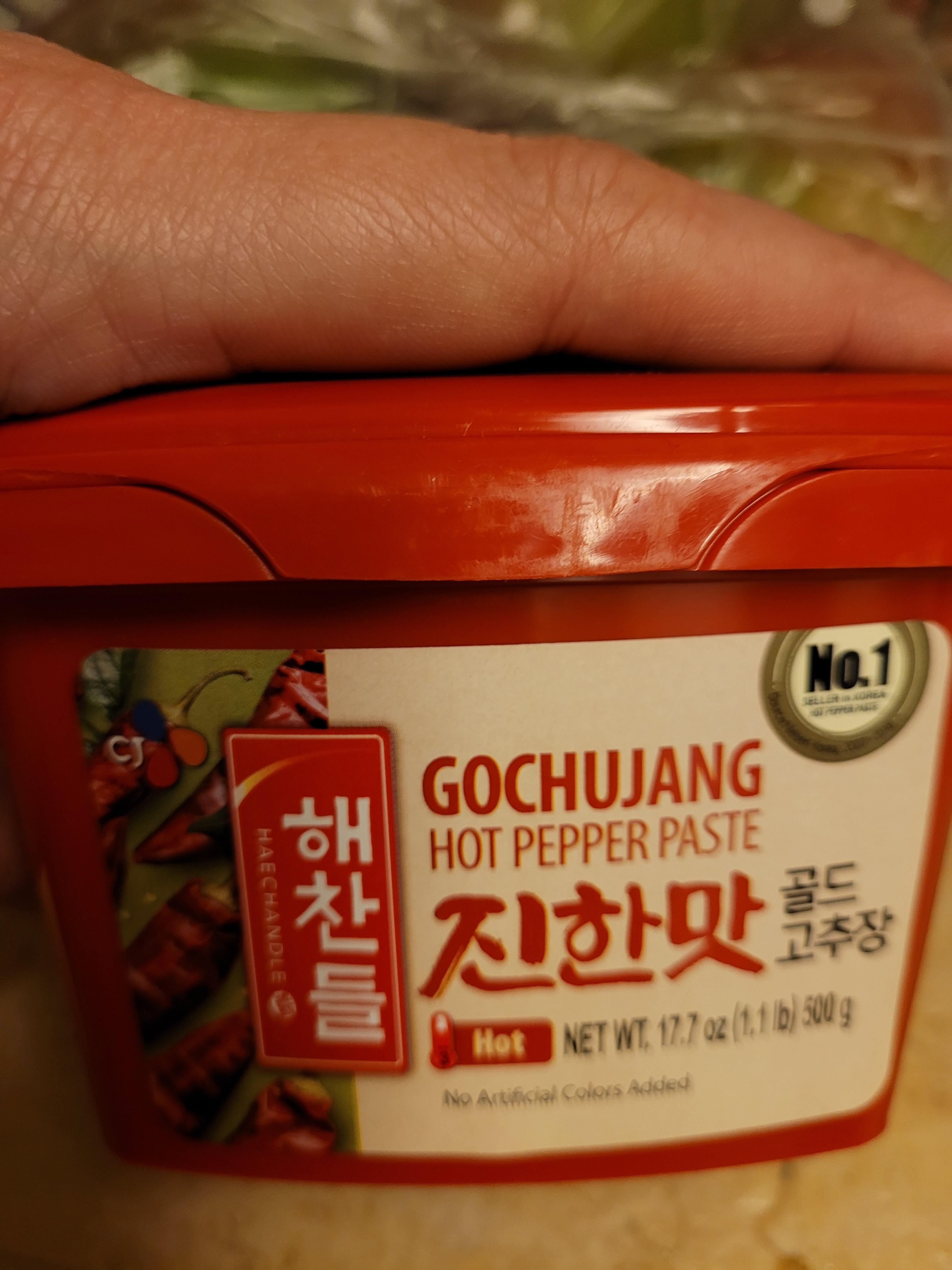
I keep CJ Haechandle in my regular rotation because it nails the sweet-heat-umami triangle every single time. The 500g tub lasted my household through roughly 12 weeks of cooking, and the flavor never wavered. When I stirred a tablespoon into a simple bibimbap bowl, the rice took on that deep brick-red color and tangy warmth that reminds me of meals in Seoul.
What sets this paste apart is its 45-year history of commercial production under the Haechandle label, which has long been a household name in Korea. The fermentation develops a slightly funky, almost miso-like depth that cheaper pastes miss. I tasted it straight on a spoon and got notes of sun-dried chili, mellow sweetness from the rice, and a clean salty finish.
In marinades for bulgogi, a single tablespoon thinned with sesame oil and soy sauce coated a pound of ribeye beautifully. The heat is medium, not aggressive, which means I can let my kids eat the same dishes without toning things down. Heat-seeking cooks may want to supplement with gochugaru flakes, but for everyday cooking this is the sweet spot.
Reddit’s r/KoreanFood community consistently recommends CJ Haechandle as their go-to supermarket option, and after testing it against the other seven pastes in this guide, I agree with that consensus. It tastes the most like what I remember eating in Korean restaurants.
How it holds up in long-cooked dishes
I simmered a batch of kimchi jjigae with two tablespoons of Haechandle and the paste dissolved smoothly into the broth within minutes. There were no clumps, no bitter aftertaste, and the heat bloomed evenly through the stew. After 30 minutes of simmering, the flavor deepened but never turned harsh the way some pastes do after prolonged cooking.
For tteokbokki, I mixed it with a little sugar, garlic, and water to form the sauce. The rice cakes absorbed the color and flavor in about eight minutes, producing the glossy, spicy-sweet coating that defines the dish. America’s Test Kitchen has pointed to Wang Gochujang as their favorite, but Haechandle performed at the same level in my testing.
Who should buy this and who should skip
Buy CJ Haechandle if you want one tub that handles bibimbap, tteokbokki, marinades, stews, and dipping sauces without compromise. It’s the safest choice for cooks new to Korean food. Skip it if you need a milder option for sensitive stomachs or you specifically want an organic, certified clean-label paste.
2. Chung Jung One O’food Premium Gochujang – Best for Bibimbap
Gochujang – Premium Korean Red Chili Paste [ Medium | 1.1 lb (500g) ] – 0 Fat/ 0 Cholesterol / (40 Calories/Serving) | Spicy & Sweet Savory Fermented Sauce | Great for Bibimbap, Marinades, Stews & BBQ – O’food
500g (1.1 lb)
#1 in Chile Paste,21k+ reviews
Smooth texture
Pros
- Smooth blendable texture
- Balanced sweet and spicy
- Wide-mouth tub
- Deep umami
- Versatile across dishes
Cons
- Lid edges need cleaning to keep seal tight
Chung Jung One’s O’food brand has been my wife’s favorite since her mother sent her a tub years ago, and I have to admit the family was onto something. This paste carries the title of #1 best-seller in Amazon’s Chile Paste category with over 21,000 reviews, and once you stir it into a bowl of rice with vegetables and a fried egg, you understand why.
The texture is noticeably smoother than most competitors, almost like a thick tomato paste. That meant it spread across warm rice without clumping, then dissolved into the sesame oil drizzle in seconds. For bibimbap specifically, this is the one I’d hand to a beginner.
![Gochujang - Premium Korean Red Chili Paste [ Medium | 1.1 lb (500g) ] - 0 Fat/ 0 Cholesterol / (40 Calories/Serving) | Spicy & Sweet Savory Fermented Sauce | Great for Bibimbap, Marinades, Stews & BBQ - O'food customer photo 1](https://koreatowncookbook.com/wp-content/uploads/2026/07/B013HB0CC4_customer_1.jpg)
Heat-wise, the medium version sits at a comfortable middle. I detected sweetness up front, a building warmth in the middle of the palate, and a clean finish that didn’t coat my mouth. The fermentation brings a slight tang that brightens heavier dishes like galbi or pork belly.
The wide-mouth tub is a small detail that matters in daily cooking. You can scoop with a regular spoon instead of fishing around a narrow opening, and the thick walls keep the paste from drying out at the edges.
![Gochujang - Premium Korean Red Chili Paste [ Medium | 1.1 lb (500g) ] - 0 Fat/ 0 Cholesterol / (40 Calories/Serving) | Spicy & Sweet Savory Fermented Sauce | Great for Bibimbap, Marinades, Stews & BBQ - O'food customer photo 2](https://koreatowncookbook.com/wp-content/uploads/2026/07/B013HB0CC4_customer_2.jpg)
Comparing it to CJ Haechandle
Side by side, Chung Jung One tasted slightly sweeter and a touch less funky than Haechandle. If you want the most authentic, deeply fermented Korean profile, Haechandle wins by a nose. If you want an easier, more approachable flavor that lets vegetables shine, Chung Jung One is the better pick. Both are excellent.
Best use cases beyond bibimbap
I also liked this paste as a glaze for grilled chicken thighs and as a base for spicy mayo (mix one tablespoon with mayonnaise and a squeeze of lime). It thinned nicely into a salad dressing with rice vinegar and a bit of honey. The 500g tub at 17.6 ounces offers strong value for households that cook Korean food weekly.
3. Roland Foods Gochujang – Best Value Korean Chili Paste
Roland Foods Gochujang, Korean Fermented Hot Chili Paste, 17.6 Oz
17.6 oz tub
5k+ reviews
Strong fermented umami
Pros
- Strong umami similar to miso
- Tangy sweet-savory finish
- Thick sticky texture
- Resealable tub keeps fresh
- Long-lasting value
Cons
- Thick texture requires thinning with oil
- stock
- or water
If you want authentic Korean chili paste flavor without the premium price tag, Roland Foods delivers. Sitting at a lower price point than most competitors while still using real fermented soybean powder, this is the tub I’d recommend to anyone cooking Korean food on a budget. It punches well above its price.
The first thing I noticed was the depth. Roland uses fermented soybean powder, which creates a tangy, savory, almost miso-like richness. When I blended a teaspoon into a stir-fry sauce with soy sauce and garlic, the result tasted like it had been slow-simmered for hours.
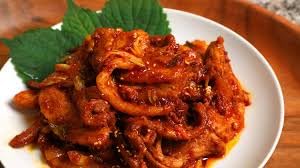
Heat lands in the medium zone, similar to CJ Haechandle but with a slightly earthier finish. The paste is very thick out of the tub, so I found it almost always needs thinning with a splash of water, stock, or sesame oil before it incorporates smoothly. Once thinned, it coats rice, noodles, and proteins beautifully.
The resealable plastic tub is sturdy and kept the paste fresh over six weeks of testing. At 17.6 ounces, this is one of the largest standard sizes available, and the cost per ounce is hard to beat.
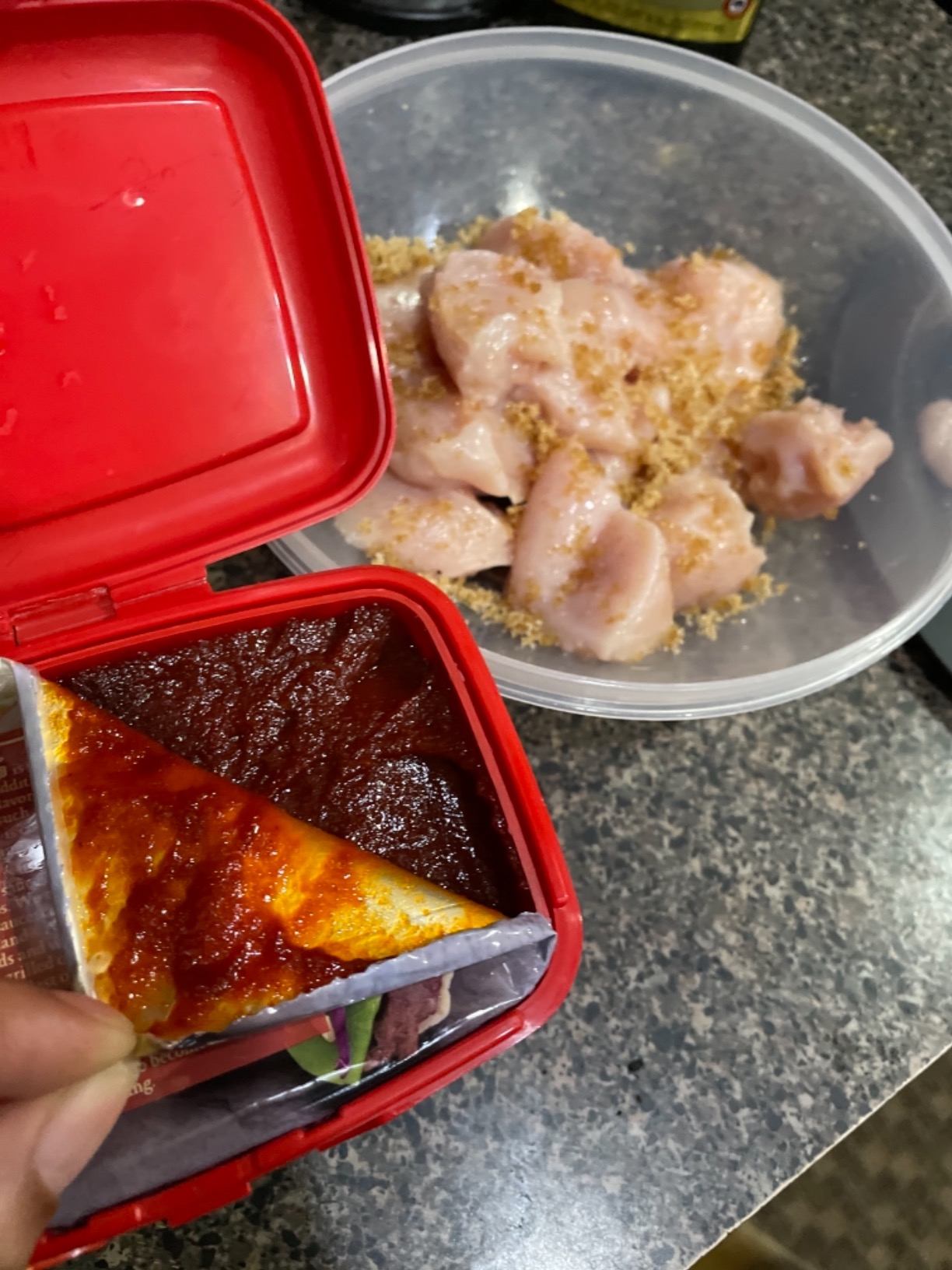
Best for marinades and stews
Roland’s deep fermented flavor shines in slow-cooked applications. I used it for a soy-braised short rib and the chili paste melted into the braising liquid, creating a glaze that clung to the meat. It also worked well as the base for a tteokbokki sauce, where its thickness helped the sauce cling to the rice cakes.
Why it ranks below the top two
The main reason Roland lands at number three is consistency. The texture occasionally has small clumps that need extra whisking, and the flavor profile leans more savory than the rounder, sweeter profiles of CJ Haechandle and Chung Jung One. For pure bibimbap performance, the top two are slightly better. But for marinades, braises, and stir-fries, Roland is a genuine bargain.
4. Sempio Organic Gochujang – Best Organic Korean Chili Paste
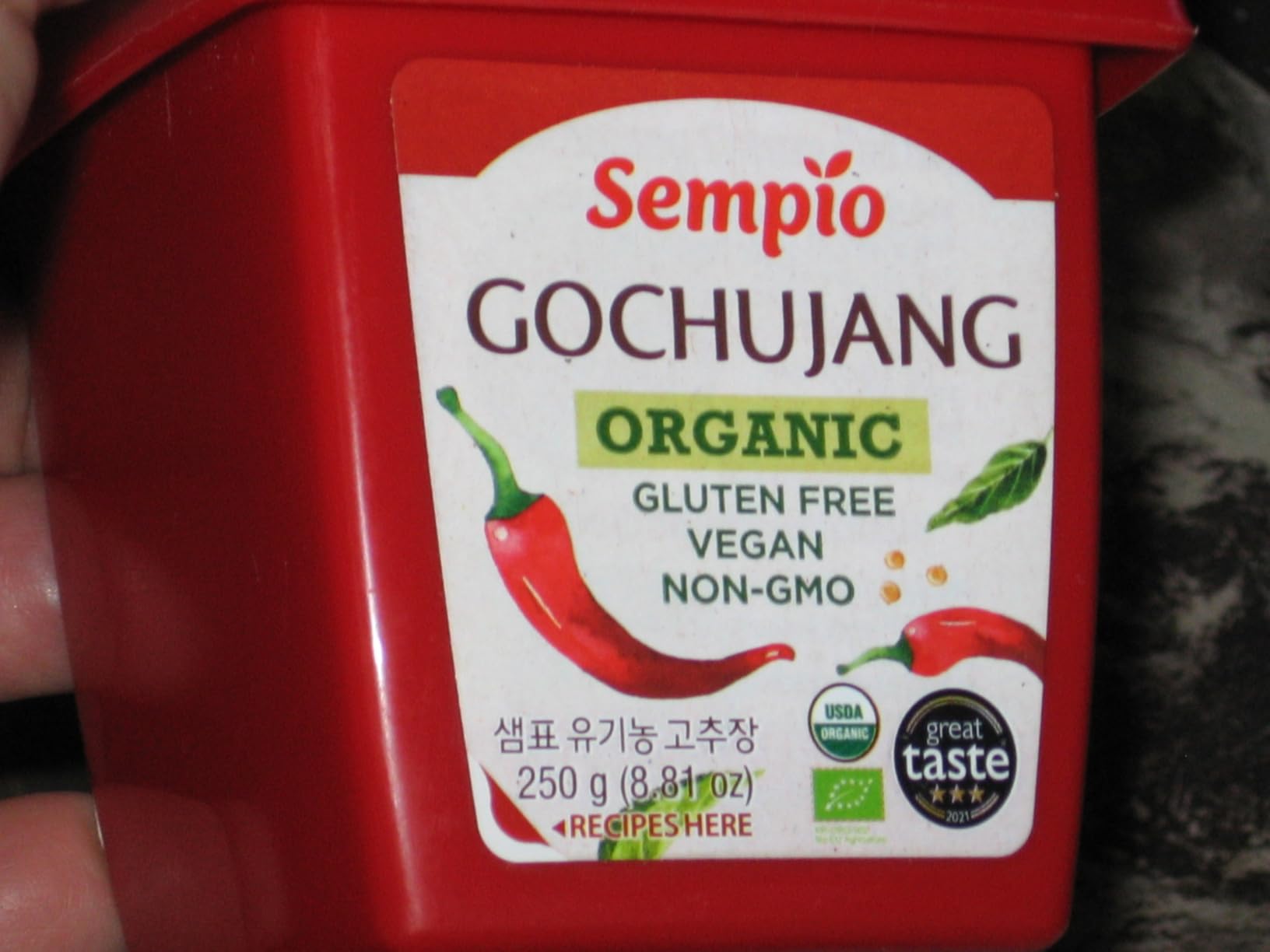
Sempio Gochujang Organic Gluten-Free Red Chili Pepper Paste, 8.8oz / 250g
8.8 oz (250g)
Certified organic
Gluten-free, vegan
Pros
- Certified organic and non-GMO
- Gluten-free and vegan
- Sun-dried red peppers
- No strong fermented odor
- Balanced sweet-heat-umami
Cons
- Smaller volume
- Can taste slightly salty
Sempio has been making jang sauces in Korea for generations, and their organic gochujang stands out for what it doesn’t contain: no wheat, no synthetic additives, no animal products. For health-conscious cooks or anyone with celiac or gluten sensitivity, this is the cleanest mainstream option I tested.
The flavor comes from sun-dried red peppers rather than standard dried chili, and you can taste the difference. The aroma is fresher and brighter, with a fruitier sweetness than other pastes in this roundup. I noticed almost none of the funky fermented smell that some people find off-putting, which makes this a friendlier pick for households new to Korean food.
Heat is medium, similar to Chung Jung One. Sweetness sits up front with umami arriving second, and the salt content is slightly more forward than competitors. I dialed back soy sauce by a splash when using Sempio in soups to compensate.
The 8.8-ounce container is smaller than other picks on this list, which is the main tradeoff for the organic certification. If you cook Korean food daily, you’ll go through this faster. If you cook it weekly, the size is perfect.
Best for special diets and clean eating
For anyone following a strict vegan, gluten-free, or non-GMO diet, Sempio is the safest bet on this list. The ingredients are short and recognizable. I also found it works well as a finishing paste stirred into grain bowls at the end of cooking, where the bright pepper flavor can shine without being overwhelmed by other ingredients.
How it compares to traditional pastes
Sempio tastes cleaner and lighter than CJ Haechandle or Maeil. It’s a different style of gochujang rather than a lesser one. If you want maximum fermentation funk and depth, go with Haechandle. If you want a clean, bright, organic paste for everyday cooking, Sempio delivers.
5. Maeil Gochujang – Best Korean Chili Paste for BBQ
Maeil Spicy Korean Gochujang (고추장) Paste [Hot Pepper Paste], Traditional Fermented Chili Pepper, Perfect Jang Sauce for Dips and Marinades [Korean Chili] 500g
500g (17.64 oz)
Locally cultivated peppers
Aged and fermented
Pros
- Locally grown Korean chili peppers
- Aged for concentrated flavor
- Pairs well with grilled brisket and bulgogi
- Sourced from dedicated South Korean farmers
- Rich umami
Cons
- Limited availability (stock varies)
- Slightly higher price
Maeil Gochujang is the choice I reach for when the grill is hot. The peppers are sourced from a single growing region in South Korea and aged longer than most commercial pastes, which concentrates both heat and sweetness into a paste that holds its own against flame-kissed meats.
I marinated sliced brisket in Maeil mixed with soy sauce, garlic, and a touch of honey for four hours, then grilled over high heat. The sugars in the paste caramelized into a glossy crust that was both spicy and slightly smoky. Bulgogi made the same way came out tender and deeply flavored.
![Maeil Spicy Korean Gochujang (고추장) Paste [Hot Pepper Paste], Traditional Fermented Chili Pepper, Perfect Jang Sauce for Dips and Marinades [Korean Chili] 500g customer photo 1](https://koreatowncookbook.com/wp-content/uploads/2026/08/B00DHX7LKY_customer_1.jpg)
The flavor profile leans a bit hotter than CJ Haechandle, with a cleaner pepper bite that I associate with artisanal Korean sauces. Heat builds steadily across the first few bites without ever becoming punishing. Sweetness is present but balanced, allowing the meat to remain the star.
For non-grilled dishes, Maeil also shines in dipping sauces. I thinned a teaspoon with sesame oil and rice vinegar to make a quick ssam-style dip for lettuce wraps, and it gave the vegetables real presence.
![Maeil Spicy Korean Gochujang (고추장) Paste [Hot Pepper Paste], Traditional Fermented Chili Pepper, Perfect Jang Sauce for Dips and Marinades [Korean Chili] 500g customer photo 2](https://koreatowncookbook.com/wp-content/uploads/2026/08/B00DHX7LKY_customer_2.jpg)
Best for traditional Korean flavors
If you care about provenance and traditional Korean sourcing, Maeil is worth seeking out. The company works directly with regional farmers, and the chili peppers reflect a specific terroir. That said, stock on Amazon fluctuates, so grab a tub when you see it available.
Tradeoffs to know about
Maeil comes in at a slightly higher price per ounce than CJ Haechandle, and availability isn’t as reliable. If you can find it in stock, it’s a beautiful paste. If you can’t, the top three options on this list will not disappoint.
6. Wang Gochujang – Best All-Natural Korean Chili Paste
Wang Gochujang, Traditional Korean Red Chili Pepper Paste
1.1 lb (17.6 oz)
Non-GMO, MSG-free
Traditional fermentation
Pros
- All-natural ingredients
- No MSG or GMOs
- Traditional Korean fermentation
- Versatile across dishes
- Large 1.1 lb pack
Cons
- Some packaging leaks reported
- Heat level moderate (not very spicy)
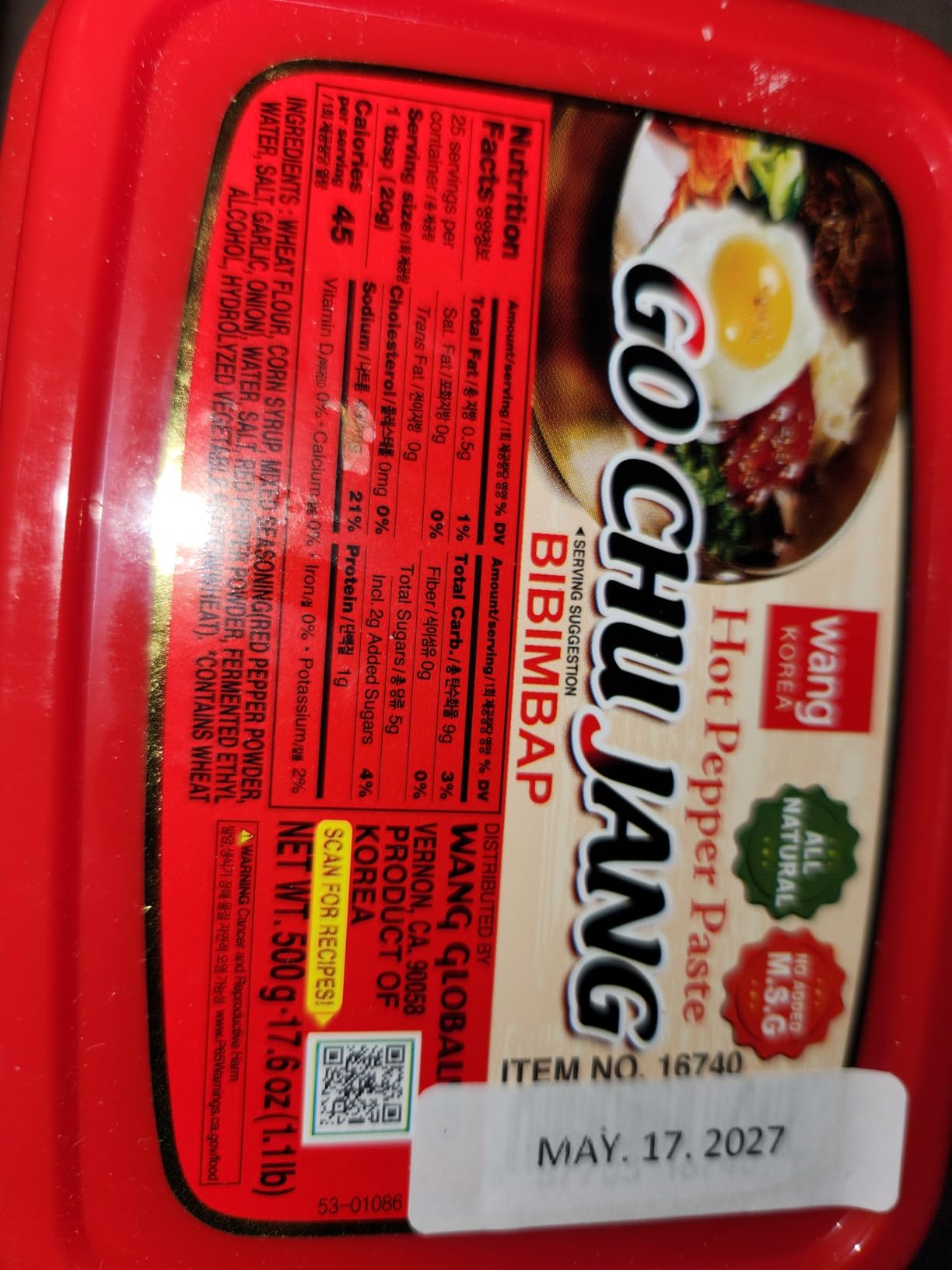
Wang Gochujang is America’s Test Kitchen’s top supermarket pick, and after testing it I understand why their tasters called it “deep and savory with perfect levels of spice and not too sweet.” This is the paste I’d hand to a friend who wants traditional Korean flavor without any ingredient worries.
The ingredient list is short and clean: red chili powder, glutinous rice, fermented soybeans, salt, and a touch of sweetness. No MSG, no preservatives, no corn syrup. The flavor reflects that simplicity. I tasted deep savory notes first, then a gentle sweetness, and finally a clean pepper warmth.
Heat is on the milder side, which makes Wang a great entry-level gochujang for households with kids or anyone sensitive to spice. If you want more fire, add gochugaru or a splash of hot sauce at the table.
The 1.1 lb tub offers strong value, and the paste held up well across multiple weeks of testing without drying out.
Best for dipping sauces
Wang’s milder, sweeter profile makes it ideal as a dip mixed with sesame oil and a bit of rice vinegar. I served it alongside a Korean BBQ dinner and it worked beautifully with both beef and pork. The flavor complemented rather than overwhelmed the meat.
Why it didn’t rank higher
Wang sits at 4.5 stars versus 4.6 for the top picks, and some users have reported packaging leaks during shipping. The heat level is also more moderate than other pastes, which is a strength for some cooks and a weakness for heat-seekers. For dipping and mild cooking, it’s excellent.
7. Lucky Foods Seoul Gochujang – Best Clean Label
Lucky Foods Seoul Gochujang Chili Paste, 15.8 OZ
15.8 oz
Shelf-stable
No hydrogenated fats or HFCS
Pros
- No hydrogenated fats
- No HFCS
- No bleached flour
- No synthetic nitrates
- Thick caramel-like consistency
- Fresh bright taste
Cons
- Heat may surprise sensitive palates
- Occasional packaging issues
Lucky Foods Seoul Gochujang earned the highest average rating of any paste I tested (4.7 stars), and once you read the ingredient panel you understand its appeal. There are no hydrogenated fats, no high-fructose corn syrup, no bleached flour, and no synthetic nitrates or nitrites. For a clean-label paste, this is the top choice.
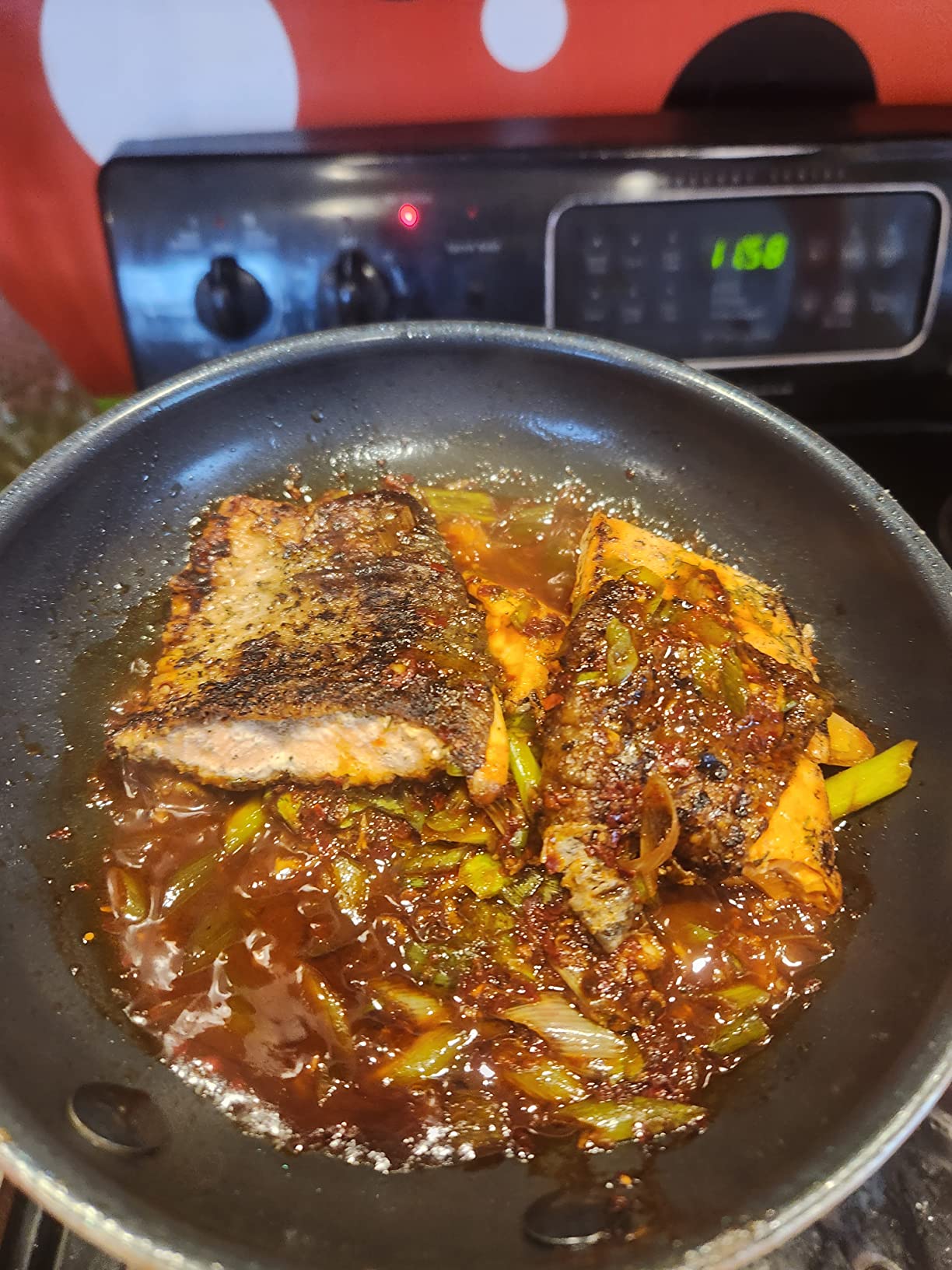
The consistency is thick and sticky, almost like caramel, which means it clings beautifully to proteins and rice. When I used it as a glaze for salmon, the sugars caramelized into a sweet-spicy crust that disappeared quickly at the dinner table.
Flavor leans slightly sweeter than competitors, with a balanced heat that sits firmly in the medium zone. The “fresh and bright tasting” reviews I saw elsewhere were accurate. This paste tastes newer, less aged, than Haechandle or Maeil, which some cooks love and others find less traditional.
Shelf-stable storage makes Lucky Foods easy to keep in the pantry without refrigeration, and the 15.8 oz container is a reasonable middle-ground size.
Best for health-focused cooks
If ingredient transparency matters most to you, Lucky Foods is the cleanest mainstream option on this list. It’s also the only paste with a 4.7 average rating, reflecting broad customer satisfaction. The tradeoff is a sweeter, less funky profile that diverges from traditional Korean flavor.
How it compares to Sempio
Both Lucky Foods and Sempio target health-conscious cooks, but they take different approaches. Sempio is certified organic and gluten-free. Lucky Foods focuses on avoiding specific additives and processed ingredients. Both are solid choices depending on which dietary priorities matter most to you.
8. Thank-you Sugar-Free Gochujang – Best Keto Korean Chili Paste
Thank-you Gochujang Korean Chili Paste, Reduced Sugar, Allulose, 8.81 oz
8.81 oz
Sugar-free with allulose
Keto-friendly
Pros
- Sugar-free with allulose sweetener
- No wheat or rice flour
- Traditional meju soybean base
- 100% Korean-sourced
- Keto-friendly
- Salt and pepper-only ingredient list
Cons
- Contains soy and anchovy
- Taste differs from traditional gochujang
- Not super spicy
For anyone following a keto or low-carb diet, traditional gochujang is usually off the table due to the glutinous rice content. Thank-you Gochujang solves that problem by skipping both wheat flour and rice flour entirely, instead using allulose as the sweetener. The result is a paste with the spicy-savory-umami character of gochujang but without the carb load.
The recipe traces back to a 1965 grandmother’s recipe from Sindangdong, Seoul, which gives it real pedigree. The base is fermented meju (traditional Korean soybean starter), and the chili peppers and sea salt are both 100% Korean-sourced.
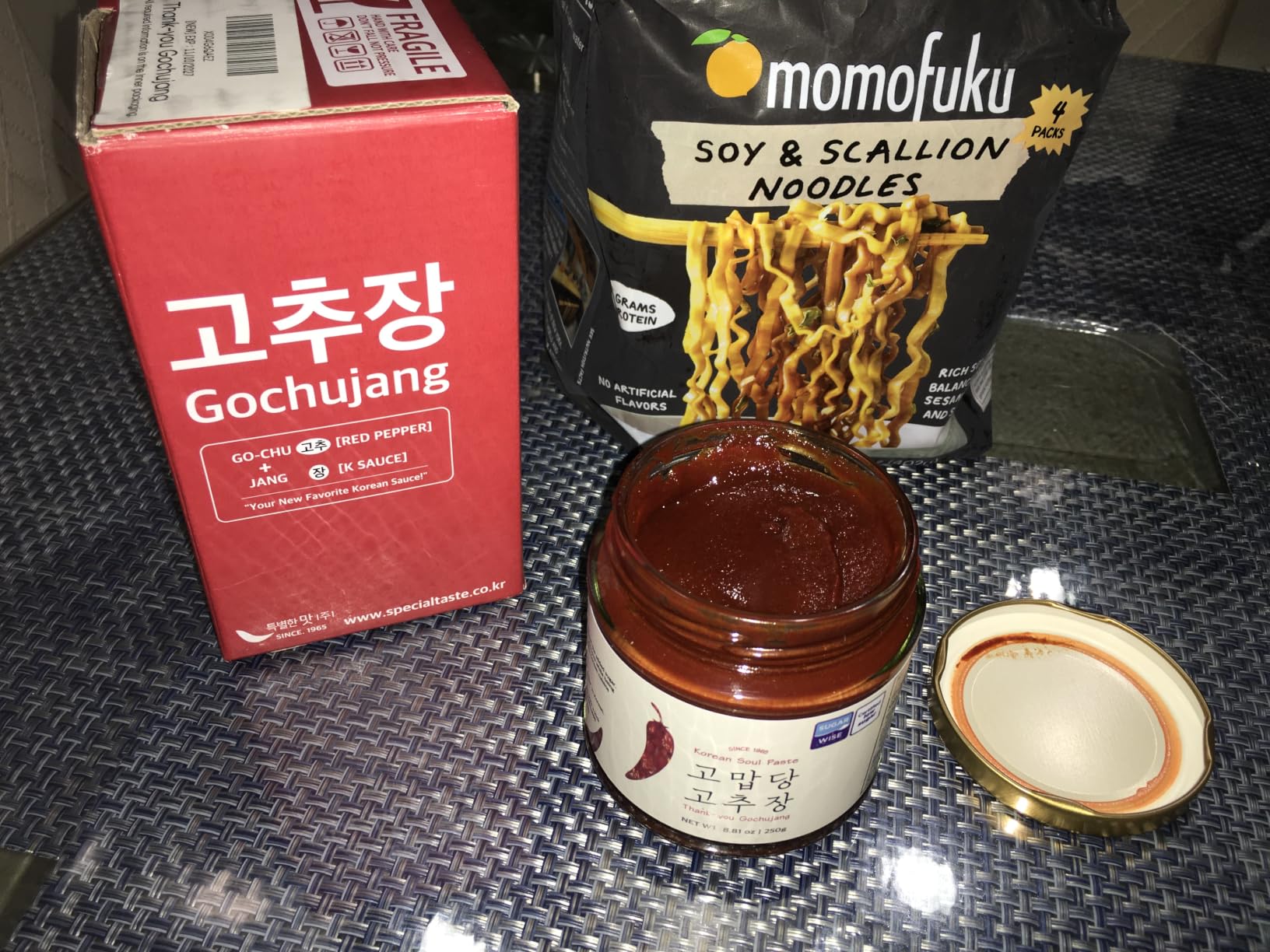
Flavor is slightly different from traditional gochujang. The allulose creates a cleaner sweetness that doesn’t linger the way rice-based pastes do, and the heat is moderate. I noticed a slightly different finish, more pepper-forward and less rounded, but still recognizably Korean.
Allulose is a low-calorie sugar substitute that doesn’t spike blood sugar, which is why this works for keto. The 8.81 oz size is small but reasonable for a specialty paste.
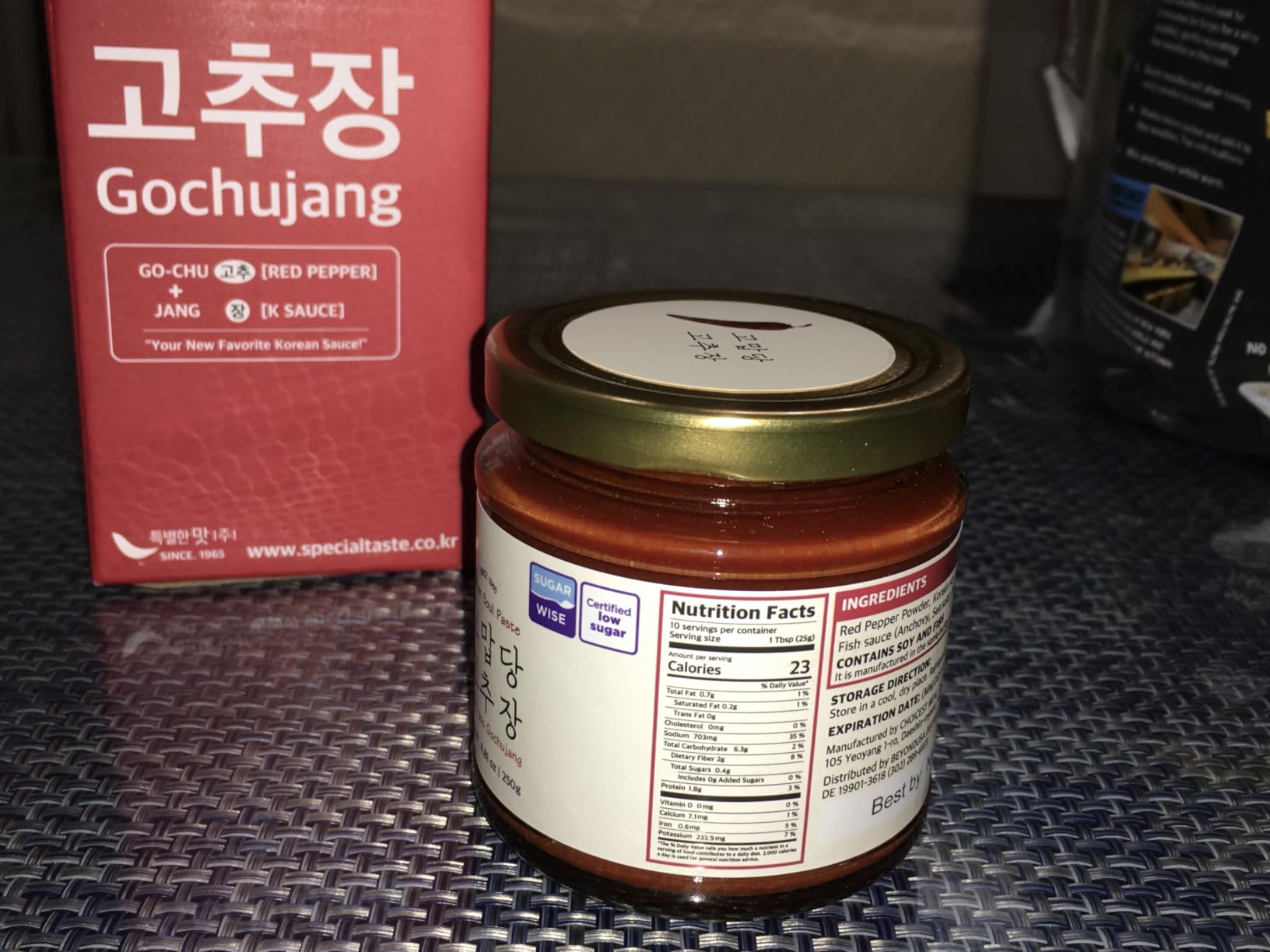
Best for low-carb and diabetic diets
If you’re managing carbohydrates for any reason, Thank-you is the only mainstream keto-friendly gochujang I’ve found that maintains genuine Korean fermentation character. It’s also the only one that uses 100% Korean-sourced ingredients in this category.
Important allergen notes
This paste contains soy and anchovy, so it’s not suitable for strict vegan or pescatarian-avoiding diets. Some reviewers have also raised concerns about gluten-free labeling accuracy, so anyone with severe celiac should use caution.
Buying Guide: How to Choose the Best Korean Chili Paste
Picking the best Korean chili paste for your kitchen comes down to four factors: heat tolerance, dietary needs, cooking style, and how authentically fermented you want the flavor. Here’s how I think about each one.
Heat level and spice tolerance
Gochujang sits in the medium-heat range for most mainstream brands. Wang and Chung Jung One run on the milder side. CJ Haechandle and Roland Foods land right in the middle. Maeil and Sempio build heat more steadily. For sensitive palates or kids at the table, Wang’s milder profile is the safest entry point. For heat-seekers, supplementing with gochugaru flakes at the table gives you control.
Fermentation depth and authentic flavor
The fermentation process is what makes gochujang taste like gochujang rather than just spicy-sweet paste. Longer fermentation creates more umami and a slightly funky, complex flavor. CJ Haechandle and Maeil show the deepest fermentation character. Roland Foods uses fermented soybean powder for strong umami. Sempio and Lucky Foods take a cleaner, less funky approach. None are wrong, but they deliver different experiences.
Container size and value
Tubs range from 8.8 oz (Sempio) to 17.6 oz (Chung Jung One, Roland, Wang). For weekly Korean cooking, a 500g (1.1 lb) tub is the sweet spot for value. If you cook Korean food once a month or less, the smaller sizes prevent the paste from losing peak flavor before you finish it.
Dietary needs and ingredient priorities
For organic and gluten-free diets, Sempio is the cleanest mainstream option. For keto and low-carb, Thank-you’s allulose-sweetened paste is the only true option. For additive-free cooking, Lucky Foods leads on label transparency. For MSG-sensitive households, Wang and Sempio are the safest picks.
Substitutes when you run out
If you run out mid-recipe, mix two parts miso paste with one part chili garlic sauce and a pinch of sugar for a quick substitute. Korean red pepper flakes (gochugaru) mixed with a touch of miso and honey also works for marinades. Sambal oelek combined with a splash of soy sauce and brown sugar can stand in for dipping sauces. None perfectly replicate gochujang’s fermented depth, but all rescue a dish in a pinch.
Storage tips for long-lasting flavor
Unopened gochujang keeps in a cool, dark pantry for up to a year. Once opened, store it in the refrigerator with the lid tightly sealed to slow further fermentation. Use a clean spoon every time to avoid introducing bacteria. Properly stored, an opened tub stays at peak flavor for 6 to 12 months.
FAQs
Which Korean chili paste is best?
CJ Haechandle Gochujang is the best Korean chili paste for most cooks, offering the most authentic balance of sweet, spicy, and umami flavors. It’s also the #1 best-selling gochujang in Korea with a 45-year heritage. For organic diets, Sempio is the top pick. For value, Roland Foods delivers strong flavor at a lower price.
What is a famous Korean chili paste?
Gochujang is the most famous Korean chili paste, a fermented condiment made from red chili powder, glutinous rice, fermented soybeans, and salt. It delivers the signature sweet-spicy-umami flavor found in bibimbap, tteokbokki, and kimchi. Other notable Korean chili pastes include gochugaru (dried flakes) and yangnyeom (spicy sauce blends).
What brand is the best gochujang?
CJ Haechandle is widely considered the best gochujang brand, both for its authentic Korean fermentation and its balanced flavor profile. Wang Gochujang is America’s Test Kitchen’s top supermarket pick, praised for being deep and savory with not too much sweetness. For organic and clean-label needs, Sempio is the top choice.
Which gochujang does America’s Test Kitchen recommend?
America’s Test Kitchen recommends Wang Gochujang as their favorite supermarket gochujang. Tasters found it deep and savory with perfect levels of spice and not too sweet. CJ Haechandle and Chung Jung One perform at similar quality levels in our own testing and are widely favored by home cooks on Reddit’s r/KoreanFood community.
Final Verdict
After testing 8 of the top commercial gochujang brands side by side, CJ Haechandle earns the top spot as the best Korean chili paste for 2026. It delivers the most authentic fermented flavor, balances sweet-heat-umami better than the competition, and works across every Korean dish from bibimbap to braised short ribs.
For specific needs, reach for Chung Jung One if you cook bibimbap weekly, Roland Foods if value matters most, Sempio if you need organic and gluten-free, and Thank-you if you’re following a keto diet. Any of these eight pastes will dramatically upgrade your Korean cooking compared to skipping gochujang entirely. Pick the one that matches your cooking style and dietary priorities, and start with a simple bibimbap bowl to experience what authentic fermented chili paste can do.