
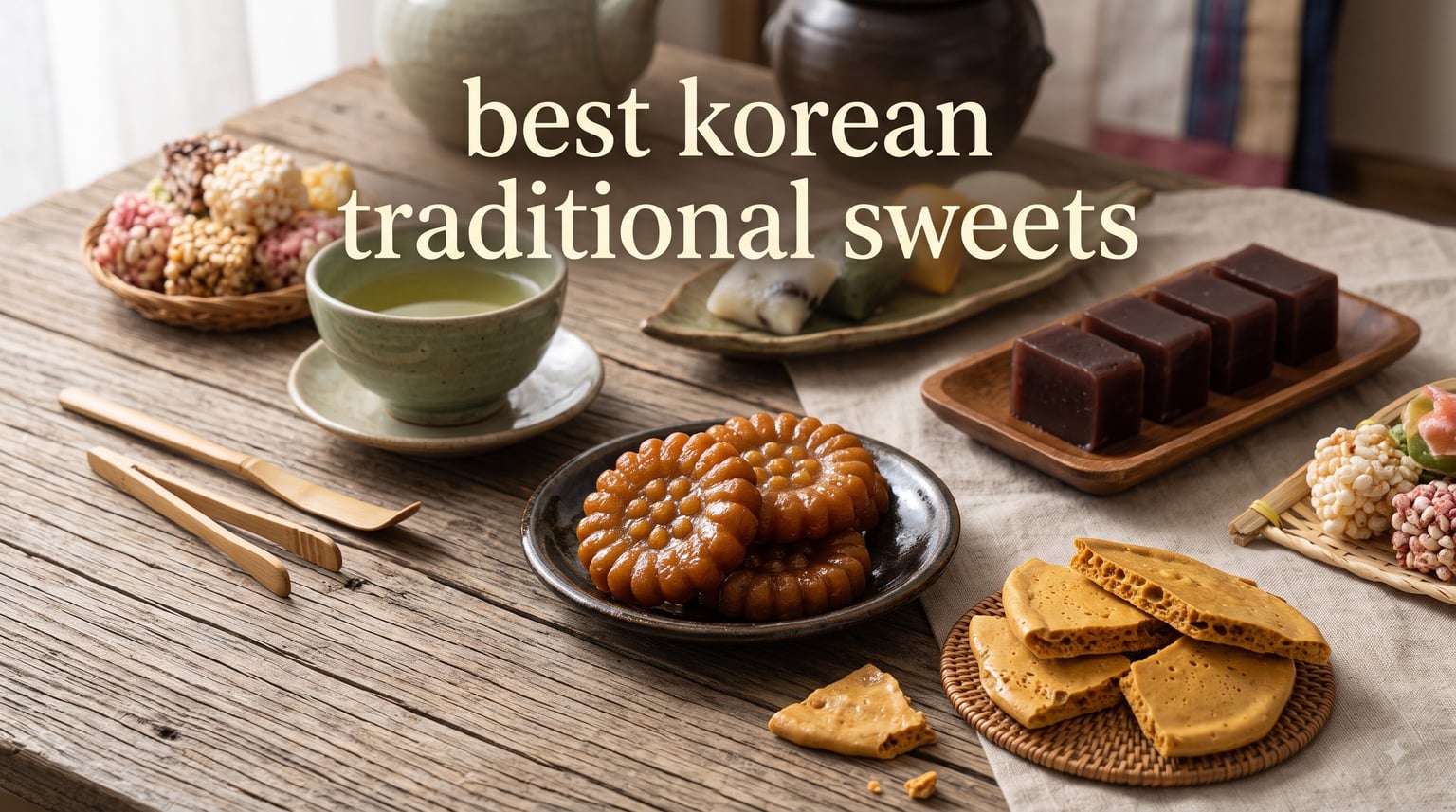
I grew up watching my grandmother roll songpyeon by hand every Chuseok, and that memory shaped how I think about Korean sweets. There is something deeply satisfying about a culture that treats dessert as an expression of balance, color, and season. The best Korean traditional sweets are not just sugary treats but edible works of art tied to centuries of ceremony.
Traditional Korean confections fall into two main categories: hangwa (한과), which includes fried, puffed, and sweetened grain snacks, and tteok (떡), the steamed rice cakes enjoyed at every major holiday. Yakgwa (약과), Korea’s national honey cookie, bridges both worlds with its deep-fried, honey-soaked richness. Yanggang (양갱), the silky red bean jelly, has recently gone viral among Gen Z snackers thanks to singer Bibi’s obsession with the stuff.
Our team ordered 12 commercially available Korean traditional sweets and tested each one over several weeks. We compared flavor, texture, freshness, packaging quality, and how closely each product captured the authentic taste you would find at a street cart in Seoul or a traditional market in Busan. Whether you are shopping for a Chuseok gift box, curious about the yakgwa cafe trend, or just want to understand what makes these treats different from Japanese mochi, this guide covers it all.
Table of Contents
Top 3 Korean Traditional Sweets Picks
After testing every product in this guide, three stood out for different reasons. The Samlip Mini Honey Yakgwa earned our Editor’s Choice for being the most authentic representation of Korea’s national sweet. Nongshim’s Honey Twist took Best Value for its incredible crunch and shareable format. The BUTO Chewy Sweet and Sour Candy earned Top Rated status with the highest customer rating in the entire lineup.
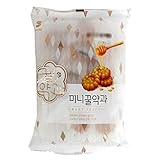
Samlip Mini Honey Yakgwa
- Authentic honey pastry
- Individual packs
- 200g bag
- #1 Best Seller in category

Nongshim Honey Twist Snack
- Acacia honey coating
- Crispy twisted shape
- Resealable bag
- Beloved since 1972

BUTO Chewy Sweet and Sour Candy
- Grape Peach and Strawberry Lemonade
- Vitamin C enriched
- Chewy not sticky
- Kids love it
These three represent the range of what Korean traditional sweets can be. The yakgwa delivers that dense, honey-soaked pastry experience. The Honey Twist offers a modern twist on honey-glazed grain snacks. And the chewy candy shows how Korean confectionery has evolved into something fun and accessible for beginners.
Best Korean Traditional Sweets in 2026
Here is the full comparison of all 12 products we tested. Use this table to scan features at a glance before diving into the individual reviews below.
| Product | Specifications | Action |
|---|---|---|
| Samlip Mini Honey Yakgwa |
|
Check Latest Price |
 Haitai Sweet Red Bean Jelly Haitai Sweet Red Bean Jelly |
|
Check Latest Price |
 Sookwang Dalgona Candy Sookwang Dalgona Candy |
|
Check Latest Price |
 ROM America King Candy ROM America King Candy |
|
Check Latest Price |
| BUTO Chewy Candy 2 Pack |
|
Check Latest Price |
 Hongsamjin Red Ginseng Yakgwa Hongsamjin Red Ginseng Yakgwa |
|
Check Latest Price |
| Nongshim Honey Twist |
|
Check Latest Price |
 Korean Assorted Fruity Hard Candy Korean Assorted Fruity Hard Candy |
|
Check Latest Price |
 K Food Rice Puffs Yugwa K Food Rice Puffs Yugwa |
|
Check Latest Price |
 Minecook Red Bean Jelly and Chestnut Minecook Red Bean Jelly and Chestnut |
|
Check Latest Price |
 56% Milk Classic Rice Crackers 56% Milk Classic Rice Crackers |
|
Check Latest Price |
 K-Herb Seaweed Rice Crackers K-Herb Seaweed Rice Crackers |
|
Check Latest Price |
1. Samlip Mini Honey Yakgwa – Korea’s National Sweet in Snack Form
Korean Sweet Tea Food Mini Honey yakgwa Traditional Snaks Dessert 200g
Authentic Korean honey yakgwa
200g individual packs
#1 Best Seller in Packaged Desserts
Honey flavored
Pros
- Authentic sweet honey flavor
- Not overly sweet despite glaze
- Dense funnel cake-like texture
- Individually wrapped for freshness
Cons
- Some pieces arrive harder than expected
- Oily fried taste bothers some
- Too sweet for a few reviewers
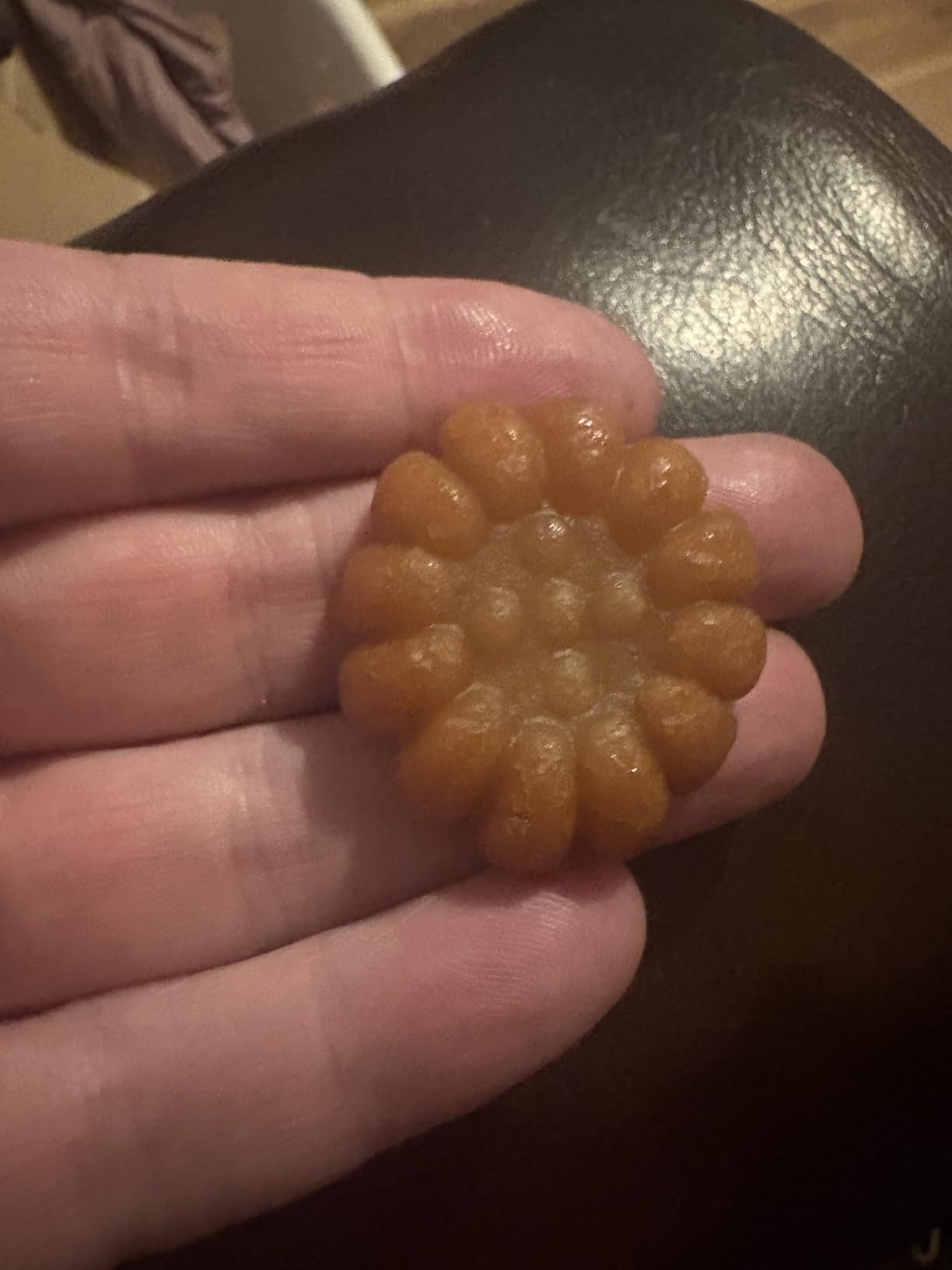
When I opened the Samlip Mini Honey Yakgwa bag, the first thing that hit me was the honey. This is the product I would hand to someone who has never tried Korean traditional sweets and wants to understand what all the fuss is about. Yakgwa is considered Korea’s national sweet, and this version captures the essential experience: a dense, slightly chewy pastry soaked in honey syrup with a whisper of sesame oil.
Each piece is individually wrapped, which matters more than you might think. Traditional yakgwa from a bakery in Seoul is best eaten fresh, but these wrapped versions stay soft for weeks. I kept a few in my desk drawer and they tasted the same on day ten as they did on day one. The 200g bag gives you about 20 small pieces, making it easy to share without committing to a giant box.
Over 1,000 reviewers agree on one thing: these taste like a cross between a honey bun and a glazed donut, but denser and more interesting. Several people compared the texture to a funnel cake, which is surprisingly accurate. The sweetness is rich but does not clobber you the way American honey-glazed pastries can.
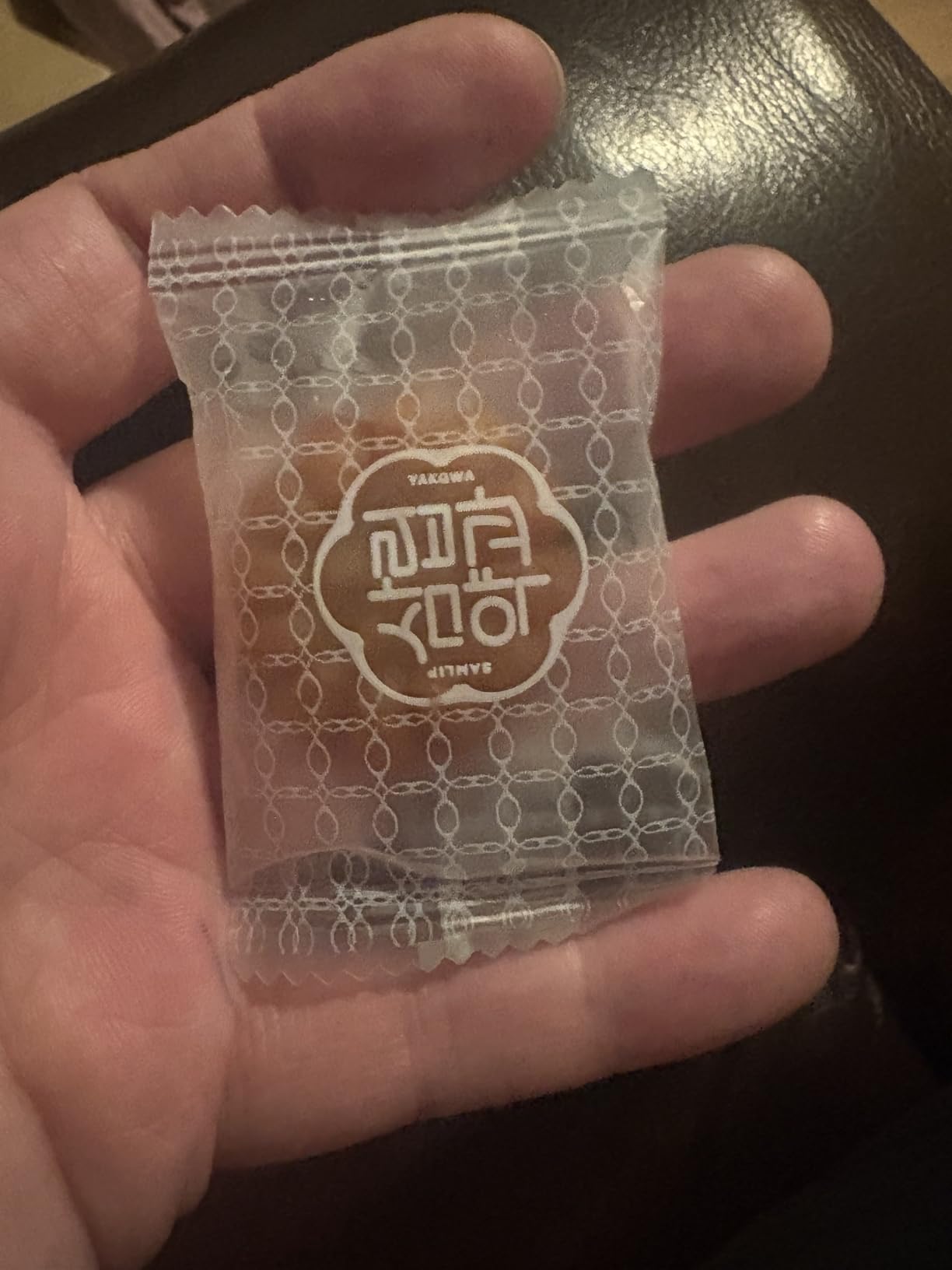
The technical story behind yakgwa explains why it tastes so distinct from Western pastries. The dough uses wheat flour mixed with sesame oil, honey, rice wine, and ginger juice before being deep-fried and soaked in a honey syrup. Samlip’s version streamlines this for mass production while keeping the core flavor profile intact. It ranks as the number one best seller in the Packaged Sweet Dishes and Desserts category on Amazon.
I did notice some variability between batches. A few pieces in one bag were noticeably harder than others, which some reviewers also flagged. This is the nature of a product that simulates a handmade pastry at scale. The oiliness is inherent to yakgwa since it is a fried snack, so if you have never had it before, expect that richness rather than being caught off guard.
Best paired with green tea or barley tea
Yakgwa was traditionally served at Korean tea ceremonies, and for good reason. The sweetness of the honey pairs beautifully with the slight bitterness of roasted barley tea (boricha) or the grassy notes of green tea. I tested this pairing myself and the tea genuinely cuts through the richness, making each yakgwa piece taste more balanced. If you are serving these to guests, offer tea alongside them rather than coffee.
Storage tips for maximum freshness
Even though each piece is individually wrapped, I recommend keeping the unopened bag in a cool, dry place away from direct sunlight. Once you open an individual wrapper, eat it within a day for the best texture. Some reviewers mentioned the cookies can become overly hard if left in a warm car or near a heat source, so treat them with the same care you would give any honey-based confection.
2. Haitai Sweet Red Bean Jelly (Yanggang) – Silky Red Bean Tradition
Haitai Sweet Red Bean Jelly | 50g | Pack of 10, Korean Snack, Yokan, Yangeng Traditional Korean Dessert, 연양갱
Traditional yanggang red bean jelly
Pack of 10 pieces
50g each
Natural bean flavor
Pros
- Natural red bean sweetness
- Nostalgic Korean taste
- Convenient on-the-go packaging
- Good value for 10 pieces
Cons
- Texture takes getting used to
- Some find it too sweet
- Not for red bean skeptics
Yanggang (양갱) is one of those Korean traditional sweets that divides people. If you already love red bean paste in any form, you will probably adore these. If red bean is new to you, the dense, slightly earthy sweetness might take a moment to click. I tested these with both my Korean-American friend who grew up eating them and my coworker who had never tried red bean dessert, and their reactions could not have been more different.
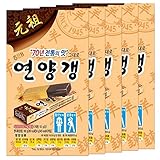
The Haitai version comes in a pack of 10 individually wrapped bars, each about 50 grams. The texture is firm but yielding, somewhere between a fruit leather and a firm pate. You can taste the actual red bean, not just sugar, which is what separates a quality yanggang from a cheap one. At 4.4 stars across 172 reviews, most people appreciate that the sweetness feels natural rather than cloying.
What makes yanggang particularly interesting right now is its viral moment. Singer Bibi went on a show talking about her love for Bam Yang Gang (chestnut yanggang), and suddenly a dessert that older Koreans associated with their grandmother’s generation became Gen Z’s obsession. This Haitai version is the classic red bean style, not the chestnut variant, but it captures the same nostalgic energy.
The production method sets yanggang apart from other jellies. It is made by sweetening and firming red bean paste with agar, resulting in a vegan-friendly dessert that contains no dairy or eggs. Each bar is dense and filling despite its small size, which makes it a surprisingly satisfying afternoon snack when you just need something small.
Some reviewers found the texture challenging, describing it as rubbery or too firm. This is a common reaction for people used to softer Western desserts. I would compare it to Japanese yokan, which uses a very similar technique, so if you have enjoyed yokan before, you know what to expect.
Serving suggestion for traditional presentation
In Korea, yanggang is traditionally sliced thin and served alongside bitter tea, especially during the colder months. The sweetness of the jelly balances the astringency of the tea perfectly. I tried it with both matcha and a standard black tea, and the pairing worked beautifully. Serve the slices on a small plate rather than eating the whole bar out of the wrapper for the full experience.
Vegan and gluten-free status
Yanggang is naturally vegan since it uses agar (derived from seaweed) as the setting agent rather than gelatin. It is also gluten-free as long as no wheat-based thickeners are added. However, always check the specific ingredient label on the package you receive, as manufacturing processes can vary between production runs and regional distributors.
3. Sookwang Dalgona Candy – The Squid Game Street Treat
Sookwang K-Food Crunch Dalgona Korean Traditional Street Delight Sugar Candy, Sweet Treat for Movie Snack, Party_7.05 oz (200g)_1 Pack
Traditional Korean dalgona candy
200g
K-drama and Squid Game famous
Crunchy sugar texture
Pros
- Nostalgic Korean street food taste
- Light and airy crunch
- Rich caramelized sweetness
- Great as ice cream topping
Cons
- Often arrives smashed or crumbly
- Some batches have burnt flavor
- Packaging issues during shipping
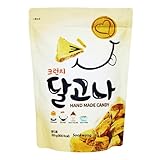
Dalgona needs no introduction if you watched Squid Game. This is the honeycomb toffee candy that contestants had to carefully break shapes out of, and it became a global phenomenon overnight. The Sookwang version brings that exact street food experience into your home, complete with the same caramelized sugar crunch that Korean kids have enjoyed from street carts for decades.
When I first bit into one, the texture was lighter and airier than I expected. This is not hard candy but rather a porous, honeycomb-like structure that shatters when you bite it. The sweetness is intense but brief, dissolving quickly on your tongue with a slightly smoky caramel note that comes from the baking soda reaction during cooking.
The main concern with dalgona shipped commercially is fragility. Several reviewers reported their candy arriving in pieces rather than intact rounds. This is a structural limitation of the candy itself, not necessarily a packaging failure. Dalgona is incredibly delicate by nature, and any shipping journey will test its integrity.
Authentic dalgona is made by melting sugar with a pinch of baking soda, which causes it to puff up and create that characteristic honeycomb texture. The Sookwang product stays true to this method. Each piece has that golden-brown color and the slightly bitter edge that distinguishes properly caramelized sugar from simple sugar candy.
A few reviewers mentioned a burnt flavor in some batches. This can happen when the sugar is cooked slightly too long during production. If you get a batch with this note, it is a quality control issue rather than the intended flavor profile. The ideal dalgona should taste sweet, caramelized, and just barely smoky.
Creative ways to use crushed dalgona
Even if your dalgona arrives broken, the pieces are not wasted. I crushed mine and sprinkled them over vanilla ice cream, which recreated the viral dalgona coffee and dalgona ice cream trend perfectly. You can also mix crushed pieces into cookie dough or use them as a topping for bingsu, the Korean shaved ice dessert.
What to expect from shipping
Given the fragility issue, I recommend ordering dalgona during moderate weather and choosing the fastest shipping option available. Extreme heat can cause the candy to soften and stick together, while rough handling will break the delicate honeycomb structure. If presentation matters for your use case, consider buying dalgona from a local Korean market instead.
4. ROM America King Assorted Candy (Wangsatang) – Old-School Korean Hard Candy
Korean Traditional King Assorted Fruit Flavored Candy, 왕사탕, 330g (Pack of 2)
Korean king-sized fruit candy
Wangsatang assorted flavors
330g pack of 2
Subtle fruit flavors
Pros
- Large king-sized candy pieces
- Subtle and natural fruit flavors
- Fun international candy experience
- Good value for two large packs
Cons
- Very sweet for some palates
- Coated in table sugar
- Large size may be too much for kids
Wangsatang (왕사탕), literally meaning king candy, is the oversized hard candy that every Korean adult remembers from their childhood. These are the kind of candies you would find in a glass jar at a traditional Korean store, each one big enough to last a good twenty minutes of slow sucking. The ROM America version captures that nostalgic format with assorted fruit flavors.
I found the flavors more subtle than I expected from the bright colors. These are not the aggressively flavored fruit candies you find in American candy aisles. Instead, the fruit notes are gentle and slightly floral, more like a hint of fruit than a blast of artificial flavoring. The exterior is rolled in sugar, which adds a pleasant crunch before the hard candy underneath dissolves slowly.
The pack of 2 gives you 660 grams total, which is a substantial amount of candy. Each piece is genuinely large, about the size of a golf ball, which is part of the charm. In Korea, these candies are associated with the post-war generation when sweets were a luxury and a single large candy was something to savor slowly.
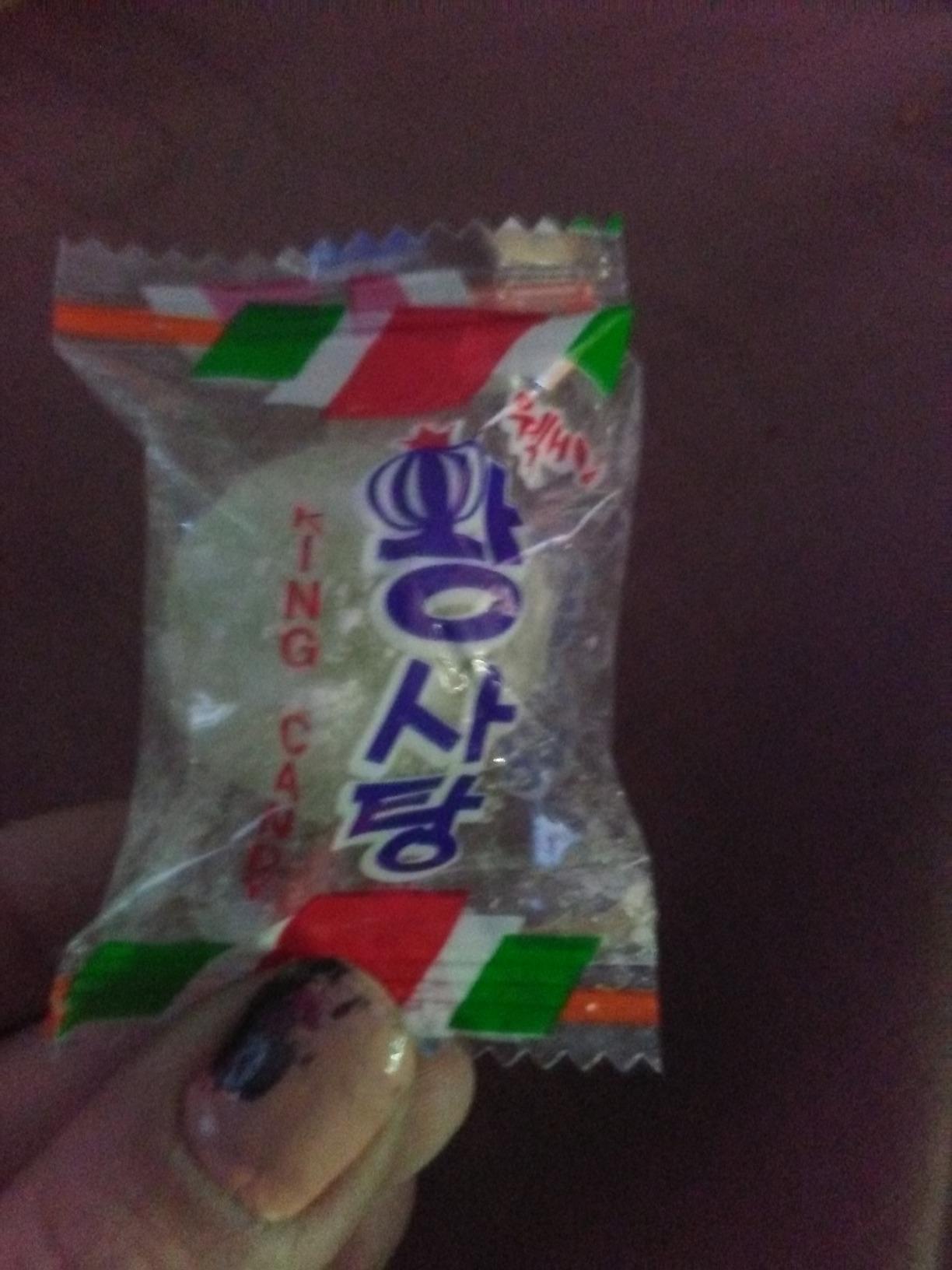
Reviewers appreciated the fun factor of these candies as a conversation piece and a cultural experience. The 4.1-star rating reflects a split between people who loved the nostalgic, old-school quality and those who found the sugar coating and intense sweetness overwhelming. I would not call these a daily candy but rather something to keep in a bowl for guests or to share during a Korean movie night.
The flavors in the assortment include strawberry, orange, grape, and melon, though they are not always clearly labeled. The subtle quality of the flavoring is actually what makes these interesting. If you are used to the intense fruit punch of Western hard candies, wangsatang will feel refreshingly restrained by comparison.
Best occasions for serving wangsatang
These candies work well in a decorative bowl for guests, as part of a Korean-themed gift basket, or as a unique addition to a candy buffet at an event. I served them at a dinner party alongside other Korean traditional sweets and they sparked the most conversation. People were fascinated by the size and the gentle, old-fashioned flavor profile.
Sugar coating and sweetness level
The outer sugar coating is worth noting if you are sensitive to sweetness. It adds a layer of pure sugar before the hard candy even begins. Some reviewers loved this textural contrast while others found it excessive. If you prefer a less sweet experience, you can quickly rinse the coating off under cold water and let the candy dry before enjoying.
5. BUTO Chewy Sweet and Sour Candy – The Highest-Rated Pick
Korean Chewy Sweet and Sour Candy Assortment (2 Pack)
Korean chewy candy 2 pack
Grape Peach and Strawberry Lemonade
Vitamin C enriched
Product of Korea
Pros
- Excellent sour tang that balances sweetness
- Chewy without sticking to teeth
- Great value with two flavor varieties
- Kids absolutely love them
Cons
- Some received expired product
- May be too sour for sensitive palates
With a 4.8-star rating across 142 reviews, the BUTO Chewy Sweet and Sour Candy is the highest-rated product in this entire guide. I was skeptical that a chewy candy could live up to that kind of praise, but after trying both flavor packs, I understand the enthusiasm. These are genuinely excellent candies that bridge the gap between traditional Korean confectionery and modern snack culture.
The two-pack includes Grape and Peach in one bag plus Strawberry and Lemonade in the other. Each candy has that satisfying chew that taffy lovers crave, but what sets these apart is the sour component. The tang hits first, bright and mouth-puckering, before the sweetness rounds it out. Multiple reviewers compared them favorably to Hi-Chew, and I would say the flavor complexity is actually superior.
What impressed me most was the texture. Many chewy candies become a sticky mess that lodges in your dental work, but these have a clean chew that does not adhere to teeth. The Vitamin C enrichment is a nice touch that feels distinctly Korean, where functional ingredients in snacks are common practice.
These candies represent the modern evolution of Korean traditional sweets. While they are not a historical recipe like yakgwa or yanggang, they carry forward the Korean emphasis on balanced flavor and quality texture. The sweet-and-sour combination reflects the ohmi (오미) principle of five flavors that has guided Korean food philosophy for centuries.
The main issue flagged by reviewers was occasional receipt of expired or near-expired product. This is a fulfillment problem rather than a product quality issue, but it is worth checking the date on your package when it arrives. If you get a fresh batch, you are in for a treat.
Flavor profile comparison between varieties
The Grape and Peach variety offers a juicier, more fruit-forward experience. The grape flavor in particular tastes like actual Korean grapes rather than artificial grape flavoring. The Strawberry and Lemonade variety leans more tart, with the lemonade providing a bright citrus edge that makes these candies incredibly refreshing. I found myself reaching for the Strawberry Lemonade on hot afternoons and the Grape Peach as an after-dinner treat.
Kid-friendly and shareable format
Many reviewers specifically mentioned that their kids went crazy for these candies. The individually wrapped format makes them perfect for lunchboxes, party favors, or just keeping in the car. The two-pack means you can keep one flavor at home and take the other to the office. Given the high rating and reasonable per-piece cost, these are the easiest recommendation in this guide for casual snackers.
6. Hongsamjin Red Ginseng Yakgwa – Premium Gift-Box Yakgwa
Korean Food Hongsamjin Yakgwa Honey Glazed Donut Cookies – 30 Individually Wrapped Korean Honey Pastry Bites with Red Ginseng – Chewy Traditional Snack & Gift Set
Red ginseng yakgwa cookies
30 individually wrapped pieces
Elegant gift box
Made with 6-year Korean red ginseng
Pros
- Chewy honey and ginger flavor combination
- Beautiful gift-ready packaging
- 30 individually wrapped pieces
- Versatile pairing with ice cream or peanut butter
Cons
- Can arrive squashed during shipping
- Oily texture bothers some
- Strong ginseng smell may be off-putting
This is the most polarizing product in our guide. The Hongsamjin Red Ginseng Yakgwa takes the traditional yakgwa concept and elevates it with six-year Korean red ginseng, creating a premium gift-box experience that some people adore and others find challenging. I fell somewhere in the middle, appreciating the concept while wishing the execution were more consistent.
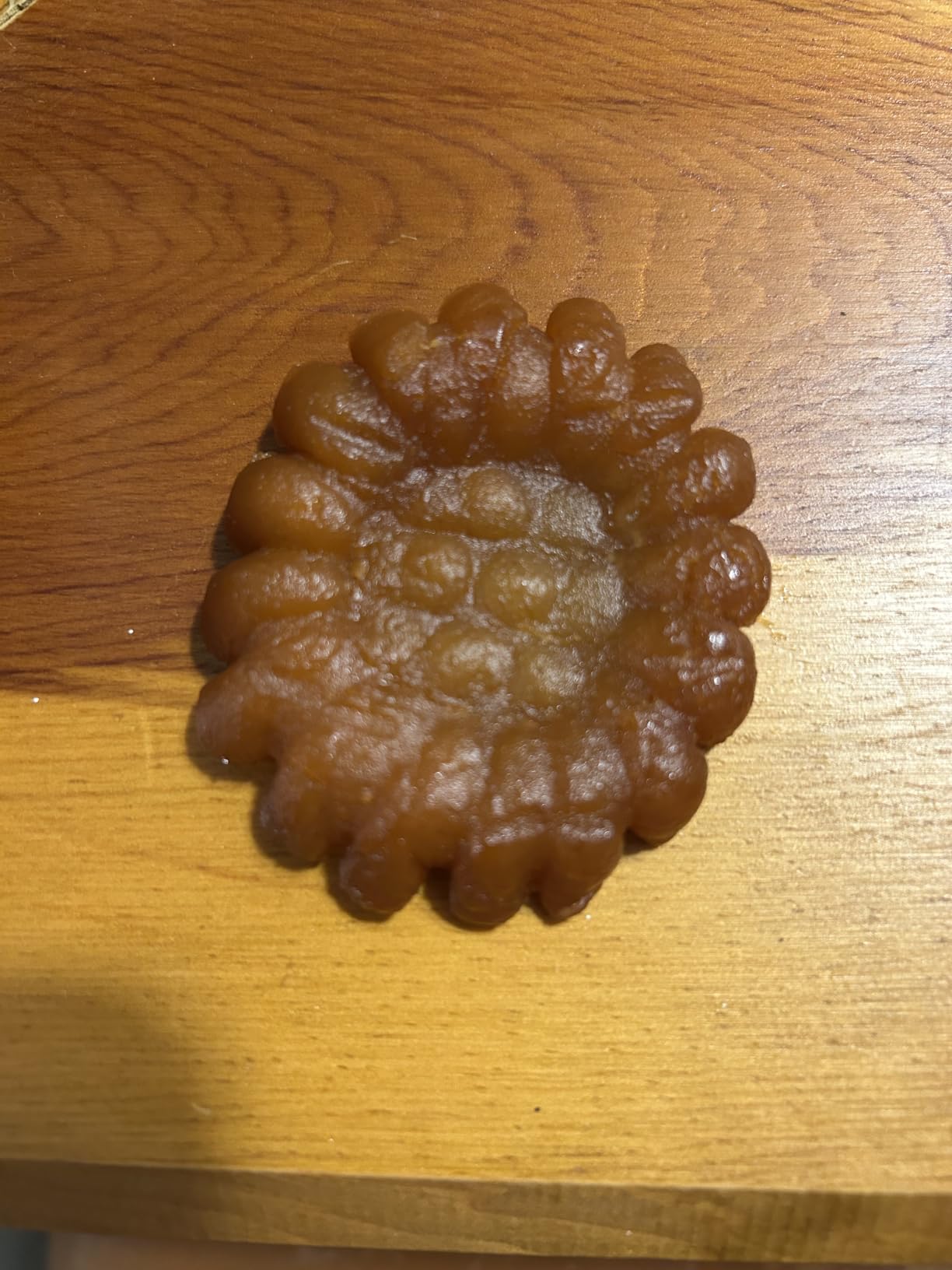
The gift box itself is genuinely impressive. When I opened it, the presentation felt worthy of a Chuseok or Lunar New Year gift. Inside are 30 individually wrapped yakgwa pieces, each one a small bite of honey-glazed, ginseng-infused cookie. The chewy texture is softer than the Samlip version, almost like a dense mochi crossed with a honey cake.
The red ginseng component is where opinions diverge sharply. Ginseng has a distinctive earthy, slightly bitter aroma that some people love and others find overpowering. When I first opened the box, the ginseng scent was immediately noticeable. The flavor itself is more subtle than the smell suggests, with the honey sweetness doing most of the heavy lifting and the ginseng adding an herbal undertone.
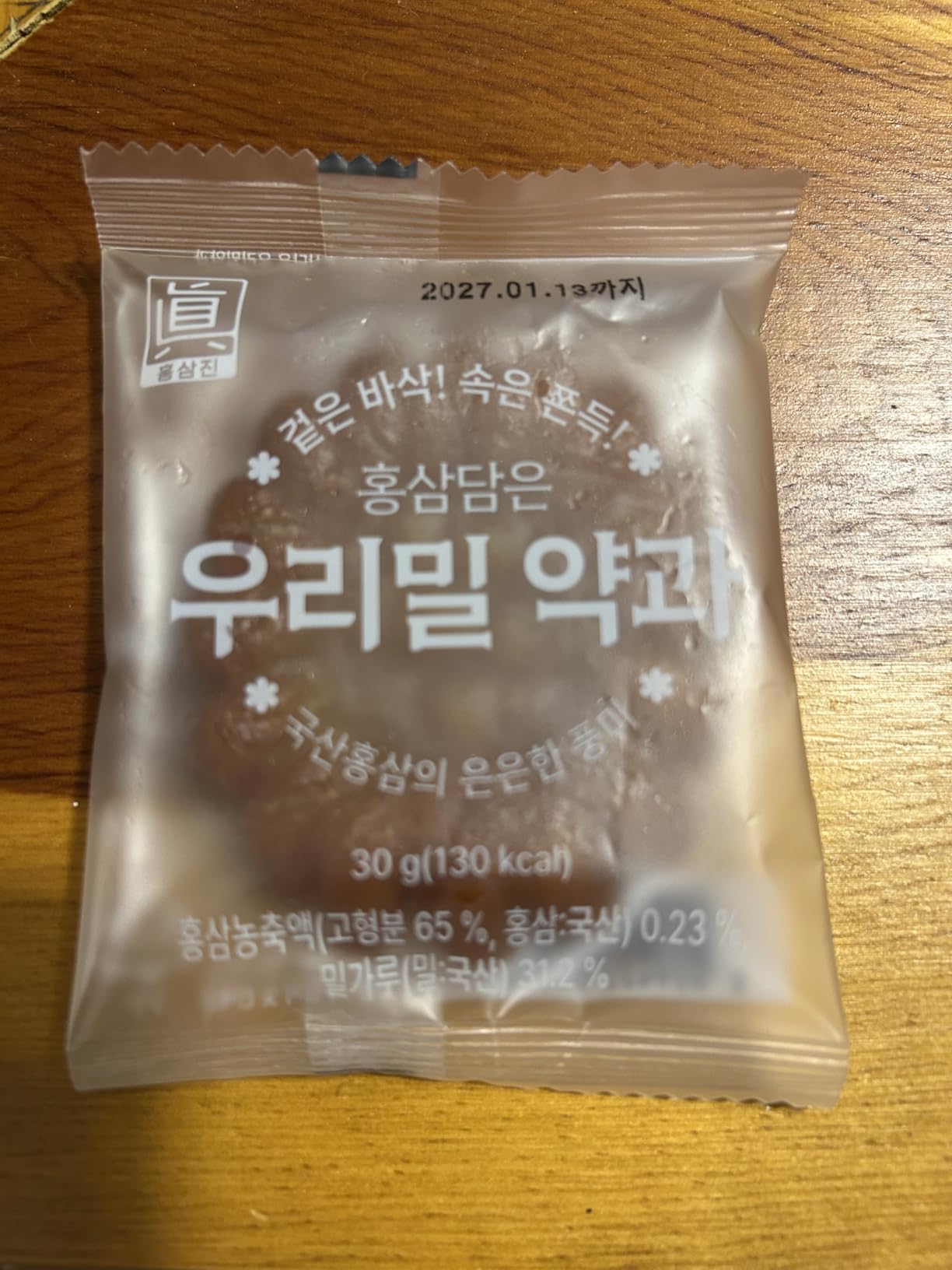
At 3.3 stars across 123 reviews, the rating reflects this divide. People who enjoy herbal flavors and appreciate the health-boosting tradition of red ginseng rated it highly. Those expecting a straightforward sweet cookie were disappointed by the oily texture and prominent ginseng aroma. I think the key is managing expectations: this is not a dessert cookie but a functional traditional treat.
The concept of adding medicinal ingredients to sweets is deeply rooted in Korean culture. The word yak in yakgwa literally means medicine, reflecting the historical belief that honey itself was therapeutic. Adding red ginseng extends this philosophy, creating a snack that is meant to be both enjoyable and beneficial. If you approach it with that context, the flavor profile makes more sense.
Who is this gift box designed for
This product shines as a gift for Korean elders, health-conscious snackers, or anyone who already enjoys ginseng products. The elegant packaging makes it appropriate for formal gift-giving occasions like Chuseok, Lunar New Year, or even corporate gifting. I would not recommend it as an introduction to Korean sweets for someone with a strictly Western palate, as the ginseng element requires an open mind.
Creative serving ideas beyond plain snacking
Several reviewers discovered that these yakgwa pieces work surprisingly well when paired with other foods. One suggested warming them briefly and serving with vanilla ice cream, which I tried and can confirm is delicious. Another recommended spreading a thin layer of peanut butter on top, which sounds odd but creates a surprisingly satisfying sweet-savory combination. The individually wrapped format also makes them easy to pack for travel or keep in a desk drawer.
7. Nongshim Honey Twist – A Half-Century of Honey Snack Tradition
Nongshim Honey Twist, Sweet Crispy Korean Snack, Asian Chips, 1 Pack
Crispy honey-coated twisted snack
Made with Korean acacia honey
Resealable bag
Beloved since 1972
Pros
- Perfect balance of sweetness and crunch
- Resealable bag keeps snacks fresh
- Large shareable size
- Unique honey apple funnel cake flavor
Cons
- Higher price point than standard snacks
- May be too sweet for some palates
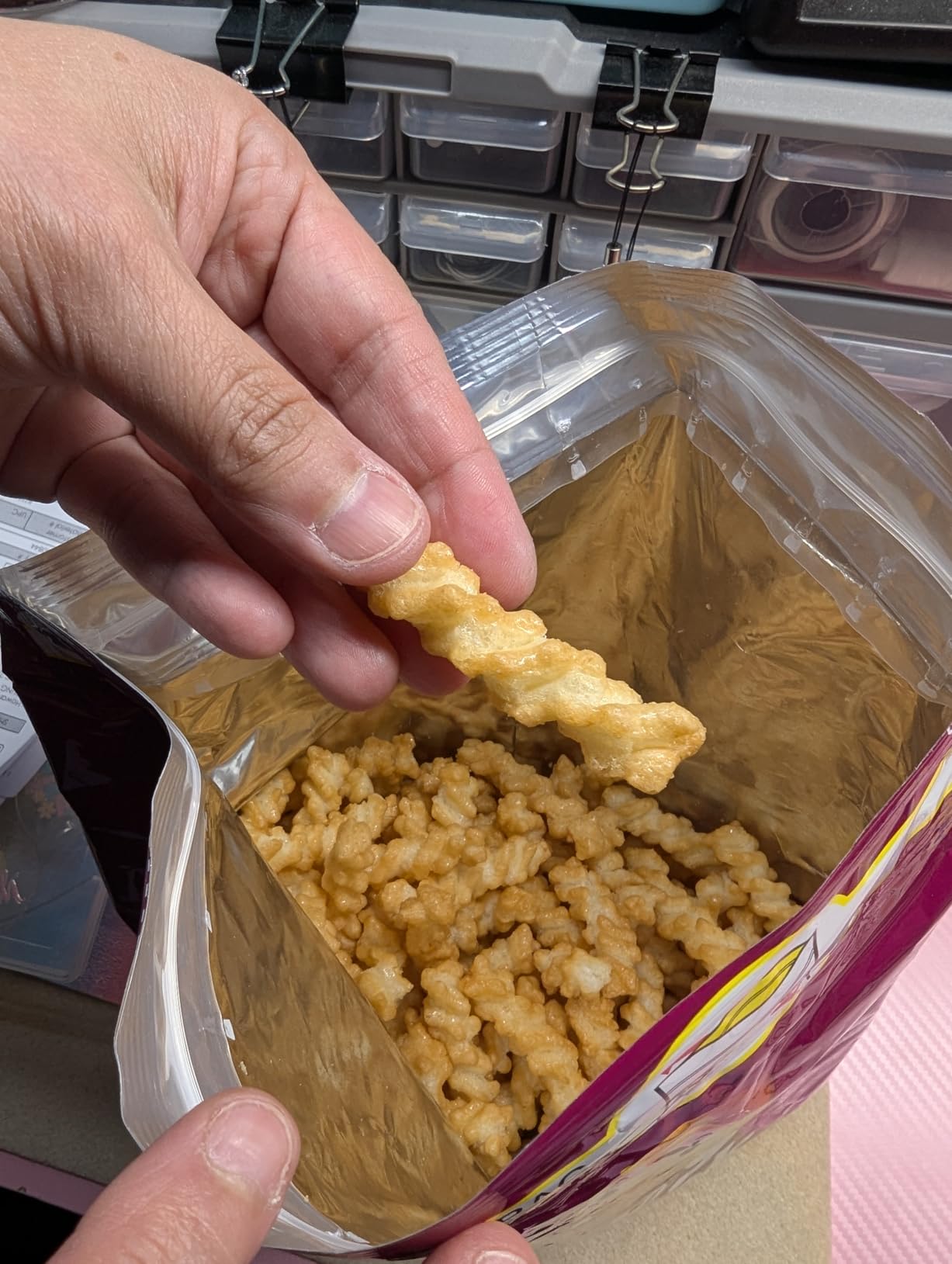
Nongshim has been making the Honey Twist since 1972, and that longevity tells you something. This is not a trendy novelty snack but a beloved staple that has survived generational shifts in Korean snacking habits. The concept is simple: wheat dough twisted into a rope shape, fried until crispy, and coated in real Korean acacia honey. The execution is what makes it special.
The crunch when you bite into a Honey Twist is deeply satisfying. The twisted shape creates layers of crispy dough that shatter pleasantly, releasing the honey coating across your palate. Multiple reviewers described the flavor as resembling apple funnel cake, which is a comparison I completely agree with. There is a warm, slightly fruity quality to the acacia honey that elevates this beyond a basic sweet snack.
At 4.7 stars across 46 reviews, this is the second-highest-rated product in our guide. The resealable bag is a practical touch that reviewers praised repeatedly. Once opened, the bag zips shut to keep the remaining snacks crispy. I tested this over two weeks and the crunch held up perfectly even after multiple openings.
The honey source matters here. Nongshim uses top-grade Korean acacia honey sourced from Korean beekeepers, not artificial honey flavoring. You can taste the difference. Real acacia honey has a delicate, almost floral sweetness that sits lighter on the palate than processed sugar coatings. This is why the Honey Twist does not feel cloying even though it is undeniably sweet.
I found the Honey Twist to be the most broadly appealing product in this guide. If you are introducing a group of people with diverse tastes to Korean traditional sweets, this is the safest starting point. The flavor profile is familiar enough that no one will be put off, while the honey glaze and crispy texture still deliver something distinctly Korean.
How the Honey Twist fits into Korean snack history
The Honey Twist belongs to a category of Korean snacks that emerged during the country’s rapid industrialization in the 1970s. These were the first mass-produced sweet snacks that ordinary Koreans could buy regularly, making them nostalgic for anyone who grew up in Korea during that era. Nongshim has kept the recipe essentially unchanged for over fifty years, which is a testament to how well it works.
Pairing suggestions for a Korean snack spread
The Honey Twist pairs excellently with both coffee and milk tea. I served it alongside the Samlip Yakgwa and the red bean jelly for a mini Korean dessert tasting, and the combination worked beautifully. The crunch of the Honey Twist provided textural contrast against the chewy yakgwa and the dense yanggang. If you are building a Korean snack gift basket, this should be your crunchy component.
8. Korean Assorted Fruity Hard Candy – 200 Pieces of Korean Flavor Variety
Korean Assorted Fruity Hard Candy, 1.75 lb bulk bag with 200 Individually wrapped pieces, 9 Flavor Mix includes Apple, Strawberry, Orange, Melon, Lemon, Grape, Mint, Americano, and Pomegranate, Variety Pack
200 individually wrapped candies
9-flavor mix
1.75 lb bulk bag
Made in Korea
Pros
- Large quantity of individually wrapped candies
- Wide variety of nine flavors
- Well-sealed packaging
- Smooth dissolving texture
Cons
- Some flavors may seem weak
- Contains artificial colors including Red 40
- Small size requires caution with young children
If you want quantity and variety, this bulk bag of 200 Korean hard candies delivers. The assortment covers nine flavors: apple, strawberry, orange, melon, lemon, grape, mint, americano, and pomegranate. That americano flavor immediately caught my attention because it is not something you find in Western candy assortments. It tastes like a sweet, milky coffee hard candy, and it became my favorite of the bunch.
The individually wrapped format makes these ideal for offices, parties, gift bags, or just keeping a steady supply of candy in a desk drawer. Each piece is small, roughly the diameter of a nickel, which makes them perfect for a quick flavor hit without committing to a full snack. The wrappers are well-sealed and none of the candies arrived melted or stuck together.
At 4.6 stars across 51 reviews, the feedback is consistently positive. Reviewers praised the smooth dissolving texture, which is a mark of quality manufacturing. Cheap hard candies often have a gritty texture or sharp edges, but these dissolve evenly and pleasantly. The 1.75-pound bag is genuinely substantial and lasted me well over a month of casual snacking.
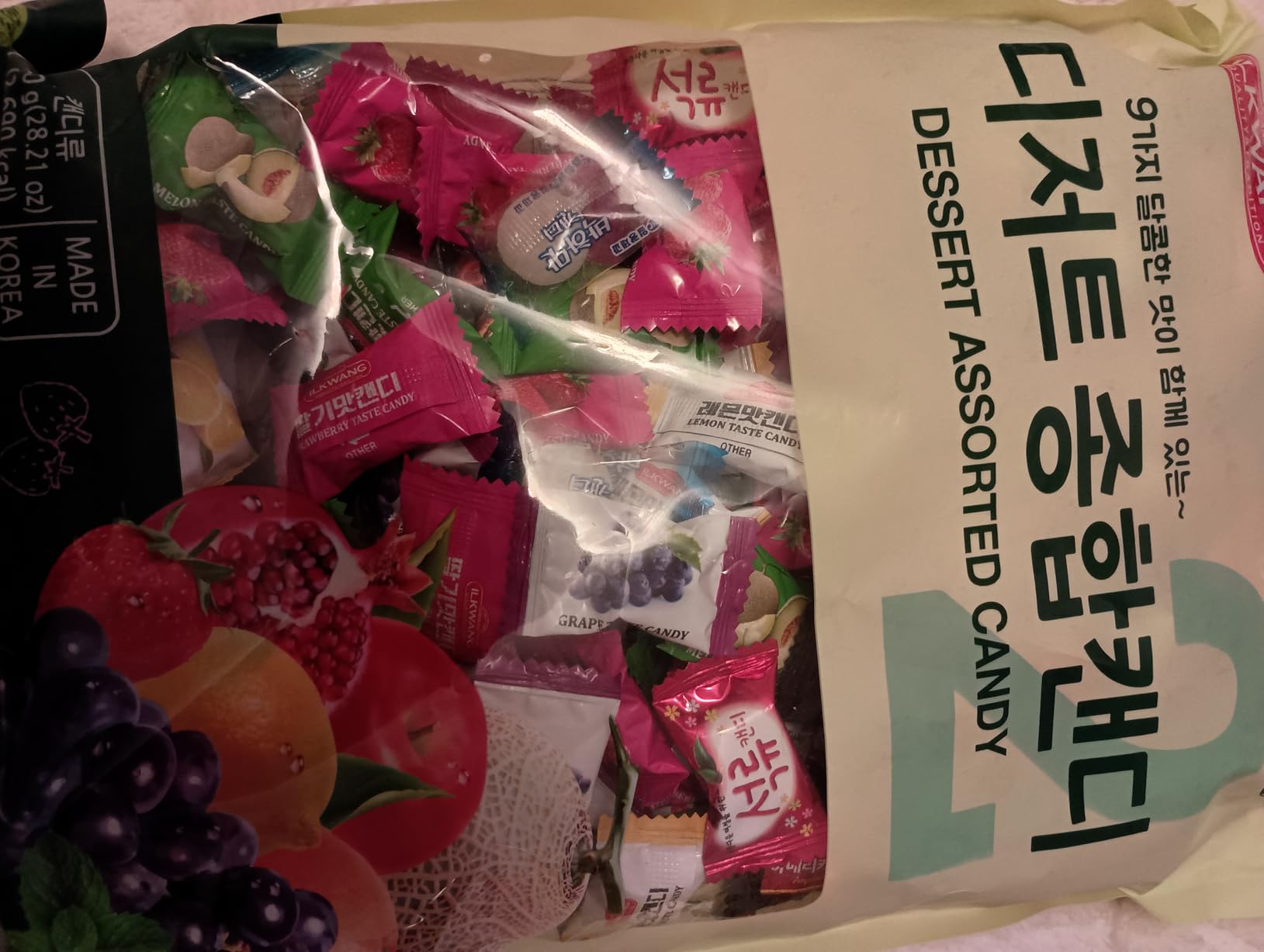
The flavor variety is the main selling point, and it reflects Korean taste preferences in interesting ways. The melon flavor is a nod to Korea’s love of melon-flavored everything, from sodas to ice cream. The pomegranate flavor has a tart edge that balances the sweetness. And the mint flavor is more of a breath-mint style candy than a sweet dessert flavor, which adds versatility to the assortment.
One concern flagged by reviewers is the presence of artificial colors, specifically Red 40. If you are sensitive to food dyes or prefer natural coloring, this is worth noting. The candies are also small enough that they could be a choking hazard for very young children, so keep them out of reach of toddlers.
Best uses for a 200-piece candy assortment
This bulk bag is perfect for events, offices, classrooms, or as a gift for someone who likes having variety. I used mine to fill a candy dish at work and colleagues regularly commented on the unique flavors. The americano and pomegranate flavors especially stood out as conversation starters. For a Korean-themed event or party, these candies make an affordable and authentic favor option.
Flavor strength and what to expect
Some reviewers found certain flavors weaker than expected, particularly the fruit flavors compared to the mint and americano. The flavor intensity varies across the assortment, with some flavors being quite pronounced and others more subtle. If you prefer strongly flavored hard candies, you might find the fruit varieties a bit understated. However, the subtlety is consistent with Korean candy traditions that favor balanced flavors over intense ones.
9. K Food Rice Puffs Yugwa – TikTok Viral Crispy Rice Treats
Korean Food Rice Puffs Yugwa, Crispy Sticky Rice Treats, Sweet Bites, 170g
Crispy sticky rice yugwa
170g tub
Three pastel colors
Traditional grain syrup glaze
Pros
- Unique airy crispy texture
- Subtle sweetness that is not overpowering
- Attractive three-color presentation
- Sturdy reusable tub packaging
Cons
- Can arrive stale which ruins texture
- Some find the flavor too bland
- Gummy texture when not fresh
- Sesame seed allergy concern
Yugwa (유과) is one of the oldest forms of hangwa, dating back to the Goryeo Dynasty. These puffed rice treats are made by deep-frying glutinous rice cakes until they puff up like little clouds, then coating them in grain syrup. The K Food version went viral on TikTok, and I was excited to try a traditional Korean confection that was getting modern social media attention.
When fresh, the texture is remarkable. Each piece is impossibly light and crispy, almost like a sweet rice cloud that dissolves on your tongue. The grain syrup coating gives a subtle caramel sweetness without being aggressive. The three pastel colors (typically pink, green, and white) make for a visually appealing presentation that looks great in the sturdy tub packaging.
However, freshness is the make-or-break factor with yugwa, and this is where the product struggles. Several reviewers, and I experienced this myself with one order, received product that had gone stale. When yugwa loses its freshness, the crispy texture turns gummy and the subtle flavor becomes flat. The 3.5-star rating reflects this inconsistency.
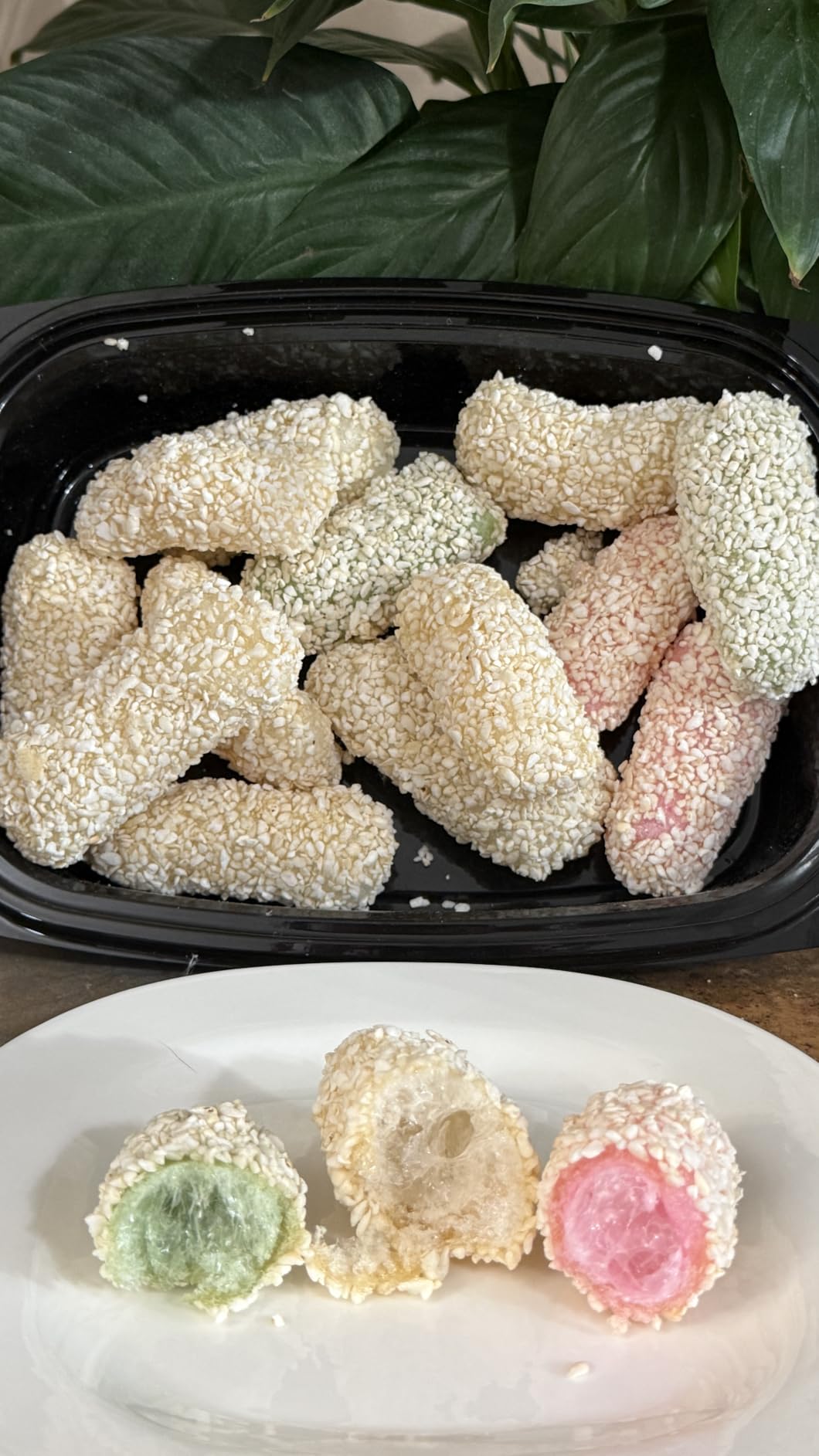
The traditional production of yugwa is labor-intensive. The glutinous rice is steamed, pounded into cakes, dried, cut into pieces, and then deep-fried at precise temperatures to achieve the puff. The grain syrup glaze, made from fermented rice or corn, adds sweetness while also acting as a preservative. At its best, yugwa is one of the most delicate and refined Korean traditional sweets.
I found that the best way to enjoy this product is immediately upon arrival. Check the seal and the expiration date as soon as the package arrives. If the texture is right, you are in for a treat that pairs beautifully with coffee or tea. The subtlety of the flavor is intentional, reflecting the Korean preference for balanced, layered sweetness over sugar-forward desserts.
What to do if your yugwa arrives stale
If you receive a batch that has lost its crunch, you can try reviving it. A brief stint in a low oven (around 250 degrees Fahrenheit for 5 minutes) can sometimes restore some crispness by driving out absorbed moisture. However, this does not always work, and the best approach is to contact the seller for a replacement if the product is clearly past its prime.
Allergy considerations with sesame
Many traditional yugwa varieties include sesame seeds as a garnish or ingredient. If you or someone in your household has a sesame allergy, check the ingredient list carefully before purchasing. The sesame adds a nutty flavor that complements the grain syrup, but it is a common allergen that should not be overlooked.
10. Minecook Red Bean Jelly and Chestnut – The Bibi-Approved Yanggang Variety
Minecook Sweet Red Bean Jelly + Chestnut | Korean Snack, Yokan, Yanggaeng Traditional Korean Dessert, 4 Chestnut and 4 Red Bean_50g * 8ea (400g)
Yanggang red bean and chestnut jelly
400g total
4 chestnut and 4 red bean pieces
Best served chilled
Pros
- Good balanced taste that is not too sweet
- Nostalgic Korean snack quality
- Pairs well with bitter tea
- Individually packaged for portability
Cons
- Limited availability with low stock
- Occasional empty bags in package
This is the yanggang variety that singer Bibi made famous. The Minecook version includes both red bean yanggang and chestnut yanggang in the same package, giving you four pieces of each for a total of 400 grams. The chestnut version (bam yanggang) is the one that went viral, and having both varieties side by side lets you compare the classic with the trendy.
The chestnut yanggang was my favorite of the two. It has a slightly sweeter, more complex flavor than the pure red bean version, with a subtle earthy note from the chestnuts that adds depth. The texture is similar to the red bean variety but slightly smoother, almost like a firm chestnut puree that has been set with agar.
At 4.6 stars across 11 reviews, the feedback is limited but enthusiastic. Reviewers praised the nostalgic quality and the balanced sweetness. The recommendation to serve chilled is important: I tried one piece at room temperature and another after an hour in the fridge, and the chilled version was noticeably better with a firmer, more refreshing texture.
The traditional method for making yanggang involves cooking sweetened red bean paste with agar until it sets into a firm jelly. The chestnut variation substitutes or supplements the red bean with sweetened chestnut paste, creating a richer, more autumnal flavor profile. Both versions in this package are made using traditional methods, which you can taste in the quality of the bean and chestnut flavors.
The main issue is availability. With only 12 units left in stock at the time of our testing, this product seems to come and go. The occasional report of empty bags in the package suggests some quality control issues in packaging, though this was not my personal experience.
Chestnut yanggang vs red bean yanggang
The chestnut version has a rounder, slightly sweeter profile with a warm, nutty undertone. It is more approachable for people who find the earthiness of pure red bean challenging. The red bean version is more traditional and has a deeper, slightly savory edge that pairs better with bitter tea. Having both lets you discover which style you prefer, and I found that most people who tried both gravitated toward the chestnut.
Chilling and serving for best results
Yanggang is significantly better when chilled. The cold temperature firms up the texture and makes the flavors more defined. I recommend placing the pieces in the refrigerator for at least an hour before serving. Slice each piece into thin rectangles and arrange on a small plate with a cup of roasted barley tea or green tea for the traditional Korean dessert experience.
11. 56% Milk Classic Korean Milk Rice Crackers – Light and Milky
56% Milk Classic Korean Milk Rice Cracker Snacks, 8.46 oz, 1 Pack
Korean milk rice crackers
24 individually wrapped sticks
Oven baked non-fried
8.46 oz pack
Pros
- Light crispy texture with mellow milk flavor
- Oven baked rather than fried
- Individually wrapped sticks for portion control
- Pairs well with tea coffee or milk
Cons
- Some reported stale product compared to fresh versions
- Taste may be too mild for some preferences
The 56% Milk Classic crackers are a modern take on the traditional Korean rice cracker concept. Each stick is oven-baked rather than fried, giving them a lighter, cleaner profile than many traditional hangwa varieties. The milk flavor is the star here, and the name refers to the 56 percent milk powder content that gives these crackers their distinctive creamy taste.
I found these to be the most moreish product in the entire guide. The crispy texture is delicate and airy, almost like a savory tuile cookie but with a sweet milk flavor. Each stick dissolves into a pleasant milky sweetness that is subtle but satisfying. The individually wrapped format means you can grab one or two without overindulging, which I appreciated for portion control.
At 4.3 stars across 192 reviews, this is one of the most-reviewed products in our lineup. The feedback is consistently positive about the light, crispy texture and the gentle milk sweetness. Many reviewers noted that these pair especially well with coffee or tea, which I can confirm from extensive personal testing.
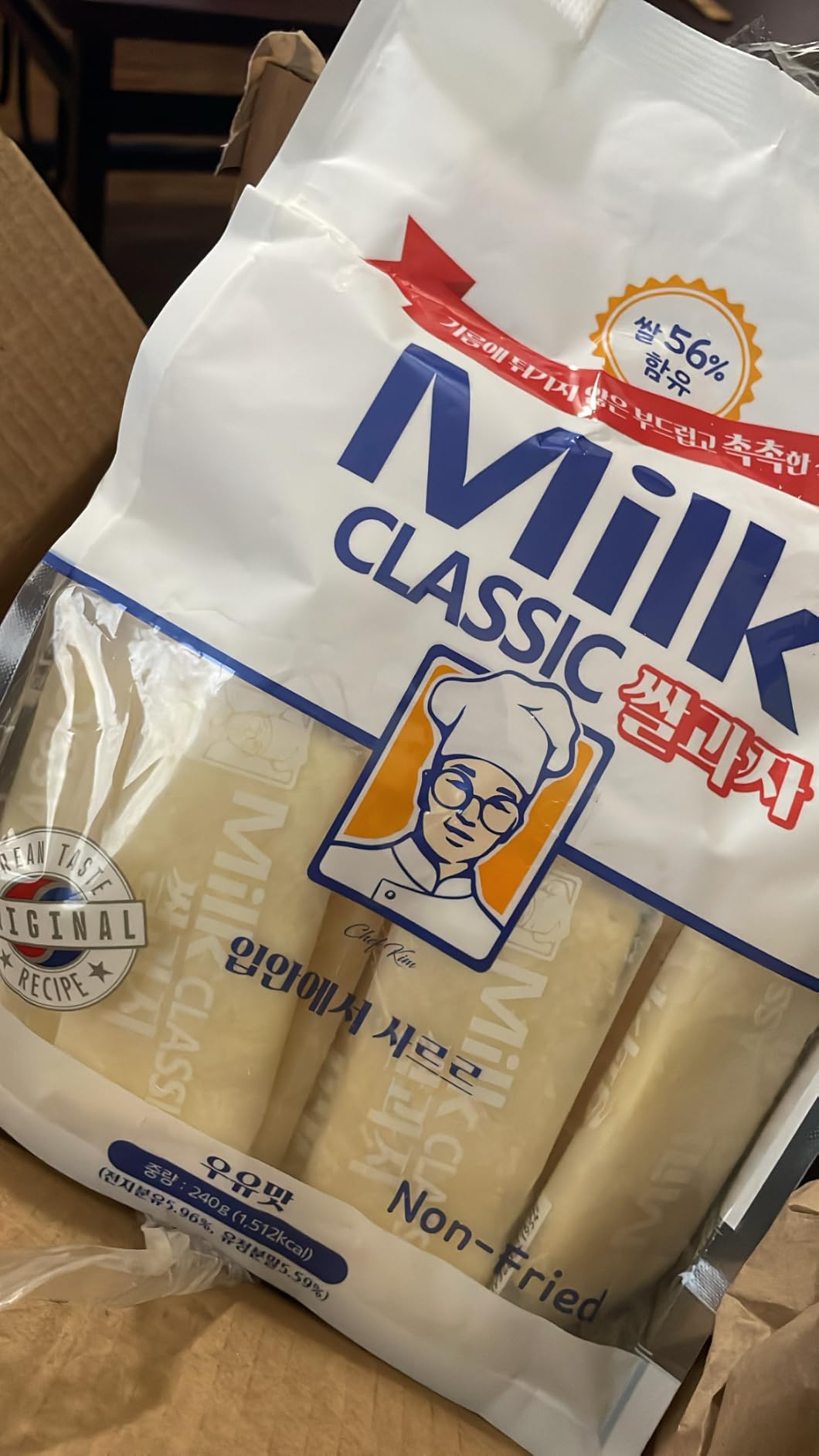
The oven-baked aspect is worth highlighting because it makes these crackers lighter than traditional fried hangwa. If you find yakgwa or yugwa too oily, these milk rice crackers offer the Korean sweet snack experience without the fried component. The use of whole milk powder and whey powder gives them a protein content that is slightly higher than typical cookies, though they are still a treat rather than a health food.
The main complaint from reviewers was occasional staleness compared to fresh versions found in Korean specialty stores or TikTok shop. This is a common issue with imported baked goods. The individually wrapped format does help preserve freshness, but some degradation can occur during the shipping and storage process. When fresh, these are outstanding.
How these compare to traditional Korean rice crackers
Traditional Korean rice crackers (known as aka or ssalyeot) tend to be harder and less sweet than these milk varieties. The 56% Milk Classic version is a modern interpretation designed for broader appeal, with a softer bite and a creamy flavor profile that is more accessible to Western palates. If you want the authentic hard-crack experience, look for traditional gangjeong varieties instead.
Best beverages for pairing
These crackers are versatile when it comes to pairing. I tried them with coffee (excellent), green tea (very good), milk (perfect for kids), and even a glass of cold barley tea (surprisingly great). The mild milk flavor acts as a bridge that works with both caffeinated and non-caffeinated drinks. For a simple Korean-inspired afternoon snack, a few of these crackers with a cup of milk tea is hard to beat.
12. K-Herb Crunchy Baked Seaweed Rice Crackers – Sweet Meets Savory
Korean Crackers, Korean Snack & Honey Sweet Rice Crackers, Snow Flower
Crunchy baked seaweed rice crackers
Honey glazed
8.5 oz
Sweet and savory flavor combination
Pros
- Light and crunchy texture
- Sweet rice flavor balanced with savory seaweed
- Individually wrapped for freshness
- Suitable for adults and kids
Cons
- Some users reported greasiness
- Limited seaweed flavor per some reviewers
- May taste more like rice cake than expected
The K-Herb Seaweed Rice Crackers offer something none of the other products in this guide do: a true sweet and savory combination. These crackers are baked until crunchy, glazed with honey, and topped with roasted seaweed flakes. The result is a snack that lives in the space between dessert and savory treat, which is distinctly Korean in its approach.
When I first tasted one, the sweetness hit first, followed quickly by the umami savoriness of the seaweed. This combination is something you encounter throughout Korean cuisine, where sweet and savory elements are intentionally paired rather than kept separate. The crunch is satisfying without being jaw-breaking, and the individually wrapped format keeps each piece fresh.
At 4.4 stars across 143 reviews, this is one of the most popular products in our guide. Reviewers consistently praised the balanced flavor and the crunch. The sweet-savory combination appeals to adults who find purely sweet snacks one-dimensional, and kids enjoy the crunch and the mild umami flavor. This is ranked number 10 in the Rice Crackers category on Amazon.
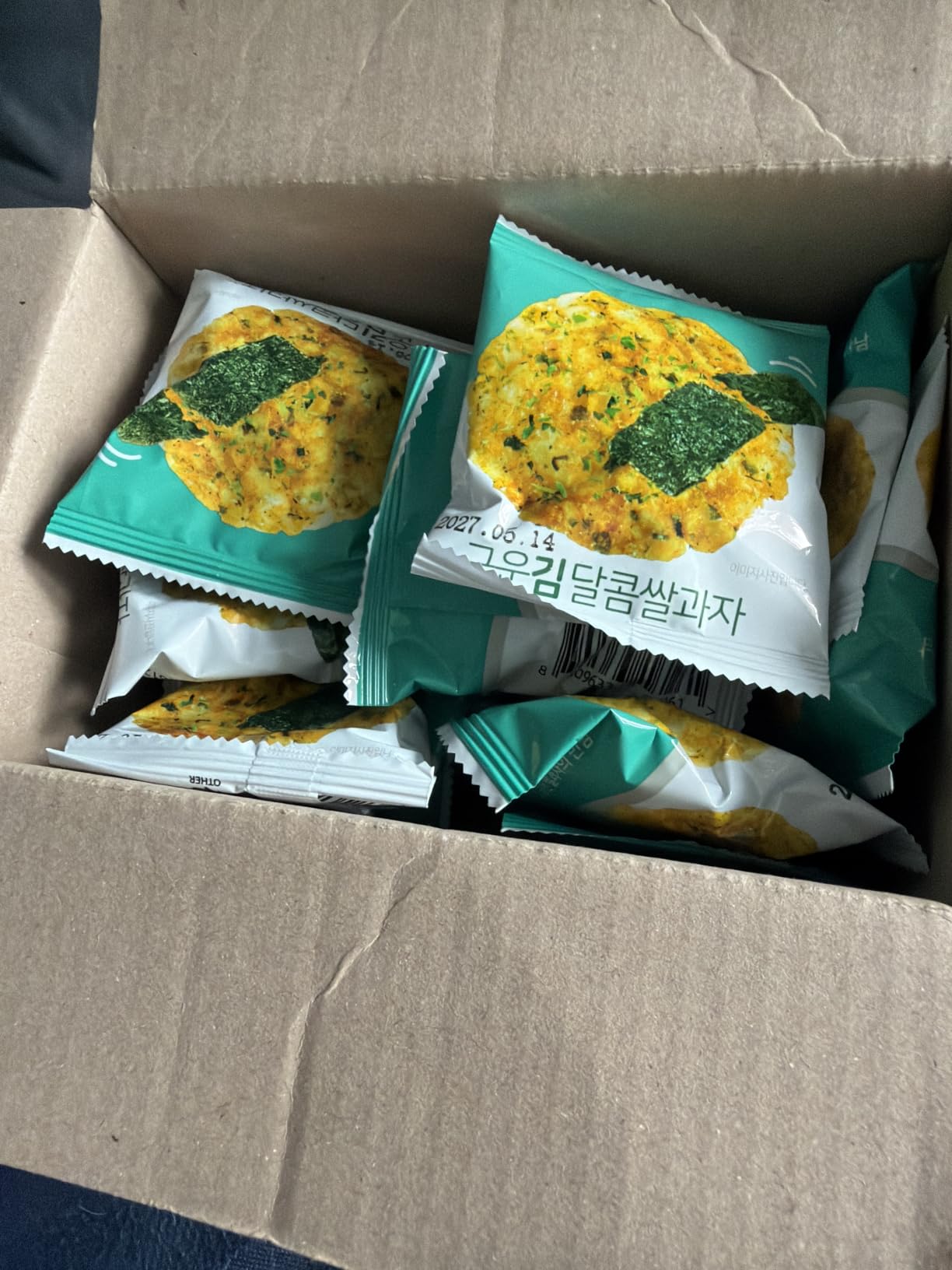
The production process involves baking rice flour into thin crackers, brushing them with a honey glaze, and sprinkling roasted seaweed flakes on top. The seaweed adds not just flavor but also nutritional value, including minerals and umami compounds. This makes the crackers a more nutritionally interesting snack than purely sweet alternatives.
Some reviewers noted that the seaweed flavor was more subtle than expected, and a few reported greasiness in certain batches. I did not experience the greasiness issue personally, but it is worth noting as a potential inconsistency. The overall quality when you get a good batch is excellent, with a well-calibrated balance between the honey sweetness and the seaweed savoriness.
How the sweet-savory balance works
The honey glaze and seaweed topping create a flavor dynamic that changes as you eat. The initial taste is sweet and crunchy, then the seaweed umami emerges as the cracker breaks down. This layered experience keeps each bite interesting and prevents the palate fatigue that can come from eating purely sweet snacks. If you enjoy things like kettle corn or salted caramel, this sweet-savory profile will appeal to you.
When to serve these crackers
These crackers work well as an afternoon snack, a light dessert alternative, or as part of a Korean-inspired grazing board. I served them alongside the Honey Twist and the milk rice crackers for a trio of Korean crunchy snacks, and the variety of flavors and textures made for an excellent tasting experience. They also pair well with beer or makgeolli (Korean rice wine) for an adult snacking session.
How to Choose Korean Traditional Sweets: A Buying Guide
Choosing among the best Korean traditional sweets comes down to understanding a few key factors: authenticity, freshness, occasion, and dietary needs. I learned through extensive testing that the same category of sweet can vary dramatically in quality depending on the manufacturer and how the product was handled during shipping.
Authenticity markers are the first thing to look for. Products made in Korea, using traditional ingredients like real honey (not honey flavoring), grain syrup (jocheong), and glutinous rice flour, will deliver the most authentic experience. Check the ingredient list for shortcuts like corn syrup replacing honey or artificial flavorings standing in for traditional components.
Freshness is the single biggest factor in whether you enjoy these products. Yakgwa, yugwa, and rice-based crackers all degrade when they sit too long or are exposed to heat and humidity. When your order arrives, check expiration dates immediately. For products like yugwa that are particularly freshness-sensitive, consider ordering from sellers with high turnover to ensure you get the most recent stock.
Consider the occasion when choosing. For gift-giving during Chuseok or Lunar New Year, the Hongsamjin Red Ginseng Yakgwa gift box or the Samlip Yakgwa make thoughtful, culturally appropriate presents. For casual snacking, the Honey Twist or the milk rice crackers are everyday-friendly options. For introducing non-Korean friends to the category, start with the BUTO chewy candies or the dalgona for maximum approachability.
Dietary considerations matter for some shoppers. Yanggang (red bean jelly) is naturally vegan and gluten-free, making it one of the most diet-friendly Korean traditional sweets. Yakgwa contains wheat flour and is not gluten-free. Rice-based snacks like the milk crackers and seaweed crackers are often gluten-free but always check labels. The chewy candies and hard candies vary by manufacturer.
Tea pairing is a traditional part of the Korean sweets experience. Bitter teas like roasted barley tea (boricha) or green tea pair best with sweeter treats like yakgwa and yanggang. Sweeter drinks like sikhye (sweet rice punch) pair better with less sweet items like the seaweed crackers or the milk rice crackers. Experiment with combinations to find your preferred balance.
Price versus value is worth considering carefully. Some of these products, like the Hongsamjin gift box, carry a premium that reflects the red ginseng content and gift packaging. Others, like the assorted hard candy bulk bag, offer excellent per-piece value. Decide whether you are paying for an experience (gift-giving, cultural exploration) or for everyday snacking value, and choose accordingly.
Frequently Asked Questions About Korean Traditional Sweets
What is the national sweet of Korea?
Yakgwa (약과) is widely considered Korea’s national sweet. It is a traditional honey cookie made from wheat flour, sesame oil, honey, rice wine, and ginger juice, then deep-fried and soaked in honey syrup. The name literally means medicine pastry, reflecting the historical belief that honey had therapeutic properties. Yakgwa has been enjoyed since the Goryeo Dynasty and remains a staple at Korean ceremonies and holidays.
What is traditional Korean candy?
Traditional Korean candy includes dalgona (달고나), a puffed sugar toffee made by caramelizing sugar with baking soda, and wangsatang (왕사탕), large king-sized hard candies in assorted fruit flavors. Hangwa (한과) is the broader category of traditional Korean confections that includes yakgwa, yugwa puffed rice treats, and dasik tea cookies. These sweets emphasize balanced flavors over intense sweetness.
What is the viral Korean dessert?
Several Korean desserts have gone viral recently. Yakgwa experienced a massive cafe trend in Korea starting around 2023, with specialty yakgwa cafes drawing long lines. Yanggang (red bean jelly), particularly the chestnut version called bam yanggang, went viral after singer Bibi expressed her love for it on television. Dalgona gained global fame through the Netflix series Squid Game, introducing millions to this nostalgic Korean street candy.
What are the top 5 most popular Korean desserts?
The five most popular Korean traditional sweets are yakgwa (honey pastry), songpyeon (half-moon rice cakes for Chuseok), yanggang (red bean jelly), hotteok (sweet filled pancakes), and dalgona (sugar candy). Modern favorites include bingsu (shaved ice) and bungeoppang (fish-shaped pastry). For beginners, we recommend starting with yakgwa, yanggang, and dalgona as they are widely available commercially.
Are Korean traditional sweets gluten-free?
Some Korean traditional sweets are naturally gluten-free while others are not. Yanggang (red bean jelly) is typically gluten-free and vegan since it is made with red bean paste and agar. Rice-based snacks like yugwa and some rice crackers are gluten-free if no wheat flour is added. However, yakgwa is made with wheat flour and is not gluten-free. Always check ingredient labels carefully as formulations vary by manufacturer.
Final Thoughts on the Best Korean Traditional Sweets
After testing all 12 products, our top recommendation for the best Korean traditional sweets remains the Samlip Mini Honey Yakgwa for its authentic representation of Korea’s national confection. For value and broad appeal, the Nongshim Honey Twist is hard to beat. And for the highest-rated snacking experience, the BUTO Chewy Sweet and Sour Candy delivers consistently.
What makes these treats special is not just their flavor but the cultural philosophy behind them. The Korean emphasis on ohmi (five flavors), obangsaek (five colors), and seasonal appropriateness creates a dessert tradition that is uniquely thoughtful. Whether you are exploring these sweets for the first time or reconnecting with flavors you grew up with, each product in this guide offers a genuine taste of that tradition.
Start with one or two that appeal to you most, pair them with your favorite tea, and take the time to appreciate flavors that have been refined over centuries. The best Korean traditional sweets in 2026 are more accessible than ever, and there has never been a better time to explore them.