
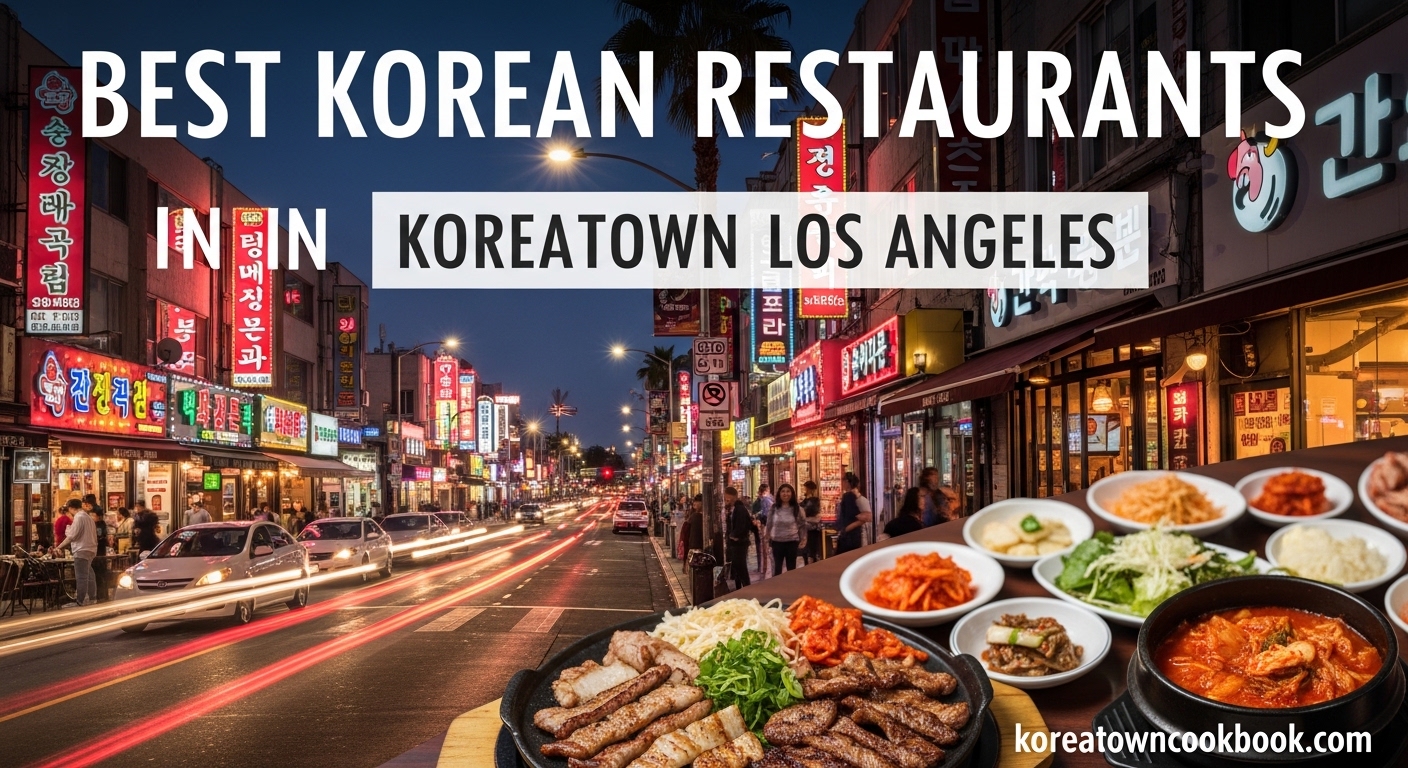
Los Angeles is home to the largest Korean population outside of Korea, and nowhere showcases this vibrant culture better than Koreatown. If you are searching for the best Korean restaurants Koreatown Los Angeles has to offer, you have arrived at the right guide. Our team has spent months exploring the neighborhood’s culinary landscape, from smoky charcoal BBQ joints to late-night soup houses that cure hangovers at 2 AM.
Koreatown spans roughly 3 square miles west of downtown LA, bounded by Olympic Boulevard, Vermont Avenue, and Wilshire Boulevard. Within this compact area, you will find over 500 Korean restaurants serving everything from sizzling galbi to icy naengmyeon. The density is unmatched anywhere in America, and the quality rivals what you would find in Seoul itself.
In this guide, we share 18 essential Korean restaurants across every category. Whether you want premium beef grilled tableside, comforting bowls of seolleongtang, or modern Korean fusion, these are the spots locals actually frequent. We have organized them by cuisine type so you can find exactly what you are craving.
Table of Contents
Why Koreatown Los Angeles Is a Korean Food Paradise
Koreatown emerged in the 1960s and 70s as Korean immigrants settled along Olympic Boulevard. Today it represents the heart of Korean-American culture, with restaurants that have evolved over decades while maintaining authentic flavors. Many establishments are family-owned, with recipes passed down through generations.
What makes Ktown special is the sheer variety. You can eat Korean barbecue for lunch, slurp naengmyeon for dinner, then grab soju and skewers at midnight. The restaurants here cater to Korean expats, which means the food stays true to its roots. You will not find watered-down versions designed for American palates. Instead, you get the real deal, often with menu items written in Korean first.
The neighborhood is also remarkably walkable by LA standards. Many of our recommended restaurants cluster along Olympic Boulevard and 8th Street, making it easy to restaurant-hop. Just be prepared for the parking situation, street parking is limited and lots can fill up quickly on weekends.
Best Korean BBQ Restaurants in Koreatown Los Angeles
Korean barbecue is what draws most visitors to Koreatown, and for good reason. The combination of high-quality meat, tabletop grilling, and bottomless banchan creates an experience unlike any other dining format. Here are the three BBQ spots you should not miss.
Park’s BBQ
Park’s BBQ sits at the top tier of Koreatown’s barbecue scene. This Michelin-recognized restaurant has been serving premium beef since 2003, and locals know it as the place to splurge on special occasions. The space is modern and clean, with efficient ventilation systems that actually work.
The menu focuses on aged beef, with cuts like galbi (marinated short ribs) and bulgogi that have been seasoned for optimal flavor. The brisket, sliced paper-thin, cooks in seconds on the gas grill. Order the combo platters to sample multiple cuts. The banchan here is exceptional, expect over a dozen small dishes including kimchi, pickled radishes, and seasoned bean sprouts.
Service is attentive, with staff who will grill your meat to perfection if you prefer. Prices are higher than typical KBBQ spots, expect to spend $60-80 per person for a full meal. Reservations are essential, especially on weekends. Located at 955 S. Vermont Avenue, Park’s is open daily for lunch and dinner.
Hae Jang Chon Korean BBQ Restaurant
Hae Jang Chon offers a different experience: all-you-can-eat Korean barbecue at a reasonable price. This massive restaurant fills quickly with groups celebrating birthdays, graduations, or just Friday night. The concept is simple: pay one price and order unlimited rounds of meat until you tap out.
The quality here surprises first-timers. While it is AYCE, the meat is fresh and well-marinated. Popular choices include pork belly, bulgogi, and short rib. The grill itself is worth mentioning, it is a stone dome that drains fat while cooking, resulting in less smoke and cleaner-tasting meat. Servers rotate the dome grills regularly to keep cooking surfaces fresh.
Come hungry and pace yourself. The restaurant moves fast, and you will see tables of college students attempting to break personal records. Lunch runs around $25 per person, while dinner is closer to $35. Located at 3821 W. 6th Street, Hae Jang Chon stays open until midnight on weekends.
Soot Bull Jip
Soot Bull Jip brings old-school charcoal grilling to Koreatown. While most modern BBQ spots use gas, this restaurant still cooks over charcoal, imparting a smokier flavor that purists crave. The name literally translates to “charcoal house,” and the restaurant embraces the traditional approach fully.
The interior feels like a time capsule, dark wood, low ceilings, and grills that actually glow with charcoal embers. Be prepared for your clothes to smell like smoke afterward. The trade-off is worth it. The galbi here develops a caramelized crust that gas grills simply cannot replicate. Pork belly also excels, the fat renders slowly over the hot coals.
Order the marinated galbi as your centerpiece, then supplement with unseasoned brisket and pork. The kimchi stew, cooked on the grill’s perimeter, makes an excellent palate cleanser between meat courses. Prices are moderate, around $40-50 per person. Located at 3130 W. 8th Street, Soot Bull Jip closes at 11 PM.
Best Noodle and Soup Houses in Koreatown
Not every Korean meal involves grilling meat. The neighborhood’s noodle shops and soup houses deserve equal attention, especially for solo diners or those seeking comfort food. These spots specialize in dishes that have sustained Koreans for centuries.
Yu Chun Chic Naeng Myun
Yu Chun is the destination for naengmyeon, Korean cold noodles. This dish consists of chewy buckwheat noodles served in an icy beef broth with vinegar, mustard, and pear slices. It sounds strange to the uninitiated, but on a hot Los Angeles afternoon, nothing refreshes quite like it.
The restaurant keeps things simple, the menu offers basically two options: mul naengmyeon (in broth) and bibim naengmyeon (spicy, mixed). Both arrive in metal bowls designed to keep the contents cold. The broth is deeply savory, brewed from beef bones and brisket. The noodles have the perfect chew, resilient enough to slurp but tender enough to cut with teeth.
Yu Chun also makes excellent mandu (dumplings), steamed or pan-fried. Order a side plate to share. The space is casual, with communal tables and quick turnover. Expect to spend $15-20 per person. Located at 3185 W. 8th Street, Yu Chun is open daily from 10 AM to 10 PM.
MDK Noodles
MDK Noodles specializes in kalguksu, knife-cut wheat noodles served in rich broth. The name stands for Myung Dong Kyoja, referencing the famous Seoul district where the original location still operates. This Koreatown outpost maintains the same standards.
The signature dish is the chicken kalguksu, featuring handmade noodles swimming in a creamy, almost white broth. The noodles are cut fresh daily, irregular in shape and wonderfully chewy. The soup tastes of long-simmered chicken and garlic, deeply comforting without being heavy.
The mandu kalguksu adds dumplings to the mix, creating a more substantial meal. Kimchi, served alongside, provides necessary acidity to cut the richness. MDK stays open late, making it perfect for post-bar meals. Expect to spend $12-18 per person. Located at 3630 W. 8th Street, MDK serves until 1 AM on weekends.
Han Bat Shul Lung Tang
Han Bat has been serving seolleongtang, Korean ox bone soup, since 1984. This milky white broth simmers for hours, extracting collagen and minerals from beef bones until the liquid turns opaque. It is Korean comfort food at its purest.
The soup arrives unseasoned, with salt and pepper on the side so you can adjust to taste. Inside, you will find thin slices of brisket and chewy somyeon noodles. The proper way to eat it involves adding green onions, then seasoning gradually as you work through the bowl. Rice and kimchi accompany every order.
Han Bat opens early, 7 AM on weekdays, making it popular for breakfast among Korean seniors and night shift workers. The space is no-frills, formica tables and fluorescent lights. Prices are reasonable, around $12-15 per bowl. Located at 4163 W. 5th Street, Han Bat closes at 10 PM.
Surawon Tofu House
Surawon specializes in soondubu jjigae, soft tofu stew. This bubbling cauldron of silky tofu, vegetables, and your choice of protein arrives still boiling at the table. The raw egg cracked on top cooks gently in the residual heat.
The tofu here is house-made daily, giving it a fresher taste than packaged versions. Choose from seafood, beef, pork, or kimchi versions. Each comes with a raw egg to stir in, plus rice and banchan. The stew ranges from mild to extremely spicy, level 3 provides good heat without overwhelming.
Surawon also serves BBQ, but regulars come for the tofu. The space is clean and modern, with individual booths. Expect to spend $15-22 per person. Located at 741 S. Western Avenue, Surawon stays open until midnight.
Traditional Korean Restaurants in Koreatown Los Angeles
Traditional Korean restaurants focus on heritage dishes that predate modern BBQ culture. These establishments preserve recipes that have not changed in generations, offering a taste of Korea’s culinary past.
Sun Nong Dan
Sun Nong Dan is famous for one dish: galbi jjim, braised beef short ribs. The massive cauldron arrives at your table still bubbling, filled with fall-off-the-bone meat, rice cakes, glass noodles, and vegetables in a sweet-savory soy sauce glaze.
The spectacle draws crowds. Servers wearing protective gloves carry the heavy stone pots from the kitchen, steam rising dramatically. The portions are enormous, designed for sharing among 3-4 people. Smaller groups should order the half size.
The restaurant is open 24 hours, making it popular for late-night feasts. Be prepared to wait, lines form even at 2 AM. Prices are moderate for the portion size, $25-35 per person. Located at 3470 W. 6th Street, Sun Nong Dan never closes.
Kobawoo House
Kobawoo House specializes in bossam, boiled pork belly served with kimchi and lettuce for wrapping. This is communal eating at its finest, everyone reaches into the center plate to build their own ssam (wraps).
The pork belly is sliced thick, with alternating layers of meat and fat that melt in your mouth. The fermented kimchi provides acid and crunch. Wrap a slice of pork with kimchi in lettuce, add some ssamjang (fermented bean paste), and eat in one bite. The combination is perfect.
The seafood pancake (haemul pajeon) here is also excellent, crispy edges and tender squid inside. The space is casual, with low tables and floor seating available. Expect to spend $20-30 per person. Located at 698 S. Vermont Avenue, Kobawoo closes at 11 PM.
Soban Restaurant
Soban is where you go for ganjang gejang, raw blue crabs marinated in soy sauce. This delicacy, sometimes called “rice thieves” because the rich roe makes you eat so much rice, is an acquired taste but unforgettable for those who appreciate it.
The crabs are sourced fresh and marinated in-house, yielding sweet, umami-rich meat that slides easily from the shell. Squeeze the meat onto hot rice and mix with the roe. The soy sauce marinade itself becomes a condiment for subsequent rice bowls.
Soban also serves excellent grilled fish and stews. The space is upscale by Ktown standards, with tablecloths and attentive service. Prices are higher, $40-60 per person. Located at 4001 W. 8th Street, Soban requires reservations.
Jun Won Dak
Jun Won Dak focuses on samgyetang, ginseng chicken soup. A whole young chicken is stuffed with glutinous rice, garlic, jujubes, and ginseng, then simmered until the meat practically falls off the bone.
This is considered health food in Korea, consumed during hot summer days to replenish energy. The broth is cloudy and deeply nourishing, with the ginseng adding earthy bitterness that balances the rich chicken. The rice inside has absorbed all the flavors.
The space is tiny, just a few tables, creating an intimate atmosphere. The owners are welcoming and happy to explain the dish to newcomers. Expect to spend $18-25 per person. Located at 414 S. Western Avenue, Jun Won Dak is open for lunch and dinner.
Modern Korean Dining in Koreatown LA
Not every Korean restaurant in Koreatown clings to tradition. A new generation of chefs is reinterpreting classic dishes through a modern lens, creating spaces that feel contemporary while honoring Korean flavors.
Hojokban
Hojokban brings Korean fusion to Koreatown with dishes that blend traditional techniques with global ingredients. The space is sleek, with exposed concrete and modern lighting that signals this is not your typical KBBQ joint.
The menu changes seasonally, but standouts include the truffle bulgogi and the kimchi carbonara. Cocktails incorporate Korean ingredients like soju, maesil (plum), and yuzu. The vibe draws a younger crowd, dates and groups of friends rather than families.
Prices reflect the upscale atmosphere, $30-50 per person without drinks. Located at 1285 S. Hoover Street, Hojokban stays open until 11 PM. Reservations recommended.
Jilli
Jilli operates as a sool jib, a Korean bar that serves food specifically designed to accompany alcohol. The menu focuses on anju, drinking snacks like fried chicken, seafood pancakes, and skewered meats.
The interior feels like Seoul, neon lights, K-pop videos on screens, and a packed bar. The soju selection is extensive, including flavored varieties and premium brands. Makgeolli, the milky rice wine, comes in traditional bowls.
The fried chicken here is exceptional, double-fried for extra crunch and tossed in your choice of sauce. Spicy or soy garlic are both good options. Expect to spend $25-40 per person with drinks. Located at 3397 W. 8th Street, Jilli stays open until 2 AM.
Lee Ga
Lee Ga elevates Korean comfort food with refined presentation and premium ingredients. The menu includes classics like bibimbap and bulgogi, executed with attention to detail that separates this spot from neighborhood competitors.
The stone pot bibimbap arrives still sizzling, with the rice developing crispy edges against the hot bowl. Mix everything together with gochujang (chili paste) for a satisfying combination of textures and temperatures.
The space is clean and modern, with table service rather than the self-seating common elsewhere. Prices are moderate, $18-28 per person. Located at 698 S. Vermont Avenue, Lee Ga closes at 10 PM.
Late-Night Korean Food in Koreatown Los Angeles
Koreatown truly comes alive after dark. Many restaurants stay open until midnight or later, serving as gathering spots for the Korean community and anyone seeking post-concert or post-bar meals. These are the spots to know when hunger strikes at 1 AM.
Dan Sung Sa
Dan Sung Sa transports you to old Korea, specifically the pojangmacha (street food stalls) of the 1970s. The space is designed to look like a narrow alley, with wooden signs, hanging laundry, and vintage posters covering every surface.
The menu focuses on skewers, chicken, rice cakes, vegetables, and seafood grilled to order. Order a variety and share. The soju flows freely here, and the atmosphere gets rowdier as the night progresses. Live music sometimes plays on weekends.
This is a place to embrace the chaos, loud conversations, clinking bottles, and the smell of grilling meat. Expect to spend $20-35 per person. Located at 3315 W. 6th Street, Dan Sung Sa stays open until 2 AM on weekends.
The Prince
The Prince is a Koreatown institution that has operated since the 1940s, though it became Korean-owned in the 1990s. The space retains its historic charm, dark wood paneling, red leather booths, and a long bar that feels like a time capsule.
The Korean fried chicken here is legendary, twice-fried for maximum crunch and served with pickled radishes. The spicy version delivers serious heat, while the soy garlic offers sweet-savory balance. The chicken pairs perfectly with cold beer.
The Prince attracts a mixed crowd, old-timers who remember the space from decades past and young Koreans discovering it through social media. Expect to spend $20-30 per person. Located at 3198 7th Street, The Prince stays open until 2 AM.
BCD Tofu House
BCD Tofu House is a chain, but the Koreatown location holds special status as a 24-hour operation. When everything else closes, BCD remains open, serving soondubu to night owls, clubgoers, and anyone needing hot food at 3 AM.
The menu is extensive for a tofu house, including BBQ options and combination meals. But regulars come for the soon tofu, bubbling cauldrons of soft tofu in spicy broth with your choice of additions. The raw egg on top cooks in the residual heat.
The space is bright and clean, with comfortable booths. Service is efficient even during the late-night rush. Expect to spend $15-25 per person. Located at 3575 Wilshire Boulevard, BCD never closes.
Best Non-BBQ Korean Restaurants in Koreatown
While BBQ dominates the conversation, Koreatown offers incredible diversity beyond the grill. These restaurants specialize in dishes that never touch a tabletop barbecue.
Lasung House
Lasung House serves donkatsu, the Japanese-Korean pork cutlet that Koreans have made their own. The pork is pounded thin, breaded in panko, and fried until golden. The result is crispy, juicy, and satisfying.
The restaurant offers variations including cheese-stuffed cutlets and curry-topped versions. Each plate comes with shredded cabbage salad, rice, and miso soup. The tonkatsu sauce is sweet and tangy, perfect for drizzling over the cutlet.
The space is small and casual, with counter seating and a few tables. Prices are affordable, $12-18 per person. Located at 3014 W. 7th Street, Lasung House closes at 10 PM.
Seong Buk Dong
Seong Buk Dong serves home-style Korean cooking that reminds locals of their grandmother’s table. The menu reads like a greatest hits of comfort food, galbi jjim, braised mackerel, seasoned vegetables, and various stews.
The braised mackerel is a standout, fish cooked in spicy sauce until tender. The galbi jjim rivals Sun Nong Dan at a lower price point. Everything comes with generous portions of rice and banchan.
The space is cozy, with traditional Korean decor and friendly service. Expect to spend $15-25 per person. Located at 3303 W. 6th Street, Seong Buk Dong closes at 10 PM.
Borit Gogae
Borit Gogae specializes in country-style Korean cooking from the Jeolla province. The dishes here are heartier and more rustic than Seoul-style fare, with an emphasis on fermented flavors and slow-cooked preparations.
The bossam here uses a different cut than Kobawoo, yielding a different texture. The kimchi stew is funkier and more complex. The seafood pancake is loaded with squid and green onions, crispy at the edges and tender in the center.
The space feels like a rural Korean inn, wooden beams and traditional seating. Expect to spend $20-30 per person. Located at 3464 W. 8th Street, Borit Gogae closes at 11 PM.
Korean Dining Guide: Tips for Eating in Koreatown
Walking into a Korean restaurant for the first time can feel intimidating. The menus are extensive, the customs unfamiliar, and the pace different from American dining. Here is what you need to know to navigate Koreatown like a local.
Understanding Banchan
Banchan are the small side dishes that arrive before your meal, and they are always free and refillable. A typical spread includes kimchi (fermented cabbage), pickled radishes, seasoned bean sprouts, and spinach with sesame. These are not appetizers but accompaniments meant to be eaten throughout the meal.
Do not feel obligated to finish everything. The restaurant will bring more if you run out. If you particularly like something, ask for a refill by pointing and saying “deo juseyo” (more please).
Ordering at Korean BBQ
At BBQ restaurants, you order meat by the portion, typically priced per person or by weight. Servers will bring the raw meat to your table and either grill it for you or let you handle it yourself. If grilling yourself, watch the meat carefully, it cooks quickly.
The standard cuts are galbi (marinated short ribs), bulgogi (thinly sliced marinated beef), and samgyupsal (pork belly). Brisket is also popular, cooked quickly and dipped in sesame oil with salt. Wrap the cooked meat in lettuce with ssamjang (fermented bean paste), raw garlic, and green chili.
Drinking Culture
Soju is the national drink of Korea, a clear distilled spirit typically around 20% alcohol. It is consumed communally, with the youngest person at the table pouring for elders. When receiving soju, hold your glass with two hands as a sign of respect.
Makgeolli is a milky, slightly sweet rice wine with lower alcohol content. It is traditionally served in bowls and pairs well with savory pancakes. Beer is also popular, often mixed with soju to make somaek.
Payment and Tipping
Most Korean restaurants in Koreatown accept credit cards, though some smaller spots are cash-only. Check before ordering if you are unsure. Tipping is expected at 15-20%, similar to standard American restaurants.
Splitting checks can be complicated, Korean restaurants typically prefer one person to pay. If you need to split, mention it when ordering and the server may accommodate.
FAQ
What is the best KBBQ in Koreatown?
Park’s BBQ is widely considered the best premium Korean BBQ in Koreatown, recognized by Michelin for its aged beef and exceptional quality. For all-you-can-eat options, Hae Jang Chon offers excellent value with its stone dome grills. For traditional charcoal grilling, Soot Bull Jip provides the most authentic smoky flavor.
What are some good Korean places that aren’t necessarily KBBQ?
Koreatown has excellent non-BBQ options. Try Yu Chun for cold noodles (naengmyeon), Han Bat Shul Lung Tang for ox bone soup (seolleongtang), Sun Nong Dan for braised short ribs (galbi jjim), Kobawoo House for pork belly wraps (bossam), and Jun Won Dak for ginseng chicken soup (samgyetang). Lasung House also serves excellent Japanese-Korean pork cutlets (donkatsu).
Is Koreatown a good place to stay in LA?
Koreatown is a great place to stay for food lovers and those wanting central access to LA. The neighborhood offers hotels at lower prices than downtown or West Hollywood, with walkable dining and nightlife. Public transit via the Metro Red Line connects Ktown to Hollywood and downtown. The area is generally safe for tourists, with active streets well into the night.
What are some Ktown restaurant etiquette tips?
At Korean restaurants, waitstaff typically bring water and banchan (side dishes) without being asked. Banchan is free and refillable. At BBQ restaurants, servers may grill for you or let you handle it. When drinking soju, receive with two hands and pour for others. Tipping 15-20% is standard. Most restaurants are casual, but some upscale spots require reservations.
What dishes should I order at Korean BBQ?
Start with galbi (marinated short ribs) and bulgogi (thinly sliced marinated beef) as your base meats. Add samgyupsal (pork belly) for variety. Order brisket (chadol) for quick-cooking thin slices. Wrap cooked meat in lettuce with ssamjang (fermented bean paste), raw garlic, and green chili. Rice and stews like kimchi jjigae round out the meal.
Is Koreatown safe for tourists?
Yes, Koreatown is generally safe for tourists. The area is densely populated and active at all hours, with restaurants and businesses open late. Like any urban area, use standard precautions: park in well-lit areas, keep valuables secure, and be aware of your surroundings. The main commercial corridors along Olympic Boulevard and 8th Street are particularly safe with steady foot traffic.
What is the best time to visit Koreatown restaurants?
Dinner service (6-9 PM) is busiest at most Korean restaurants, especially on weekends. For shorter waits, arrive early (5-6 PM) or late (after 9 PM). Many restaurants stay open until midnight or later. Lunch offers better value at some spots with lunch specials. Sunday evenings are typically less crowded than Friday or Saturday.
Do I need reservations at Korean restaurants in Koreatown?
Reservations are recommended for upscale spots like Park’s BBQ and Soban Restaurant, especially on weekends. For most casual restaurants and BBQ spots, walk-ins are accepted but expect waits of 30-60 minutes during peak hours. Large groups (6+) should always call ahead. Some popular spots like Sun Nong Dan do not take reservations and operate on a first-come basis.
Plan Your Koreatown Food Adventure
The best Korean restaurants Koreatown Los Angeles offers represent just a fraction of what this neighborhood contains. With over 500 restaurants packed into a few square miles, you could eat here daily for a year and never repeat a spot. The 18 restaurants in this guide provide a solid foundation for your exploration.
Start with the classics: Park’s BBQ for a splurge, Sun Nong Dan for late-night comfort, Yu Chun for refreshing noodles. Branch out to the non-BBQ spots like Kobawoo House and Jun Won Dak to understand the depth of Korean cuisine beyond grilling. Save the sool jibs like Dan Sung Sa and Jilli for nights when you want to experience Korean drinking culture.
Koreatown rewards repeat visits. The servers remember regulars. The menus reveal secrets to those who ask. And the food, consistently excellent across price points, keeps locals coming back decade after decade. Whether you are visiting Los Angeles for the first time or have lived here for years, Ktown’s Korean restaurants offer something worth discovering. Plan your visit for October 2026 and taste why this neighborhood remains the undisputed center of Korean food in America.