
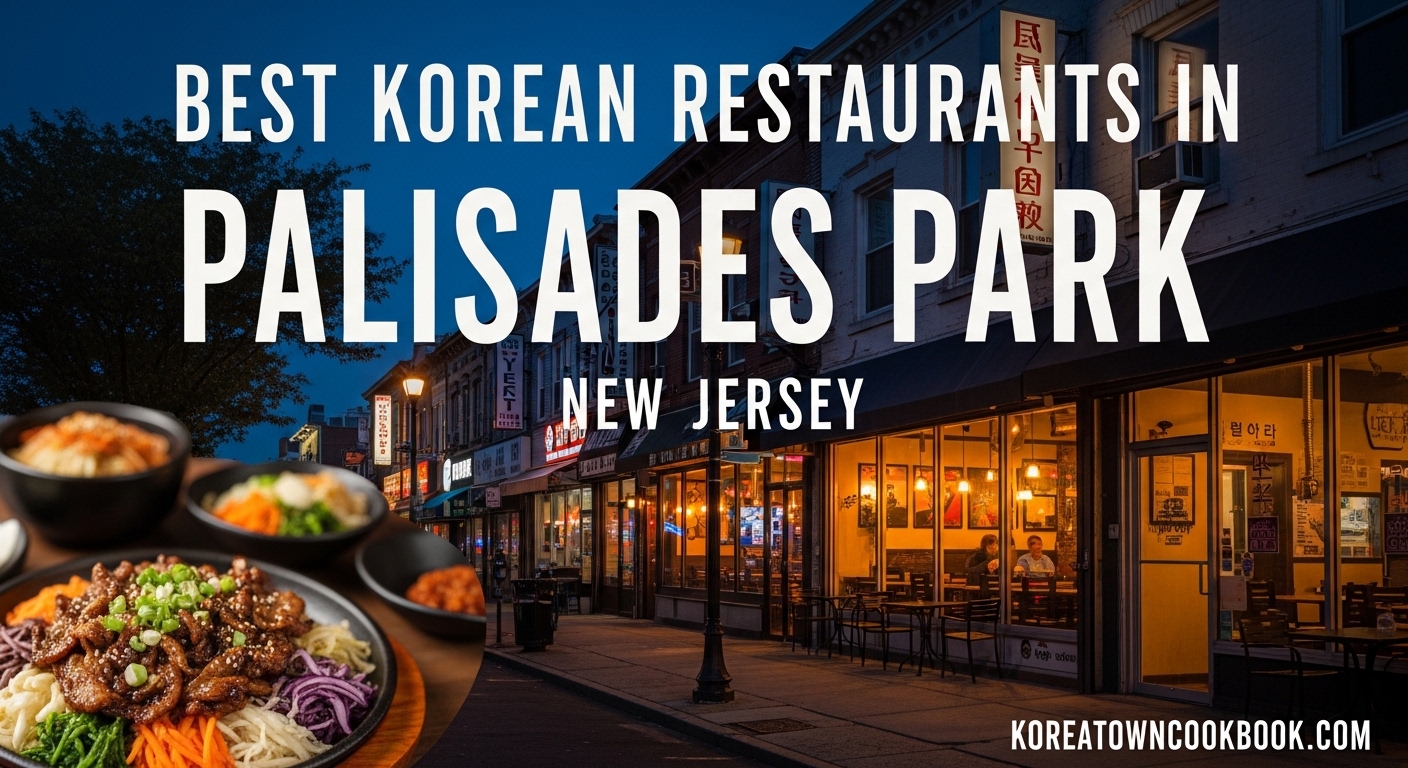
If you are searching for the best Korean restaurants in Palisades Park New Jersey, you have come to the right place. This Bergen County borough has transformed into one of the most authentic Korean food destinations in America, with over 70 Korean restaurants packed along Broad Avenue and its surrounding streets. I have spent months eating my way through this Koreatown on the Hudson, and this guide represents everything I have learned.
Palisades Park earned its nickname for good reason. With more than half of its residents identifying as Korean American, the restaurants here serve food that rivals what you would find in Seoul itself. From late-night Pocha spots to traditional soup houses, the variety is staggering. Whether you want sizzling Korean BBQ, comforting bowls of seolleongtang, or modern Korean fusion, you will find it here.
In this guide, I will walk you through the 10 best Korean restaurants in Palisades Park New Jersey based on local reputation, food quality, and authentic atmosphere. I will also explain why this small town became such a Korean food mecca and share practical tips to help you navigate the dining scene like a local.
Table of Contents
Why Palisades Park Became Koreatown on the Hudson
Before diving into the restaurants, you need to understand what makes this place special. Palisades Park has the highest concentration of Korean Americans of any municipality in the United States, with approximately 52% of residents identifying as Korean. This demographic reality shapes everything about the food scene here.
The Korean population began growing here in the 1970s and 1980s as immigrants sought affordable housing close to New York City. Broad Avenue became the commercial heart of this community, and today it is lined with Korean barbecue restaurants, Pocha pubs, bakeries, and specialty grocery stores. When Koreans in Bergen County want authentic food, they drive to Broad Avenue.
This density creates a competitive environment that benefits diners. Restaurants cannot survive on tourist traffic alone, they must satisfy knowledgeable locals who grew up eating this food. That pressure keeps quality high and prices reasonable. You are eating where Korean families celebrate birthdays, where first-generation immigrants find tastes of home, and where the standards are uncompromising.
The Broad Avenue Food Corridor
Most of the best Korean restaurants in Palisades Park New Jersey cluster along Broad Avenue between East Edsall Boulevard and West Central Boulevard. This stretch is walkable and packed with options. You will find everything from fast-casual spots for quick lunches to upscale BBQ destinations for special occasions. Parking can be challenging during peak dinner hours, so arrive early or consider weekday visits.
10 Best Korean Restaurants in Palisades Park New Jersey
These restaurants represent the diversity and quality of Korean cuisine available in Palisades Park. I have organized them by category to help you choose based on what you are craving.
1. Jujung 주정 Korean Izakaya – Modern Korean Innovation
Jujung brings a contemporary twist to Korean dining with its izakaya-style small plates and creative soju cocktails. With a 4.8-star rating from nearly 400 reviews, it stands as one of the highest-rated Korean restaurants in the area. The atmosphere feels sleek and modern while maintaining authentic Korean flavor profiles.
The menu focuses on anju, Korean drinking food designed to accompany alcohol. Expect dishes like bossam (braised pork belly wraps), jjukkumi (spicy stir-fried octopus), and creative fusion items that you will not find at traditional spots. The soju selection goes well beyond basic varieties, with infused options and premium labels.
What makes Jujung special is its balance of innovation and respect for tradition. The chefs understand classic Korean flavors deeply enough to play with them successfully. This is where I bring friends who think they know Korean food but want to be surprised.
2. Third Floor Pocha & Karaoke – The Full Korean Night Out
Third Floor Pocha achieves something rare: a 4.9-star rating from over 1,100 reviews. That volume of positive feedback tells you this place consistently delivers. As the name suggests, it combines a Pocha-style drinking restaurant with private karaoke rooms, creating the complete Korean nightlife experience.
The food menu covers classic Pocha fare: spicy rice cakes (tteokbokki), Korean fried chicken, seafood pancakes, and various skewers. The portions suit sharing, and the atmosphere encourages groups to order widely and sample everything. Korean beer and soju flow freely, and the energy stays high well into the night.
The karaoke rooms require reservations and fill up quickly on weekends. Even if you are not singing, the main dining area captures that lively Pocha atmosphere: crowded, loud, and completely authentic. This is where Korean Americans celebrate, and you are welcome to join them.
3. Soosanghan BBQ 수상한꽃돼지 – Premium Pork Specialists
Soosanghan BBQ holds a 4.7-star rating and specializes in Korean barbecue with particular expertise in pork. The name references “suspiciously good pork,” and the restaurant delivers on that promise. The menu features premium cuts of samgyeopsal (pork belly) and other pork varieties grilled tableside.
Unlike some all-you-can-eat BBQ spots that sacrifice quality for volume, Soosanghan focuses on meat quality. The servers know exactly how long each cut needs on the grill and will guide your cooking if you are unfamiliar with Korean BBQ technique. The banchan selection rotates seasonally and always includes well-prepared kimchi and pickled vegetables.
The interior feels more upscale than typical BBQ joints, making this suitable for dates or business dinners. Prices run higher than budget options, but the quality justifies the cost. If you want to understand why Korean BBQ became a global phenomenon, start here.
4. Kang Ho Dong Baekjeong – The Celebrity BBQ Experience
Kang Ho Dong Baekjeong operates as part of a popular Korean chain founded by comedian Kang Ho Dong. The brand recognition brings crowds, but the food keeps them returning. The restaurant specializes in high-quality beef BBQ, including marinated galbi (short ribs) and bulgogi.
The dining experience here feels theatrical. Staff prepare much of the meat tableside, demonstrating proper grilling technique and explaining each cut. The menu includes set combinations that let you sample multiple beef varieties, perfect for first-time visitors overwhelmed by choices.
Expect waits during peak hours, especially weekends. The restaurant does not take reservations for small groups, so arrive early or prepare to wait. The energy inside matches the popularity: loud, bustling, and celebratory.
5. So Moon Nan Jip – Traditional Korean Mastery
So Moon Nan Jip has earned its reputation through decades of consistent quality. Unlike trendy newcomers, this restaurant focuses on traditional Korean cuisine executed perfectly. The house-made tofu alone justifies a visit, with texture and flavor that commercial versions cannot match.
The menu emphasizes stews (jjigae), soups (guk), and braised dishes that Korean grandmothers cook at home. The doenjang jjigae (soybean paste stew) and various kimchi stews taste deeply developed, the result of long preparation and quality ingredients. Banchan arrives generously and gets refilled without asking.
The dining room feels unpretentious, almost like eating in someone’s home. Service runs efficient but warm. This is where I go when I want comforting, authentic Korean food without the spectacle of BBQ or the noise of Pocha.
6. Hansang 한상 – Seoul-Style Comfort Food
Hansang positions itself as a destination for authentic Seoul-style cooking, with particular strength in stews, soups, and cold dishes. The restaurant accommodates vegetarians better than many Korean spots, offering meat-free versions of several stews and an array of vegetable side dishes.
The menu spans hot and cold options, making it suitable year-round. In summer, the naengmyeon (cold noodles) refresh with icy broth and chewy buckwheat noodles. In winter, the various jjigaes warm deeply. The braised dishes, particularly galbijjim (braised beef ribs), show the kitchen’s patience and technique.
Prices remain reasonable, and portions satisfy. The restaurant attracts families and older Korean diners, always a good sign for authenticity. If you want to understand everyday Korean eating rather than special-occasion BBQ, Hansang delivers that experience.
7. To Sok Chon 토속촌 – Soup Specialists
To Sok Chon has built its reputation on traditional Korean soups, particularly seolleongtang (ox bone soup) and gomtang (beef bone soup). These milky, white broths require hours of simmering bones to achieve their characteristic richness and depth.
The menu focuses narrowly on these soup categories, offering variations with different cuts of beef, noodles, or rice. Each bowl arrives with green onions, salt, and black pepper for you to season to taste. The proper technique involves adding these gradually as you eat rather than all at once.
This is restorative food, the kind Koreans eat when sick or hungover. The broth satisfies deeply without heaviness, and the noodles provide textural interest. Prices run lower than BBQ spots, making this an affordable entry point into Palisades Park dining.
8. Bunsik Nara 분식나라 – Korean Street Food Central
Bunsik Nara offers something different from the full-service restaurants dominating this list. This fast-casual spot specializes in bunsik, Korean street food and snacks traditionally sold from carts and small shops. The bright, modern interior contrasts with the more traditional atmosphere elsewhere on Broad Avenue.
The menu centers on tteokbokki (spicy rice cakes), kimbap (Korean seaweed rice rolls), sundae (Korean blood sausage), and various battered and fried items. These are the snacks Korean students eat after school and adults grab quickly between activities. The flavors are bold, the prices low, and the service fast.
This is ideal for quick lunches, solo dining, or introducing skeptical eaters to Korean food without a major commitment. The spice levels adjust to preference, and the menu includes milder options for cautious beginners.
9. Kim Ga Meon Ok – The Seolleongtan Expert
Kim Ga Meon Ok competes with To Sok Chon for soup supremacy in Palisades Park, with particular expertise in seolleongtang. The broth here achieves that ideal milky-white color and rich mouthfeel that indicates proper bone-simmering technique.
The menu extends beyond soup to various noodle dishes and rice combinations, but the seolleongtang remains the star. Each bowl includes tender beef slices and chewy noodles in that deeply satisfying broth. Like at To Sok Chon, you season your own bowl at the table.
The restaurant feels casual and functional rather than atmospheric. People come here specifically for the soup, not for a dining experience. That focus produces excellent results for this specific category of Korean food.
10. Ahjae Gookbap – Korean Comfort Food
Ahjae Gookbap rounds out this list with its focus on gukbap, a category of Korean comfort food featuring rice served with soup. The concept sounds simple, but execution requires careful preparation of both components.
The menu offers various soup options to accompany your rice, from hearty meat-based versions to lighter seafood varieties. Each combination provides complete, satisfying nutrition that explains why Koreans consider this the ultimate comfort food.
The atmosphere runs casual and welcoming, with quick service and reasonable prices. This is working-class Korean food done right, the kind of place where regulars have standing orders and newcomers get treated like neighbors.
Essential Tips for Dining at Korean Restaurants in Palisades Park
Navigating the Korean food scene here requires some knowledge. These tips will help you eat like someone who grew up with this cuisine.
Understanding Banchan
Banchan are the small side dishes that arrive automatically at Korean restaurants. Expect kimchi, pickled vegetables, seasoned bean sprouts, and various other items. These are not appetizers but accompaniments meant to be eaten throughout your meal. They refill for free, so do not hesitate to ask.
Korean BBQ Etiquette
At Korean BBQ restaurants, servers will often begin cooking your meat for you. Let them demonstrate proper technique. Cook times vary by cut, thin slices need just moments while thicker pieces require patience. Wrap grilled meat in lettuce leaves with rice, ssamjang (wrapping sauce), and garlic for the full experience.
Timing Your Visit
Dinner service runs from approximately 5 PM to 10 PM, with peak crowds between 7 PM and 9 PM on weekends. Arrive by 6 PM or after 9 PM to avoid waits. Many restaurants close one day per week, often Mondays, so check before visiting. Lunch service typically offers lower prices with slightly smaller portions.
Parking Considerations
Parking along Broad Avenue challenges even experienced visitors. Look for municipal lots behind the main commercial strip or consider side streets. Some restaurants offer valet parking during dinner hours. If you are driving from Manhattan or other parts of New Jersey, budget extra time for parking searches.
FAQ
Why is Palisades Park so Korean?
Palisades Park has the highest concentration of Korean Americans of any US municipality, with approximately 52% of residents identifying as Korean. Korean immigration began in the 1970s as families sought affordable housing near New York City. Over decades, Broad Avenue developed into a thriving Korean commercial corridor with restaurants, grocery stores, and professional services serving this community. The density of Korean residents supports authentic restaurants that cater to locals rather than tourists.
Is Korean barbecue healthy or unhealthy?
Korean BBQ offers both healthy and indulgent elements. The grilled meats provide protein, and wrapping them in lettuce with vegetables creates balanced bites. However, Korean BBQ can be high in sodium from marinades and calorie-dense from fatty cuts of meat. Healthier choices include lean beef cuts, plenty of vegetables, and moderation in portion size. The banchan side dishes offer vegetables that add nutritional balance to the meal.
Where do most Koreans live in New Jersey?
The largest Korean populations in New Jersey concentrate in Bergen County, particularly Palisades Park, Fort Lee, and Leonia. Palisades Park has the highest percentage of Korean residents at approximately 52%. Fort Lee follows with significant Korean American populations. These communities developed along the Hudson River with convenient access to Manhattan while offering more affordable housing than New York City.
Do I need reservations for Korean restaurants in Palisades Park?
Reservation policies vary by restaurant. Upscale Korean BBQ spots like Kang Ho Dong Baekjeong often require waits for small groups and only take reservations for larger parties. Pocha restaurants with karaoke rooms at Third Floor Pocha require advance booking for the private rooms. Traditional restaurants like So Moon Nan Jip and To Sok Chon rarely require reservations except for large groups. Call ahead for weekend dinner visits to popular spots.
Conclusion: Your Korean Food Journey Starts Here
The best Korean restaurants in Palisades Park New Jersey offer something increasingly rare: authentic ethnic cuisine supported by a genuine community rather than marketed to tourists. When you eat here, you are experiencing Korean food as Koreans eat it, judged by standards that do not accommodate foreign palates.
Whether you choose the modern innovation at Jujung, the theatrical BBQ at Kang Ho Dong Baekjeong, the restorative soups at To Sok Chon, or the full Pocha experience at Third Floor, you will find food that teaches you something about Korean culture. Bring friends, order widely, and do not rush. Korean dining rewards those who linger.
Palisades Park represents one of America’s great food destinations hiding in plain sight. The Koreatown on the Hudson deserves recognition alongside better-known ethnic food neighborhoods. Start with this list, but leave room for discovery. The next great Korean restaurant might open tomorrow on Broad Avenue.